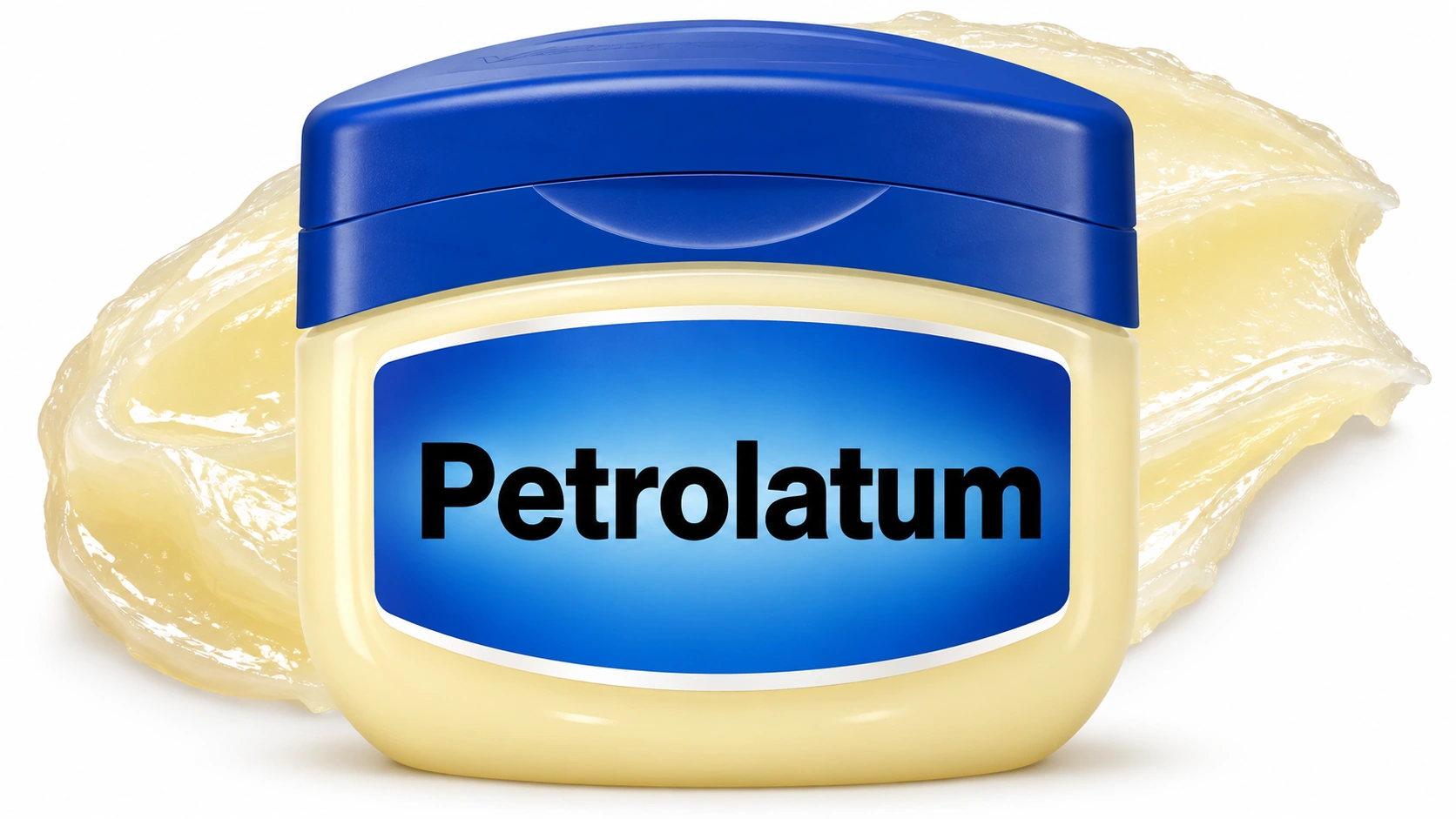
Plain petrolatum barrier
ListedProtects against saliva and repeated wetting.
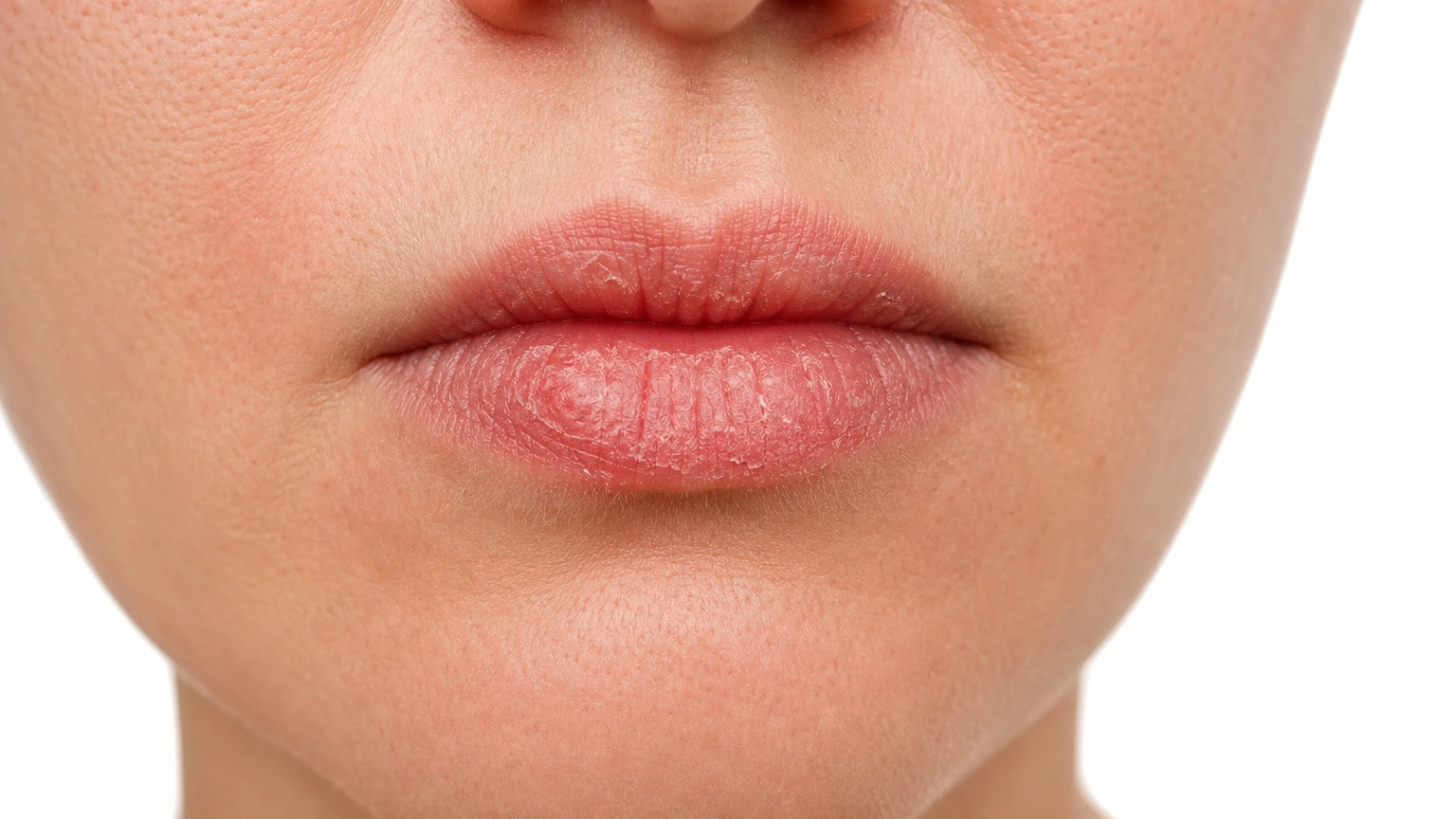
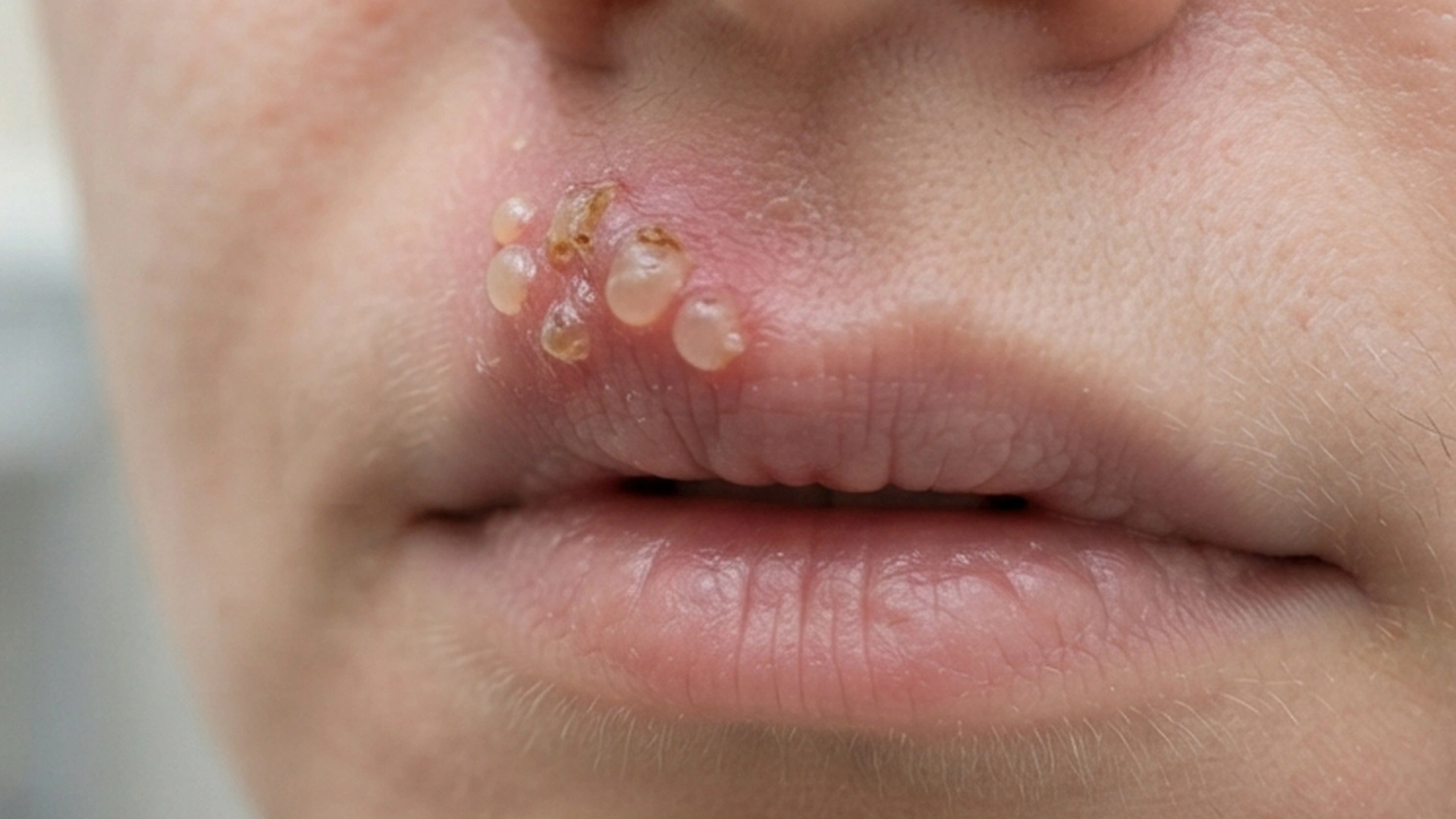
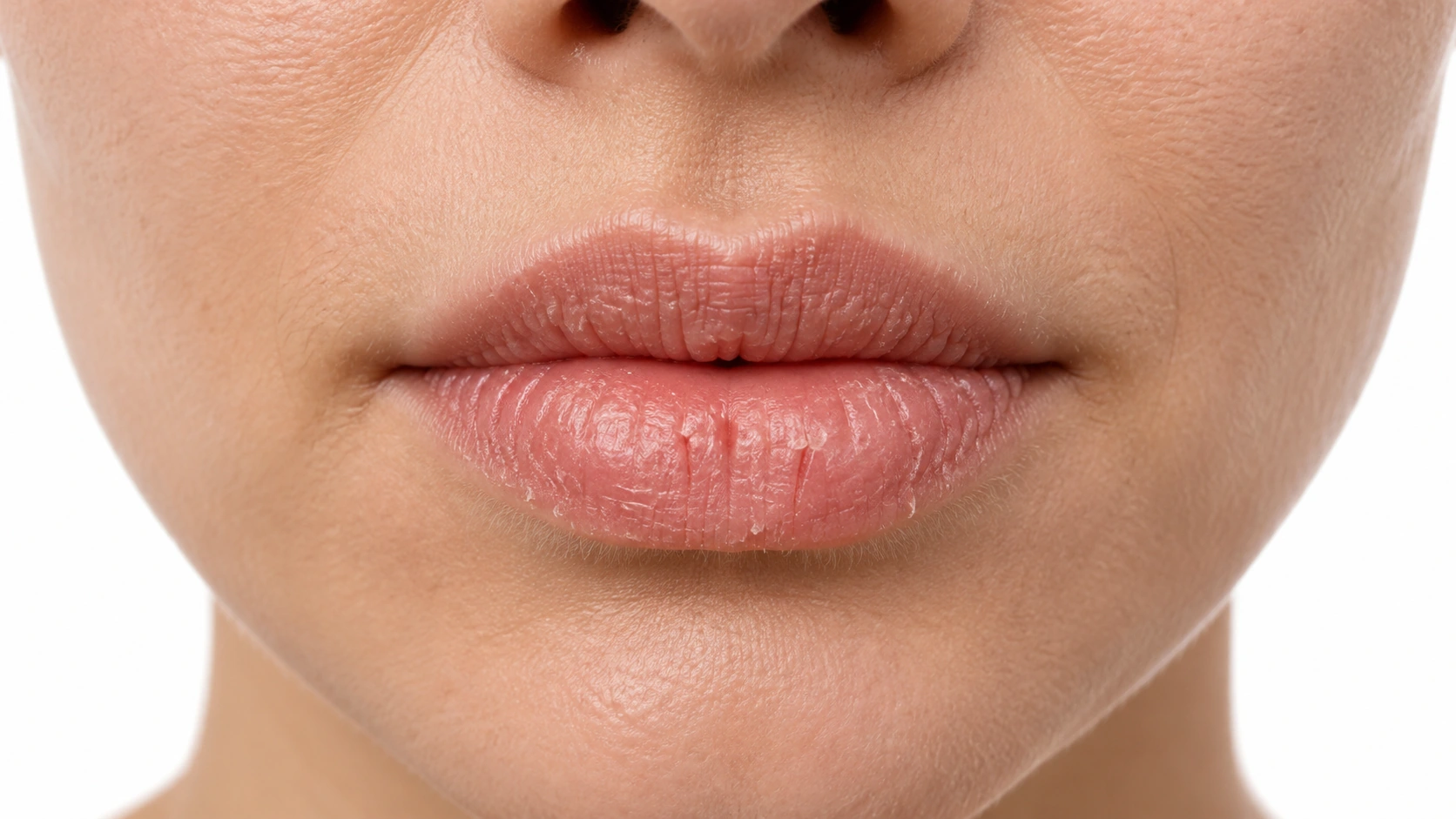
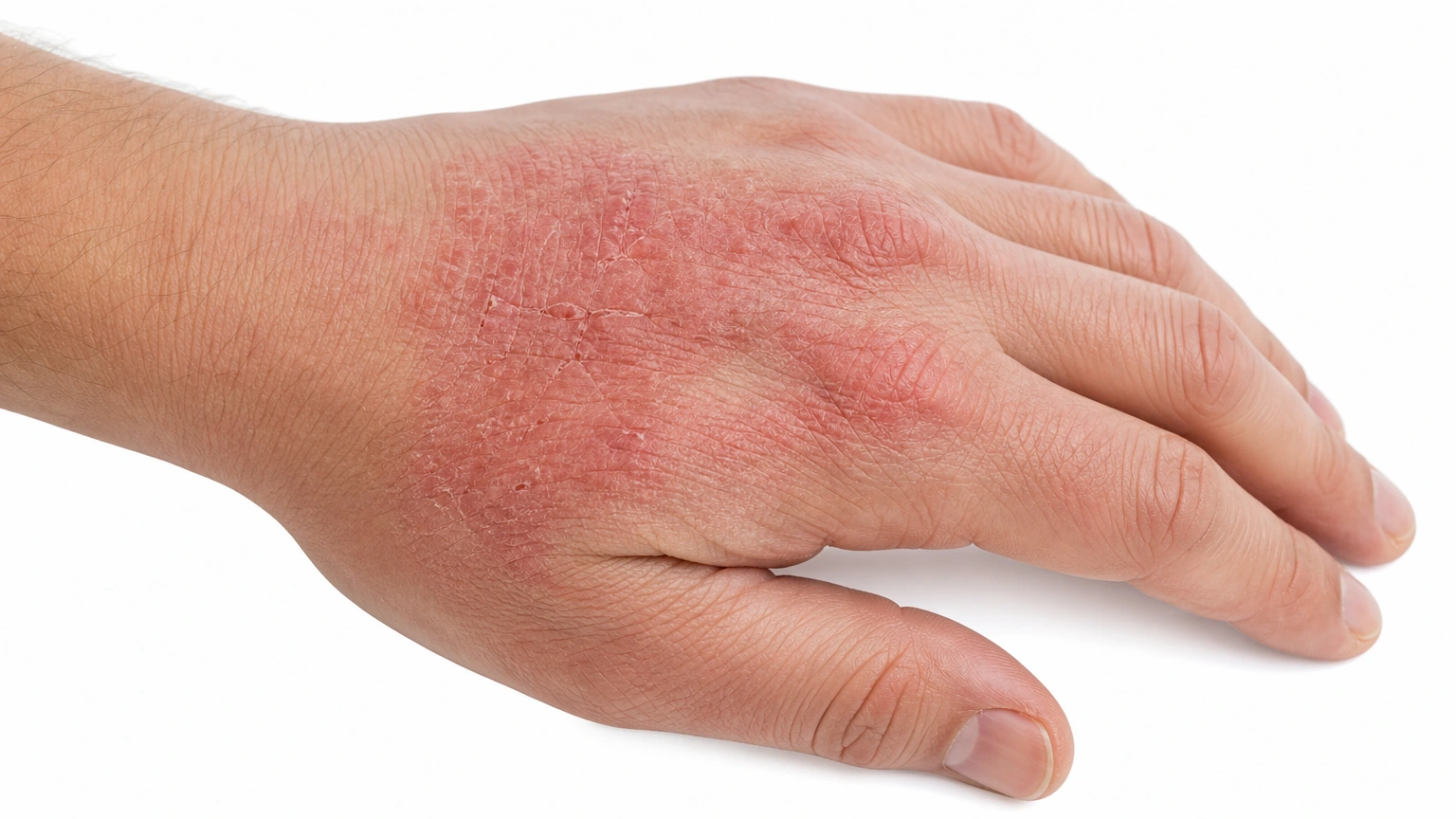
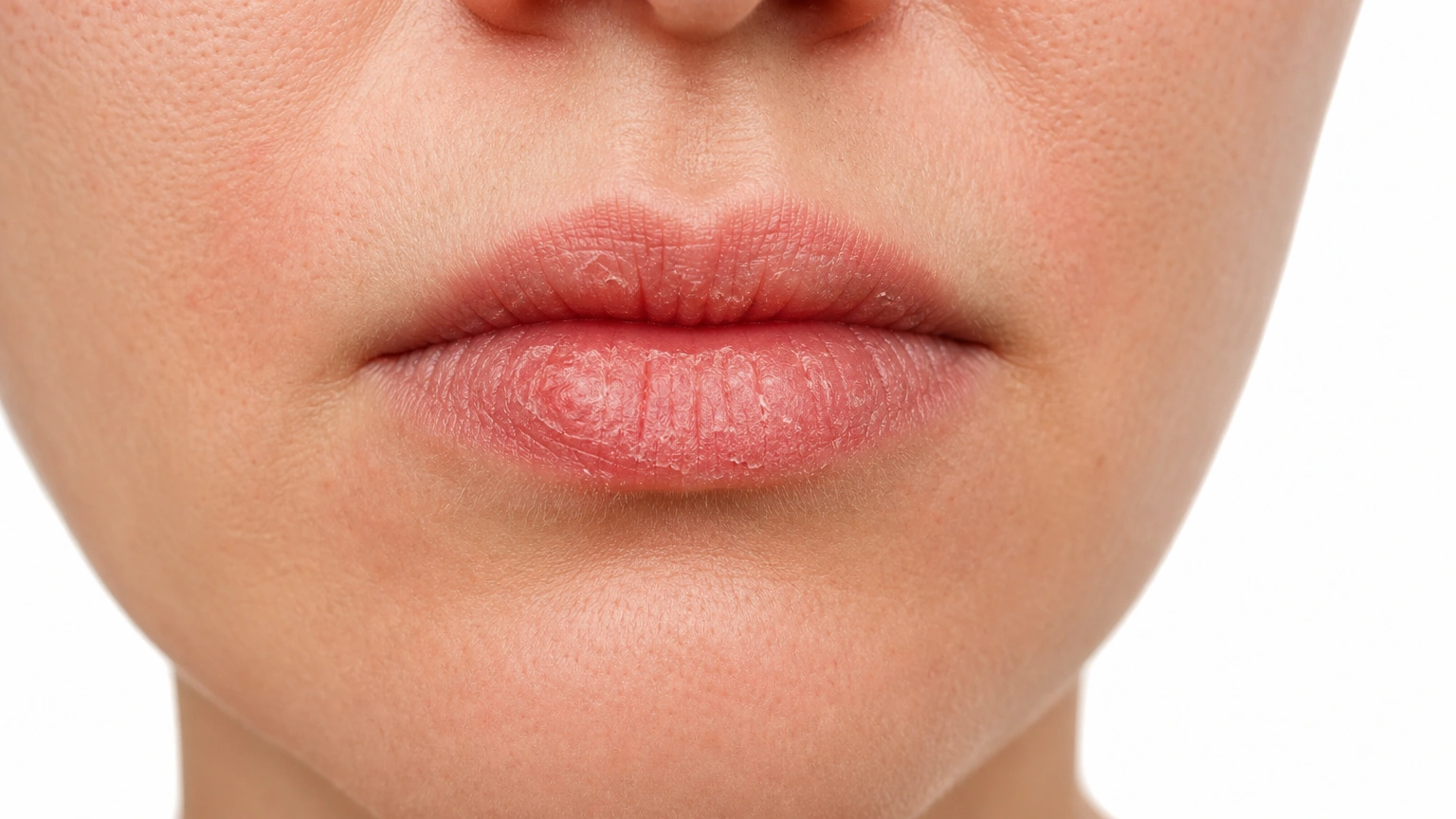
Angular cheilitis causes inflamed fissures at one or both mouth corners. Allergic contact cheilitis is lip eczema caused by a delayed reaction to a contact allergen.
The same eight facts on every condition comparison.
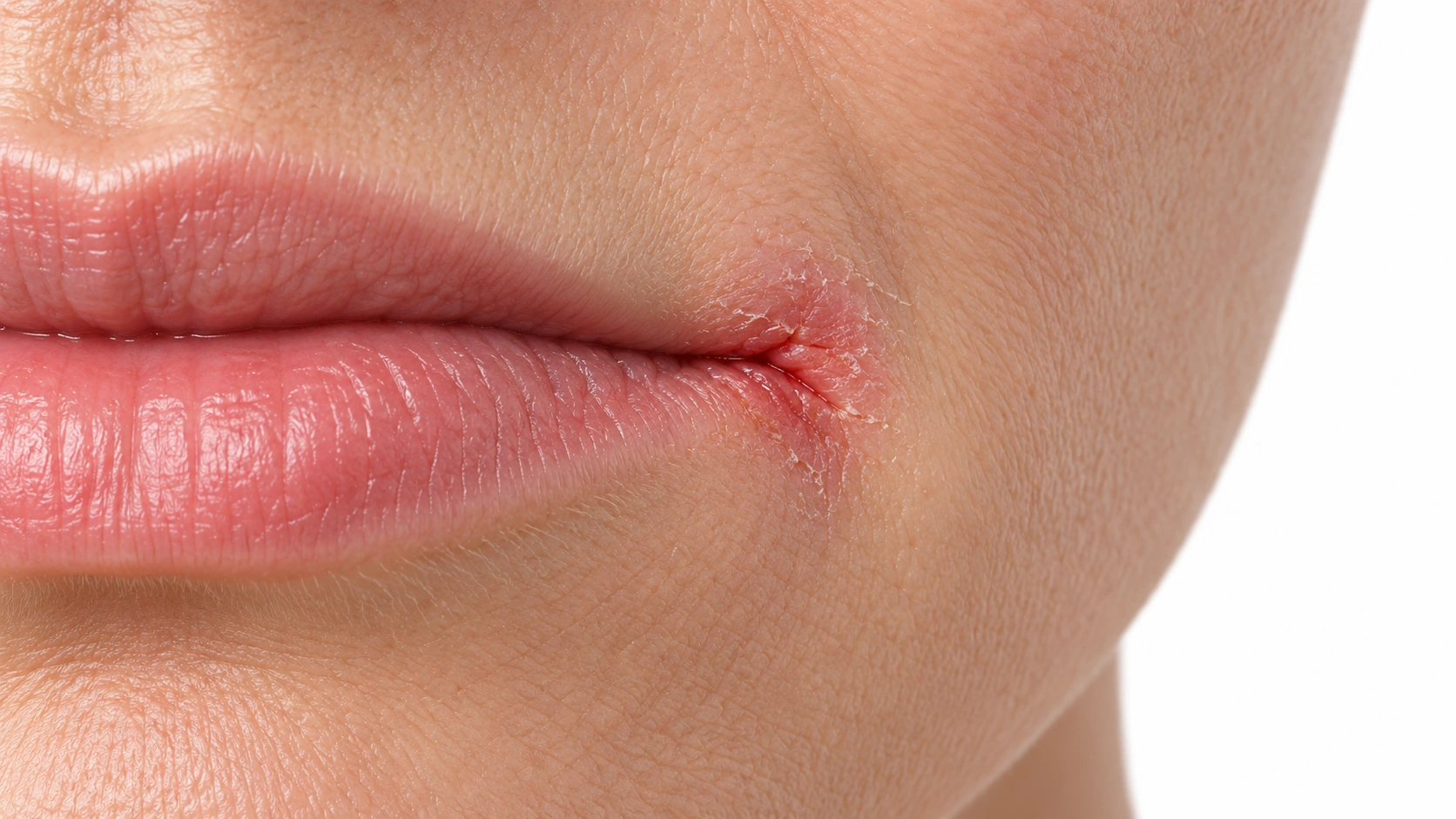
Cracked Mouth Corners A small fissure interrupts the skin where the lips meet.
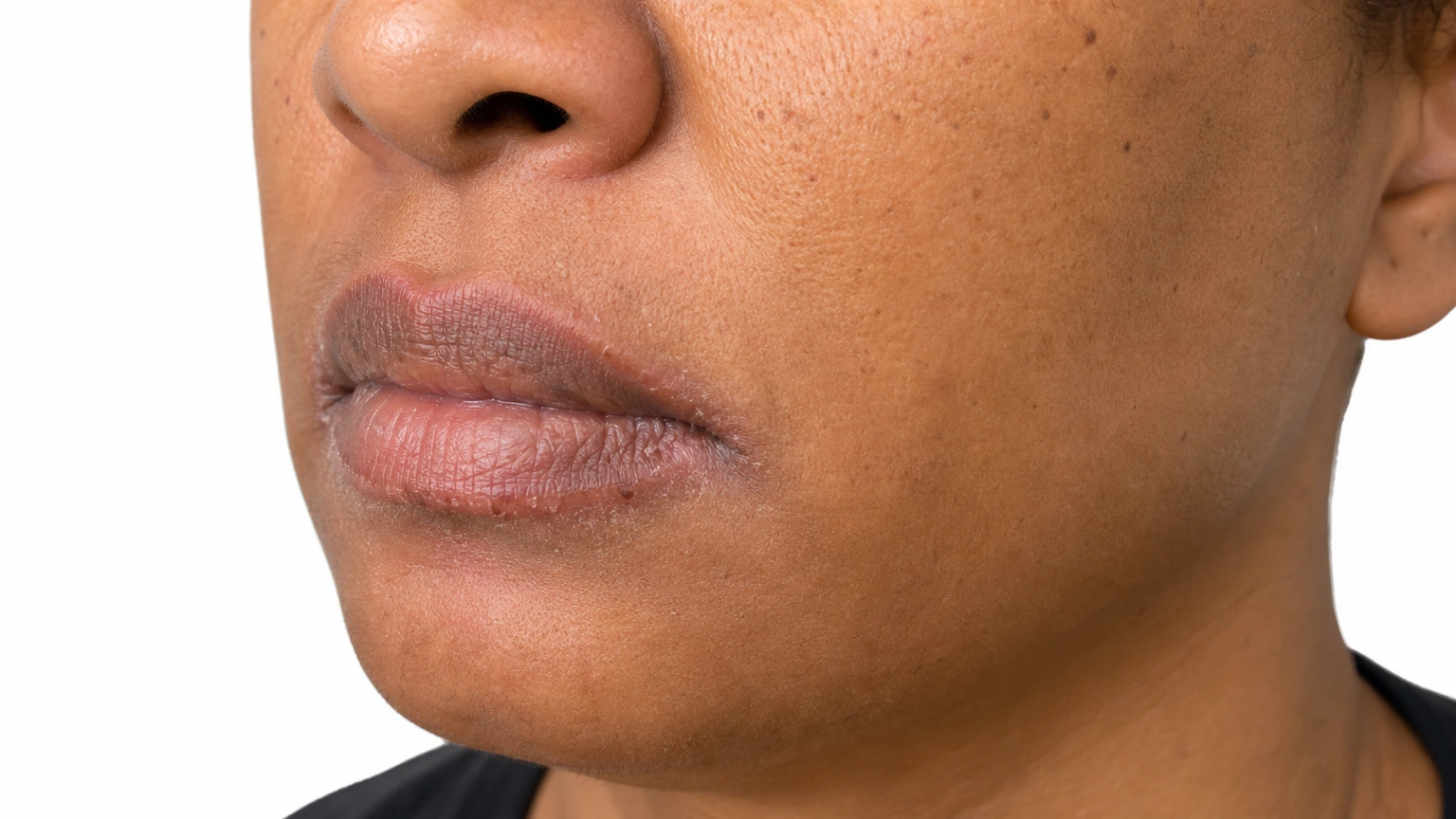
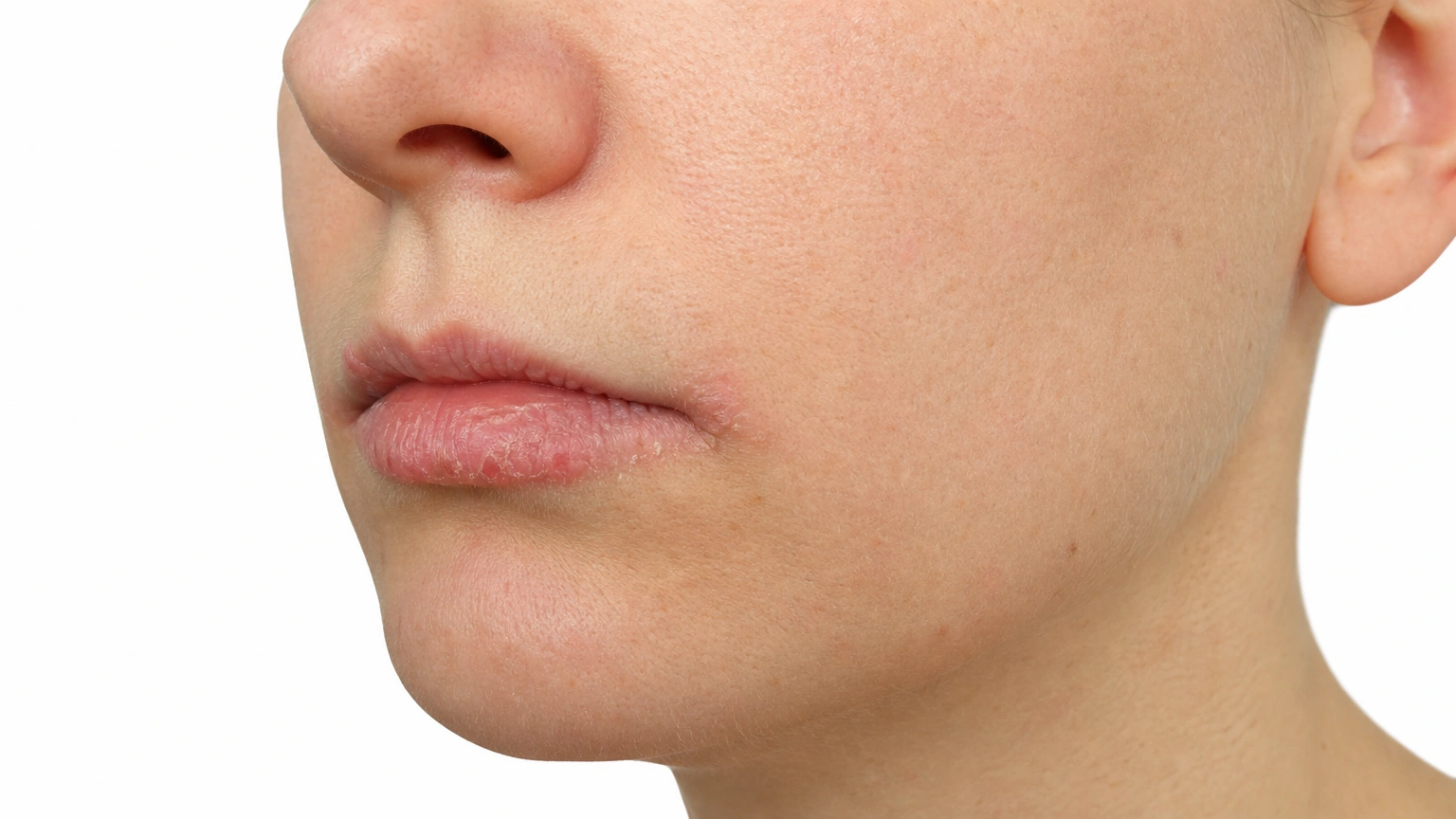
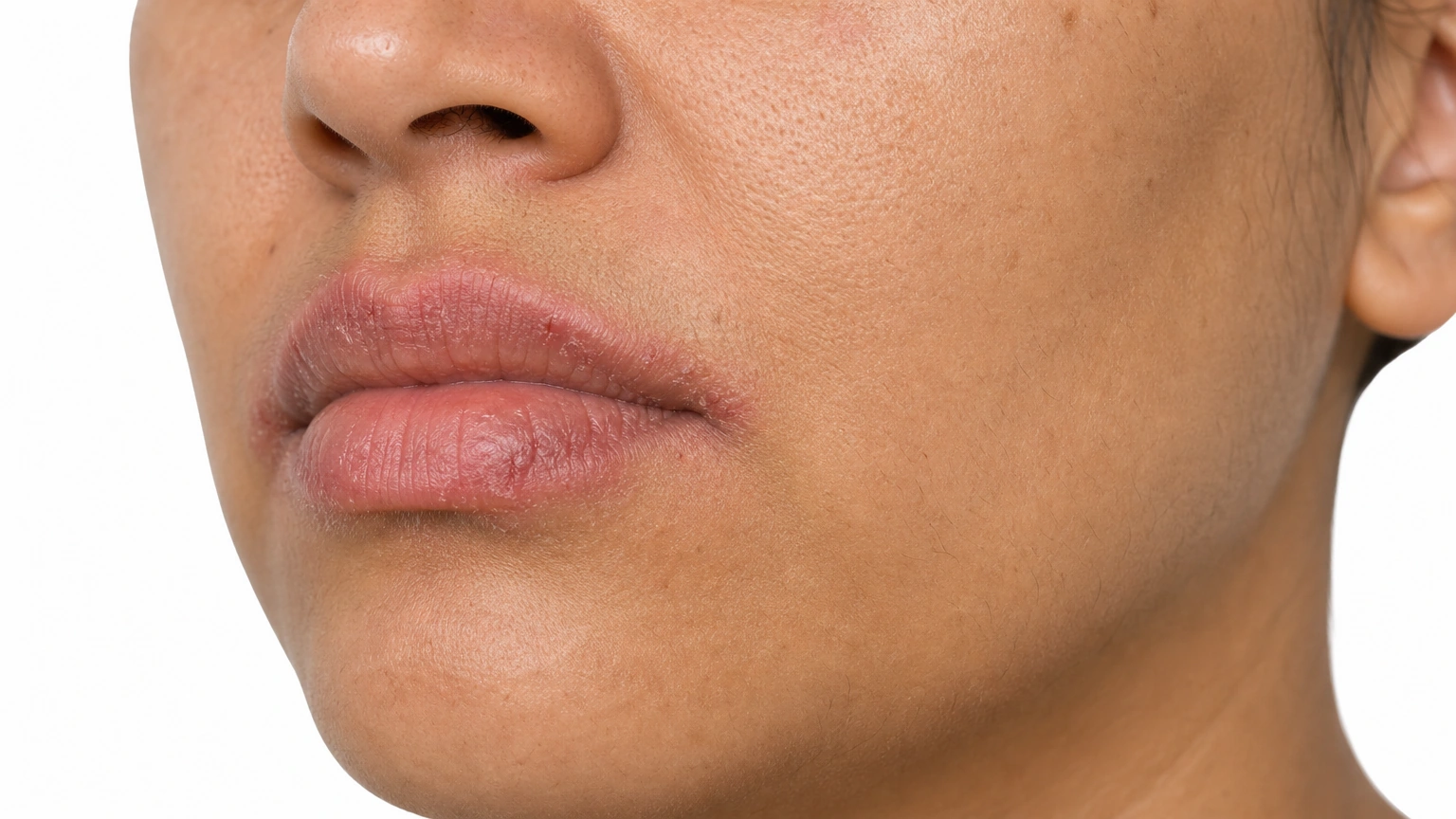
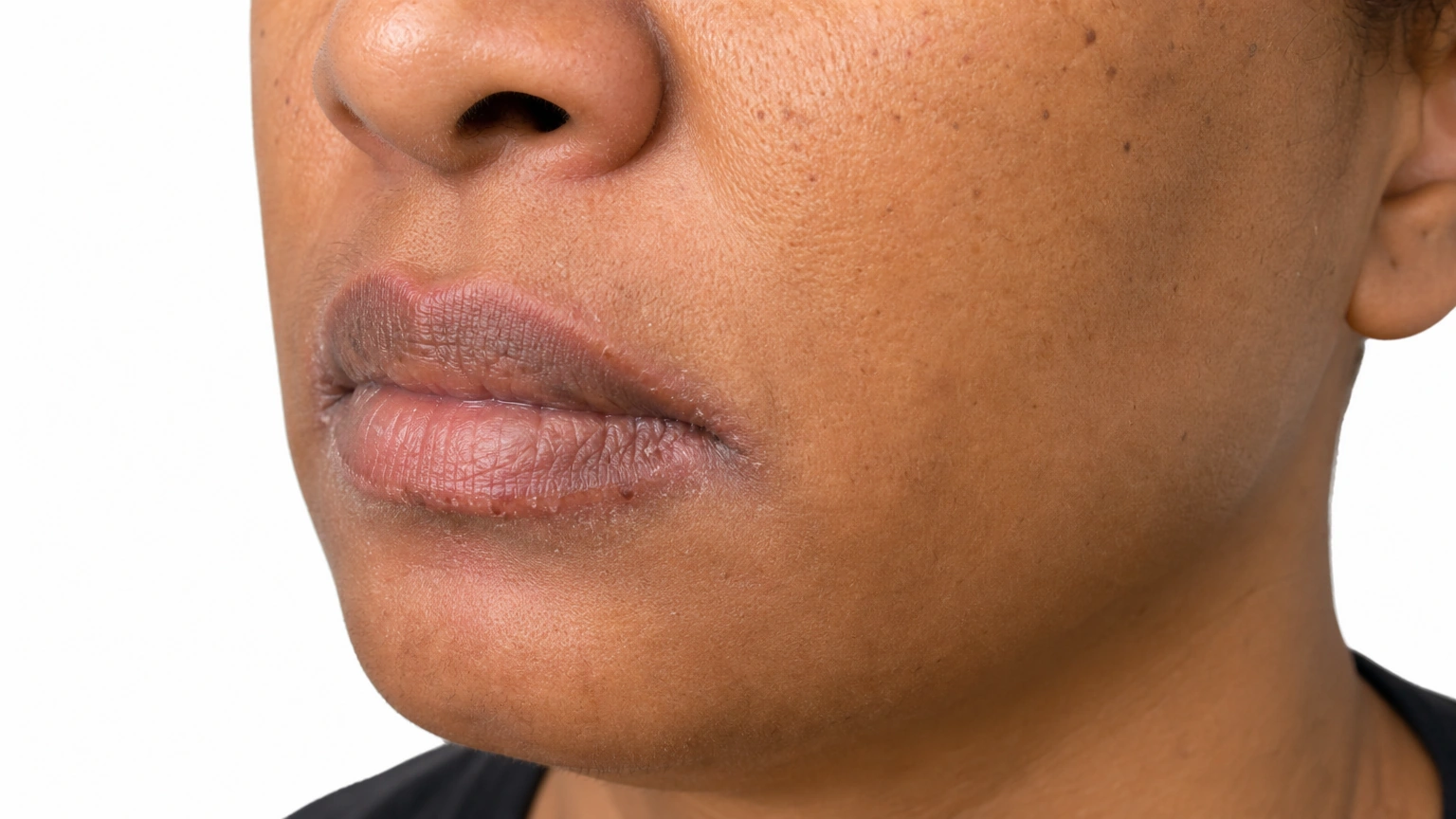
Allergic Contact on Lips Redness and flaking extend from the lips onto the nearby skin.
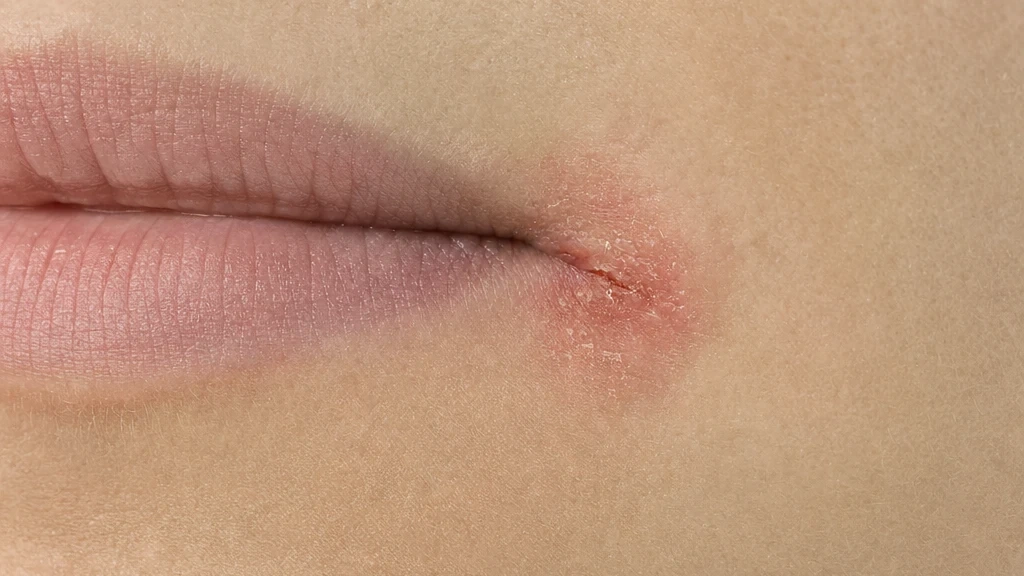
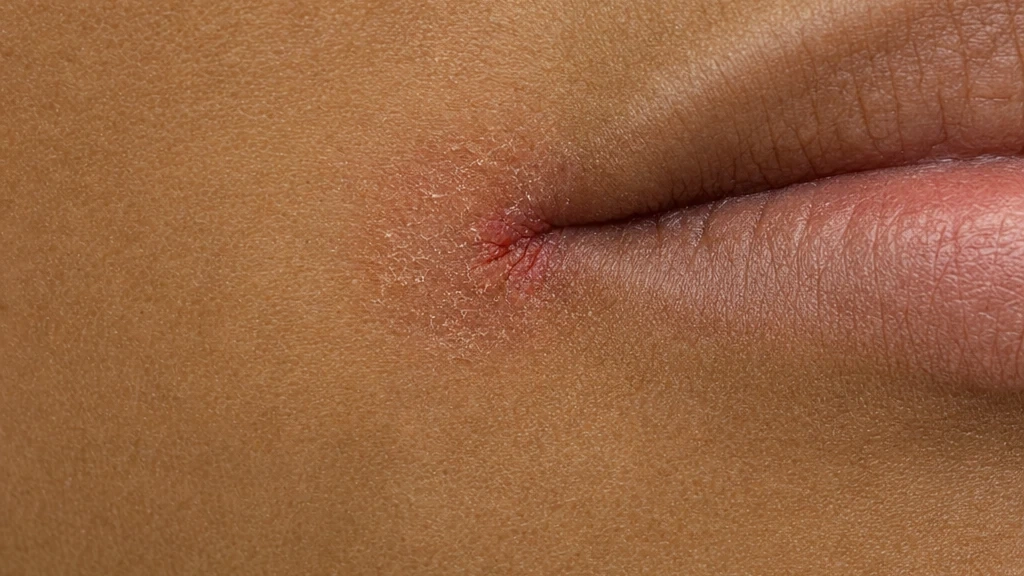
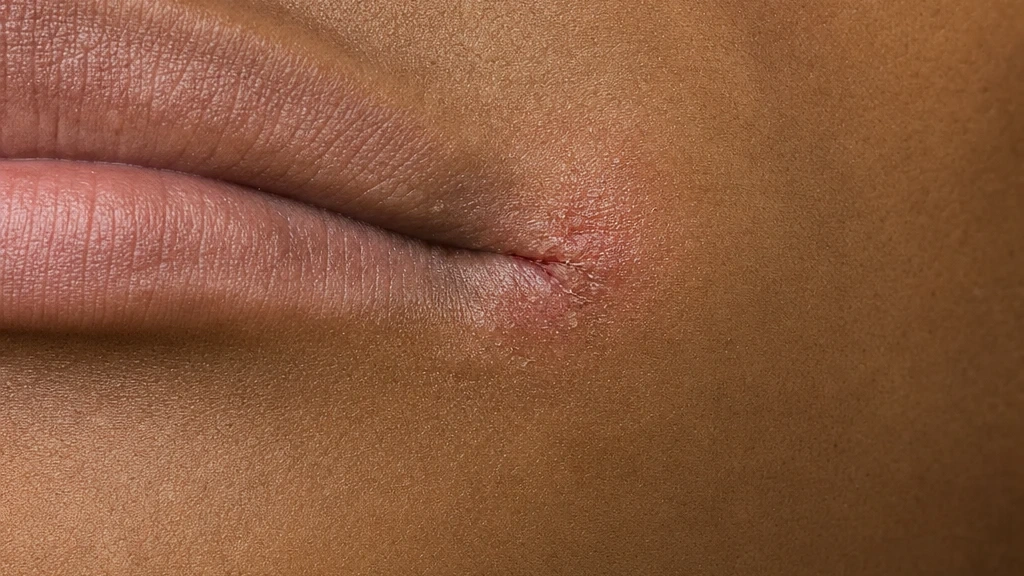
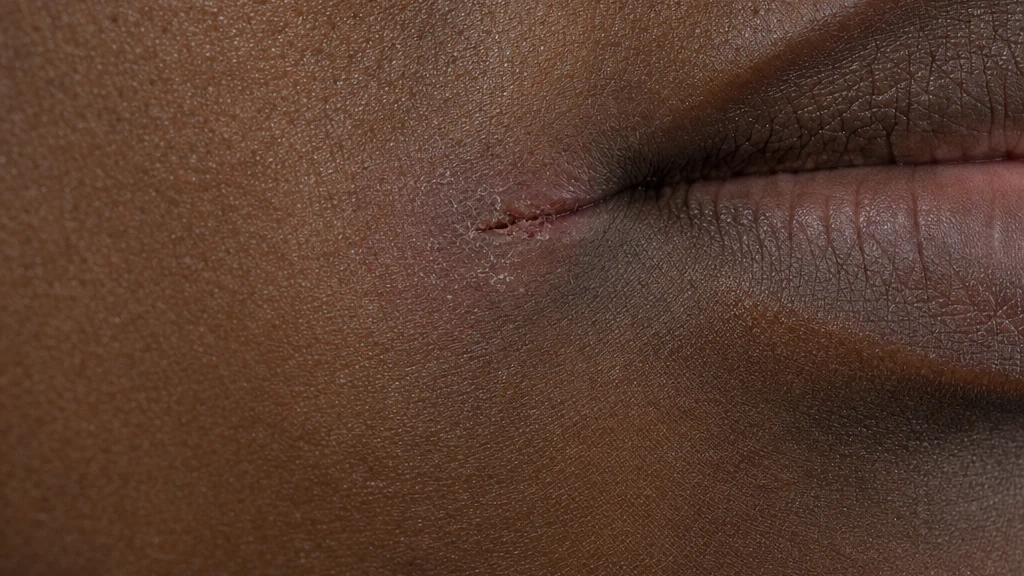
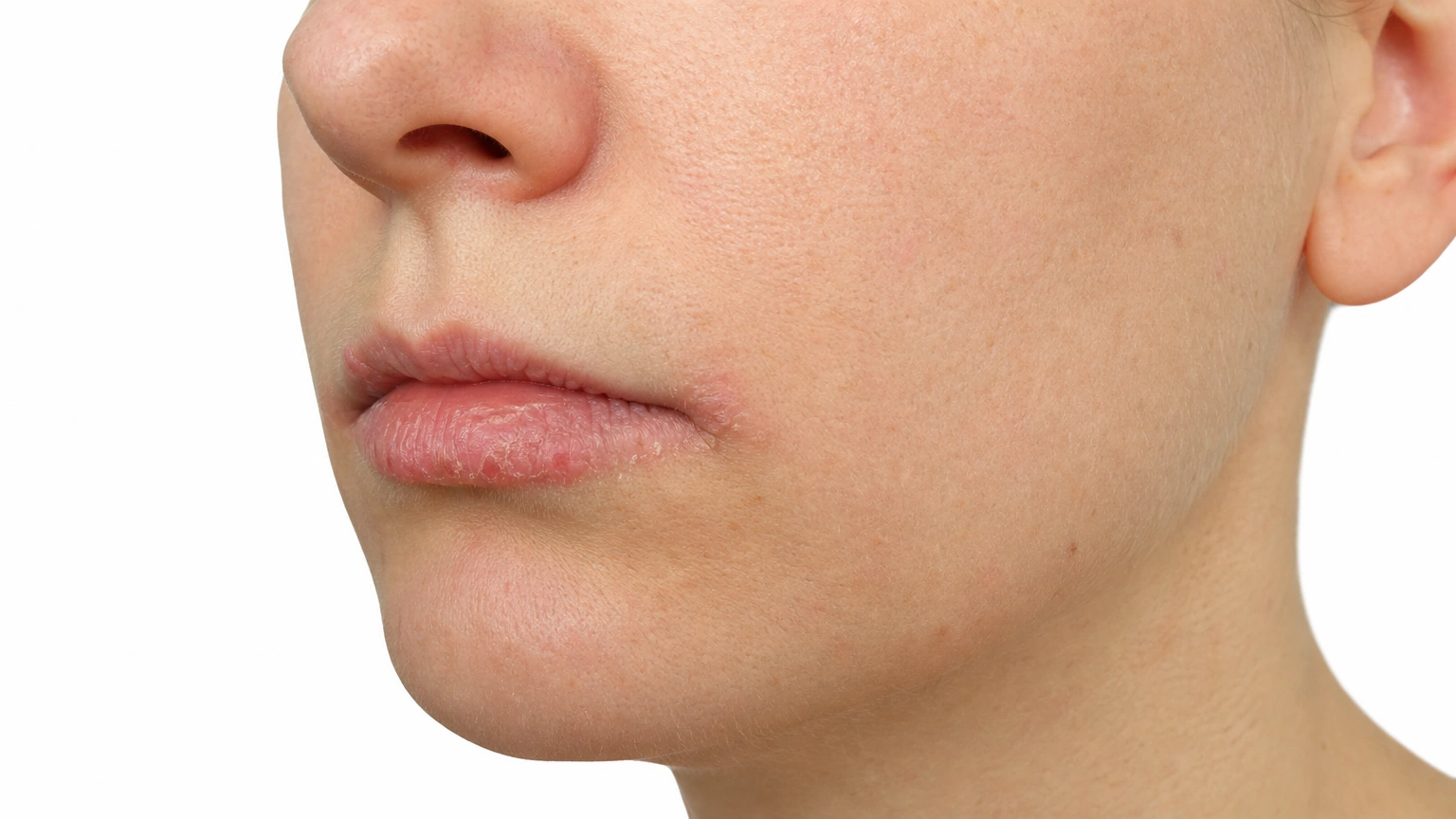
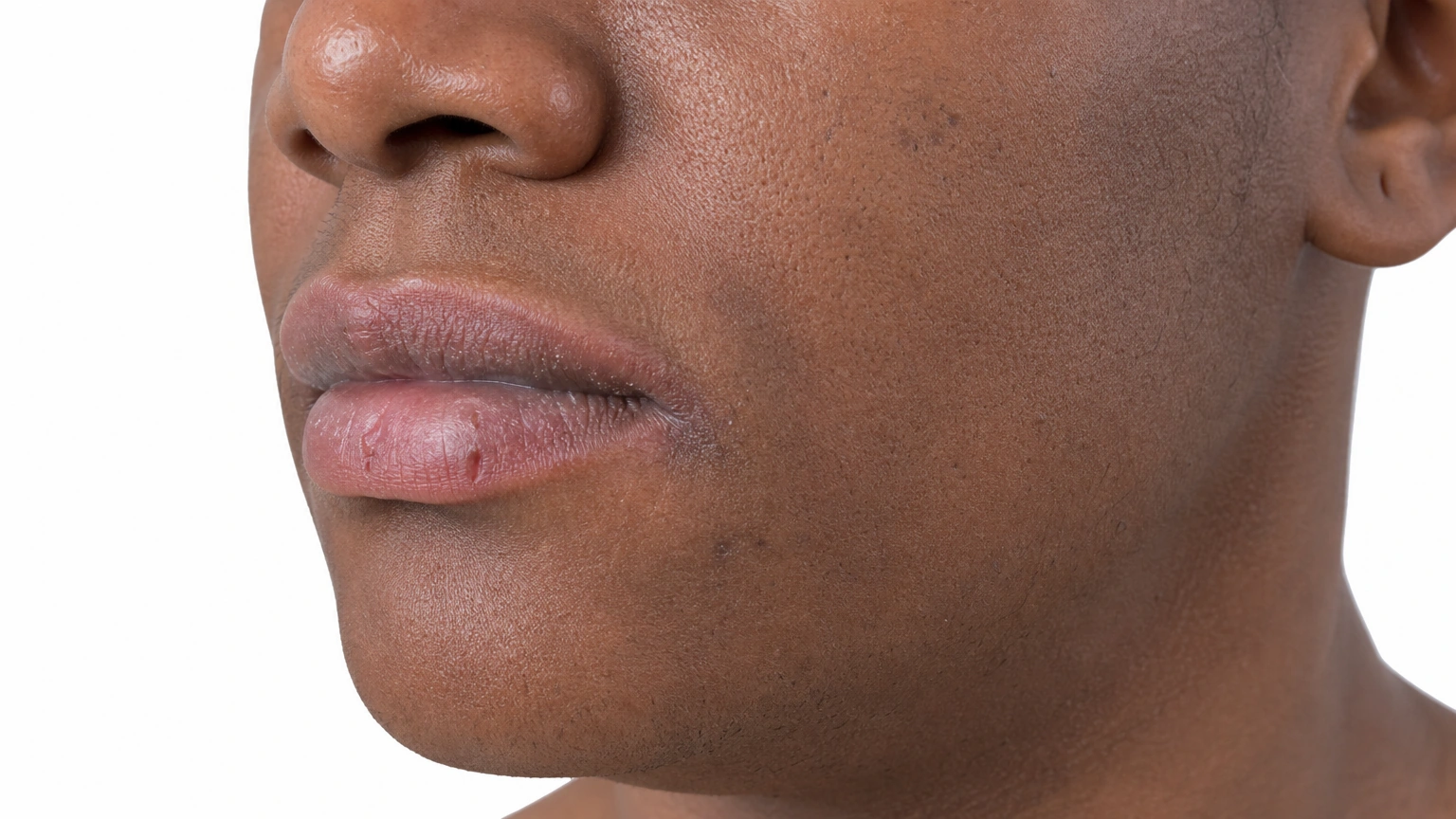
Saliva and repeated wetting weaken the barrier at the mouth corners. Candida or bacteria can contribute to inflammation in the damaged skin.
After sensitization, the immune system reacts to a substance contacting the lips. Ingredients in lip products, toothpaste or other exposures can trigger the resulting inflammation.
Cracked Mouth Corners. Can develop at any age.
Allergic Contact on Lips. Can start at any age after relevant exposures or barrier damage.
Saliva exposure damages the barrier; Candida or bacteria may contribute.
Sensitisation to ingredients in lip products, toothpaste or other contacts produces inflammation.
Evidence labels come from each condition’s own treatment list.
Protects against saliva and repeated wetting.
Protects the lip barrier; choose an unflavoured, fragrance-free product.
A clinician may select an antifungal, antibacterial or anti-inflammatory if examination supports it.
The corners often improve when moisture, irritation and any infection are addressed. Recurrence is possible if the underlying contributor remains; persistent cracking needs reassessment.
Lip eczema can improve once the relevant allergen is identified and avoided. The allergy tendency remains, so renewed exposure can bring the rash back.
Recurrent episodes may need evaluation for dental fit, deficiency or other contributors.
Cracked skin may become infected; repeated exposure can make the rash persistent.
Have persistent, recurrent or one-sided cracking examined.
Seek care for persistent rash, painful cracks or possible infection.
Angular cheilitis causes inflamed fissures at one or both mouth corners.
Use a plain protective ointment and reduce licking; check denture fit if relevant.
Have persistent, recurrent or one-sided cracking examined.
Allergic contact cheilitis is lip eczema caused by a delayed reaction to a contact allergen.
Use plain petrolatum and avoid suspect lip products. Patch testing can guide avoidance.
Seek care for persistent rash, painful cracks or possible infection.
Sources