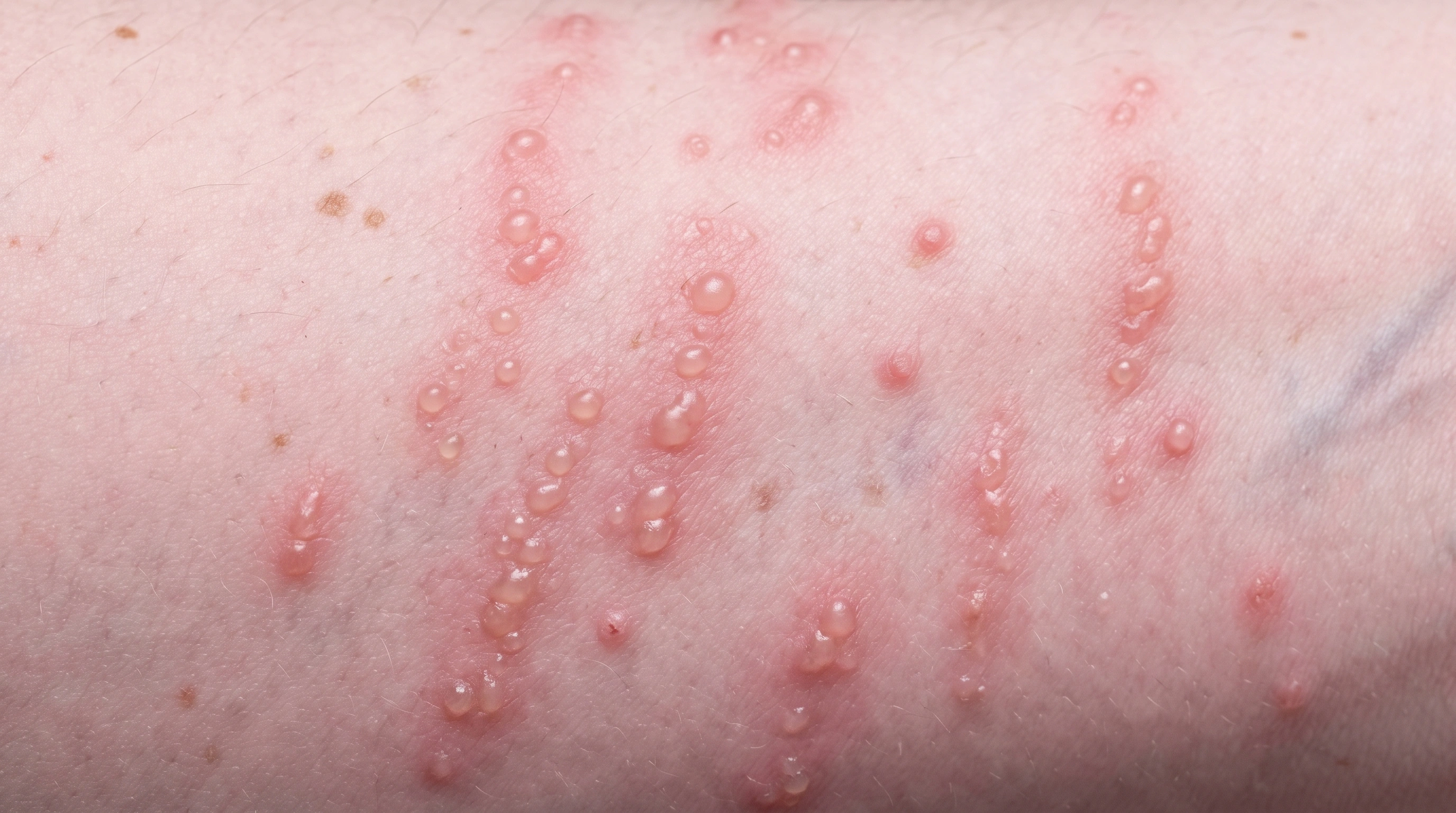
Cracked Mouth Corners vs Oral Candidiasis

Angular cheilitis causes inflamed fissures at one or both mouth corners. An overgrowth of Candida yeast in the mouth, also called thrush.
Research updated 2026-10-23
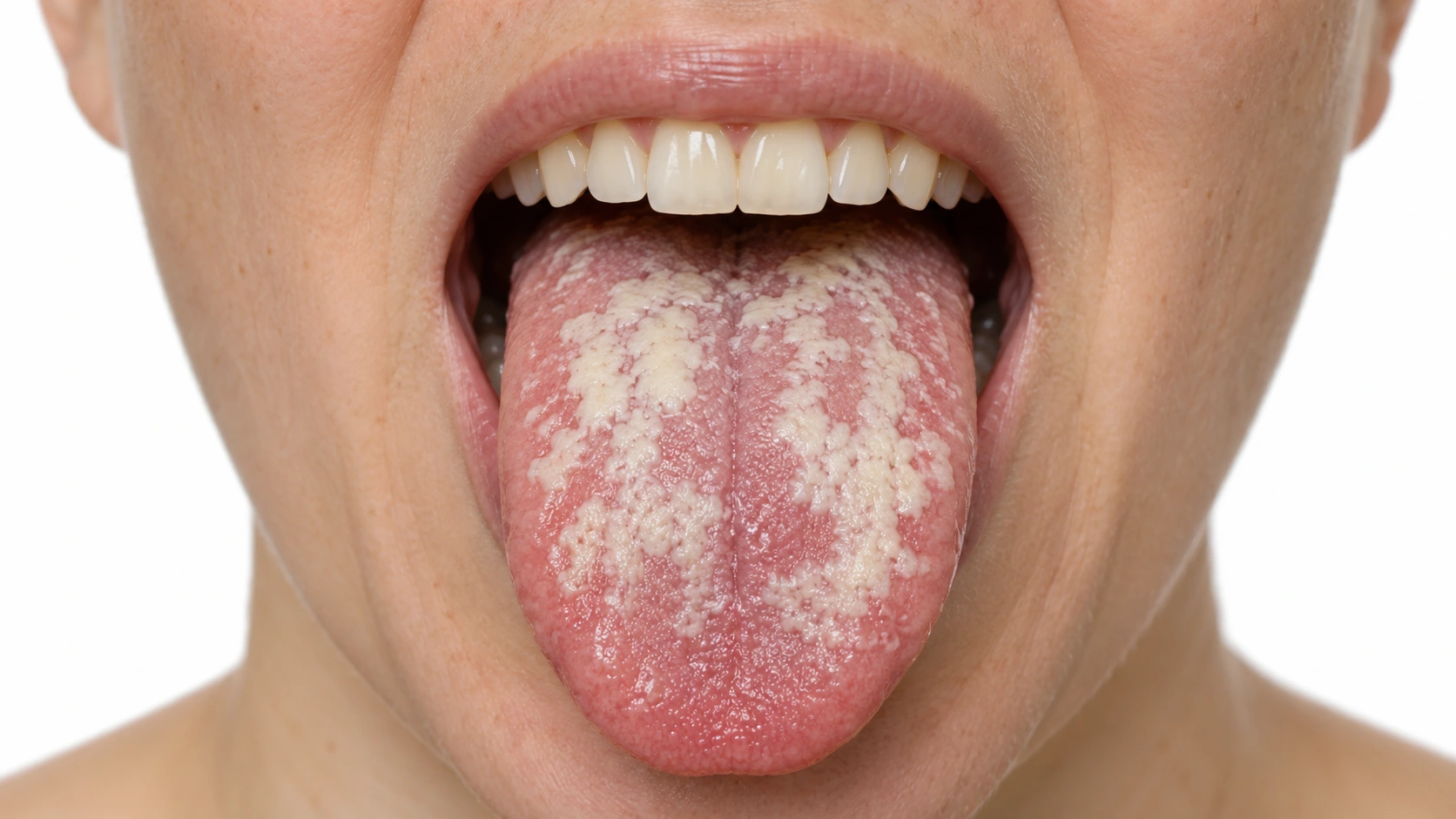
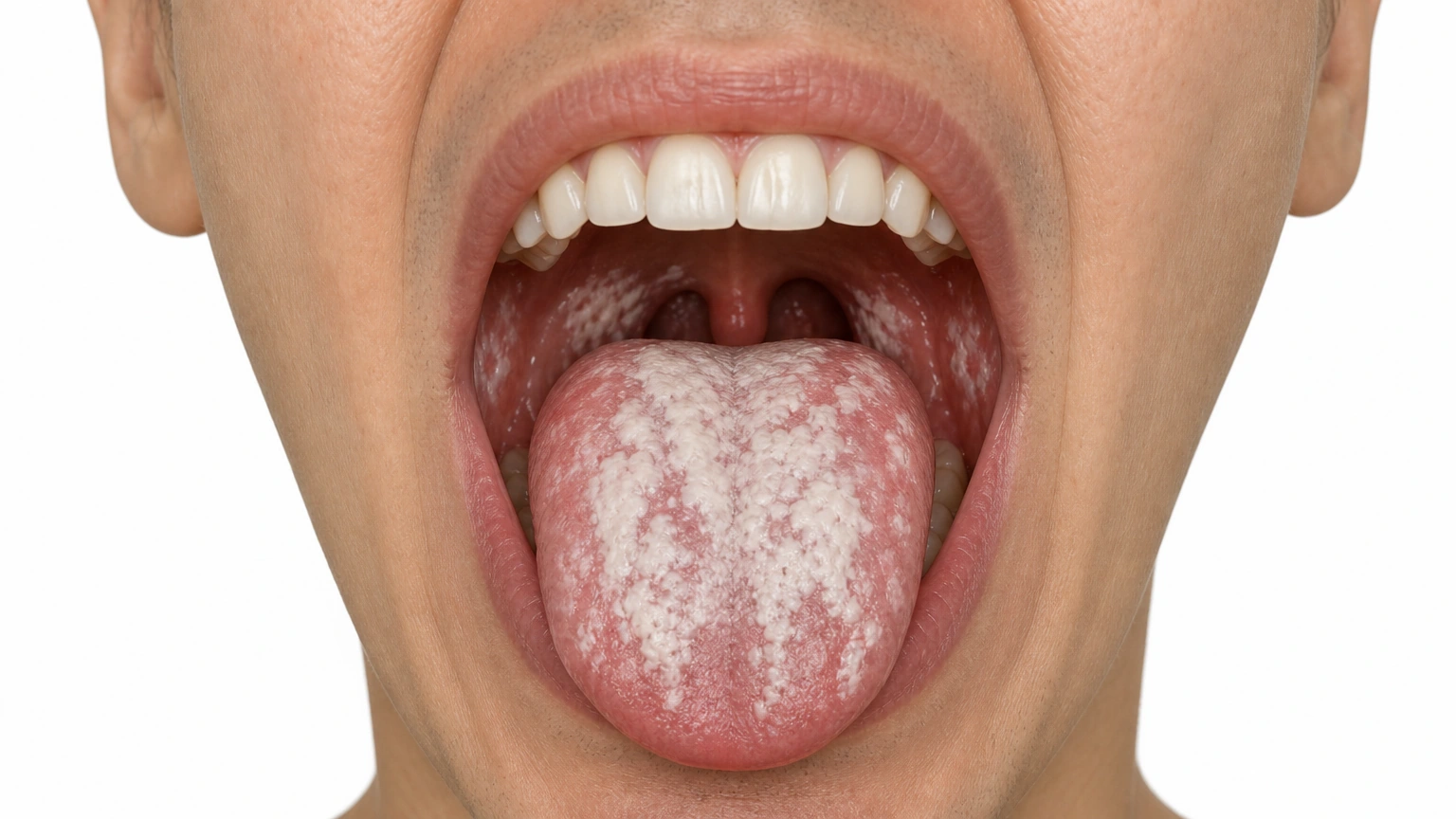
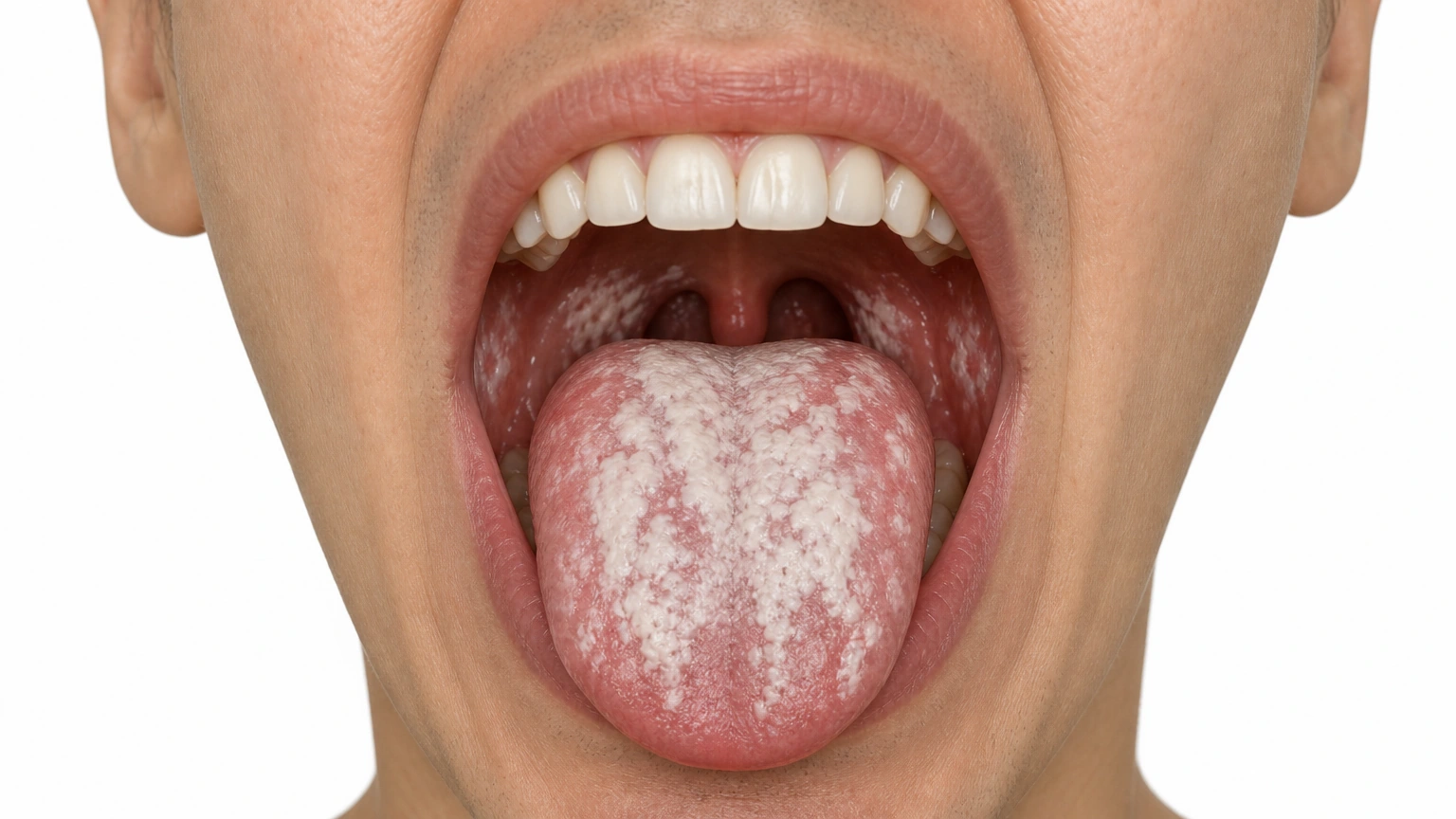
Cracked Mouth CornersAI-generated educational illustration: White curd-like plaques over the tongue and oral mucosa, representing oral candidiasis.

Key differences

The same eight facts on every condition comparison.

Usual age
Any age
Babies and older adults
Where
Corners of the mouth
Inside the mouth
Main sign
Red, cracked mouth corners
White patches that wipe off
Itch or pain
Sore
Sore or burning
Contagious
No
Rarely
Long term
Clears with treatment; can recur
Clears with treatment
Scars
No
No
Who gets it
Dentures, lip licking, deep folds
Babies, denture wearers, inhaler users

What is it?

Cracked Mouth Corners
Oral Candidiasis
What is it?
  • What it is
    Angular cheilitis causes inflamed fissures at one or both mouth corners.
  • What it is
    An overgrowth of Candida yeast in the mouth, also called thrush.

What it looks like

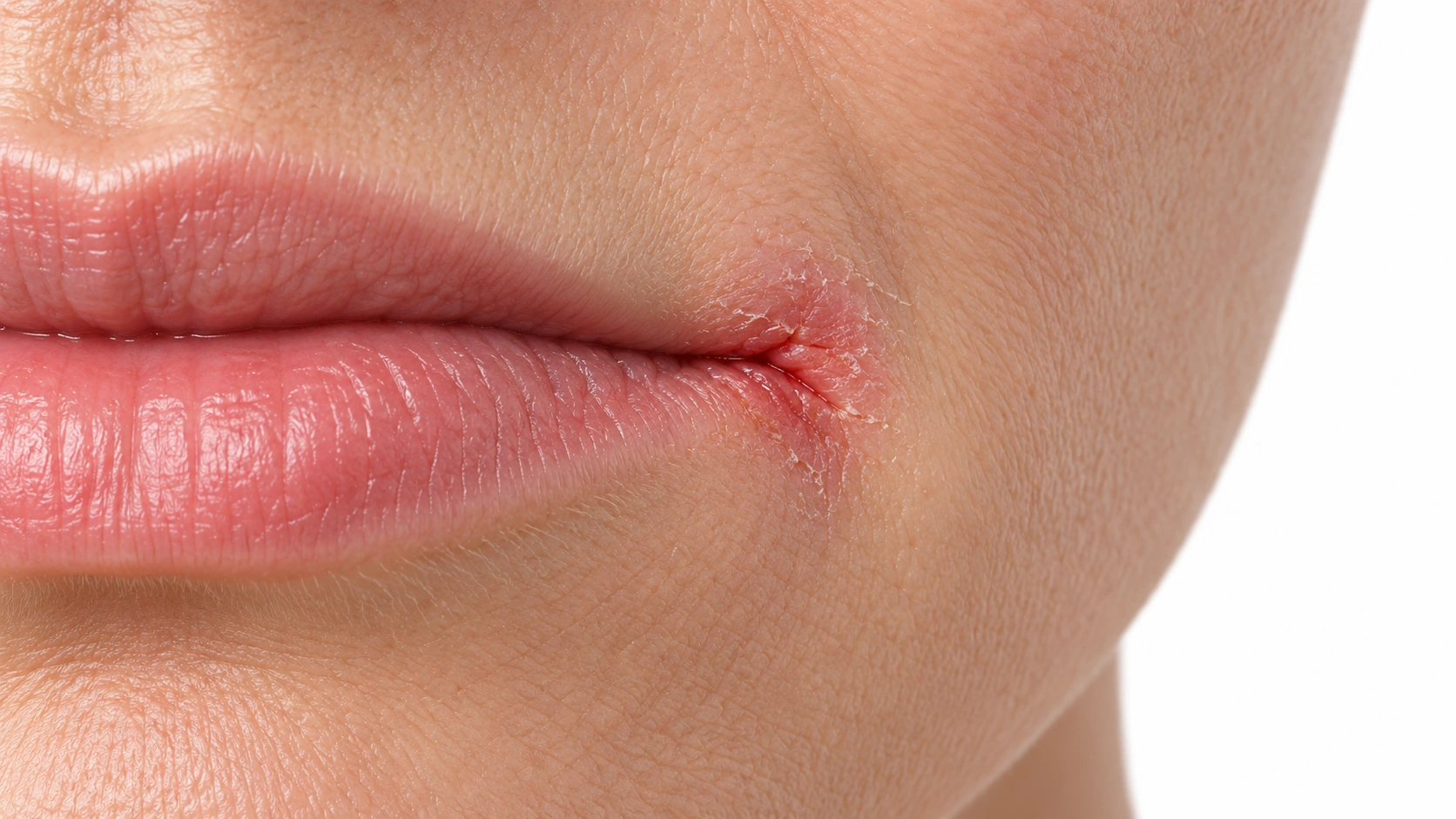
Cracked Mouth Corners

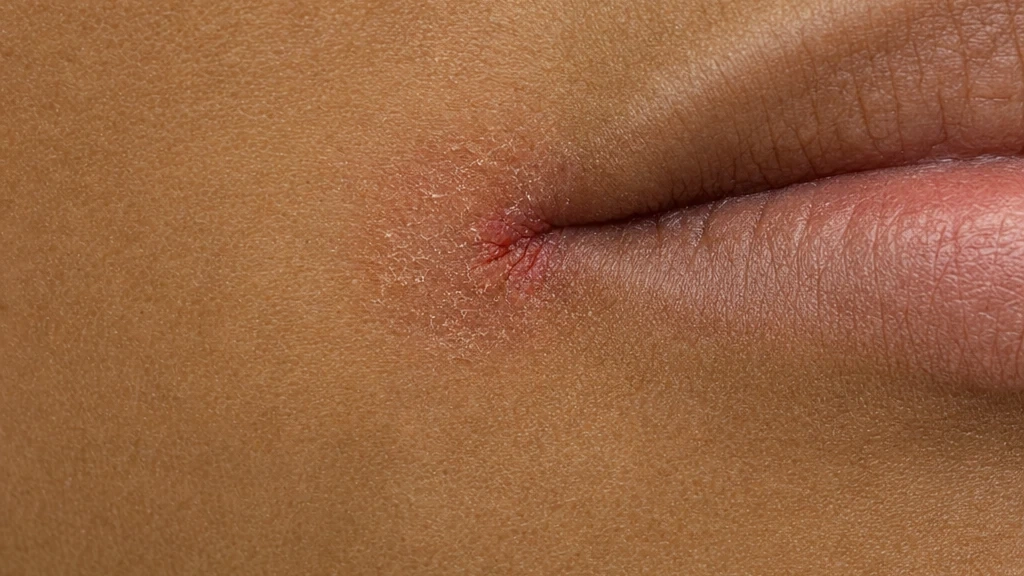
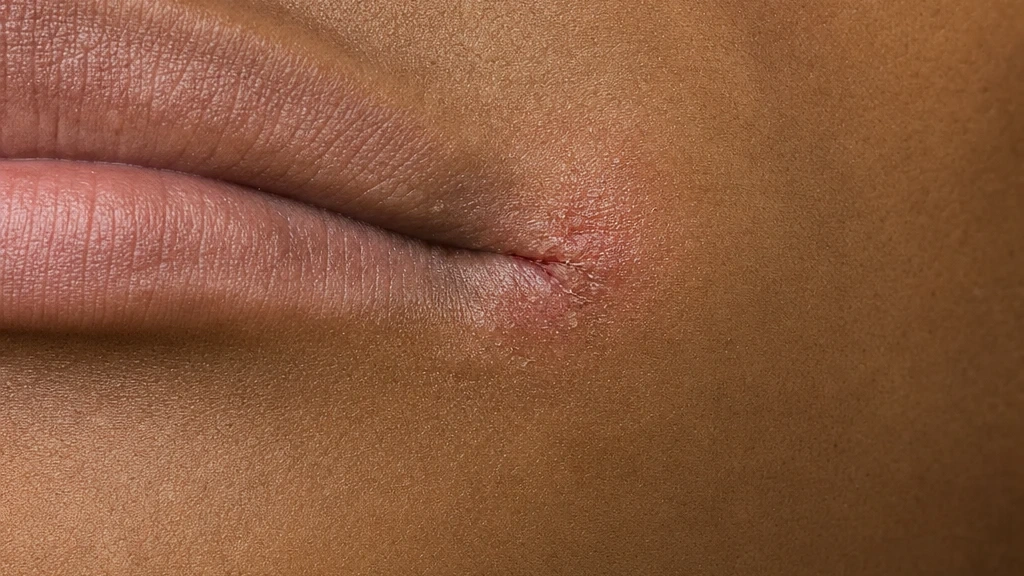
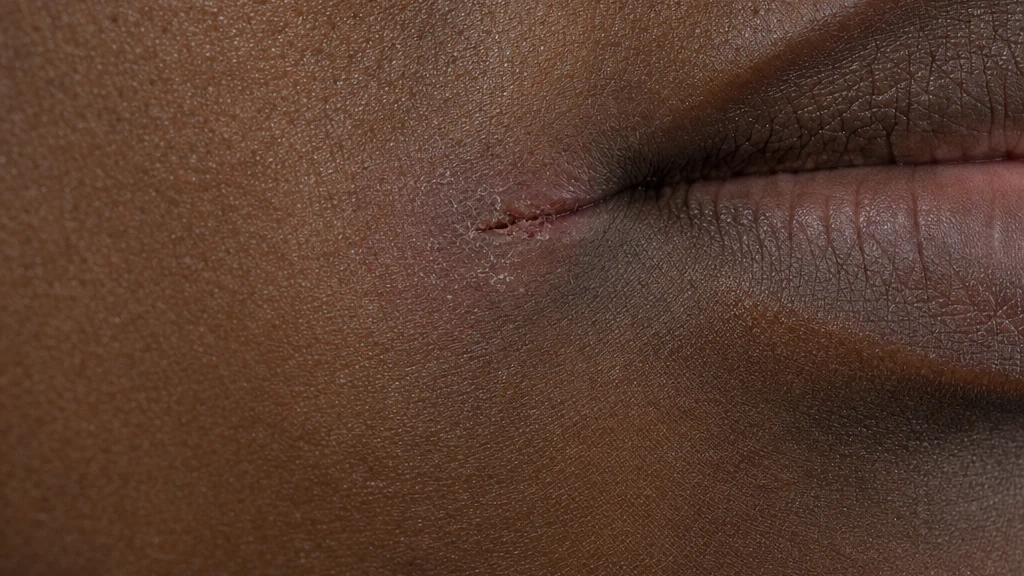
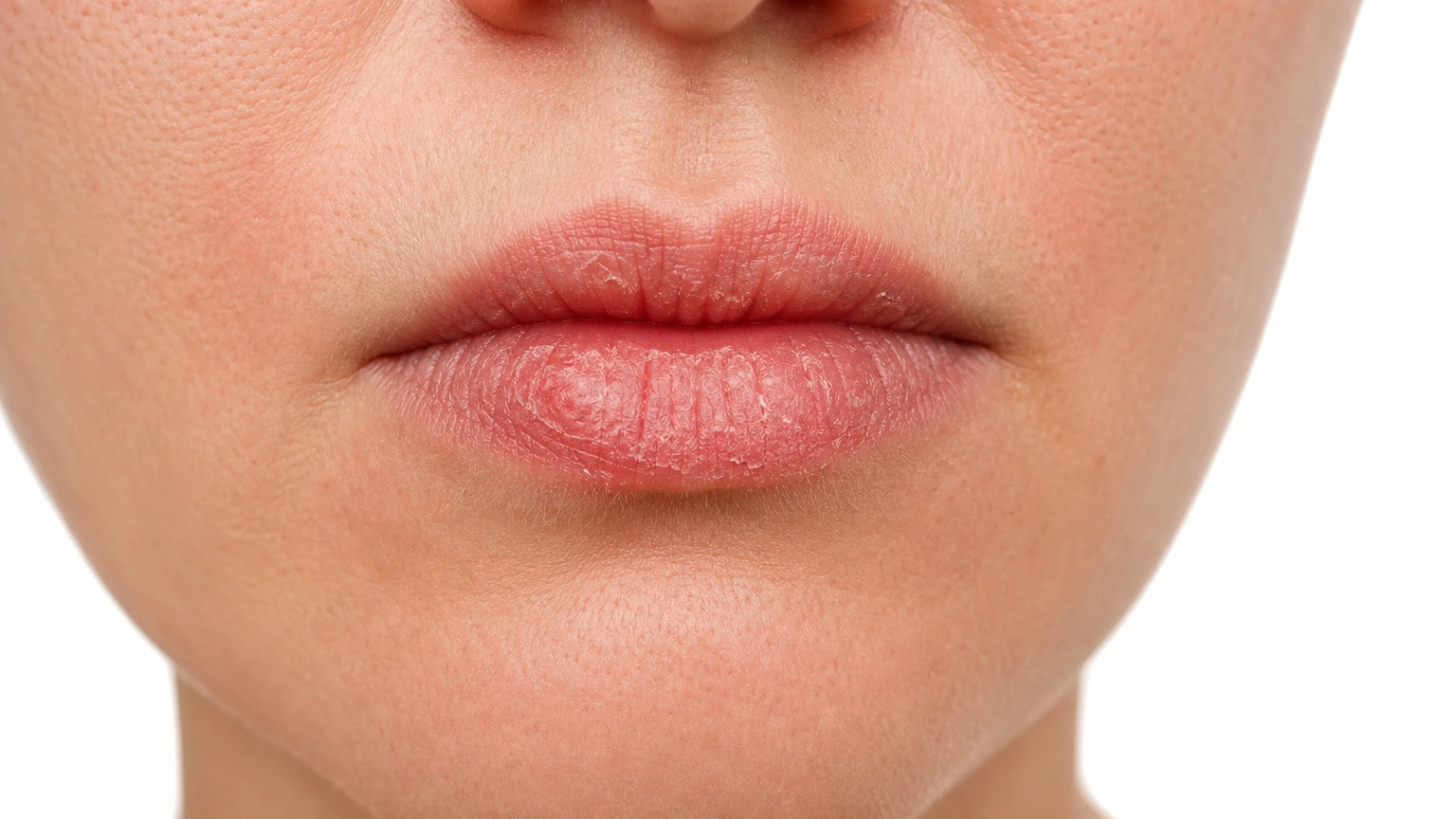
One corner of a mouth with a red crack and rough surrounding skin.

Cracked Mouth Corners A small fissure interrupts the skin where the lips meet.

Oral Candidiasis

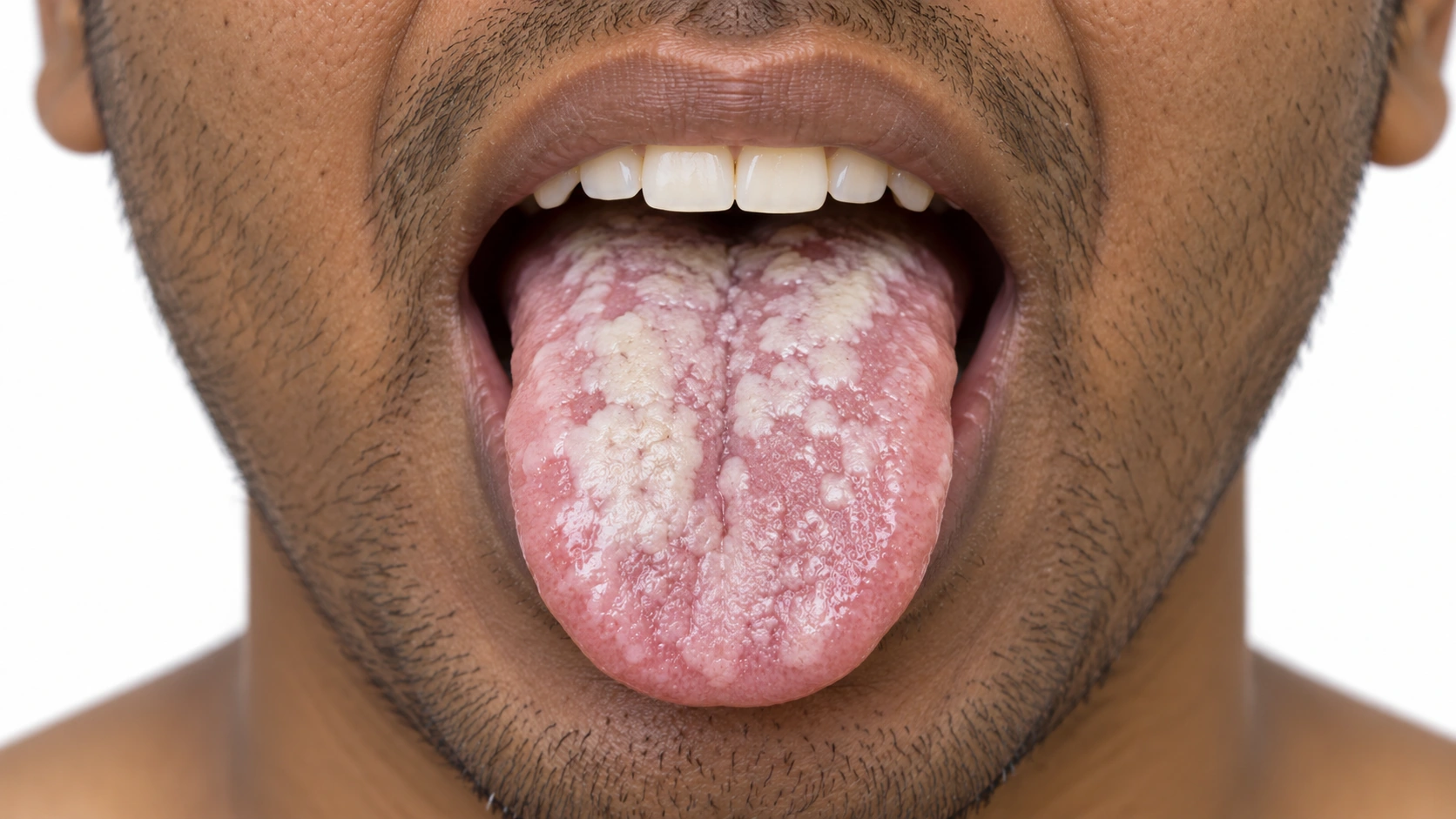
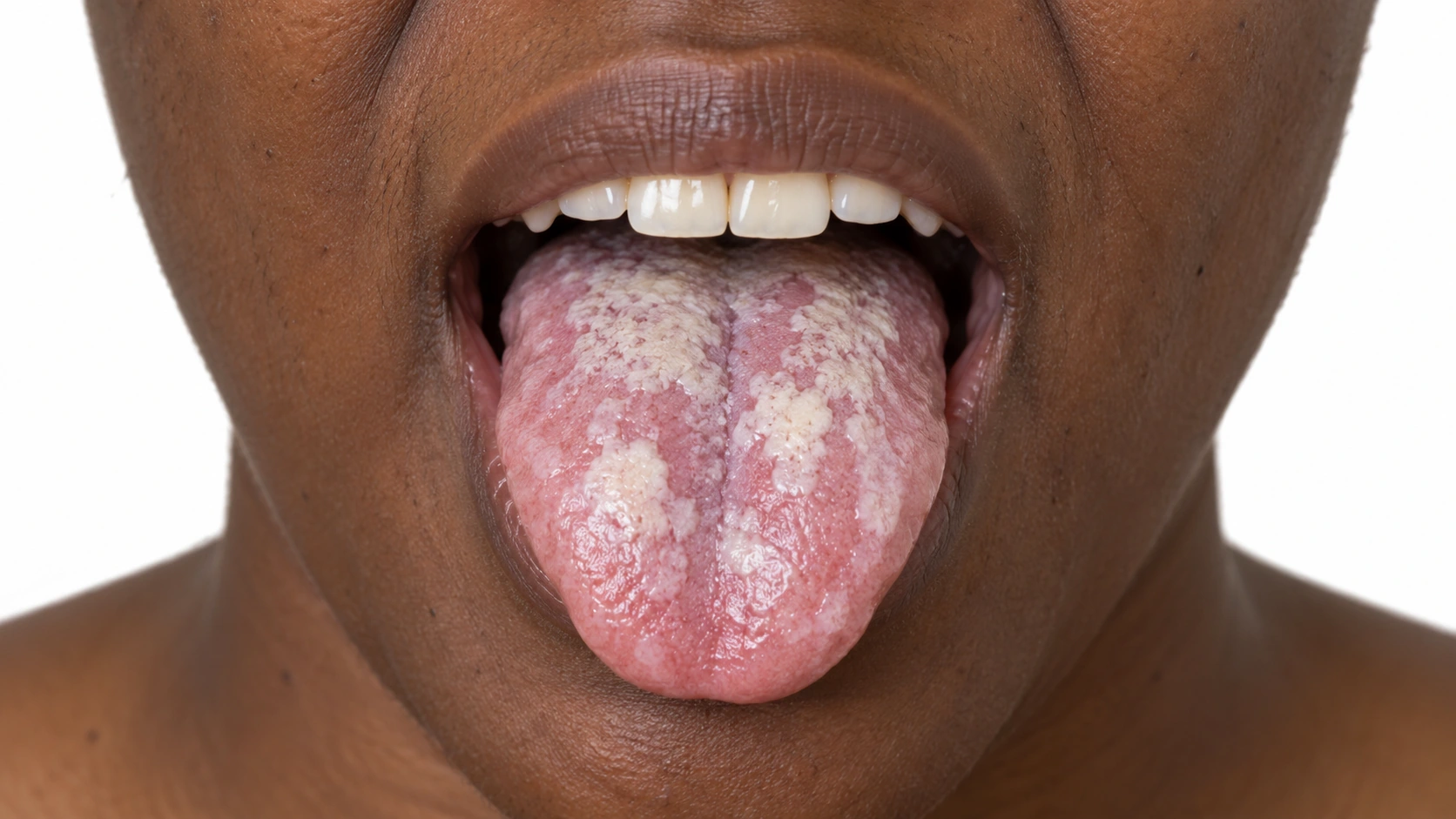
An open mouth with the tongue extended and covered in patchy white material.

Oral Candidiasis Irregular white areas cover much of the tongue surface.
Skin tones
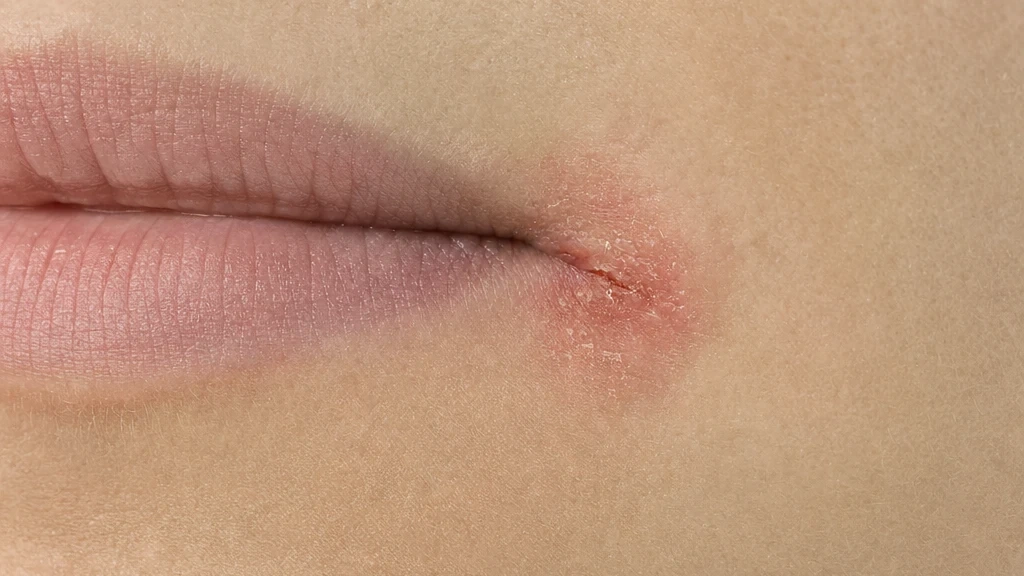
cracked mouth corners on light skin.
cracked mouth corners on medium skin.
cracked mouth corners on brown skin.
cracked mouth corners on deep skin.
Oral Candidiasis, representative educational image.
Oral Candidiasis on medium skin.
Oral Candidiasis, representative educational image.
In the skin

Saliva and repeated wetting weaken the barrier at the mouth corners. Candida or bacteria can contribute to inflammation in the damaged skin.

Candida normally present in the mouth overgrows when local conditions or immune defenses change. The excess yeast triggers inflammation of the mouth's surface lining.

When it usually starts

010203040506070+

Cracked Mouth Corners. Can develop at any age.

Oral Candidiasis. Can affect any age, particularly infants and older or susceptible adults.

Causes and triggers

Causes

Saliva exposure damages the barrier; Candida or bacteria may contribute.

Yeast normally present in the mouth overgrows when local conditions or immunity change.

Risk factors
Saliva pooling, Dentures, Nutritional deficiency in some cases
Antibiotics, Inhaled steroids, Dentures, Immune suppression
Trigger
● Cracked Mouth Corners
● Oral Candidiasis
Lip licking
Can contribute
Not listed
Persistent moisture
Can contribute
Not listed
Antibiotic exposure
Not listed
Can contribute
Inhaled steroid residue
Not listed
Can contribute

Daily Care

Cracked Mouth Corners
Oral Candidiasis
Daily care

Habits that help

  • Apply a plain protective ointment to the sore corners
    Reapply after eating or washing to reduce saliva contact.
  • Reduce lip licking and gently pat away pooled saliva
    Repeated wetting keeps the corners irritated.
  • Keep teeth and dentures clean
    Ask a dentist to check dentures that fit poorly or allow saliva to collect.
  • Rinse the mouth after an inhaled steroid if instructed
    Keep using the inhaler as prescribed; ask about technique if problems recur.
  • Seek review if cracks persist or recur
    Yeast, bacteria, dental fit or a nutritional problem may need specific treatment.

Avoid

  • Avoid: Picking crusts or stretching the cracks open
    This delays healing and can introduce infection.

Habits that help

  • Brush gently and keep the mouth clean
    Continue routine oral hygiene without scraping sore patches forcefully.
  • Clean dentures daily and remove them overnight as advised
    Dentures may need treatment as well as the mouth to prevent recurrence.
  • Rinse and spit after using an inhaled steroid
    Keep the medicine as prescribed and ask about inhaler technique or a spacer if appropriate.
  • Follow the prescribed antifungal course
    Symptoms may improve before treatment is complete.
  • Seek review for recurrent thrush or painful swallowing
    An underlying cause or infection beyond the mouth may need assessment.
  • Discuss contributing-factor review
    Check dentures, inhaler technique, medicines and reasons for recurrent thrush.

Avoid

  • Avoid: Sharing mouth-care items or using harsh home remedies
    Household disinfectants and essential oils can injure oral tissue.

Treatment differences

Evidence labels come from each condition’s own treatment list.

Treatment
● Cracked Mouth Corners
● Oral Candidiasis
Over-the-counter

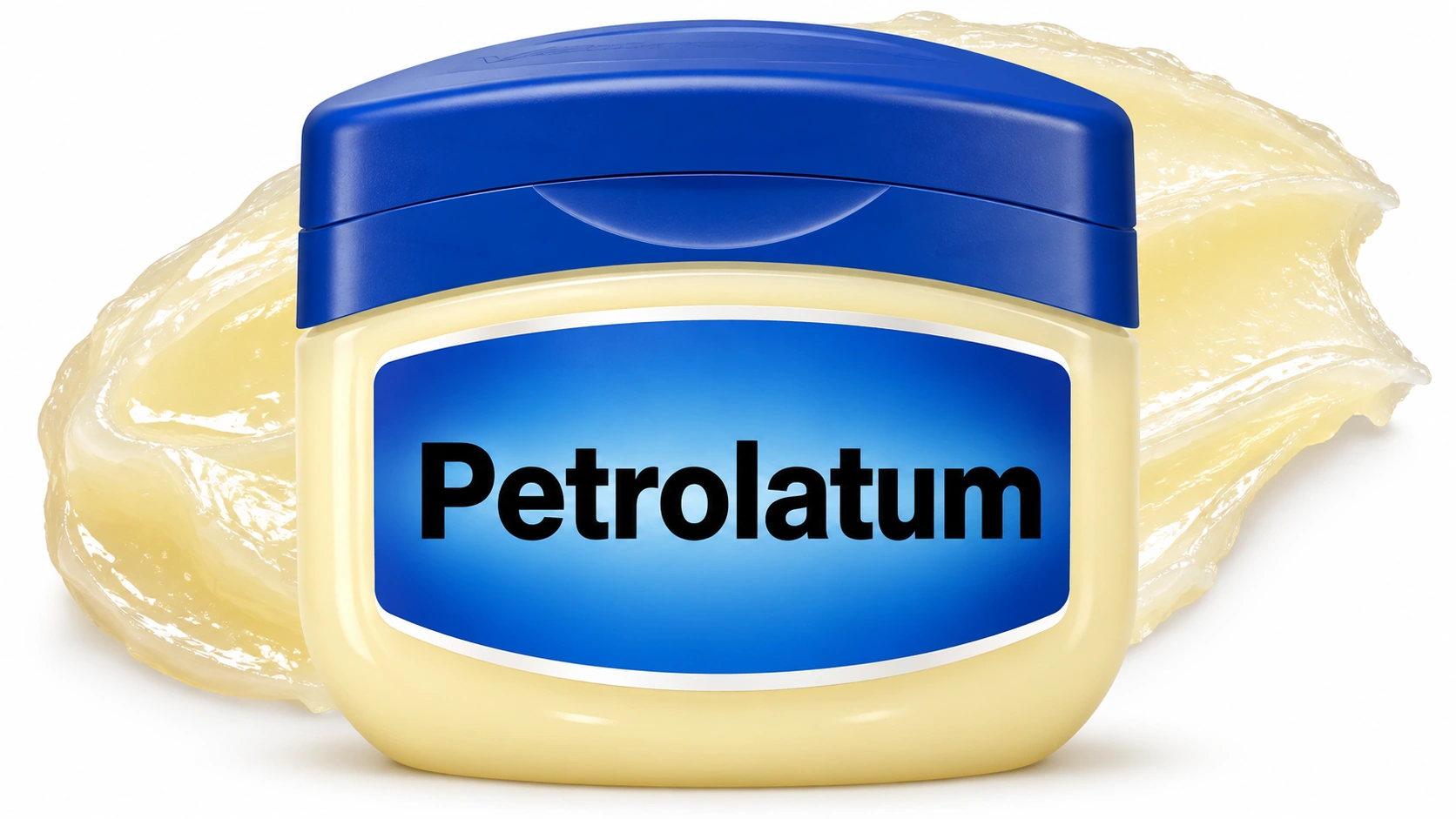
Plain petrolatum barrier

Listed

Protects against saliva and repeated wetting.

None listed
Prescription topicals

Cause-specific topical treatment

Listed

A clinician may select an antifungal, antibacterial or anti-inflammatory if examination supports it.

Oral antifungal formulation

Listed

A clinician may prescribe an appropriate oral preparation such as nystatin; skin creams do not belong in the mouth.

Outlook

Long term

The corners often improve when moisture, irritation and any infection are addressed. Recurrence is possible if the underlying contributor remains; persistent cracking needs reassessment.

Thrush usually responds to appropriate antifungal treatment. Recurrence can occur if a contributing factor remains; persistent symptoms need review of the diagnosis and underlying risks.

Complications

Possible complications

Recurrent episodes may need evaluation for dental fit, deficiency or other contributors.

Recurrent thrush can signal a contributing medicine, diabetes or immune problem.

When to get help

When to get help

Have persistent, recurrent or one-sided cracking examined.

Seek care for painful swallowing, poor feeding, recurrent disease or a persistent white patch that does not wipe off.

Common questions

Cracked Mouth Corners:What is Cracked Mouth Corners?

Angular cheilitis causes inflamed fissures at one or both mouth corners.

Cracked Mouth Corners:What can I do day to day?

Use a plain protective ointment and reduce licking; check denture fit if relevant.

Cracked Mouth Corners:When should I get medical advice?

Have persistent, recurrent or one-sided cracking examined.

Oral Candidiasis:What is Oral Candidiasis?

An overgrowth of Candida yeast in the mouth, also called thrush.

Oral Candidiasis:What can I do day to day?

Clean dentures, maintain oral hygiene and rinse after inhaled steroids without stopping the prescribed inhaler.

Oral Candidiasis:When should I get medical advice?

Seek care for painful swallowing, poor feeding, recurrent disease or a persistent white patch that does not wipe off.

Sources
Sources and further reading

  1. Angular cheilitis
  2. Oral candidiasis
Dermapedia on YouTube