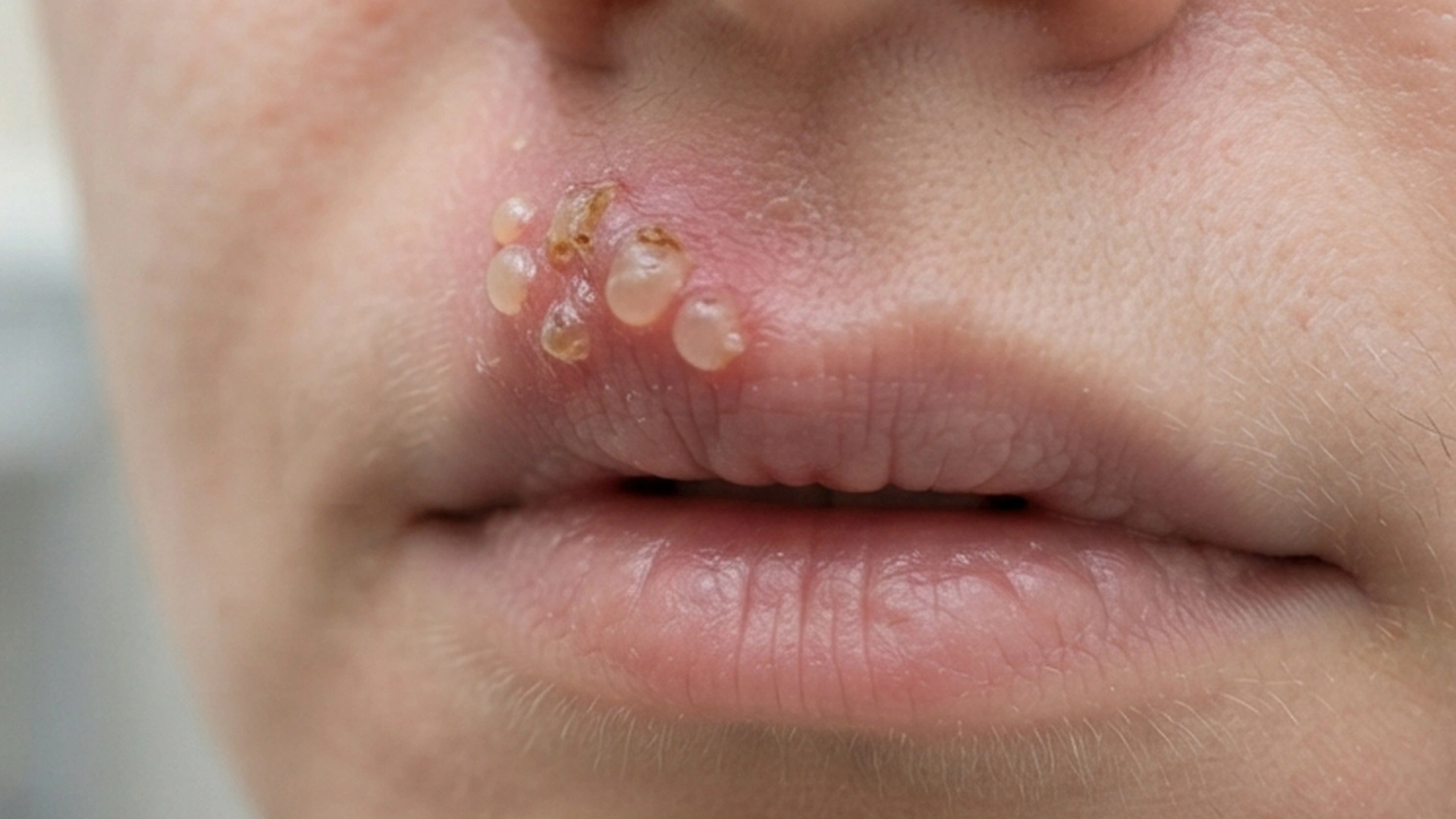
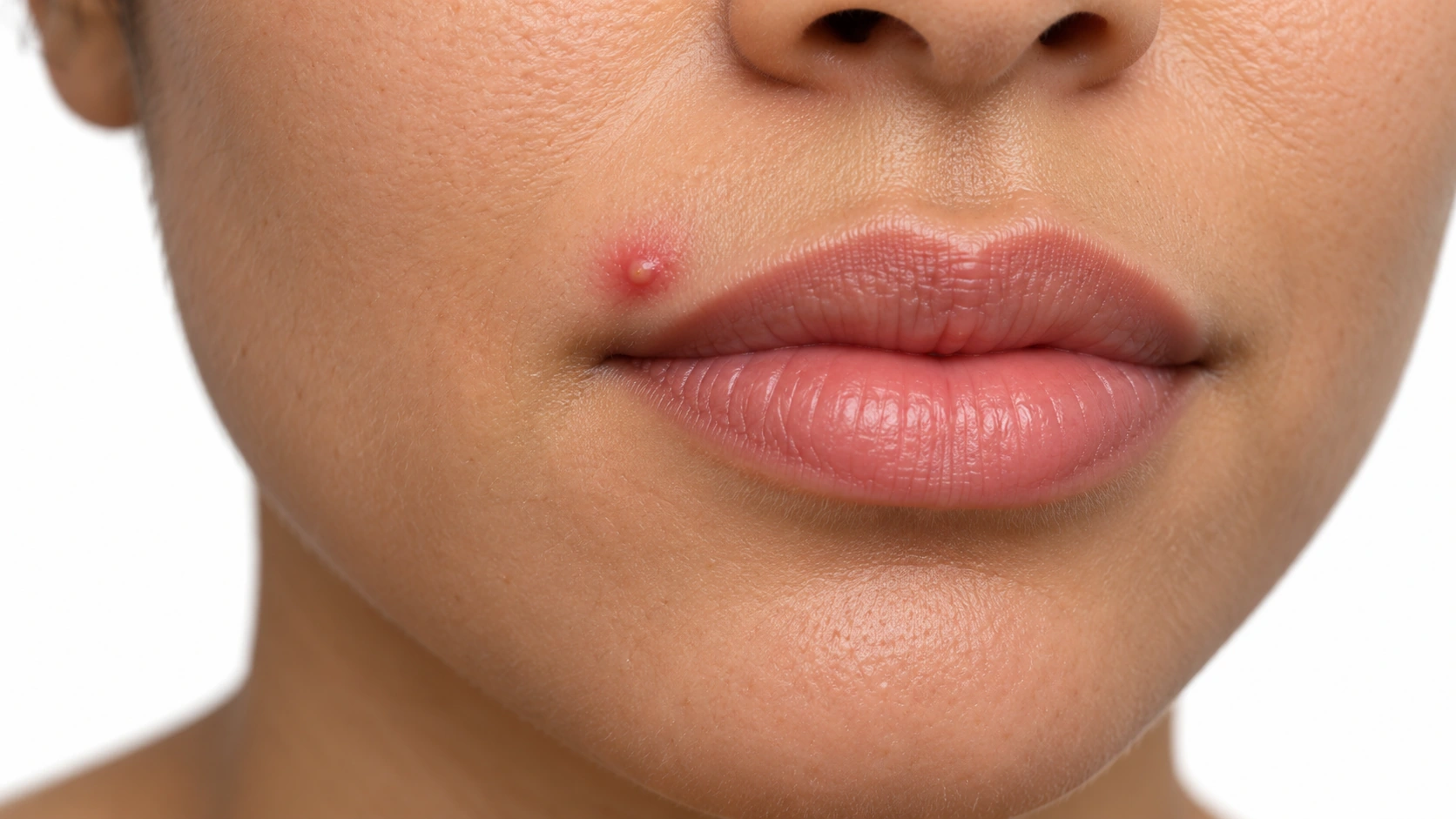
Chapped Lips vs Lip-Licking Rash

Dry, cracked lip skin, often caused by weather, licking or irritating products. An irritant rash caused by repeated saliva contact from licking the lips.
Research updated 2026-10-23
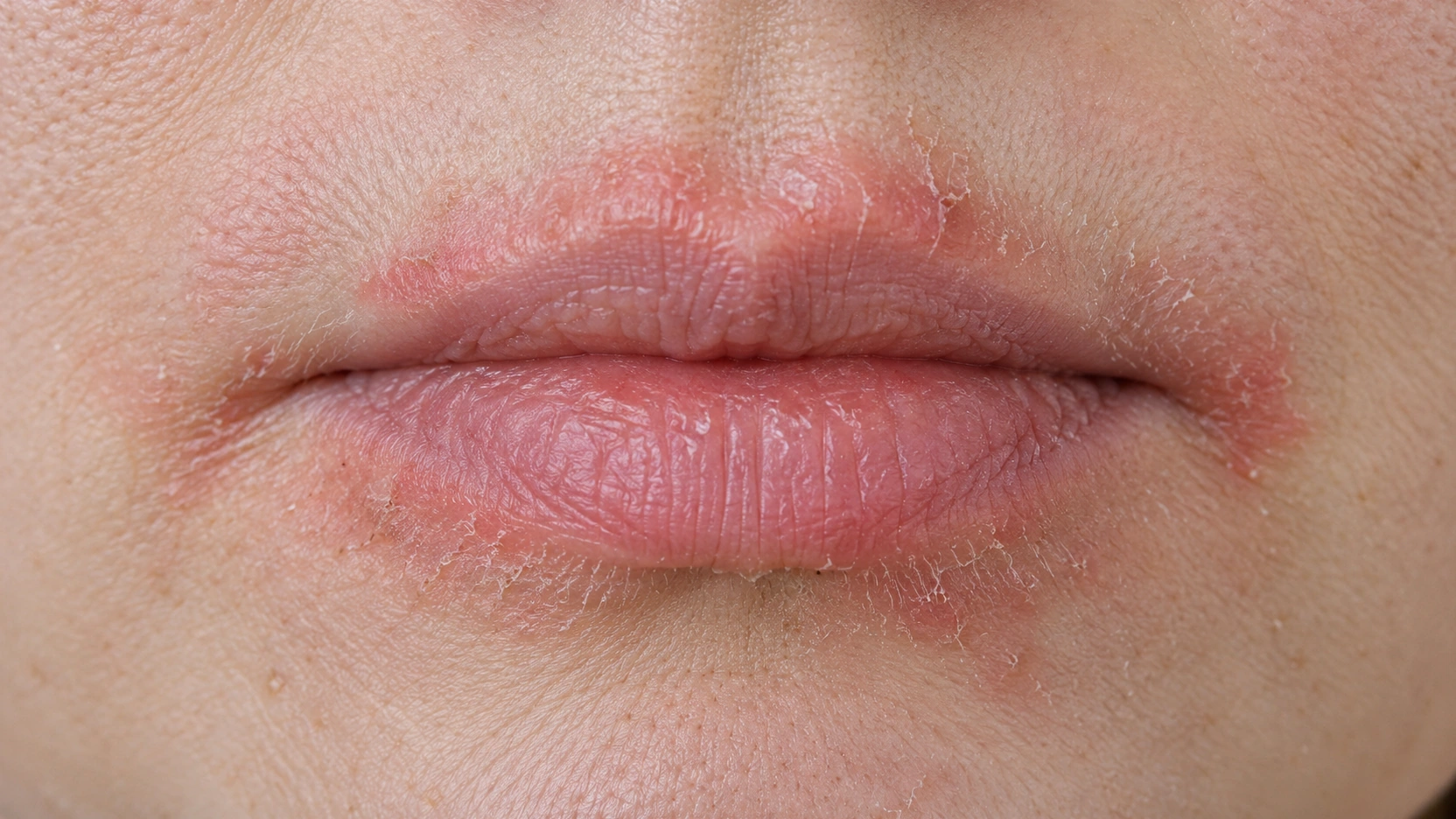
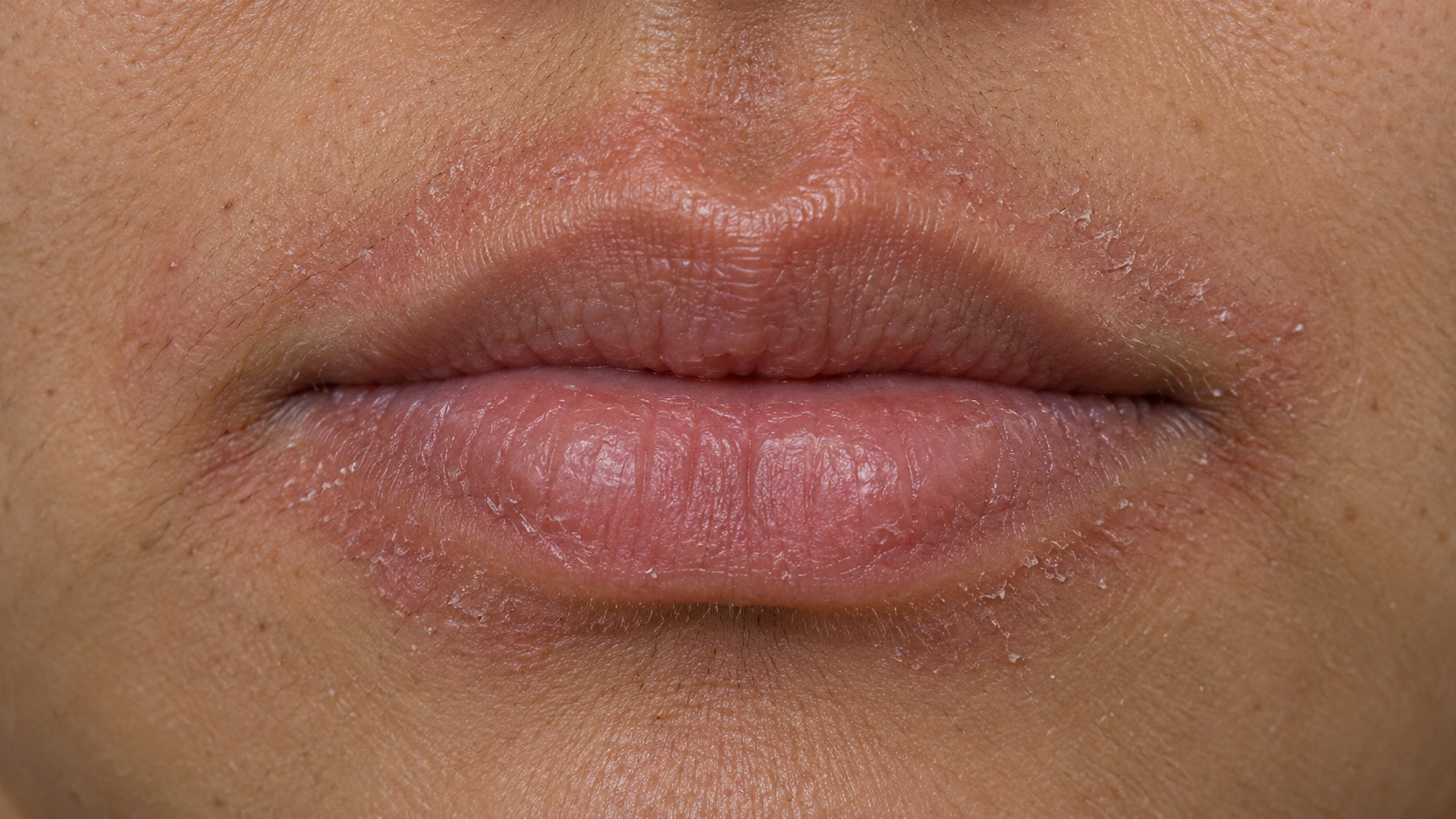
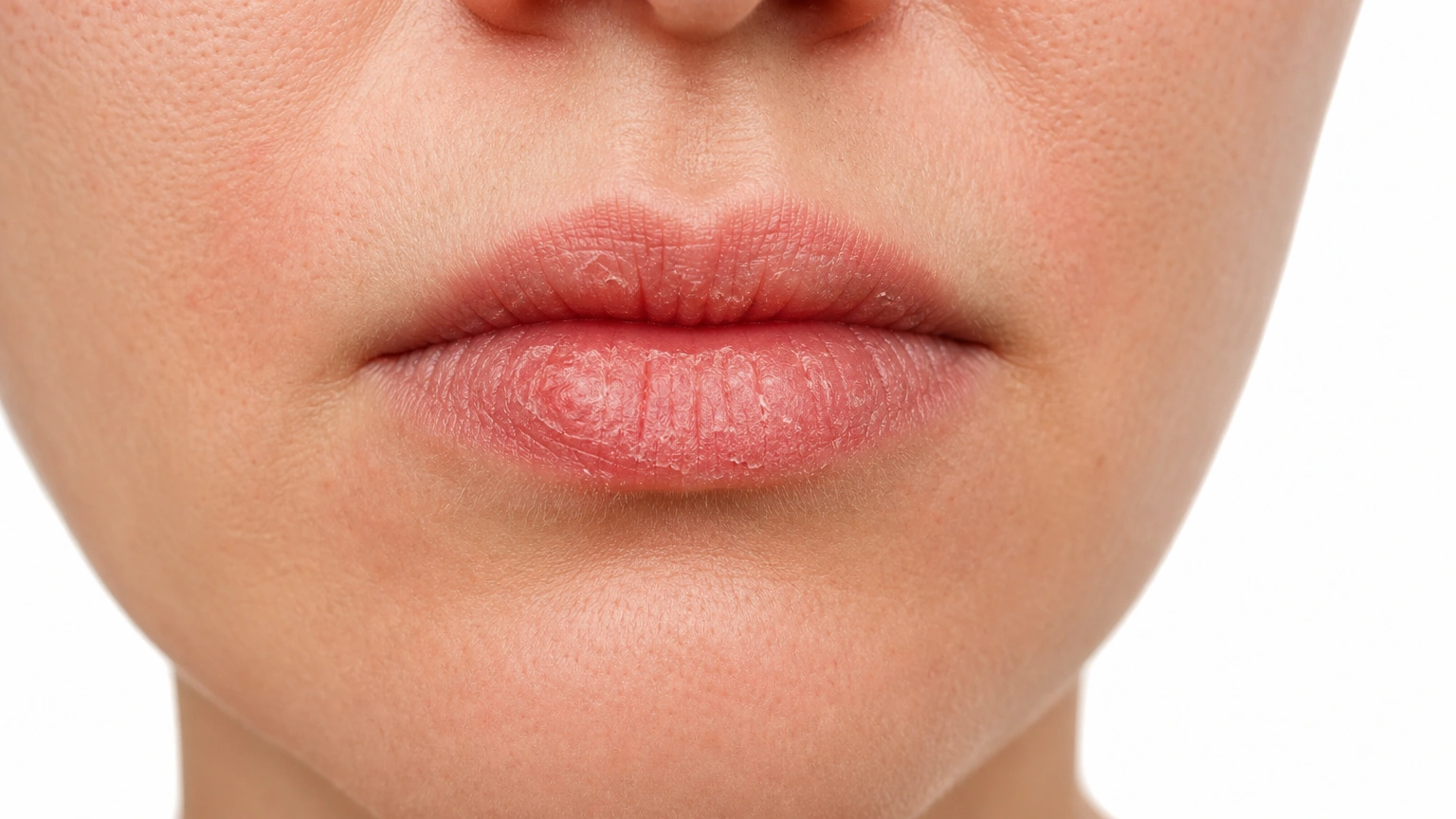
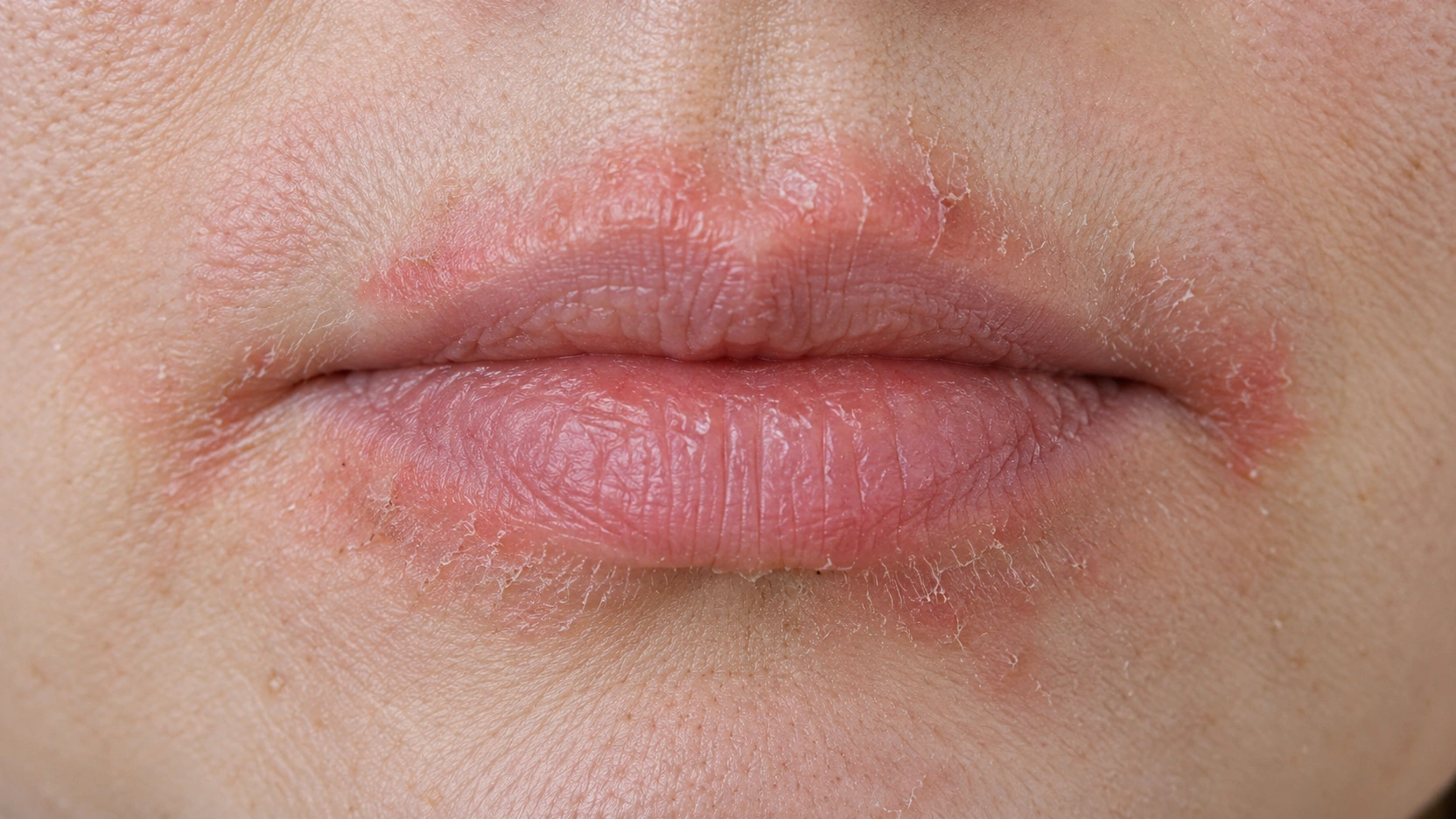
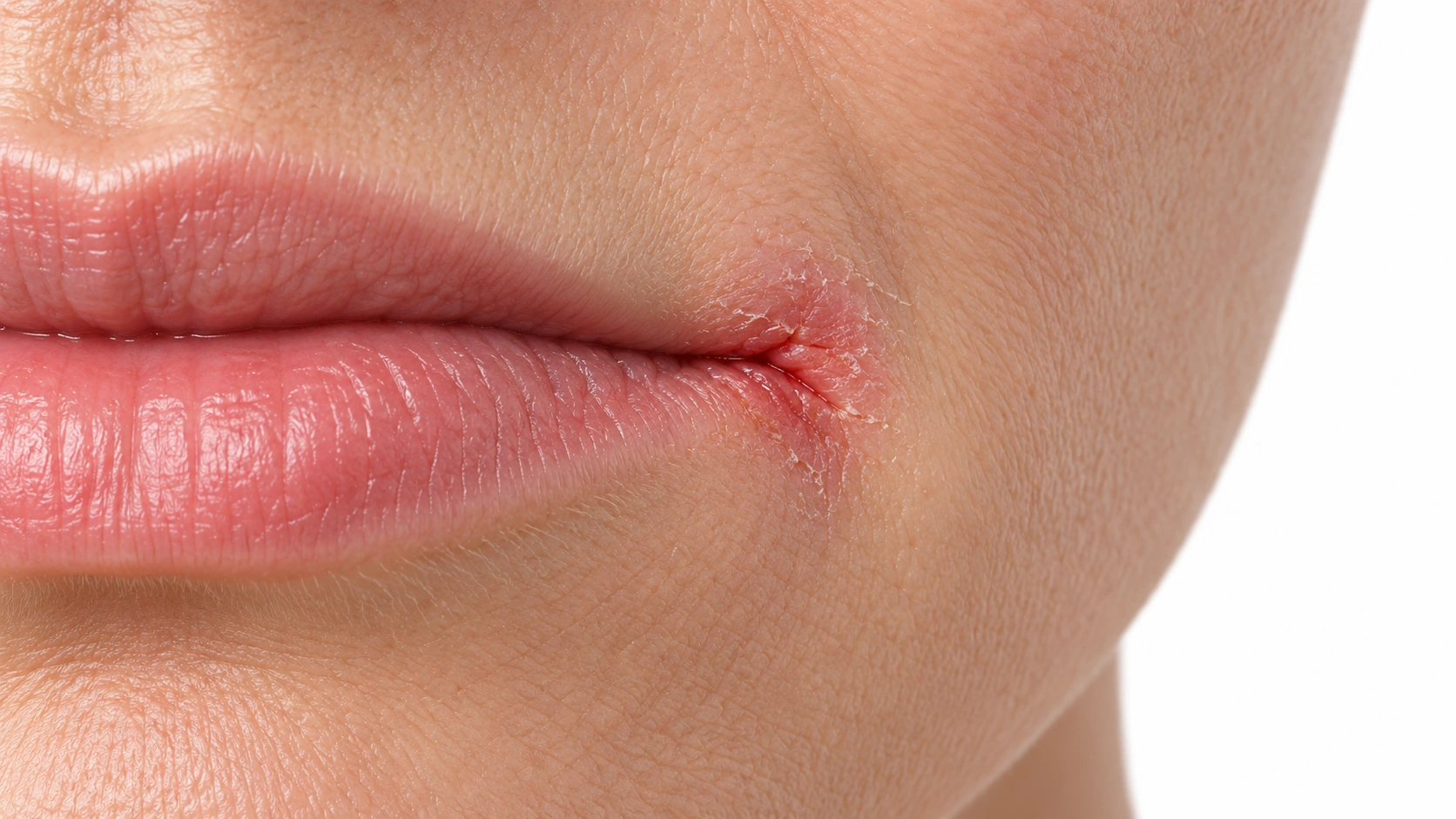
AI-generated representative illustration of Chapped Lips. Not a clinical photograph.Closed lips with dry, patchy irritation extending across the lip border onto nearby skin.

Key differences

The same eight facts on every condition comparison.

Usual age
Any age
Childhood onward
Where
Lips
Lips and ring around the mouth
Main sign
Dry, cracked, peeling lips
Red, chapped ring around the lips
Itch or pain
Sore or stinging
Sore
Contagious
No
No
Long term
Clears with lip balm
Clears when licking stops
Scars
No
No
Who gets it
Lip lickers; cold, dry weather
Children; dry weather

What is it?

Chapped Lips
Lip-Licking Rash
What is it?
  • What it is
    Dry, cracked lip skin, often caused by weather, licking or irritating products.
  • What it is
    An irritant rash caused by repeated saliva contact from licking the lips.

What it looks like

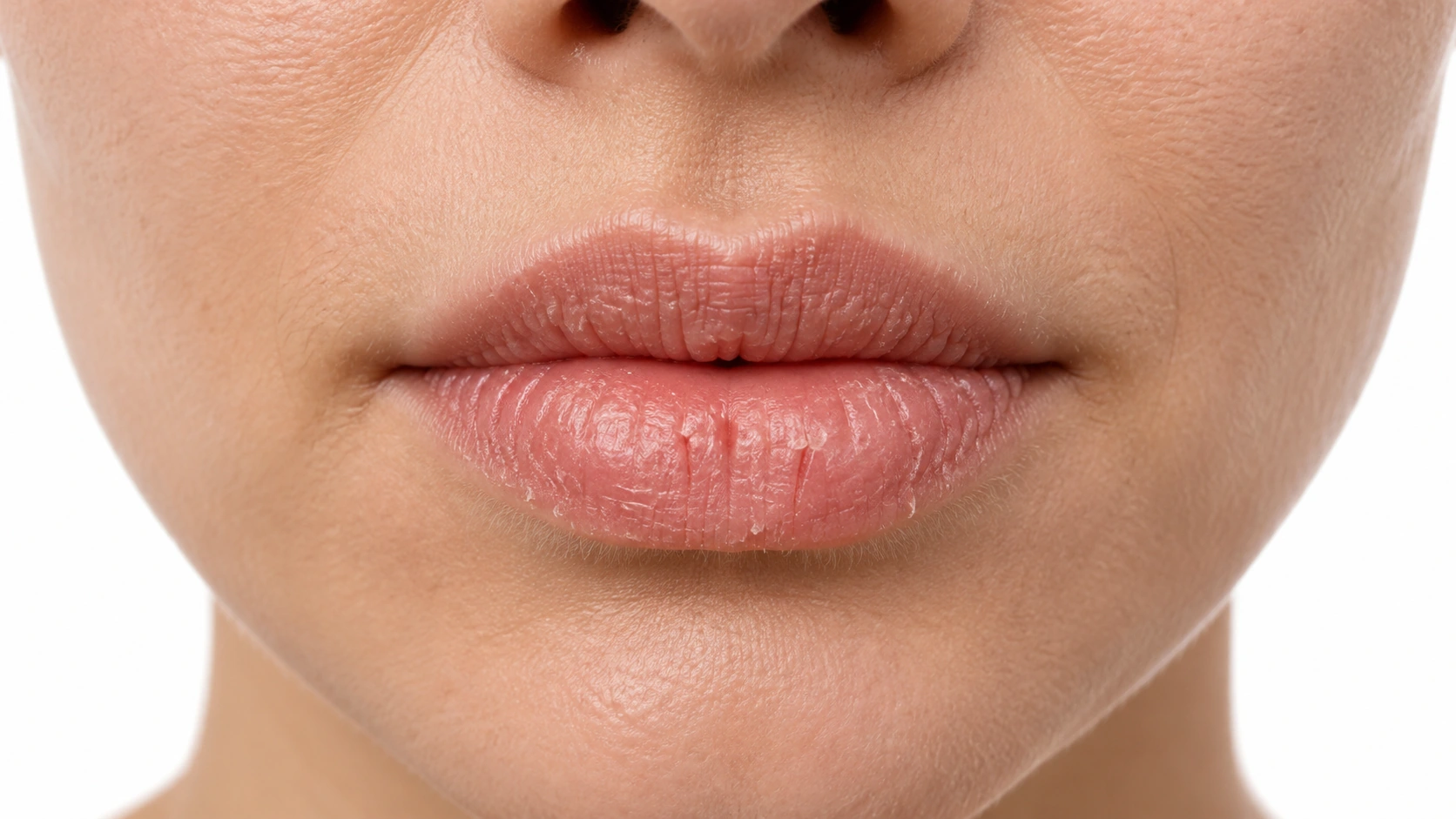
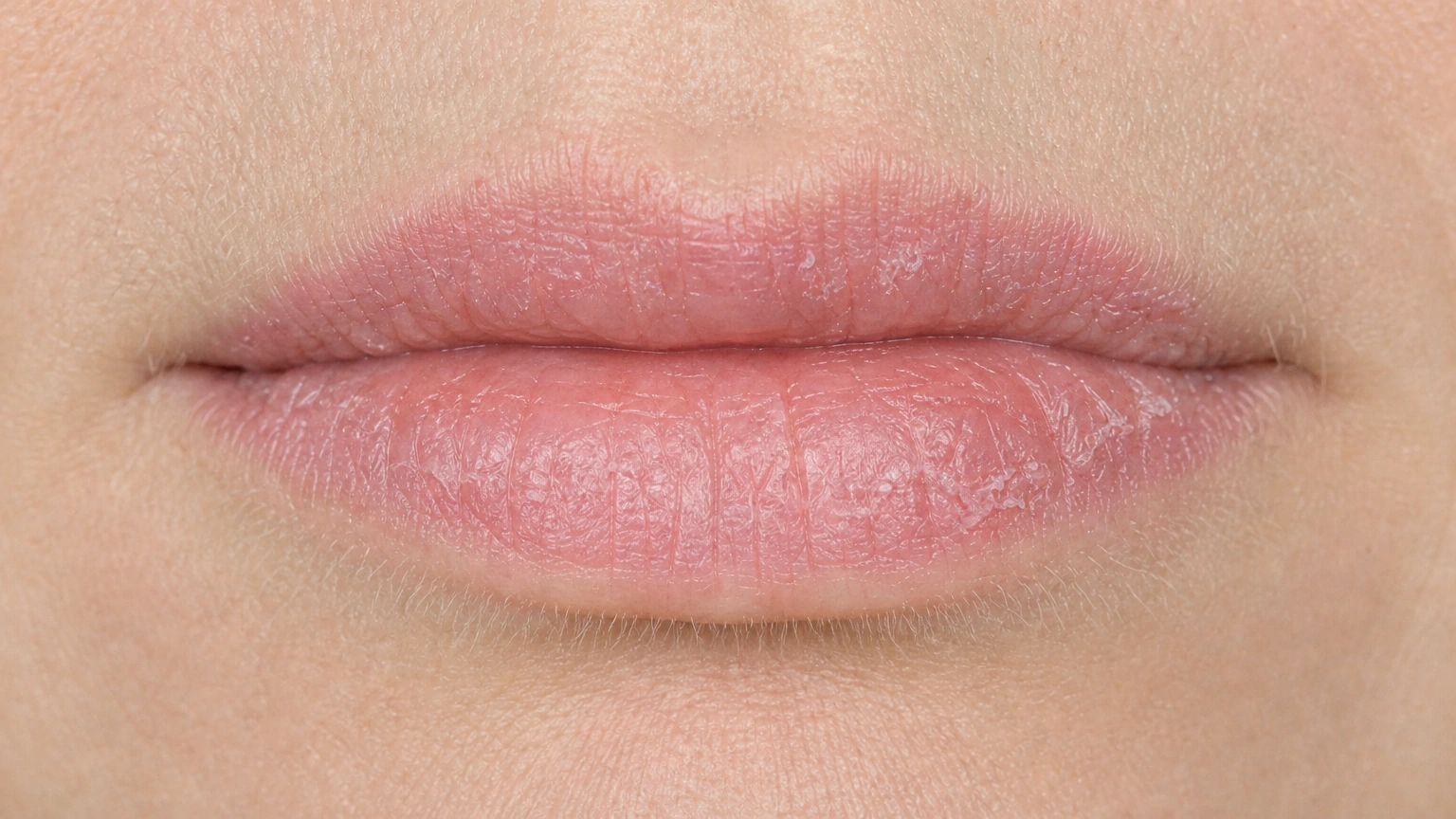
Chapped Lips

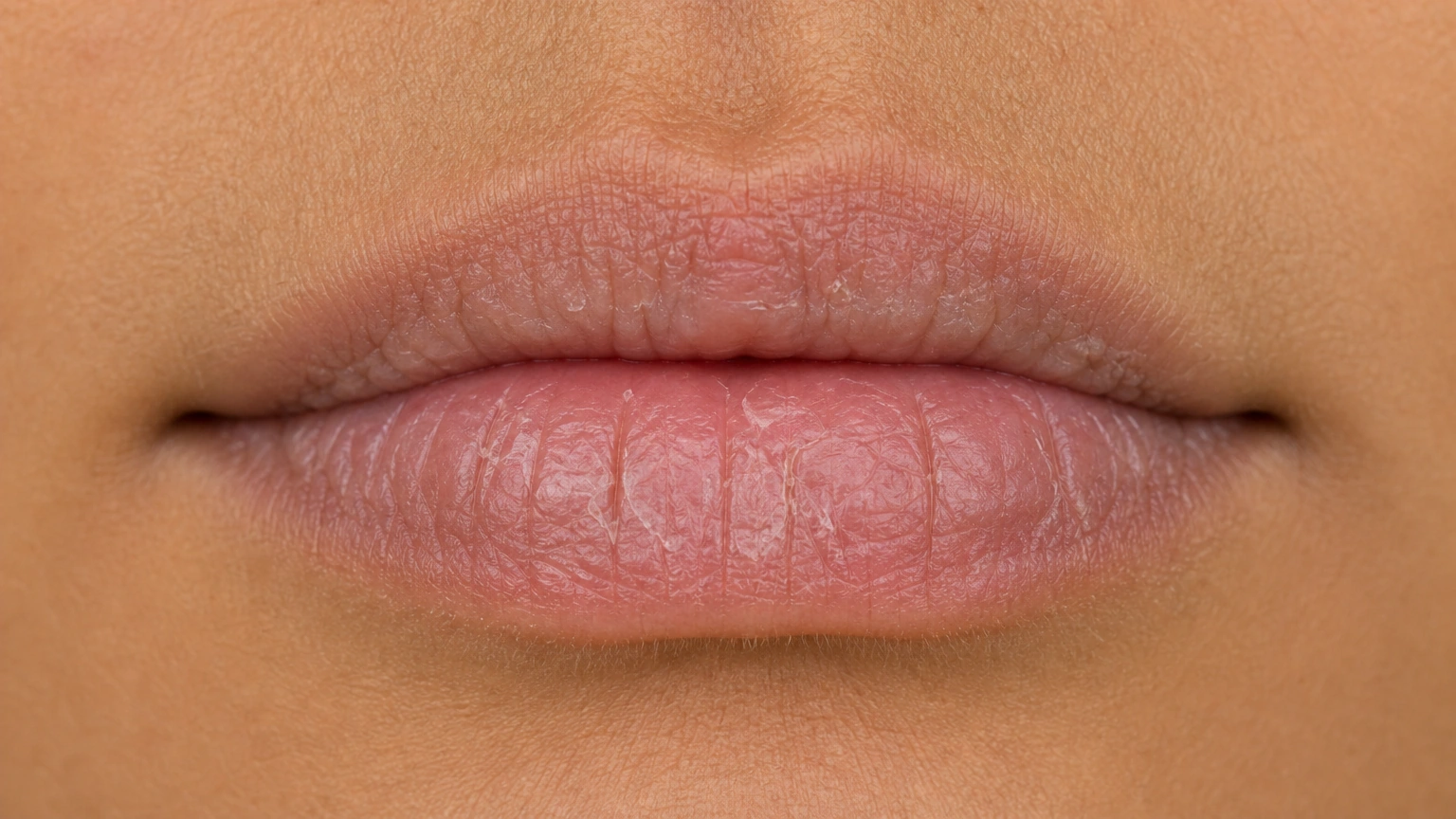
A close-up of lips with dry scale and multiple fine vertical cracks.

Chapped Lips Fine splits and flaking interrupt the lip surface.

Lip-Licking Rash

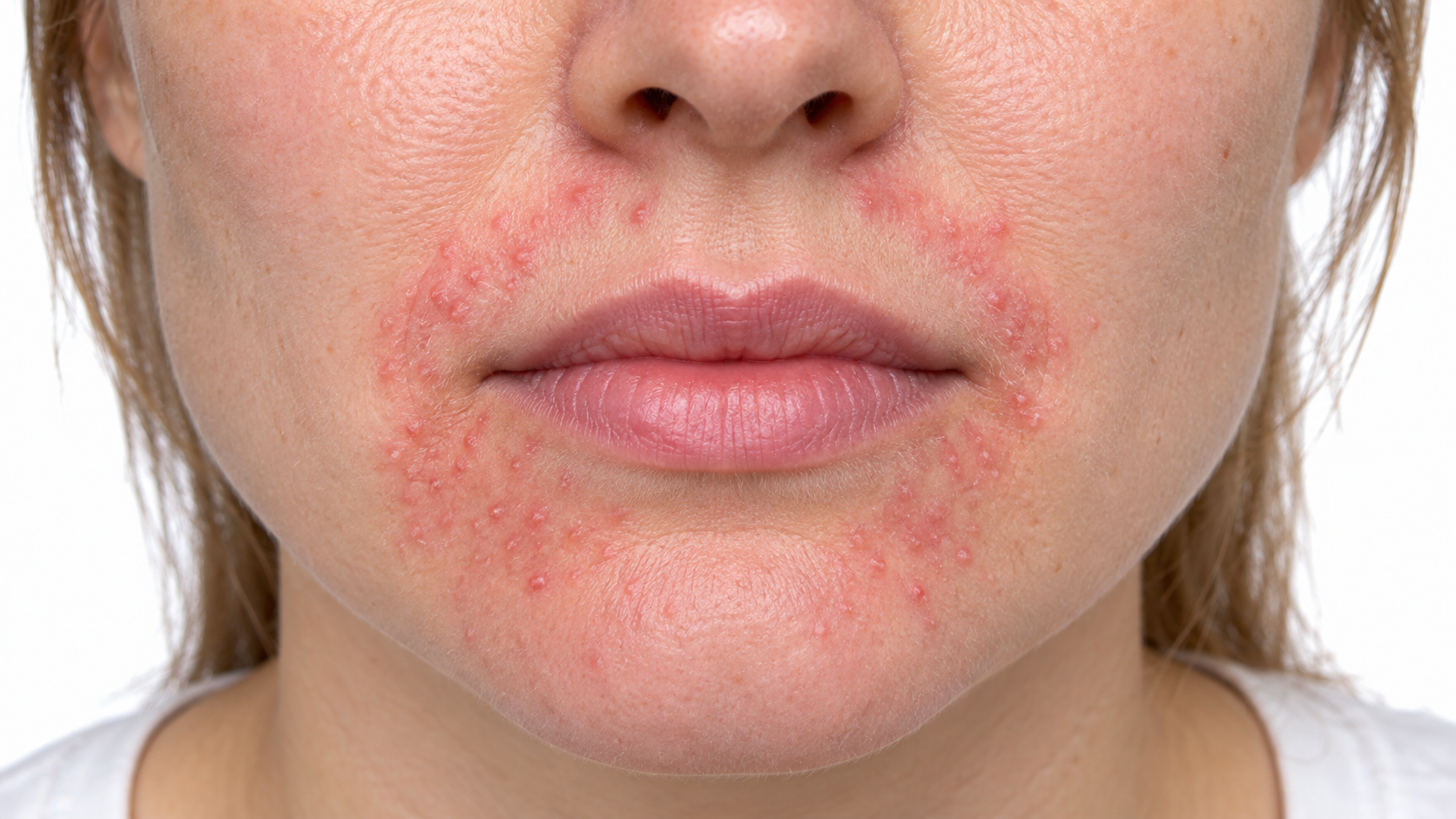
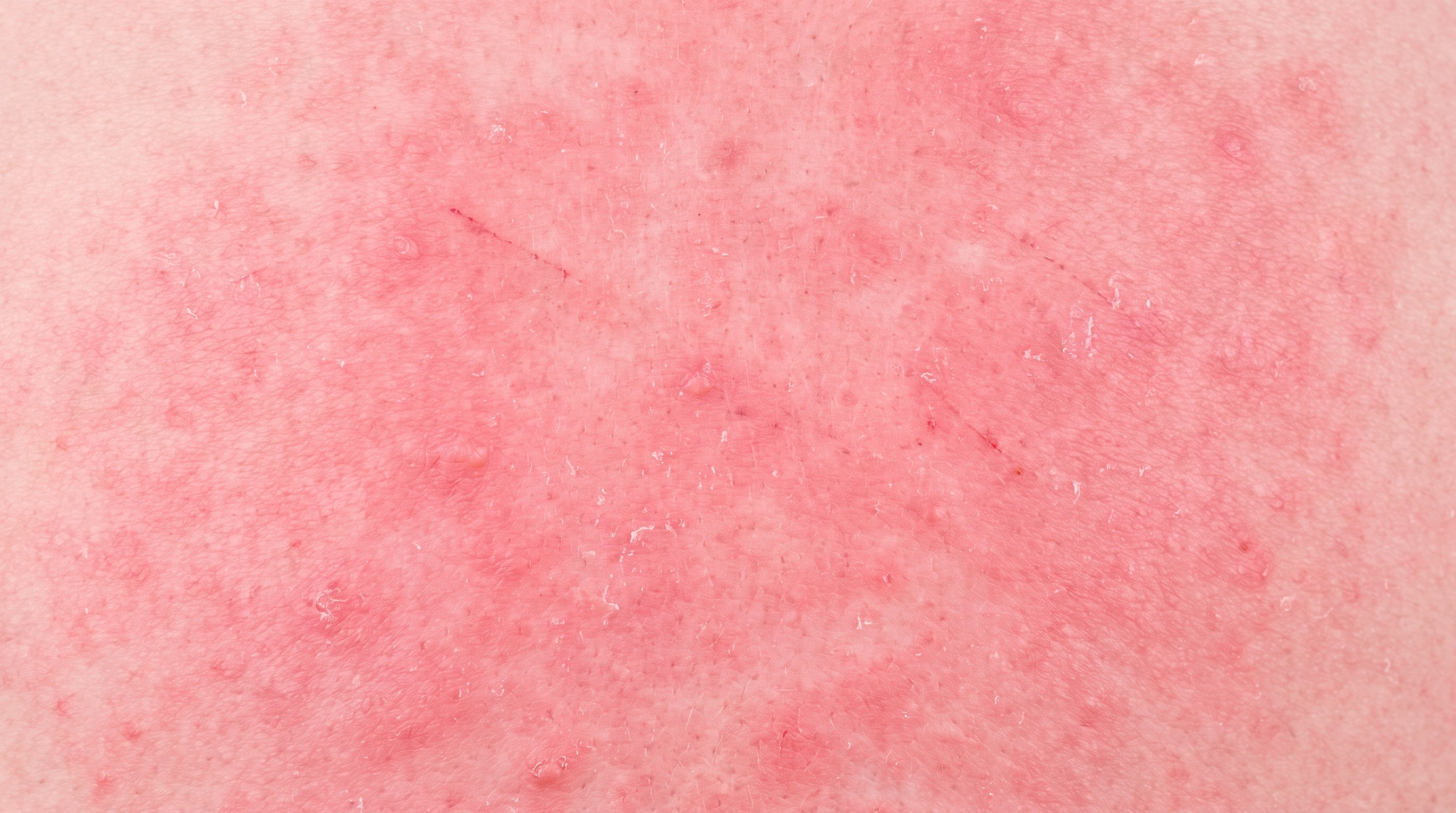
A mouth surrounded by a wide red dry-looking ring of skin.

Lip-Licking Rash A broad irritated band extends beyond the lip borders.
Skin tones
Educational illustration of dry flaking lips with shallow surface creases, with the lower face turned to the person’s right on light skin.
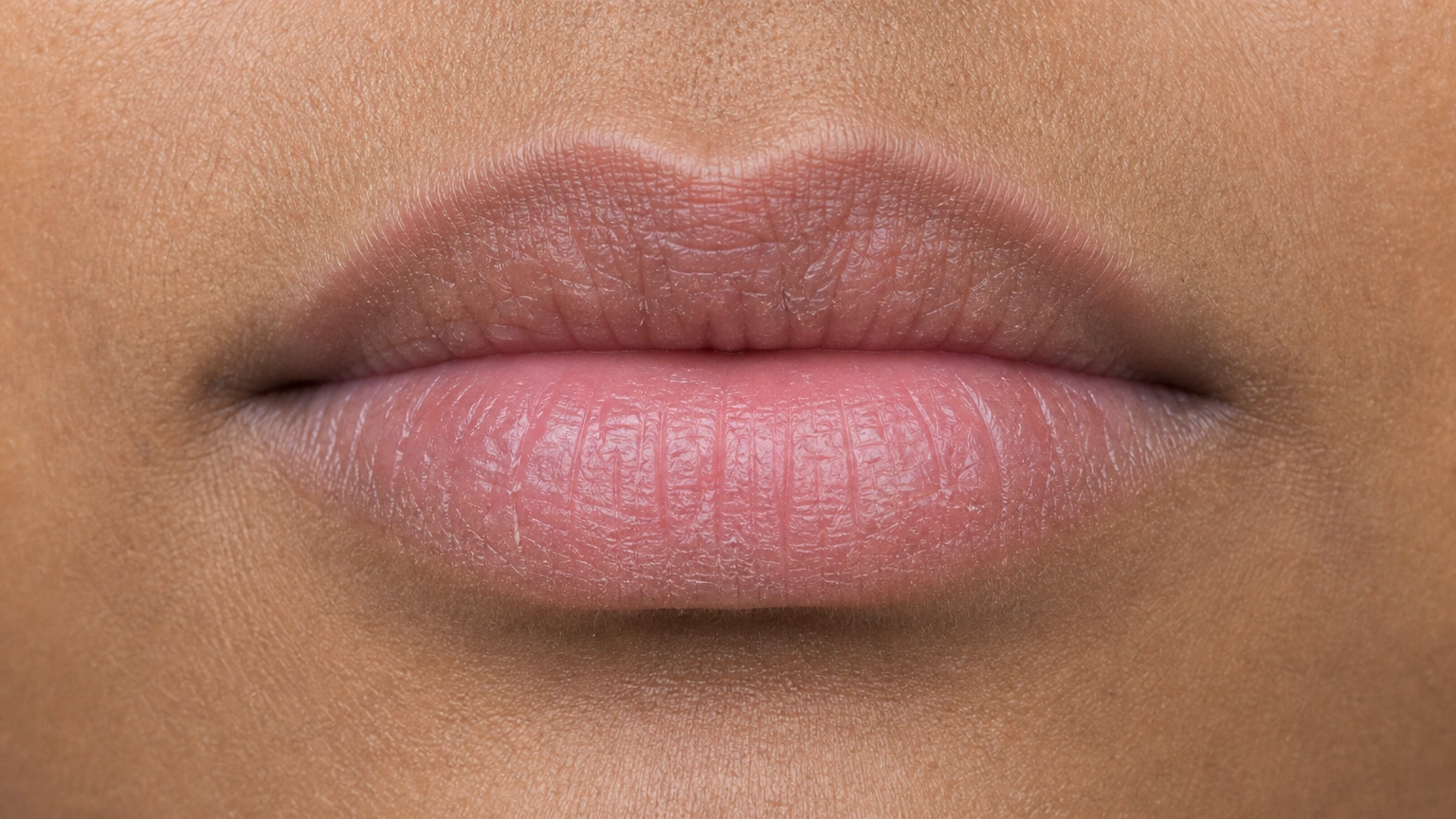
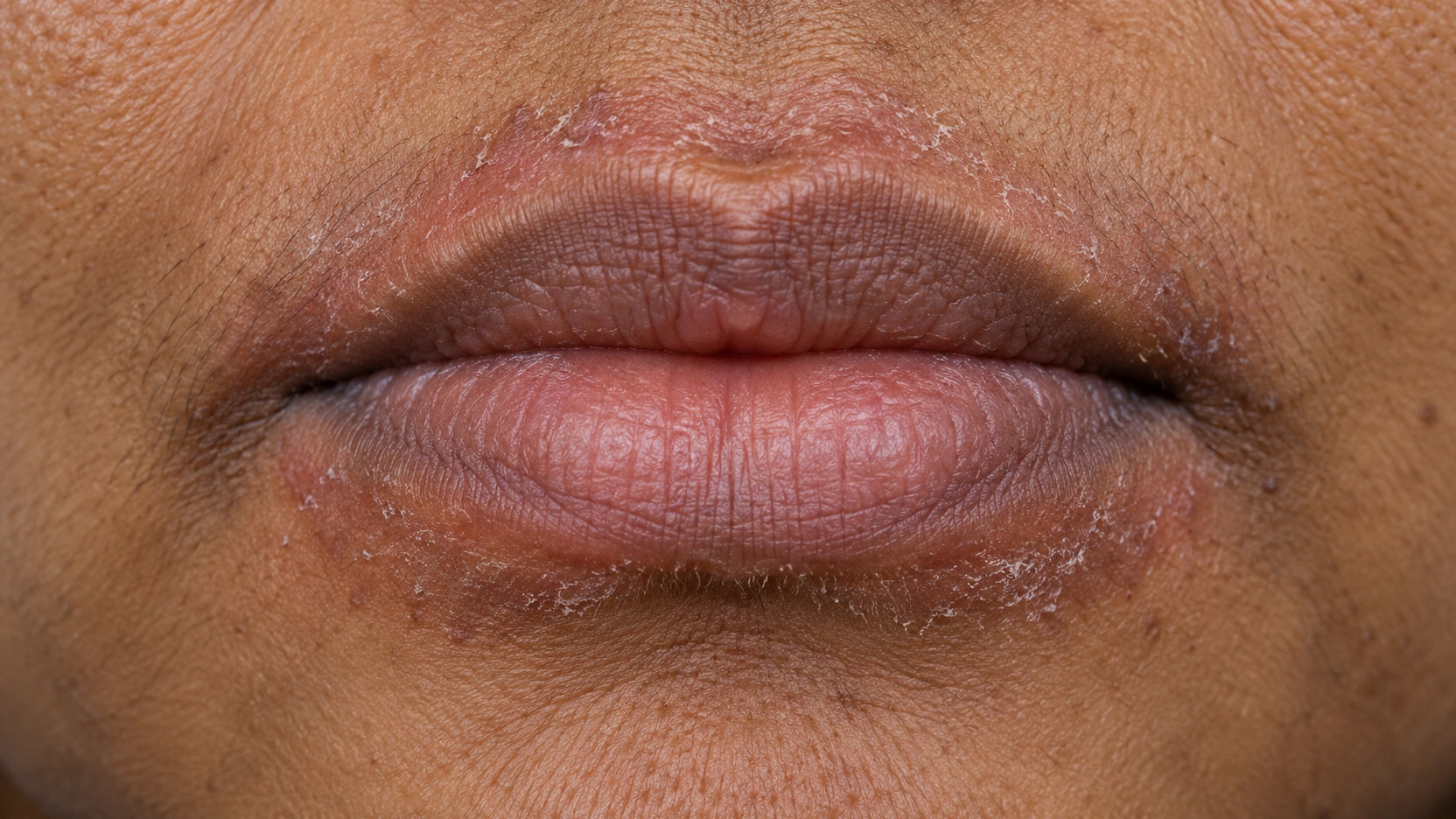
Educational illustration of dry flaking lips with shallow surface creases, with the lower face turned to the person’s right on medium skin.
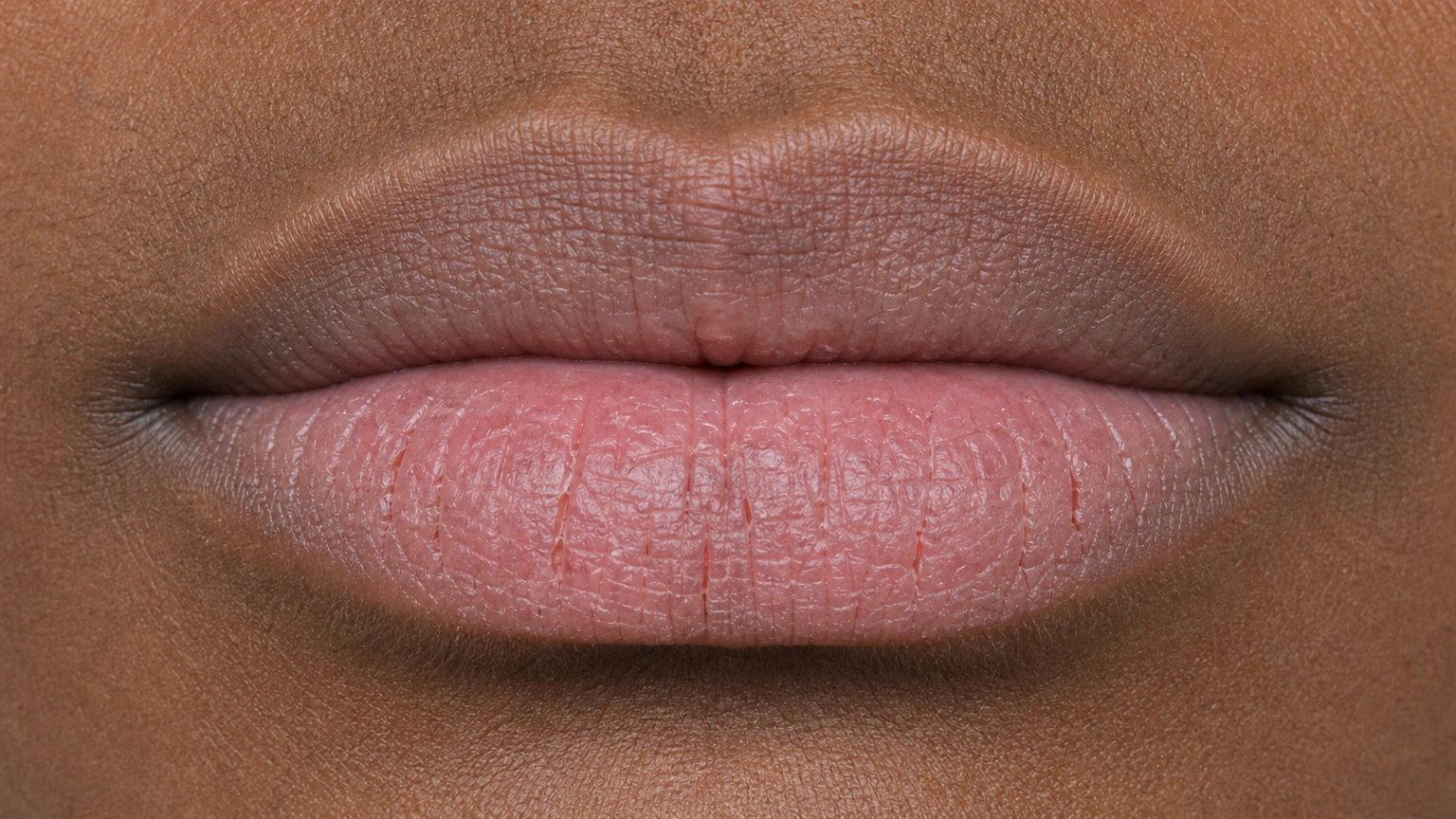
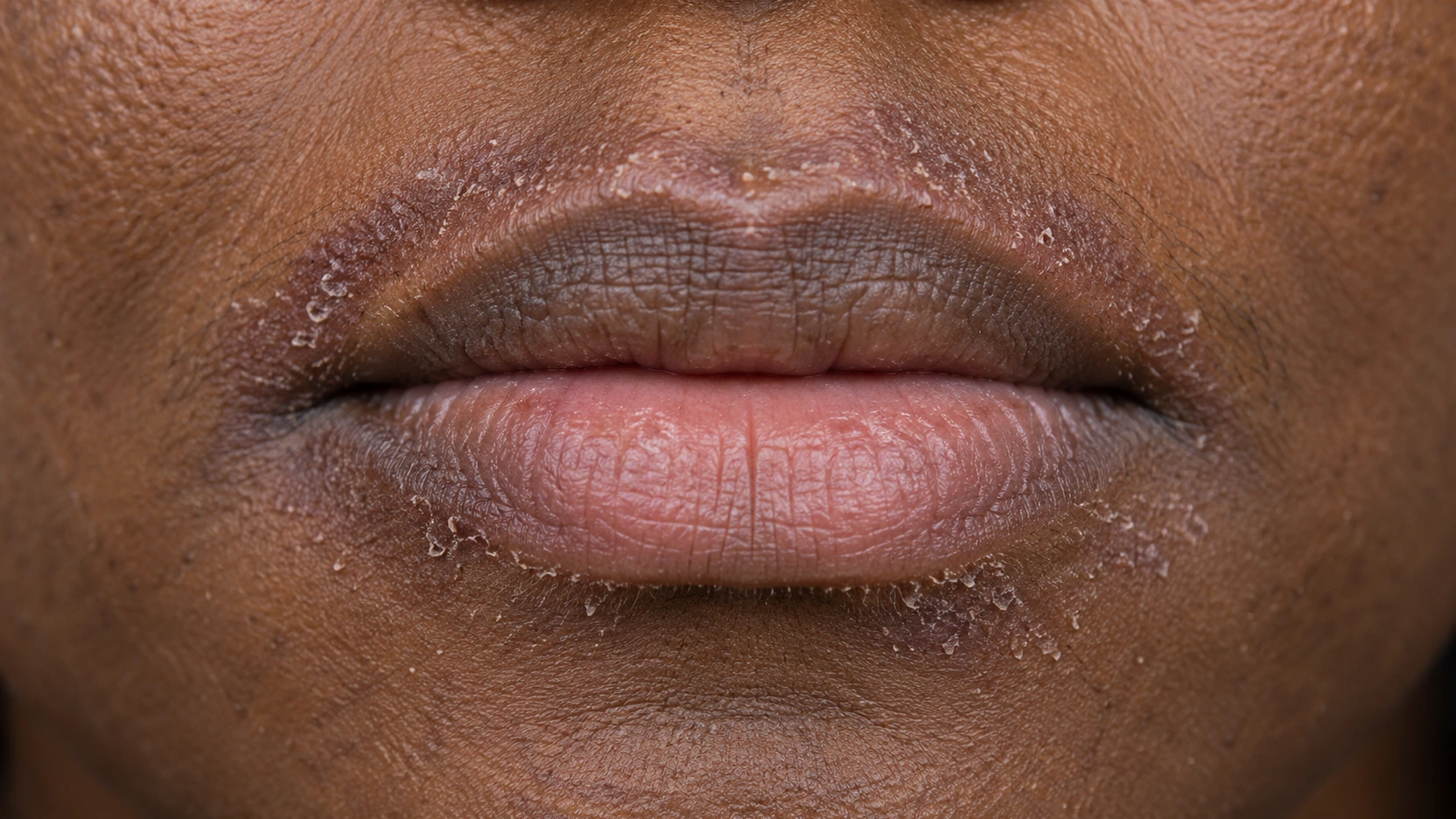
Educational illustration of dry flaking lips with shallow surface creases, with the lower face turned to the person’s right on brown skin.
Educational illustration of dry flaking lips with shallow surface creases, with the lower face turned to the person’s right on deep skin.
Closed lips with dry, patchy irritation extending across the lip border onto nearby skin.
In the skin

Moisture loss and repeated irritation weaken the barrier of the lip surface. The dry, less flexible tissue can peel or crack.

Repeated exposure to saliva followed by drying damages the skin barrier around the lips. This wet-dry cycle sustains irritation and inflammation.

When it usually starts

010203040506070+

Chapped Lips. Can start at any age after relevant exposures or barrier damage.

Lip-Licking Rash. Can start at any age after relevant exposures or barrier damage.

Causes and triggers

Causes

Loss of moisture and barrier damage affect the lip surface.

Repeated wetting and drying by saliva damages the skin barrier.

Risk factors
Repeated wet work, Irritating products, Eczema tendency
Lip-licking habit, Dry lips
Trigger
● Chapped Lips
● Lip-Licking Rash
Detergents
Can contribute
Not listed
Friction
Can contribute
Not listed
Repeated wetting
Can contribute
Not listed
Lip licking
Not listed
Can contribute
Cold dry weather
Not listed
Can contribute

Daily Care

Chapped Lips
Lip-Licking Rash
Daily care

Habits that help

  • Apply plain petrolatum or a bland fragrance-free lip balm
    Reapply when dry and before bed; stop any balm that burns or makes the rash worse.
  • Keep saliva off the lips and surrounding skin
    Try a gentle reminder or replacement habit instead of repeatedly licking sore lips.
  • Simplify lip products while the skin heals
    Avoid flavored, fragranced or irritating products and introduce replacements one at a time.
  • Protect lips from wind and sun
    A tolerated SPF lip balm and physical protection help outdoors.
  • Discuss allergen or irritant review
    Persistent lip eczema may need examination and patch testing rather than repeated product changes.

Avoid

  • Avoid: Biting, peeling or scrubbing loose skin
    This reopens cracks and delays healing.
  • Avoid: Repeatedly trying medicated balms without a diagnosis
    Persistent cracking or rash may need assessment for allergy, infection or another cause.

Treatment differences

Evidence labels come from each condition’s own treatment list.

Treatment
● Chapped Lips
● Lip-Licking Rash
Over-the-counter

Plain petrolatum

Listed

Protects the lip barrier; choose an unflavoured, fragrance-free product.

Plain petrolatum

Listed

Protects the lip barrier; choose an unflavoured, fragrance-free product.

Outlook

Long term

Simple chapping can improve with protection and avoidance of licking or irritating products. Repeated exposure can bring it back; a persistent ulcer, bleeding spot or localized rough patch needs examination.

The rash can improve when repeated licking stops and the lips are protected. It may return with the habit or dry weather; persistent symptoms need reassessment for another contributor.

Complications

Possible complications

Cracked skin may become infected; repeated exposure can make the rash persistent.

Cracked skin may become infected; repeated exposure can make the rash persistent.

When to get help

When to get help

Get a persistent one-sided sore, bleeding area or non-healing lip patch examined.

Seek care for persistent rash, painful cracks or possible infection.

Common questions

Chapped Lips:What is Chapped Lips?

Dry, cracked lip skin, often caused by weather, licking or irritating products.

Chapped Lips:What can I do day to day?

Use plain petrolatum, avoid licking and protect lips outdoors.

Chapped Lips:When should I get medical advice?

Get a persistent one-sided sore, bleeding area or non-healing lip patch examined.

Lip-Licking Rash:What is Lip-Licking Rash?

An irritant rash caused by repeated saliva contact from licking the lips.

Lip-Licking Rash:What can I do day to day?

Apply plain petrolatum and work on reducing the licking habit; avoid flavoured balms.

Lip-Licking Rash:When should I get medical advice?

Seek care for persistent rash, painful cracks or possible infection.

Sources
Sources and further reading

  1. Cheilitis
  2. Lip licker’s dermatitis
Dermapedia on YouTube