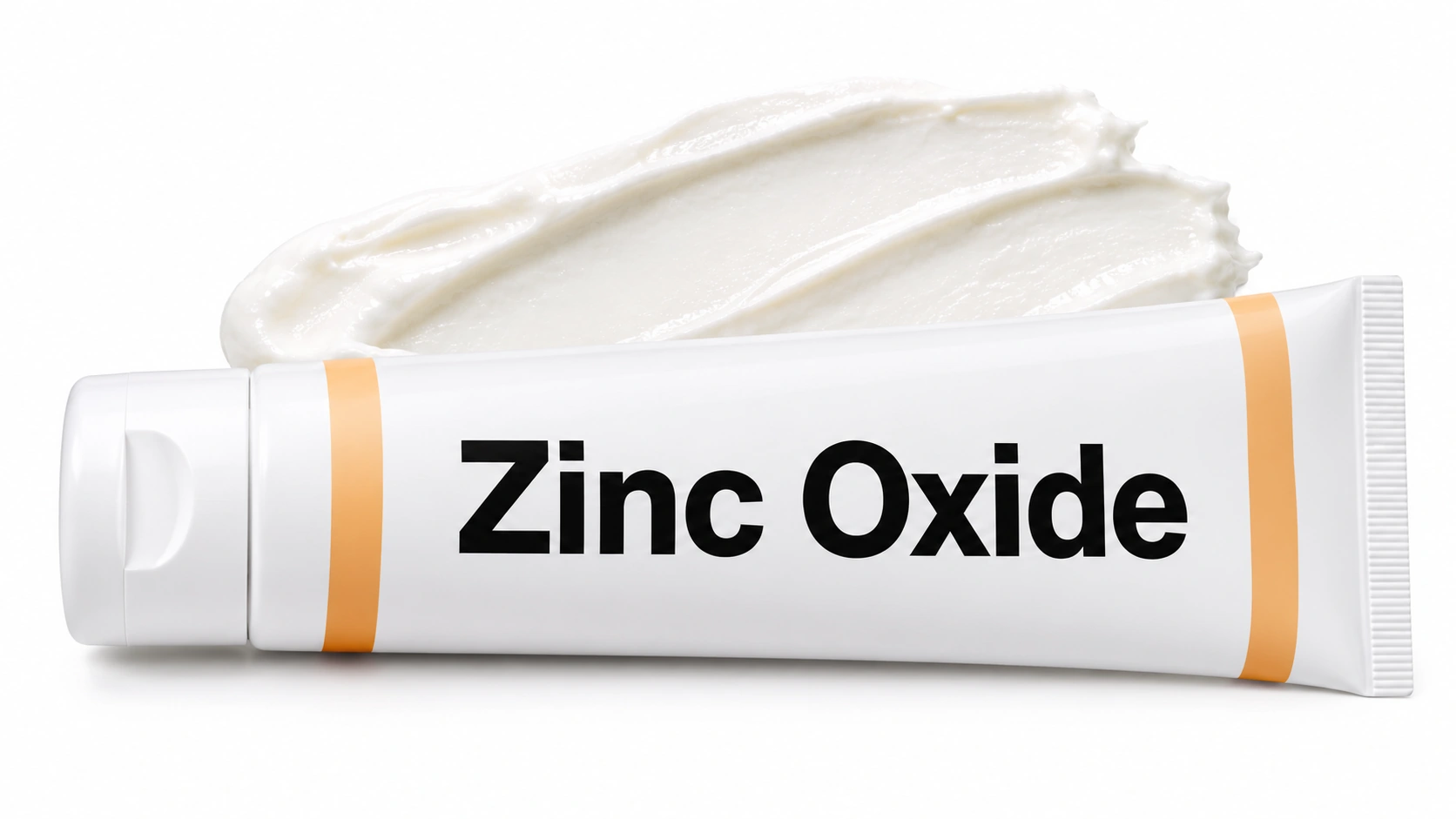
Zinc oxide barrier
ListedUse a protective barrier with frequent gentle diaper changes.
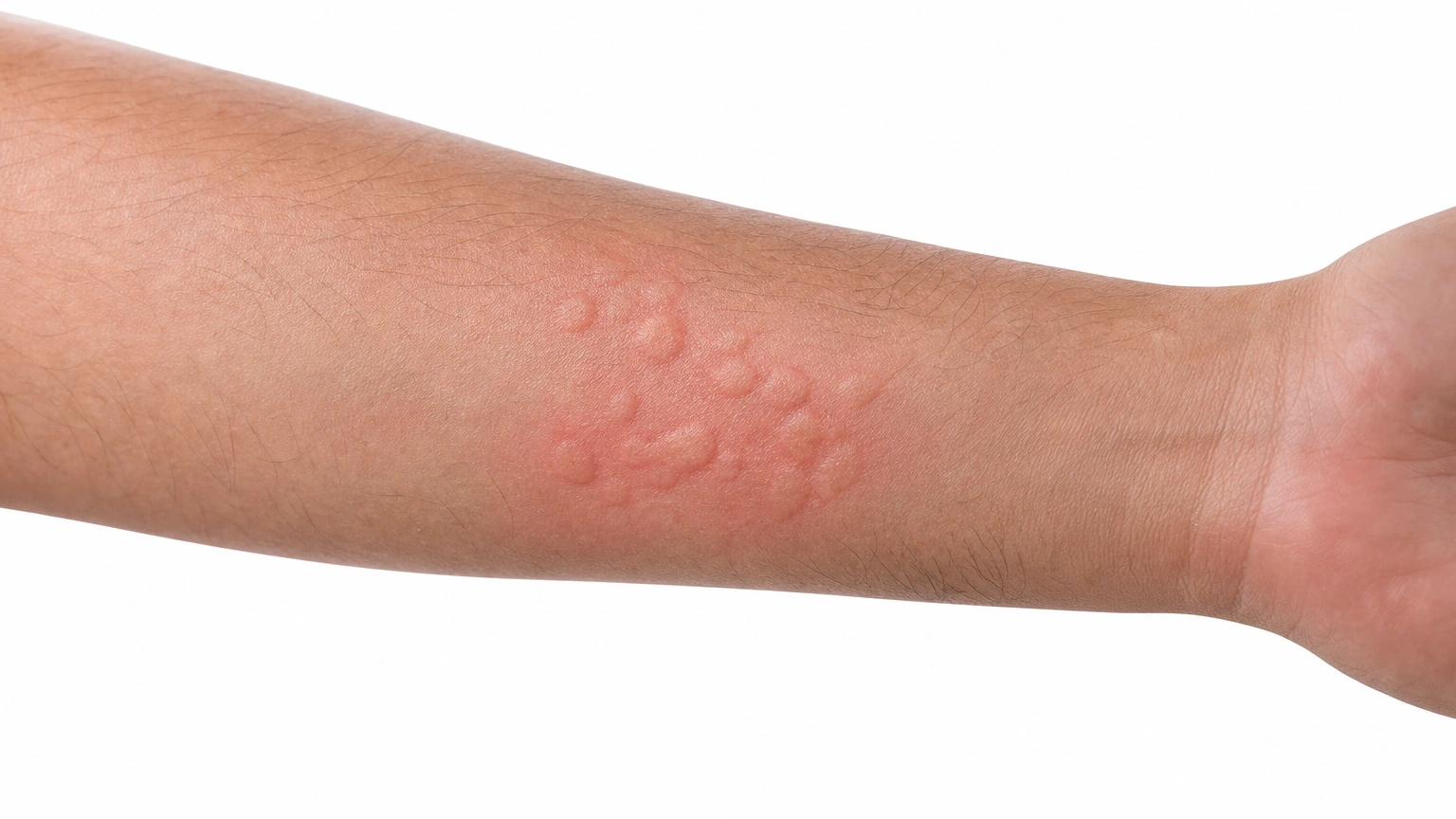
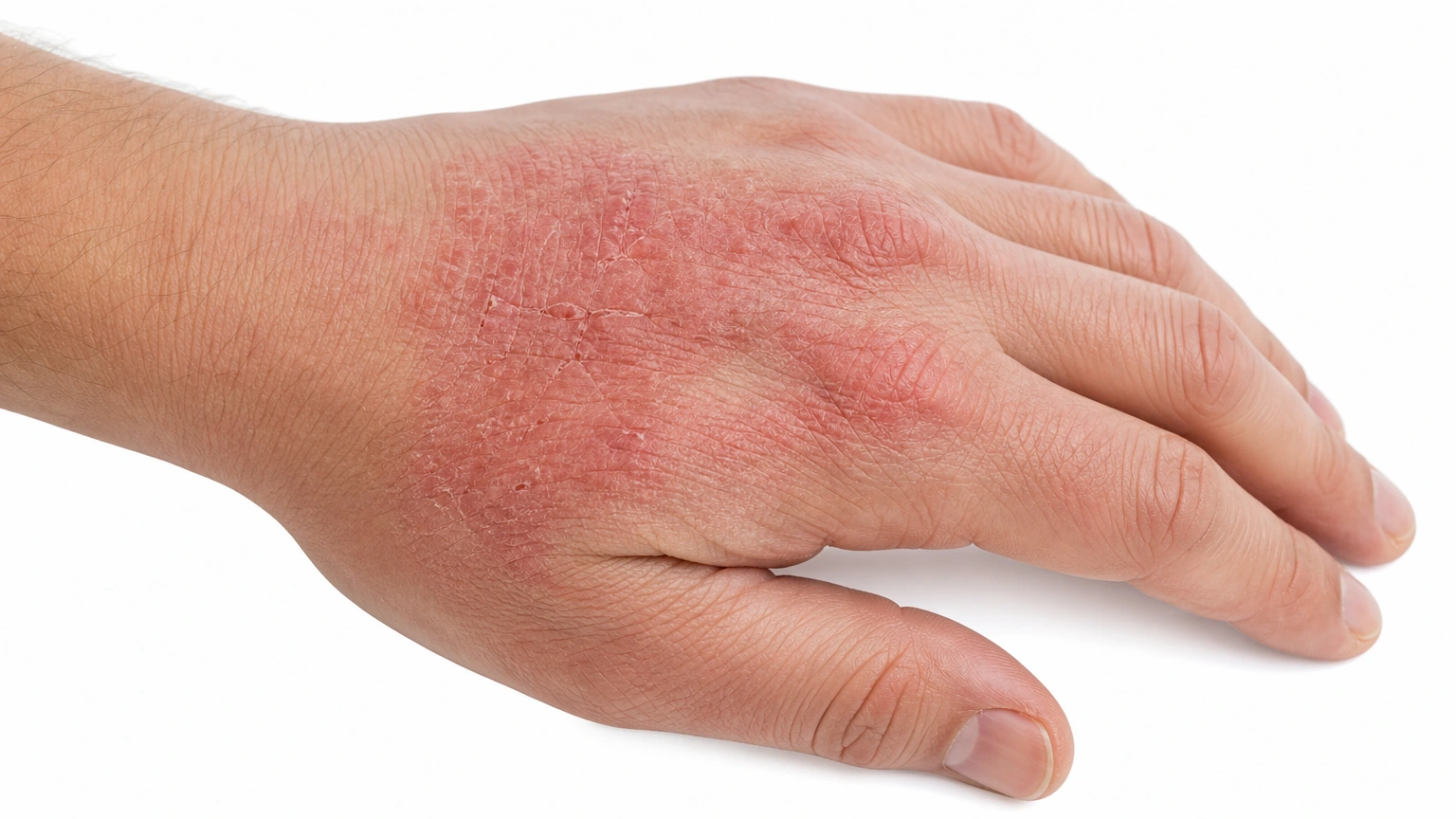
Irritant dermatitis caused by urine, stool, friction and prolonged diaper contact. A diaper-area rash complicated by Candida yeast.
The same eight facts on every condition comparison.
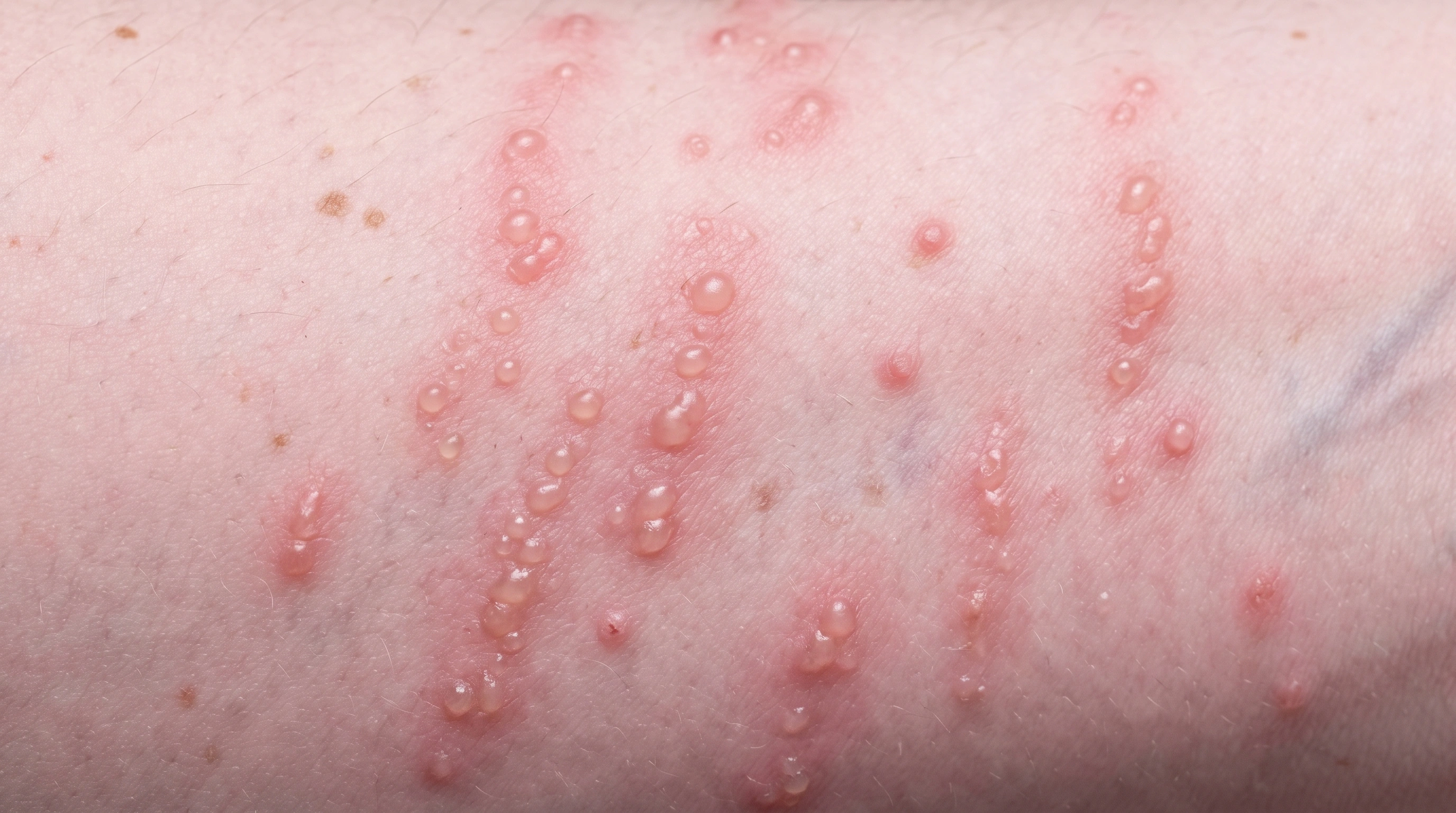
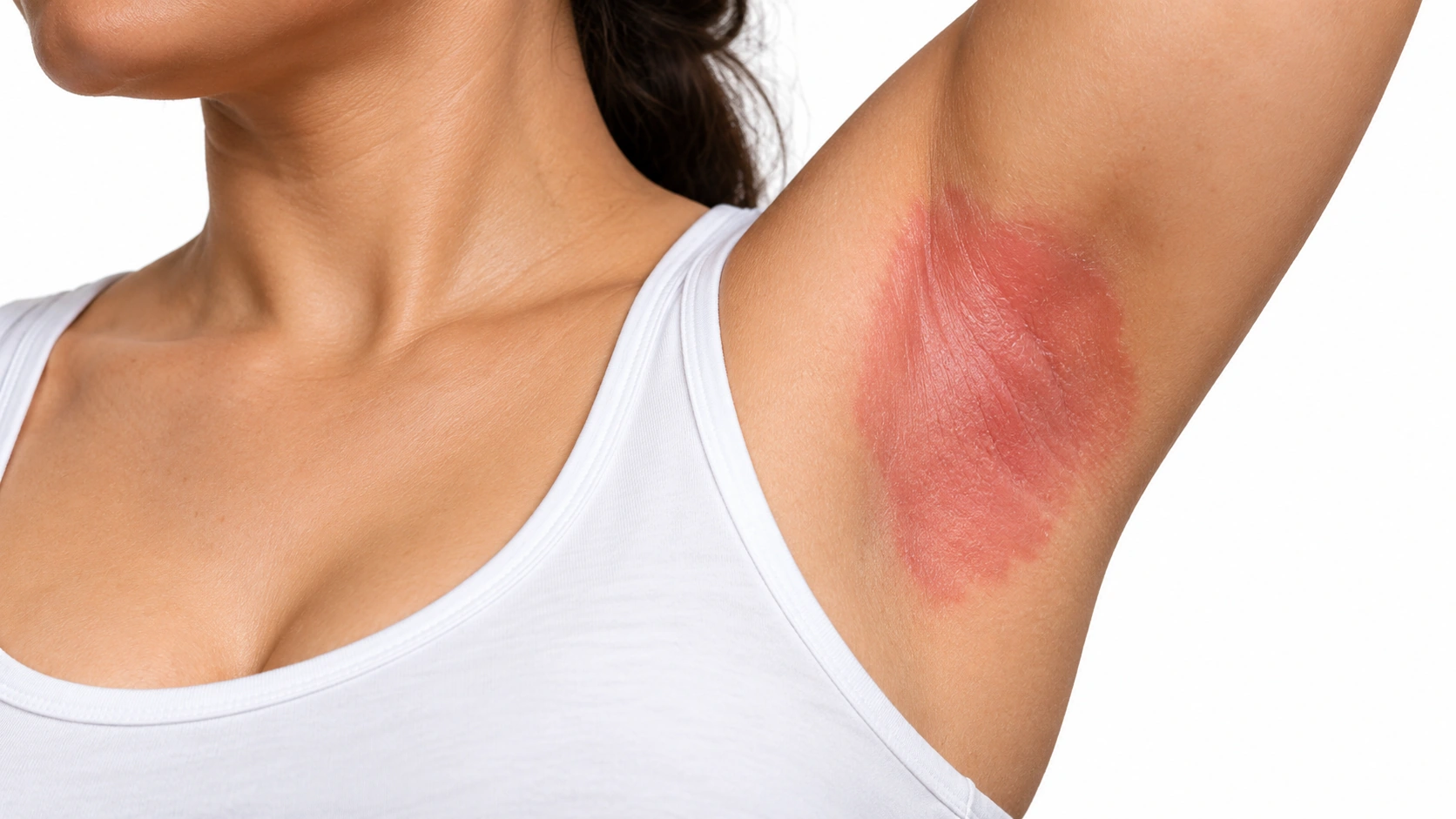
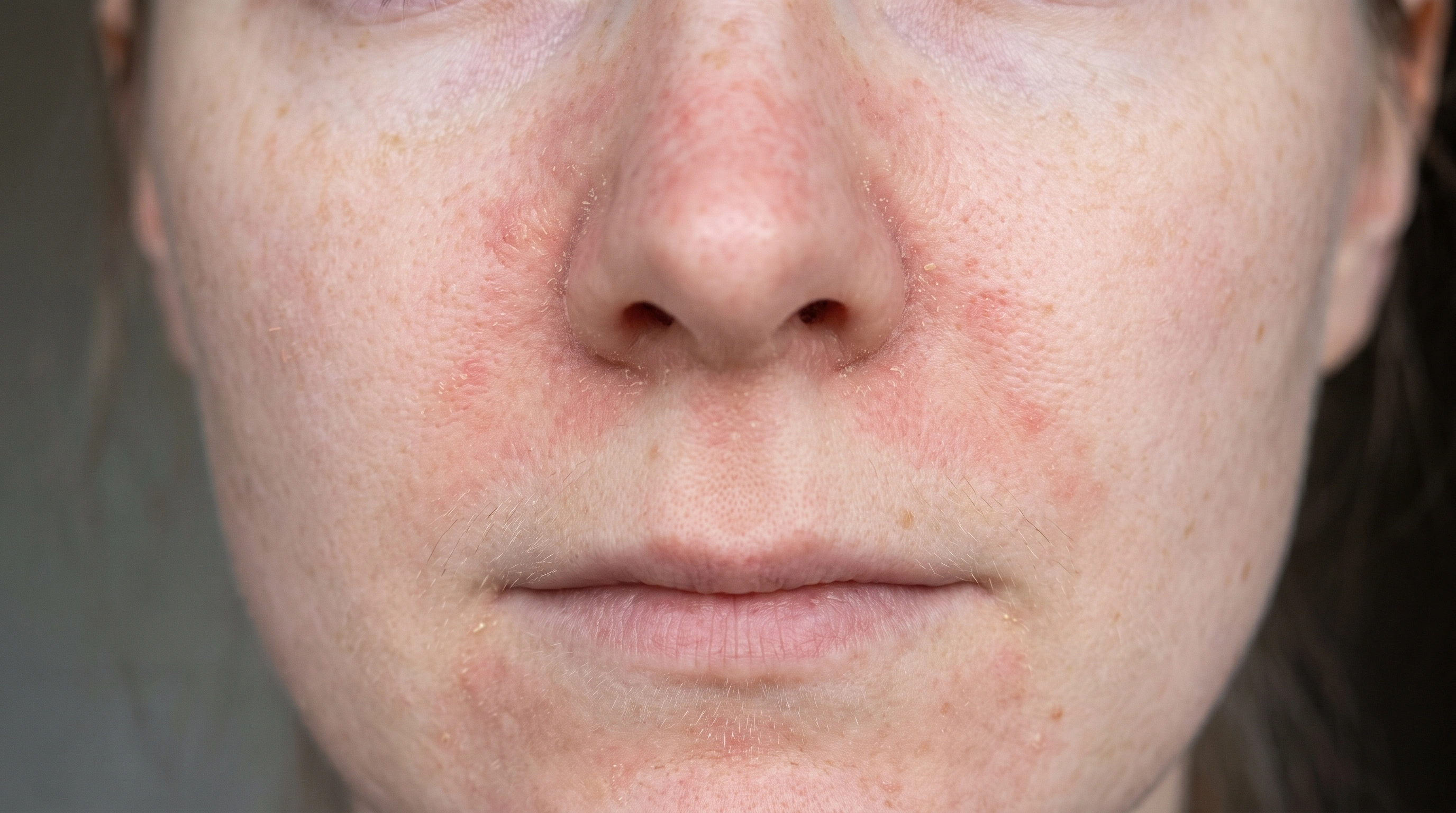
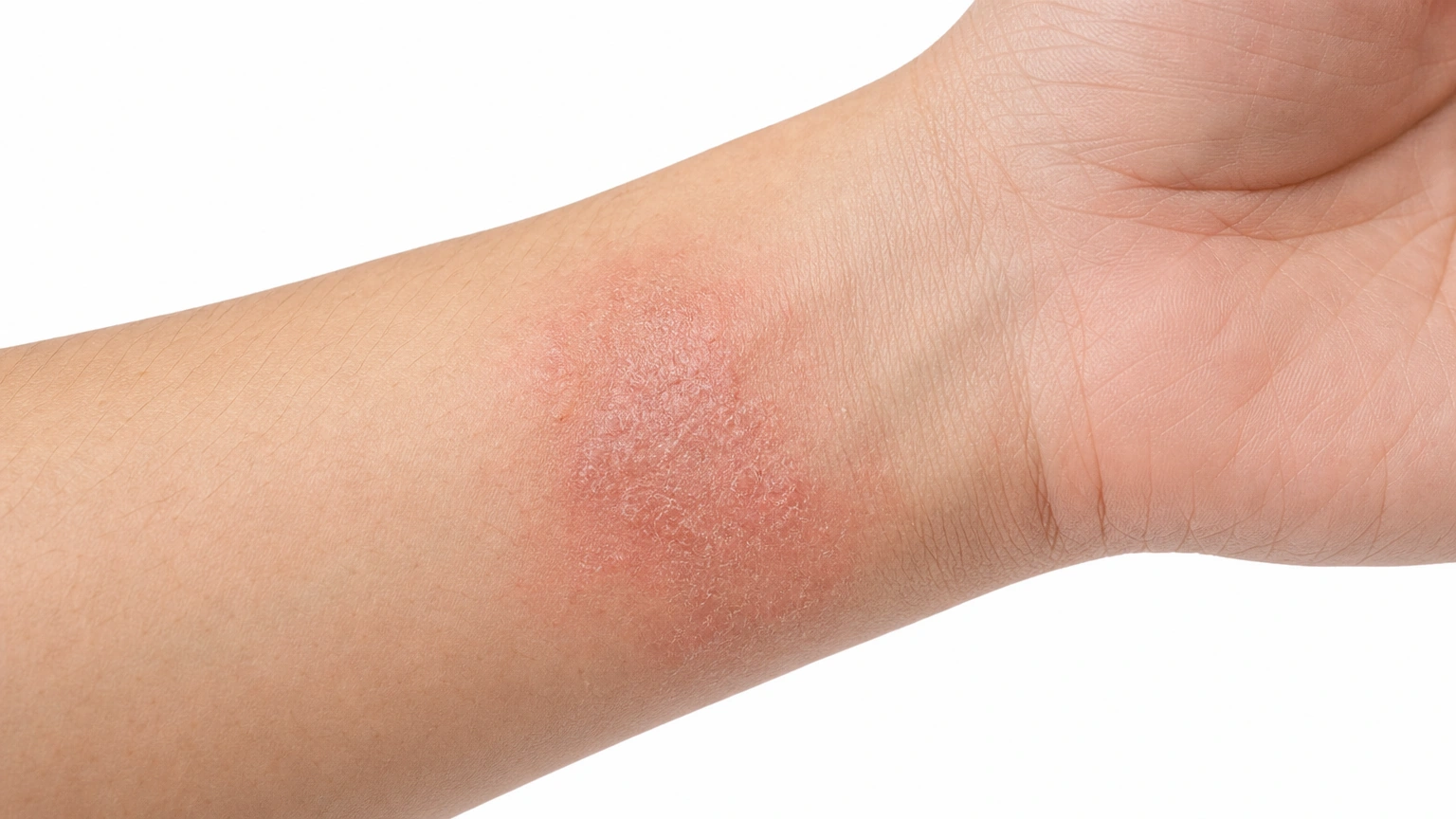
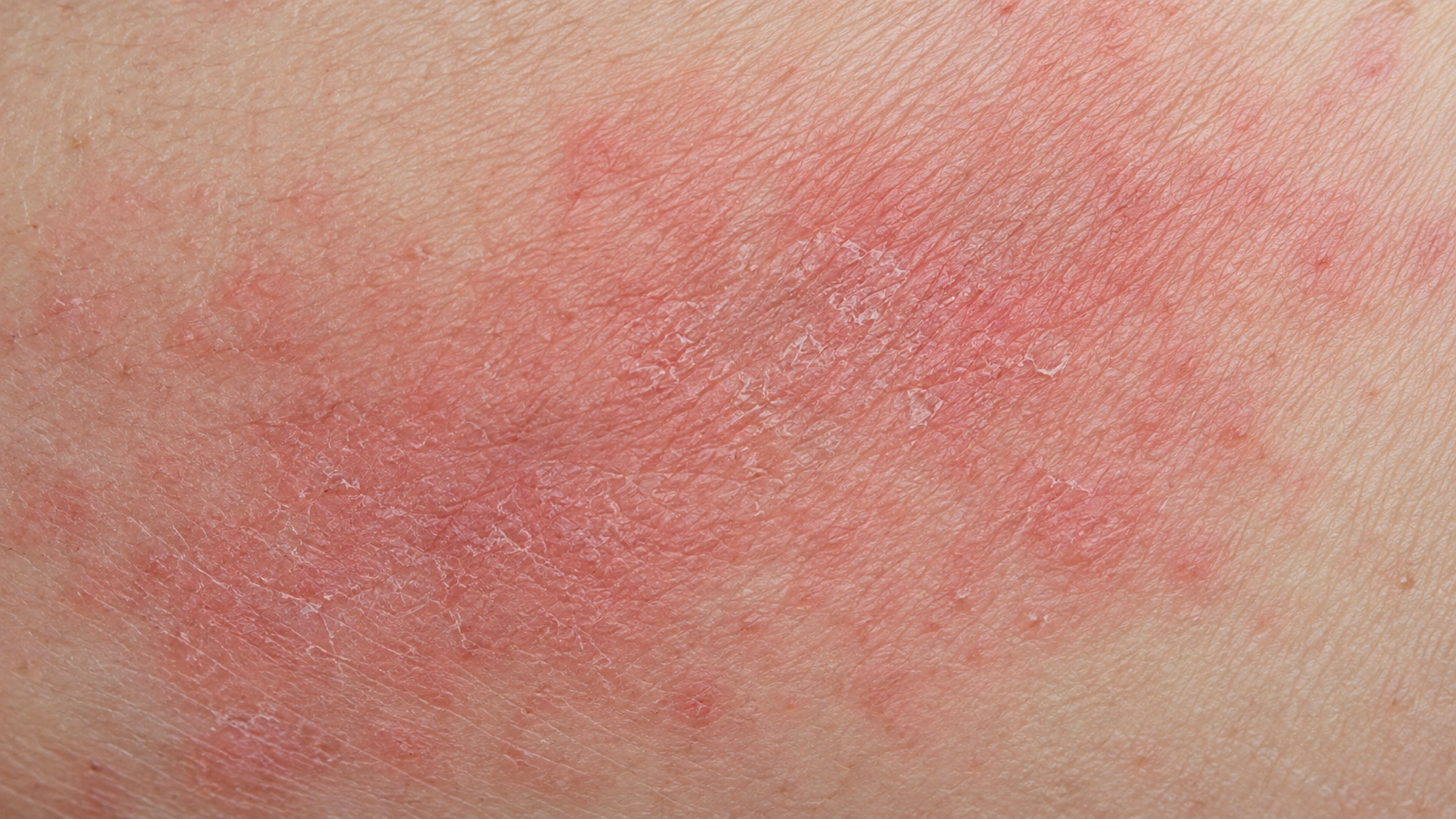
Irritated skin A broad area of redness and fine scale shows the rash itself.
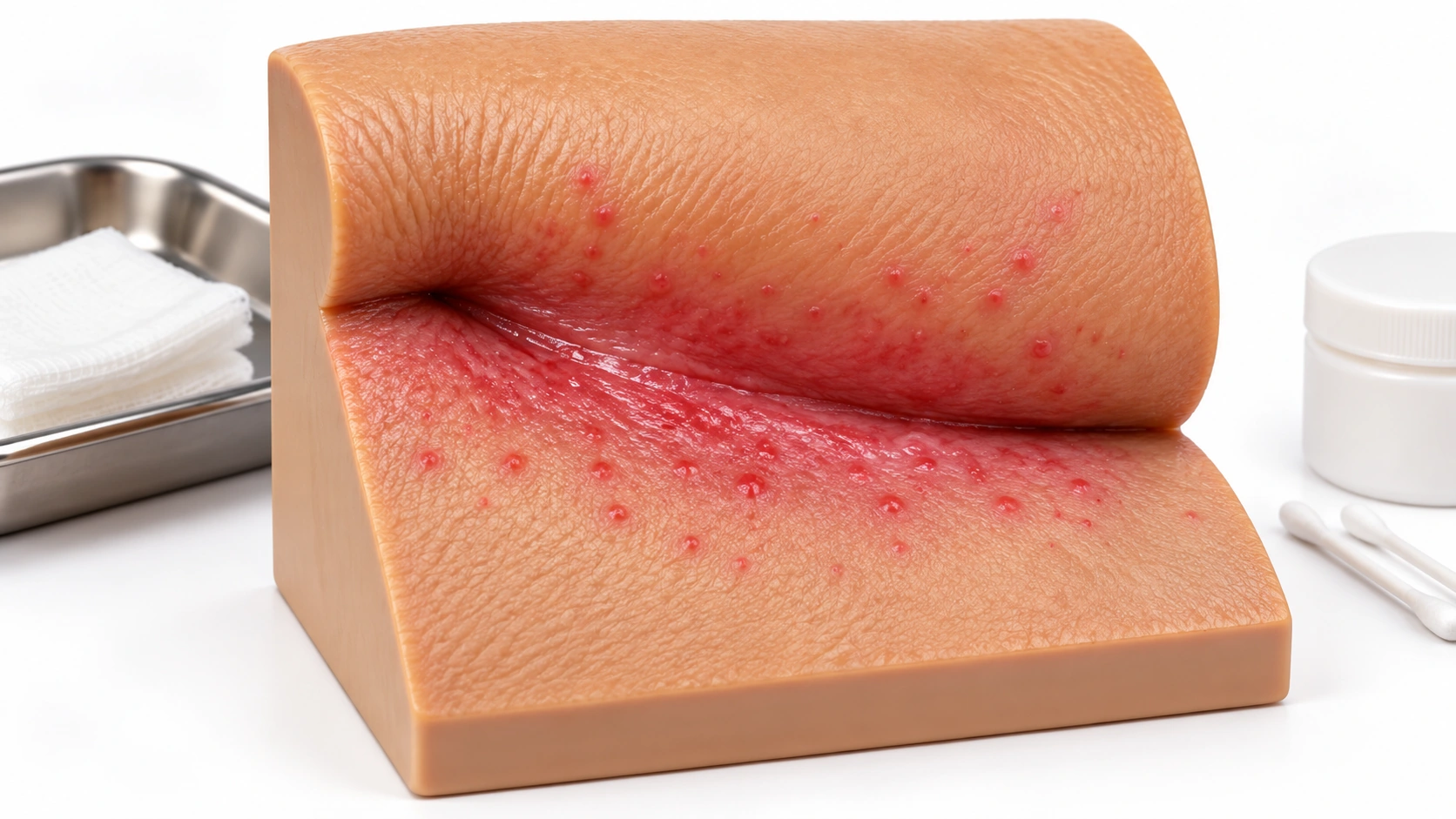
Clinical illustration needed
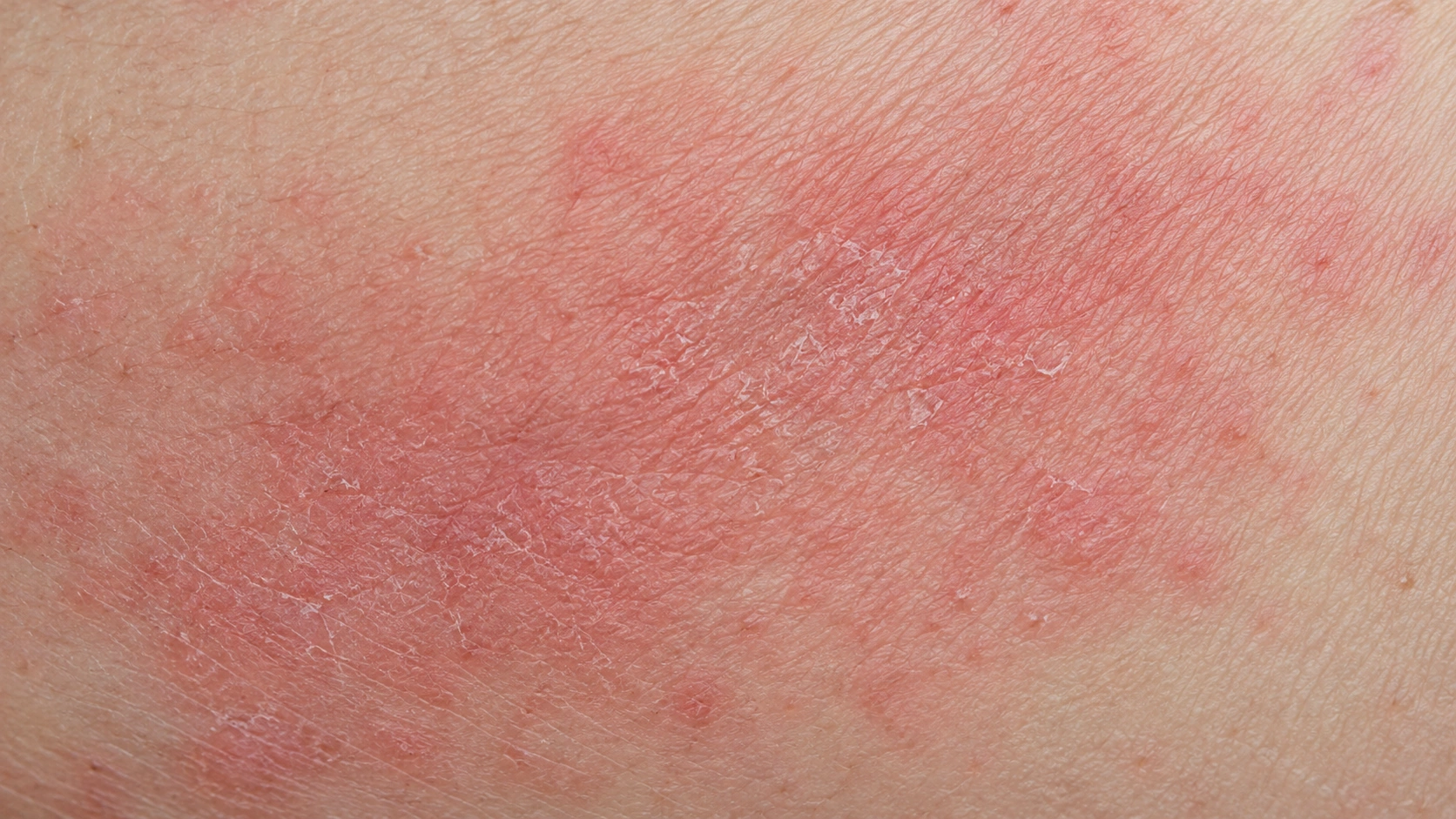
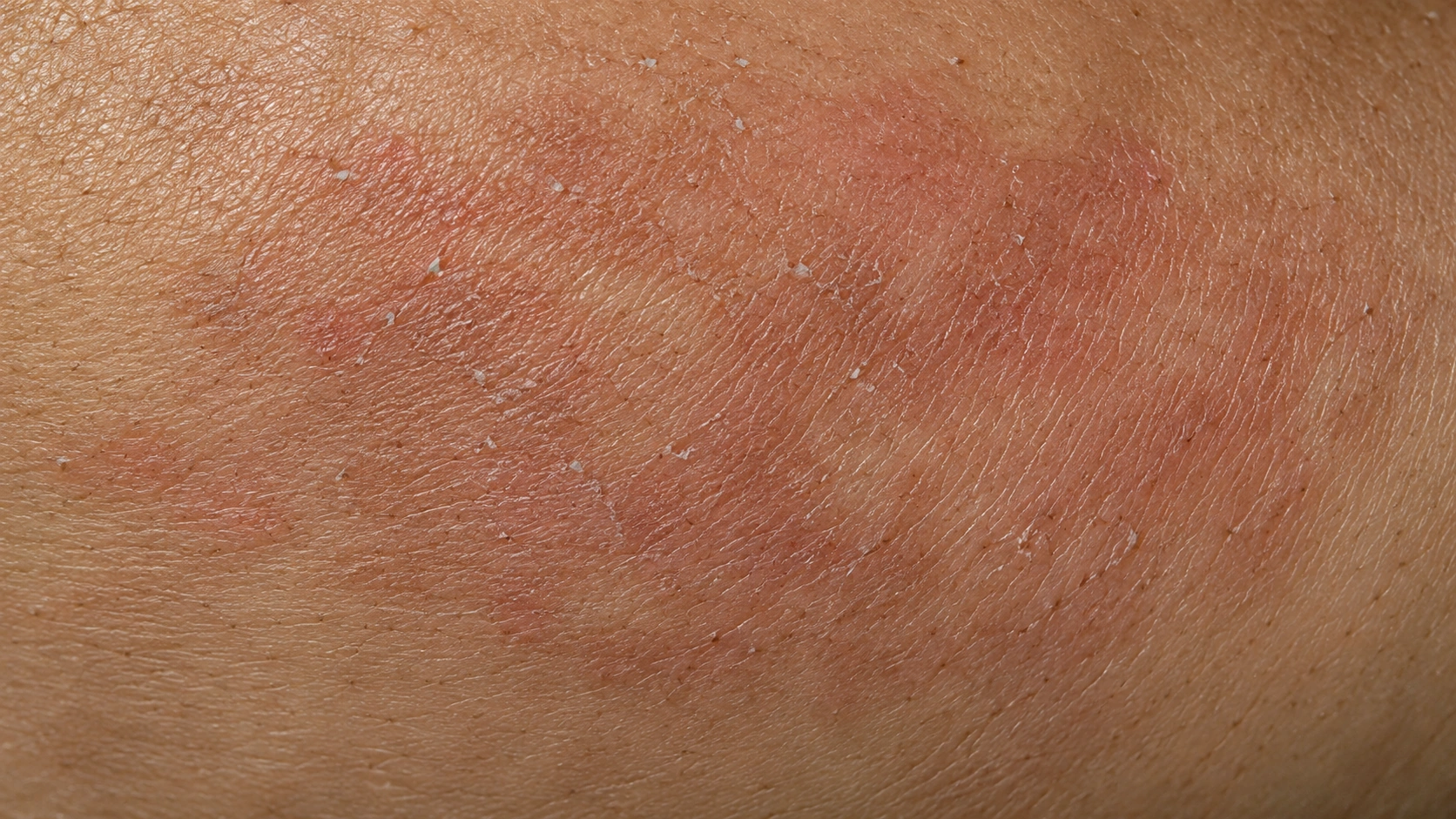
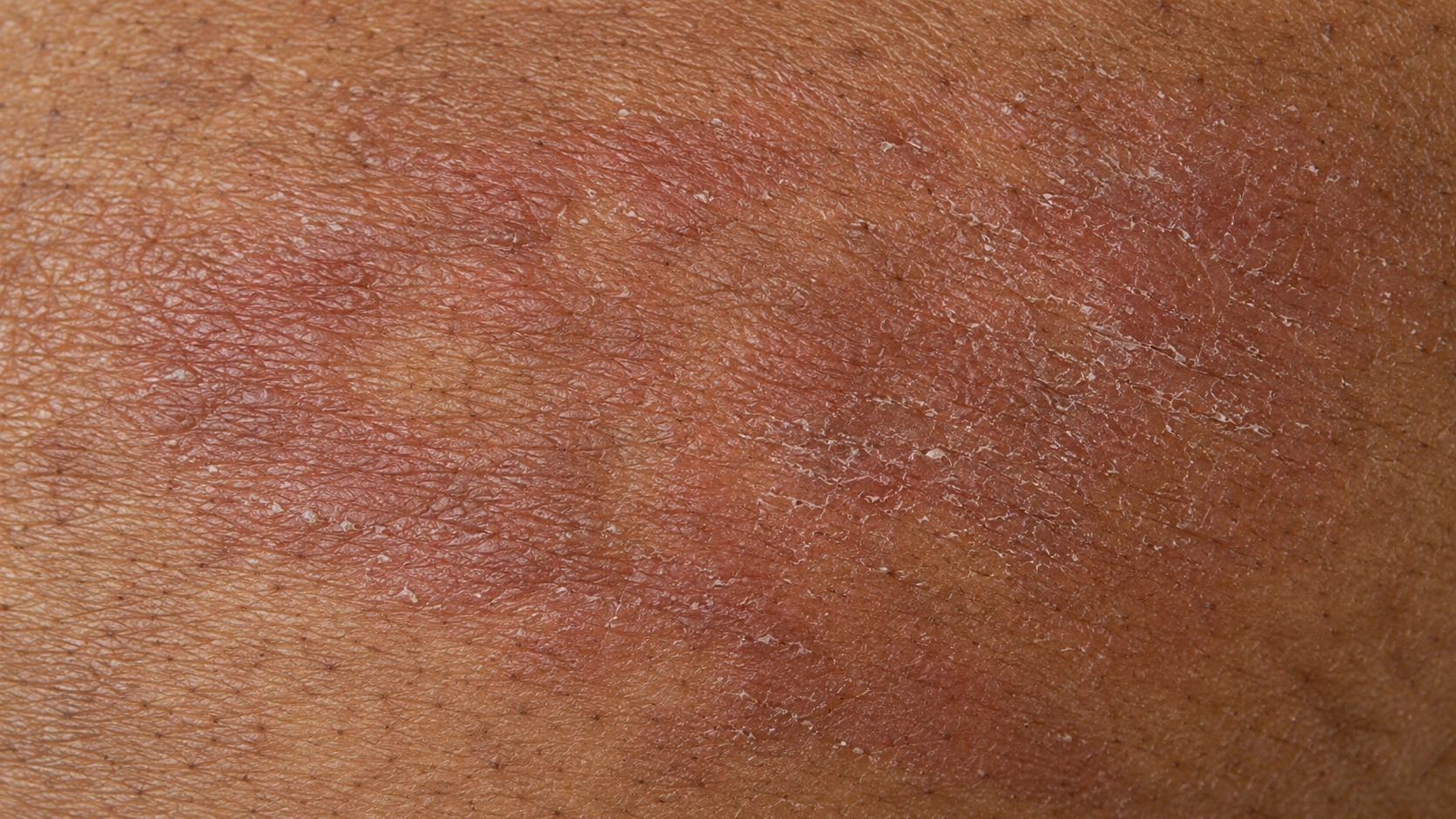
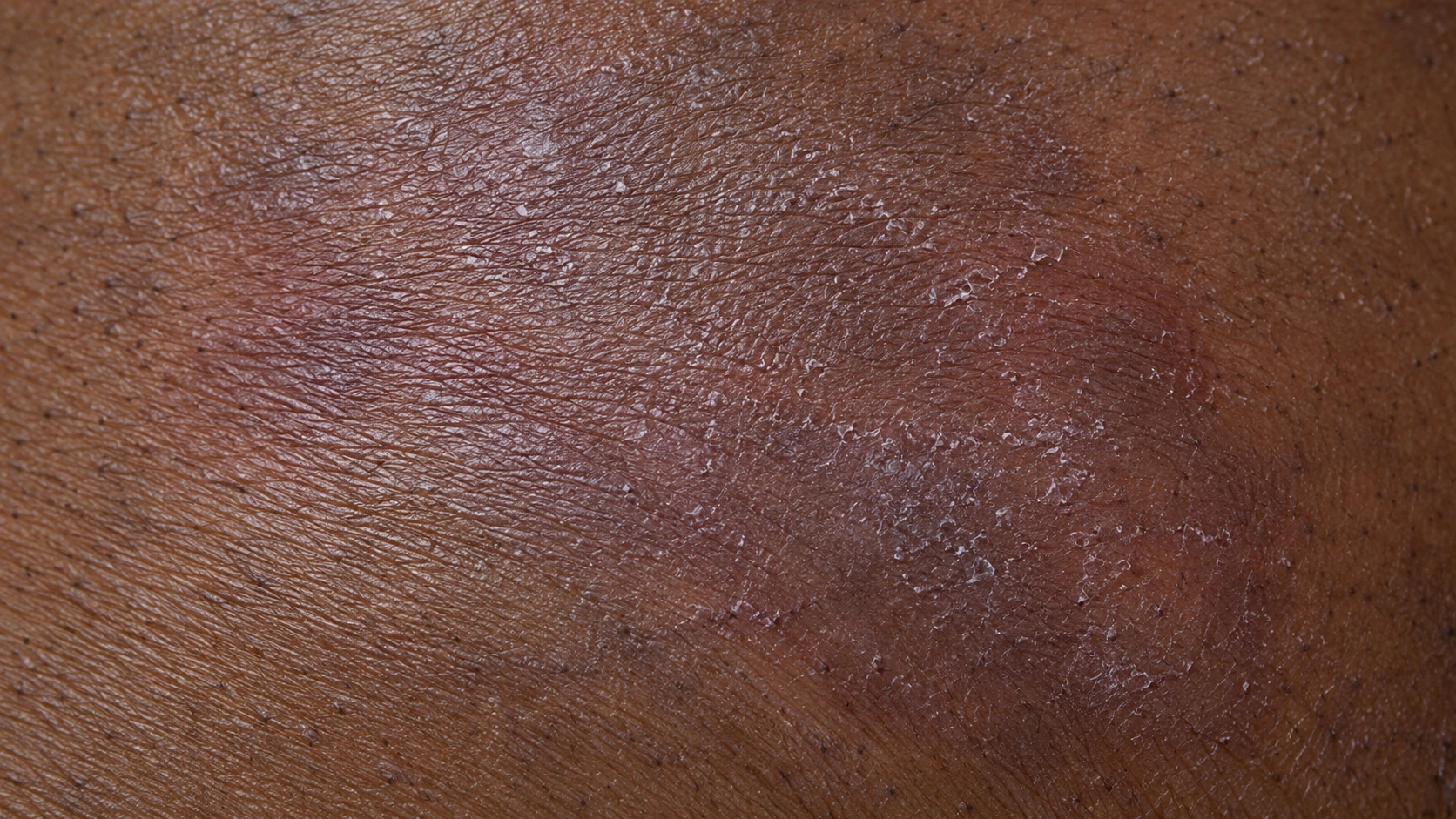
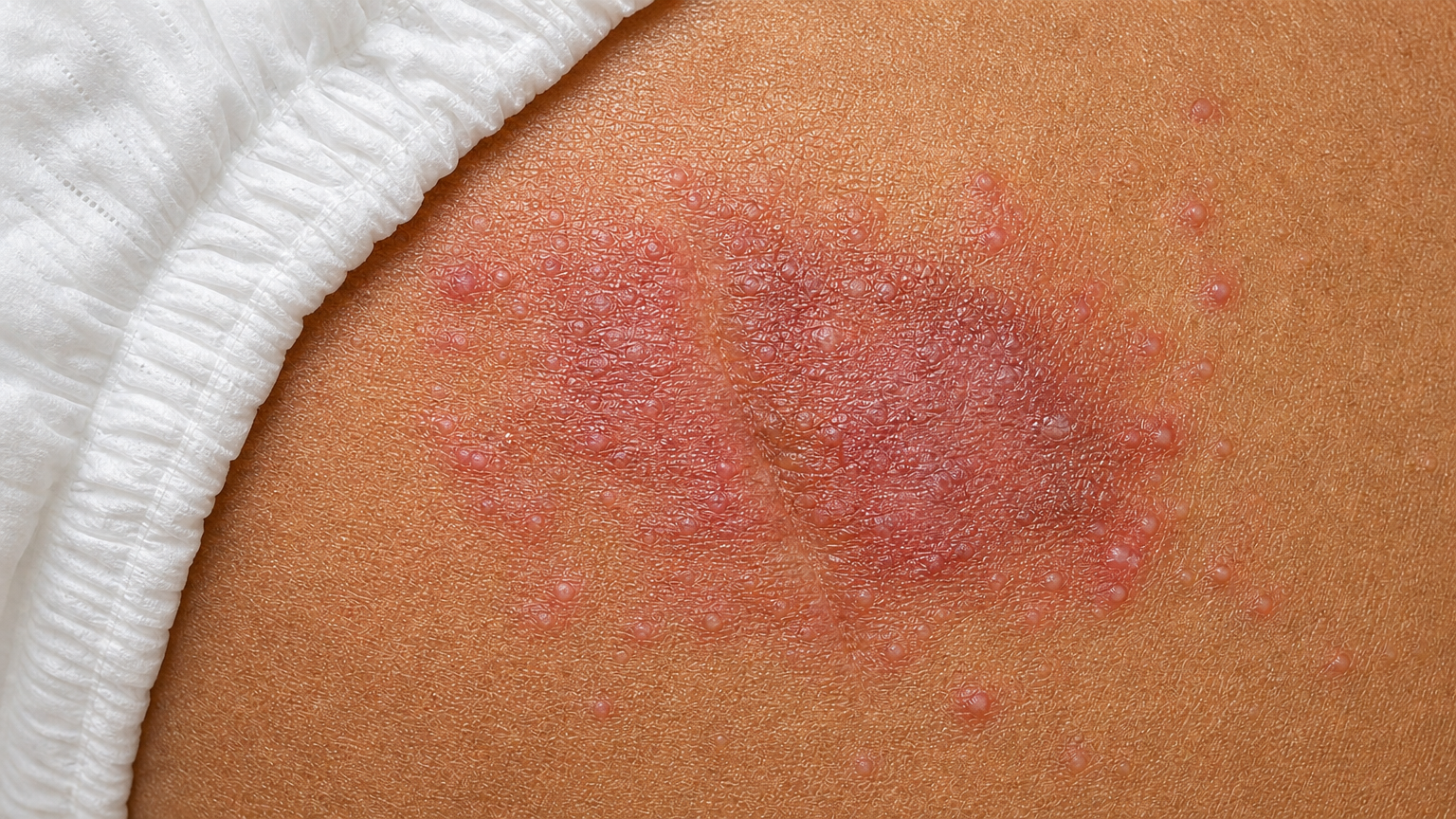
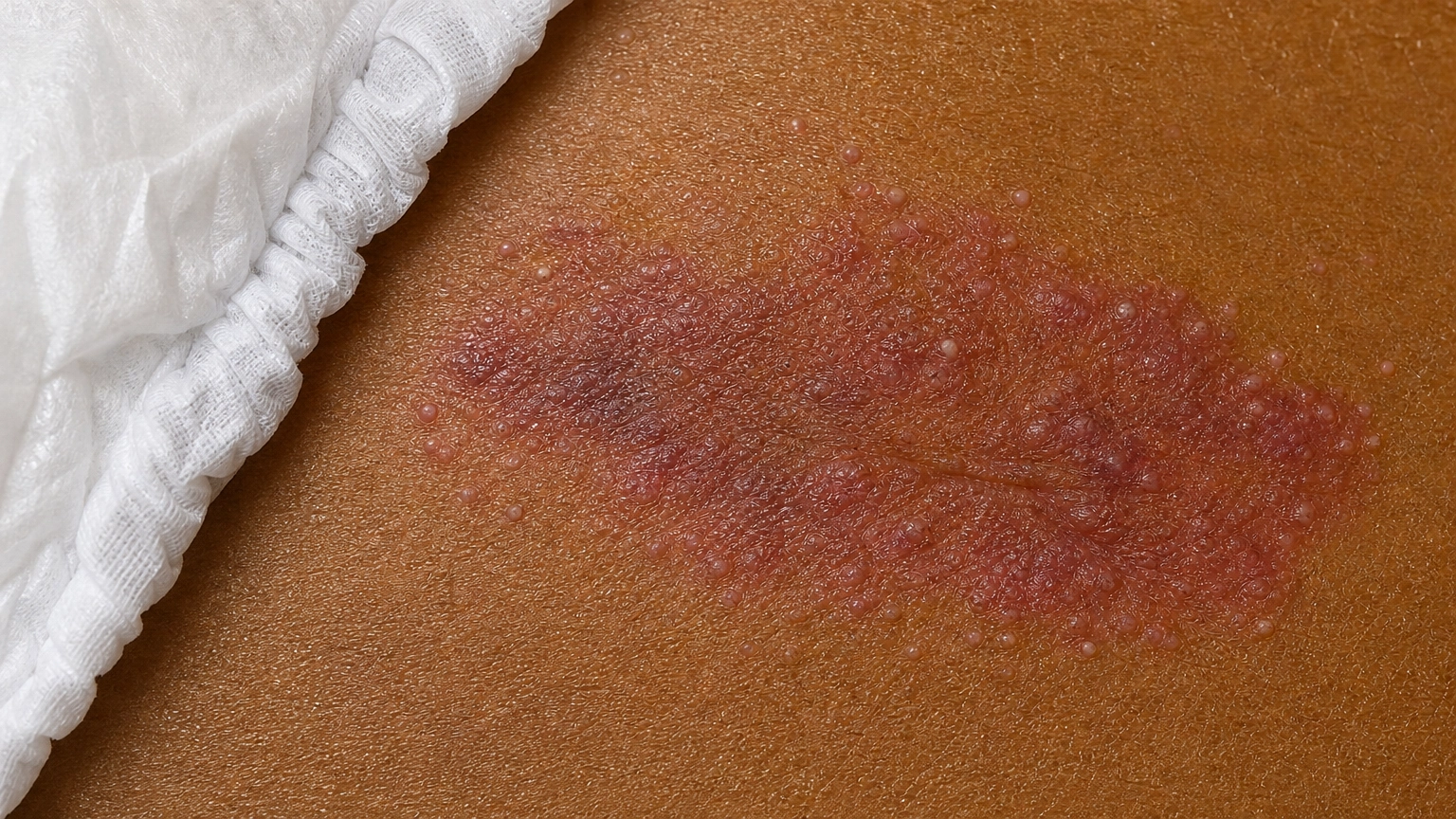
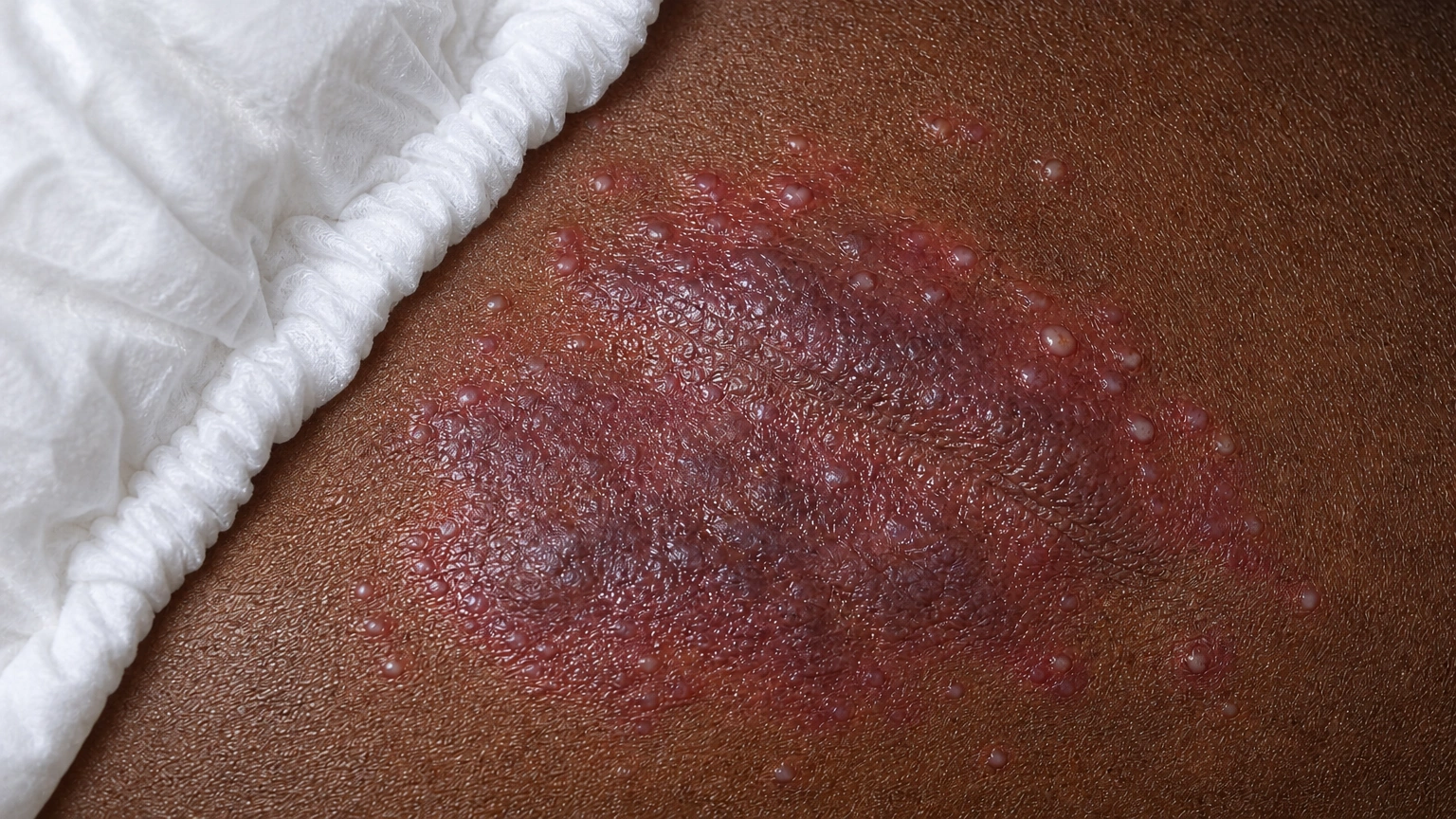
Trapped moisture, friction and irritating exposures weaken skin in the diaper area. Inflammation develops in the damaged barrier, sometimes with an additional infection.
Candida yeast overgrows in the warm, moist diaper environment. A damaged skin barrier makes it easier for the yeast and the inflammatory response to produce a rash.
Diaper Rash. Common during diaper use in infancy; adults using continence products can also be affected.
Candidal Diaper Rash. Occurs during diaper use, particularly when irritation persists.
Moisture and friction damage the skin barrier in a warm enclosed area.
Candida grows in the warm moist diaper environment, often after barrier damage.
Evidence labels come from each condition’s own treatment list.
Use a protective barrier with frequent gentle diaper changes.
Protects irritated skin alongside frequent diaper changes.
A clinician can recommend treatment for Candida; steroid alone does not treat yeast.
Simple irritant diaper rash usually improves after wet or dirty diapers are changed promptly and the skin is protected. Persistent, spreading or very painful rash needs reassessment for infection or another cause.
The rash usually improves with suitable antifungal treatment and frequent diaper care. Persistent or worsening rash needs reassessment, because other diaper-area conditions may need a different approach.
Damaged skin can develop secondary yeast or bacterial infection.
Damaged skin can develop secondary yeast or bacterial infection.
Seek care for fever, blisters, ulcers, marked pain or a rash that persists despite barrier care.
Seek care for spreading pain, broken or weeping skin, fever or failure to improve.
Irritant dermatitis caused by urine, stool, friction and prolonged diaper contact.
Change promptly, rinse gently, allow air drying and use a thick barrier cream.
Seek care for fever, blisters, ulcers, marked pain or a rash that persists despite barrier care.
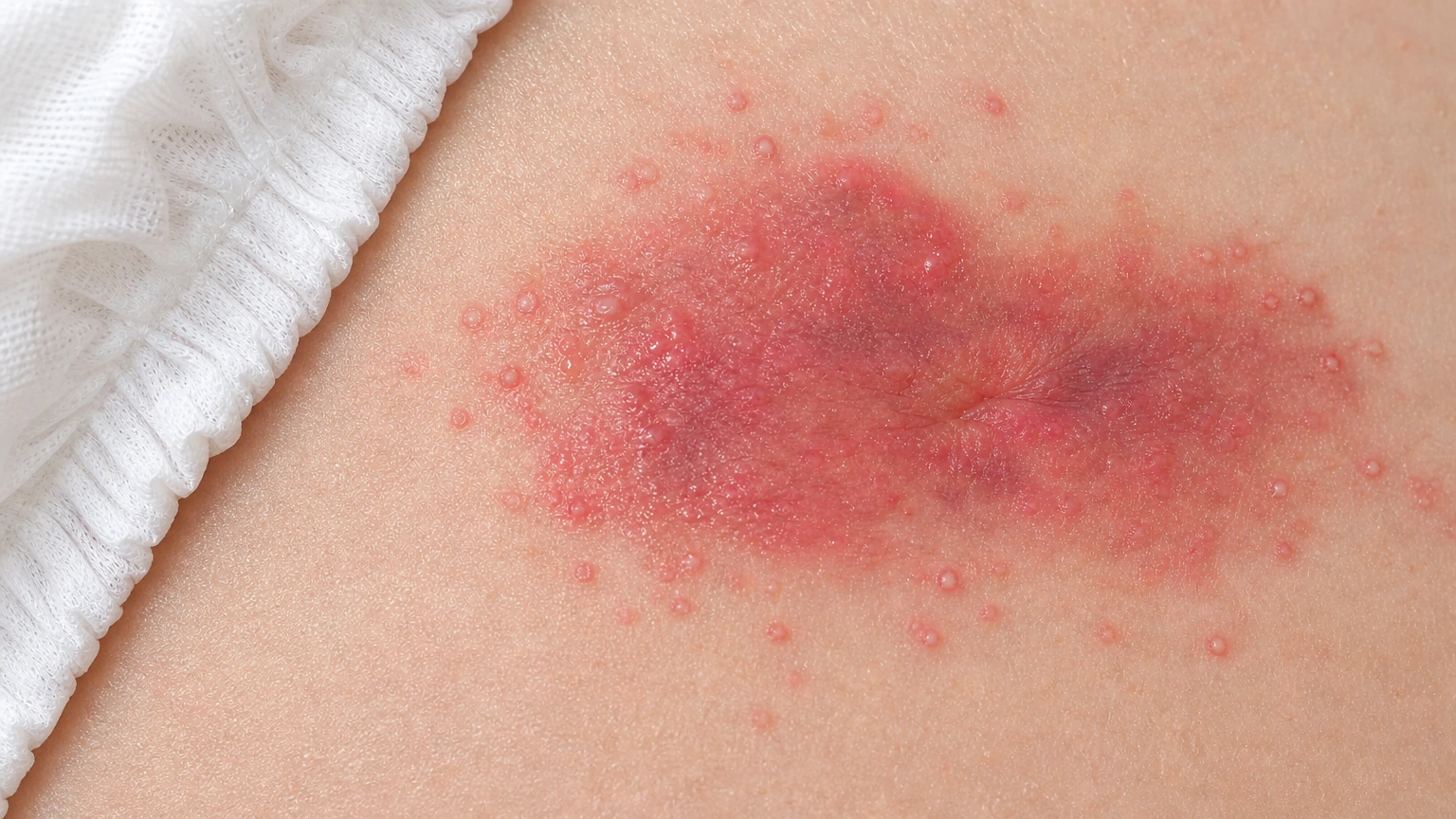
A diaper-area rash complicated by Candida yeast.
Use frequent changes, gentle rinsing and a barrier; a clinician may recommend an antifungal.
Seek care for spreading pain, broken or weeping skin, fever or failure to improve.
Sources