Acute Paronychia vs Chronic Paronychia

A rapidly developing painful inflammation or infection beside a nail. Longstanding inflammation around a nail, usually related to repeated wet work and irritation.
Research updated 2026-10-23
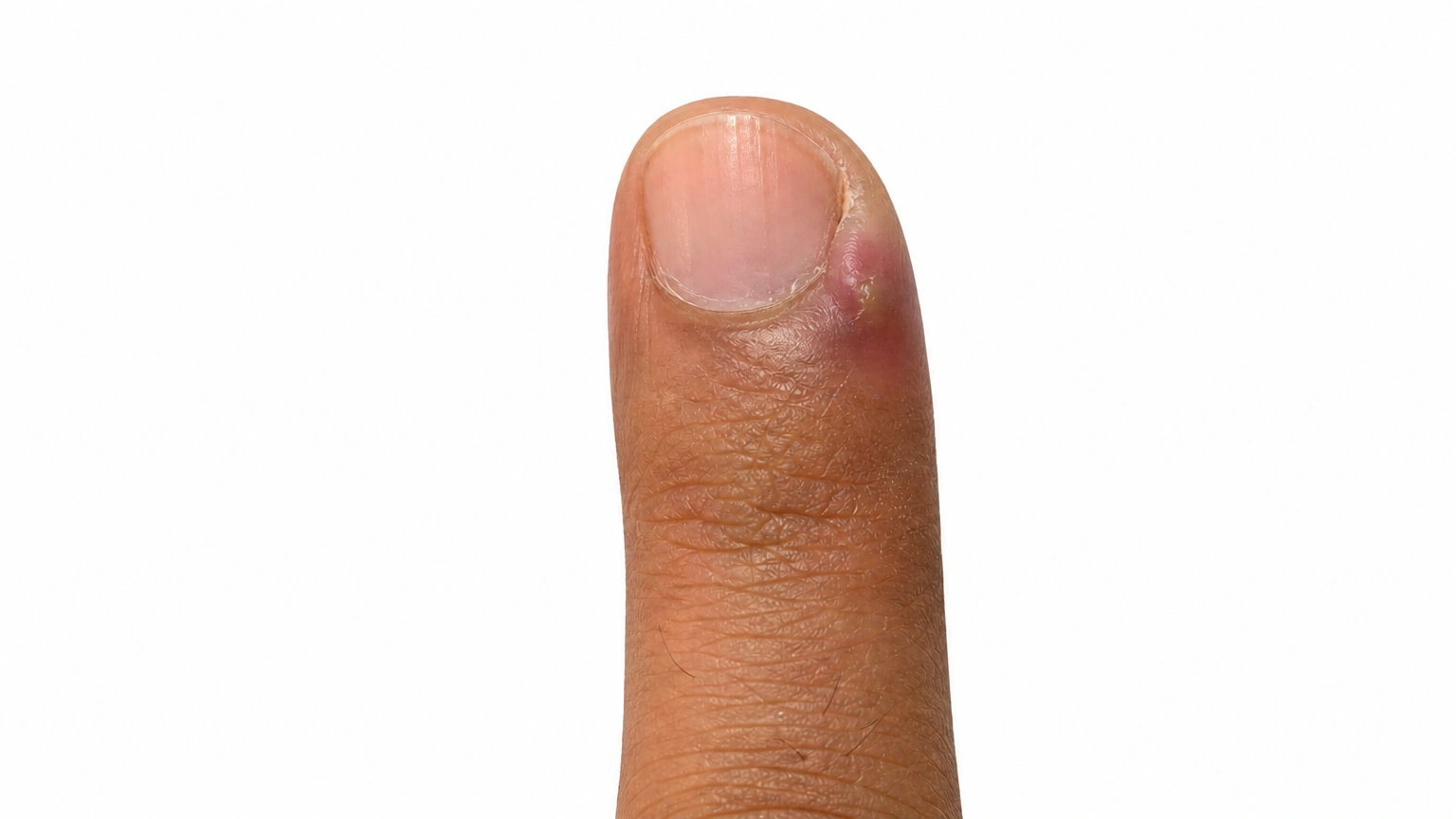
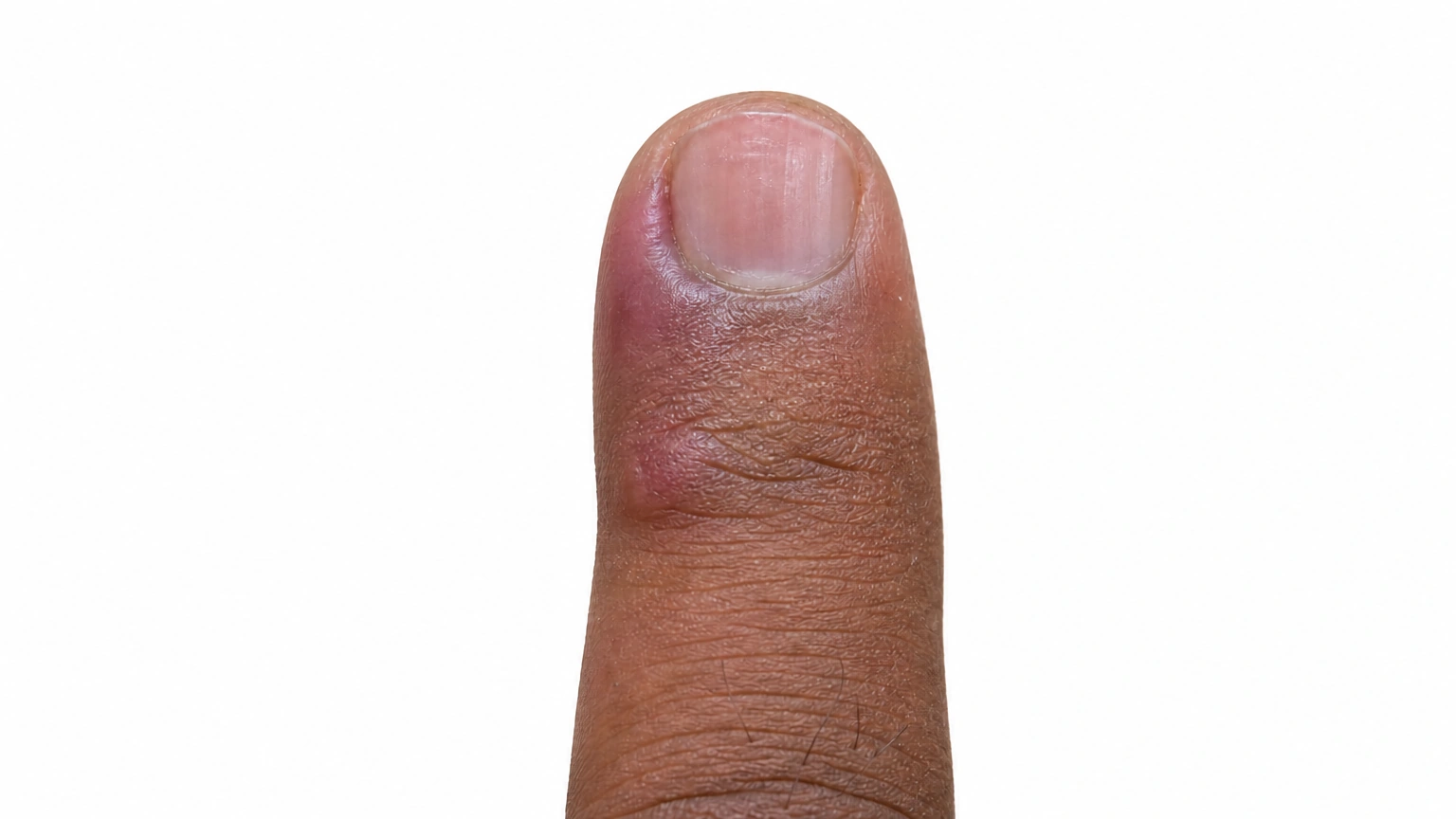
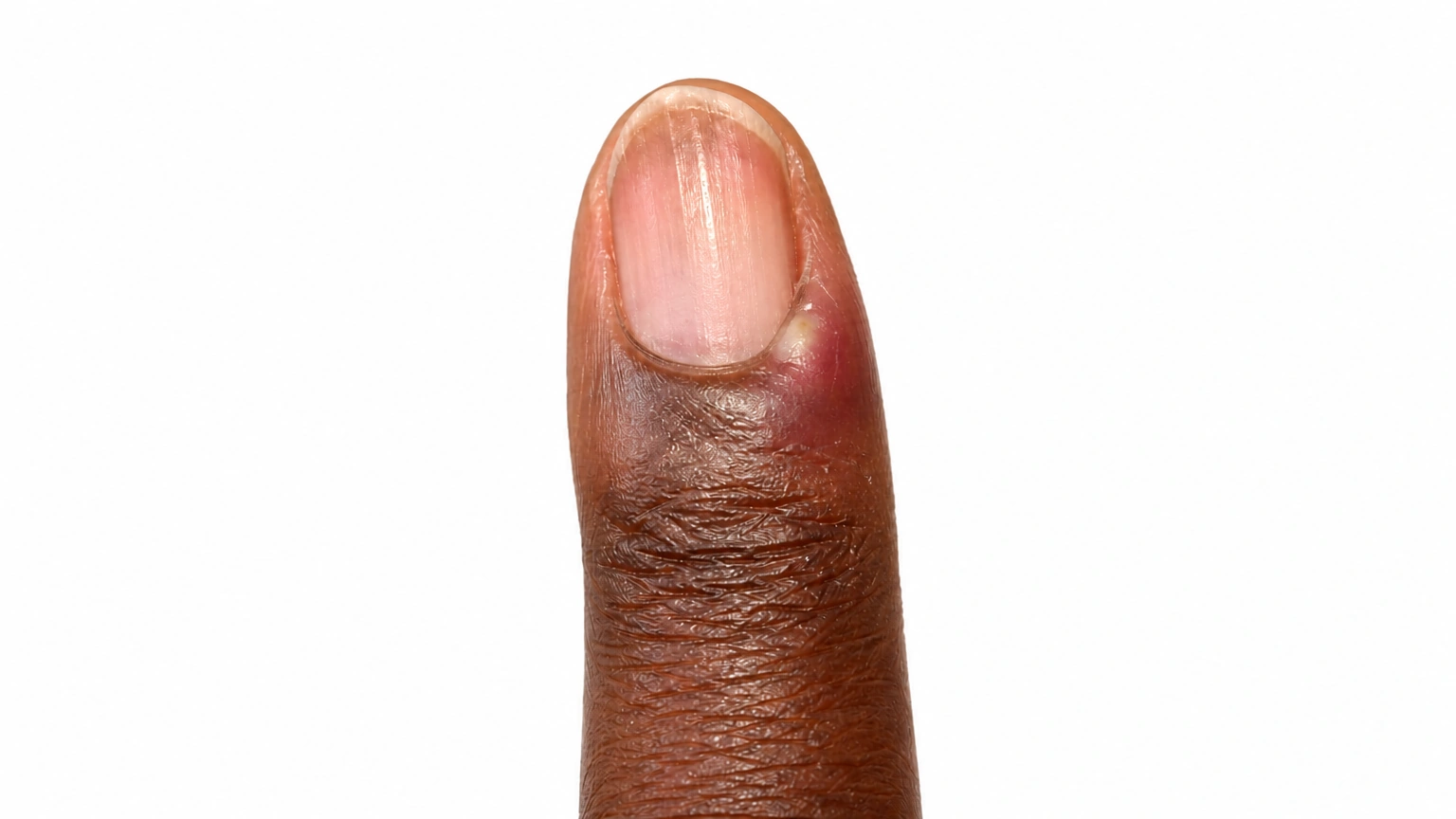
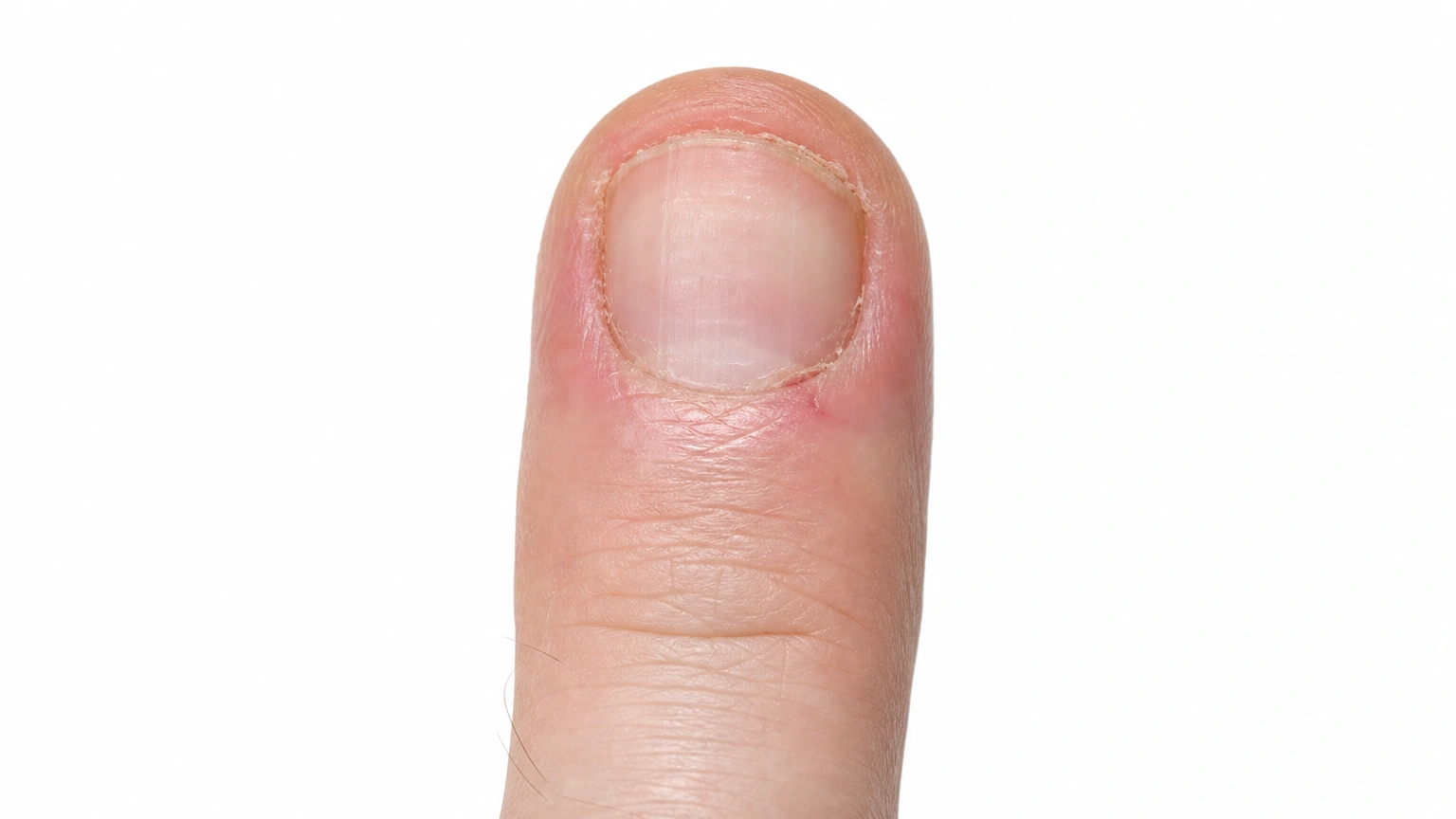
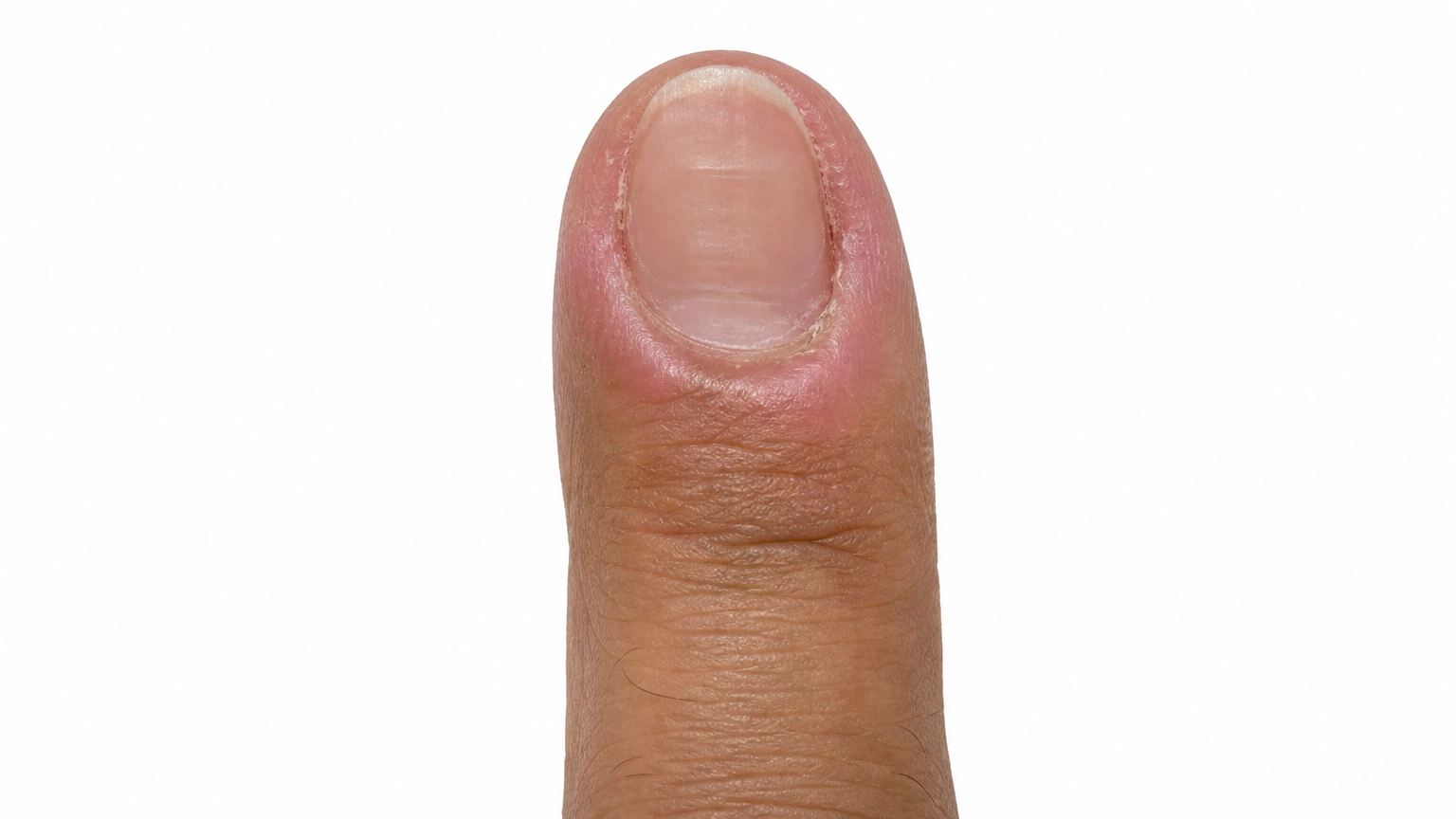
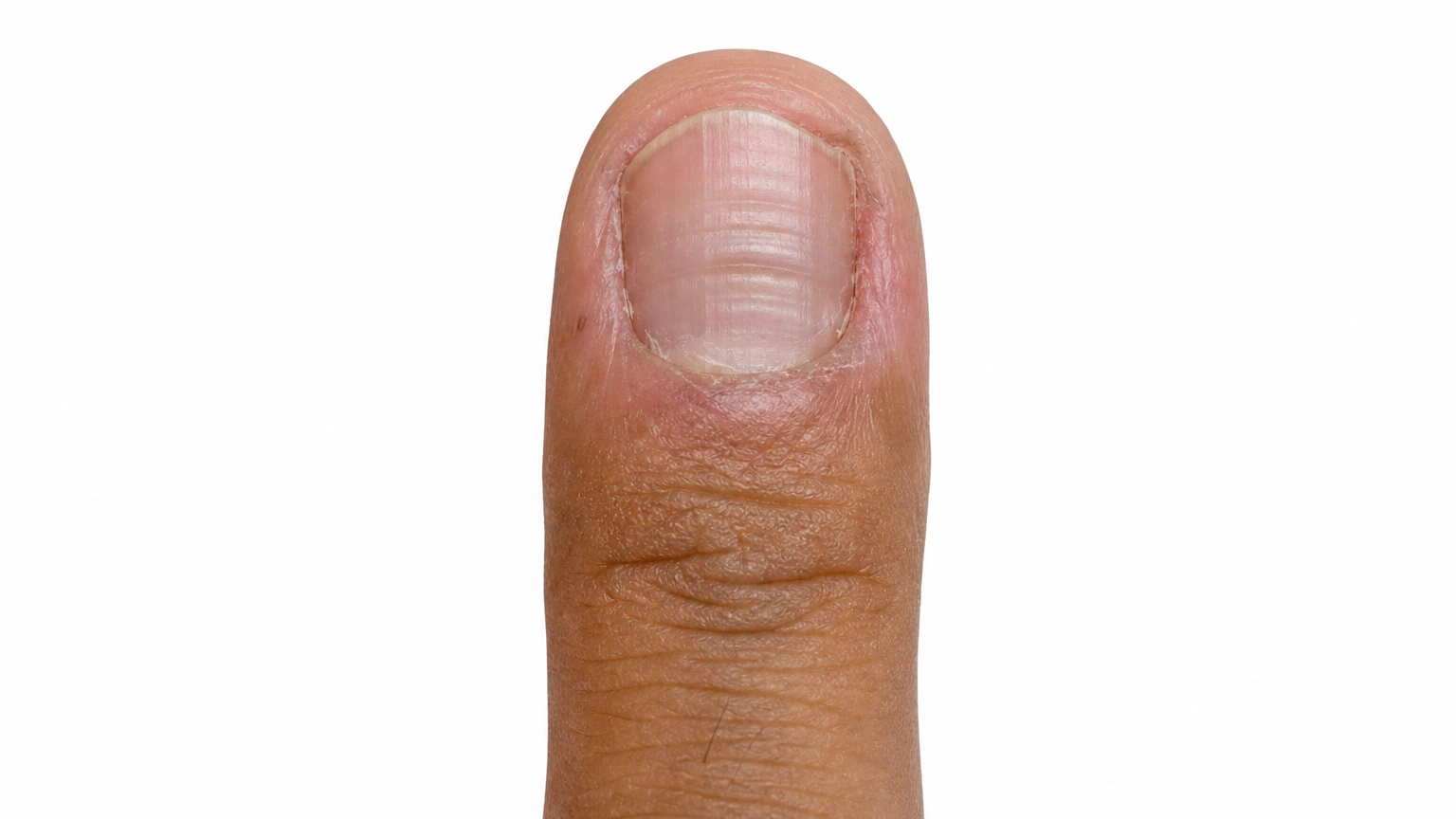
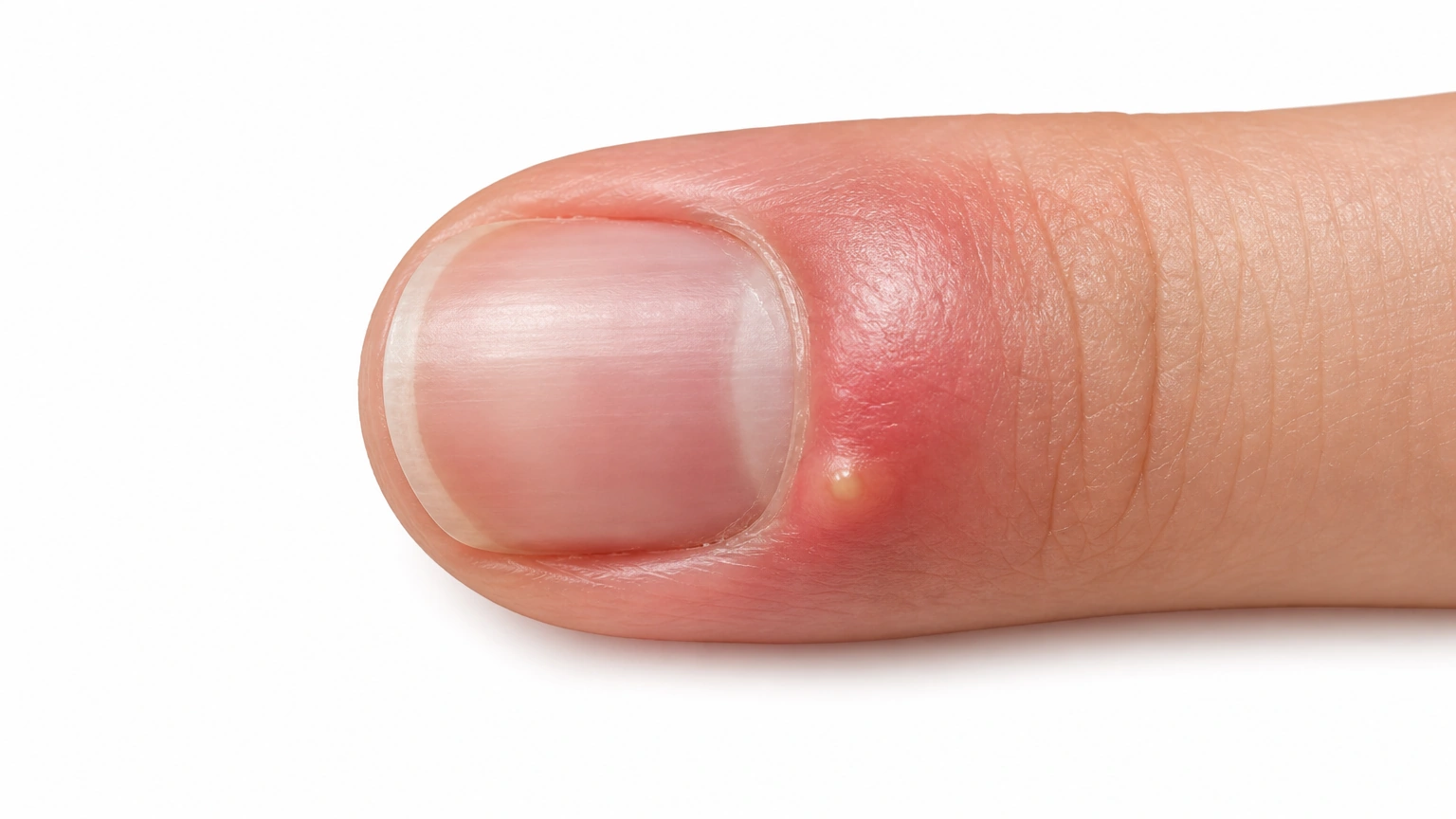
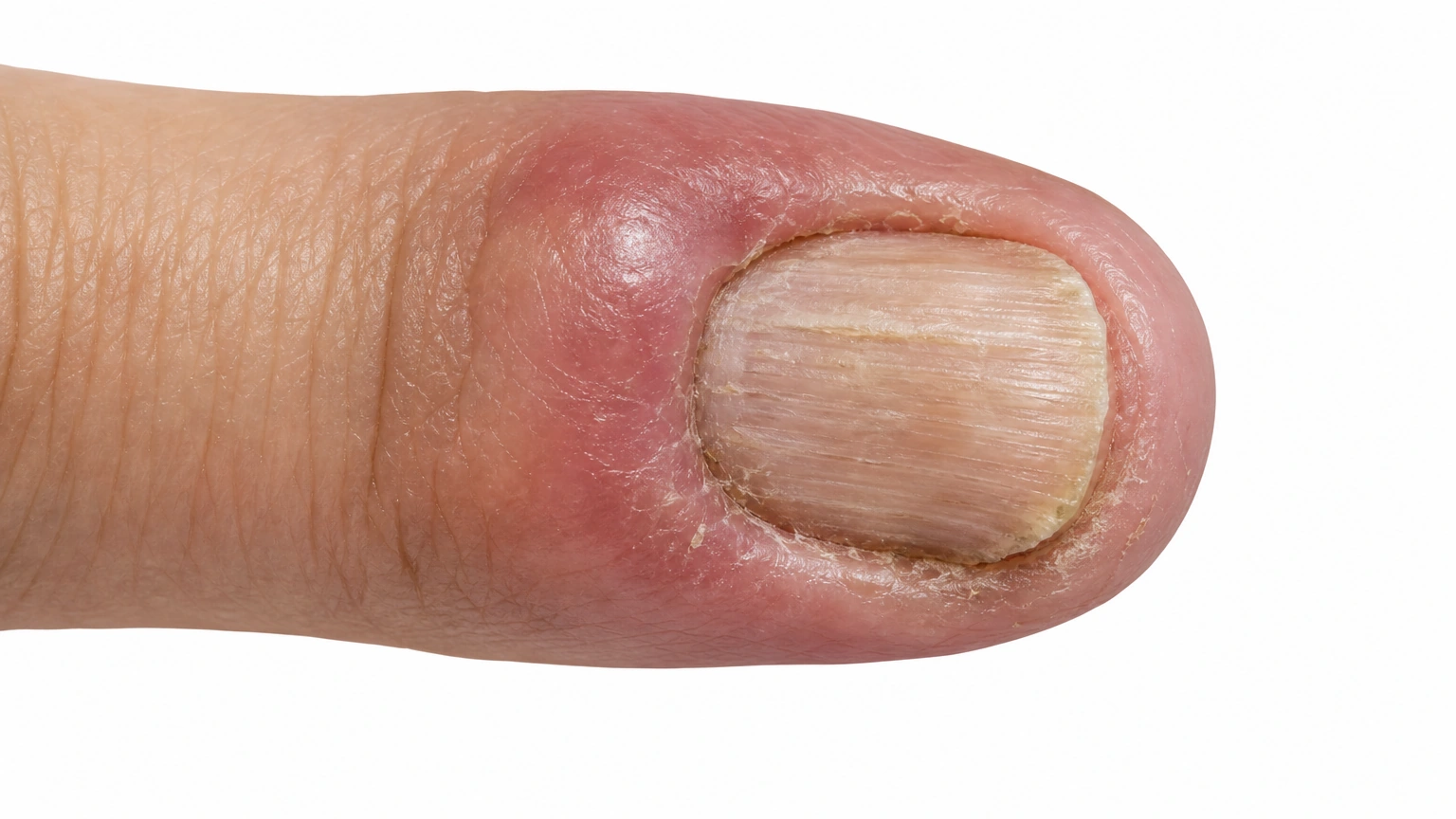
AI-generated educational illustration: One adult finger with localized red swollen lateral nail fold and one tiny superficial pus pocket beside the nail; no open wound.AI-generated educational illustration: Adult finger with chronically swollen proximal/lateral nail folds, lost cuticle and mildly ridged dystrophic nail; not an acute pus pocket alone. Not a clinical photograph.

Key differences

The same eight facts on every condition comparison.

Usual age
Any age
Adults
Where
Beside a fingernail or toenail
Fingernail folds
Main sign
Red, swollen, tender nail fold
Puffy nail fold; lost cuticle
Itch or pain
Painful
Tender
Contagious
No
No
Long term
Clears in days to weeks
Long-lasting; improves with dry hands
Scars
No
No
Who gets it
Nail biters; hangnails
Wet-work jobs

What is it?

Acute Paronychia
Chronic Paronychia
What is it?
  • What it is
    A rapidly developing painful inflammation or infection beside a nail.
  • What it is
    Longstanding inflammation around a nail, usually related to repeated wet work and irritation.

What it looks like

Acute Paronychia

A fingertip with a swollen red nail fold and a small yellow area beside the nail.

Acute Paronychia The skin along one side of the nail is swollen and reddened.

Chronic Paronychia

A finger with red swollen nail folds and a rough ridged nail plate.

Chronic Paronychia The skin around the nail is swollen, and the nail surface appears ridged.
Skin tones
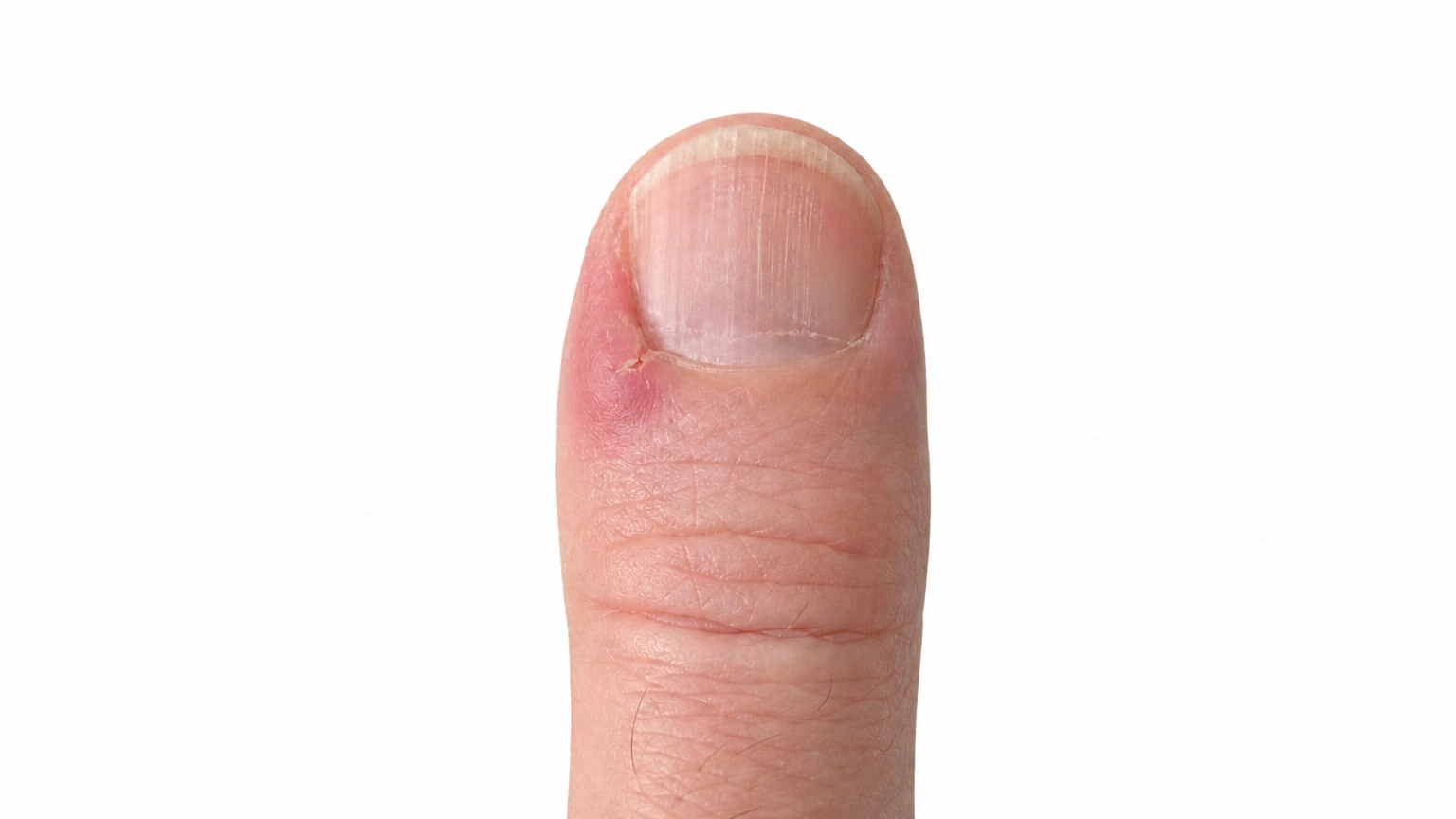
an upward-pointing finger on light skin: a short broad nail with localized swelling along the left nail fold and no visible pus.
an upward-pointing finger on medium skin: a narrower nail with right-sided nail-fold swelling and a tiny pale focus.
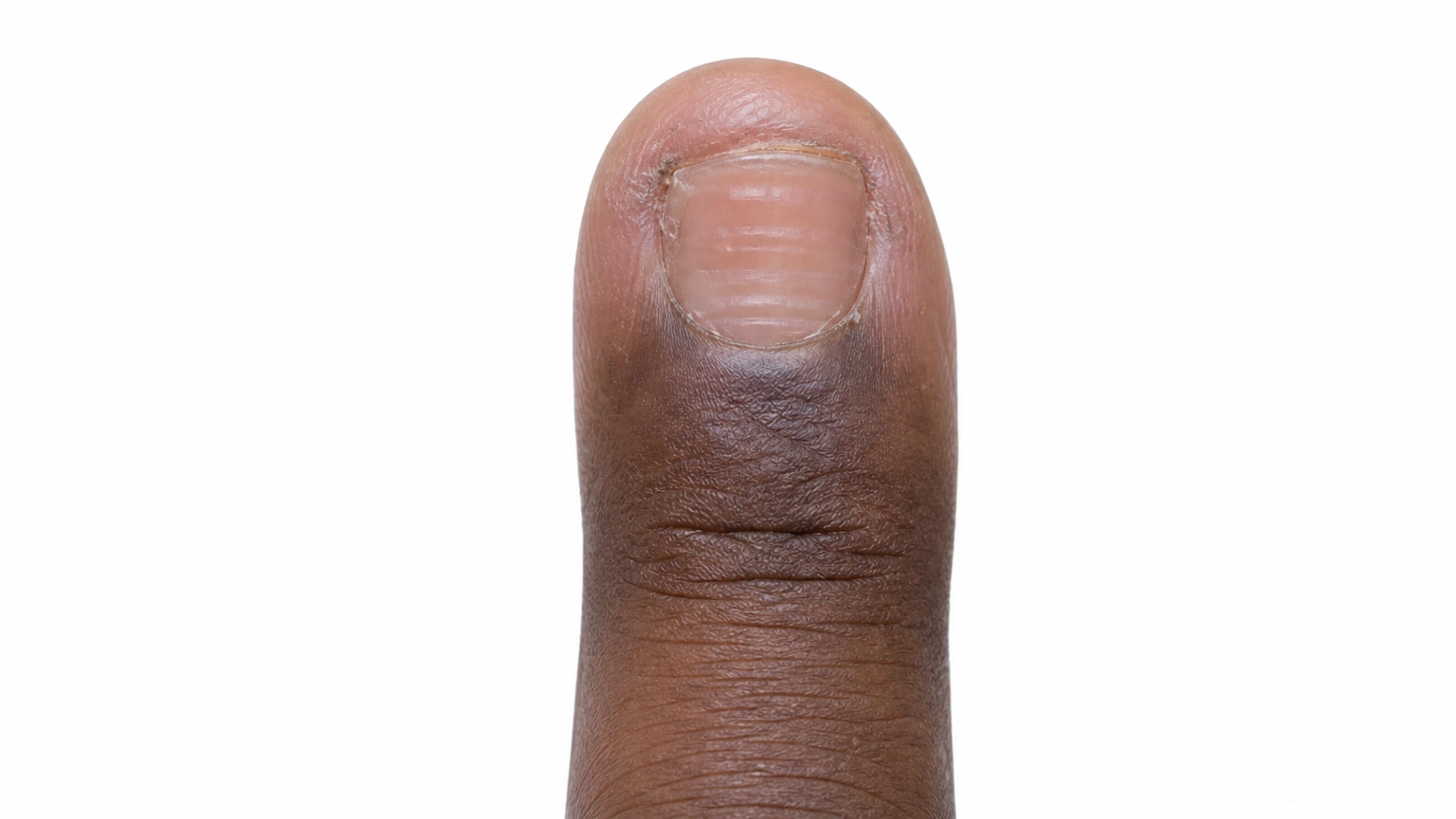
an upward-pointing finger on brown skin: a broad short nail with inflammation concentrated around the proximal and left nail folds.
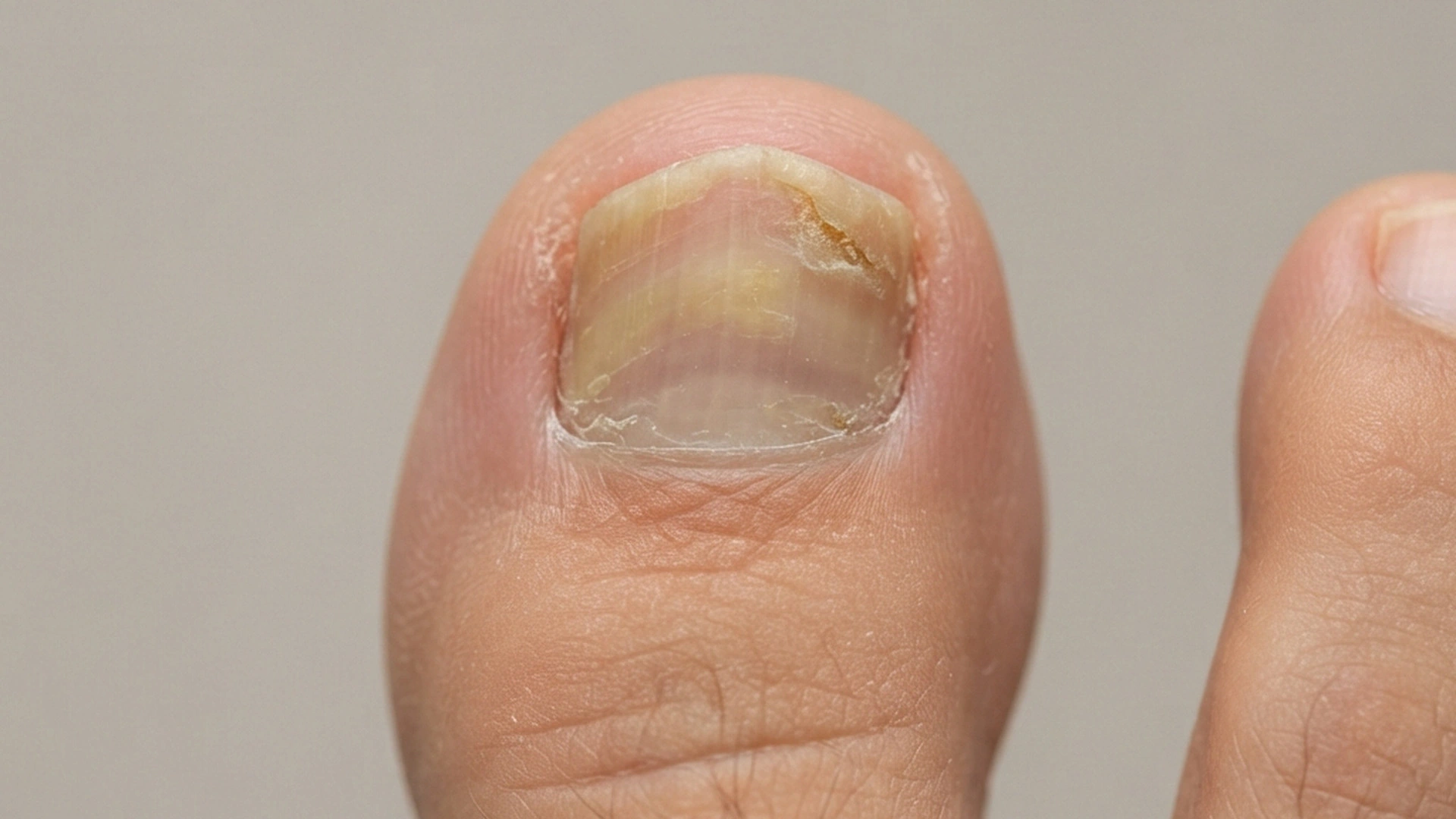
an upward-pointing finger on deep skin: an oval nail with localized right-sided swelling and a small pale area beside the nail.
Educational illustration of an upward-pointing finger with chronically swollen nail folds, disrupted cuticle and subtle nail ridges on light skin.
Educational illustration of an upward-pointing finger with chronically swollen nail folds, disrupted cuticle and subtle nail ridges on medium skin.
Educational illustration of an upward-pointing finger with chronically swollen nail folds, disrupted cuticle and subtle nail ridges on brown skin.
Educational illustration of an upward-pointing finger with chronically swollen nail folds, disrupted cuticle and subtle nail ridges on deep skin.
In the skin

Damage to the cuticle or nail fold allows bacteria to enter nearby tissue. The local infection causes inflammation and may form a small collection of pus.

Repeated moisture or irritation damages the protective nail-fold barrier. Persistent dermatitis develops, while yeast may colonize the area without being the main cause.

When it usually starts

010203040506070+

Acute Paronychia. Can occur at any age when the nail-fold barrier is damaged.

Chronic Paronychia. Can occur at any age when the nail-fold barrier is damaged.

Causes and triggers

Causes

Bacteria enter after damage to the cuticle or nail fold.

Repeated barrier damage drives dermatitis; yeast may colonise without being the main cause.

Risk factors
Nail biting, Picking, Manicures
Wet work, Detergents, Hand eczema
Trigger
● Acute Paronychia
● Chronic Paronychia
Cuticle injury
Can contribute
Not listed
Repeated wetting
Not listed
Can contribute
Irritants
Not listed
Can contribute

Daily Care

Acute Paronychia
Chronic Paronychia
Daily care

Habits that help

  • Use short warm soaks for mild early nail-fold soreness
    Dry the finger or toe carefully afterwards; worsening swelling needs assessment.
  • Keep the surrounding skin gently clean and dry between soaks
    Avoid prolonged wet work while the nail fold is sore.
  • Protect the digit from pressure and further injury
    A clean dressing may help if skin is broken.
  • Get early advice for spreading redness or severe pain
    Seek prompt care if you have diabetes, poor circulation or a weakened immune system.
  • Discuss drainage or antibiotic assessment
    A pus collection may need drainage; spreading infection may require antibiotics.

Avoid

  • Avoid: Squeezing, cutting or piercing a swollen nail fold
    A collection of pus may need professional drainage.
  • Avoid: Nail biting, cuticle trimming and picking
    These damage the seal that protects the nail fold.

Habits that help

  • Dry around and beneath the free nail edge after washing
    Prolonged moisture can keep a damaged nail fold or lifted nail from recovering.
  • Use protective gloves for wet work with breaks to dry the hands
    Cotton liners can reduce trapped sweat; remove gloves when the task is done.
  • Keep nails reasonably short without digging beneath them
    Use clean tools and avoid further separation of the nail from its bed.
  • Seek review for pain, spreading redness or persistent discoloration
    Treatment depends on the cause; avoid trying household bleach or concentrated acids.
  • Moisturize the nail folds after necessary handwashing
    A bland emollient helps restore the protective barrier.

Avoid

  • Avoid: Artificial nails or coverings that trap moisture
    Pause them while the nail is inflamed, loose or discolored.
  • Avoid: Cutting cuticles, nail biting or scraping under the nail
    These injuries allow further irritation and infection.

Treatment differences

Evidence labels come from each condition’s own treatment list.

Treatment
● Acute Paronychia
● Chronic Paronychia
Treatment approach

A small early infection may respond to local care, but a pus collection can need professional drainage. Spreading infection or high-risk health conditions may require antibiotics and prompt assessment.

—
Prescription topicals
None listed

Topical anti-inflammatory

Listed

A clinician may treat the dermatitis; yeast-directed treatment is not automatically the main therapy.

Outlook

Long term

An acute nail-fold infection often settles within days once the appropriate treatment is started. A collection of pus may need drainage; worsening pain or spreading redness needs prompt review.

Chronic nail-fold inflammation may take months to settle and can recur. Protecting the hands from wet work and irritants is an ongoing part of treatment; damaged nails recover as they grow.

Complications

Possible complications

Infection can spread into surrounding tissue.

Persistent inflammation can distort nail growth.

When to get help

When to get help

Seek prompt care for pus, severe throbbing, spreading redness, fever or immune suppression.

Have persistent or one-sided nail-fold changes assessed to exclude other causes.

Common questions

Acute Paronychia:What is Acute Paronychia?

A rapidly developing painful inflammation or infection beside a nail.

Acute Paronychia:What can I do day to day?

Avoid squeezing, biting or cutting the cuticle; protect the finger from further injury.

Acute Paronychia:When should I get medical advice?

Seek prompt care for pus, severe throbbing, spreading redness, fever or immune suppression.

Chronic Paronychia:What is Chronic Paronychia?

Longstanding inflammation around a nail, usually related to repeated wet work and irritation.

Chronic Paronychia:What can I do day to day?

Keep hands dry between washing, use emollient and appropriate gloves, and avoid trimming cuticles.

Chronic Paronychia:When should I get medical advice?

Have persistent or one-sided nail-fold changes assessed to exclude other causes.

Sources
Sources and further reading

  1. Paronychia
  2. Paronychia
Dermapedia on YouTube