Partial nail avulsion
ListedPersistent or recurrent disease may need removal of the offending edge, sometimes with matrix treatment.
A rapidly developing painful inflammation or infection beside a nail. A nail edge presses into the surrounding skin, causing pain and inflammation.
The same eight facts on every condition comparison.
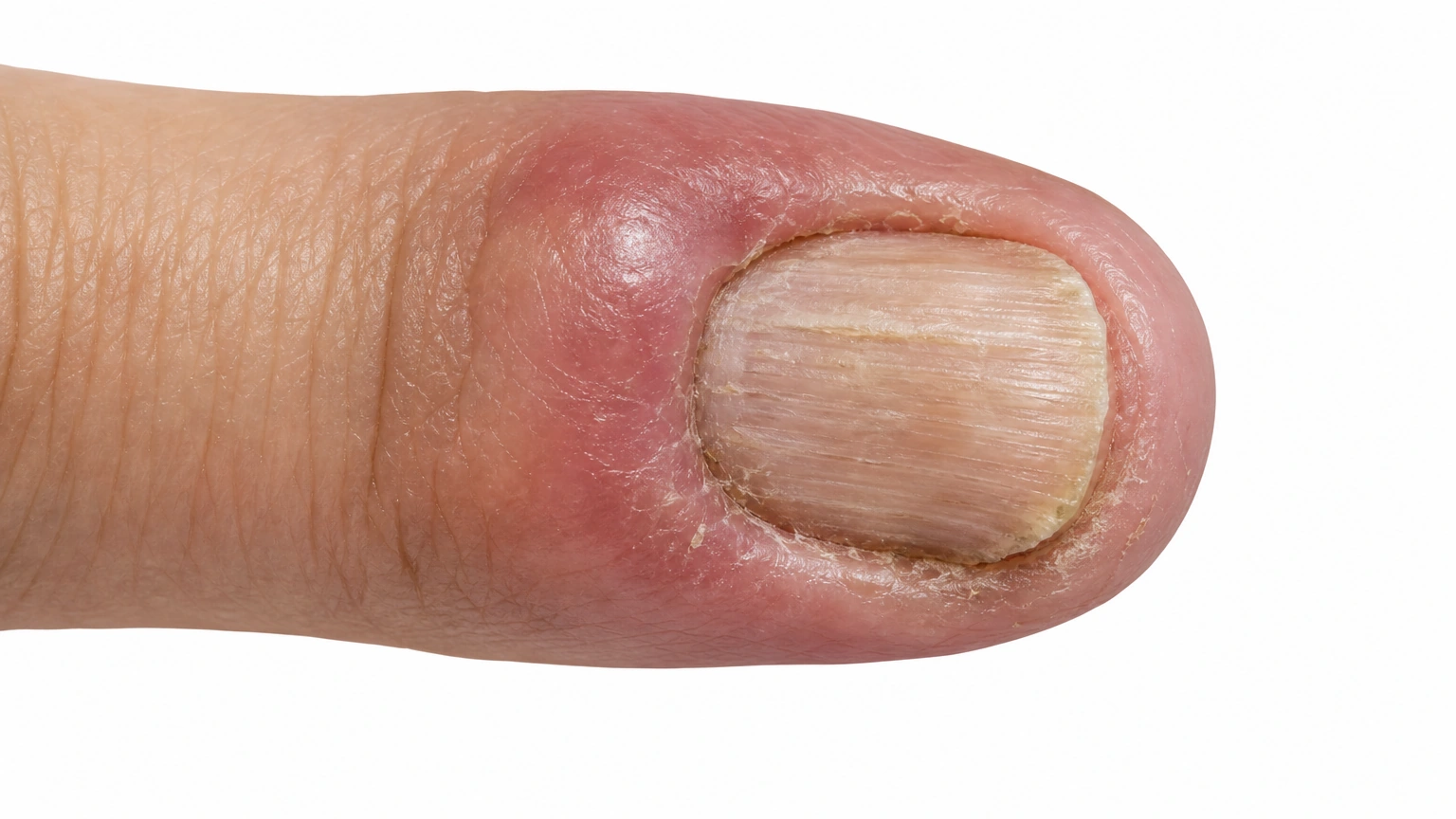
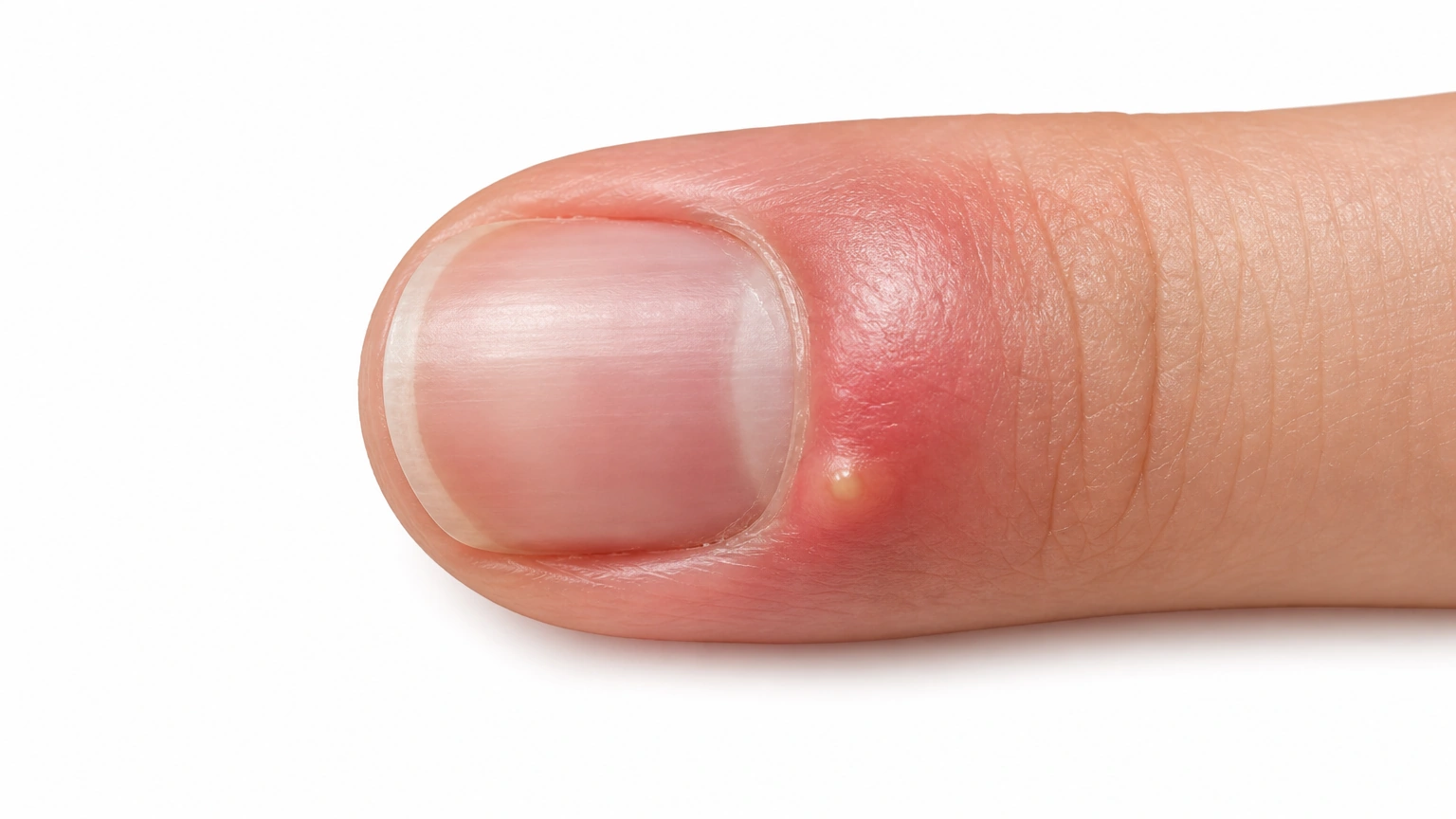
Acute Paronychia The skin along one side of the nail is swollen and reddened.
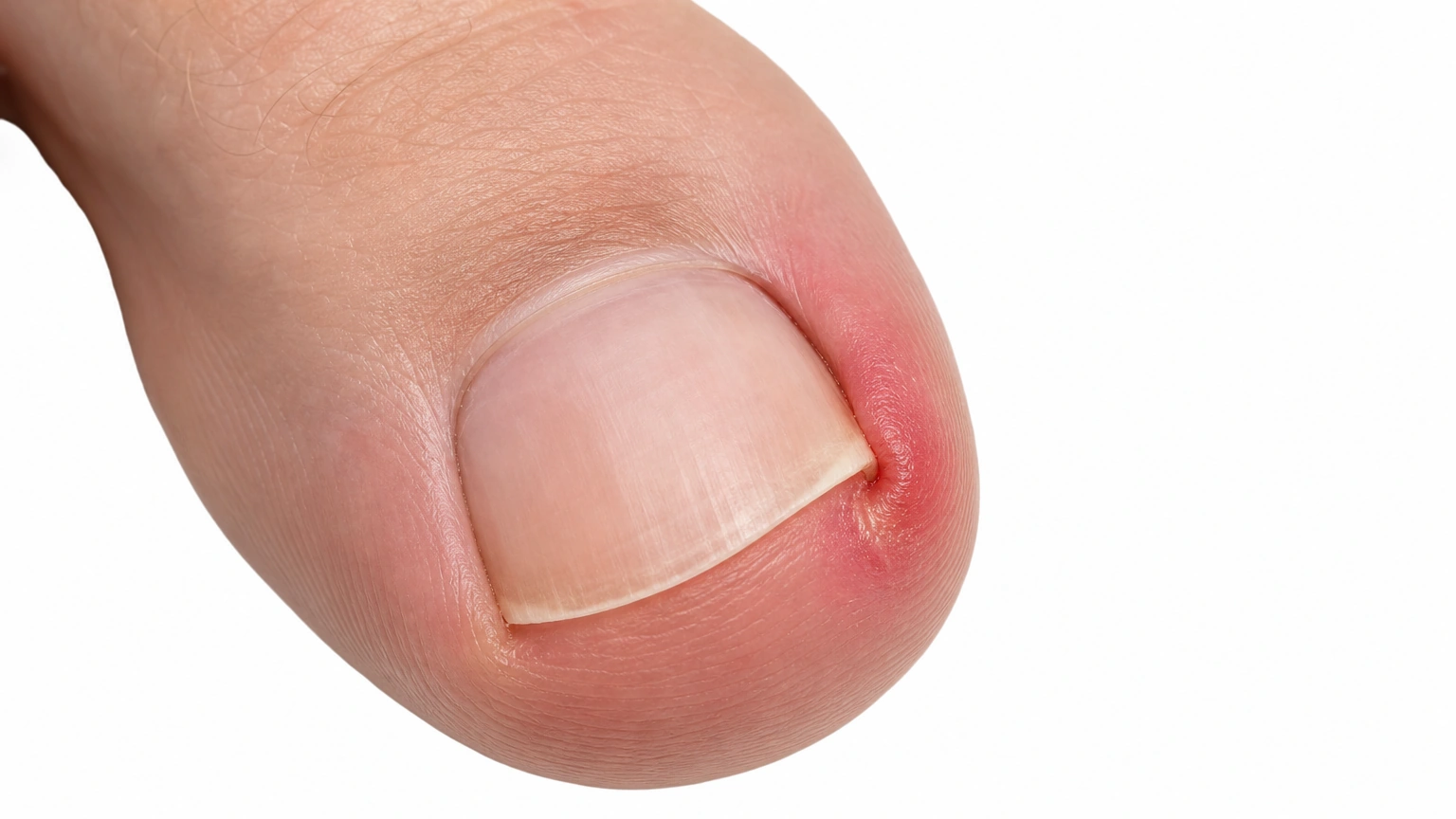
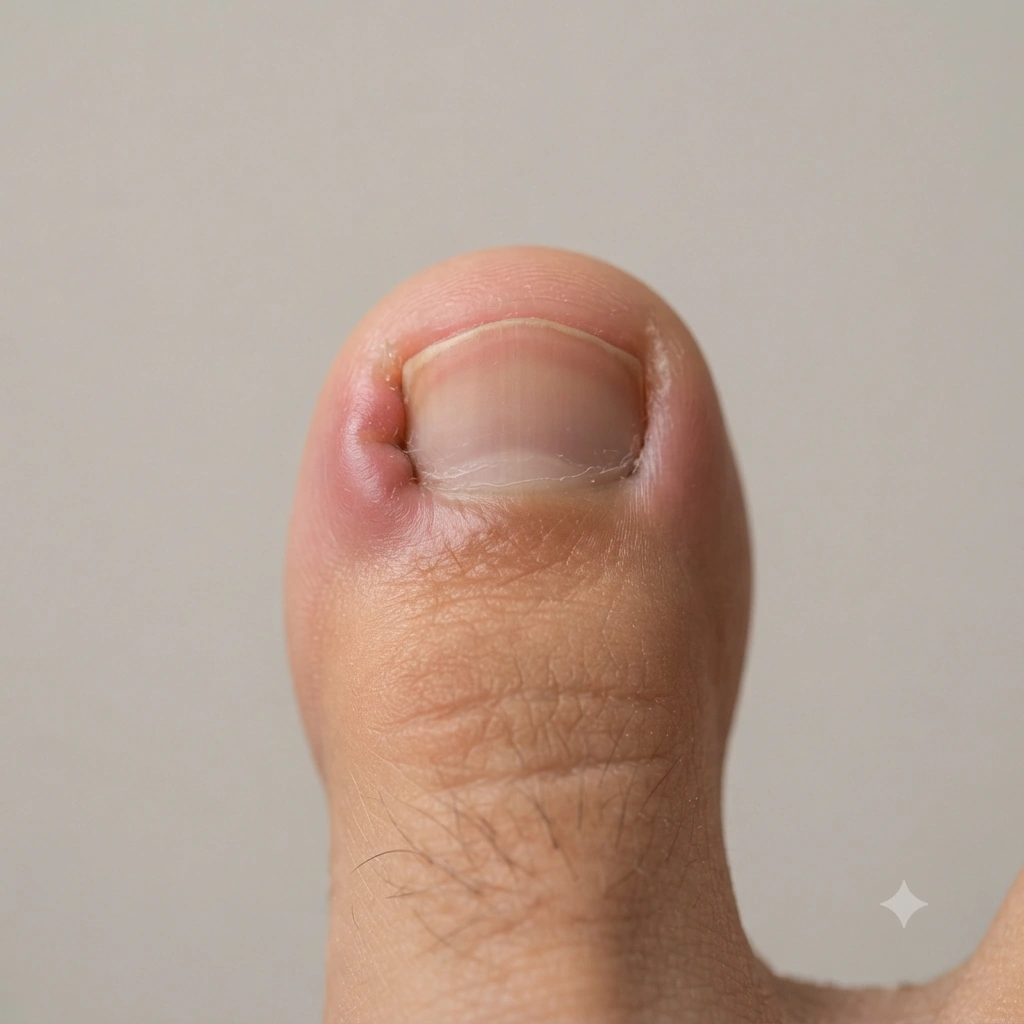
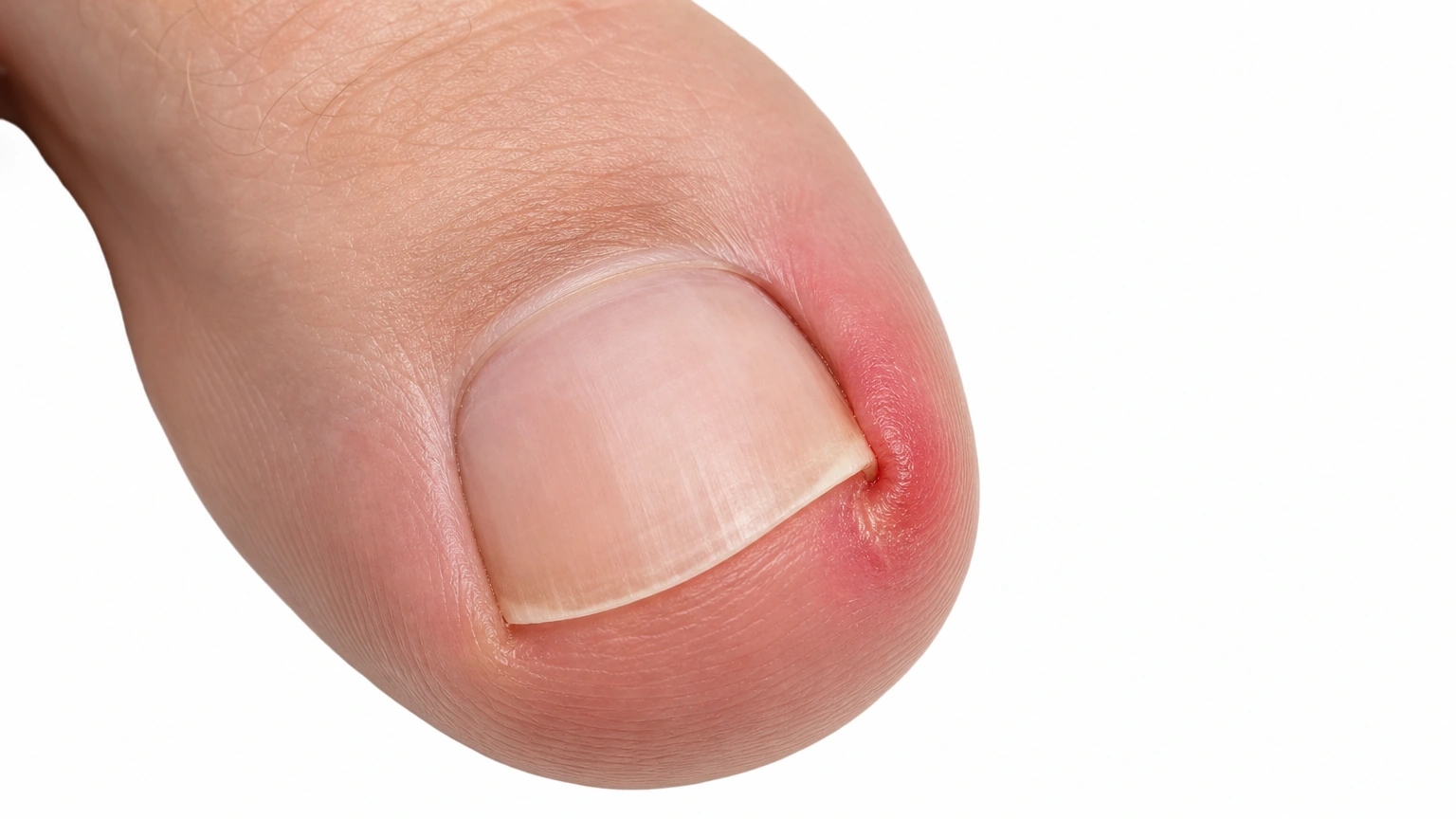
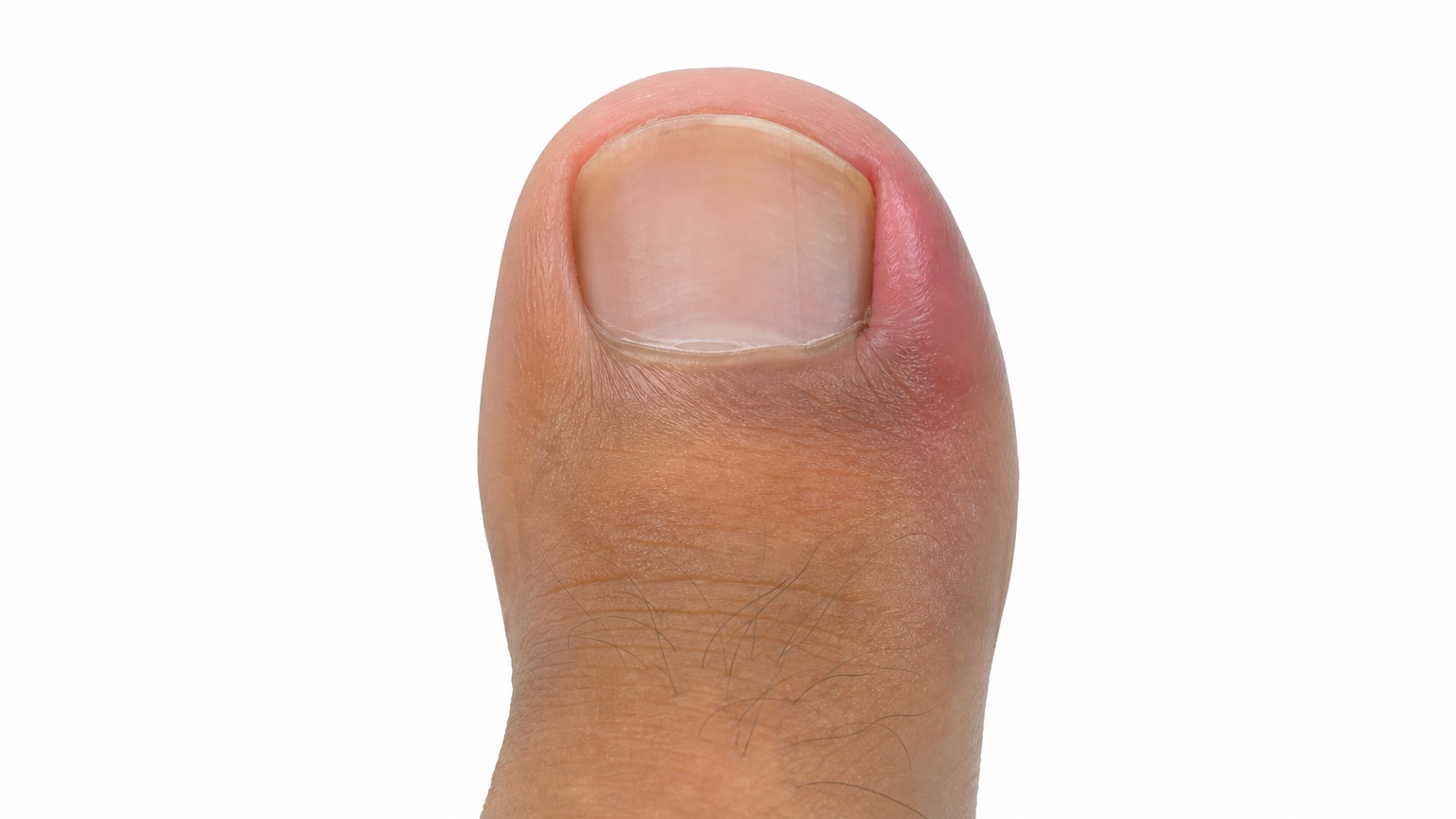
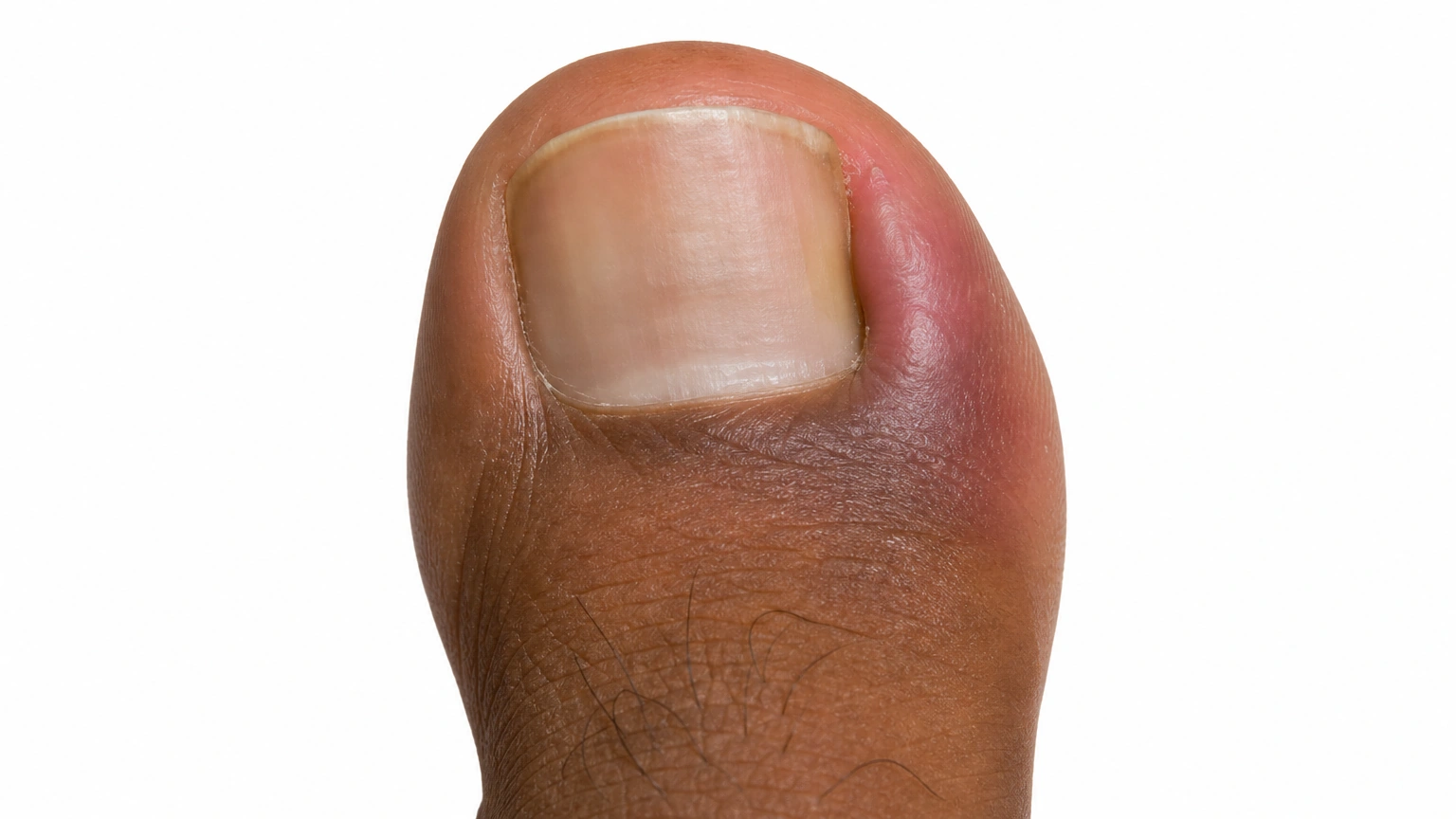
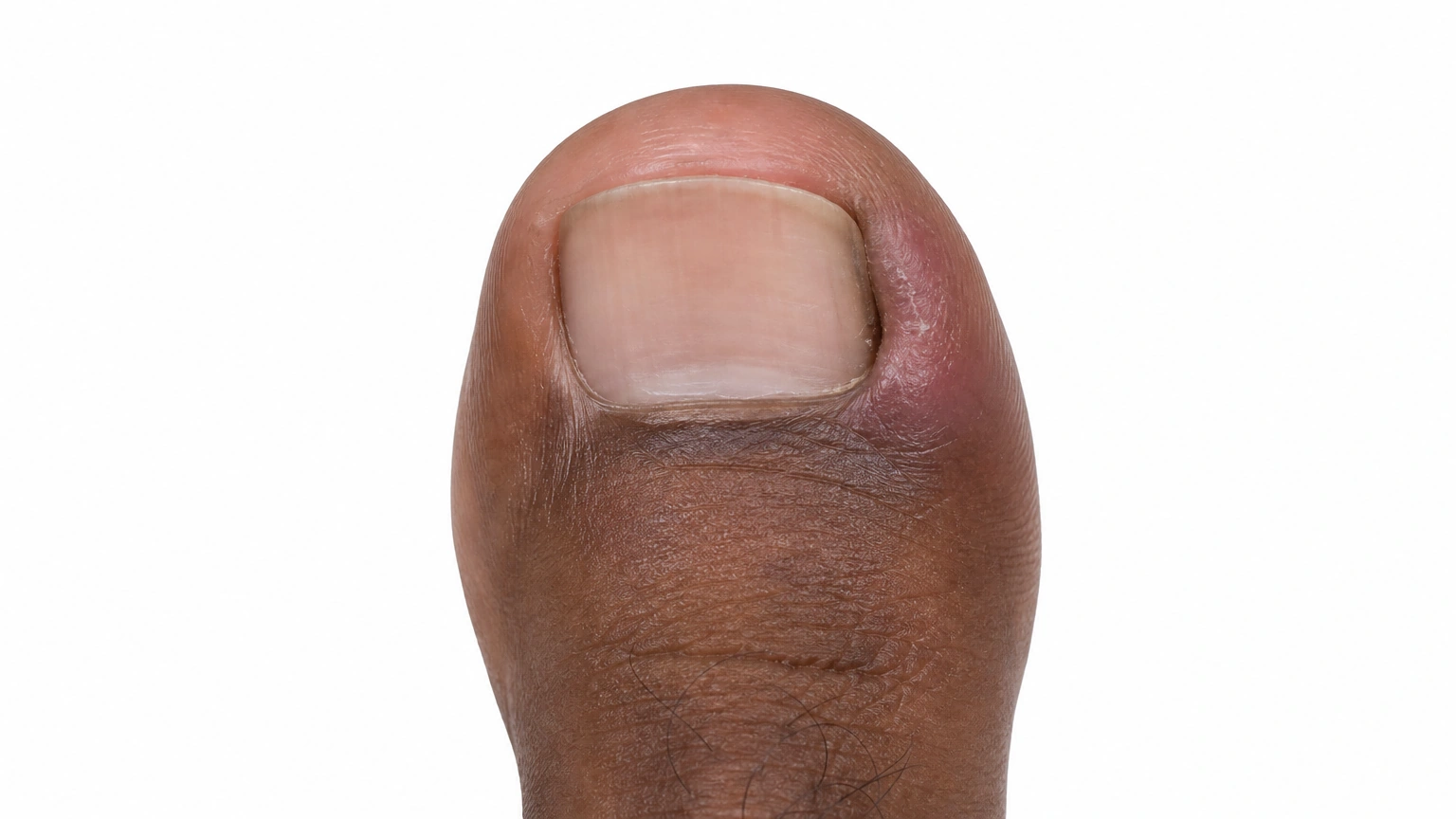
Ingrown Toenail One side of the large toenail presses into swollen-looking surrounding skin.
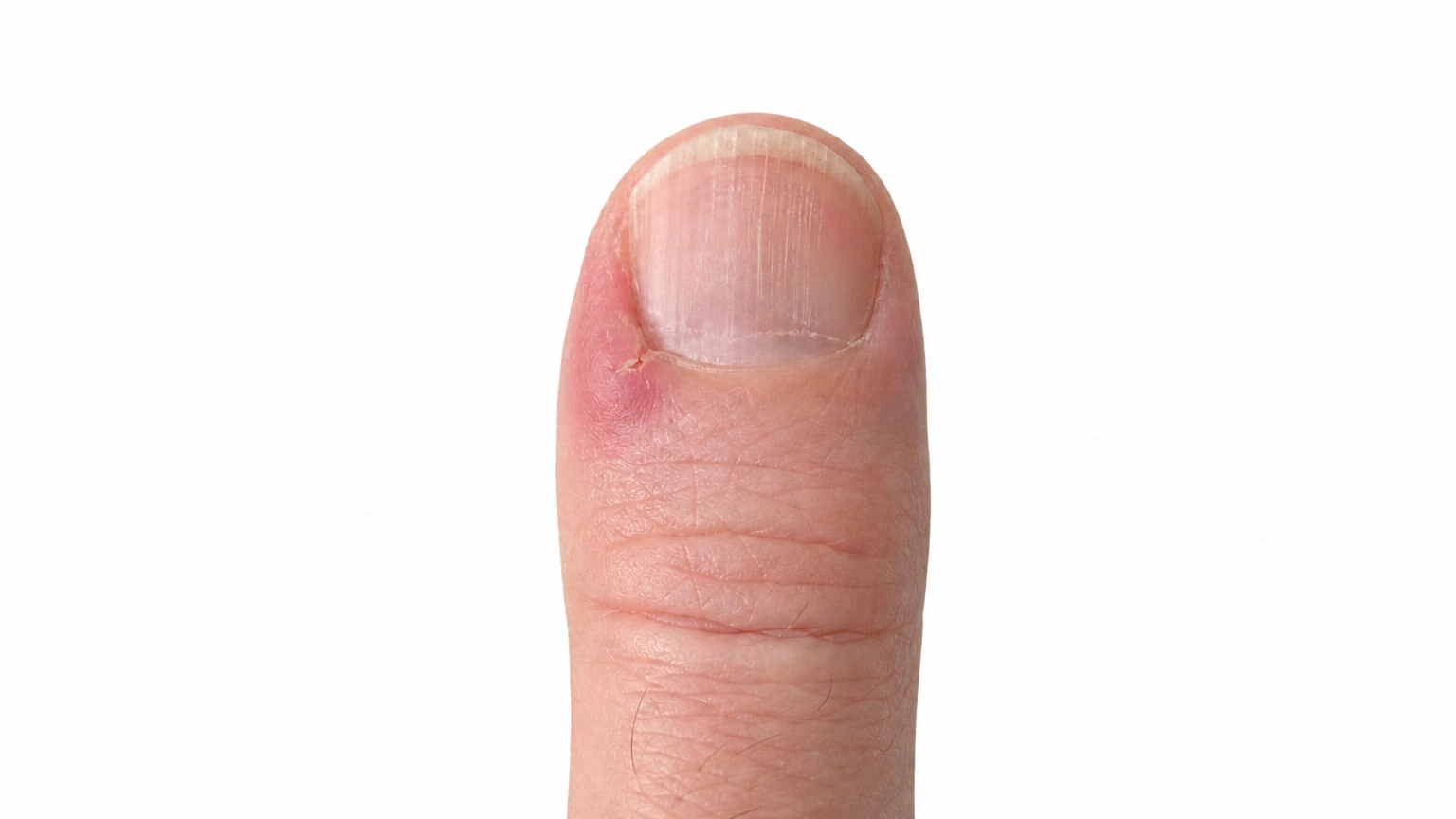
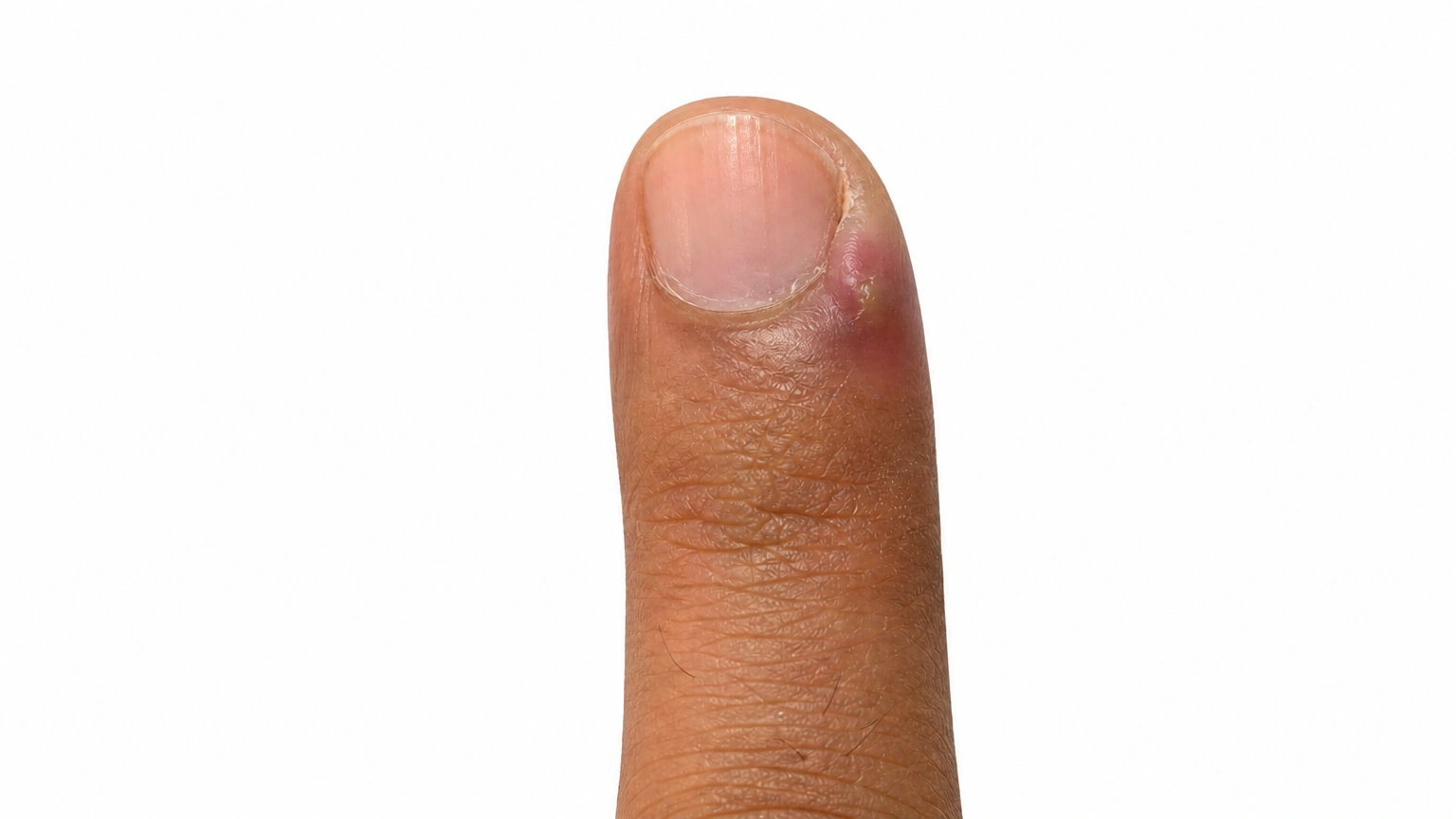
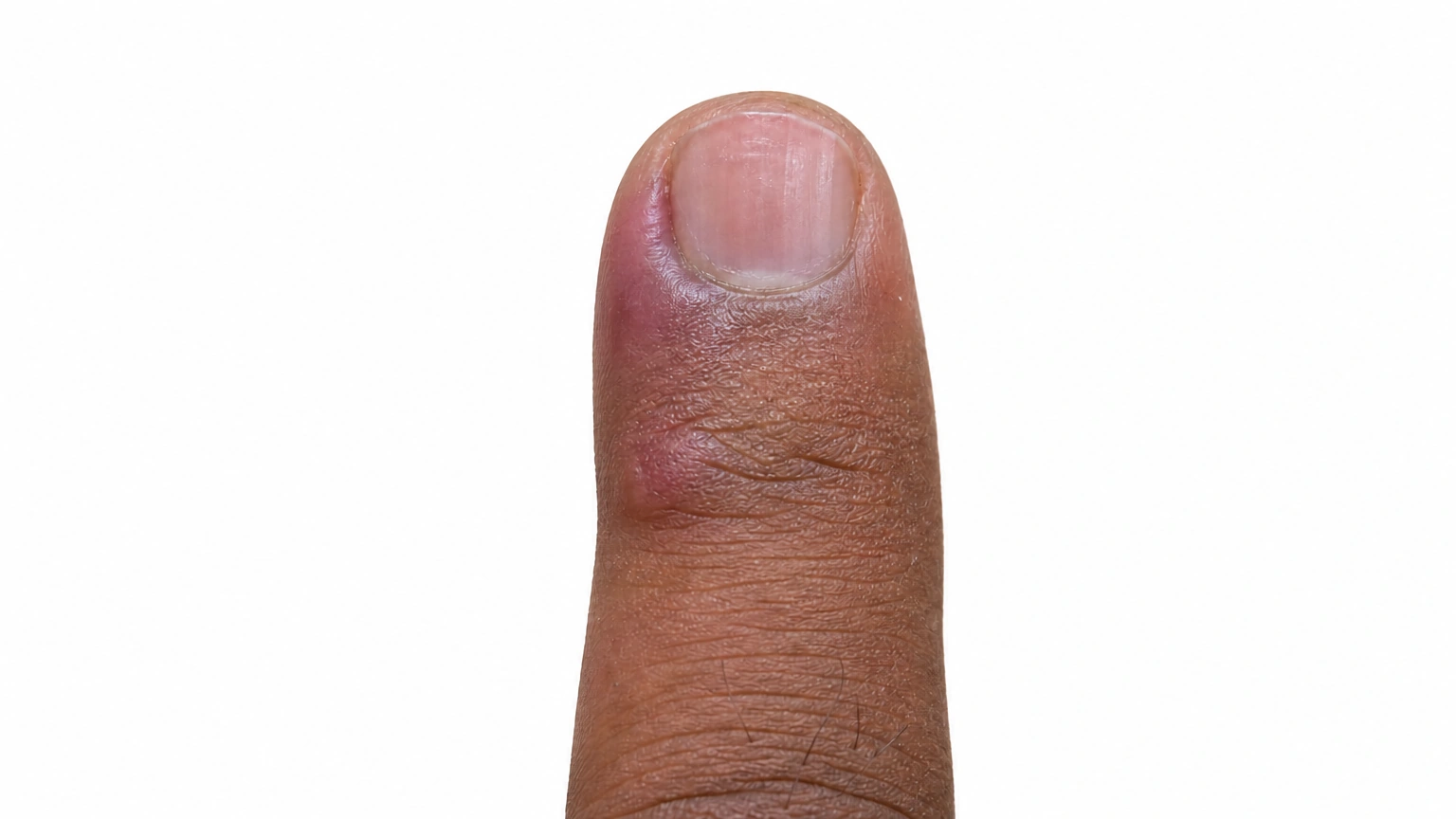
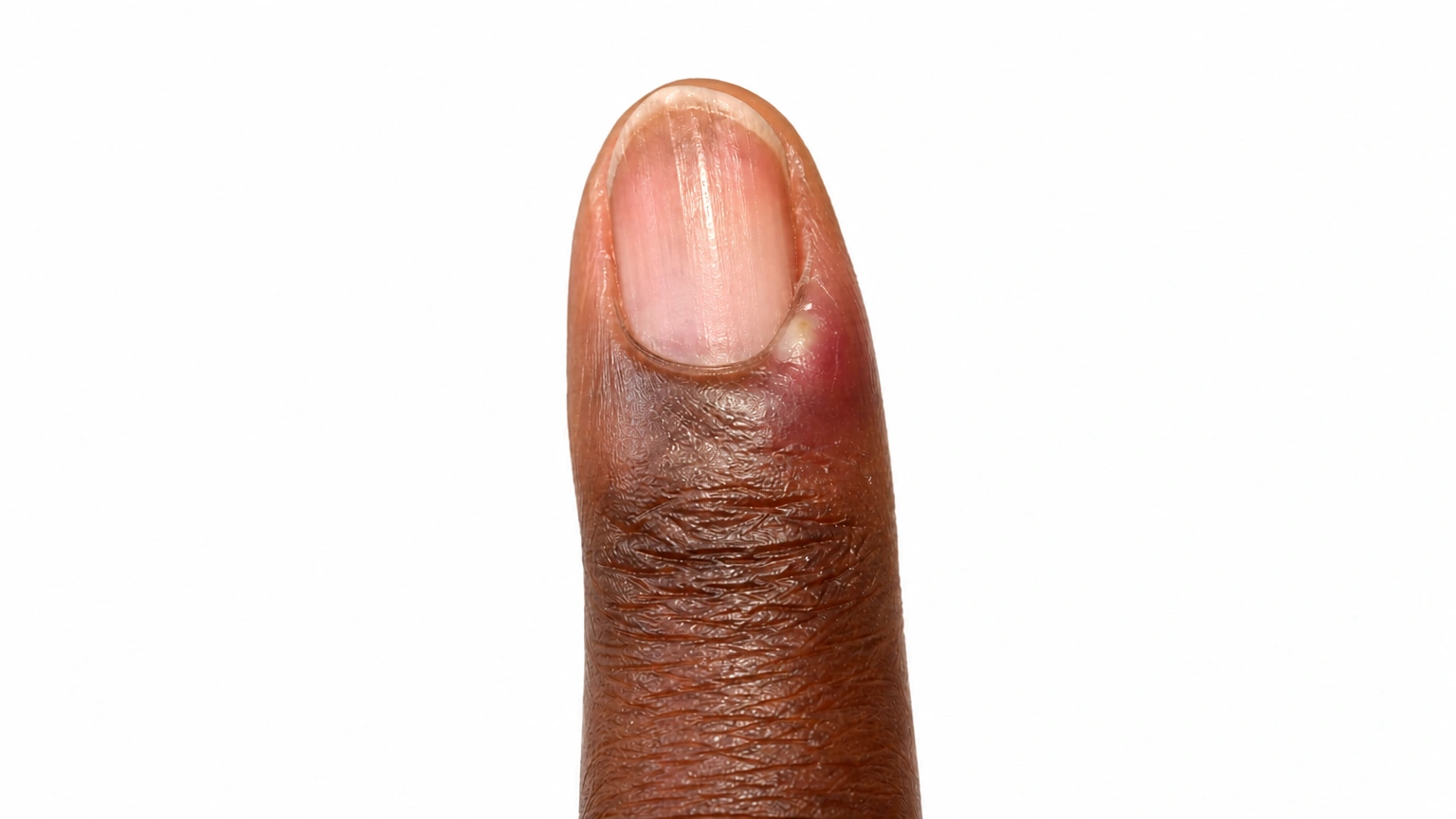
Damage to the cuticle or nail fold allows bacteria to enter nearby tissue. The local infection causes inflammation and may form a small collection of pus.
The nail edge presses into or penetrates the adjacent soft tissue. Repeated irritation causes inflammation, and secondary infection may develop in the damaged fold.
Acute Paronychia. Can occur at any age when the nail-fold barrier is damaged.
Ingrown Toenail. Can occur at any age, commonly during adolescence and young adulthood.
Bacteria enter after damage to the cuticle or nail fold.
The nail edge and adjacent soft tissue irritate one another.
Evidence labels come from each condition’s own treatment list.
A small early infection may respond to local care, but a pus collection can need professional drainage. Spreading infection or high-risk health conditions may require antibiotics and prompt assessment.
Persistent or recurrent disease may need removal of the offending edge, sometimes with matrix treatment.
An acute nail-fold infection often settles within days once the appropriate treatment is started. A collection of pus may need drainage; worsening pain or spreading redness needs prompt review.
Symptoms can settle when the nail edge and pressure are managed appropriately. Recurrence is common if the cause remains; repeated episodes may benefit from a nail procedure.
Infection can spread into surrounding tissue.
Local infection may develop; diabetes or poor circulation changes the care needed.
Seek prompt care for pus, severe throbbing, spreading redness, fever or immune suppression.
Get prompt care for infection, severe pain, diabetes or poor circulation.
A rapidly developing painful inflammation or infection beside a nail.
Avoid squeezing, biting or cutting the cuticle; protect the finger from further injury.
Seek prompt care for pus, severe throbbing, spreading redness, fever or immune suppression.
A nail edge presses into the surrounding skin, causing pain and inflammation.
Wear roomy footwear and avoid digging into nail corners. Trim nails straight across.
Get prompt care for infection, severe pain, diabetes or poor circulation.
Sources