Vulvar Lichen Sclerosus vs Vulvar Candidiasis

A chronic inflammatory vulvar disorder that can scar and change skin structure. Candida overgrowth causing vulvar itch and irritation, sometimes with vaginal discharge.
Research updated 2026-10-23
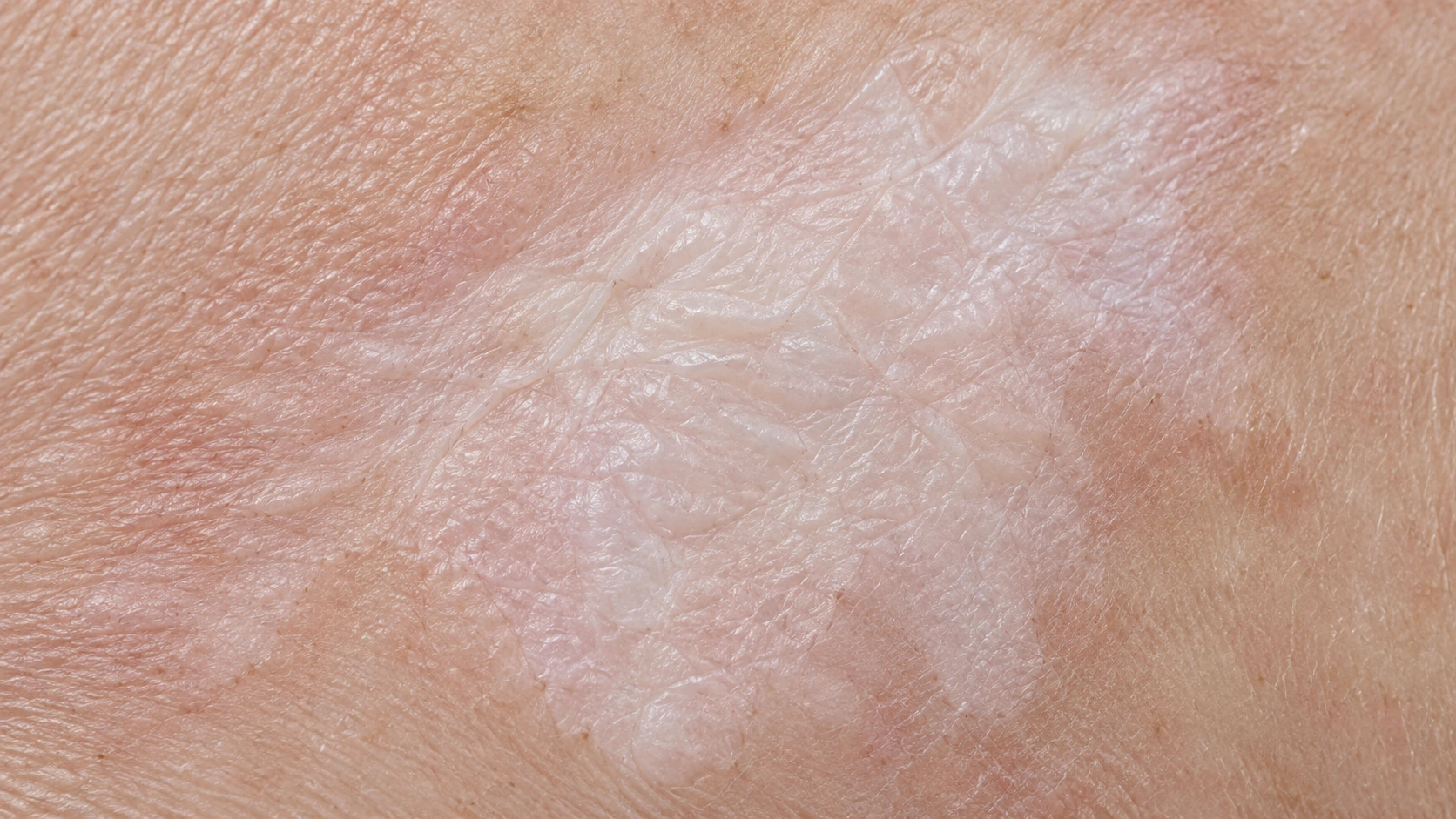
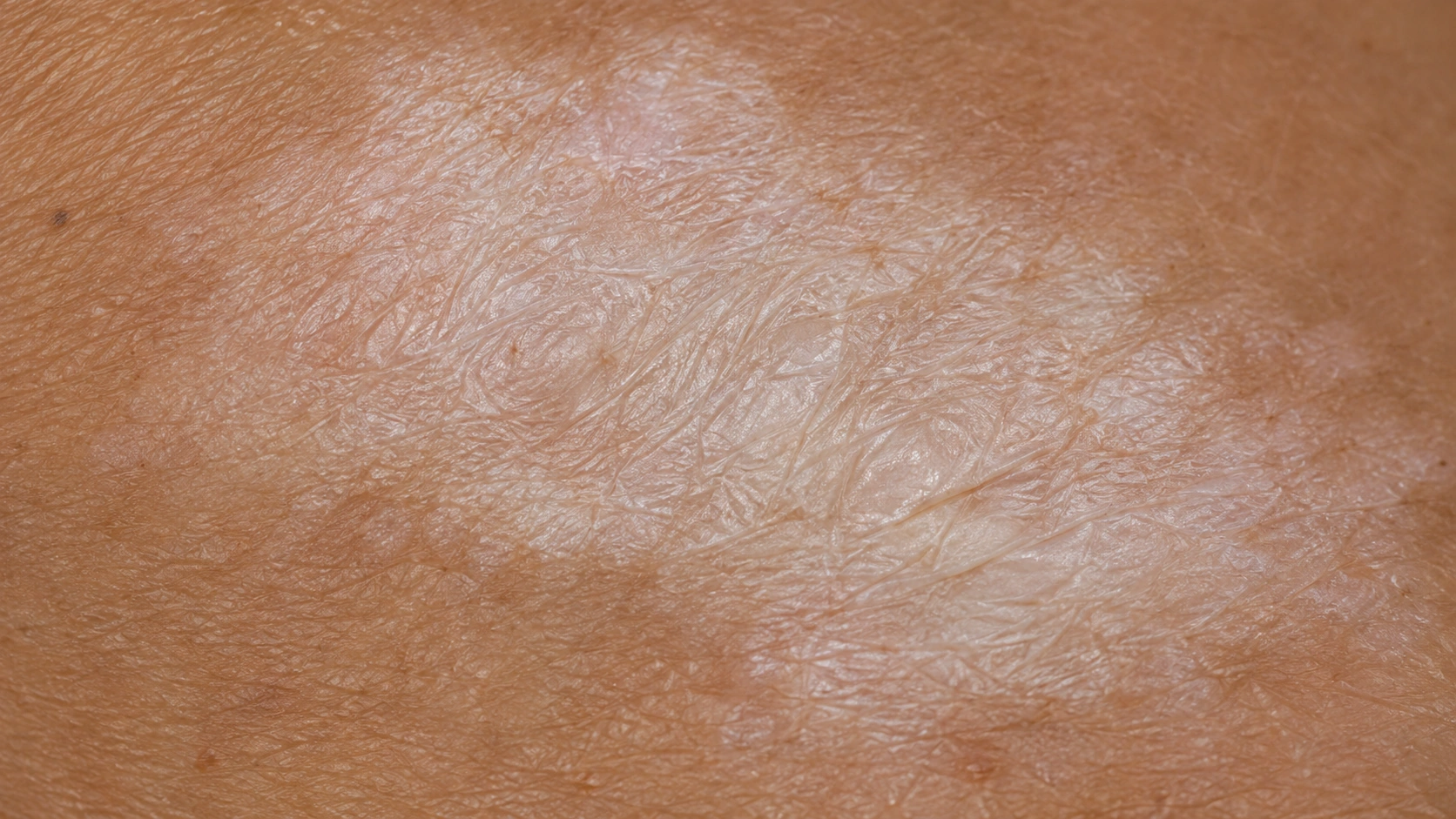
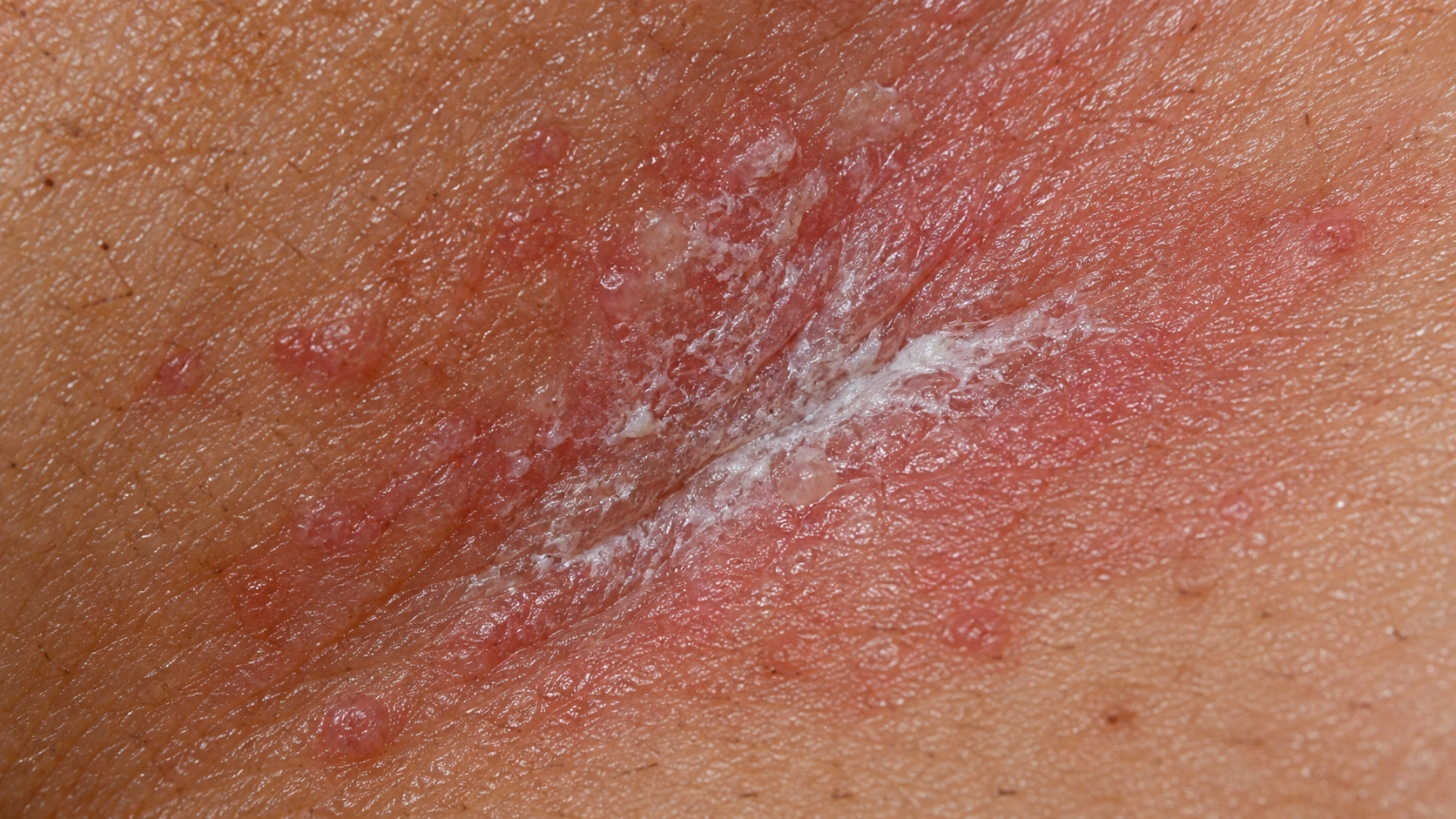
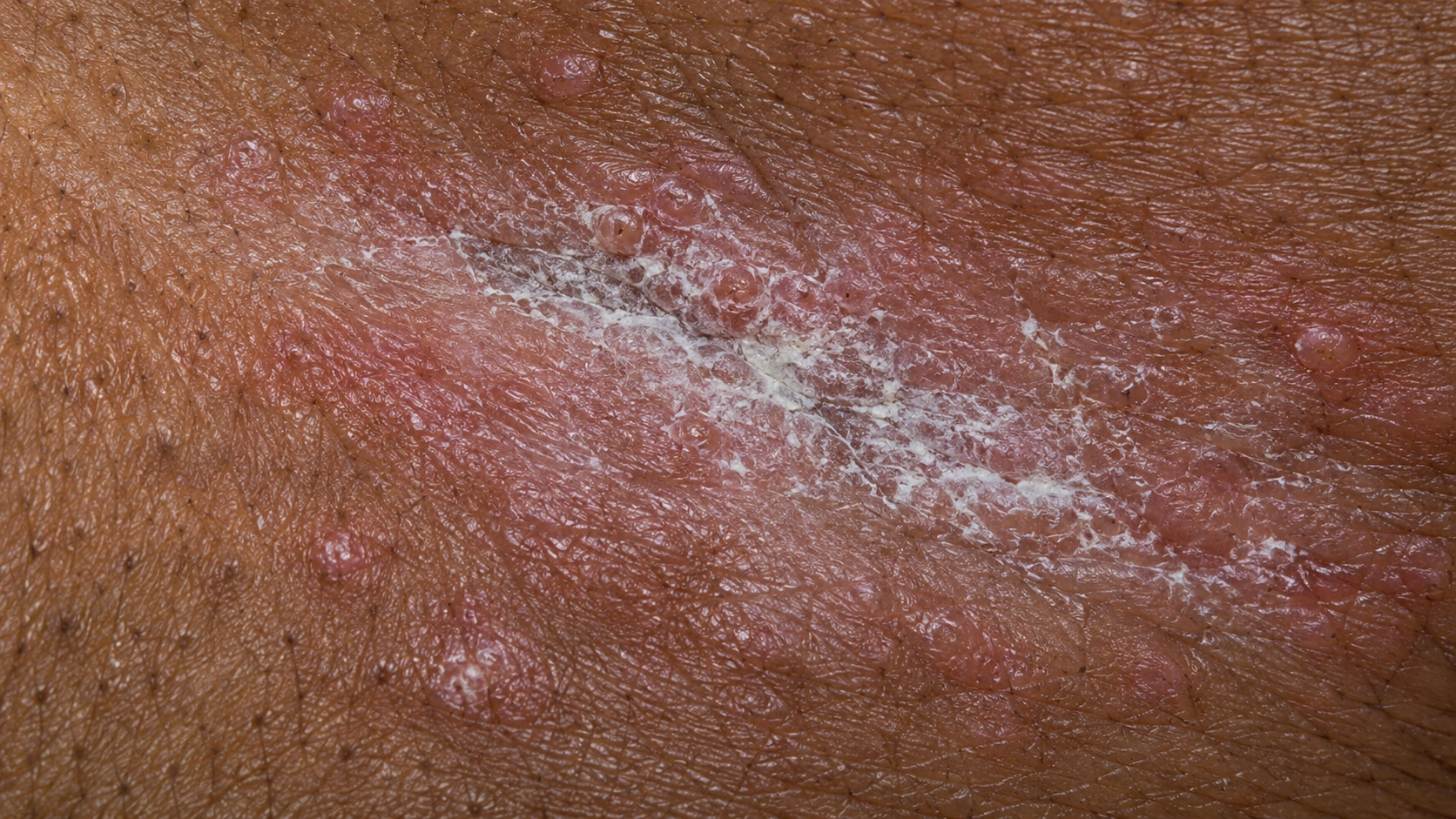
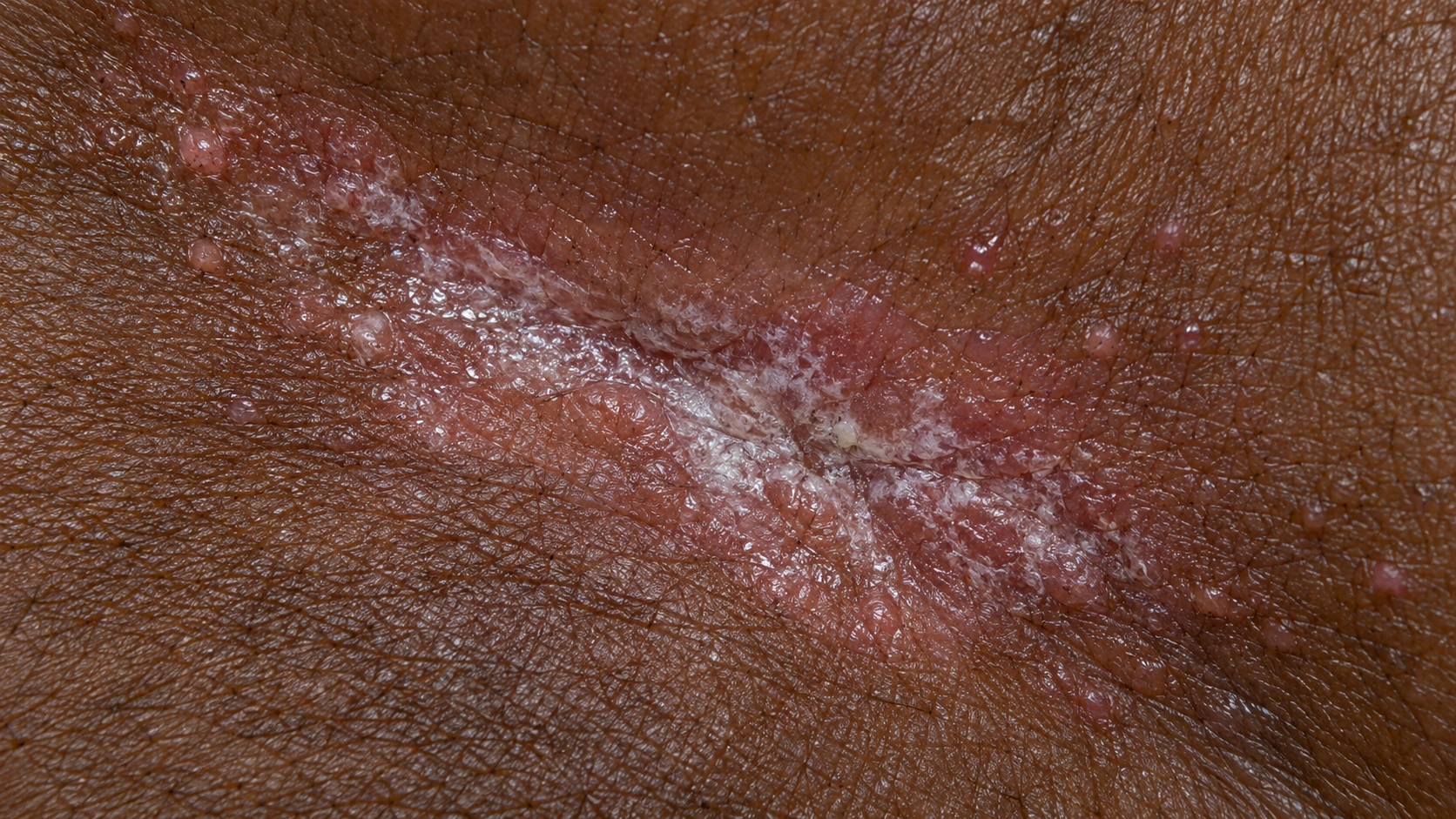
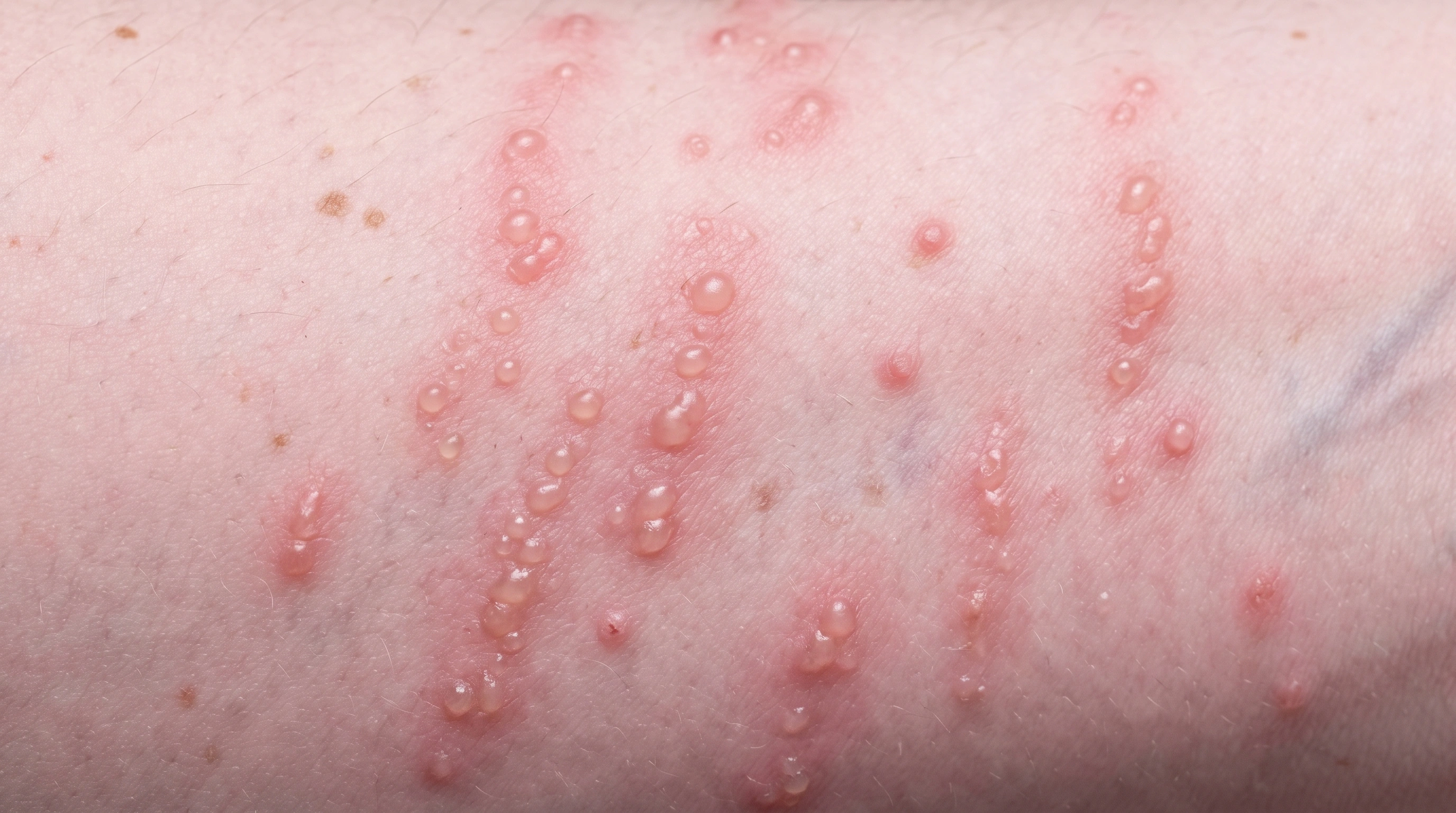
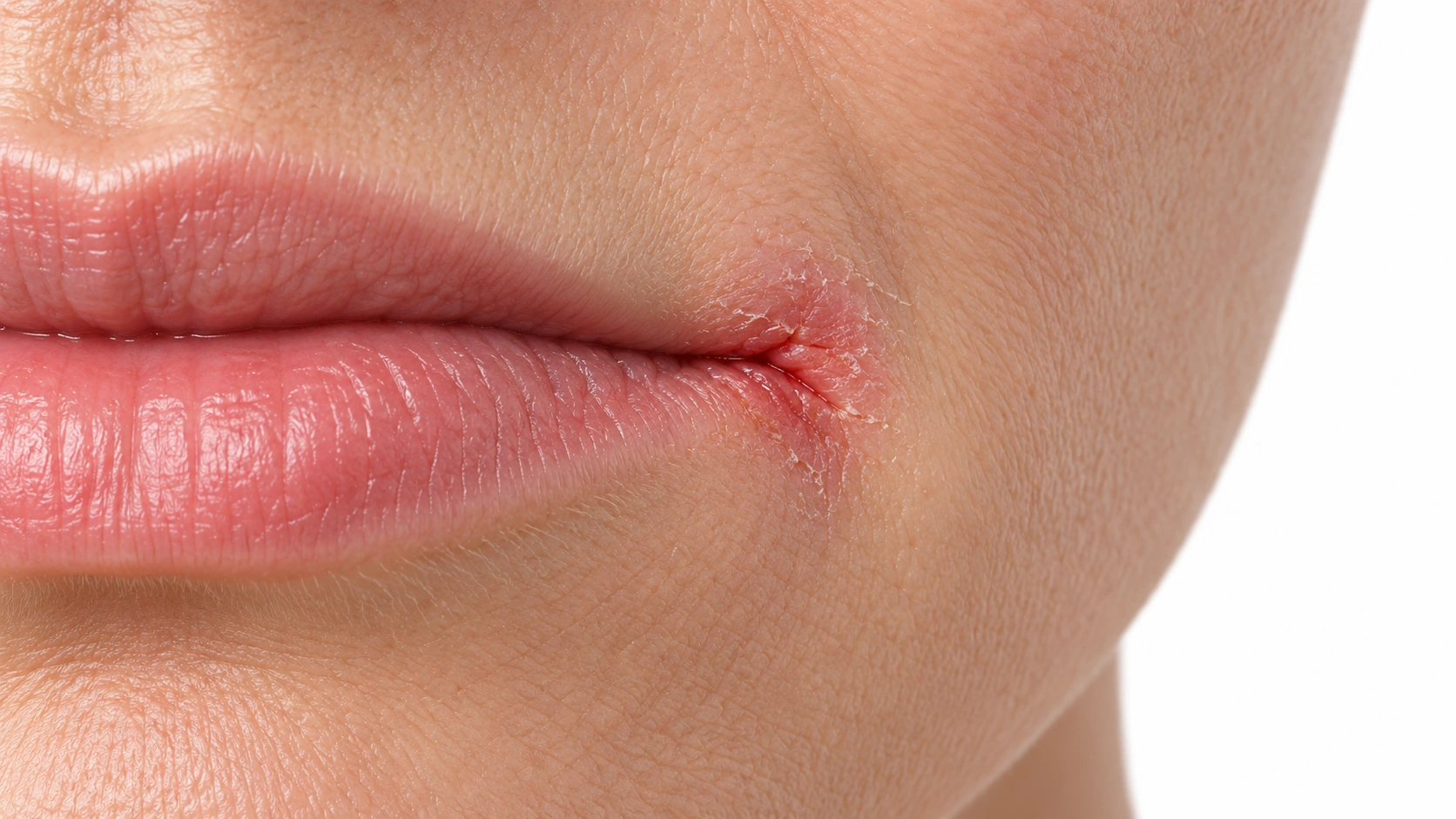
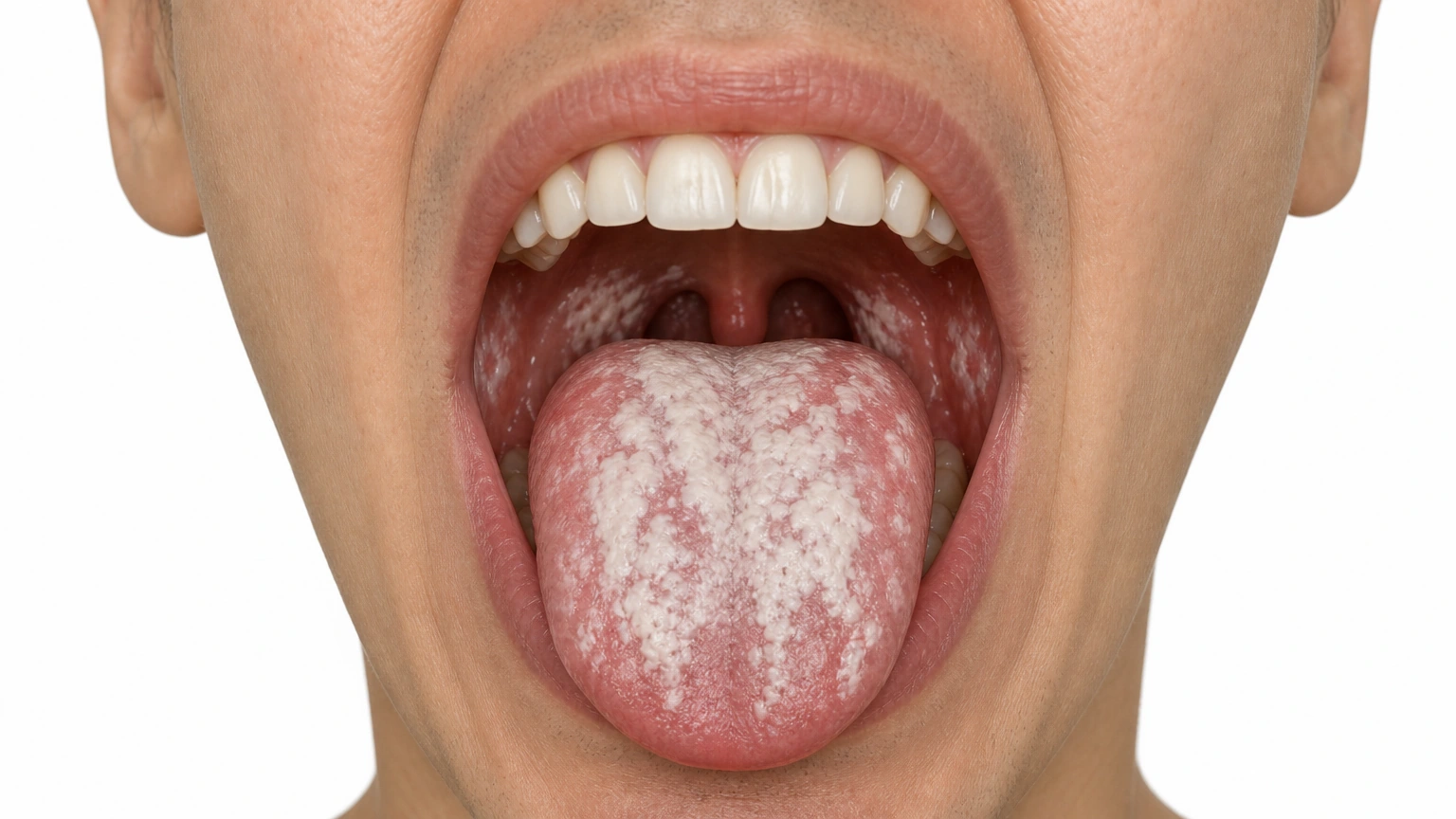
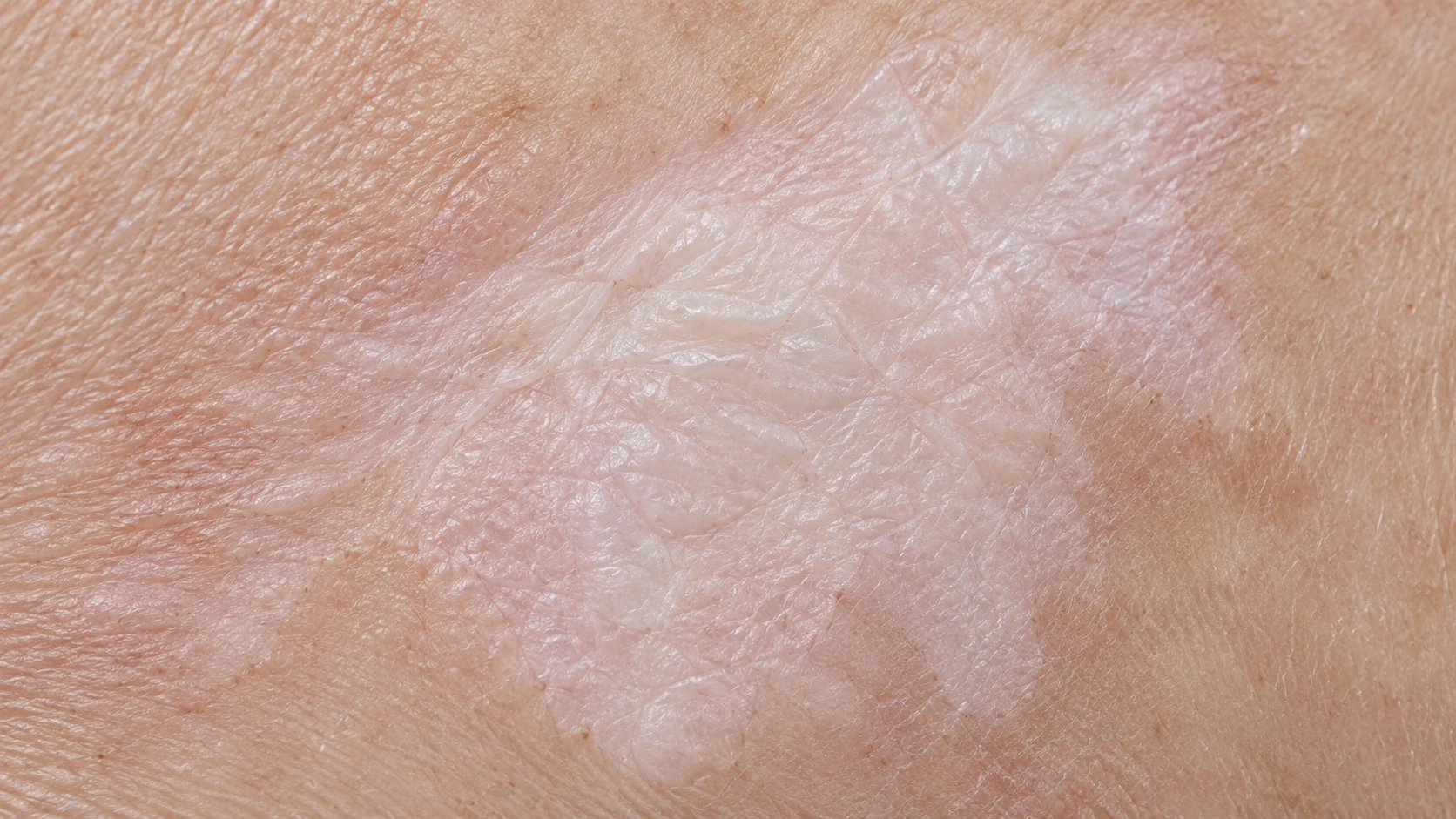
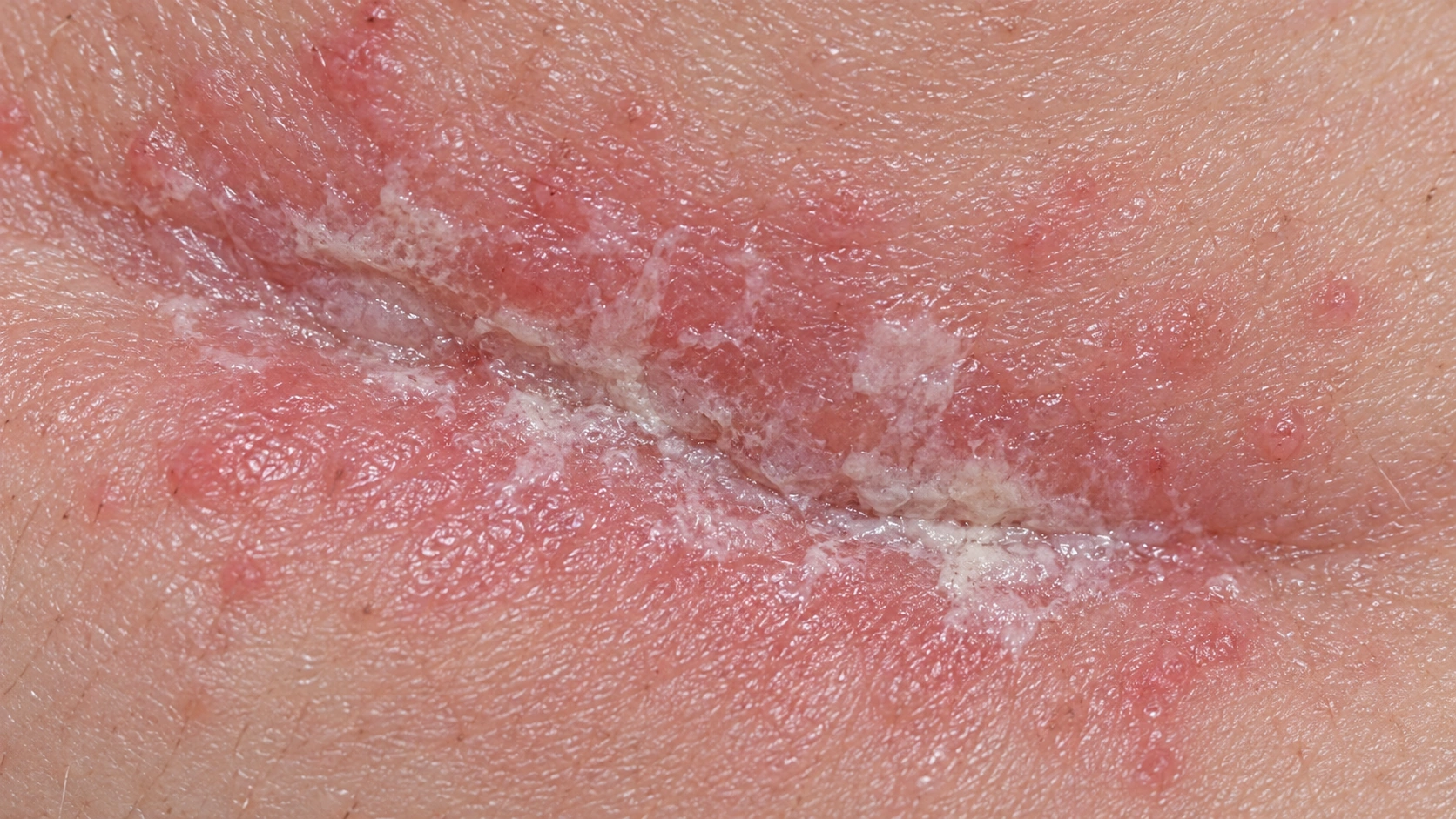
Vulvar Lichen Sclerosus.Vulvar Candidiasis, representative educational image.

Key differences

The same eight facts on every condition comparison.

Usual age
Girls before puberty; women after menopause
15 to 50
Where
Vulva and around the anus
Vulva
Main sign
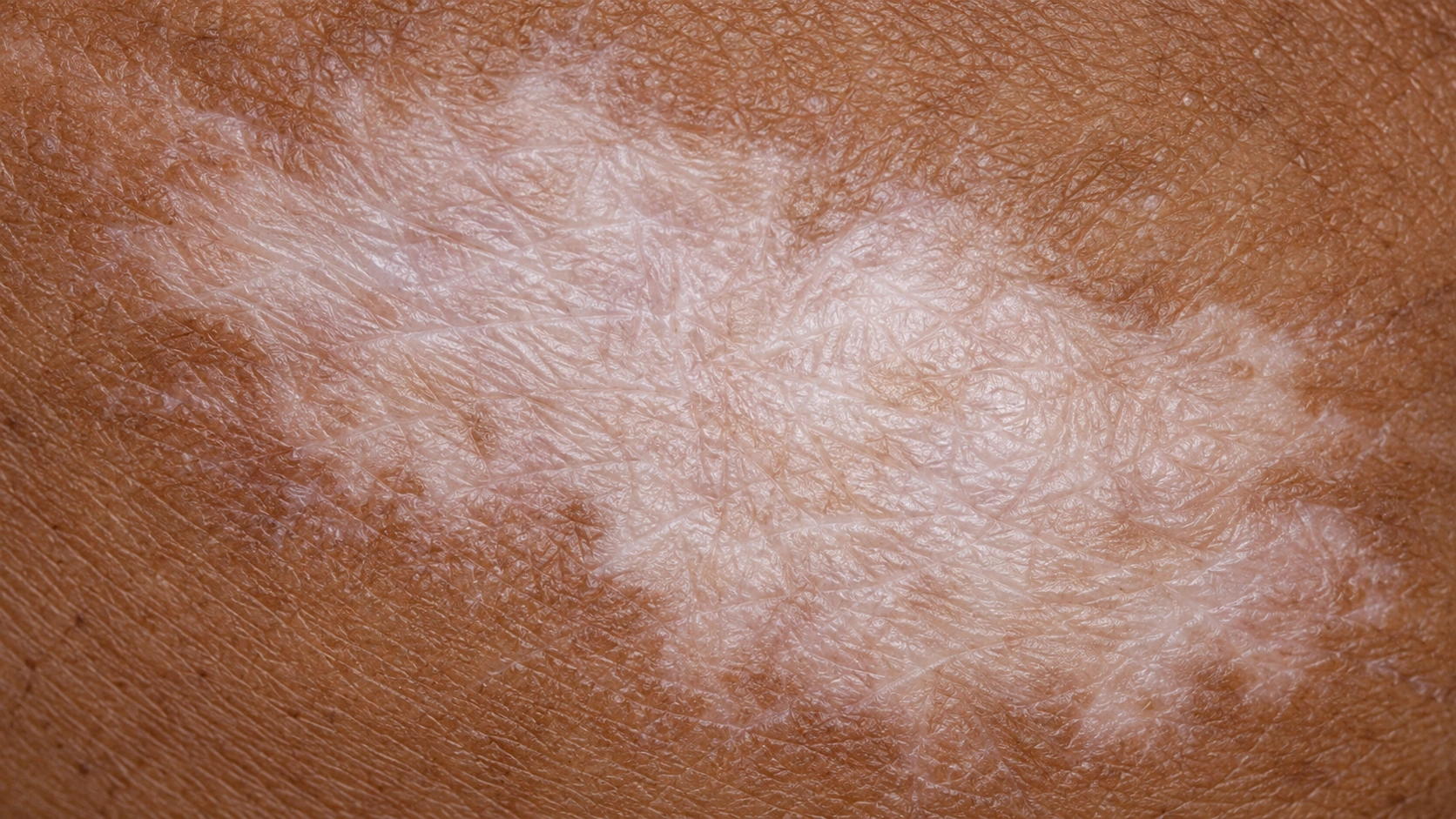
White, thin, crinkly skin
Red, itchy, sore vulva
Itch or pain
Very itchy, sore
Itchy and sore
Contagious
No
No
Long term
Long-term; needs ongoing care
Clears with treatment
Scars
Yes, can change shape
No
Who gets it
Mostly women after menopause
Women; after antibiotics, diabetes

What is it?

Vulvar Lichen Sclerosus
Vulvar Candidiasis
What is it?
  • What it is
    A chronic inflammatory vulvar disorder that can scar and change skin structure.
  • What it is
    Candida overgrowth causing vulvar itch and irritation, sometimes with vaginal discharge.

What it looks like

Vulvar Lichen Sclerosus

Vulvar Lichen Sclerosus.

Clinical illustration needed

Vulvar Candidiasis

Vulvar Candidiasis, representative educational image.

Clinical illustration needed

Skin tones
Vulvar Lichen Sclerosus.
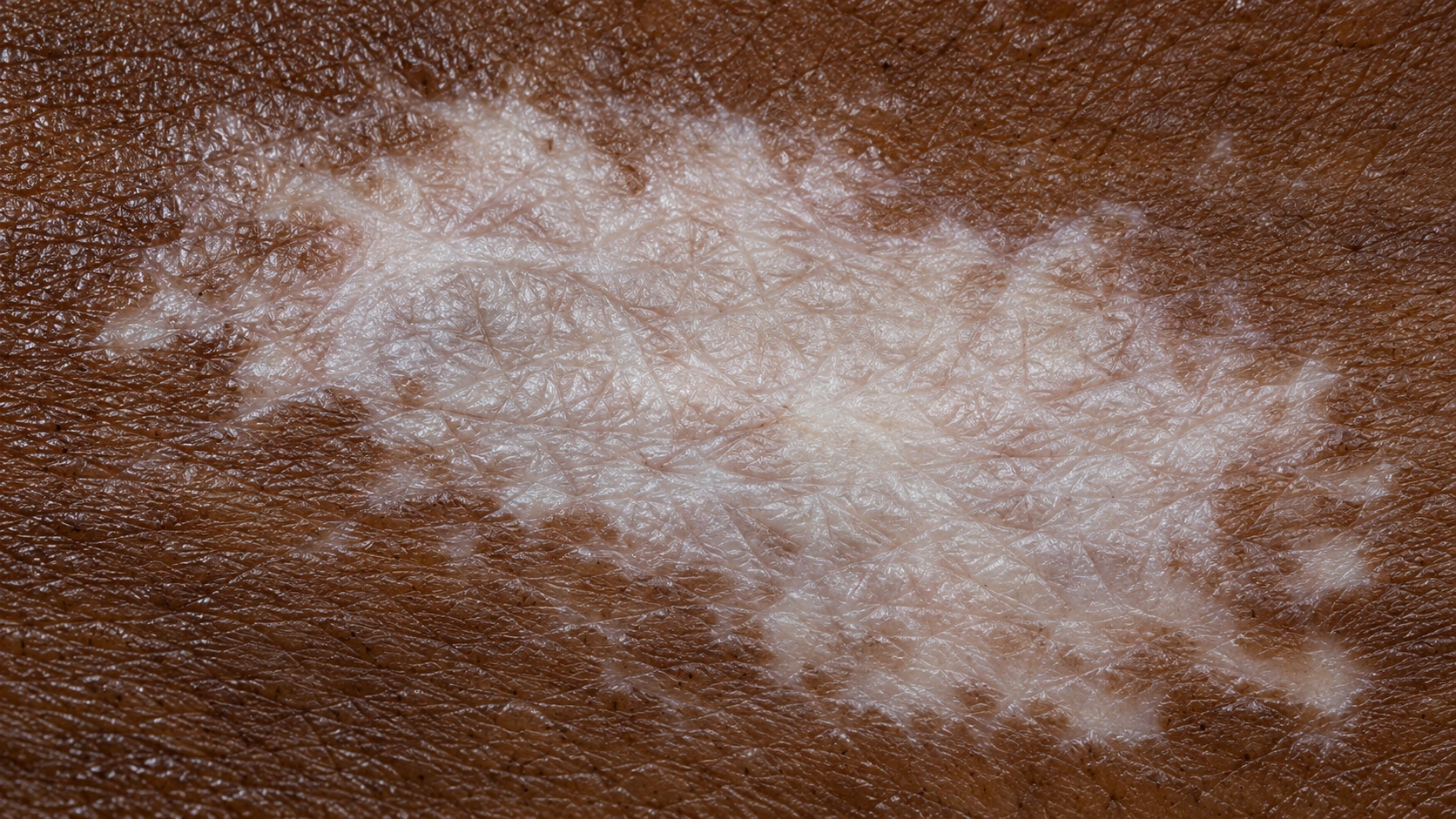
Vulvar Candidiasis, representative educational image.
In the skin

Immune-related inflammation alters the structure of vulvar skin. The exact cause is not fully established, but persistent inflammation can lead to scarring and tissue change.

Candida overgrowth triggers inflammation of vulvar skin and nearby mucosa. Itching and irritation overlap with other conditions and do not by themselves confirm yeast infection.

When it usually starts

010203040506070+

Vulvar Lichen Sclerosus. Can occur at any age, including childhood; it is often diagnosed after menopause.

Vulvar Candidiasis. Most common during reproductive years; new symptoms after menopause need assessment.

Causes and triggers

Causes

Immune-mediated inflammation affects genital skin; the exact cause is not fully established.

Yeast overgrowth produces mucosal and skin inflammation; symptoms overlap with other conditions.

Risk factors
Autoimmune tendency, Postmenopausal age
Antibiotics, Pregnancy, Diabetes
Trigger
● Vulvar Lichen Sclerosus
● Vulvar Candidiasis
Friction
Can contribute
Not listed
Irritants
Can contribute
Not listed
Antibiotic exposure
Not listed
Can contribute
Prolonged dampness
Not listed
Can contribute

Daily Care

Vulvar Lichen Sclerosus
Vulvar Candidiasis
Daily care

Habits that help

  • Wash the vulva gently and avoid soap or fragrance
    Pat dry; use a tolerated non-soap cleanser only if needed.
  • Apply the prescribed emollient or barrier ointment
    This reduces dryness and protects delicate skin from urine and friction.
  • Wear comfortable clothing and adjust painful activities
    Reduce rubbing from tight seams, cycling or sex during a flare.
  • Follow the prescribed steroid and follow-up plan even when itch improves
    Lichen sclerosus needs ongoing monitoring; moisturizer does not replace treatment.
  • Report a persistent sore, new lump or non-healing area promptly
    New changes need examination rather than repeated self-treatment.

Avoid

  • Avoid: Scratching and unprescribed genital remedies
    Irritation can cause tearing and worsen symptoms.

Habits that help

  • Wash the outside gently and pat dry
    Plain water or a tolerated non-soap cleanser is usually enough; do not wash inside the vagina.
  • Change out of damp swimwear or workout clothes
    Choose comfortable breathable underwear and avoid prolonged moisture.
  • Use only treatment appropriate for the confirmed diagnosis
    Itch and discharge can have other causes; recurrent or persistent symptoms need review.
  • Reduce friction while the area is sore
    Pause sex if it hurts and check whether a prescribed product affects barrier contraception.

Avoid

  • Avoid: Douching, fragranced washes and deodorants
    These can irritate the vulva and disturb the local environment.
  • Avoid: Yogurt, essential oils or household remedies inside the vagina
    They are not reliable treatment and may worsen irritation; get pregnancy-specific advice before using medicines.

Treatment differences

Evidence labels come from each condition’s own treatment list.

Treatment
● Vulvar Lichen Sclerosus
● Vulvar Candidiasis
Prescription topicals

Clobetasol ointment

Listed

A supervised potent steroid regimen is standard for vulvar lichen sclerosus; ongoing review is important.

Vaginal or vulvar azole treatment

Listed

Use a formulation appropriate to the affected site; pregnancy and recurrence need clinician guidance.

Procedures
None listed

Diagnostic confirmation

Listed

Recurrent or uncertain symptoms may need examination or testing before repeated antifungals.

Outlook

Long term

Lichen sclerosus often needs long-term treatment and follow-up, even when symptoms improve. Established scarring may not reverse; a new persistent sore or thickened area should be examined.

Symptoms usually improve with appropriate antifungal treatment, but recurrence can occur. Persistent or repeated symptoms need confirmation of the diagnosis rather than repeated treatment for presumed yeast.

Complications

Possible complications

Scarring and a small increased risk of vulvar squamous cell cancer require ongoing follow-up.

Repeated symptoms need confirmation of the organism and exclusion of other causes.

When to get help

When to get help

Arrange assessment for new symptoms; a persistent ulcer, thickened area, bleeding or lump needs prompt review.

Seek care for a first episode, pregnancy, recurrence, sores, pelvic pain or fever. Oral fluconazole is avoided in pregnancy.

Common questions

Vulvar Lichen Sclerosus:What is Vulvar Lichen Sclerosus?

A chronic inflammatory vulvar disorder that can scar and change skin structure.

Vulvar Lichen Sclerosus:What can I do day to day?

Use bland emollient, avoid irritants and attend planned follow-up even when symptoms improve.

Vulvar Lichen Sclerosus:When should I get medical advice?

Arrange assessment for new symptoms; a persistent ulcer, thickened area, bleeding or lump needs prompt review.

Vulvar Candidiasis:What is Vulvar Candidiasis?

Candida overgrowth causing vulvar itch and irritation, sometimes with vaginal discharge.

Vulvar Candidiasis:What can I do day to day?

Avoid fragranced washes and douching; change out of damp clothing.

Vulvar Candidiasis:When should I get medical advice?

Seek care for a first episode, pregnancy, recurrence, sores, pelvic pain or fever. Oral fluconazole is avoided in pregnancy.

Sources
Sources and further reading

  1. Lichen sclerosus
  2. Vulvovaginal candidiasis
Dermapedia on YouTube