It improves scars.
It aims to improve appearance, comfort or movement.
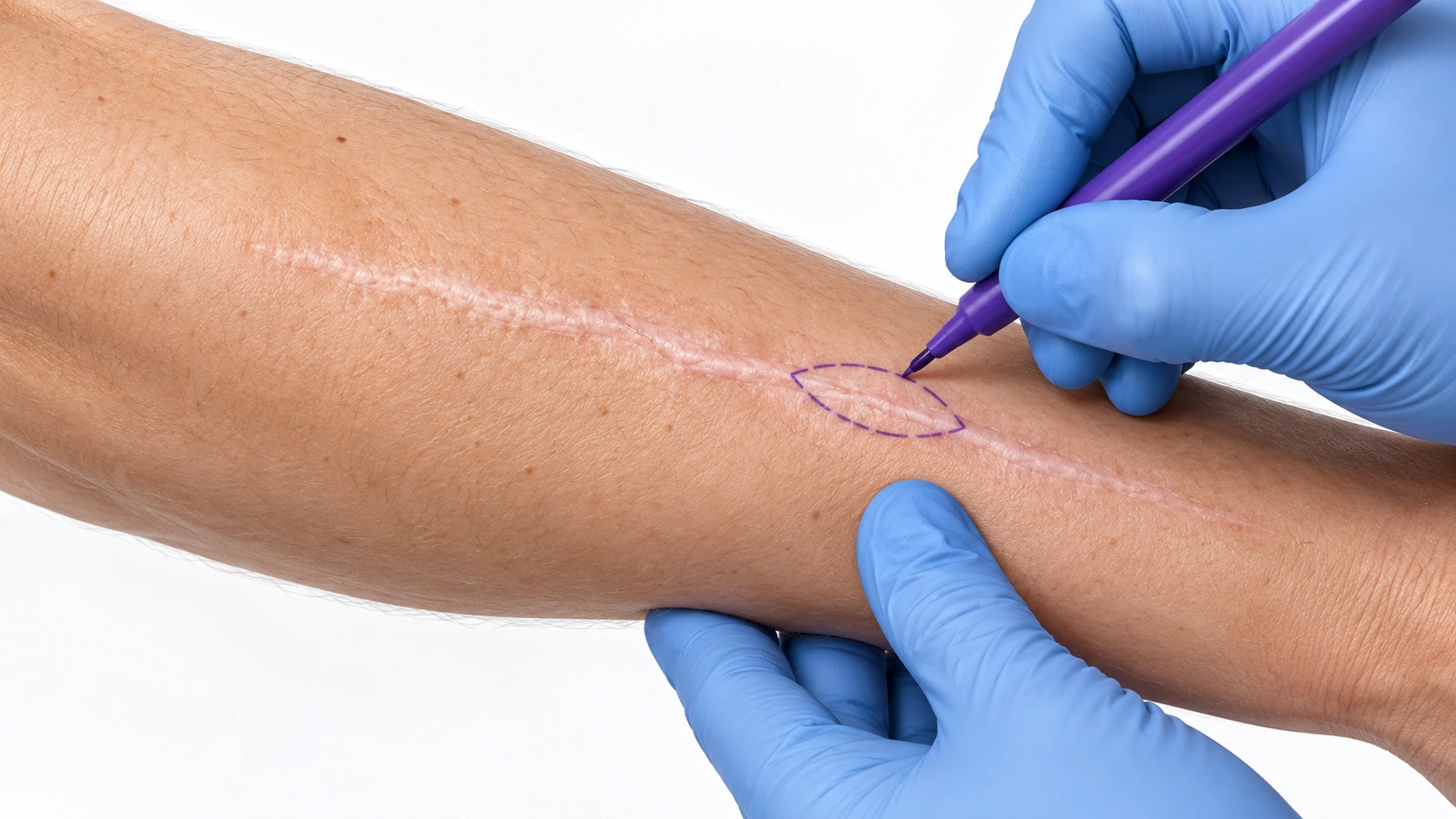
Scar Revision: The whole set of procedures used to make an existing scar less noticeable — cutting it out and closing it more neatly, flattening it, releasing it, or resurfacing it. No procedure erases a scar. Revision trades the scar you have for one you would rather live with.
Subcision: A needle passed under an indented acne scar to cut the strands holding it down, so the surface can lift. It is aimed at rolling scars specifically, it bruises, and it is almost always combined with something else.
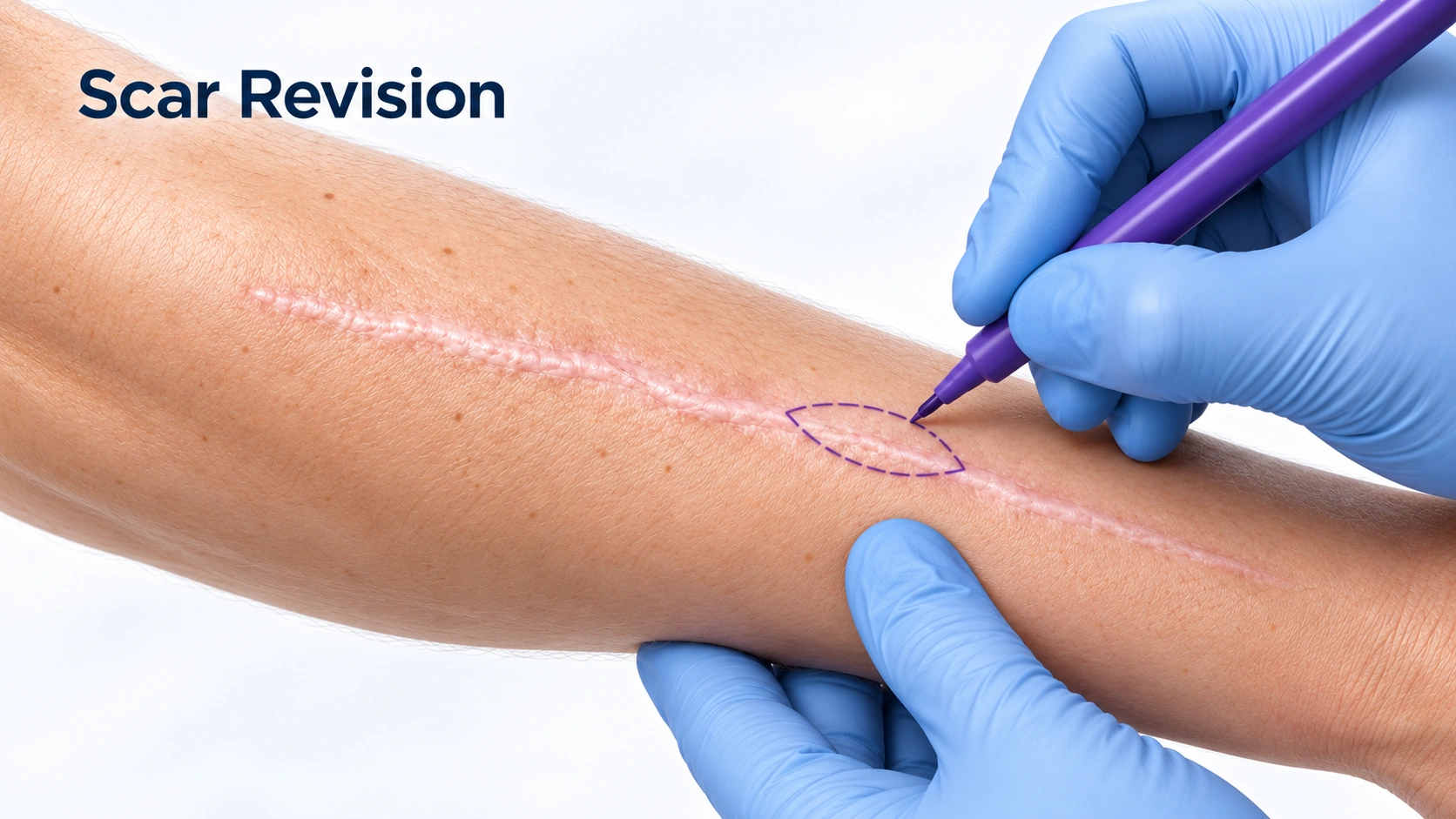
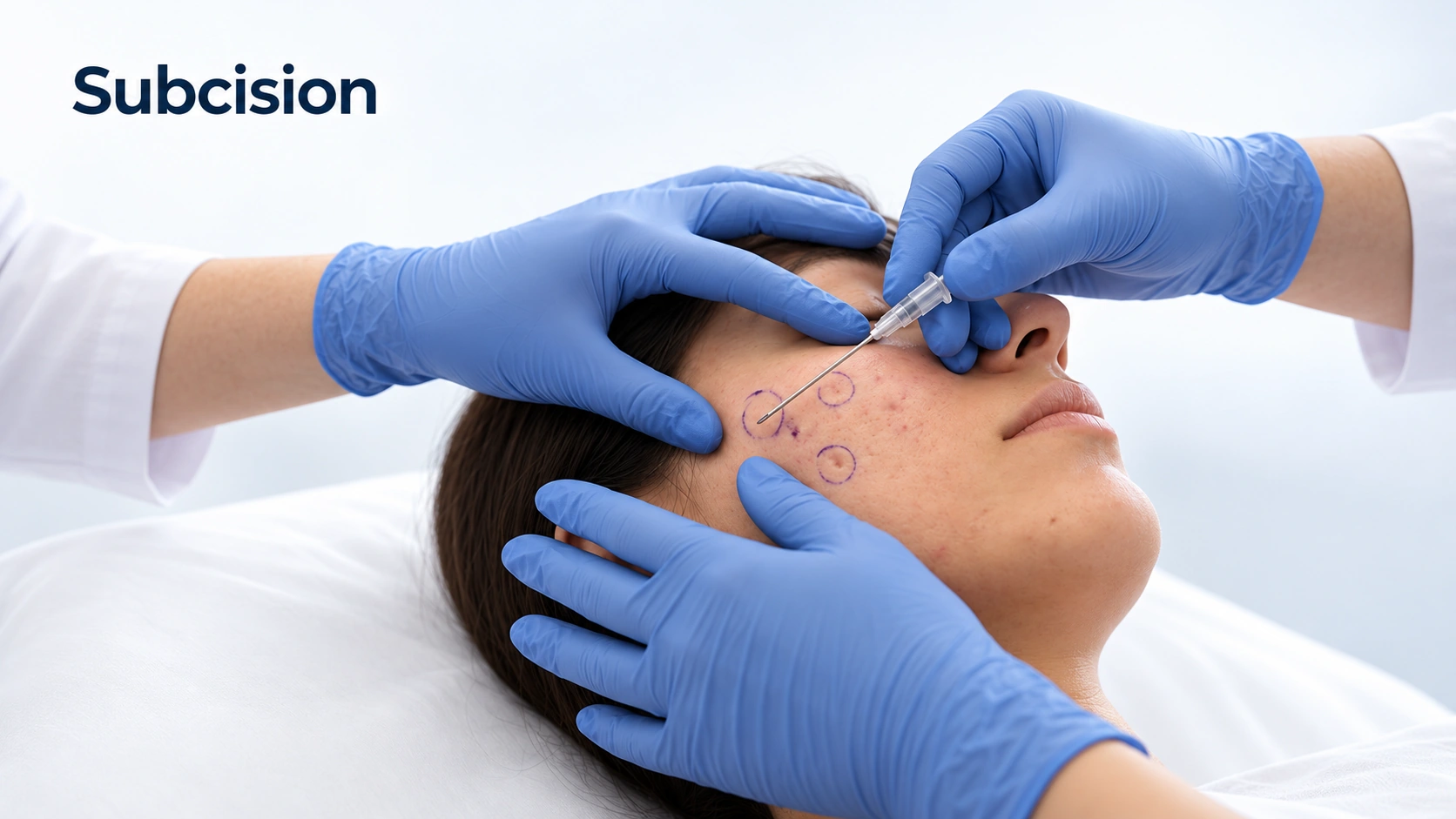
Choose to trade a scar you dislike for a neater one — no procedure erases a scar.
Choose for rolling acne scars that are tethered down, usually combined with needling, laser or filler.
Can you have both?
They suit different scars. Subcision releases tethered acne scars; scar revision surgically remakes a larger scar.
It aims to improve appearance, comfort or movement.
Surgery, injections and resurfacing may be combined.
It modifies scar tissue rather than restoring unscarred skin.
Excision alone can cause a larger recurrence.
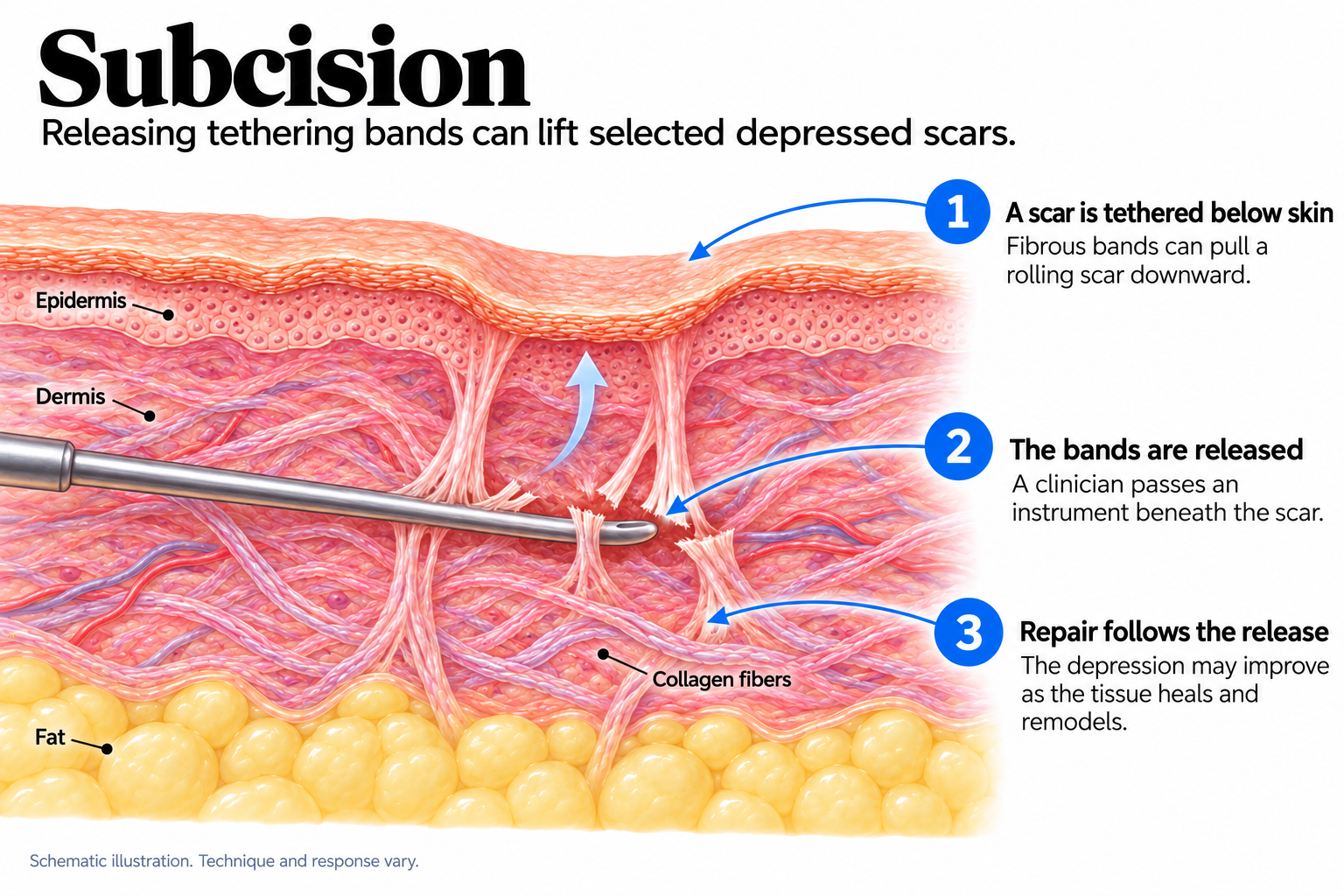
Fibrous bands tethering depressed scars are cut beneath the skin.
It is not for every pit, mark or raised scar.
It is performed by a clinician with a needle or blade.
Bleeding risk, scarring tendency and isotretinoin use are assessed.
Improves width, texture and color.
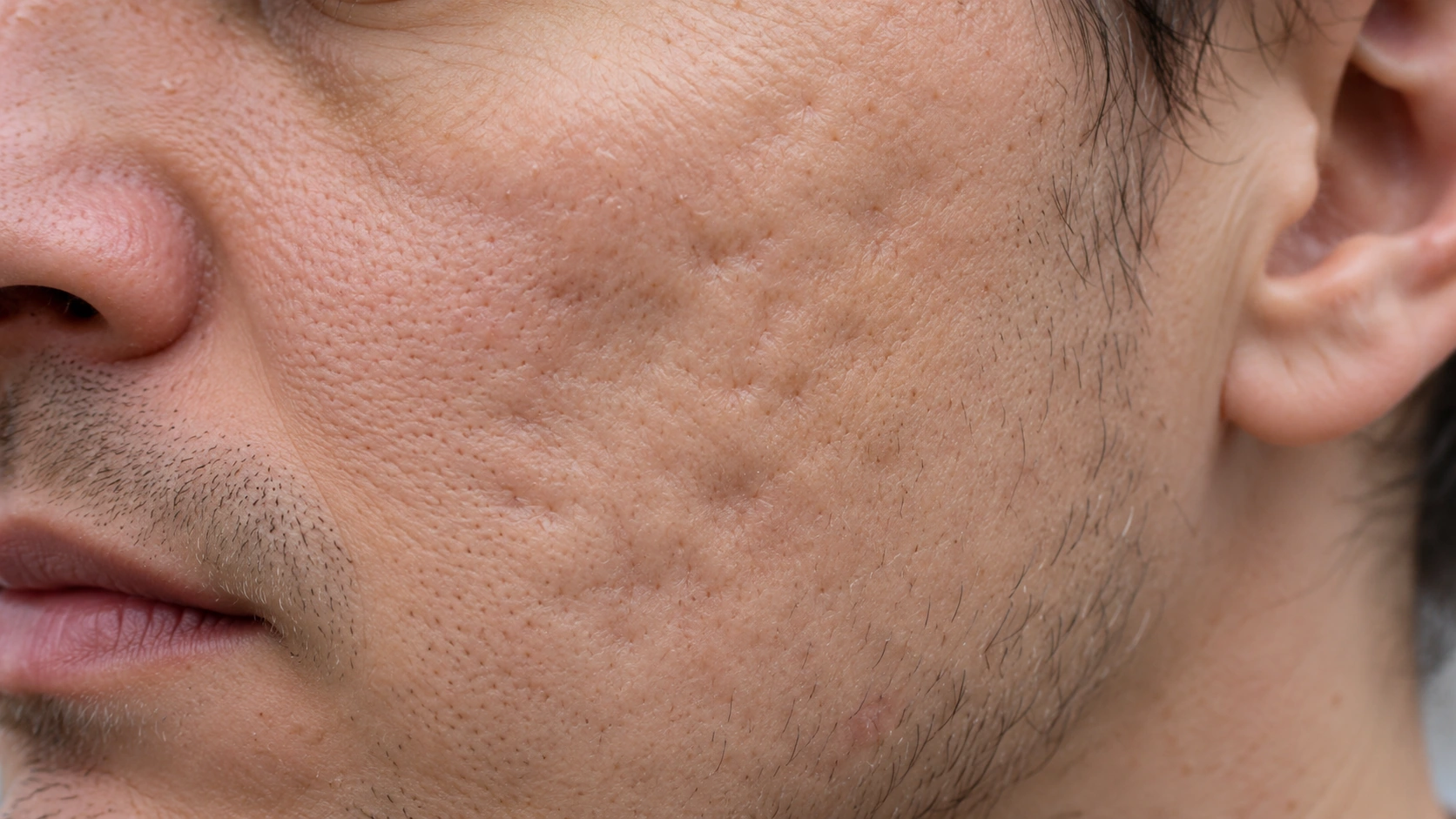
Releases tethered scars.
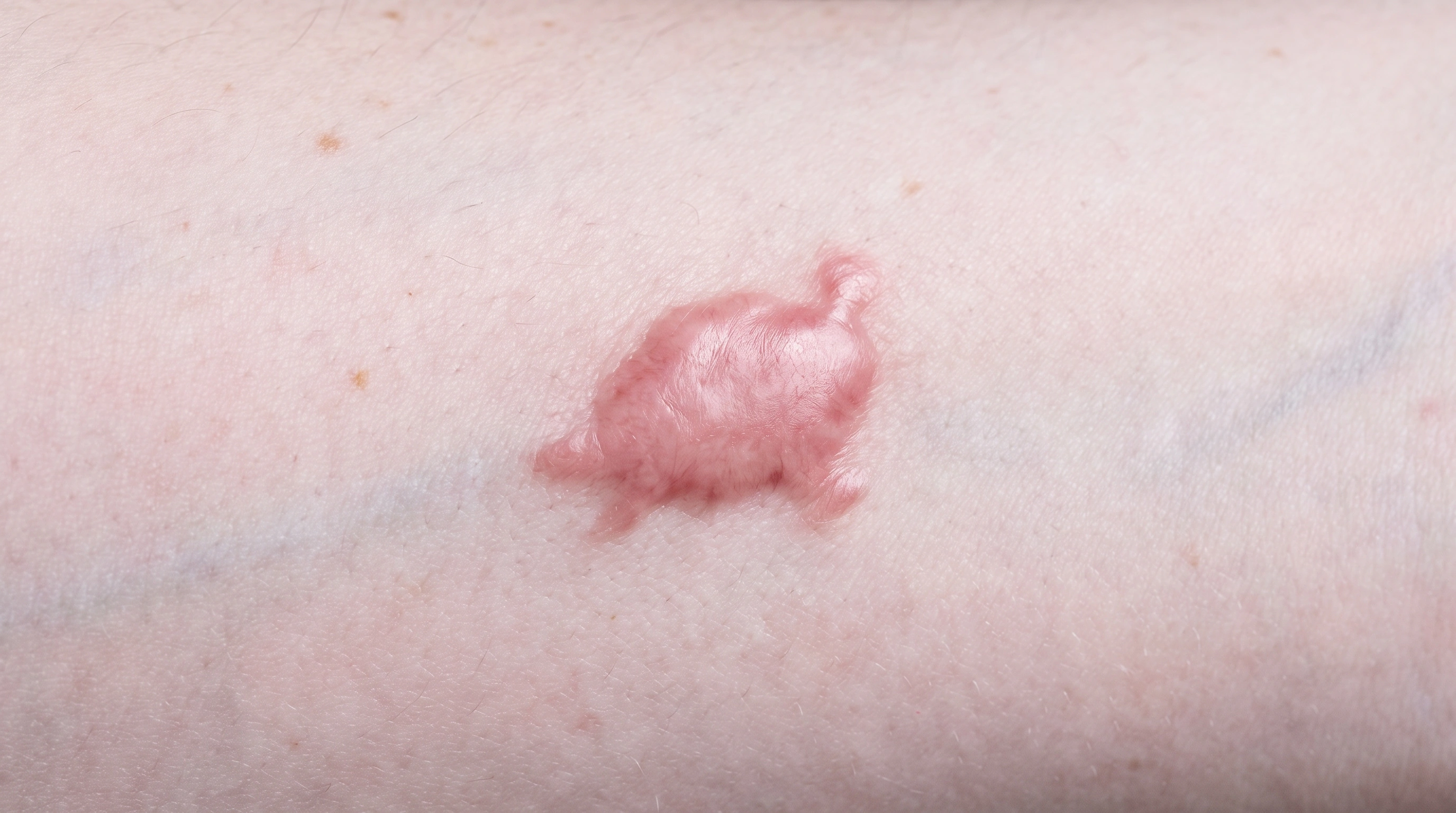
Combined with injections to prevent return.

Punch excision for deep scars.
Best for rolling scars.
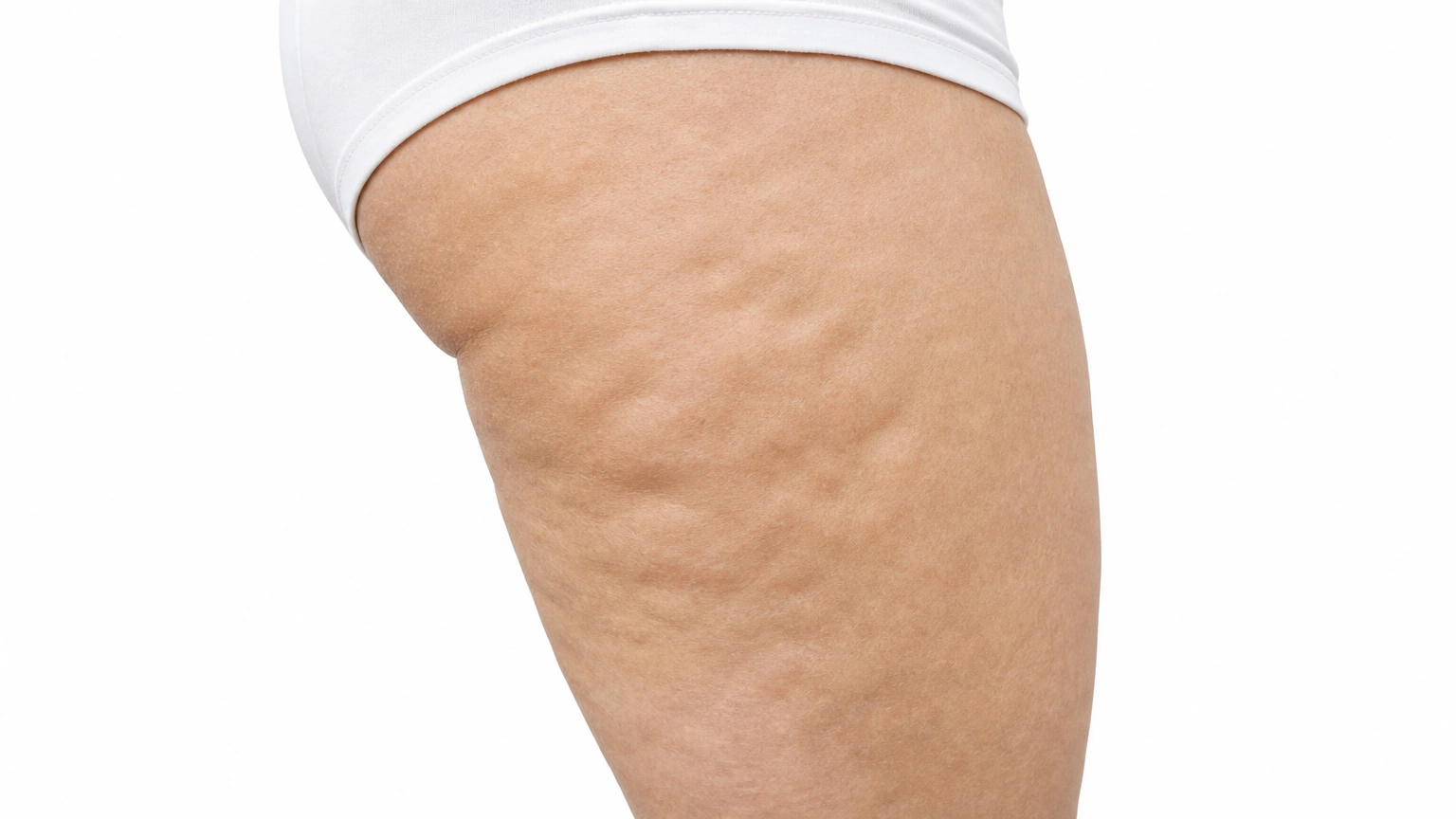
Releases dimples.
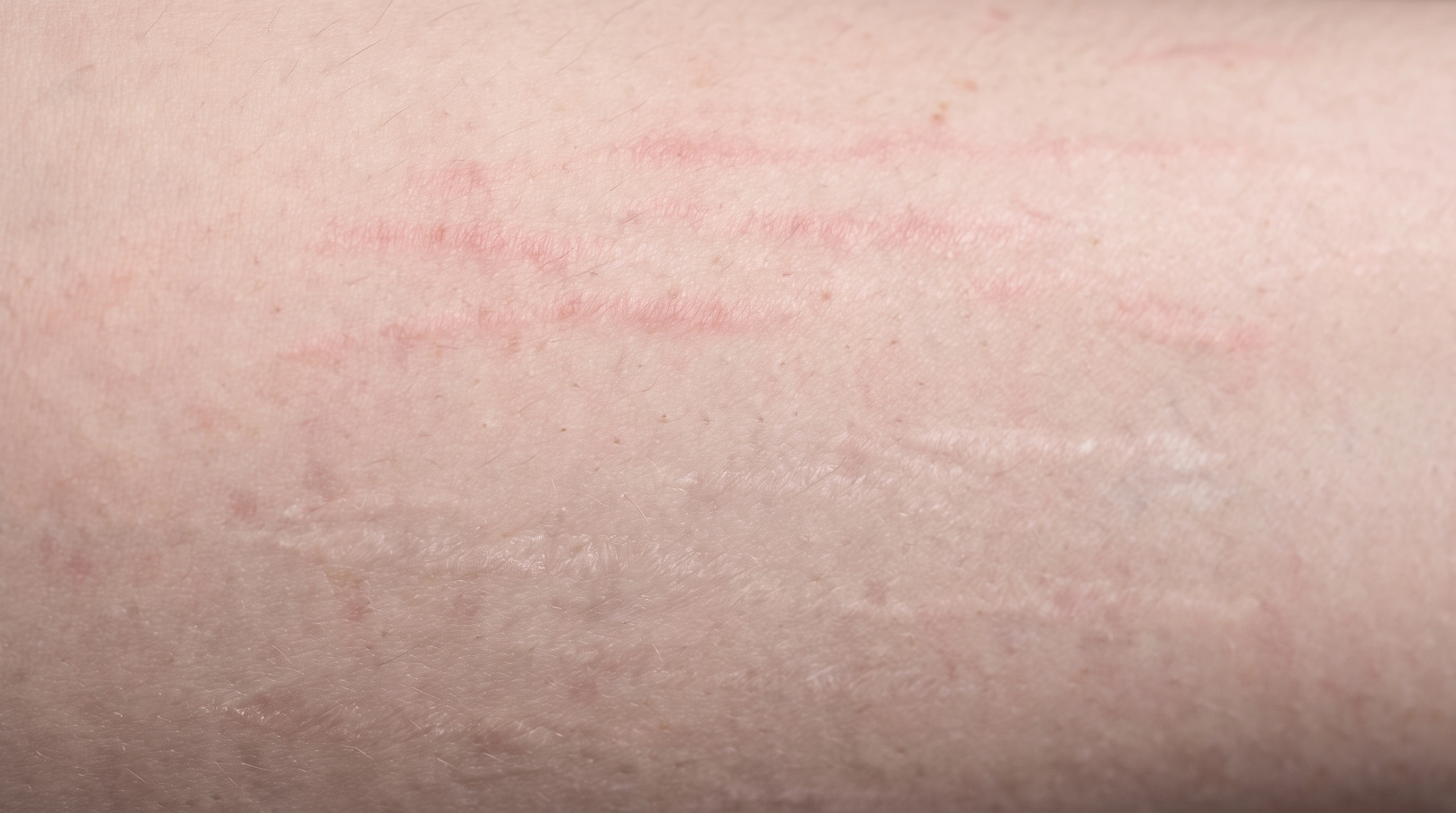
Usually treated with lasers or needling.
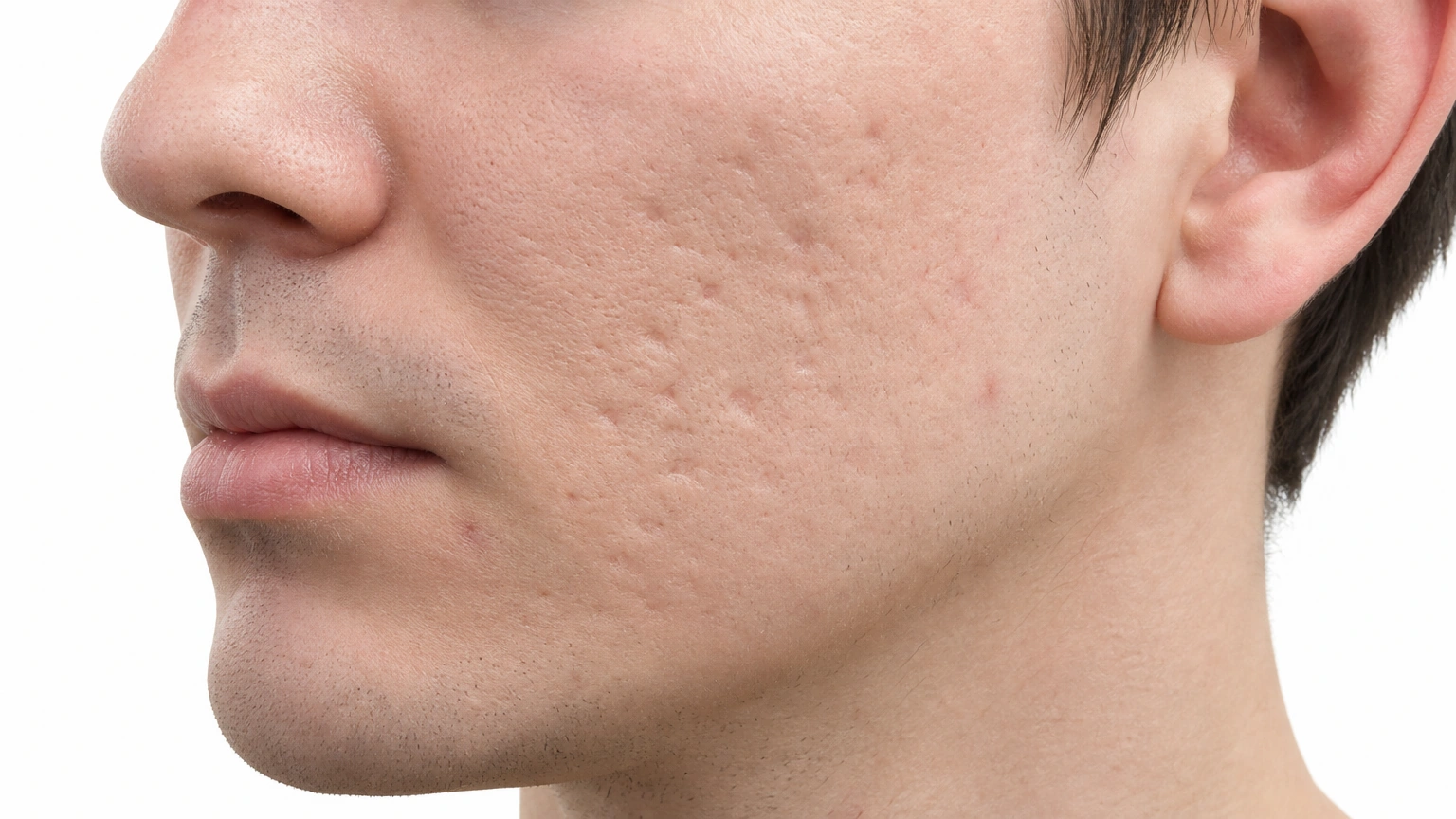
Better treated with resurfacing.
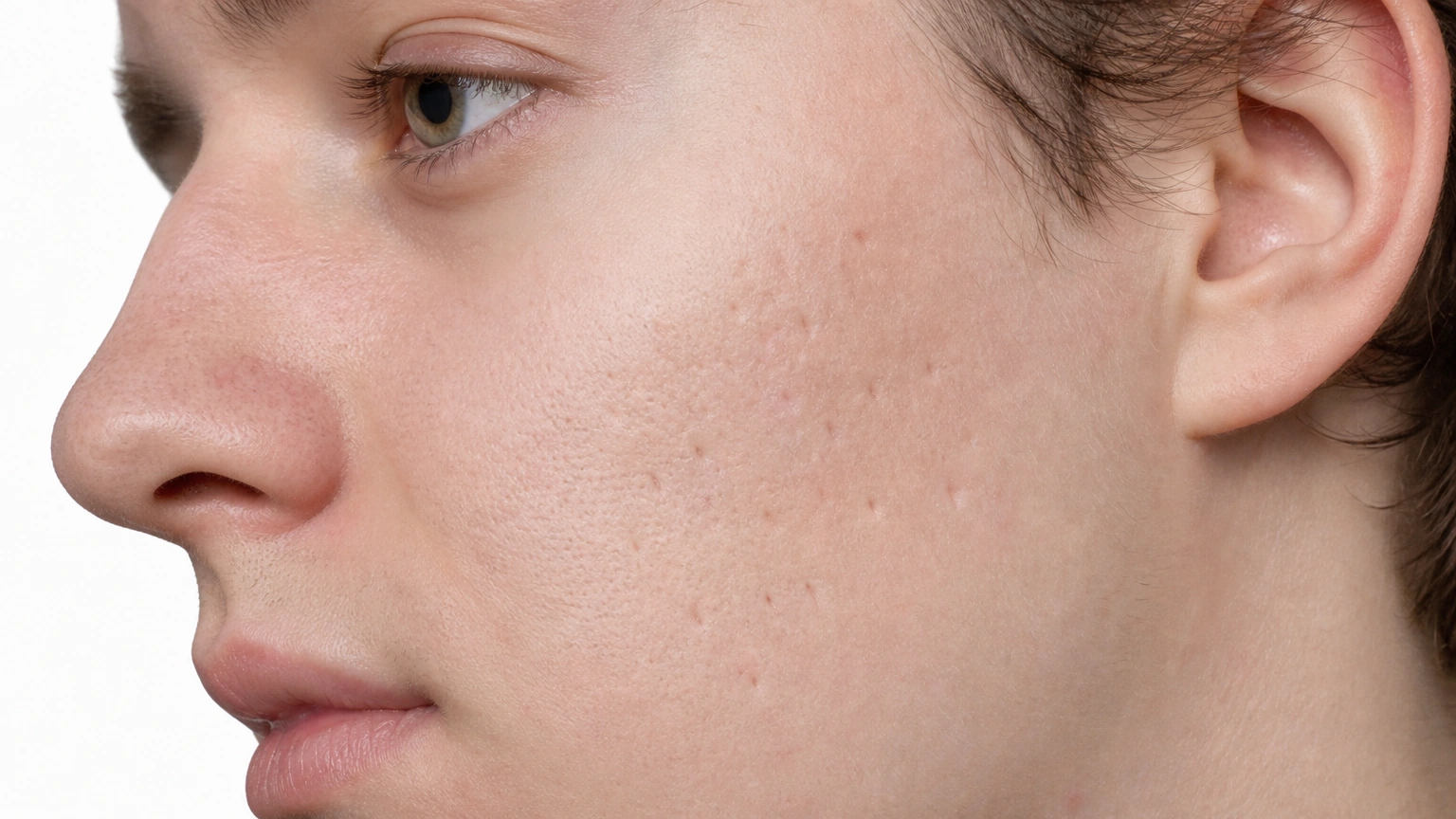
Too narrow to release.
The specific lesion, scar or affected patch determines the treatment site; there is no fixed body distribution.
Selected facial scars; the highlighted cheeks show the general treatment area.

The scar is assessed: Its shape, location, and tension guide the surgical plan. Tissue is revised or rearranged: A surgeon changes the scar and carefully closes the wound. A new scar matures: Appearance may improve, but scar tissue remains.
Schematic illustration. Technique and response vary. This explains a mechanism and does not specify treatment settings.
A scar is tethered below skin: Fibrous bands can pull a rolling scar downward. The bands are released: A clinician passes an instrument beneath the scar. Repair follows the release: The depression may improve as the tissue heals and remodels.
Schematic illustration. Technique and response vary. This explains a mechanism and does not specify treatment settings.
6 to 12 months: Waiting: Surgeons want 6 to 12 months of natural settling first.
6 months before: After isotretinoin: Most providers wait about 6 months before subcision, though this is debated and some treat sooner.
Sun: Keep the scar out of the sun and use SPF 30 or higher.
2 weeks before: Smoking and vaping: Stop both at least two weeks before and after surgery.
2 weeks before: Sun: Keep the area out of the sun and use SPF 30 or higher.
Before you book: Timing: Get active acne under control first, or new scars form beside the treated ones.
Actives and supplements: With your prescriber's agreement, stop blood-thinning supplements such as fish oil, vitamin E and ginkgo.
What to bring: Old photos: Photographs from before the injury, if you have them.
The scar is photographed and examined relaxed and stretched.
Photographs first, then the skin is stretched and lit from the side so tethered scars stand out.
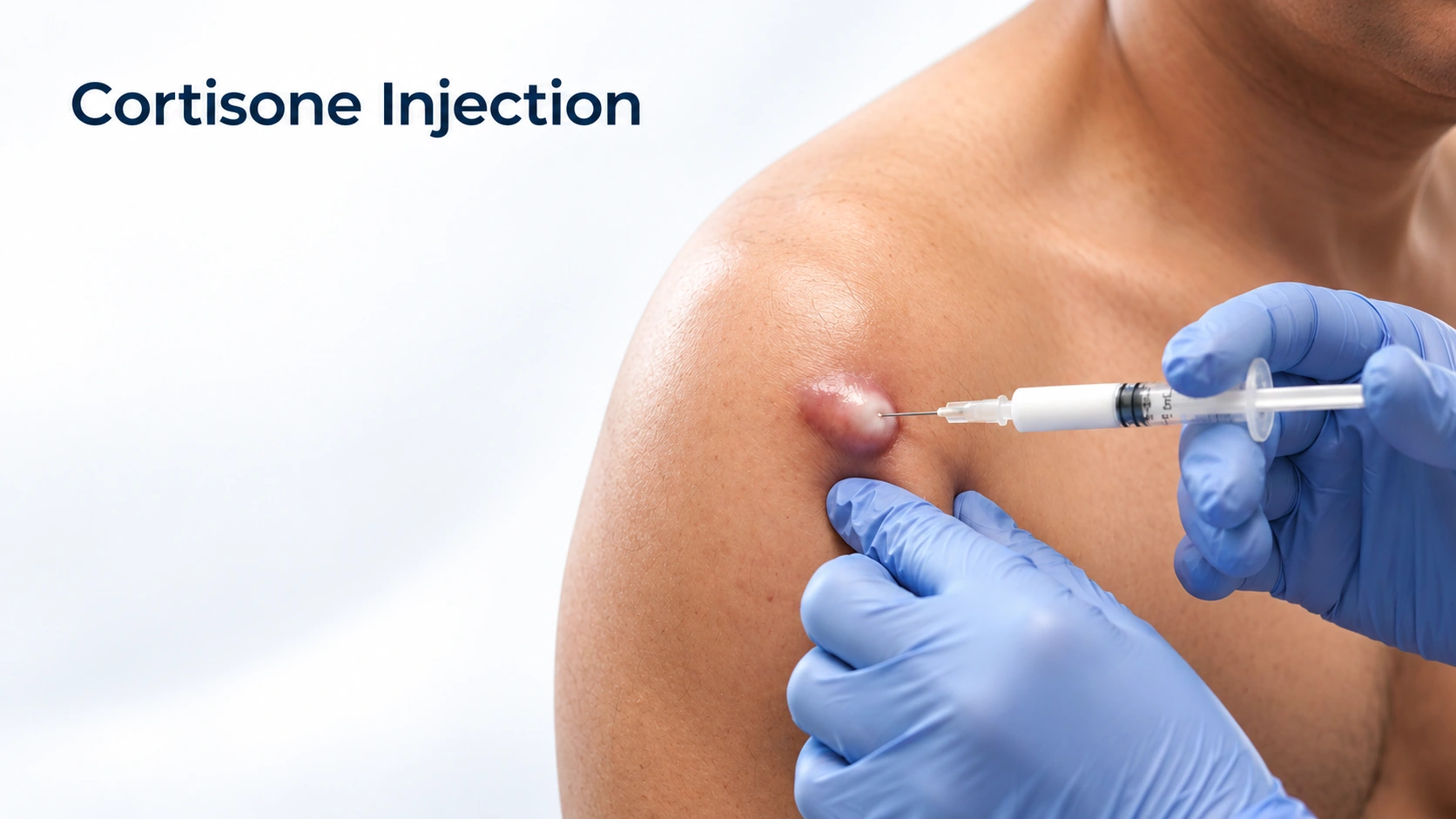
A steroid injection takes minutes and meets real resistance.
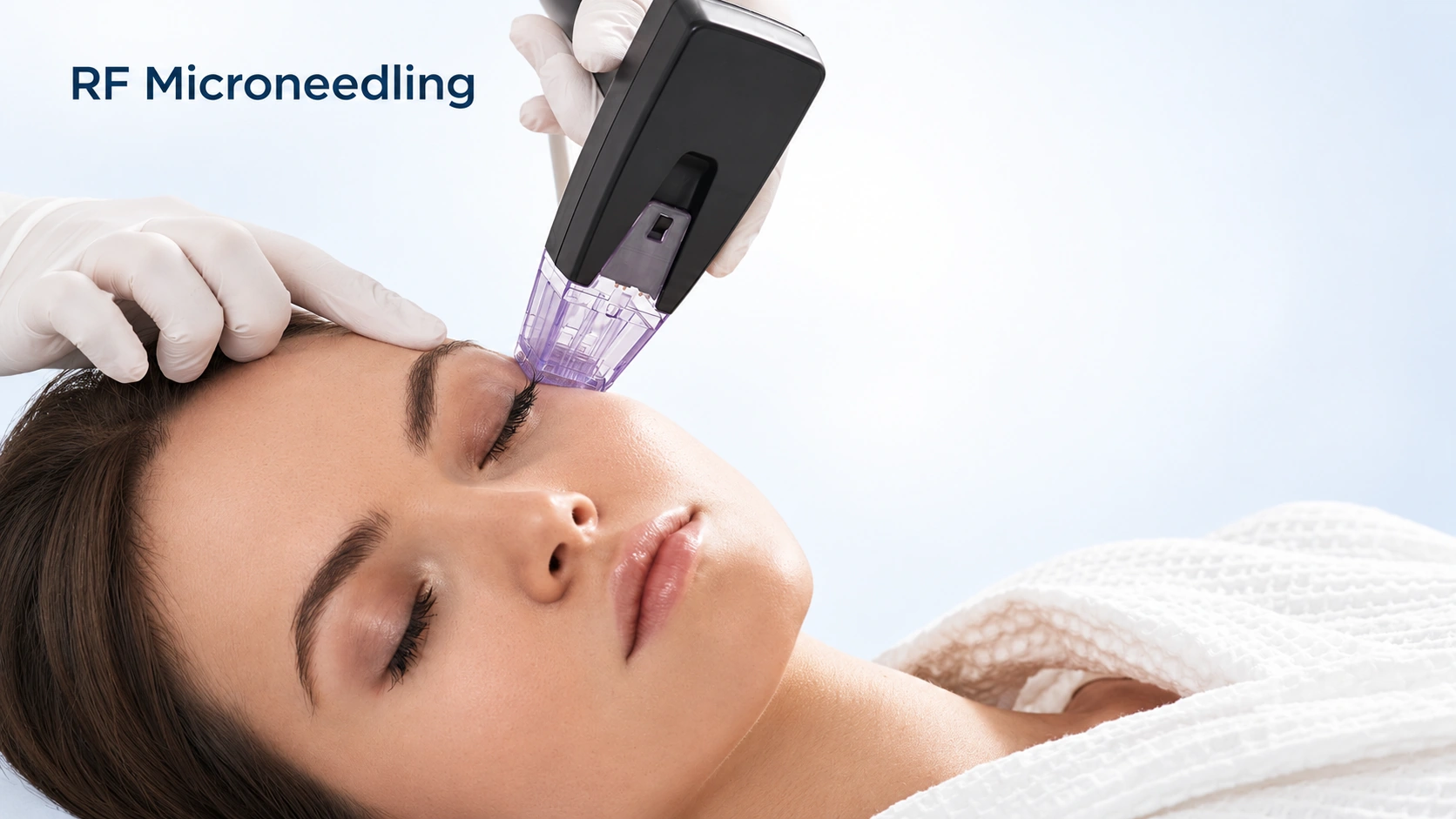
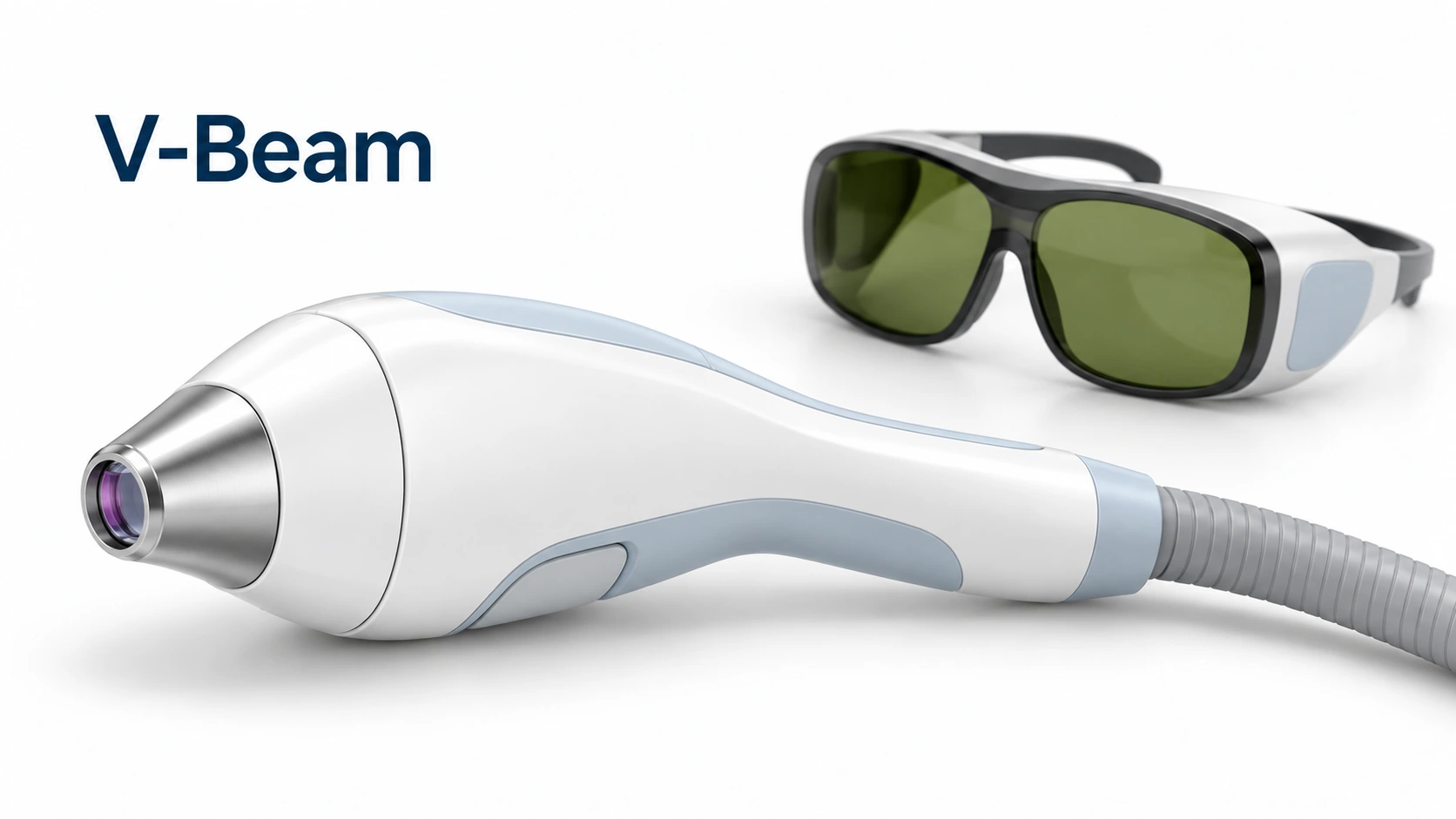
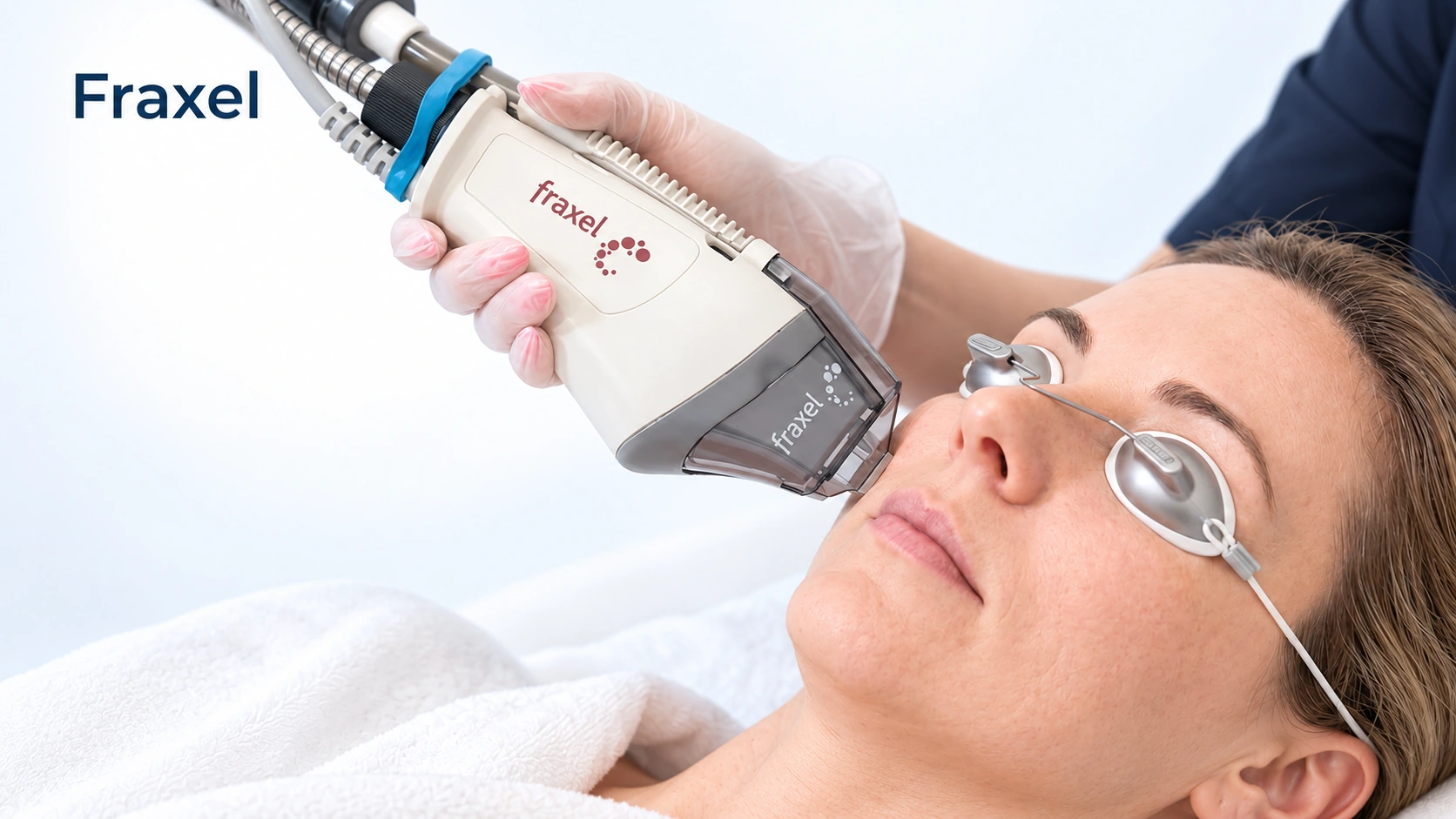
Surgical revision cuts the scar out as a narrow ellipse and closes it in layers, usually 30 to 90 minutes. A Z-plasty swaps small flaps to change direction. Punch excision removes a small round scar. Laser or microneedling takes 20 to 45 minutes. Expect pressure, not sharpness.
A tiny entry point is made beside the scar, and the needle or cannula is passed underneath and moved side to side in a fan until the skin releases.
You feel pressure, tugging and a faint crunching as the strands give way. Firm pressure follows to limit bruising, and filler or microneedling may follow. Usually 15 to 45 minutes, and once numb it is pressure, not pain.
Tape over the line, wound care instructions, and a date for stitch removal — 5 to 7 days on the face, 10 to 14 days on the body.
Swollen, red and firm, with the treated scars looking temporarily better from the swelling.
First 2 weeks: Swollen, bruised and tender.
Days 1 to 3: Deep purple bruising appears and spreads downward with gravity, worst around day two or three.
Days 4 to 14: The bruises turn green and yellow, and concealer covers them reasonably well from about day three, once the entry points have sealed.
Weeks 2 to 8: The new line turns pink, firm and slightly raised — normal healing, not failure.
Weeks 2 to 12: Small firm lumps can be felt as the scar tissue remodels, and most soften on their own.
Months 3 to 18: Redness fades and the ridge softens from month 3 to 6, with massage and silicone doing the work.
Over 6–12 months
1–3 months
Permanent
Long-lasting
In the US this varies more than almost any other dermatology procedure, because "scar revision" covers a five-minute injection and a ninety-minute operation.
In the US, subcision commonly runs a few hundred dollars per session, and the price rises when filler, microneedling or radiofrequency needling is added — filler is often the larger part of the bill.
Insurance often pays when a scar limits movement or vision, interferes with function, or follows cancer surgery or an injury.
Insurance almost never covers subcision for acne scars, because scar treatment for appearance is cosmetic.
No. Every treatment replaces the scar with a different one — flatter, narrower, paler, or running in a less obvious direction. Often a large improvement, not removal.
Usually 6 to 12 months, because most scars keep improving on their own in that time. Scars that limit movement and raised scars still growing are treated sooner.
A hypertrophic scar is raised but stays within the original wound borders and often flattens over a year or two. A keloid grows beyond them, keeps going, and does not settle by itself. Keloids come back after surgery much more often, so they are usually injected rather than cut.
Some of them. Rolling scars respond to subcision, needling and laser; deep icepick scars often need punch excision or a targeted acid technique; boxcar scars sit in between. Expect a course and partial improvement, not one operation.
Sometimes — when the scar restricts movement or vision, causes symptoms, or follows cancer surgery or trauma. Revision for appearance is cosmetic. Ask the office to check with your insurer before you book.
Yes, but the order changes. Injections, silicone and pressure come first, elective surgery on high-risk sites is approached carefully, and if a keloid is removed, something is always done alongside to control the healing. Tell the provider at the first visit.
Stretch the skin either side of the scar, or press gently beside it. If the dip flattens out, it is tethered, and that is the scar subcision treats. Scars with sharp punched-out edges that stay put when you stretch are icepick or boxcar scars and need something else.
Usually 7 to 14 days. It looks worst around day two or three, then turns green and yellow, and concealer works from about day three. Plan for two clear weeks, not one.
Usually not. Most courses are 2 to 4 sessions, 4 to 8 weeks apart. Some of the immediate improvement is lost as cut strands reattach, and the gain builds over the course.
Not always, but many providers add it. Filler holds the released space open while new collagen forms, which reduces retethering. Ask what would be used, how much, and what it adds to the cost.
The numbing injections sting for a few seconds and are the worst part. After that it is pressure and tugging, not sharp pain. The area is sore for a day or two, like a deep bruise.
Yes, and it is often a good choice, because it uses no heat or light. The thing to manage is a temporary brown mark where the bruising was. Sun protection, limiting the bruising and spacing sessions all help.