They are injectable materials.
Fillers restore soft-tissue contour or soften wrinkles.
Dermal Fillers: A gel injected under the skin to replace volume that has been lost, or to add shape. Most are hyaluronic acid and last six months to two years. They do not treat movement lines, loose skin, or skin quality.
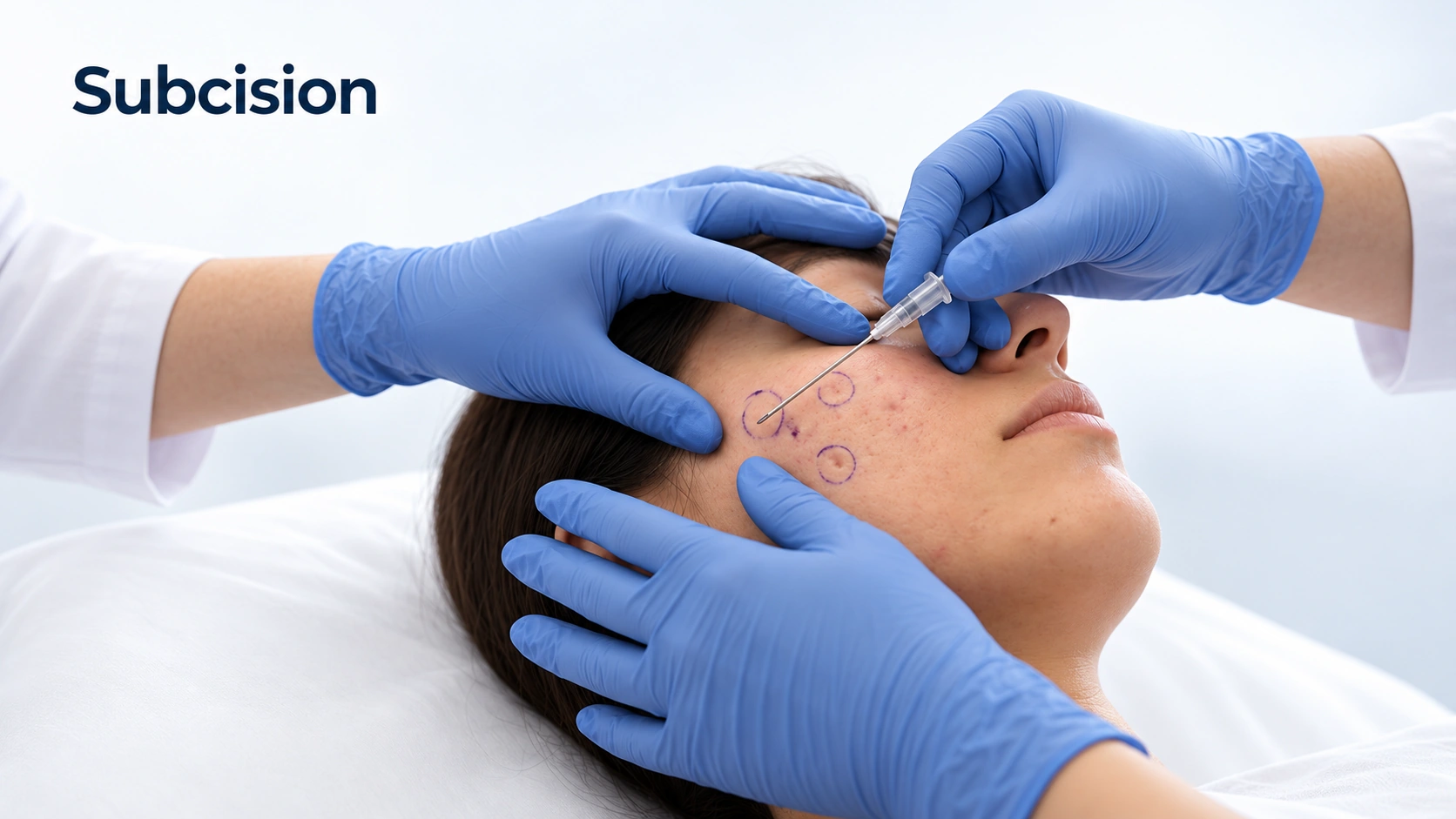
Subcision: A needle passed under an indented acne scar to cut the strands holding it down, so the surface can lift. It is aimed at rolling scars specifically, it bruises, and it is almost always combined with something else.
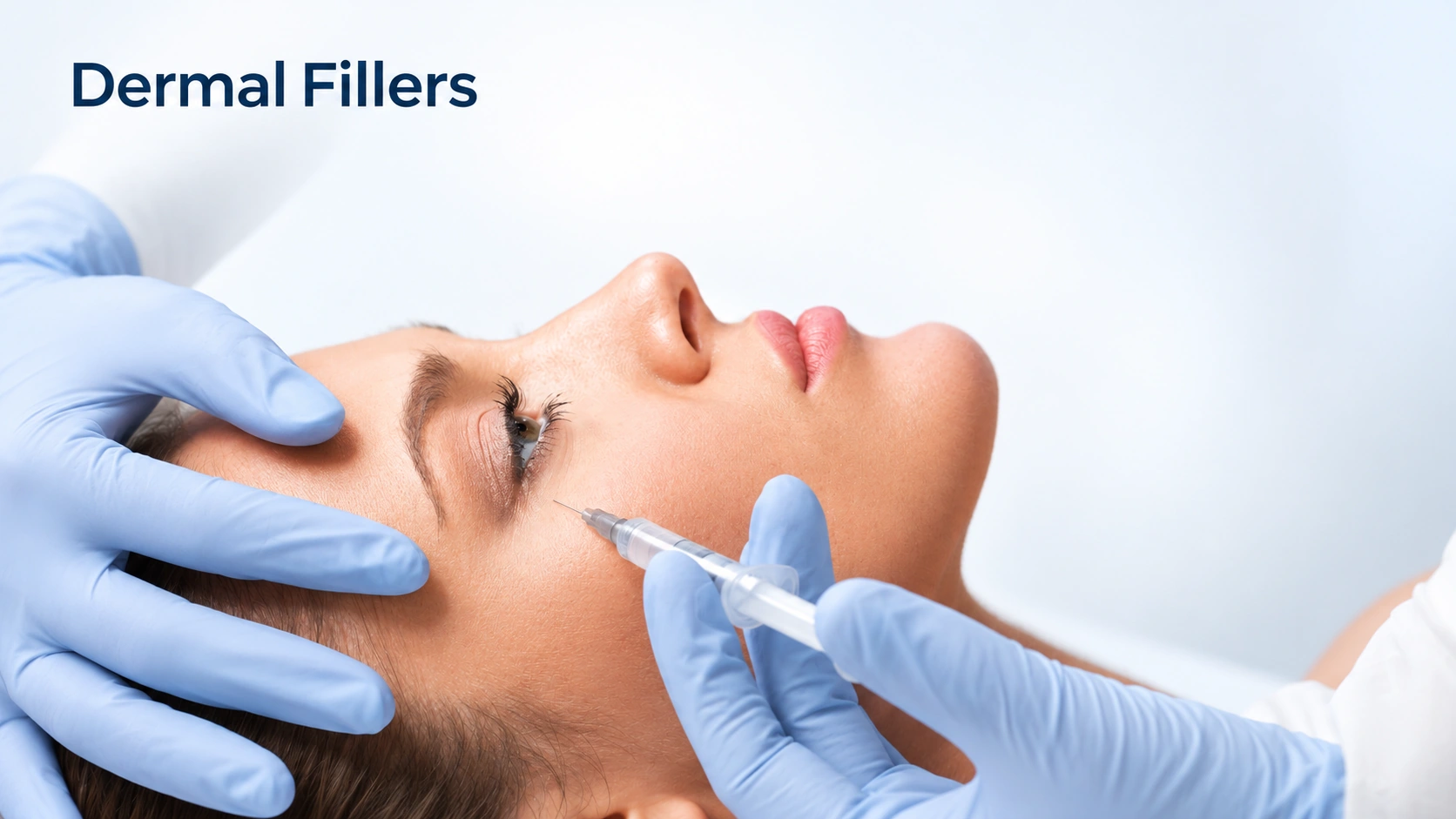
Choose for volume lost at rest — hollow cheeks, deep folds or thin lips.
Choose for rolling acne scars that are tethered down, usually combined with needling, laser or filler.
Can you have both?
A common scar pairing: subcision releases the scar and filler props it up so it does not pull back down.
Fillers restore soft-tissue contour or soften wrinkles.
Composition, duration and reversibility vary.
Fillers add volume rather than relaxing muscles.
Unapproved products and needle-free devices should be avoided.
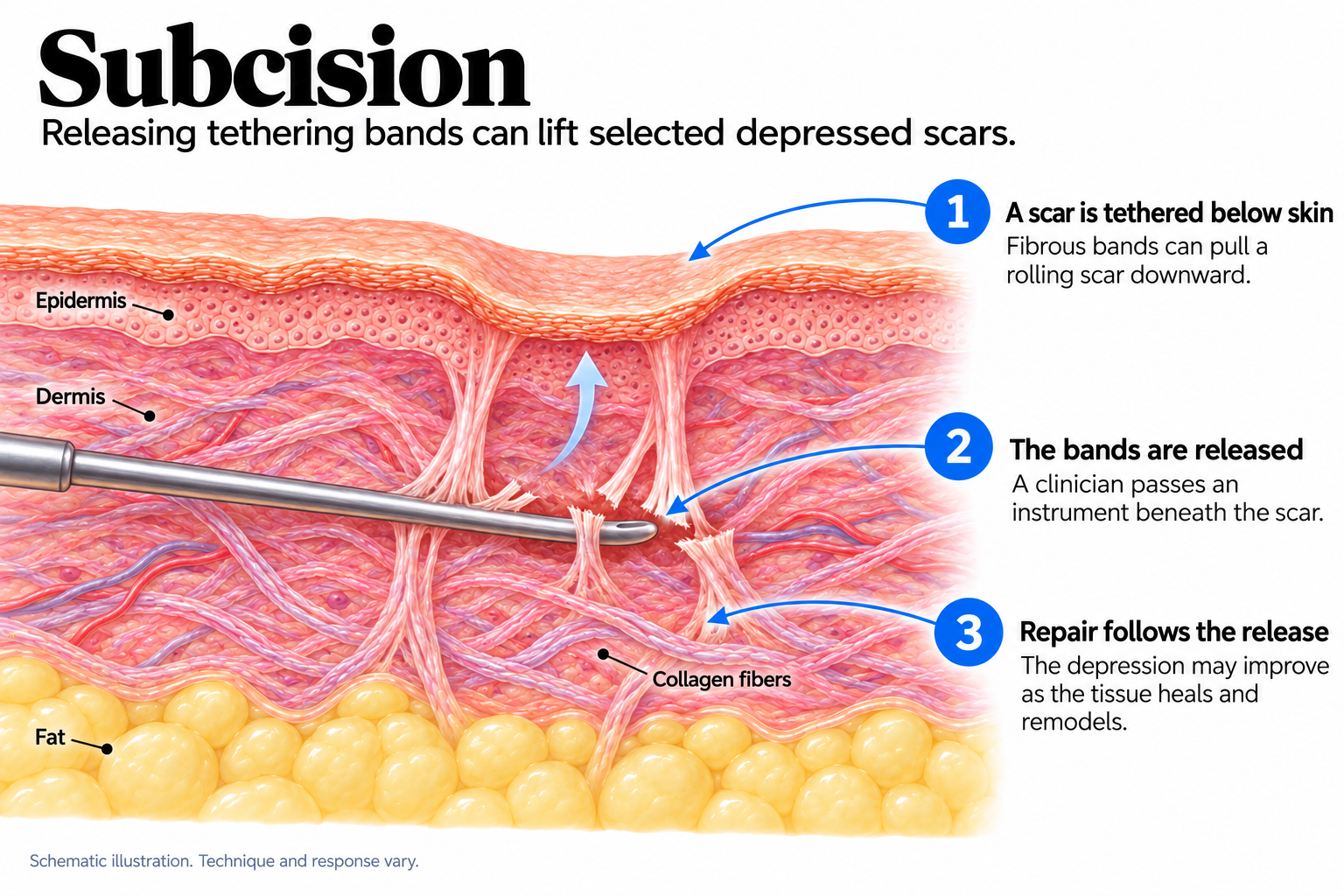
Fibrous bands tethering depressed scars are cut beneath the skin.
It is not for every pit, mark or raised scar.
It is performed by a clinician with a needle or blade.
Bleeding risk, scarring tendency and isotretinoin use are assessed.
Restores fullness in cheeks and lips.
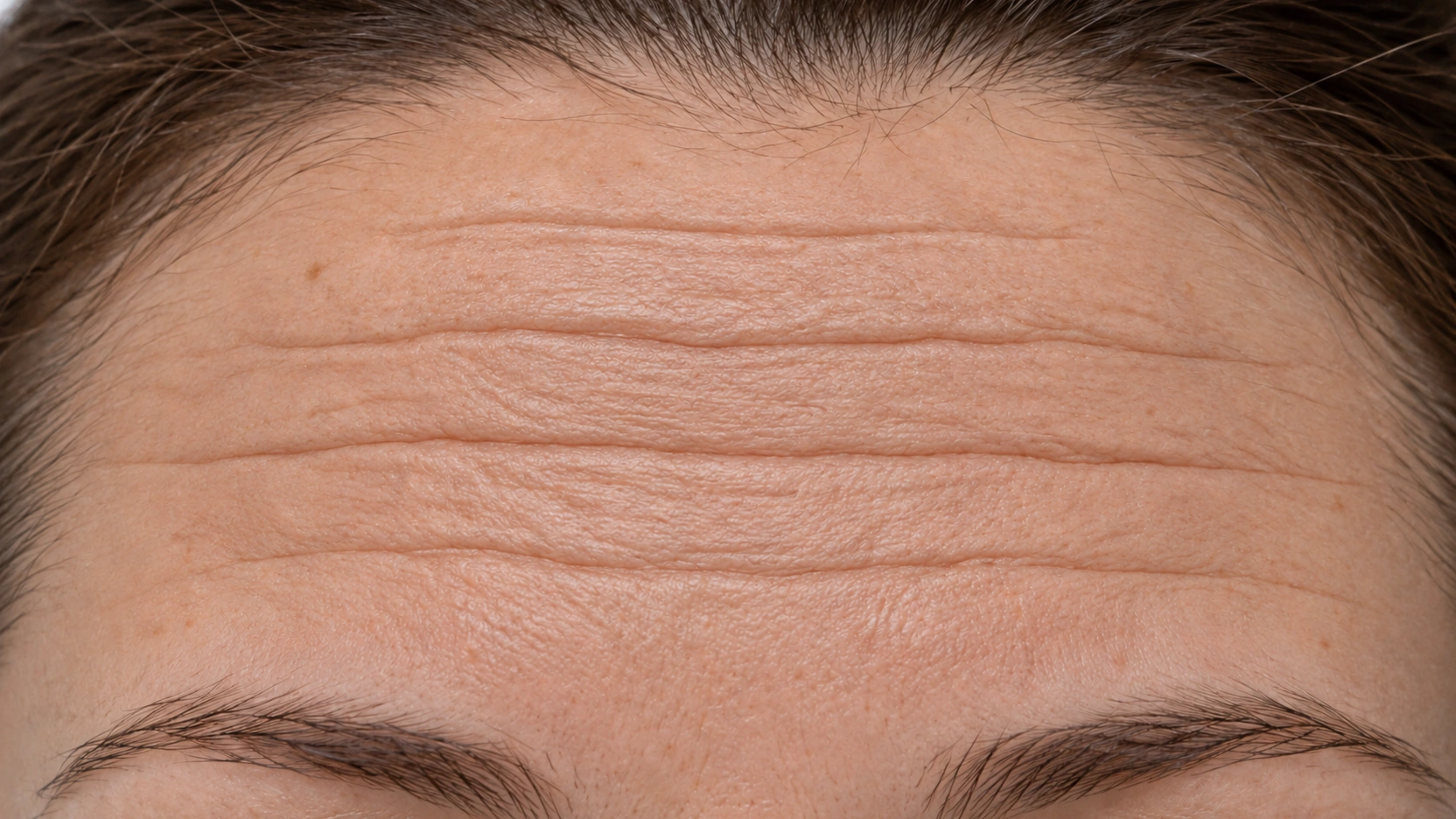
Fills deep folds.
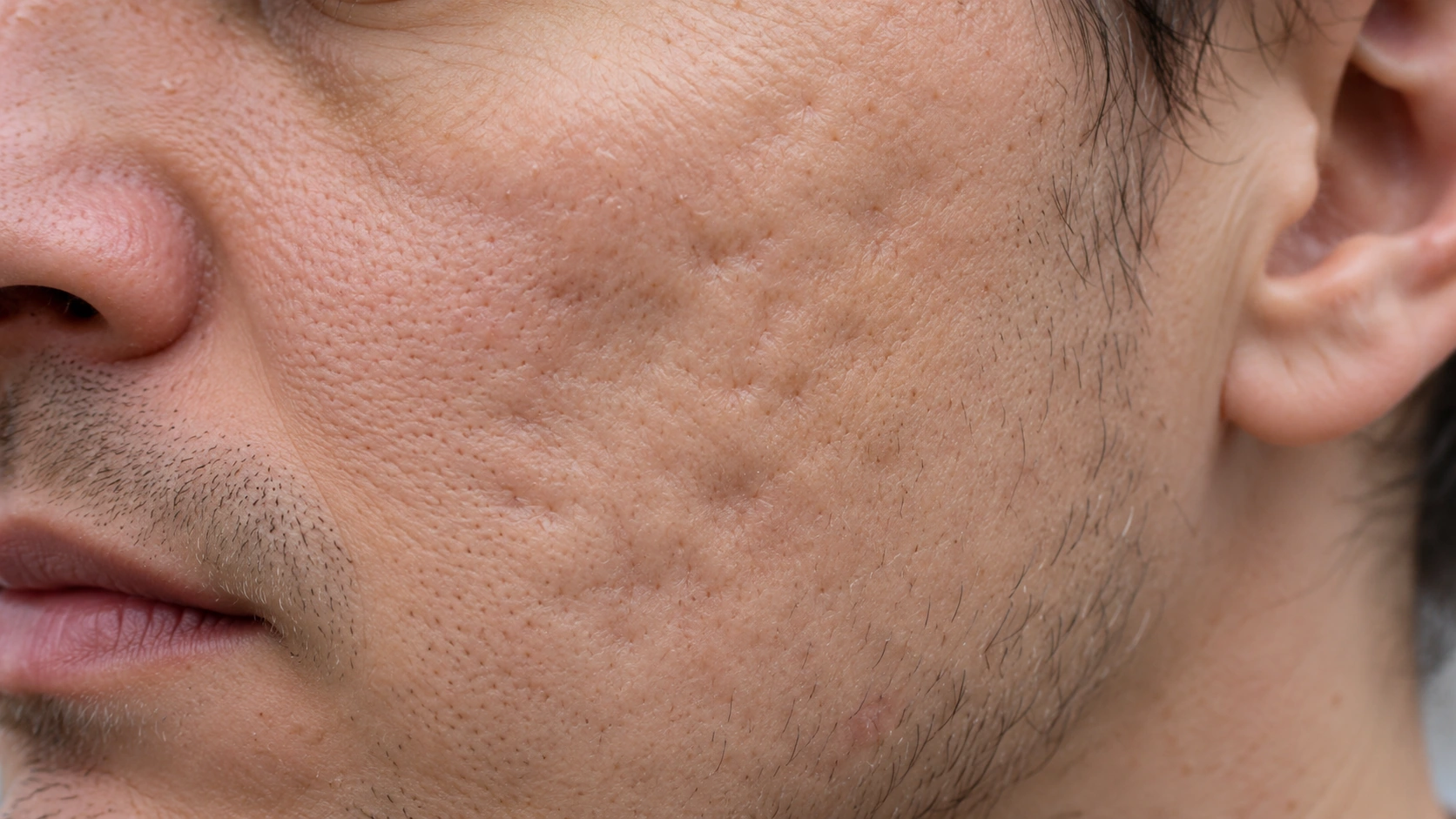
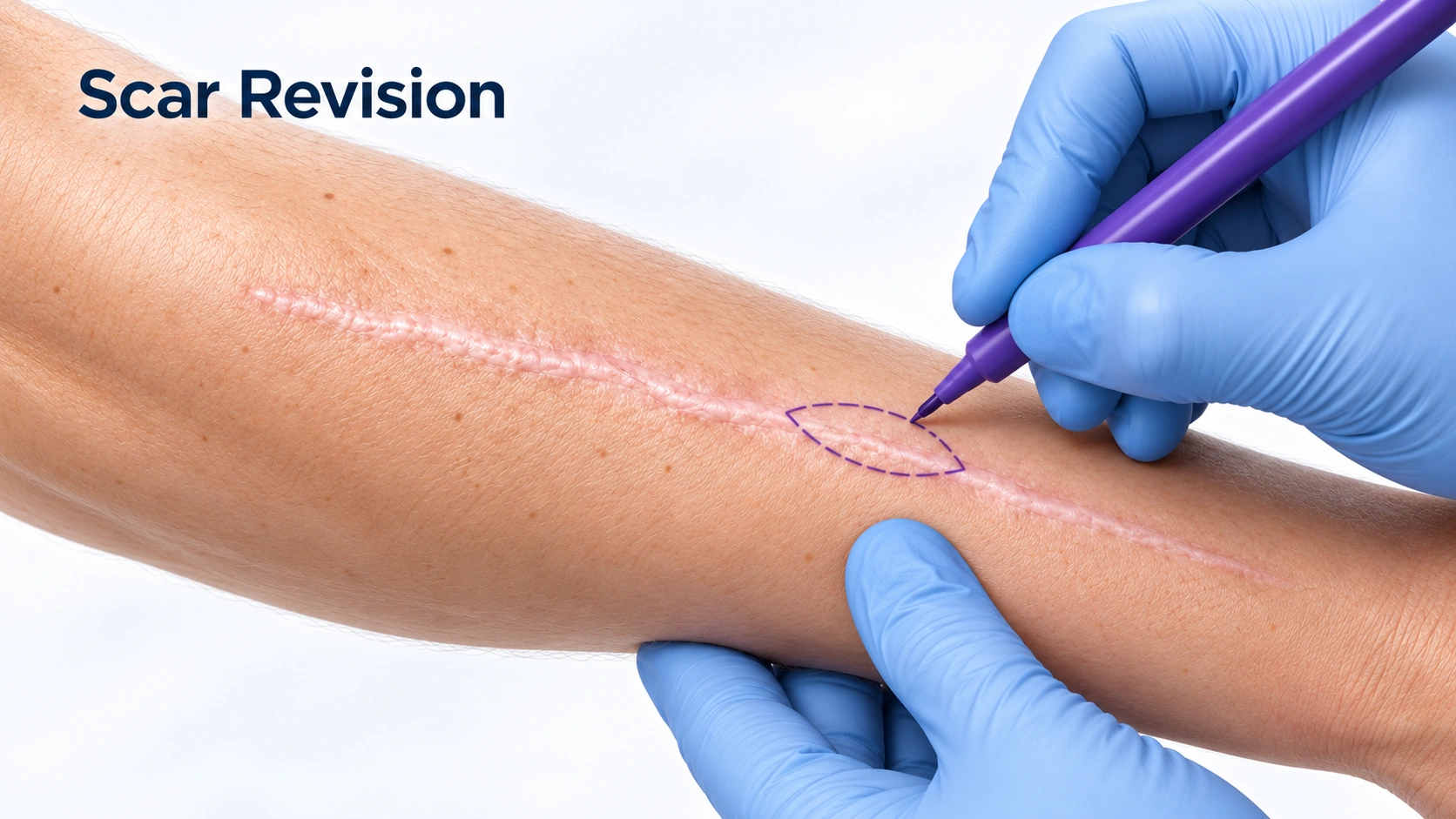
Releases tethered scars.
Lifts soft dips.

Best for rolling scars.
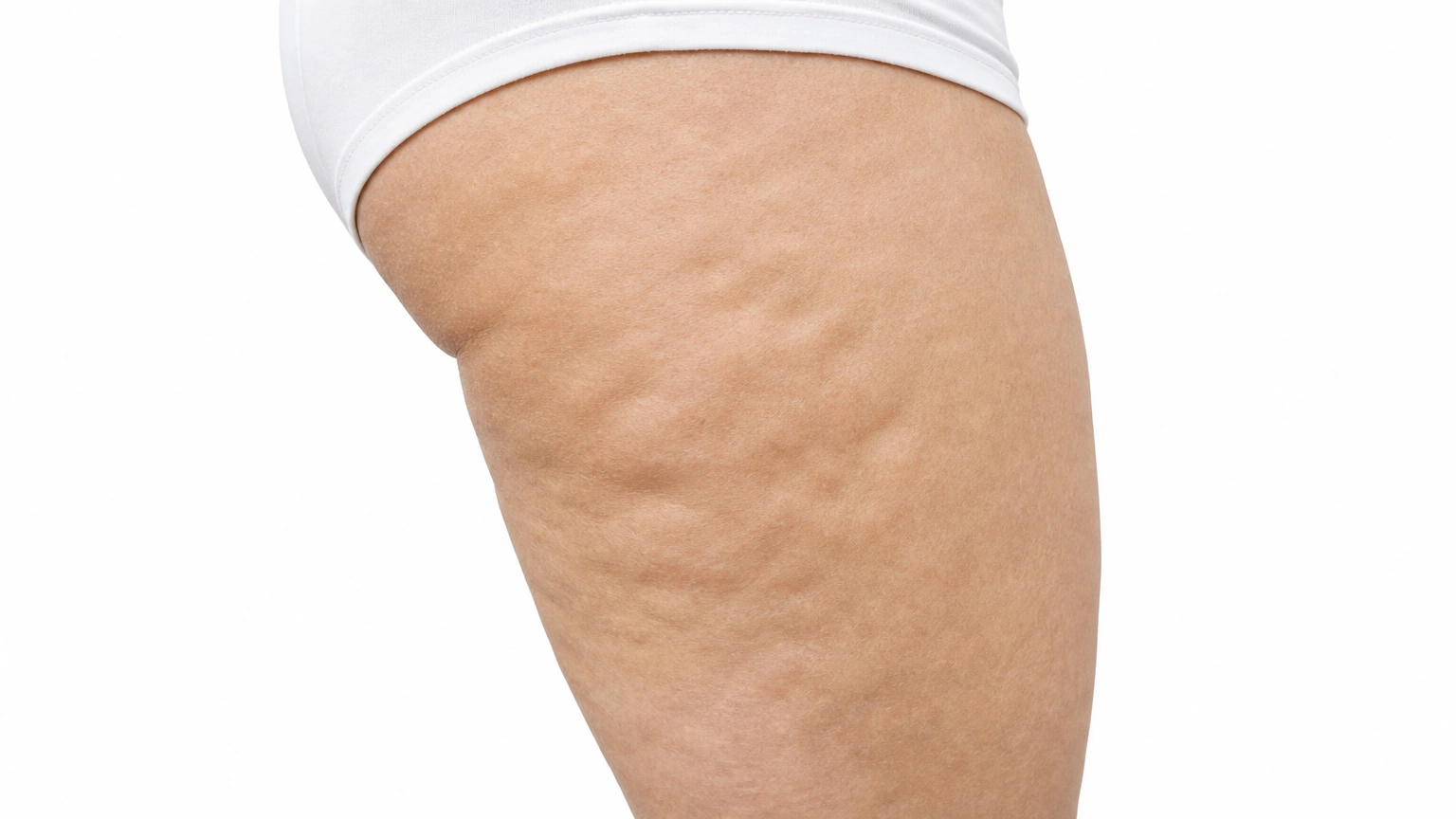
Releases dimples.

Fine movement lines respond better to Botox.
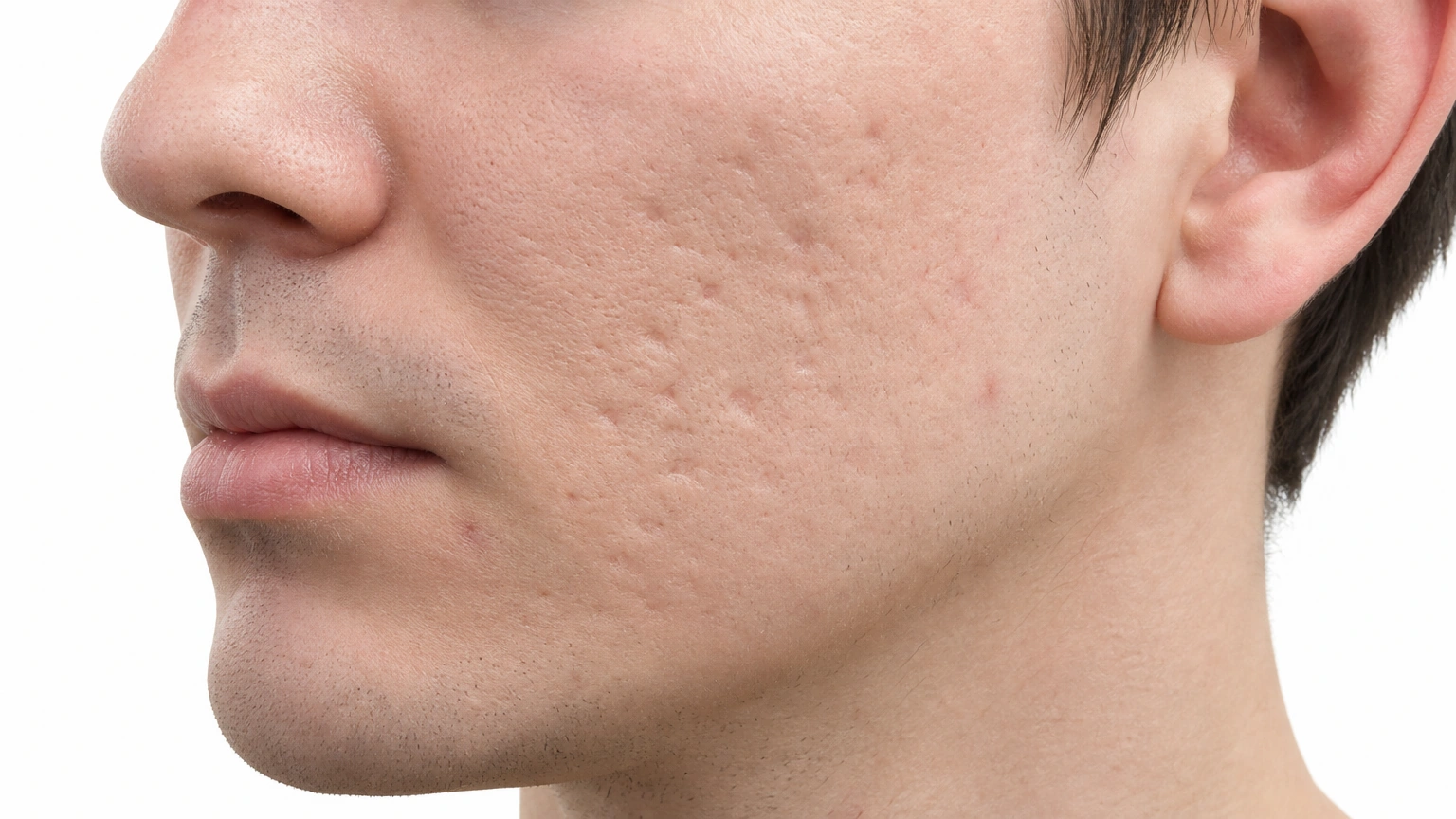
Better treated with resurfacing.
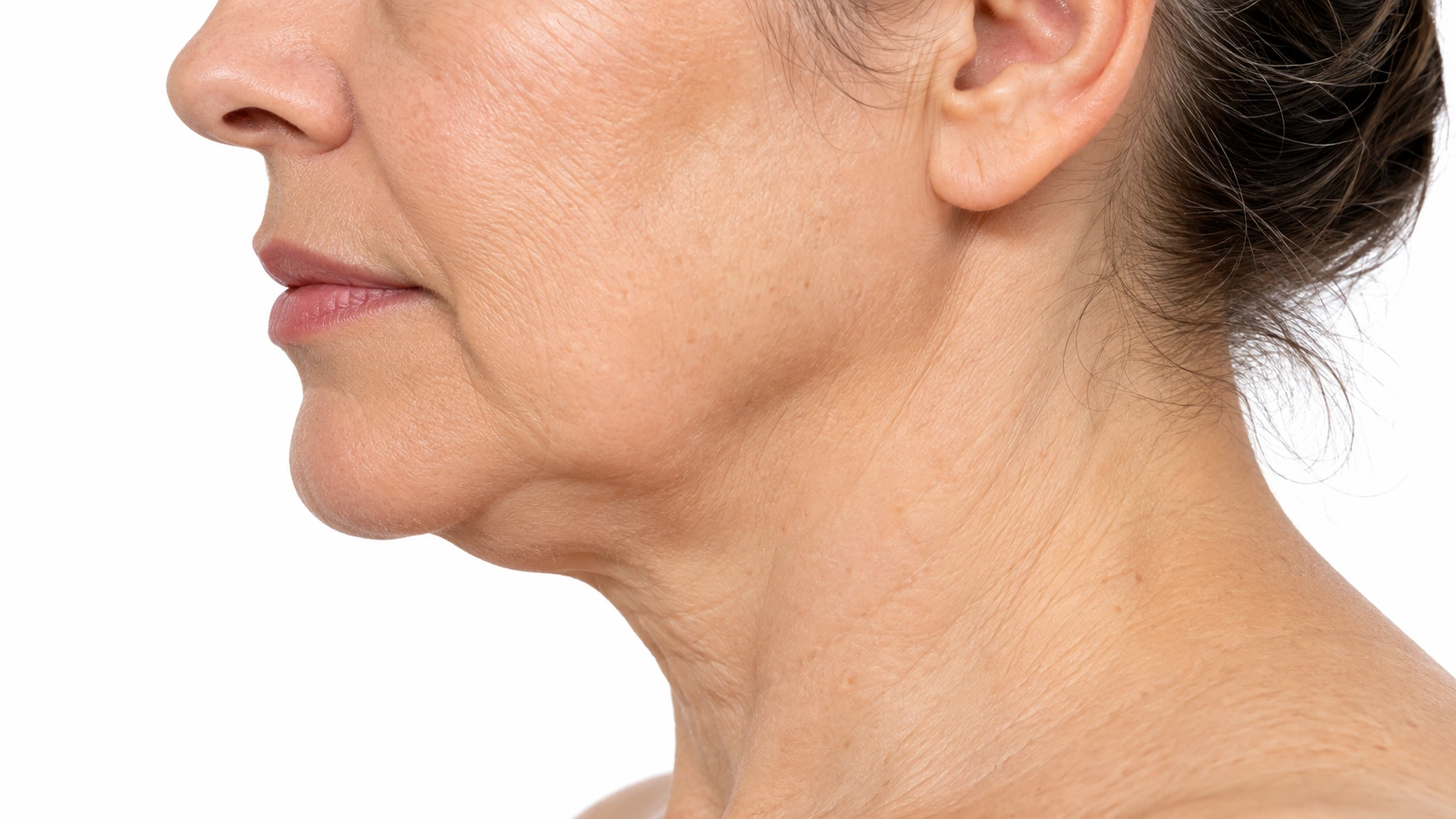
Can't replace a lift.
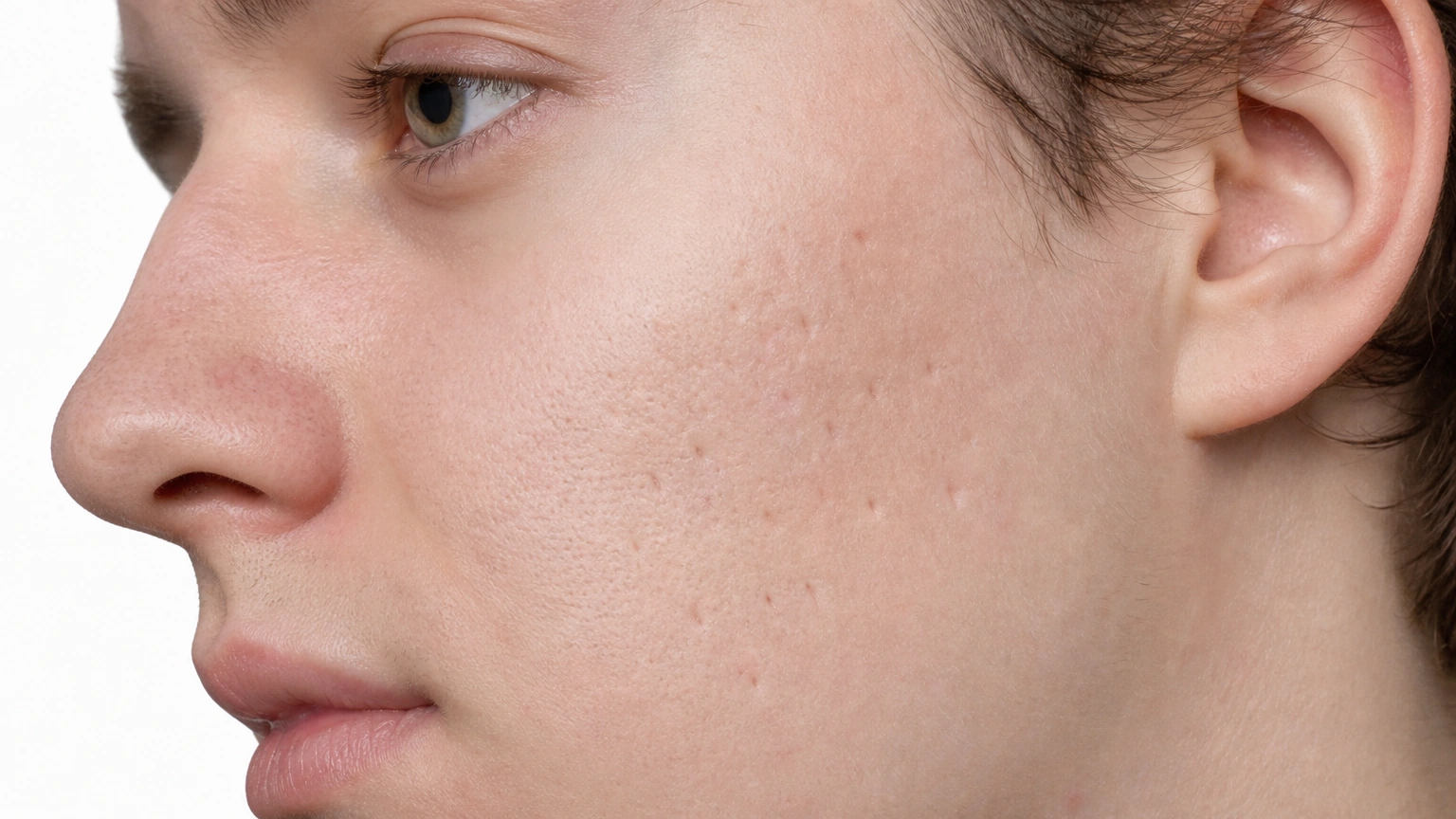
Too narrow to release.
Cheeks and lips; the product and treatment goal determine placement.
Selected facial scars; the highlighted cheeks show the general treatment area.

Material is placed in selected tissue: The product and anatomical site guide injection. The filler supports volume: The material changes the contour of the treated area. The result depends on the product: Material, placement, and tissue structure affect the outcome and duration.
Schematic illustration. Technique and response vary. This explains a mechanism and does not specify treatment settings.
A scar is tethered below skin: Fibrous bands can pull a rolling scar downward. The bands are released: A clinician passes an instrument beneath the scar. Repair follows the release: The depression may improve as the tissue heals and remodels.
Schematic illustration. Technique and response vary. This explains a mechanism and does not specify treatment settings.
6 months before: After isotretinoin: Most providers wait about 6 months before subcision, though this is debated and some treat sooner.
Planning: Timing: Allow 2 weeks for swelling to settle.
2 weeks before: Sun: Keep the area out of the sun and use SPF 30 or higher.
Before you book: Timing: Get active acne under control first, or new scars form beside the treated ones.
Preparation: Medicines and alcohol: Ask about fish oil, vitamin E and ibuprofen; avoid alcohol for 24 hours.
3 to 5 days before: Bruising: Never stop a prescribed blood thinner on your own.
Actives and supplements: With your prescriber's agreement, stop blood-thinning supplements such as fish oil, vitamin E and ginkgo.
You are assessed sitting upright, because faces look different lying down.
Photographs first, then the skin is stretched and lit from the side so tethered scars stand out.
The skin is cleaned.
Filler goes in in small amounts through a fine needle or a blunt cannula threaded from one entry point. The injector pauses to mold it and sits you up to check symmetry. It takes 15 to 45 minutes. Expect pressure and pinching, not sharp pain. Lips hurt most; a cannula hurts less than needle passes.
A tiny entry point is made beside the scar, and the needle or cannula is passed underneath and moved side to side in a fan until the skin releases.
You feel pressure, tugging and a faint crunching as the strands give way. Firm pressure follows to limit bruising, and filler or microneedling may follow. Usually 15 to 45 minutes, and once numb it is pressure, not pain.
Pinpoint red marks, some swelling, maybe a bruise starting.
Swollen, red and firm, with the treated scars looking temporarily better from the swelling.
First 4 days: Puffiness and tenderness build through the first day; ice in short spells helps.
Days 1 to 3: Deep purple bruising appears and spreads downward with gravity, worst around day two or three.
Day 5 to 14: Swelling drops, bruises turn yellow and fade, and lumps soften.
Days 4 to 14: The bruises turn green and yellow, and concealer covers them reasonably well from about day three, once the entry points have sealed.
Week 2: What you see now is what you paid for.
Weeks 2 to 12: Small firm lumps can be felt as the scar tissue remodels, and most soften on their own.
Right away, final at 2 weeks
1–3 months
6–24 months
Long-lasting
In the US, hyaluronic acid filler usually runs about $600 to $1,200 per syringe, with structural and longer-lasting products at the higher end.
In the US, subcision commonly runs a few hundred dollars per session, and the price rises when filler, microneedling or radiofrequency needling is added — filler is often the larger part of the bill.
Insurance does not cover cosmetic filler.
Insurance almost never covers subcision for acne scars, because scar treatment for appearance is cosmetic.
Six to twelve months in the lips, often twelve to twenty-four in structural areas like cheeks, chin and jaw. Movement breaks it down faster, and some persists longer than expected without being visible.
Pressure and pinching more than sharp pain, and most fillers contain local anesthetic so it eases as it goes in. Lips are worst by a distance. Numbing cream is standard.
Hyaluronic acid dissolves with an enzyme, usually within days. Calcium hydroxylapatite, poly-L-lactic acid and permanent fillers do not, a strong argument for starting with hyaluronic acid.
Filler blocking a blood vessel and cutting off the blood supply to skin, or rarely the eye. Uncommon, and it is why filler belongs with a trained medical injector who keeps hyaluronidase on site. Warning signs are severe or increasing pain, skin turning white then blotchy and dusky, and any vision change. Treated urgently, the sooner the better.
Almost always how much was used and where, not the product. Volume added year after year without reassessment, or gel too close to the surface, is what people recognize.
Only if the darkness is a shadow cast by a hollow. If it comes from pigment, or thin skin showing the vessels underneath, filler will not brighten it — and under-eye filler risks lasting puffiness. Ask what is causing yours.
Stretch the skin either side of the scar, or press gently beside it. If the dip flattens out, it is tethered, and that is the scar subcision treats. Scars with sharp punched-out edges that stay put when you stretch are icepick or boxcar scars and need something else.
Usually 7 to 14 days. It looks worst around day two or three, then turns green and yellow, and concealer works from about day three. Plan for two clear weeks, not one.
Usually not. Most courses are 2 to 4 sessions, 4 to 8 weeks apart. Some of the immediate improvement is lost as cut strands reattach, and the gain builds over the course.
Not always, but many providers add it. Filler holds the released space open while new collagen forms, which reduces retethering. Ask what would be used, how much, and what it adds to the cost.
The numbing injections sting for a few seconds and are the worst part. After that it is pressure and tugging, not sharp pain. The area is sore for a day or two, like a deep bruise.
Yes, and it is often a good choice, because it uses no heat or light. The thing to manage is a temporary brown mark where the bruising was. Sun protection, limiting the bruising and spacing sessions all help.