Ice Pick Scars vs Rolling Scars
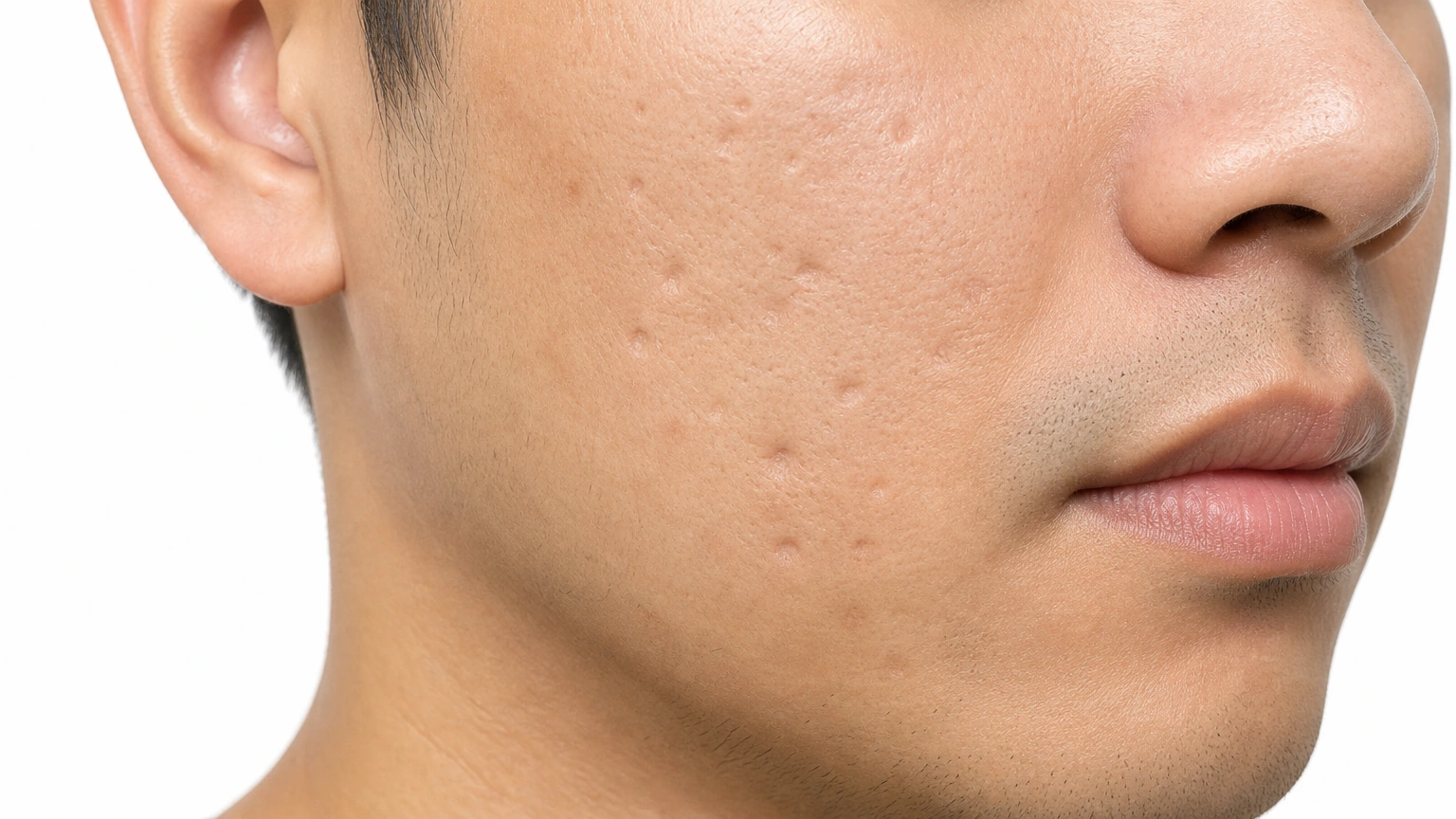
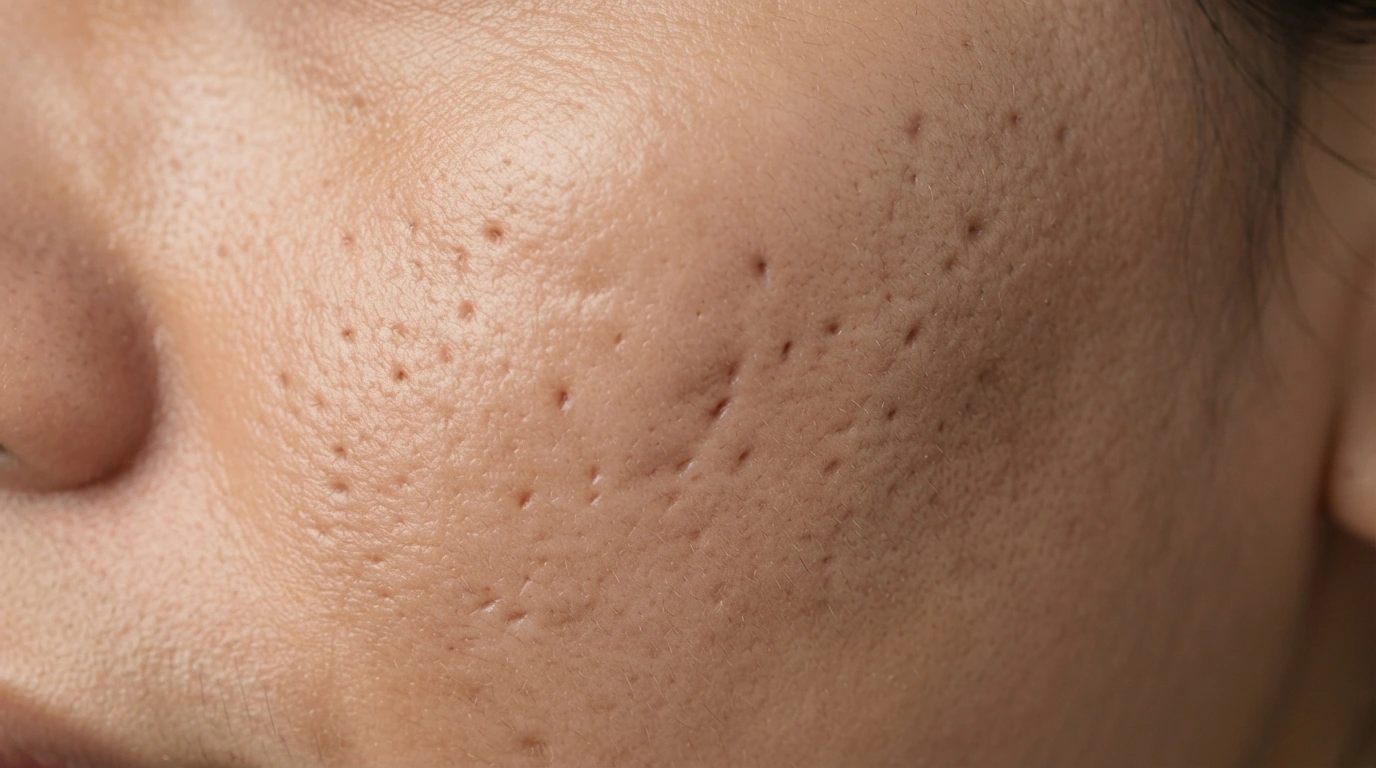
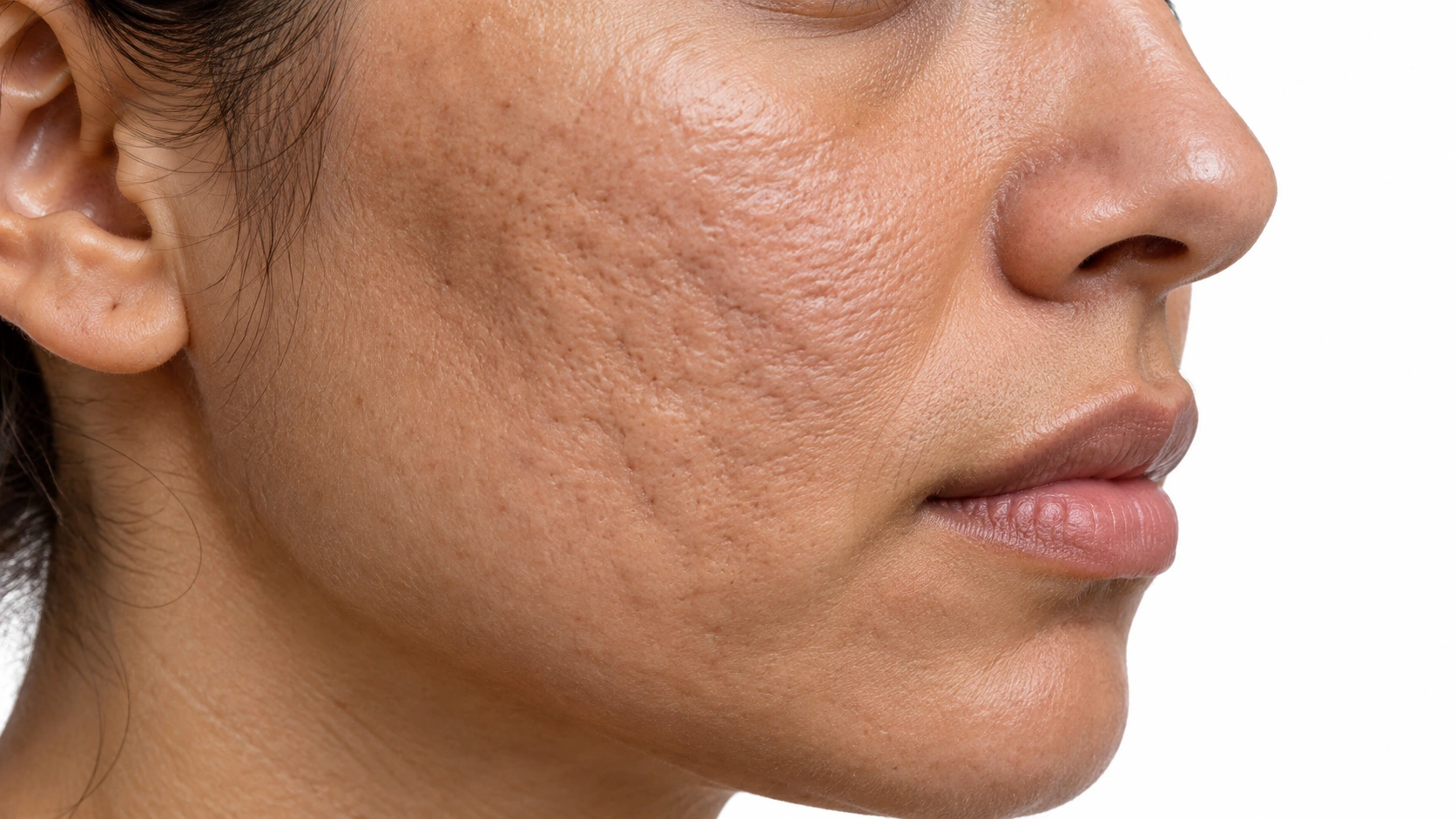
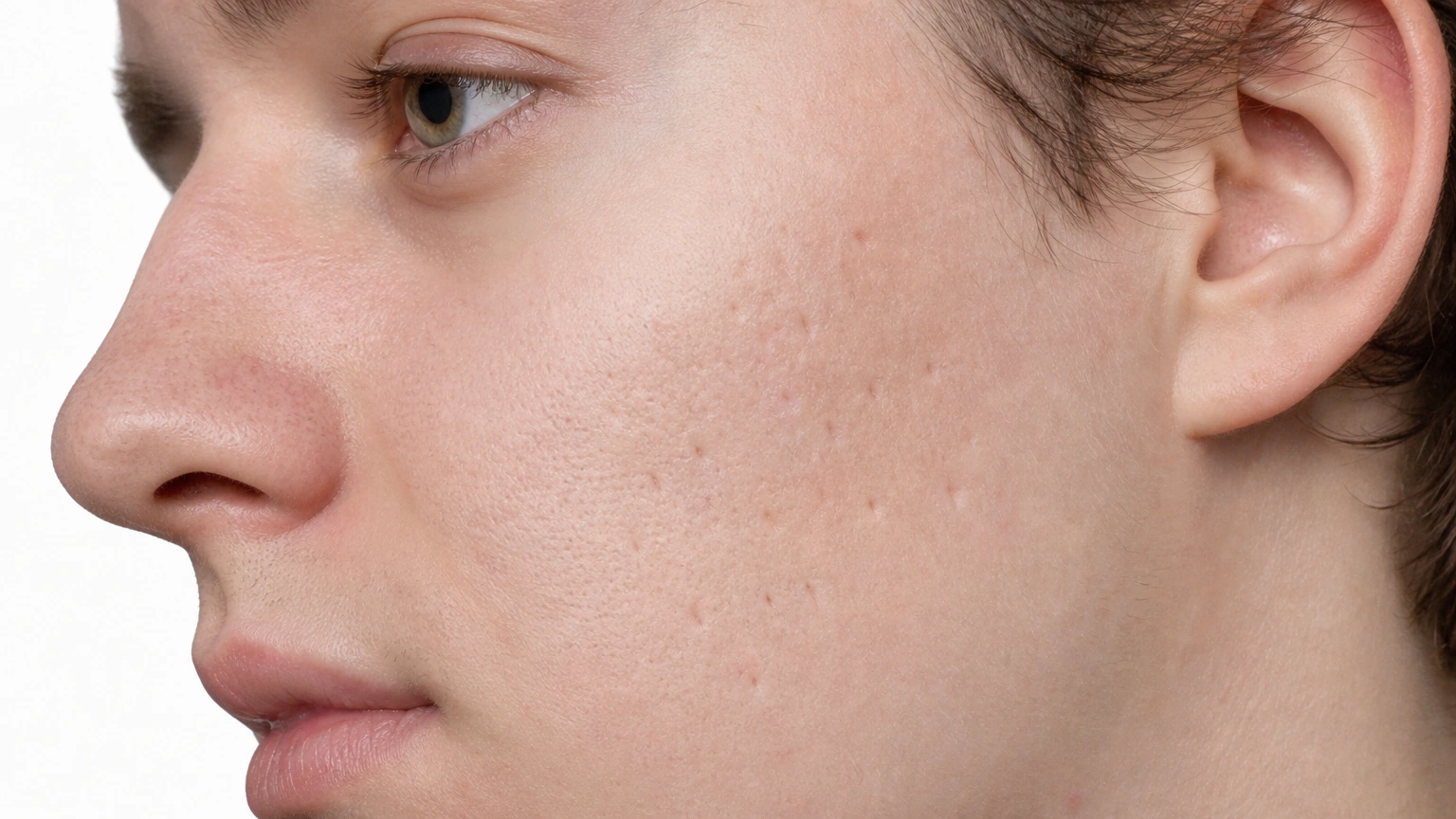
Narrow deep atrophic scars, commonly left by acne. Broad depressed scars producing an undulating skin surface.
Key differences
The same eight facts on every condition comparison.
What is it?
- What it is
Narrow deep atrophic scars, commonly left by acne.
- What it is
Broad depressed scars producing an undulating skin surface.
What it looks like
Ice Pick Scars
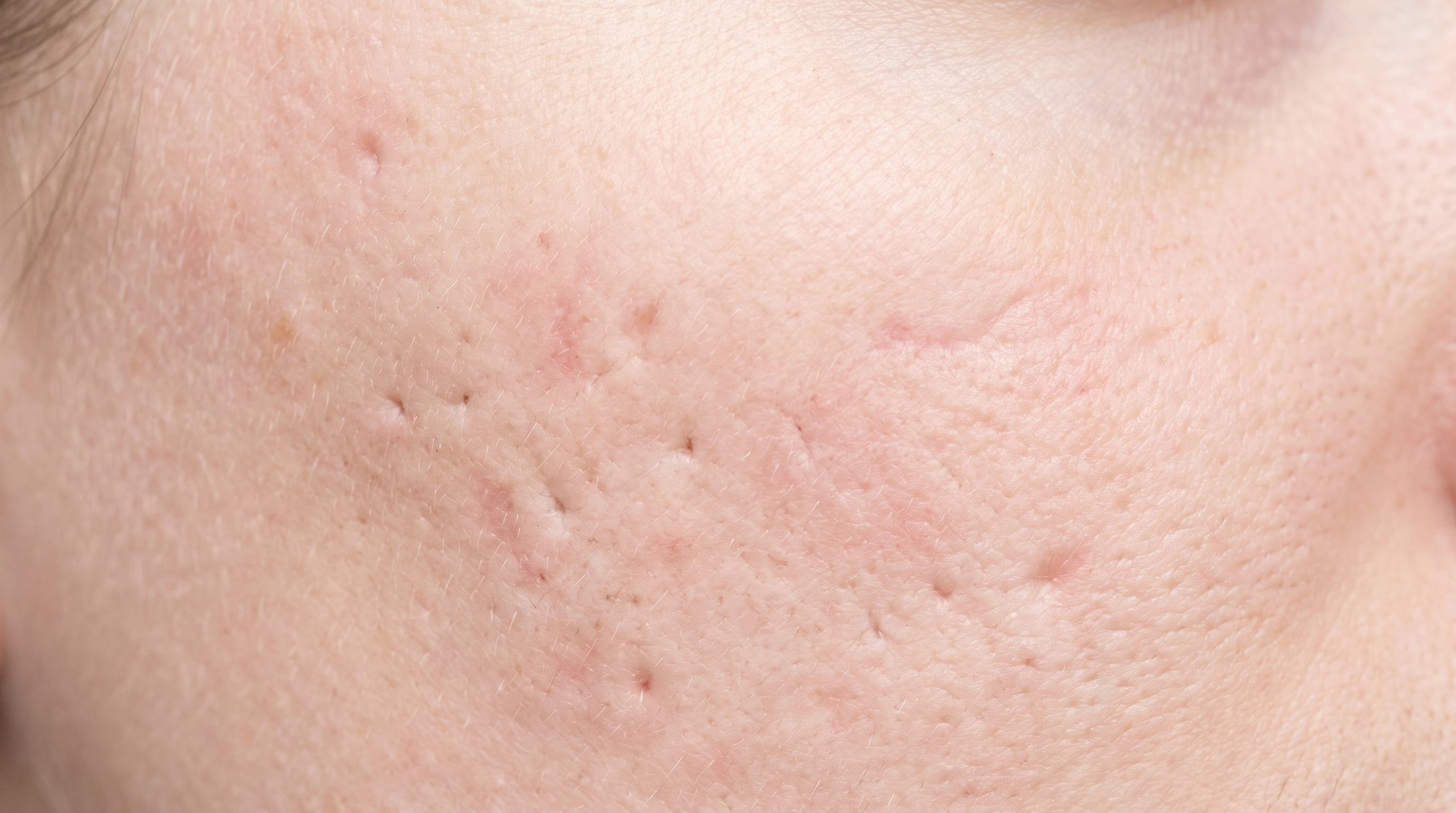
Ice Pick Scars Small, deep-looking depressions punctuate the skin surface.
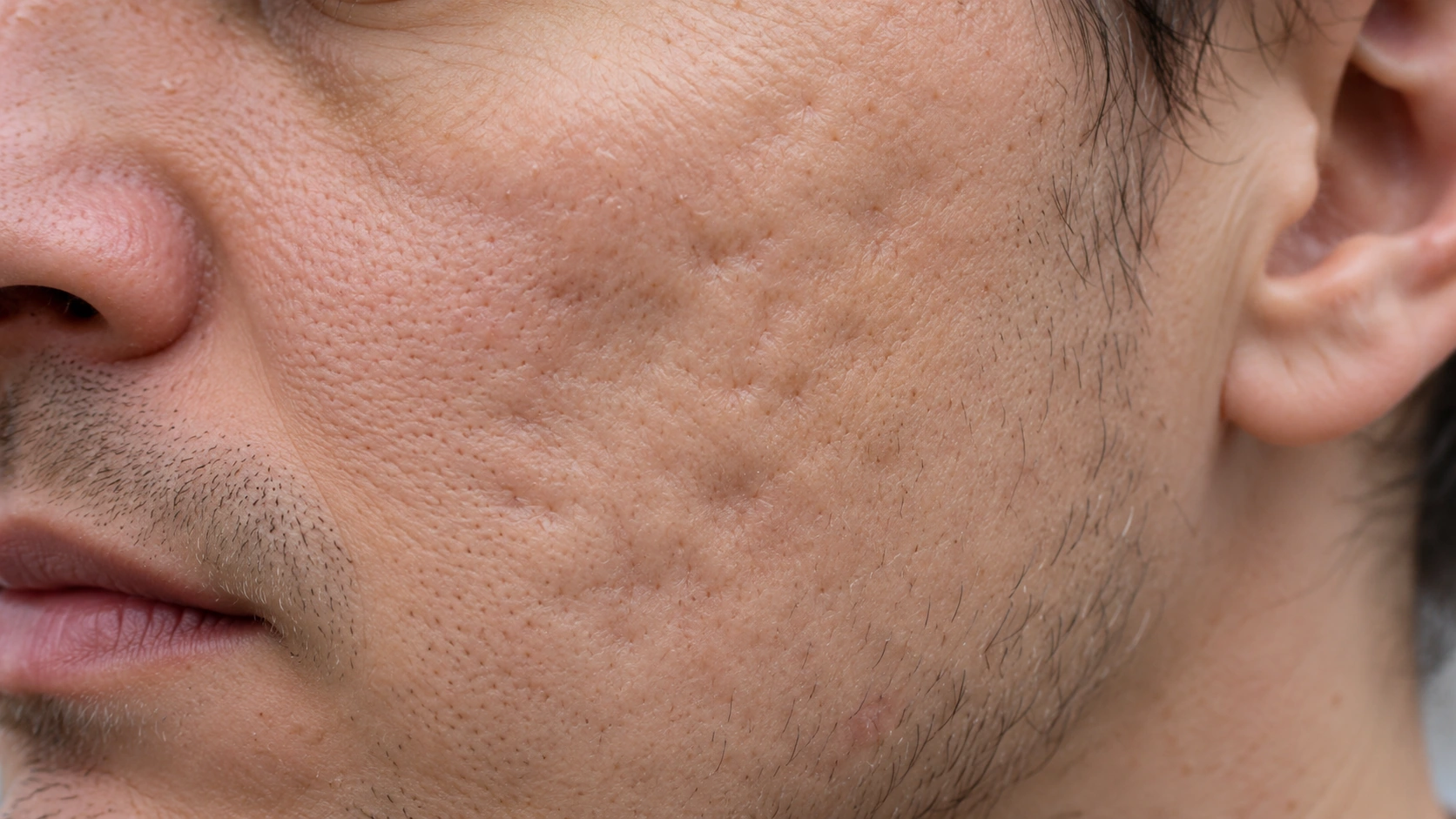
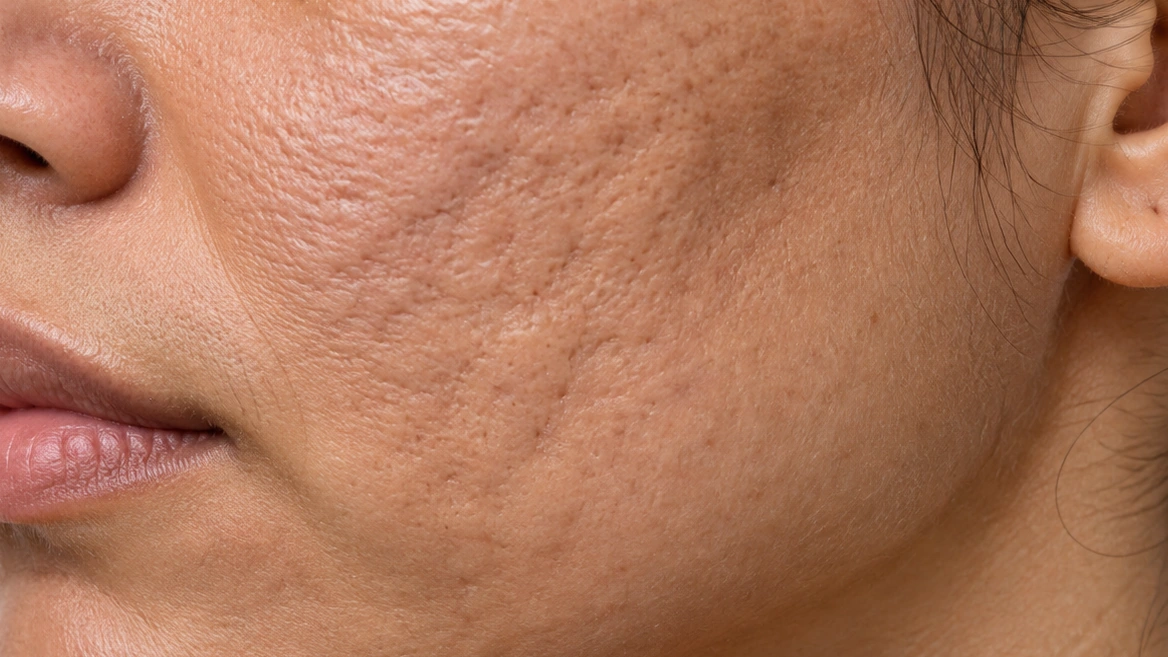
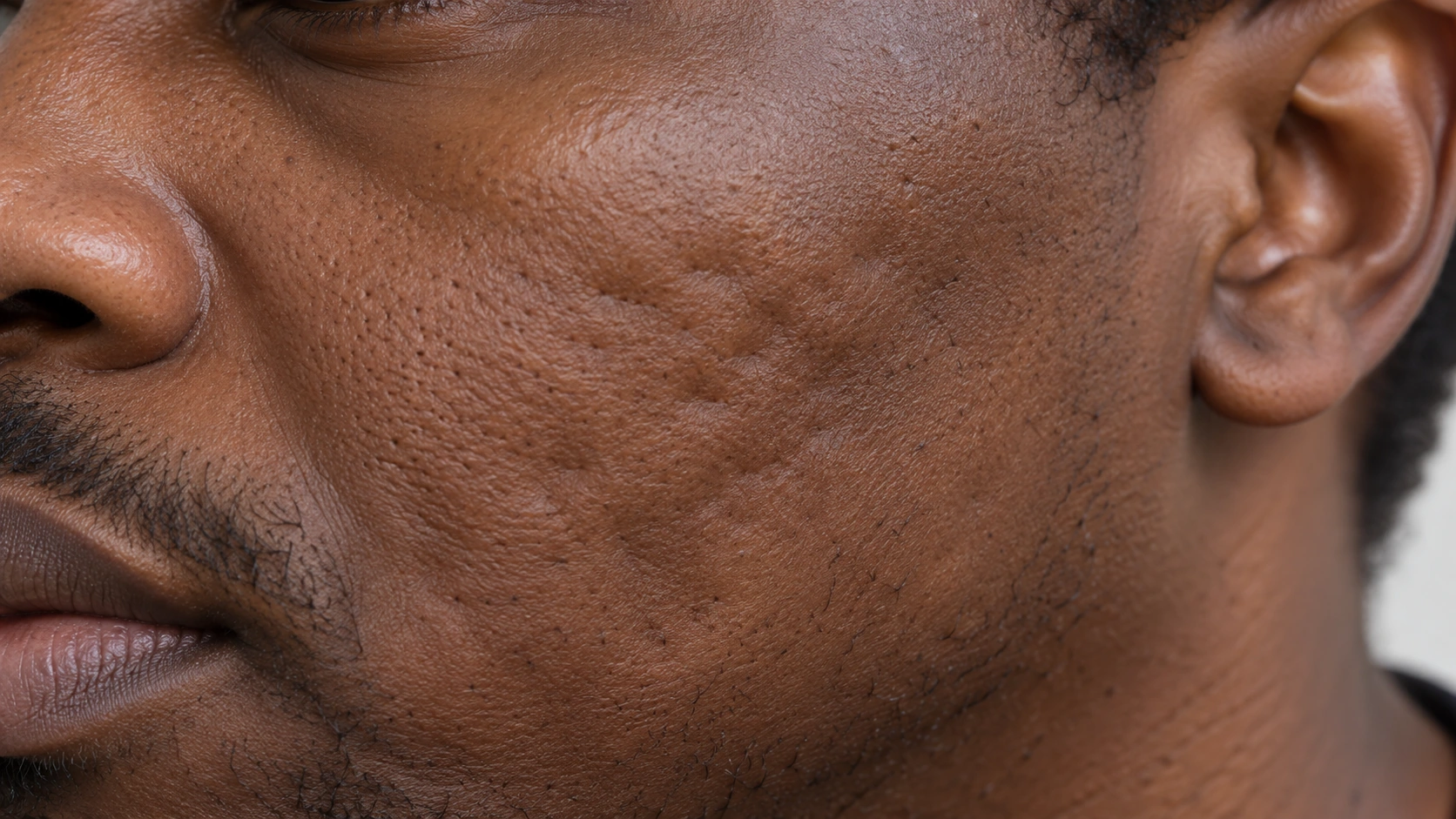
Rolling Scars
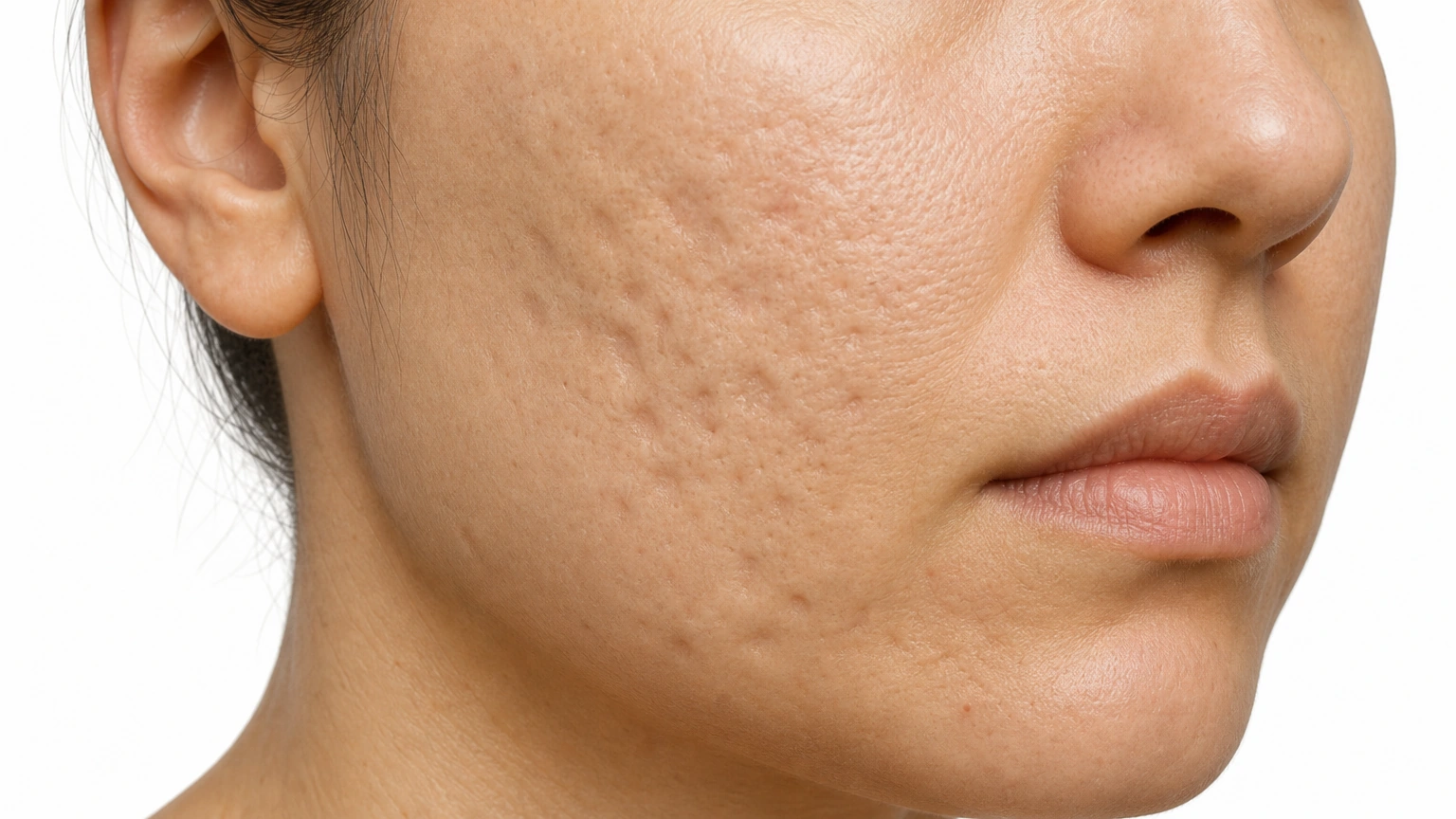
Rolling Scars Soft-edged indentations create a gently rippled skin surface.
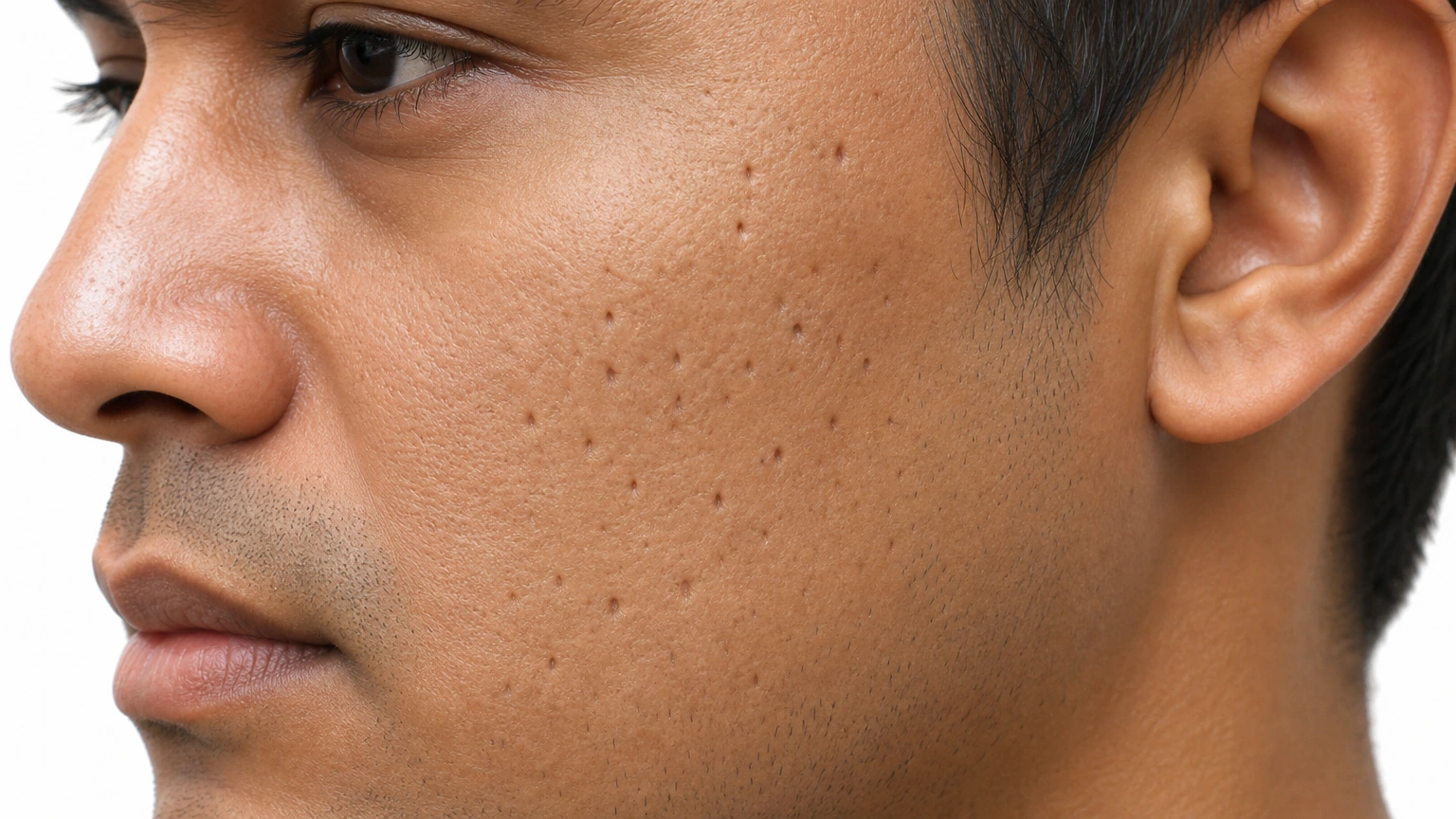
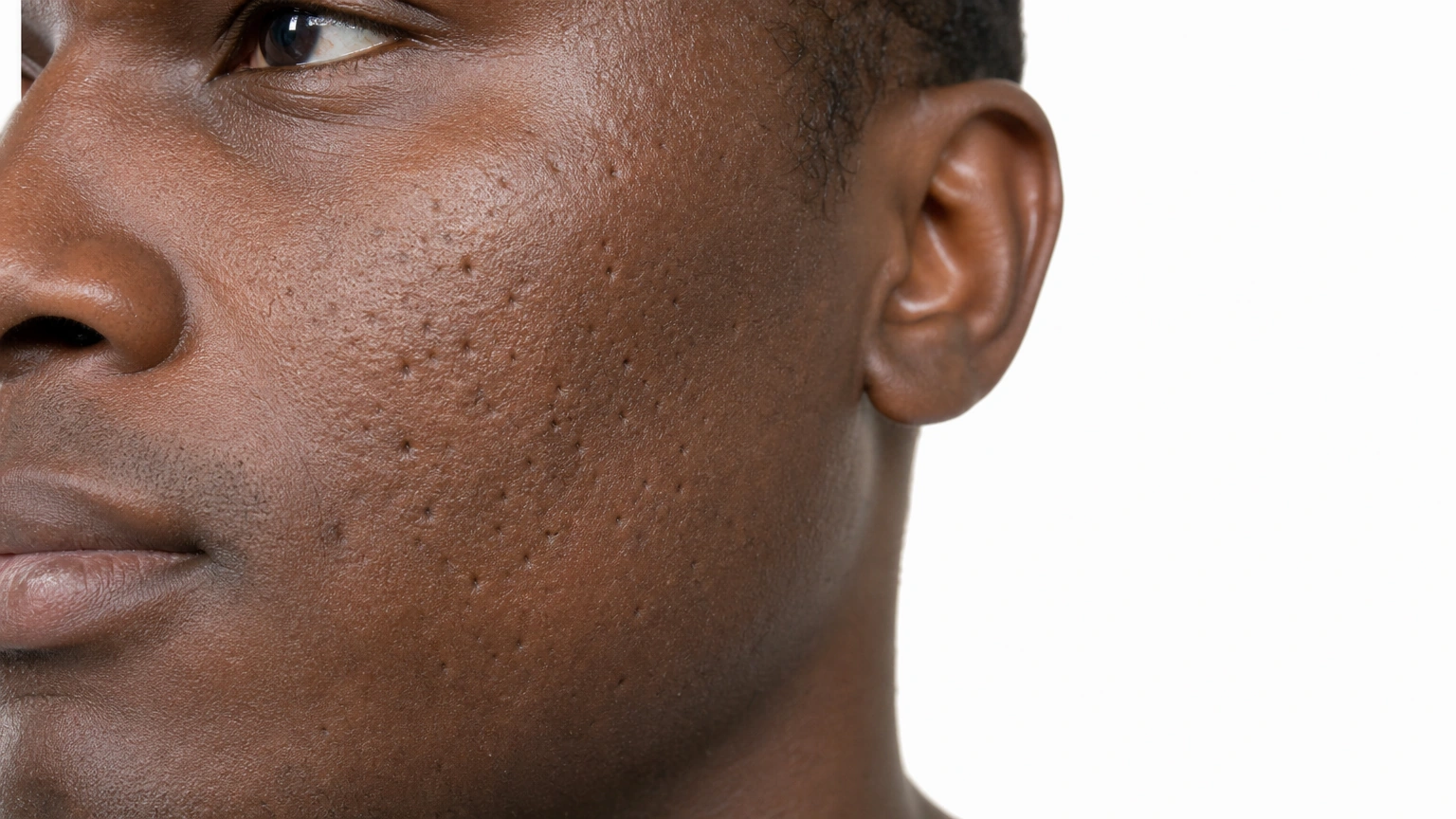
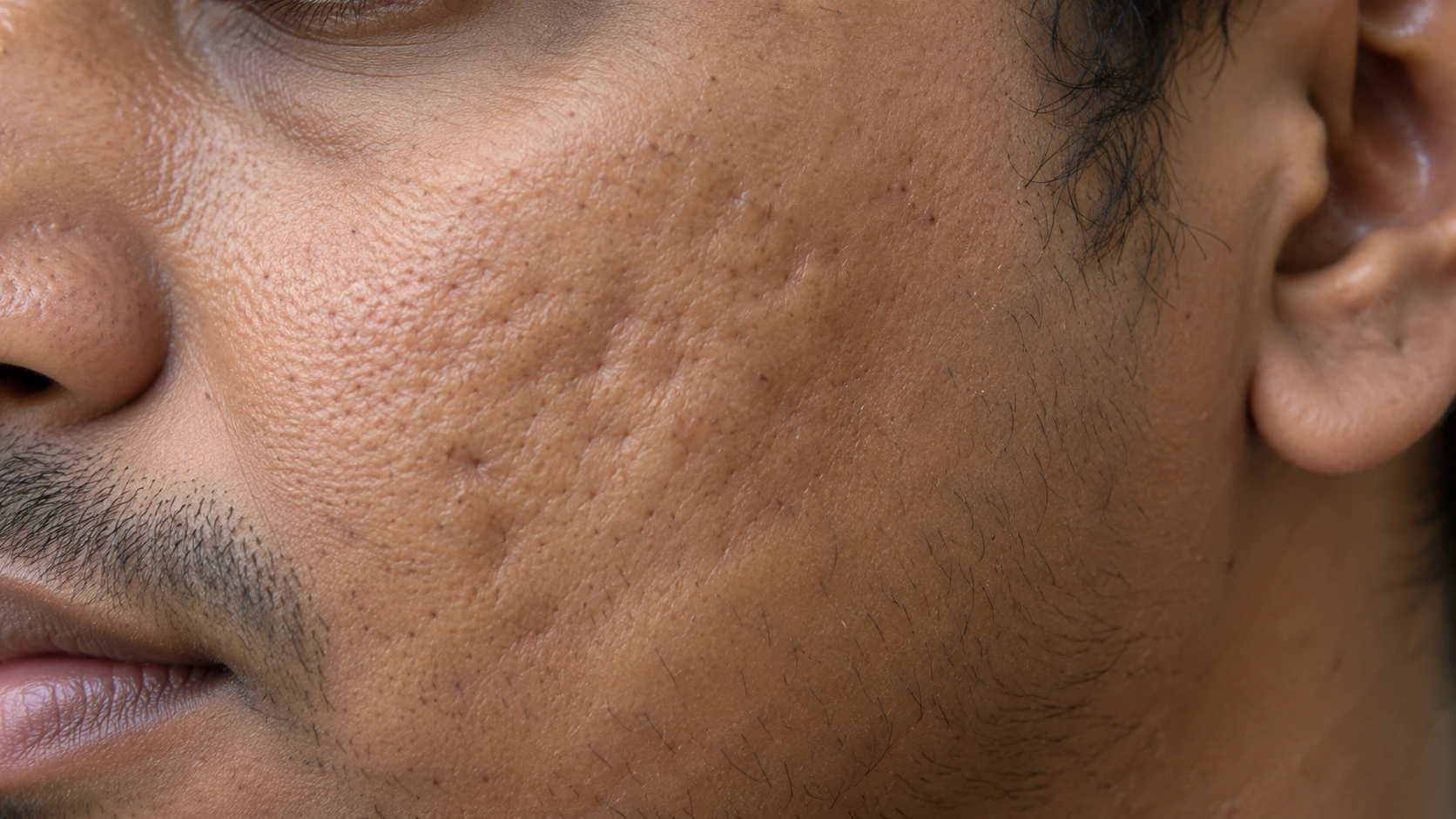
Deep localized inflammation damages supporting skin tissue. Healing leaves a narrow, deep tract-like depression in the surface.
Fibrous attachments form between the skin and deeper tissue during healing. These tethers pull parts of the surface downward, producing broad, uneven depressions.
When it usually starts
Ice Pick Scars. Develops after relevant injury, inflammation or tissue change; age depends on the cause.
Rolling Scars. Develops after relevant injury, inflammation or tissue change; age depends on the cause.
Causes and triggers
Deep local tissue injury leaves a narrow tract-like depression.
Fibrous attachments can tether the skin to deeper tissue.
Daily Care
Habits that help
- Use broad-spectrum SPF 30 or higher on healed exposed skin
Sun protection helps limit persistent color changes around scars. - Keep healed skin comfortable with gentle cleansing and moisturizer
These measures support the skin barrier but cannot reliably lift established depressions. - Control active acne or inflammation before elective scar procedures
Ongoing lesions can create new scars even while older ones are being treated. - Use photographs in consistent light to track change
Scars change slowly; compare over months rather than repeatedly inspecting each day.
Avoid
- Avoid: Picking new spots, crusts or healing wounds
Repeated injury increases the chance of further marks and scarring. - Avoid: Home needling, deep peels or cutting scar tissue
These can worsen scarring or cause infection, especially before a wound has fully healed.
Treatment differences
Evidence labels come from each condition’s own treatment list.
Outlook
Narrow deep scars usually persist without scar-directed treatment. Selected focal procedures can improve them, but several sessions may be needed and complete clearance is unlikely.
Rolling scars usually persist because tissue beneath the skin tethers the surface. Selected procedures may improve contour, but a combination of approaches and realistic expectations is often needed.
Complications
Scars can affect confidence; symptoms and treatment options depend on scar type.
Scars can affect confidence; symptoms and treatment options depend on scar type.
When to get help
Have a new growing, bleeding or ulcerated scar-like lesion examined before cosmetic treatment.
Have a new growing, bleeding or ulcerated scar-like lesion examined before cosmetic treatment.
Common questions
Ice Pick Scars:What is Ice Pick Scars?
Narrow deep atrophic scars, commonly left by acne.
Ice Pick Scars:What can I do day to day?
Protect from sun, avoid picking and control active inflammation before elective scar procedures.
Ice Pick Scars:When should I get medical advice?
Have a new growing, bleeding or ulcerated scar-like lesion examined before cosmetic treatment.
Rolling Scars:What is Rolling Scars?
Broad depressed scars producing an undulating skin surface.
Rolling Scars:What can I do day to day?
Protect from sun, avoid picking and control active inflammation before elective scar procedures.
Rolling Scars:When should I get medical advice?
Have a new growing, bleeding or ulcerated scar-like lesion examined before cosmetic treatment.
Sources
Sources and further reading
Keep exploring.
Ice Pick Scars vs Boxcar Scars
Ice Pick Scars vs Chickenpox Scars
Ice Pick Scars vs Enlarged Pores
Boxcar Scars vs Rolling Scars
Rolling Scars vs Chickenpox Scars
Rolling Scars vs Enlarged Pores

Acne
Acne Scarring
Subcision
Atrophic Scars vs Hypertrophic Scars
Atrophic Scars vs Keloids