Oxymetazoline
ListedMay temporarily reduce persistent facial erythema; discuss irritation and rebound concerns.
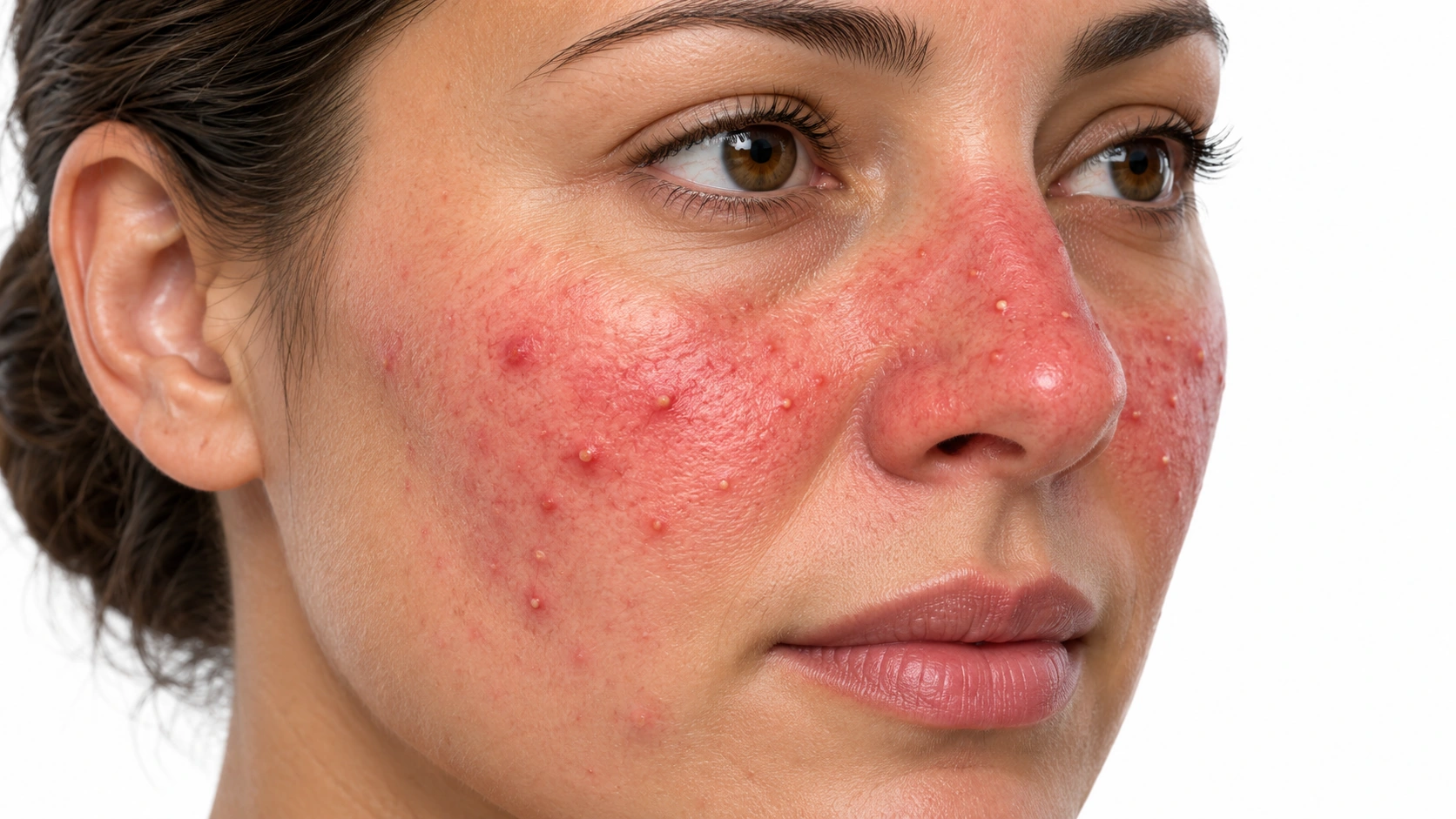
Rosacea dominated by flushing, persistent facial colour change or visible vessels. Accumulated ultraviolet injury affecting skin texture, colour and cancer risk.

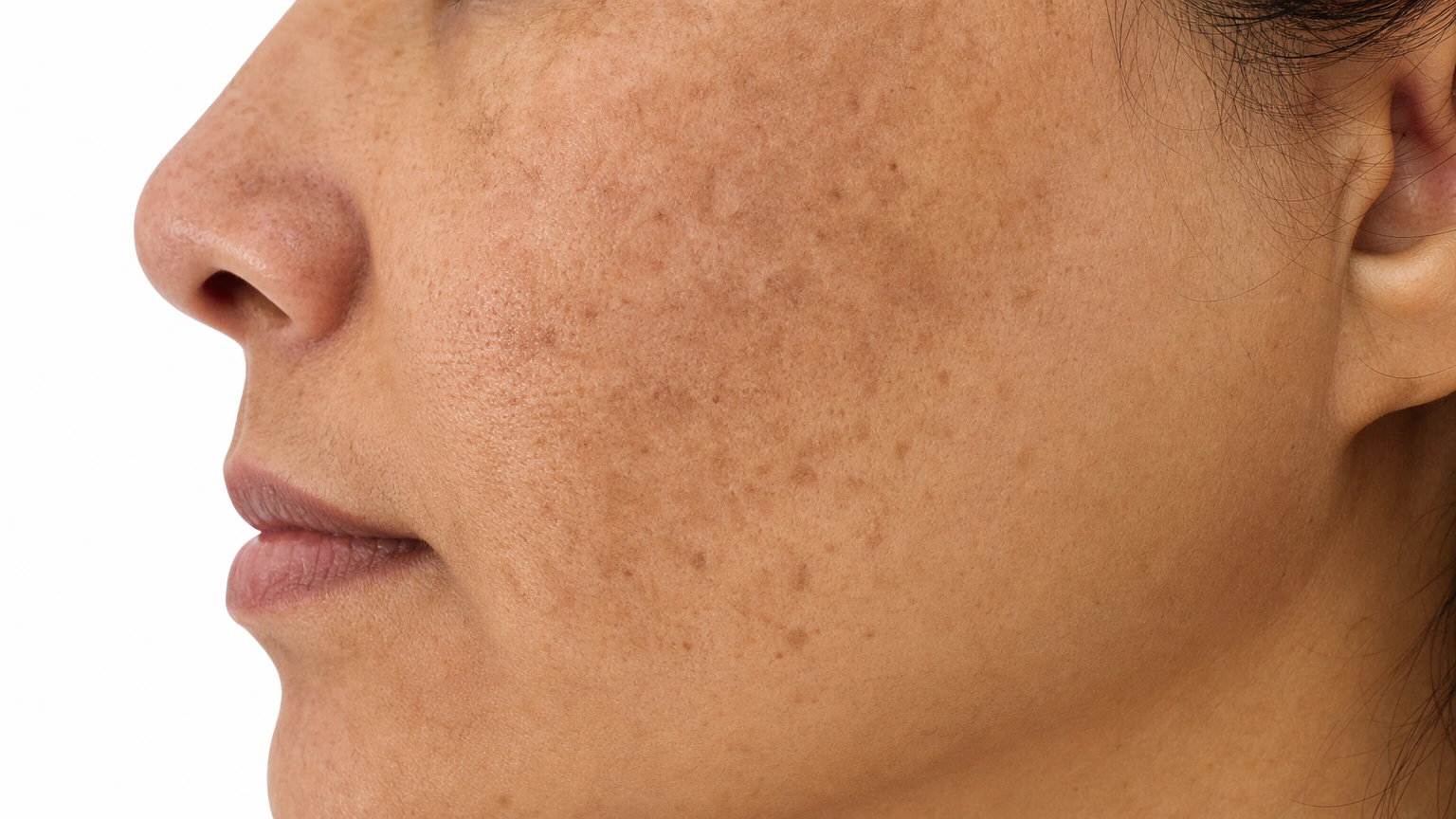
The same eight facts on every condition comparison.
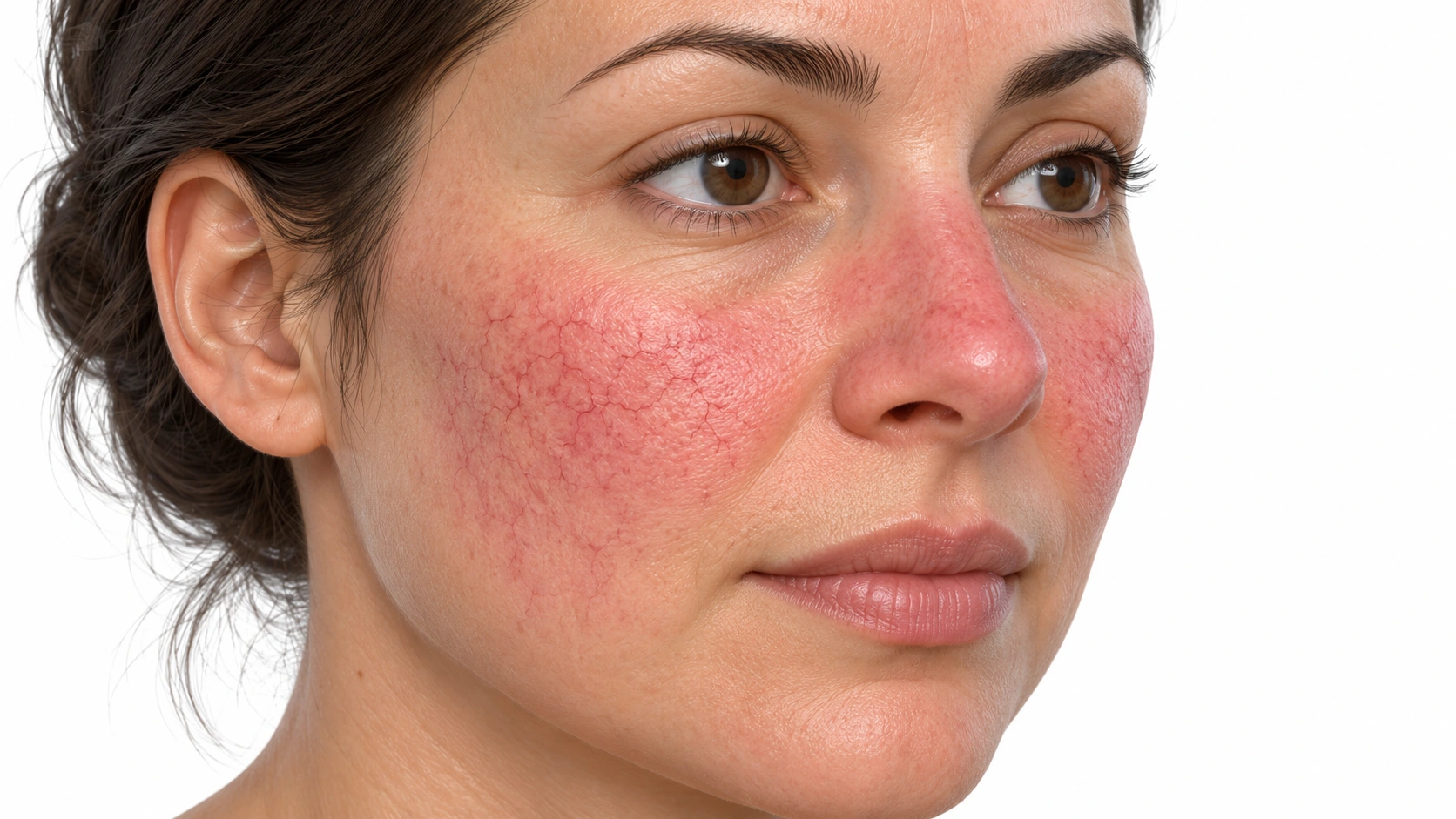
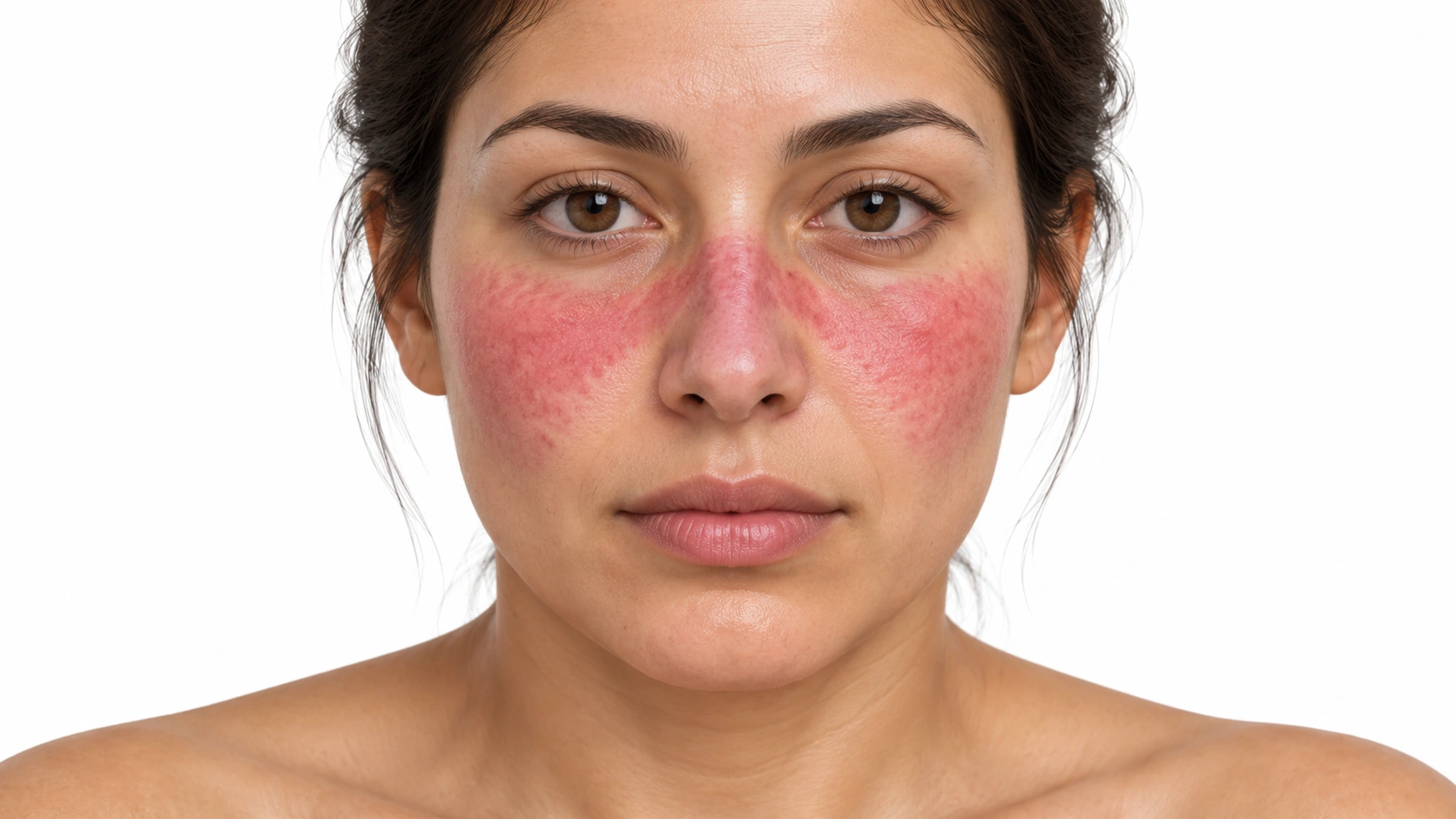
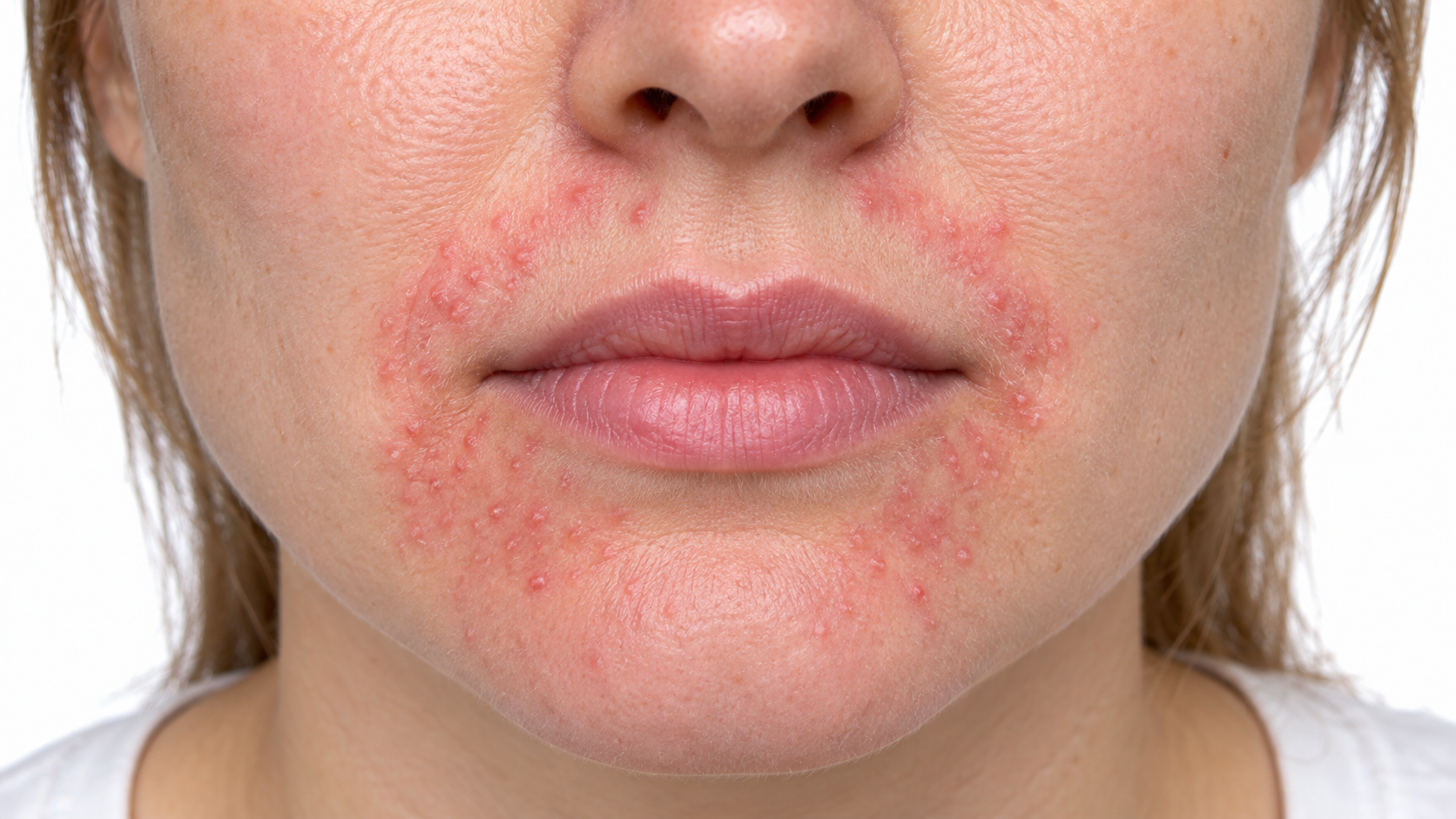
Rosacea (Flushing) The cheeks and nose show a broad area of flushing.
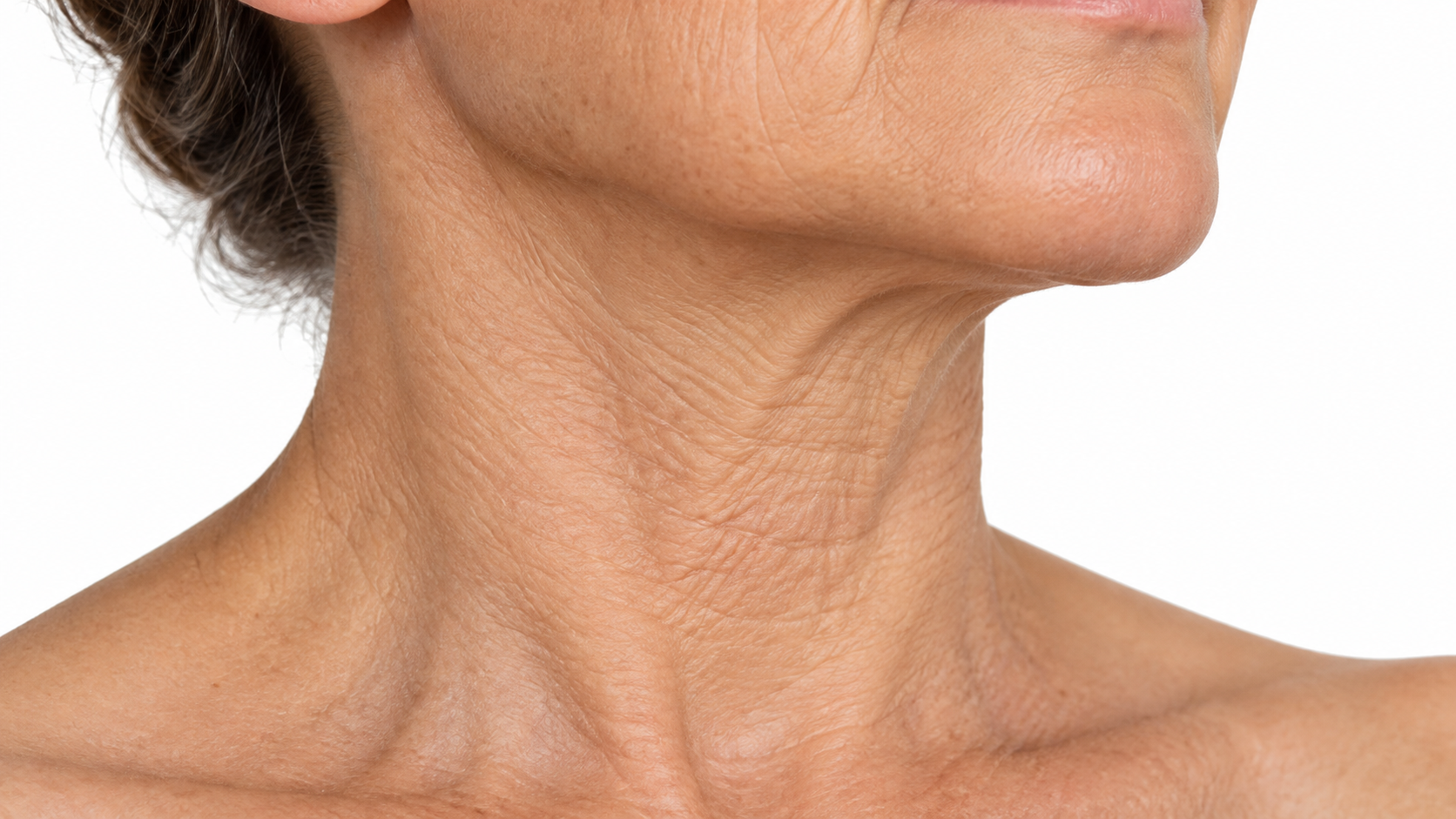
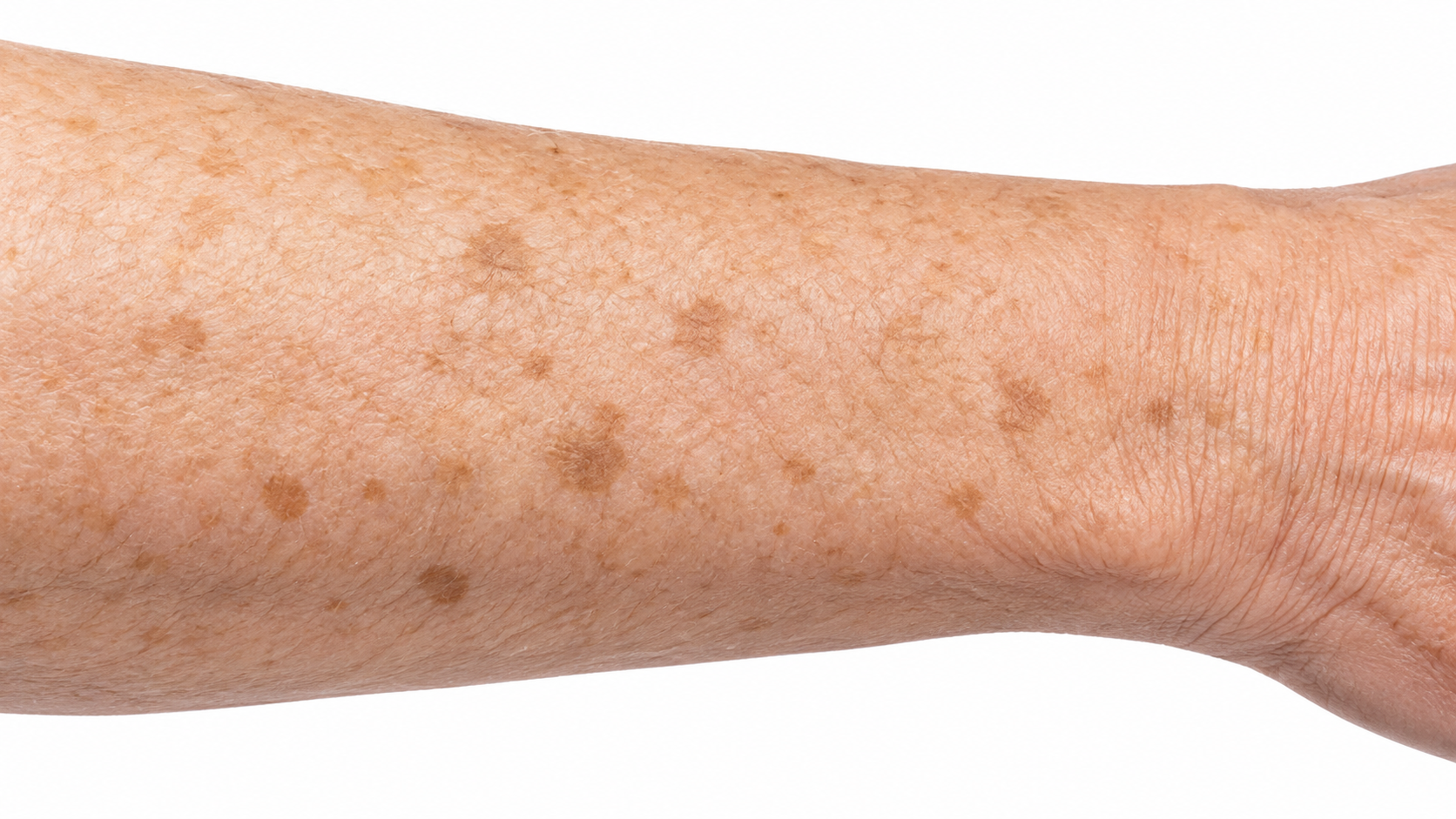
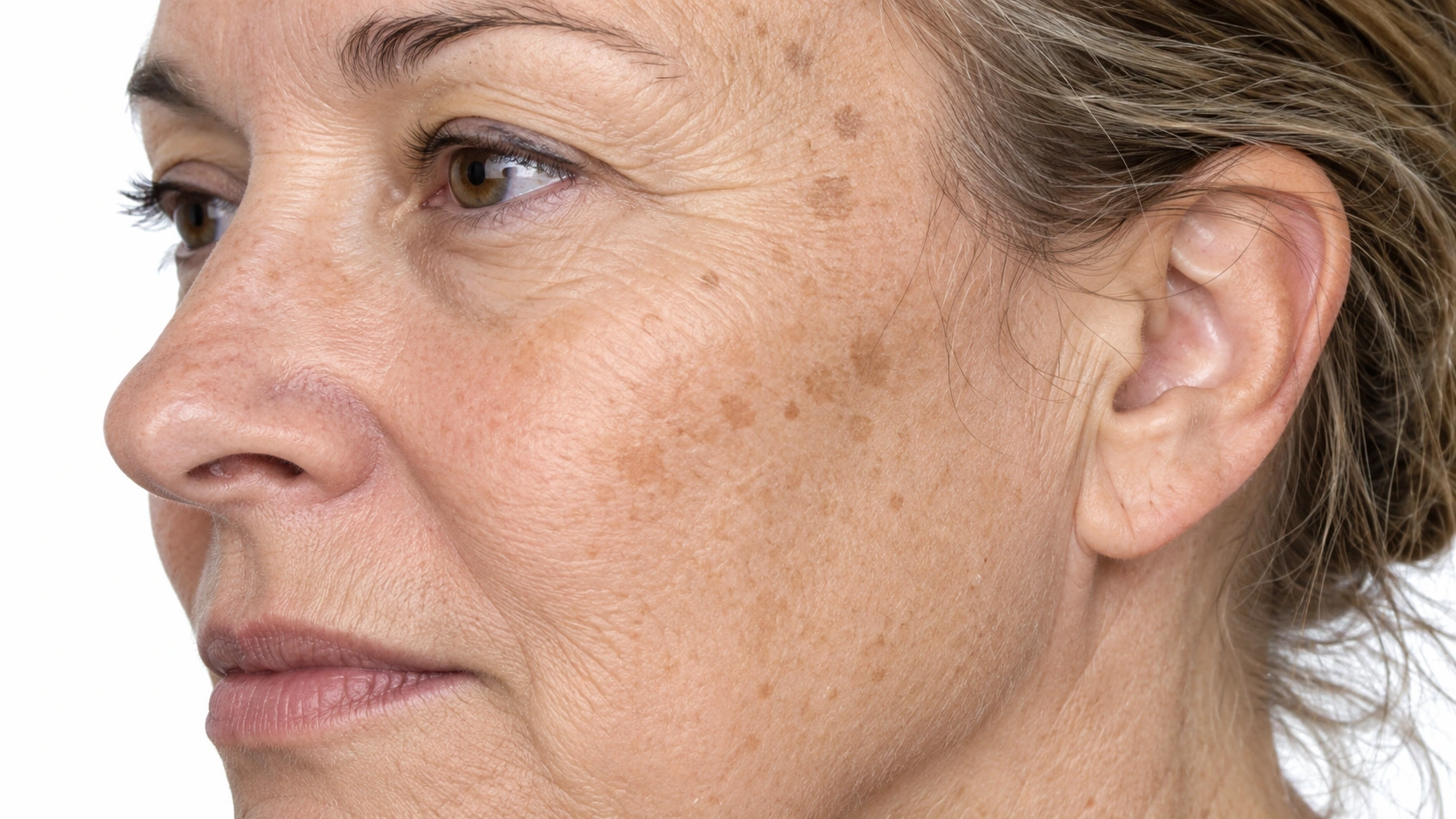
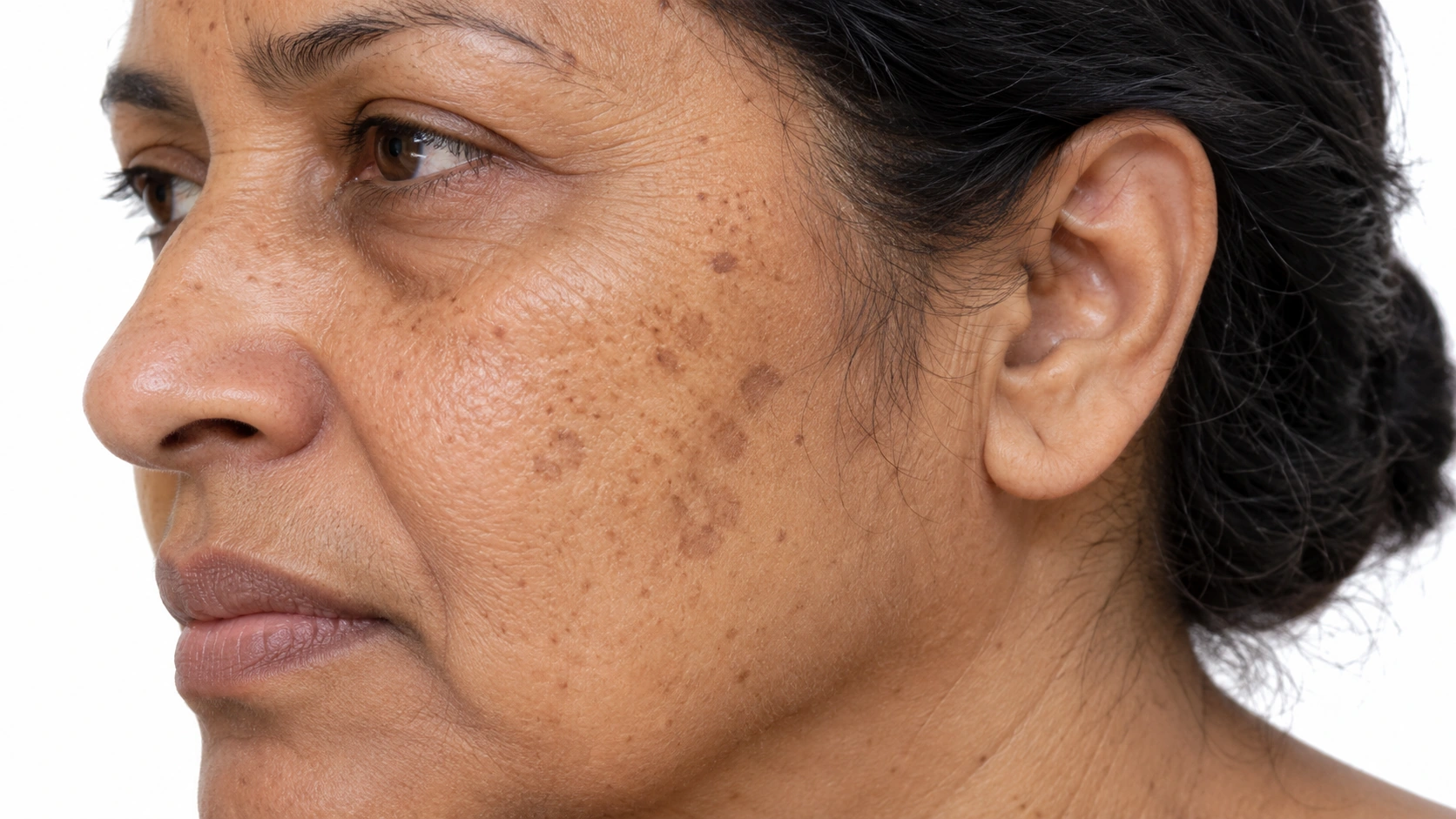
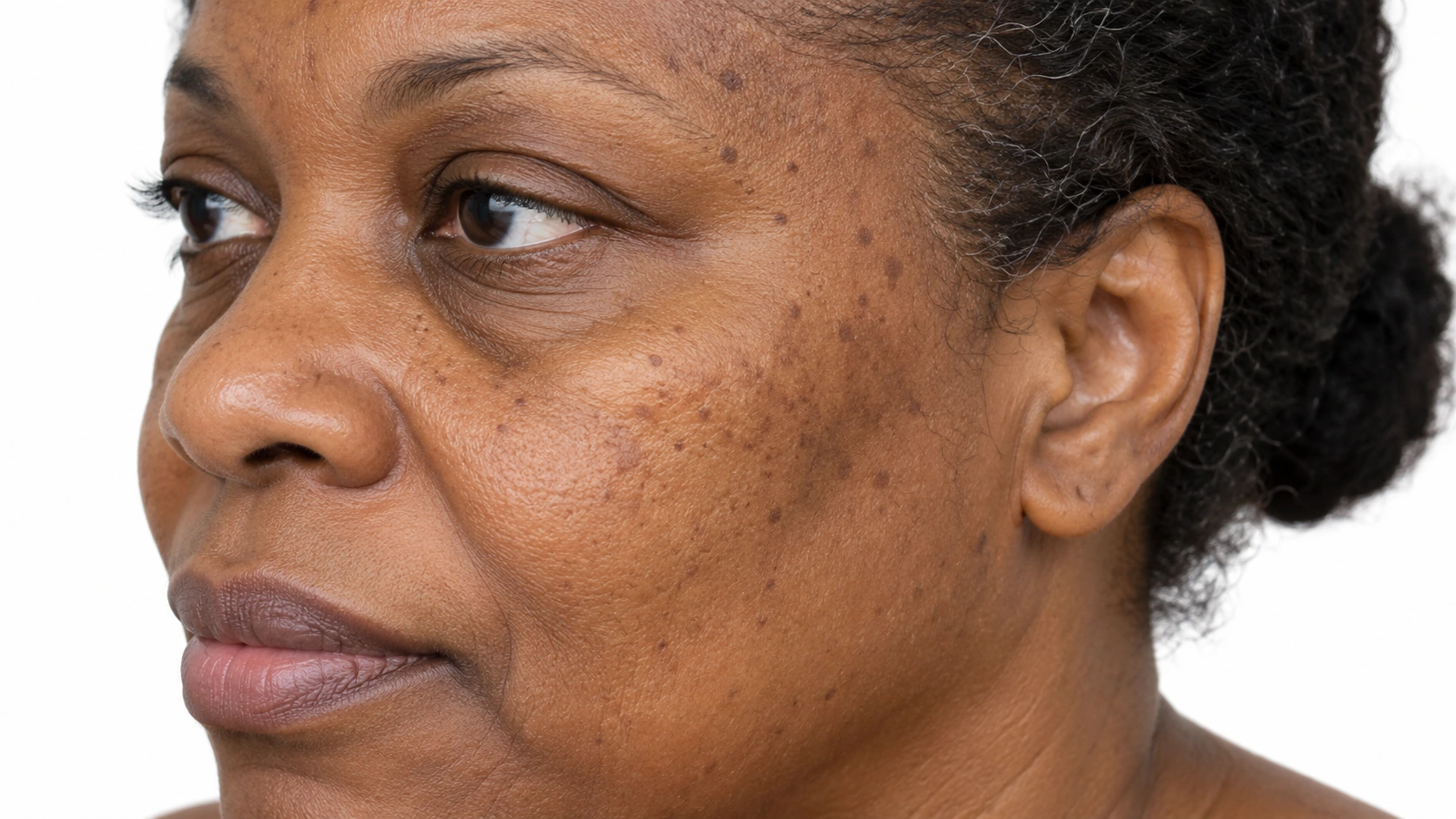
Sun Damage Numerous brown spots create an uneven pattern over the cheek and temple.
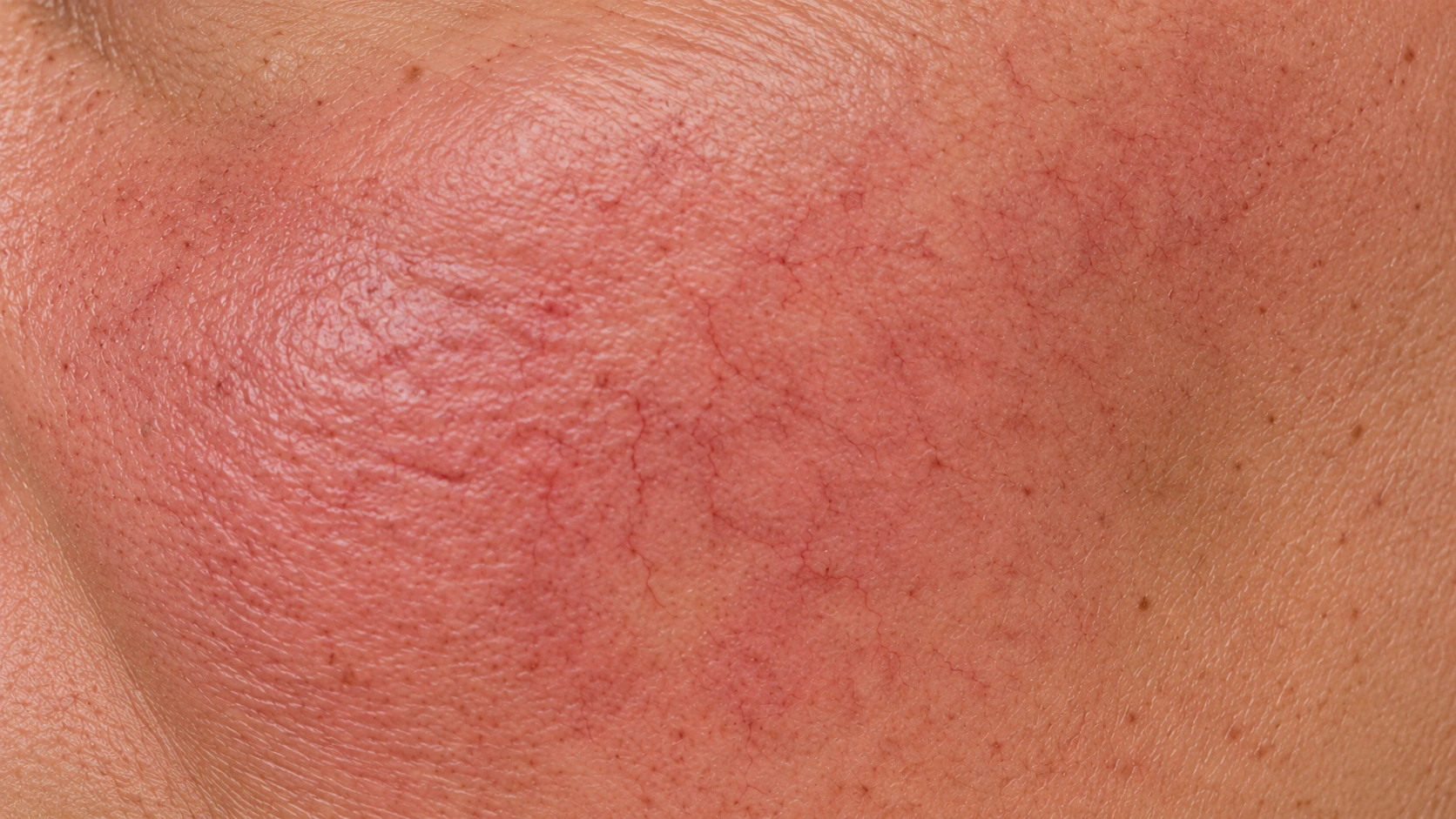
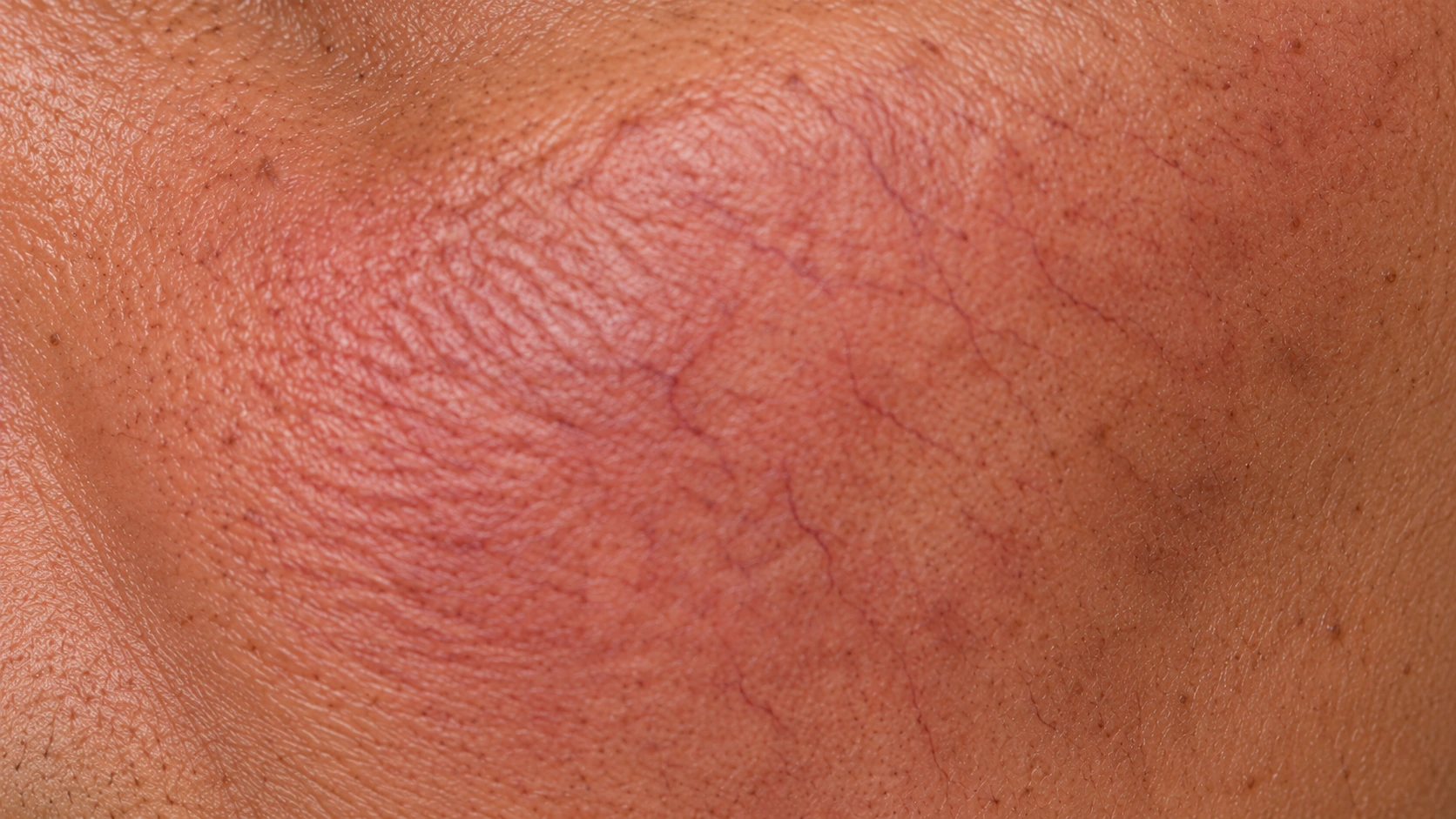
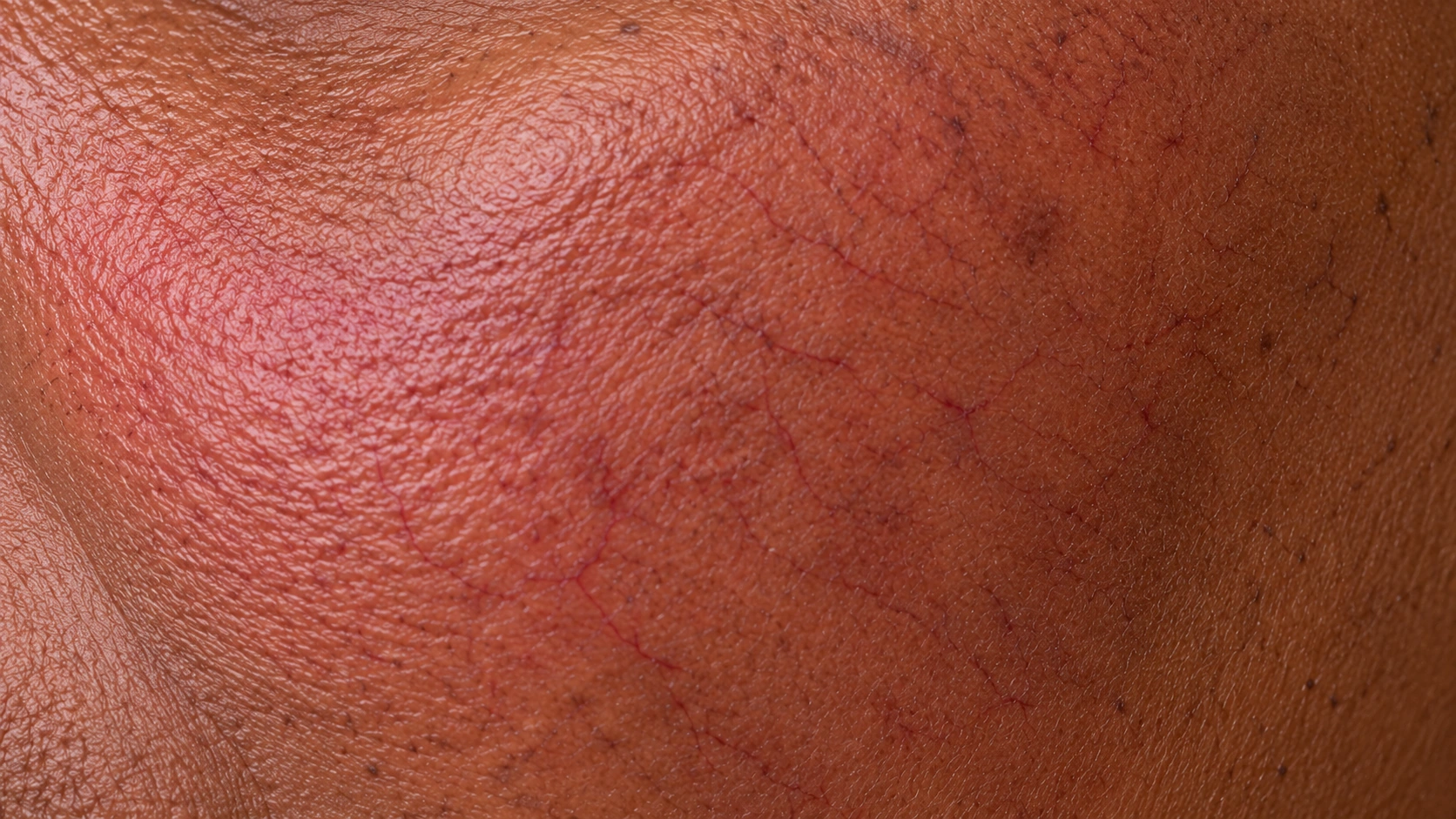
Facial blood vessels react more readily to triggers and increase blood flow near the surface. Inflammation can contribute to persistent changes between episodes of flushing.
Ultraviolet radiation injures cellular DNA and the structural proteins supporting skin. Accumulated damage can affect pigment, surface texture and elasticity.
Rosacea (Flushing). Most often recognised in adults, although younger people can be affected.
Sun Damage. Visible changes accumulate over time, although injury begins with exposure at any age.
Facial inflammation and abnormal vessel responses contribute; the cause is not simply clogged pores.
Ultraviolet radiation damages cellular DNA and structural skin proteins.
Evidence labels come from each condition’s own treatment list.
Sun protection helps limit further injury. Cosmetic treatment should follow assessment of any changing, persistent rough or non-healing lesion, which may need medical treatment rather than cosmetic removal.
May temporarily reduce persistent facial erythema; discuss irritation and rebound concerns.
May reduce visible vessels or persistent redness; settings need to suit the skin tone.
Flushing can recur over many years and may be accompanied by more persistent facial redness. A personal trigger plan and suitable treatment can improve control, but responses vary.
Sun protection helps limit further ultraviolet injury but cannot remove all previous damage. Some cosmetic changes can improve; changing growths or persistent rough or non-healing areas need assessment.
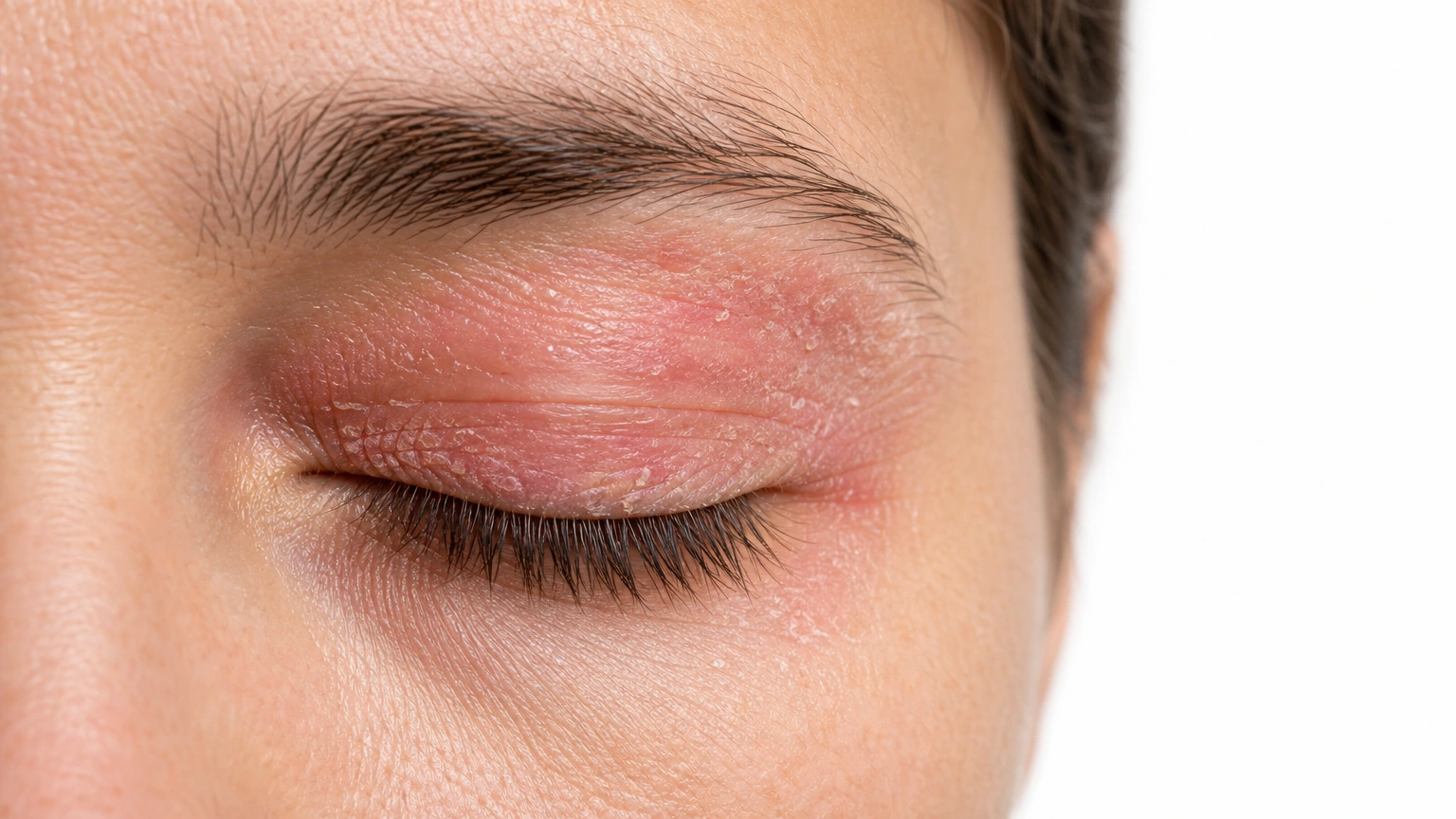
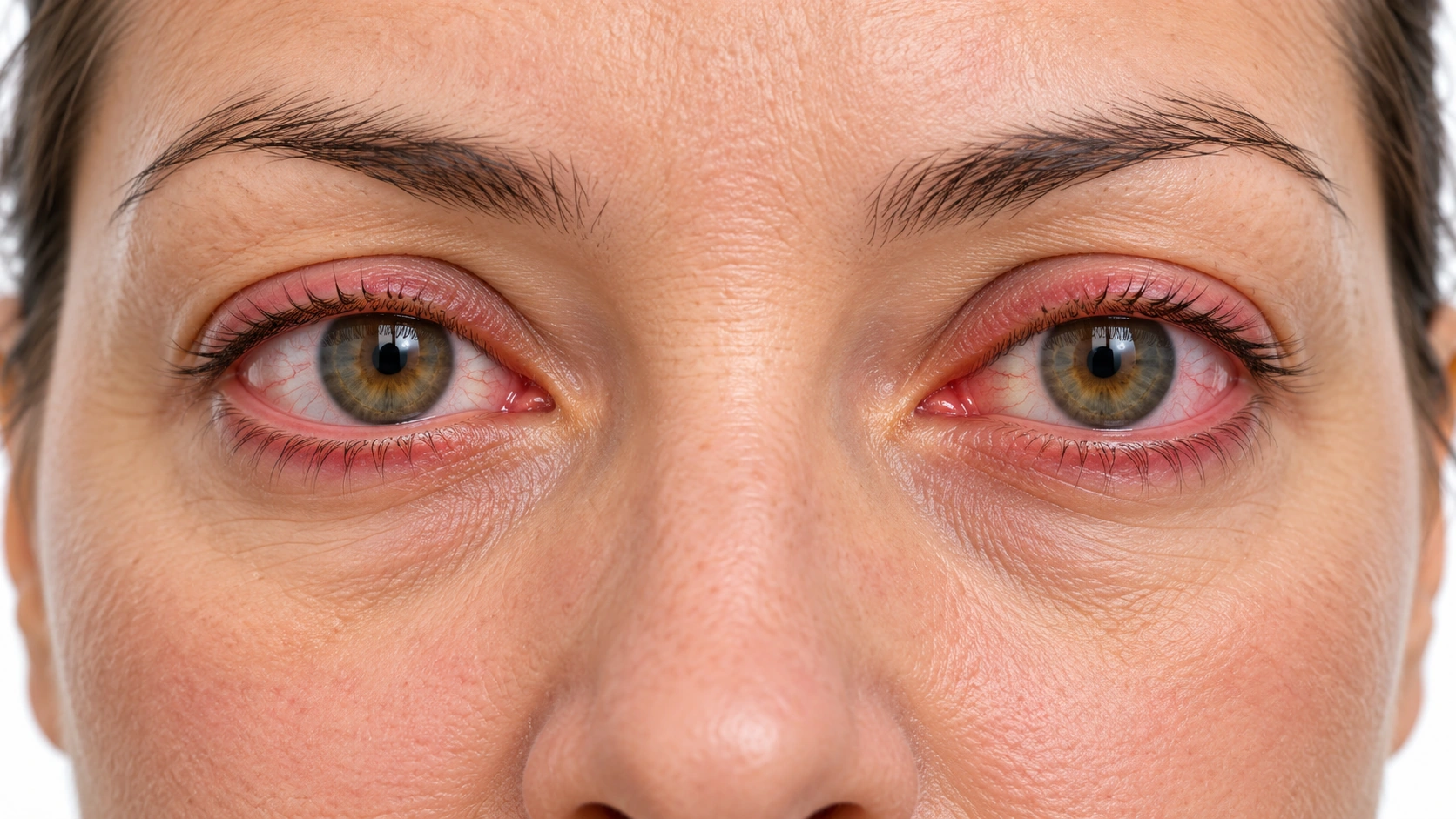
Eye irritation can accompany facial rosacea and needs assessment if persistent.
Long-term exposure increases the risk of actinic keratoses and skin cancers.
Arrange care for persistent facial symptoms. Eye pain, light sensitivity or vision change needs urgent eye assessment.
Have a new, changing, bleeding or non-healing spot assessed before treating it cosmetically.
Rosacea dominated by flushing, persistent facial colour change or visible vessels.
Use gentle fragrance-free products and sunscreen; keep a diary of your own triggers.
Arrange care for persistent facial symptoms. Eye pain, light sensitivity or vision change needs urgent eye assessment.
Accumulated ultraviolet injury affecting skin texture, colour and cancer risk.
Use gentle skin care, sunscreen and protective clothing; avoid aggressive bleaching or scrubbing.
Have a new, changing, bleeding or non-healing spot assessed before treating it cosmetically.
Sources