Perioral Dermatitis
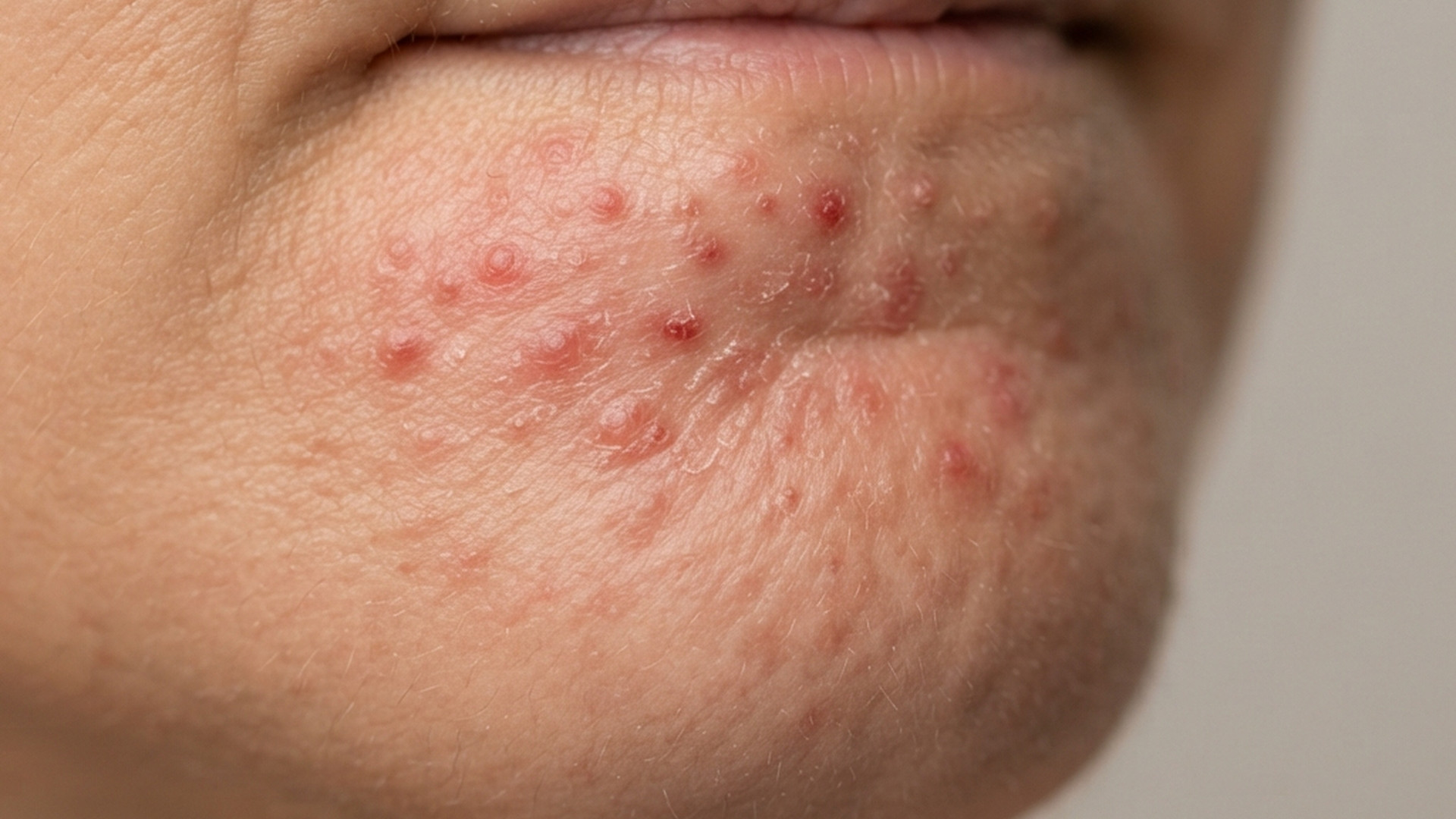
Perioral dermatitis makes small red bumps around the mouth. A thin ring next to the lips is often spared.
Perioral dermatitis is a ring of small bumps around the mouth, nose or eyes. It is often started or made worse by steroid creams, and stopping them is the first step in treating it. Rosacea is flushing and lasting redness across the cheeks and nose. A narrow rim of clear skin right at the lip line points to perioral dermatitis.
| The difference | Perioral Dermatitis | Rosacea |
|---|---|---|
| What it is | An irritant rash, often steroid-driven | Blood vessels that overreact |
| What it looks like | Clusters of tiny bumps and scale | Redness, with bumps in some people |
| How it feels | Burning and tight | Stings and burns |
| What actually treats it | Stop everything, then a prescription | Trigger control and prescription creams |
Perioral dermatitis makes small red bumps around the mouth. A thin ring next to the lips is often spared.
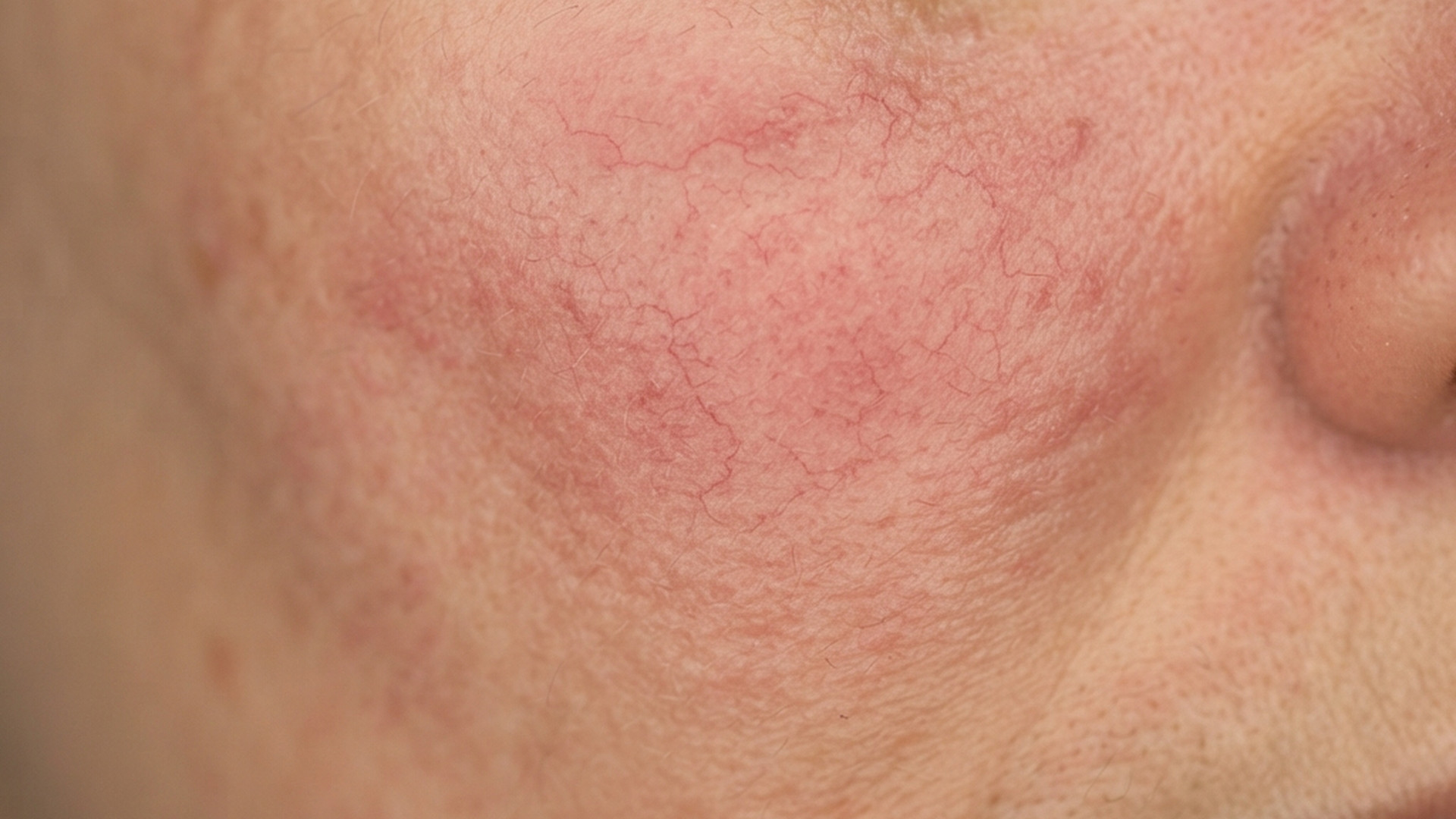
Rosacea causes lasting redness across the cheeks and nose, sometimes with visible vessels.
Side by side
Perioral Dermatitis
An irritant rash, often steroid-driven
The exact cause is not known. It follows steroid creams, steroid inhalers and nasal sprays, heavy moisturizers, and sometimes fluoride toothpaste.
Rosacea
Blood vessels that overreact
Vessels in the central face widen too easily and stay widened. Inflammation follows, and in some people that adds bumps and pustules.

The skin around the mouth and nose is thinner than the rest of the face and dotted with small hair follicles. Its outer layer holds water in and keeps products out. Left alone, the mites and bacteria living around those follicles stay in small, quiet numbers.

Heavy moisturizers, balms, full-coverage makeup, layered acids and over-washing all disturb the outer layer of the skin around the mouth and nose, so it stops holding water in and keeping irritants out.

A steroid cream on the face, or medicine that lands there from an inhaler or a nasal spray, quiets the skin's immune response while it is being used. When it stops, the reaction comes back stronger than before.

With the barrier disturbed and the immune response damped down, the organisms that normally live quietly around the hair follicles, including Demodex mites and some bacteria, grow in numbers.

The skin reacts around each follicle, and that is the rash you can see: grouped small bumps, some with tiny pus-filled heads, on pink flaking skin that burns rather than itches. Almost everything in the lists below is pushing on this step.

The blood vessels in the middle of the face open when you are hot, embarrassed or eating something spicy. The immune system stays quiet, the vessels close again within minutes, and the color goes back to normal. Nothing stays visible.

Sun, heat, spicy food, alcohol and stress reach skin that is already wired to overreact. Fair skin and a family history make that wiring more likely. The same warm room that does nothing to someone else starts the whole chain here.

The skin pours out too much of an alarm protein called cathelicidin, and breaks it down the wrong way. That switches inflammation on and keeps it on. This is the step most prescription creams are aimed at.

Inflammation makes the vessels open wider, and over years the skin grows more of them. That is the flushing, the redness that stops fading between flushes, and the fine visible threads across the cheeks and nose.

The redness stops going away, the skin burns and stings with products other people tolerate, and some people get red bumps and pus-filled spots on top of it. Almost everything on the lists below is pushing on one of these four steps.
Perioral Dermatitis
Clusters of tiny bumps and scale
Small pink or skin-toned bumps packed together in patches, often with a fine dry flake over them. Some carry a pinhead of pus.
Rosacea
Redness, with bumps in some people
Flushing and lasting pink over the cheeks, nose, chin and forehead, with fine visible blood vessels in it. Any bumps are scattered, not clustered.

On deeper skin tones the bumps often look brown, violet or close to skin-colored rather than red. The pattern is the more reliable clue: grouped small bumps around the mouth, nose or eyes, with a clear rim of spared skin beside the lips. Because the redness is muted, it is regularly read as acne and treated with acne products, which do not help and usually irritate it further.

Once the rash settles, deeper skin tones commonly keep flat dark marks in the same places. This is post-inflammatory hyperpigmentation, and it usually takes several months to fade, longer than the rash itself took to clear. Daily sunscreen makes a real difference to how fast it goes, and treating the rash early is the best way to limit it.

Some imported skin-lightening and complexion creams contain strong steroids that are not listed on the label. Used on the face they are a well-recognized cause of perioral dermatitis, and because the cream is not thought of as a medicine the link is easy to miss. Long use can also leave the surrounding skin thinner, paler and marked with fine visible vessels. If you are using anything on your face and are not sure what is in it, bring the packaging to the appointment.

A variant with firmer, flesh-colored or brown bumps and very little redness, reported more often in children with deeper skin tones. Because it is not red, it is easily mistaken for acne or small warts. It behaves the same way and answers the same treatment, but it usually takes longer to clear.

Rosacea happens in every skin tone, but the sign it is usually diagnosed from is redness, and on deeper skin tones the inflammation reads as dusky, violet, brown, or simply as an area that looks darker than the skin around it. Fine vessels are also much harder to see. The clues that stay reliable are warmth in the middle of the face, swelling, stinging with skincare or sun, and a history of the face heating up with hot drinks, spice, alcohol or exercise.

When the redness is hard to see, the bumps are often the first thing noticed, and rosacea on deeper skin tones is commonly treated as acne for years. The check that settles it is the same one used on any skin tone: rosacea does not produce blackheads or whiteheads. Bumps and pus-filled spots on the central face with no comedones point to rosacea, not acne.

A less common pattern of rosacea that is described more often on deeper skin tones. Instead of pus-filled spots it produces firm, dome-shaped brown or reddish-brown bumps, usually around the mouth and the eyes, on skin that may not look inflamed at all. It is easily mistaken for other bumpy conditions, and it is one of the reasons a biopsy is occasionally needed.

Rosacea inflammation on deeper skin tones leaves flat dark patches where the bumps were, and they can take many months to fade. That is why calming the inflammation early matters more than treating the marks afterward, and why daily sunscreen is part of the plan. Laser and light treatment for vessels and redness is possible on deeper skin tones, but ask a practitioner how often they treat skin like yours and ask for a test patch.
Perioral Dermatitis
Around the mouth, nose or eyes
Most often in the folds beside the nose and the skin above the upper lip. A narrow strip of clear skin right at the lip border is close to a giveaway.
Rosacea
The middle of the face
Cheeks, nose, chin and centre of the forehead, with no clear rim at the lip.
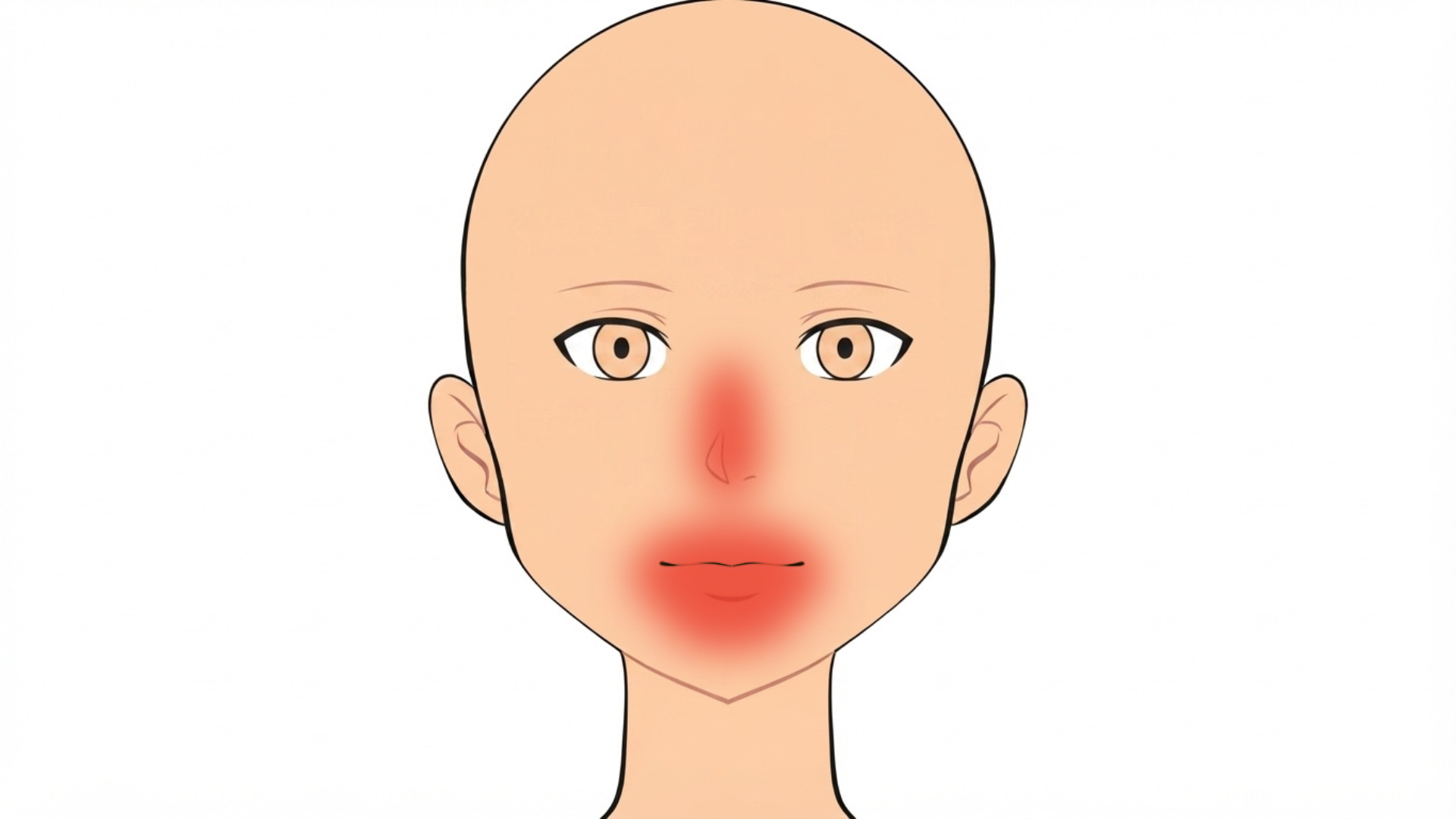
The rash rings the mouth and runs up into the creases beside the nose, but it leaves a narrow clear band of skin right at the lip border. That spared rim is the single most useful clue, and it is what separates this from acne and from rosacea.
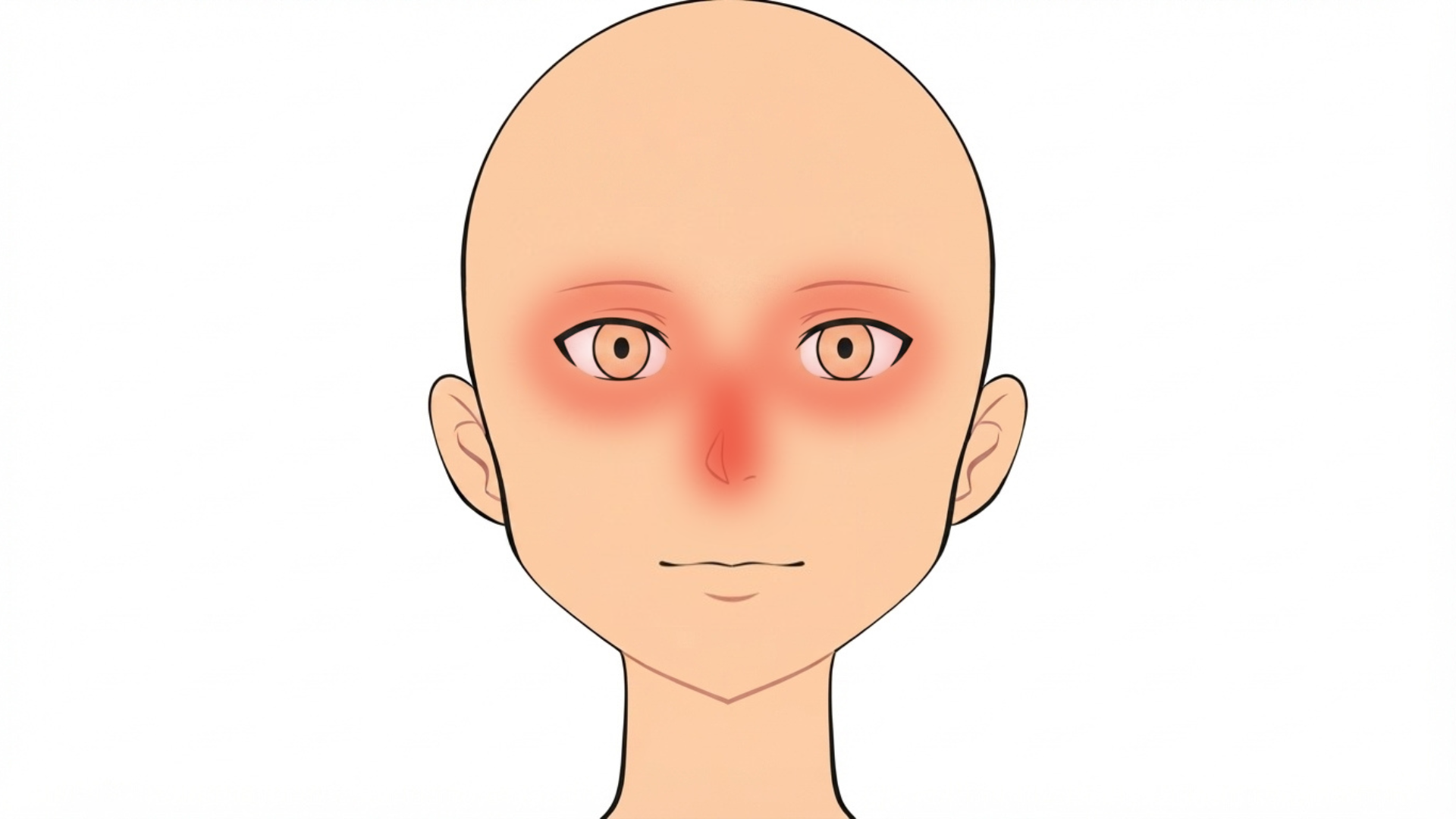
The same rash can appear around the eyes and around the nostrils instead of, or as well as, around the mouth. Steroid creams — including ones used for something else nearby, and inhaled steroids — are the commonest trigger, and stopping them makes it flare before it settles.
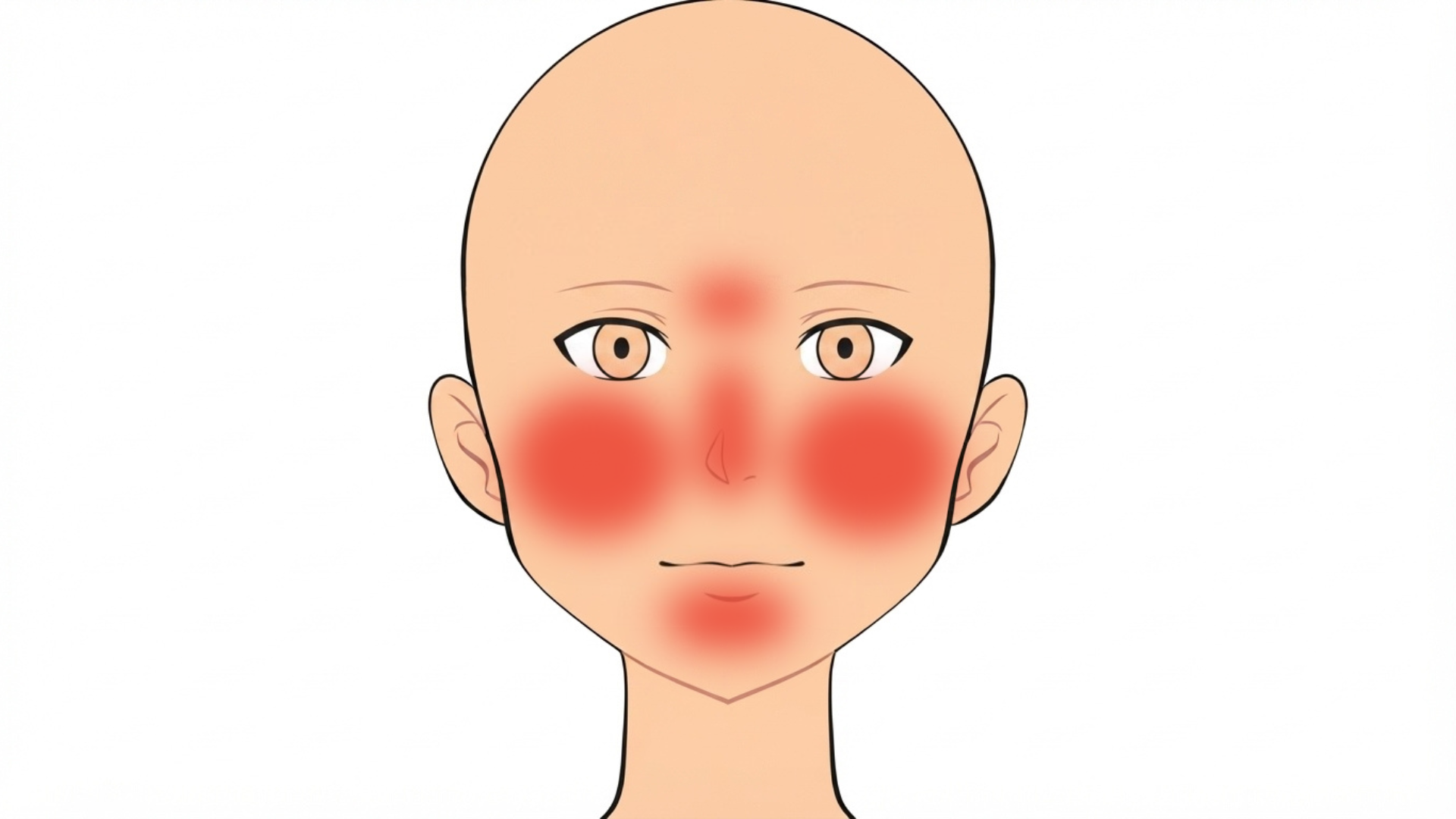
Rosacea sits on the central face: the cheeks, the nose, the chin and the skin between the eyebrows. It usually leaves the sides of the face and the skin right around the eyes alone, and that sparing is one of the things that separates it from other facial rashes.
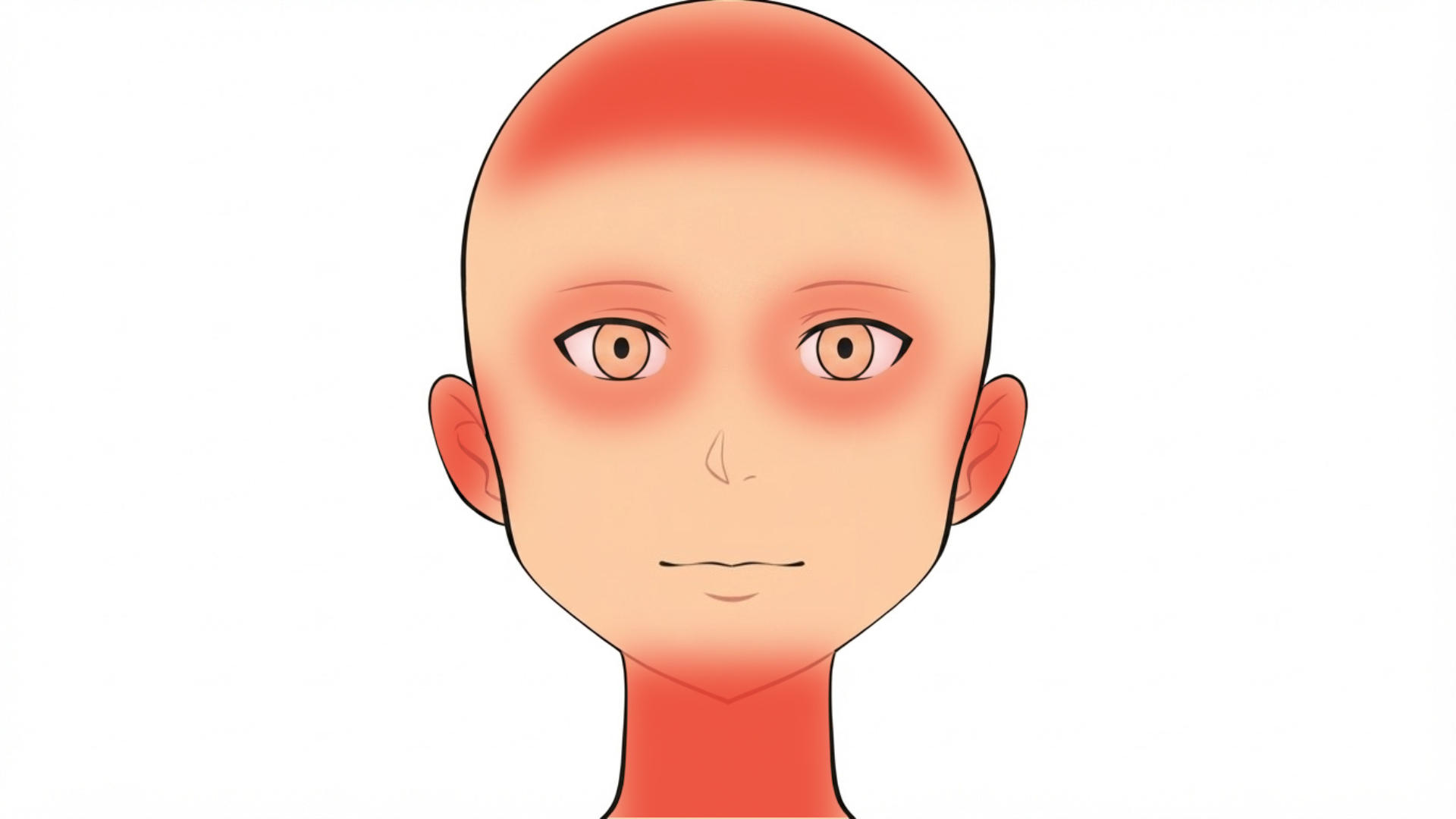
The eyes are involved in a large share of cases — gritty, dry, red lids — and that can start before anything shows on the skin. Less often it reaches the ears, the neck, the upper chest or the scalp.
Perioral Dermatitis
No
The rash stays put. A hot room or a glass of wine does not turn it on and off.
Rosacea
Yes
Flushing is the core feature. Heat, sun, alcohol, spicy food, hot drinks, exercise and stress all set it off.
Perioral Dermatitis
Burning and tight
More burning and stinging than itching. The skin over the bumps often feels dry and rough.
Rosacea
Stings and burns
Skincare products sting on contact and the face feels hot during a flush. Eyes often feel gritty or sore too.
Perioral Dermatitis
Mostly women aged 20 to 45
It also turns up in children, where it tends to sit around the eyes and nose.
Rosacea
Mostly adults over 30
It usually starts between 30 and 50, and it is uncommon in children.
Perioral Dermatitis
Help for a week, then make it worse
The rash clears while the cream is on and returns stronger when it stops. Each round tends to be worse than the last.
Rosacea
Also make it worse
Strong steroids on a rosacea face settle it briefly and then cause a rebound flare with more bumps and more redness.
Perioral Dermatitis
Stop everything, then a prescription
Stop the steroid and cut back to water and a light moisturizer. Then metronidazole, azelaic acid, clindamycin or ivermectin cream, or a six to eight week course of doxycycline for stubborn cases.
Rosacea
Trigger control and prescription creams
Sunscreen and gentle cleansing come first. Metronidazole, azelaic acid or ivermectin cream treat the bumps, doxycycline is used for more inflamed cases, and laser or intense pulsed light treats fixed redness.

Stopping the steroid and taking everything else off the face is the single most useful thing you can do without a prescription: gentle cleanser, light moisturizer if you need it, sunscreen, nothing else. It works because most of this condition is caused by what is being applied. It is slow on its own, and the first one to two weeks are worse rather than better.
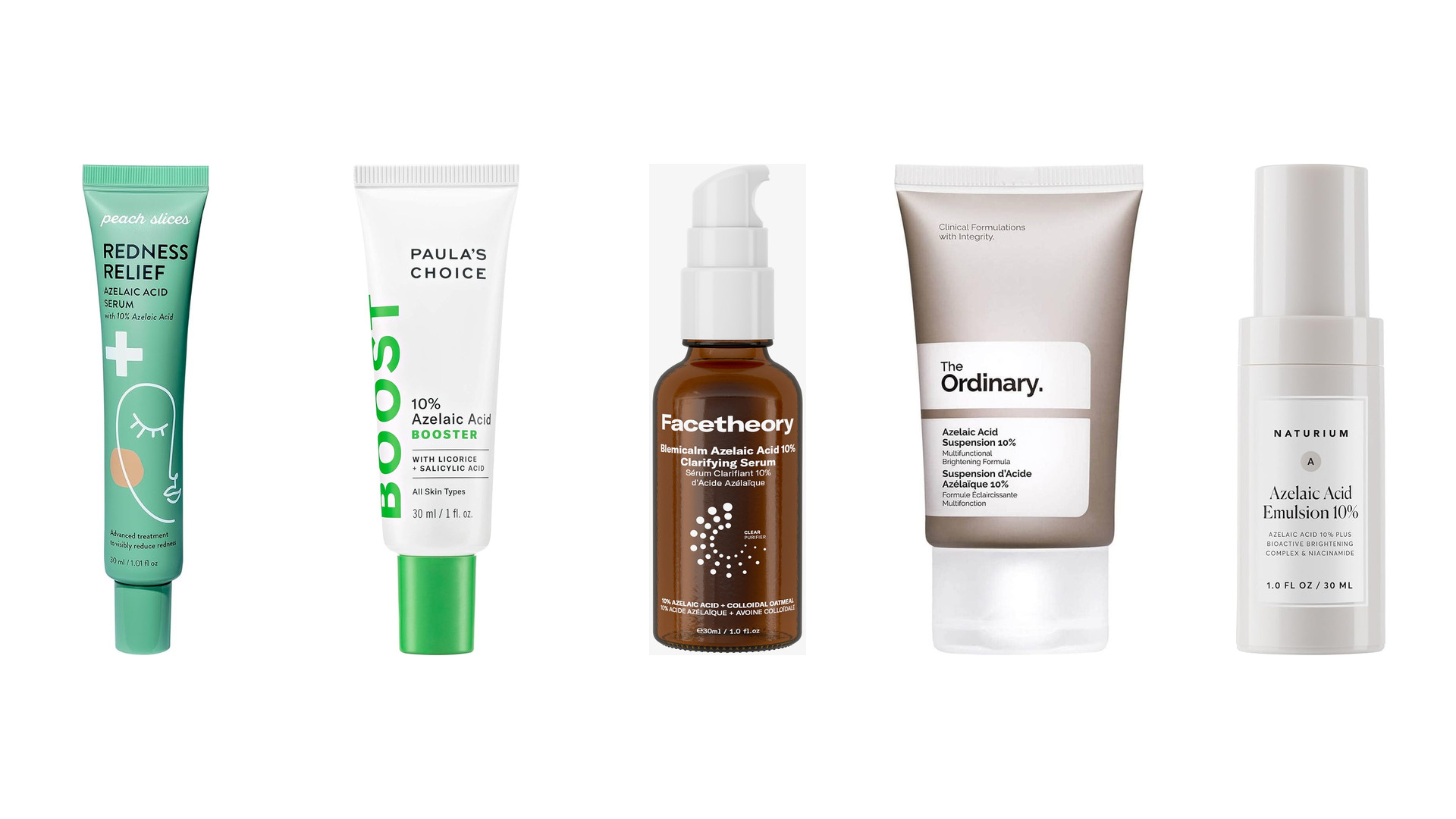
The one over-the-counter active worth using here. At 10 percent it calms the bumps and, unusually, also helps the dark marks the rash leaves behind. It is slower than the prescription version and it can sting on skin that is already burning, so start every other night.
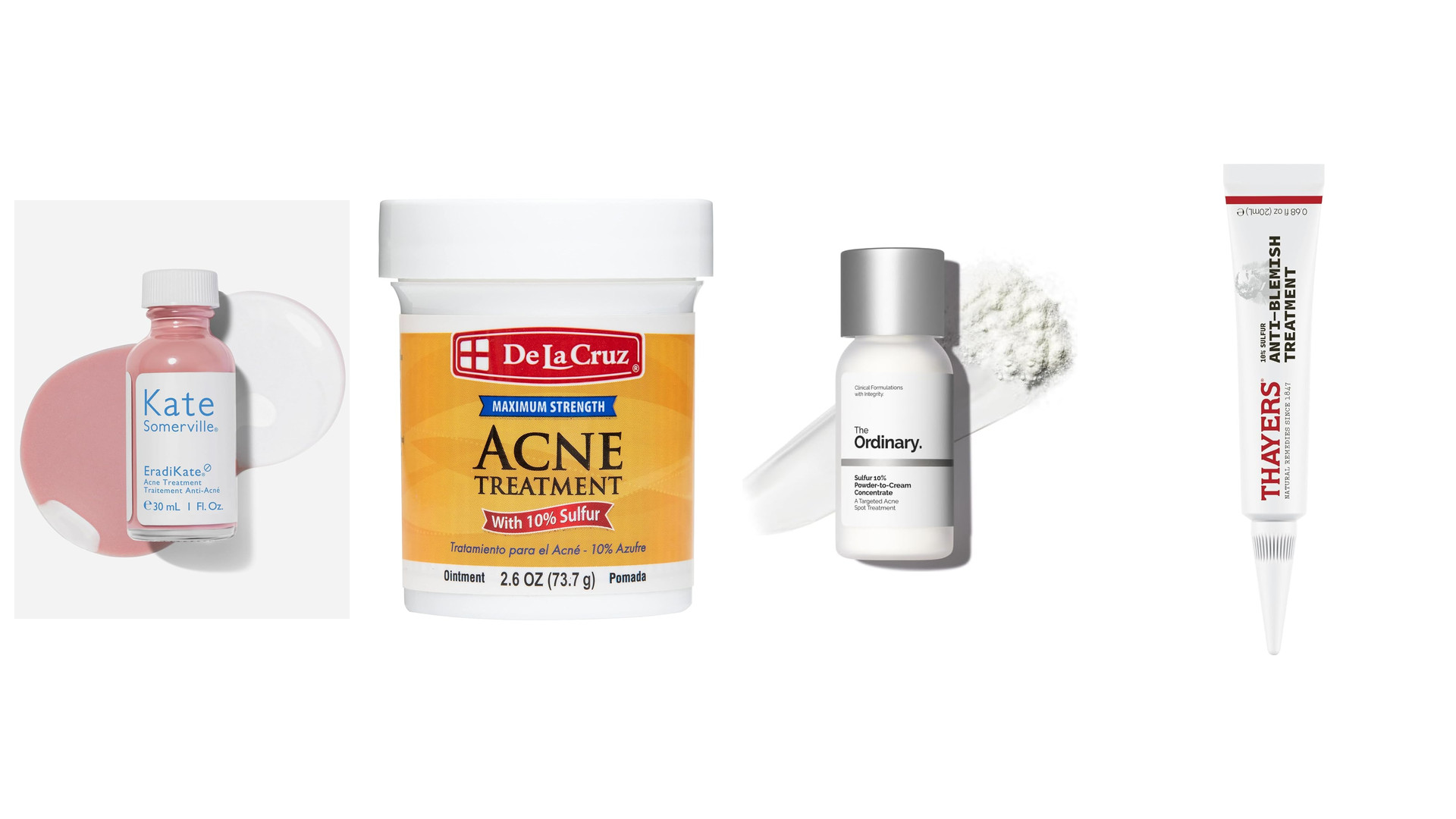
A sulfur wash or lotion is a gentler option for mild cases, and it is often chosen when someone cannot use the usual prescriptions. The evidence for it in this condition is thin, and the smell puts people off. It is worth a few weeks, not a few months.

Benzoyl peroxide, strong exfoliating acids and scrubs are what most people reach for, because this looks like acne. They damage the barrier further and usually make the rash angrier. If a product is stinging more than it was on day one, that is a reason to stop it, not to push through.
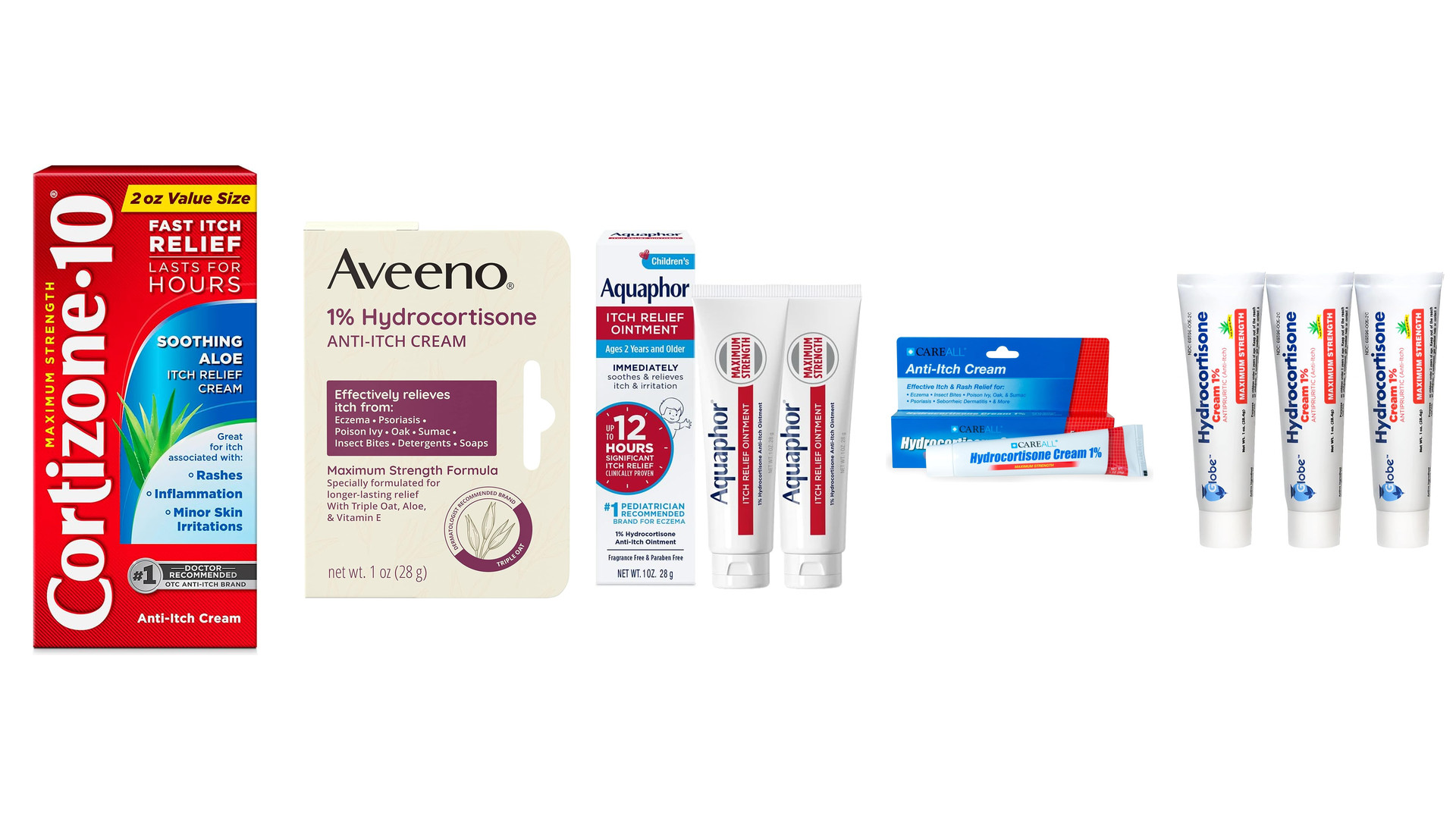
The most common self-treatment for this rash and the most common cause of it. It looks like it is working within two days, and the rash comes back worse when it stops, which pulls people into using it again. Even the mildest over-the-counter strength does this. If you are using one now, that is the thing to stop first, with your doctor's help if it was prescribed.
A tetracycline tablet taken for six to twelve weeks, used when the rash is widespread, stubborn or around the eyes. It works here as an anti-inflammatory rather than by killing an infection, so a low dose is often enough. It makes the skin burn more easily in the sun, and it is not used in young children or in pregnancy.
An alternative tetracycline when doxycycline does not suit. It works about as well for this rash. It is used more cautiously because it can cause dizziness and, rarely with long use, a blue-gray discoloration of the skin.

When a child needs tablets, a macrolide is chosen instead of a tetracycline, which is avoided under about eight because of the effect on developing teeth. It clears the widespread childhood form well. Stomach upset is the usual reason people stop it.
A low dose is occasionally used for the granulomatous form or for a case that has failed everything else, and it is rare for this condition to need it. The evidence is a handful of small reports rather than trials. It requires close monitoring and strict pregnancy prevention, and it can dry the face enough to irritate the rash at first.
The long-standing first choice for perioral dermatitis, used once or twice a day for weeks. It is well tolerated on skin that is already sore, which matters here. Expect little in the first fortnight, clear improvement by weeks three to six, and keep going for two to four weeks after the skin looks clear.

As effective as metronidazole here, and the better pick if the rash has left dark marks, because it works on both. It stings for the first week or two on inflamed skin. Applied twice a day, it is a reasonable alternative rather than a step up.
An antibiotic lotion or gel kept for cases that do not settle on the first choice, sometimes paired with it. It calms the bumps rather than the flaking. It is not used on its own for long stretches, to limit resistance.
An antibiotic gel with a long record in this condition, often chosen for children and for people who cannot take tablets. It is mild on the skin. If you are pregnant, ask your doctor which treatment to use, since the usual alternatives are avoided.

Used when Demodex mites around the hair follicles are thought to be part of the picture, which is more likely in a stubborn case with a lot of small pus-filled heads. Most of its evidence comes from rosacea rather than this condition. It is a second or third choice, not a starting point.
A non-steroid anti-inflammatory cream sometimes used to get through the rebound after a steroid is stopped, and around the eyes where other options are awkward. It calms the skin without the rebound a steroid causes. Results in this condition are mixed, and it can burn for the first few days.
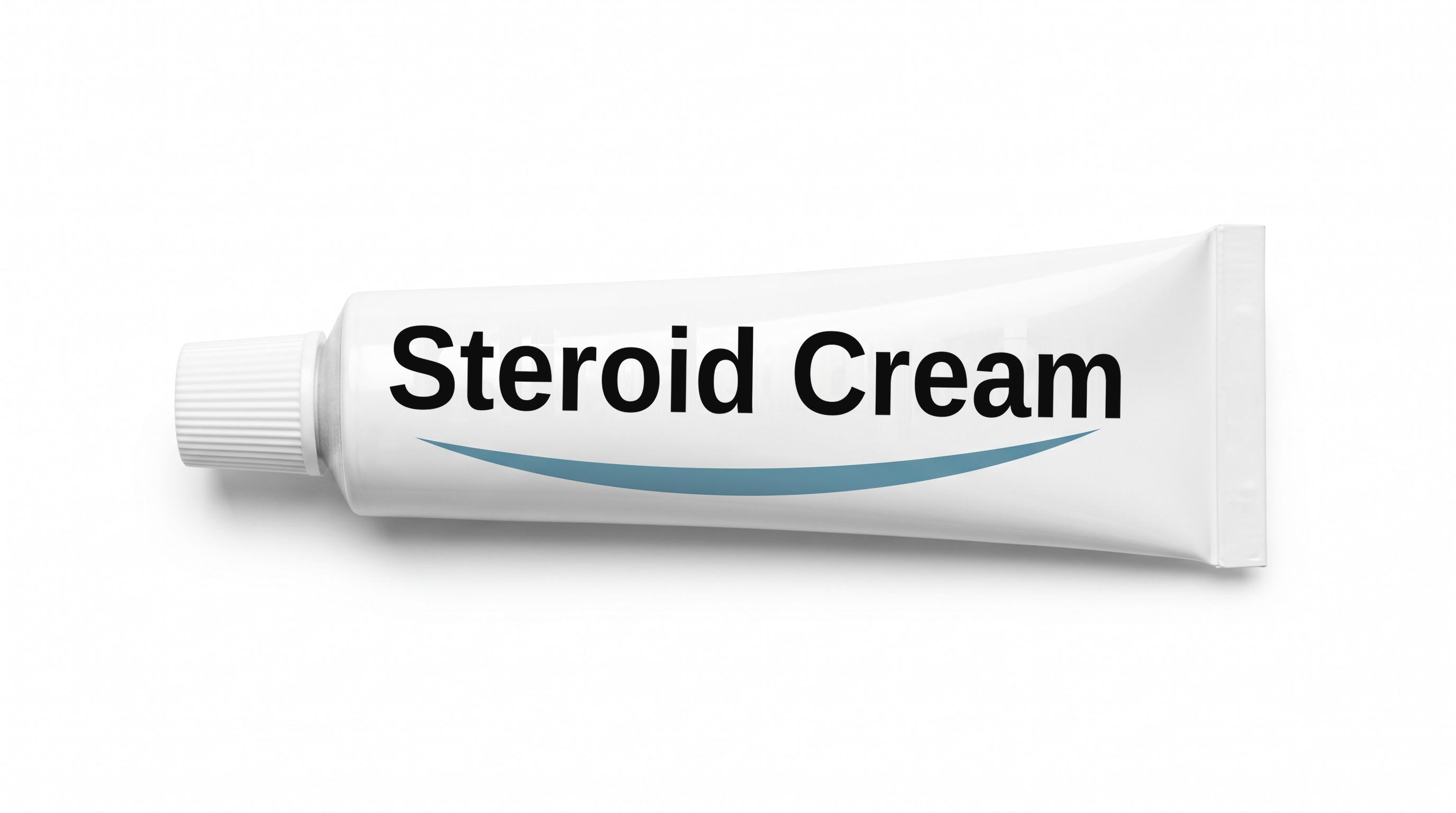
Prescription steroid creams do the same thing on the face as the over-the-counter one: fast improvement, then a worse rash when they stop. Stronger ones make the cycle harder to break and can thin the skin. If a steroid was prescribed for something else on your face, ask about stopping it rather than stopping it abruptly on your own.
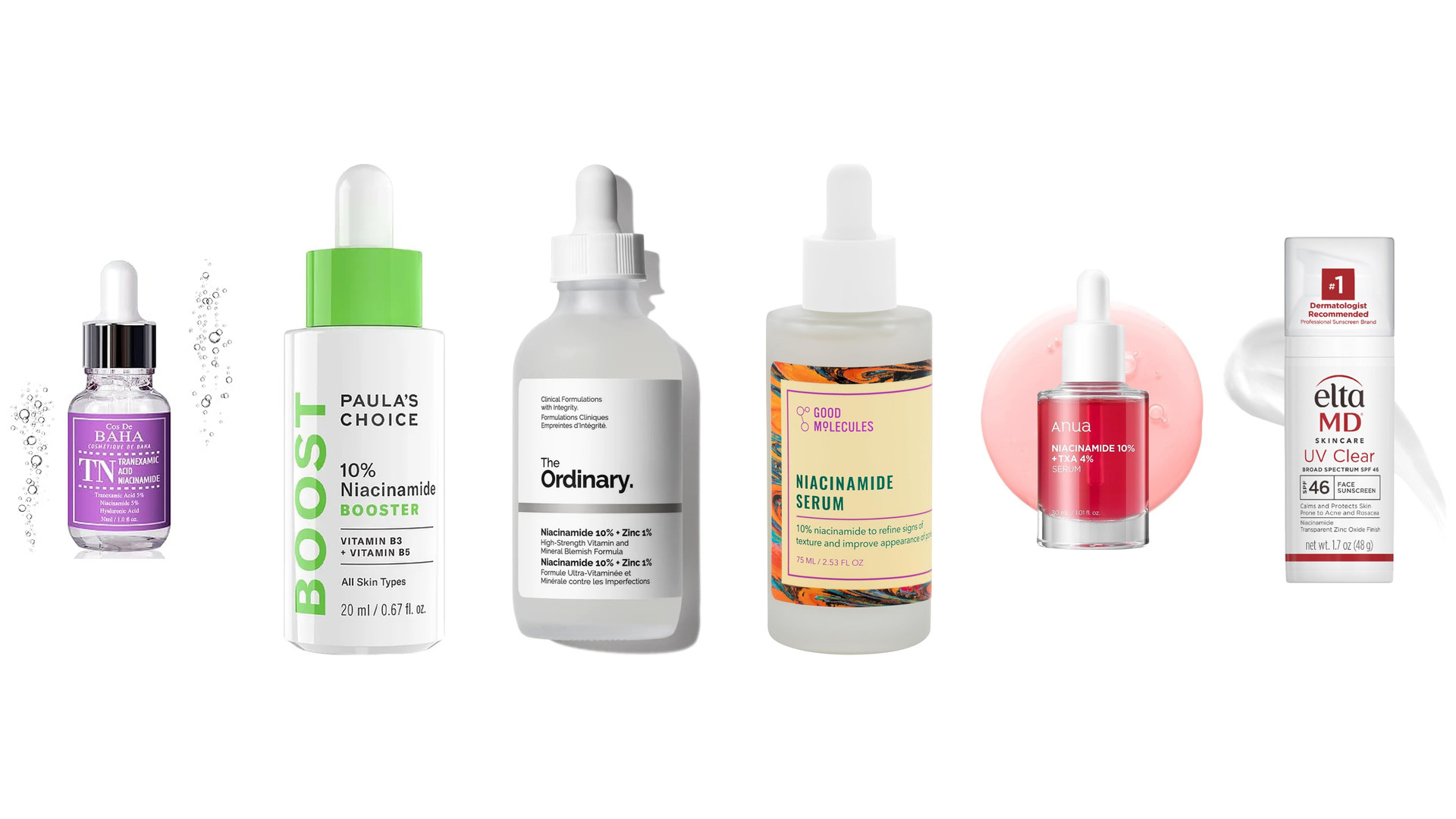
The one over-the-counter active with real evidence behind it in rosacea. At 10 percent it reduces the bumps and some of the redness, and it is better tolerated by reactive skin than acids or retinoids. Start every other night over moisturizer. The 15 percent prescription gel works better if this is not enough.
A mild anti-inflammatory that also helps the barrier hold water, which is the part of rosacea it is most useful for. Some people find it takes the edge off redness and stinging. It will not clear bumps and it does nothing for visible vessels, so treat it as support rather than treatment.
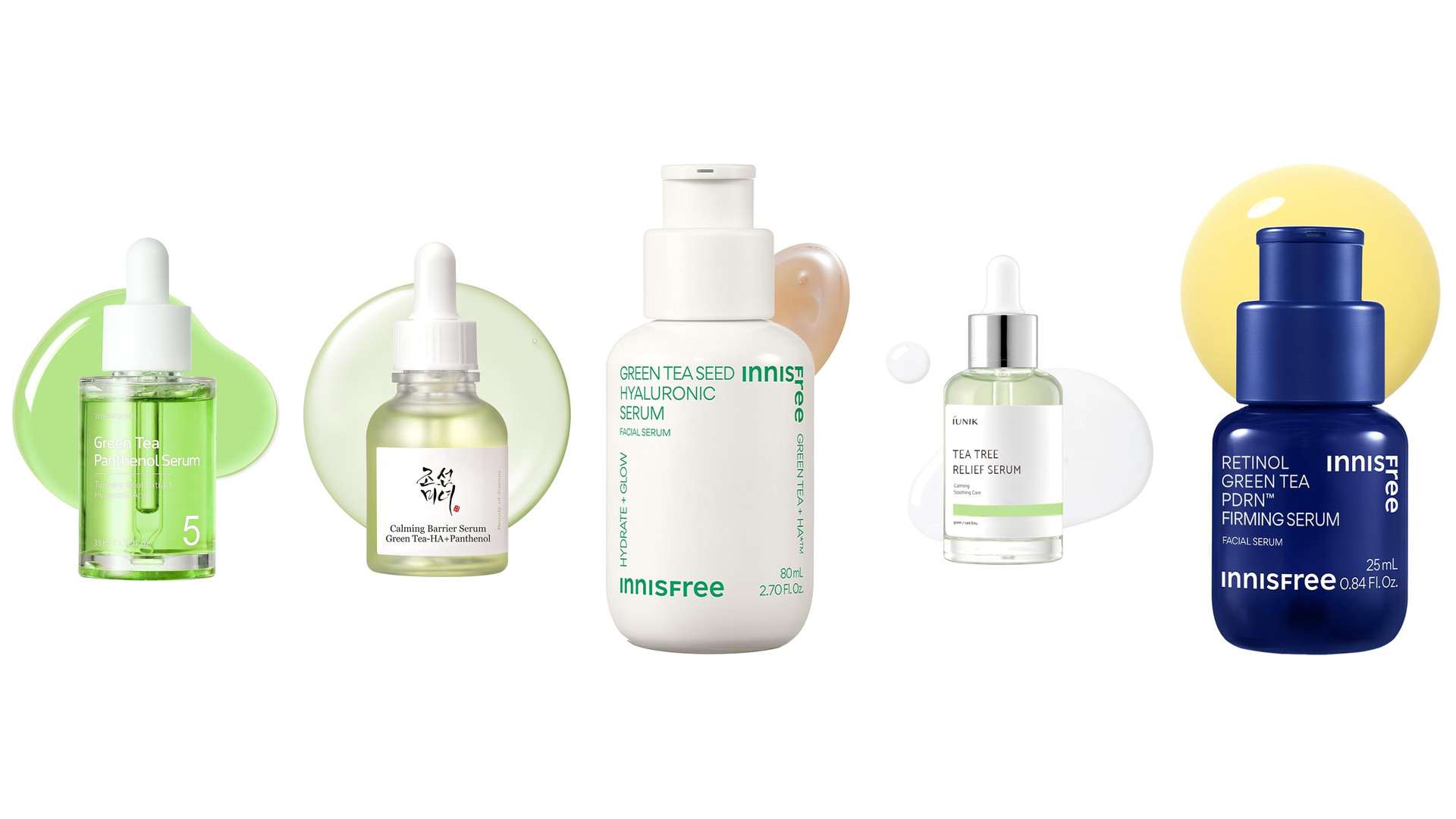
Sold widely for facial redness on the strength of small studies. It is soothing, it is unlikely to irritate, and some people like how their skin feels on it. There is no good evidence it changes flushing, bumps or visible vessels, so do not let it delay a prescription that would.

For ocular rosacea: a warm compress held over closed lids for several minutes, then gentle cleaning along the lash line, done daily. It unblocks the oil glands in the lid margin, which is where the grittiness and the repeated styes come from. It is unglamorous and it has to be kept up, but it is the single most useful thing for the eye side of rosacea.

Included because so many people arrive already doing it. Rosacea skin has a damaged barrier, and scrubbing, brushing or layering acids strips it further, which increases redness and stinging. This is not a treatment that works slowly — it makes rosacea worse. Almost everyone improves when the routine gets gentler instead of stronger.
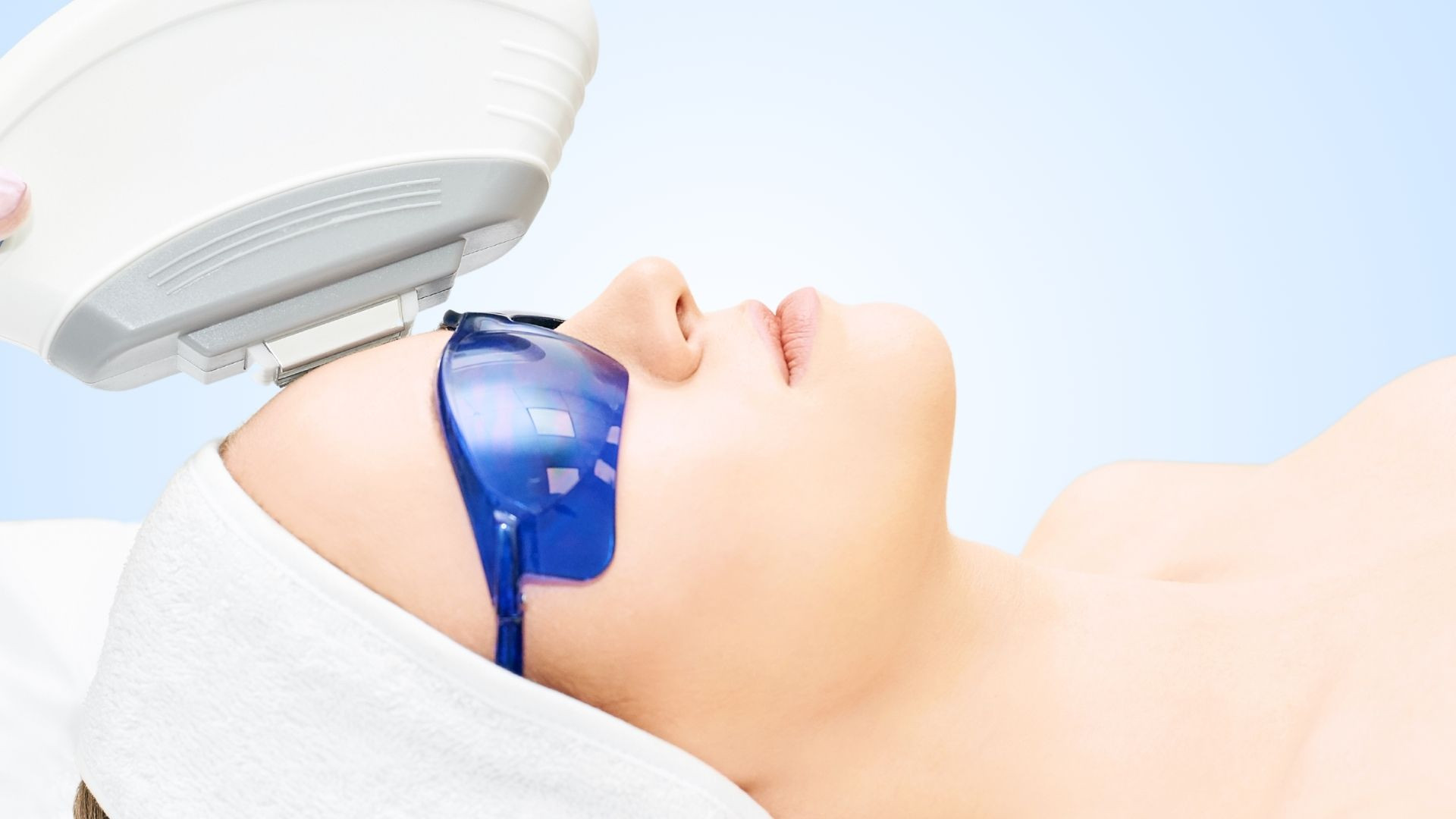
The treatment of choice for visible thread veins and settled background redness — the parts of rosacea that creams and tablets do not touch. It targets the blood in the vessel and closes it. Expect a course of about three sessions rather than one, expect bruising for a few days at stronger settings, and expect occasional top-ups, because rosacea carries on making new vessels.
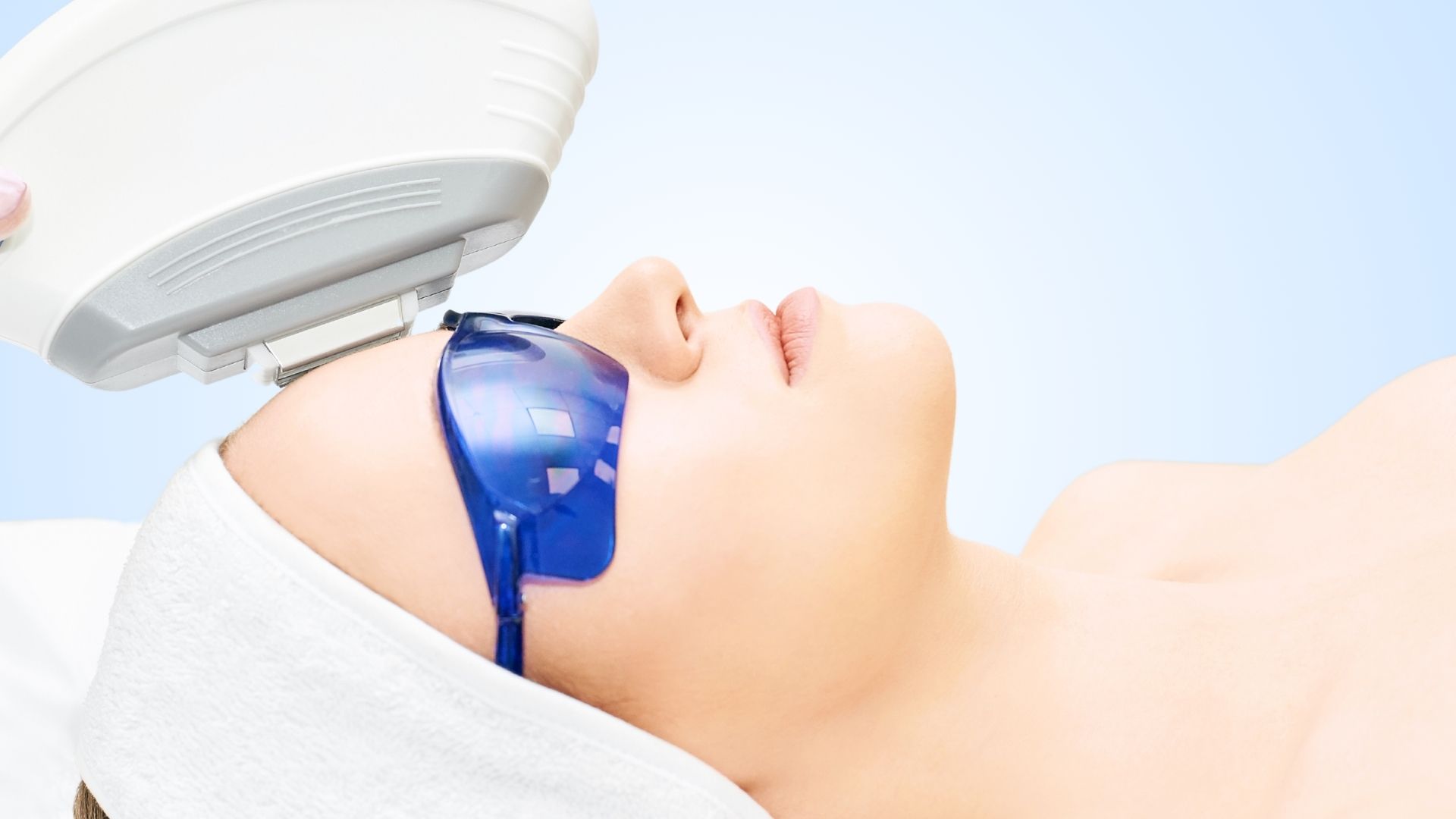
Light rather than laser, and about as effective as pulsed dye laser for diffuse redness across the cheeks, with less bruising. It is often the better choice when the problem is a general flush rather than a few distinct threads. It needs an experienced practitioner and a test patch on deeper skin tones, because the wrong settings can cause lasting pigment change.
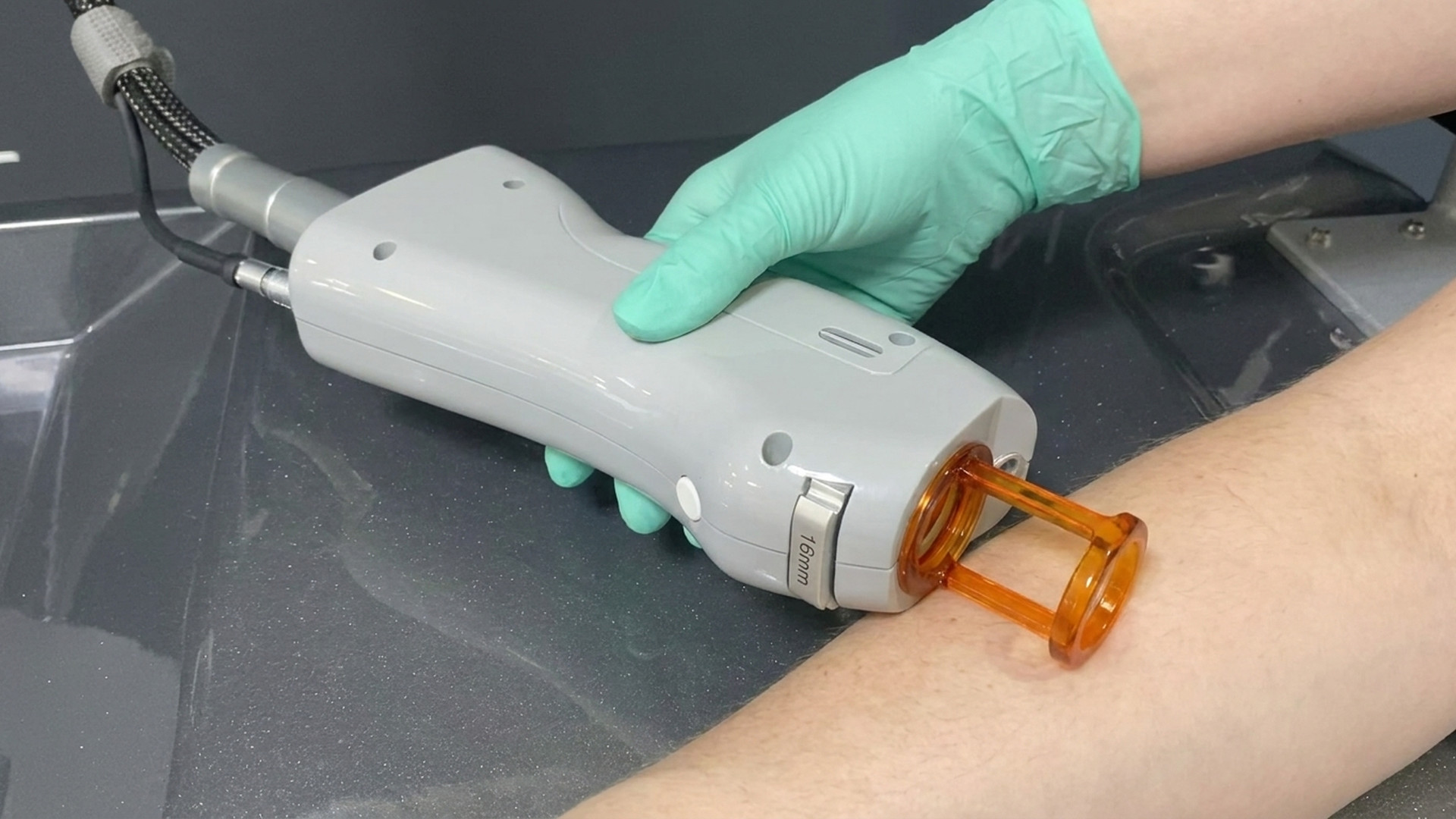
A longer wavelength that reaches deeper, larger vessels — the thicker blue-red threads beside the nose that pulsed dye laser sometimes leaves behind. It is also the device more often chosen for deeper skin tones, because it passes over surface pigment more safely. It is less useful for general background redness.
Used to reshape a nose that has thickened, by removing the excess tissue layer by layer. This is the answer for rhinophyma, since creams and tablets do not reverse it. It is a real procedure with real downtime of a couple of weeks, and results are strongly dependent on who does it.
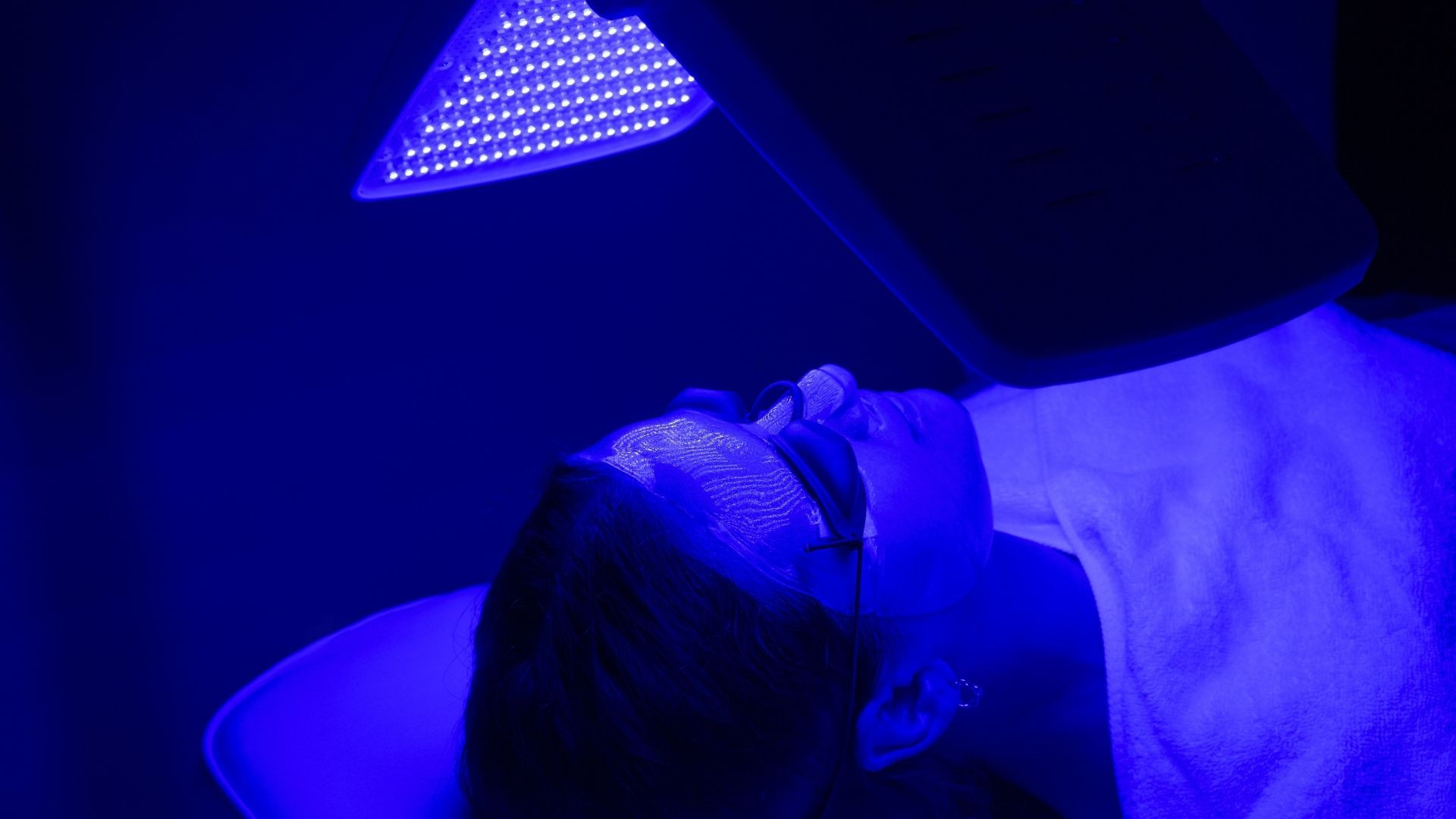
Asked about constantly, usually as a home device. Red and near-infrared light is mildly anti-inflammatory and it is very unlikely to do harm. There is no good evidence it clears rosacea bumps or removes vessels, so it is a pleasant addition rather than a substitute for the treatments that do.
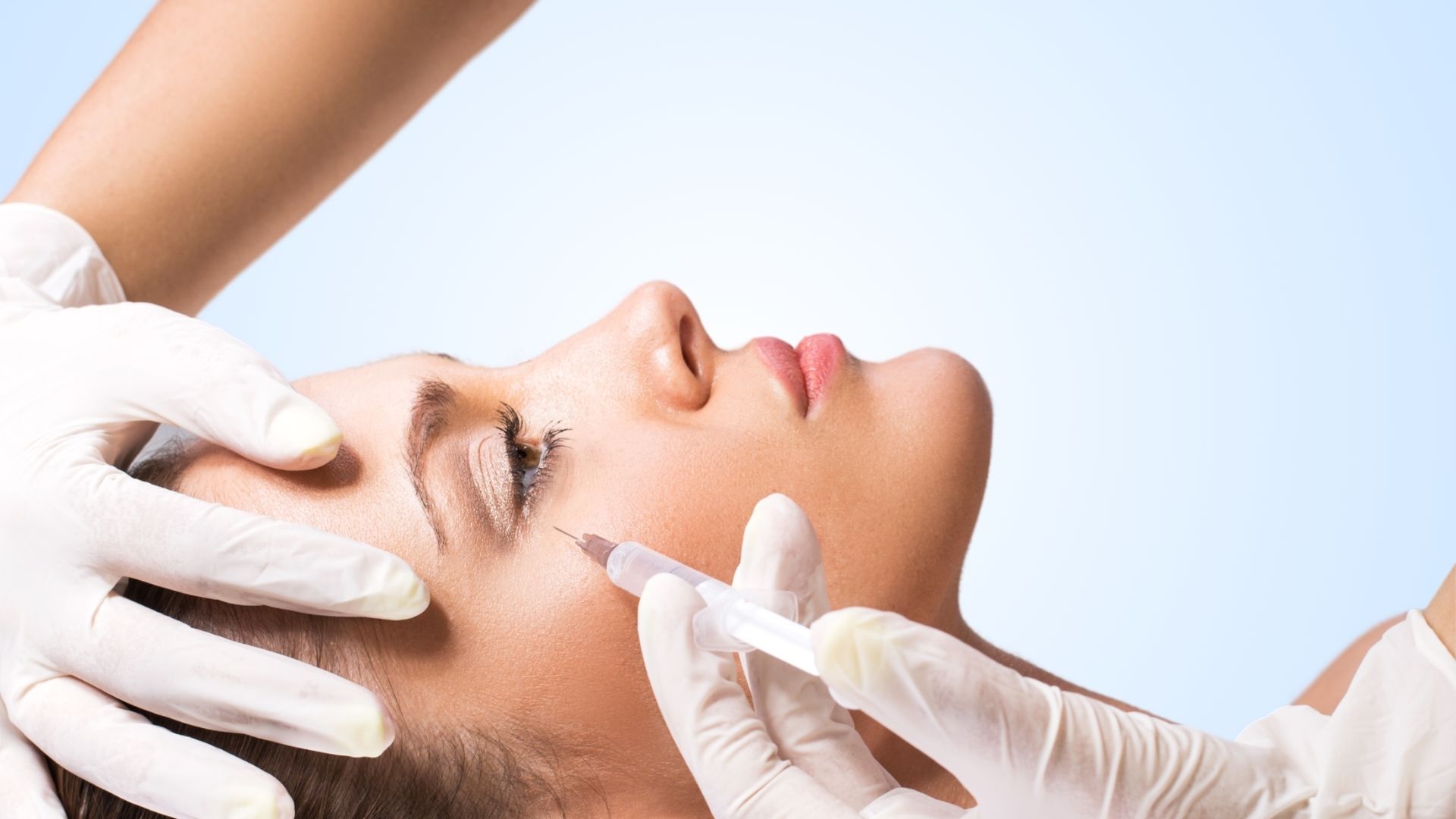
Very small amounts injected into the surface of the skin, not the muscle, to reduce flushing and background redness. Early studies are encouraging and dermatologists do use it for stubborn flushing. It is off-label for rosacea, it is not usually covered, and it wears off in a few months.
A 40 mg dose taken once a day, deliberately too low to act as an antibiotic — it is used purely for its anti-inflammatory effect, which means it does not drive antibiotic resistance. This is the usual next step for moderate to severe bumps when creams alone are not holding them, and it also helps ocular rosacea. It is normally stepped down to a cream once things settle.
An alternative tablet for the bumps when doxycycline does not suit or has not worked. It is used at full antibiotic doses, so it is generally kept for shorter courses. It can cause dizziness, and rarely a blue-gray discoloration of the skin with long use, so it is not the first tablet reached for.
Low-dose isotretinoin under specialist care, for severe bumps that tablets and creams have not controlled, or for early skin thickening. It works well, and it is not a cure — rosacea usually returns after the course. It requires strict pregnancy prevention and monitoring, so it is a considered decision rather than a routine step.
Low doses of propranolol or carvedilol are sometimes tried when flushing is the dominant problem and nothing else has touched it. The evidence is small studies rather than trials, and they lower blood pressure and slow the heart, so they do not suit everyone. Worth asking about only after triggers, laser and light have been addressed.
Often the best single treatment for the bumps and pus-filled spots, because it works on the Demodex mites and on the inflammation at the same time. Once a night, a pea-sized amount for the whole face. It usually beats metronidazole head to head, and it does nothing at all for flushing or visible vessels.
A prescription-strength gel or foam for the bumps, and one of the better options if your skin is too reactive for other creams. It also helps the marks rosacea leaves behind on deeper skin tones. Expect stinging for the first week or two, which usually settles if you apply it over moisturizer.
The longest-established prescription cream for rosacea bumps, used once or twice a day, and generally very well tolerated. It is a reasonable first choice and a common maintenance treatment once things are controlled. Newer options often work a little better, and none of them touch the redness itself.
An antibiotic put on the skin rather than swallowed, for the bumps. It suits people who would rather not take tablets, or who cannot. It is newer and usually more expensive than the older creams, and like them it does nothing for flushing or vessels.
A gel that narrows facial vessels and takes the redness down for several hours at a time. It treats nothing — it borrows time, and everything comes back when it wears off. Some people get rebound redness worse than they started with, so test a small area before you use it on the whole face and before any event that matters.
The same idea as brimonidine, using a different vessel-narrowing drug, applied once each morning. Rebound redness is reported less often with it, which is why some people move across after a poor experience. It still only lasts the day, and it does not stop rosacea progressing.
A steroid cream calms rosacea for a few days, then makes it worse. The redness and bumps come back stronger when you stop, so it is easy to keep reapplying and end up in a cycle. Used for weeks, steroids on the face thin the skin, bring out visible vessels and can cause a rosacea-like rash of their own. If one has been prescribed for your face, ask about coming off it rather than stopping suddenly.
Perioral Dermatitis
Yes, usually for good
Most people clear over a few weeks to a few months and never get it again, as long as the trigger stays away.
Rosacea
No, but it is controllable
Rosacea is a long-term condition. Treatment and trigger control keep it quiet rather than curing it.
Perioral Dermatitis
If it is not clearing on its own
Most cases need a prescription to clear properly. Using a steroid cream on your face for weeks is worth an appointment on its own.
Rosacea
If redness has lasted months
Redness that keeps getting worse, gritty sore eyes, or skin on the nose that is starting to thicken all deserve an appointment.
Perioral Dermatitis
A steroid cream makes perioral dermatitis look better for about a week. The bumps flatten and the redness fades, which is exactly why people keep reaching for the tube. Then the rash comes back, usually worse than before, and the cycle starts again.
Perioral Dermatitis
The first treatment for perioral dermatitis is to take things off your face. No steroid cream, no heavy moisturizer, no makeup on the area, no scrubs and no acids. Water, and at most a light moisturizer.
This rash sits in the middle of the face, it burns through the day, and it commonly takes two to three months to clear even when treatment is right. People cover it with heavier makeup, which feeds the problem, and many stop seeing friends or go to work uncomfortable. It is worth saying out loud at the appointment, because it changes nothing about the diagnosis and quite a lot about how the plan is set up.
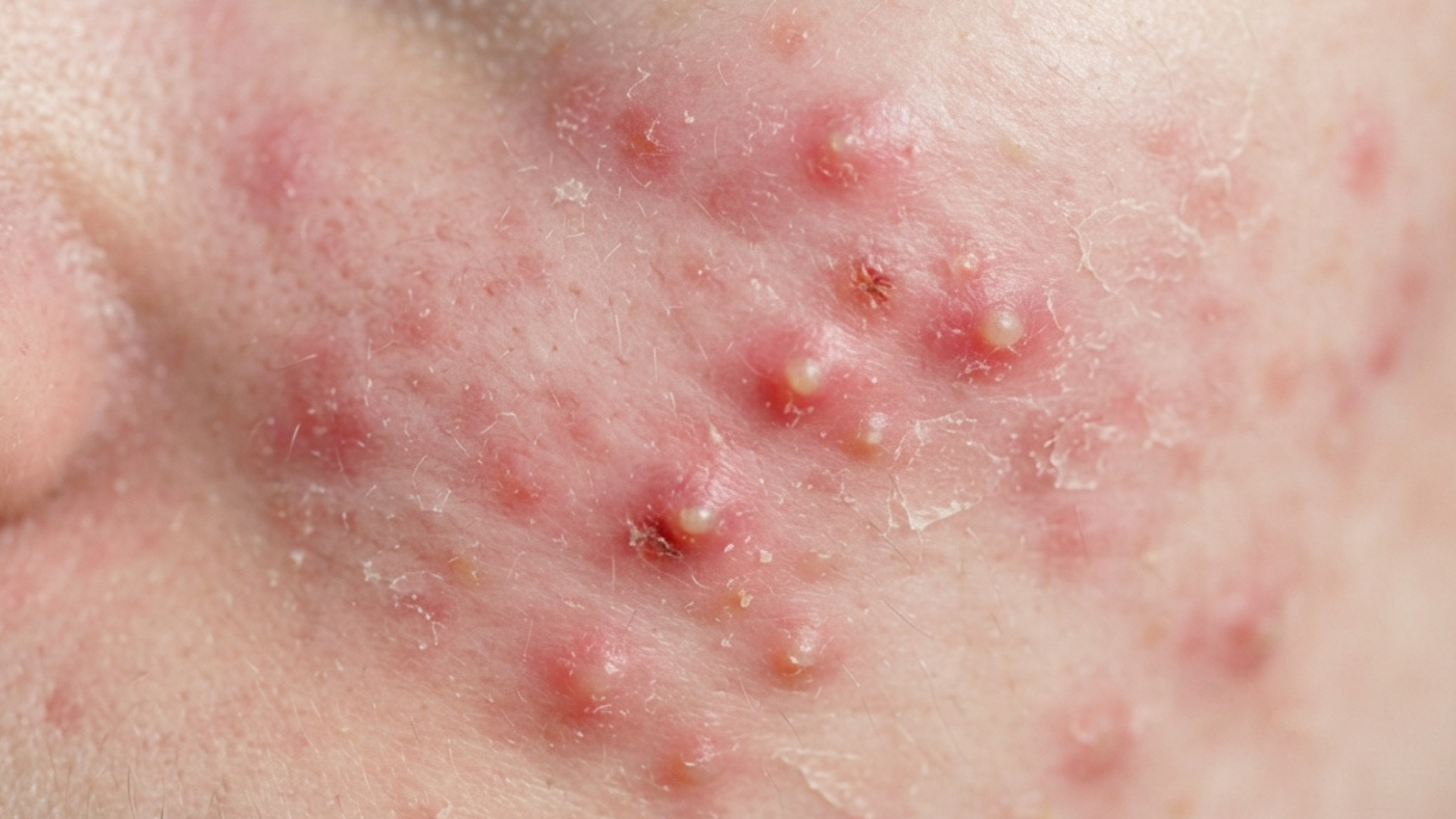
Both give small bumps with pus-filled heads on the lower face, and perioral dermatitis is treated as acne more often than as anything else. Acne also produces blackheads and whiteheads, and it turns up across the face, chest and back. Perioral dermatitis has no blackheads, keeps a clear rim of normal skin beside the lips, and burns or stings rather than itching. Acne washes and scrubs usually make it worse.
Both burn rather than itch, both give small bumps on pink skin, and both are made worse by steroid creams. Rosacea sits on the central cheeks, nose and forehead, comes with flushing and fine visible vessels, and does not spare a rim beside the lips. Perioral dermatitis rings the mouth, nose or eyes and usually clears for good, while rosacea is managed long term.
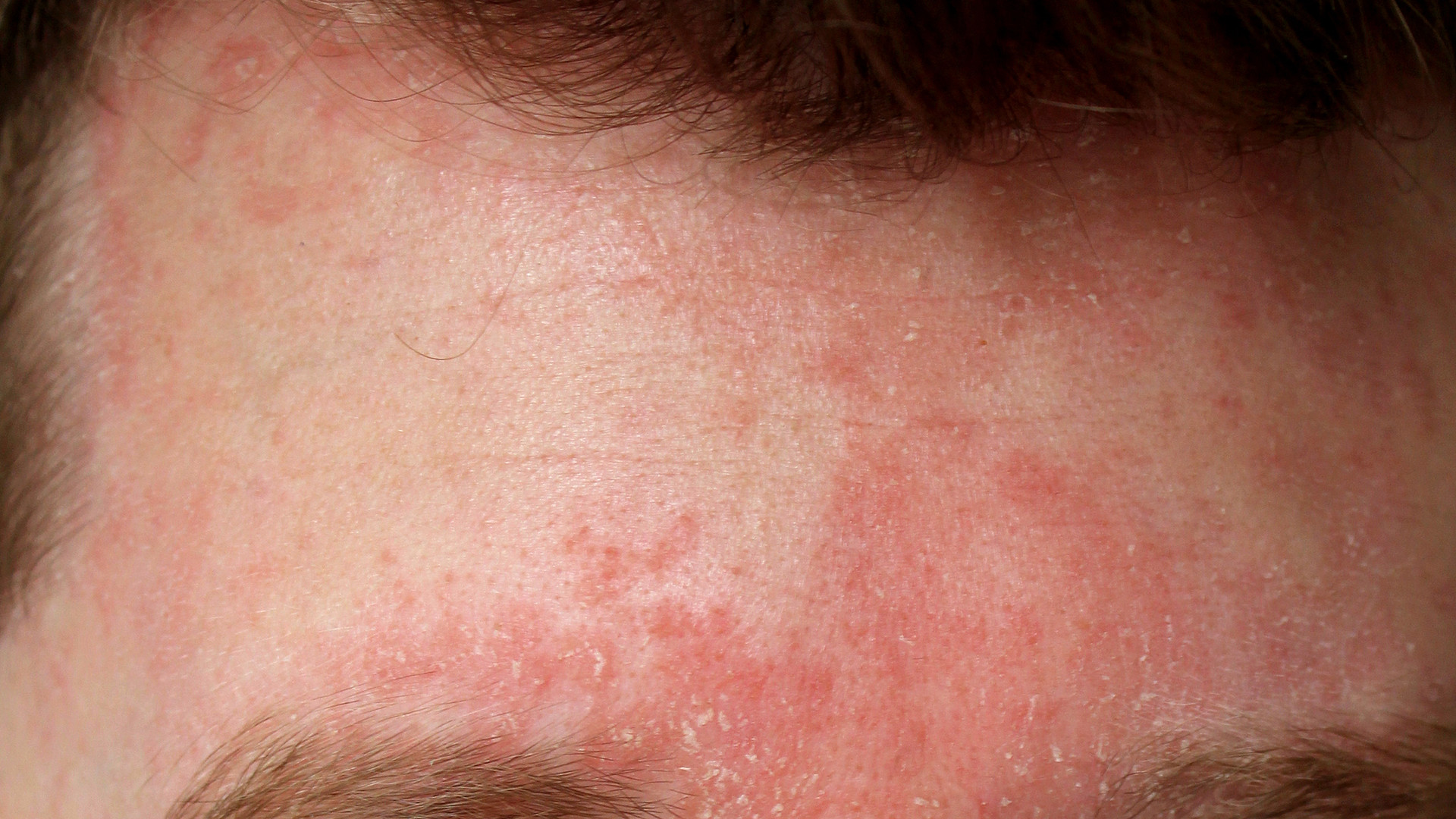
Both sit in the folds beside the nose and both flake, so they are easy to mix up. Seborrheic dermatitis is greasier and scalier, with yellowish scale rather than bumps, and it usually shows up in the eyebrows, the scalp or behind the ears at the same time. Perioral dermatitis is made of distinct grouped bumps and stays around the mouth, nose or eyes.
This is the mix-up that costs people the most time. Both produce red bumps and pus-filled spots on the face, and plenty of people arrive certain they have adult acne. The difference that settles it is blackheads and whiteheads: acne has them, rosacea does not. Acne also spreads to the forehead, jawline, back and chest, while rosacea stays on the middle of the face and comes with flushing and stinging.
Both make the middle of the face red, and the two often sit on the same face at once. Seborrheic dermatitis adds greasy yellowish scale and sits in the folds beside the nose, in the eyebrows and behind the ears, and it usually itches. Rosacea is smoother, has no scale, comes with flushing and bumps, and stings rather than itches. Treating one and not the other is a common reason a face only half improves.
Both give small red bumps on a red background on the lower face, and both get worse with steroid creams. Perioral dermatitis rings the mouth, the nostrils or the eyes, and it characteristically leaves a clear rim of untouched skin right at the lip border. Rosacea covers the cheeks and nose, spares the skin around the mouth, and brings flushing and visible vessels with it.
Common questions
Look at where it sits and whether you flush. Perioral dermatitis makes clustered bumps around the mouth, nose or eyes with a clear rim of skin at the lip line, and it does not flush. Rosacea covers the cheeks and nose with redness that comes and goes with heat, alcohol and hot drinks.
No, and it usually makes it worse. It clears the rash for a week or so, then the rash returns stronger each time you stop. Steroid creams are one of the most common causes of perioral dermatitis in the first place.
A few weeks to a few months. It gets worse for the first one to three weeks after you stop a steroid cream, which is normal, and then it settles.
Yes. They are separate conditions and neither protects you from the other. If treating one leaves half the problem behind, mention that at your appointment.
Steroid creams are the most common trigger. Steroid inhalers and nasal sprays, heavy moisturizers and sunscreens, and fluoride toothpaste are also reported.
Usually not, as long as the trigger stays away. That is a real difference from rosacea, which is long-term and needs ongoing management.