Rosacea (Flushing) vs Rosacea (Breakouts)

Rosacea dominated by flushing, persistent facial colour change or visible vessels. Rosacea with inflammatory facial papules and pustules, sometimes called papulopustular rosacea.

Research updated 2026-10-23
Rosacea (Flushing) on light skin.Rosacea (Breakouts)

Key differences

The same eight facts on every condition comparison.
Usual age
30 to 60
30 to 60
Where
Cheeks, nose, chin, forehead
Main sign
Flushing and visible vessels
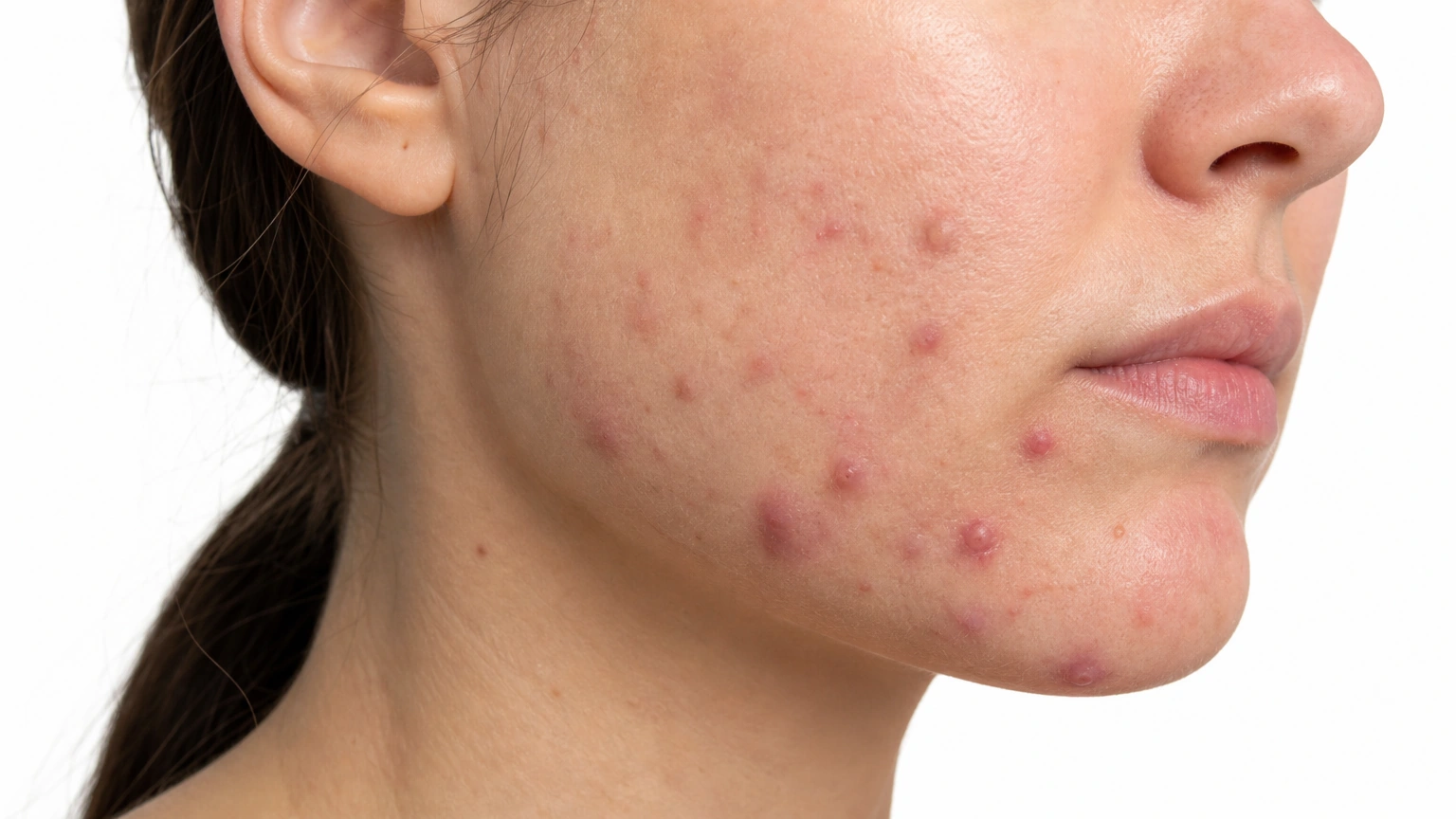
Red bumps and pus spots, no blackheads
Itch or pain
Heat or burning
Burning or stinging
Contagious
No
No
Long term
Long-term
Long-term, flares
Scars
No
Rarely
Who gets it
Adults, often fair skin
Adults

What is it?

Rosacea (Flushing)
Rosacea (Breakouts)
What is it?
  • What it is
    Rosacea dominated by flushing, persistent facial colour change or visible vessels.
  • What it is
    Rosacea with inflammatory facial papules and pustules, sometimes called papulopustular rosacea.

What it looks like

Rosacea (Flushing)

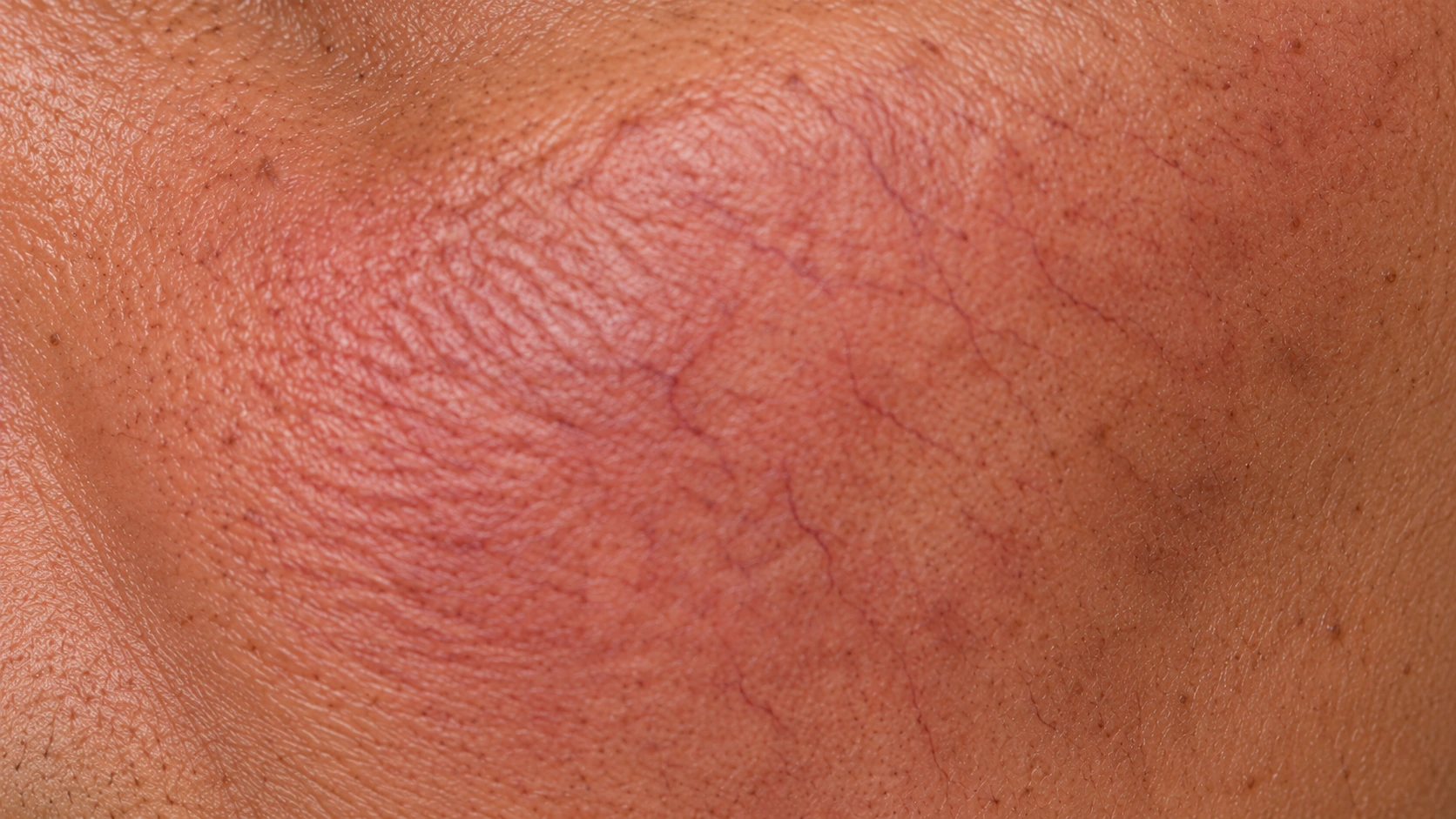
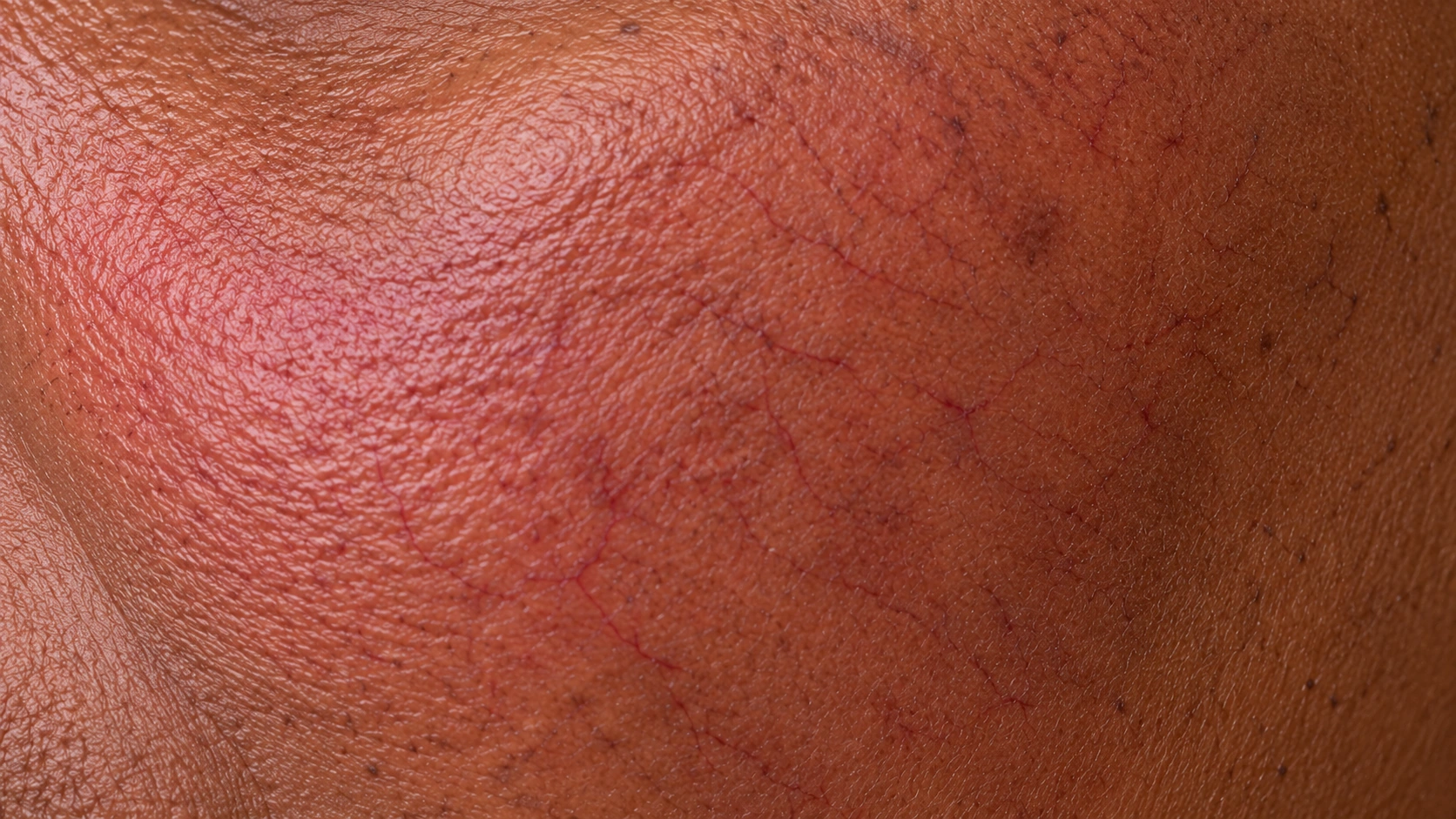
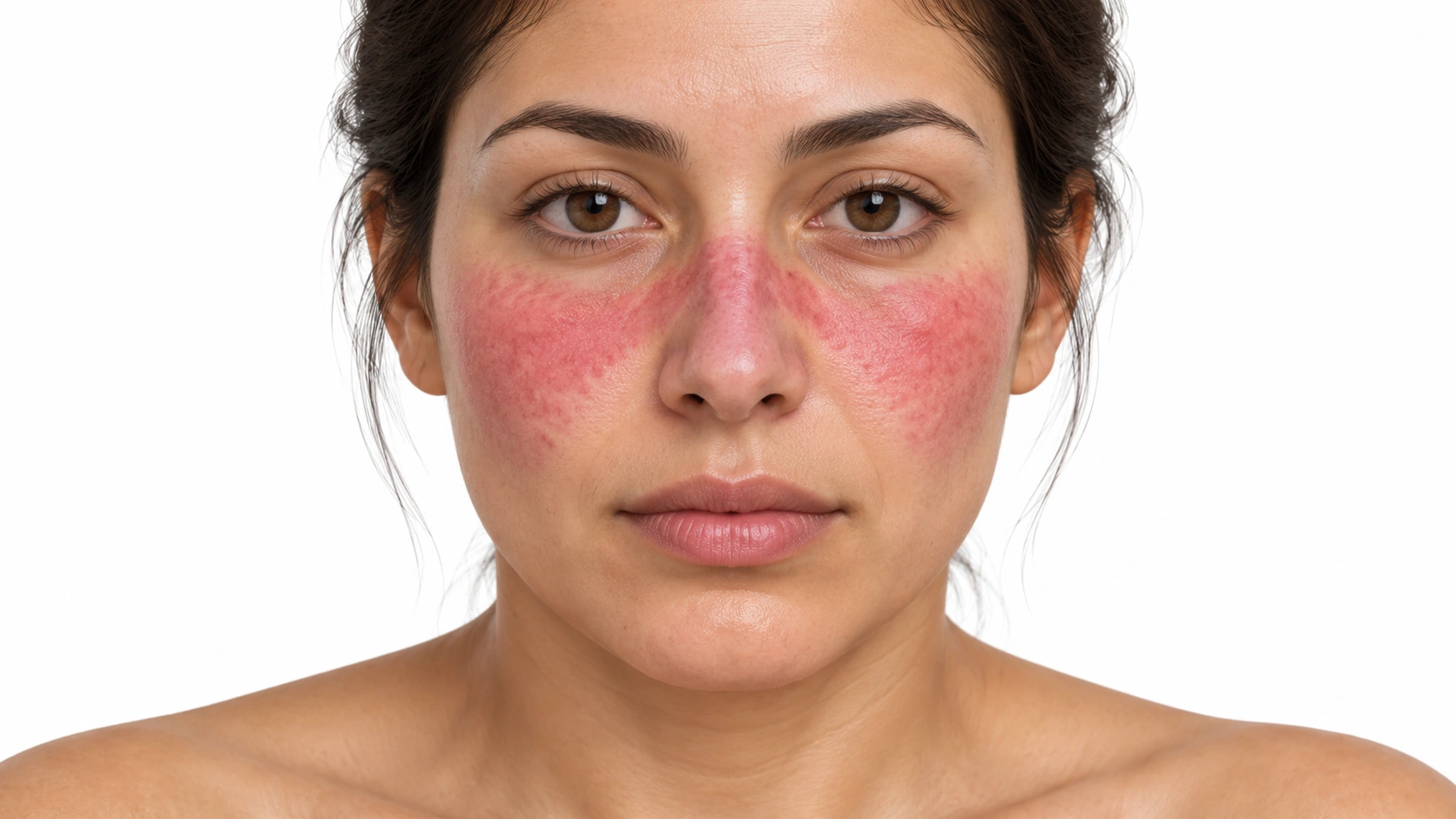
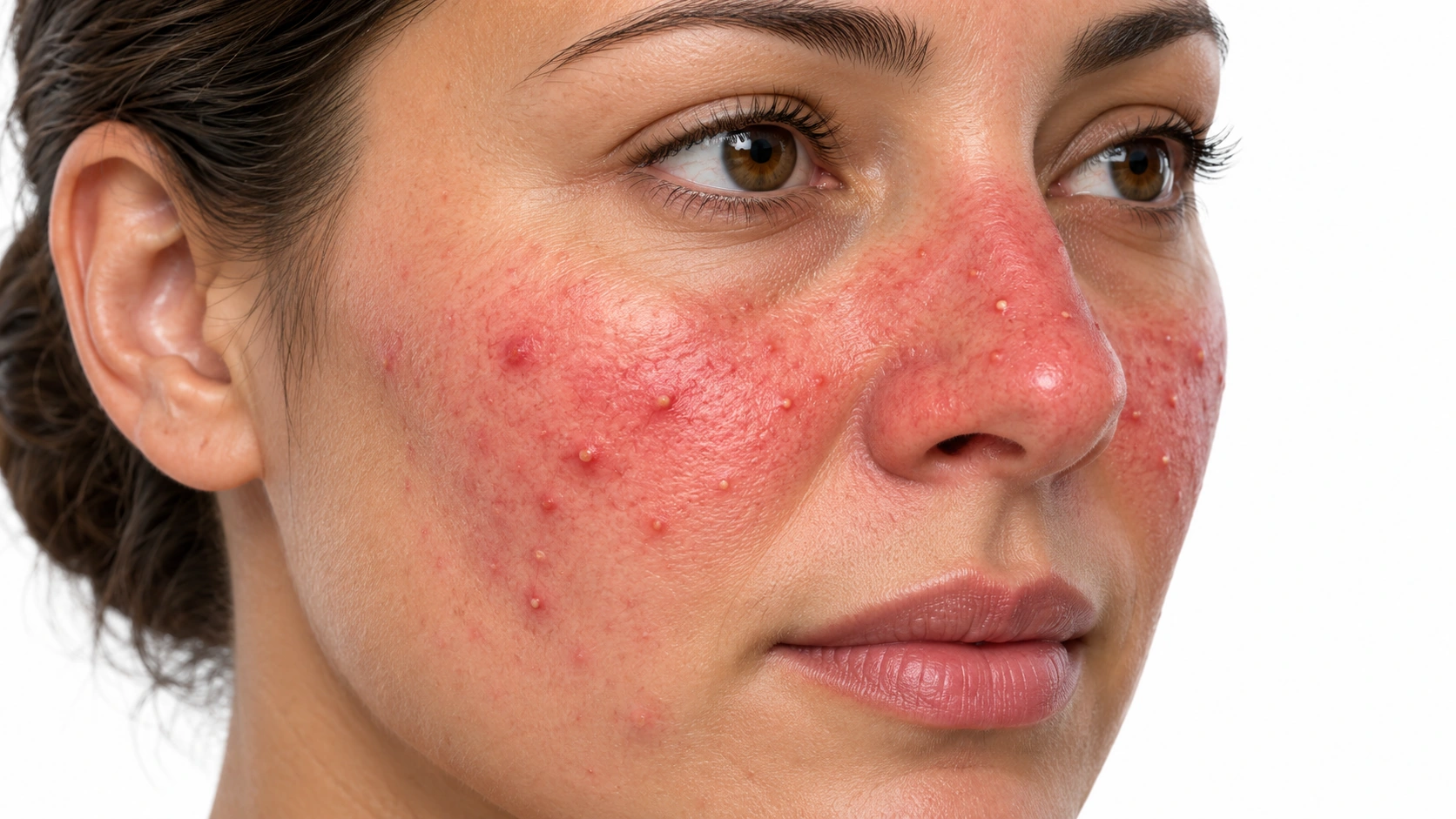
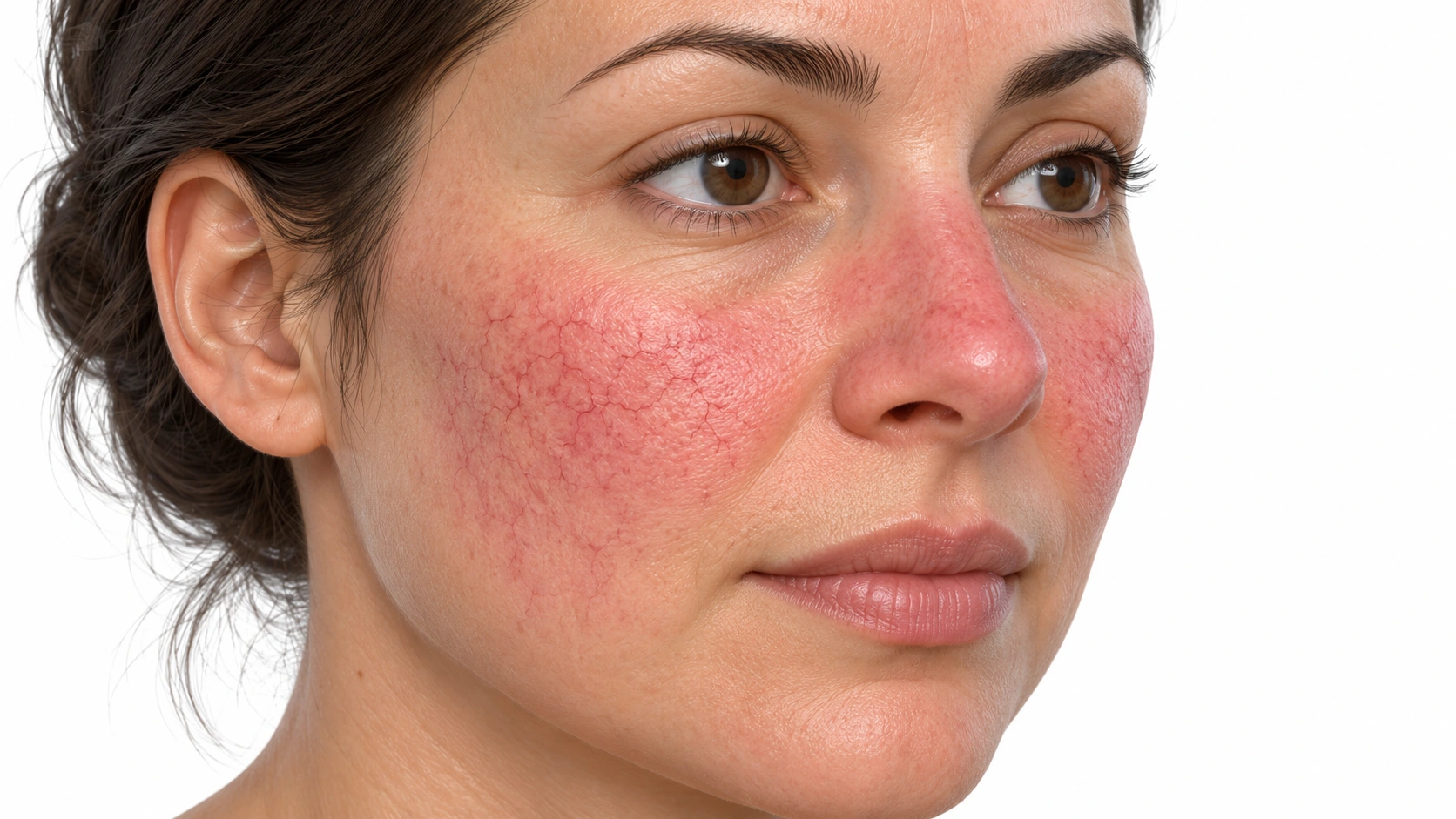
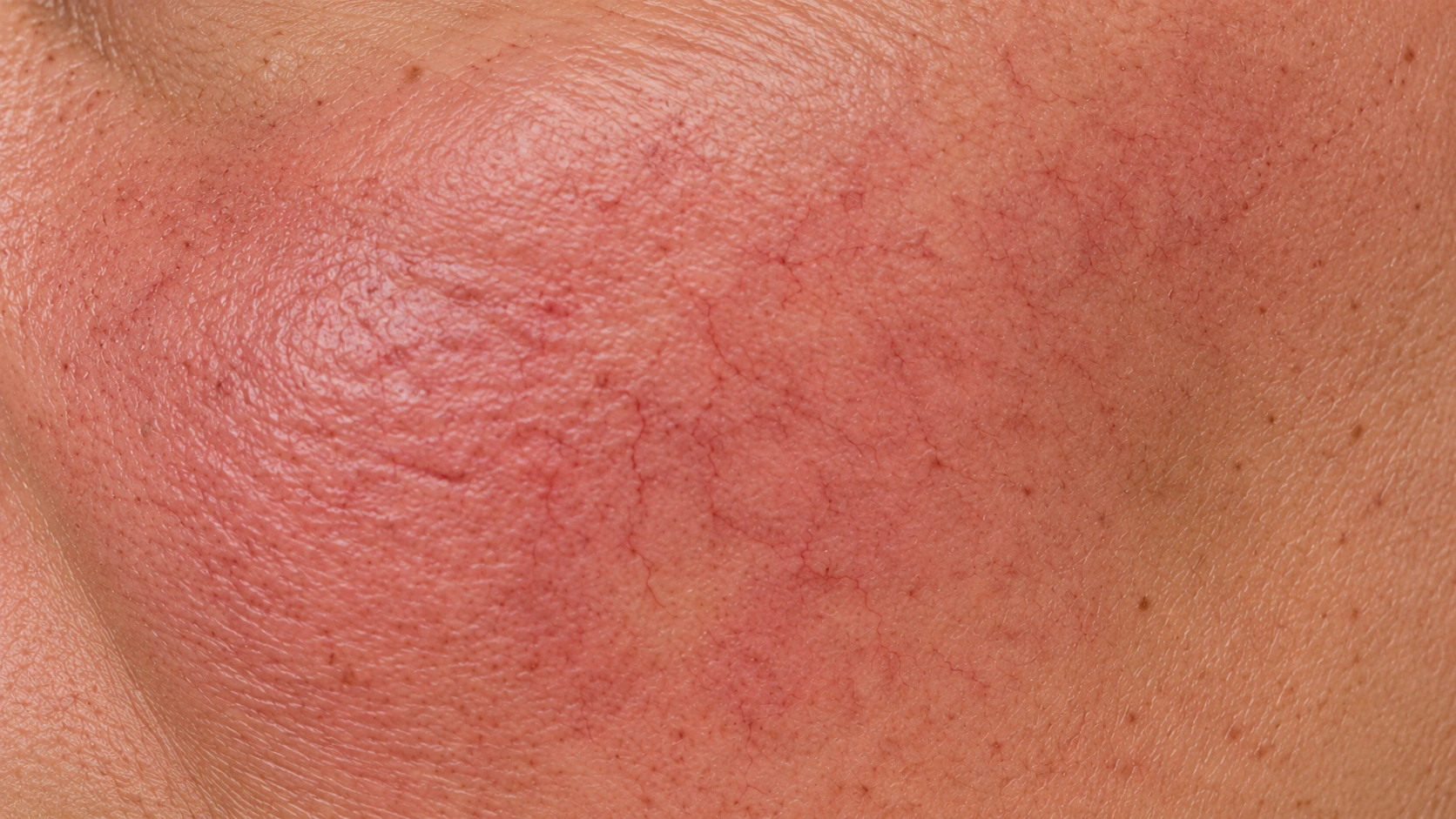
A face with pink-red cheeks and nose and fine visible surface vessels.

Rosacea (Flushing) The cheeks and nose show a broad area of flushing.

Rosacea (Breakouts)

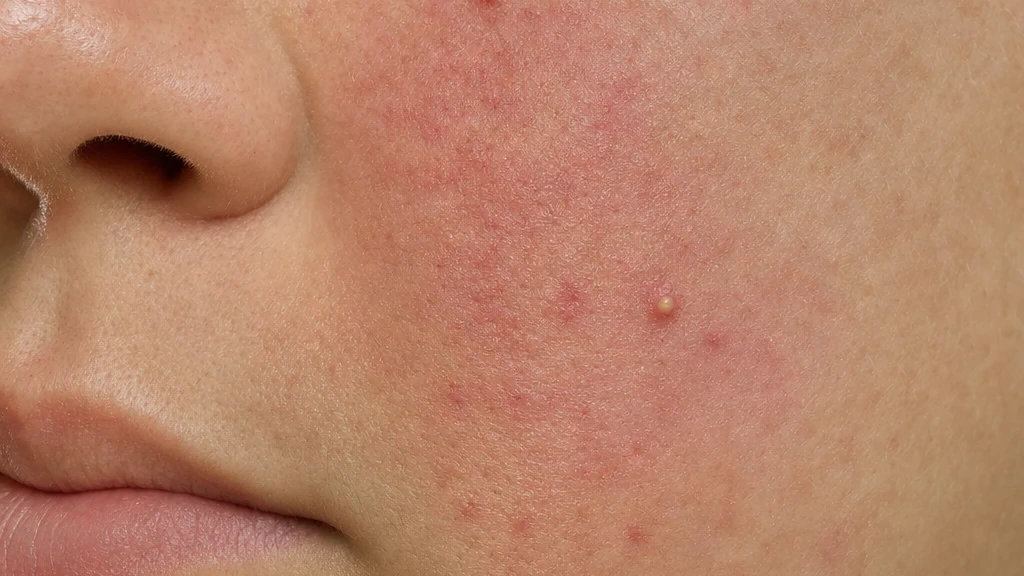
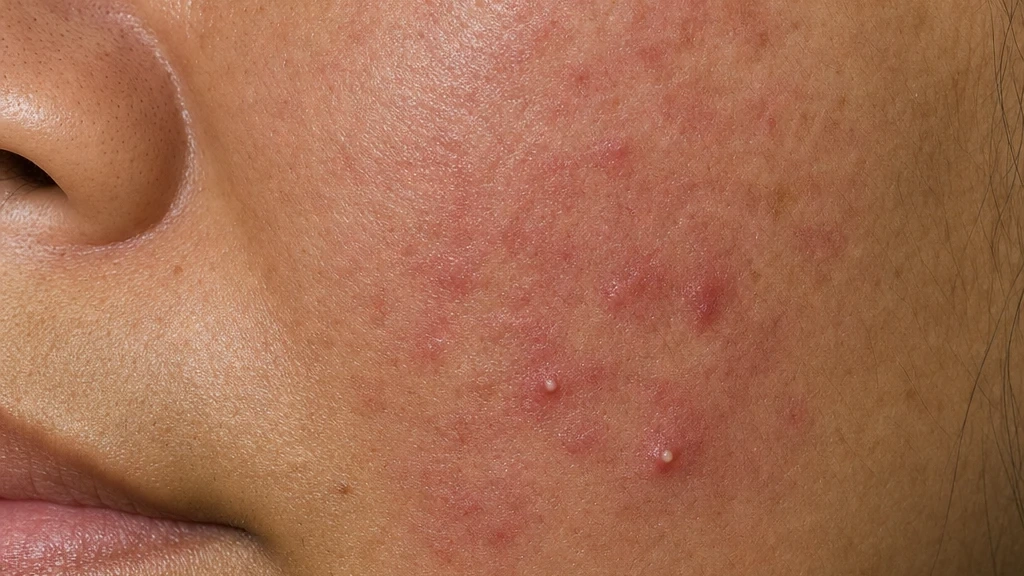
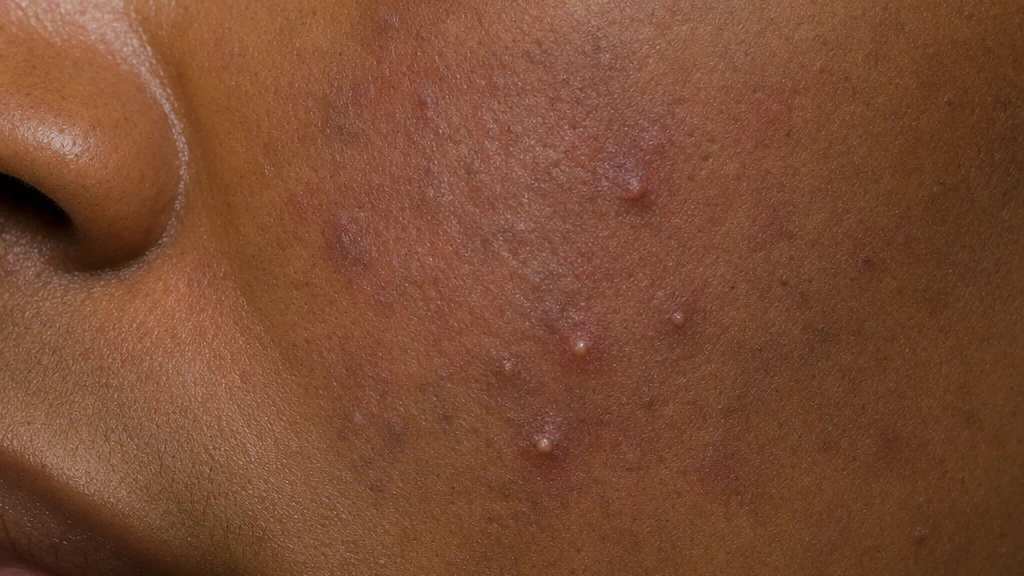
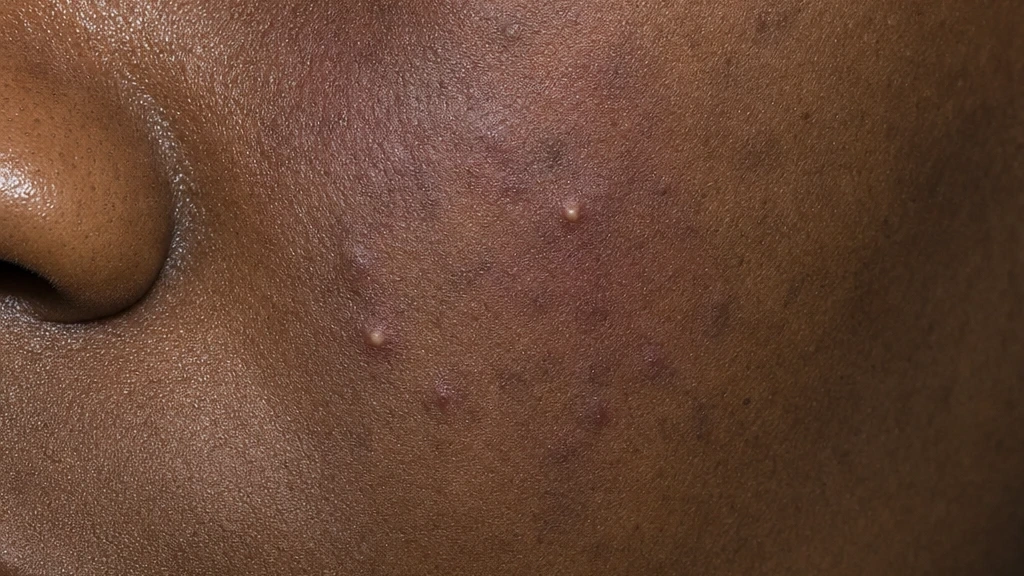
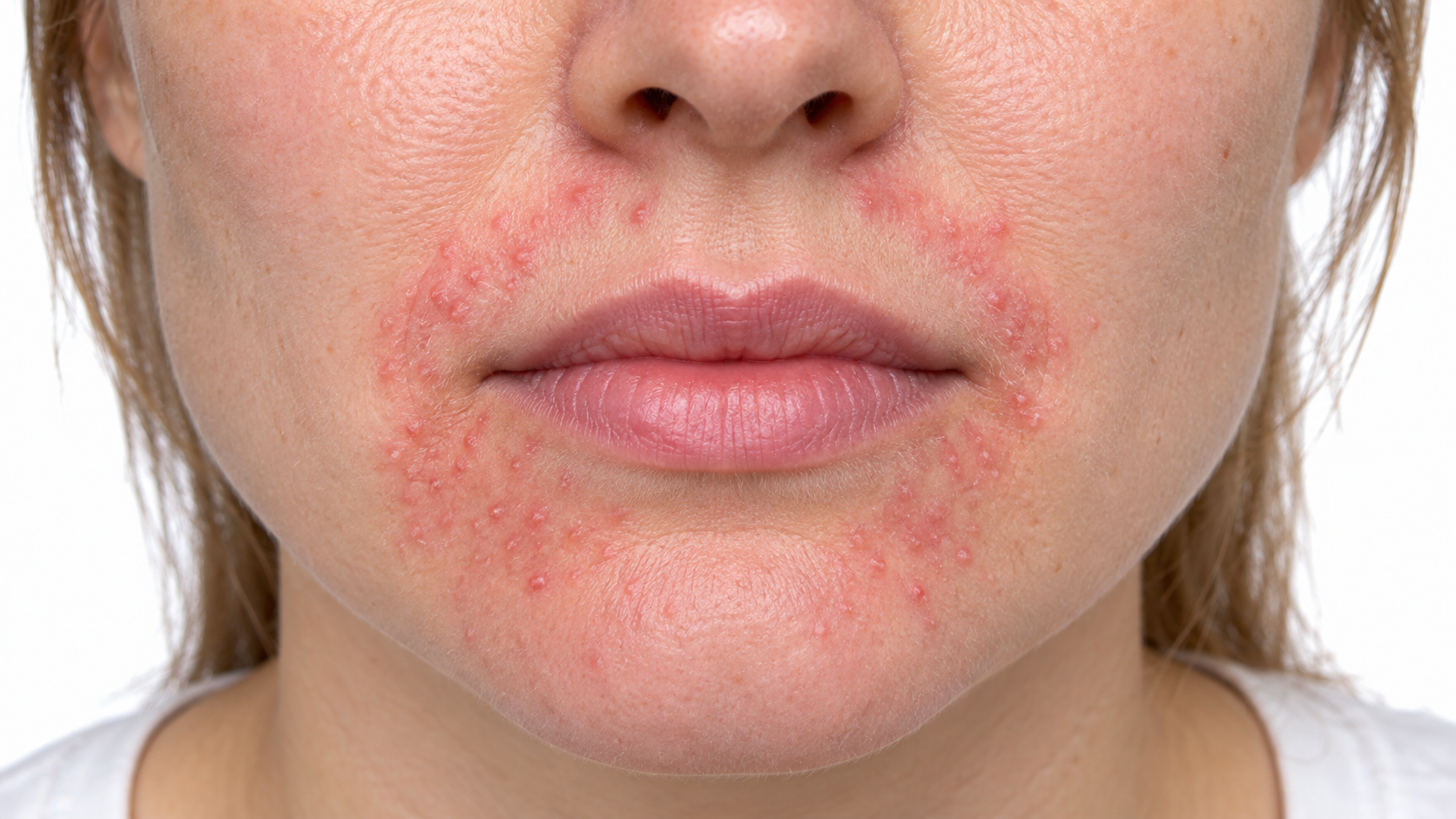
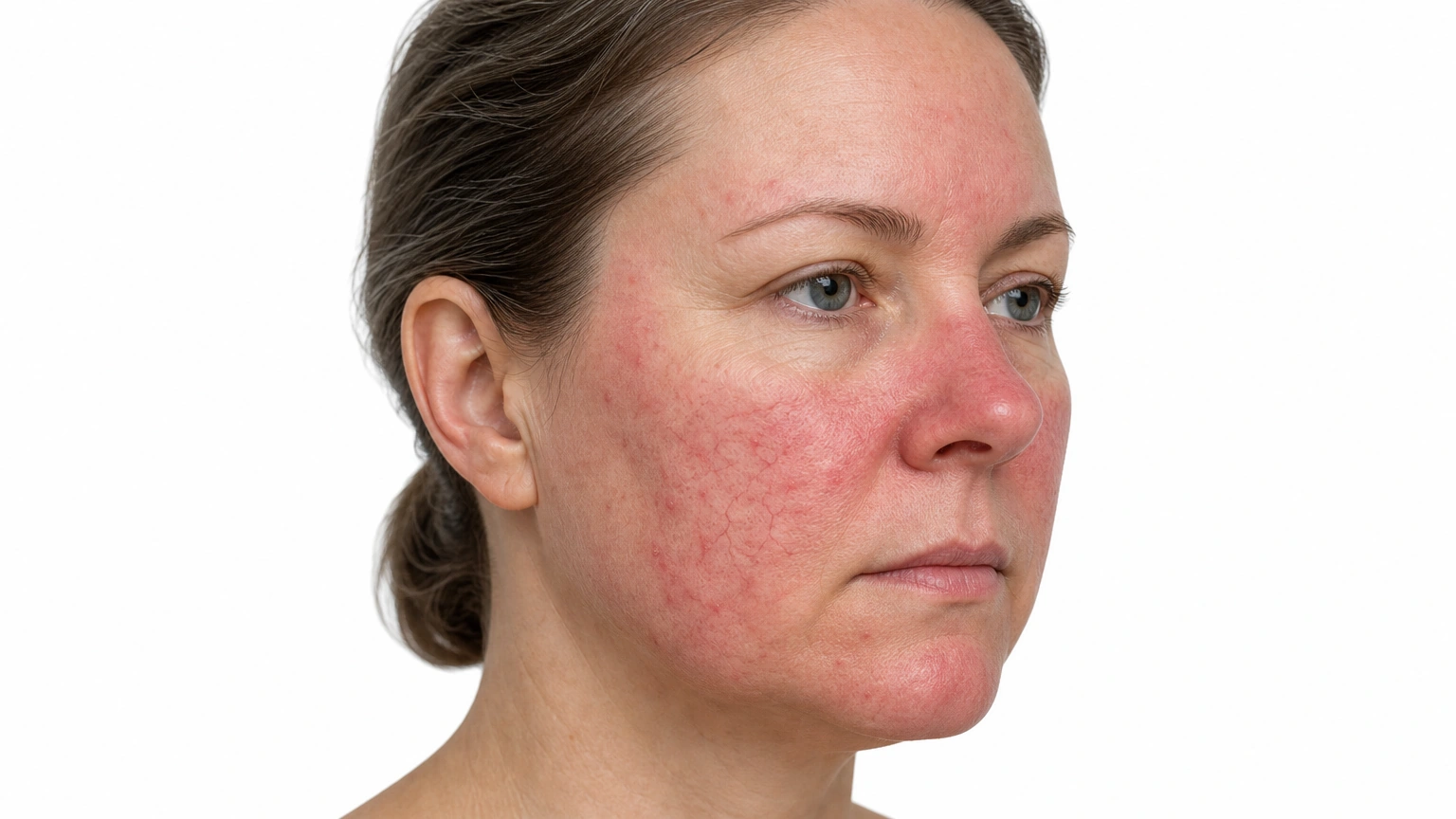
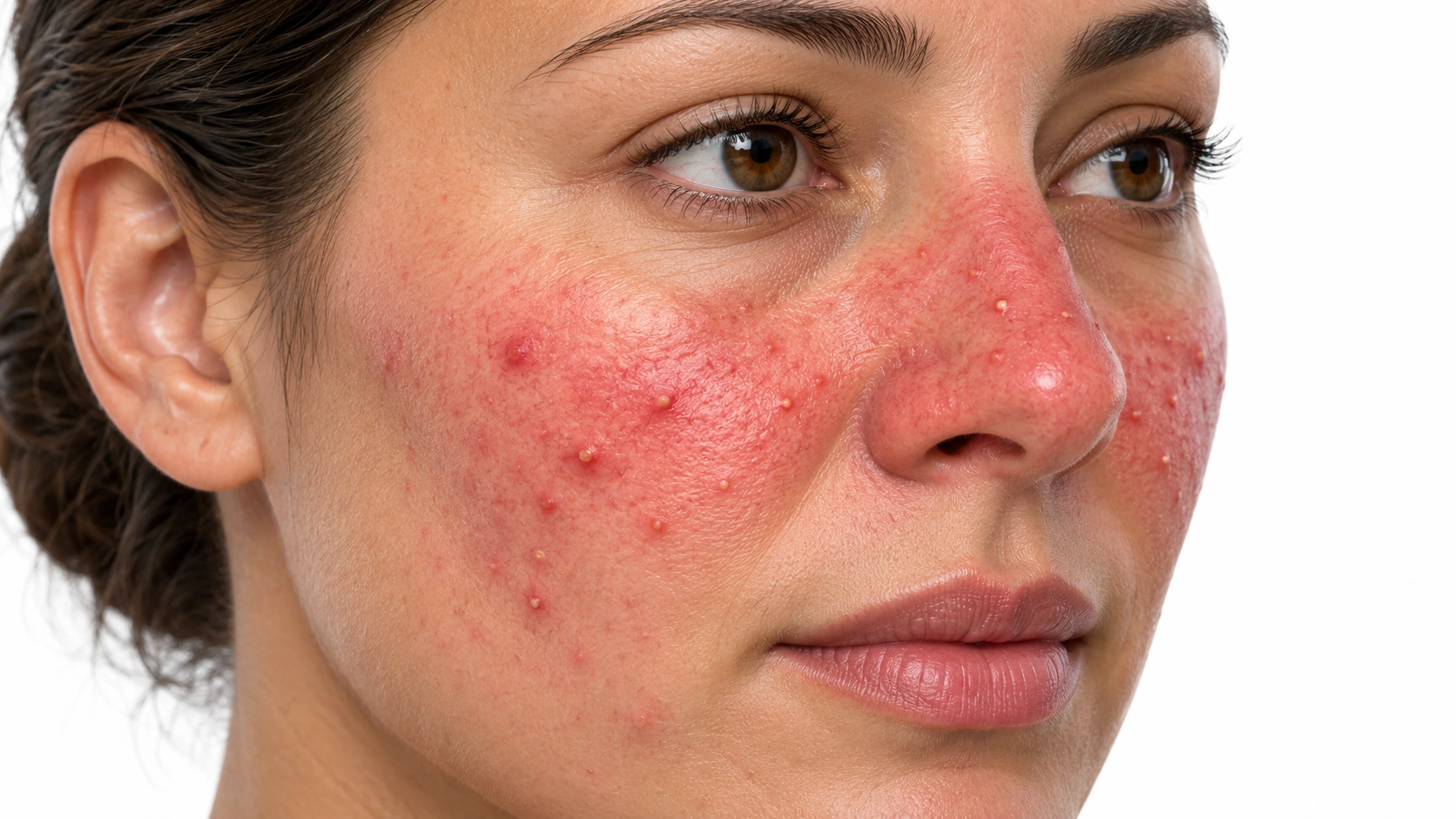
Redness and scattered small bumps across the cheeks and nose.

Rosacea (Breakouts) Small raised bumps appear within a broader area of facial redness.
Skin tones
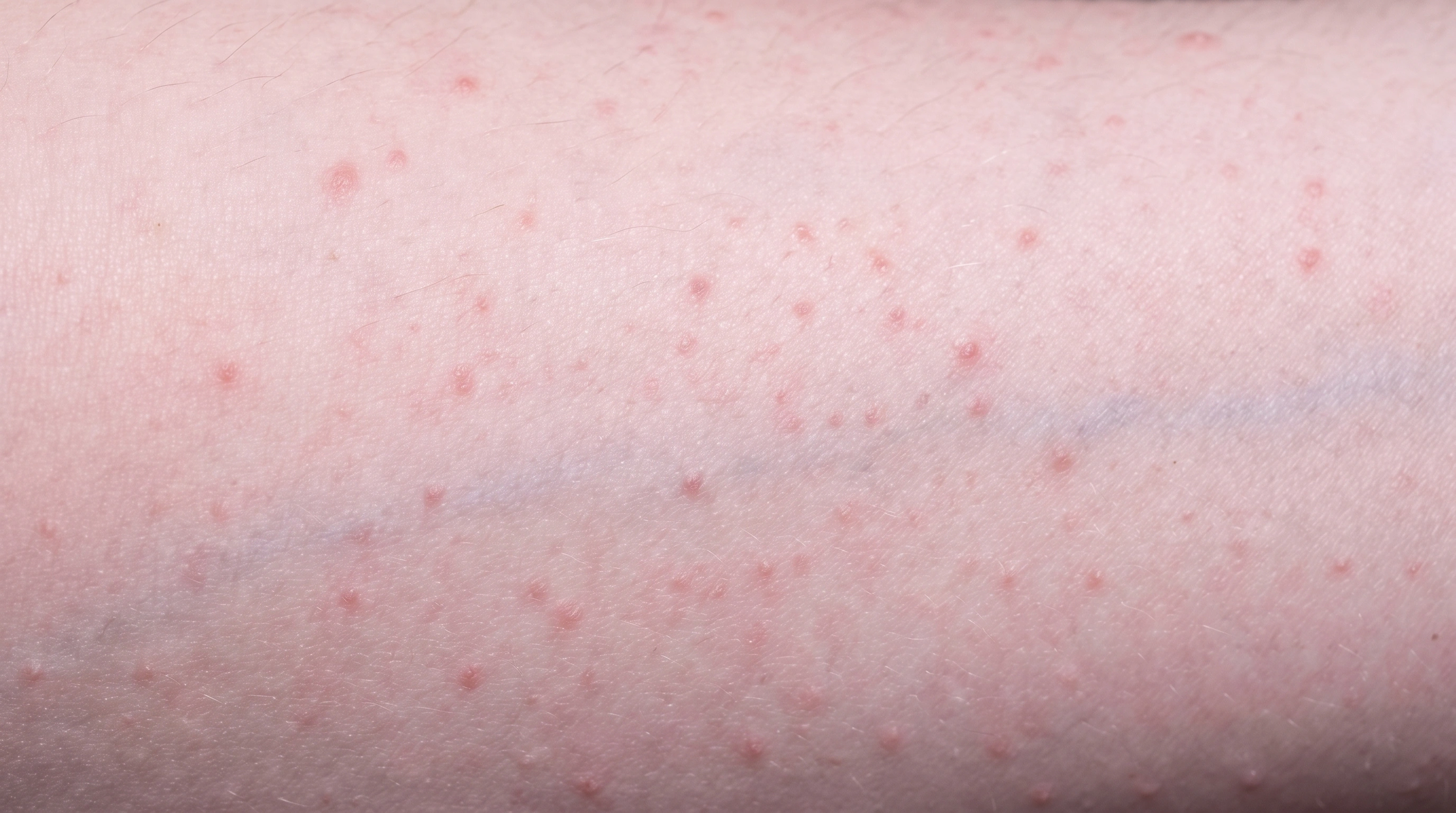
Rosacea (Flushing) on light skin.
Diffuse flushing across the cheek and nose.
rosacea (breakouts) on light skin.
rosacea (breakouts) on medium skin.
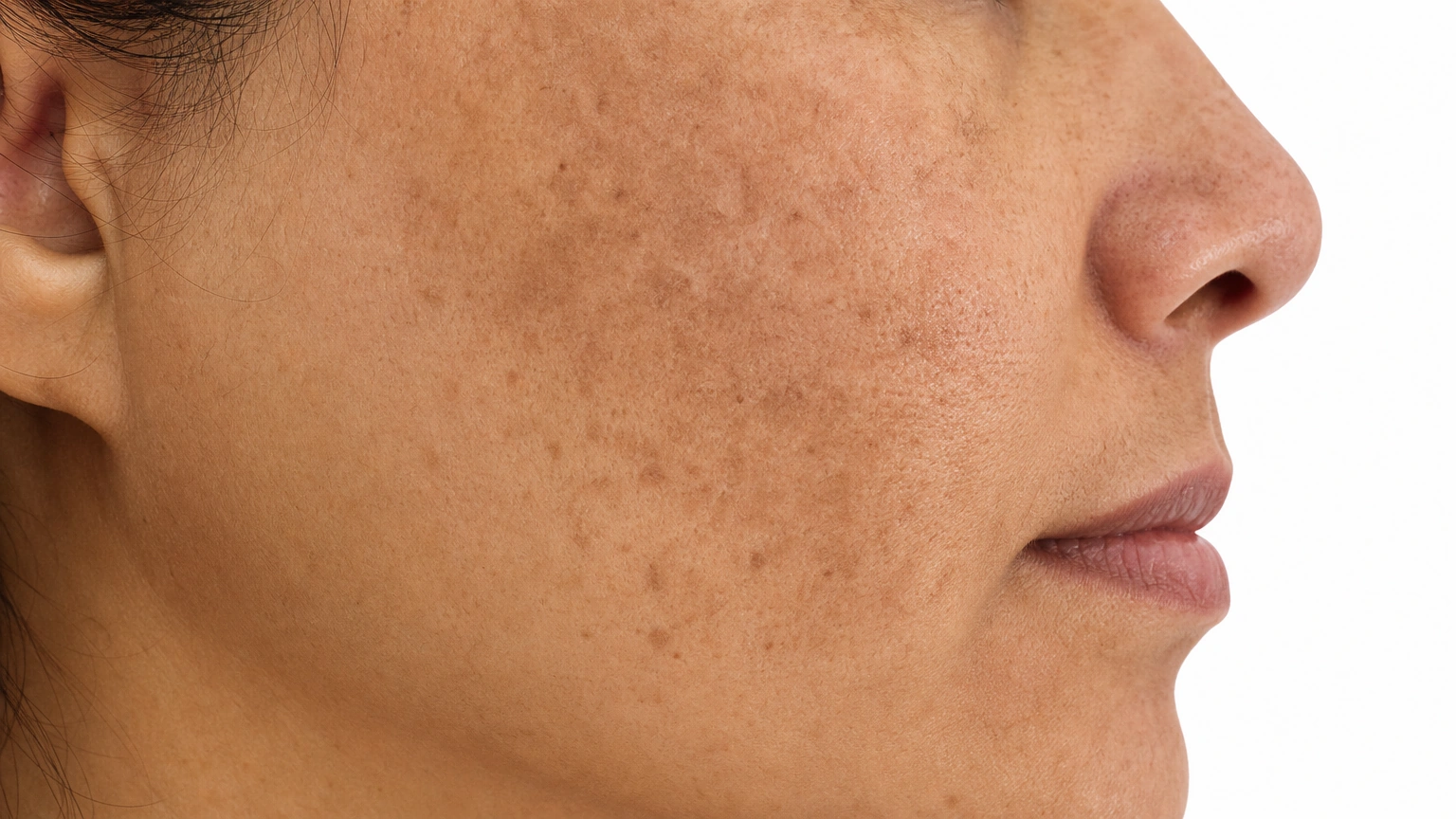
rosacea (breakouts) on brown skin.
rosacea (breakouts) on deep skin.
In the skin

Facial blood vessels react more readily to triggers and increase blood flow near the surface. Inflammation can contribute to persistent changes between episodes of flushing.

Facial inflammation and altered blood-vessel responses contribute to rosacea bumps. These breakouts are not simply the result of clogged pores.

When it usually starts

010203040506070+

Rosacea (Flushing). Most often recognised in adults, although younger people can be affected.

Rosacea (Breakouts). Most often recognised in adults, although younger people can be affected.

Causes and triggers

Causes

Facial inflammation and abnormal vessel responses contribute; the cause is not simply clogged pores.

Facial inflammation and abnormal vessel responses contribute; the cause is not simply clogged pores.

Risk factors
Family tendency, Sensitive facial skin
Trigger
● Rosacea (Flushing)
● Rosacea (Breakouts)
Sun exposure
Can contribute
Can contribute
Heat
Can contribute
Can contribute
Alcohol
Can contribute
Can contribute
Spicy food
Can contribute
Can contribute

Daily Care

Rosacea (Flushing)
Rosacea (Breakouts)
Daily care

Habits that help

  • Cleanse gently with lukewarm water
    Use a fragrance-free, non-abrasive cleanser and pat the face dry.
  • Moisturize with a bland, fragrance-free product
    Apply gently to reduce dryness and help the skin tolerate prescribed treatment.
  • Use broad-spectrum SPF 30 or higher each day
    Add shade and a hat; choose a sunscreen your skin tolerates.
  • Track your own triggers rather than avoiding everything
    Brief notes may identify links with heat, drinks, alcohol, food or particular skin products.
  • Cool down gently when flushing starts
    Move to a cooler place or use a cool damp cloth; avoid applying ice directly to the face.

Avoid

  • Avoid: Scrubs, facial brushes and products that sting
    Irritation can worsen redness and bumps that resemble acne.
  • Avoid: Overheating during showers or exercise
    Use cooler water, a fan and rest breaks while continuing comfortable physical activity.

Habits that help

  • Cleanse gently with lukewarm water
    Use a fragrance-free, non-abrasive cleanser and pat the face dry.
  • Moisturize with a bland, fragrance-free product
    Apply gently to reduce dryness and help the skin tolerate prescribed treatment.
  • Use broad-spectrum SPF 30 or higher each day
    Add shade and a hat; choose a sunscreen your skin tolerates.
  • Track your own triggers rather than avoiding everything
    Brief notes may identify links with heat, drinks, alcohol, food or particular skin products.

Avoid

  • Avoid: Scrubs, facial brushes and products that sting
    Irritation can worsen redness and bumps that resemble acne.
  • Avoid: Overheating during showers or exercise
    Use cooler water, a fan and rest breaks while continuing comfortable physical activity.

Treatment differences

Evidence labels come from each condition’s own treatment list.

Treatment
● Rosacea (Flushing)
● Rosacea (Breakouts)
Prescription topicals

Oxymetazoline

Listed

May temporarily reduce persistent facial erythema; discuss irritation and rebound concerns.

Ivermectin

Listed

Can reduce inflammatory rosacea papules and pustules.

Metronidazole

Listed

An anti-inflammatory topical option for suitable patients with rosacea breakouts.

Procedures

Vascular laser or IPL

Listed

May reduce visible vessels or persistent redness; settings need to suit the skin tone.

None listed

Outlook

Long term

Flushing can recur over many years and may be accompanied by more persistent facial redness. A personal trigger plan and suitable treatment can improve control, but responses vary.

Rosacea usually follows a long-term pattern of flares and quieter periods. Treatment can control bumps, but maintenance and changes to the plan may be needed.

Complications

Possible complications

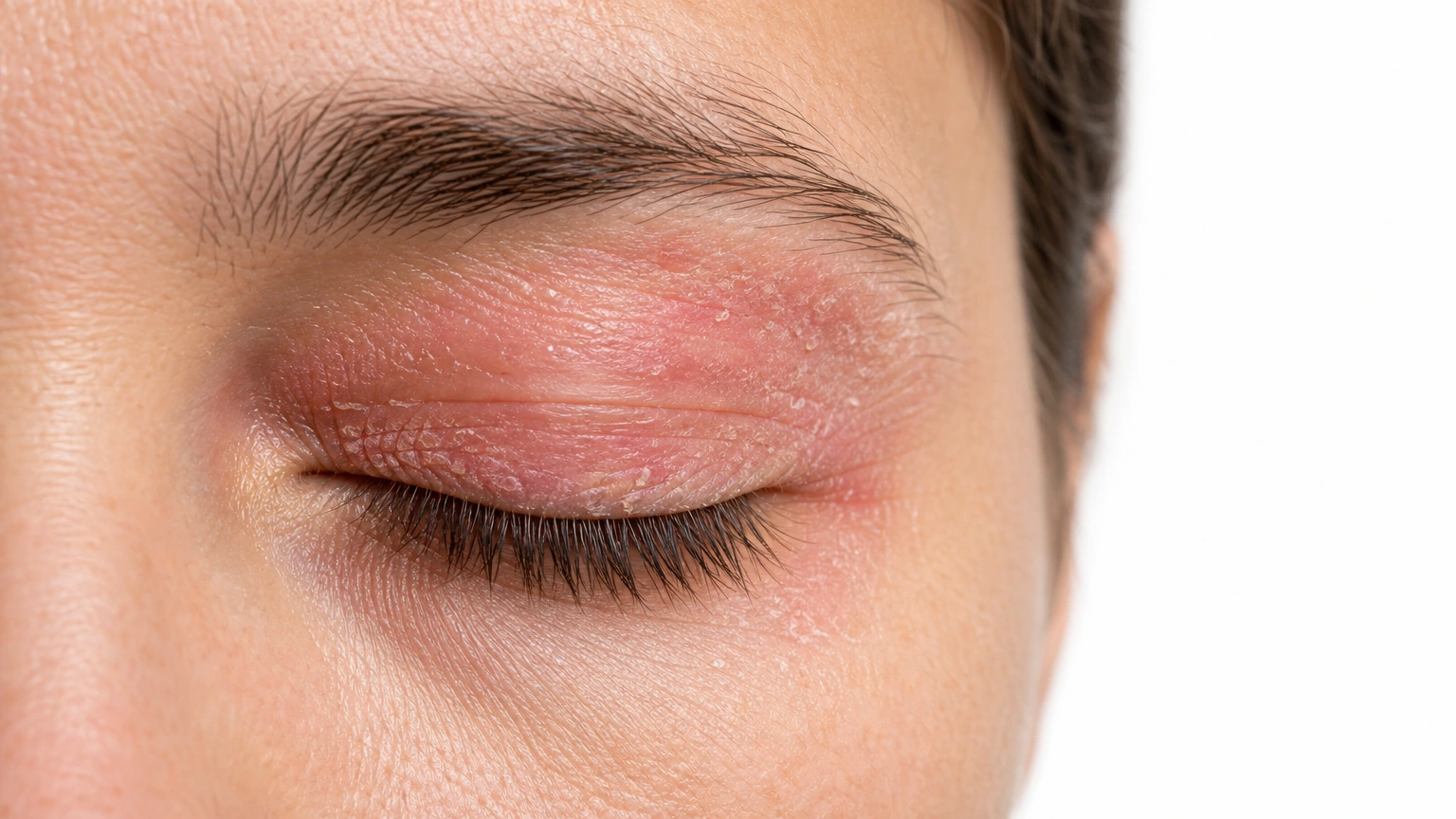
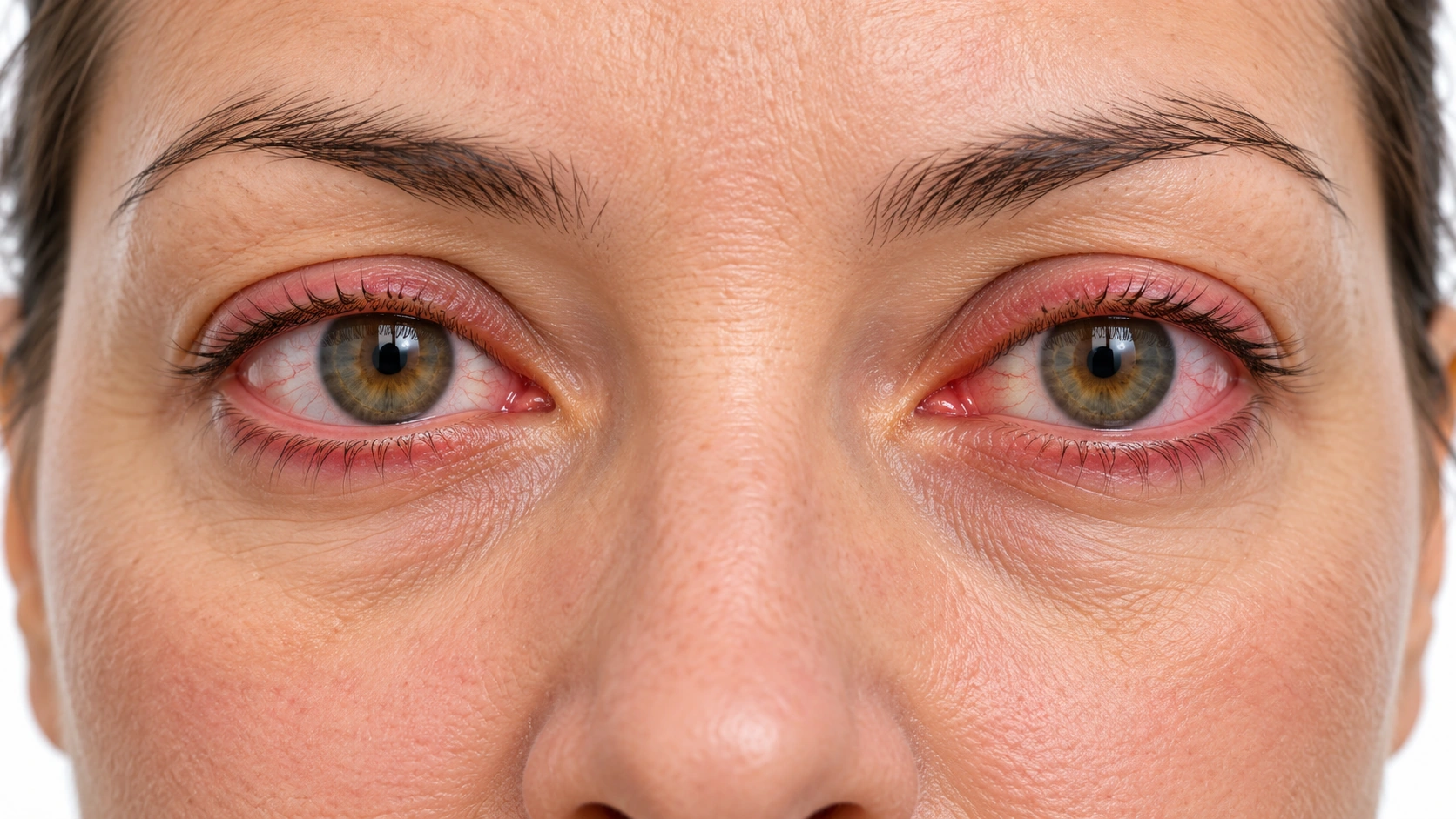
Eye irritation can accompany facial rosacea and needs assessment if persistent.

Eye irritation can accompany facial rosacea and needs assessment if persistent.

When to get help

When to get help

Arrange care for persistent facial symptoms. Eye pain, light sensitivity or vision change needs urgent eye assessment.

Arrange care for persistent facial symptoms. Eye pain, light sensitivity or vision change needs urgent eye assessment.

Common questions

Rosacea (Flushing):What is Rosacea (Flushing)?

Rosacea dominated by flushing, persistent facial colour change or visible vessels.

Rosacea (Flushing):What can I do day to day?

Use gentle fragrance-free products and sunscreen; keep a diary of your own triggers.

Rosacea (Flushing):When should I get medical advice?

Arrange care for persistent facial symptoms. Eye pain, light sensitivity or vision change needs urgent eye assessment.

Rosacea (Breakouts):What is Rosacea (Breakouts)?

Rosacea with inflammatory facial papules and pustules, sometimes called papulopustular rosacea.

Rosacea (Breakouts):What can I do day to day?

Use gentle fragrance-free products and sunscreen; keep a diary of your own triggers.

Rosacea (Breakouts):When should I get medical advice?

Arrange care for persistent facial symptoms. Eye pain, light sensitivity or vision change needs urgent eye assessment.

Sources
Sources and further reading

  1. Rosacea
  2. Rosacea
Dermapedia on YouTube