Dry Skin vs Dehydrated Skin
Dry skin is skin that has lost the oils and water it needs to stay soft and sealed. It looks dull or flaky, feels tight, and often itches. Most of it improves within a couple of weeks with a change in washing habits and a good moisturizer, though stubborn cases sometimes point to another condition underneath. A cosmetic description for reduced water content in the outer skin layer, which can also affect oily skin.
Key differences
The same eight facts on every condition comparison.
What is it?
- The skin lacks hydration.
Xerosis means the outer skin cannot hold adequate water. - The barrier holds moisture.
Natural water-binding substances and lipids help retain water; when disrupted, skin feels tight, rough, flaky or itchy. - It is not about drinking water.
Dry skin is not simply proof that someone is drinking too little. - Moisturizers work two ways.
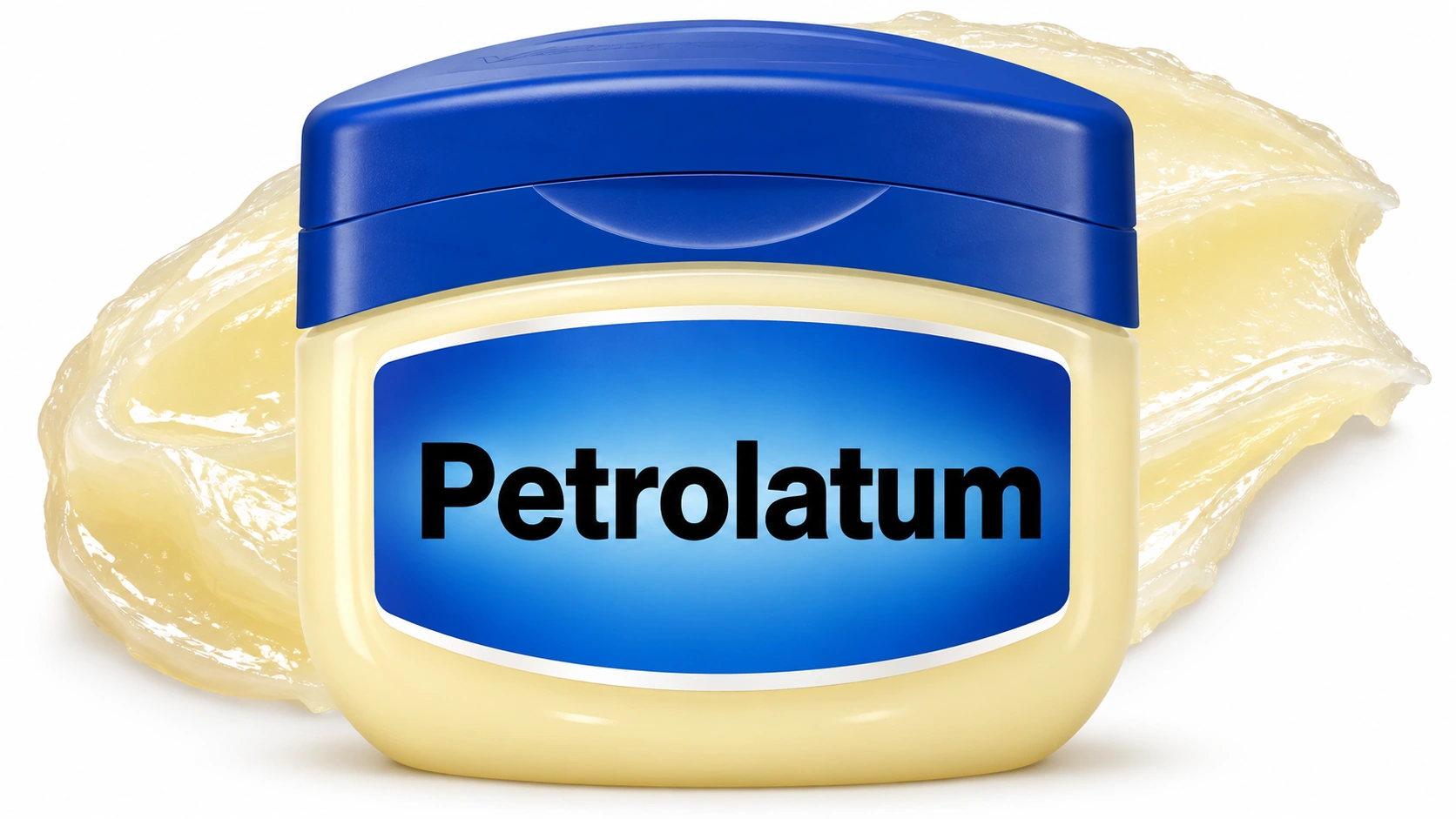
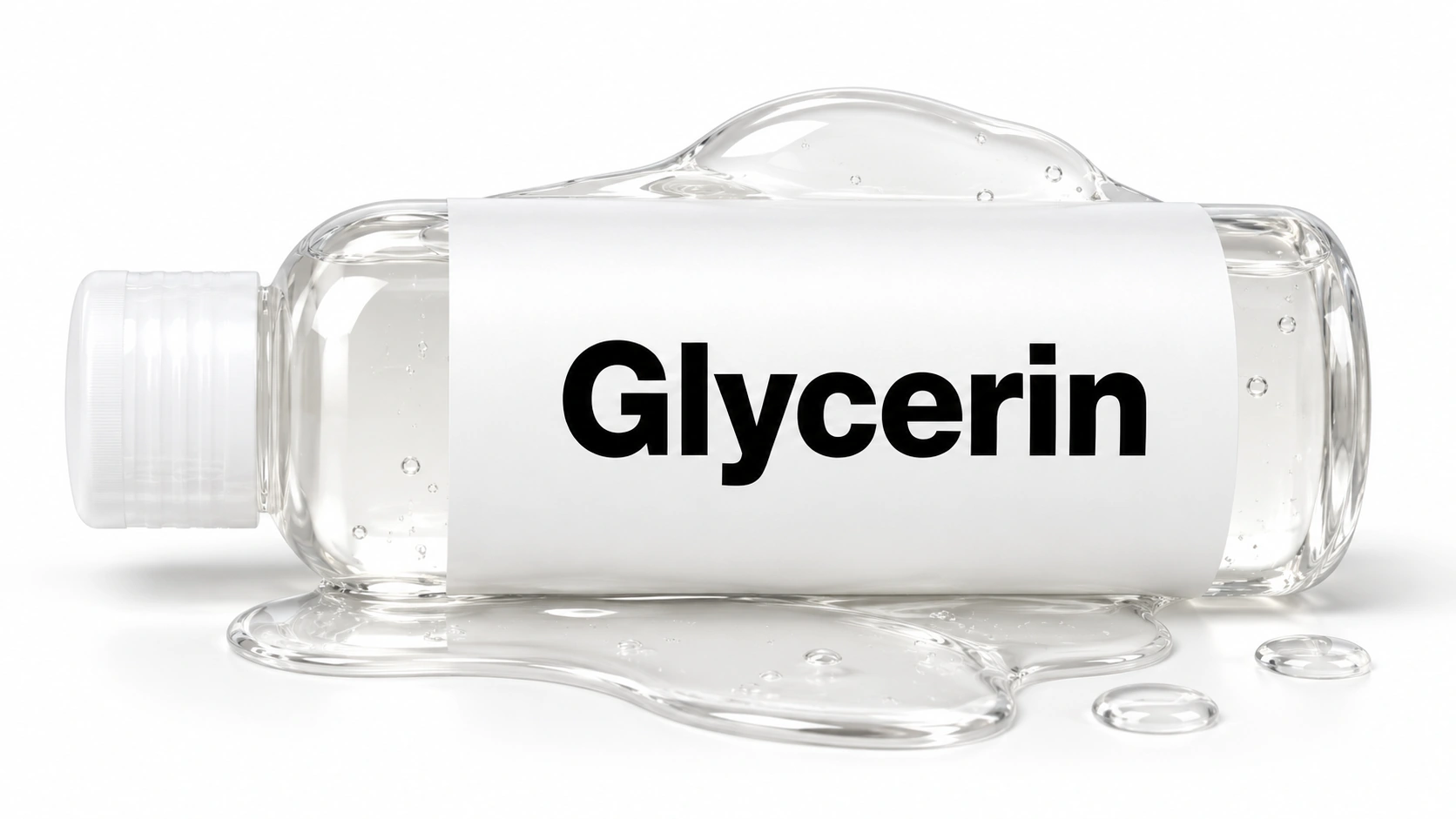
Humectants such as glycerin attract water, while occlusives such as petrolatum reduce evaporation.
- What it is
A cosmetic description for reduced water content in the outer skin layer, which can also affect oily skin.
What it looks like
Dry Skin
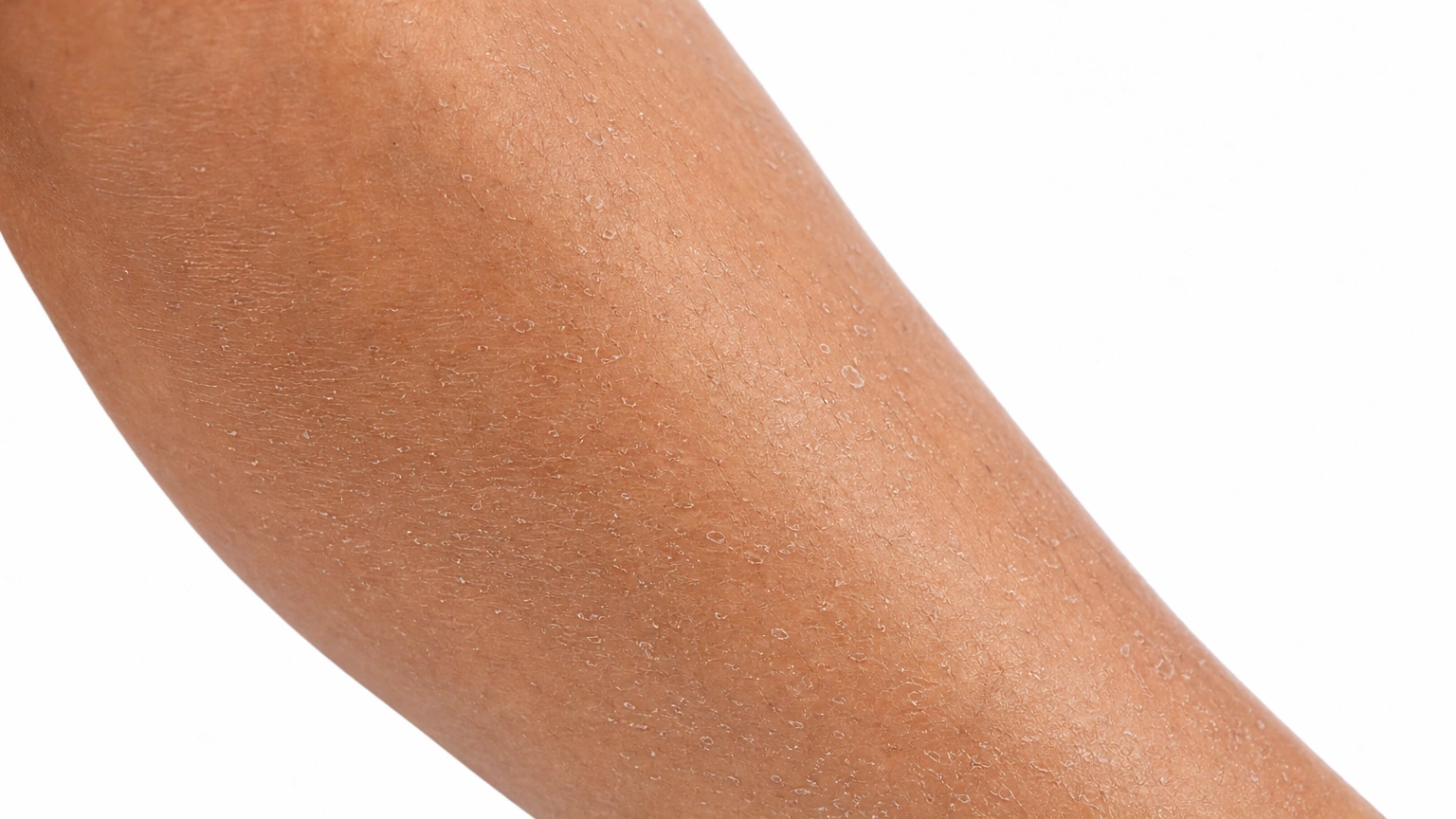
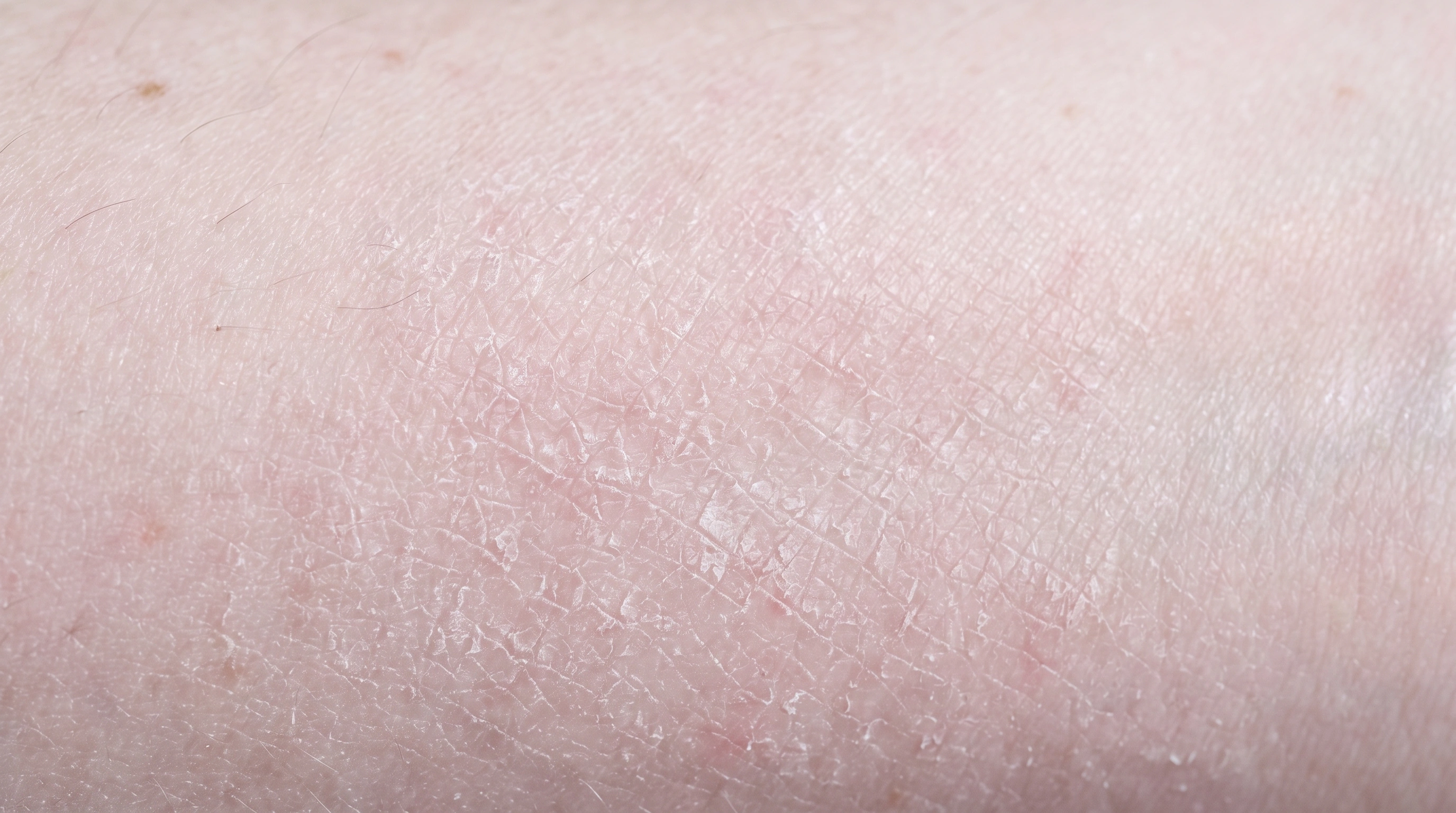
Flaky skin Fine white flakes.
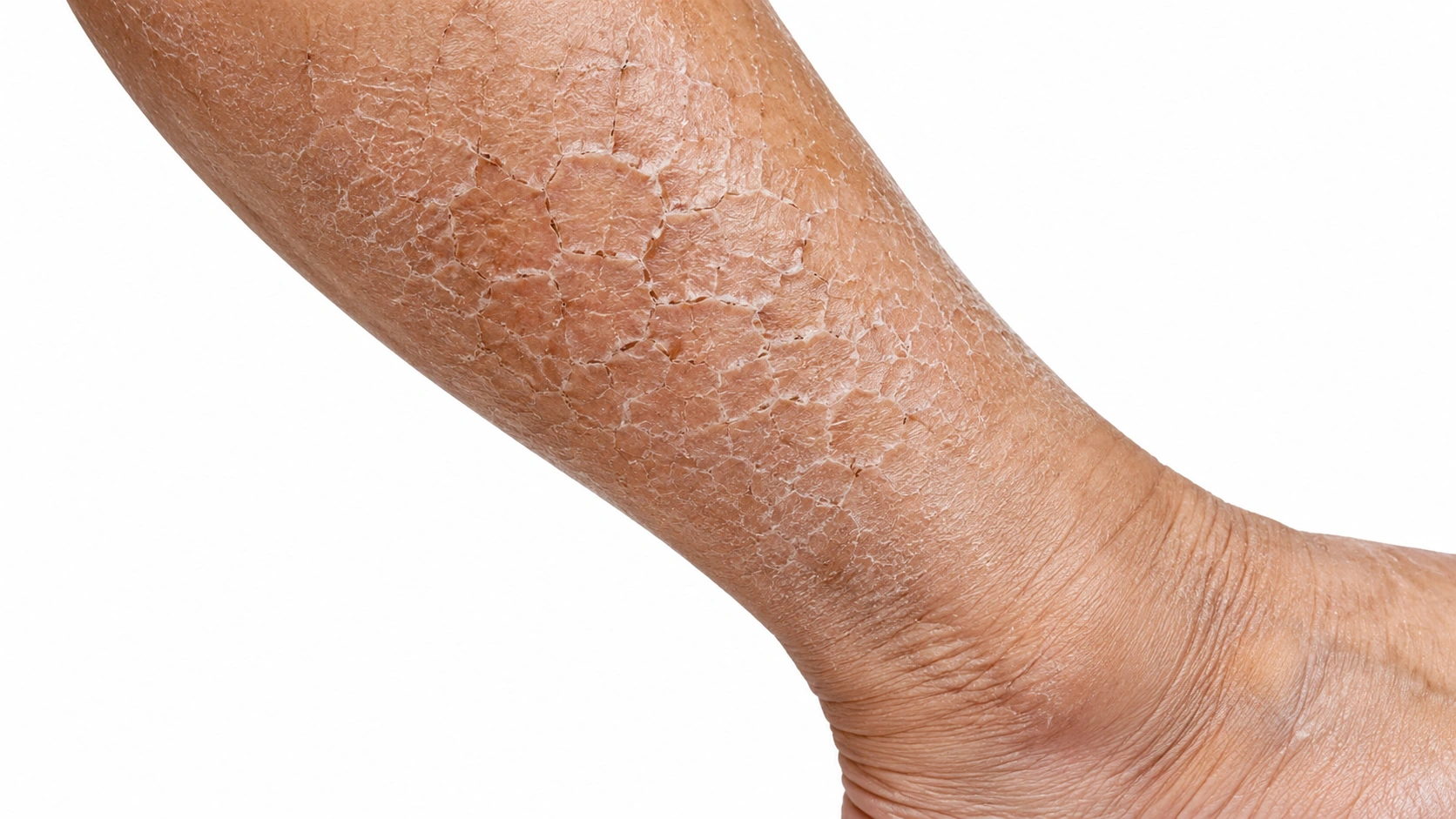
Cracked skin Crazy-paving cracks.

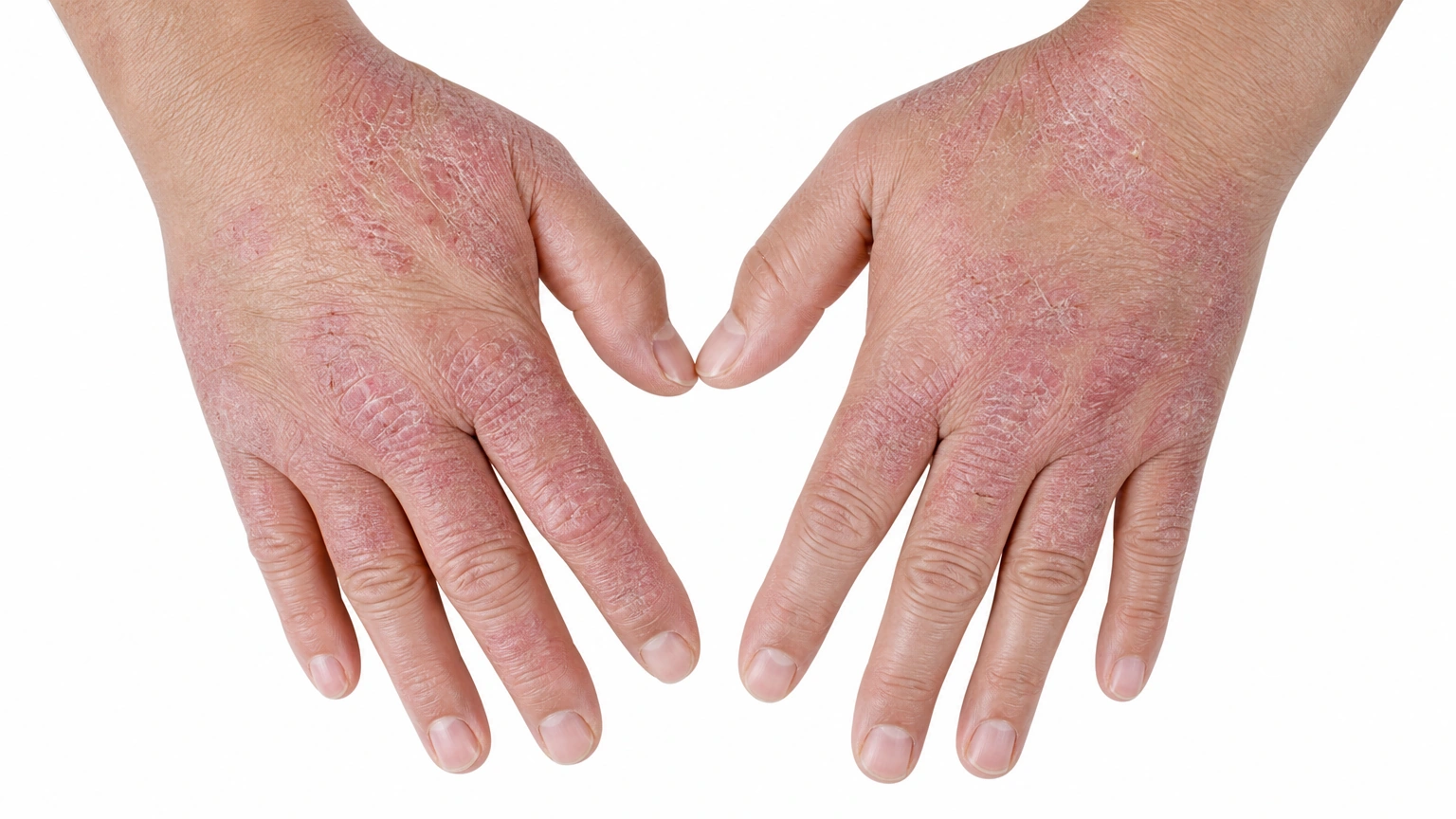
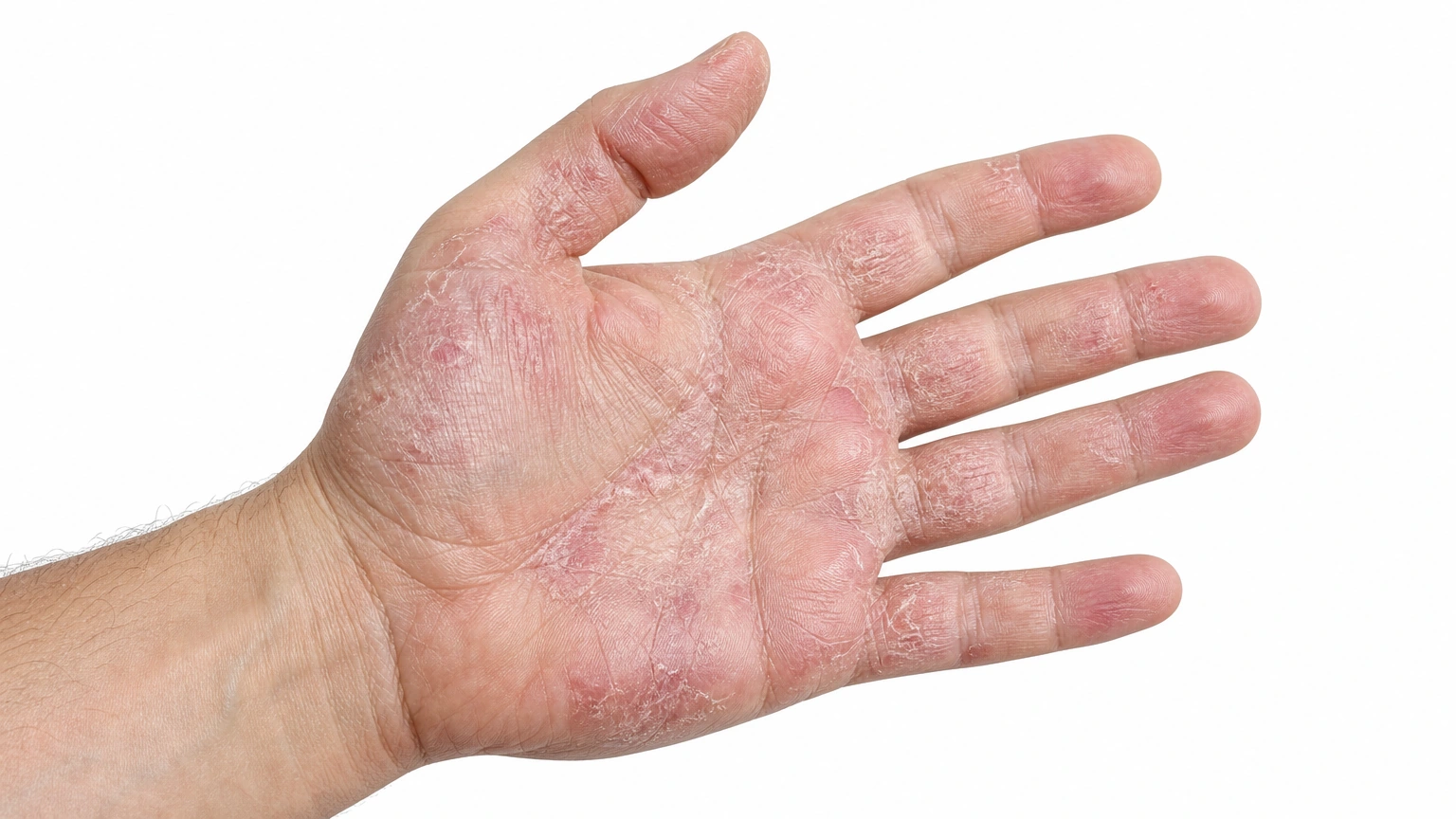
Rough hands Dry, tight, chapped skin.
Dehydrated Skin
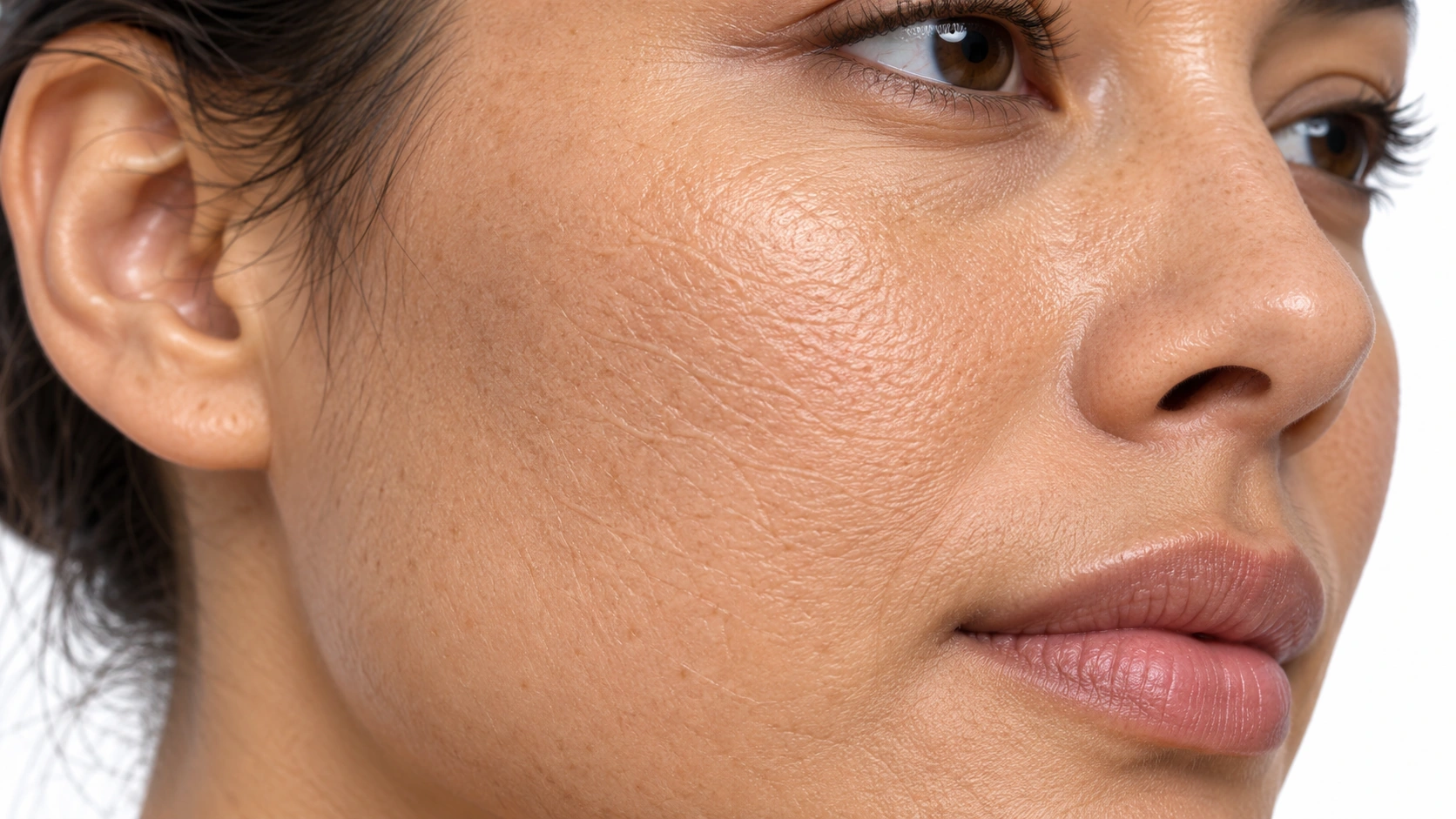
Dehydrated Skin A close view highlights a finely creased skin texture.
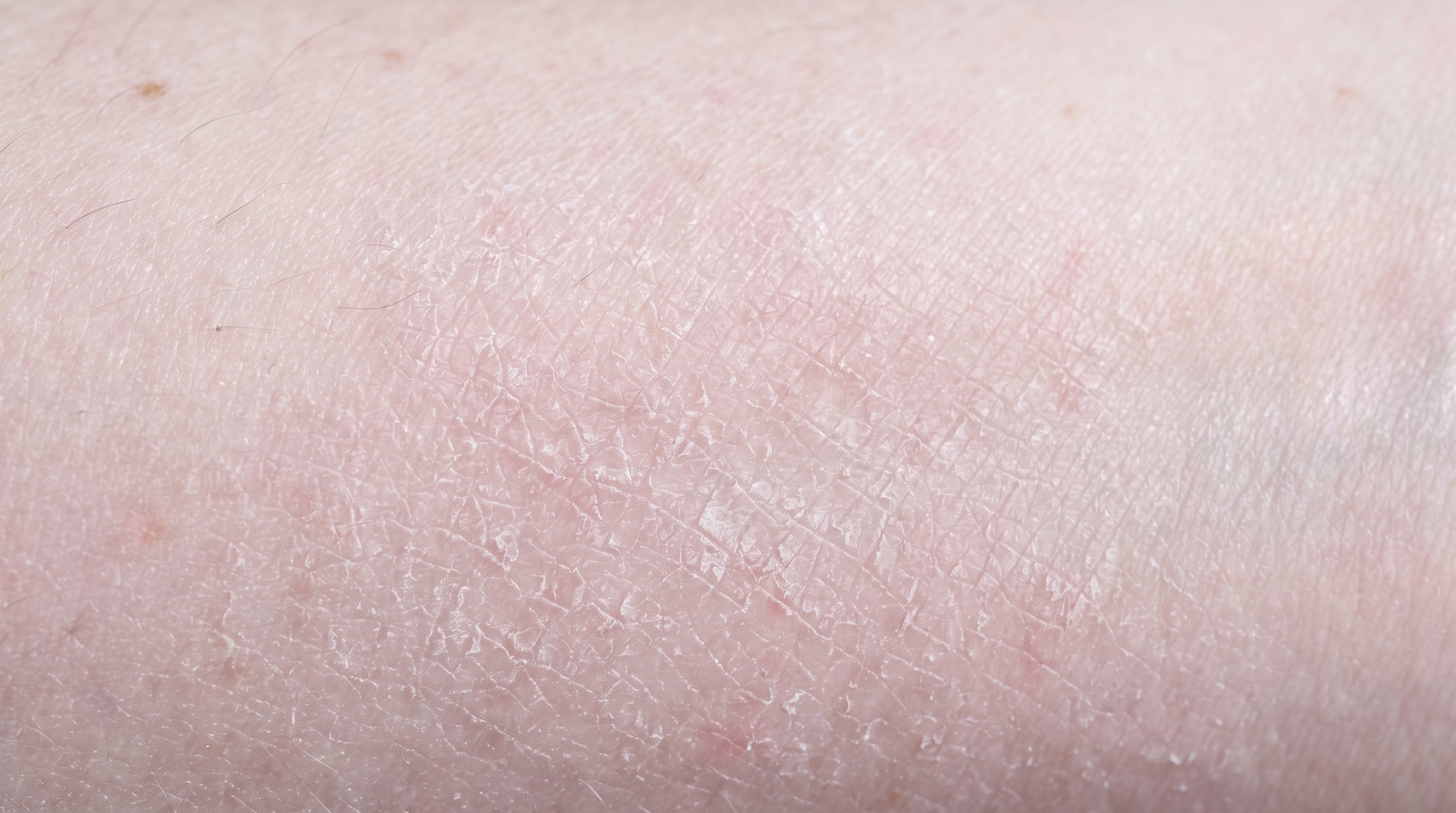
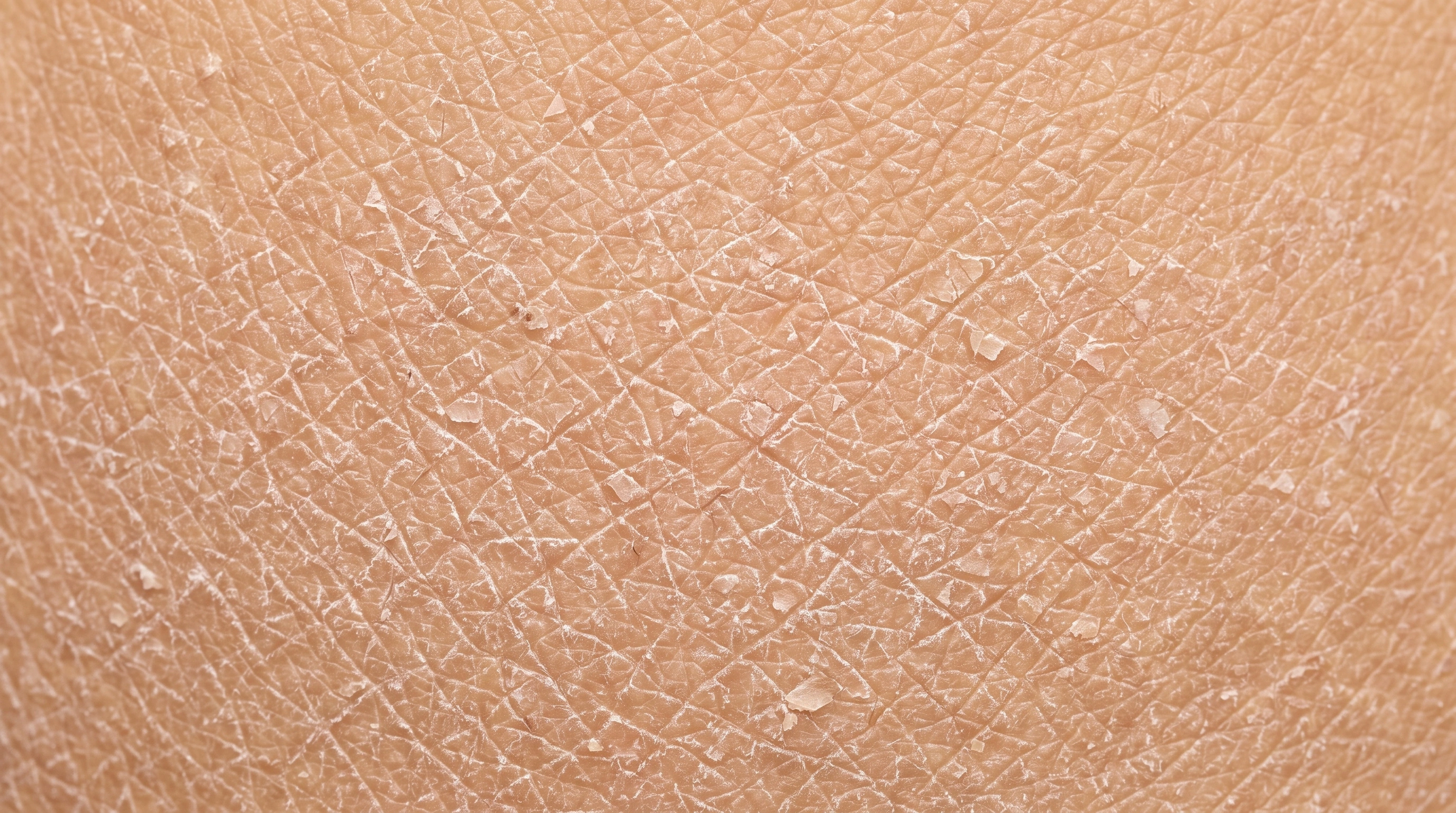
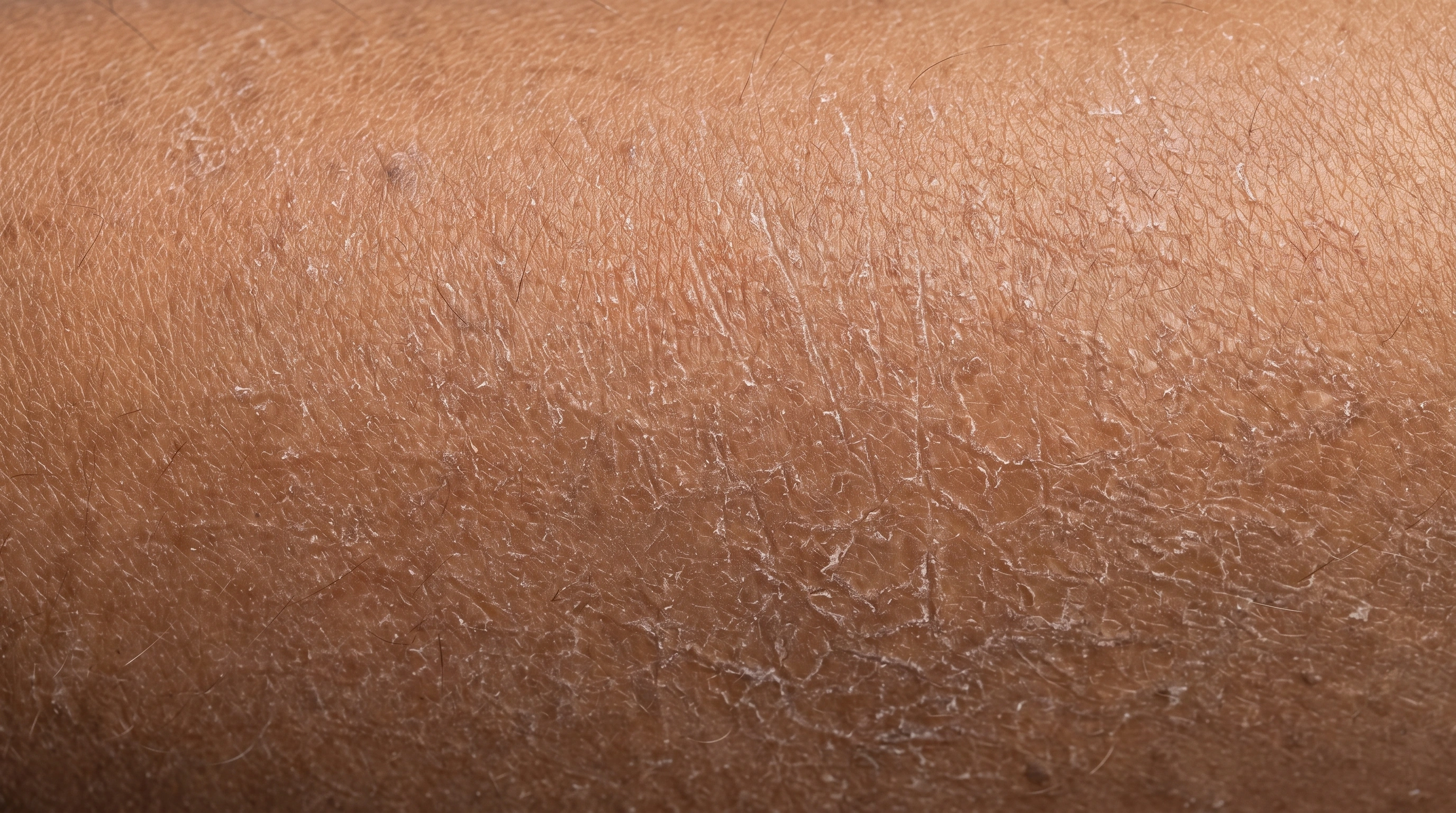
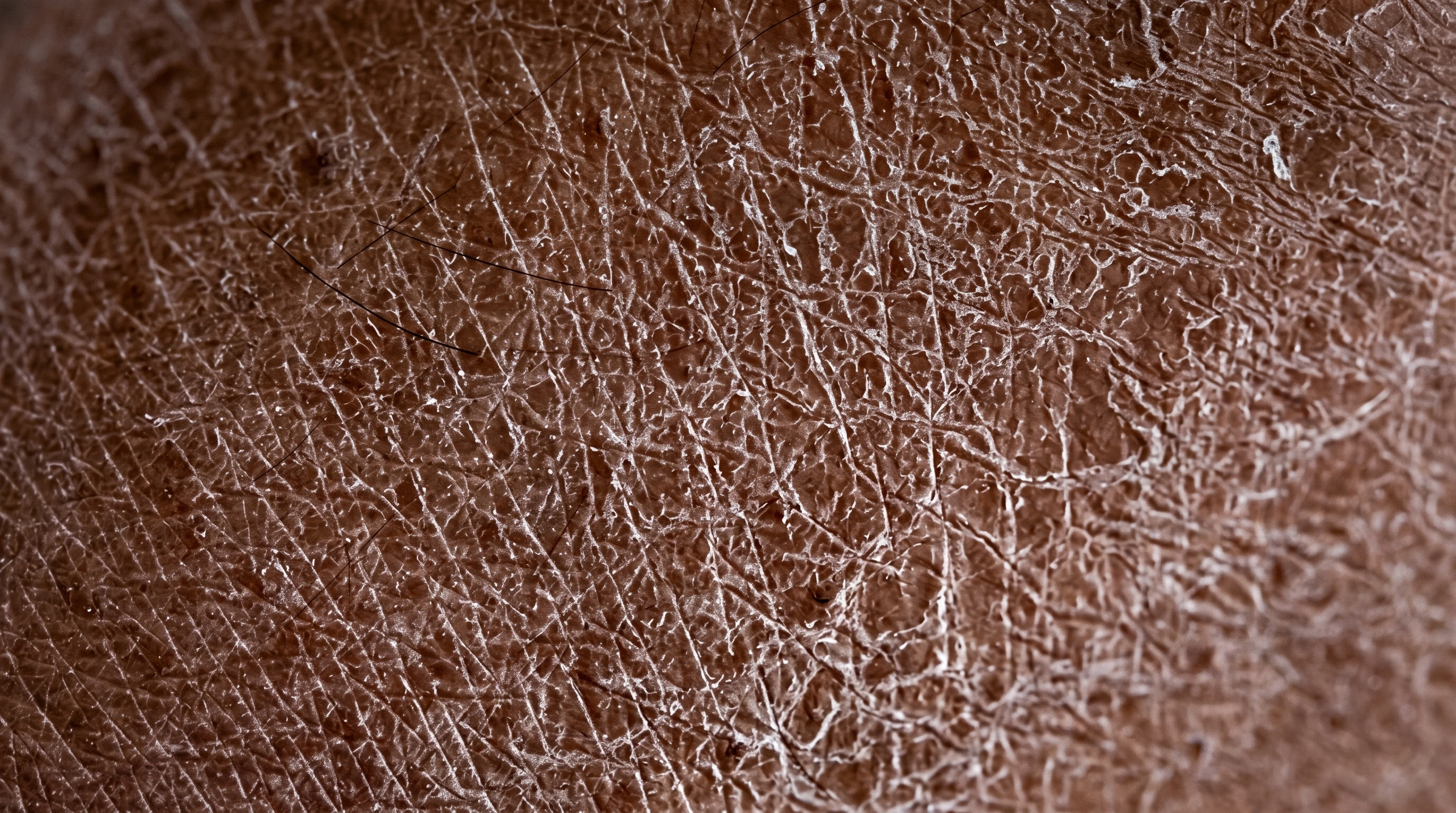
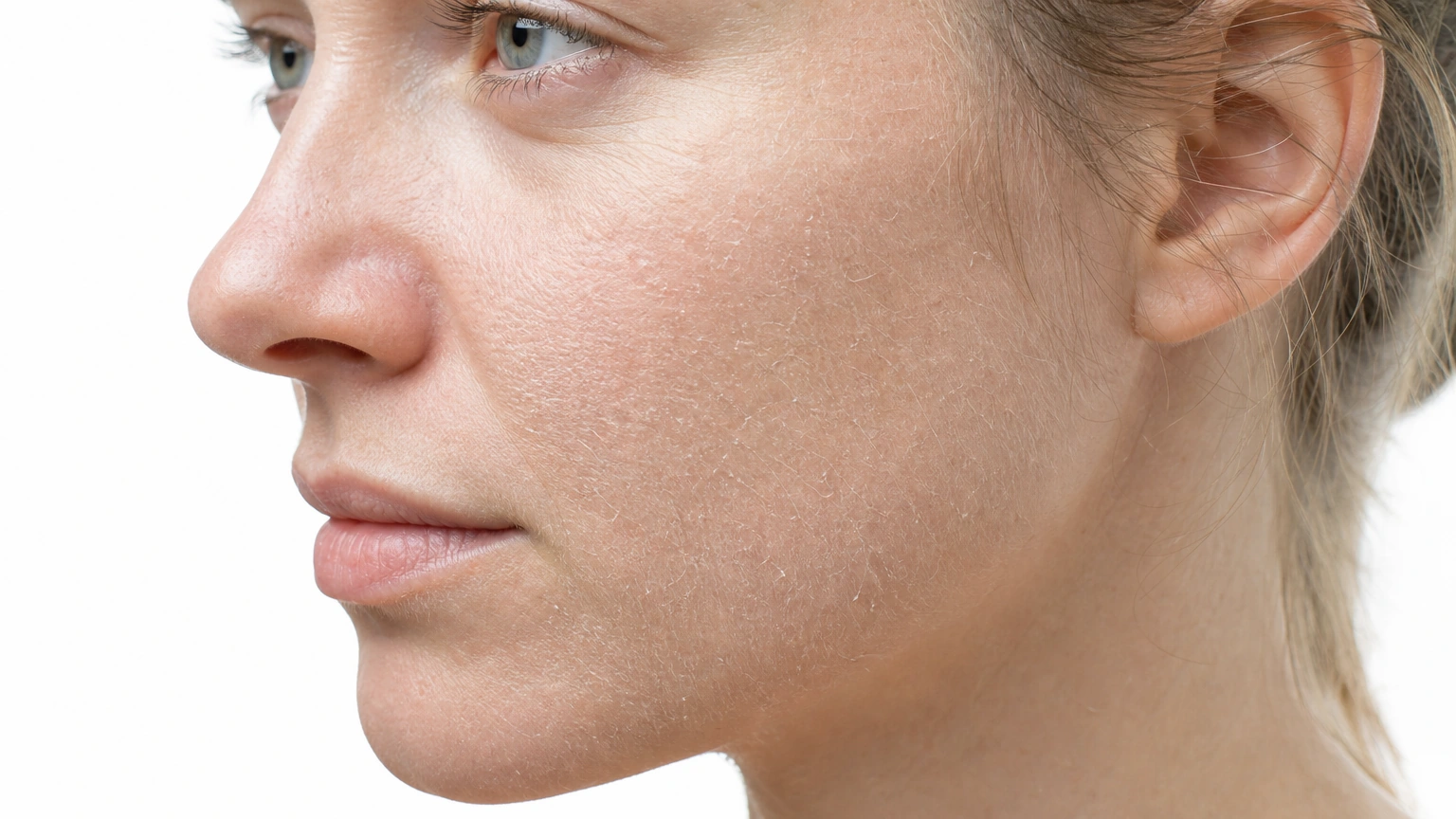
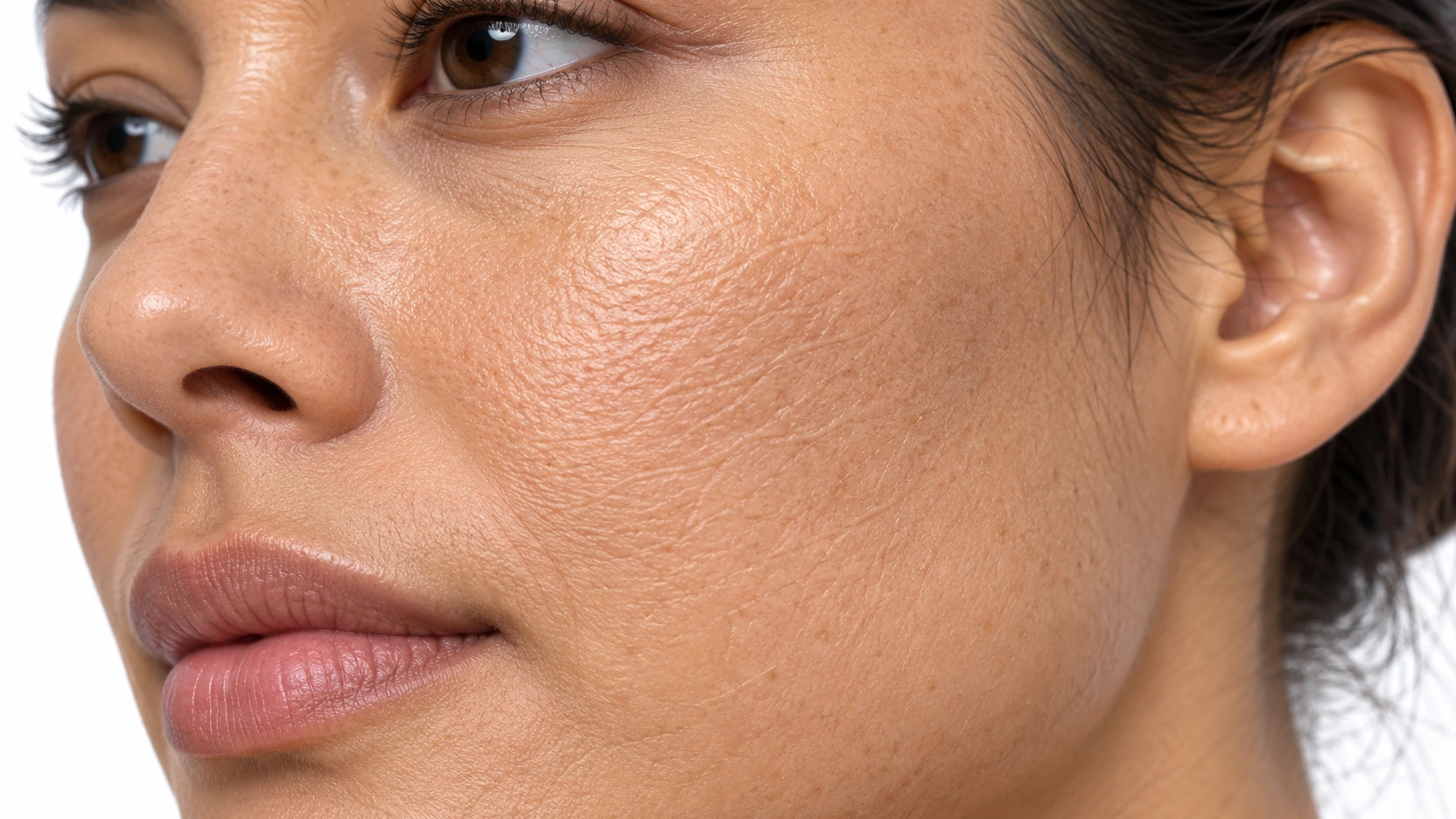
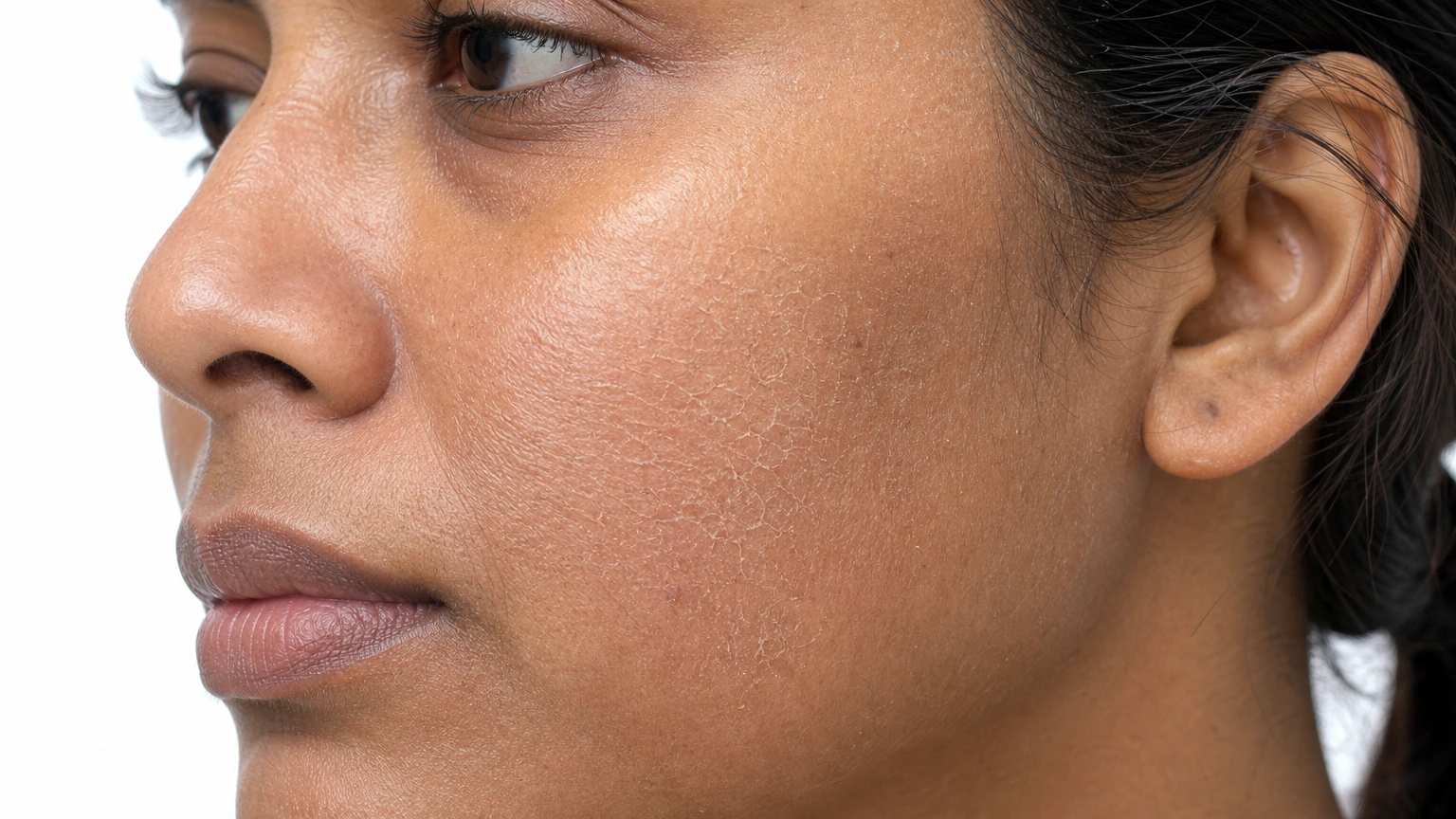
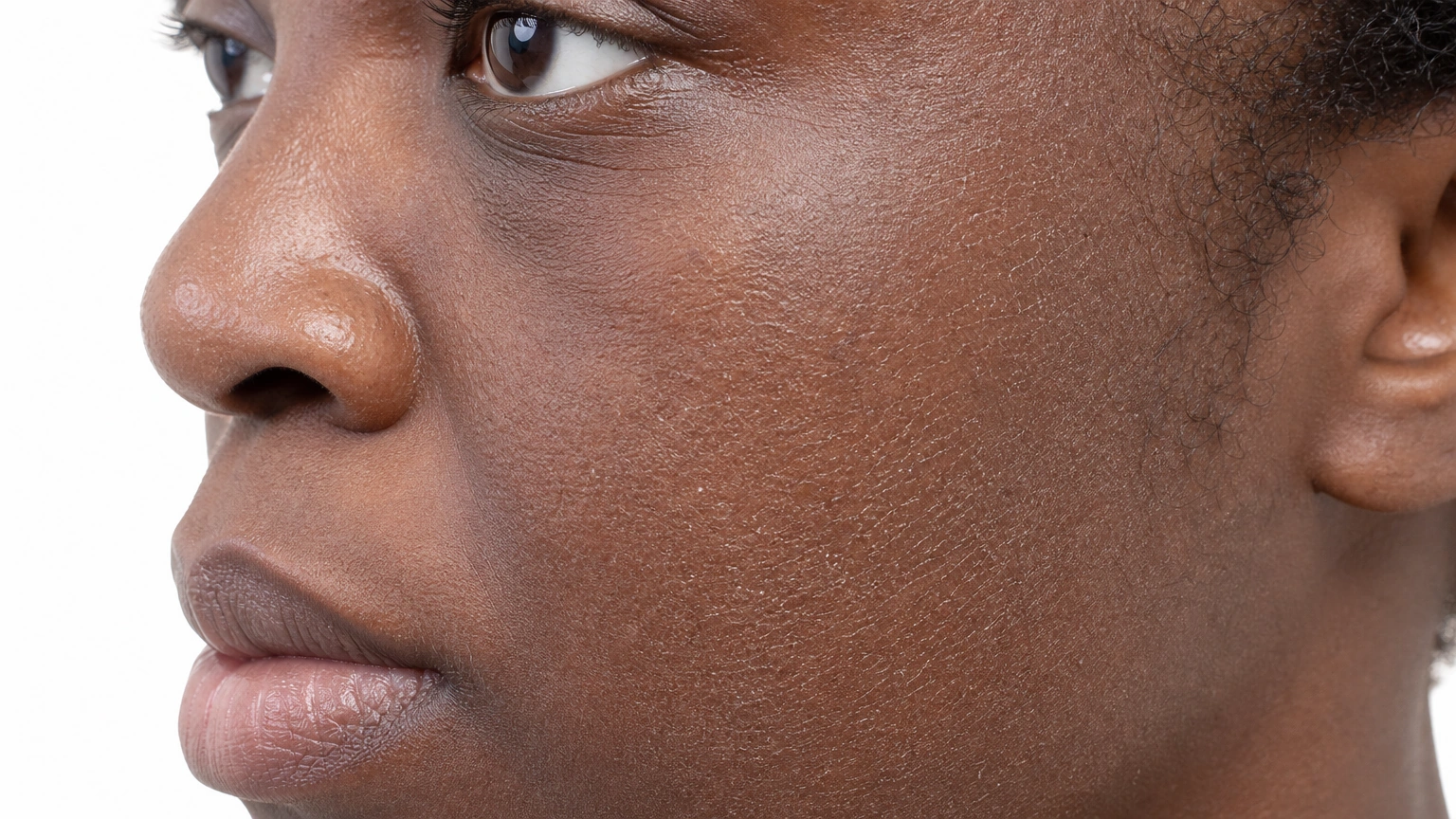

The outer skin does not retain enough water when its barrier becomes less effective. Changes in skin fats and moisture reduce flexibility and can lead to roughness, flaking or cracks.
Barrier disruption or low humidity increases water loss from the outer skin. Reduced surface hydration can make skin feel tight and emphasize fine texture.
When it usually starts
Dry Skin. Can occur at any age and becomes more common in older adults.
Dehydrated Skin. Can occur at different ages with a relevant exposure or barrier change.
Causes and triggers
Dry skin happens when the skin loses water faster than it can hold it, usually because its outer barrier is weakened.
Barrier disruption or low humidity increases water loss from the surface.
Some people inherit a weaker barrier, often linked to eczema.
Daily Care
Habits that help
- Moisturize on damp skin
Within three minutes of the shower. - Cream or ointment, not lotion
Lotions are mostly water. - A gentle, fragrance-free cleanser
Only where it is needed. - Shorter, cooler showers
Five to ten minutes, warm not hot, once a day. - Ointment under gloves overnight
Apply a plain ointment and use comfortable gloves to protect dry hands overnight. - A humidifier in the bedroom
Works on the air, not the skin. - Wear gloves
For washing up, cleaning and cold weather. - Take an oatmeal bath
Modest relief for itch, gentle on broken skin. - Cold rather than hot for itch
A cool compress settles itch; a hot shower worsens it. - Keep nails short
Limits damage while the barrier rebuilds.
Avoid
- Avoid: Long, hot showers and baths
Heat dissolves skin oils. - Avoid: Bar soap and foaming cleansers
Squeaky skin means the oils went. - Avoid: Washing the whole body every day
Water alone suffices for limbs and trunk. - Avoid: Indoor heating and air conditioning
Dry air pulls water out. - Avoid: Wind and cold air on exposed skin
Faces, hands and lips go fastest. - Avoid: Scrubs, loofahs and brushes
Strips the barrier holding water in. - Avoid: Alcohol-based toners and witch hazel
They remove the little oil left. - Avoid: Strong actives on dry skin
Retinoids, acids and benzoyl peroxide increase water loss. - Avoid: Fragranced products on cracked skin
Cracks let fragrance deeper. - Avoid: Scratching and rubbing
Damages the layer holding water in. - Avoid: Wool and rough fabrics
An irritant on skin that lost its cushion. - Avoid: Waiting to moisturize
Cream on damp skin traps water already there. - Avoid: Stopping as soon as it looks better
The barrier rebuilds slower than flaking clears.
Habits that help
- Apply fragrance-free moisturizer after washing
Use it while the skin is slightly damp to help retain water. - Keep showers short and lukewarm
Hot water and long washing can worsen surface dryness. - Use a mild cleanser without abrasive tools
Cleanse only as much as needed and pat dry gently. - Use broad-spectrum SPF 30 or higher outdoors
Choose a moisturizing formula if sunscreen tends to sting or dry the skin.
Avoid
- Avoid: Repeated exfoliation to remove dry flakes
Pause irritating acids, scrubs and other products until the skin is comfortable. - Avoid: Expecting extra water alone to repair dry skin
Drink normally to stay hydrated; barrier care and the cause of dryness also matter.
Treatment differences
Use a tolerable moisturizer and reduce excessive cleansing or irritating actives. If dryness persists, assess for eczema, contact irritation or another contributor rather than adding more exfoliation.
Outlook
Dry skin slides predictably if nothing changes, and reverses predictably once it does. Most people notice a difference within days, flaking settles in one to two weeks, and cracks on hands and heels take several weeks. The pattern is seasonal - maintenance, not a course.
Surface dryness can improve when irritating exposures are reduced and moisture is retained. It may recur with the same routine or environment; persistent symptoms may indicate an underlying skin condition.
Complications
- The surface breaks up
- Needs treatment
More details
The surface breaks up
The skin breaks into a fine network of cracks. On the shins this can become the red-bordered, cracked-porcelain pattern of asteatotic eczema. Cracks here can be deep and painful.
Needs treatment
A crack breaks the skin. Yellow crust, spreading redness, warmth, swelling or pus mean a bacterial infection needing treatment.
Persistent inflammation can leave pigment changes and may require a specific diagnosis.
When to get help
Seek help if dryness persists despite moisturizers, itch disrupts sleep or the skin cracks and becomes infected. Sudden widespread dryness may need assessment for another cause.
Seek assessment for persistent cracking, itch or inflammation rather than relying on the cosmetic label.
Common questions
Dry Skin:Will drinking more water help my dry skin?
Not in any way you will notice, unless you are genuinely dehydrated. The water content of the outer layer depends on how well it seals itself, not on how much you drink. Fix the seal - shorter warm showers, a gentle cleanser, a cream on damp skin.
Dry Skin:What is the best moisturizer?
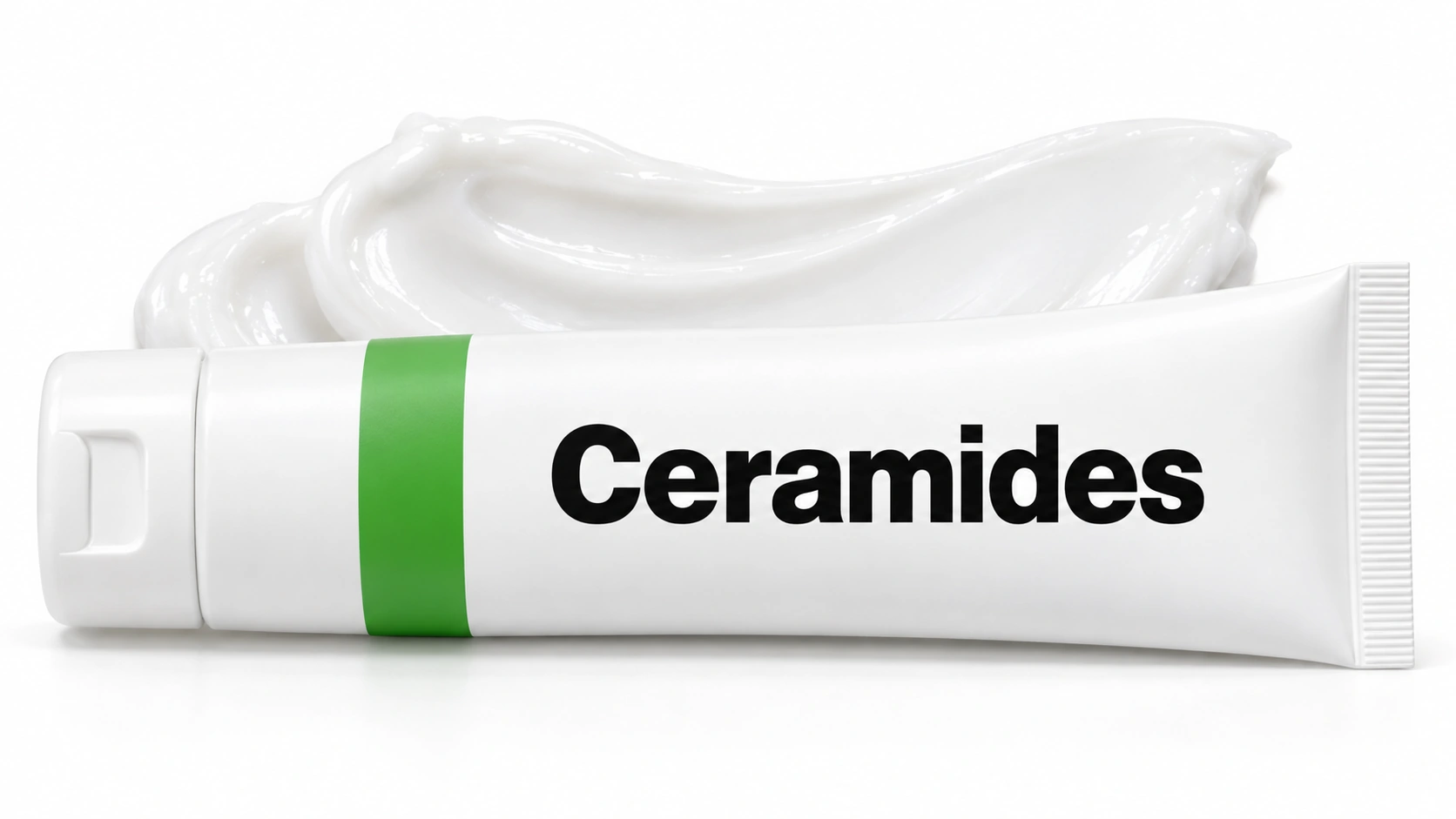
No single best one, and the ones with most evidence are usually inexpensive. Look for a fragrance-free cream in a tub with ceramides and glycerin, plus petrolatum or dimethicone. Applying it to damp skin twice a day for two weeks matters more than which one.
Dry Skin:Why is my skin itchy at night?
Several things line up in the evening. Body temperature rises, a warm shower has just stripped the skin, nothing distracts you, and scratching in your sleep goes unchecked. Moisturizing before bed, a cool bedroom and a humidifier all help.
Dry Skin:Is dry skin the same as eczema?
No, though they overlap. Dry skin is a state the skin is in. Eczema is a condition where the skin is inherently leaky and inflamed, with itchy, poorly defined patches that come and go, usually from childhood and often with asthma or hay fever. Dry skin that keeps turning red or weeping in the same places is worth a look.
Dry Skin:Should I be exfoliating the flakes off?
Not with a scrub. Scrubbing removes the barrier with the flakes and the dryness returns worse. For thick scale on heels, shins or elbows, a cream with urea or lactic acid softens it.
Dry Skin:Can dry skin be a sign of something serious?
Usually not. But an underactive thyroid, kidney disease, diabetes and some medicines cause it, and generalized itch without a rash occasionally reflects a problem elsewhere. Worth checking is dryness or itch that starts suddenly in an adult, covers the body, disturbs sleep, or comes with fatigue or weight change.
Dehydrated Skin:What is Dehydrated Skin?
A cosmetic description for reduced water content in the outer skin layer, which can also affect oily skin.
Dehydrated Skin:What can I do day to day?
Use gentle washing and apply moisturizer after cleansing; reduce irritating products.
Dehydrated Skin:When should I get medical advice?
Seek assessment for persistent cracking, itch or inflammation rather than relying on the cosmetic label.
Sources
Sources and further reading
Keep exploring.
Dry Skin
Athlete's Foot vs Dry Skin
Dry Skin vs Contact Dermatitis
Dry Skin vs Fungal Infection

Eczema vs Dry Skin
Hand Eczema vs Dry Skin
Tinea Manuum vs Dry Skin
Eczema
Glycerin
Ceramides
Dimethicone