Eczema

Eczema shows up as itchy red patches. They spread in uneven blotches.
Eczema commonly includes dryness, but not every dry patch is eczema. The useful distinction is whether simple moisture loss explains the symptoms or recurring inflammation needs treatment.
| The difference | Eczema | Dry Skin (Xerosis) |
|---|---|---|
| What it is | Inflammation in the skin | Skin that has lost water |
| What it looks like | Inflamed patches, sometimes weeping | Flaky, dull, sometimes cracked |
| What moisturizer does | Helps, but does not fix it | Fixes it |
| What actually treats it | A steroid cream, or a non-steroid one | Moisturizer and gentler washing |
| What it does over time | Comes and goes for years | Clears when the cause changes |
Eczema shows up as itchy red patches. They spread in uneven blotches.

Dry skin looks dull and flaky. It can crack into a fine net of lines.
Side by side
Eczema
Inflammation in the skin
The immune system overreacts and the skin barrier leaks water. It often runs in families, alongside asthma and hay fever.
Dry Skin (Xerosis)
Skin that has lost water
The outer layer stops holding enough water, so it stiffens and flakes. Cold air, hot showers, harsh soap and age are the usual causes.

In healthy skin the outer layer is a tight wall of flat cells held together by fats. It keeps water in and keeps irritants, allergens and bacteria out, and the living skin underneath stays calm.

In eczema that wall is built loosely and has gaps in it. Many people carry a change in filaggrin, one of the proteins the wall is made from. Water escapes through the gaps, so the skin is dry, and things from outside get in.

With the wall broken, soap, sweat, dust and rough fabric reach the living skin underneath. Things that would not bother anyone else set it off - and scratching pulls the gaps wider still, which is what makes the cycle repeat.

The immune system reacts to everything getting through. Blood vessels widen and immune signals pour out, which is what makes the skin swollen, warm and discolored. Those same signals act on nerve endings, which is why eczema itches before there is much to see.

Staphylococcus aureus sits harmlessly on most people's skin, but broken eczema skin lets it multiply. It drives the inflammation up again, which is why a flare can turn much worse over a day or two.
The outer layer of skin is about as thick as a sheet of paper. Flat dead cells are stacked like bricks and held in place by a fatty glue of ceramides, cholesterol and fatty acids, and inside the cells sits a mix of small molecules that hold on to water. That glue is what keeps the water in.

The fatty glue between the cells of the outer layer, made of ceramides, cholesterol and fatty acids, is washed out by hot water, soap and detergents, or simply made in smaller amounts as the oil glands slow down with age.

With the seal weakened, water evaporates out of the layer faster than the skin can replace it. The cells shrink and curl at the edges, which is the flaking you can see, and the whole layer stiffens, which is the tightness you feel.

A stiff layer cannot bend, so it splits. Most of the cracks are too fine to see, but they let irritants, soap and fragrance reach deeper than they should, and they expose the nerve endings that carry itch.

The exposed nerve endings signal itch, scratching removes more of the barrier, and the inflammation that follows leaves the skin less able to make the fats it needs. Each turn makes the next one easier. Almost everything on the lists below is pushing on this loop.
Eczema
Inflamed patches, sometimes weeping
Skin looks thickened, cracked or crusted. On brown and black skin the patches are often grey, purple or darker brown rather than red.
Dry Skin (Xerosis)
Flaky, dull, sometimes cracked
Fine white scale, a rough surface, and skin lines that look more visible than usual. The colour underneath stays normal.
Skin between flares. It is not inflamed, but it is dry, tight, and quick to sting from soap, fragrance or a new product. This is the state eczema skin sits in most of the time, and the one where daily moisturizer does the most work.

Bright red, swollen skin that may weep, blister or crust, and itches enough to disturb sleep. It usually appears in the elbow and knee creases, the neck and the hands. In deeper skin tones the redness can read as purple, gray or simply darker than the surrounding skin.
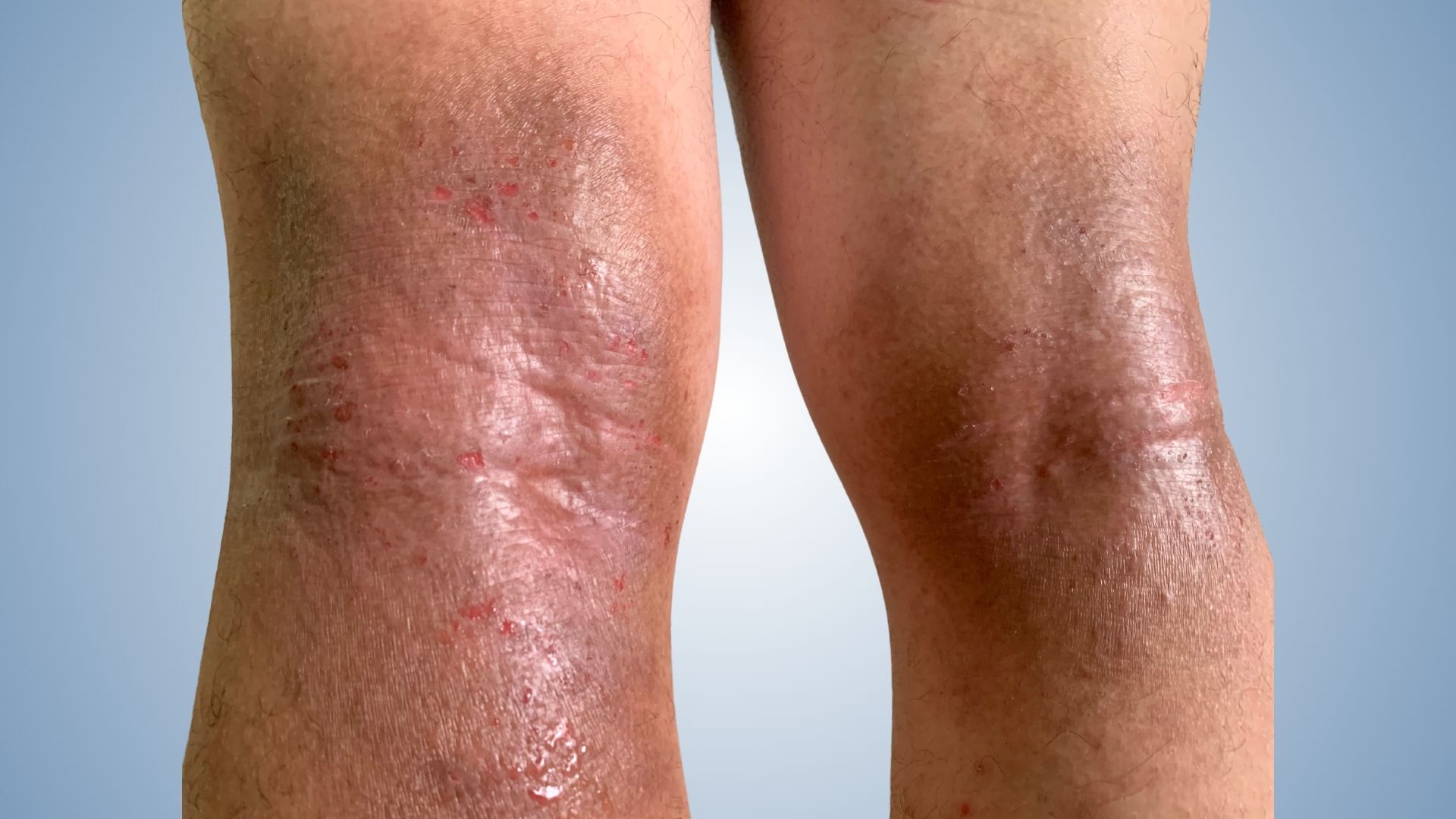
Skin that has been rubbed and scratched for months becomes thickened, leathery and marked with deeper lines. It often itches without looking dramatic. Breaking the scratch cycle matters as much as treating the rash.
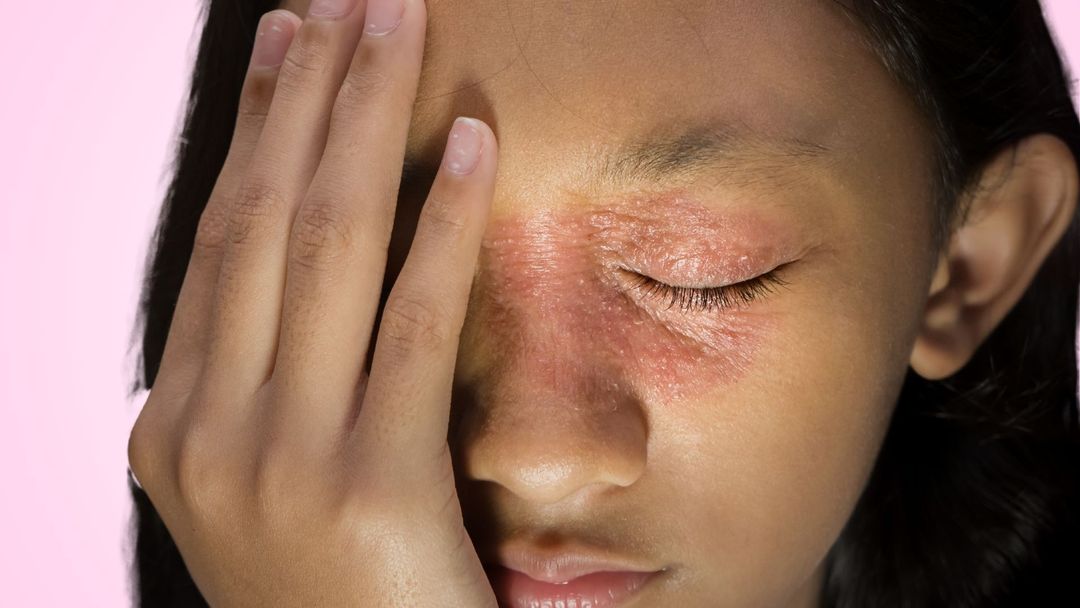
Eyelid skin is the thinnest on the body, so eczema here looks dry, flaky and puffy, with fine wrinkling and stinging rather than an obvious rash. It is often set off by something the hands carried up to the face - shampoo, nail polish, a cleanser or an eye cream. Only mild steroids or the non-steroid creams belong on eyelids, and only for short stretches.
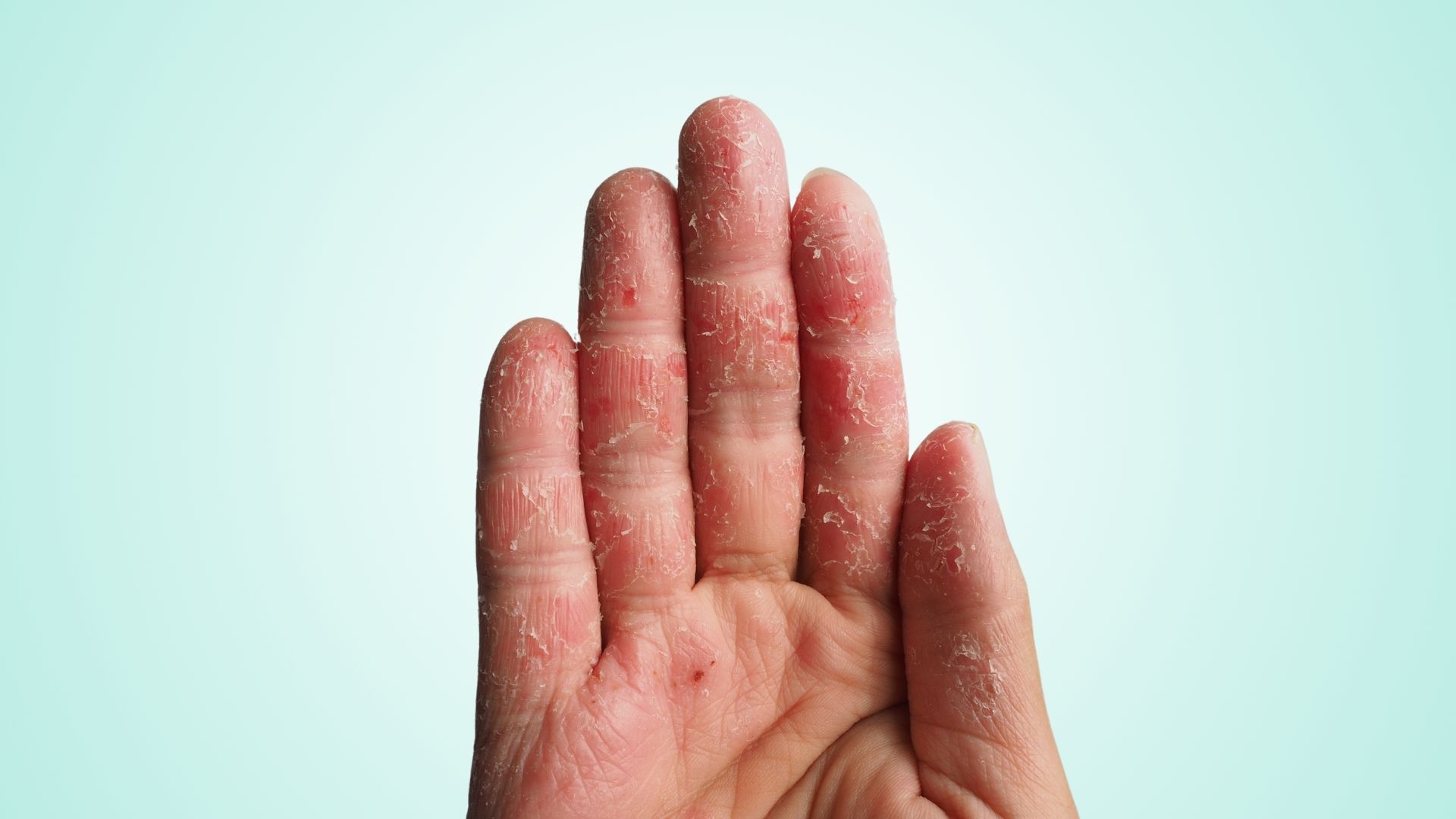
Dryness, cracking and painful splits across the fingers and palms, sometimes with deep, very itchy blisters along the sides of the fingers. Frequent handwashing, gloves and wet work keep it going, which is why it is common in healthcare, food and cleaning jobs. It is the version of eczema most likely to carry on into adult life.
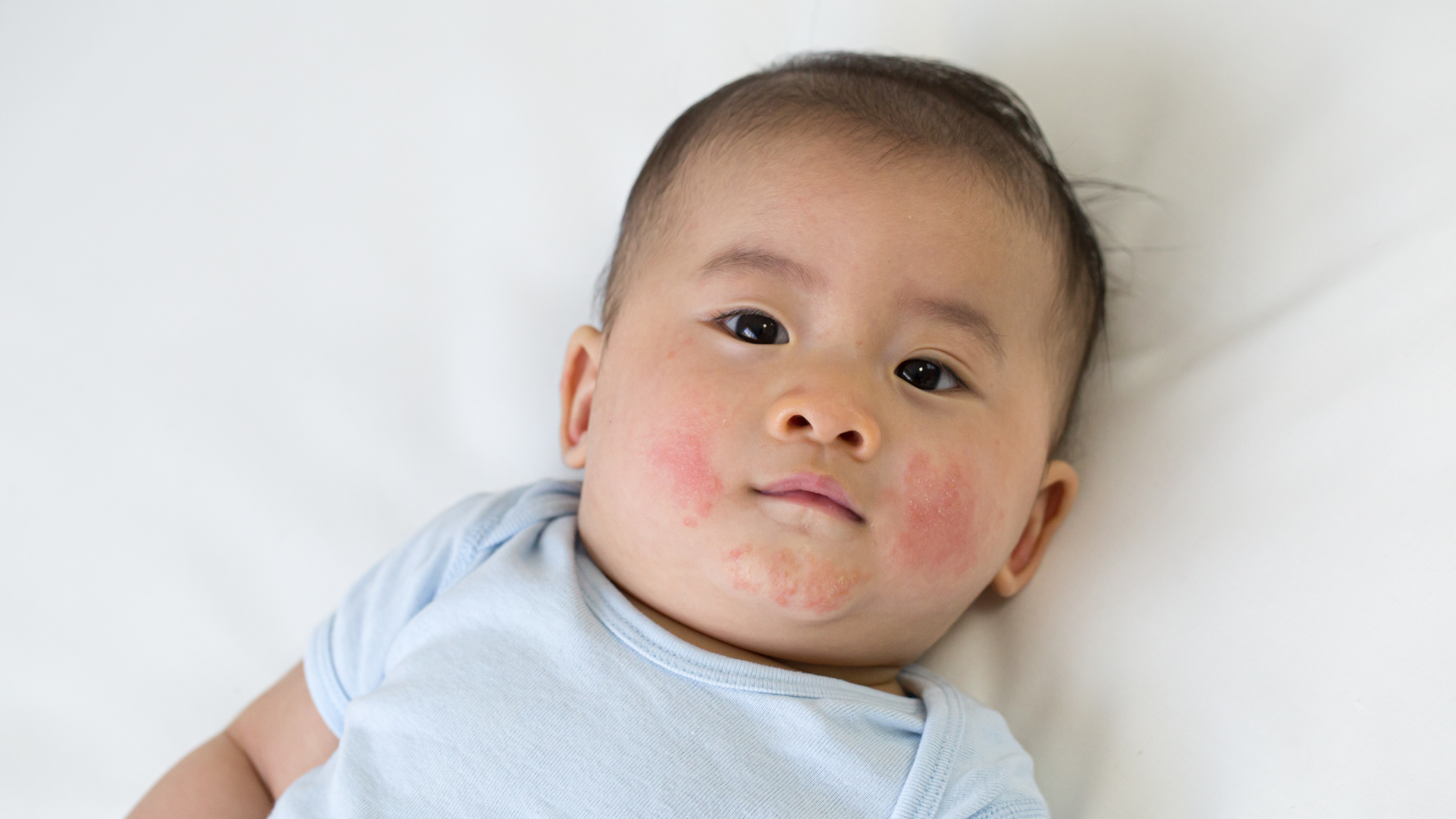
The most common type, and the one most people mean by eczema. It usually starts in childhood, runs in families alongside asthma and hay fever, and sits in the elbow and knee creases, the neck, the wrists and the hands. It comes in flares on a background of dry, easily irritated skin.

Inflamed patches read clearly as pink and red, with dry, flaking skin over the top and scratch marks between them.
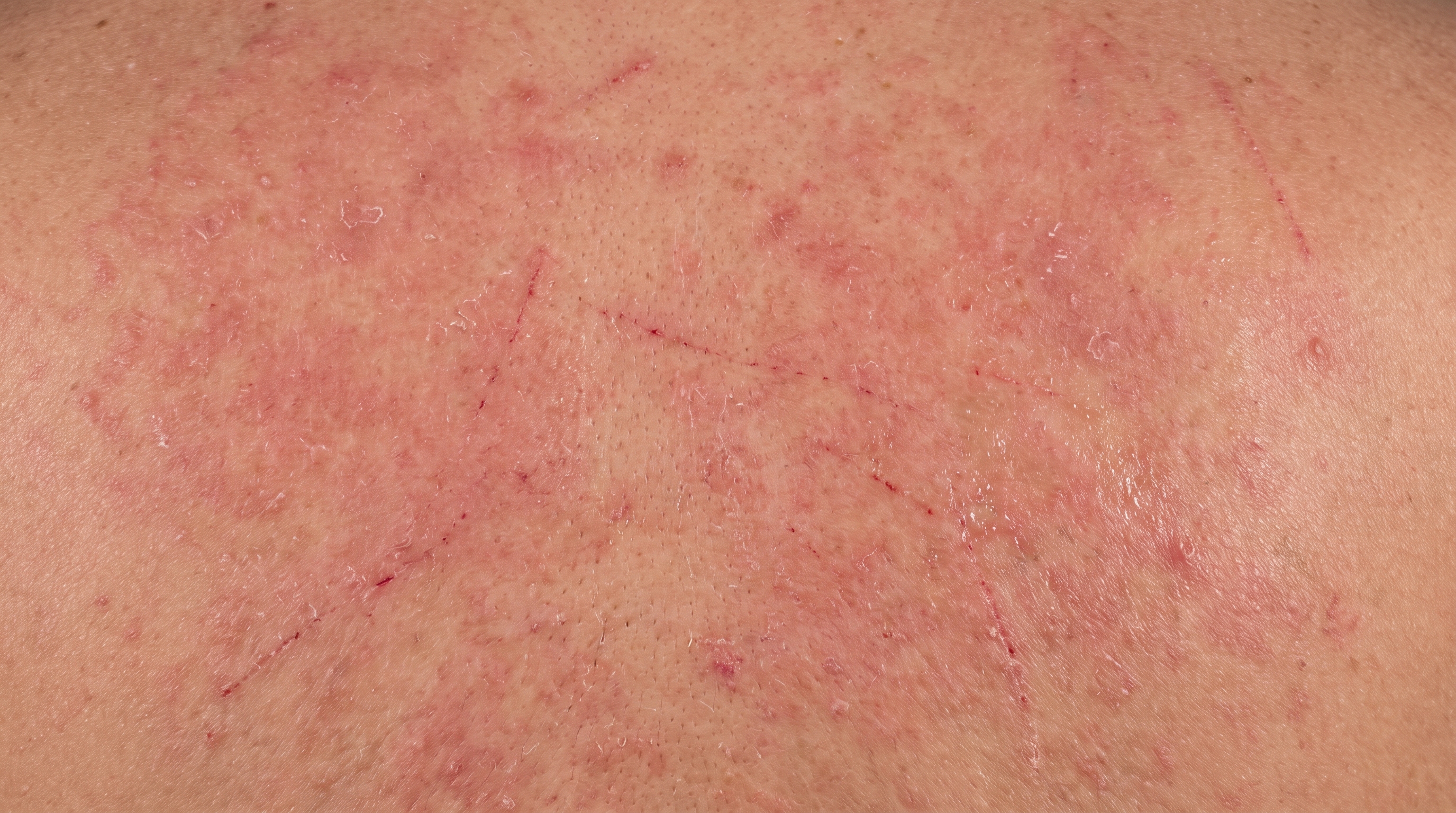
Redness is still visible but duller, and the dry, scaly surface is often more obvious than the color underneath.

Inflamed skin reads violet or dark brown rather than red, and eczema more often appears as small bumps around the hair openings.
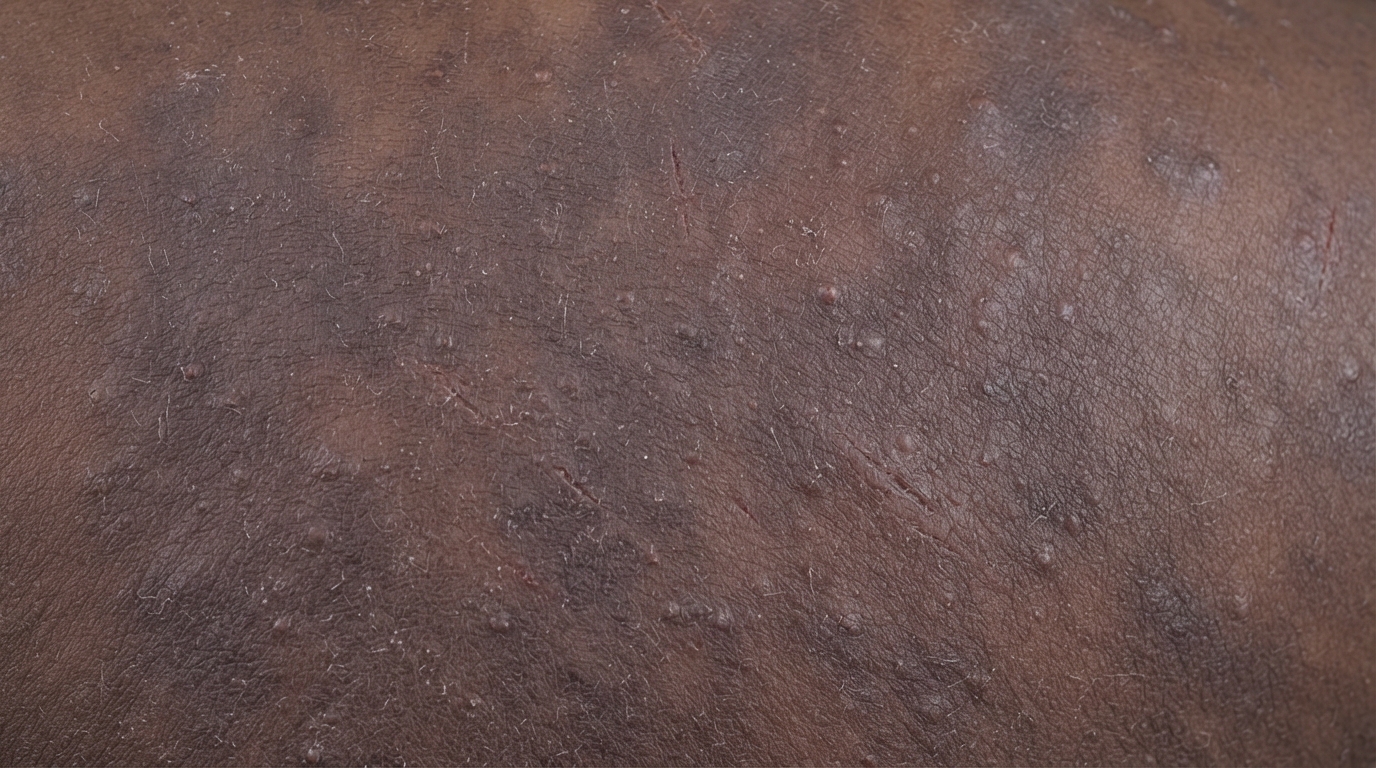
Redness may not be visible at all. Inflamed skin looks gray or simply darker, so warmth, thickening and roughness under the fingers tell you more than color does.

On light skin dry skin looks pink and finely flaky, and the cracks show up as fine red lines, most often on the shins, hands and forearms. It usually gets called sensitive skin or a bit of winter dryness. The trap is that the pinkness is easy to see and easy to dismiss, so people reach for a thin lotion when the skin needs a thick cream or an ointment.

On medium and olive skin the dryness reads as a dull, dusty gray over the natural tone, and any irritation leans brownish rather than red. The scale is often mistaken for a fungal patch, or for skin that just needs a good scrub. Scrubbing is the wrong move. It clears the flakes for an hour and damages the layer holding water in, so the roughness comes back worse.

On brown skin the scale shows up as a gray or chalky white cast, often described as ashy. It scatters light and stands out sharply against the skin around it, so the same amount of dryness looks far more obvious than it would on lighter skin. It is a real appearance problem, not a cosmetic complaint to be waved away. Rich creams and ointments on damp skin work better here than lotions.

Two things hide and one thing lasts. Irritation reads brown, gray or violet rather than red, so irritated dry skin and early eczema get judged as milder than they are — go by scale, tightness, warmth and itch instead of color. What lasts is what scratching leaves: flat dark marks that take months to fade, and thickened, leathery patches from months of scratching. Settling the itch early does more for how the skin ends up looking than treating the marks afterwards.
Eczema
Yes, and the itch comes first
The itch usually arrives before there is much to see. It wakes people at night, and scratching makes the rash worse, which makes it itch more.
Dry Skin (Xerosis)
A little, at most
Dry skin feels tight and can prickle. It rarely stops you sleeping.
Eczema
Creases and folds
Insides of the elbows, backs of the knees, wrists, ankles, neck and eyelids. In babies it starts on the cheeks and scalp.
Dry Skin (Xerosis)
Shins, forearms and hands
Wherever skin is thin and there are few oil glands. Lower legs are the classic spot, especially in winter.
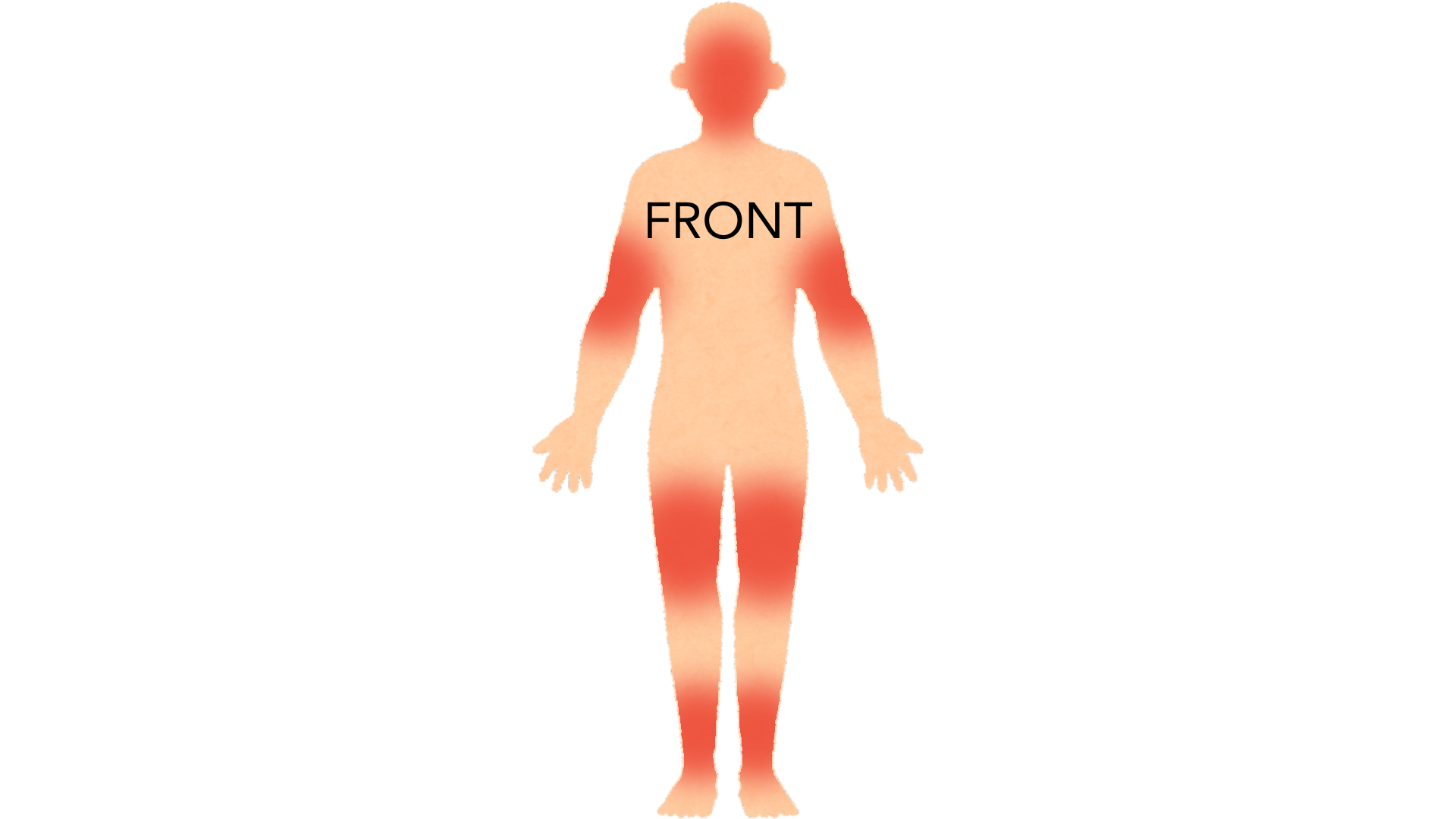
The baby and toddler pattern. It favors the cheeks and scalp first, then the outer surfaces of the arms and legs. The diaper area is usually spared, because it stays damp.
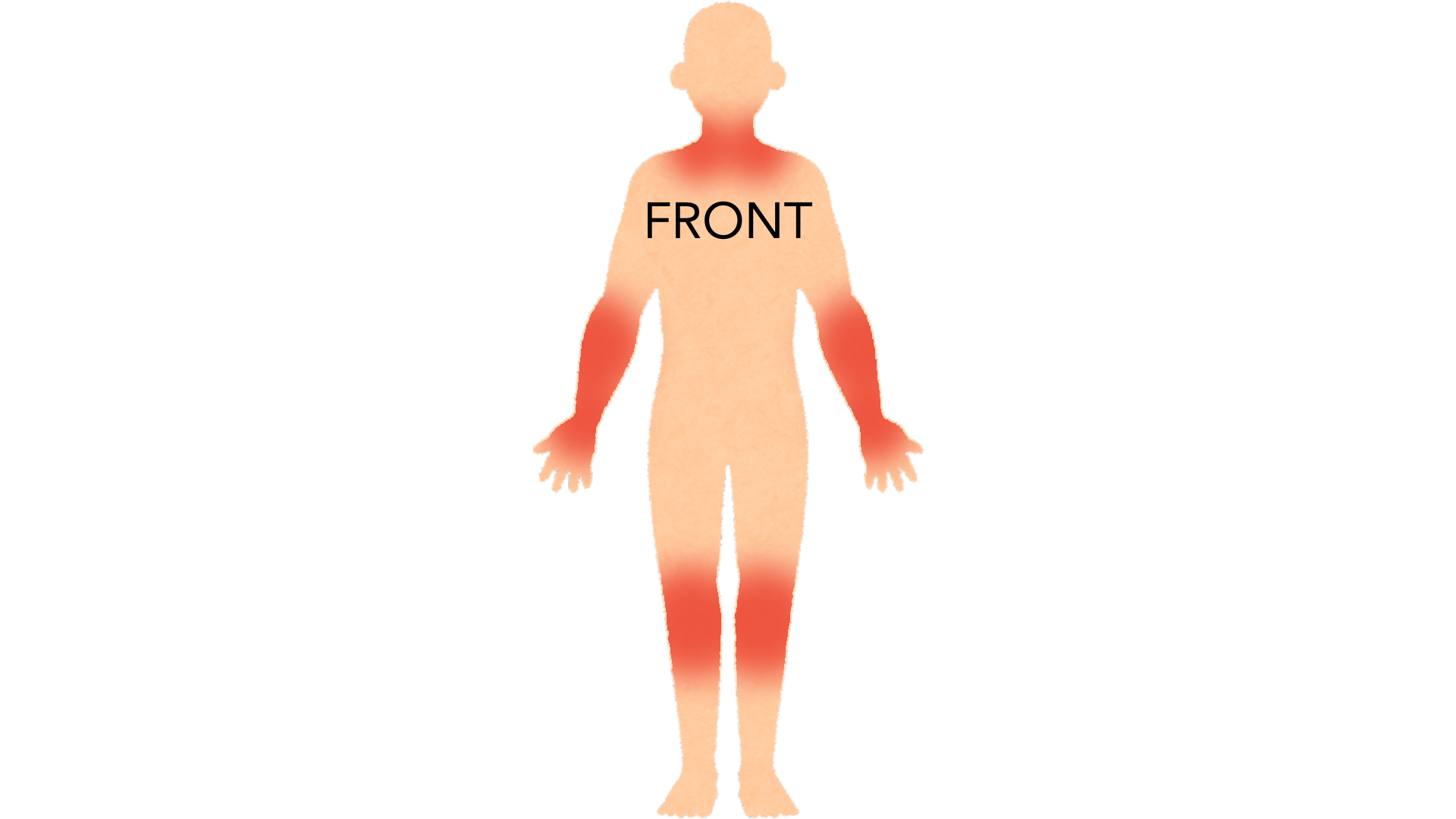
The pattern from about age two onward, and the one most people picture. Skin folds trap heat and sweat, and they are the easiest places to reach and scratch.
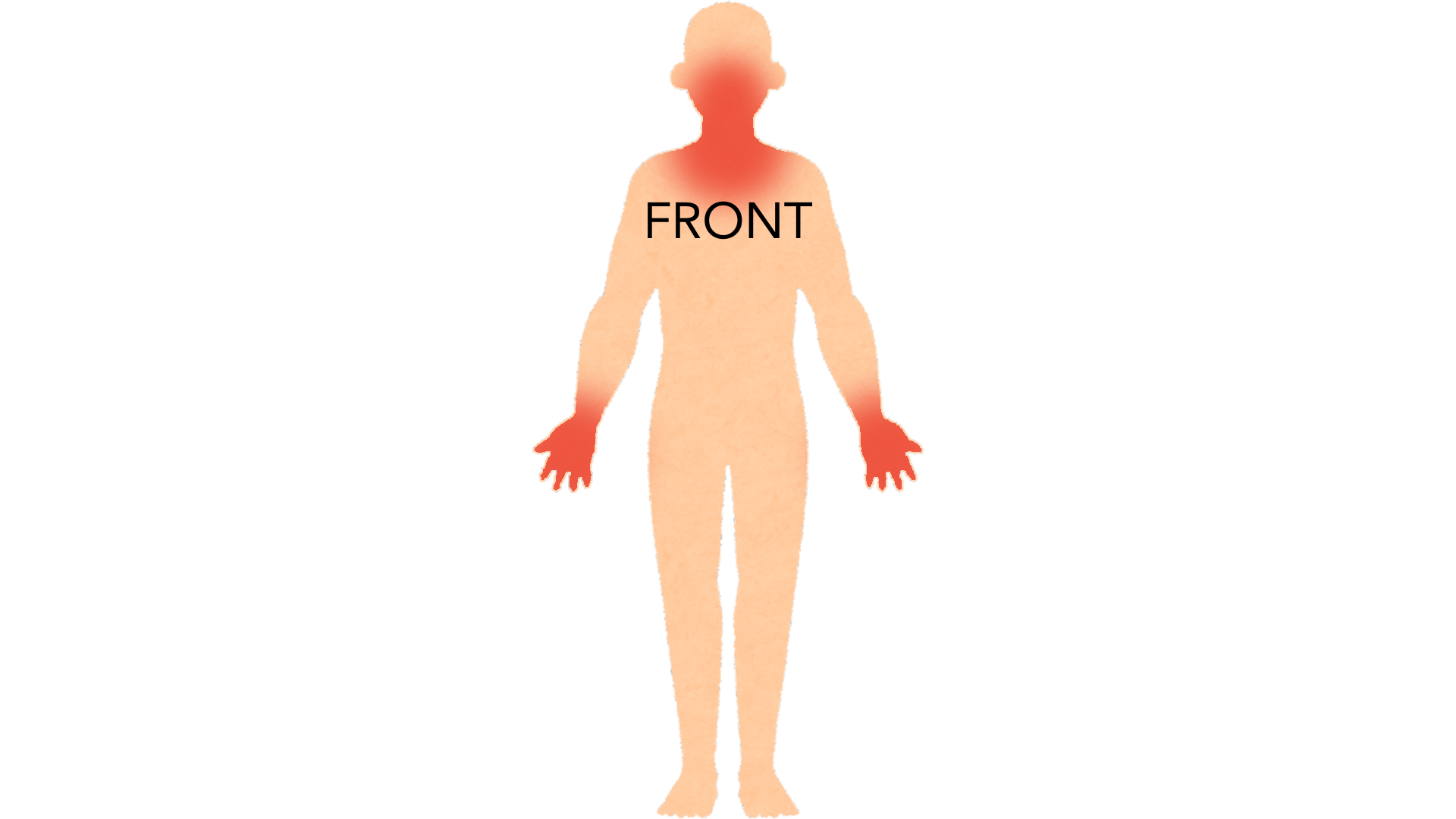
The adult pattern. Hands take the most washing, gloving and wet work, and the thin skin of the eyelids and lips reacts to whatever the hands carry up to the face.
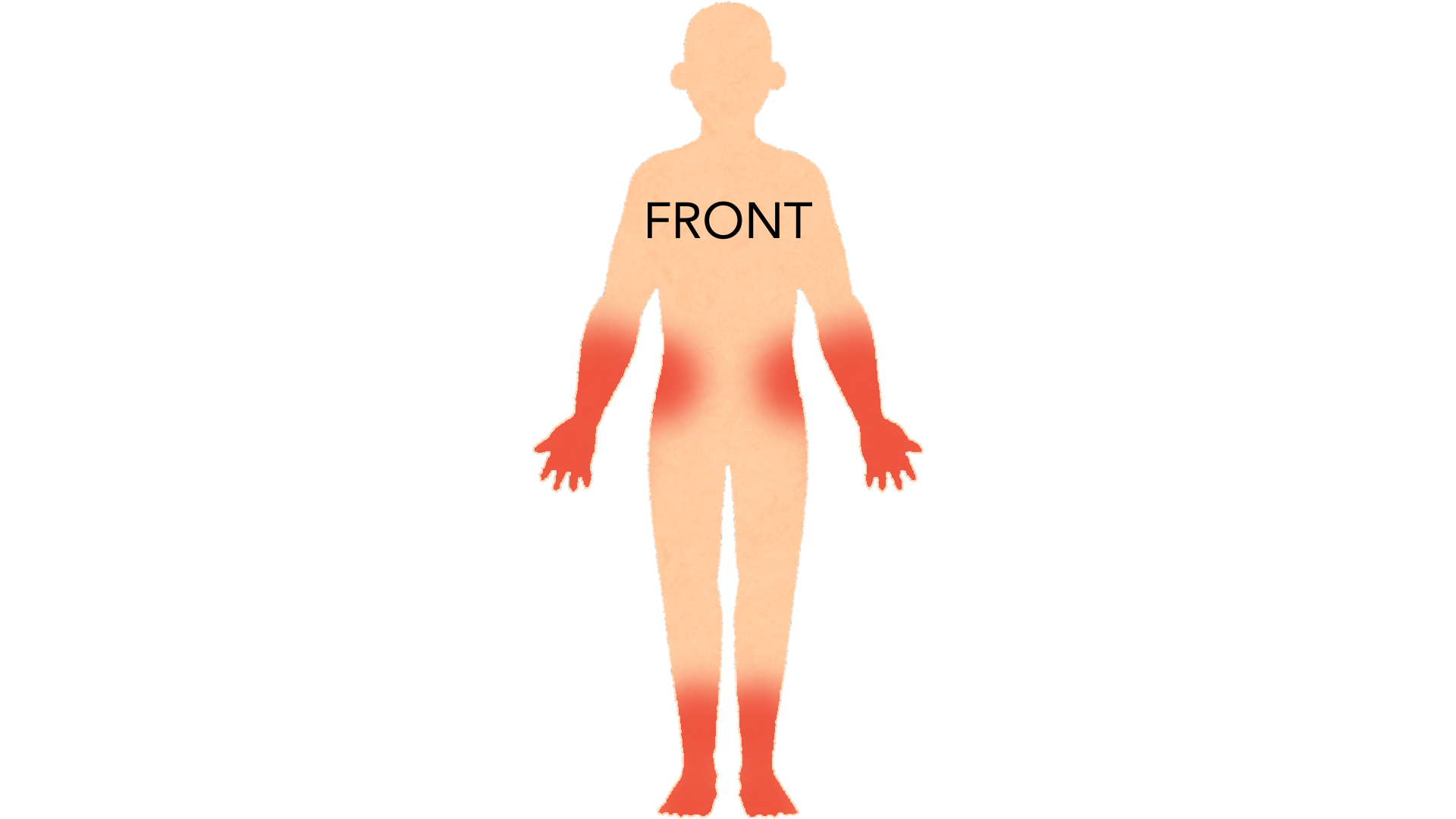
The shins are first and worst, because they have the fewest oil glands and the least fat under them. Forearms, the backs of the hands and the sides of the trunk come next. Hands crack for people who wash them all day, and heels crack under pressure.
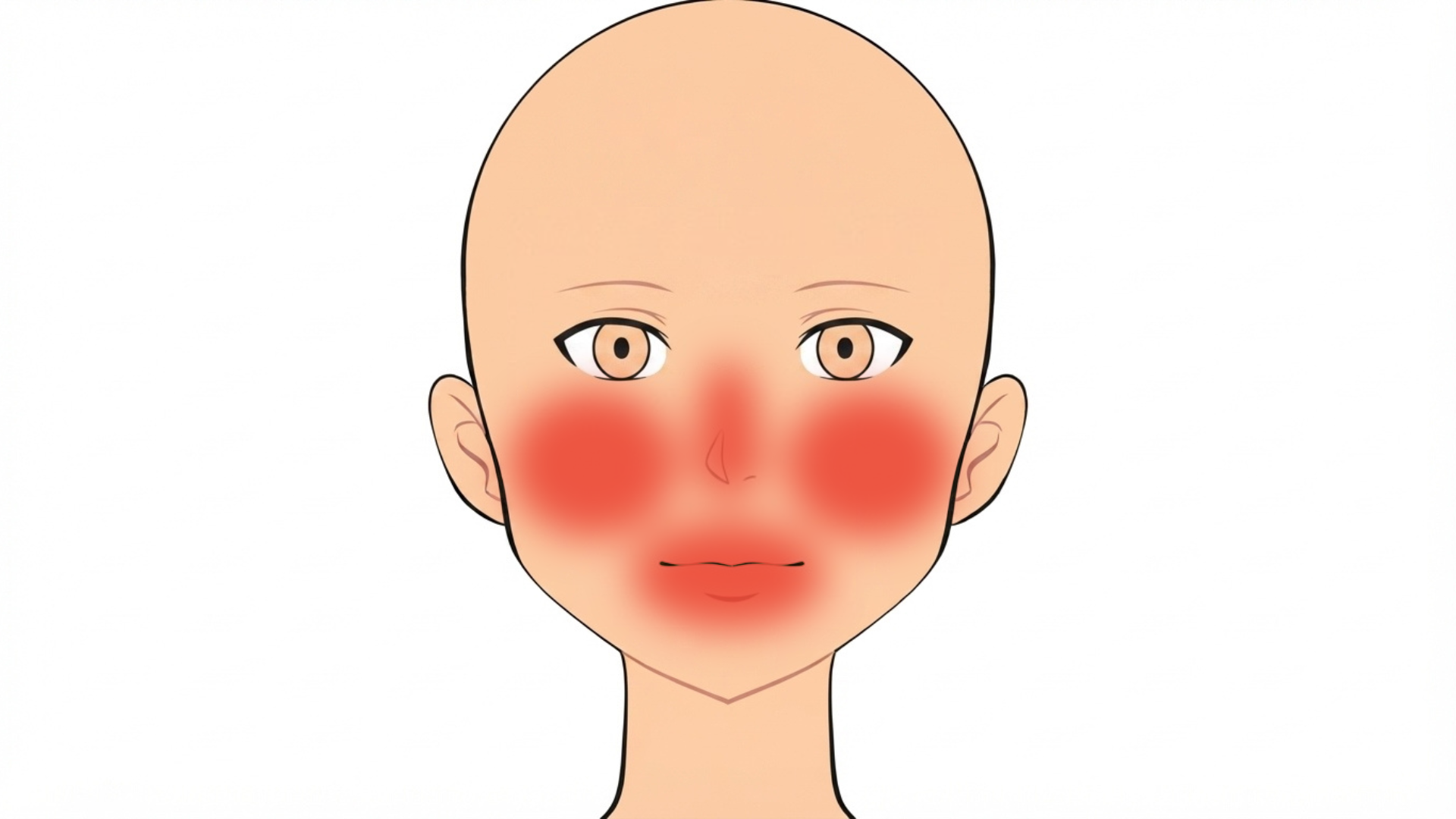
Cold wind outside and dry heat indoors pull water out of the face, so the cheeks go tight and rough and the lips crack. Licking dry lips makes it worse, because the water evaporates and takes more with it.
Eczema
A trigger, and then a flare
Soap, wool, sweat, heat, stress, dust mites, and some foods in young children. It calms and returns rather than staying level.
Dry Skin (Xerosis)
Weather and washing
Winter air, indoor heating, long hot showers, and strong soap or detergent. It improves as soon as those change.
Eczema
Helps, but does not fix it
Moisturizer protects the barrier and lowers how often flares happen. It does not switch off inflammation that has already started.
Dry Skin (Xerosis)
Fixes it
A thick cream or ointment used twice a day usually clears dry skin inside two weeks.
Eczema
A steroid cream, or a non-steroid one
A short course of a topical steroid settles a flare. Non-steroid creams such as tacrolimus, pimecrolimus and crisaborole are used on the face and for longer stretches. Severe eczema has tablet and injection options.
Dry Skin (Xerosis)
Moisturizer and gentler washing
Thick cream on damp skin, shorter cooler showers, and a soap substitute. Nothing prescription is needed.
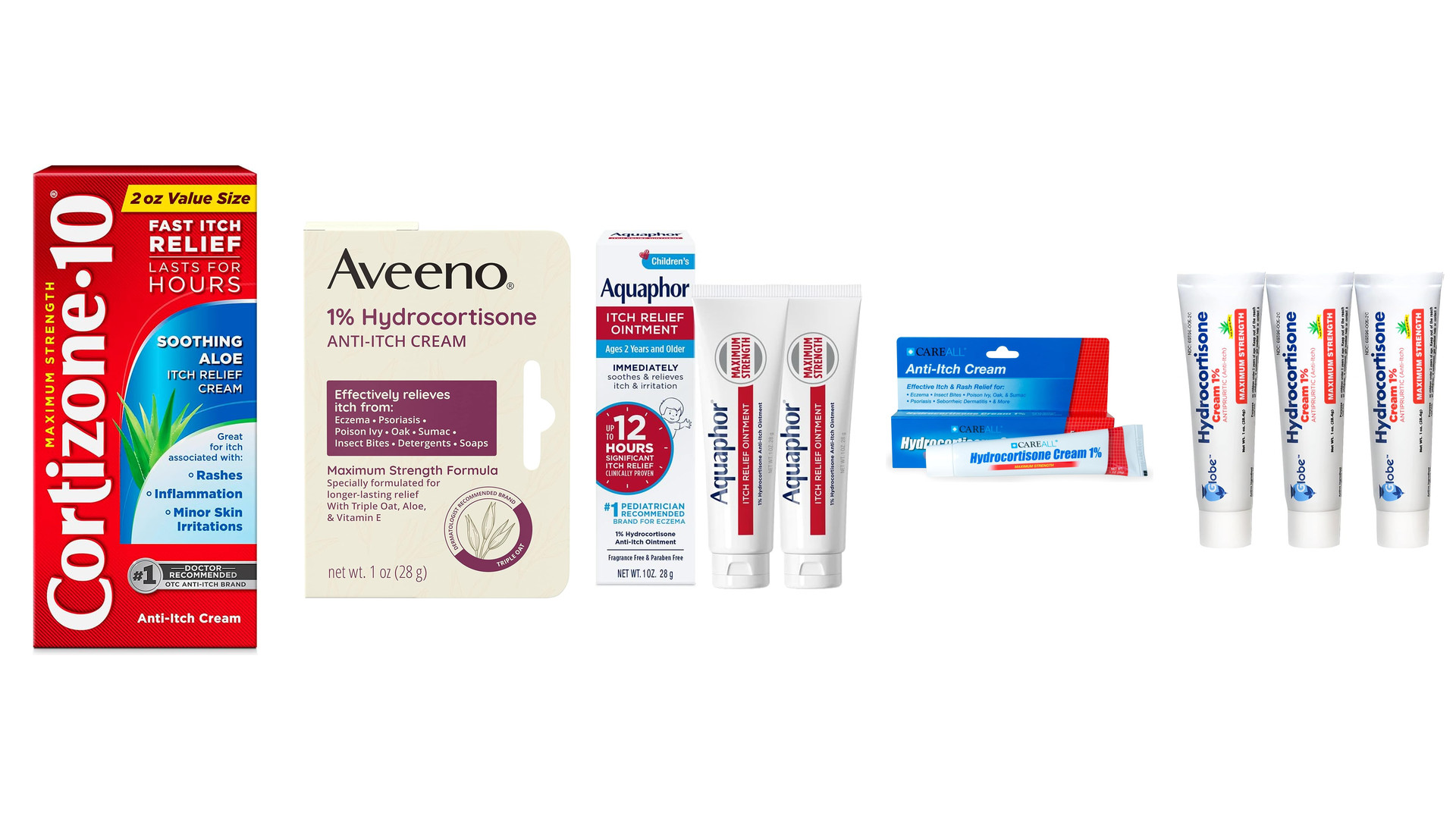
The one steroid you can buy without a prescription, and the only step in this routine that treats rather than protects. A thin layer twice a day on the itchy patches, for up to two weeks at a time. Mild enough for the face and the eyelids for a few days, and too mild for skin that has gone thick and leathery.
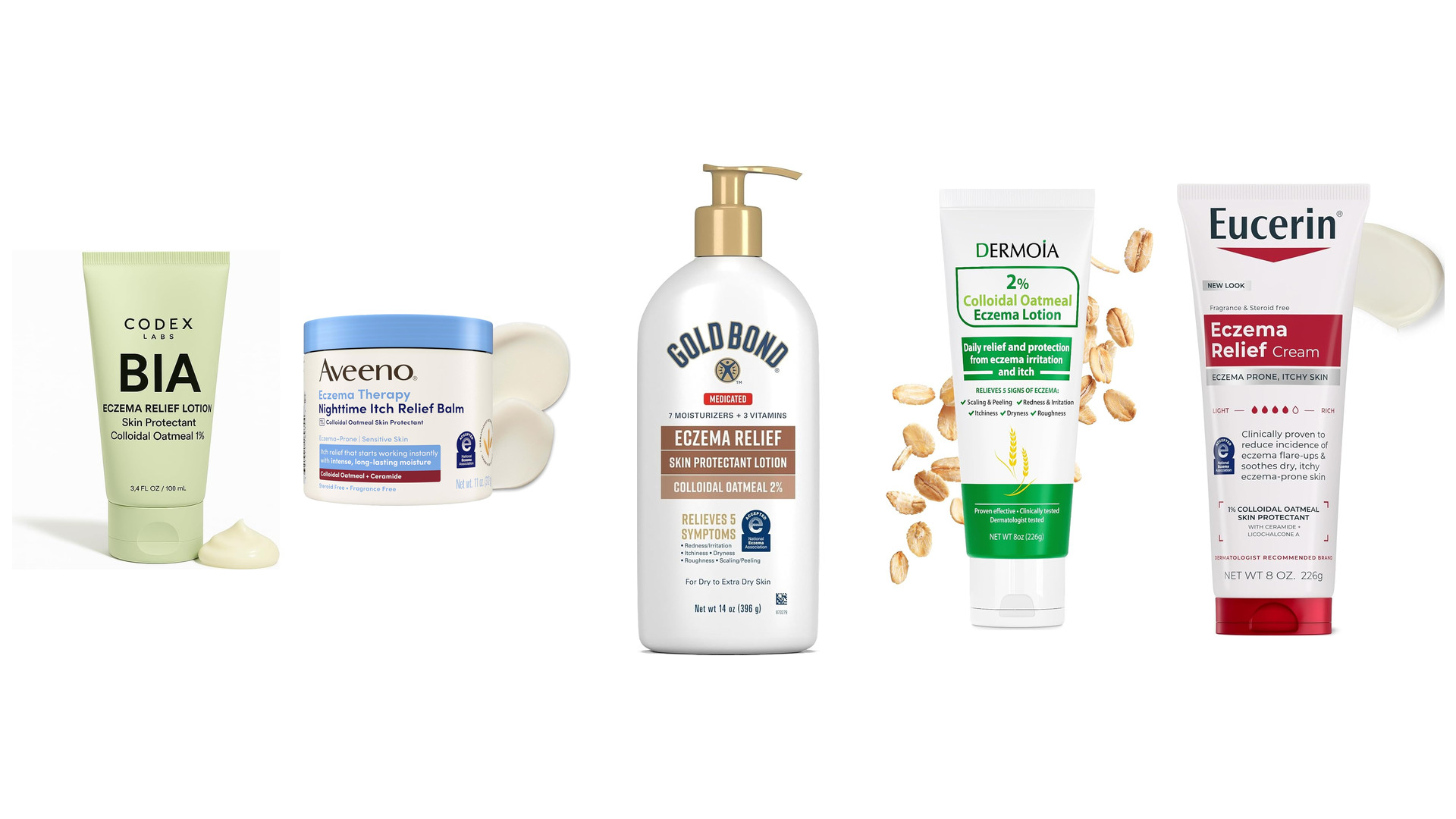
An old remedy that holds up. It calms itch and helps the barrier, in a cream or in a lukewarm bath. It will not clear a flare, and it is a sensible everyday moisturizer for skin that is calm but easily set off.
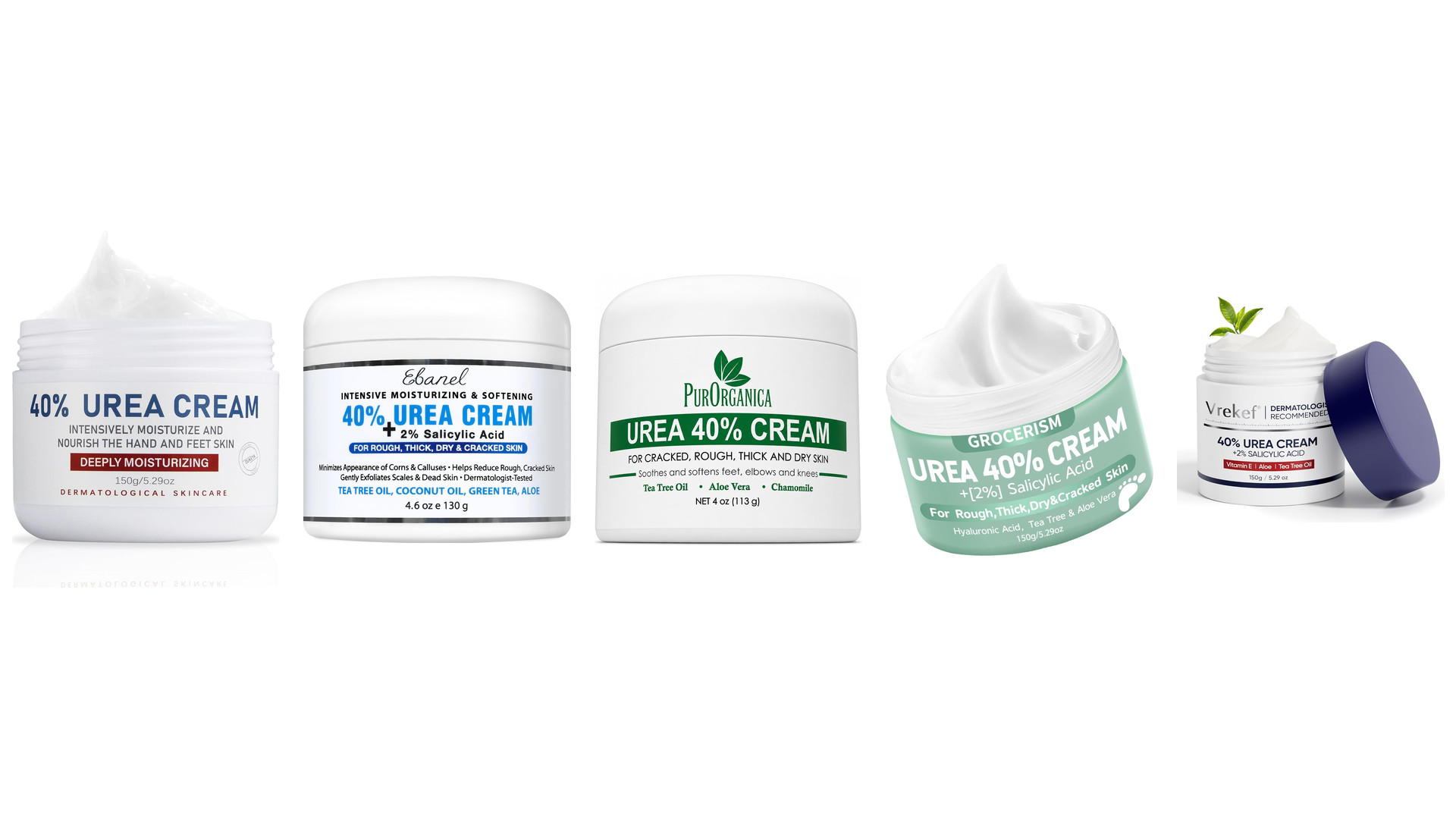
A moisturizer with urea in it, for patches that have gone thick and leathery from years of scratching. 10% and above. It stings on raw or weeping skin, so it belongs to the dry, cracked stage rather than the sore one.
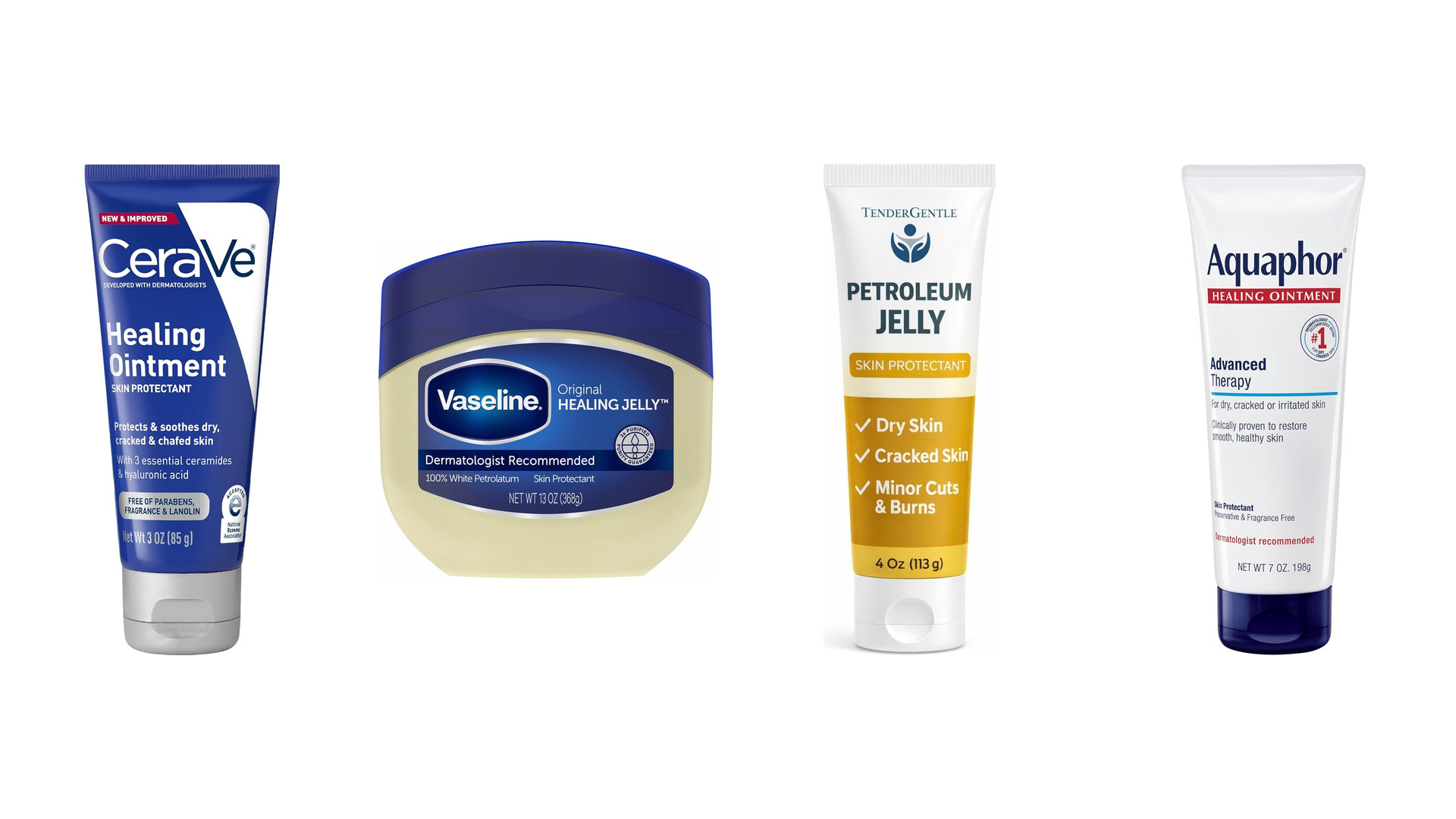
Plain ointment, over damp skin, as the moisturizer rather than beside it. It seals water in rather than adding any. It is the one thing that is safe to put on eyelids as often as you like, and on a weeping flare it is usually the best thing on the shelf.
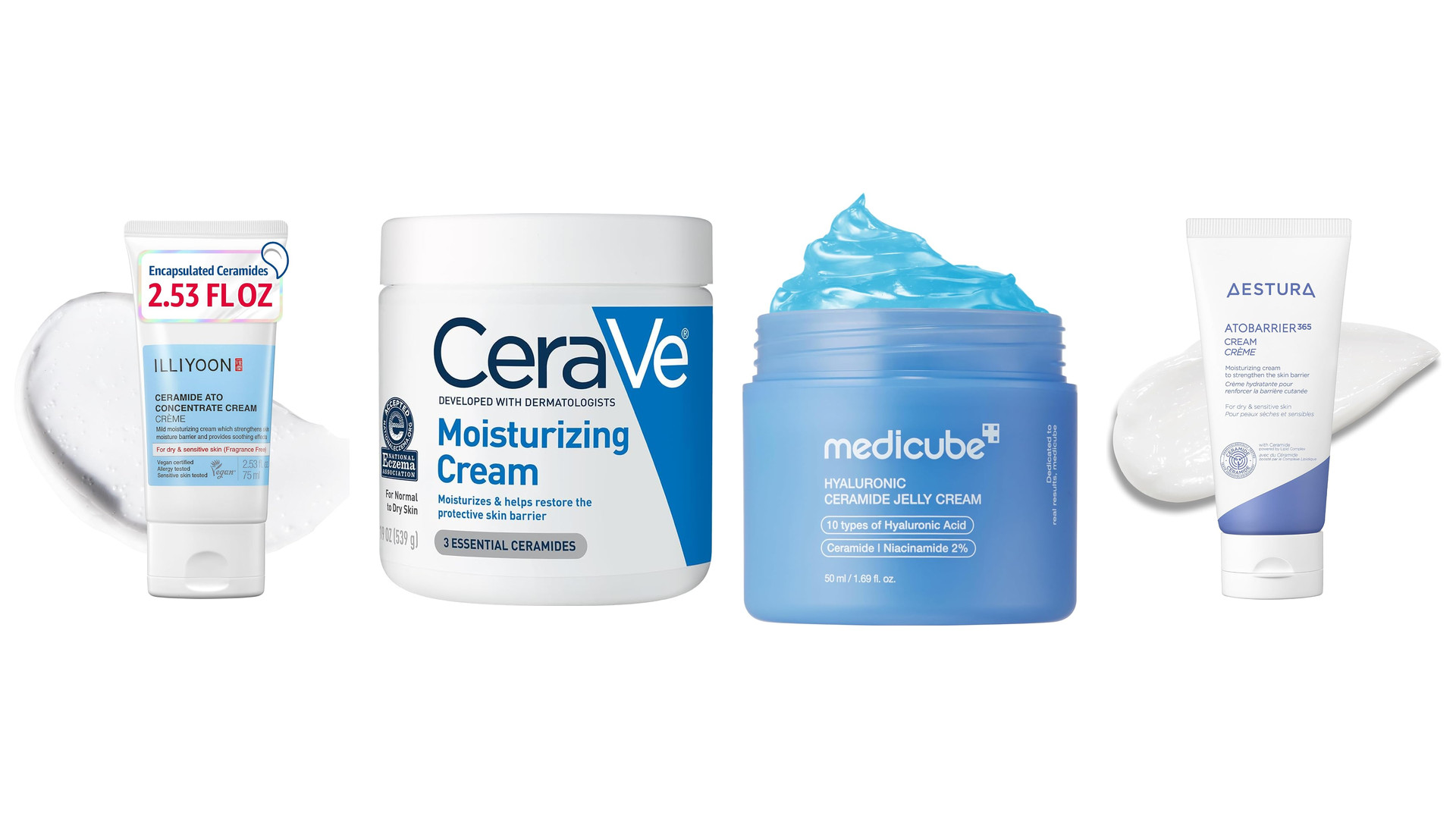
The fats that hold the outer wall of the skin together, and the ones eczema skin is short of. A ceramide cream used daily reduces how often flares happen and how much prescription cream you end up needing over a year. It will not clear an active flare on its own — it is the maintenance step, used on calm skin as much as on sore skin.
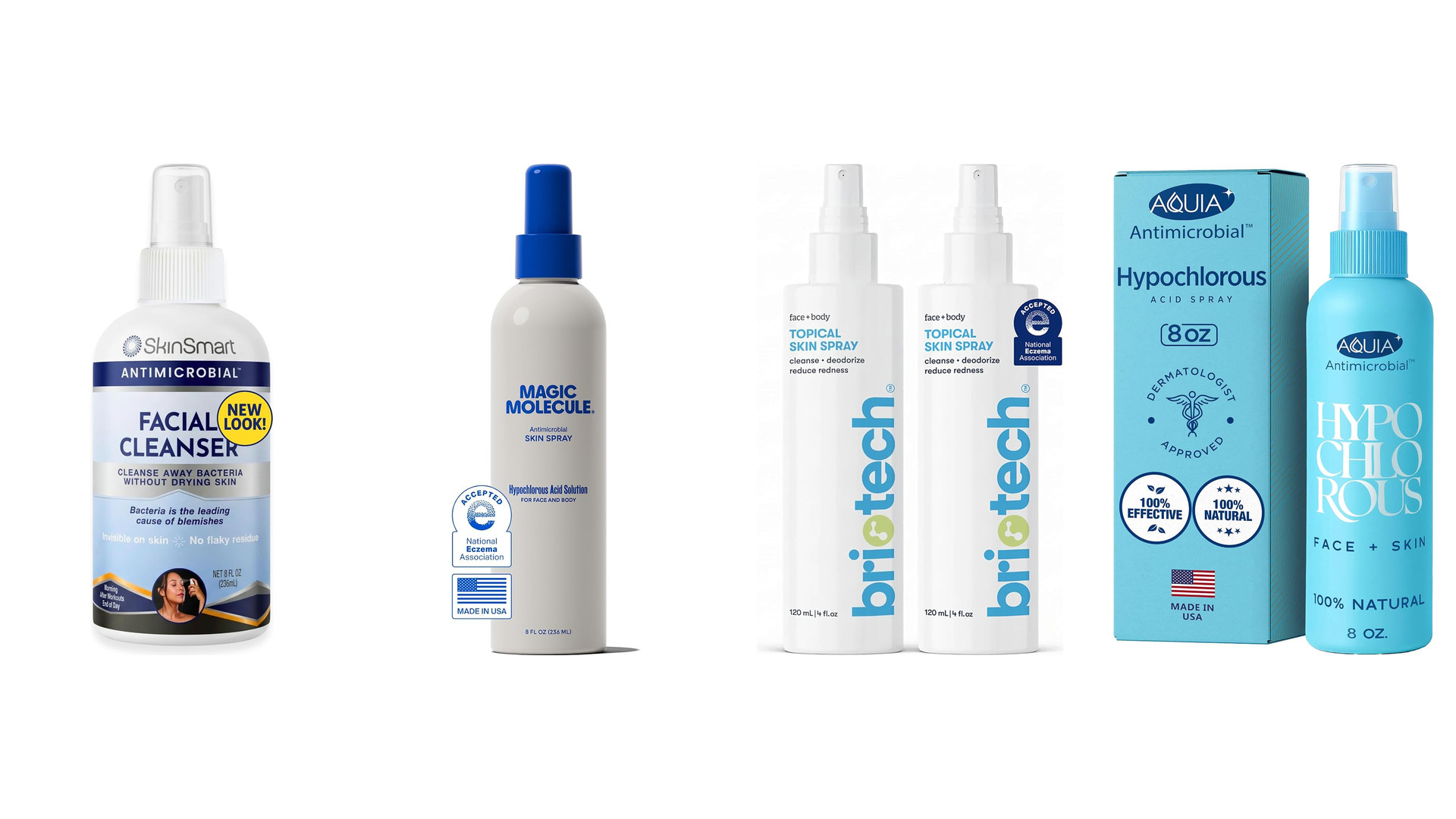
A spray that lowers the amount of staph sitting on eczema skin, aimed at step four rather than at the inflammation itself. It does not sting, which makes it easier on children than a bleach bath. It is a helper for skin that keeps getting infected, not a treatment for the flare.
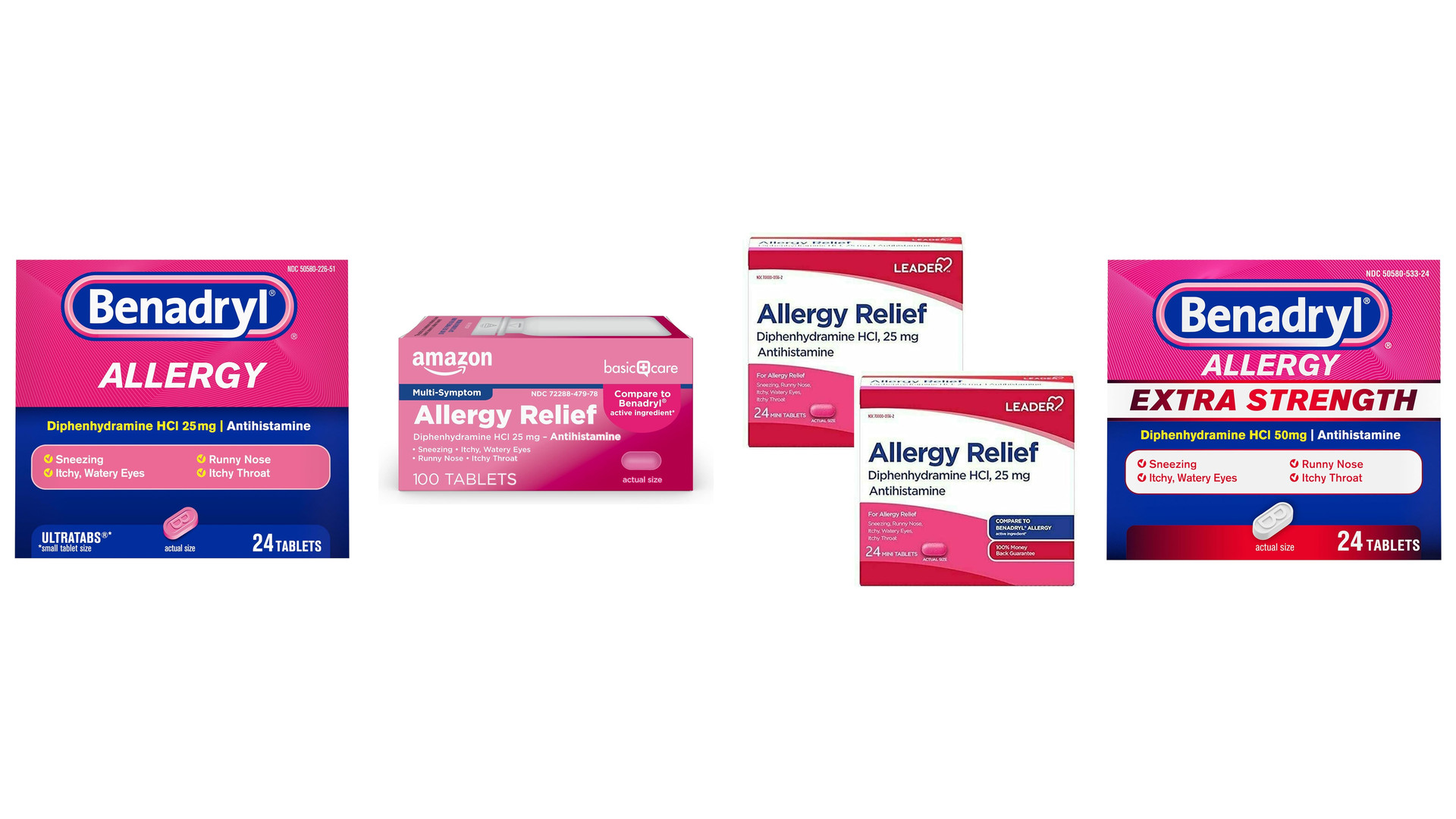
Taken at bedtime it helps you sleep through the itch, which is the honest reason to use it. It does not treat the itch of eczema — that comes from immune signals rather than histamine — so a non-drowsy antihistamine in the daytime does very little. Ask your doctor before using one in a young child.

Measured doses of ultraviolet light in a booth, two or three times a week for a couple of months. It works. The cost is time, because it means getting to the office that often.
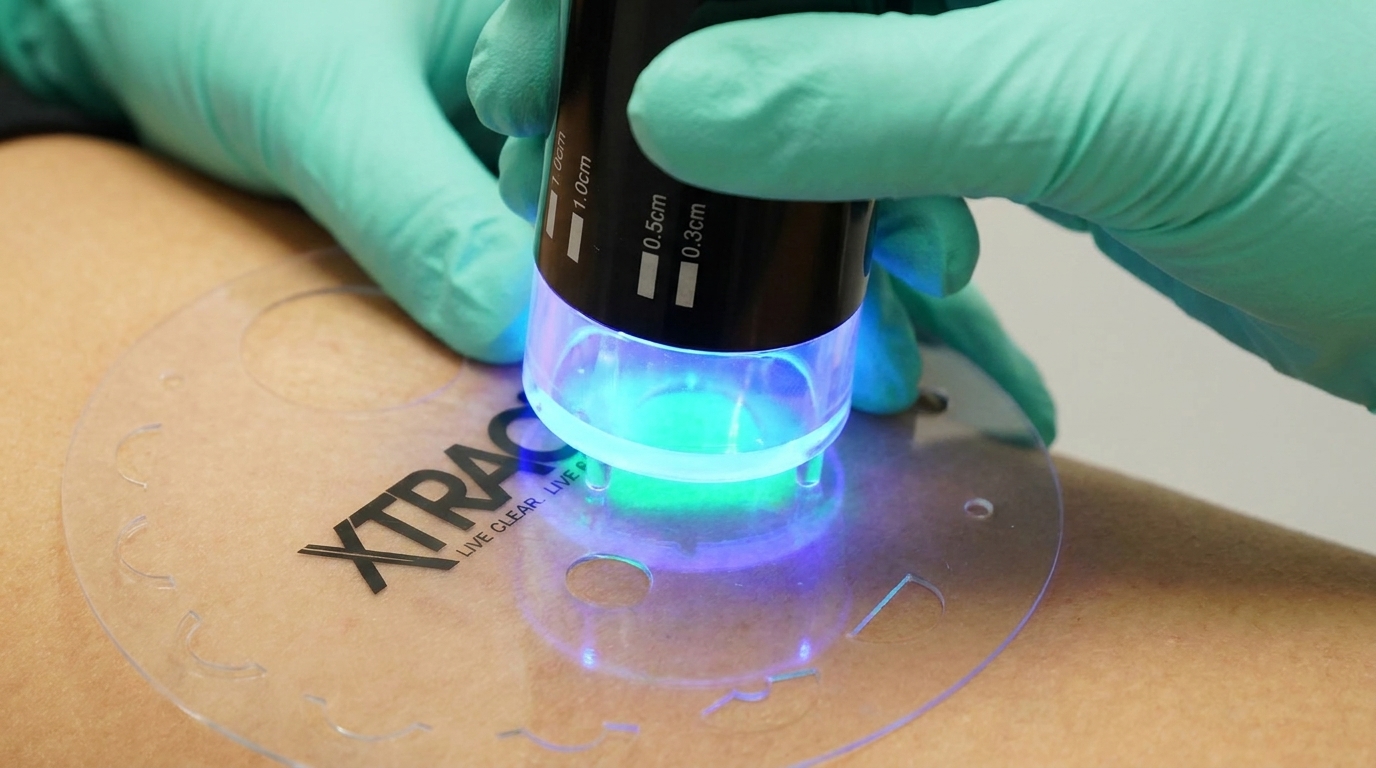
The same idea as the light booth, aimed at one patch instead of the whole body. Useful when a few stubborn areas are all that is left.

An injection every two weeks, for eczema that covers a lot of skin and has not answered creams. It is not a steroid and it needs no blood monitoring. Eye irritation is the side effect people actually get.
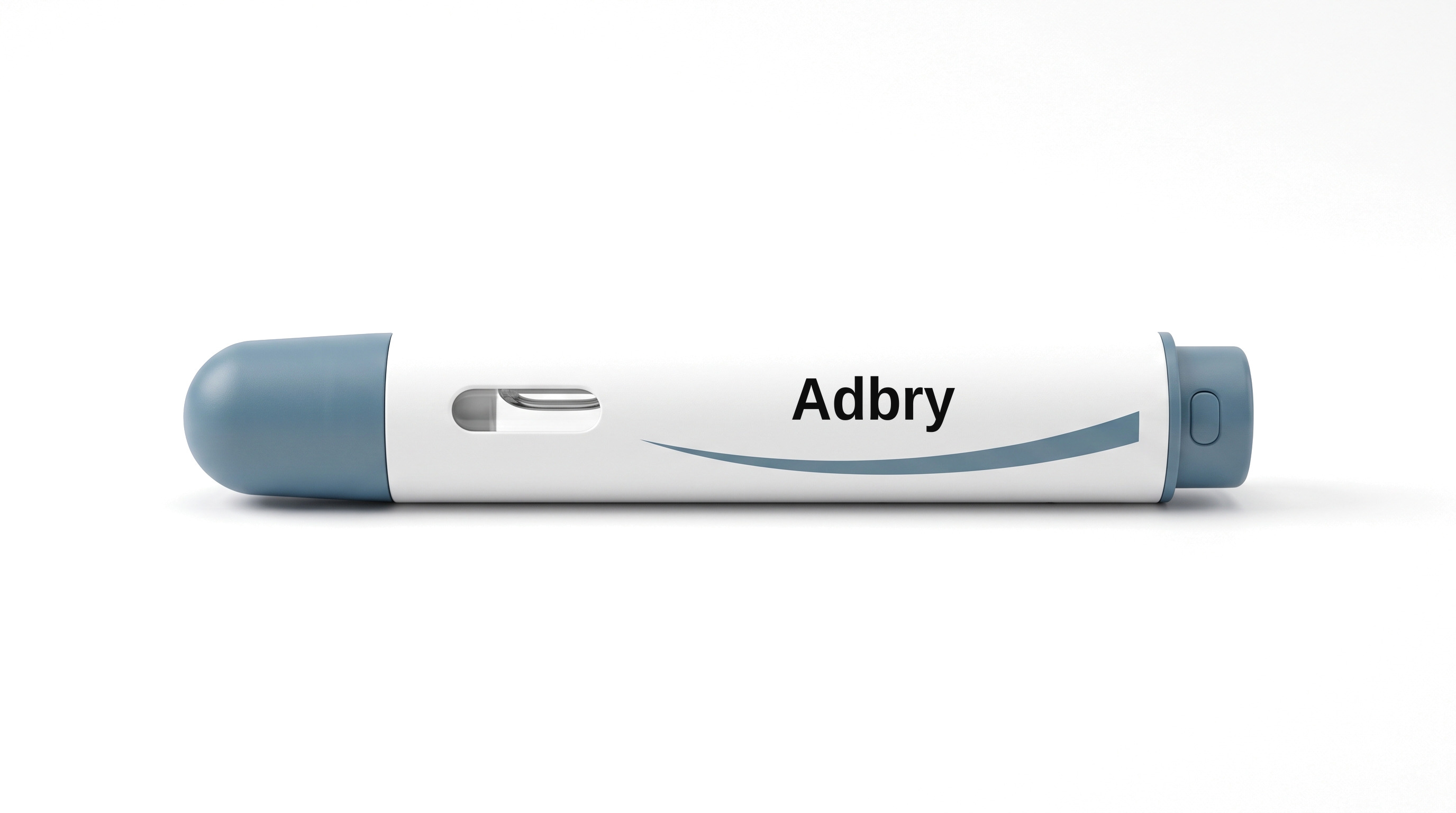
An injection every two weeks for moderate to severe eczema, blocking one of the same immune signals Dupixent does. It is the usual next thing to try when Dupixent has not worked well enough or has not been tolerated. No blood monitoring, and eye irritation is the side effect to know about, as with Dupixent.

Works fast on a severe flare, which is what it is for - weeks to months, not years. It raises blood pressure and strains the kidneys, so both are checked while you are taking it.
A weekly tablet for long-running eczema. Cheaper than the injections and slower to work, with blood tests every few months. Ask your doctor about it before trying to conceive, and if you are pregnant or breastfeeding.
Oral steroids clear eczema quickly and it usually returns worse within weeks of stopping. Most dermatologists avoid them for that reason, and use them only to break a severe flare while something slower is started.

Tablets for severe eczema that has not answered creams — they work fast, often taking the itch down within days. They need blood tests, and the class carries warnings about infection, blood clots and heart problems, so they are prescribed with a proper discussion of who they suit. Usually considered alongside the injections rather than before them.

A short course when a flare is weeping or carrying golden-yellow crusts, which usually means staph has taken hold. It clears the infection so the eczema treatment can work again. It is not a treatment for eczema itself, and taking it for every flare is how resistance builds, so it is used when there is something to treat.

A mid-strength steroid ointment, twice a day for one to two weeks. It is the usual next step when hydrocortisone is not enough. Not for the face, the eyelids or the armpits - the skin there is thin already.
An ointment that calms the same immune signal a steroid does, without being one. It does not thin skin, so it suits the eyelids, the face and the folds, and it can be used twice a week to stop flares coming back. Expect stinging for the first week or so.
A low-strength steroid made for thin skin - the face, the eyelids, the folds, and young children. Twice a day for a week or two.
A steroid-free ointment for mild to moderate eczema, approved down to three months old. It burns on application for some people, which is the main reason it gets abandoned.
The gentler cousin of tacrolimus, in a cream rather than an ointment. Suited to mild eczema on the face and the eyelids. It stings less, and it does less.

A newer steroid-free cream that takes the itch down quickly. It is meant for short courses on a limited area of the body, and it carries the warnings that come with the JAK class.
One of the strongest steroids there is, kept for thick, stubborn patches and for palms and soles. Two weeks at a time, then a break. Long stretches thin the skin.
A steroid-free cream applied once a day, approved for eczema down to two years old. It calms the inflammation without thinning skin, and in trials the improvement often held for a while after stopping. Folliculitis — small spots around the hair openings — and headache are the side effects that come up, and it is newer and more expensive than a steroid.
Another steroid-free once-daily cream, approved for eczema down to six years old. It is well tolerated on the face and the folds, and it does not sting the way tacrolimus does in the first week. Like the other newer creams, the barrier is cost and coverage rather than whether it works.

Changing what you wash with does more for dry skin than any cream, because a cream cannot keep up with oils being stripped every morning. Use a non-foaming cream or oil cleanser, and use it only on the face, armpits, groin and feet — water alone is enough for arms, legs and trunk most days. If the skin feels squeaky afterward, the oils have gone too.
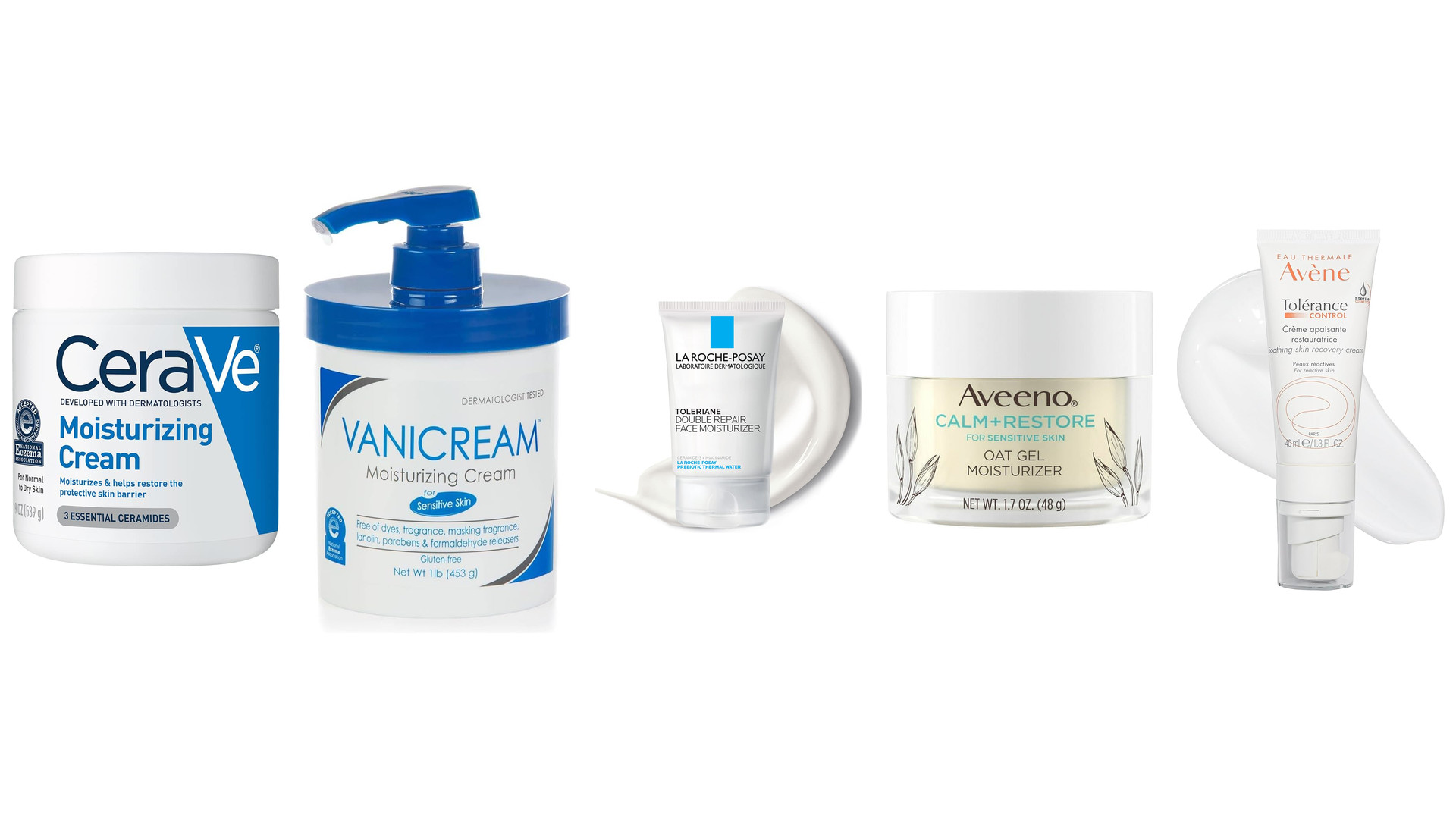
A cream or ointment from a tub, not a lotion from a pump — lotions are mostly water and evaporate. Put it on damp skin within three minutes of the shower, and again before bed. Timing matters more than which one you buy, and several of the most effective are inexpensive drugstore creams. Give any of them two weeks before deciding.
The most effective sealer there is, cutting water loss from the outer layer by more than any other single ingredient. It works best as the last step over a cream, and under cotton gloves or socks overnight it does more for cracked hands and heels in three nights than a cream does in three weeks. It is greasy, which is the only real objection to it.
Ceramides are part of the fatty glue that dry skin has lost, so a cream containing them replaces the actual missing material rather than just covering it. They are the ingredient with the most evidence behind them for rebuilding the barrier over weeks, and they are the reason certain inexpensive drugstore creams are recommended so often. They are slow rather than dramatic, and they belong in your everyday cream.
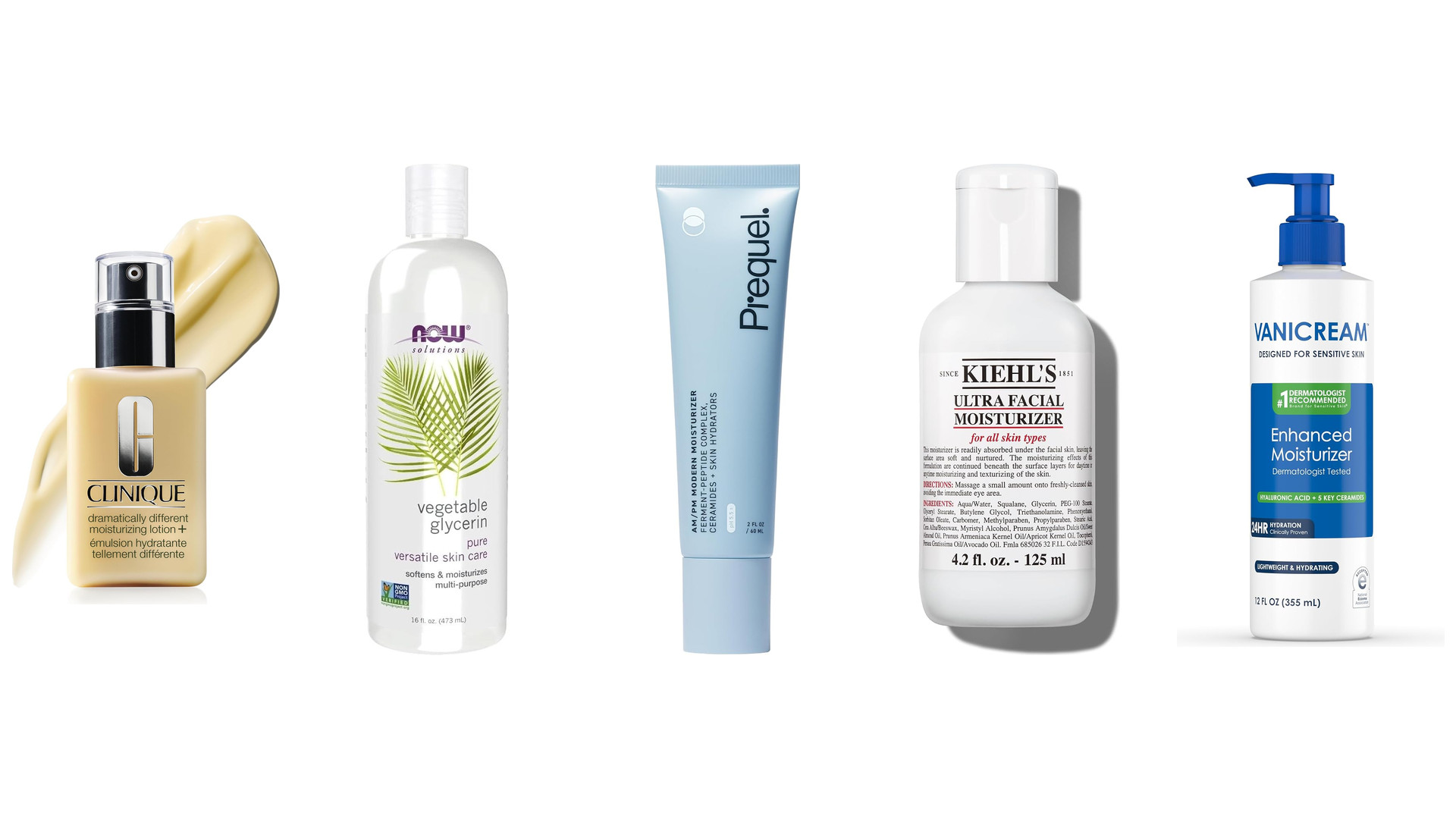
Pulls water into the outer layer and holds it there, which is why almost every good moisturizer has it high on the list. It works best paired with something that seals, such as petrolatum or dimethicone, because water drawn in with nothing over the top simply leaves again. In very dry indoor air, glycerin alone is not enough.
The best choice for thick, scaly skin on heels, shins and elbows, because it softens and dissolves the scale as well as holding water. Ten to twenty percent for general dryness, forty percent for hard heel skin. It is the alternative to scrubbing, which removes the barrier along with the flakes. It stings on cracked or broken skin, so heal the cracks first.
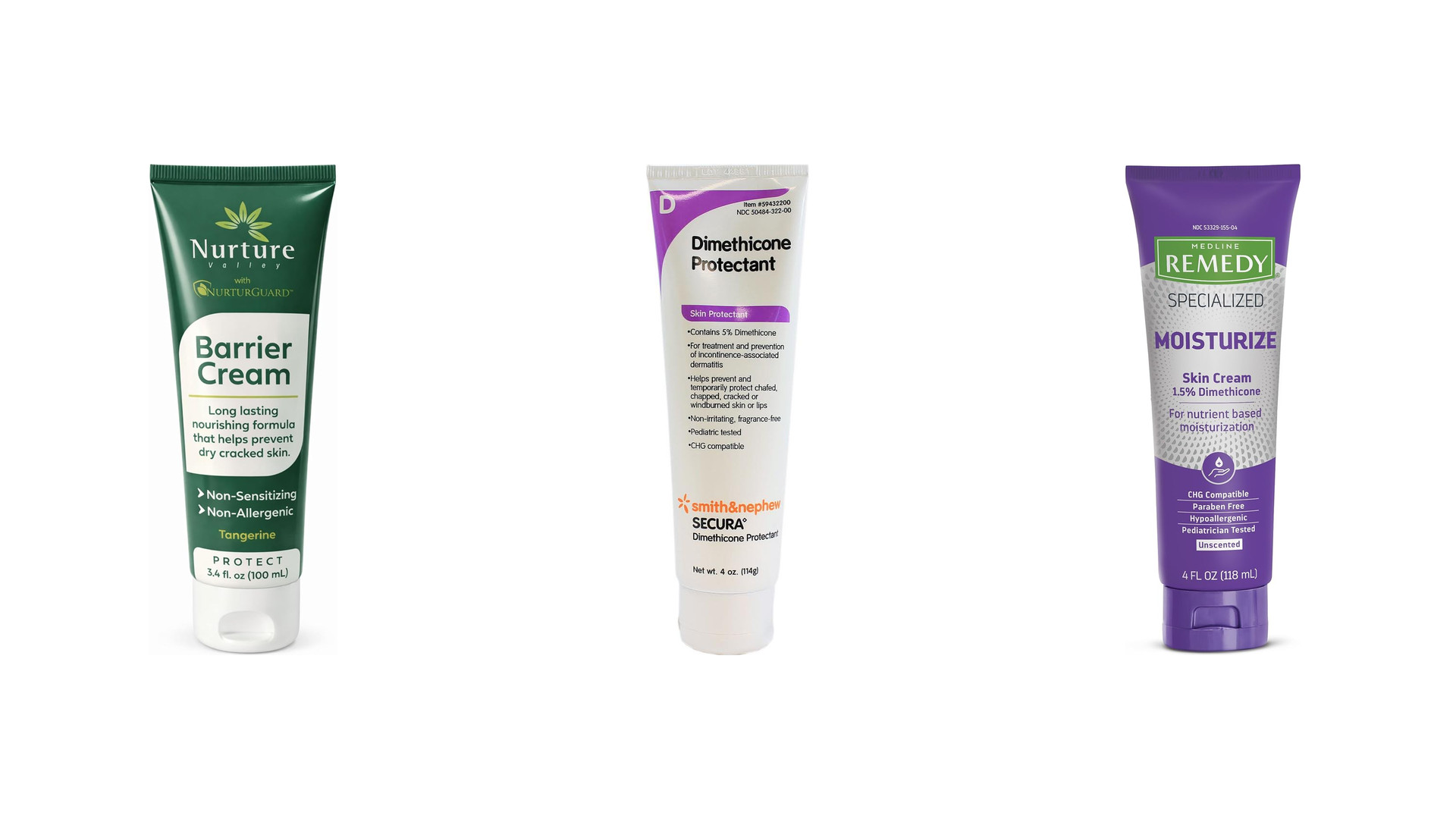
A silicone that forms a breathable seal over the skin, so it holds water in without the greasiness of petrolatum. That makes it the practical option for hands during the day and for anywhere clothes have to go straight back on. It seals but replaces nothing, so it works best in a cream that also contains ceramides or glycerin.
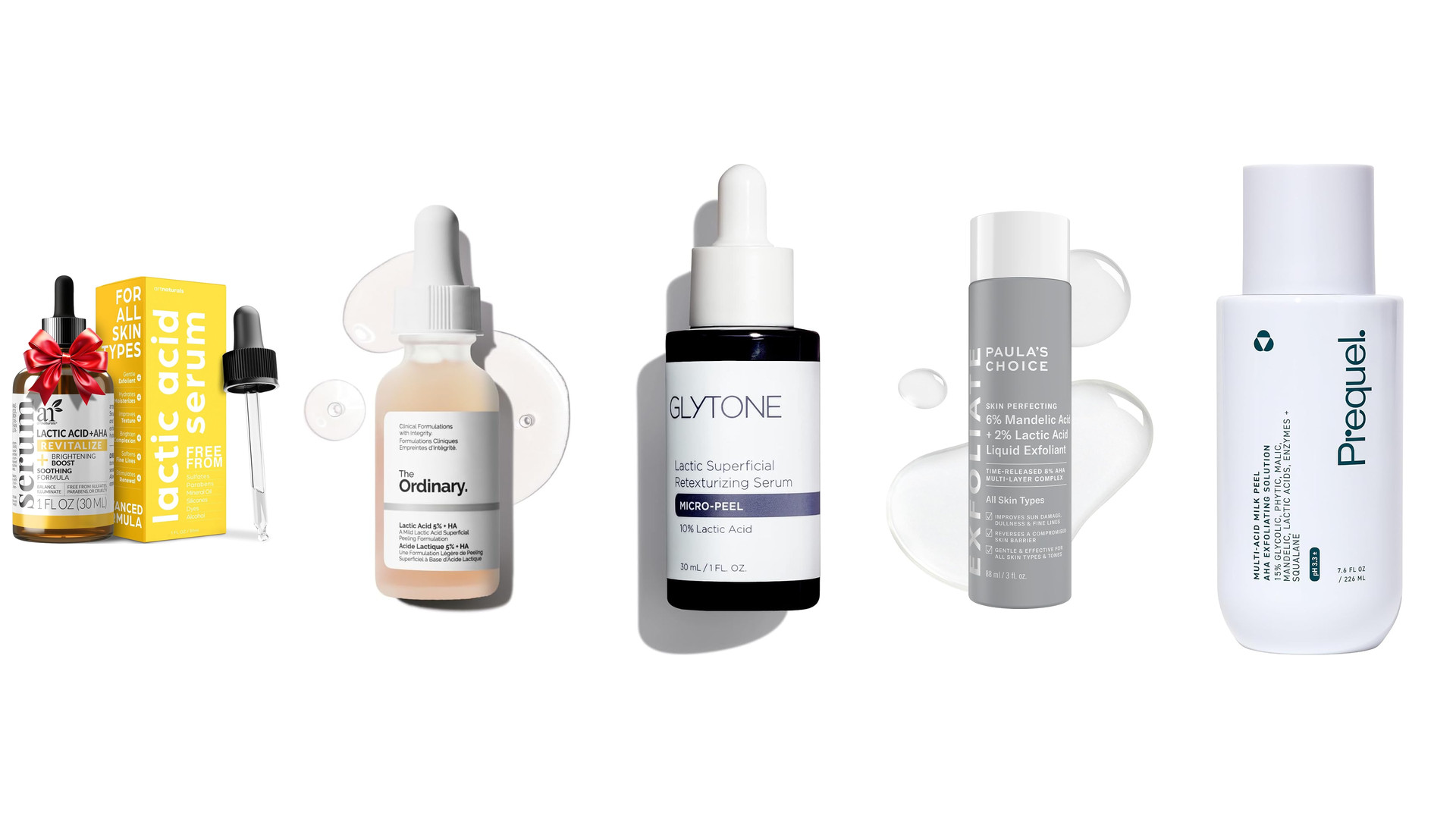
Loosens stuck-together flakes chemically and draws water in at the same time, so it suits rough, bumpy dryness on the arms and legs. It is gentler than urea on large areas but stings more on cracks and on freshly shaved skin. Use it two or three times a week alongside a plain cream, not instead of one.
A lukewarm oatmeal bath gives modest but genuine relief from the itch, and it is gentle enough for broken and cracked skin, which most itch treatments are not. Ten to fifteen minutes, then straight into a cream on damp skin. It settles the itch for a few hours; it does not repair the barrier that caused it.
A few days of over-the-counter steroid cream can break the itch-scratch cycle when dry skin has turned red and itchy and moisturizer alone is not holding it. Use it twice a day for no more than a week, on the itchy patches only, with the moisturizer continuing around it. If you need it repeatedly, that is a reason to be seen rather than to keep buying it.
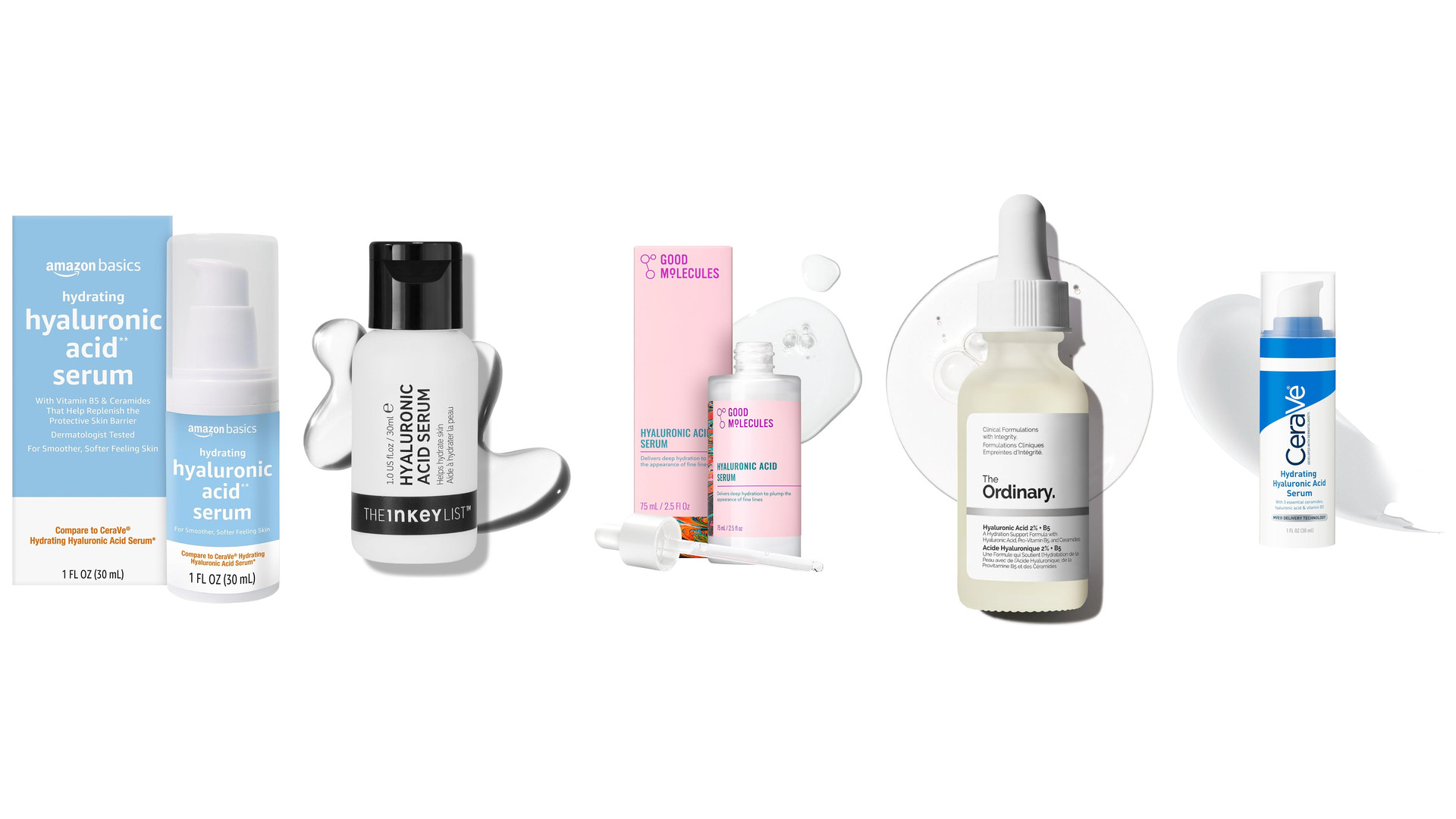
Holds a great deal of water, which makes skin look plumper straight away, but it seals nothing. In dry indoor air or a cold winter it can pull water up out of the deeper skin and let it evaporate, leaving the surface tighter than before. It is only useful here applied to damp skin with a cream over the top.
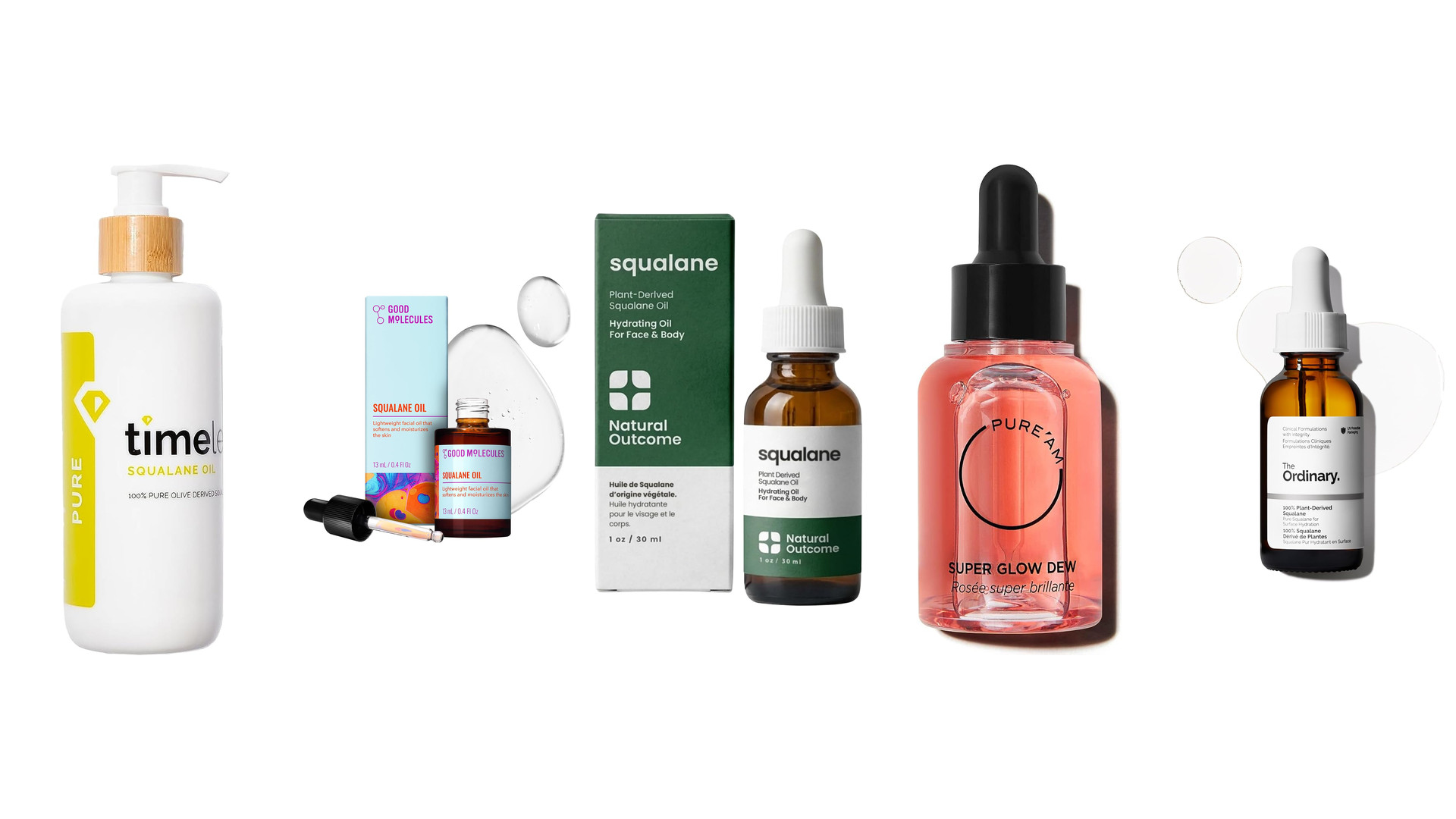
A light oil that is close to one the skin makes itself, so it sits comfortably on the face and rarely causes spots. It softens and adds a little seal. It replaces very little of what dry skin has actually lost, so it works as a finishing layer over a ceramide cream rather than as the moisturizer itself.
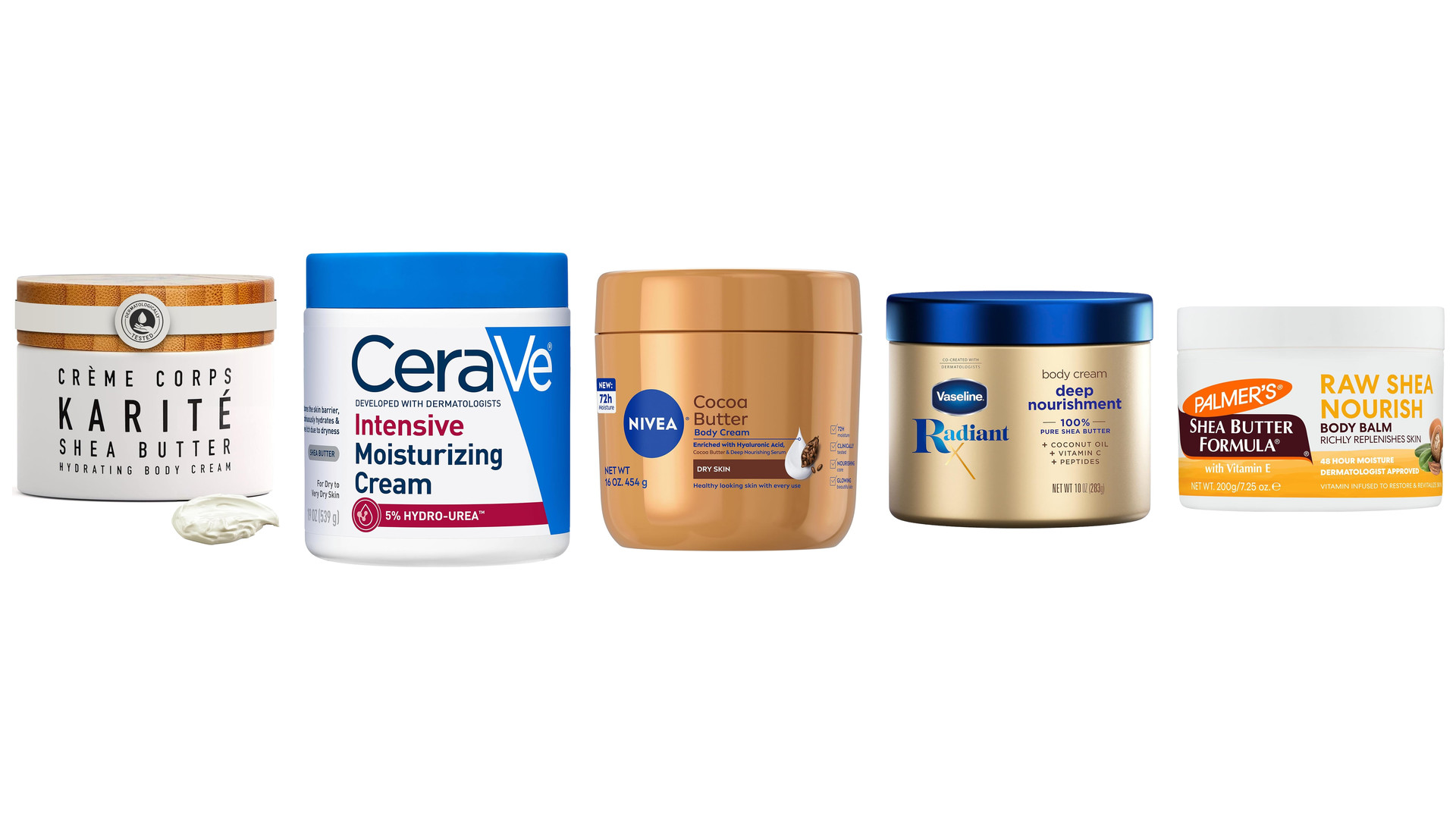
Rich and pleasant on ashy shins and elbows, and thick enough to stay where it is put. It seals reasonably well and replaces some fatty acids, but it does not contain the ceramides the barrier is short of. Unrefined versions carry a natural scent that can irritate cracked skin, so a fragrance-free formulation is the safer pick.

It seals reasonably and it feels good, and that is most of what it does. It replaces very little of what the skin lost, it clogs pores in some people, and on the face and back it can cause spots. If you like it, use it over a cream rather than instead of one — it is a lid, not a repair.
A mid-strength steroid ointment for dry skin that has tipped into inflammation — the red-cracked plates of asteatotic eczema on the shins, or thickened patches that are being scratched nightly. Two weeks usually settles it, and the moisturizer carries on underneath and afterward. It is not for plain dryness, and it is not for open cracks or anything that might be infected.
A gentler steroid used where the skin is thin or the person is small — the face, the eyelids, the neck, the folds, and children. It suits a child whose dry skin is itchy enough to wake them, alongside a heavy ointment. Short courses only, and the aim is always to get back to moisturizer alone.
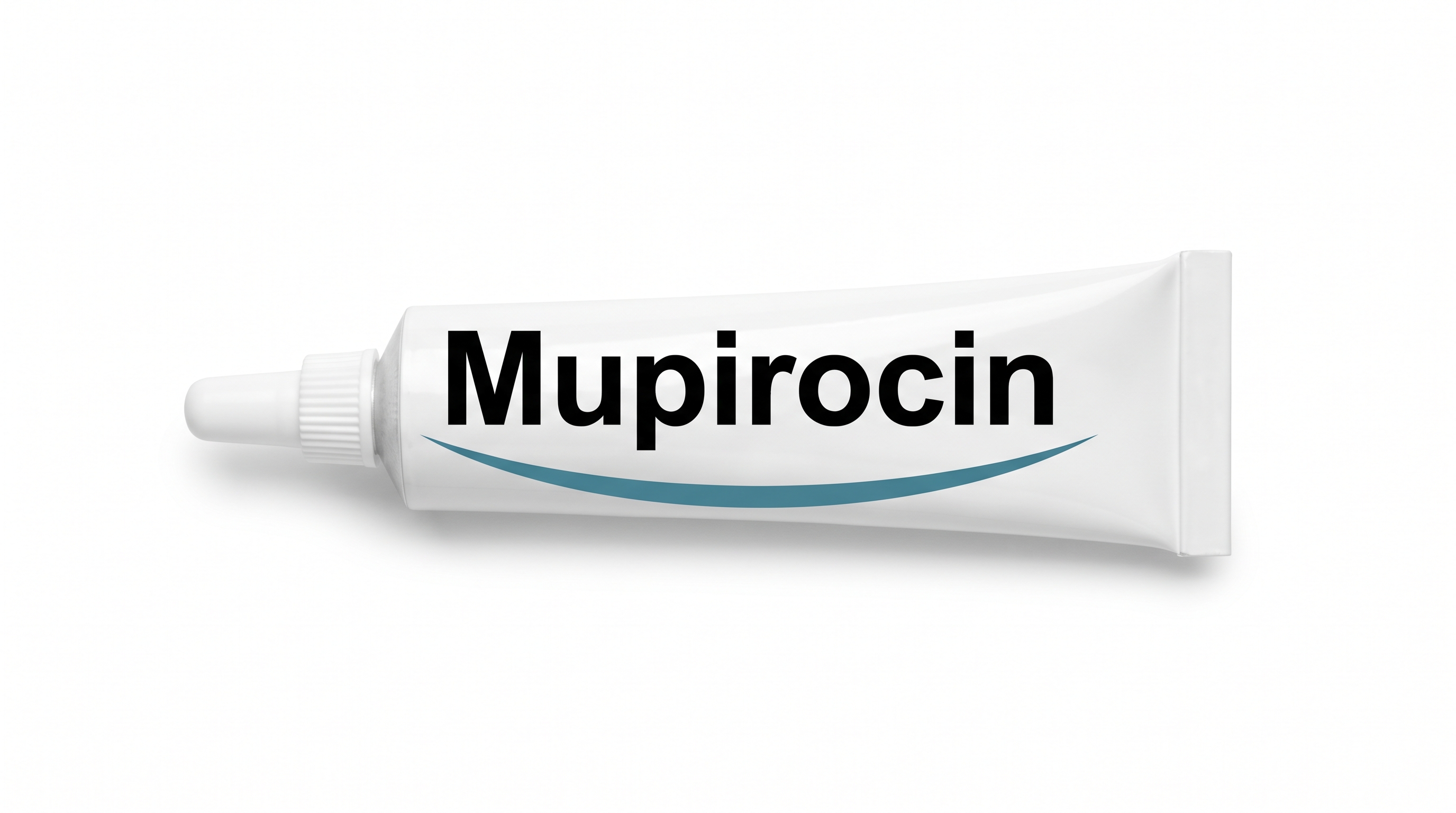
An antibiotic ointment for a single cracked fingertip or heel that has become yellow-crusted and sore. It treats the infection sitting in the crack, not the dryness that opened it, so the cream and the ointment both continue. If redness is spreading up the limb, this is not enough and antibiotic tablets are needed instead.
Eczema
Comes and goes for years
Most children improve a lot by their teens. Adult eczema tends to flare and settle rather than disappear for good.
Dry Skin (Xerosis)
Clears when the cause changes
It returns each winter for many people, and clears again with regular moisturizer.
Eczema
If it is not settling, or looks infected
Weeping, yellow crust or a sudden painful spread means infection on top of the eczema. Lost sleep, spreading patches, or no change after two weeks all deserve an appointment.
Dry Skin (Xerosis)
If moisturizer is not working
Dry skin that has not improved after two or three weeks of proper moisturizing is usually not just dry skin. Thyroid problems and some medicines also cause it.
Eczema
Eczema itches before it looks like anything. People often scratch the same patch of skin for days and then watch a rash appear where they scratched. The itch is the condition. The rash is what inflammation and scratching do to the skin.
An itch that wakes you at night points to eczema. That is the single question worth asking yourself. Ordinary dry skin almost never does that.
Eczema
Eczema improves with moisturizer and then stalls. The flaking gets better. The itch and the raised, inflamed patches stay. That gap is your answer, because inflammation needs an anti-inflammatory cream and moisturizer is not one.
Eczema
For eczema, moisturizer is the base and the cream is the treatment. Keep moisturizing every day, including on skin that looks clear, because it lowers how often flares come. Add the prescribed cream to the flaring patches for as long as you were told.
Eczema
Scratching is the one that only matters for eczema. It damages the barrier, and damaged skin itches more. Short nails, a cool compress, and treating a flare early are what break the loop.

In healthy skin the outer layer is a tight wall of flat cells held together by fats. It keeps water in and keeps irritants, allergens and bacteria out, and the living skin underneath stays calm.

In eczema that wall is built loosely and has gaps in it. Many people carry a change in filaggrin, one of the proteins the wall is made from. Water escapes through the gaps, so the skin is dry, and things from outside get in.

With the wall broken, soap, sweat, dust and rough fabric reach the living skin underneath. Things that would not bother anyone else set it off - and scratching pulls the gaps wider still, which is what makes the cycle repeat.

The immune system reacts to everything getting through. Blood vessels widen and immune signals pour out, which is what makes the skin swollen, warm and discolored. Those same signals act on nerve endings, which is why eczema itches before there is much to see.

Staphylococcus aureus sits harmlessly on most people's skin, but broken eczema skin lets it multiply. It drives the inflammation up again, which is why a flare can turn much worse over a day or two.
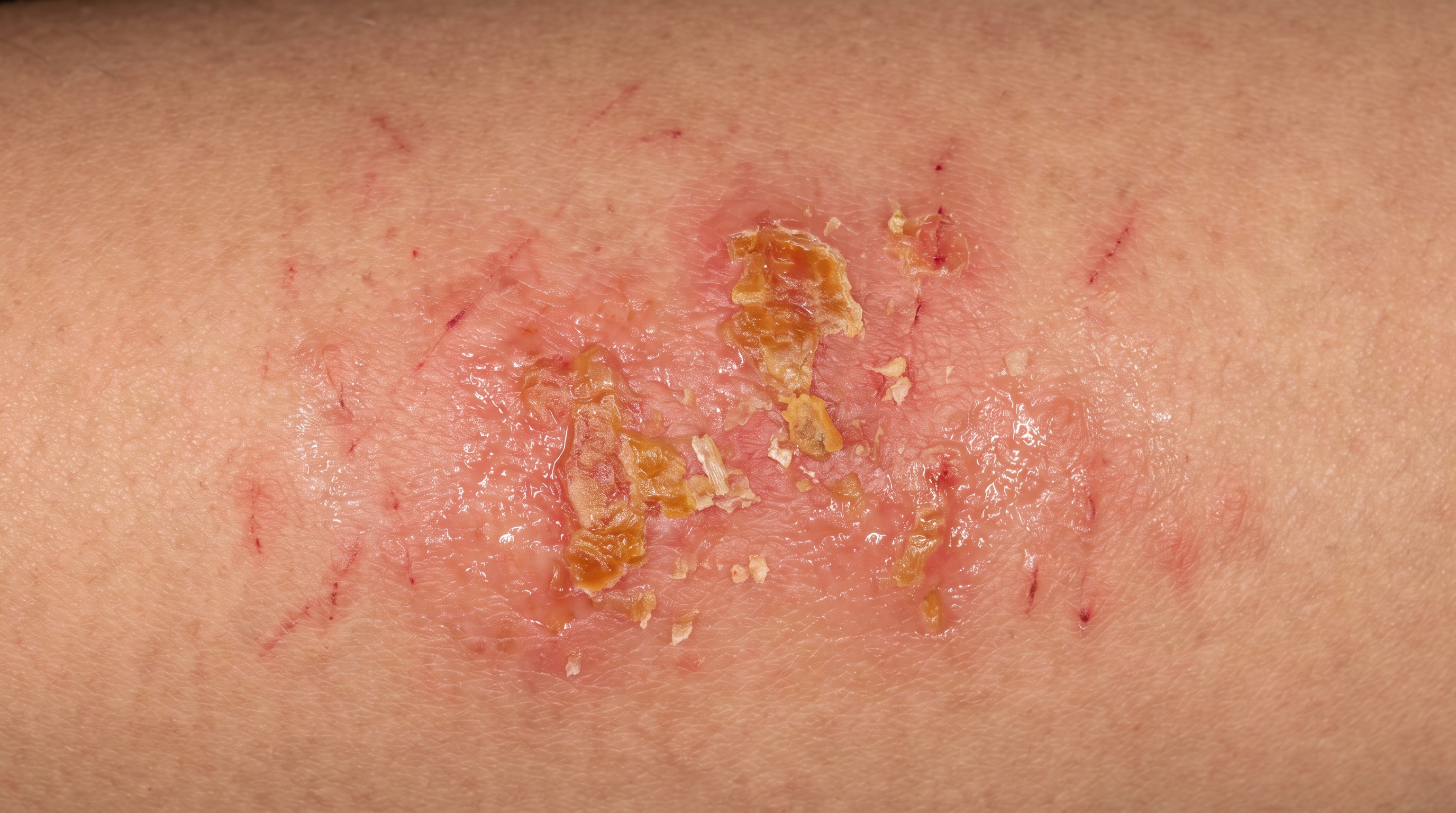
Bacteria getting into skin that scratching has broken open. It shows as weeping and golden-yellow crusts sitting on top of an eczema patch, and it can turn a settled flare much worse in a day or two. It needs an antibiotic alongside the usual eczema treatment - more moisturizer will not clear it.

Itch is at its worst at night, so eczema costs sleep - for the person who has it, and often for the rest of the house. Months of broken sleep bring daytime fatigue and poor concentration, and anxiety and depression are more common in people with moderate or severe eczema. It is worth telling your doctor. Treating the eczema properly is usually what fixes the sleep.
Months of rubbing and scratching the same patch thicken it into leathery skin with the normal lines cut deeper. Doctors call it lichenification. It itches on its own, and it takes far longer to settle than a fresh flare - stopping the scratching is the only thing that reverses it.
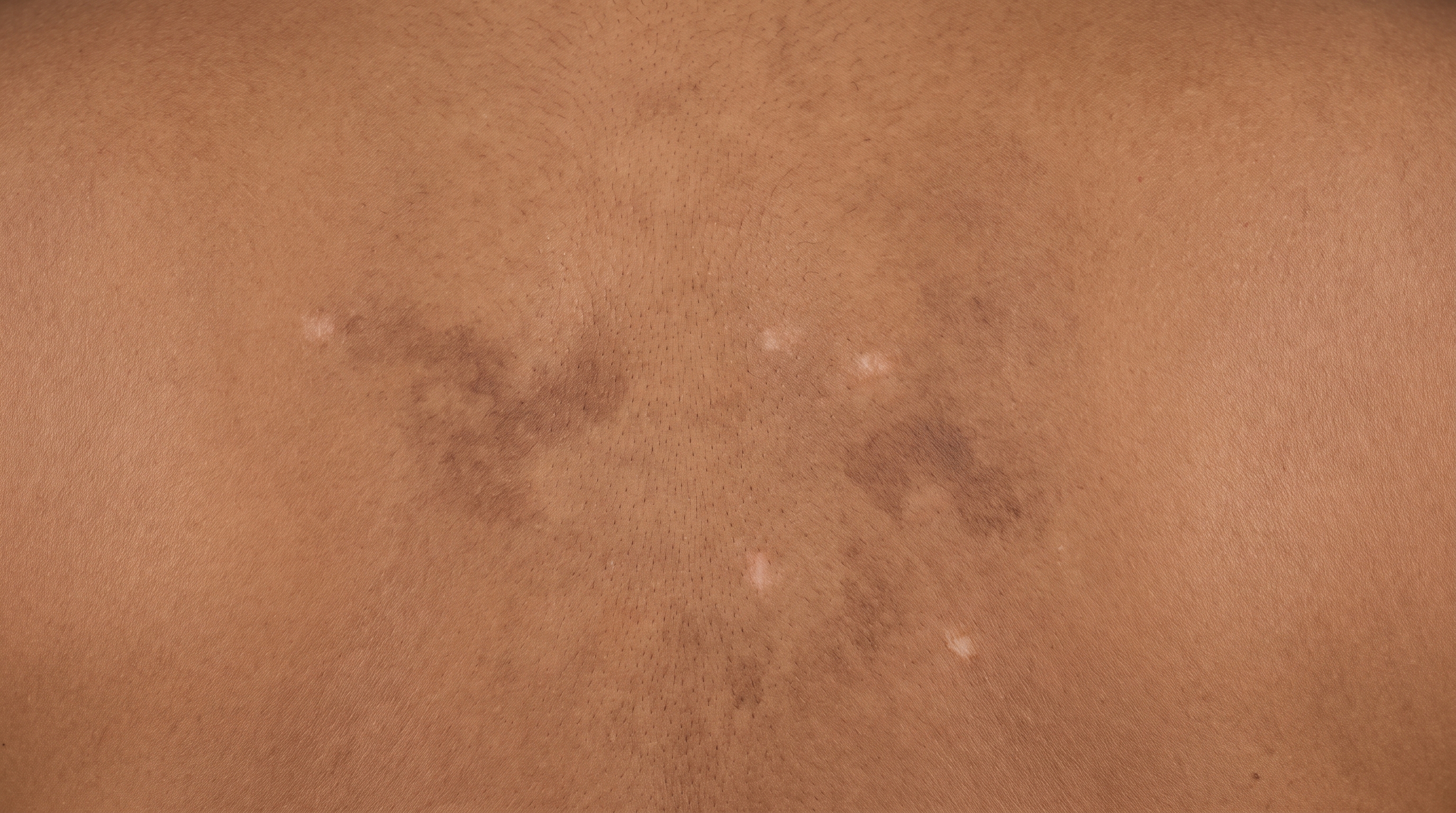
Settled patches often leave flat marks that are darker than the skin around them, and sometimes lighter patches where pigment has dropped out. Neither is a scar, and neither is caused by the treatment. They fade on their own, but over months rather than weeks, and they are more noticeable and longer-lasting on deeper skin tones.
Broken skin meets far more of whatever is put on it, so people with eczema pick up contact allergies more easily - to preservatives, fragrance, and sometimes to the eczema creams themselves. Suspect it when a treatment that used to work starts to sting or spread the rash. Patch testing is how it is confirmed.
Eyelid eczema and constant rubbing lead to itchy, swollen lids and red, irritated eyes. In severe, long-standing eczema, a change in the shape of the cornea called keratoconus and early cataracts are uncommon but recognized. If the eyes are involved often, it is worth an eye check.
Cracked, sore hands are hard to hide and hard to rest. In wet work - healthcare, food, cleaning, hairdressing, childcare - it can mean time off or a change of job. Treating it early and protecting the hands through the working day is what keeps it from getting that far.

Children with eczema are more likely than other children to go on to develop asthma, hay fever and food allergy, often in that order. Doctors call the pattern the atopic march. It is a tendency, not a certainty - most children with eczema do not get all of it.

Thicker patches with sharp edges and silvery scale, usually on the outside of the elbows and knees rather than inside the creases. It itches less than eczema and rarely weeps. On the scalp and the nails the two can look almost identical.
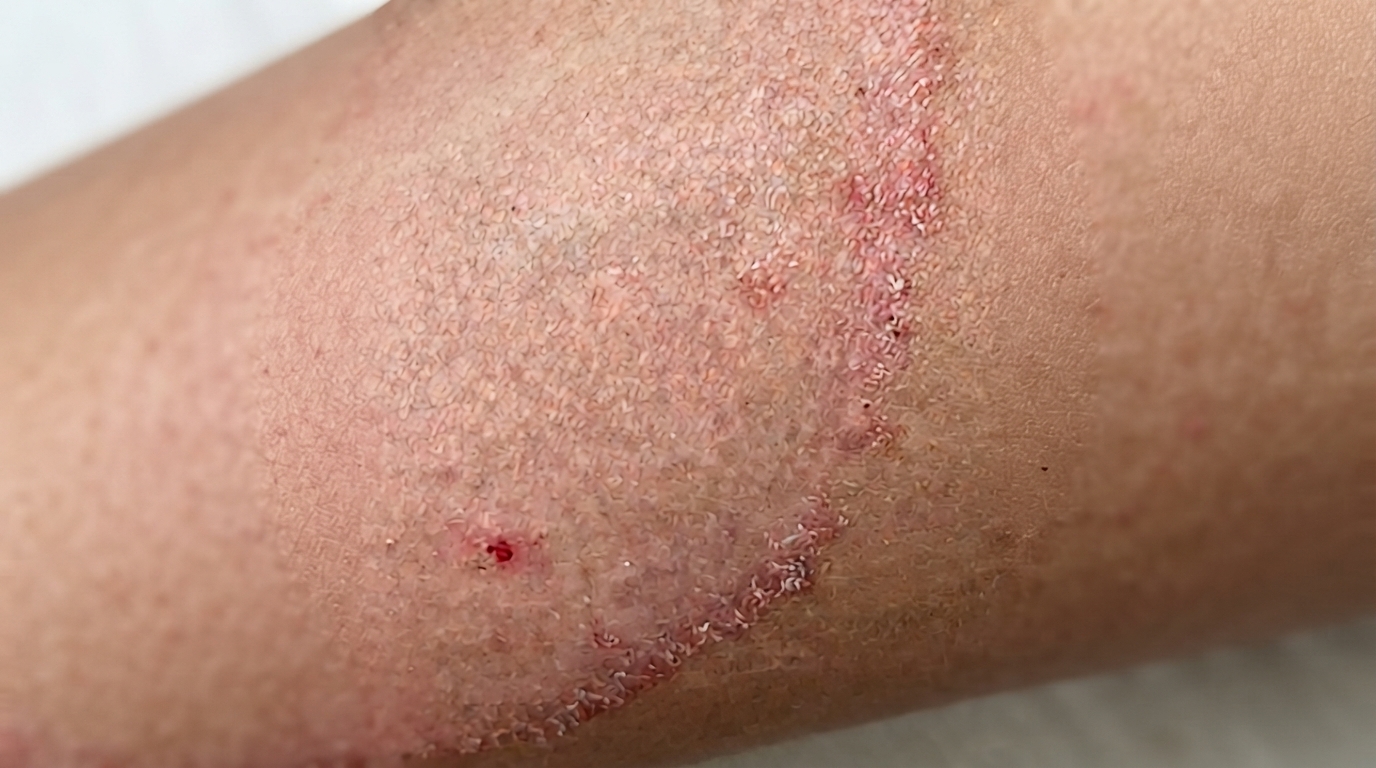
One round patch with a raised, scaly edge and a clearer center, spreading slowly outward. It is a fungus, so steroid cream calms it briefly and then makes it spread. A scraping sorts it out in minutes.

Fierce itch that is worst at night, with tiny burrows in the finger webs, the wrists and around the waist. The giveaway is that other people in the house start itching too. Eczema creams will not touch it.
Dry skin and eczema overlap, and dry skin is part of eczema rather than a separate thing. What separates them is the pattern: eczema comes as poorly defined itchy patches that flare and settle, sits in the elbow and knee creases, on the neck and the hands, and often weeps or thickens. Plain dry skin is even, all over the shins and forearms, worse in winter, and it does not come and go in the same few spots. Eczema also usually starts in childhood and travels with asthma or hay fever.
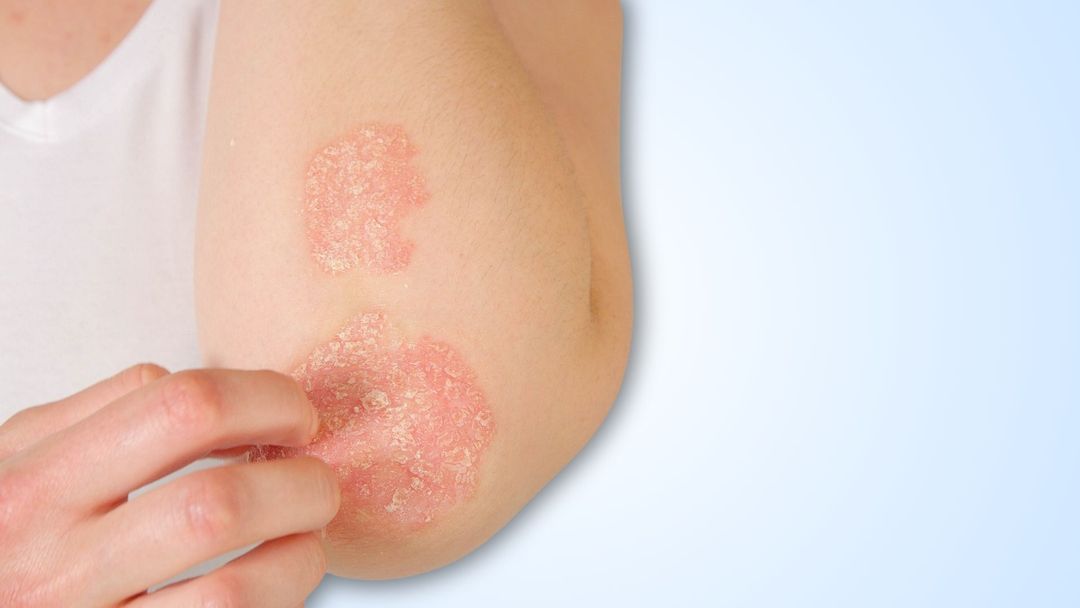
Both are scaly, and both are worse in winter, so a psoriasis patch on the shin gets moisturized for months. Psoriasis has edges you can trace with a finger, and the scale is thick and silvery rather than fine and gray, sitting on skin that is red or violet underneath. It picks the elbows, knees, lower back and scalp, and the nails often show pitting. Dry skin has no border at all and no thickened plaque under the flakes.
Putting it together
Simple dryness often responds to consistent gentle washing and moisturizer. Persistent inflammation, severe itch or recurrent flares suggest that dryness may be part of another condition, including eczema. Seek assessment if care is not helping.
Common questions
Itch is the giveaway. Dry skin feels tight and rough but rarely stops you sleeping, while eczema itches enough to wake you and often itches before there is much to see.
Very dry skin does not become eczema, but it can set off a flare in someone who already has eczema. A leaky, cracked barrier lets irritants in, and that is what starts the inflammation.
It helps a lot and it is not enough on its own. Moisturizer protects the barrier and reduces how often flares happen, but it cannot switch off inflammation that has already started.
Cold outdoor air holds little water and indoor heating dries the air further, so skin loses water faster. Long hot showers in winter make it worse. This pattern is typical of plain dry skin, and it also triggers eczema flares.
The thicker the better. Ointments hold in the most water, creams are next, and lotions are the weakest. Look for ceramides, glycerin, petrolatum or urea, and apply while the skin is still damp.
No. It is inflammation driven by your own immune system and a leaky skin barrier. You cannot catch it or pass it on by touch.