Dry Skin (Xerosis)

Dry skin is skin that has lost water. It is even, it matches on both sides of the body, it has no clear border, and it improves within days of moisturizing. A fungal infection is something living in the top layer of skin. It has an edge you can see, it grows outward, it usually itches, and moisturizer does nothing to it.
| The difference | Dry Skin (Xerosis) | Fungal Infection |
|---|---|---|
| What it is | Skin that cannot hold water | Fungus growing in the outer layer |
| What it does over time | Follows the season | Grows outward |
| What actually treats it | Moisturizer and gentler washing | An antifungal, matched to the site |
Fungus growing in the outer layer Dermatophytes feed on keratin. Yeasts like Malassezia and Candida already live on the skin and overgrow when conditions suit them. Warmth and damp are what they need.
Side by side
Dry Skin (Xerosis)
Skin that cannot hold water
The outer layer runs low on the fats and natural moisturizers that keep water in. It stiffens, flakes and feels tight. Cold air, hot showers and harsh soap all drive it.
Fungal Infection
Fungus growing in the outer layer
Dermatophytes feed on keratin. Yeasts like Malassezia and Candida already live on the skin and overgrow when conditions suit them. Warmth and damp are what they need.

The outer layer of skin is about as thick as a sheet of paper. Flat dead cells are stacked like bricks and held in place by a fatty glue of ceramides, cholesterol and fatty acids, and inside the cells sits a mix of small molecules that hold on to water. That glue is what keeps the water in.

The fatty glue between the cells of the outer layer, made of ceramides, cholesterol and fatty acids, is washed out by hot water, soap and detergents, or simply made in smaller amounts as the oil glands slow down with age.

With the seal weakened, water evaporates out of the layer faster than the skin can replace it. The cells shrink and curl at the edges, which is the flaking you can see, and the whole layer stiffens, which is the tightness you feel.

A stiff layer cannot bend, so it splits. Most of the cracks are too fine to see, but they let irritants, soap and fragrance reach deeper than they should, and they expose the nerve endings that carry itch.

The exposed nerve endings signal itch, scratching removes more of the barrier, and the inflammation that follows leaves the skin less able to make the fats it needs. Each turn makes the next one easier. Almost everything on the lists below is pushing on this loop.
Dry Skin (Xerosis)
No border, fades out
Roughness blends into normal skin with nowhere you could draw a line. Both sides of the body usually look the same.
Fungal Infection
A visible edge
A defined border, often redder and scalier than the middle. Ringworm makes a ring because the fungus grows outward and the centre settles behind it.

On light skin dry skin looks pink and finely flaky, and the cracks show up as fine red lines, most often on the shins, hands and forearms. It usually gets called sensitive skin or a bit of winter dryness. The trap is that the pinkness is easy to see and easy to dismiss, so people reach for a thin lotion when the skin needs a thick cream or an ointment.

On medium and olive skin the dryness reads as a dull, dusty gray over the natural tone, and any irritation leans brownish rather than red. The scale is often mistaken for a fungal patch, or for skin that just needs a good scrub. Scrubbing is the wrong move. It clears the flakes for an hour and damages the layer holding water in, so the roughness comes back worse.

On brown skin the scale shows up as a gray or chalky white cast, often described as ashy. It scatters light and stands out sharply against the skin around it, so the same amount of dryness looks far more obvious than it would on lighter skin. It is a real appearance problem, not a cosmetic complaint to be waved away. Rich creams and ointments on damp skin work better here than lotions.

Two things hide and one thing lasts. Irritation reads brown, gray or violet rather than red, so irritated dry skin and early eczema get judged as milder than they are — go by scale, tightness, warmth and itch instead of color. What lasts is what scratching leaves: flat dark marks that take months to fade, and thickened, leathery patches from months of scratching. Settling the itch early does more for how the skin ends up looking than treating the marks afterwards.
Dry Skin (Xerosis)
Mild, and it comes and goes
Tightness is the main feeling. It can itch after a hot shower or in dry indoor air, then settle.
Fungal Infection
Usually yes, and it persists
A steady itch that does not track the weather. Skin-fold infections can also sting or burn.
Dry Skin (Xerosis)
Shins, arms, hands, heels
The places with the fewest oil glands, on both sides of the body. Worse in winter and after long hot showers.
Fungal Infection
Warm, damp, covered places
Between the toes, the groin, under the breasts, the armpits, the waistband, and the folds of the belly. Also the scalp, the chest and the back.
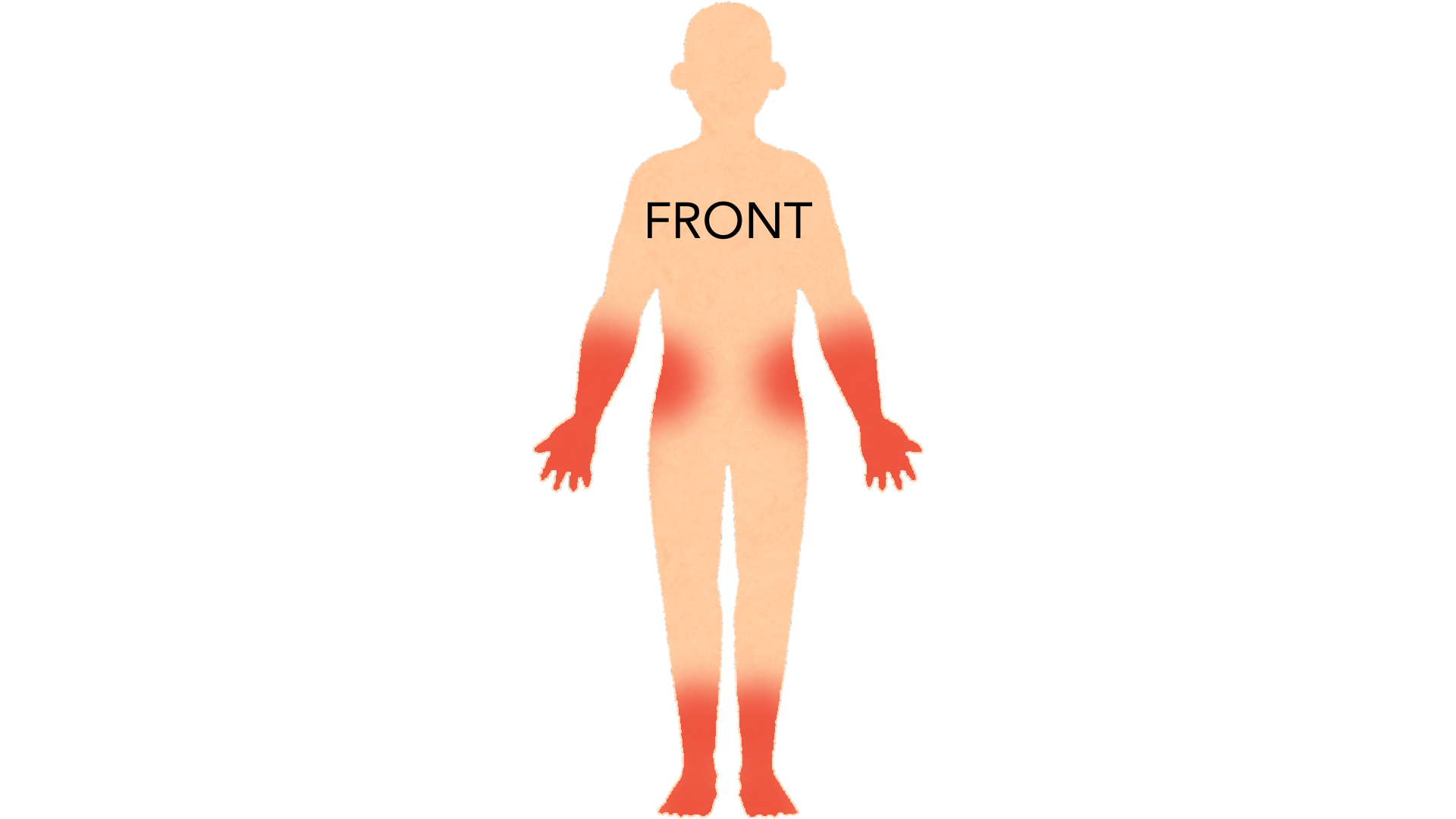
The shins are first and worst, because they have the fewest oil glands and the least fat under them. Forearms, the backs of the hands and the sides of the trunk come next. Hands crack for people who wash them all day, and heels crack under pressure.
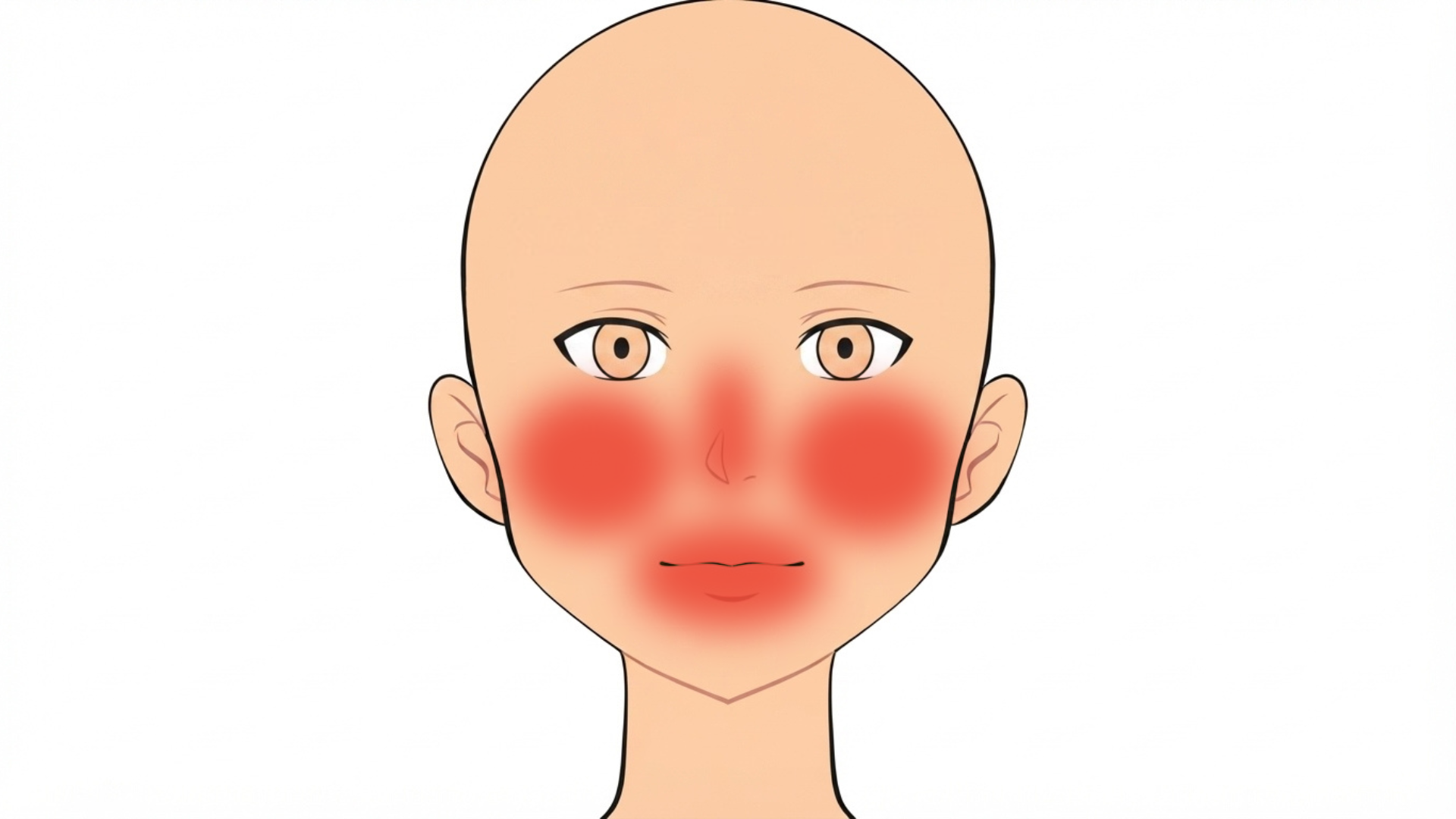
Cold wind outside and dry heat indoors pull water out of the face, so the cheeks go tight and rough and the lips crack. Licking dry lips makes it worse, because the water evaporates and takes more with it.
Dry Skin (Xerosis)
No
Dry skin is a state your own skin is in. Nobody can catch it from you.
Fungal Infection
Often, yes
Ringworm and athlete's foot pass through direct contact, shared towels, mats and damp floors. Pets can pass ringworm to people.
Dry Skin (Xerosis)
Follows the season
Worse in cold dry air, better in humid weather, and better within days of consistent moisturizing.
Fungal Infection
Grows outward
It does not clear on its own. Patches slowly widen, new ones appear nearby, and infections in the feet can move into the nails.
Dry Skin (Xerosis)
Moisturizer and gentler washing
A cream with ceramides, urea, glycerin or petrolatum, put on damp skin. Shorter, cooler showers and a soap-free cleanser do the rest.
Fungal Infection
An antifungal, matched to the site
Terbinafine or clotrimazole cream for most skin infections. Ketoconazole or selenium sulfide for yeast on the trunk and scalp. Widespread or nail infections usually need tablets.

Changing what you wash with does more for dry skin than any cream, because a cream cannot keep up with oils being stripped every morning. Use a non-foaming cream or oil cleanser, and use it only on the face, armpits, groin and feet — water alone is enough for arms, legs and trunk most days. If the skin feels squeaky afterward, the oils have gone too.
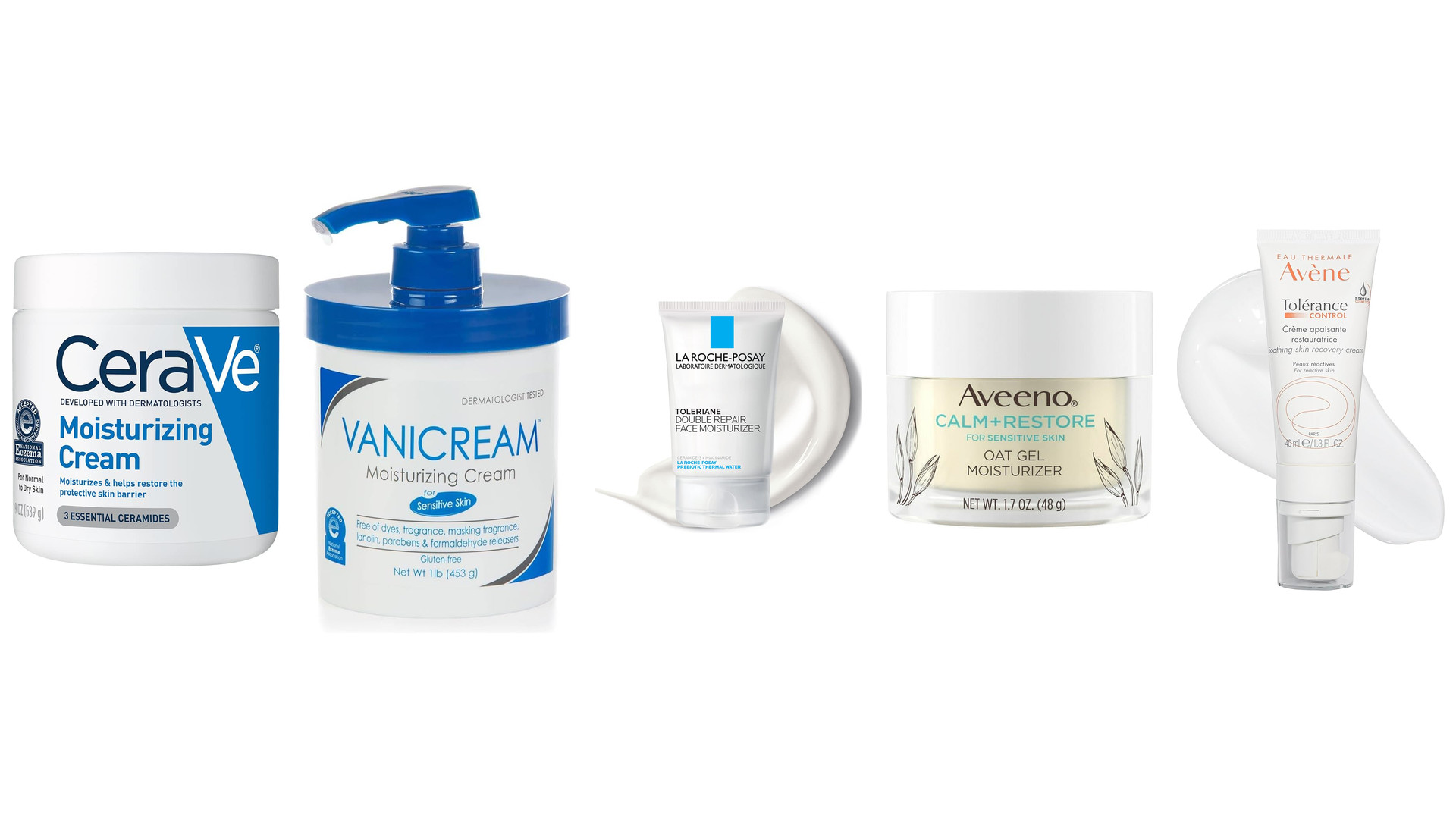
A cream or ointment from a tub, not a lotion from a pump — lotions are mostly water and evaporate. Put it on damp skin within three minutes of the shower, and again before bed. Timing matters more than which one you buy, and several of the most effective are inexpensive drugstore creams. Give any of them two weeks before deciding.
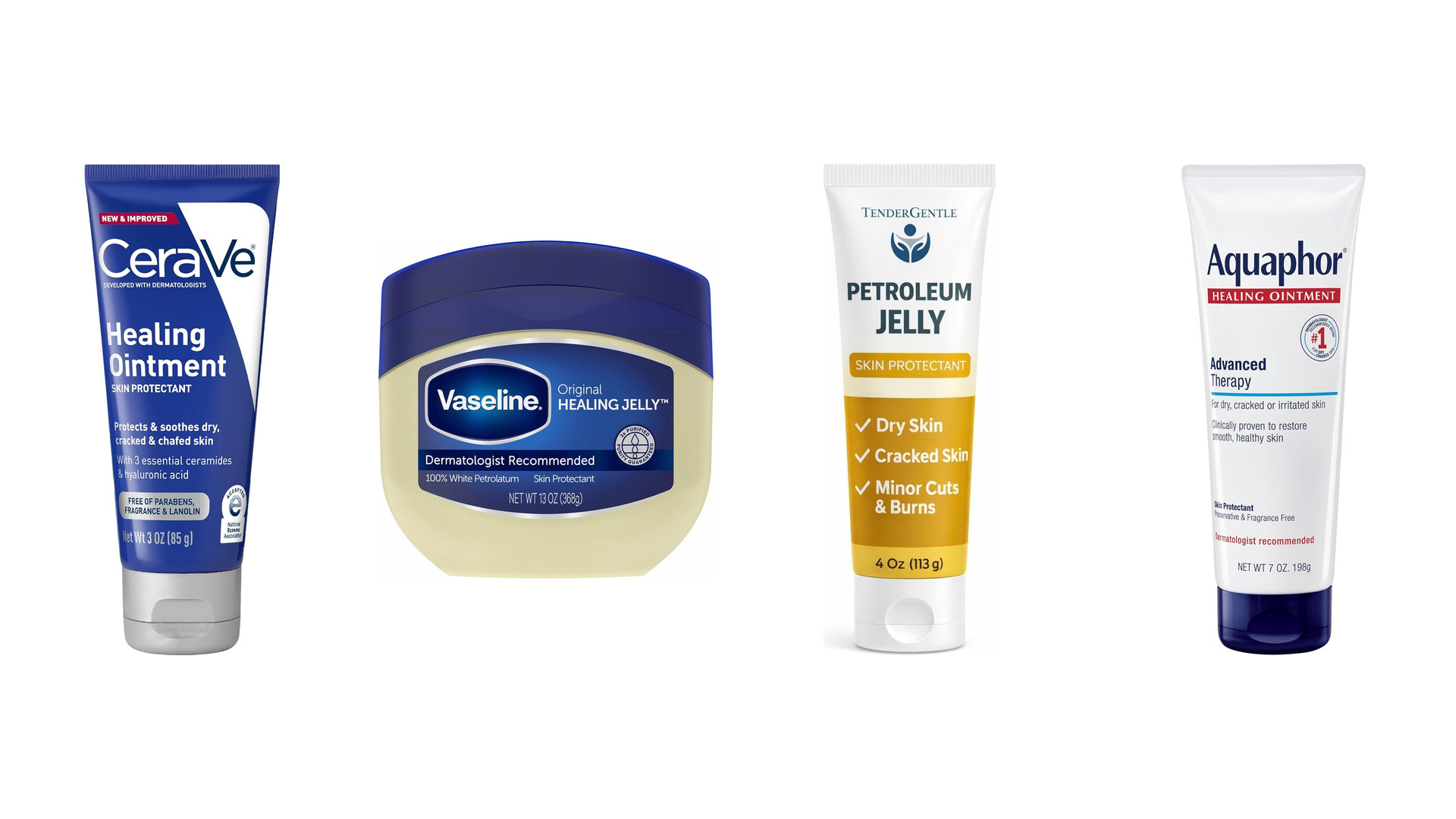
The most effective sealer there is, cutting water loss from the outer layer by more than any other single ingredient. It works best as the last step over a cream, and under cotton gloves or socks overnight it does more for cracked hands and heels in three nights than a cream does in three weeks. It is greasy, which is the only real objection to it.
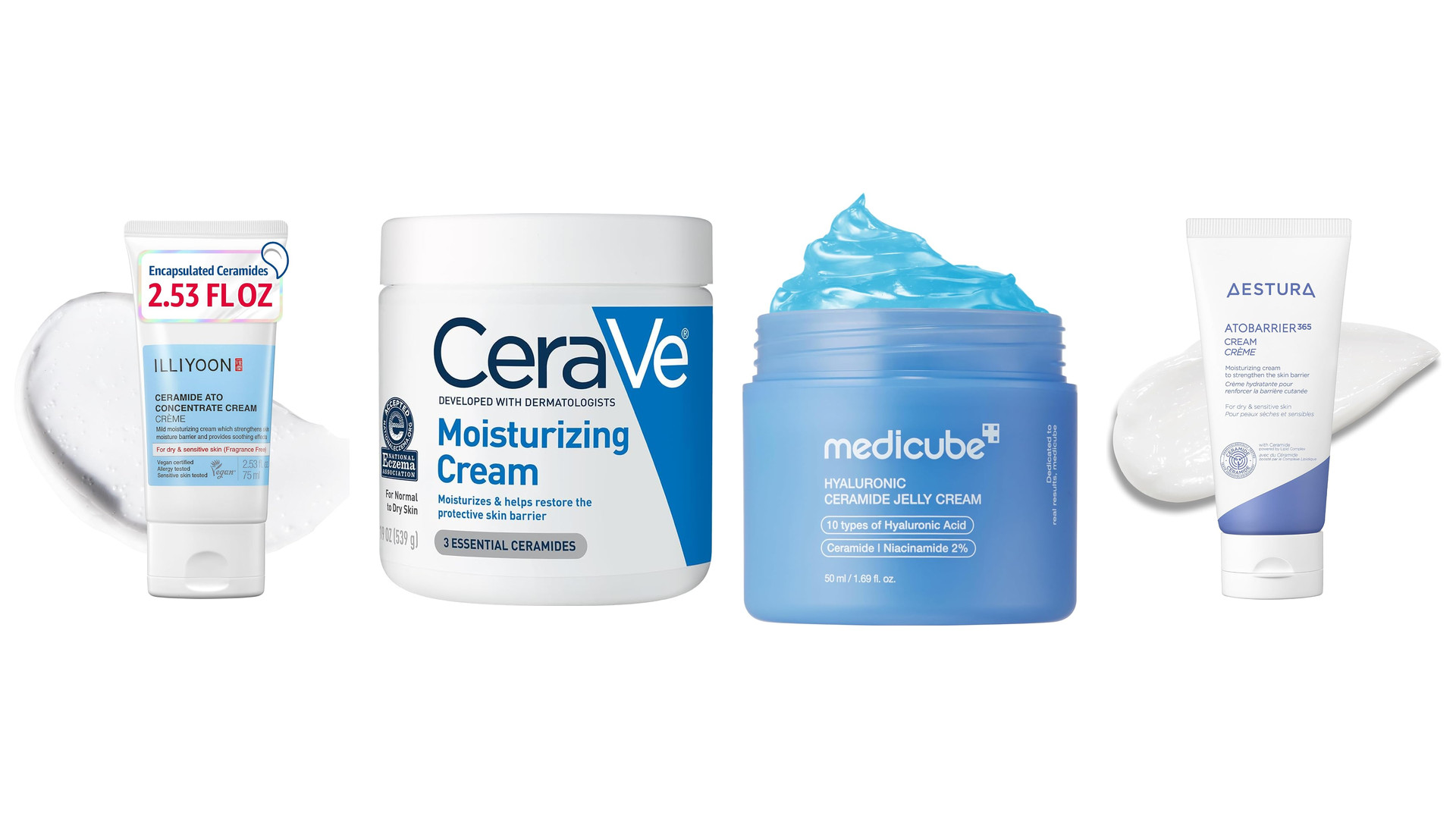
Ceramides are part of the fatty glue that dry skin has lost, so a cream containing them replaces the actual missing material rather than just covering it. They are the ingredient with the most evidence behind them for rebuilding the barrier over weeks, and they are the reason certain inexpensive drugstore creams are recommended so often. They are slow rather than dramatic, and they belong in your everyday cream.
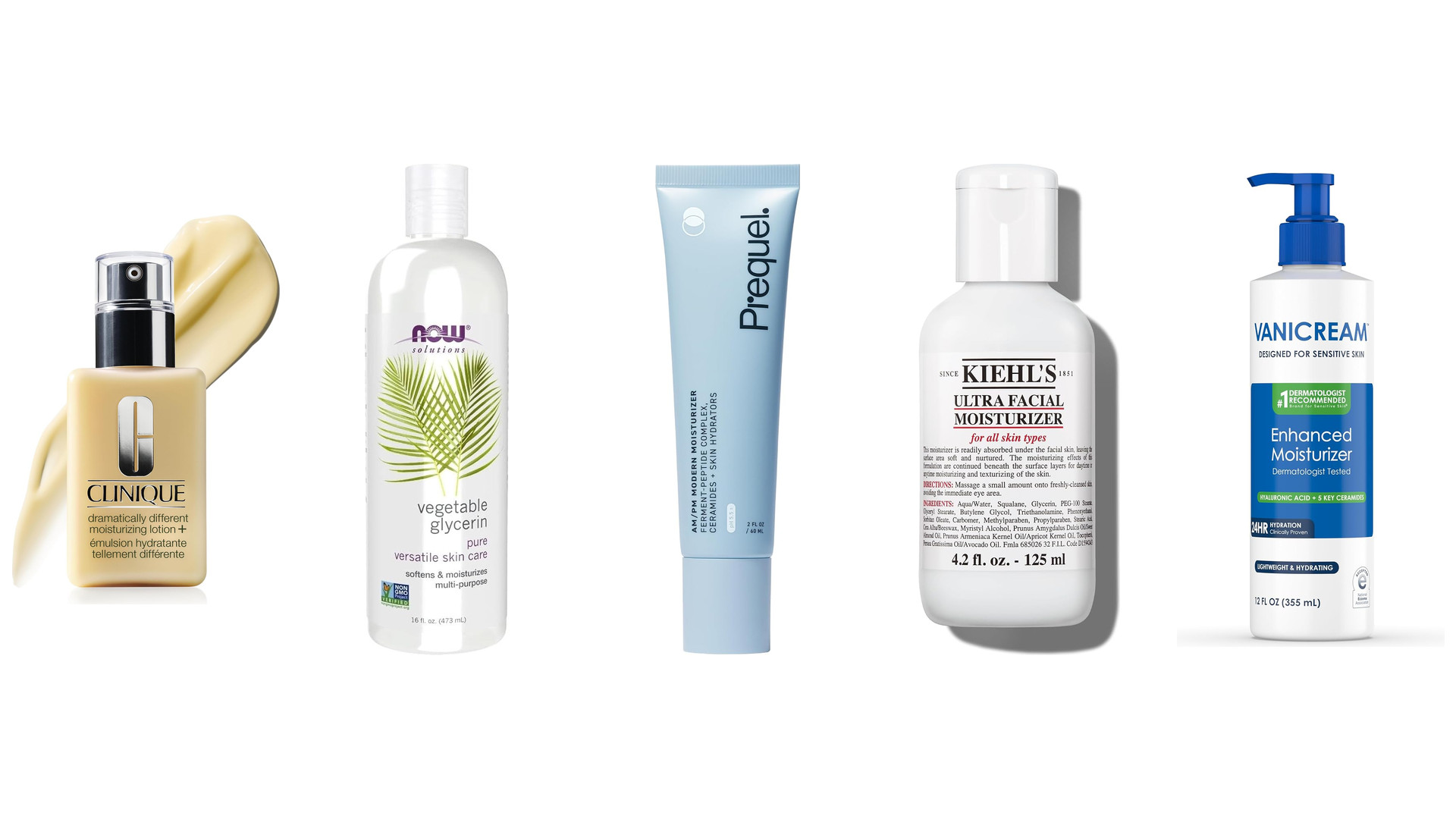
Pulls water into the outer layer and holds it there, which is why almost every good moisturizer has it high on the list. It works best paired with something that seals, such as petrolatum or dimethicone, because water drawn in with nothing over the top simply leaves again. In very dry indoor air, glycerin alone is not enough.
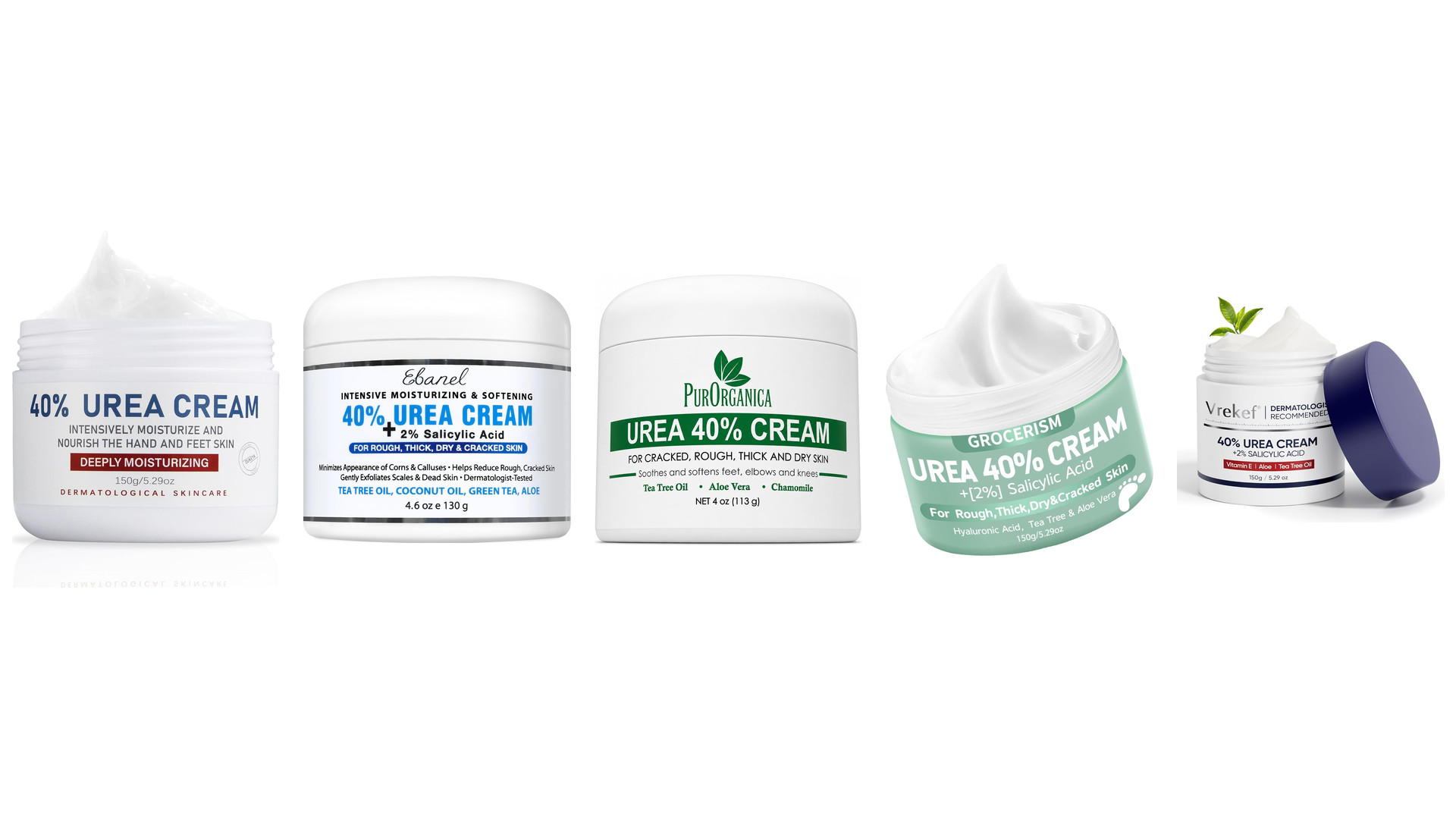
The best choice for thick, scaly skin on heels, shins and elbows, because it softens and dissolves the scale as well as holding water. Ten to twenty percent for general dryness, forty percent for hard heel skin. It is the alternative to scrubbing, which removes the barrier along with the flakes. It stings on cracked or broken skin, so heal the cracks first.
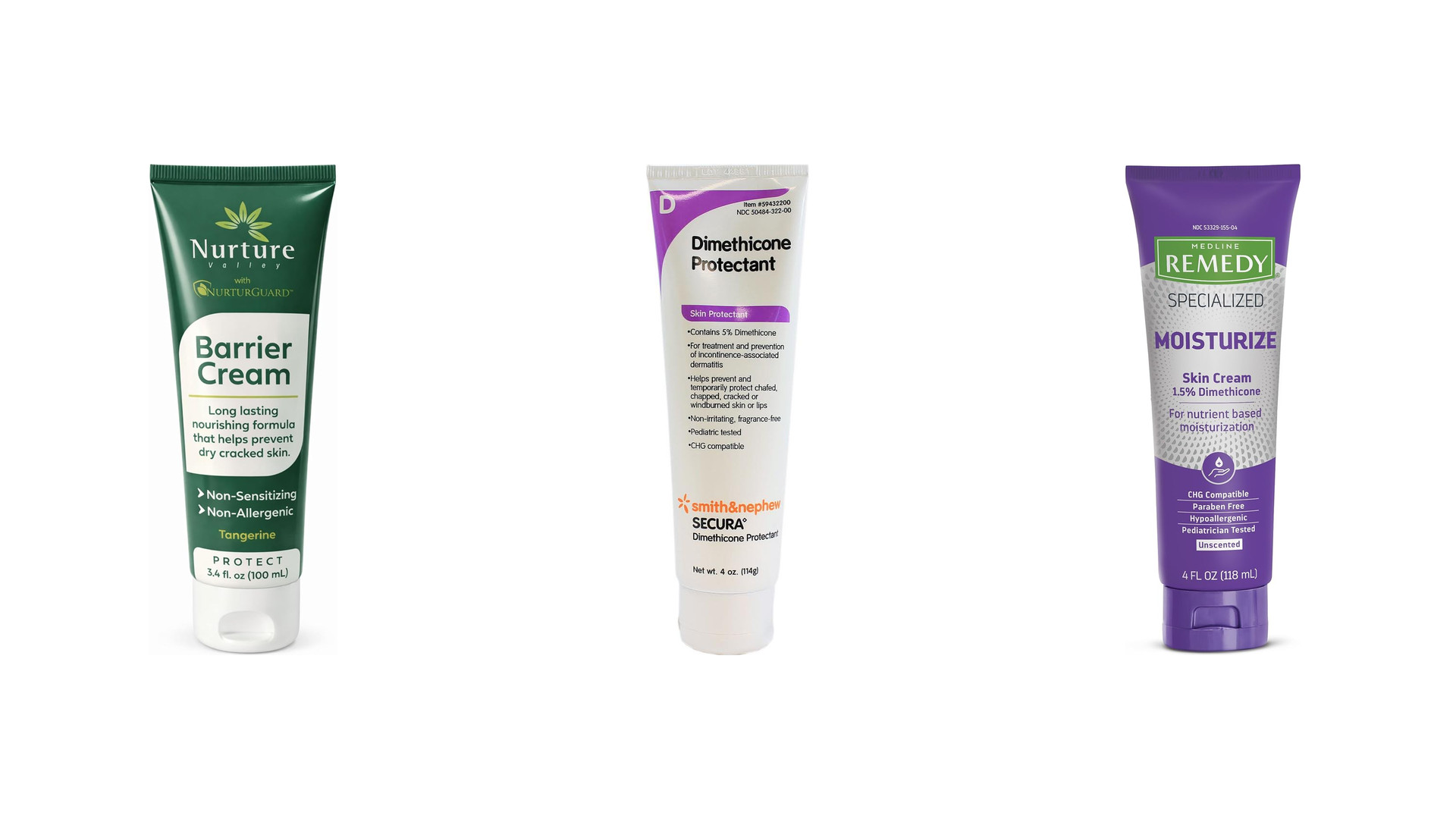
A silicone that forms a breathable seal over the skin, so it holds water in without the greasiness of petrolatum. That makes it the practical option for hands during the day and for anywhere clothes have to go straight back on. It seals but replaces nothing, so it works best in a cream that also contains ceramides or glycerin.
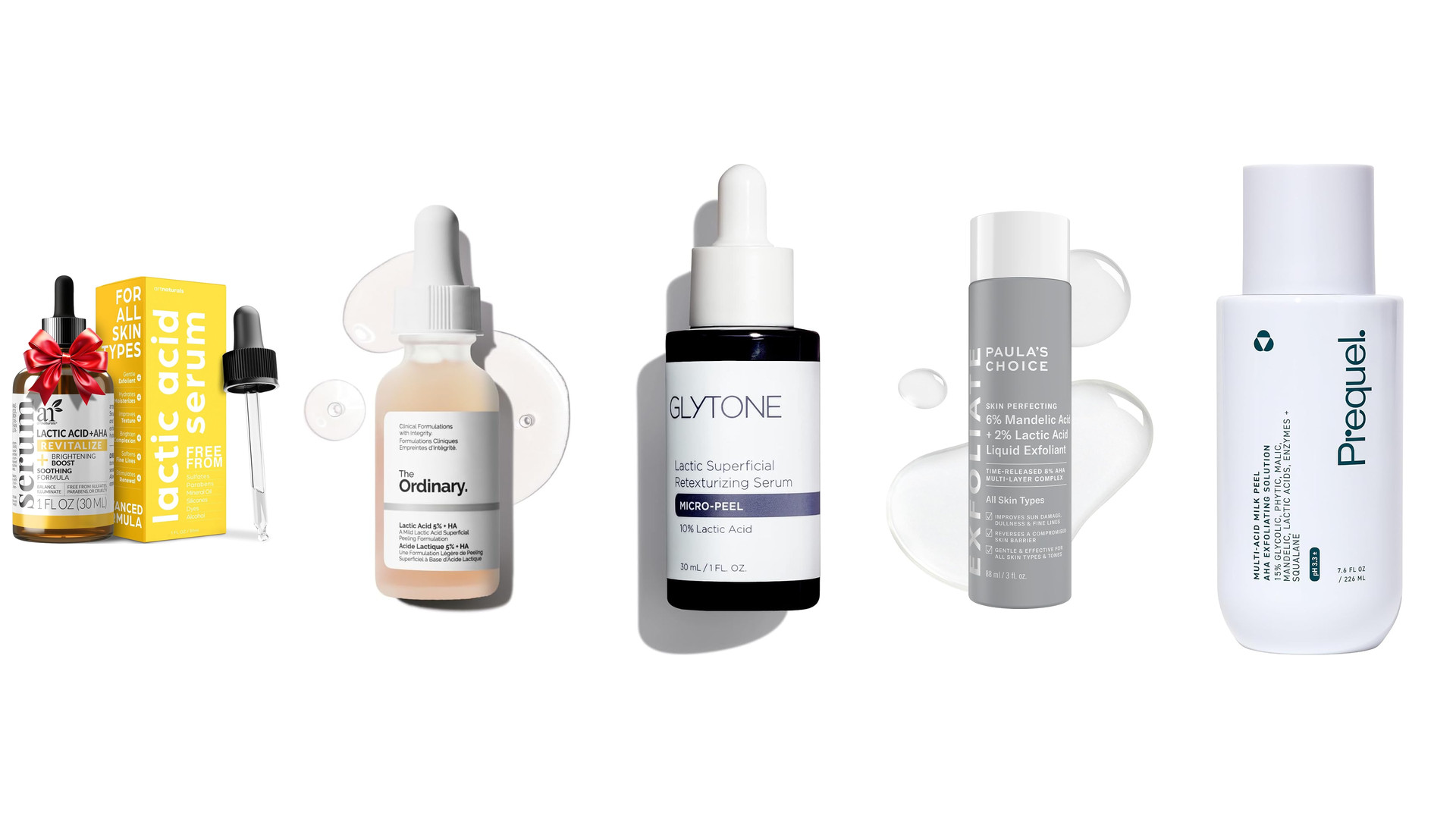
Loosens stuck-together flakes chemically and draws water in at the same time, so it suits rough, bumpy dryness on the arms and legs. It is gentler than urea on large areas but stings more on cracks and on freshly shaved skin. Use it two or three times a week alongside a plain cream, not instead of one.
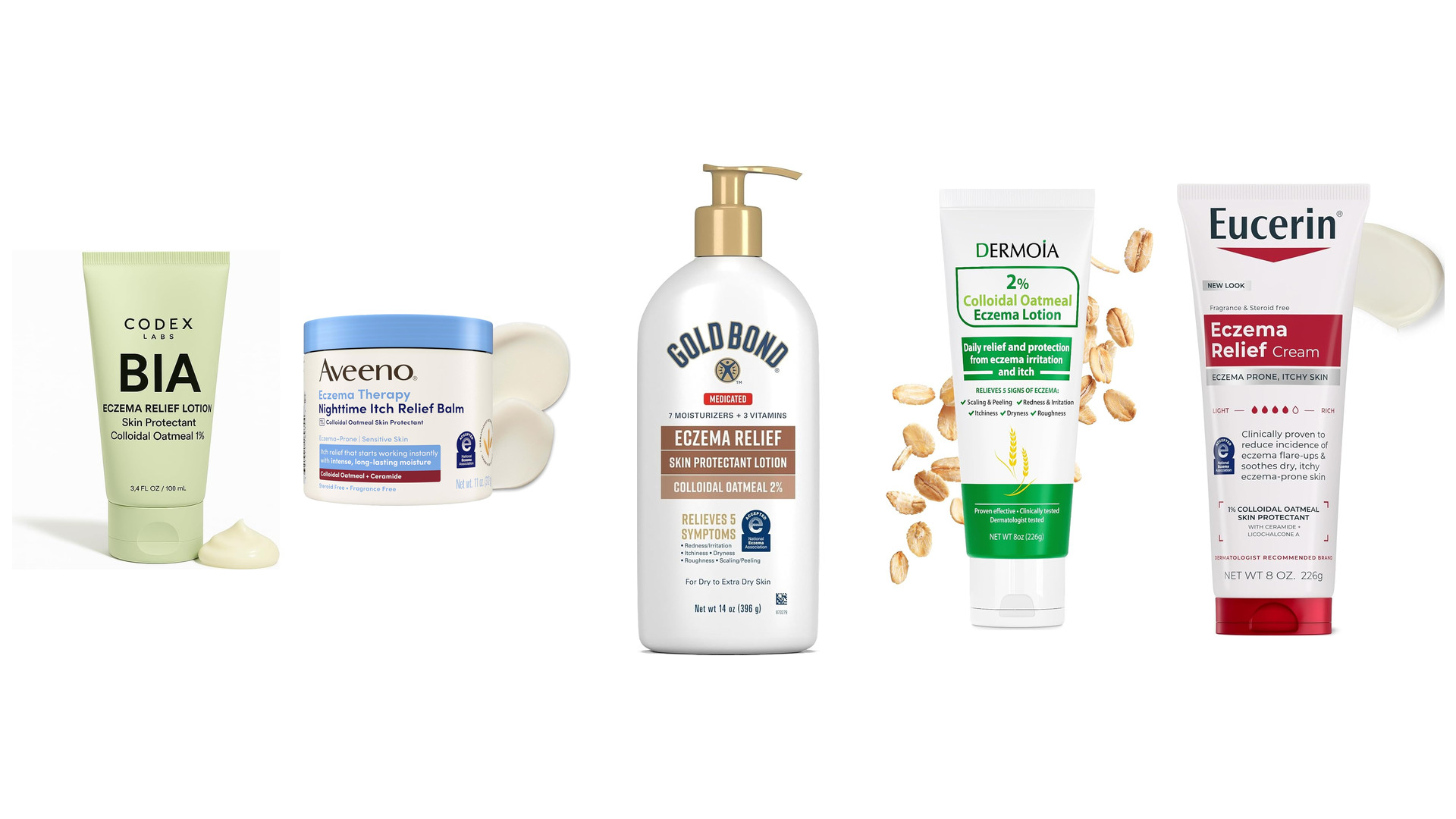
A lukewarm oatmeal bath gives modest but genuine relief from the itch, and it is gentle enough for broken and cracked skin, which most itch treatments are not. Ten to fifteen minutes, then straight into a cream on damp skin. It settles the itch for a few hours; it does not repair the barrier that caused it.
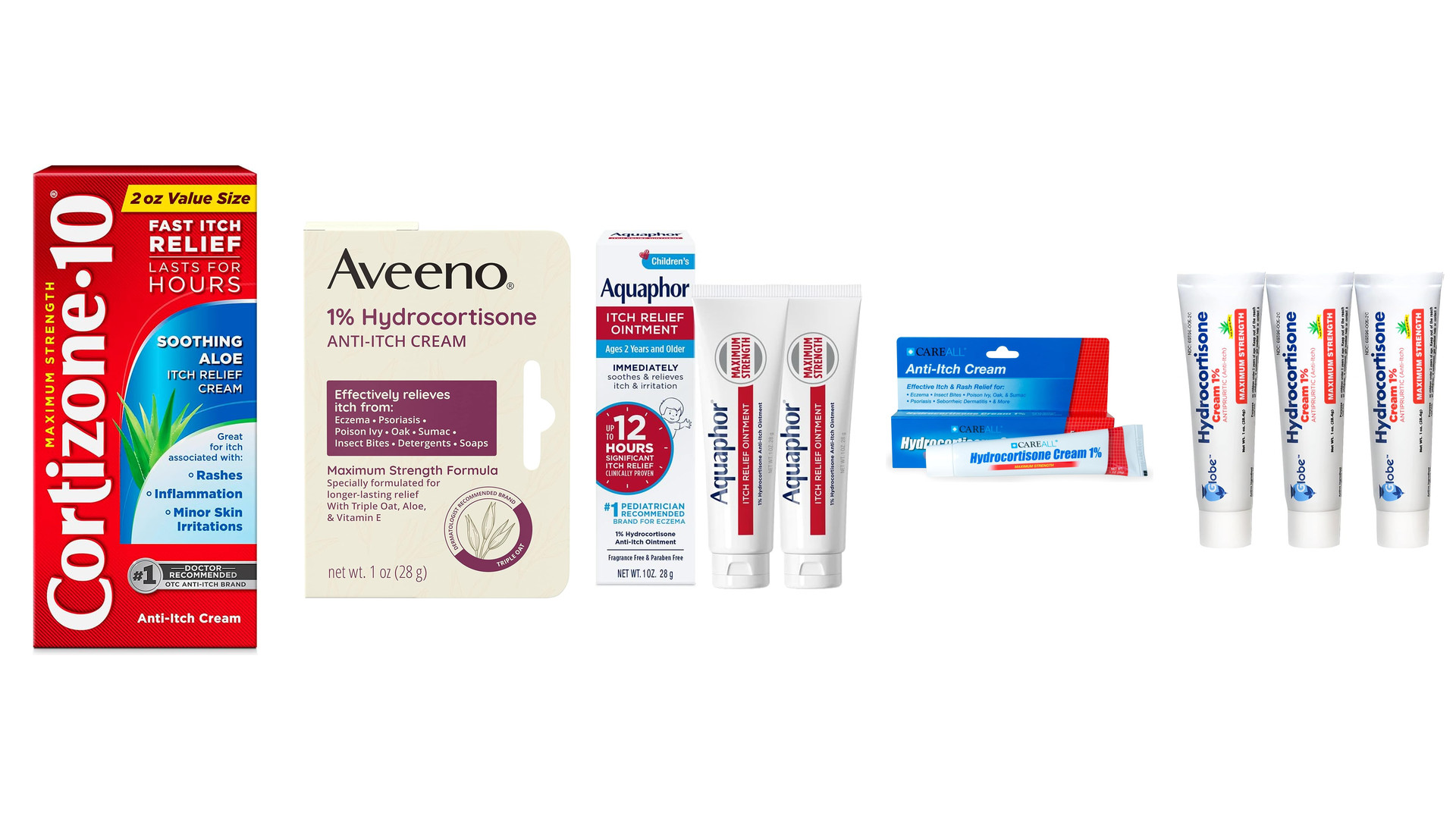
A few days of over-the-counter steroid cream can break the itch-scratch cycle when dry skin has turned red and itchy and moisturizer alone is not holding it. Use it twice a day for no more than a week, on the itchy patches only, with the moisturizer continuing around it. If you need it repeatedly, that is a reason to be seen rather than to keep buying it.
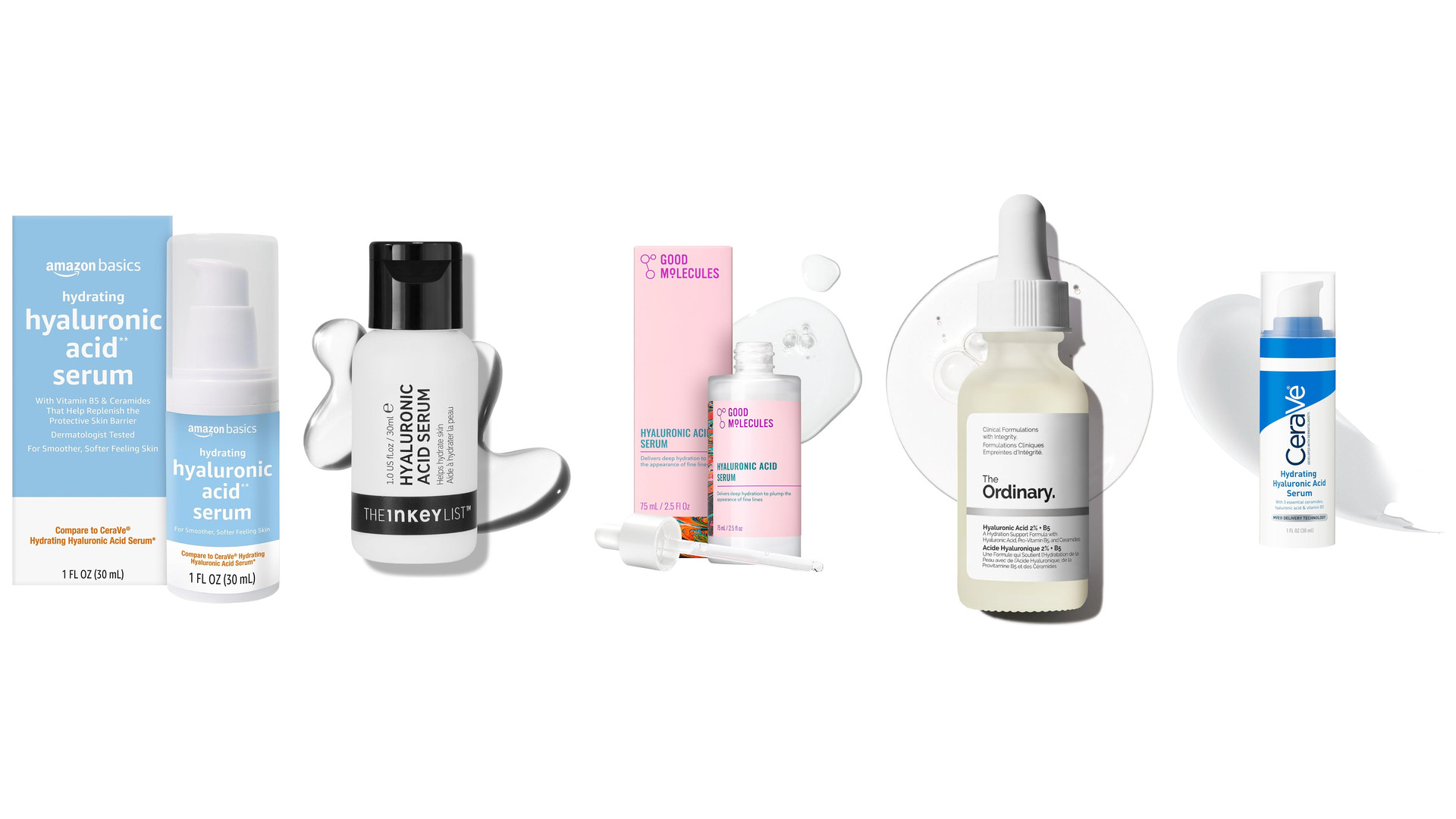
Holds a great deal of water, which makes skin look plumper straight away, but it seals nothing. In dry indoor air or a cold winter it can pull water up out of the deeper skin and let it evaporate, leaving the surface tighter than before. It is only useful here applied to damp skin with a cream over the top.
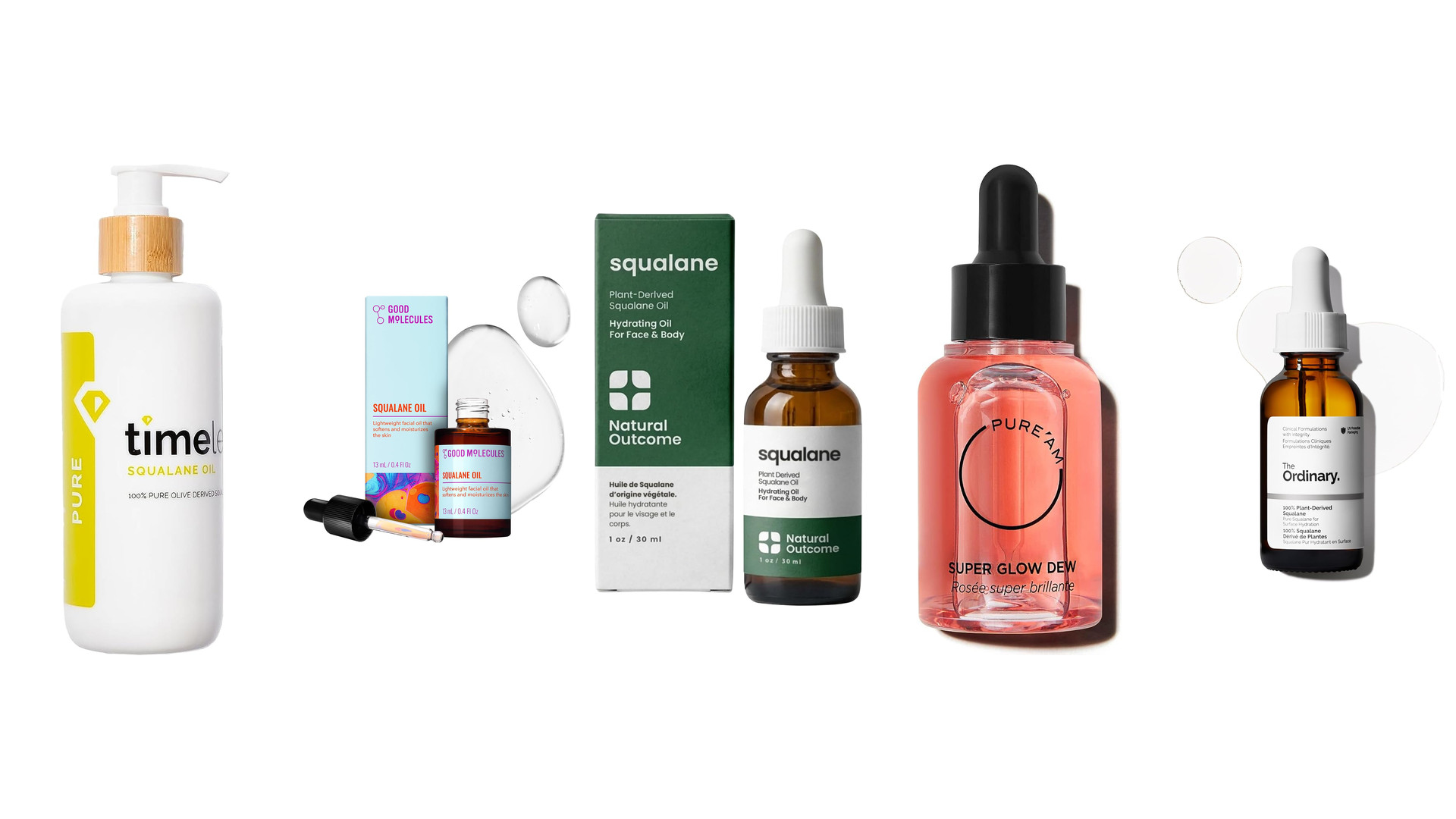
A light oil that is close to one the skin makes itself, so it sits comfortably on the face and rarely causes spots. It softens and adds a little seal. It replaces very little of what dry skin has actually lost, so it works as a finishing layer over a ceramide cream rather than as the moisturizer itself.
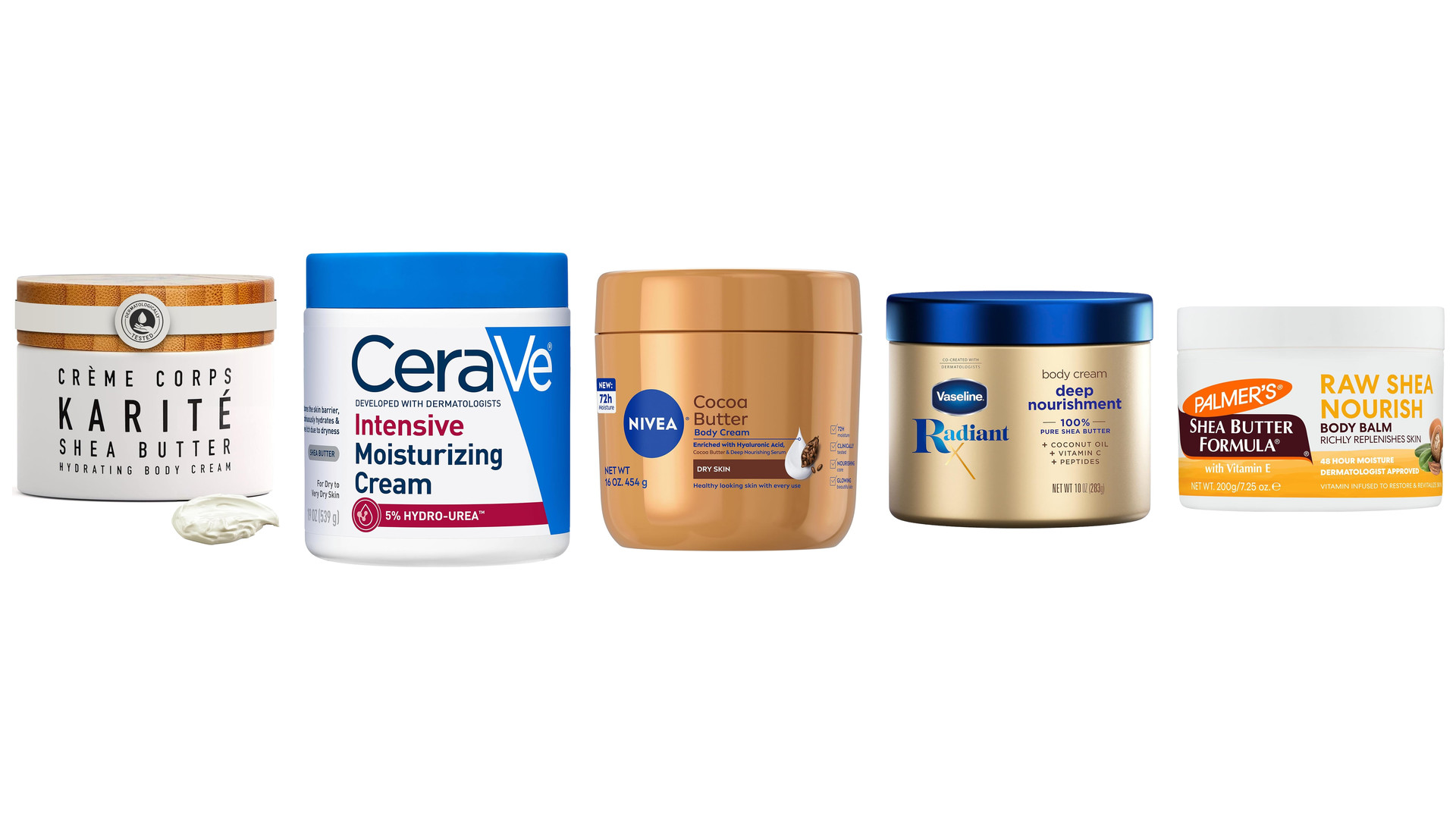
Rich and pleasant on ashy shins and elbows, and thick enough to stay where it is put. It seals reasonably well and replaces some fatty acids, but it does not contain the ceramides the barrier is short of. Unrefined versions carry a natural scent that can irritate cracked skin, so a fragrance-free formulation is the safer pick.

It seals reasonably and it feels good, and that is most of what it does. It replaces very little of what the skin lost, it clogs pores in some people, and on the face and back it can cause spots. If you like it, use it over a cream rather than instead of one — it is a lid, not a repair.

A mid-strength steroid ointment for dry skin that has tipped into inflammation — the red-cracked plates of asteatotic eczema on the shins, or thickened patches that are being scratched nightly. Two weeks usually settles it, and the moisturizer carries on underneath and afterward. It is not for plain dryness, and it is not for open cracks or anything that might be infected.
A gentler steroid used where the skin is thin or the person is small — the face, the eyelids, the neck, the folds, and children. It suits a child whose dry skin is itchy enough to wake them, alongside a heavy ointment. Short courses only, and the aim is always to get back to moisturizer alone.
An antibiotic ointment for a single cracked fingertip or heel that has become yellow-crusted and sore. It treats the infection sitting in the crack, not the dryness that opened it, so the cream and the ointment both continue. If redness is spreading up the limb, this is not enough and antibiotic tablets are needed instead.
Dry Skin (Xerosis)
If cream is not enough
Two to four weeks of daily moisturizer with no change, or cracks deep enough to bleed.
Fungal Infection
If it spreads or resists treatment
Four weeks of antifungal cream with no change, patches getting larger, or an infection reaching the nails or the scalp.
Fungal Infection
A fungal patch has an ending you could trace. Often the rim is the busiest part, slightly raised, redder and more scaly than the middle. That is because the fungus is growing outward at the edge while the centre calms down behind it.
The second check is symmetry. Dry skin usually appears on both shins, both hands, both heels. A fungal infection starts in one place and works outward from there.
Fungal Infection
Moisturizer does not fix a fungal infection. It has no effect on the fungus, and a thick cream in a warm fold can keep the skin damp enough to help it along.
So if you are unsure, moisturize properly for two weeks and watch. Real improvement points to dry skin. No change, or a patch that has quietly grown, points the other way.

Dry skin and eczema overlap, and dry skin is part of eczema rather than a separate thing. What separates them is the pattern: eczema comes as poorly defined itchy patches that flare and settle, sits in the elbow and knee creases, on the neck and the hands, and often weeps or thickens. Plain dry skin is even, all over the shins and forearms, worse in winter, and it does not come and go in the same few spots. Eczema also usually starts in childhood and travels with asthma or hay fever.
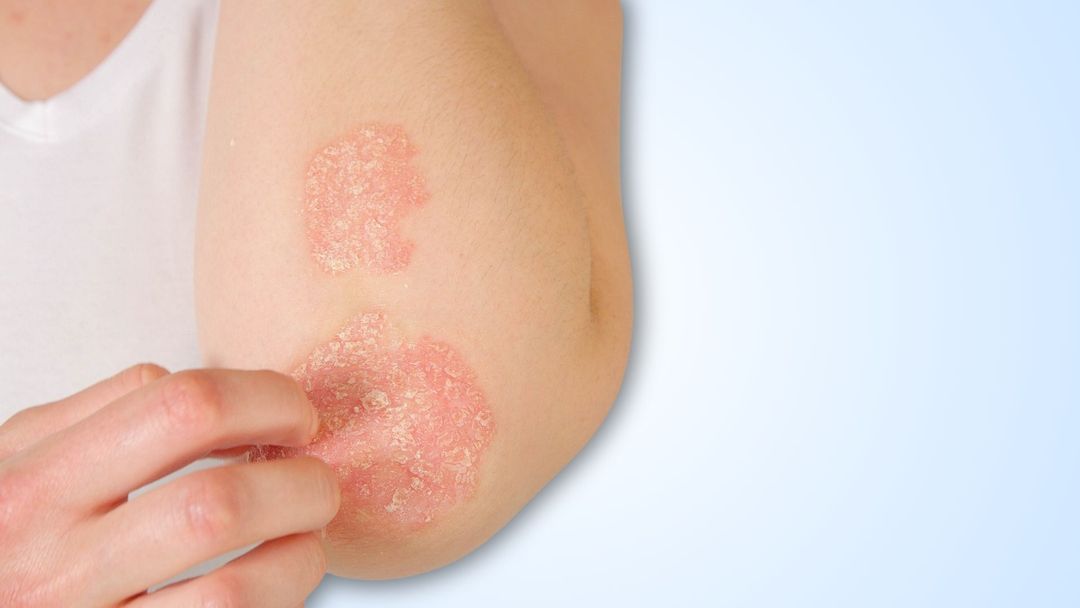
Both are scaly, and both are worse in winter, so a psoriasis patch on the shin gets moisturized for months. Psoriasis has edges you can trace with a finger, and the scale is thick and silvery rather than fine and gray, sitting on skin that is red or violet underneath. It picks the elbows, knees, lower back and scalp, and the nails often show pitting. Dry skin has no border at all and no thickened plaque under the flakes.
Common questions
Look at the border. Dry skin fades into normal skin with no line you could trace. A fungal patch has a visible edge, often redder and scalier than the middle, and it grows outward.
No. It has nothing to act on, and a thick cream in a warm skin fold can keep the area damp enough to help the fungus. Two weeks of moisturizer with no change is a useful clue.
No. Tinea versicolor makes flat lighter or darker patches on the chest and back, and Candida in skin folds looks bright red and moist rather than scaly.
No. Dry skin is a state your own skin is in. Ringworm, athlete's foot and jock itch can spread through contact, towels and damp floors.
Yes. Cracked dry skin is easier for a fungus to enter, and the two often overlap on the feet and hands.
With a skin scraping. A few flakes are looked at under a microscope for fungus, usually during the same visit.