Dry Scalp vs Contact Dermatitis
A descriptive term for a dry or flaky scalp; eczema, dandruff and product irritation can look similar. Contact dermatitis is a rash caused by something that touched the skin. It comes in two forms - irritation from a substance that would bother anyone given enough exposure, and an allergic reaction to something only some people react to. Both clear once the cause is found and removed.
Key differences
The same eight facts on every condition comparison.
What is it?
- What it is
A descriptive term for a dry or flaky scalp; eczema, dandruff and product irritation can look similar.
- It is eczema from contact.
A substance touching the skin provokes the rash. - There are two types.
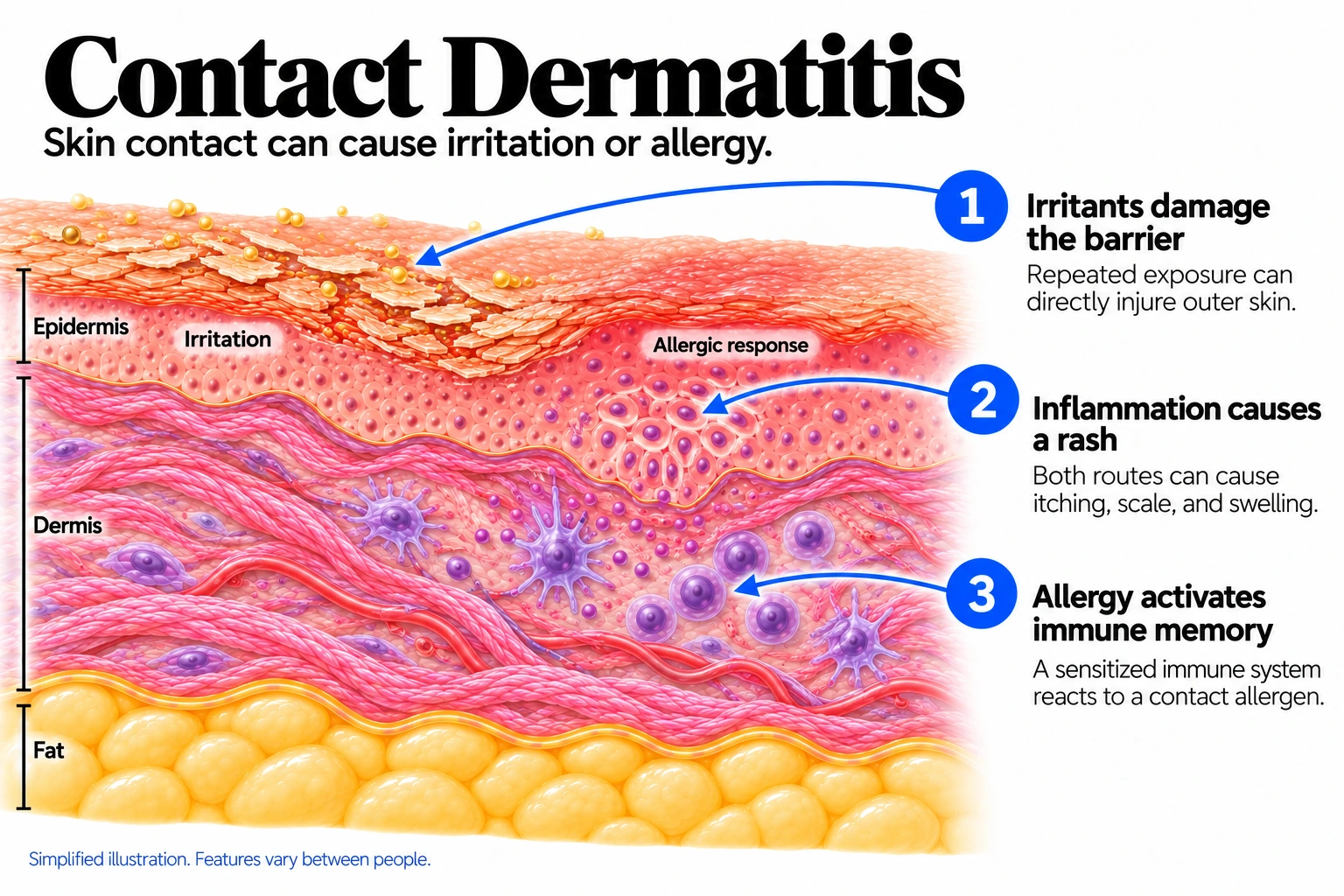
Irritant dermatitis damages the barrier directly; allergic dermatitis is a delayed immune reaction. - Patch testing finds allergies.
It differs from skin-prick testing. - The exposure is part of treatment.
Identifying what touched the skin guides care.
What it looks like
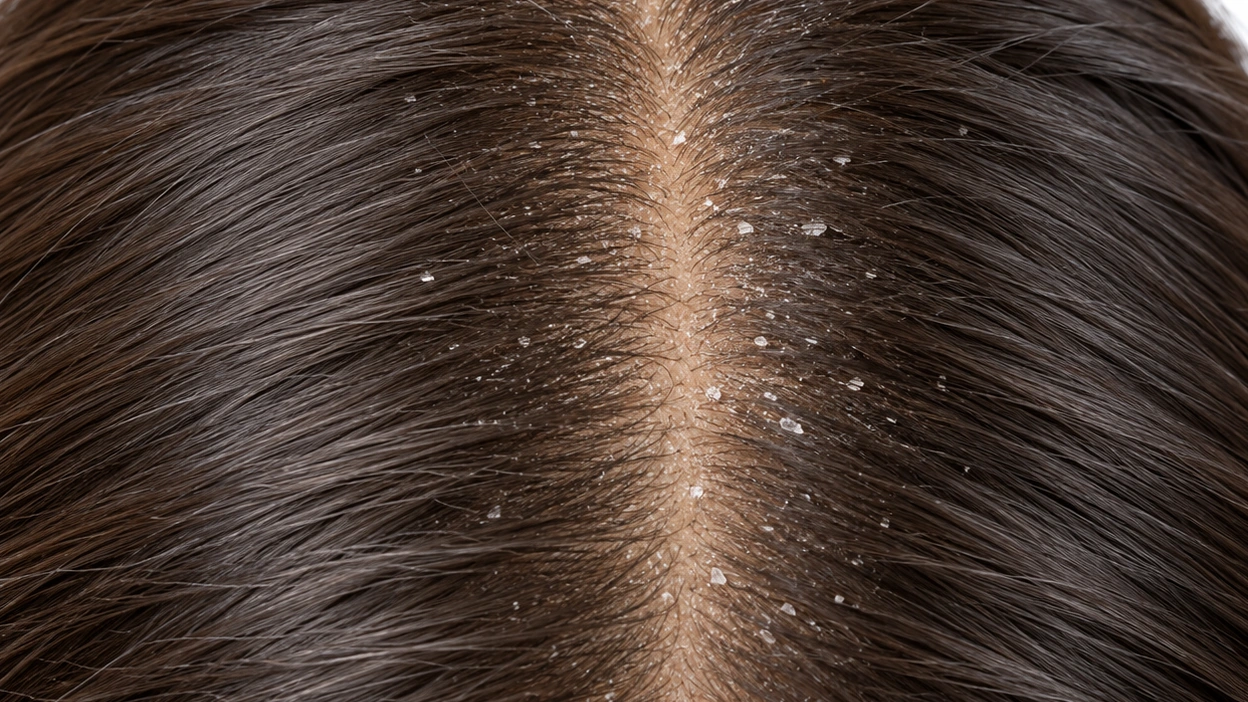
Dry Scalp
Dry Scalp Small pale flakes sit on the exposed scalp and nearby hairs.
Contact Dermatitis
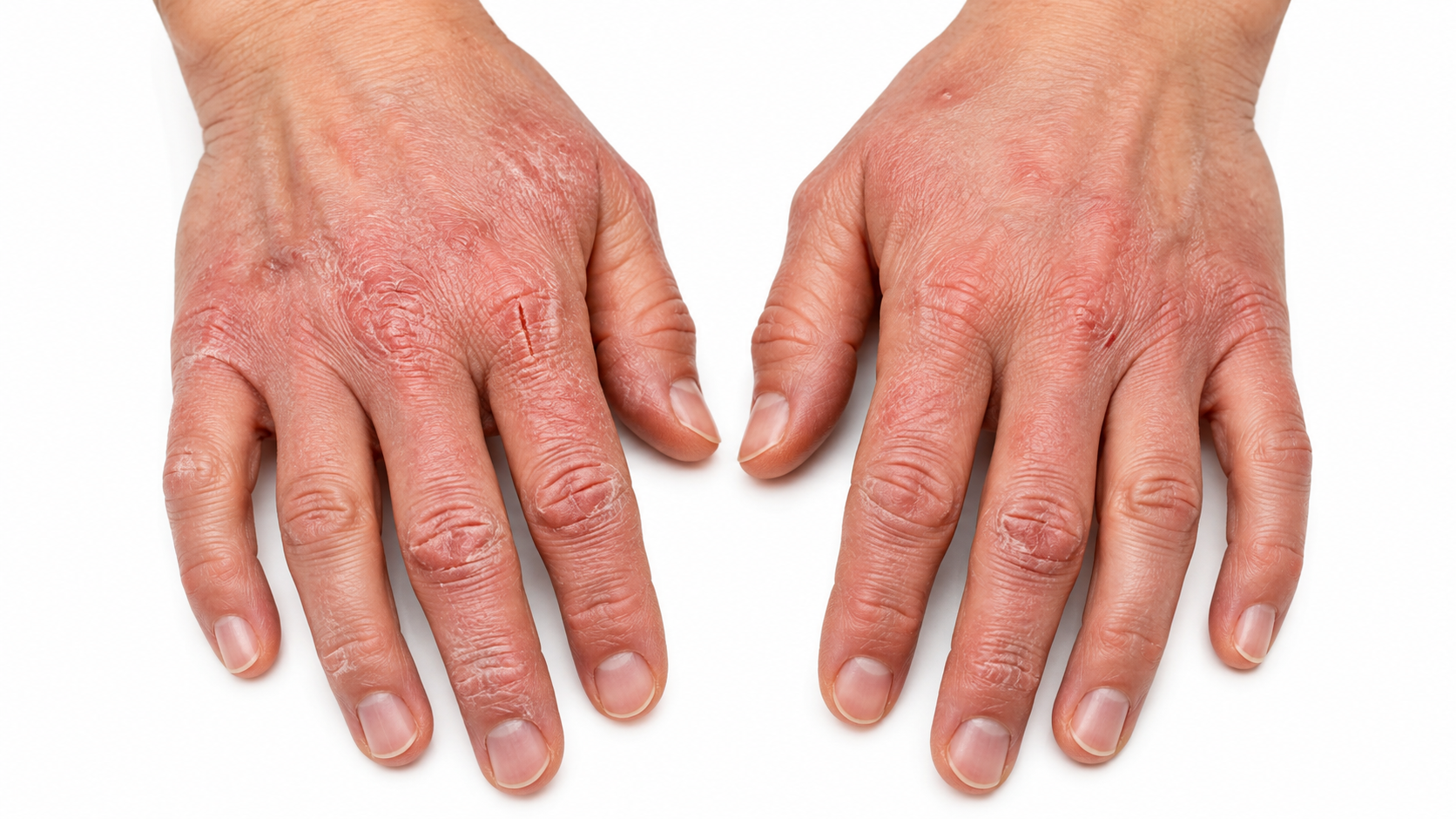
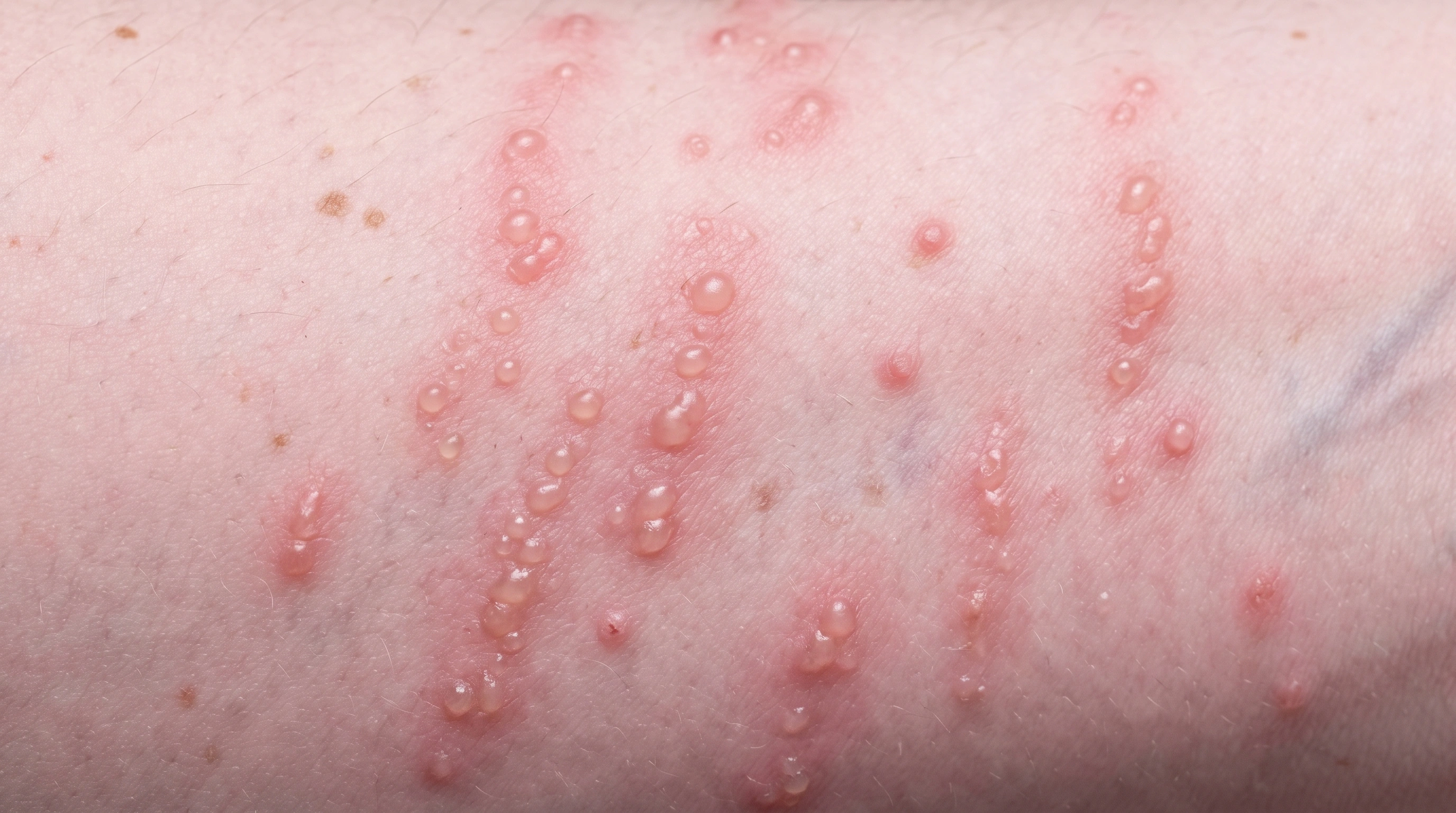
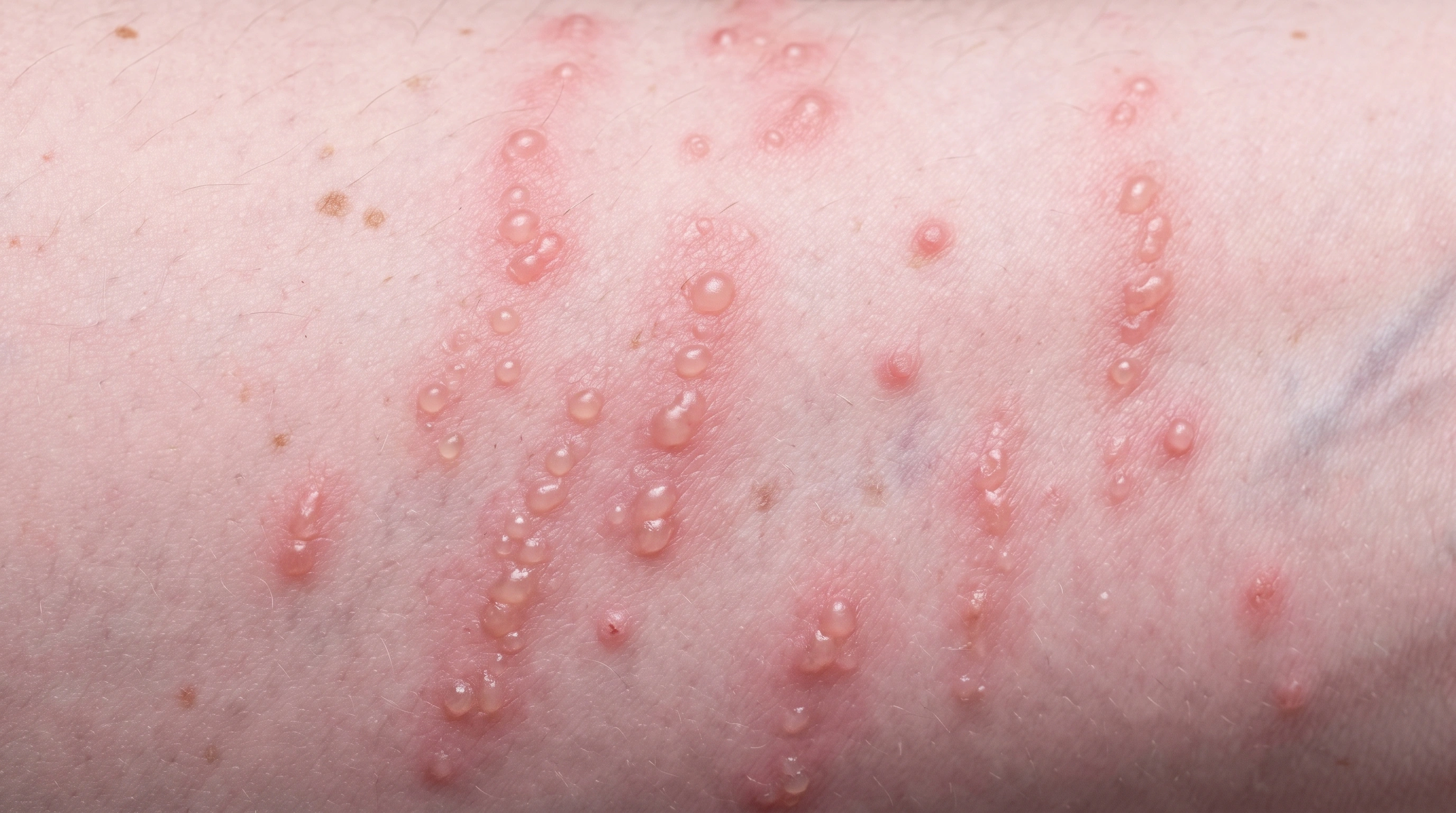
Irritant contact dermatitis Damage from soaps, solvents or water; most common.
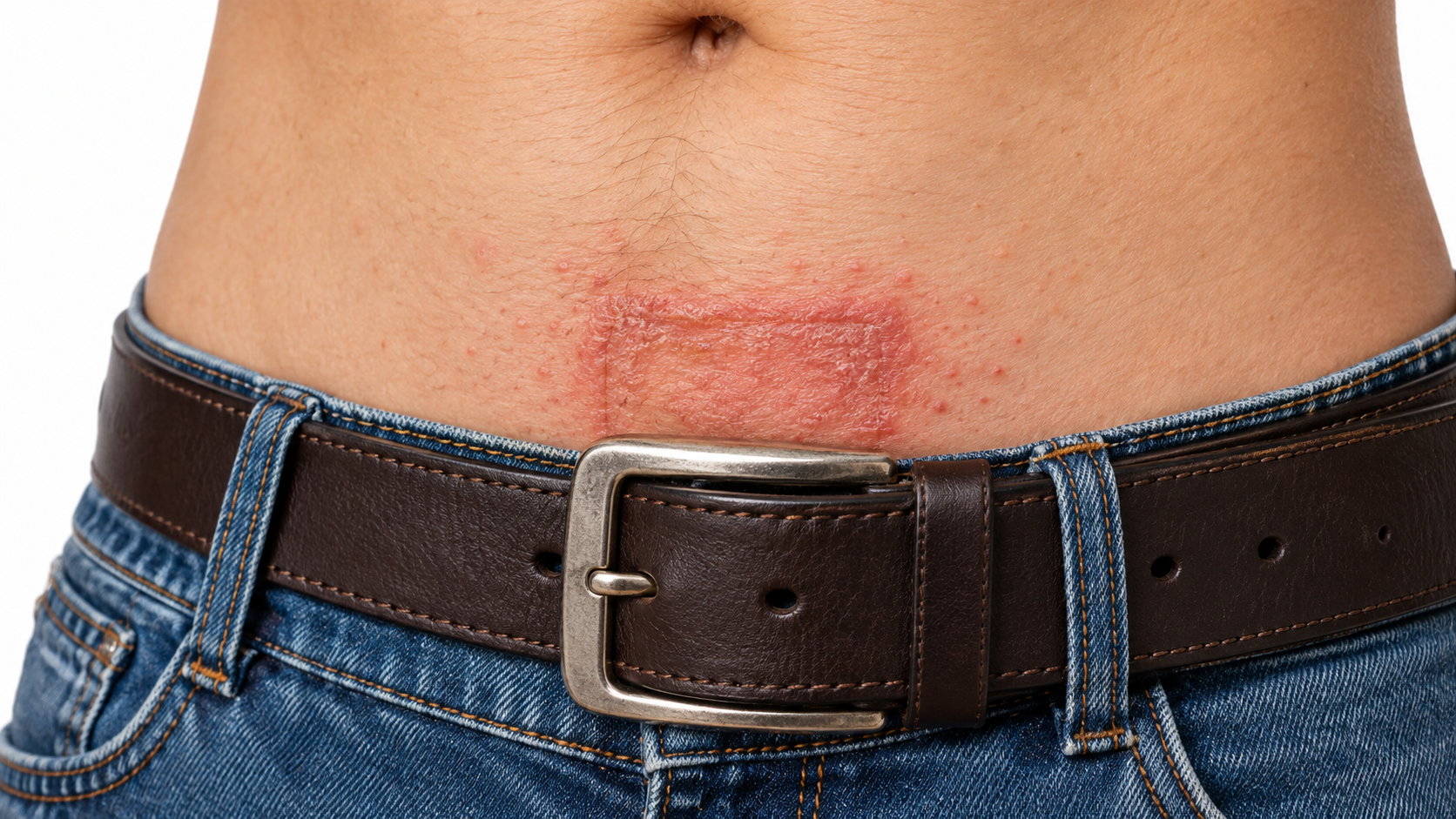
Allergic contact dermatitis Immune reaction to nickel, fragrance, plants and more.
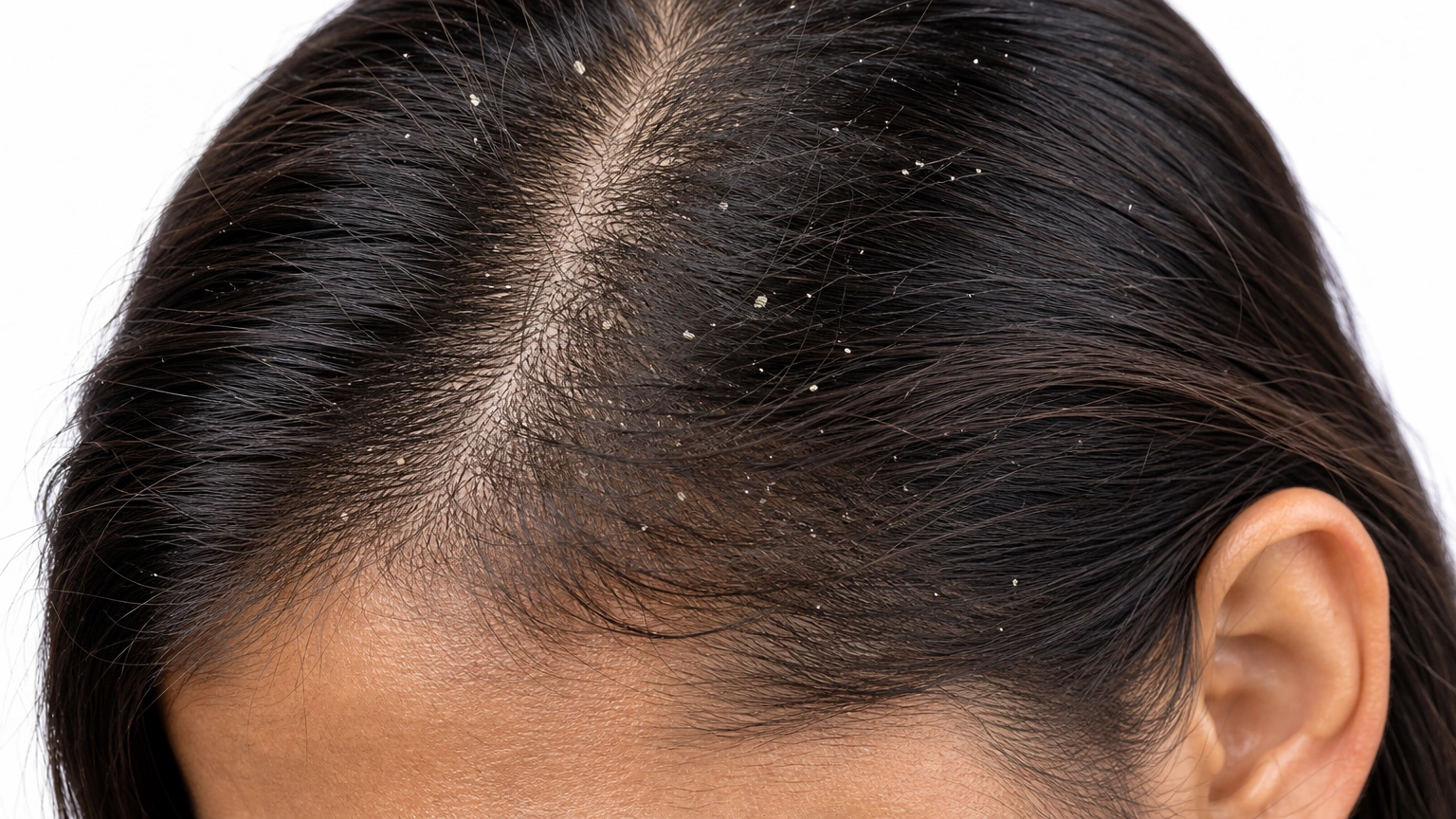
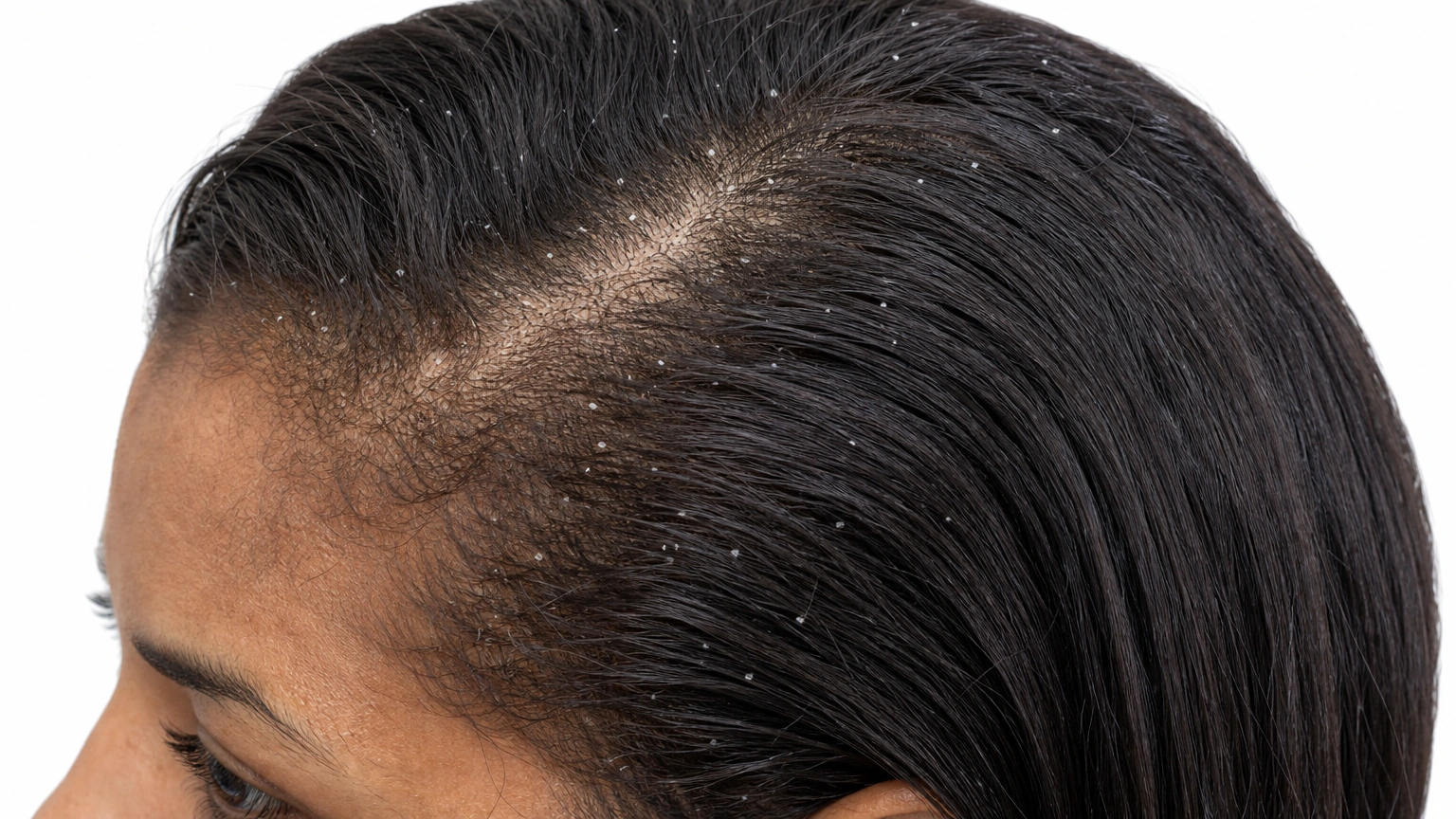
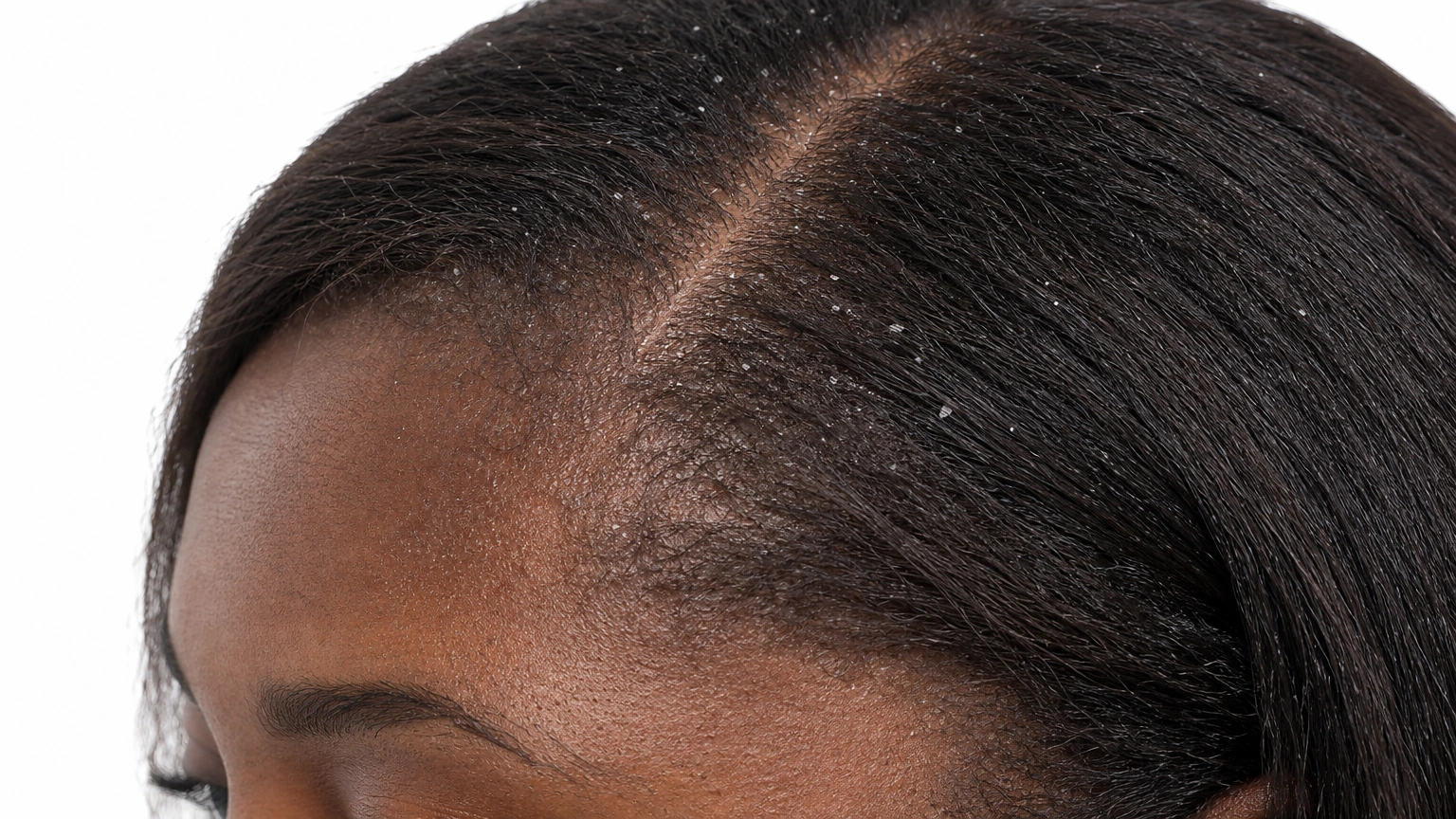
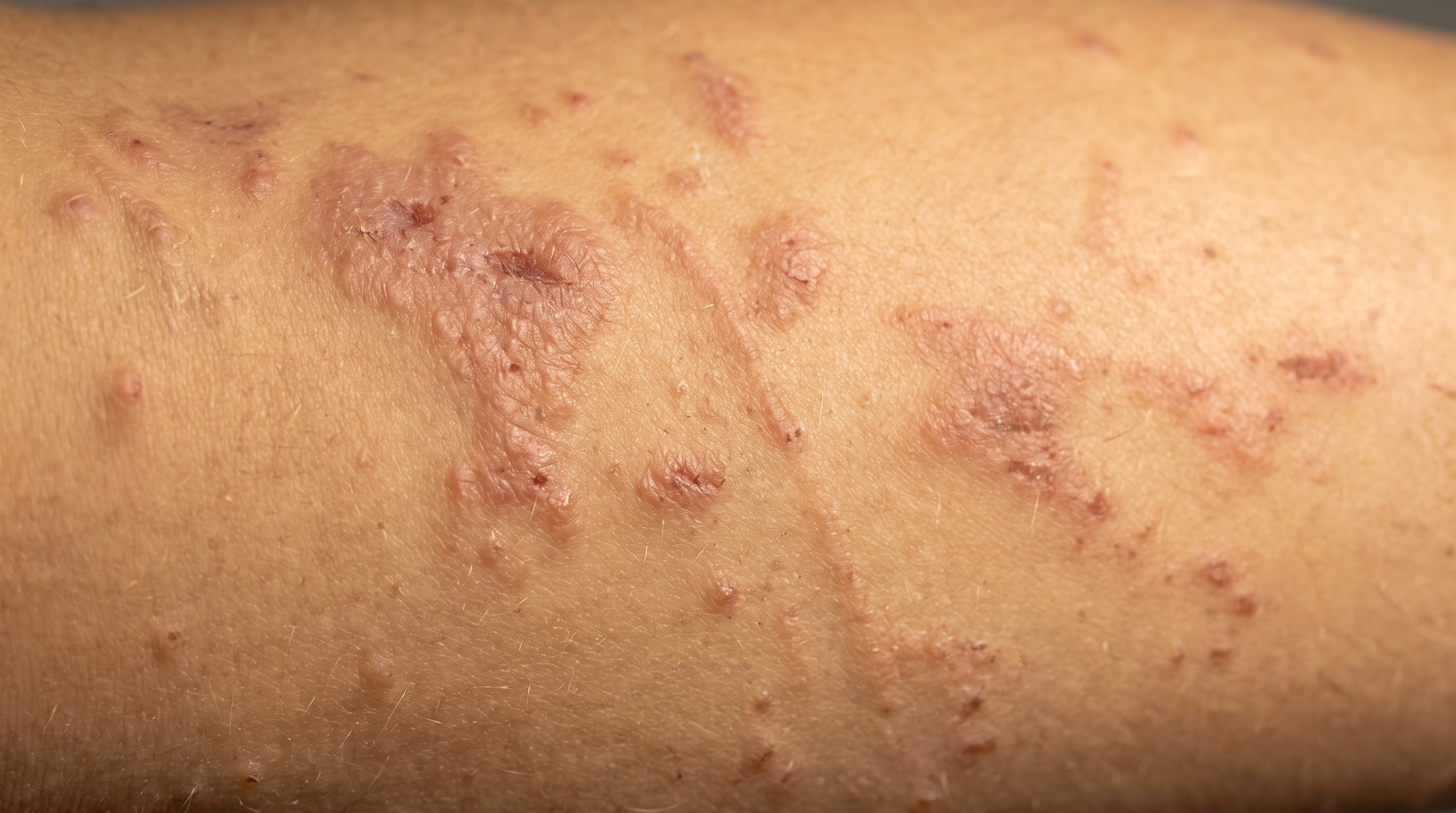
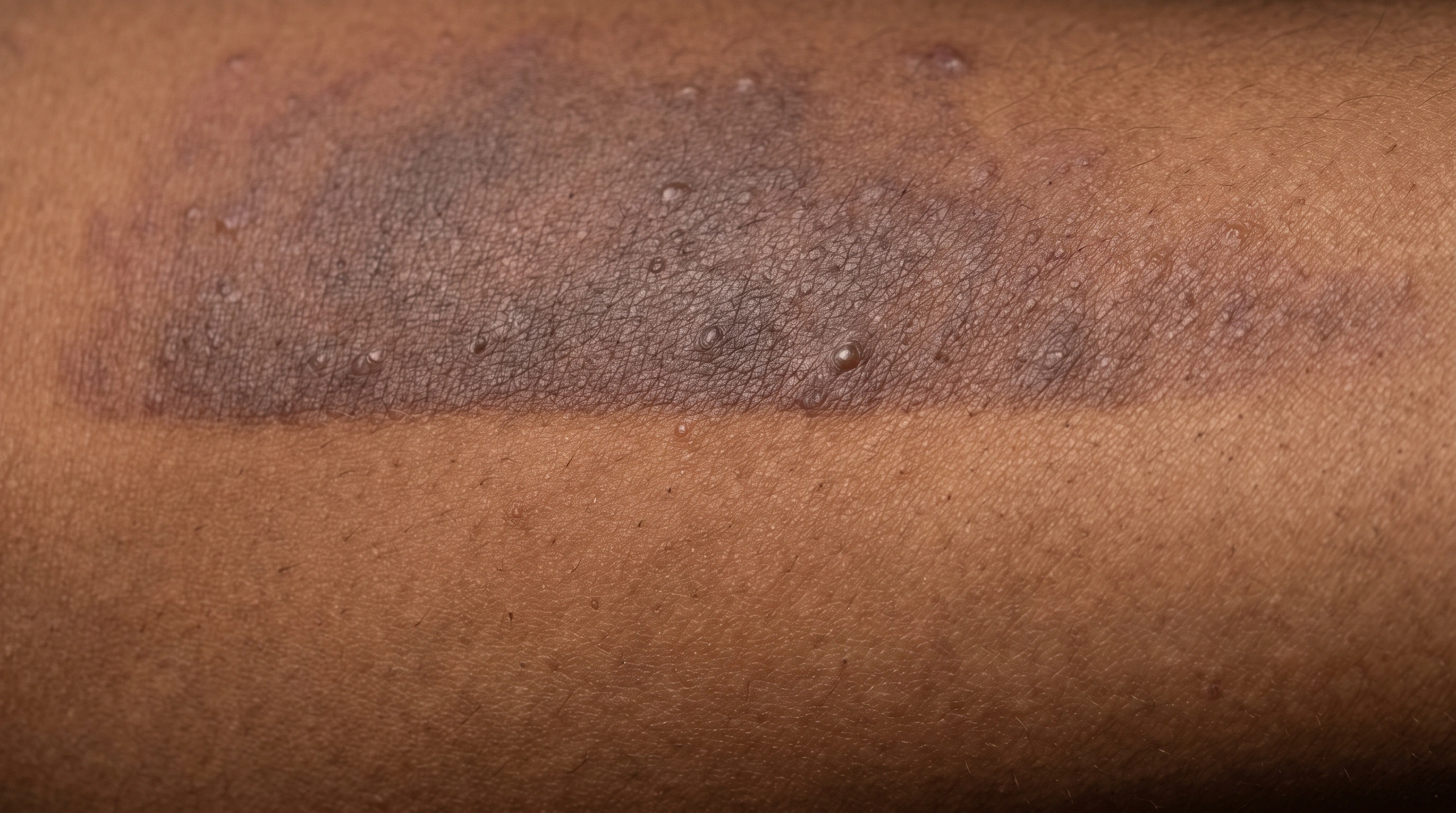
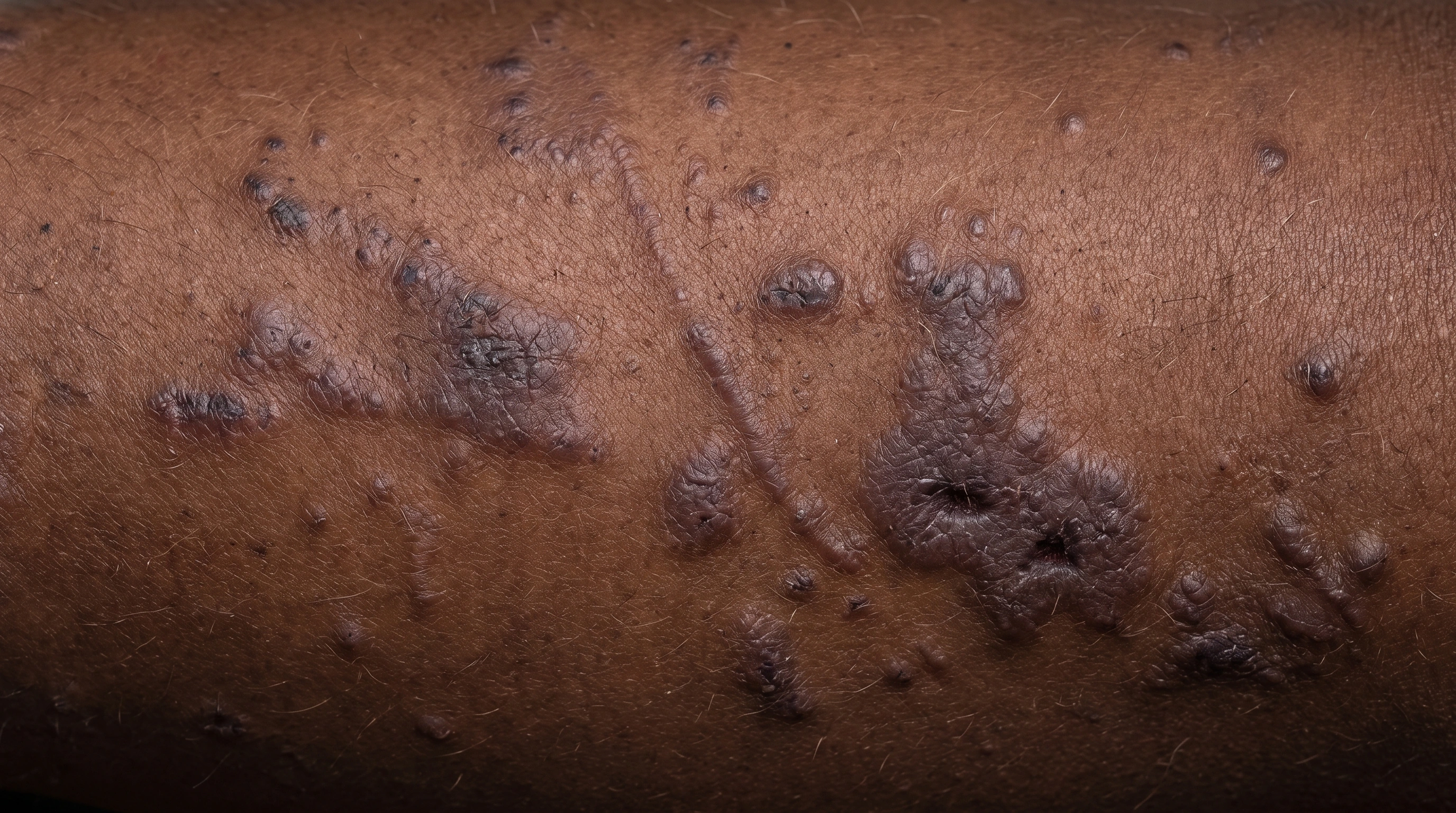
Reduced moisture retention or irritation can weaken the scalp's surface barrier. This process differs from yeast-associated dandruff, although visible flaking can overlap.
Skin contact can cause inflammation through direct irritation or a delayed allergic reaction. These are different routes to a rash that may itch, swell, blister or scale.
When it usually starts
Dry Scalp. Can occur at any age.
Contact Dermatitis. Can begin at any age after irritation or sensitization to a contacting substance.
Causes and triggers
Barrier dryness or irritation may contribute; the cause should be distinguished from yeast-related dandruff.
Contact dermatitis happens when something touching the skin either damages it directly or sets off an allergic reaction. The rash shows up where the contact happened.
People with eczema or a family history of allergies react more easily.
Daily Care
Habits that help
- Wash the scalp gently and rinse thoroughly
Use lukewarm water and a shampoo suited to your scalp and hair type. - Adjust washing frequency to oil, sweat and scalp comfort
Avoid leaving heavy residue in place, but do not wash repeatedly until the scalp feels raw. - Keep styling products off irritated scalp
Reduce layers of dry shampoo, waxes or oils if they worsen itch or scale. - Handle hair and scalp gently while drying
Pat rather than scratch and limit very hot air.
Avoid
- Avoid: Scraping flakes off with nails or sharp tools
This can break the skin and cause infection. - Avoid: Assuming persistent inflamed scale is only dryness
Redness, pain, hair loss or ongoing flakes may need assessment for another scalp condition.
Habits that help
- Find the cause and stop it
Photograph it and list what touches it. - Learn the ingredient names
One molecule hides in dozens of products. - Switch to fragrance-free products
A meaningful label, unlike unscented. - A thick, plain moisturizer, applied often
Barrier repair is half the treatment. - The right gloves, worn the right way
Vinyl or nitrile, cotton liner, off when done. - Lukewarm water and a non-foaming wash
Dry gently, moisturize straight after. - Barrier protection for nickel
Clear polish short term, titanium or steel long term. - Cool compresses
Gently apply a cool, damp cloth to soothe weeping or irritated skin. - Patch testing
The only way to name an allergen.
Avoid
- Avoid: Carrying on using the product
Why most rashes last months. - Avoid: Frequent handwashing and hand sanitizer
Water, detergent and alcohol strip broken skin. - Avoid: Occlusive gloves worn for hours
Trapped sweat swells skin. - Avoid: Hot water and scrubbing
Both strip barrier fats. - Avoid: Scratching
Lets more trigger in and thickens the skin. - Avoid: Adding more products to soothe it
Fragrance and botanicals cause a second reaction. - Avoid: Numbing and anti-itch creams
Names ending in -caine often cause allergy. - Avoid: Wet wipes and moist toilet tissue
The preservatives are known allergens. - Avoid: Sweat under metal
Nickel releases faster in sweat - buckles and jewelry flare. - Avoid: Sunlight, for some substances
Some ingredients only react after sunlight changes them. - Avoid: An allergen hiding in another product
Nail polish on eyelids, hair dye on the neck. - Avoid: Stopping treatment when it looks better
Allergic reactions take two to four weeks. - Avoid: Anti-itch creams ending in -caine
Numbing ingredients such as benzocaine are another frequent cause of allergic contact dermatitis. The relief is brief, and a rash that gets worse the more cream you use is a classic story. If an anti-itch product seems to be making things worse, stop it and mention it to your doctor.
Treatment differences
Gentler washing and fewer irritating products may help simple dryness. Persistent dandruff, inflammation or hair loss needs assessment so any medicated treatment targets the actual cause.
Outlook
The course depends on whether dryness, irritation, dandruff or another condition is responsible. Gentle care may help simple dryness, but persistent inflamed flakes or hair loss needs assessment.
Timing is the best clue to which form you have. The rash is temporary; the allergy is not - sensitization is generally lifelong, so avoidance is permanent. Once the substance is named and avoided, most people stay clear.
Complications
Persistent scale with broken hairs or hair loss may have another cause.
- Infection in the broken skin
- Chronic hand dermatitis
- Time off work
More details
Infection in the broken skin
Weeping, cracked or scratched skin gives bacteria an opening, most often on the hands. The signs are honey-colored crusts, pus, increasing pain, or redness and warmth spreading outward. It is common and it is treatable, but it needs antibiotics rather than more steroid cream, so it is worth being seen rather than waiting it out.
Chronic hand dermatitis
When the exposure carries on, hand dermatitis stops settling between flares. The skin thickens, the normal lines deepen, and painful cracks open across the fingertips and knuckles that catch on everything and are slow to close. It is the reason contact dermatitis is a leading work-related skin problem, and it is largely preventable by naming the cause early instead of treating the rash for months.
Time off work
Hand dermatitis is one of the leading work-related health problems, and for people in wet or chemical work it can mean weeks of light duties, a change of role, or leaving a trade. It is also the part most often left out of the conversation. Naming the cause early, and getting the right gloves and routine in place, is what keeps the job.
When to get help
Have persistent itch, thick scale, broken hairs or hair loss assessed.
Seek help for persistent or recurrent rash; patch testing may identify contact allergy. Pain, spreading warmth, pus or fever require prompt assessment.
Common questions
Dry Scalp:What is Dry Scalp?
A descriptive term for a dry or flaky scalp; eczema, dandruff and product irritation can look similar.
Dry Scalp:What can I do day to day?
Use gentle shampoo and avoid scratching or heavy product layering.
Dry Scalp:When should I get medical advice?
Have persistent itch, thick scale, broken hairs or hair loss assessed.
Contact Dermatitis:How do I figure out what caused it?
Start with location and shape, not a list of products. Photograph the rash, note where its edges are, and look for an object or habit that matches that outline. An allergic reaction shows up one to three days after contact, so look at what happened two days before, not that morning. Include things you have used for years - those are the likeliest candidates, not the least. If a few weeks of attention does not settle it, patch testing ends the guessing.
Contact Dermatitis:How long does it take to clear up?
An irritant reaction improves within days of contact stopping. An allergic reaction takes two to four weeks to settle even with treatment, because the immune cells doing the damage take that long to stand down. Hands are slowest, often six weeks or more, because the skin there is used and washed constantly. Judging it at day three tells you very little.
Contact Dermatitis:Is it contagious?
No. This is your own skin reacting to a substance, not an infection. You cannot pass it on by touch. If two people in a household get the same rash, they were both exposed to the same thing.
Contact Dermatitis:Will the allergy ever go away?
Generally no. Once your immune system has learned a substance, that memory is permanent, and tiny amounts can trigger a reaction years later. In practice it is less grim than it sounds - people who know their allergen and avoid it stay clear indefinitely, and the avoidance is usually narrower than they feared.
Contact Dermatitis:Why did this appear on my eyelids when I never put anything there?
Eyelid skin is the thinnest on your body, so it reacts to amounts the rest of your skin ignores. Nail polish, hair products, face creams and airborne particles reach the eyelids from your hands or from your scalp. When a rash is on the eyelids alone, the cause is usually somewhere else.
Contact Dermatitis:Can I just use hydrocortisone from the pharmacy?
For a small, mild patch on the body, often yes, alongside stopping the contact. Over-the-counter hydrocortisone is a mild strength and rarely clears thicker skin on hands or feet. On the face and eyelids keep it short-term, and ask first. It treats the inflammation, not the cause - if the rash returns each time you stop, find the trigger.
Sources
Sources and further reading
Keep exploring.
Contact Dermatitis
Dry Skin vs Contact Dermatitis
Scalp Psoriasis vs Contact Dermatitis
Athlete's Foot vs Contact Dermatitis
Candidal Intertrigo vs Contact Dermatitis
Contact Dermatitis vs Cellulitis

Contact Dermatitis vs Hives
Contact Dermatitis vs Ringworm

Contact Dermatitis vs Scabies
Contact Dermatitis vs Sunburn
Dandruff vs Contact Dermatitis
