Common questions
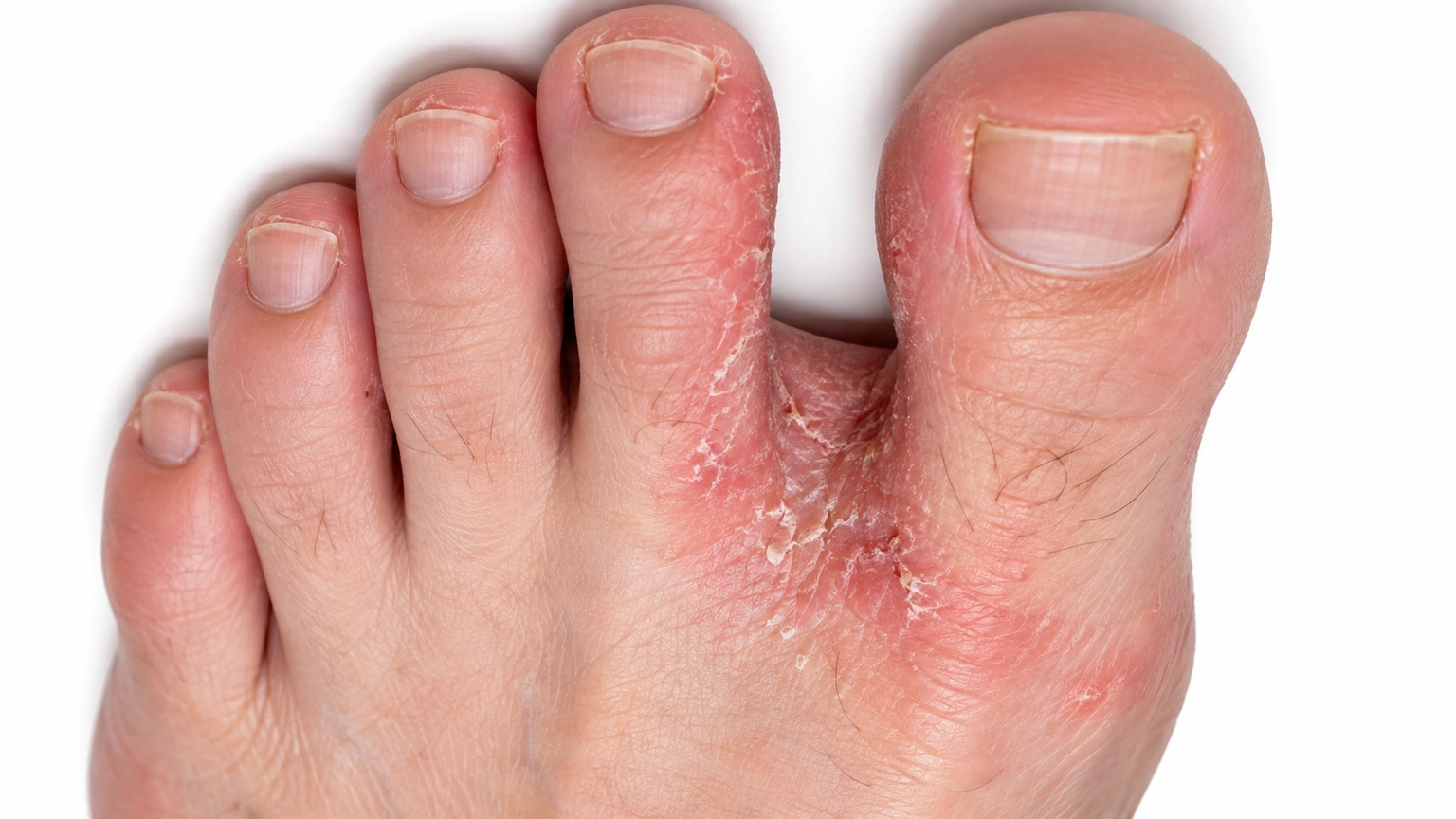
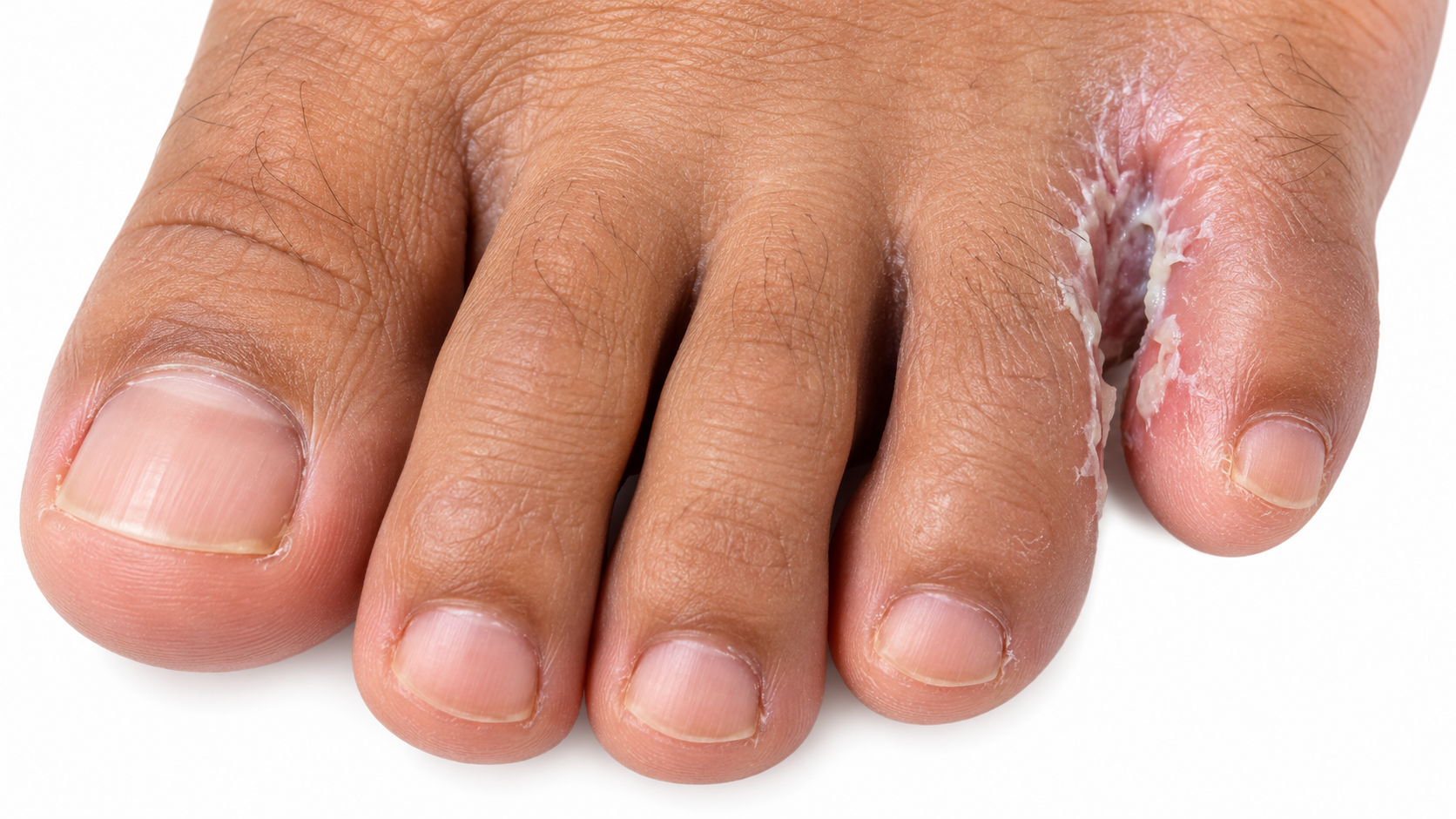
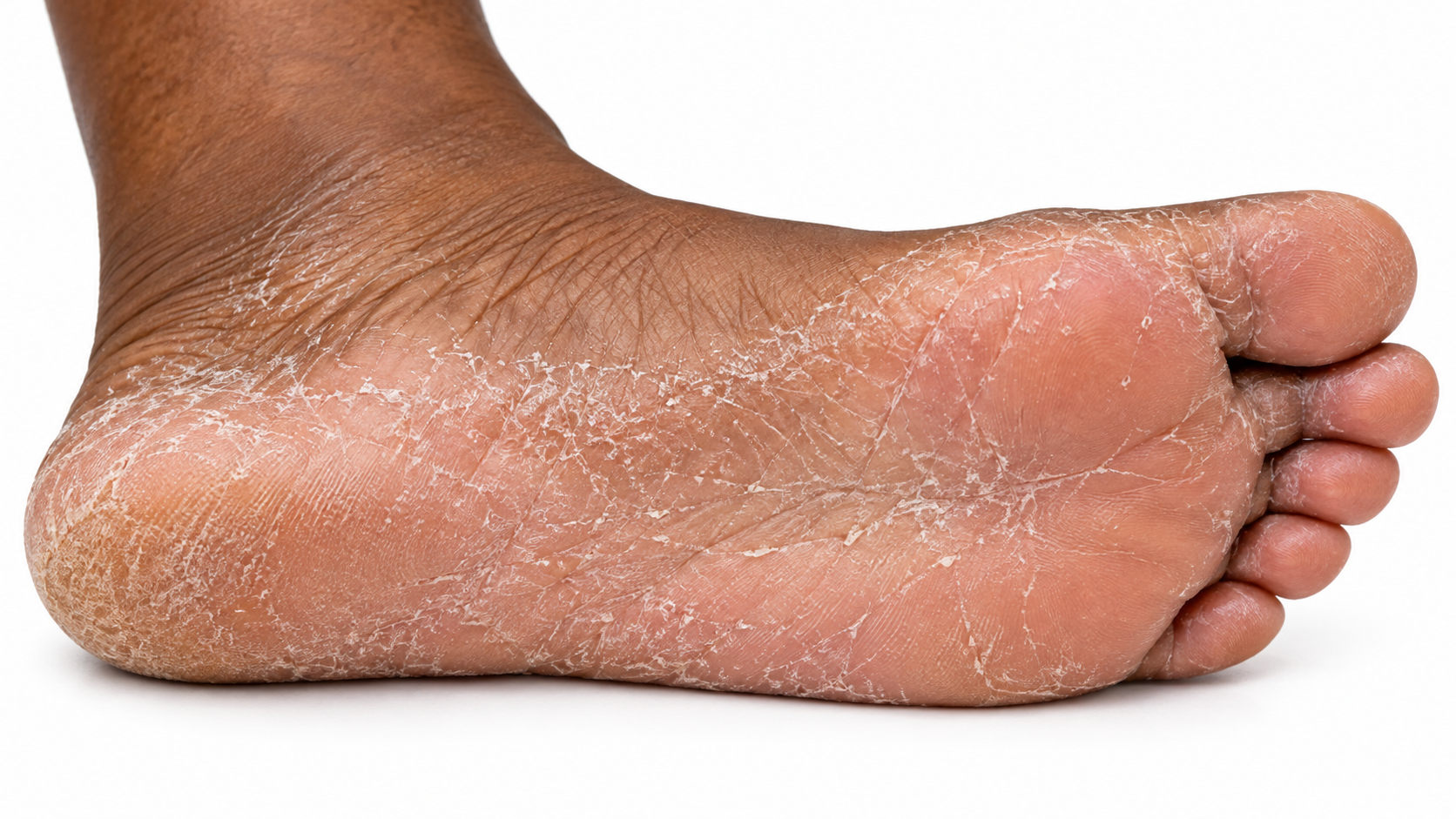
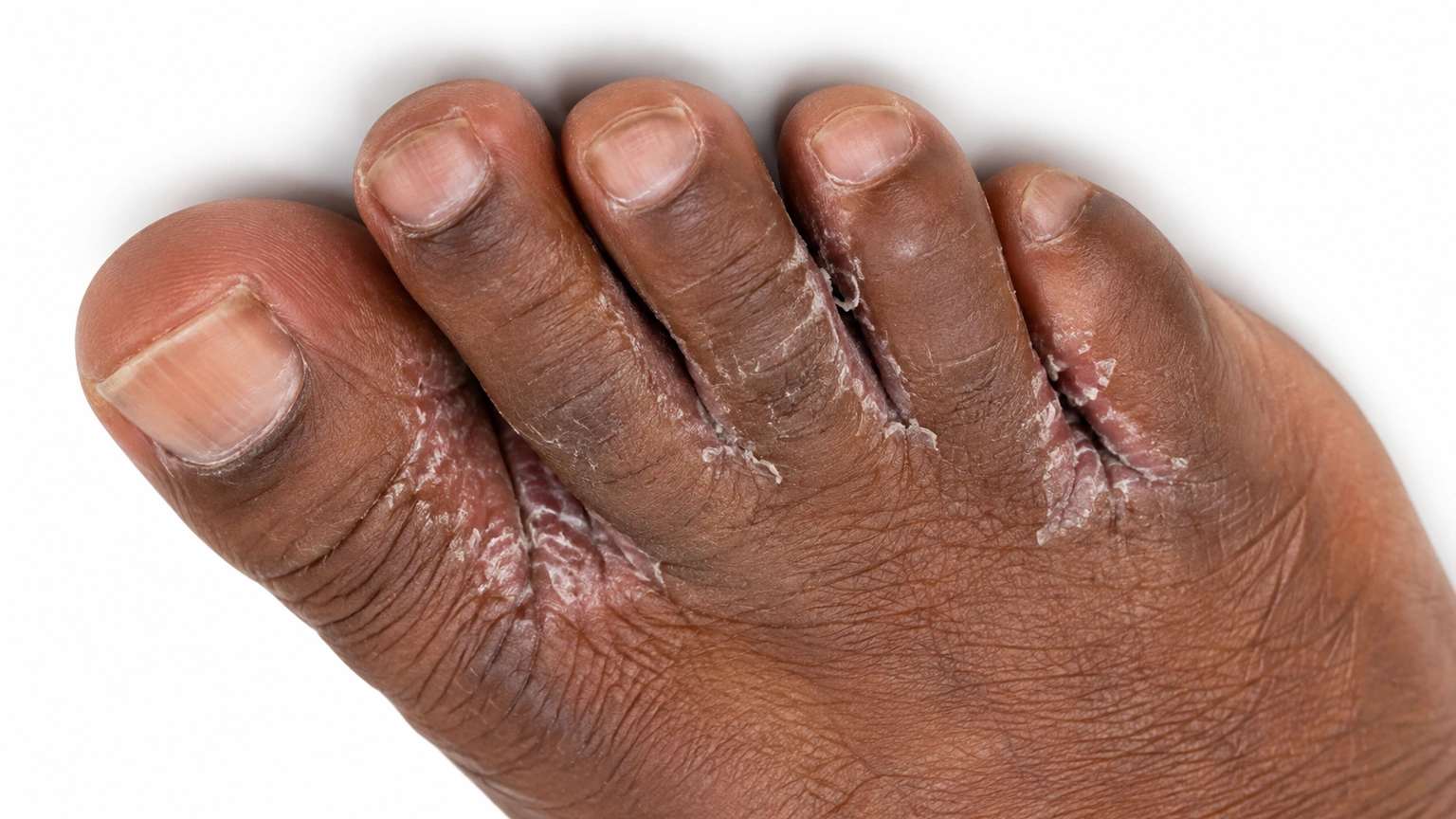
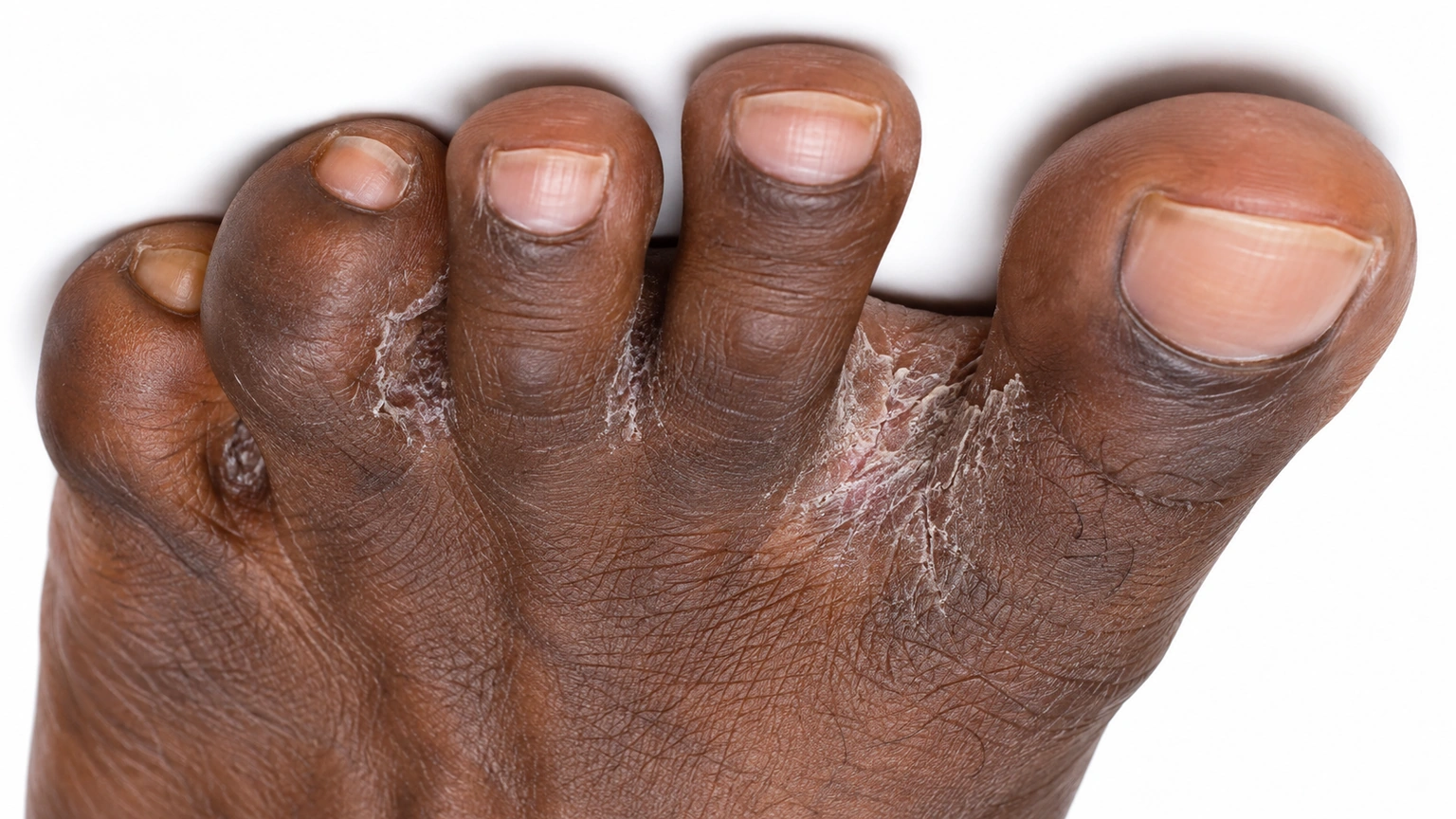
Athlete’s Foot:How long does it take to clear?
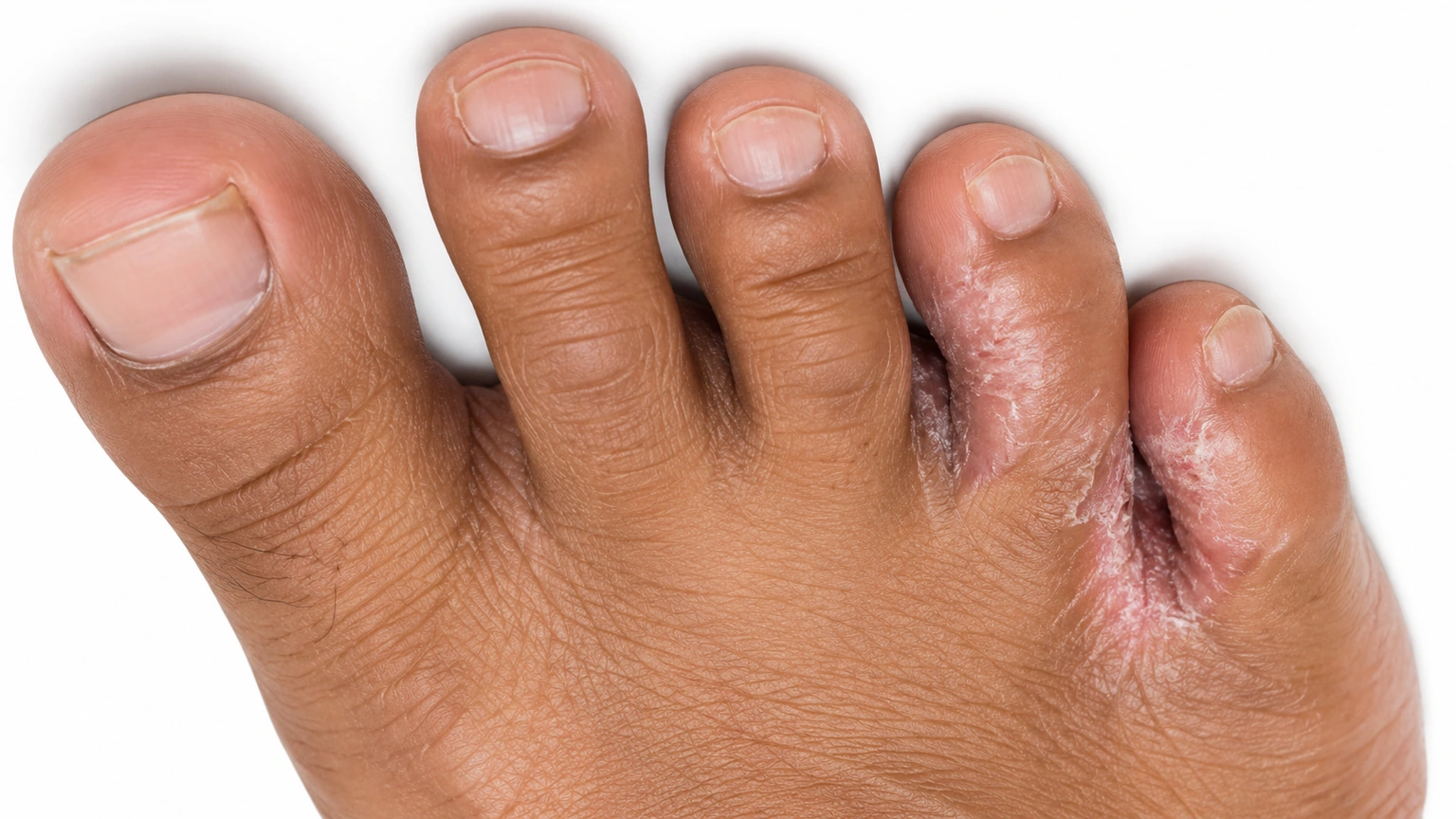
The itch settles in a few days. The skin takes two to four weeks, depending on the cream and how thick the scale is. Keep treating for one to two weeks after it looks clear, because the fungus outlasts the symptoms. If nothing has changed after four weeks of proper use, the question is whether it is really fungus, not whether you need something stronger.
Athlete’s Foot:Do I need to throw away my shoes?
Usually not. Shoes hold fungus, so alternate two pairs to let each dry fully for a day, and use an antifungal powder or spray inside them. Shoes you cannot clean or dry - old fabric trainers you wore through a long infection - are reasonable to replace.
Athlete’s Foot:Do I have to treat my toenails too?
If they are thick, crumbly, lifting or discolored, yes, and that is usually why it keeps coming back. Fungus inside a nail is out of reach of creams, so the nail is a permanent source that reinfects the skin. Treatment usually means tablets for several months, and the nail only looks normal once healthy nail has grown all the way out.
Athlete’s Foot:Can I give it to my family?
Yes, though it is not highly contagious. It spreads through shared floors, bath mats, towels, shoes and nail clippers. Use your own towel, wear something on your feet in the bathroom while it is active, wash mats and socks hot, and do not share footwear. If someone else has itchy feet, treat both of you at once.
Athlete’s Foot:Why do I keep getting it back?
Three usual reasons, all fixable. You stopped treating when it looked better rather than a week or two after. Your toenails are infected and reseeding the skin. Or your feet sit in a warm damp shoe all day.
Athlete’s Foot:Why did my hands break out when my feet were bad?
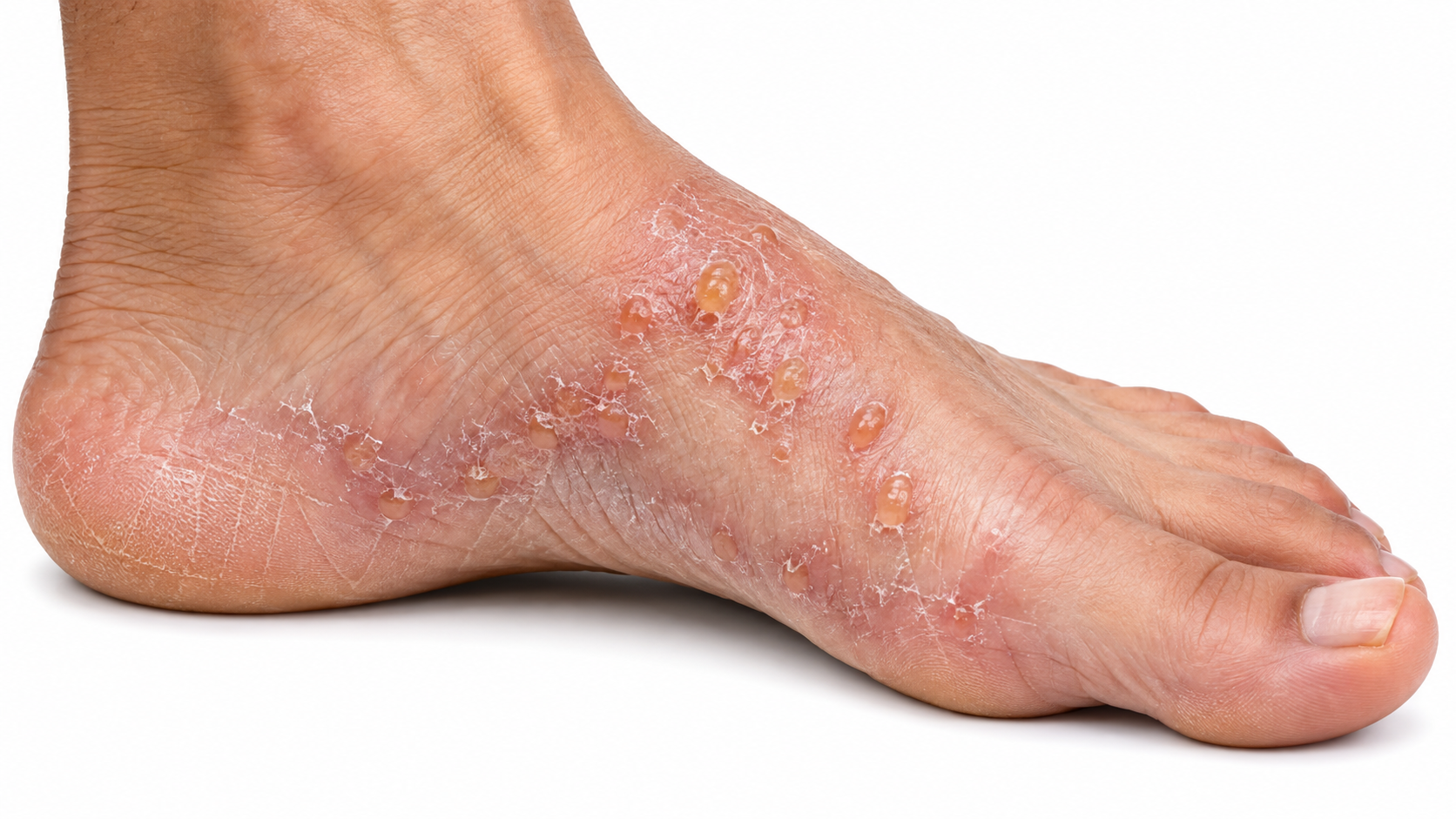
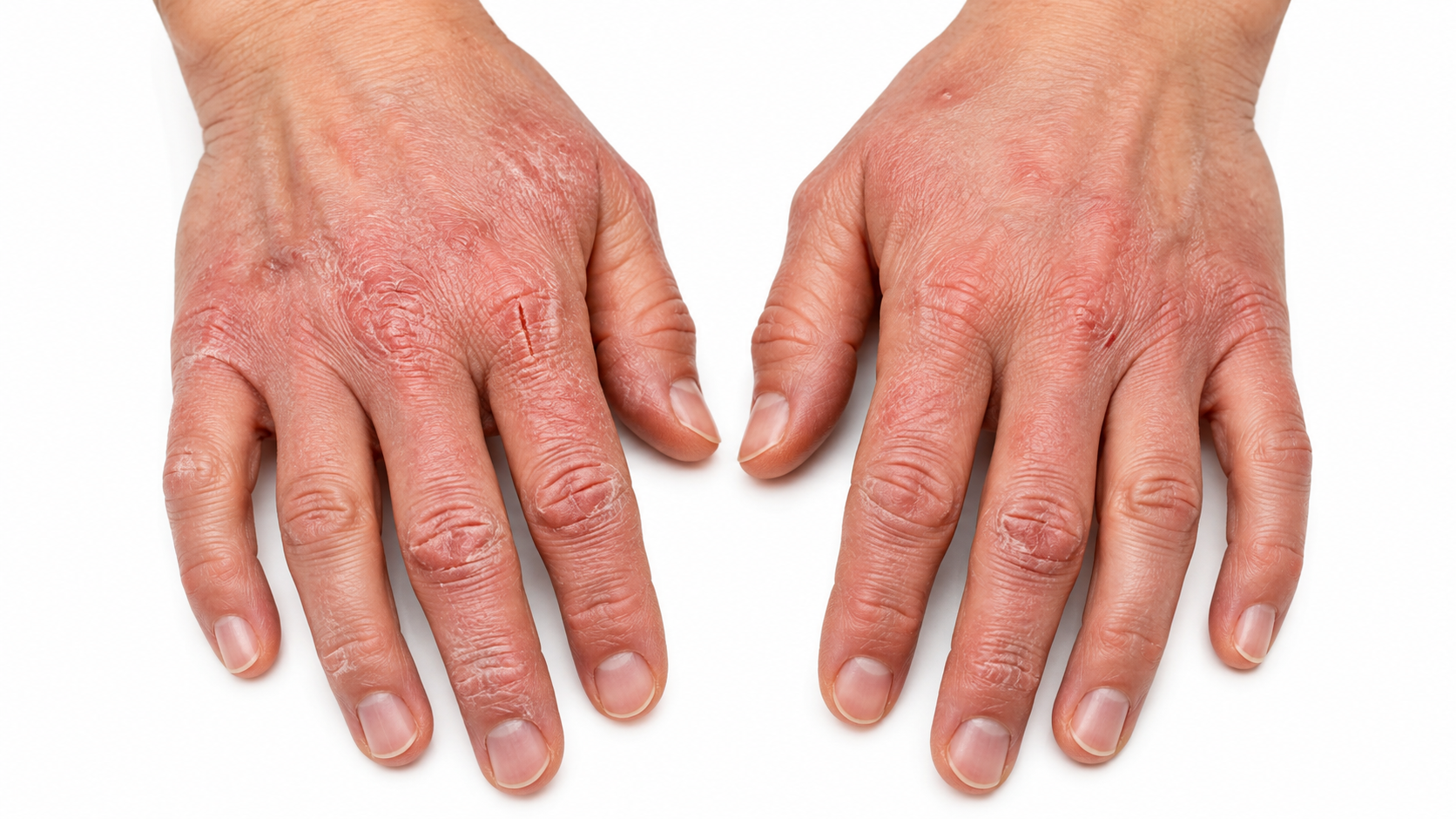
Most likely an id reaction - an allergic response elsewhere on the body to fungus on the feet. The hand rash has no fungus in it, which is why antifungal cream there does nothing, and it settles once the feet are treated. There is also a separate pattern where two feet and one hand are genuinely infected, typically the hand used to pick at the toes. A scraping tells them apart.
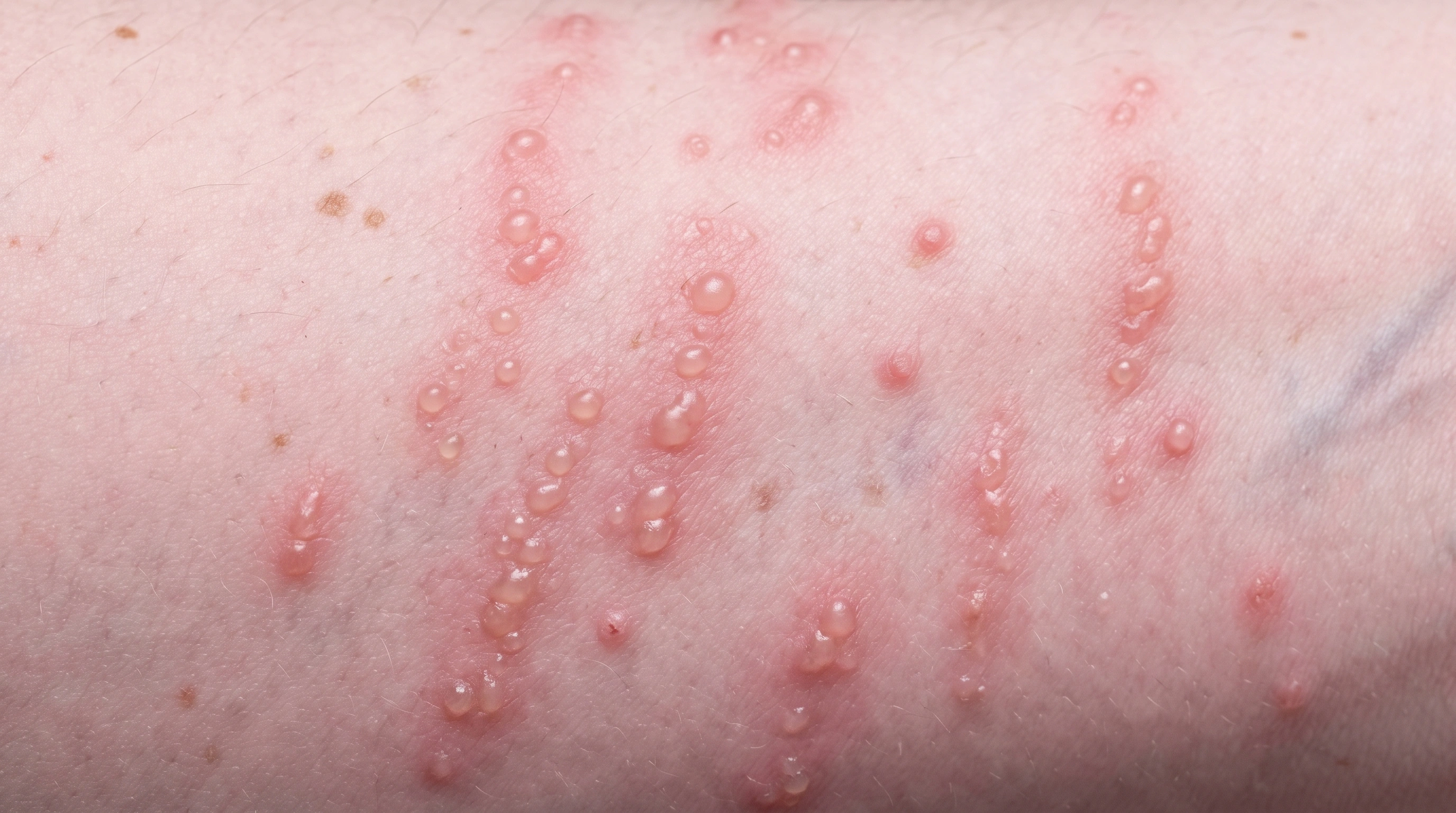
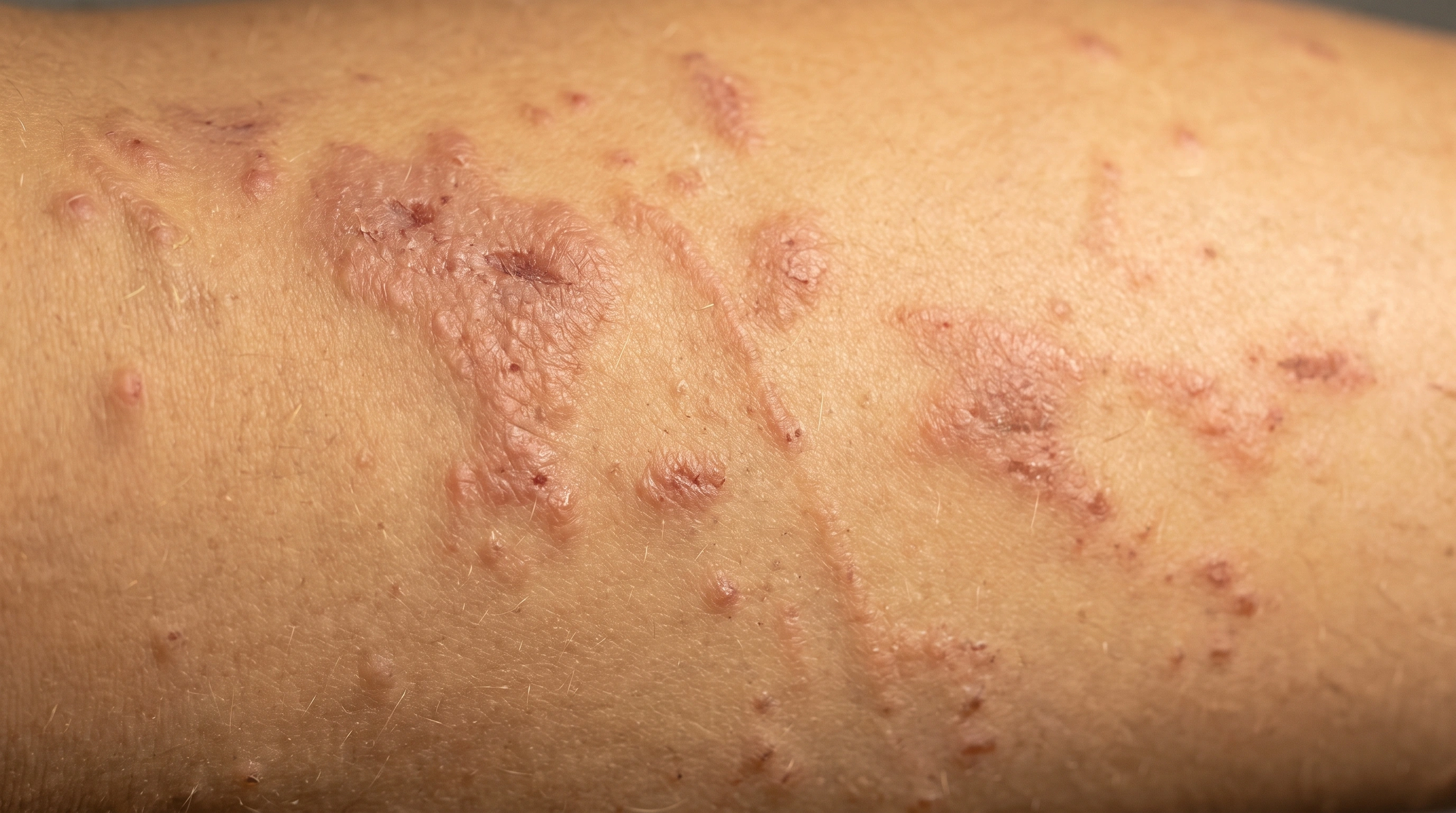
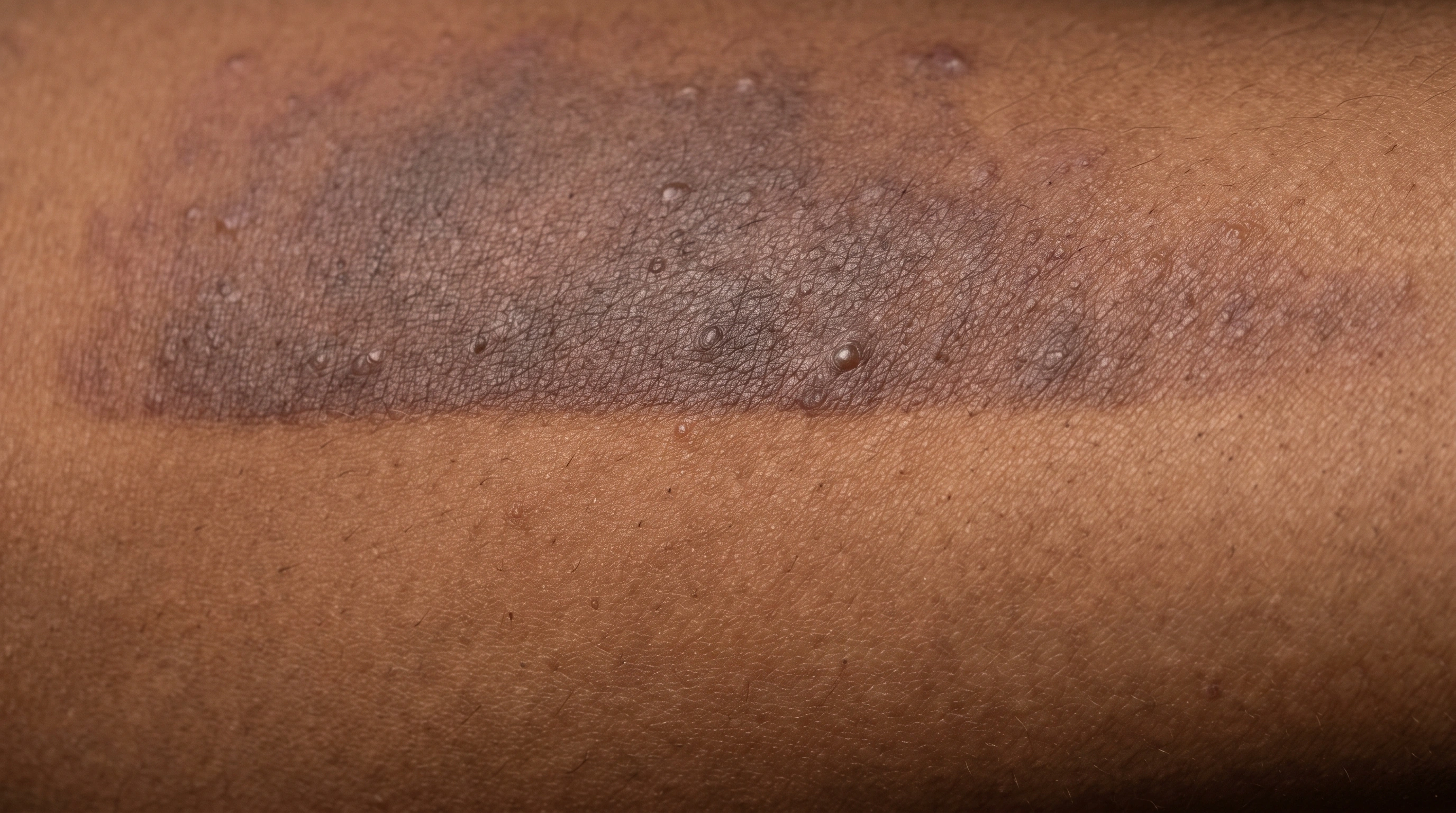
Contact Dermatitis:How do I figure out what caused it?
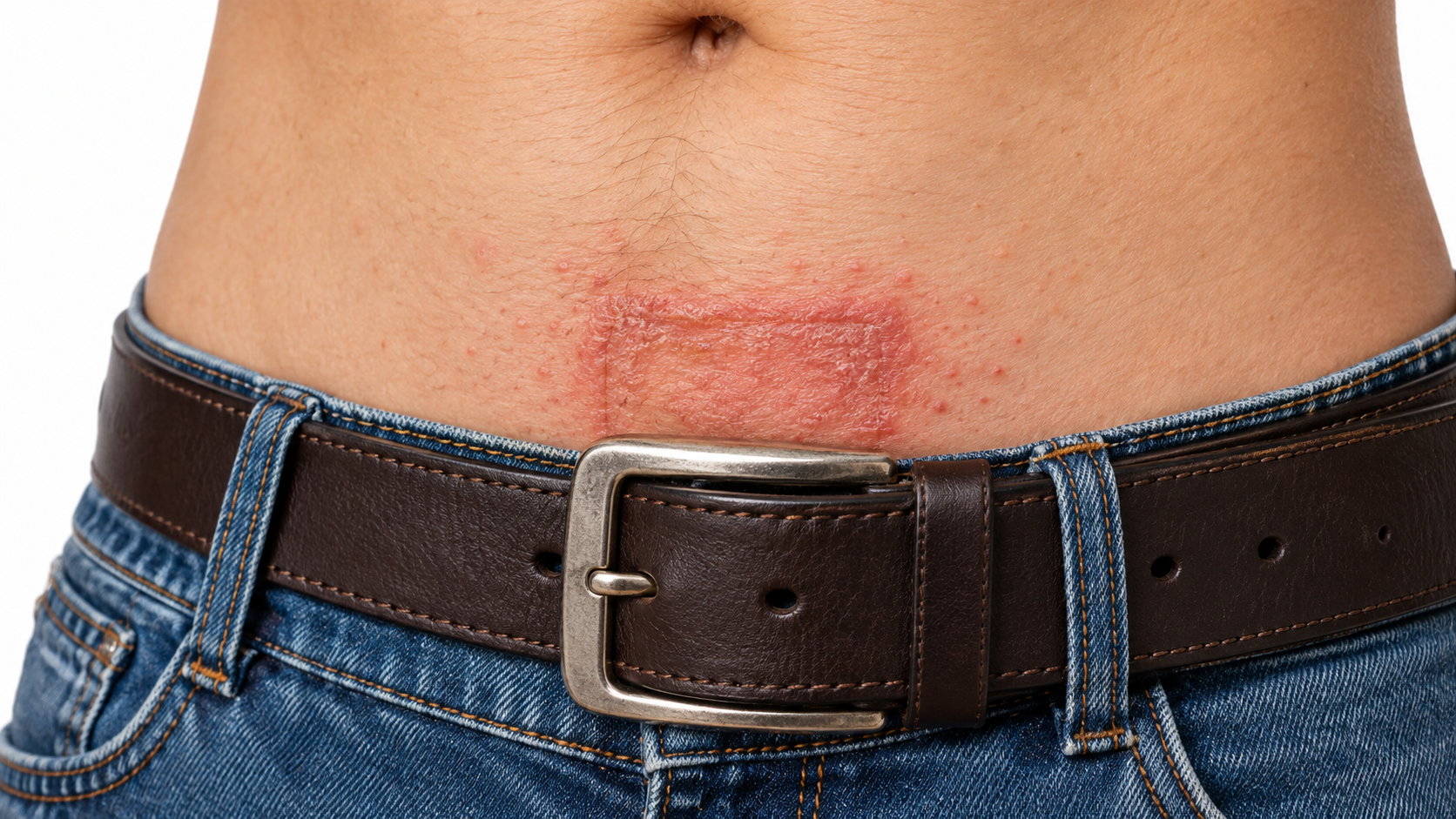
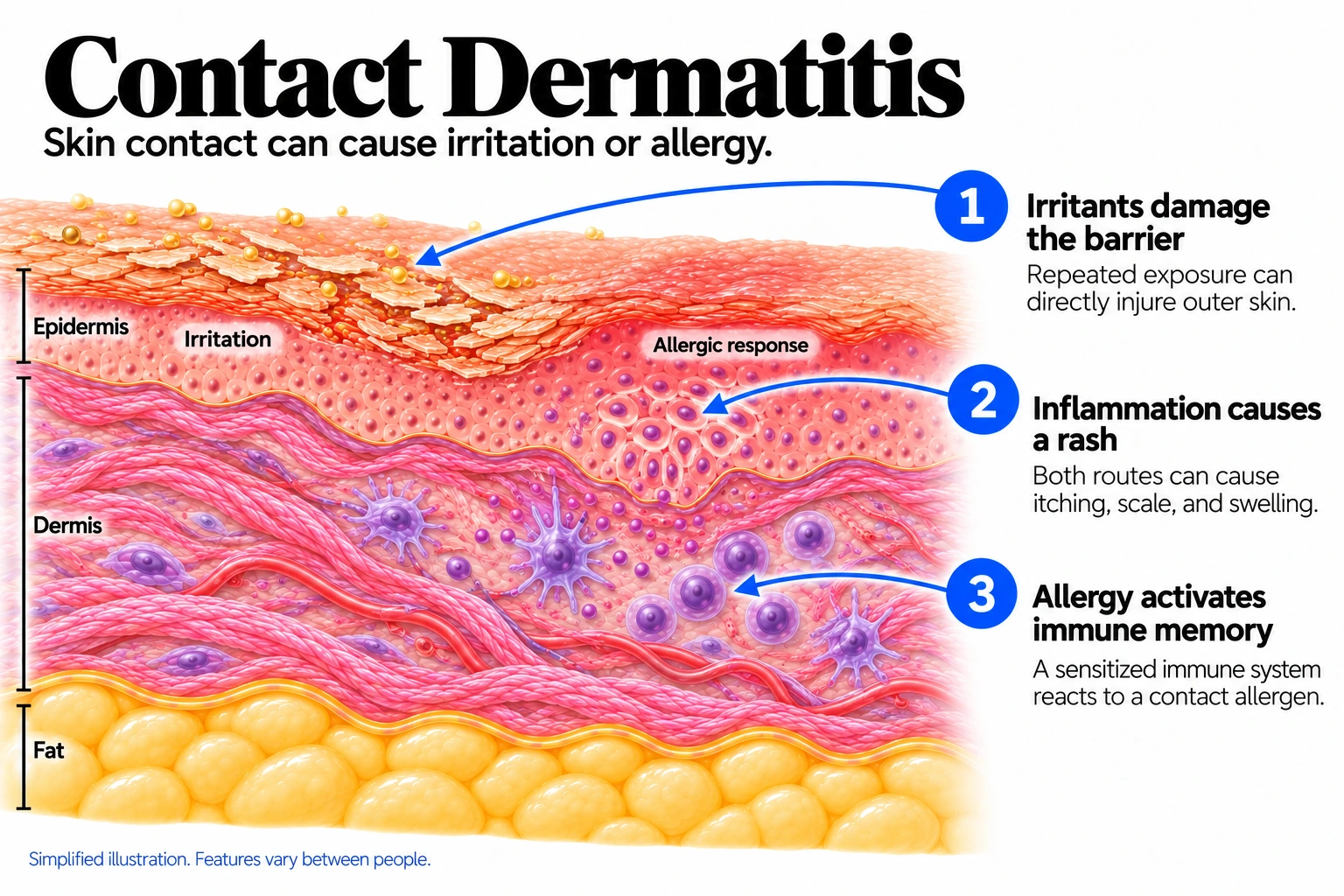
Start with location and shape, not a list of products. Photograph the rash, note where its edges are, and look for an object or habit that matches that outline. An allergic reaction shows up one to three days after contact, so look at what happened two days before, not that morning. Include things you have used for years - those are the likeliest candidates, not the least. If a few weeks of attention does not settle it, patch testing ends the guessing.
Contact Dermatitis:How long does it take to clear up?
An irritant reaction improves within days of contact stopping. An allergic reaction takes two to four weeks to settle even with treatment, because the immune cells doing the damage take that long to stand down. Hands are slowest, often six weeks or more, because the skin there is used and washed constantly. Judging it at day three tells you very little.
Contact Dermatitis:Is it contagious?
No. This is your own skin reacting to a substance, not an infection. You cannot pass it on by touch. If two people in a household get the same rash, they were both exposed to the same thing.
Contact Dermatitis:Will the allergy ever go away?
Generally no. Once your immune system has learned a substance, that memory is permanent, and tiny amounts can trigger a reaction years later. In practice it is less grim than it sounds - people who know their allergen and avoid it stay clear indefinitely, and the avoidance is usually narrower than they feared.
Contact Dermatitis:Why did this appear on my eyelids when I never put anything there?
Eyelid skin is the thinnest on your body, so it reacts to amounts the rest of your skin ignores. Nail polish, hair products, face creams and airborne particles reach the eyelids from your hands or from your scalp. When a rash is on the eyelids alone, the cause is usually somewhere else.
Contact Dermatitis:Can I just use hydrocortisone from the pharmacy?
For a small, mild patch on the body, often yes, alongside stopping the contact. Over-the-counter hydrocortisone is a mild strength and rarely clears thicker skin on hands or feet. On the face and eyelids keep it short-term, and ask first. It treats the inflammation, not the cause - if the rash returns each time you stop, find the trigger.