Allergic Contact Dermatitis vs Contact Urticaria

An itchy eczema rash caused by a delayed immune reaction to a substance touching the skin. Short-lived wheals appearing soon after direct contact with a triggering substance.
Research updated 2026-10-23
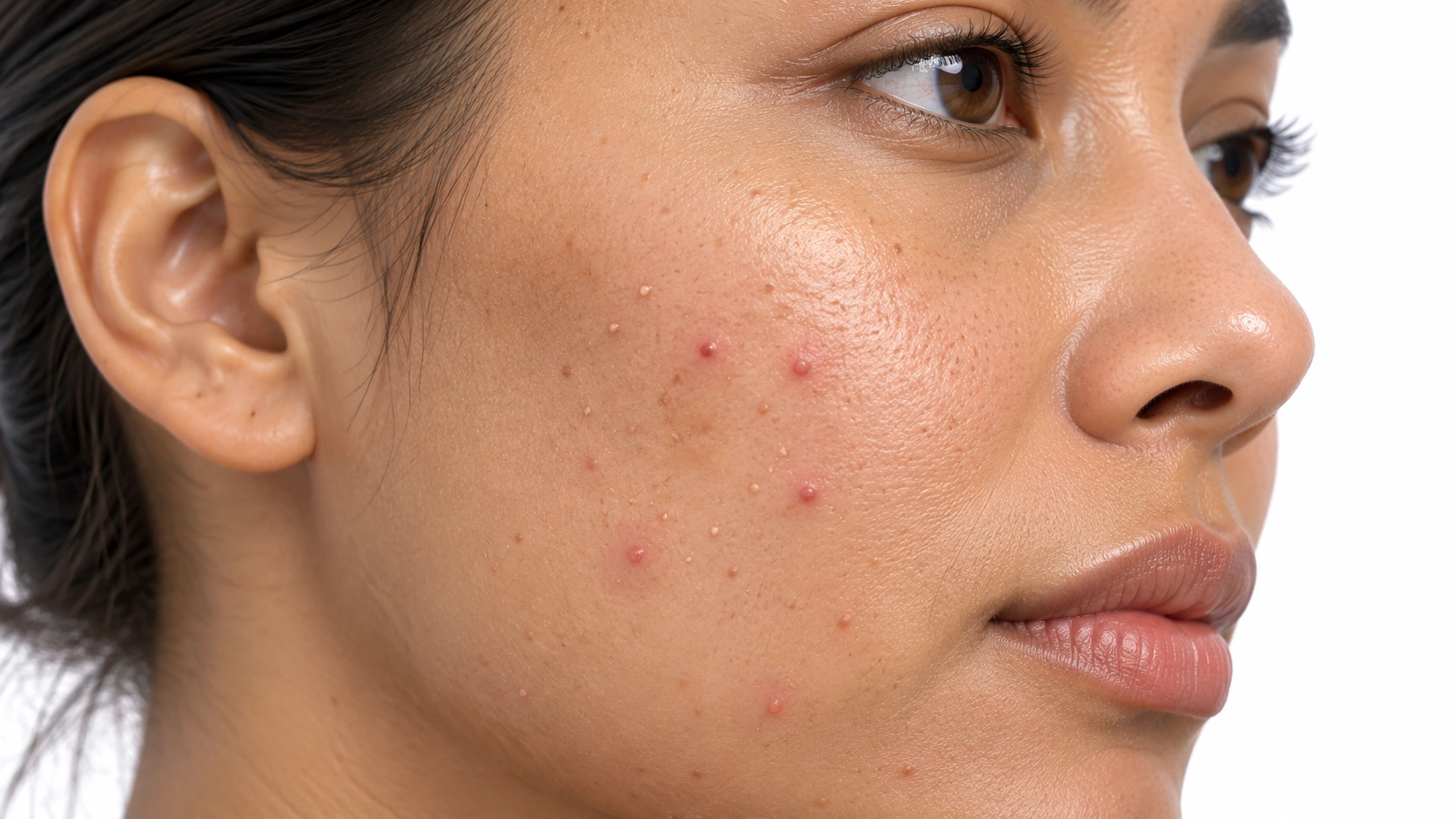
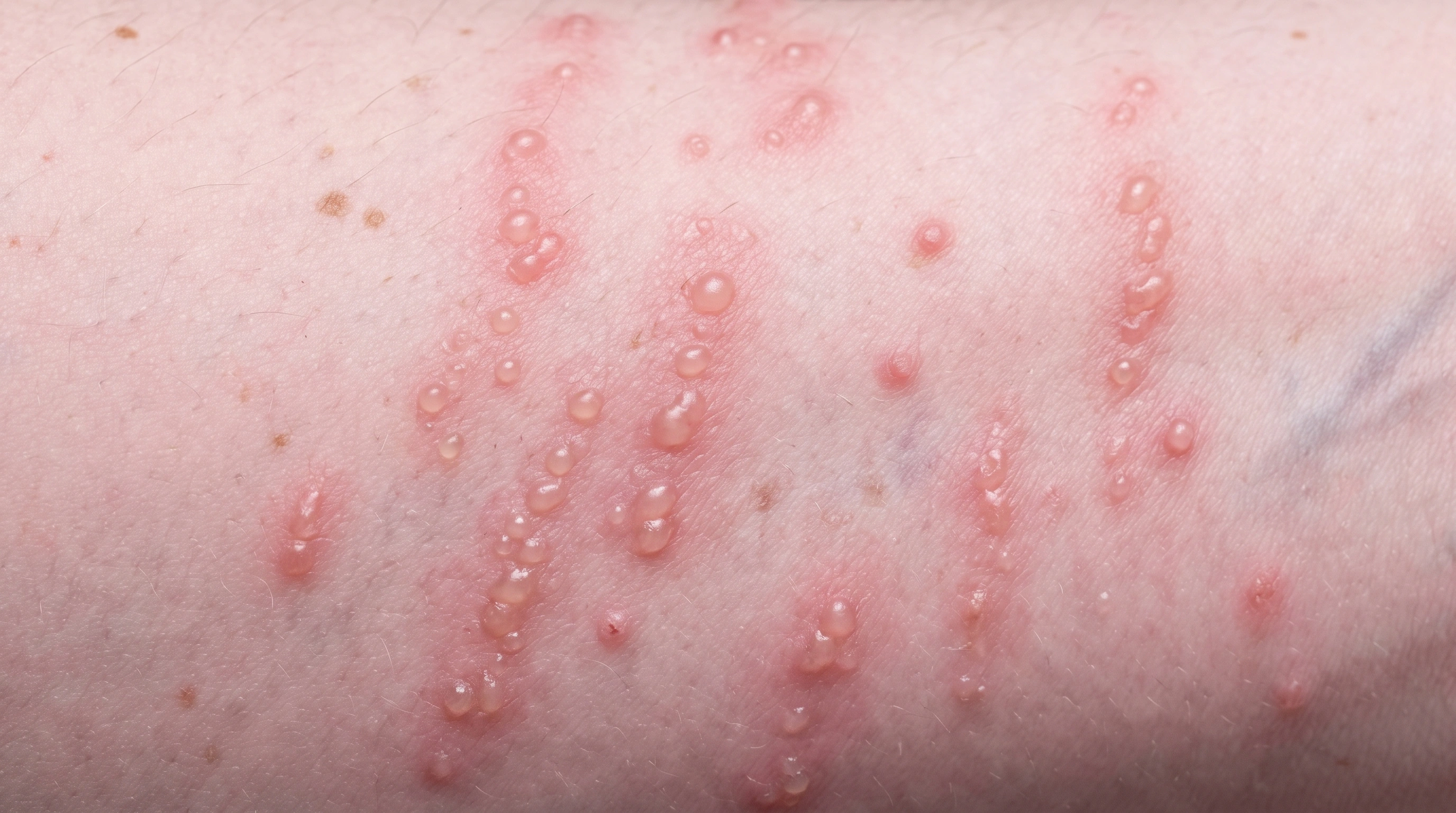
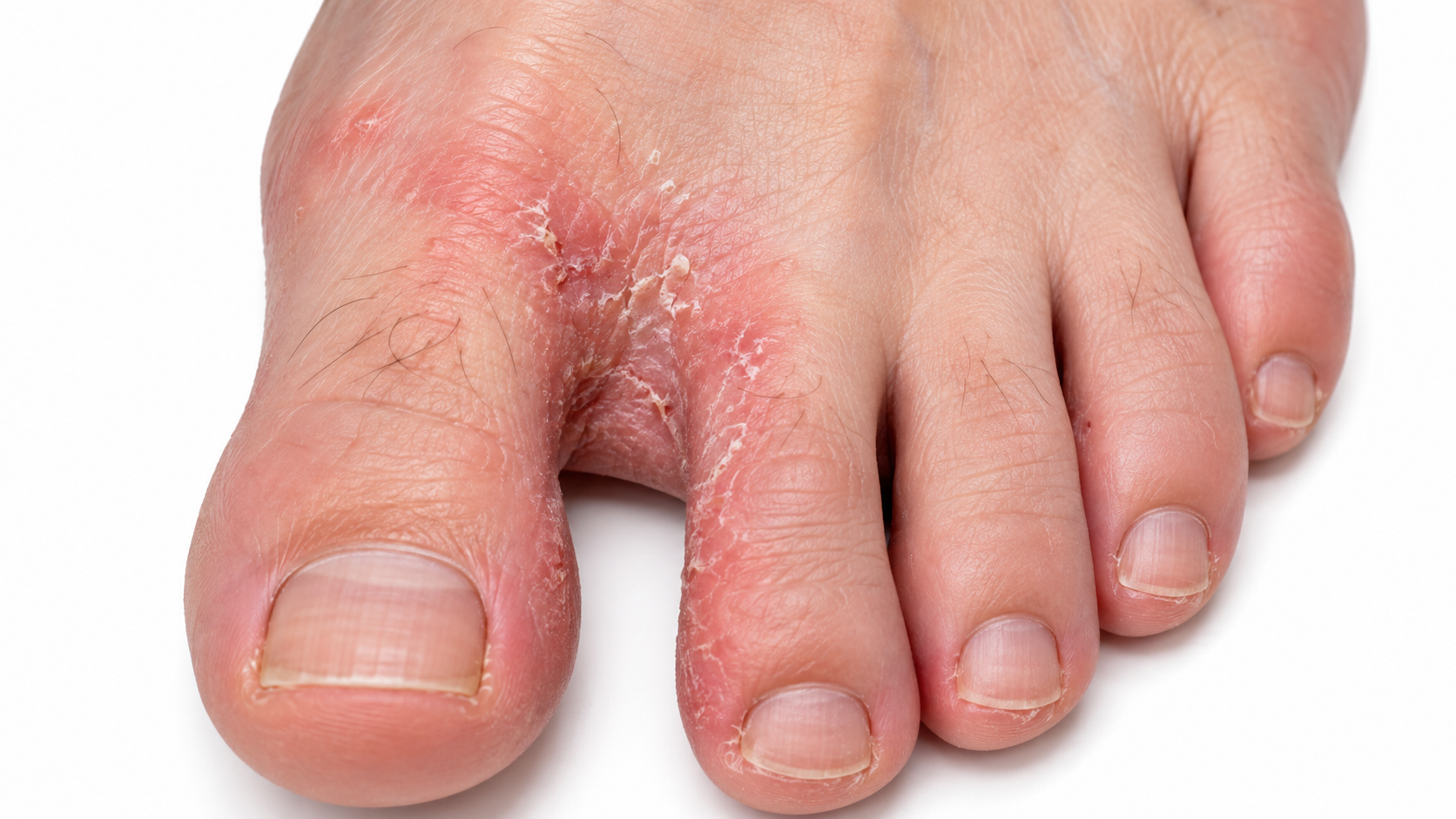
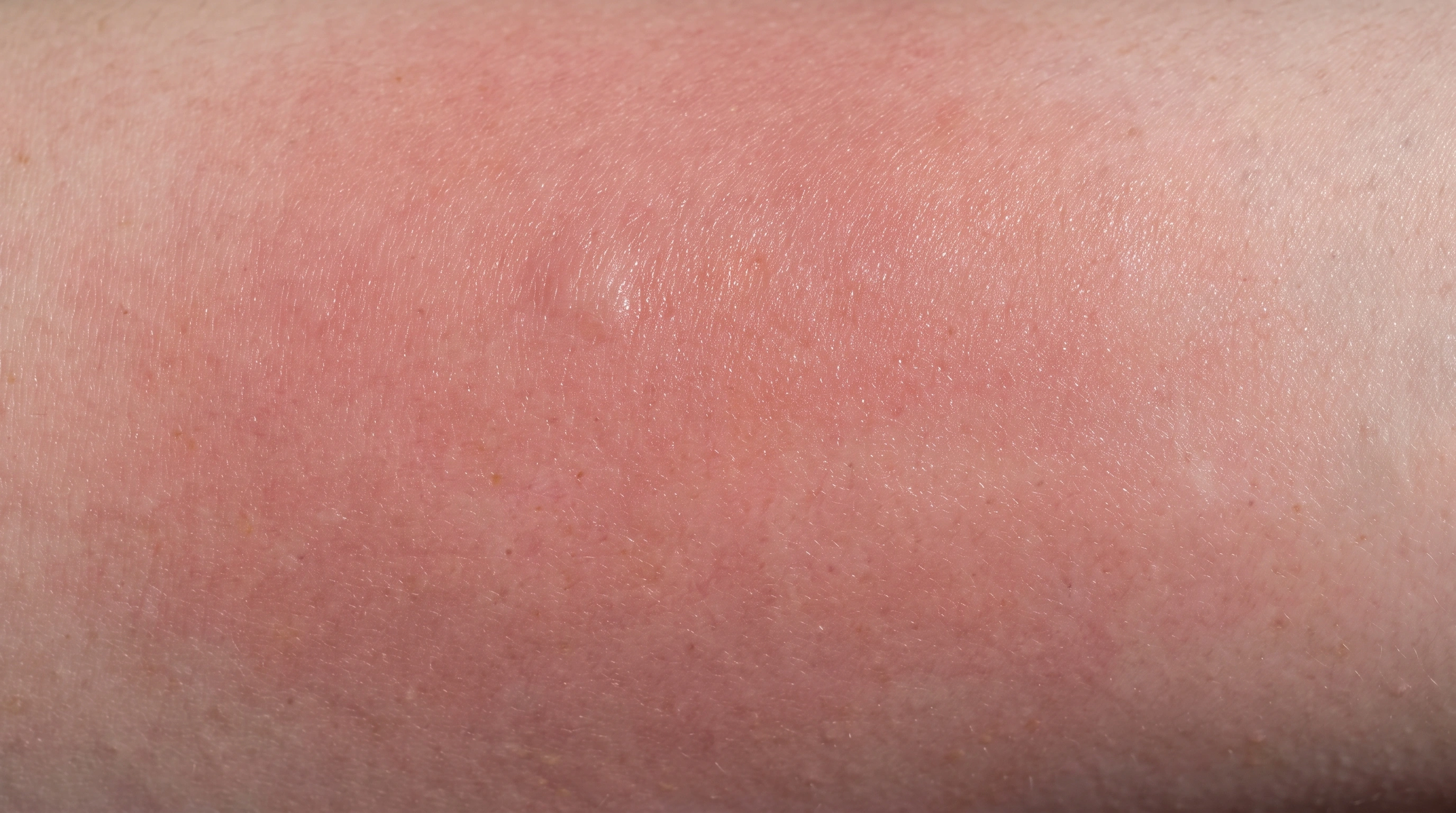
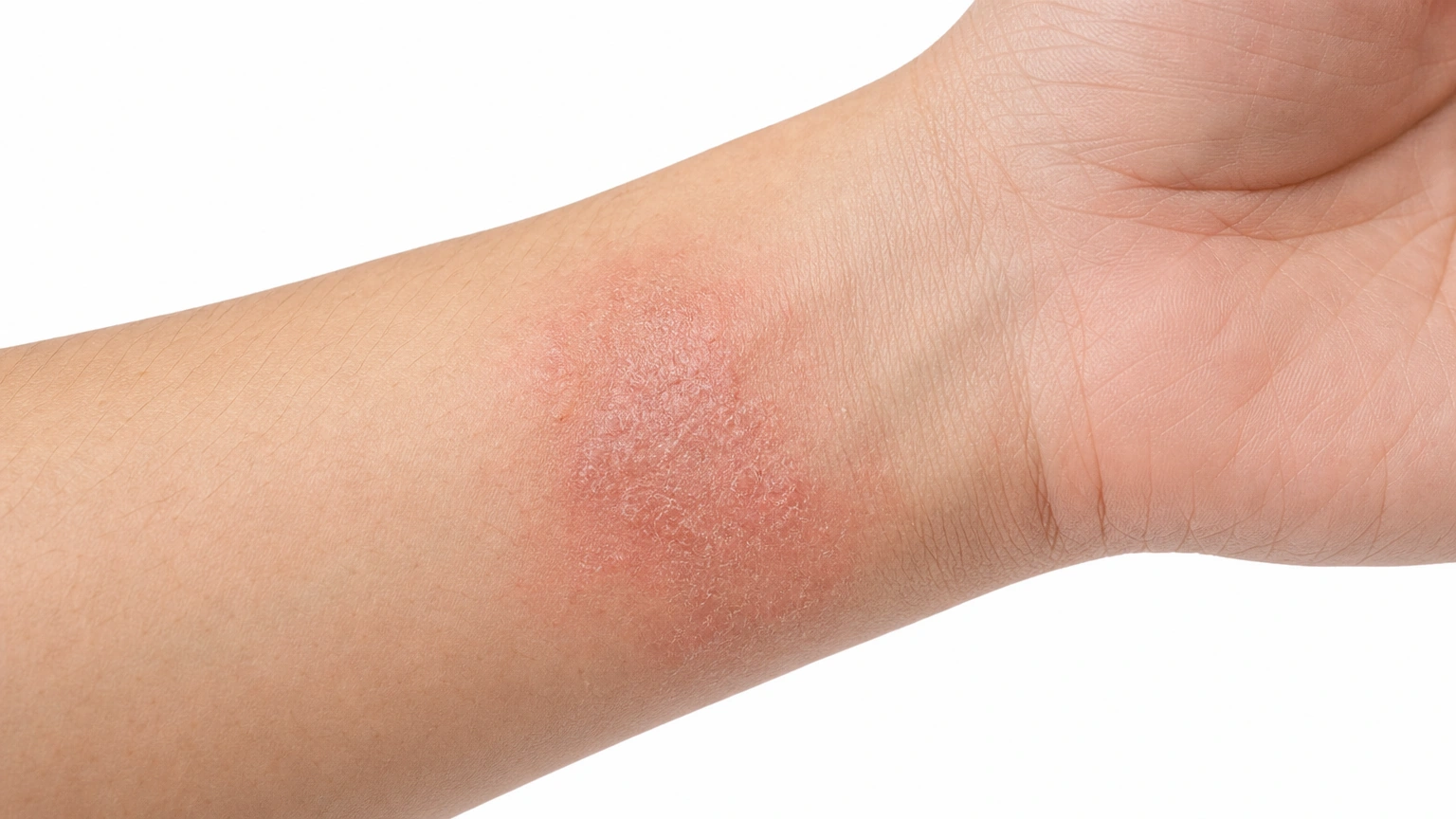
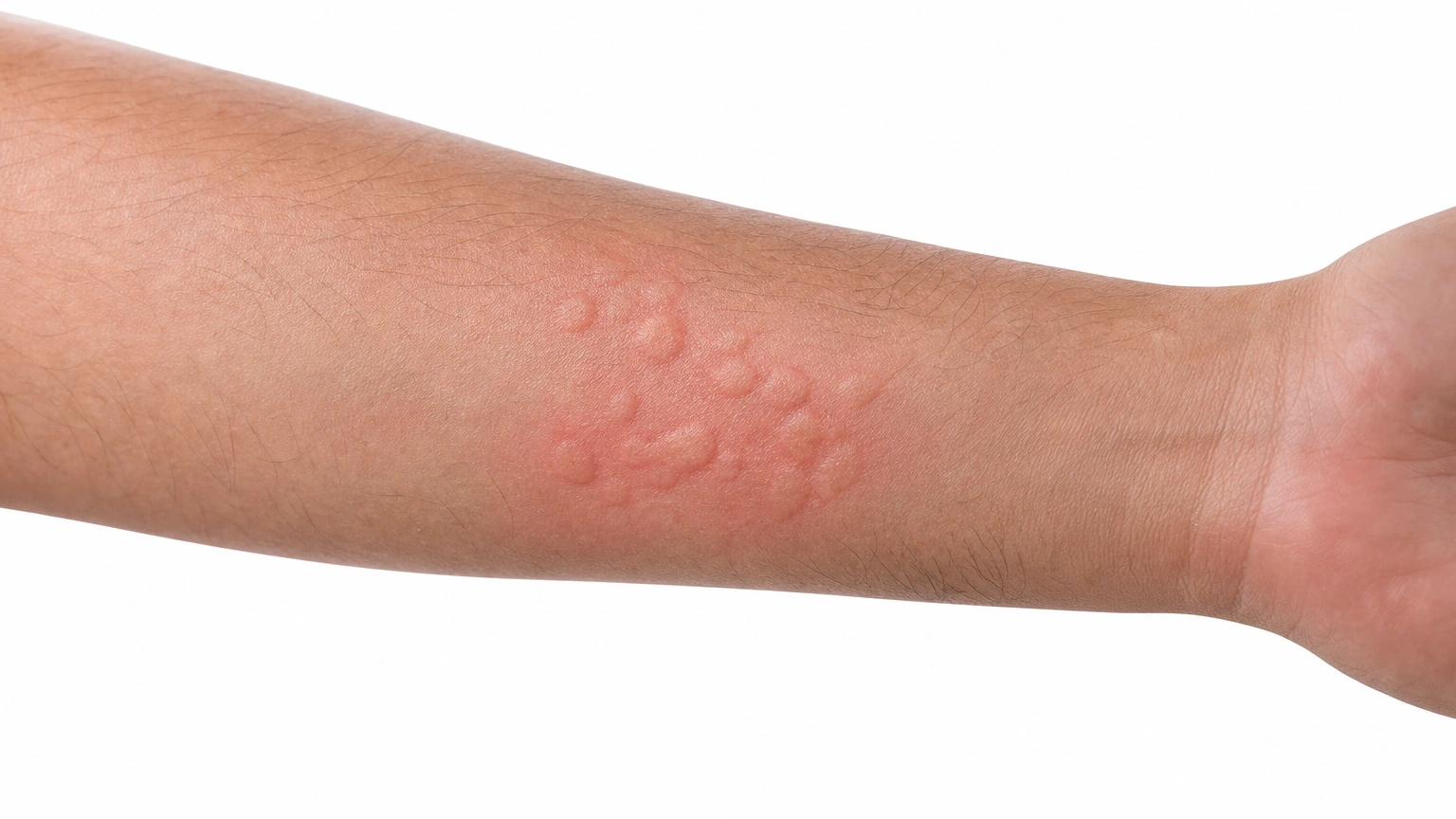
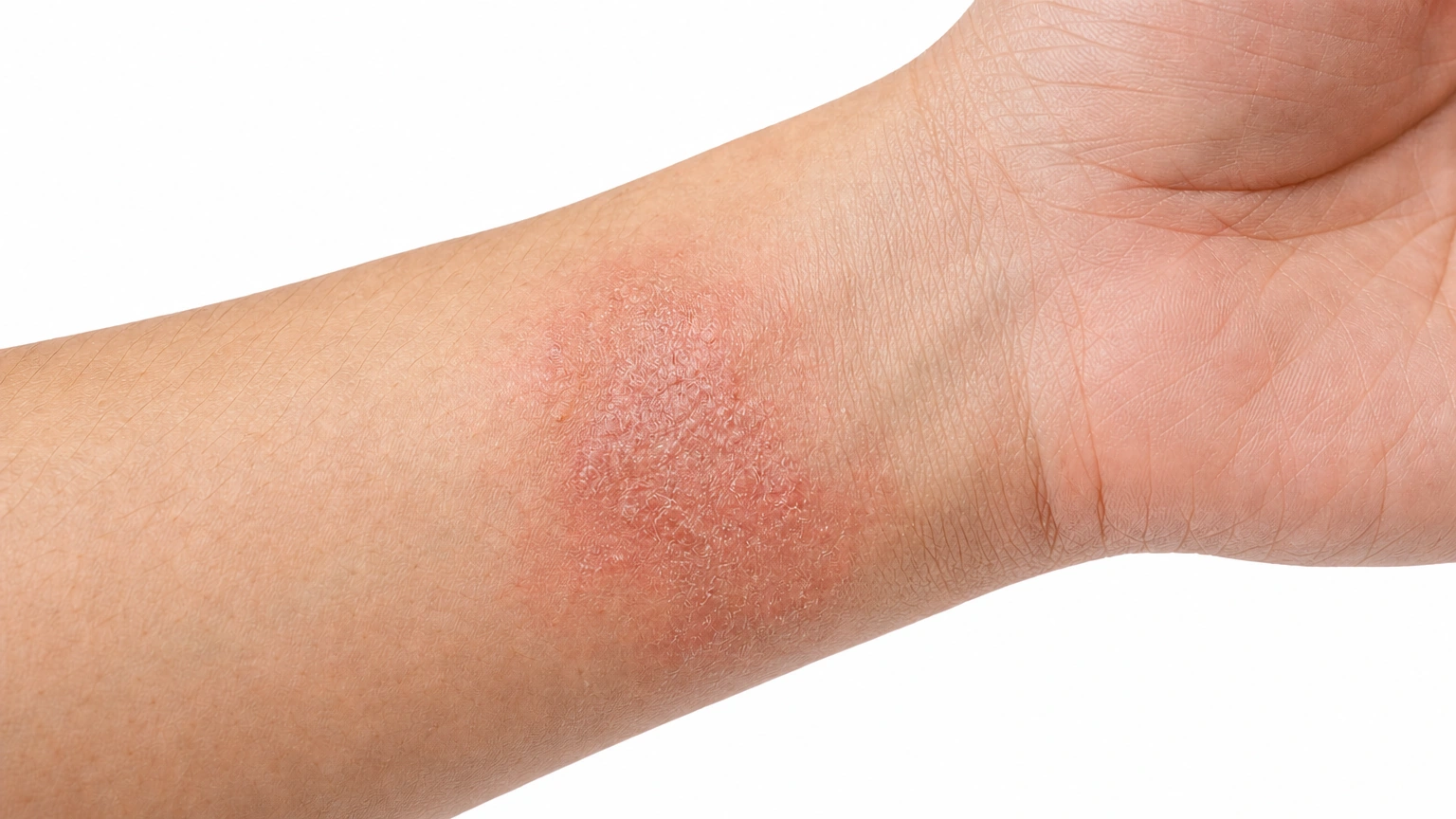
AI-generated educational illustration: Localized eczematous red mildly scaly patch on adult wrist at a contact site; intact skin.AI-generated educational illustration: Adult forearm with several transient-looking raised pale-centered pink wheals localized to a small contact area; no scaling.

Key differences

The same eight facts on every condition comparison.

Usual age
Any age
Any age
Where
Where the allergen touched
Where something touched
Main sign
Itchy eczema-like rash
Hives within minutes of contact
Itch or pain
Very itchy
Itchy
Contagious
No
No
Long term
Clears when the trigger is avoided
Fades within hours
Scars
No
No
Who gets it
Anyone sensitized to a substance
Latex, food or plant sensitivity

What is it?

Allergic Contact Dermatitis
Contact Urticaria
What is it?
  • What it is
    An itchy eczema rash caused by a delayed immune reaction to a substance touching the skin.
  • What it is
    Short-lived wheals appearing soon after direct contact with a triggering substance.

What it looks like

Allergic Contact Dermatitis

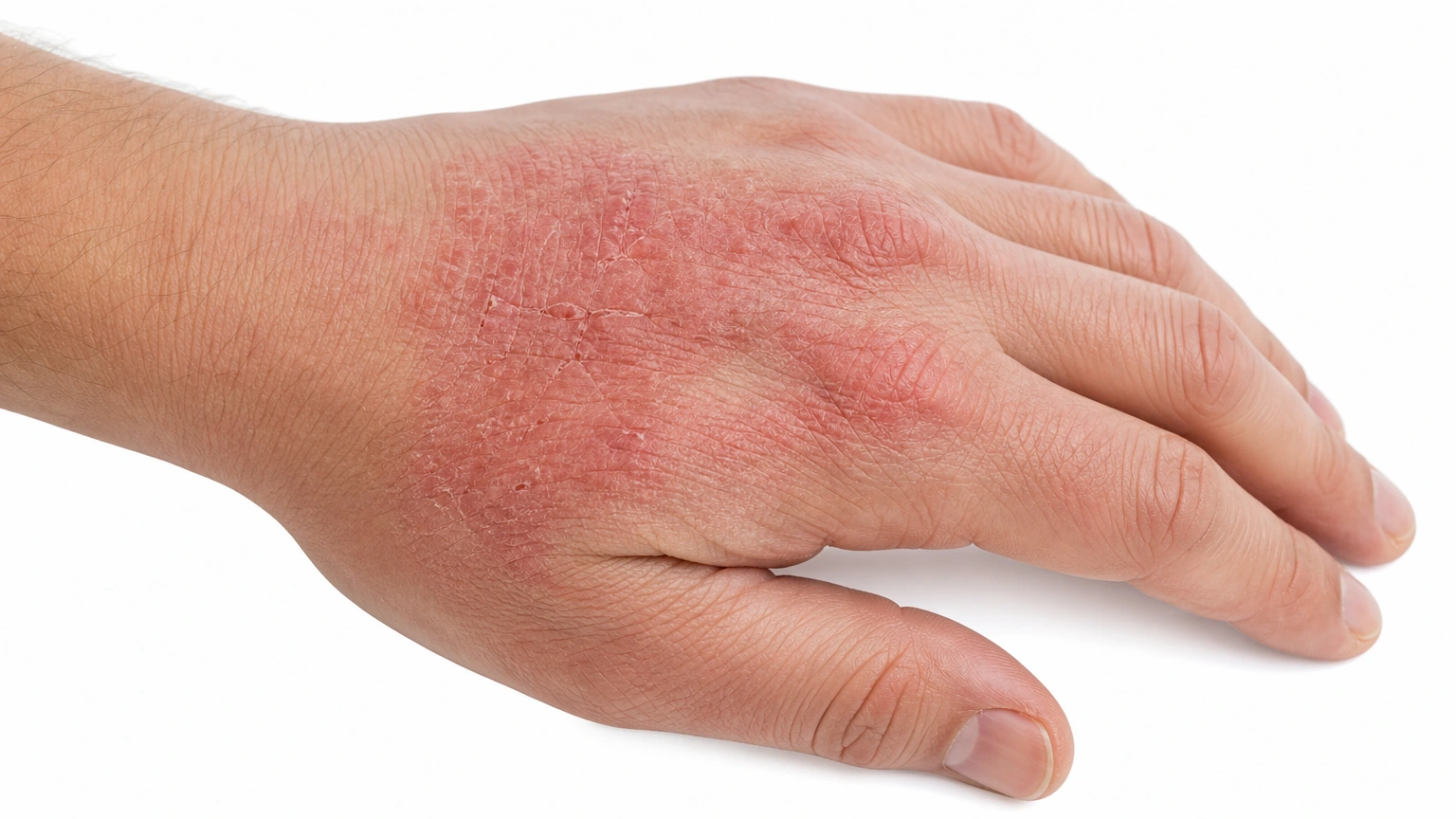
A pink-red patch on the inner wrist near the base of the hand.

Allergic Contact Dermatitis A localized patch of redness contrasts with the surrounding skin.

Contact Urticaria

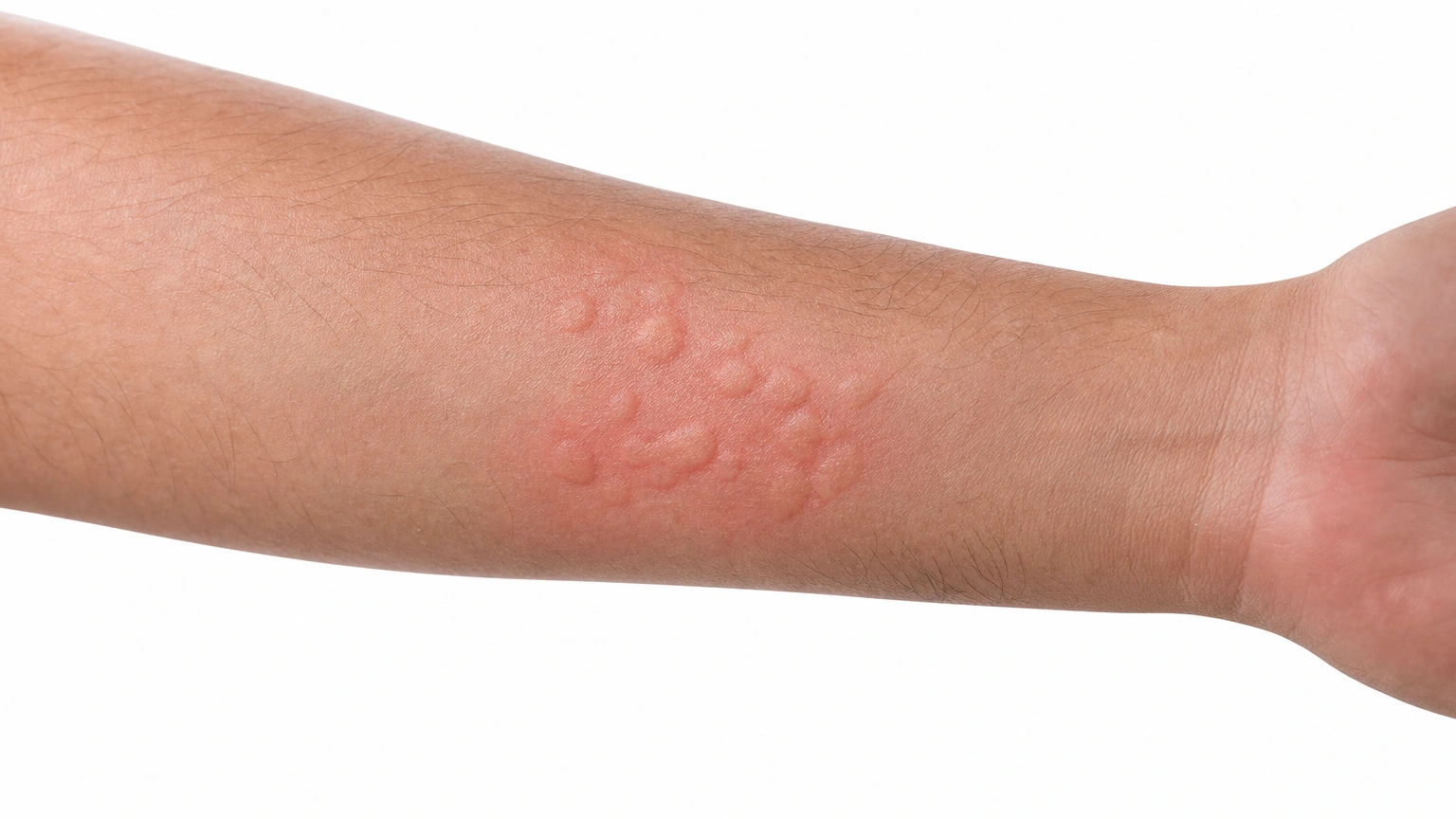
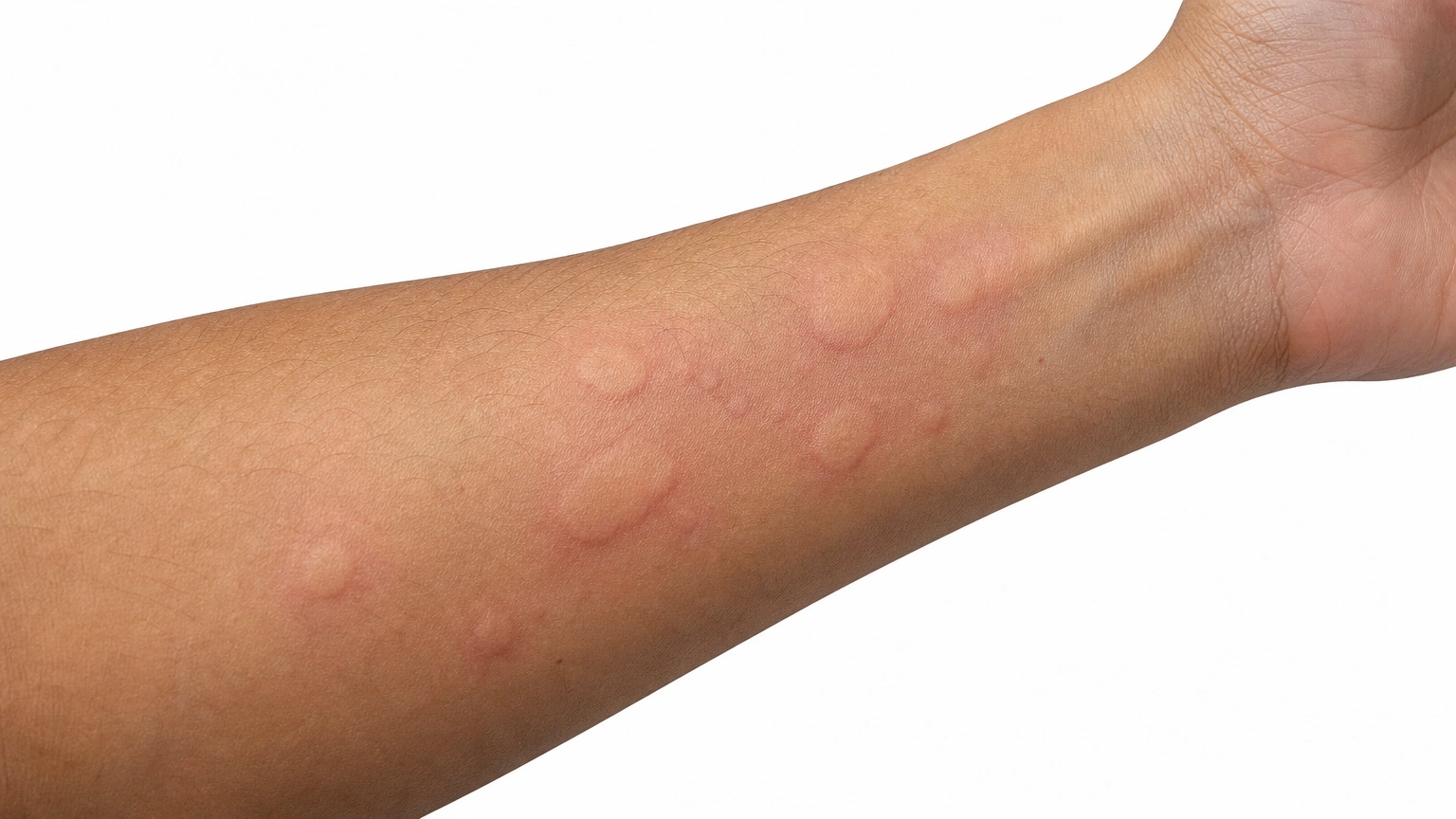
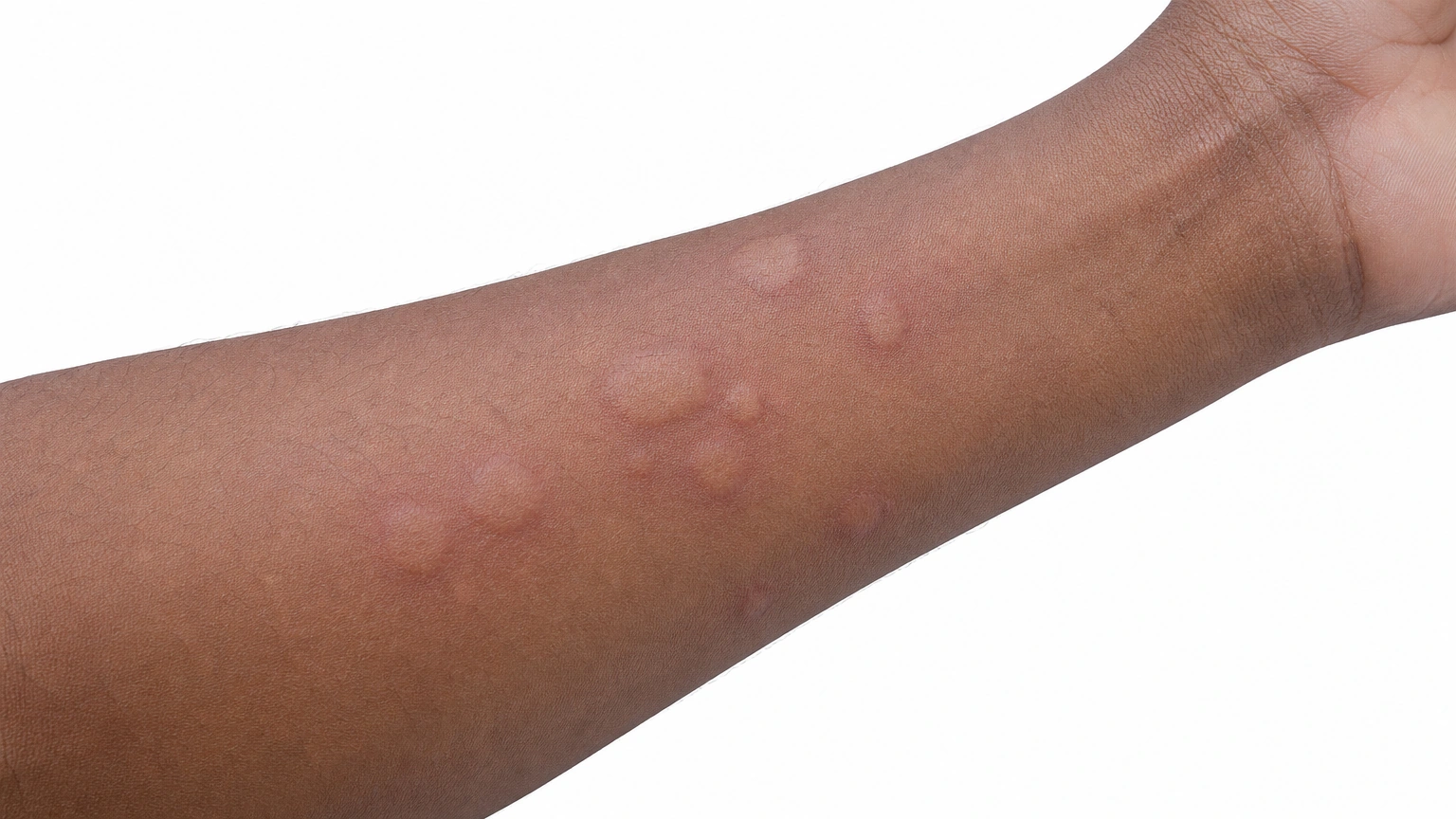
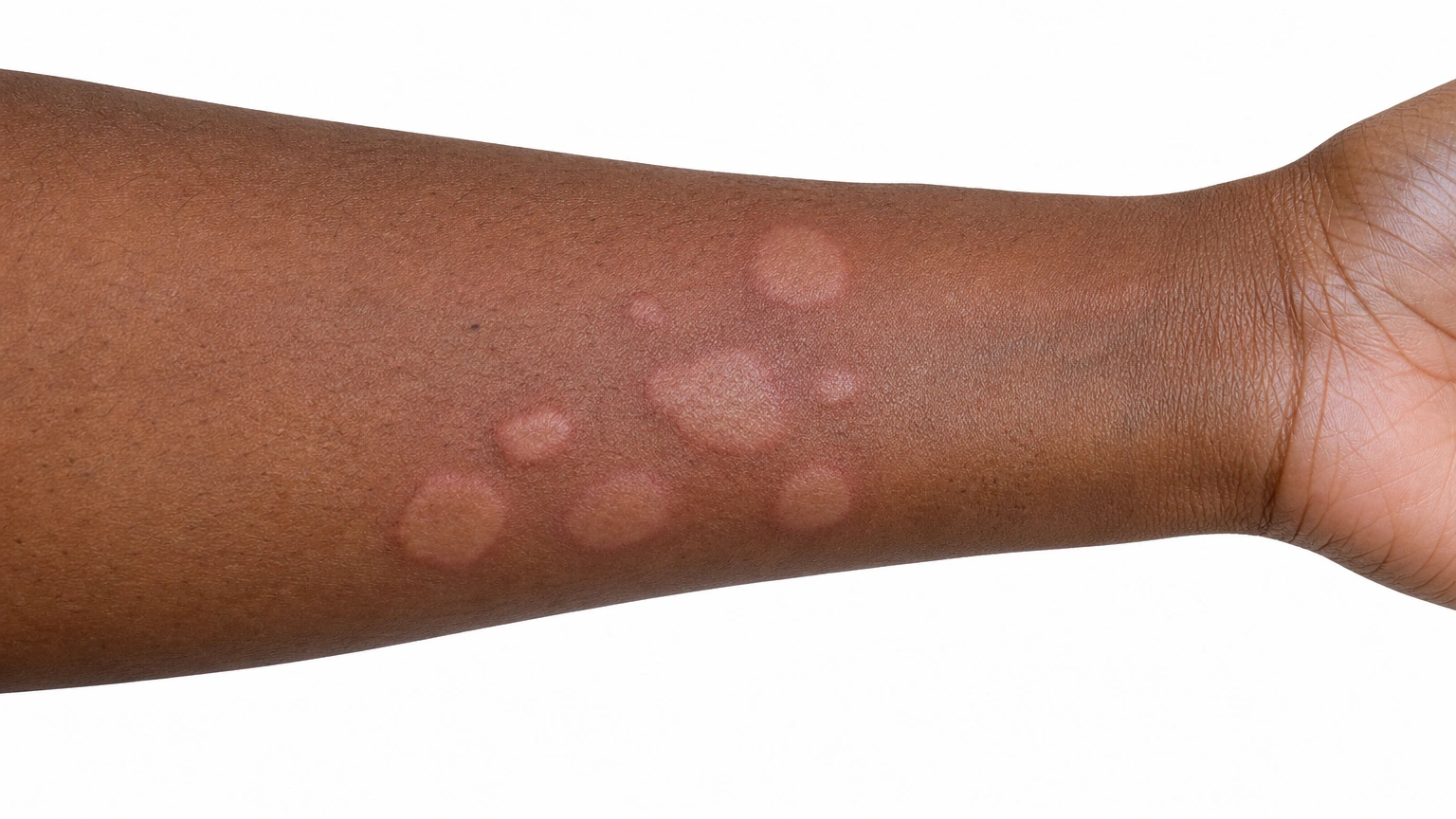
An inner forearm with a cluster of raised pink welts and paler centers near the wrist.

Contact Urticaria Rounded, pale-centered welts sit within a localized area of redness.
Skin tones
Localized eczematous red mildly scaly patch on adult wrist at a contact site; intact skin.
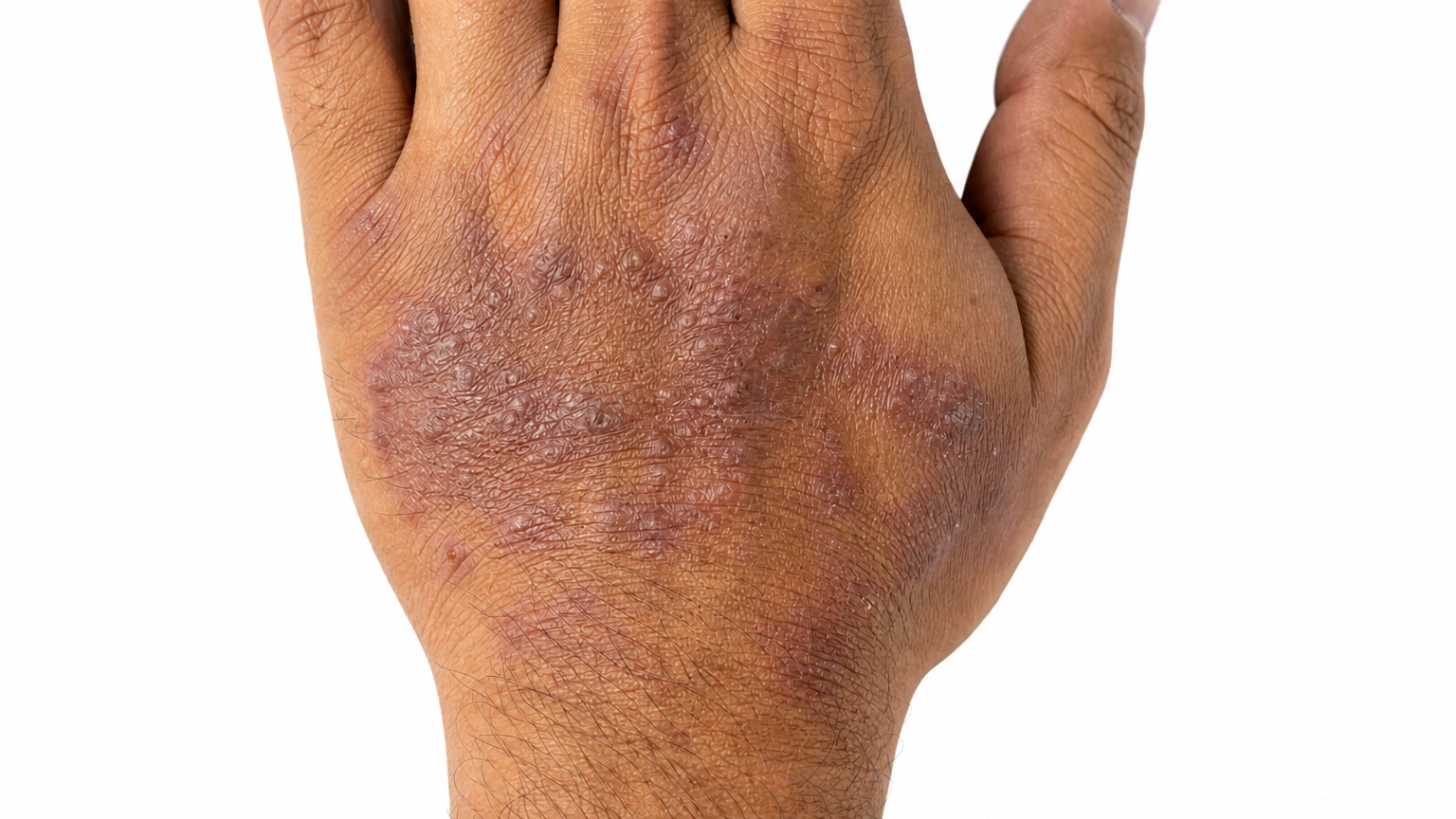
eczematous inflamed patches with scale and small bumps on the back of a hand on medium skin.
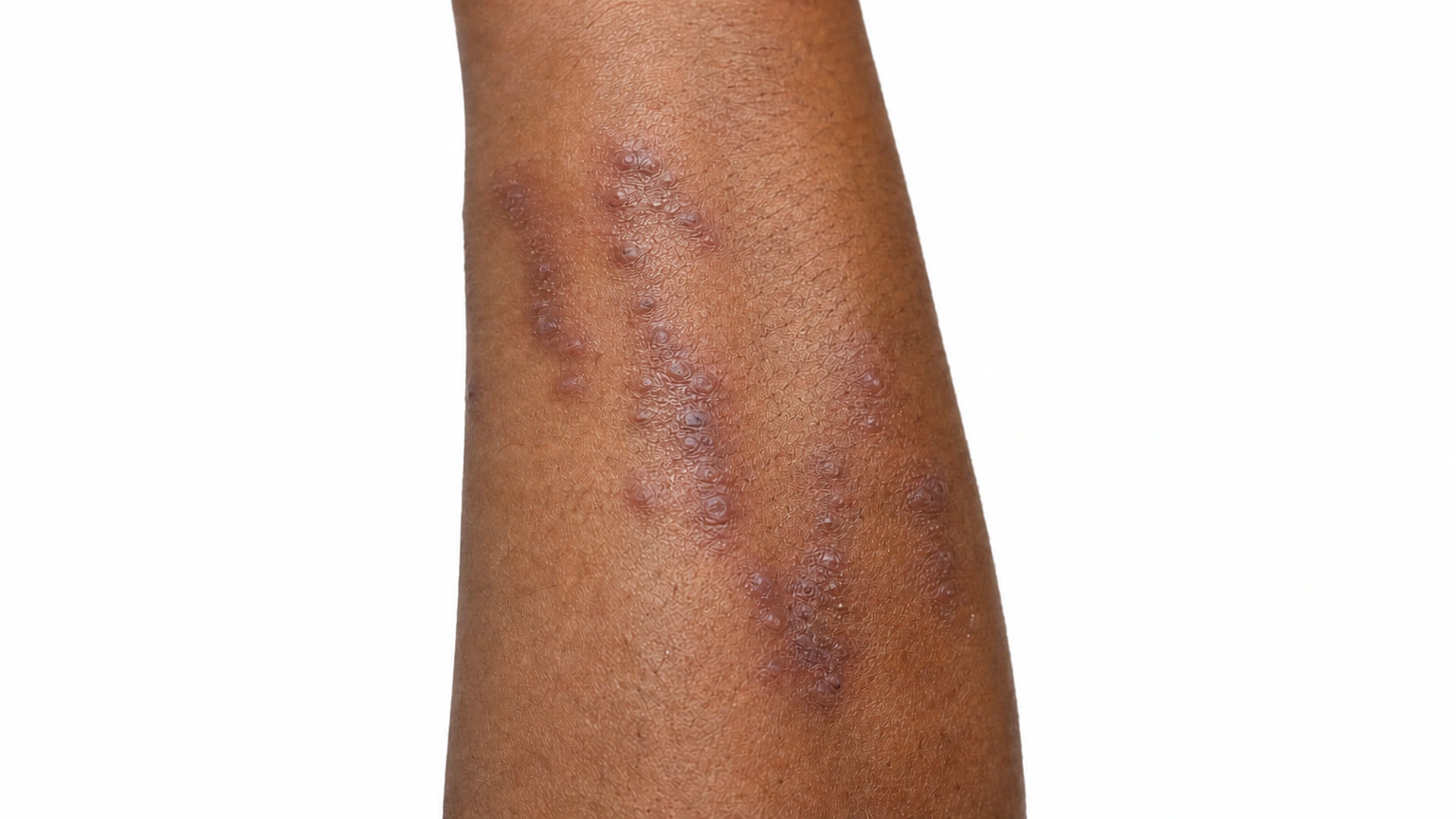
short linear streaks of inflamed papules and tiny vesicles on a forearm on brown skin.
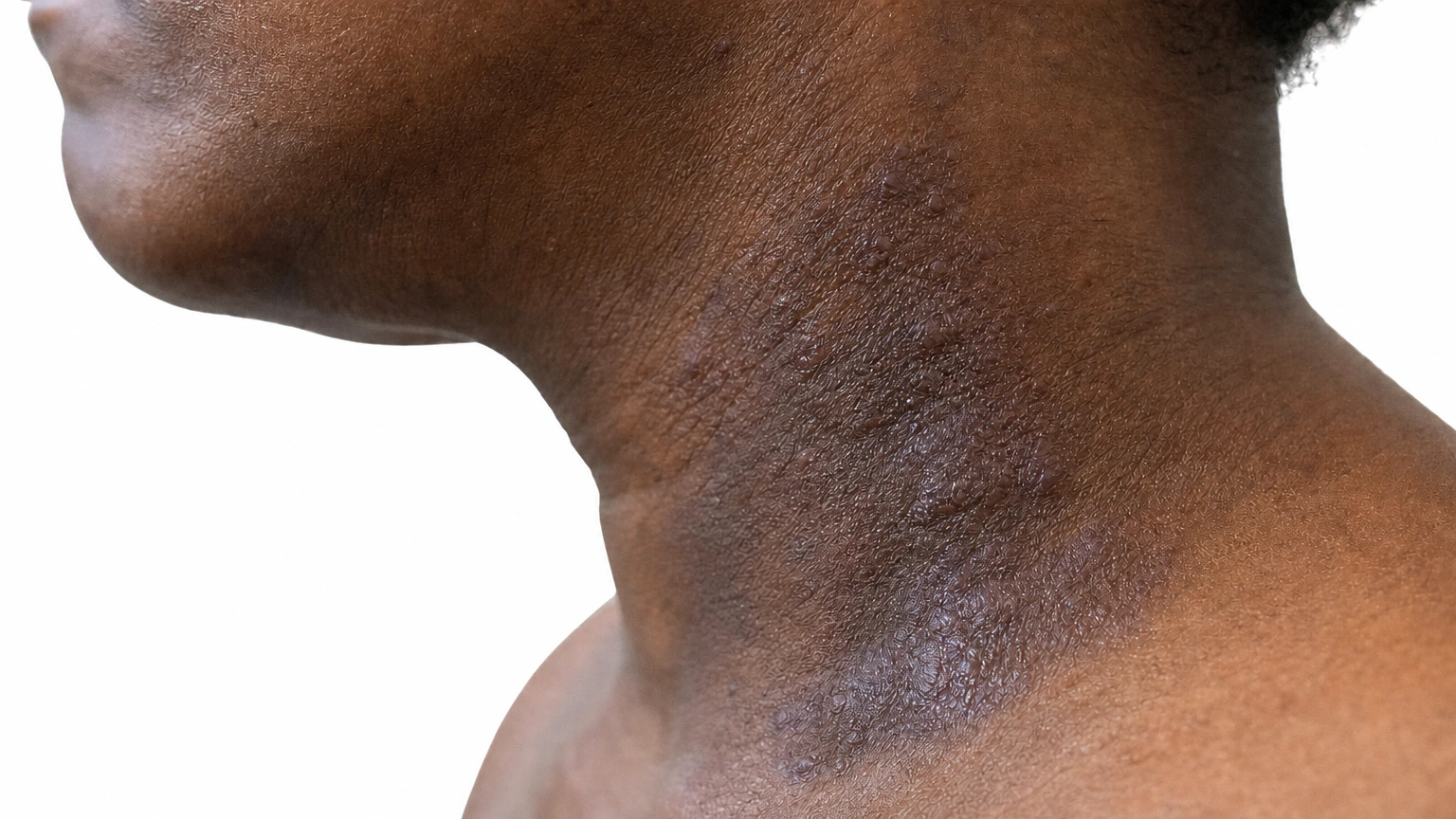
an irregular eczematous patch with fine scale on the side of the neck on deep skin.
Adult forearm with several transient-looking raised pale-centered pink wheals localized to a small contact area; no scaling.
Contact Urticaria on medium skin.
Contact Urticaria on brown skin.
Contact Urticaria on deep skin.
In the skin

A sensitized immune system reacts to an allergen that touches the skin. The delayed inflammatory response produces a rash at or around areas of exposure.

Contact with a substance triggers rapid release of inflammatory signals in the skin. The response can be allergic or non-allergic and produces temporary swelling or wheals.

When it usually starts

010203040506070+

Allergic Contact Dermatitis. Can start at any age after relevant exposures or barrier damage.

Contact Urticaria. Can begin at any age after relevant contact.

Causes and triggers

Causes

An immune reaction develops after sensitisation; patch testing can help identify the allergen.

Immediate release of inflammatory mediators may be allergic or non-allergic.

Risk factors
Prior sensitisation, Fragrances, Metals, Preservatives
Relevant allergy, Repeated occupational contact
Trigger
● Allergic Contact Dermatitis
● Contact Urticaria
Contact with a relevant allergen
Can contribute
Not listed
Contact with the offending substance
Not listed
Can contribute

Daily Care

Allergic Contact Dermatitis
Contact Urticaria
Daily care

Habits that help

  • Apply fragrance-free moisturizer often and after washing
    Use a plain cream or ointment that does not sting.
  • Wash with lukewarm water and a mild cleanser
    Pat dry gently and keep necessary hand hygiene without unnecessary repeated washing.
  • Protect skin during wet work and cleaning
    Use suitable protective gloves; cotton liners and breaks help prevent trapped sweat.
  • Use a cool damp compress for short-term itch relief
    Keep nails short and protect sore skin from rubbing.
  • Follow your confirmed allergen-avoidance list
    Patch testing can identify allergens; replacement products and gloves must also be free of the trigger.
  • Follow the allergic contact dermatitis care plan
    Identify and avoid the confirmed allergen; use bland moisturizer. A clinician may recommend patch testing.

Avoid

  • Avoid: Fragrance, harsh detergents and known triggers
    Read labels rather than assuming a natural or unscented product is safe.
  • Avoid: Picking, scratching or deliberately popping blisters
    Broken skin increases pain and infection risk.

Habits that help

  • Stop contact with the identified trigger
    Gently remove the substance from the skin if safe to do so.
  • Keep a record of products, foods or work exposures involved
    Photographs and timing help a clinician distinguish contact hives from other rashes.
  • Use an appropriate protective alternative at work
    Gloves must be suitable for the trigger; latex gloves are inappropriate for latex allergy.
  • Follow your allergy action plan if one is prescribed
    Keep emergency medicine available and know when to use it.
  • Seek emergency help for breathing difficulty, faintness or tongue swelling
    A widespread allergic reaction needs urgent treatment, not skin care alone.
  • Discuss allergy assessment
    Identify the contact trigger and prepare an emergency plan if systemic allergic reactions are possible.

Avoid

  • Avoid: Deliberately retesting a suspected allergen at home
    Re-exposure can cause a more serious reaction.

Treatment differences

Evidence labels come from each condition’s own treatment list.

Treatment
● Allergic Contact Dermatitis
● Contact Urticaria
Over-the-counter
None listed

Non-sedating antihistamine

Listed

May relieve wheals and itch when appropriate; anaphylaxis requires emergency treatment instead.

Prescription topicals

Site-appropriate topical corticosteroid

Listed

Treats active eczema for a clinician-directed course; strength depends on site and age.

None listed

Outlook

Long term

The rash usually improves after contact with the allergen stops, although recovery is not immediate. The allergy can persist for life, making future avoidance important.

Individual contact hives usually settle within 24 hours after exposure stops. Further contact can trigger another reaction; breathing difficulty, faintness or mouth swelling requires emergency help.

Complications

Possible complications

Cracked skin may become infected; repeated exposure can make the rash persistent.

Some allergic reactions can progress beyond the skin.

When to get help

When to get help

Seek care for persistent rash, painful cracks or possible infection.

Breathing trouble, faintness or tongue or throat swelling needs emergency care.

Common questions

Allergic Contact Dermatitis:What is Allergic Contact Dermatitis?

An itchy eczema rash caused by a delayed immune reaction to a substance touching the skin.

Allergic Contact Dermatitis:What can I do day to day?

Identify and avoid the confirmed allergen; use bland moisturizer. A clinician may recommend patch testing.

Allergic Contact Dermatitis:When should I get medical advice?

Seek care for persistent rash, painful cracks or possible infection.

Contact Urticaria:What is Contact Urticaria?

Short-lived wheals appearing soon after direct contact with a triggering substance.

Contact Urticaria:What can I do day to day?

Avoid the identified trigger and follow an allergy plan if one is provided.

Contact Urticaria:When should I get medical advice?

Breathing trouble, faintness or tongue or throat swelling needs emergency care.

Sources

Sources and further reading

  1. Allergic contact dermatitis
  2. Contact urticaria
Dermapedia on YouTube