Abscess vs Swollen Lymph Node

A localised pocket of pus within or under the skin. An enlarged lymph node is a response to infection or other immune activity, not a skin cyst.
Research updated 2026-10-23
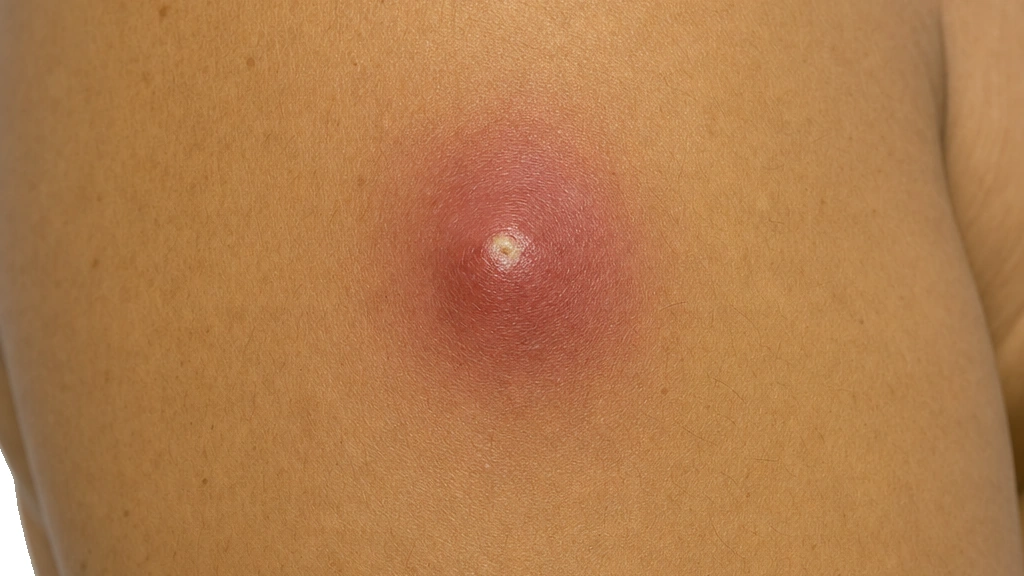
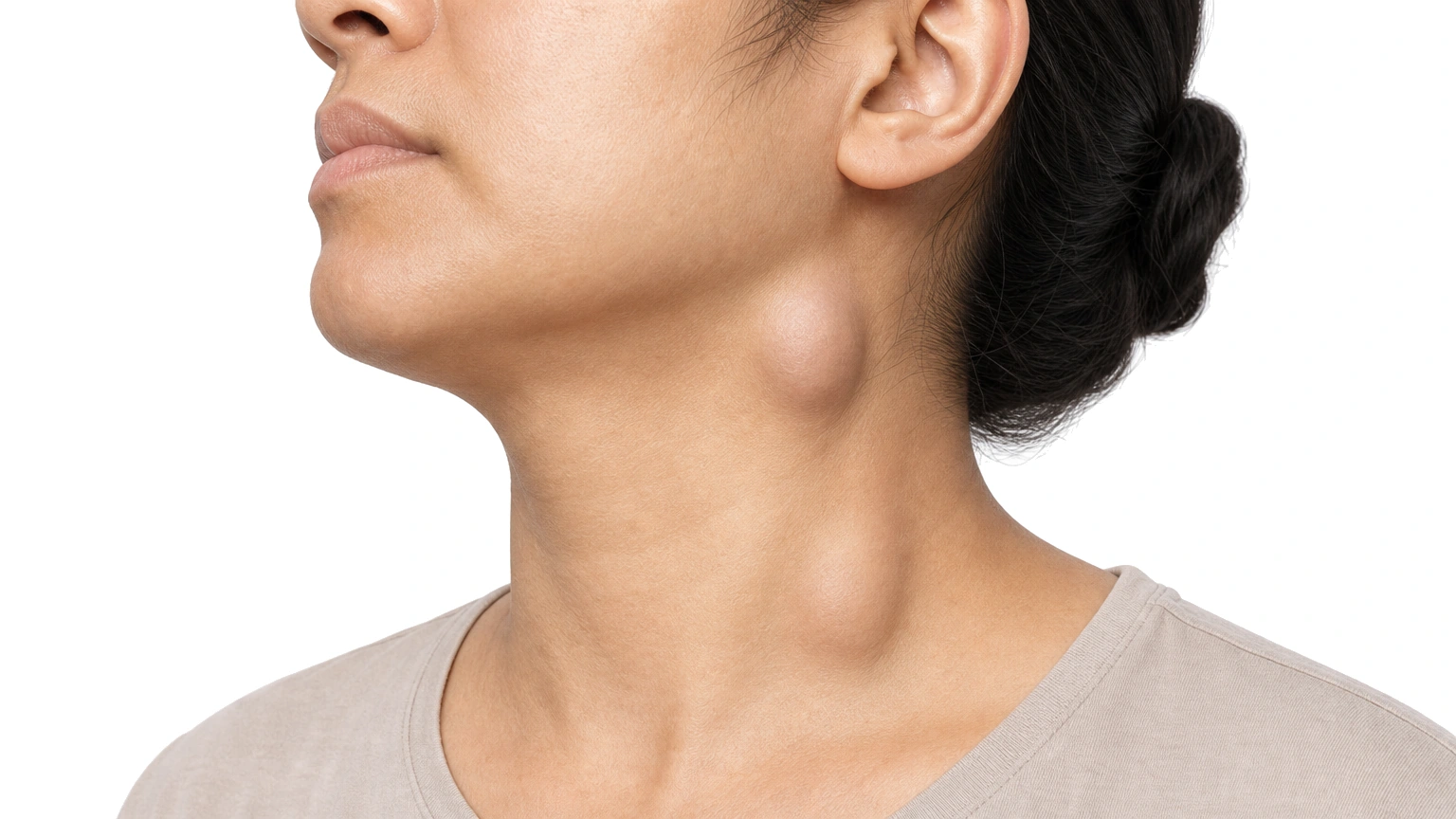
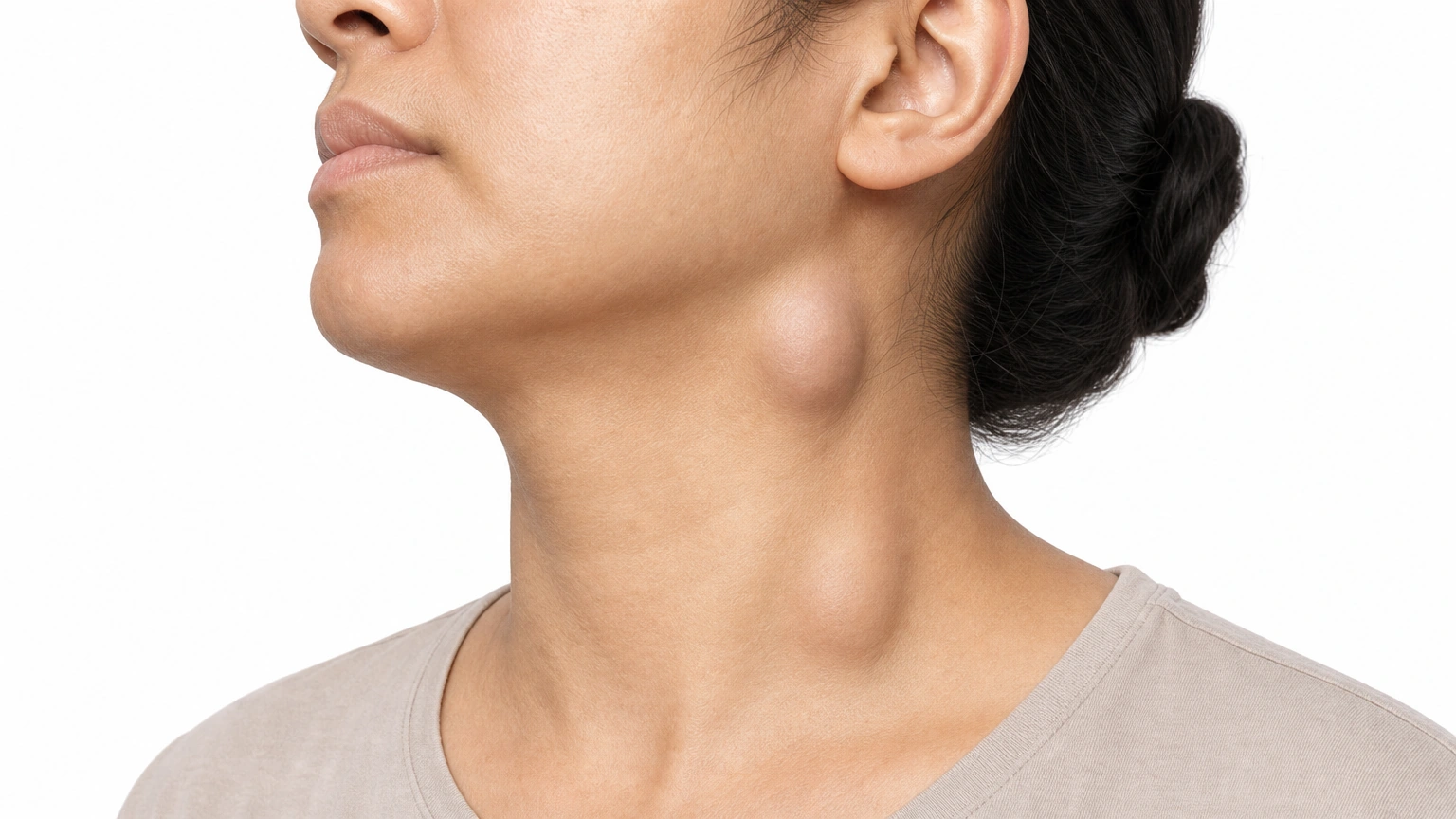
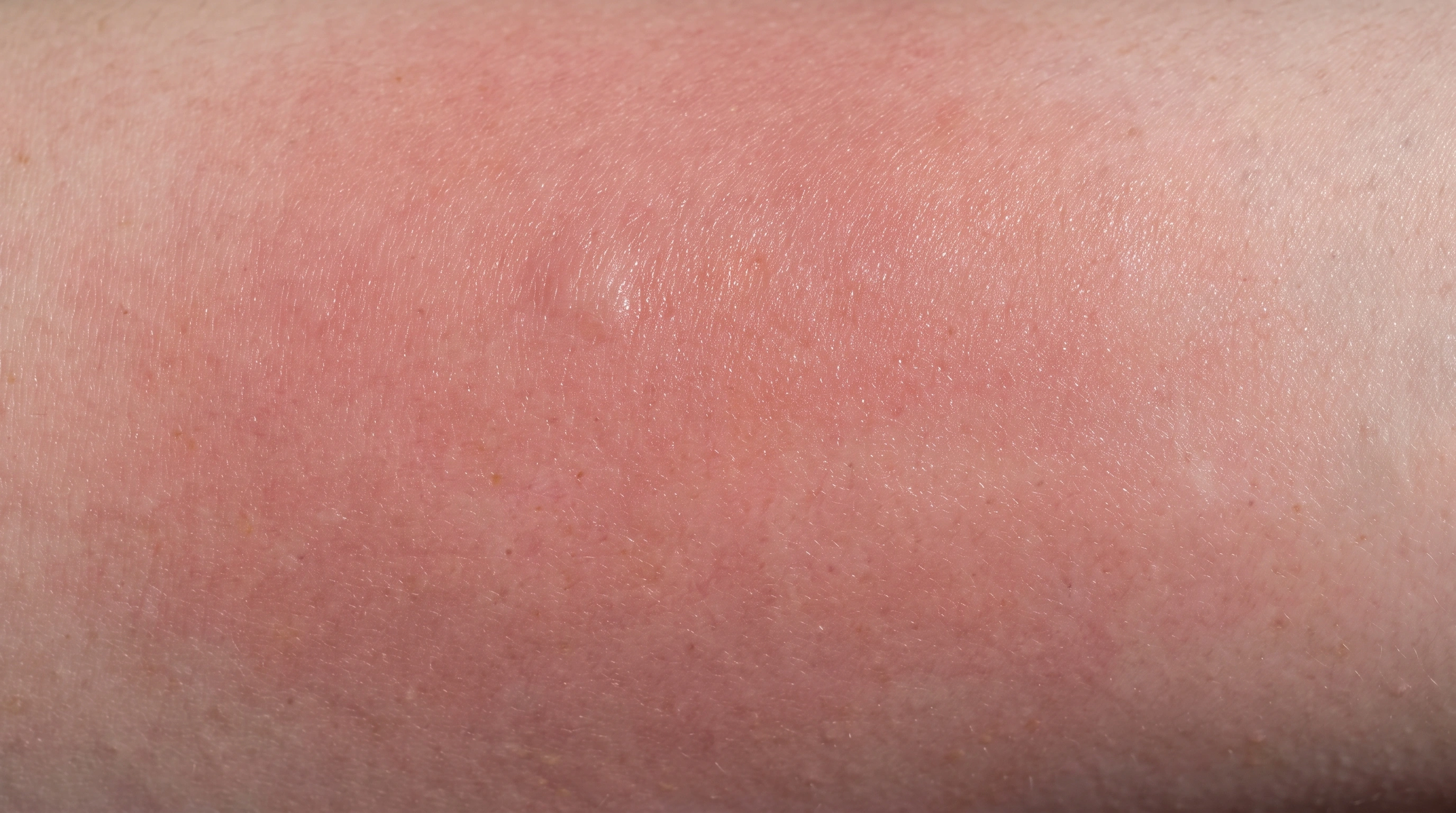
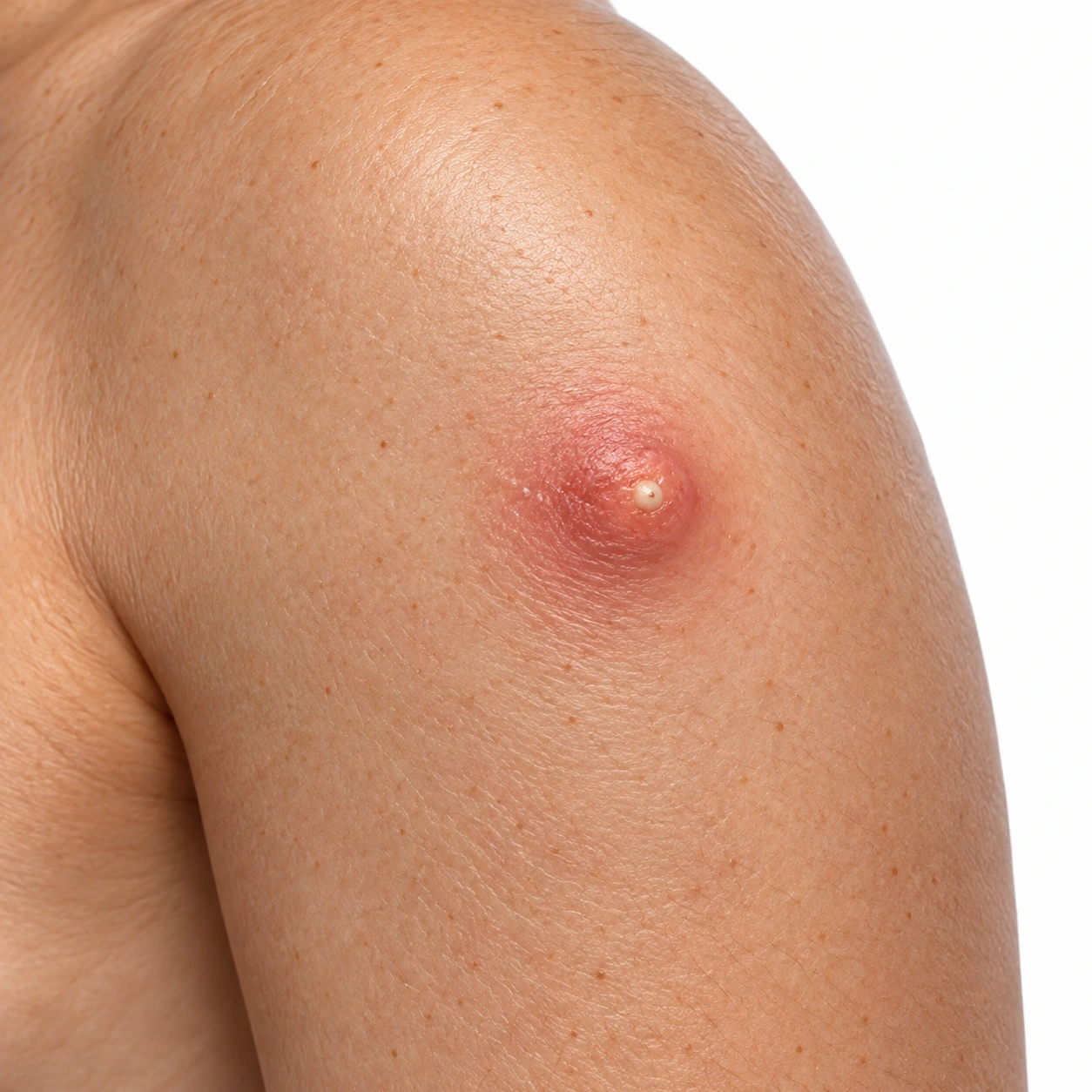
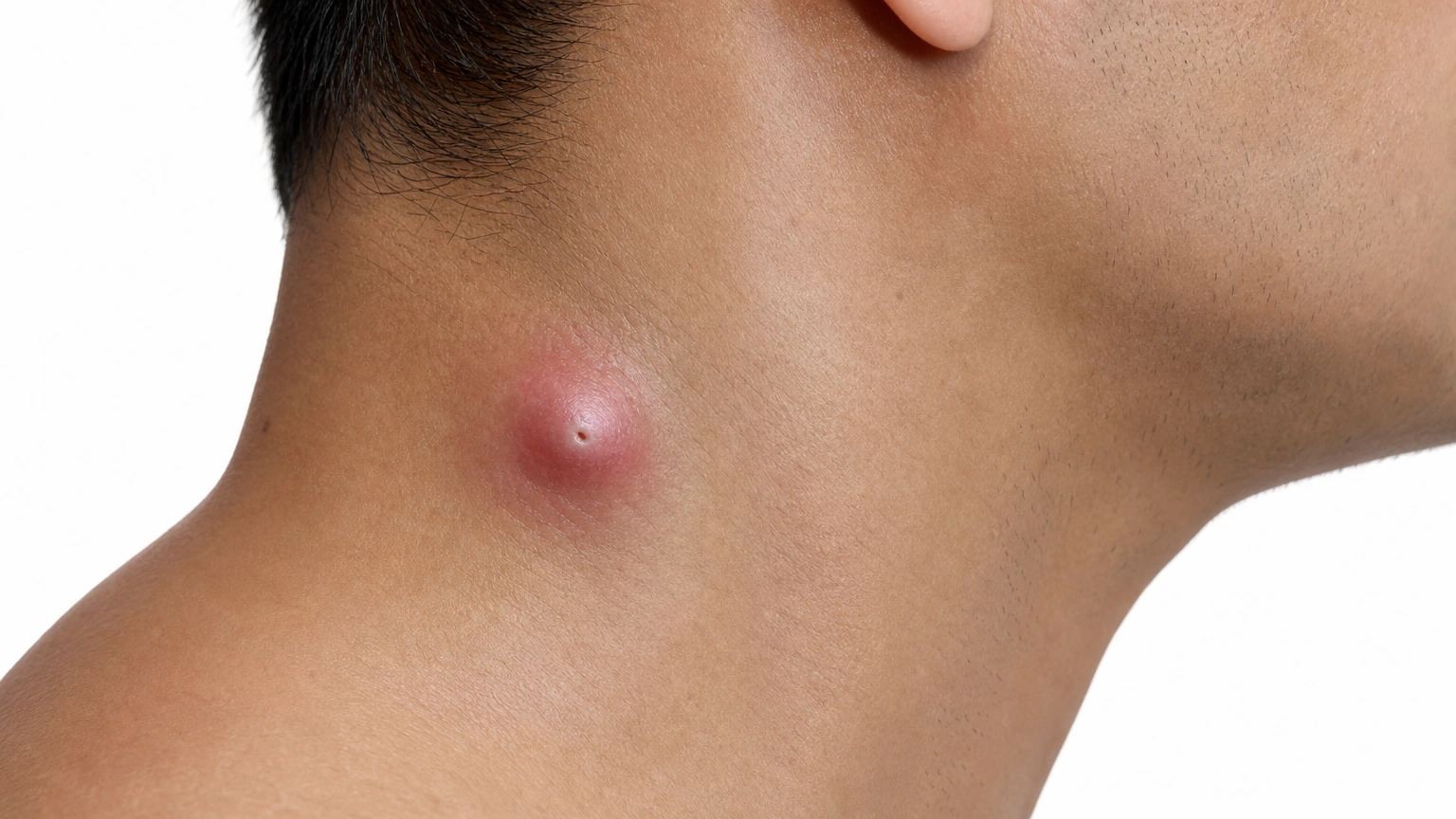
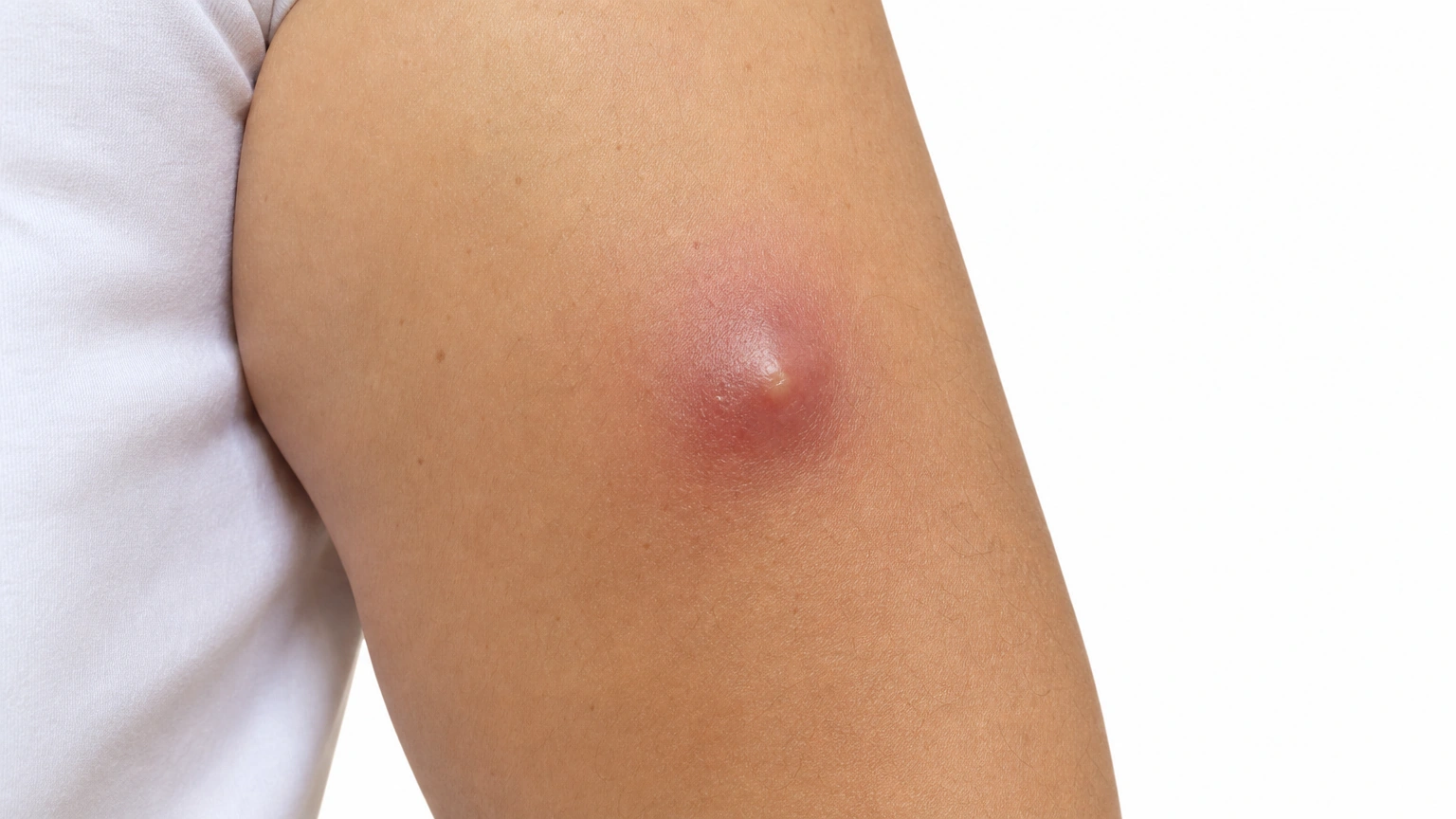
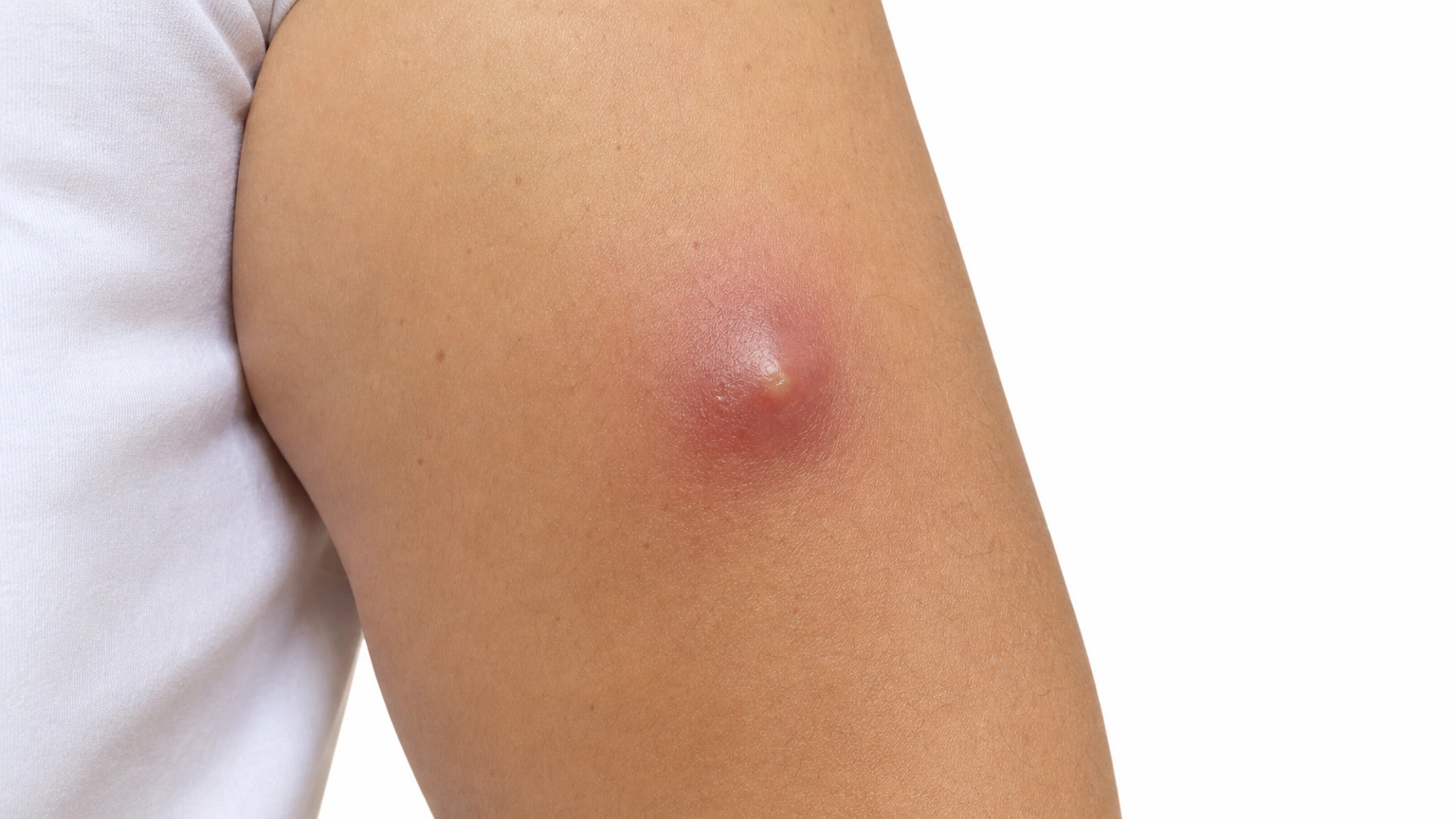
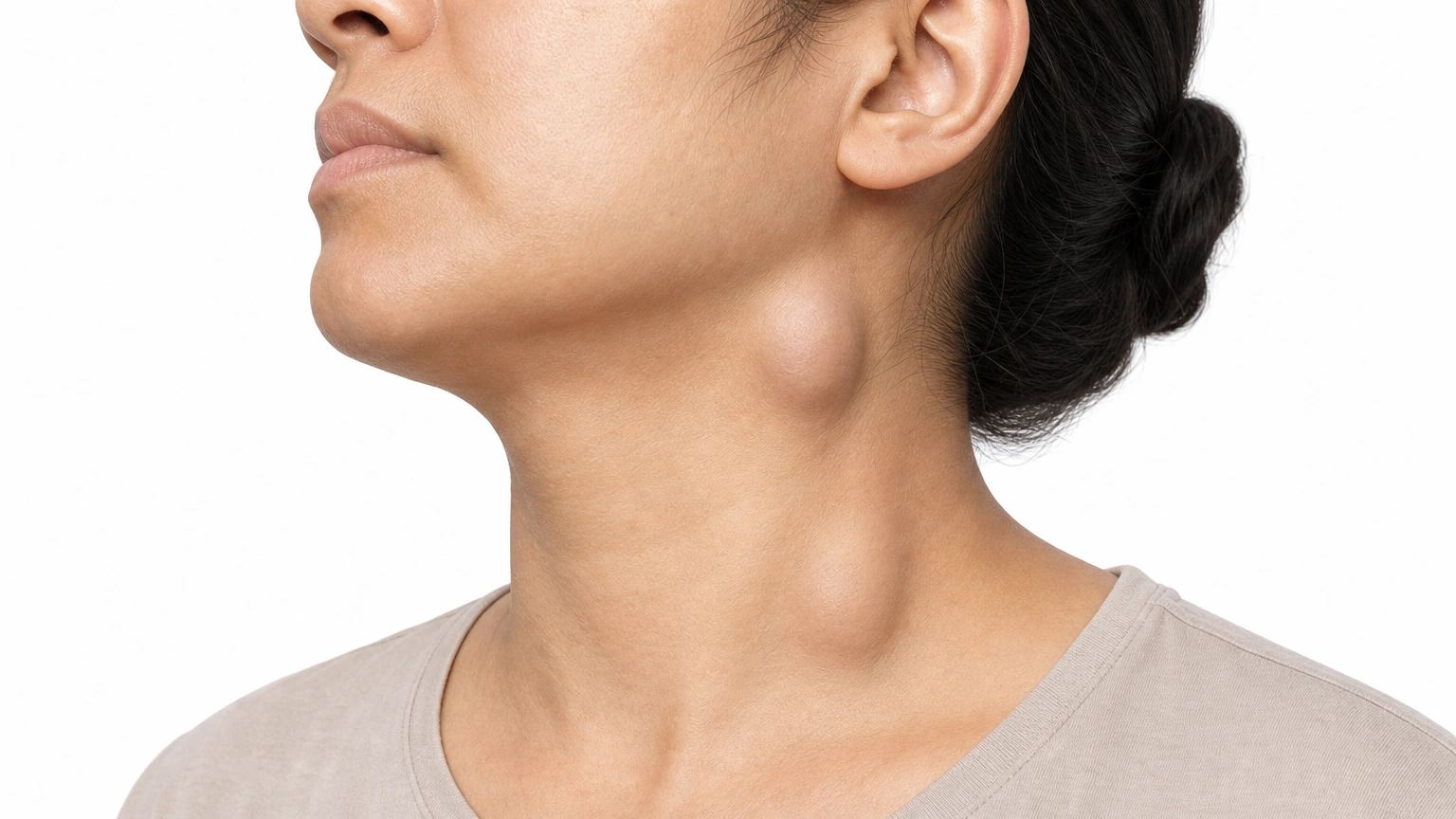
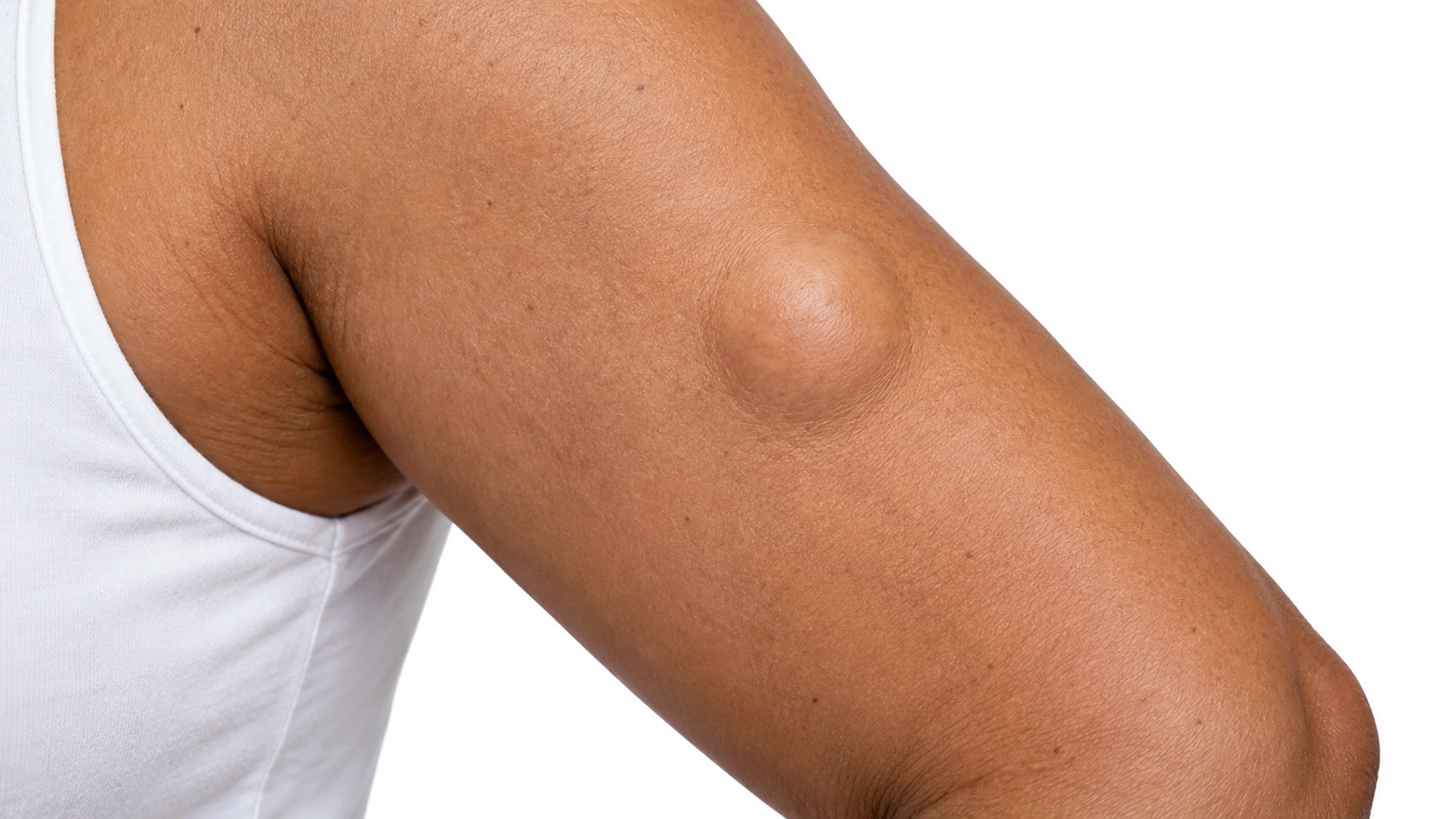
AI-generated educational illustration: A small dome-shaped localized tender-looking red swollen bump on adult upper arm beneath intact skin; no incision or large open wound.AI-generated educational illustration: Discrete oval swellings along the side of the adult neck, representing enlarged cervical lymph nodes.

Key differences

The same eight facts on every condition comparison.

Usual age
Any age
Any age
Where
Armpits, groin, buttocks; anywhere
Neck, armpits, groin
Main sign
A tender, swollen pocket of pus
Rubbery lump under the skin
Itch or pain
Painful
Often tender
Contagious
The bacteria can spread
Depends on the cause
Long term
Clears once drained
Shrinks in weeks
Scars
Can leave a small scar
No
Who gets it
Anyone; more with diabetes or friction
Anyone with an infection nearby

What is it?

Abscess
Swollen Lymph Node
What is it?
  • What it is
    A localised pocket of pus within or under the skin.
  • What it is
    An enlarged lymph node is a response to infection or other immune activity, not a skin cyst.

What it looks like

Abscess

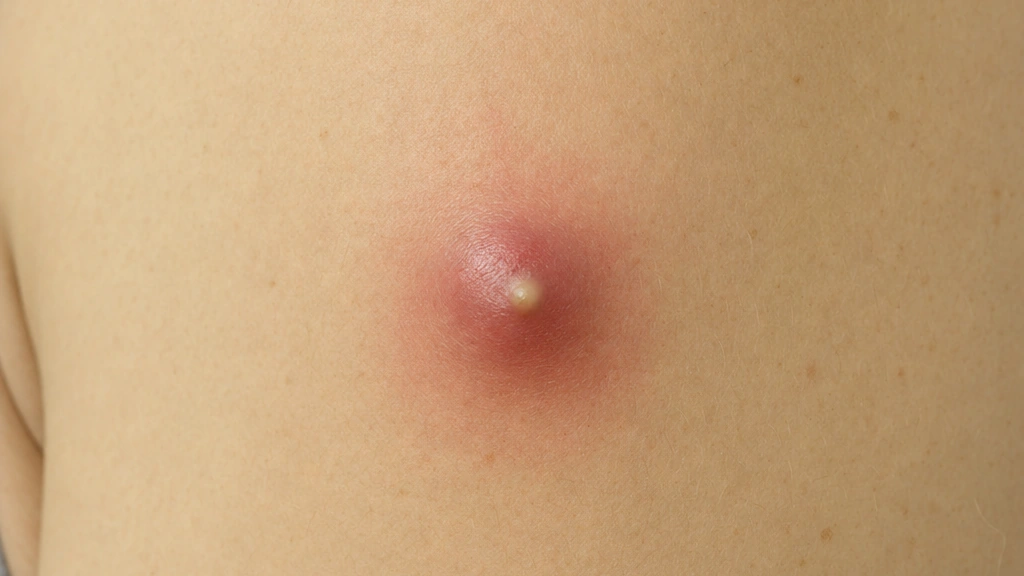
An upper arm with a rounded red bump and a pale-yellow central point.

Abscess A red swelling rises above the surrounding upper-arm skin.

Swollen Lymph Node

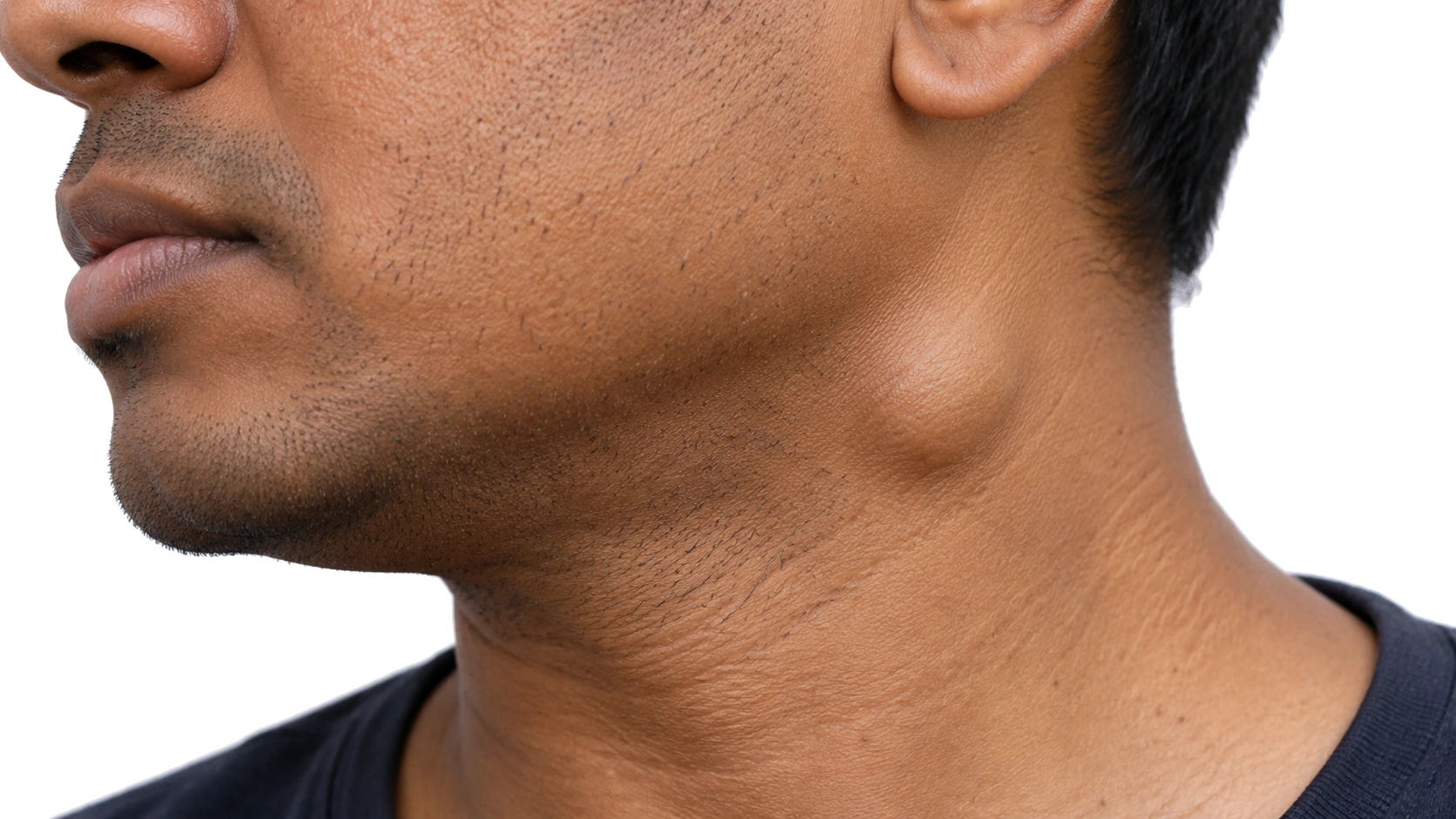
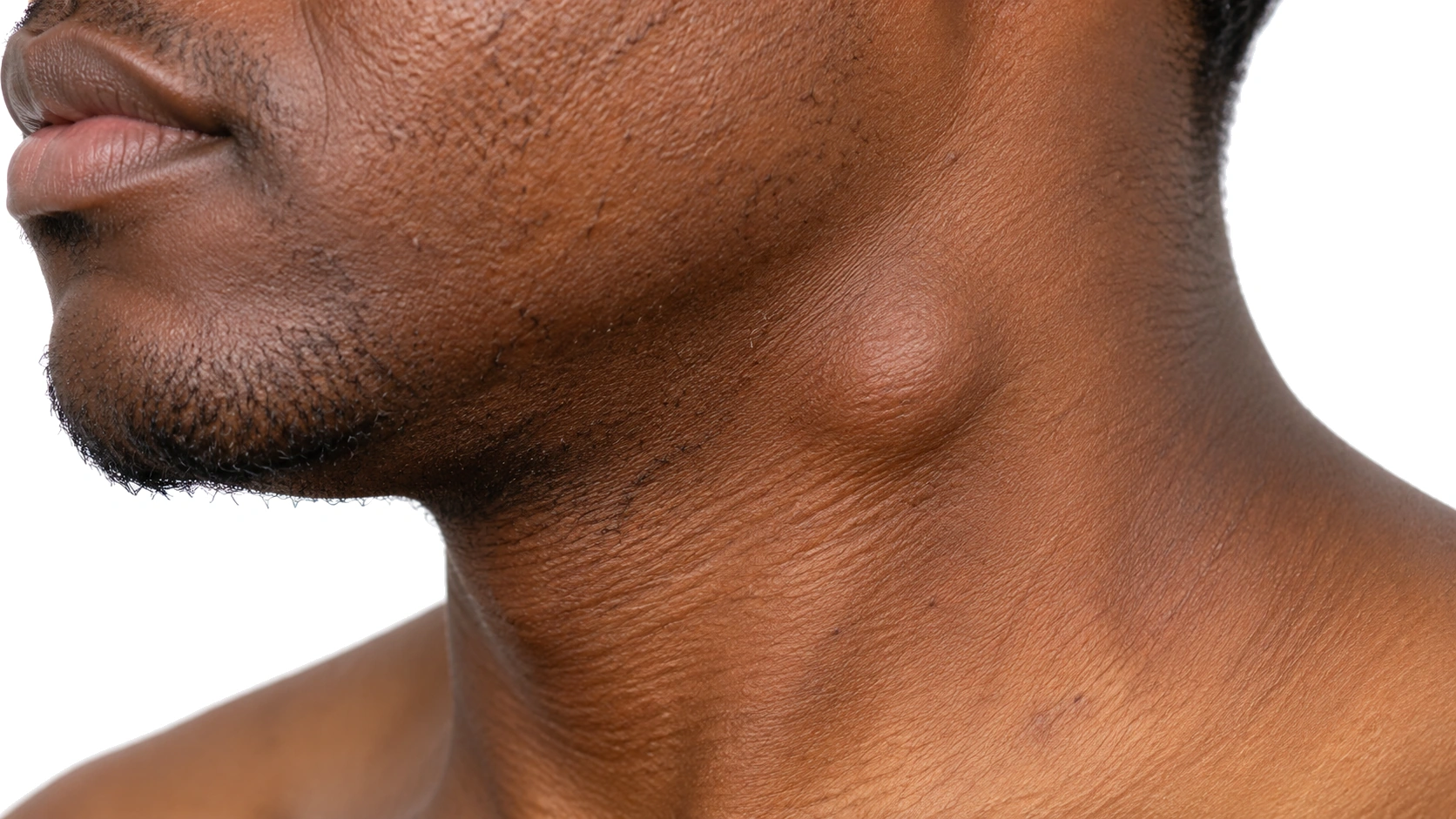
A head in profile with a rounded bulge on the side of the upper neck.

Swollen Lymph Node A rounded swelling changes the contour below the jaw.
Skin tones
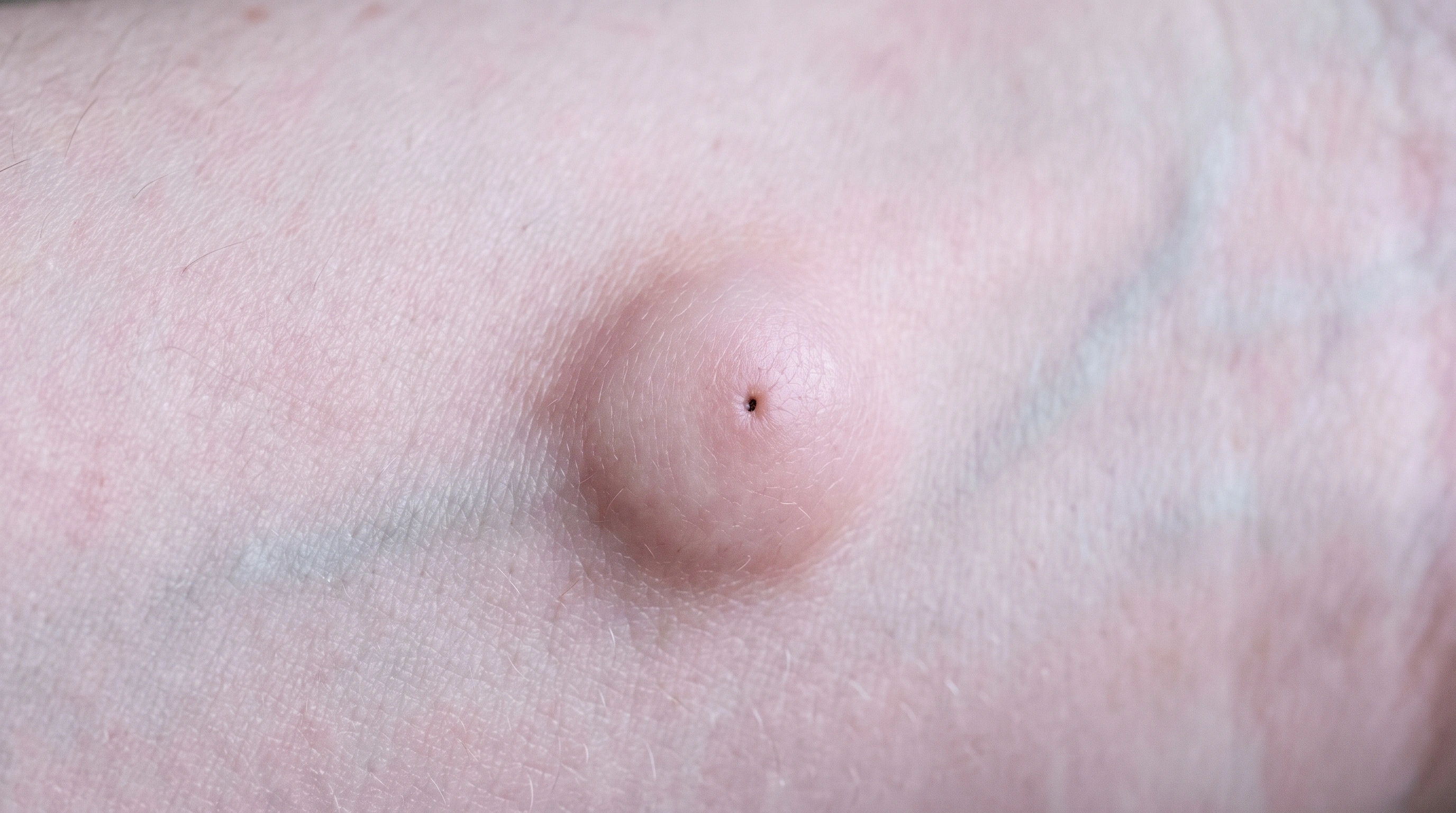
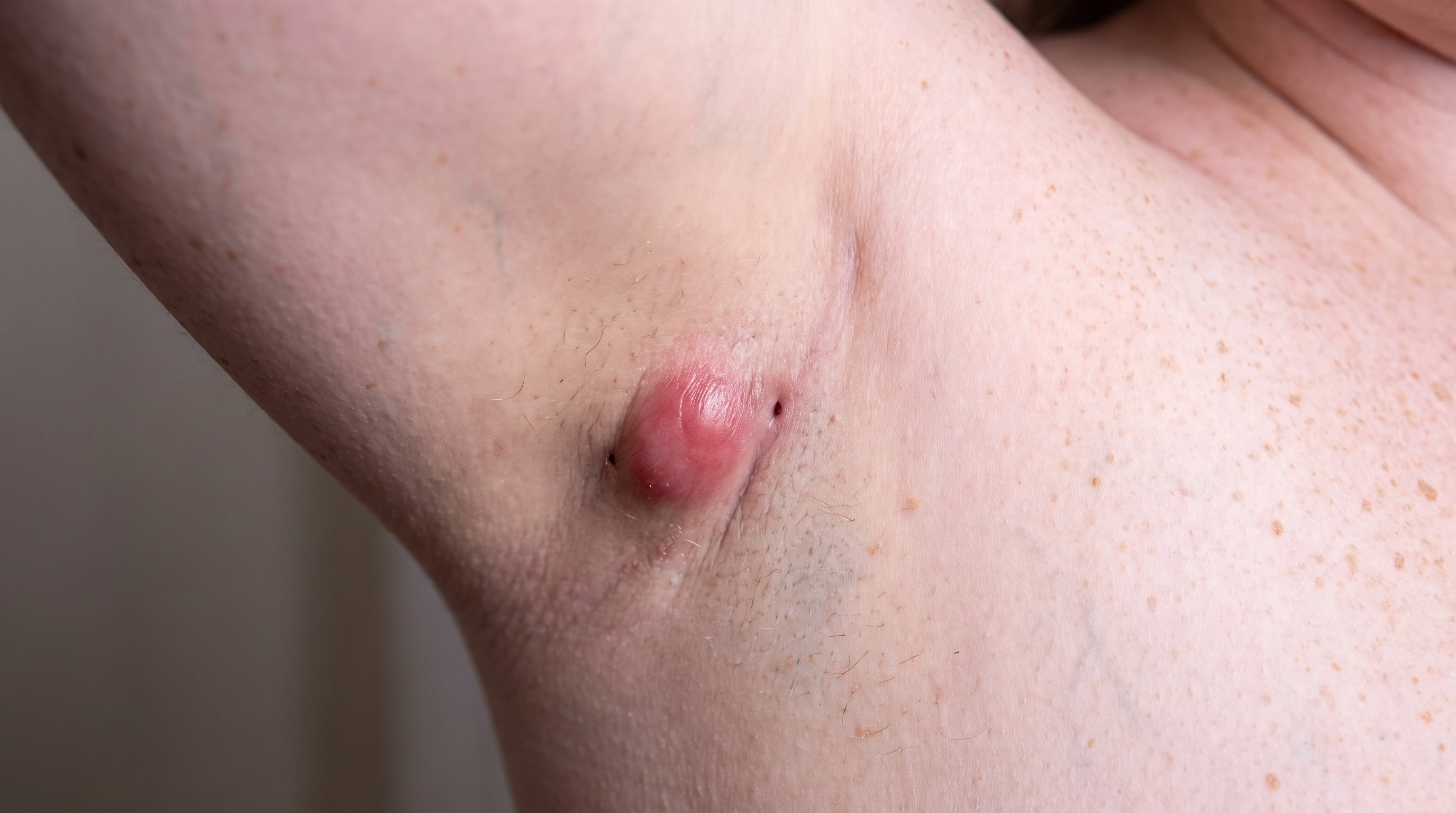
a localized raised abscess on light skin.
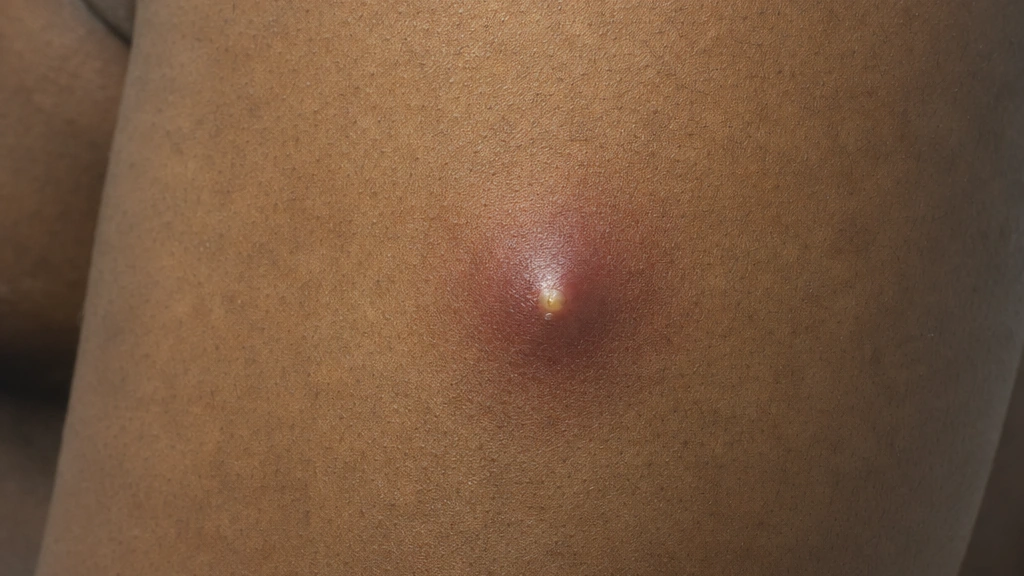
a localized raised abscess on medium skin.
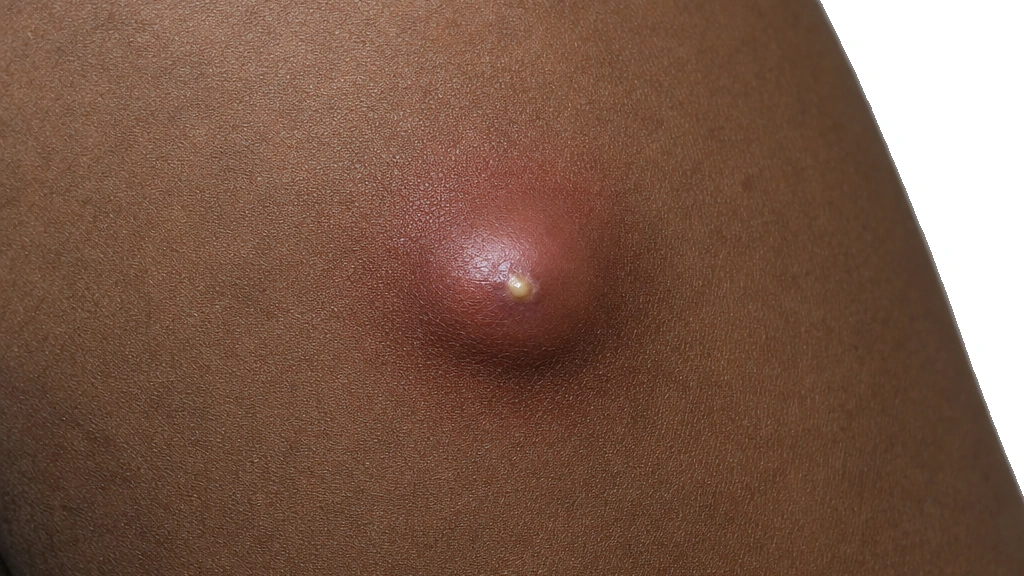
a localized raised abscess on brown skin.
a localized raised abscess on deep skin.
Swollen Lymph Node.
Swollen Lymph Node.
Swollen Lymph Node.
Swollen Lymph Node.
In the skin

An infection can lead to a localized collection of pus within tissue. The surrounding inflammatory response creates a tender, swollen cavity rather than diffuse inflammation alone.

Immune cells accumulate in a lymph node in response to infection, inflammation or another process. The underlying cause determines whether enlargement is a temporary reaction or needs further investigation.

When it usually starts

010203040506070+

Abscess. Can occur at any age.

Swollen Lymph Node. Can occur at any age.

Causes and triggers

Causes

An infection can create a walled-off collection of pus.

Immune cells accumulate within a node; the cause determines whether further investigation is needed.

Risk factors
Skin breaks, Bacterial colonisation, Diabetes or immune suppression
Nearby infection, Inflammatory disease, Other systemic causes
Trigger
● Abscess
● Swollen Lymph Node
Skin injury
Can contribute
Not listed
Friction
Can contribute
Not listed
Infection
Not listed
Can contribute

Daily Care

Abscess
Swollen Lymph Node
Daily care

Habits that help

  • Keep the area gently clean and cover any drainage
    Use a clean non-stick dressing and replace it when wet, dirty or as instructed.
  • Wash hands before and after dressing changes
    Dispose of used dressings safely and clean surfaces contaminated by drainage.
  • Keep towels, washcloths and razors for your own use
    Launder items that touch the affected area and let them dry fully.
  • Reduce pressure and rubbing over the lump
    Choose loose clothing and avoid shaving across inflamed skin.
  • Follow the wound-care plan after professional drainage
    Keep dressing and follow-up appointments; do not remove packing unless told to do so.

Avoid

  • Avoid: Squeezing, lancing or piercing the lump at home
    This can spread infection; a collection of pus may need professional drainage.
  • Avoid: Delaying assessment for spreading redness, fever or worsening pain
    Home care does not replace drainage or antibiotics when they are needed.

Habits that help

  • Rest and drink enough fluids during an acute illness
    Support recovery while the cause of the swelling is being assessed.
  • Note when the lump appeared and any associated symptoms
    Fever, sore throat, skin infection and recent illness are useful details.
  • Check for change without repeatedly pressing the node
    Frequent squeezing can make the area more tender.
  • Keep the recommended review appointment
    Nodes that persist, enlarge or feel hard or fixed need assessment.
  • Seek prompt advice for unexplained swelling with night sweats or weight loss
    Breathing or swallowing difficulty requires urgent help.
  • Discuss cause-specific assessment
    Treatment depends on the reason for enlargement; persistent or concerning nodes may need tests.

Avoid

  • Avoid: Massaging, puncturing or trying to drain the lump
    A swollen lymph node is not a pimple or cyst to empty.

Treatment differences

Evidence labels come from each condition’s own treatment list.

Treatment
● Abscess
● Swollen Lymph Node
Treatment approach
—

Treatment depends on the reason the node is enlarged. Persistent or concerning nodes may need examination and tests; do not puncture, massage or try to drain them as if they were cysts.

Prescription pills

Antibiotics when indicated

Listed

Spreading infection, systemic illness or individual risk factors may require antibiotics alongside source control.
None listed
Procedures
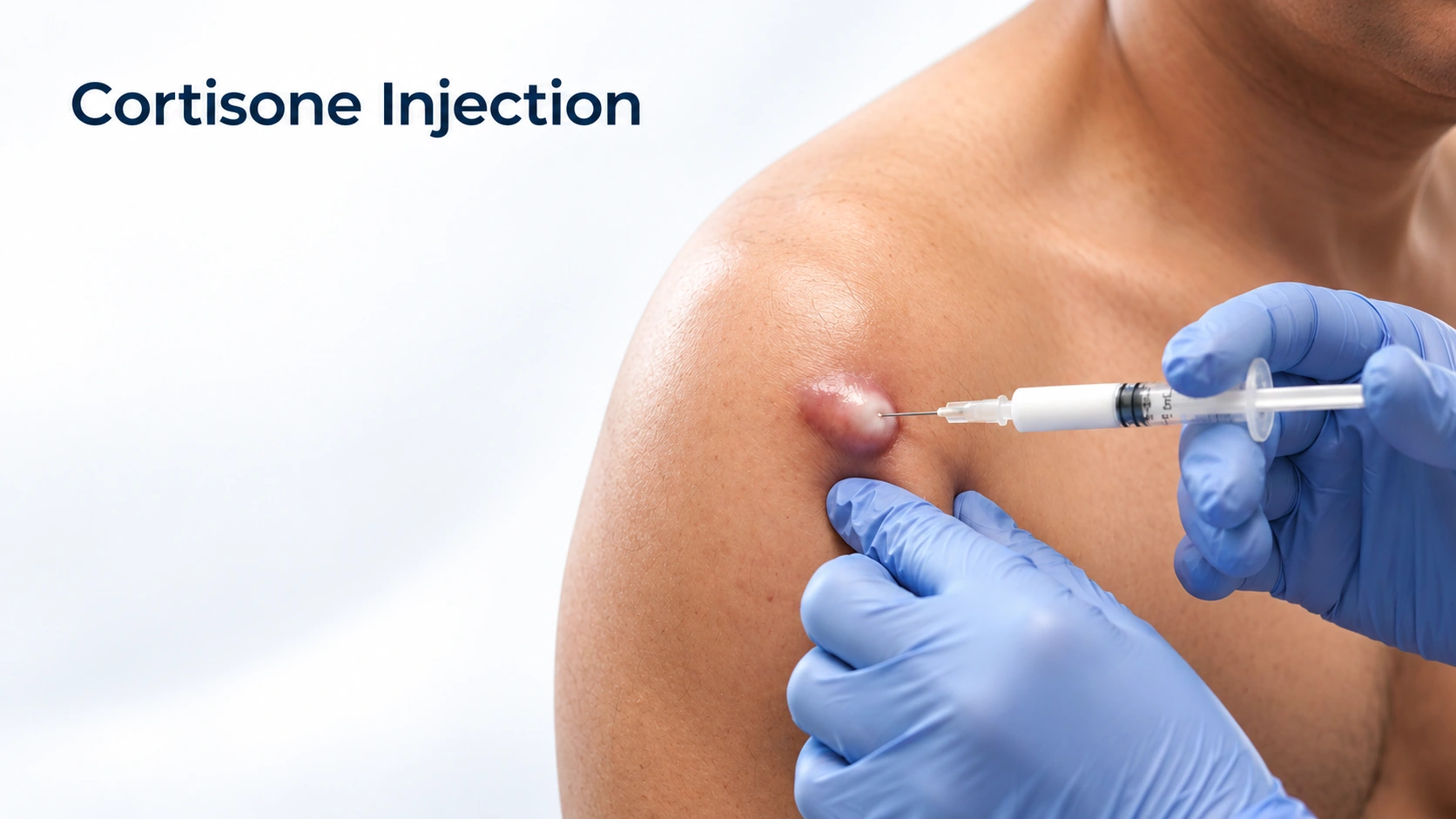
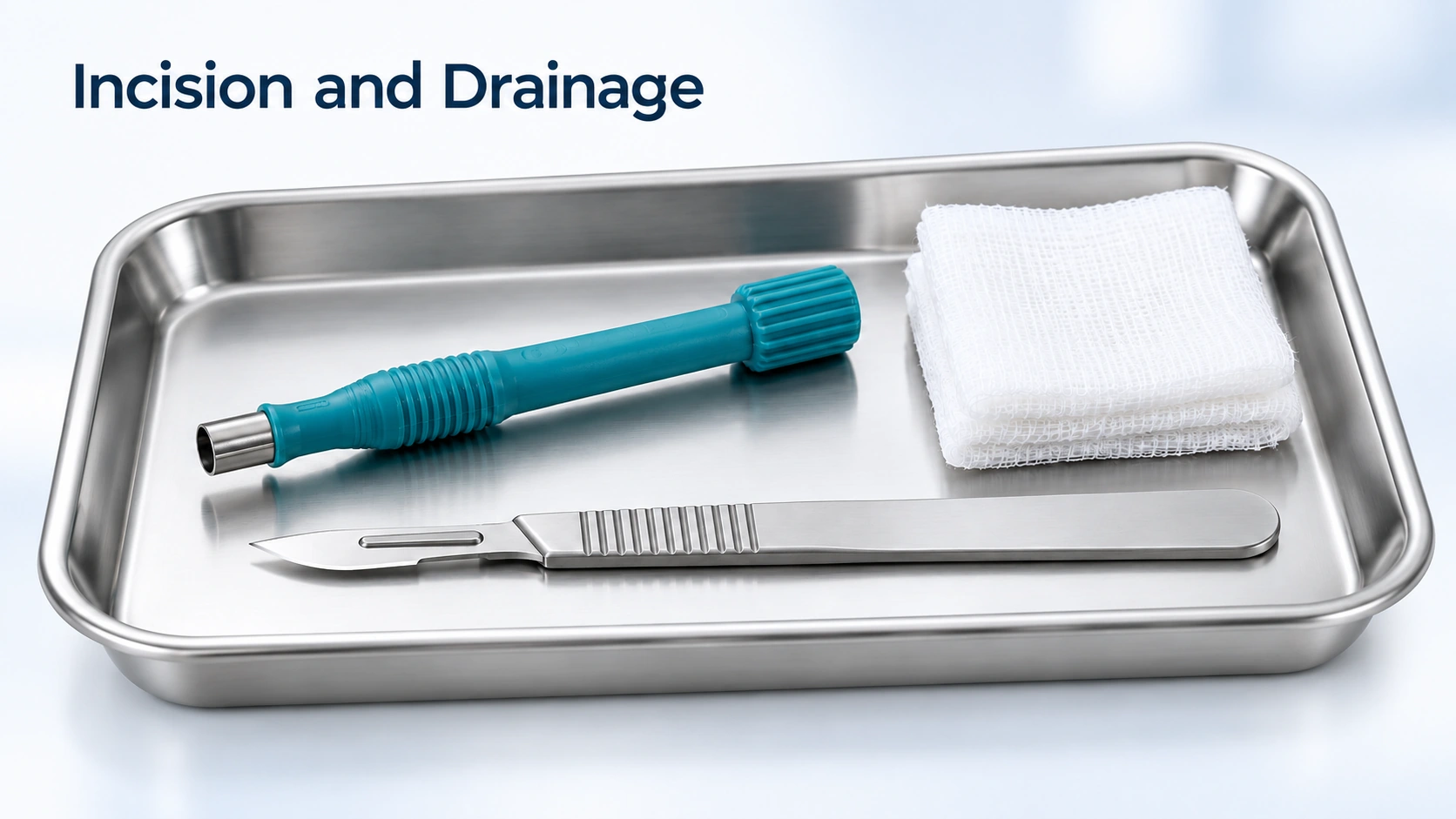
Editorial illustration for Incision and Drainage, based on the entry’s treatment or equipment reference.

Incision and drainage

Listed

A clinician may need to drain a collection of pus; do not lance it at home.

None listed

Outlook

Long term

A skin abscess often improves after appropriate drainage; some also need antibiotics. It can recur if a contributor remains, and spreading redness, fever or worsening pain needs prompt review.

Nodes enlarged by a short-lived infection often shrink as the illness resolves. Persistent, enlarging, hard or fixed nodes, or swelling with weight loss or night sweats, needs assessment.

Complications

Possible complications

Infection can spread to nearby skin or cause systemic illness.

Hard, fixed, enlarging or persistent nodes and systemic symptoms require assessment.

When to get help

When to get help

Seek prompt care for a painful pus collection; fever, spreading swelling or feeling unwell increases urgency.

Seek care if enlarging, hard or fixed, above the collarbone, persistent or accompanied by night sweats or weight loss; breathing or swallowing trouble needs urgent care.

Common questions

Abscess:What is Abscess?

A localised pocket of pus within or under the skin.

Abscess:What can I do day to day?

Keep the area clean and covered. Do not squeeze or lance it; do not share towels.

Abscess:When should I get medical advice?

Seek prompt care for a painful pus collection; fever, spreading swelling or feeling unwell increases urgency.

Swollen Lymph Node:What is Swollen Lymph Node?

An enlarged lymph node is a response to infection or other immune activity, not a skin cyst.

Swollen Lymph Node:What can I do day to day?

Avoid repeatedly squeezing the lump and monitor associated infection symptoms.

Swollen Lymph Node:When should I get medical advice?

Seek care if enlarging, hard or fixed, above the collarbone, persistent or accompanied by night sweats or weight loss; breathing or swallowing trouble needs urgent care.

Sources
Sources and further reading

  1. Abscess
  2. Swollen glands
Dermapedia on YouTube