Tinea Versicolor vs Post-Inflammatory Hypopigmentation

Tinea versicolor is a common, harmless rash caused by a yeast that already lives on everyone's skin. It leaves flat, finely scaly patches on the chest, back and shoulders that are lighter, darker or pinker than the skin around them. Treatment clears it quickly, the color takes months to even out, and it often returns in warm weather. Lighter skin remaining after inflammation or injury.

Research updated 2026-10-23
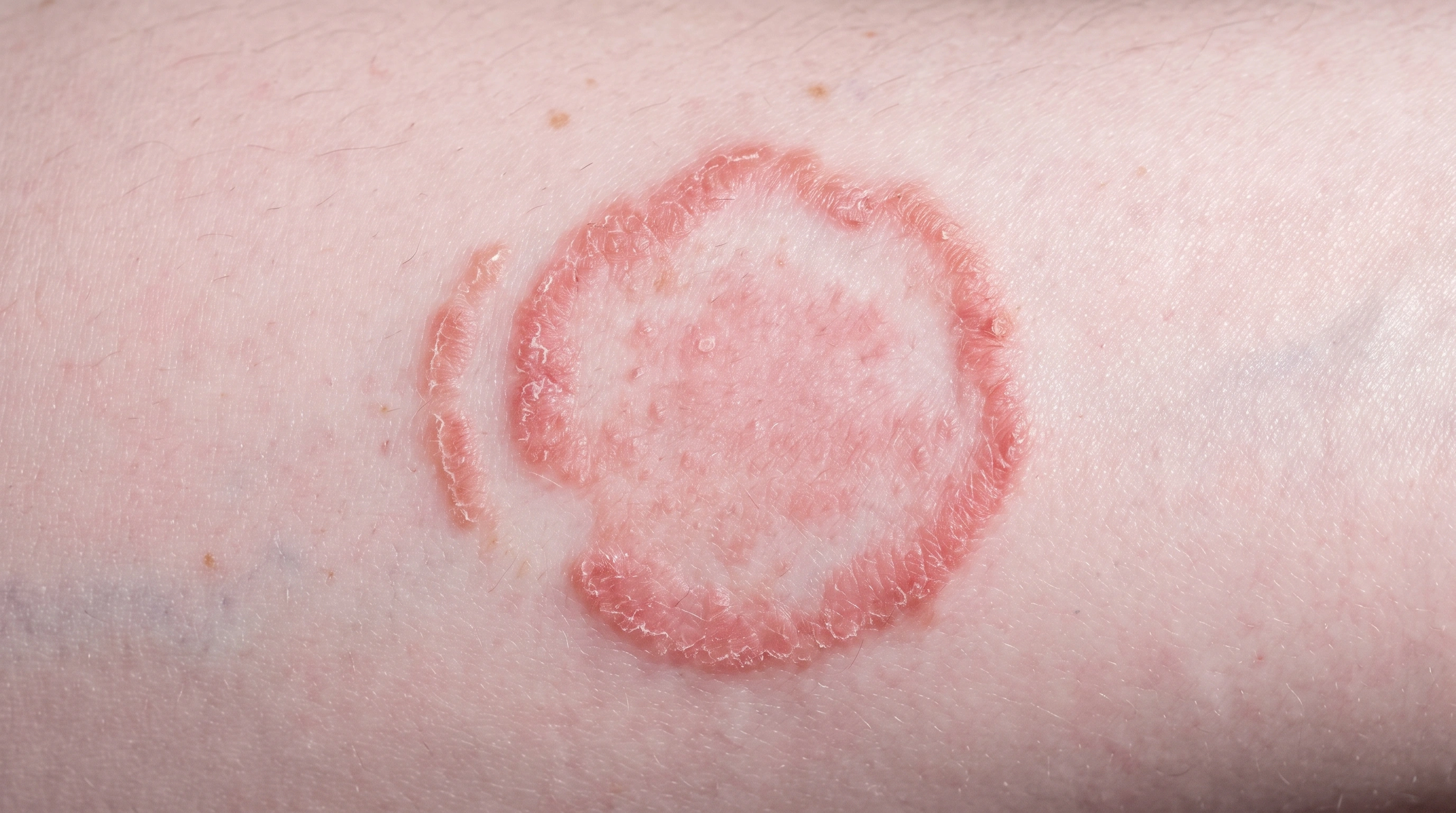
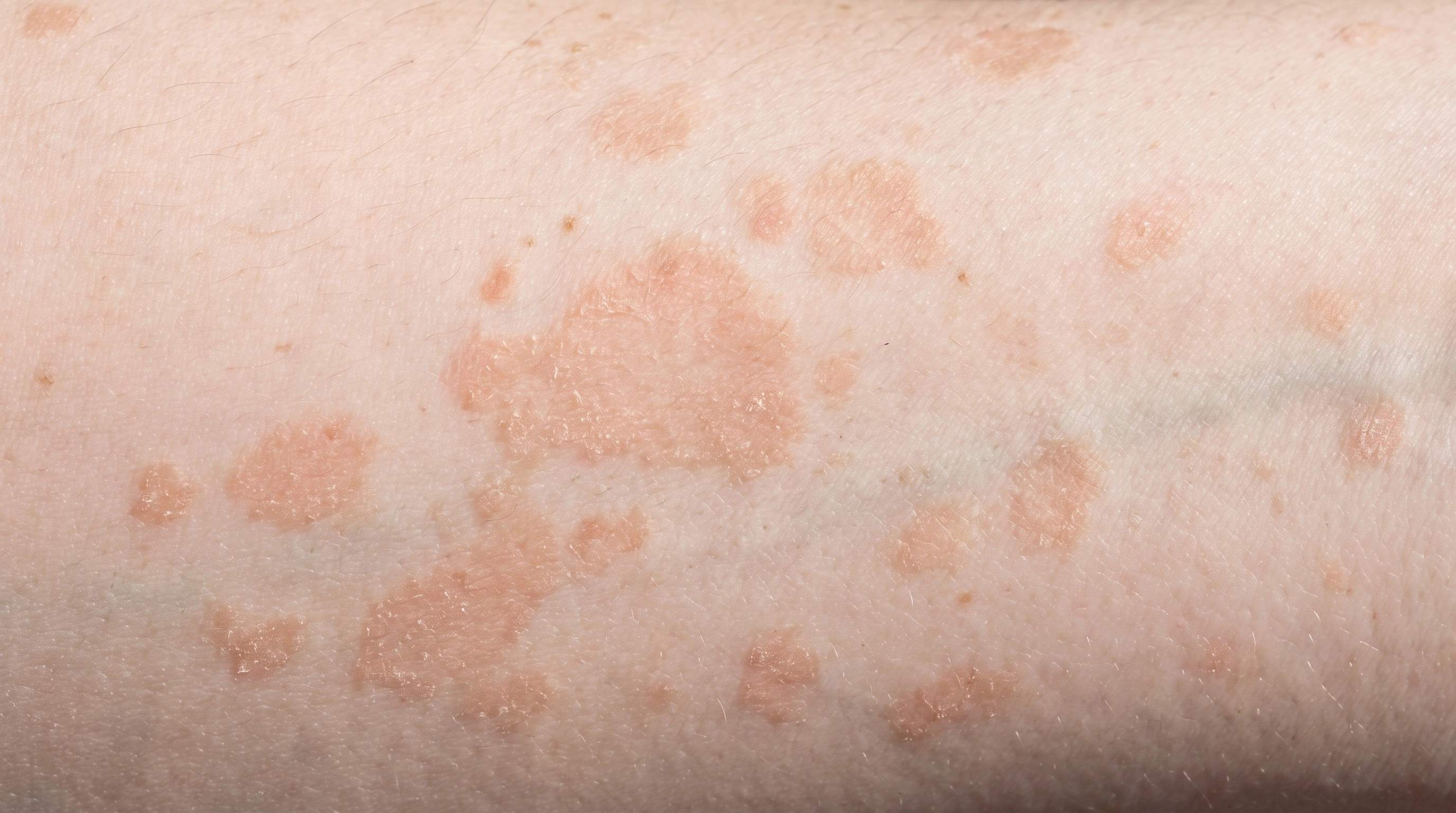
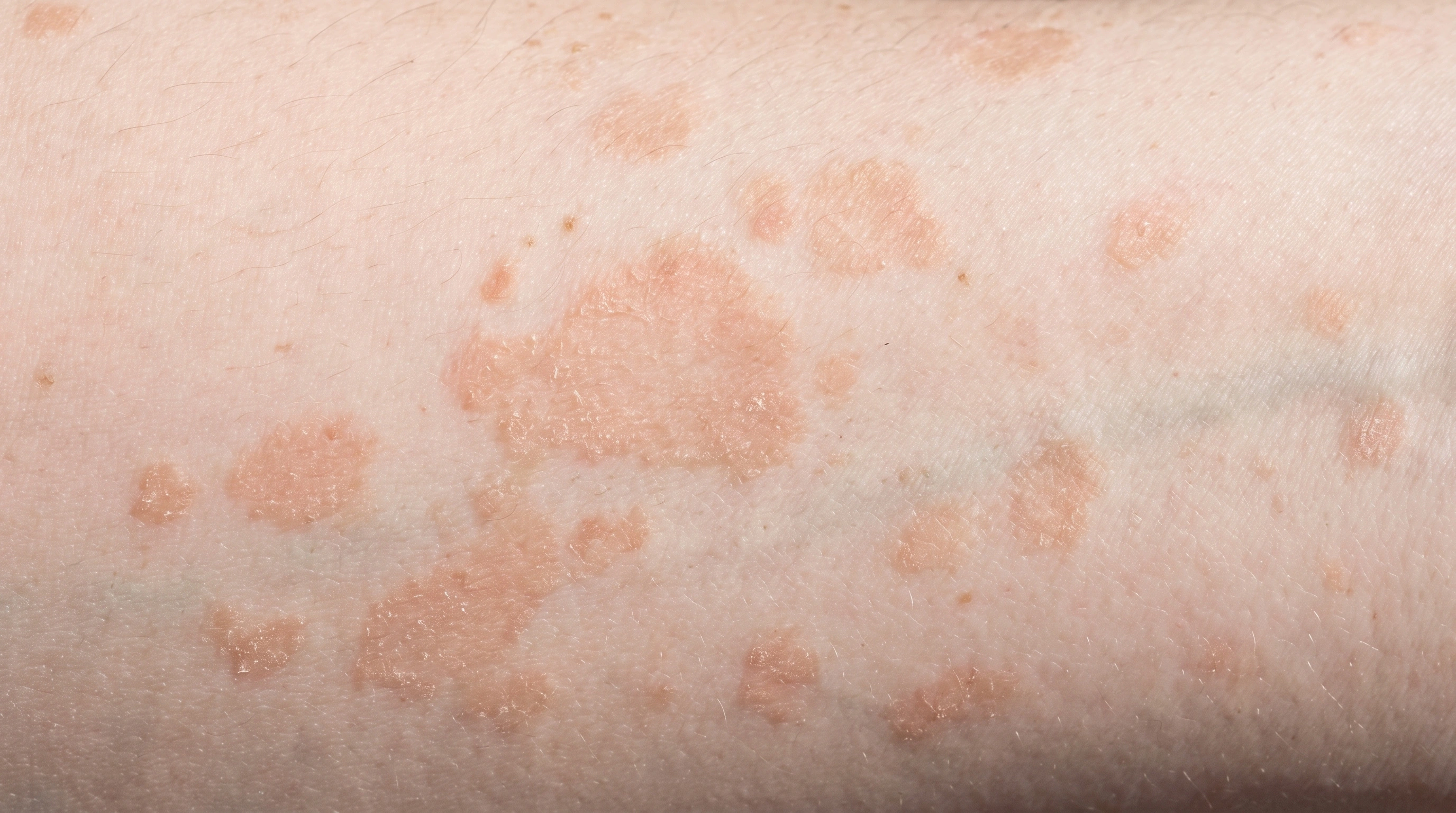
Flat oval patches in pink and light tan scattered across an upper chest and shoulder on light skin, several joined into larger areas, with a fine dusty scale on the surface.Post-Inflammatory Hypopigmentation

Key differences

The same eight facts on every condition comparison.

Usual age
15 to 35
Any age
Where
Chest, back, shoulders
Where skin was inflamed
Main sign
Lighter or darker fine-scaly patches
Flat lighter patch
Itch or pain
Mild itch at most
Neither
Contagious
No
No
Long term
Clears fast, often returns
Usually returns over months
Scars
No
No
Who gets it
Teens and young adults; warm climates
Darker skin tones most

What is it?

Tinea Versicolor
Post-Inflammatory Hypopigmentation
What is it?
  • It is a surface yeast condition.
    Also called pityriasis versicolor, it affects only the outer skin layer.
  • It changes skin color.
    Small patches can merge across the upper chest, back, neck or upper arms.
  • Fine scale is a clue.
    Surface scale helps distinguish active disease from other pigment changes.
  • Color returns more slowly.
    Pigment can take longer to even out after the yeast has been treated.
  • What it is
    Lighter skin remaining after inflammation or injury.

What it looks like

Tinea Versicolor

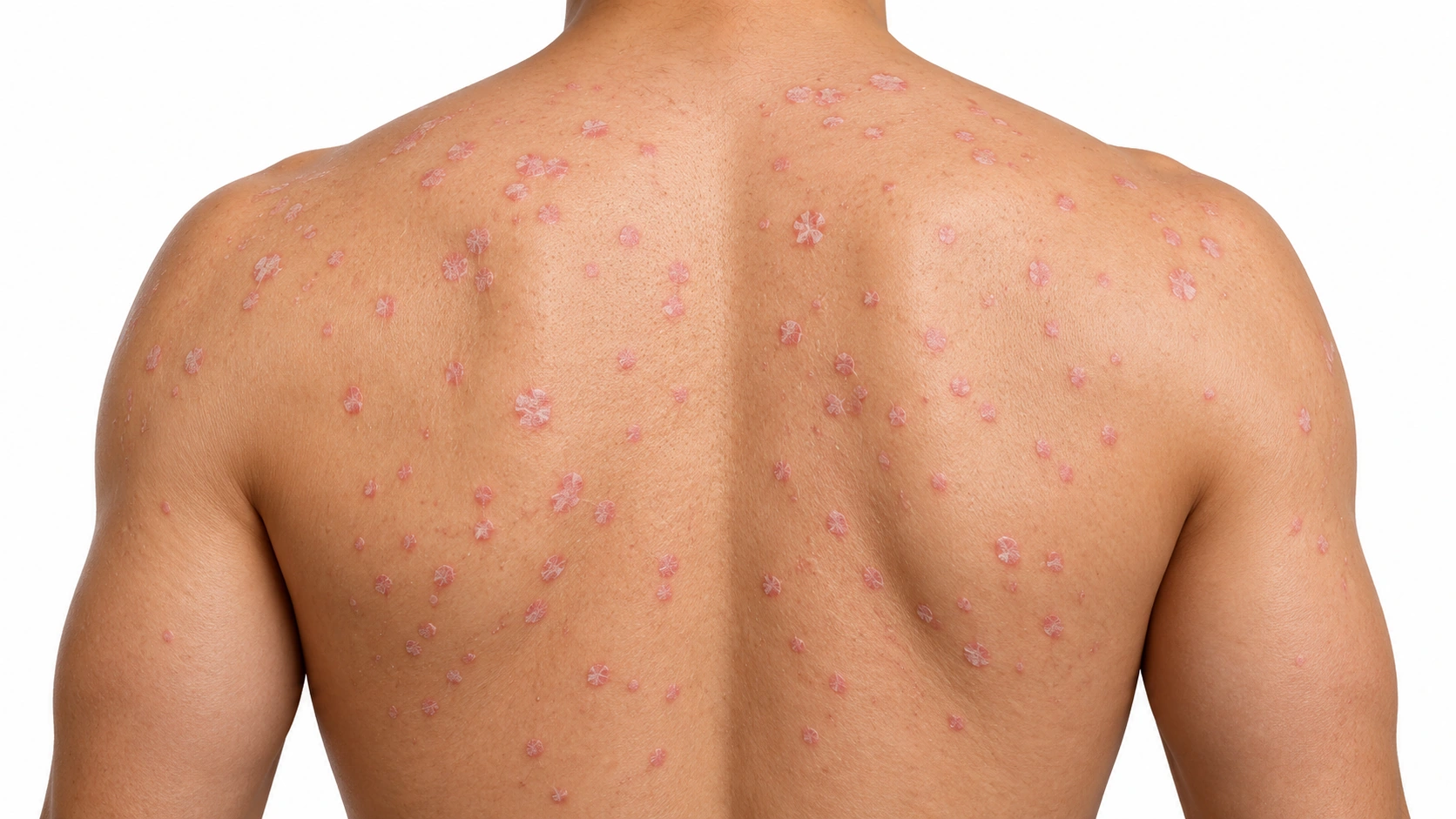
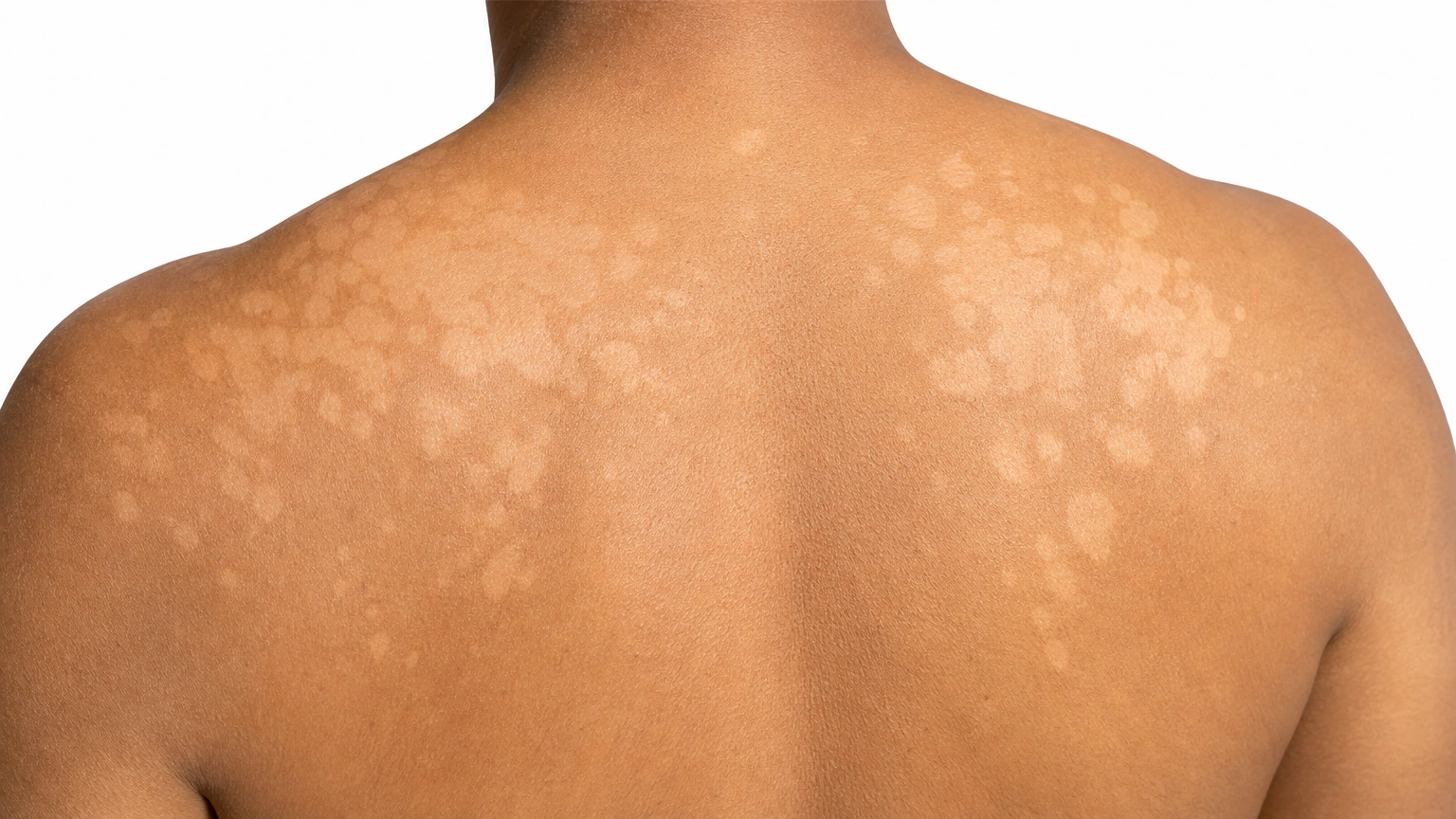
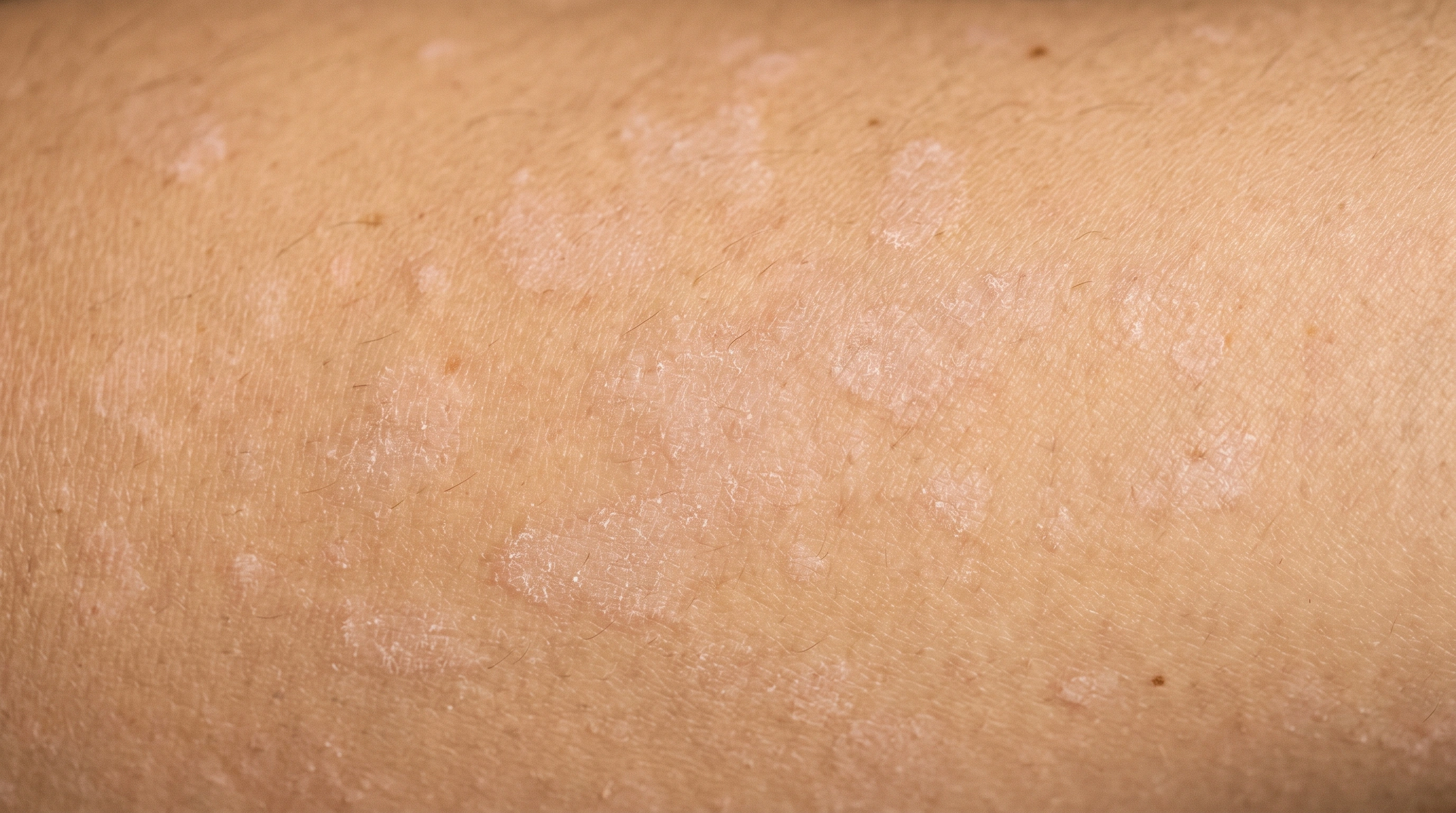
Multiple pale patches over the shoulders and upper back, representing hypopigmented tinea versicolor.

Hypopigmented tinea versicolor Lighter patches; most common.

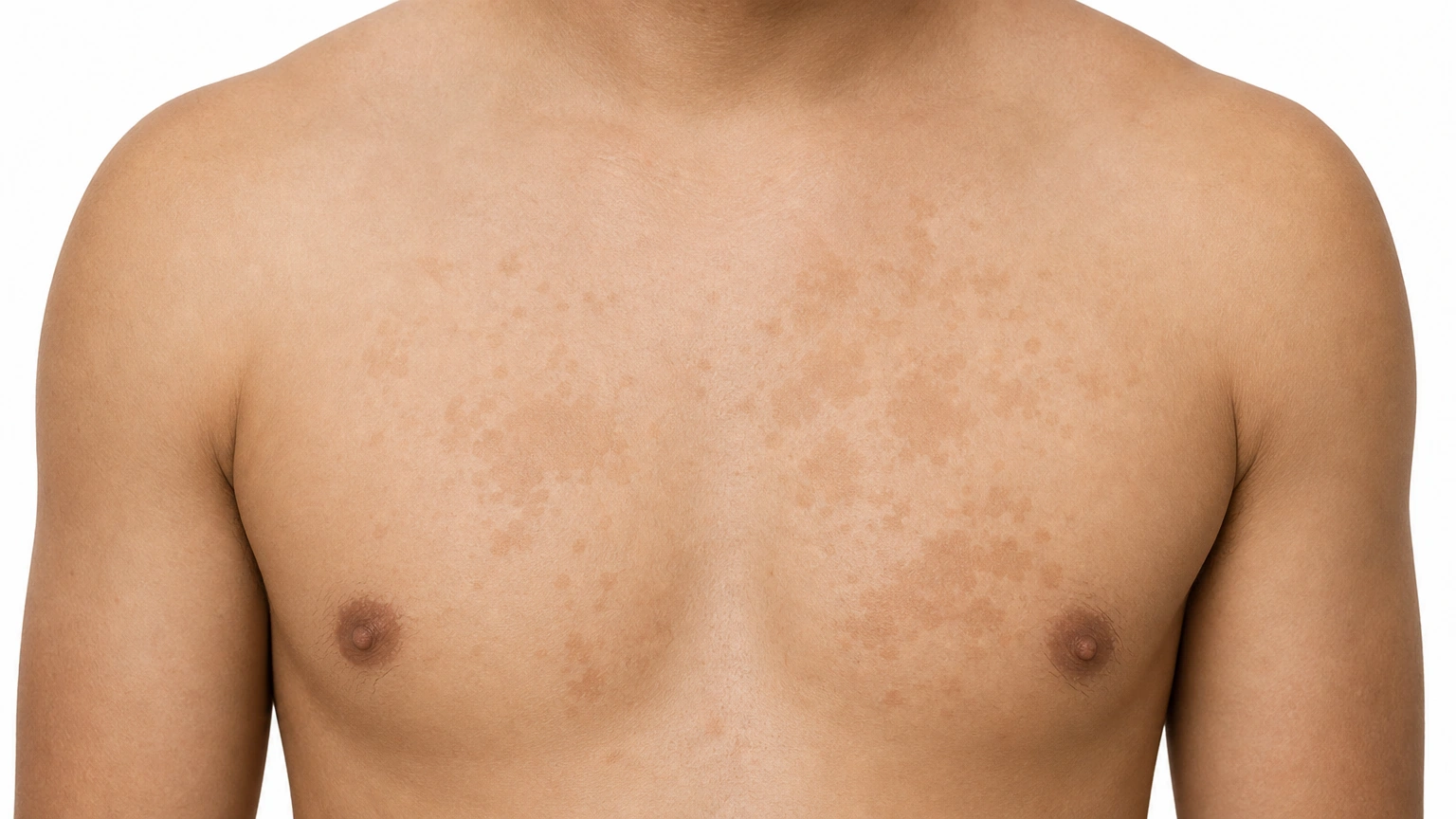
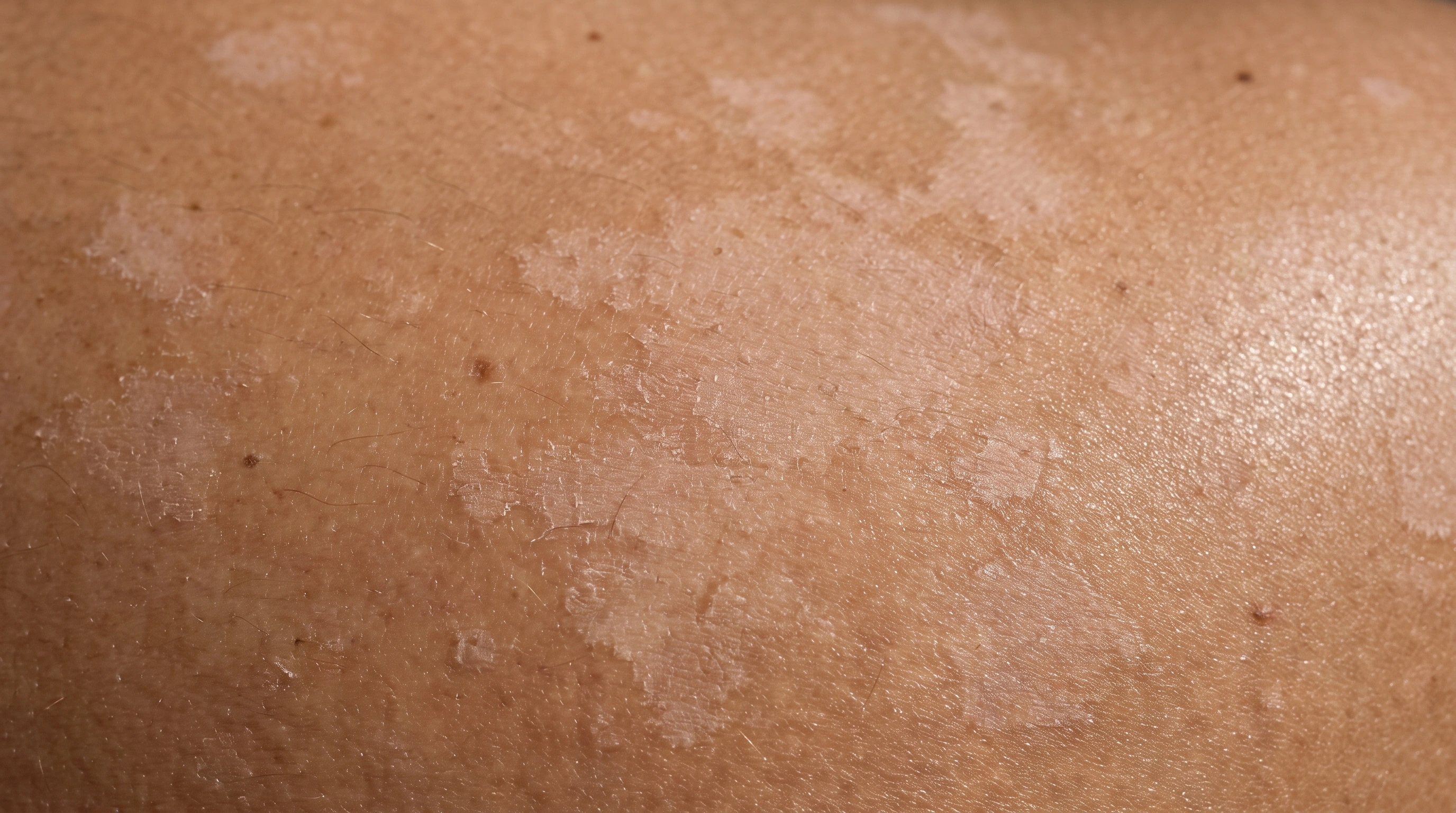
Irregular tan patches on the upper chest, representing tinea versicolor.

Hyperpigmented tinea versicolor Darker or pinkish patches.

Post-Inflammatory Hypopigmentation

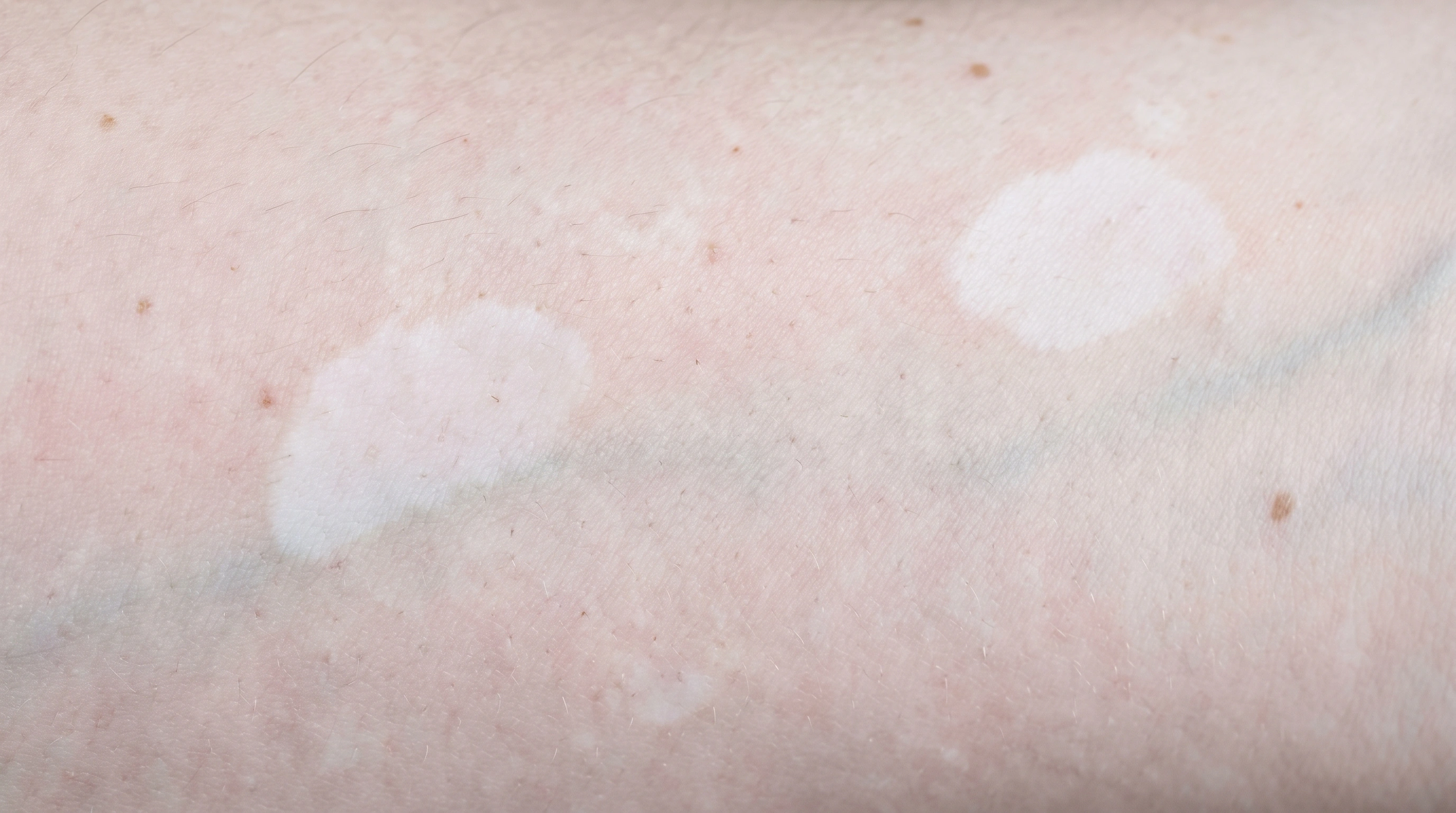
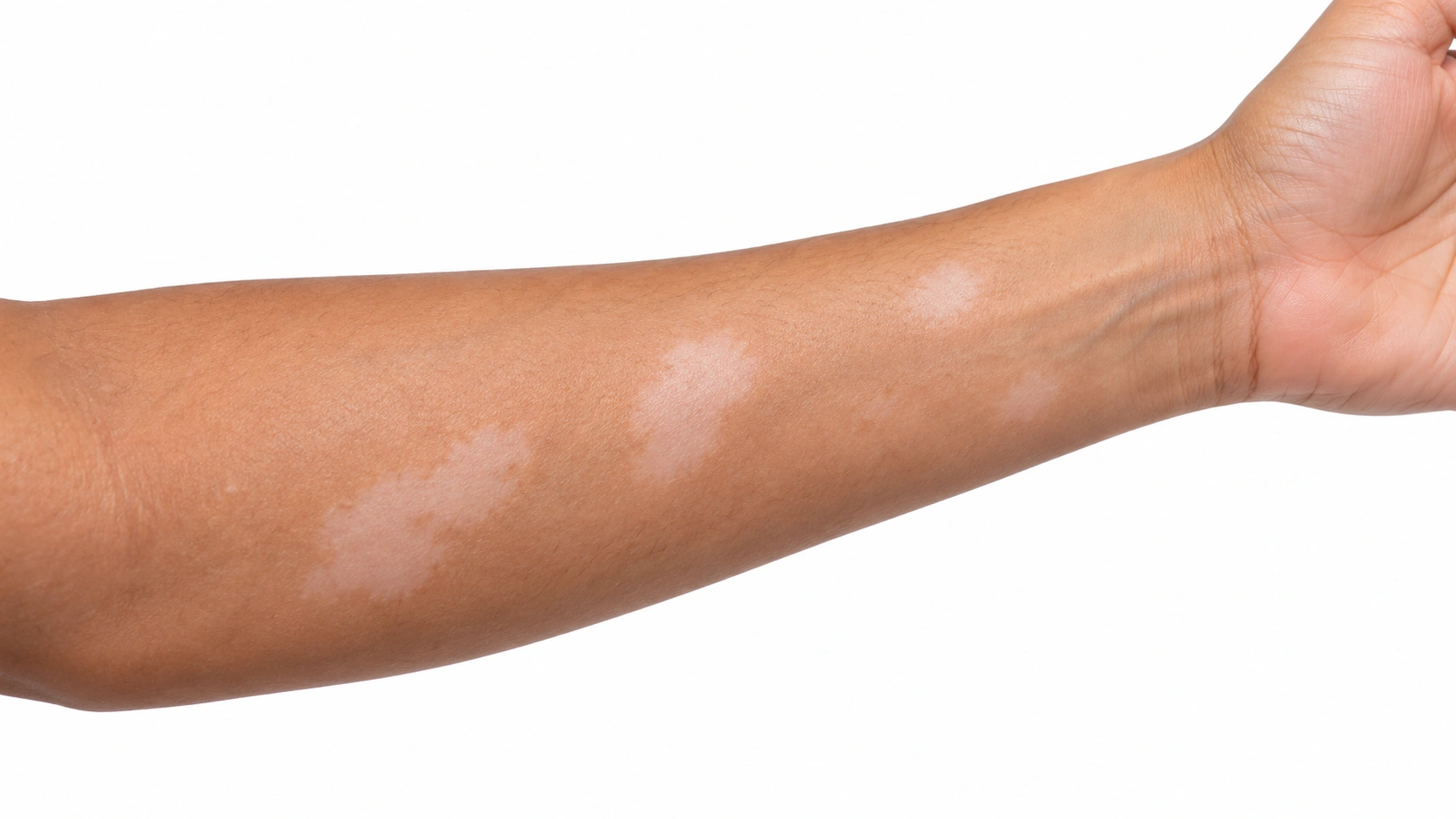
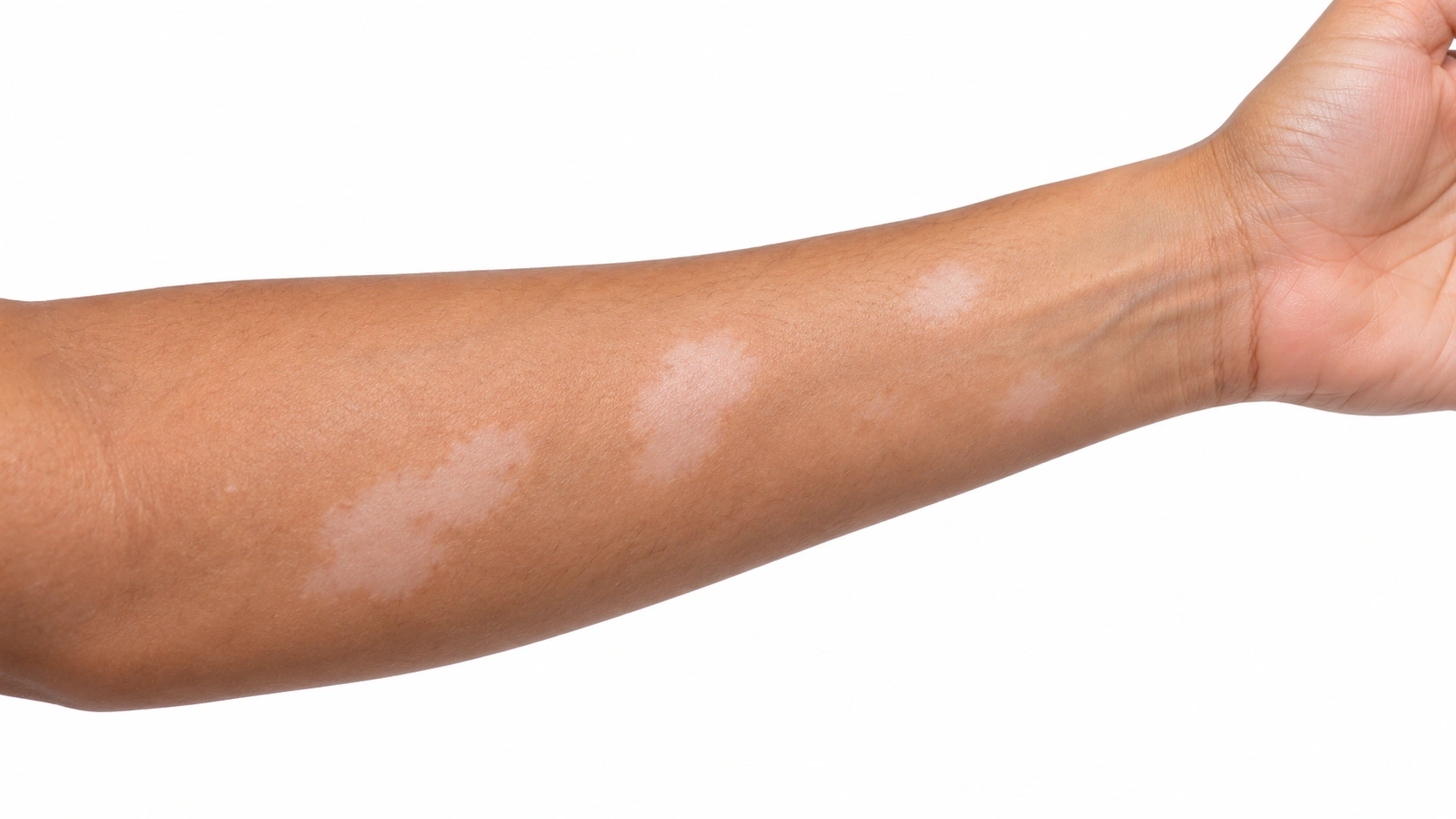
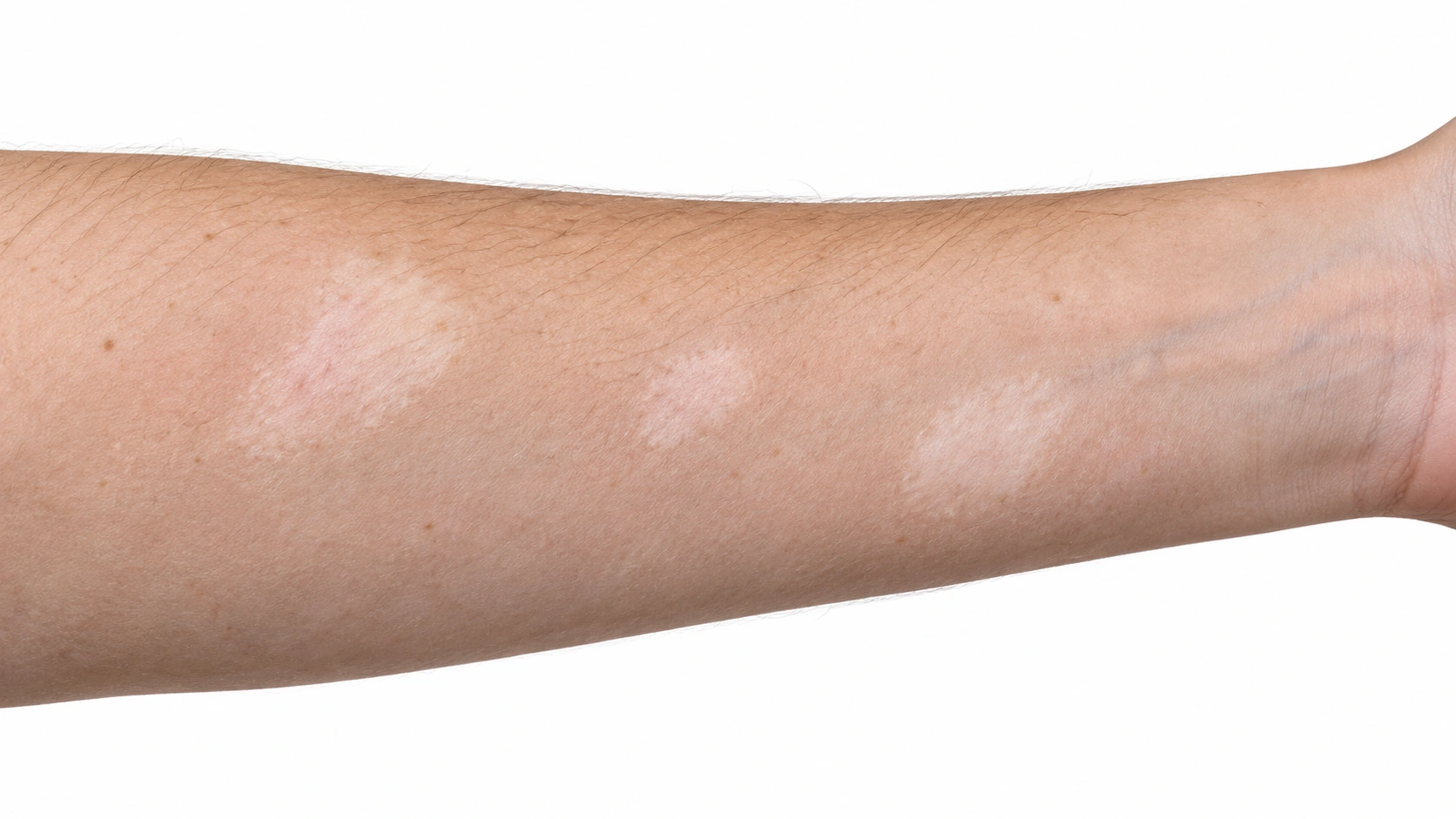
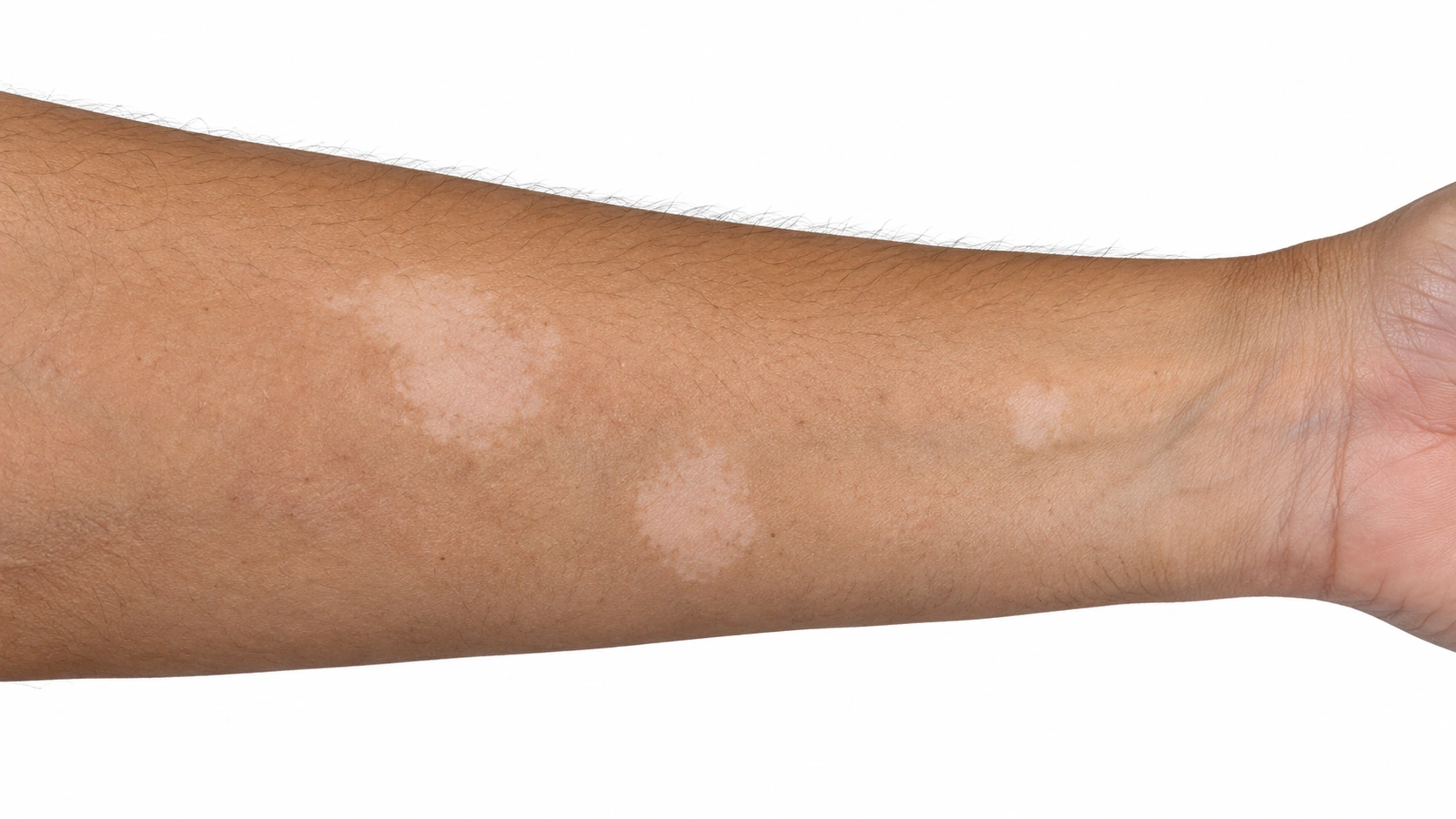
An outstretched forearm with three irregular pale patches.

Post-Inflammatory Hypopigmentation Several lighter areas have irregular outlines against the surrounding skin.

Skin tones
Flat oval patches in pink and light tan scattered across an upper chest and shoulder on light skin, several joined into larger areas, with a fine dusty scale on the surface.
Tanned upper back on medium olive skin with pale oval patches standing out against the tan, some still carrying a fine surface scale and some merging into larger shapes.
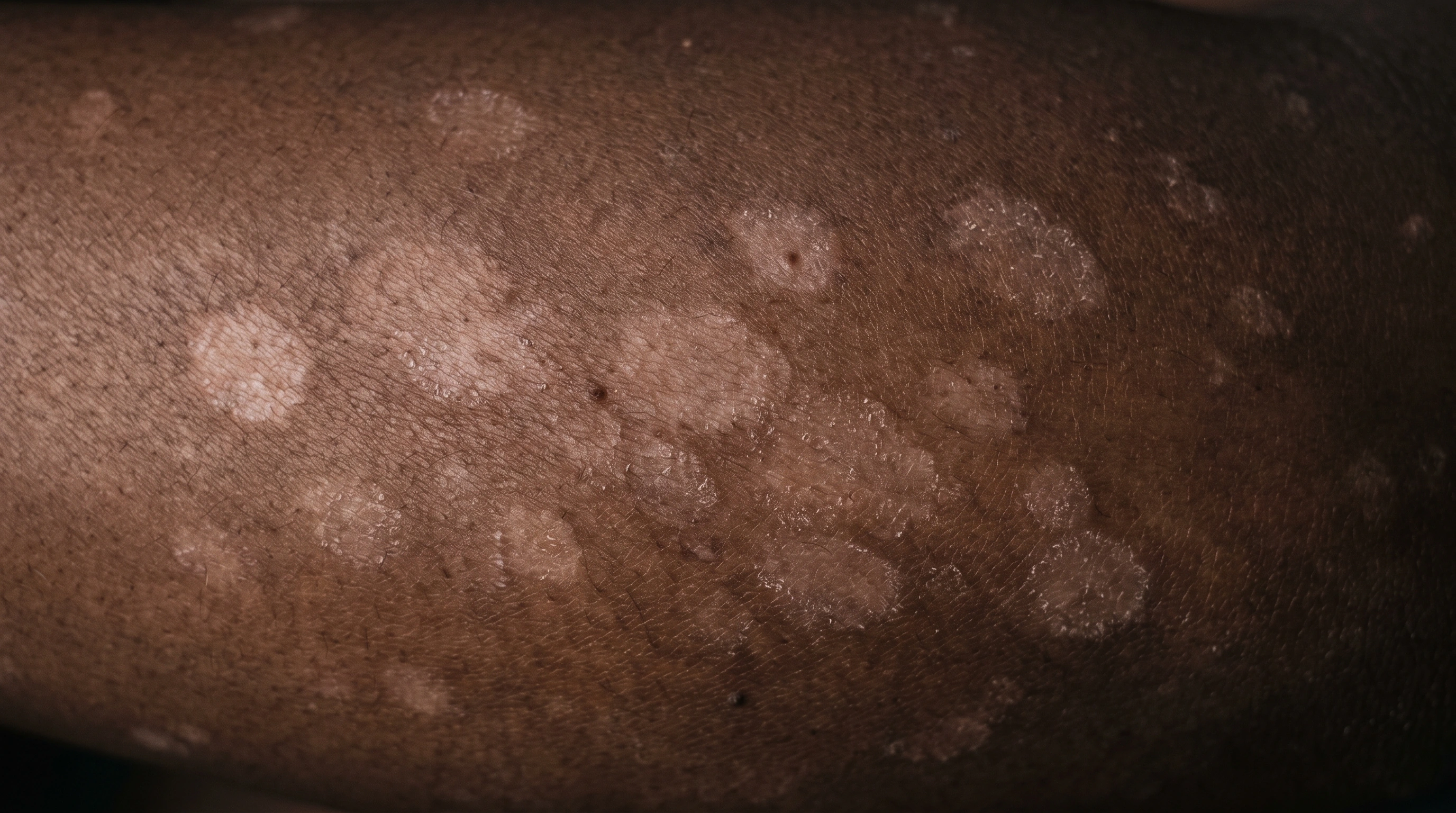
Flat oval patches several shades lighter than the surrounding brown skin, spread across an upper back and merging into larger shapes, with a grayish ashy scale on the surface.
Widespread pale oval patches across an upper back and shoulders on deep brown skin, standing out strongly against the surrounding skin, with a fine scale on the newer ones.
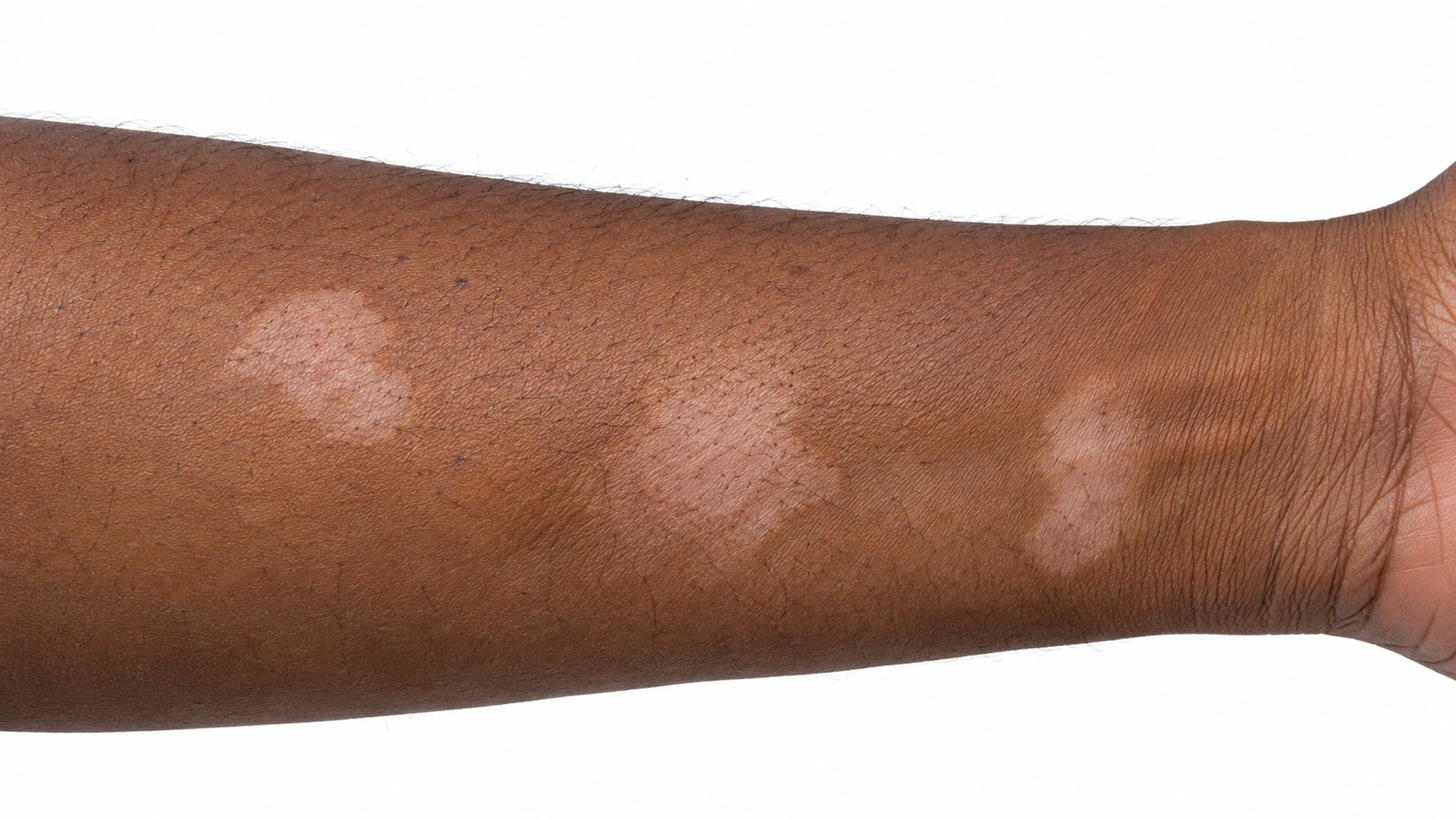
Several softly outlined lighter patches on a forearm.
Post-Inflammatory Hypopigmentation on brown skin.
Several softly outlined lighter patches on a forearm.
Diagram
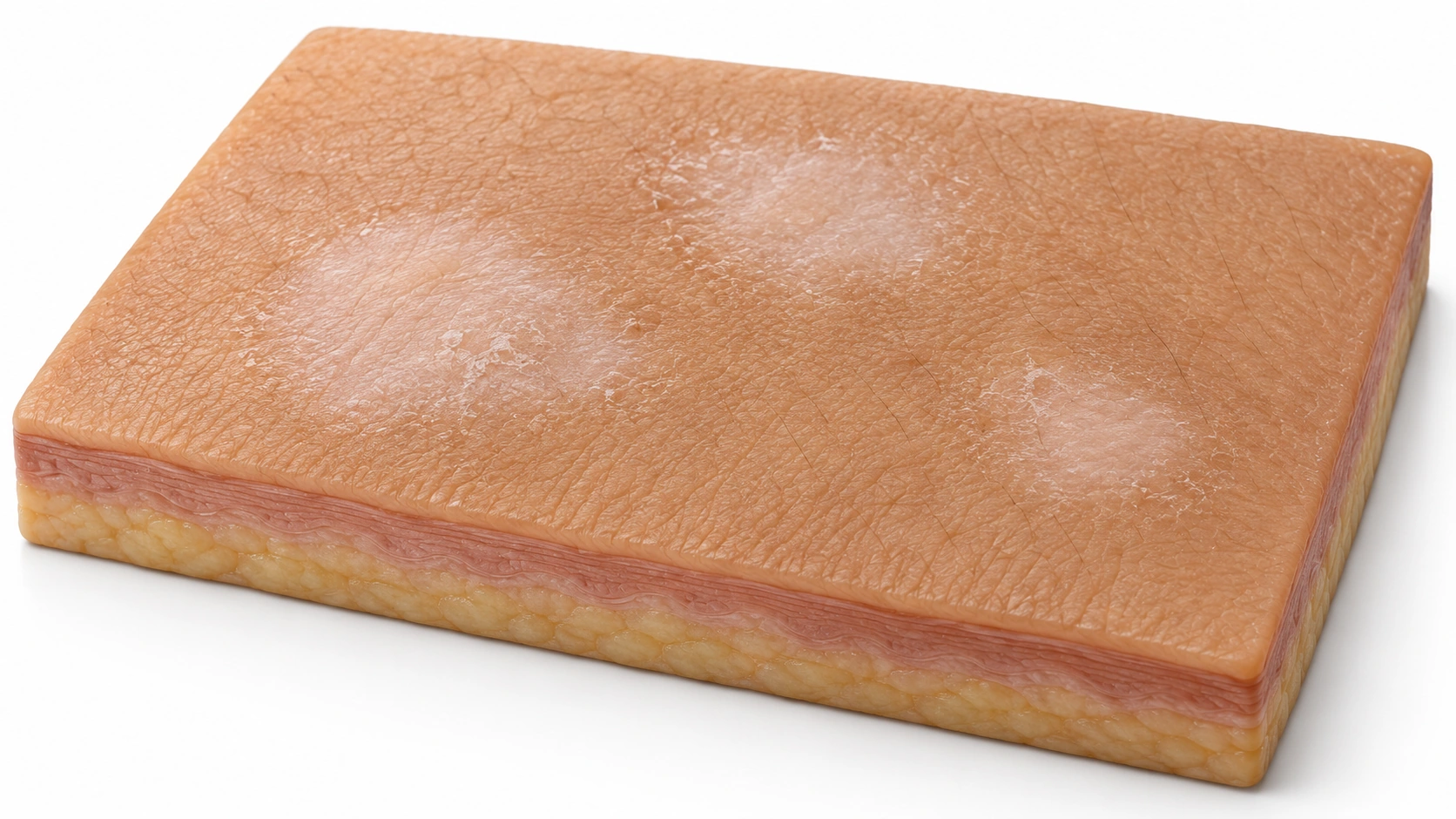
Tinea Versicolor mechanism diagram. Yeast grows at the surface: Malassezia normally lives on the skin. Pigment balance changes: Affected patches can look lighter or darker. Fine scale develops: The outer layer sheds in tiny flakes.
In the skin

Malassezia yeast overgrows in the outer skin and disturbs the usual pigment balance. Affected areas develop fine scale and may look lighter or darker than surrounding skin.

Inflammation reduces pigment production or transfer in affected skin. Color may return as the skin recovers, while deeper injury or scarring can cause more lasting pigment loss.

When it usually starts

010203040506070+

Tinea Versicolor. Most common in adolescents and young adults, especially in warm humid climates.

Post-Inflammatory Hypopigmentation. Timing depends on the underlying cause and exposure.

Causes and triggers

Causes

Tinea versicolor is an overgrowth of Malassezia, a yeast that normally lives on the skin. The yeast interferes with pigment, leaving lighter or darker patches.

Inflammation temporarily alters pigment production; deeper injury or scarring can cause lasting loss.

Family tendency

It tends to run in families.

Risk factors
Teens and young adults, Oily skin, Weakened immunity
Previous dermatitis, Skin injury, Procedures
Trigger
● Tinea Versicolor
● Post-Inflammatory Hypopigmentation
Hot, humid weather
Well established
Not listed
Heavy sweating
Strong link
Not listed
Oily skin products
Possible
Not listed
Repeated inflammation
Not listed
Can contribute
Skin injury
Not listed
Can contribute

Daily Care

Tinea Versicolor
Post-Inflammatory Hypopigmentation
Daily care

Habits that help

  • Shower and change promptly after sweating
    Less time damp, less time in the yeast's conditions.
  • Lighter, non-oily products
    On the chest, back and shoulders, sunscreen included.
  • Loose, breathable clothing in hot weather
    Cotton and looser fits over synthetics.
  • Daily sunscreen on the affected areas
    Stops the surrounding skin darkening further.
  • Take a photograph when you start
    The color changes too slowly to see day to day.
  • Leave the patches alone
    The color is not on the surface; it recovers on its own.
  • Antifungal creams for limited areas
    Fine on a small area, impractical across a back.
  • Reduce prolonged heat and dampness when possible
    The clearest pattern there is — it returns every summer.
  • Discuss flares associated with pregnancy or hormonal changes
    Linked to flares, through oil production.

Avoid

  • Avoid: Heavy sweating
    Damp clothing keeps skin in the state the yeast prefers.
  • Avoid: Body oils and rich lotions
    Malassezia feeds on the fats in many oils.
  • Avoid: Occlusive synthetic clothing
    Holds sweat and heat against the trunk.
  • Avoid: Sun exposure while the patches are pale
    They do not tan, so the difference gets obvious.
  • Avoid: Deliberately tanning to even it out
    It widens the gap.
  • Avoid: Scrubbing the patches
    Nothing for the color, and irritated skin recovers slower.
  • Avoid: Skin-lightening or bleaching products
    They do not fix the mismatch, and many contain undisclosed strong steroids.
  • Avoid: Stopping after a single course
    The yeast is permanent, and in a hot climate it regrows within months.
  • Avoid: Judging the treatment at two weeks
    Why people cycle through four products when the first already worked.

Habits that help

  • Use broad-spectrum SPF 30 or higher on exposed skin
    Shade and protective clothing help limit additional color contrast from tanning.
  • Keep cleansing gentle and moisturize regularly
    A healthy barrier reduces dryness and irritation that can make tone look uneven.
  • Give healing marks time and compare occasional photographs
    Color recovery may take months; take pictures under similar lighting.
  • Address the cause of ongoing inflammation
    Persistent eczema, acne or infection can continue to create pigment changes.
  • Allow pale areas to recover after the original rash settles
    Moisturizer supports comfort; it does not reliably restore pigment lost through scarring.

Avoid

  • Avoid: Scrubbing, bleaching or strong home peels
    Irritation can leave darker or lighter marks, especially on pigment-prone skin.
  • Avoid: Treating an unexplained changing patch without a diagnosis
    Pigment changes have several causes and may need examination before treatment.

Treatment differences

Evidence labels come from each condition’s own treatment list.

Treatment
● Tinea Versicolor
● Post-Inflammatory Hypopigmentation
Over-the-counter
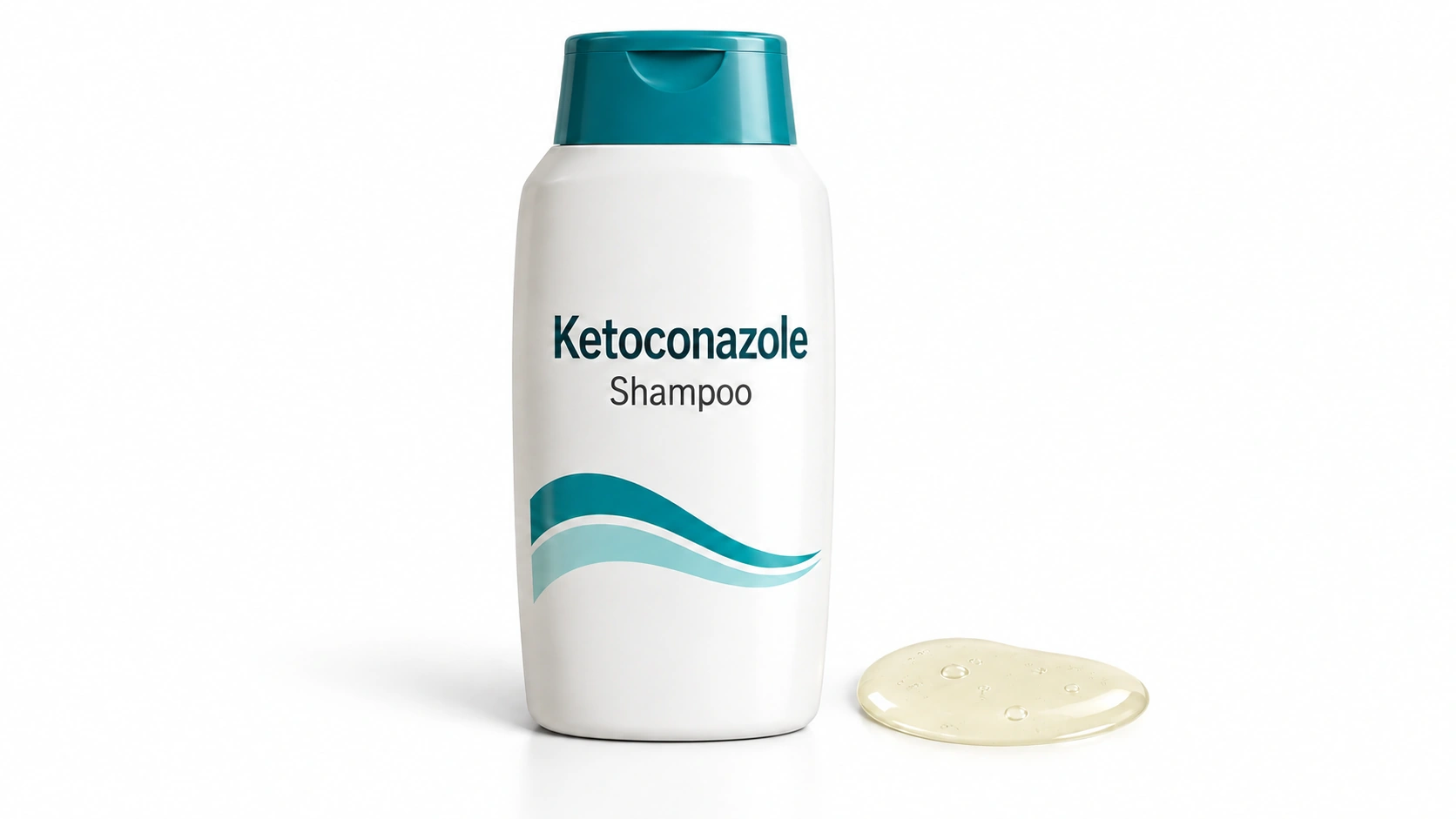
Ketoconazole shampoo.

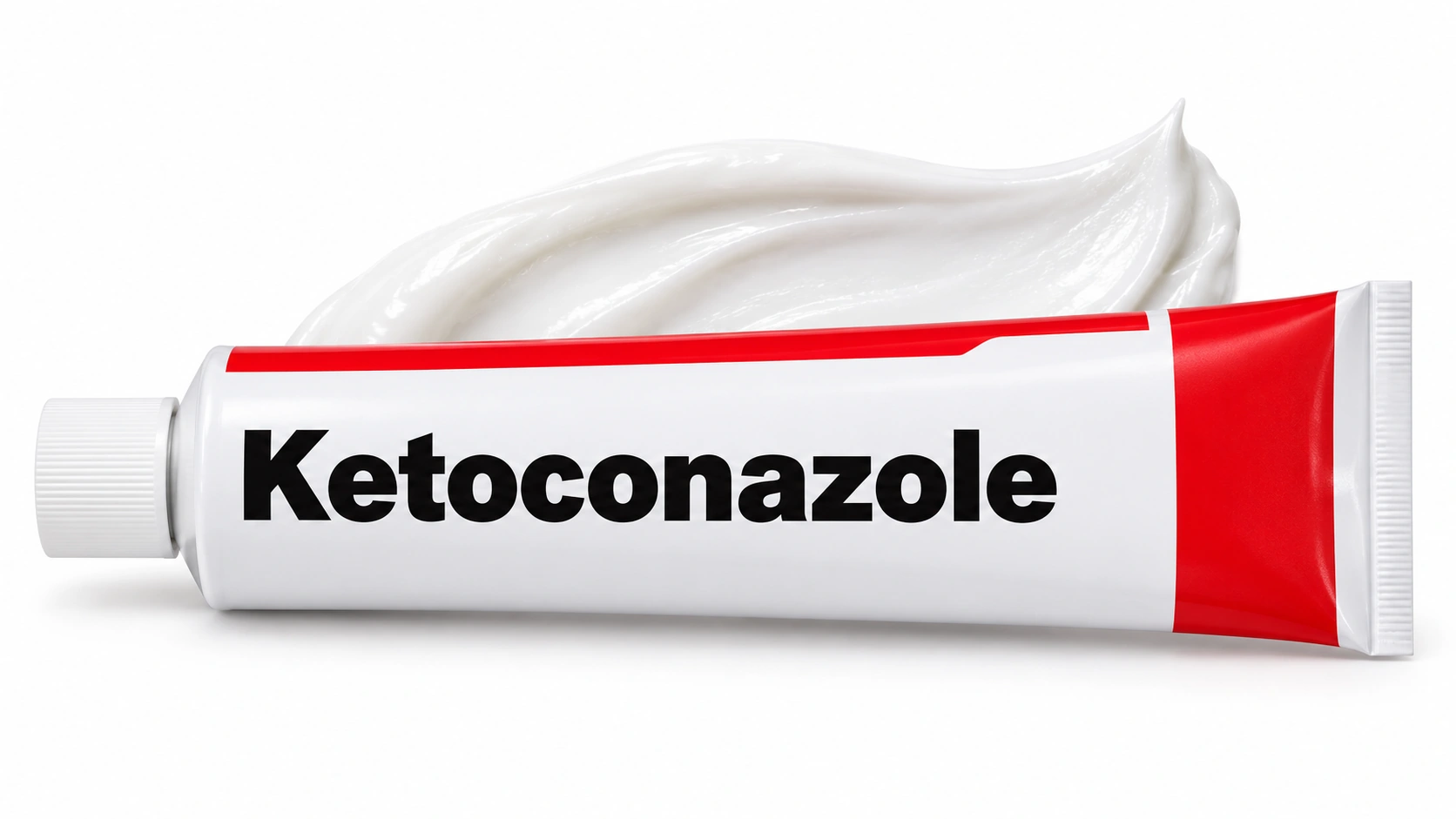
Ketoconazole shampoo

Strong evidence

The usual first choice, used as a body wash rather than on the hair. Lather it over the chest, back and shoulders, leave it on for about five minutes so it has contact time, then rinse, daily for one to two weeks. Contact time matters more than strength here — the 1% is on the shelf and the 2% is on prescription, and people who rinse straight off usually conclude it did not work.

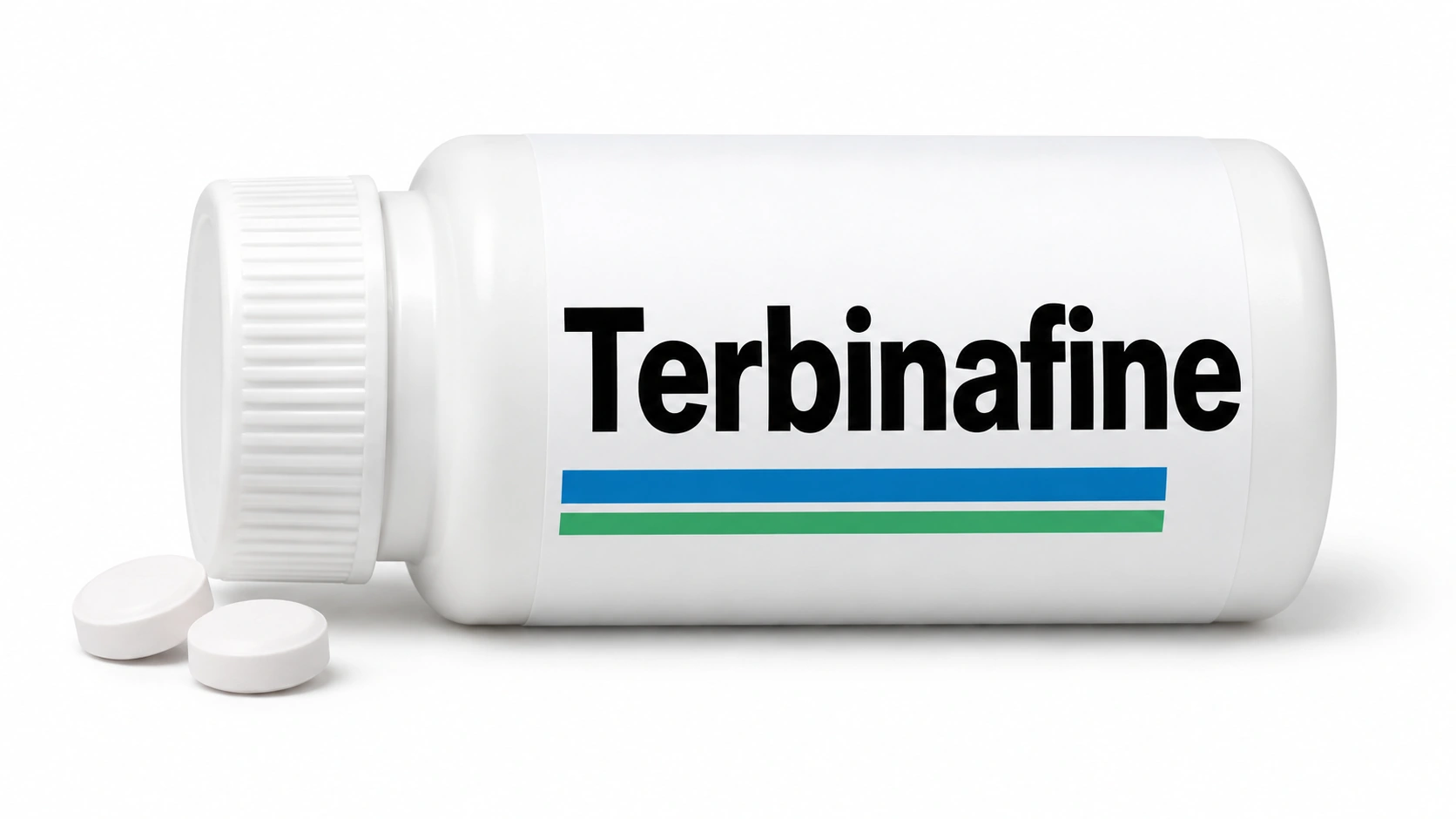
Illustration: Generic oral tablet bottle and tablets.

Terbinafine cream, not the tablets

Moderate evidence

The cream works well on a small number of patches, applied twice a day for a couple of weeks, but covering a whole back with it is impractical and expensive. The tablets are the odd exception in this condition. They clear athlete's foot and ringworm and do nothing at all here, because this is a yeast rather than the fungi those tablets are built for.

Illustration: Generic topical cream tube and white cream.

Skin-lightening creams

Limited evidence

Sold for evening out patchy skin, and the wrong tool here, because the problem is a patch that is too light rather than skin that is too dark. They do not speed the pigment up. Creams bought without a prescription are also a common source of undisclosed strong steroids, which thin the skin over time. The patches recover on their own once the yeast is controlled.

Two Selsun Blue bottles, two Head and Shoulders Clinical Strength bottles and a Vichy Dercos bottle and box

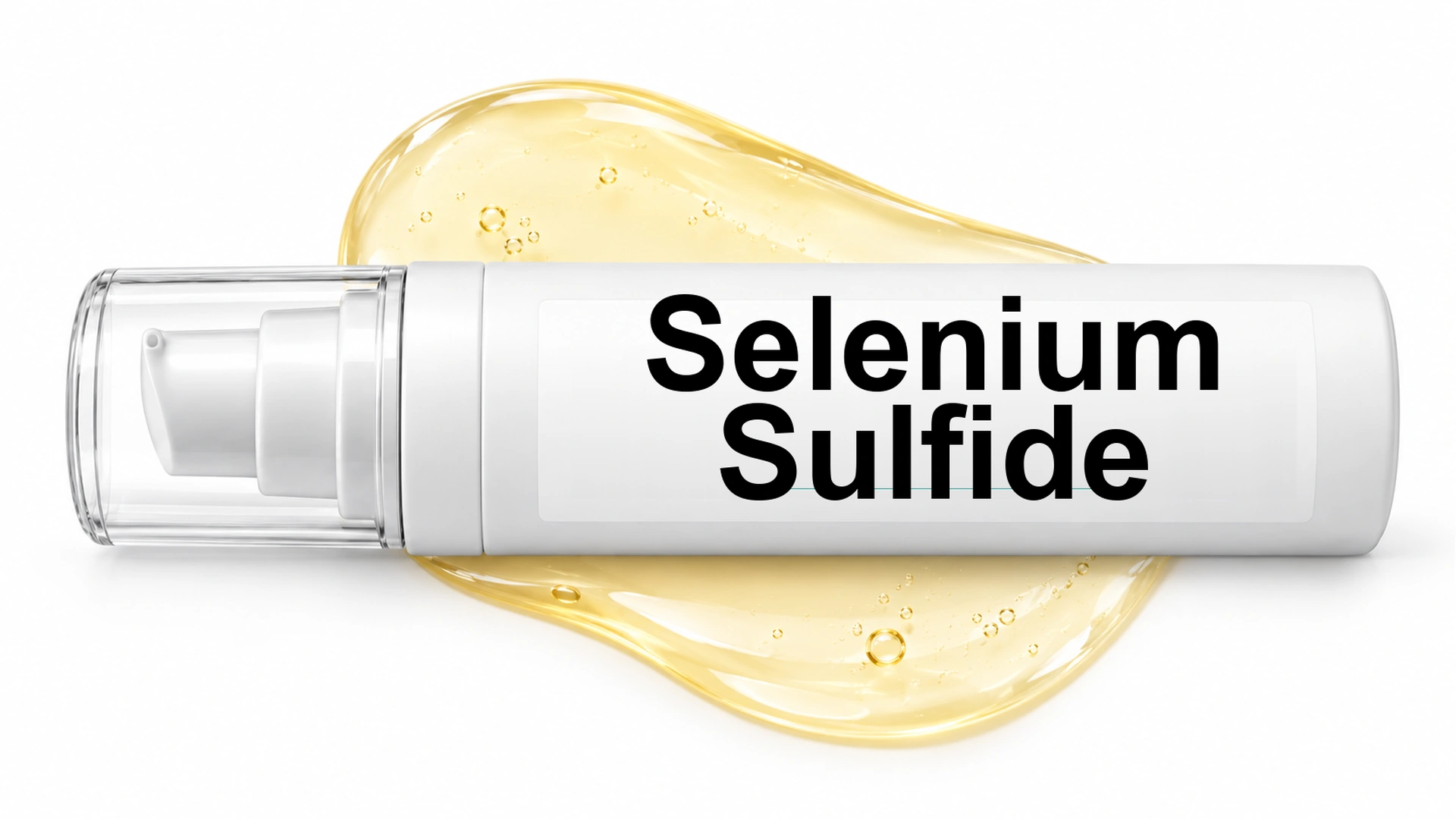
Selenium Sulfide

Strong evidence

Just as effective as ketoconazole for this and usually cheaper, spread over the affected area, left on for five to ten minutes and washed off. It has a noticeable sulfur smell that lingers, and it can discolor fabric and light hair, so old clothes and a thorough rinse are worth planning for.

Four dandruff shampoo bottles: DHS Zinc, Head and Shoulders Classic Clean, CeraVe Anti-Dandruff and Head and Shoulders Bare

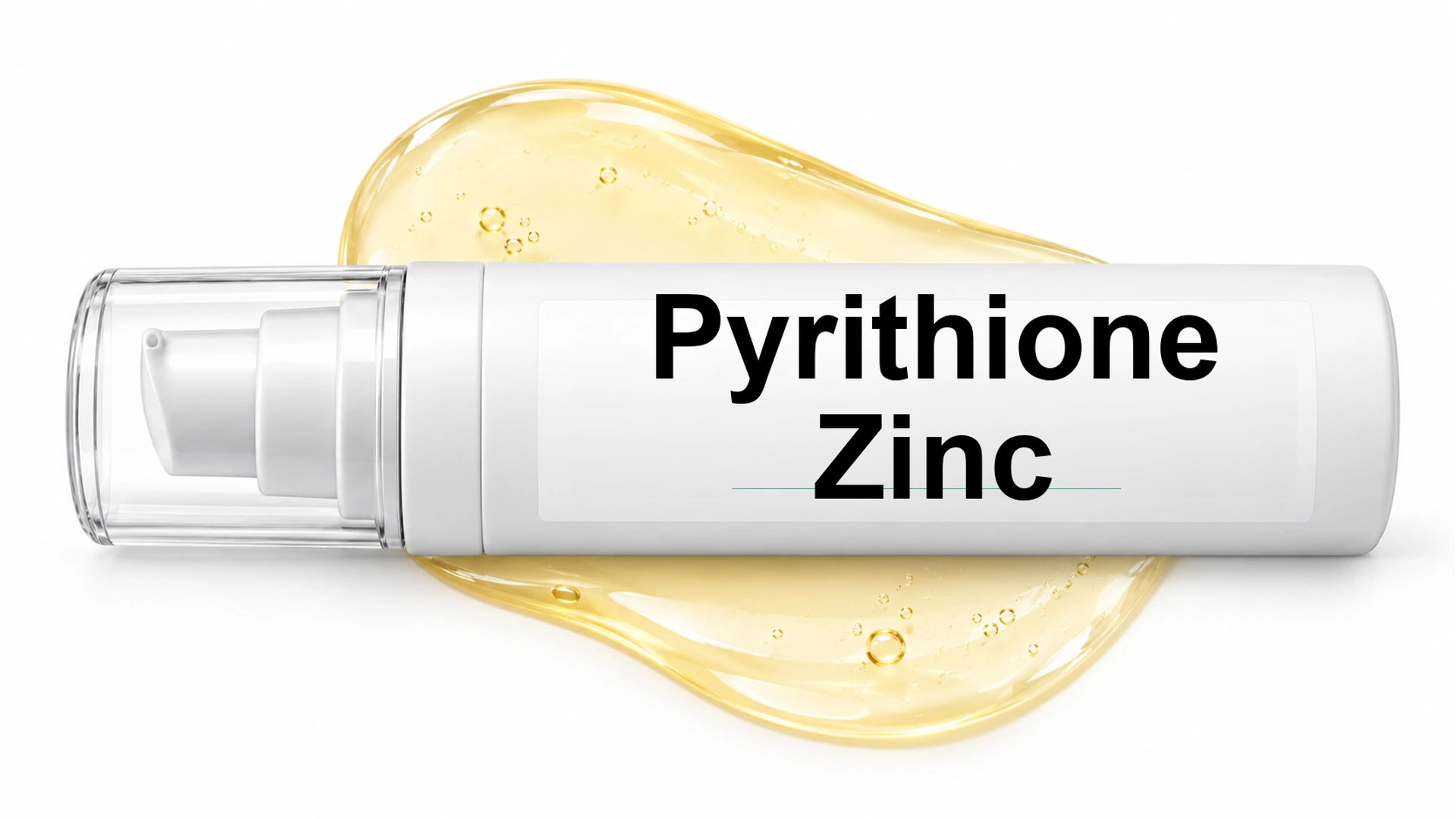
Pyrithione Zinc

Limited evidence

A gentler wash, better suited to keeping this away than to clearing a flare. It is the one most people find easy enough to keep using twice a month right through the summer, which is the part that actually prevents the next episode. On a widespread flare it is slower than ketoconazole or selenium sulfide.

None listed
Prescription topicals
Illustration: Generic topical cream tube and white cream.

Prescription antifungal creams

Listed

Ciclopirox, econazole or ketoconazole 2% cream, applied to the patches for two to four weeks. They are a reasonable choice when only a small area is involved, or when a medicated wash has irritated the skin. Across a whole back they are expensive and hard to apply properly, which is the point at which tablets are the sensible option.

None listed
Prescription pills
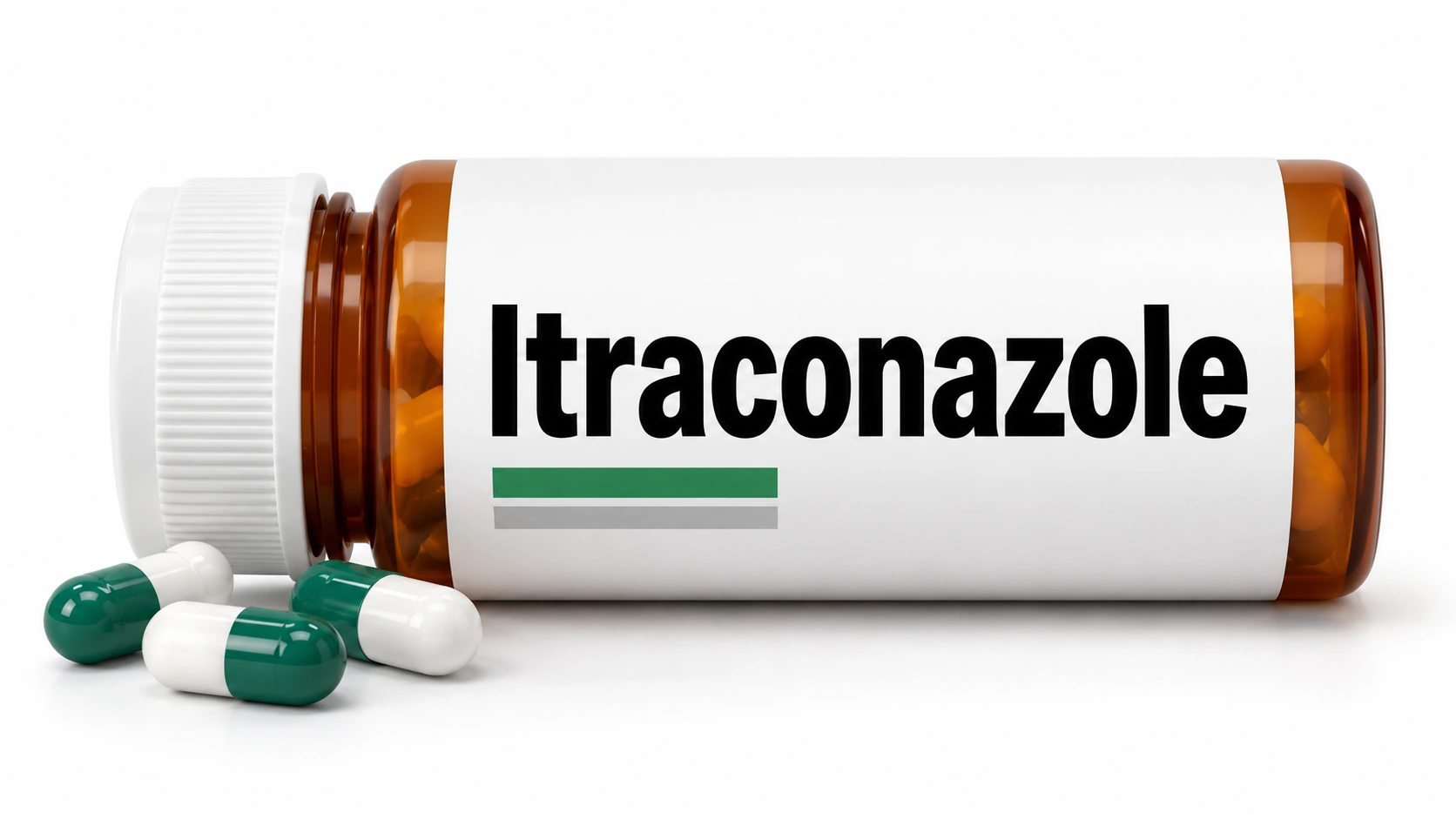
Representative medication packaging labelled Itraconazole, lying sideways on a white background.

Itraconazole

Moderate evidence

The usual tablet when the area is too large to treat by hand or topical treatment has genuinely failed, given as a short course of a few days. It clears the yeast quickly and does nothing to speed up the color, which still takes months. It interacts with a long list of other medicines, so the prescriber needs your full list.

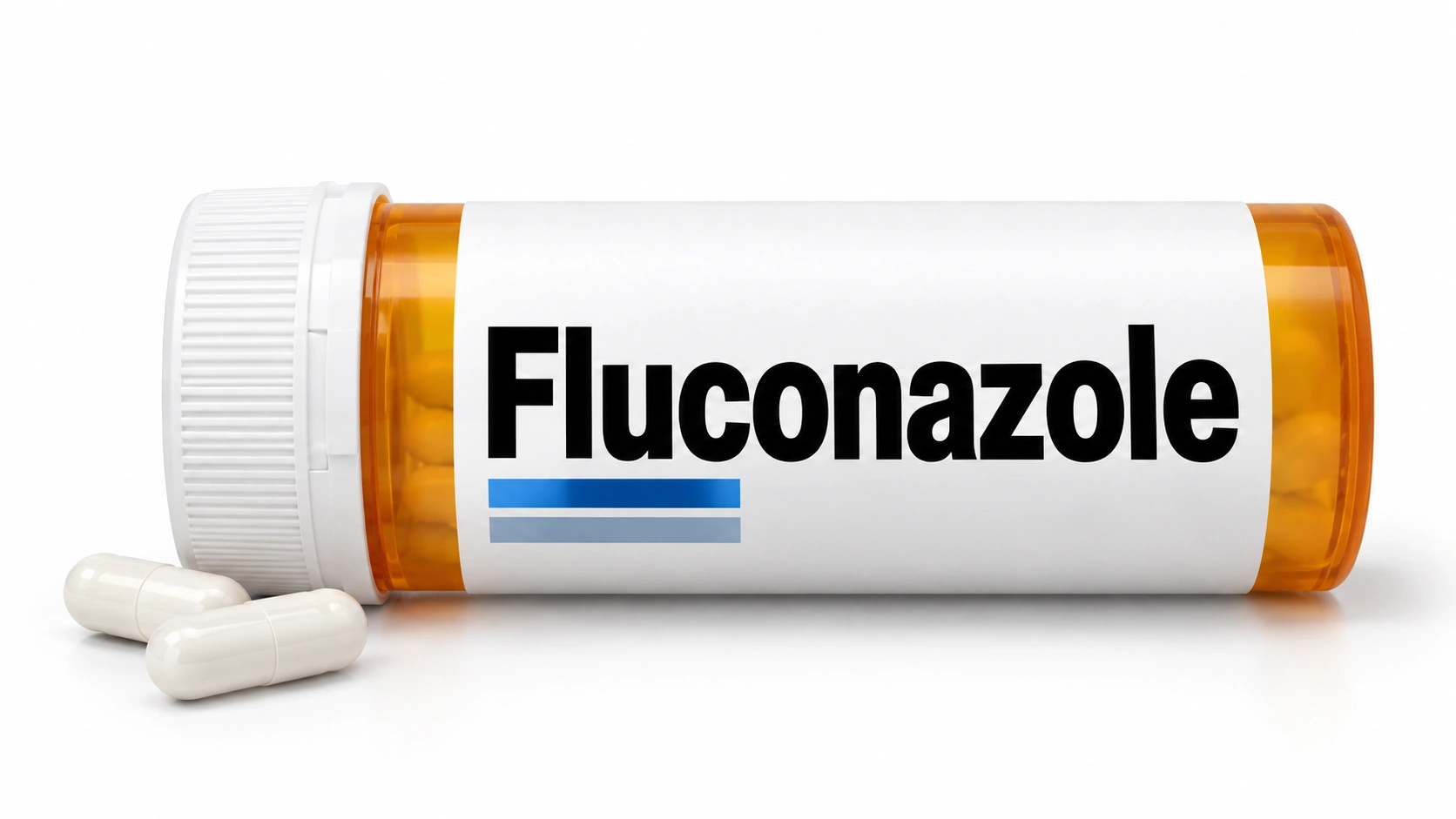
16:9 hero for Fluconazole. Never cropped: the tone strip and the corner logo depend on the full frame.

Fluconazole

Moderate evidence

The other short-course tablet, sometimes given as a single dose repeated a week later. It works about as well as itraconazole for a widespread rash. Neither tablet stops it coming back, so the monthly wash is still the plan afterwards. If you are pregnant or breastfeeding, ask the doctor managing your pregnancy before taking either.

None listed
Procedures
None listed

Treat the underlying inflammation

Listed

Control active dermatitis or infection after diagnosis; many resulting pale patches gradually improve.

Outlook

Long term

Tinea versicolor is harmless, and treatment runs in two stages. The infection stops within a week or two; the color takes months longer. Patchy skin is not the same as infected skin.

Some lighter patches regain color gradually after the underlying inflammation settles. Recovery may take months and is not always complete; persistent or expanding patches need confirmation of the cause.

Complications

Possible complications
  • It persists and slowly spreads
  • The active infection stops fast
  • Recurrence is the norm rather than the exception
More details

It persists and slowly spreads
Patches merge and cover more of the trunk over months. In temperate climates it often eases in winter and returns each summer.

The active infection stops fast
Within one to two weeks of a proper course the scaling stops and the patches stop expanding. The condition is treated at that point, even though the skin does not look normal.

Recurrence is the norm rather than the exception
A large share of people get it again, particularly in hot climates and in people who sweat heavily. The yeast is permanent, so treatment reduces it rather than removing it, and maintenance — a medicated wash once or twice a month in warm months — keeps most people clear.

Many inflammatory causes improve gradually, while scar-related loss may persist.

When to get help

When to get help

Seek assessment if the diagnosis is uncertain or treatment fails. Color may take months to normalize after the yeast has been treated.

Have new unexplained, spreading or sharply white patches assessed to distinguish vitiligo and other causes.

Common questions

Tinea Versicolor:Is it contagious?

No. The yeast already lives on essentially everyone's skin. You cannot give it to a partner, a child or a housemate. Whether someone develops the rash depends on their own skin oil, the climate and their own susceptibility.

Tinea Versicolor:Why are the patches still there after I finished the treatment?

Because the color and the infection run on different timelines. Treatment stops the yeast within a week or two; the pigment takes months. Scratch a patch lightly — if fine scale lifts it is still active, and if the skin is smooth and simply a different color, the treatment worked.

Tinea Versicolor:Will it come back?

Most likely, particularly in a hot, humid climate or if you sweat heavily. That is normal behavior, not treatment failure, because the yeast is a permanent resident. A medicated wash once or twice a month through the warm months prevents most recurrences and is far less work than treating a full flare.

Tinea Versicolor:Can I sunbathe to even out the color?

No, and it makes it more obvious. The patches cannot tan, so the surrounding skin darkens and the gap widens. Sunscreen while the pigment recovers works better, along with time.

Tinea Versicolor:Is it the same fungus as athlete's foot?

No. Athlete's foot comes from dermatophytes, picked up from the environment. This comes from Malassezia, a yeast that lives on everyone. That is why terbinafine tablets clear athlete's foot but do nothing for this, even though terbinafine cream helps.

Tinea Versicolor:Do I need tablets?

Not usually — topical treatment clears most cases. Ask about tablets when a large area of the trunk is involved and applying a wash properly is impractical, when it keeps coming back, or when topical treatment has genuinely failed. They clear it faster but do not speed up the color or prevent recurrence, so you still need a maintenance plan.

Post-Inflammatory Hypopigmentation:What is Post-Inflammatory Hypopigmentation?

Lighter skin remaining after inflammation or injury.

Post-Inflammatory Hypopigmentation:What can I do day to day?

Use gentle skin care, sunscreen and protective clothing; avoid aggressive bleaching or scrubbing.

Post-Inflammatory Hypopigmentation:When should I get medical advice?

Have new unexplained, spreading or sharply white patches assessed to distinguish vitiligo and other causes.

Sources

Sources and further reading

  1. DermNet
  2. Pigmentation disorders
Dermapedia on YouTube