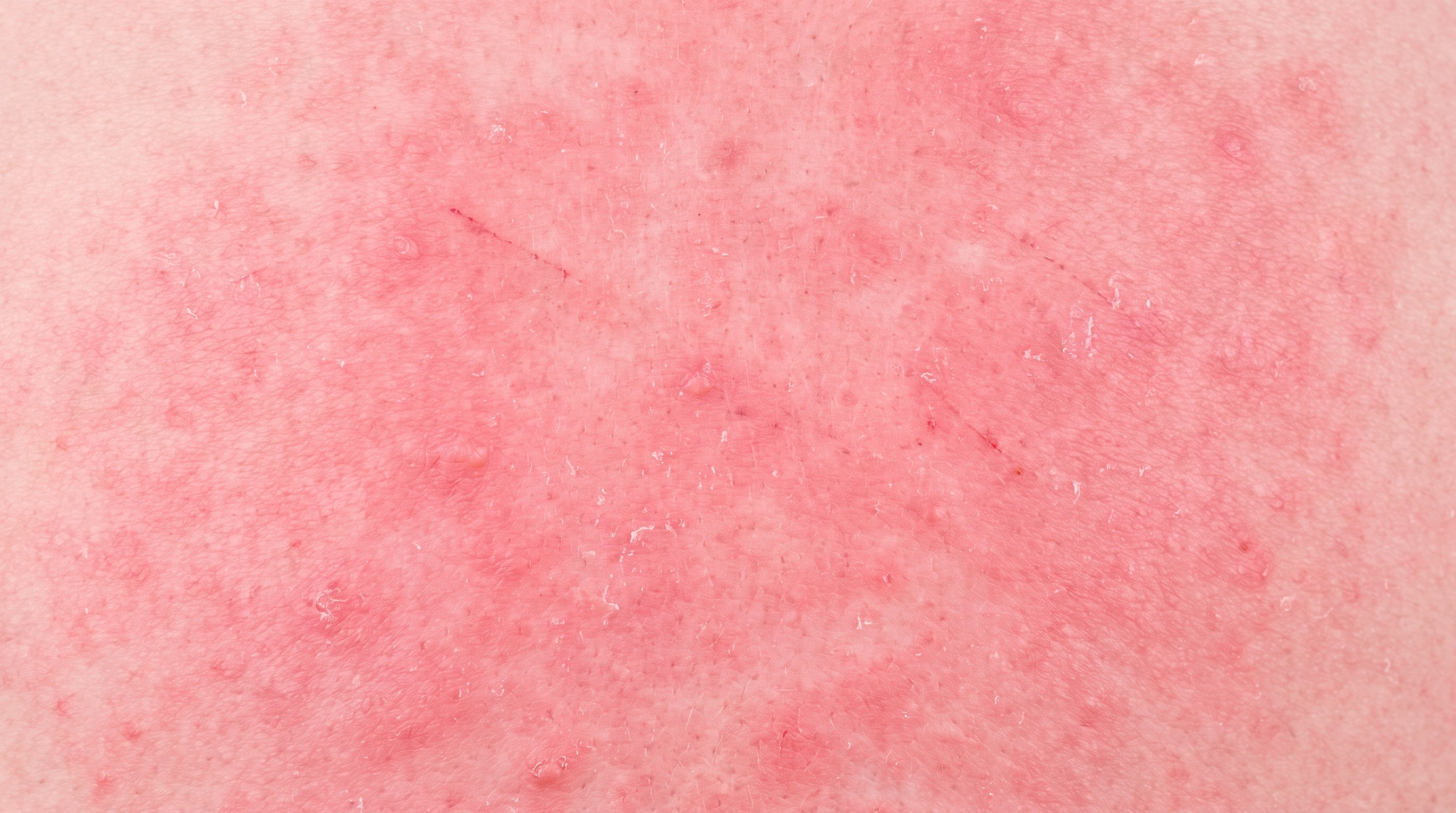
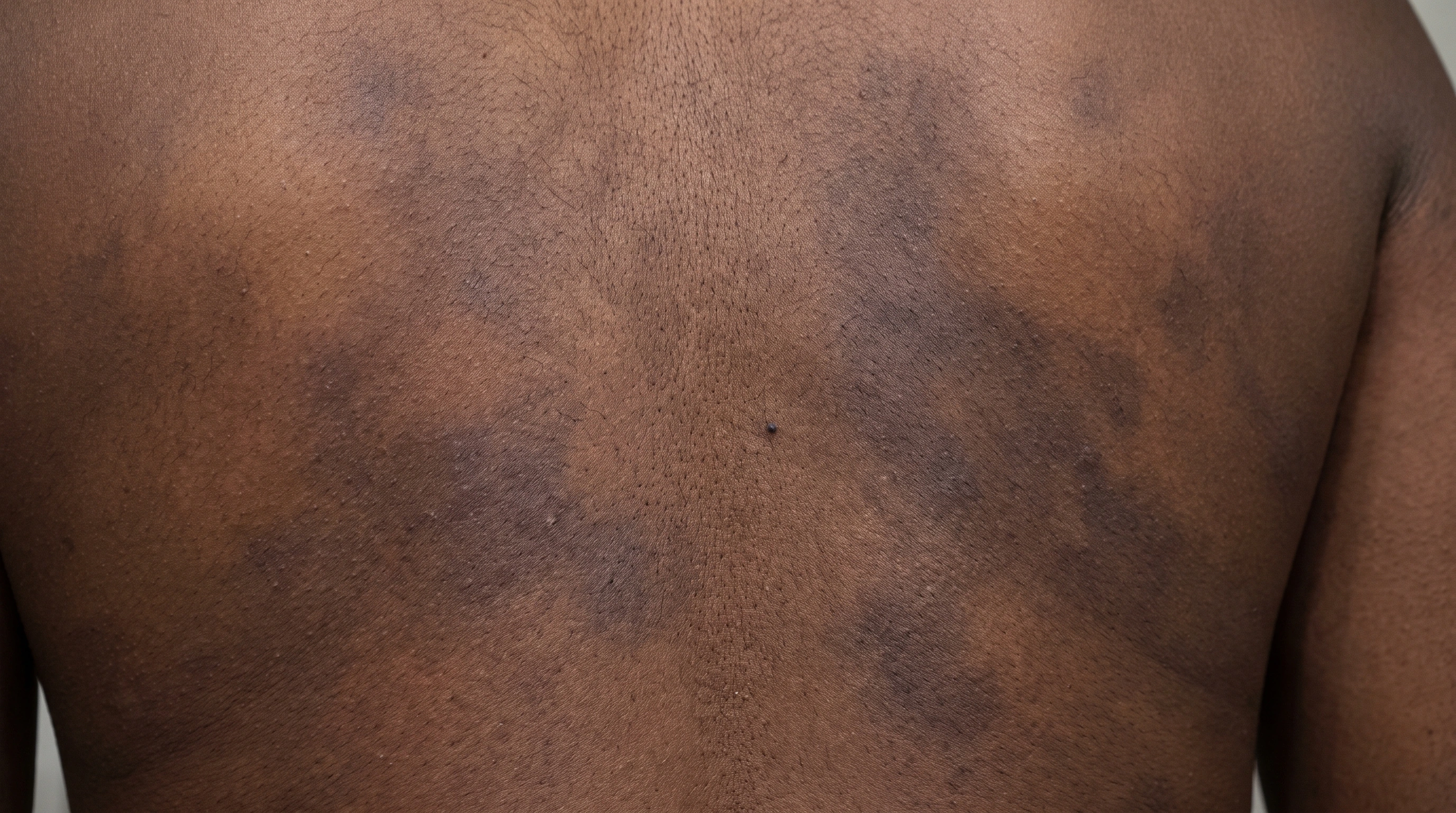
Mild anti-inflammatory treatment
ListedAn itchy inflamed patch may benefit from a brief clinician-advised low-potency treatment.
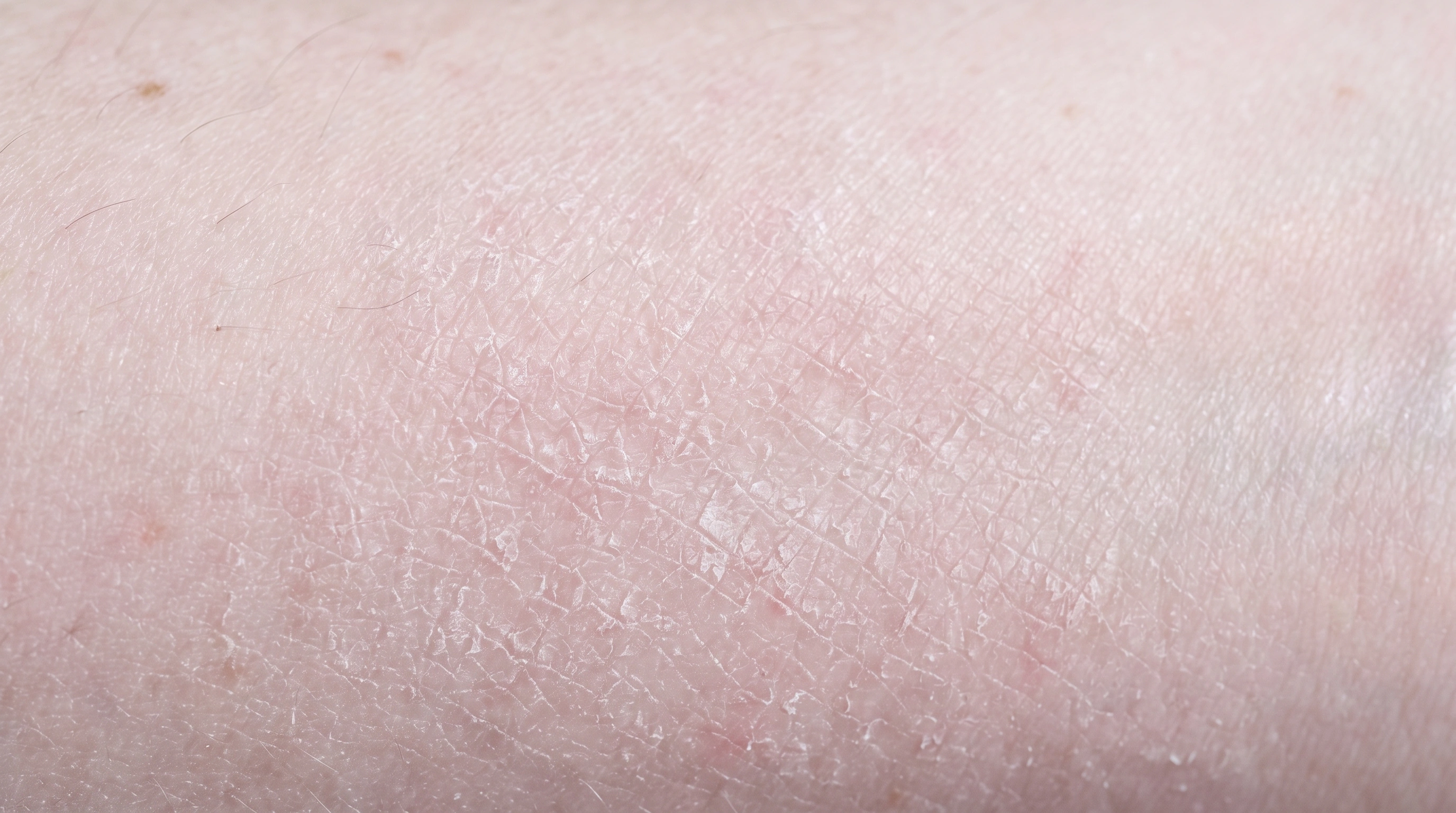
A mild eczema pattern leaving pale, slightly dry patches, usually in children. Lighter skin remaining after inflammation or injury.
The same eight facts on every condition comparison.
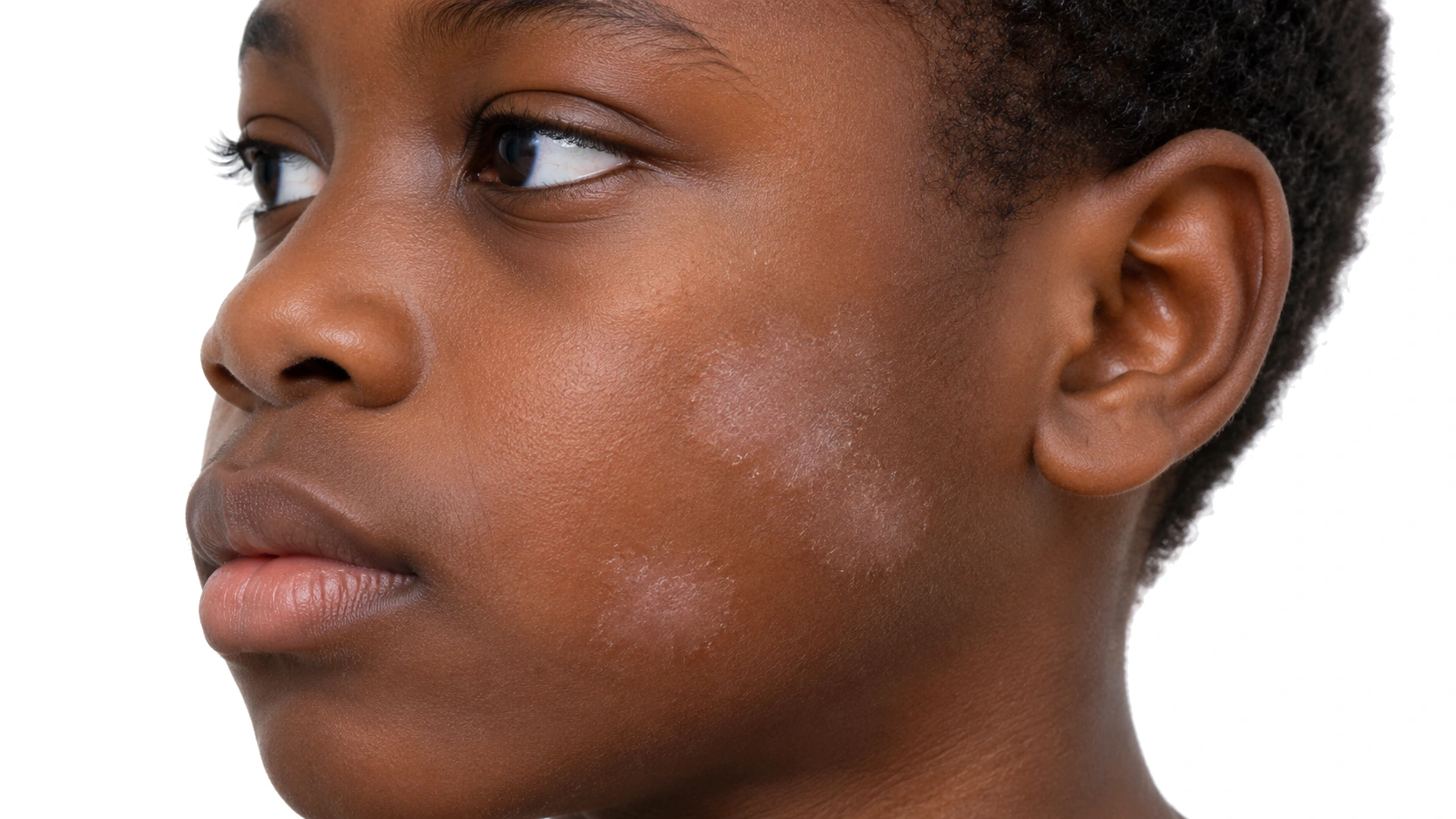
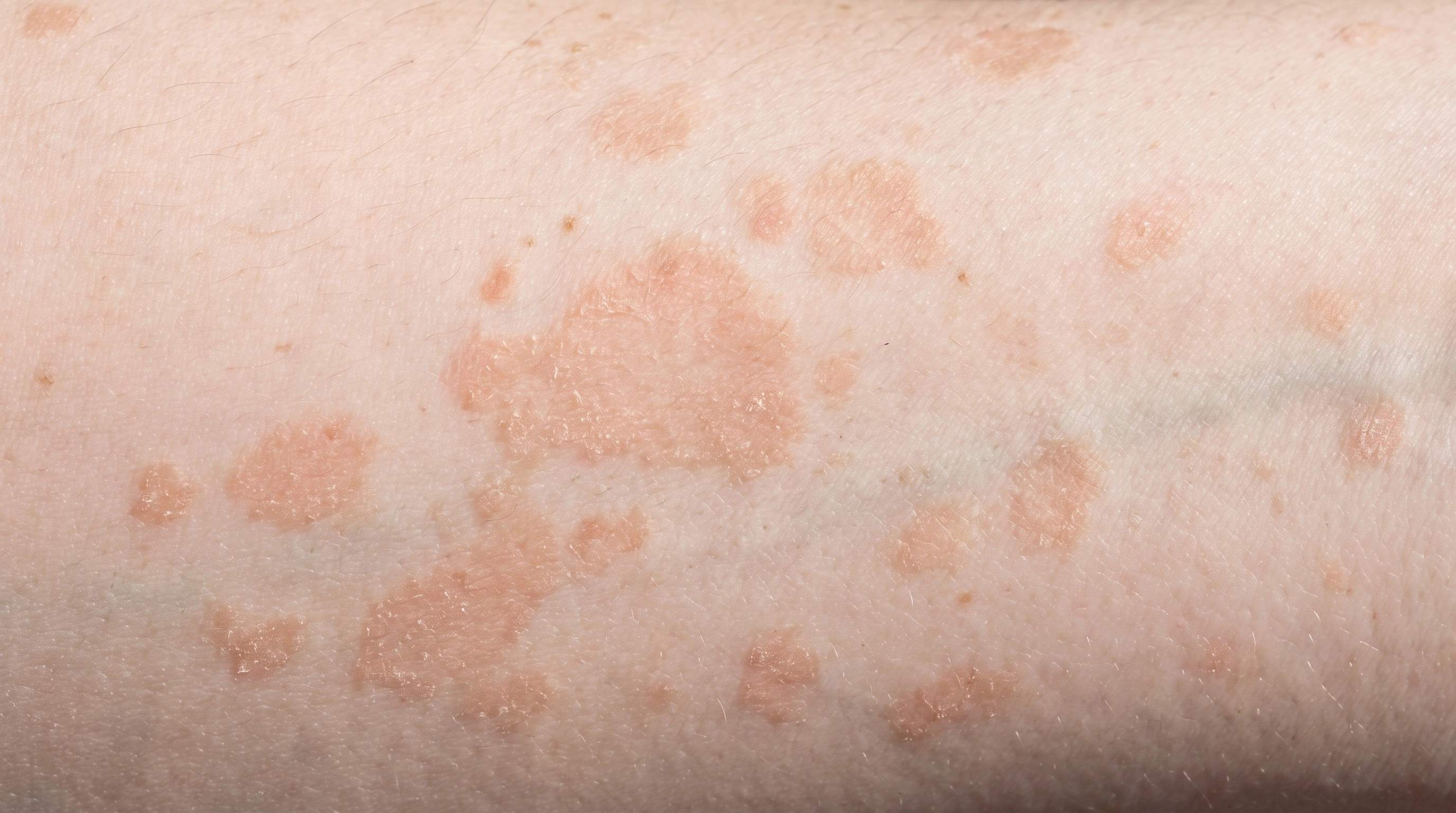
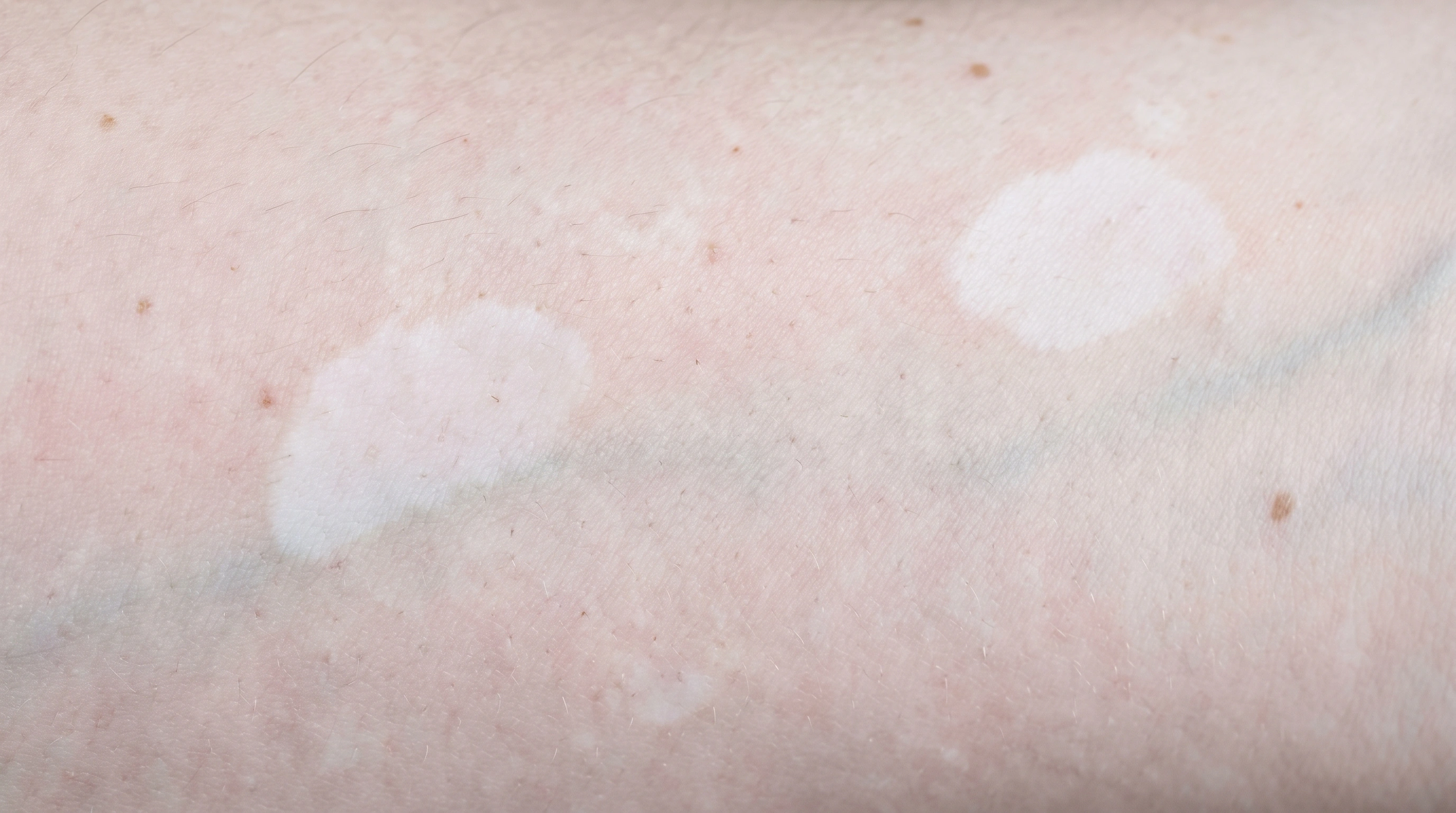
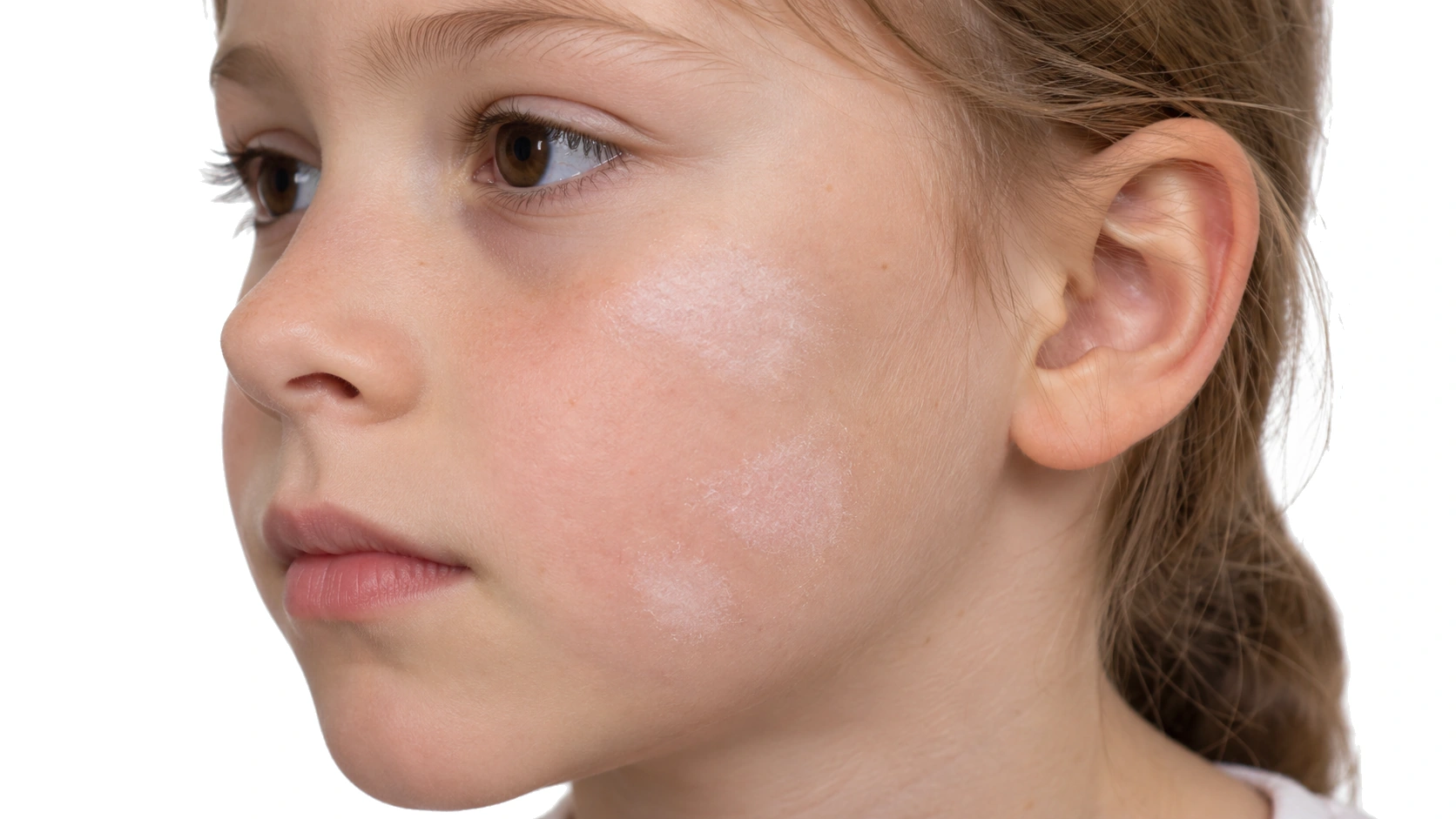
Pityriasis Alba Several lighter patches blend gradually into the surrounding skin.
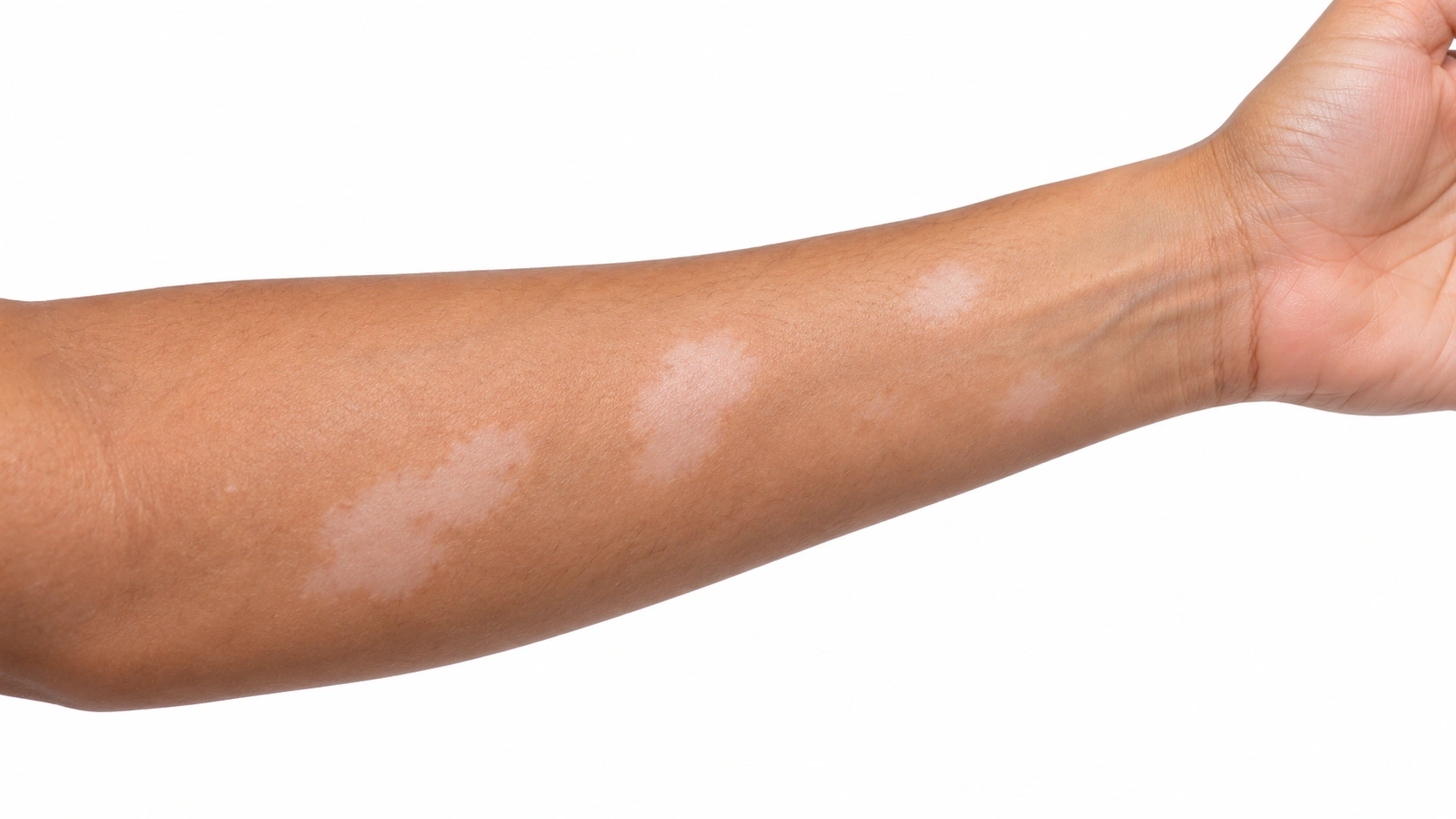
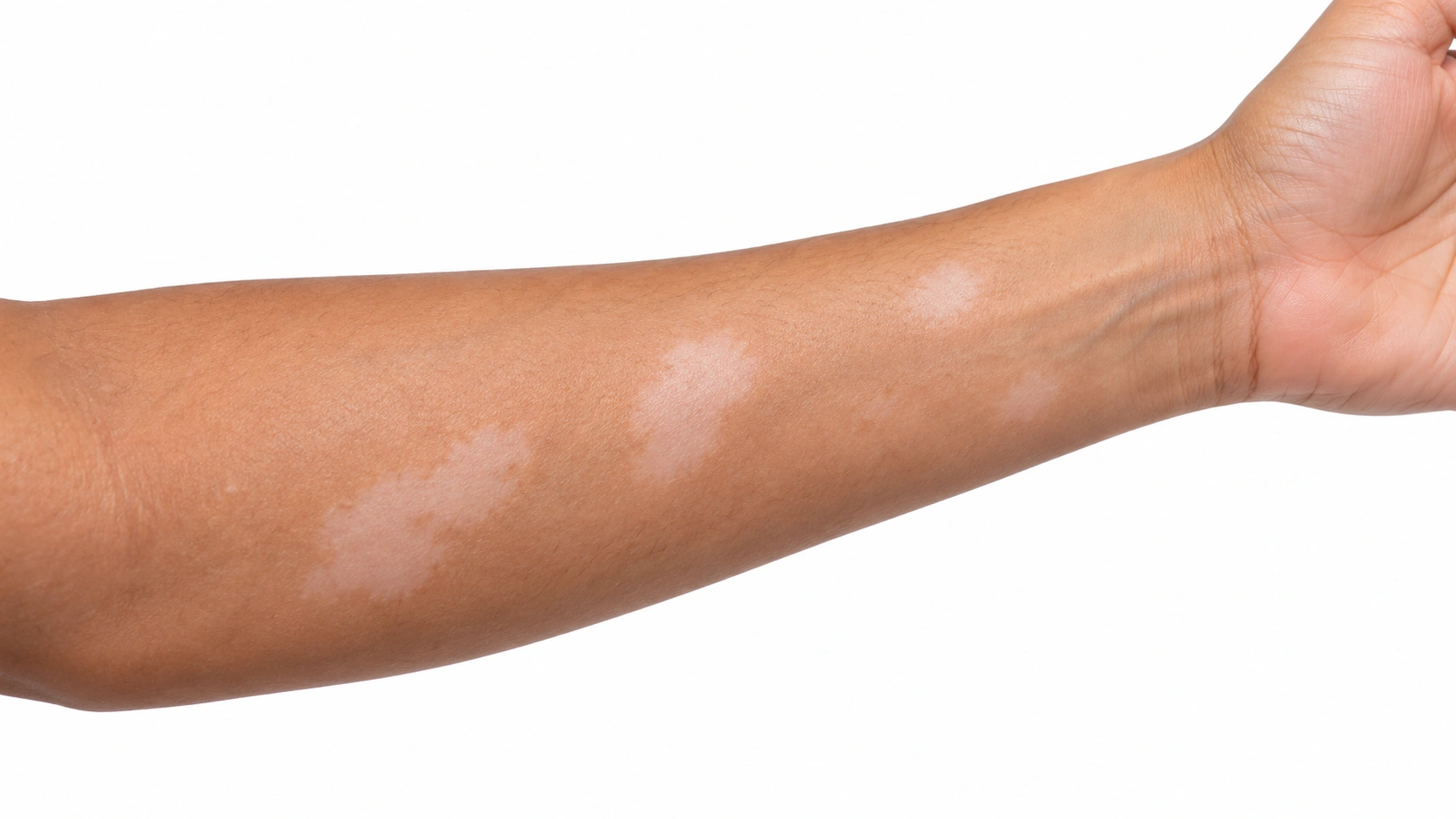
Post-Inflammatory Hypopigmentation Several lighter areas have irregular outlines against the surrounding skin.
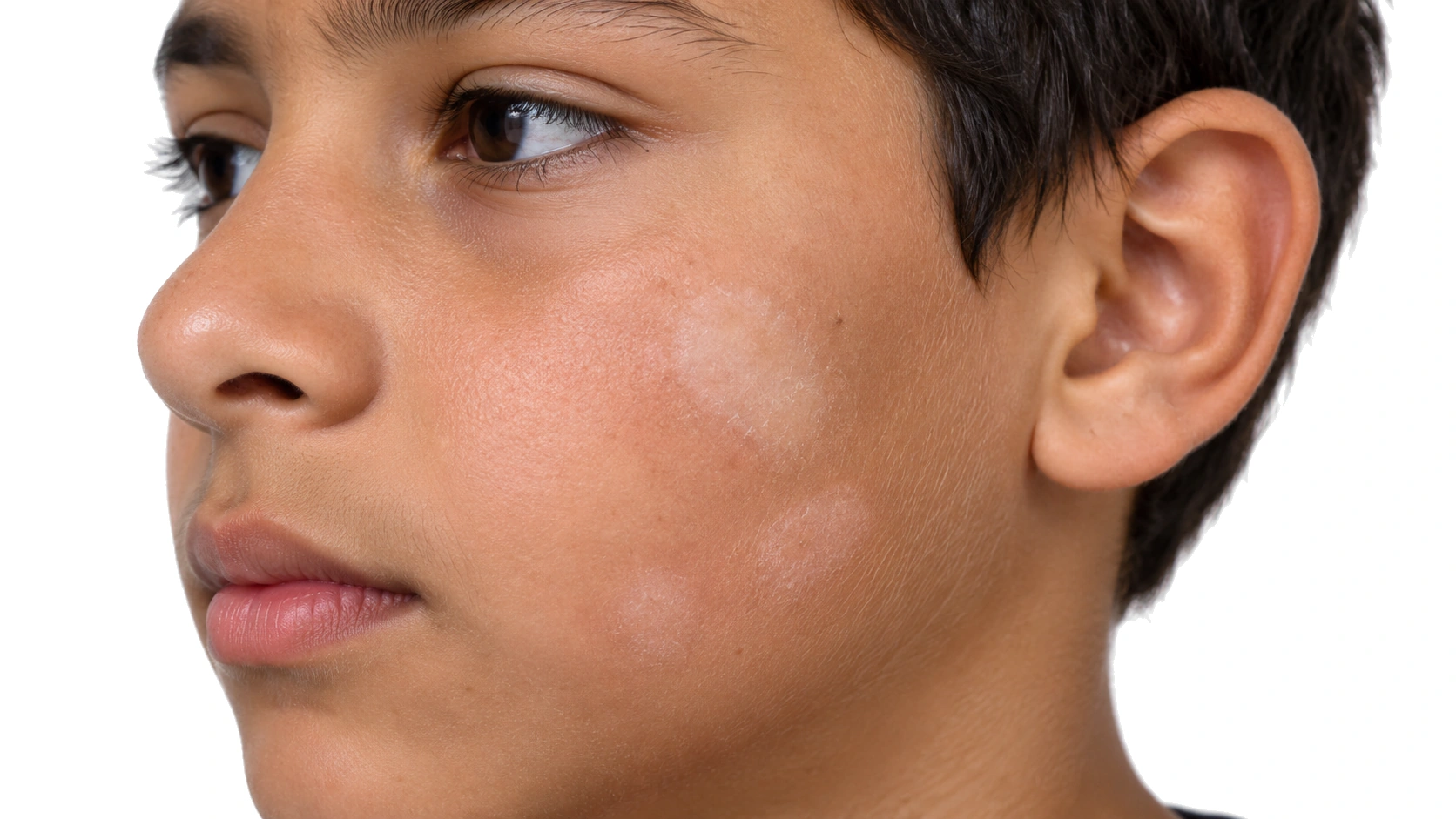
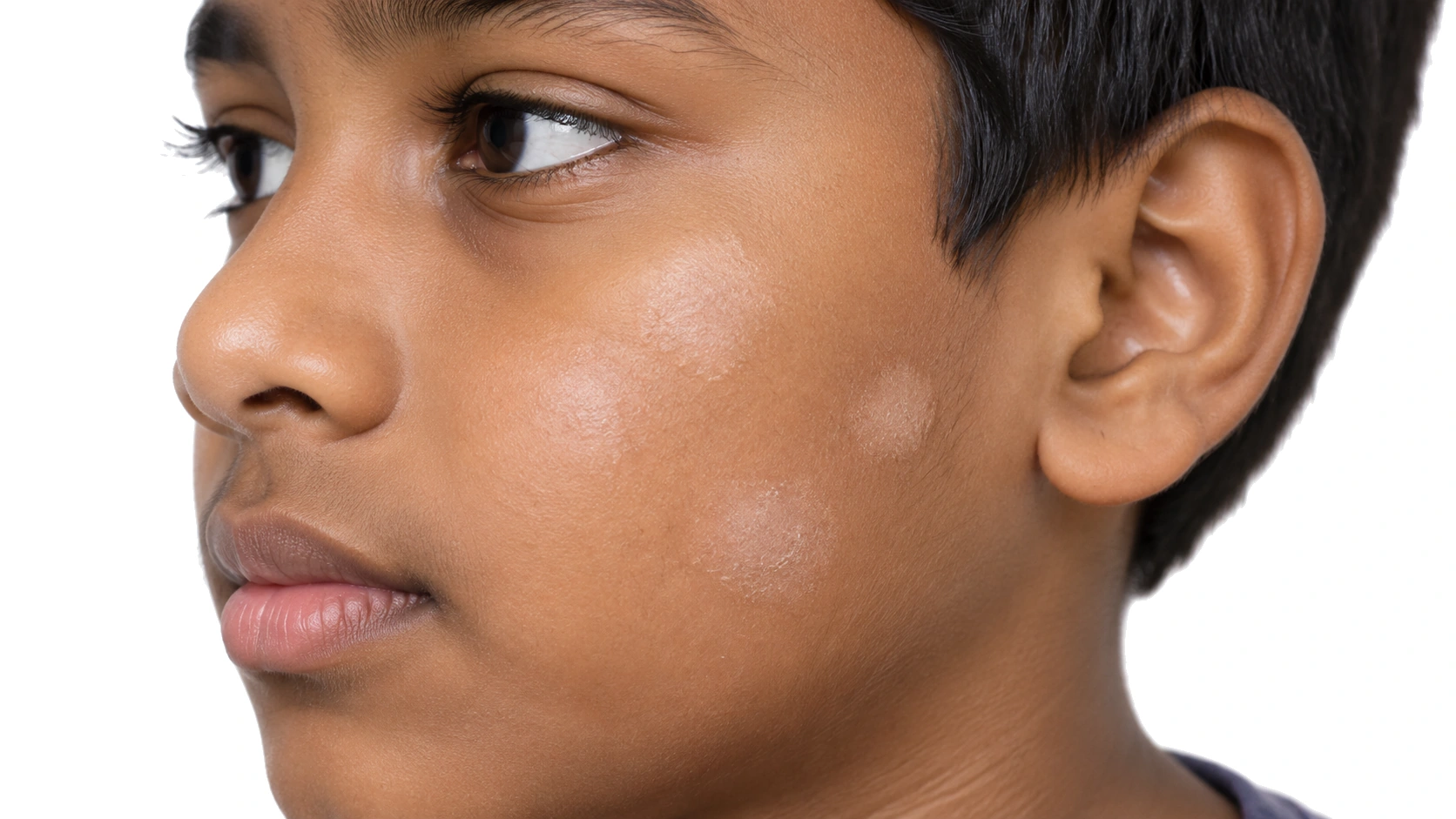
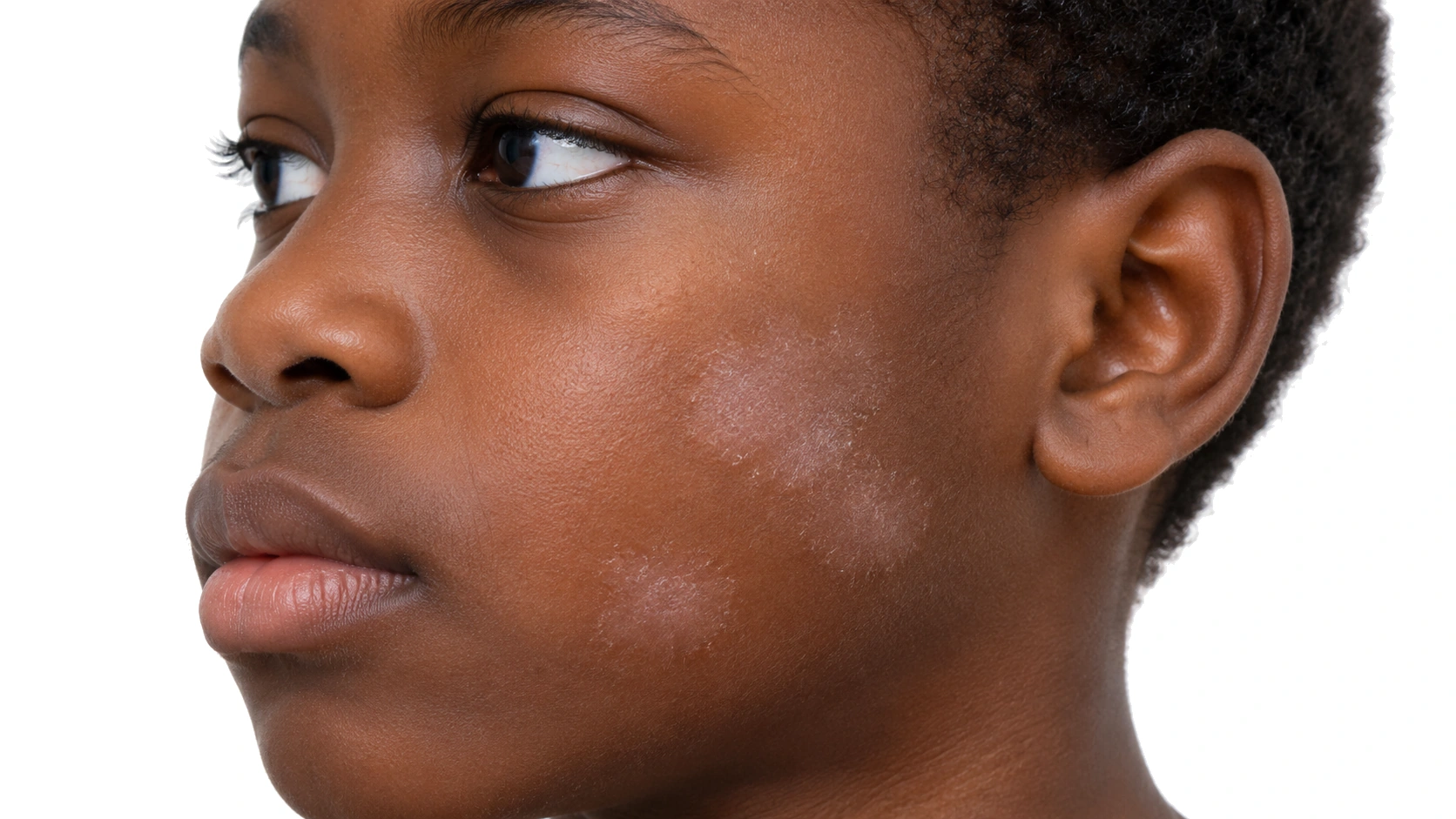
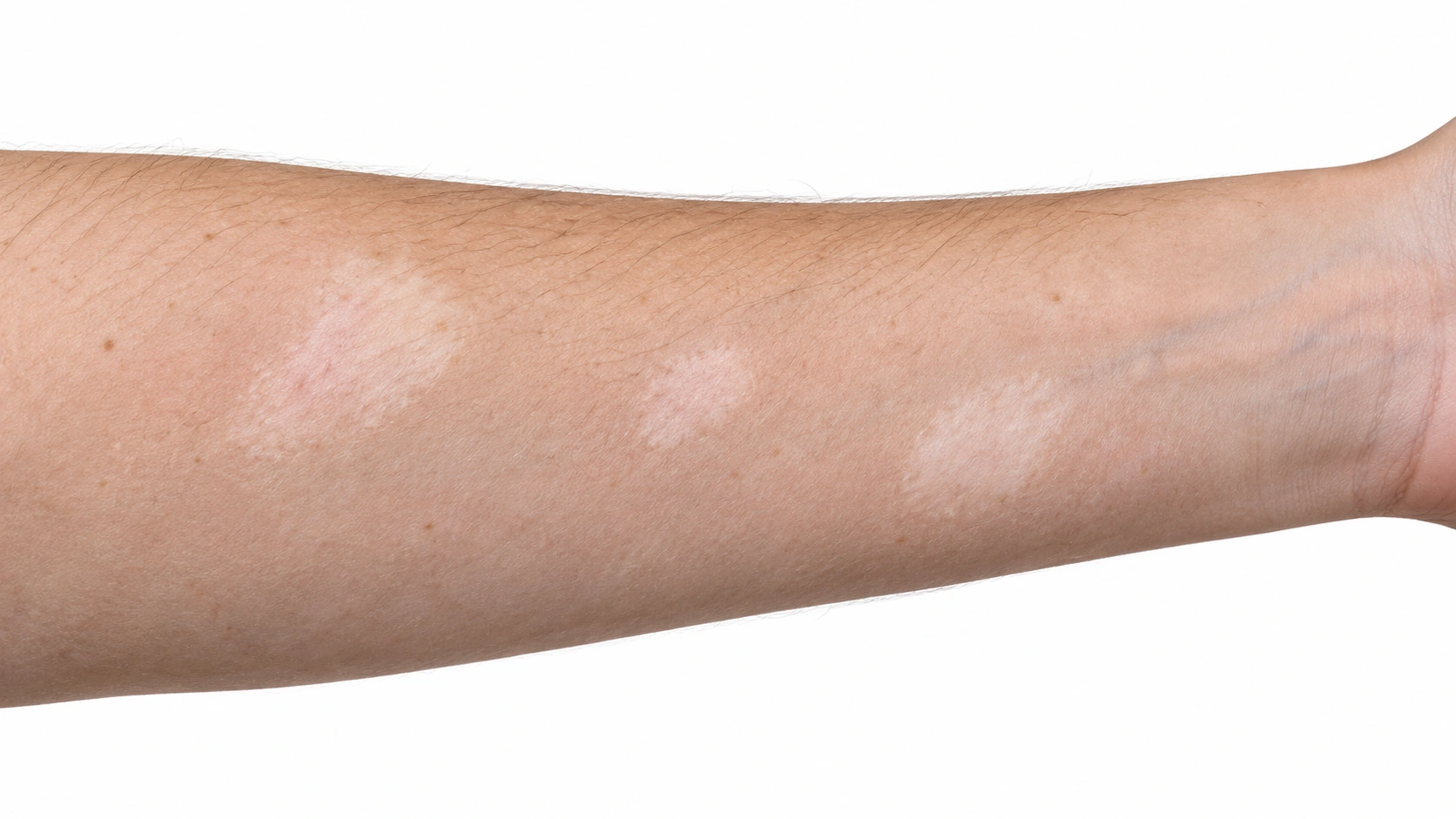
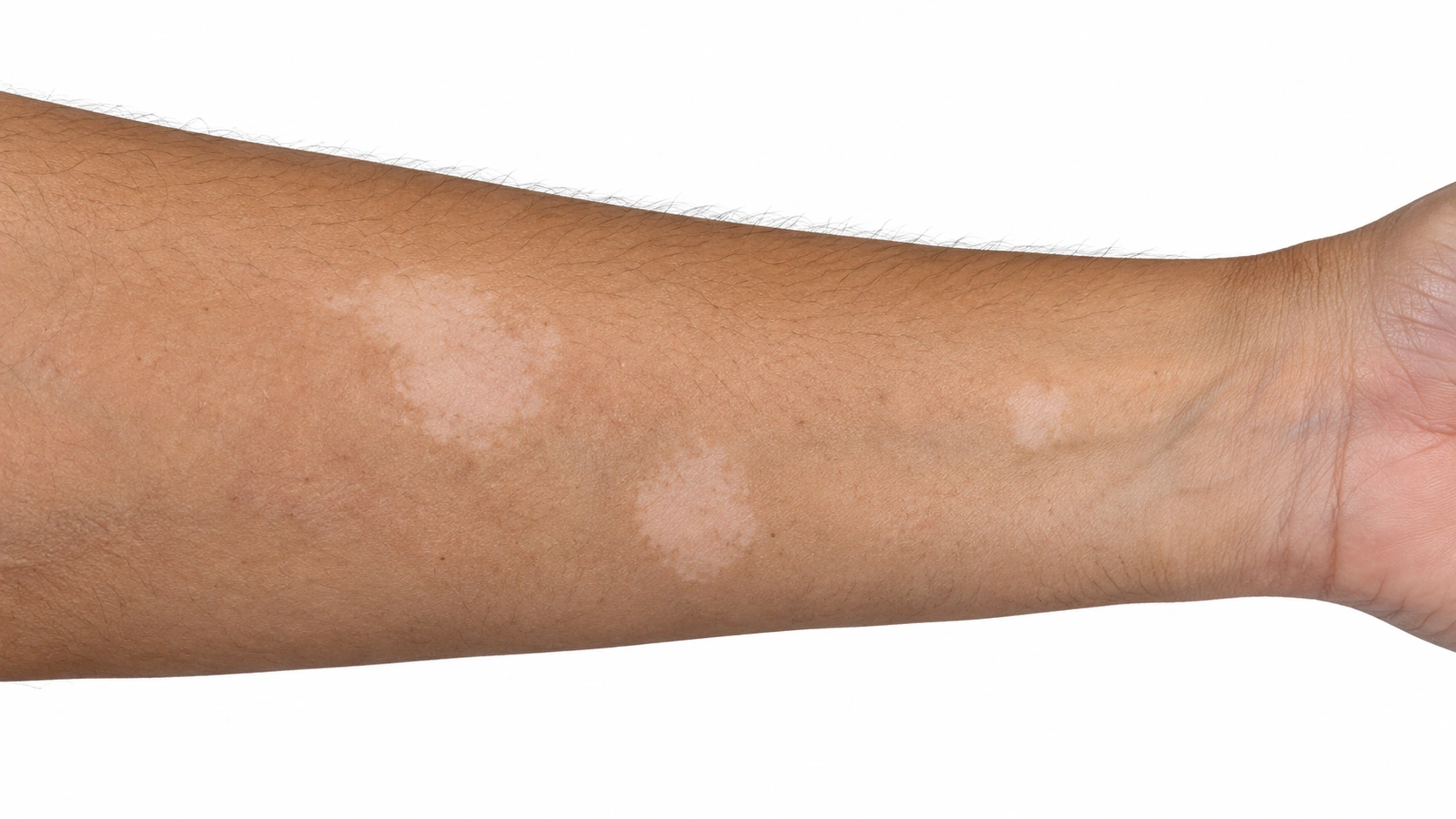
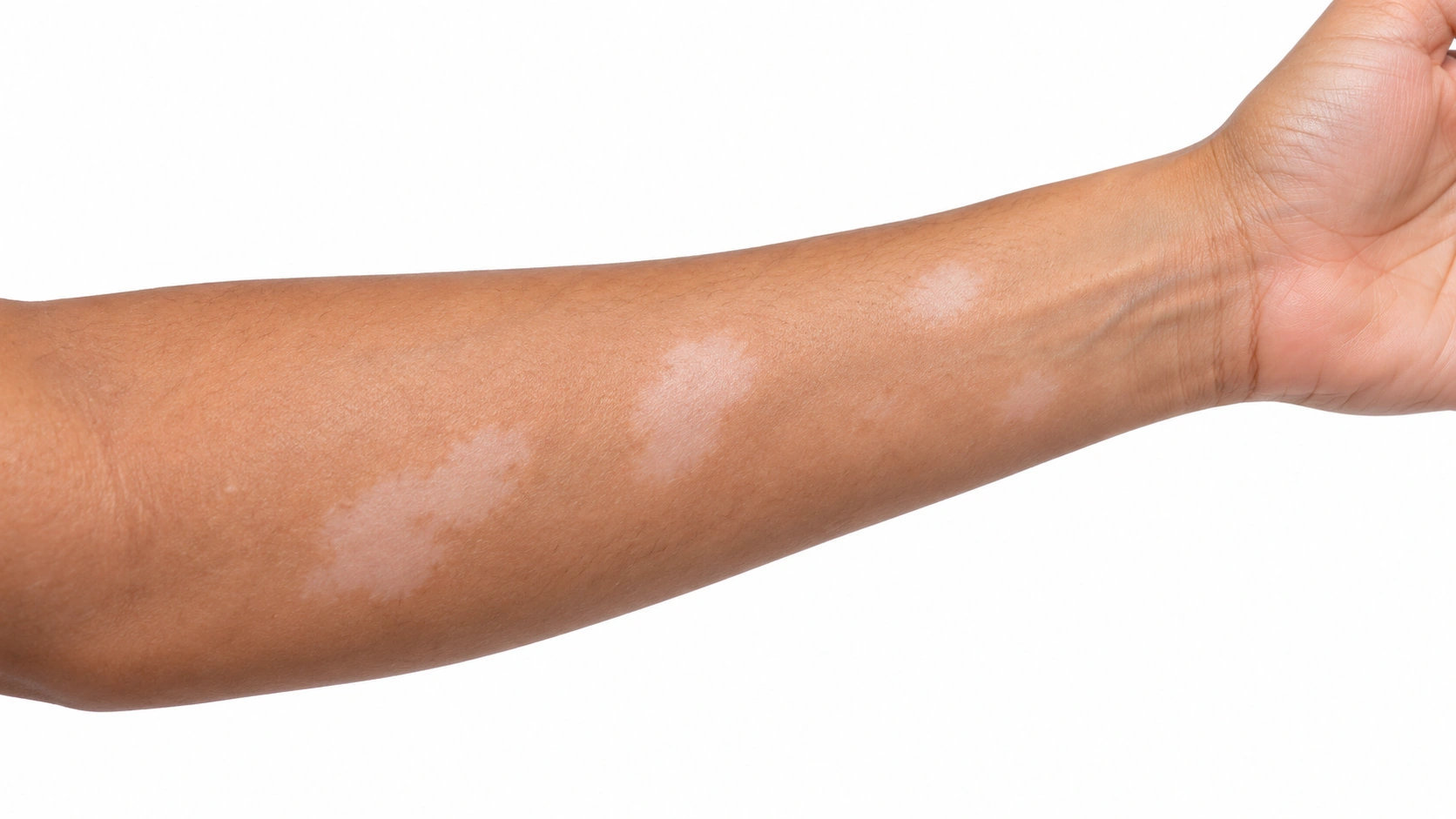
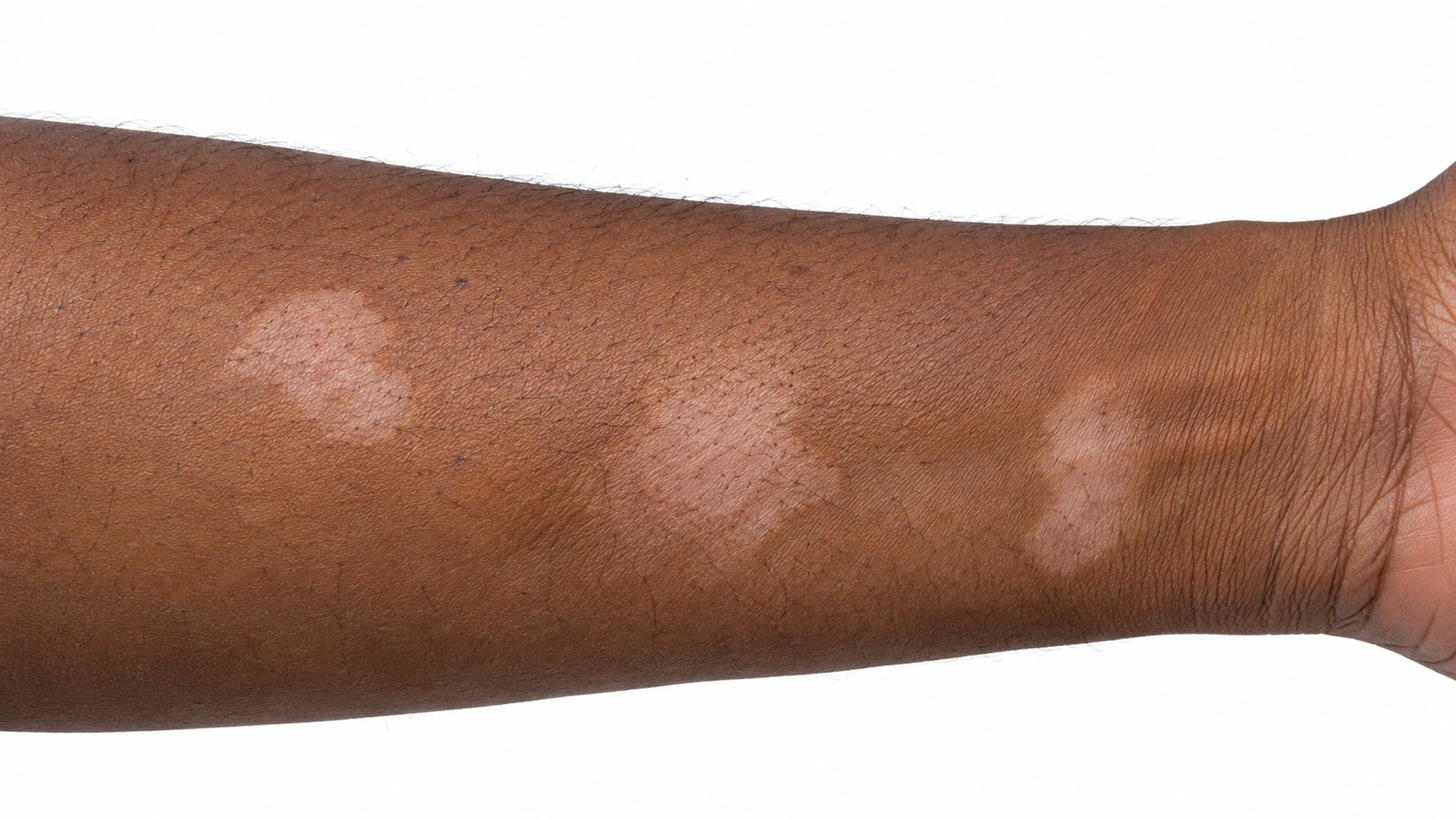
Mild skin inflammation temporarily reduces visible pigment in affected patches. The lighter areas can remain visible after the irritation has settled.
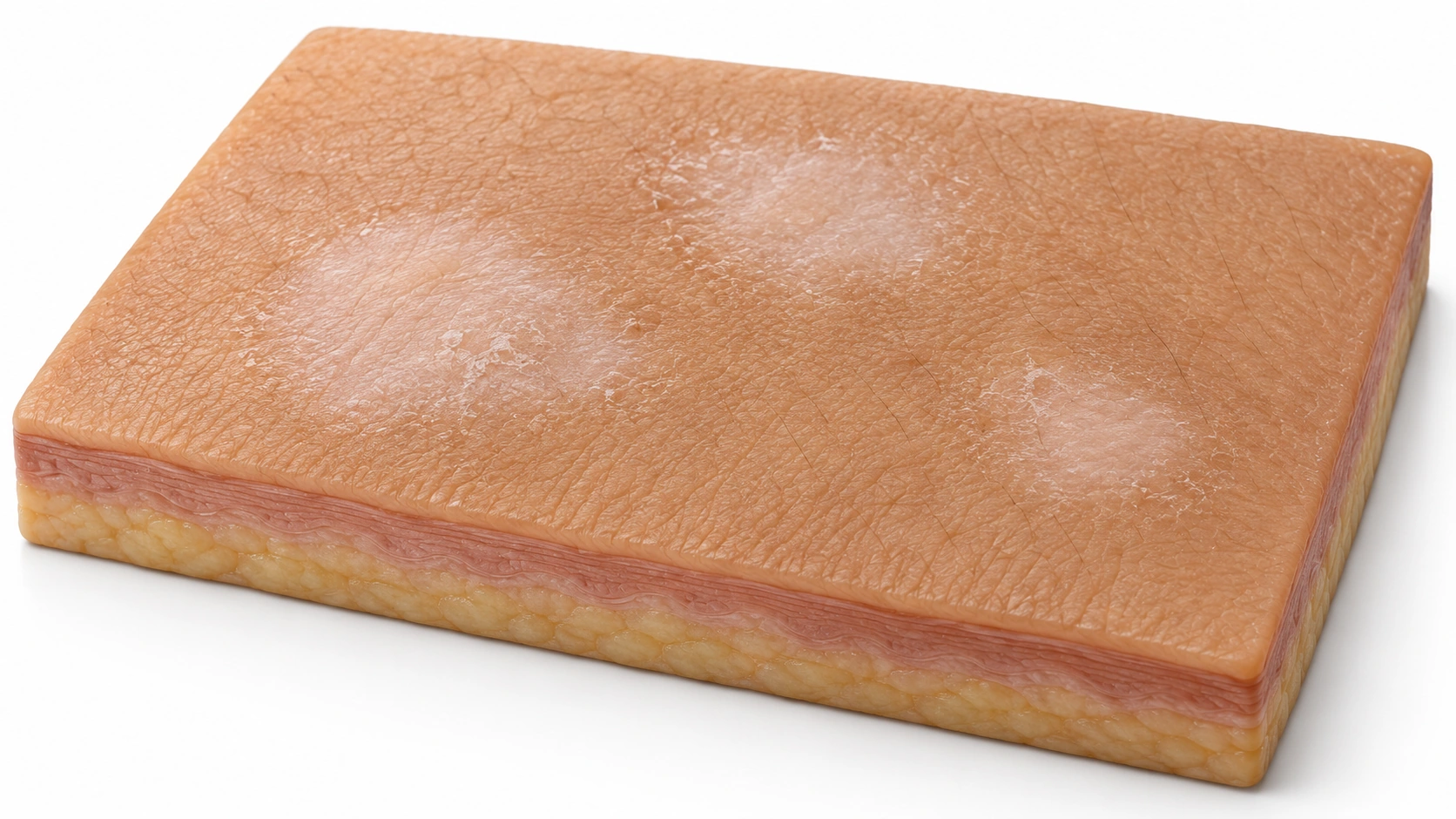
Inflammation reduces pigment production or transfer in affected skin. Color may return as the skin recovers, while deeper injury or scarring can cause more lasting pigment loss.
Pityriasis Alba. Most often noticed in childhood or adolescence.
Post-Inflammatory Hypopigmentation. Timing depends on the underlying cause and exposure.
Mild inflammation temporarily reduces visible pigment.
Inflammation temporarily alters pigment production; deeper injury or scarring can cause lasting loss.
Evidence labels come from each condition’s own treatment list.
An itchy inflamed patch may benefit from a brief clinician-advised low-potency treatment.
Control active dermatitis or infection after diagnosis; many resulting pale patches gradually improve.
The patches usually recover their normal color gradually over months, sometimes taking a few years. Dryness may improve before the color difference disappears; the patches do not usually scar.
Some lighter patches regain color gradually after the underlying inflammation settles. Recovery may take months and is not always complete; persistent or expanding patches need confirmation of the cause.
It is not contagious; skin colour usually returns gradually.
Many inflammatory causes improve gradually, while scar-related loss may persist.
Have sharply white, spreading or persistently scaly patches checked to confirm the cause.
Have new unexplained, spreading or sharply white patches assessed to distinguish vitiligo and other causes.
A mild eczema pattern leaving pale, slightly dry patches, usually in children.
Moisturize and use sunscreen to limit contrast with surrounding skin.
Have sharply white, spreading or persistently scaly patches checked to confirm the cause.
Lighter skin remaining after inflammation or injury.
Use gentle skin care, sunscreen and protective clothing; avoid aggressive bleaching or scrubbing.
Have new unexplained, spreading or sharply white patches assessed to distinguish vitiligo and other causes.
Sources