Electrocautery or laser
ListedA clinician may treat bothersome lesions; recurrence and scarring are possible.
Harmless enlargement of oil glands, often on the adult face. Basal cell carcinoma is the most common cancer in people. It grows slowly and very rarely spreads to other organs, but it does not heal on its own, and left alone it keeps growing into the skin and tissue around it.

The same eight facts on every condition comparison.

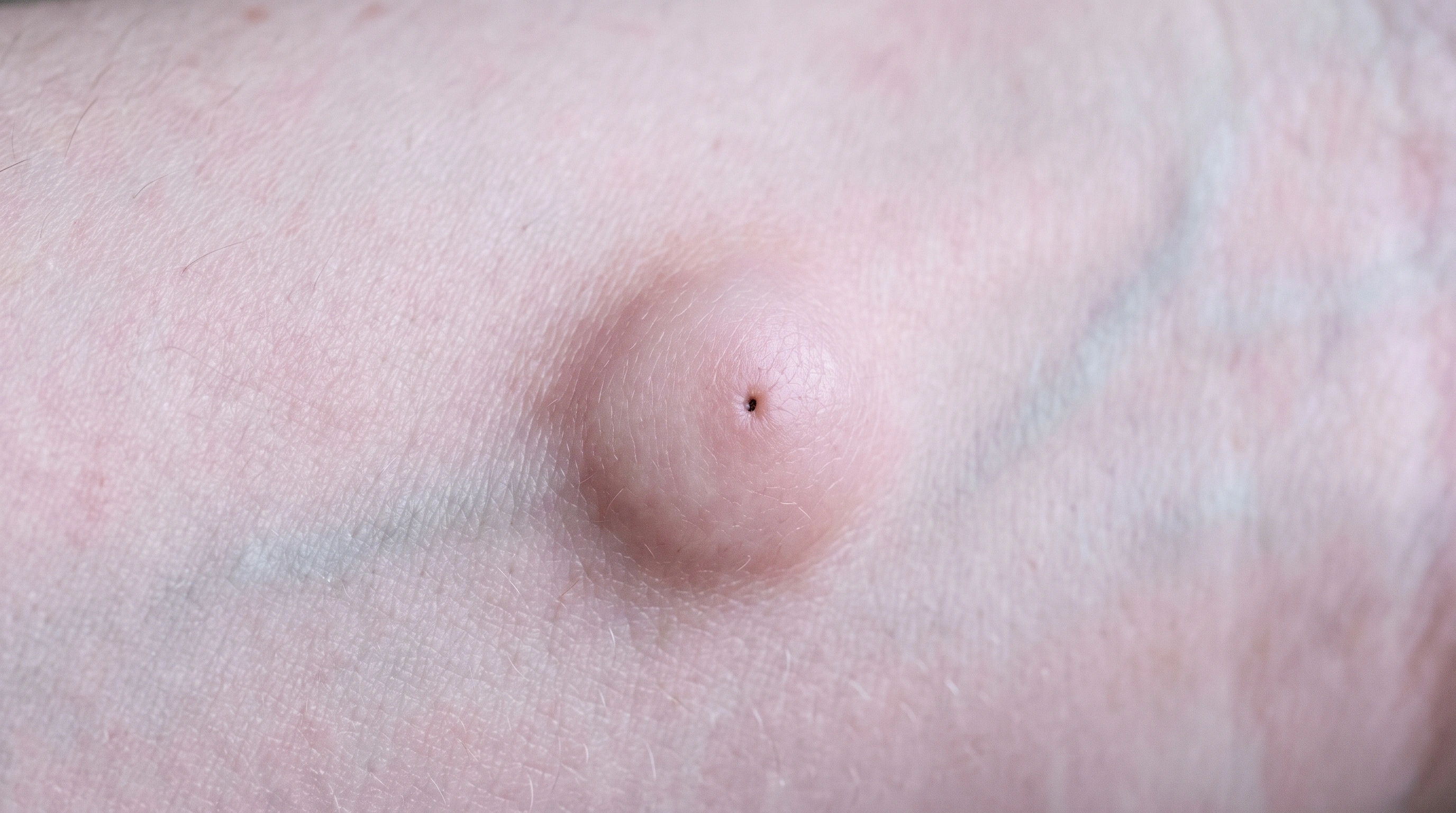
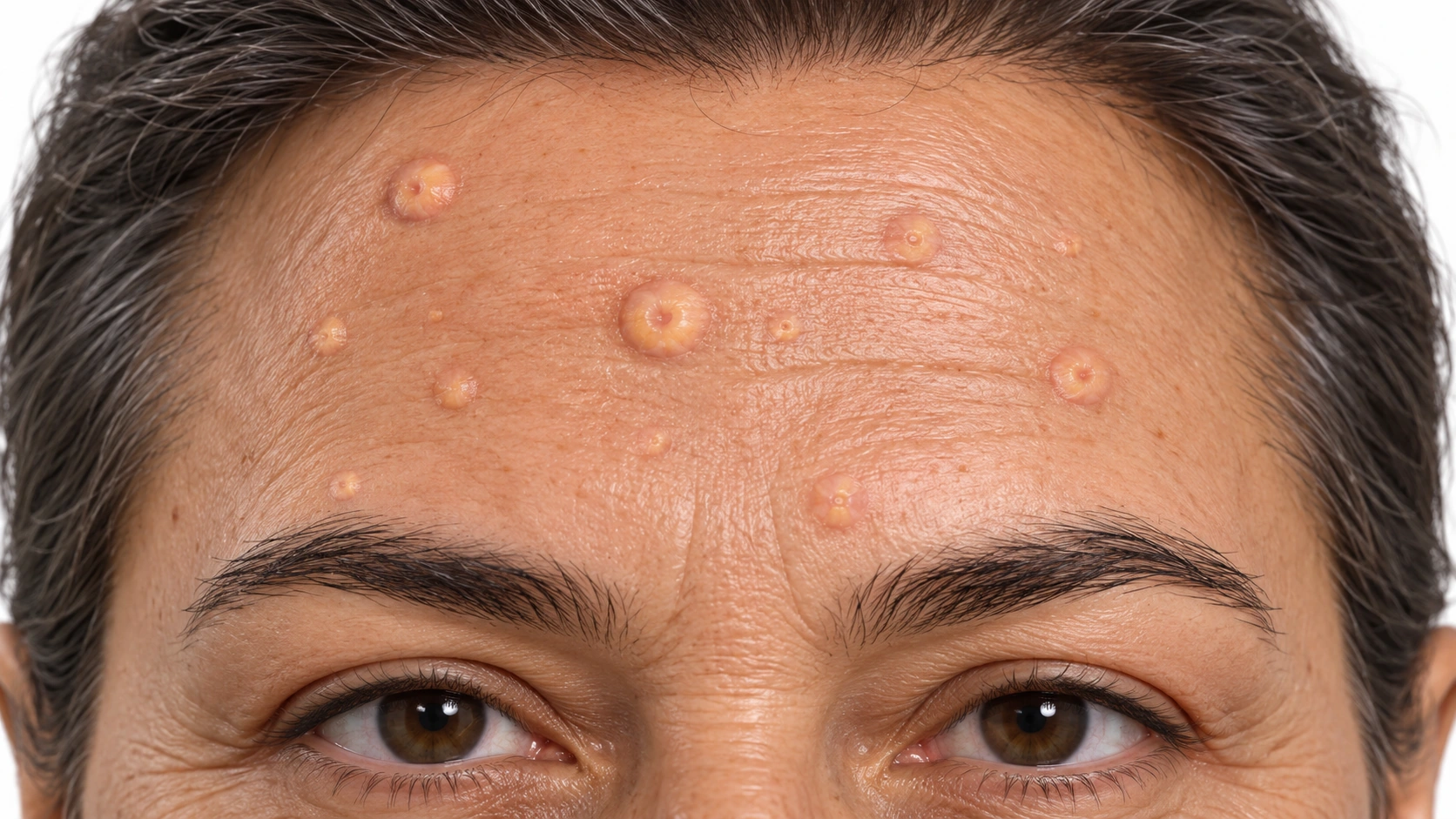
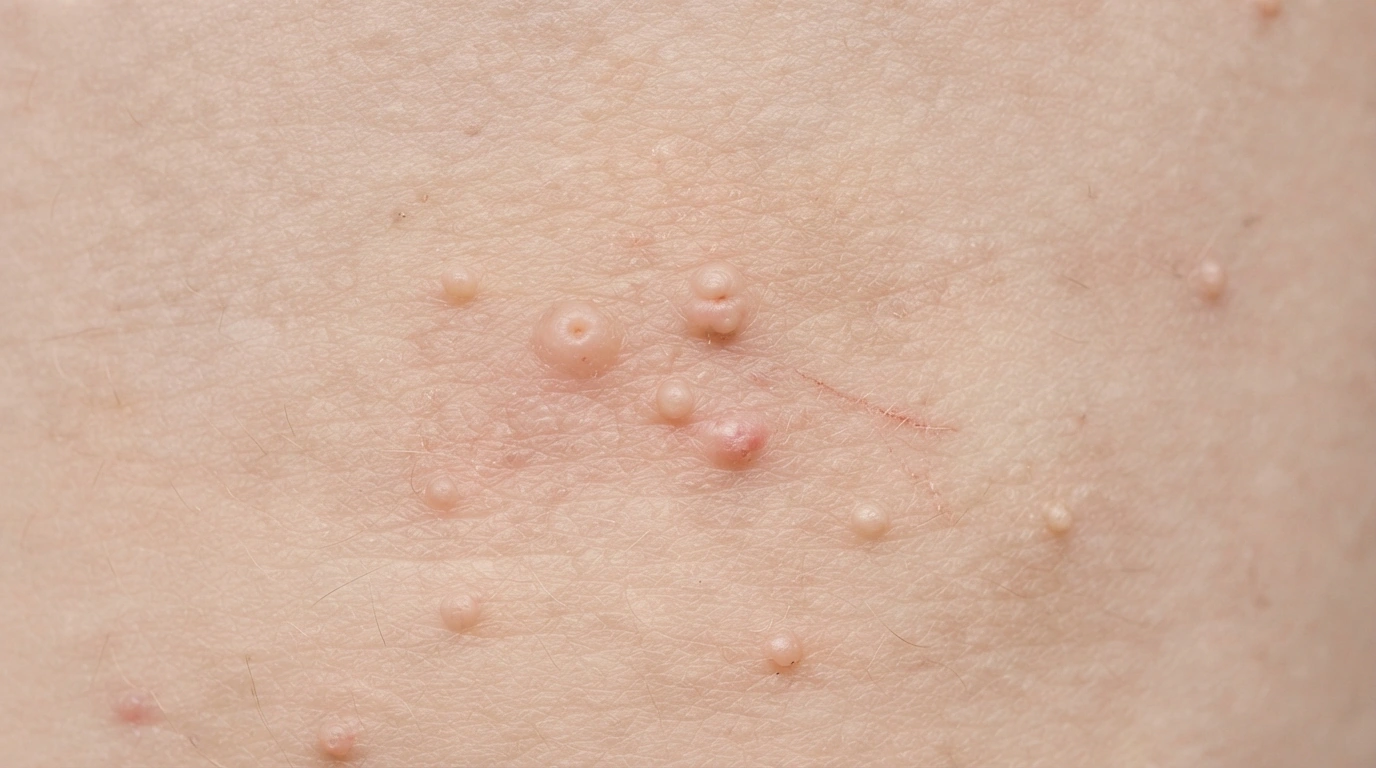
Sebaceous Hyperplasia Rounded pale-yellow bumps have a shallow indentation in the center.
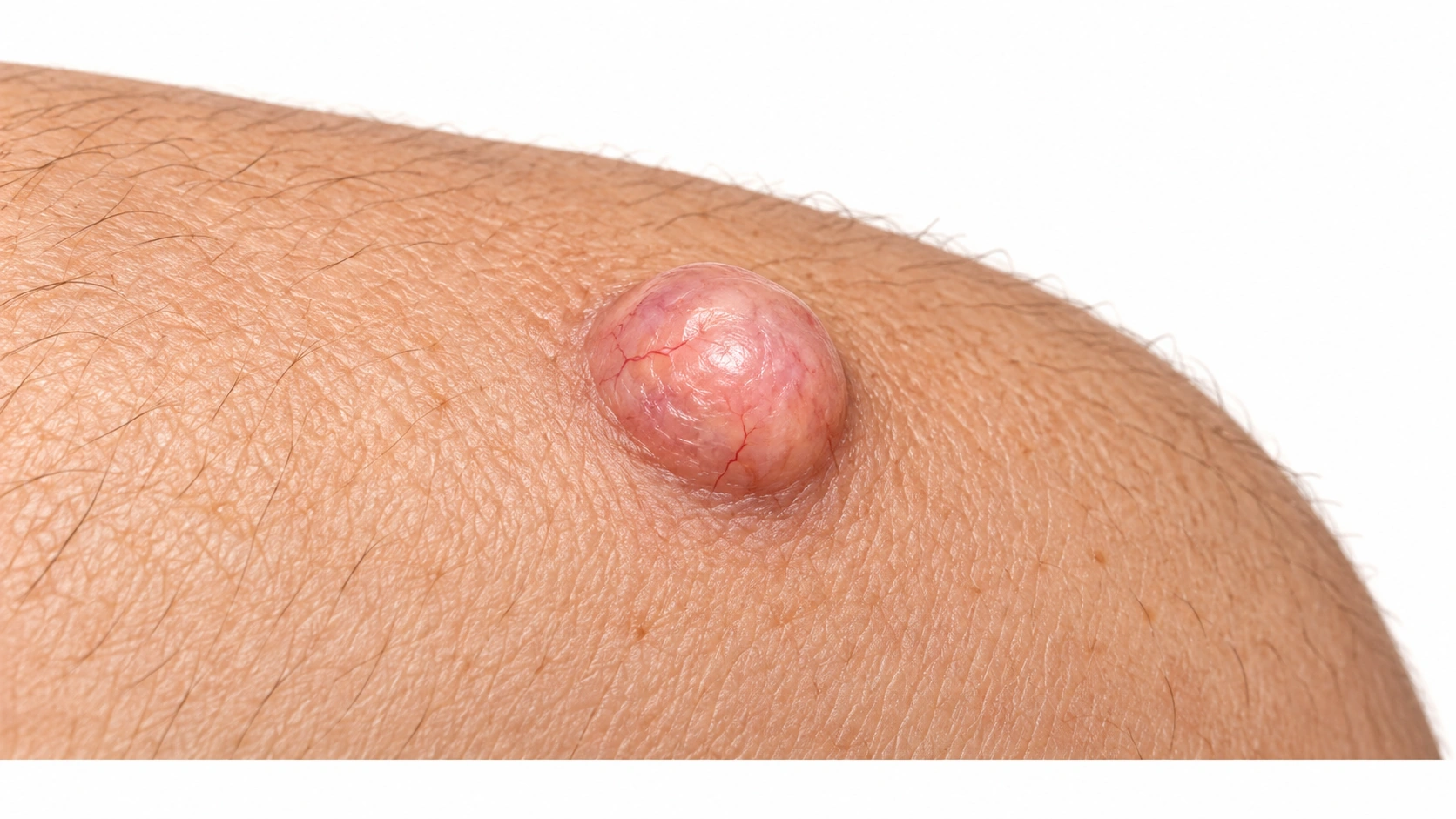
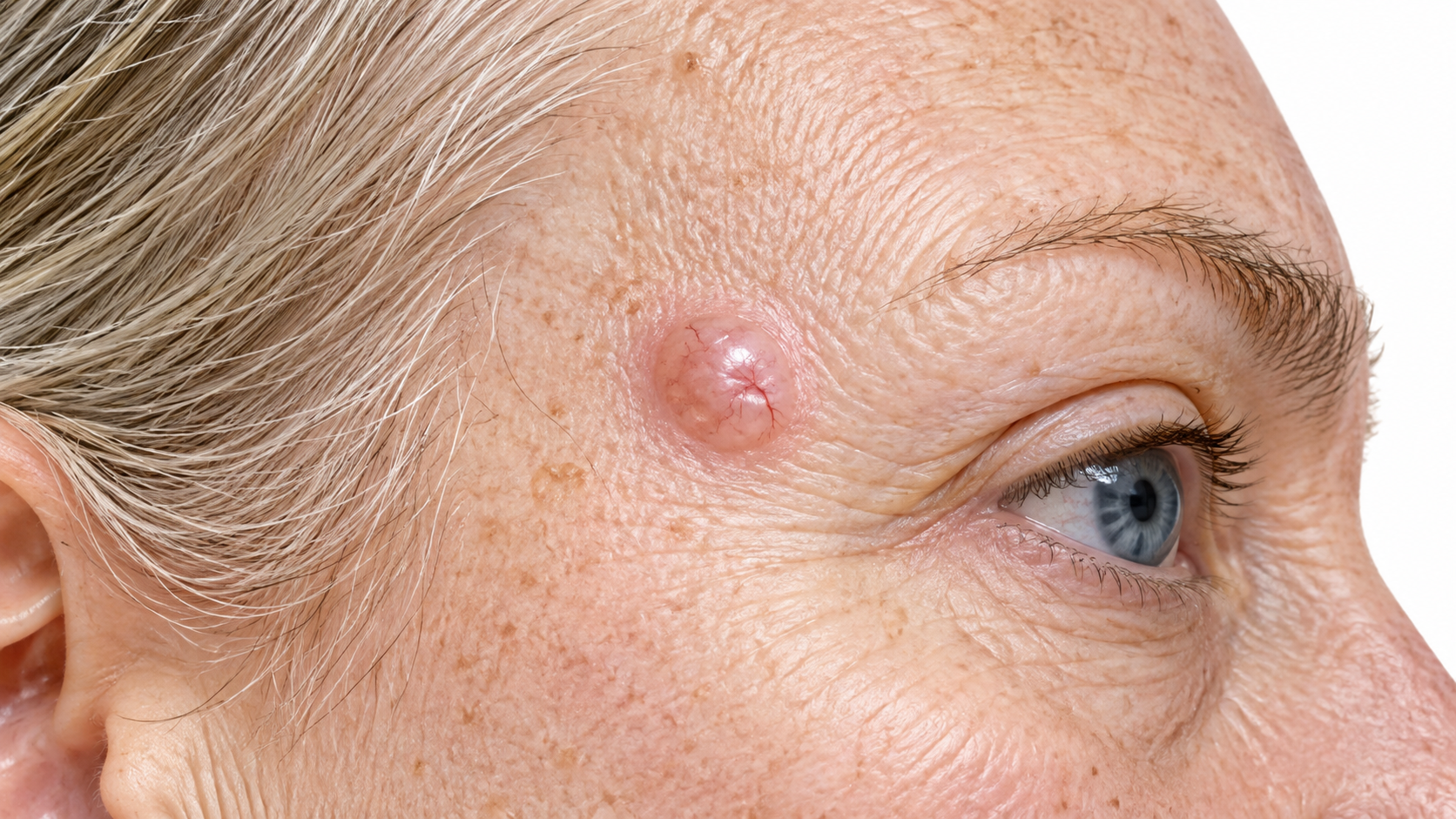
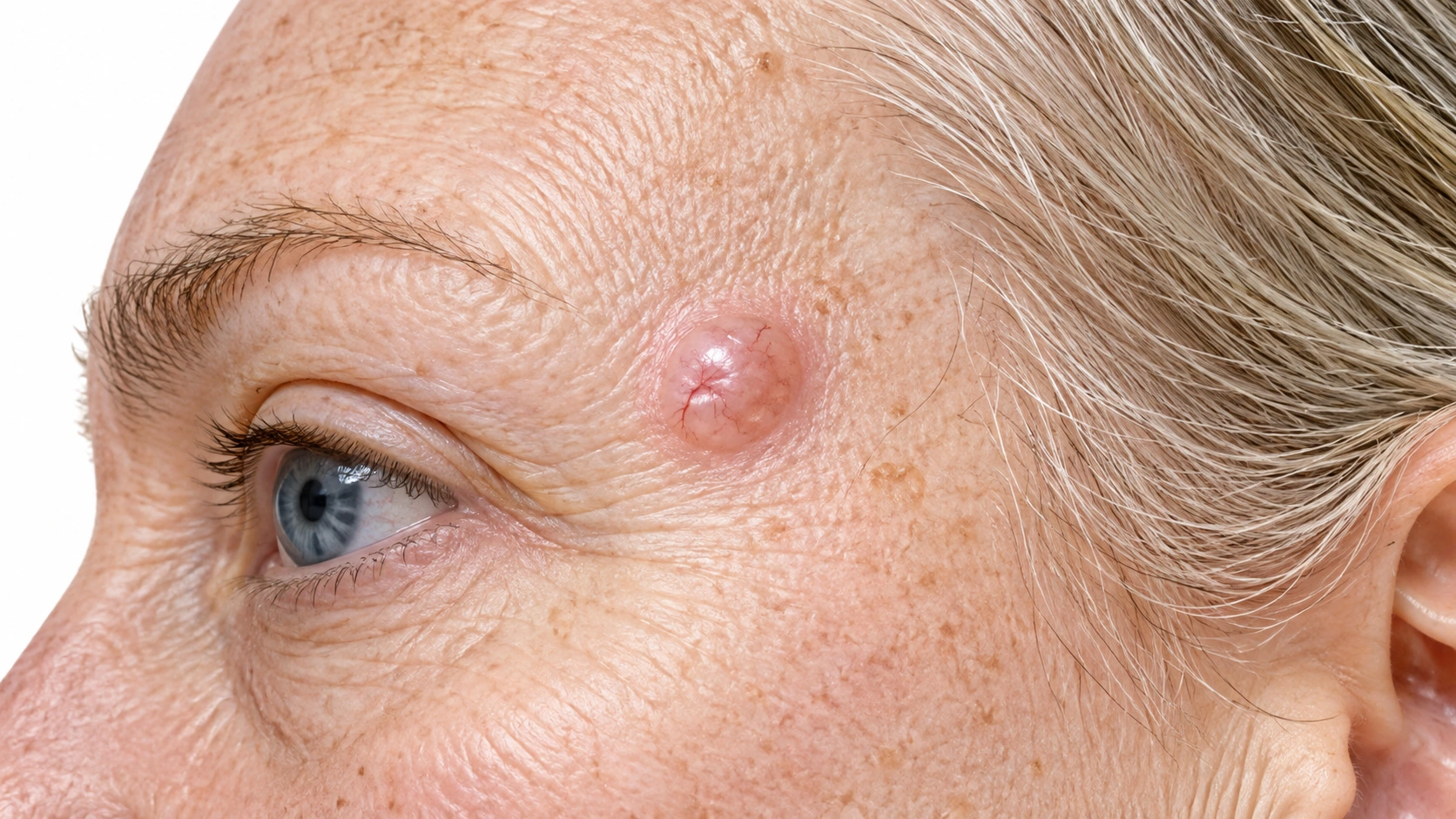
Nodular basal cell carcinoma Pearly bump; most common.
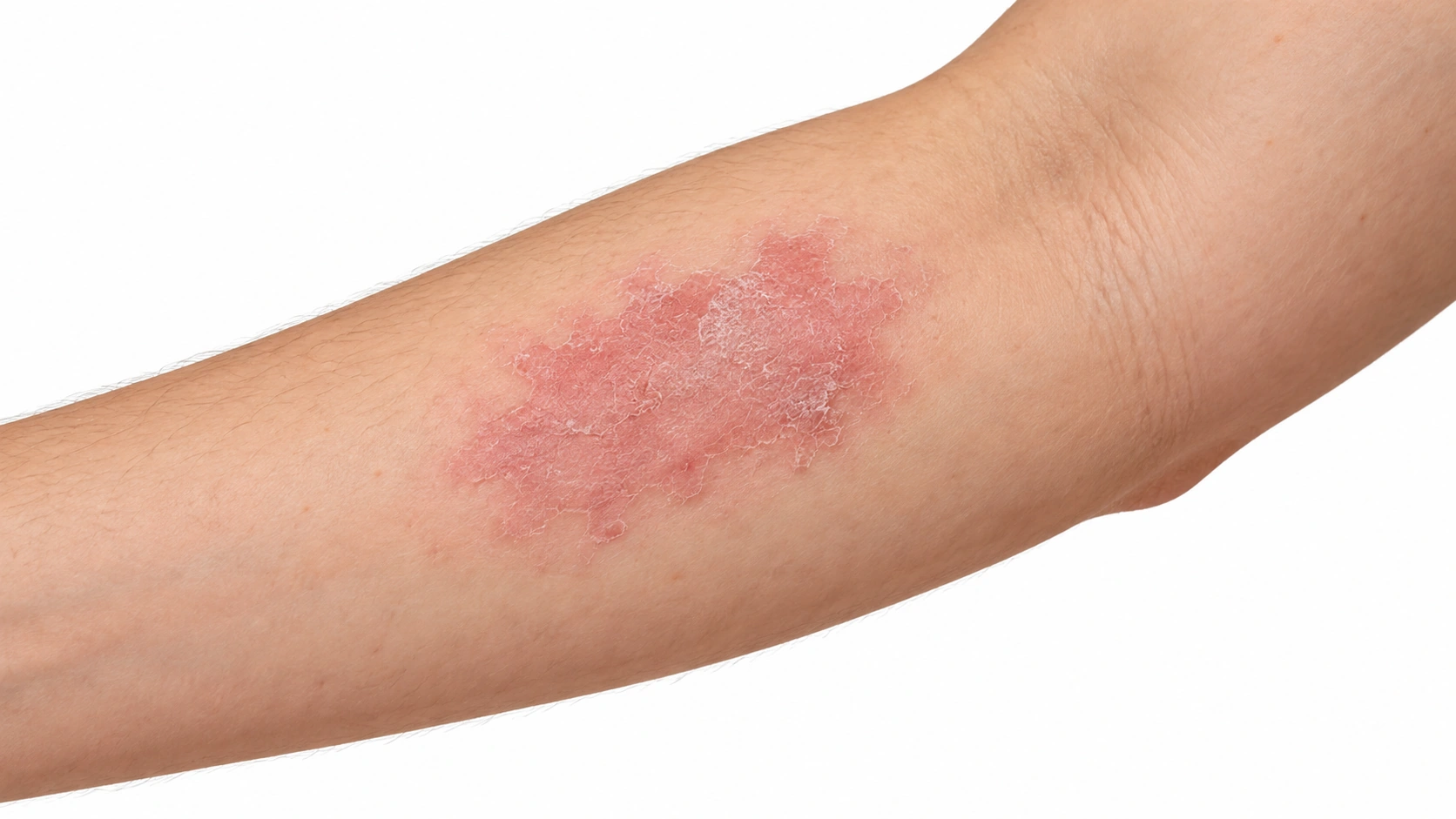
Superficial basal cell carcinoma Flat, scaly pink patch, often on the trunk.
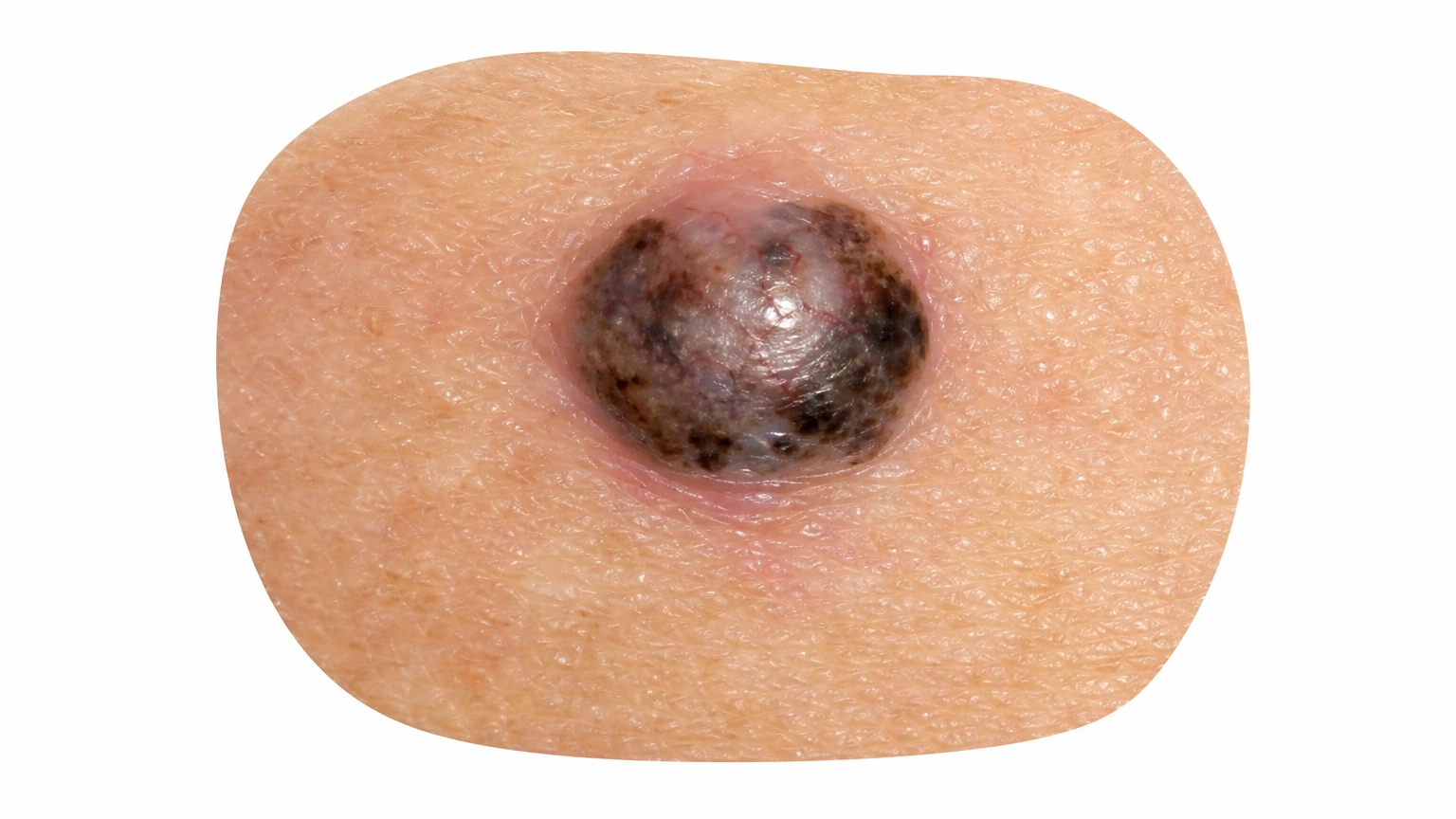
Pigmented basal cell carcinoma Brown to black pearly bump.
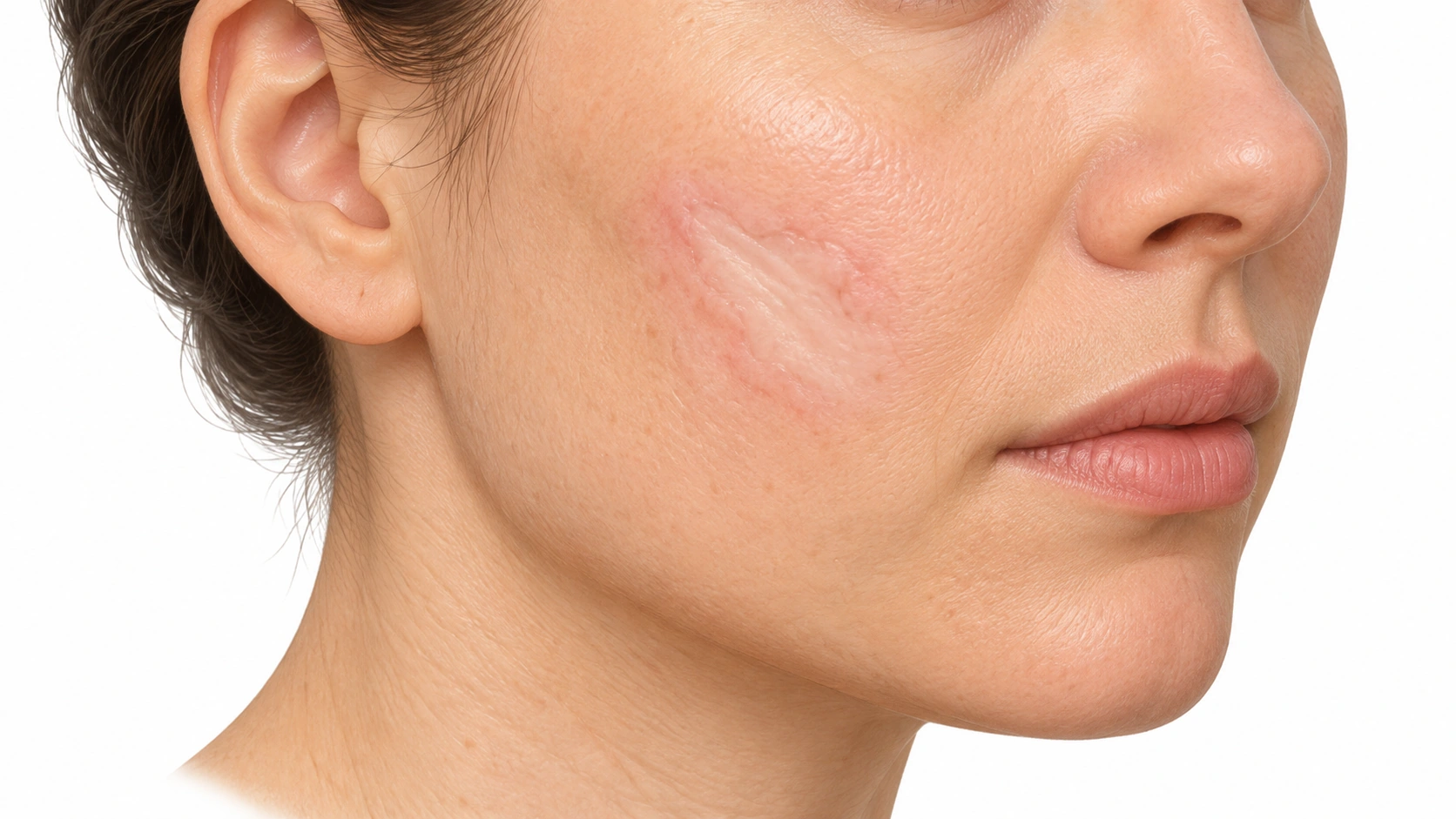
Morpheaform basal cell carcinoma Scar-like and harder to see.
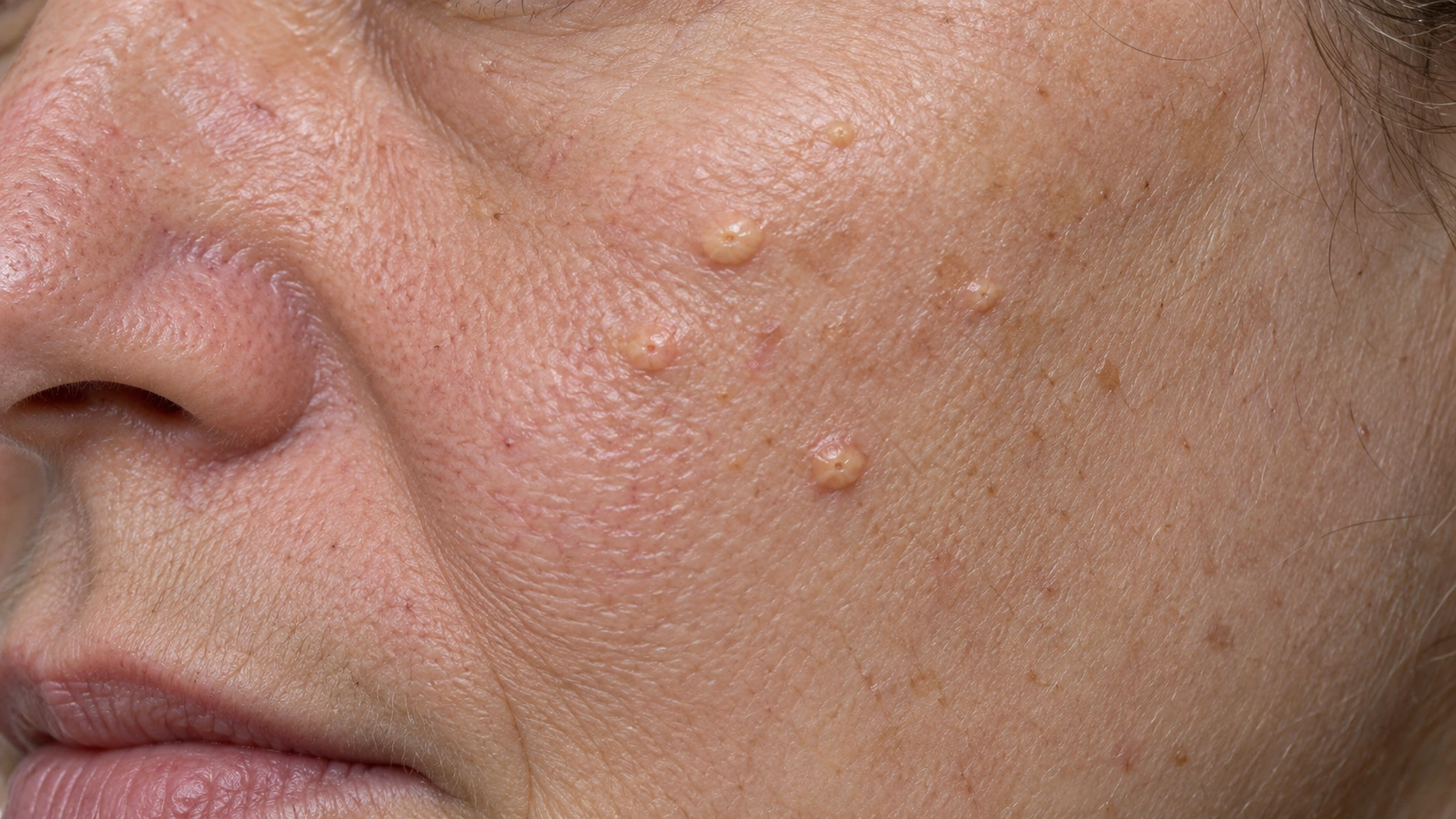
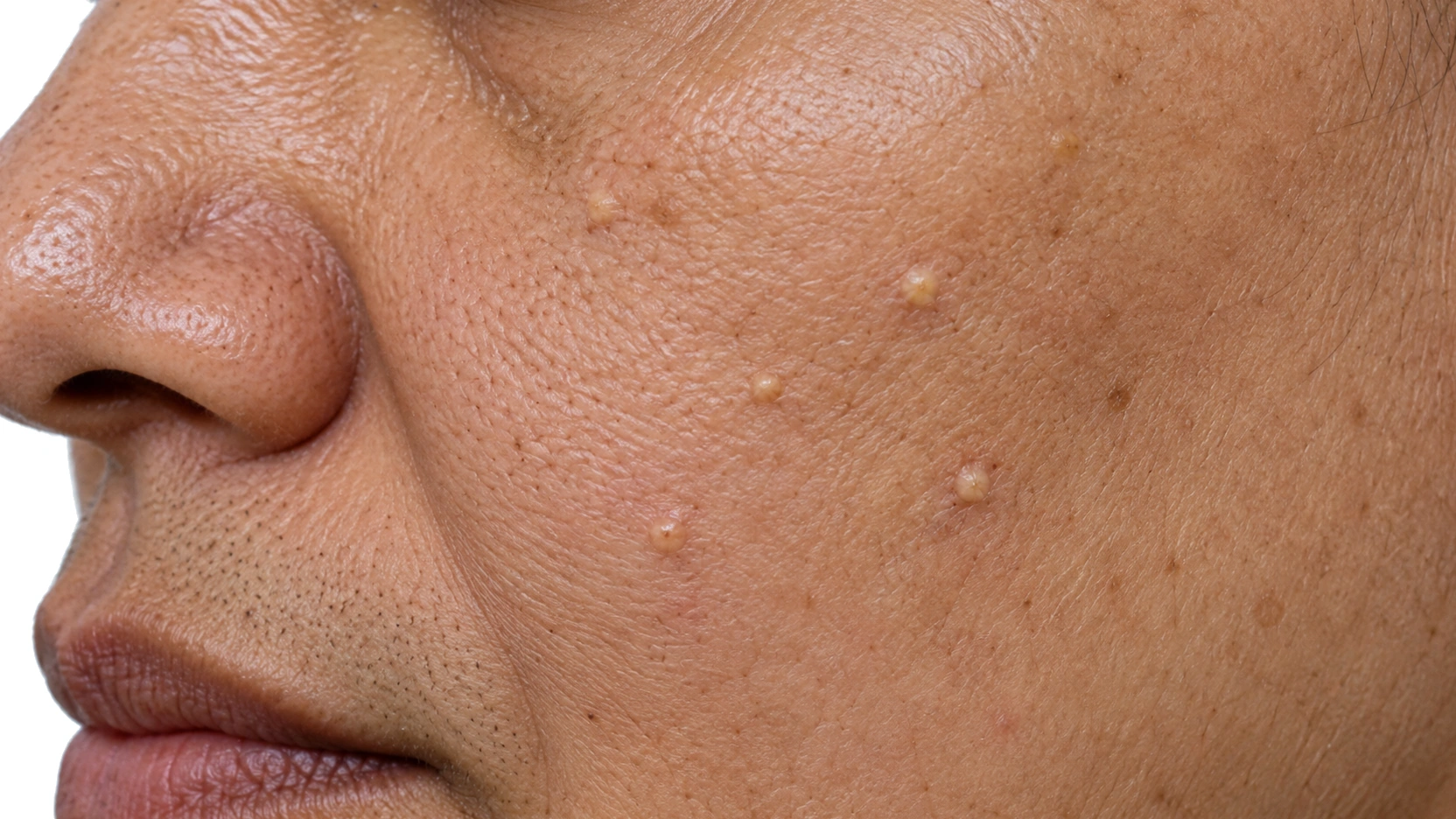
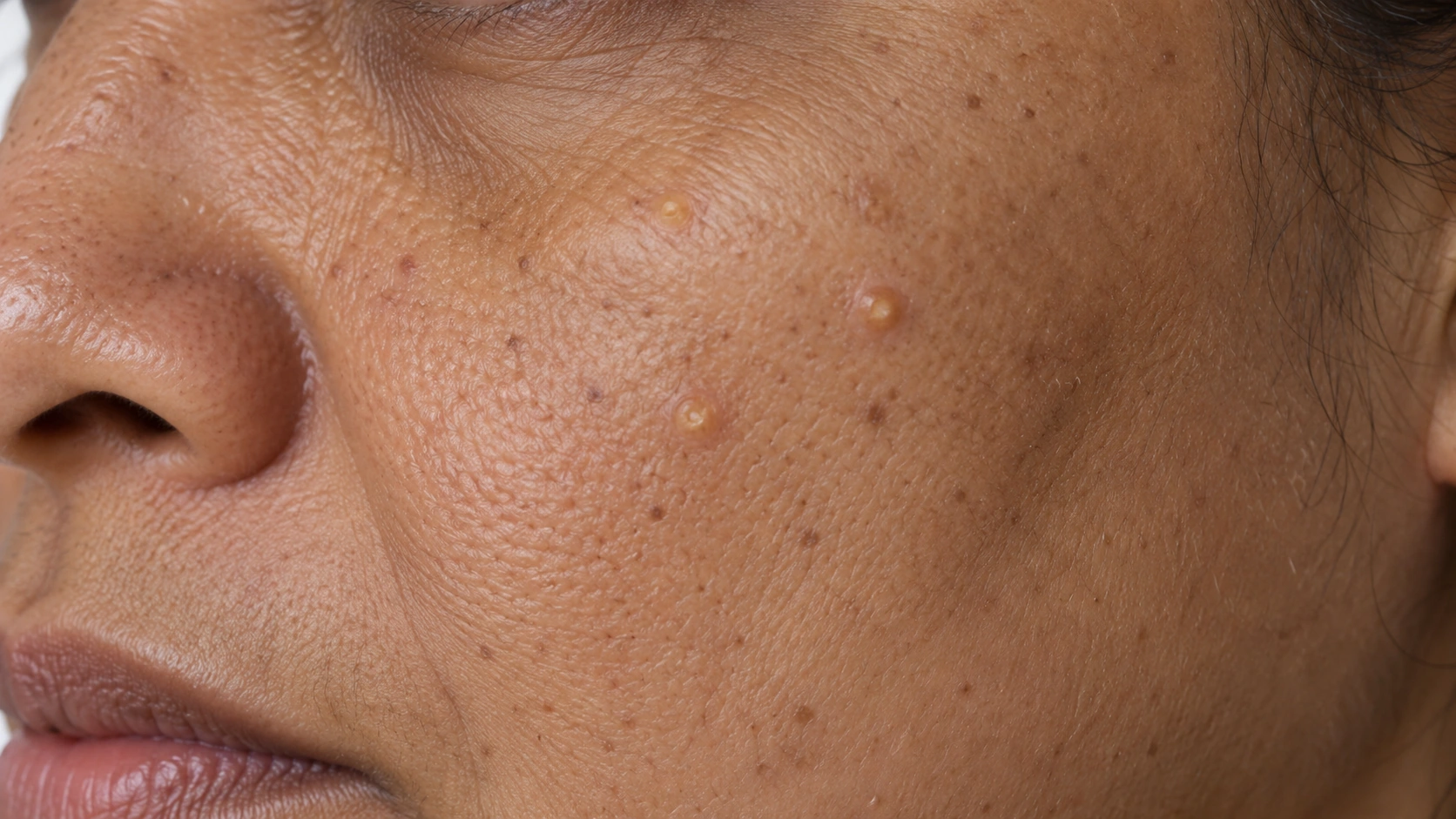
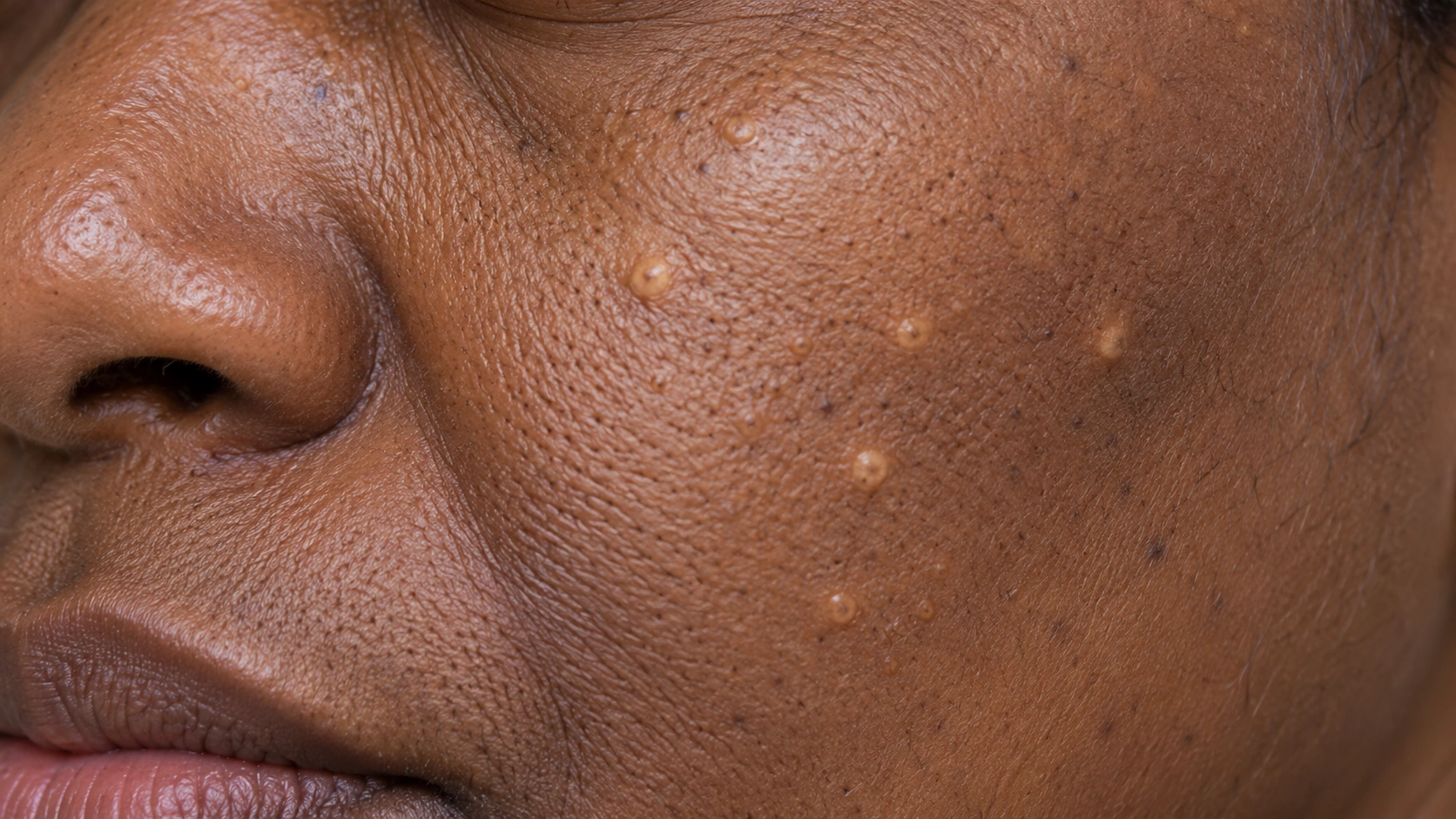
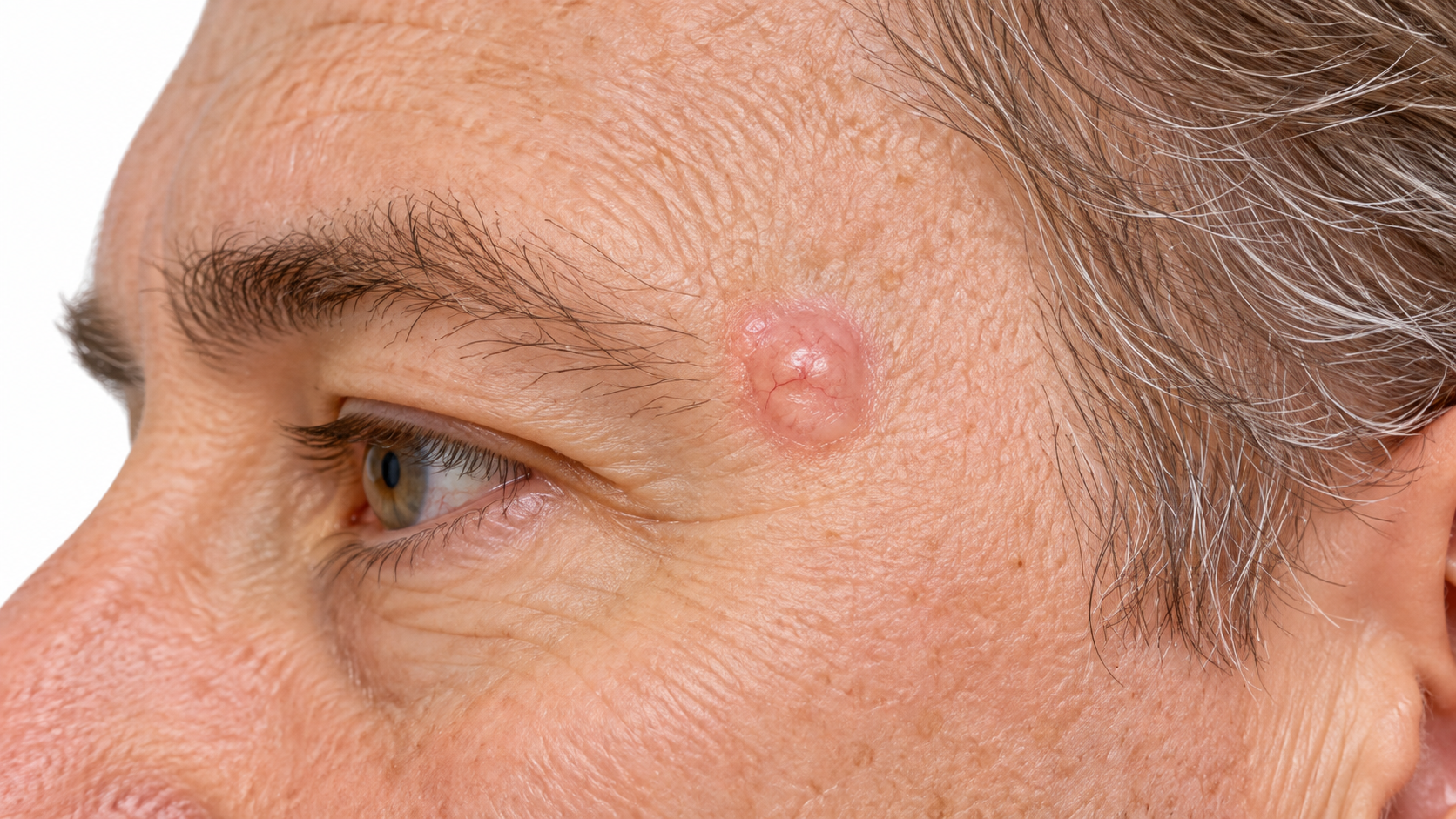
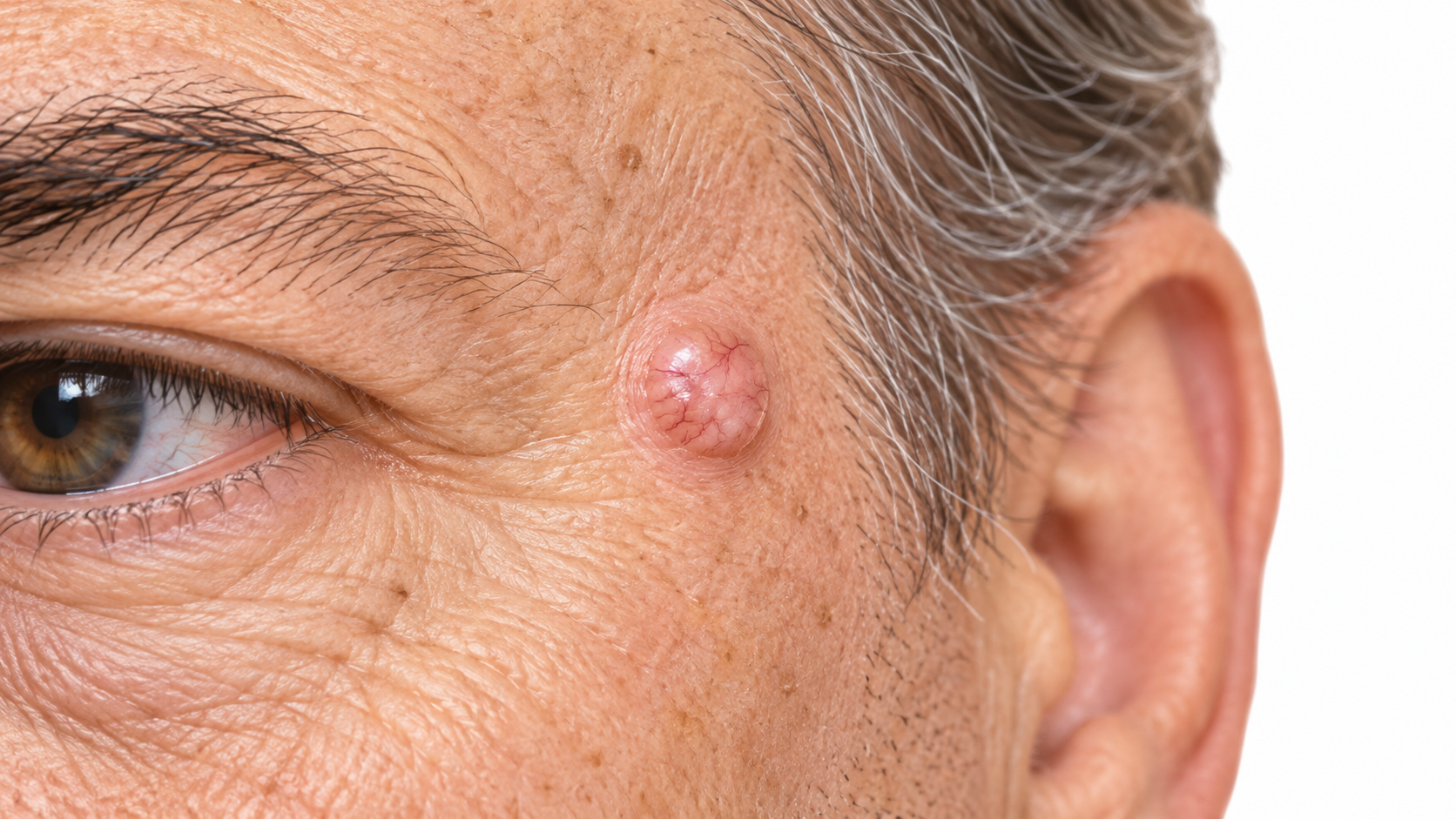
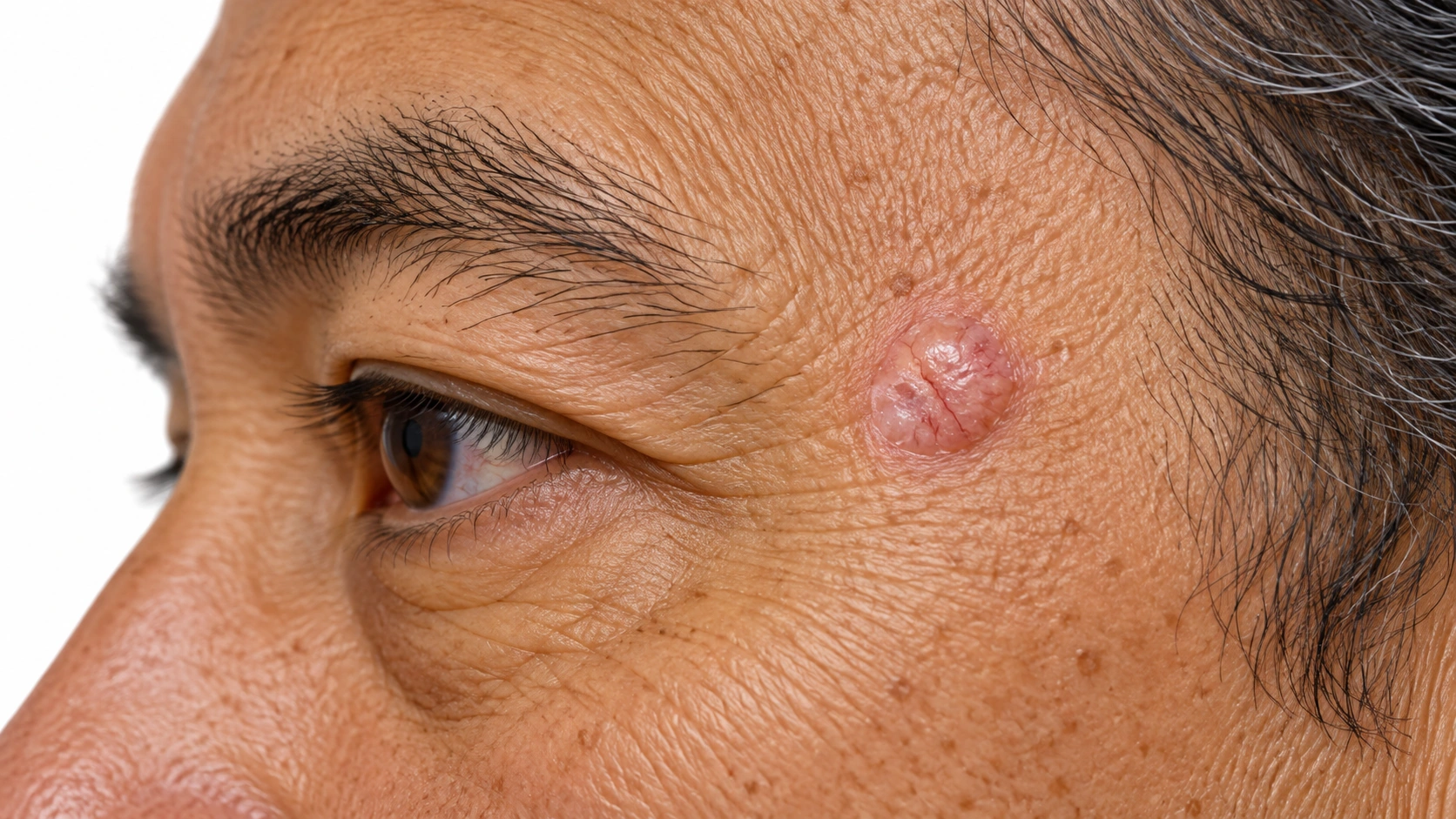

Oil-gland lobules enlarge around a follicular opening. The enlarged gland creates a small bump, often with a central depression.
DNA changes disrupt normal growth signals in basal-type skin cells. Abnormal cell clusters can grow into nearby skin and produce a spot that bleeds, breaks down or fails to heal.
Sebaceous Hyperplasia. Usually develops in middle or later adult life.
Basal Cell Carcinoma. Most common in adults with cumulative ultraviolet damage, though younger adults can develop it.
Enlarged sebaceous-gland lobules surround a follicular opening.
Basal cell carcinoma starts when ultraviolet light damages basal cells in the lowest layer of the epidermis.
Fair skin, and rare conditions like Gorlin syndrome, raise the risk.
Evidence labels come from each condition’s own treatment list.
A clinician may treat bothersome lesions; recurrence and scarring are possible.
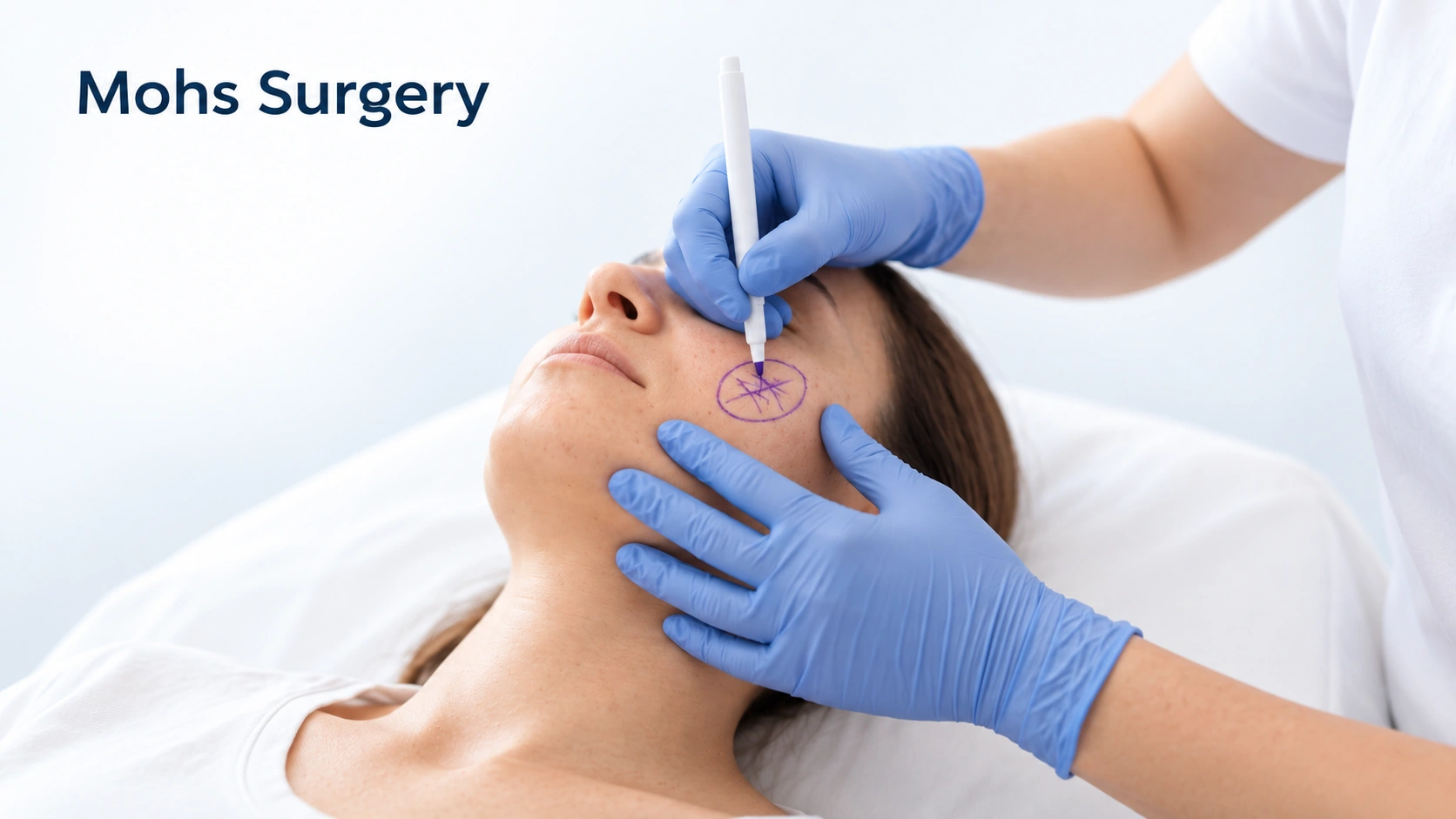
The tumor is removed in stages and the edges are examined under a microscope during the same appointment, so complete removal is confirmed before the wound is closed. It has the highest cure rate and spares the most normal tissue, which is why it is used on the face and for aggressive subtypes. It takes several hours, and it is not needed for every tumor.
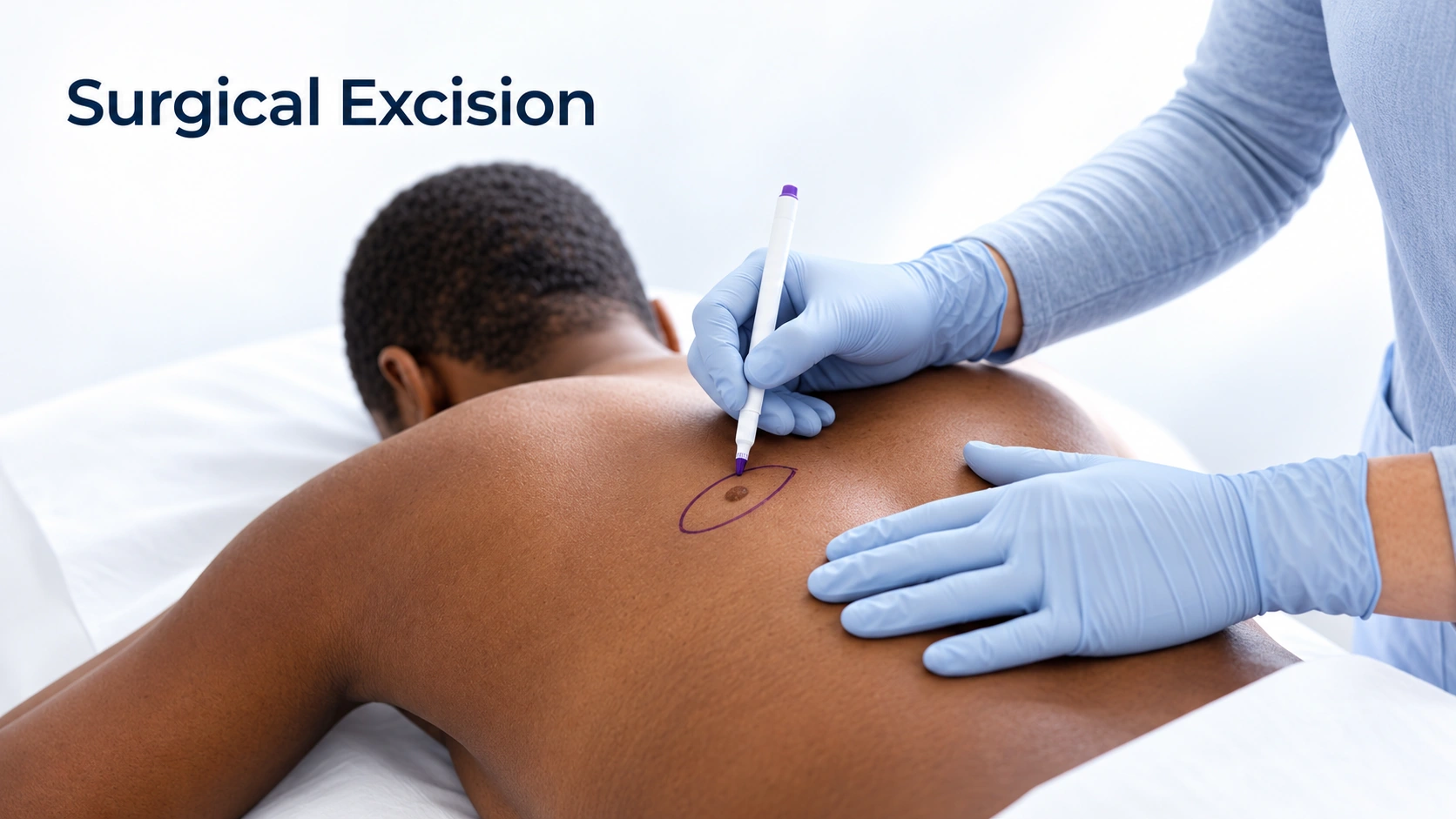
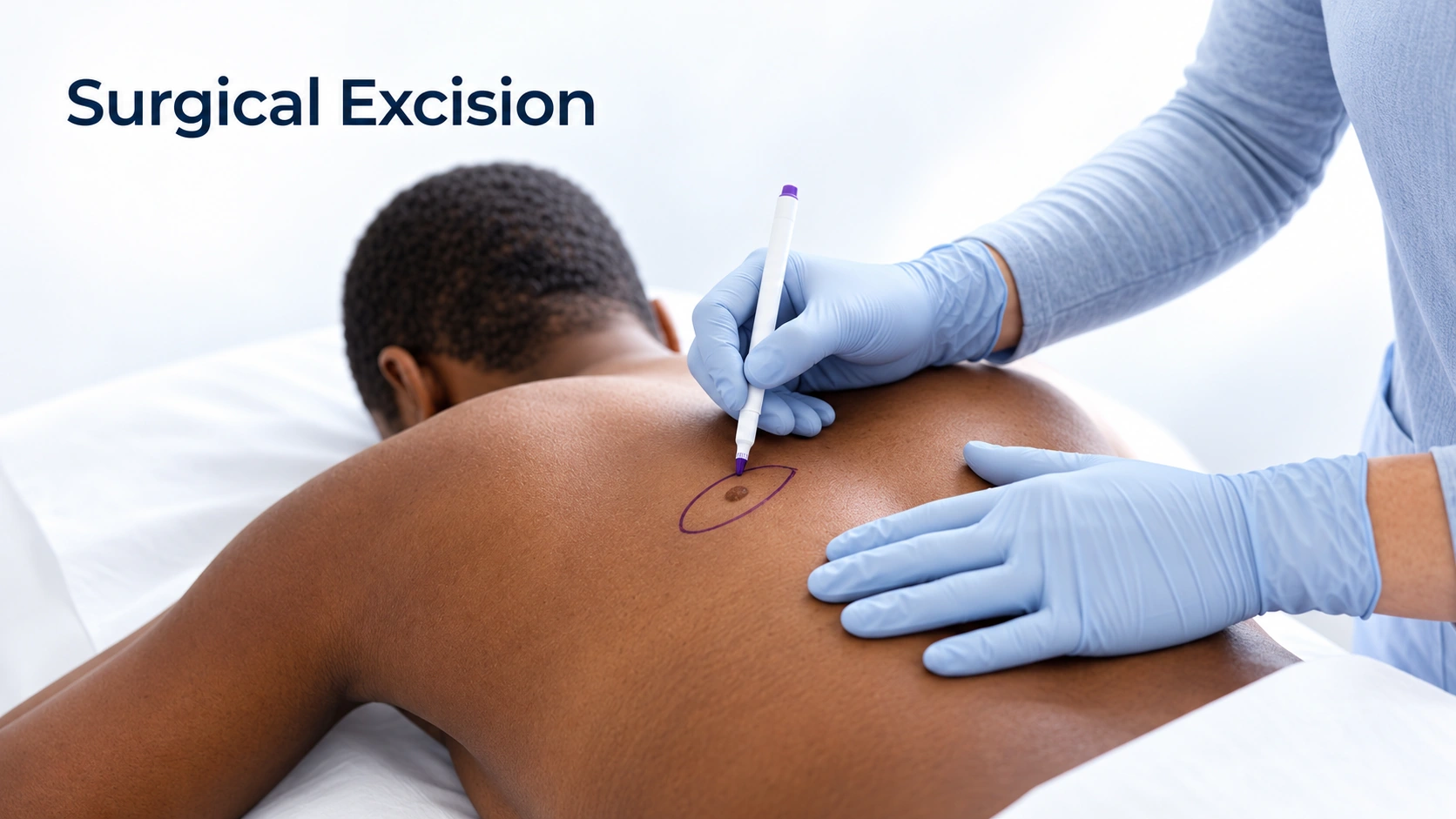
The tumor is cut out with a margin of normal skin around it and the wound is stitched, with the margins checked by a pathologist afterwards. It is the standard treatment for most tumors away from the face, and it cures the large majority in one visit. If the report comes back with the tumor at the edge, more treatment is needed.

The tumor is scraped away and the base burned, repeated a few times in one visit. It suits small, thin, superficial tumors on the trunk and limbs and is quick and cheap. Nothing is checked under a microscope afterwards, so it is not used on the face or for aggressive subtypes, and it leaves a permanent pale round mark.
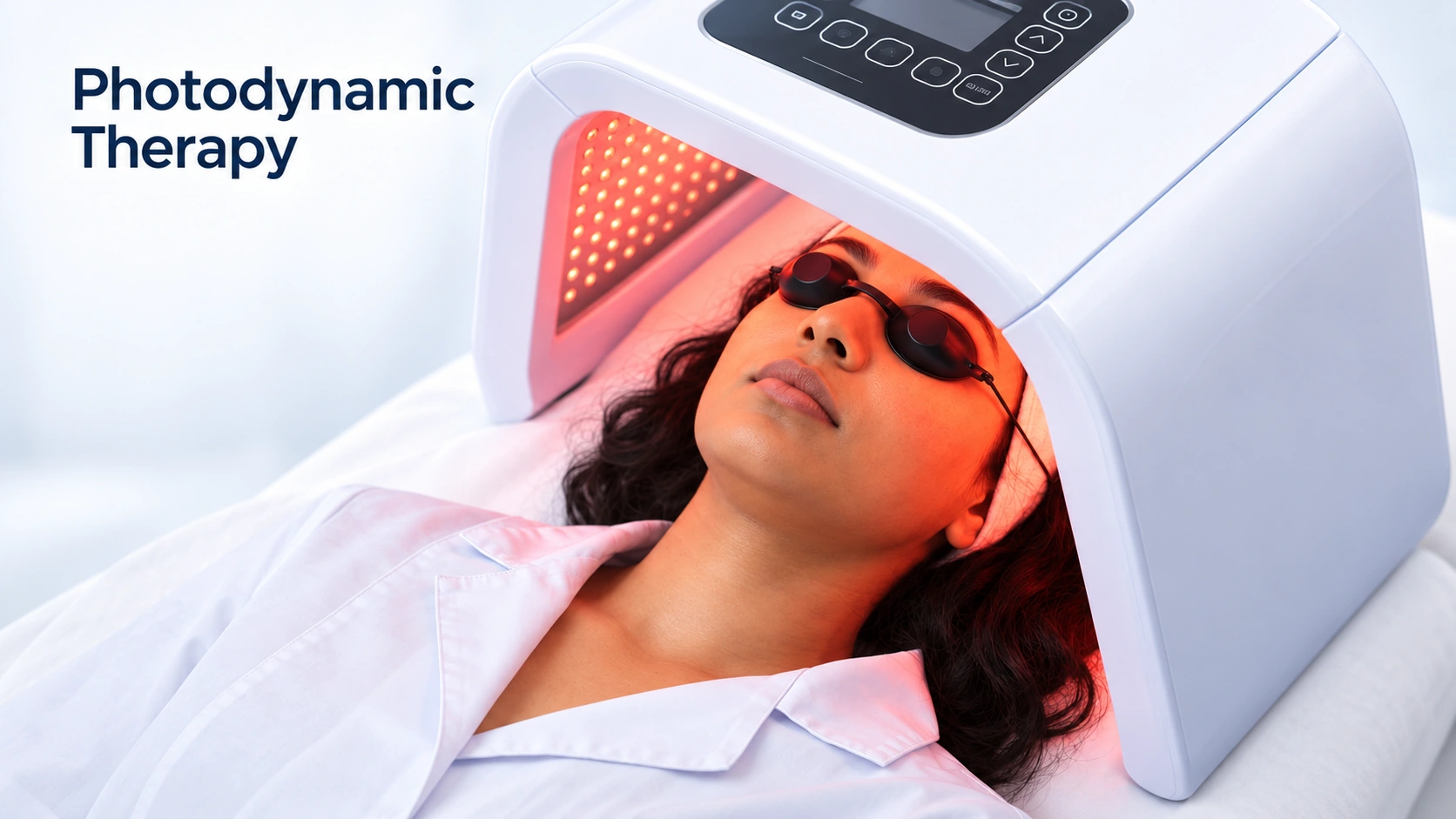
A light-sensitizing cream is left on the tumor and then activated with a lamp, usually in two sessions. It is for thin superficial tumors only, confirmed by biopsy, and it has the advantage of treating the sun-damaged skin around them at the same time. It stings during the light, and the cure rate is lower than surgery.
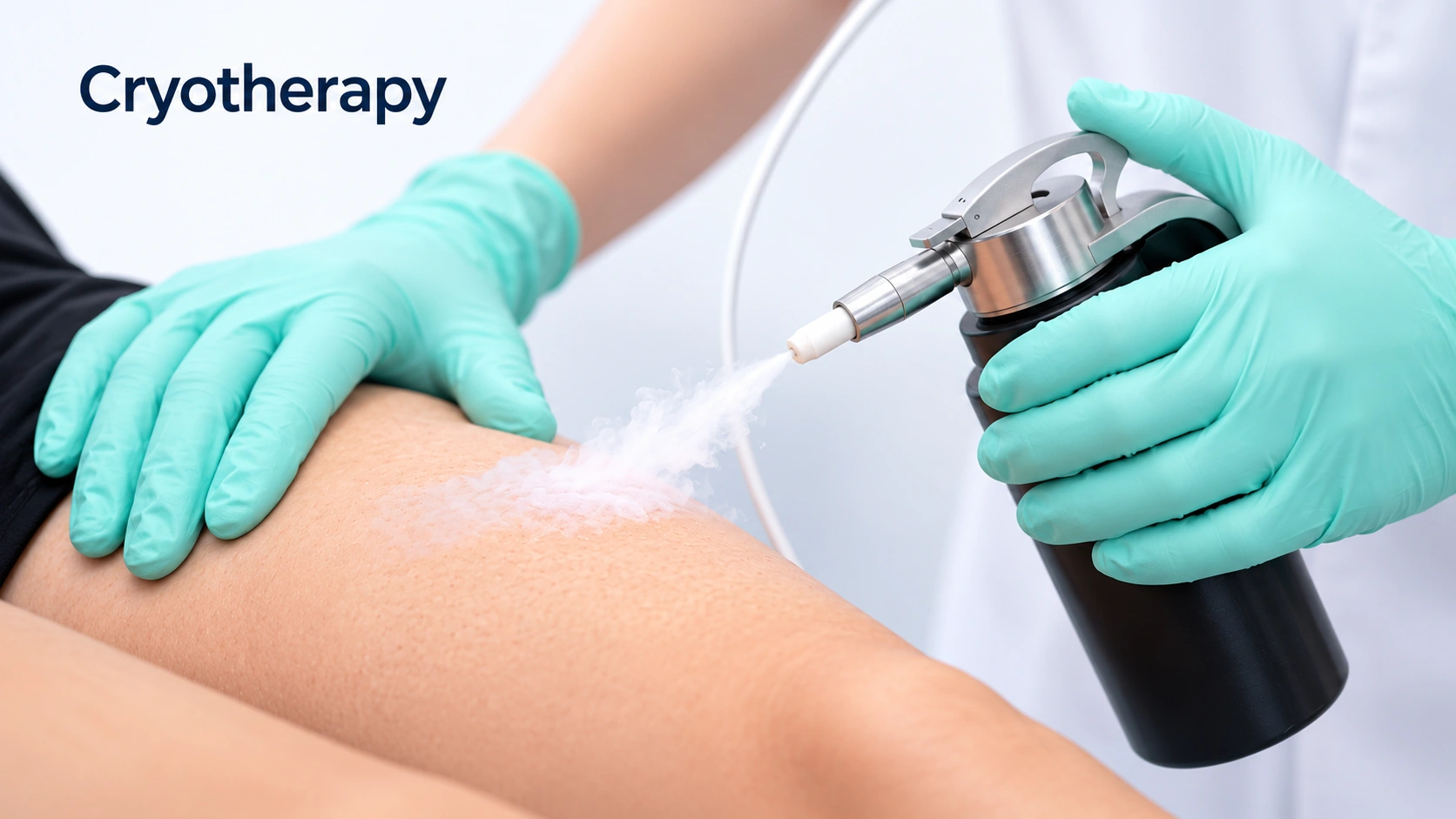
Freezing is quick and occasionally used for small superficial tumors when other options do not suit. Nothing is checked under a microscope, so an incompletely treated tumor can carry on growing under a healed surface. It also leaves a permanent pale patch, which is much more noticeable on deeper skin tones.
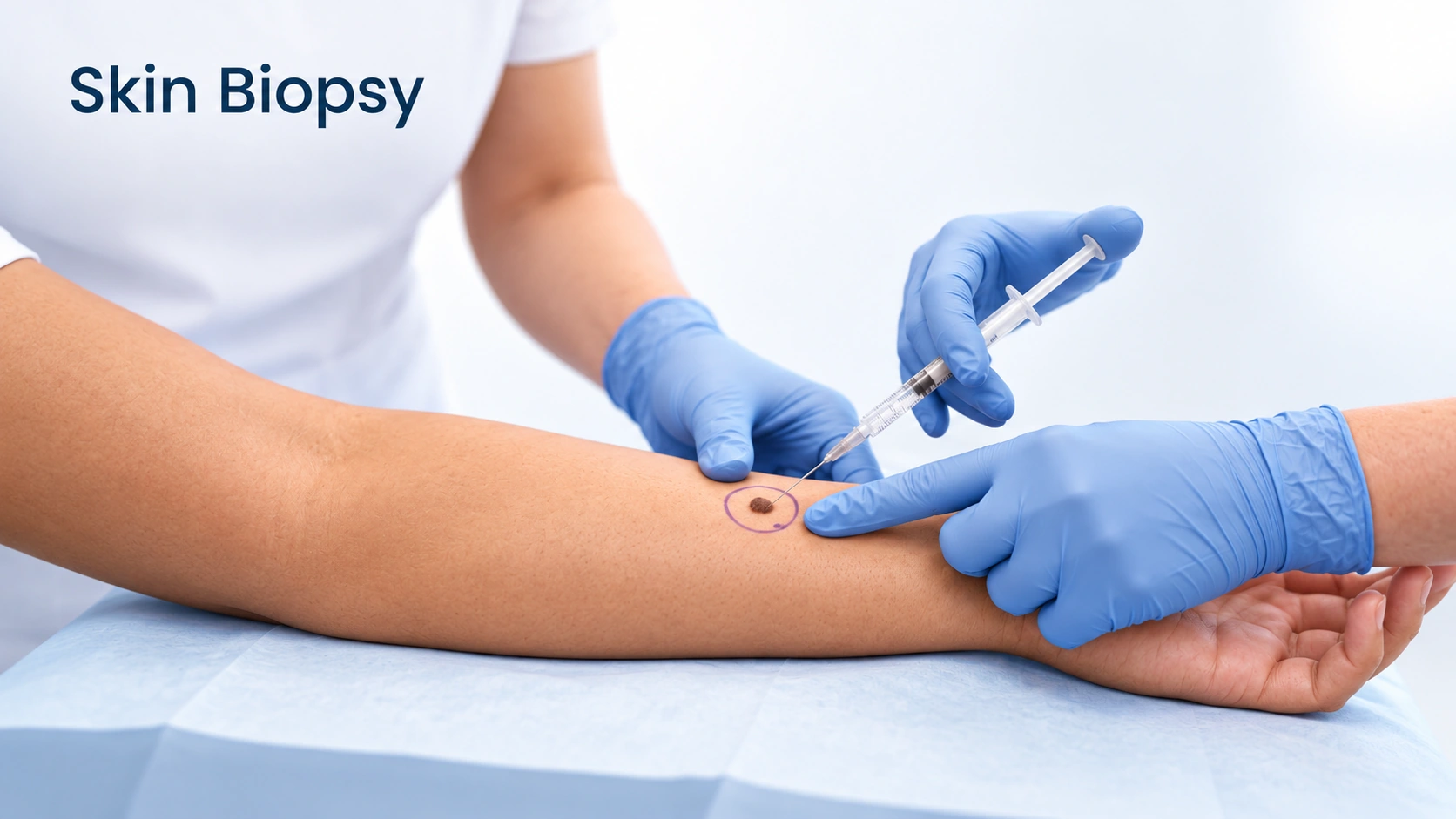
A small sample taken under local anesthetic, usually a shave or a punch, and read by a pathologist. It does two things: it confirms this is a basal cell carcinoma, and it names the subtype. The subtype is what decides which treatment is right, so this comes before the treatment conversation rather than after it.
Confirmed sebaceous hyperplasia is harmless and does not need treatment. Existing bumps may persist, and new or recurrent bumps can appear after cosmetic treatment.
Basal cell carcinoma is slow, which is why it gets lived with for too long. It grows in one place over months and years, and the heal-and-return cycle is what finally gets it noticed.
A secure diagnosis matters because other lesions can look similar.
The most useful clue there is
It scabs, bleeds when knocked, shaved over or towel-dried, appears to heal, then breaks down in the same place. People read that cycle as improvement.
It keeps invading nearby tissue
On the nose, eyelid, ear and lip it can reach cartilage and deeper structures, and the repair needed becomes far larger. Ulceration, bleeding and a persistent open area are late features. Some subtypes track along nerves, causing numbness or tingling. Spread to lymph nodes or other organs happens, but is genuinely rare.
Have a new, growing, bleeding, painful or otherwise changing lesion examined.
Arrange assessment of a persistent pearly bump, ulcer or repeatedly bleeding sore. It usually grows locally and needs treatment rather than observation alone.
Harmless enlargement of oil glands, often on the adult face.
Avoid picking or home removal. Protect exposed skin from the sun.
Have a new, growing, bleeding, painful or otherwise changing lesion examined.
Rarely dangerous to your life, because it almost never spreads to other organs. It is a real risk to the tissue around it, it keeps growing, and it does not resolve, so the question is not whether to treat but how soon. Earlier means a smaller procedure.
Slowly, over months to years, which is why it gets left. The slowness is why early treatment works so well: a tumor caught at a few millimeters on the nose is a short procedure, and the same tumor two years later can need reconstruction.
The tumor is removed in stages and the edges examined under a microscope at the same appointment, so complete removal is confirmed before closing. It spares the most normal tissue and is used mainly on the face and for higher-risk tumors. Ask why a method is recommended for yours.
Sometimes, for thin superficial tumors on the trunk or limbs, and only after a biopsy has shown that subtype. Cure rates are lower, treatment runs for weeks, and the skin gets red, sore and crusted while it works. A trade-off, not an easier option.
A large proportion do, usually within about five years and elsewhere on sun-damaged skin. Not a sign the first treatment failed - it is why skin checks and daily sun protection are part of the plan.
Yes. Every treatment leaves a mark, and how it looks depends on the site and the method. If you have ever had a thickened or keloid scar, say so beforehand; it can change the technique and closure. Silicone and sun protection help once it has healed.
Sources