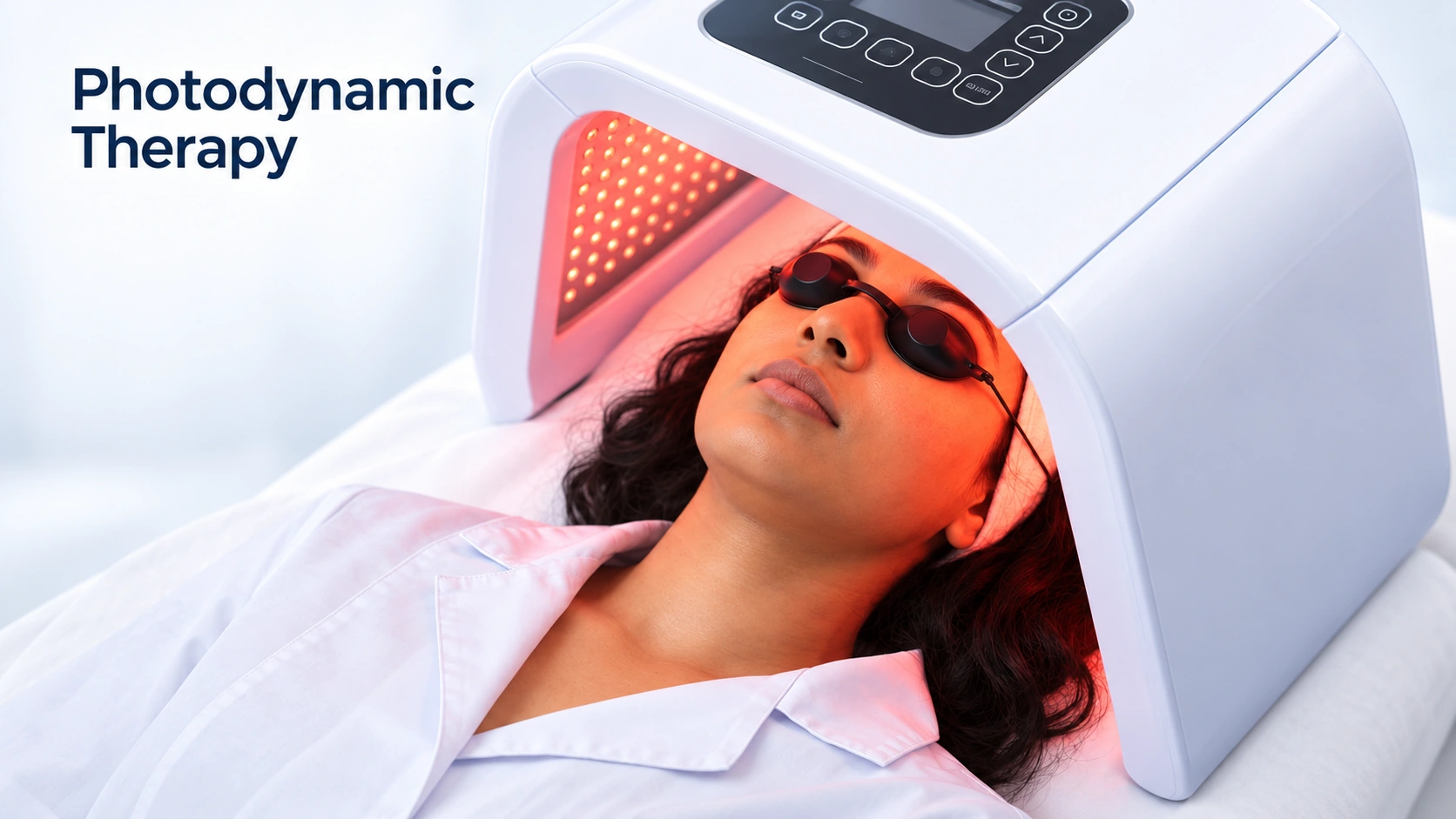
It uses ultra-short pulses.
Picosecond lasers act on pigment or create fractional tissue effects.
Picosecond Laser: A tattoo and pigment laser that fires in pulses lasting trillionths of a second. It works, and the marketing around the word “pico” has run well ahead of the evidence comparing it to the older quality-switched lasers.
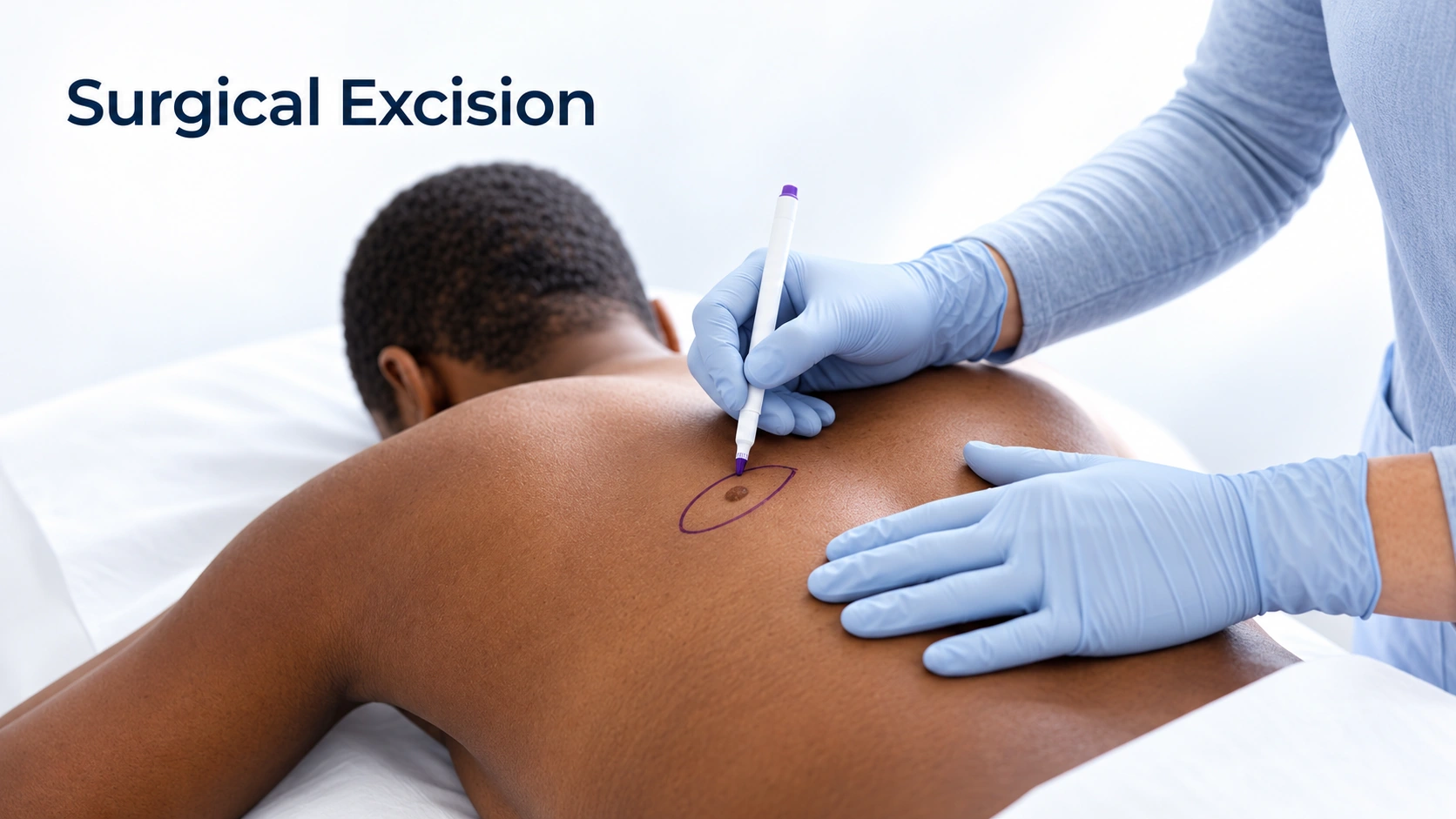
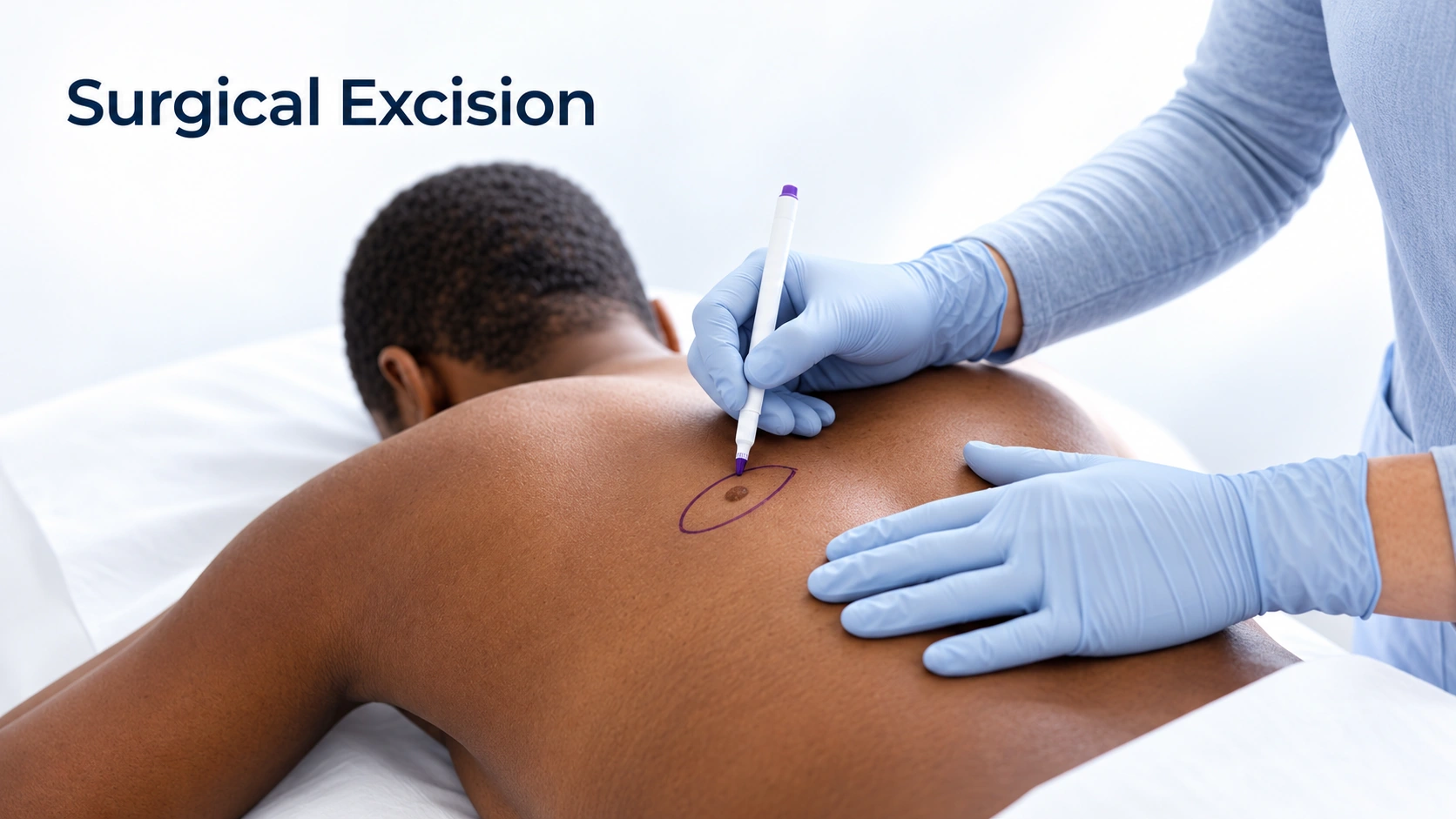
Surgical Excision: The growth is cut out along with a measured border of normal-looking skin, and the wound is stitched closed. The whole piece goes to a laboratory and the result comes back in about a week. The scar is a line, and it is longer than the spot was.
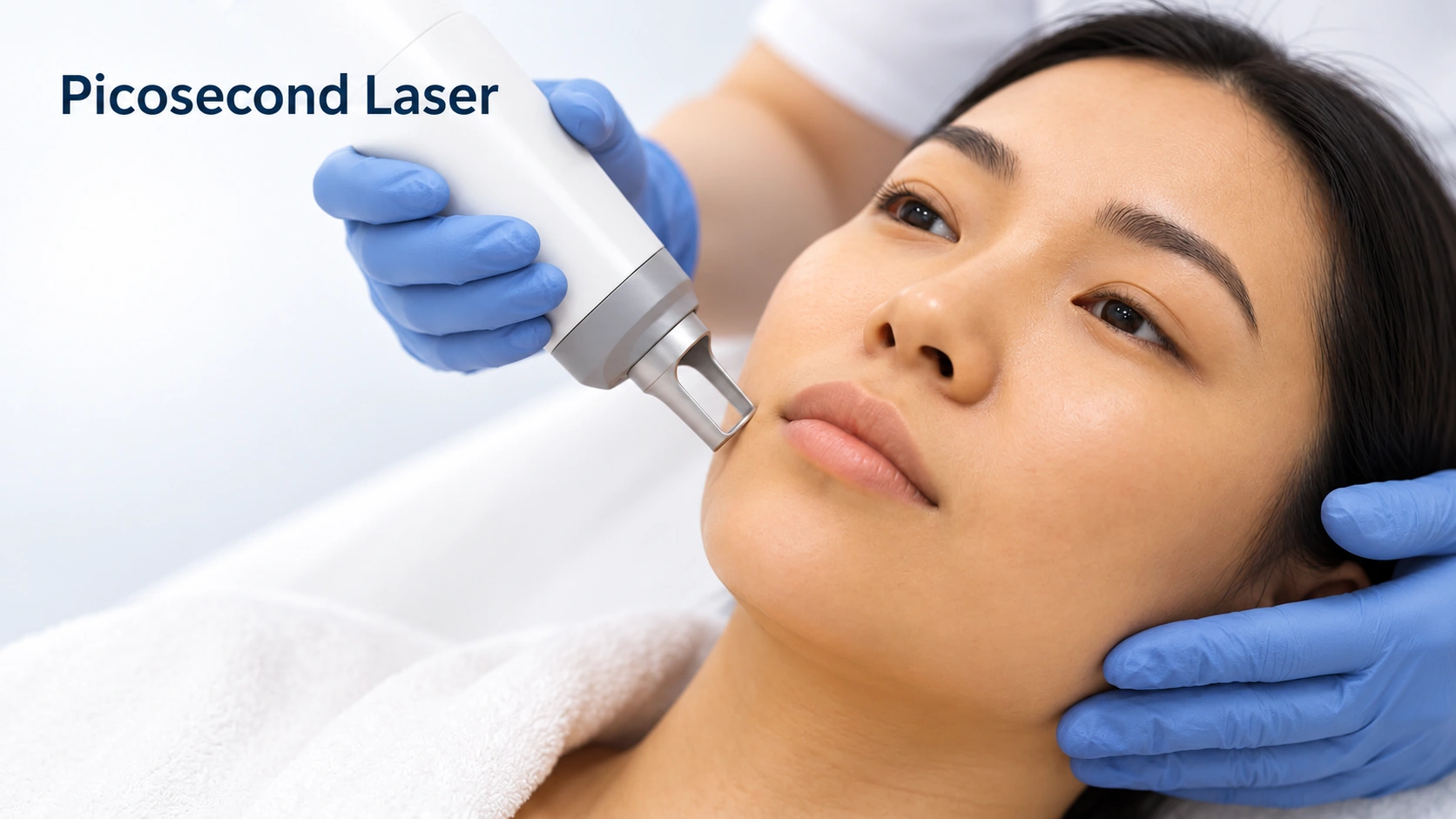
Choose for tattoo removal or sun spots — it works, but don't pay extra for the word "pico" alone.
Choose to remove a skin cancer or suspicious growth completely with lab-checked edges — the scar is a line, longer than the spot.
Can you have both?
Both can remove a tattoo. Laser fades it over many sessions; excision removes small tattoos in one go but leaves a scar.
Picosecond lasers act on pigment or create fractional tissue effects.
Tattoos, pigmentation and texture each need different settings.
Spots should be confirmed before fading.
Cosmetic tattoos may darken; melasma needs careful selection.
A planned incision removes the lesion and a rim of tissue.
It provides tissue or removes a known lesion.
They should not be chosen from a generic chart.
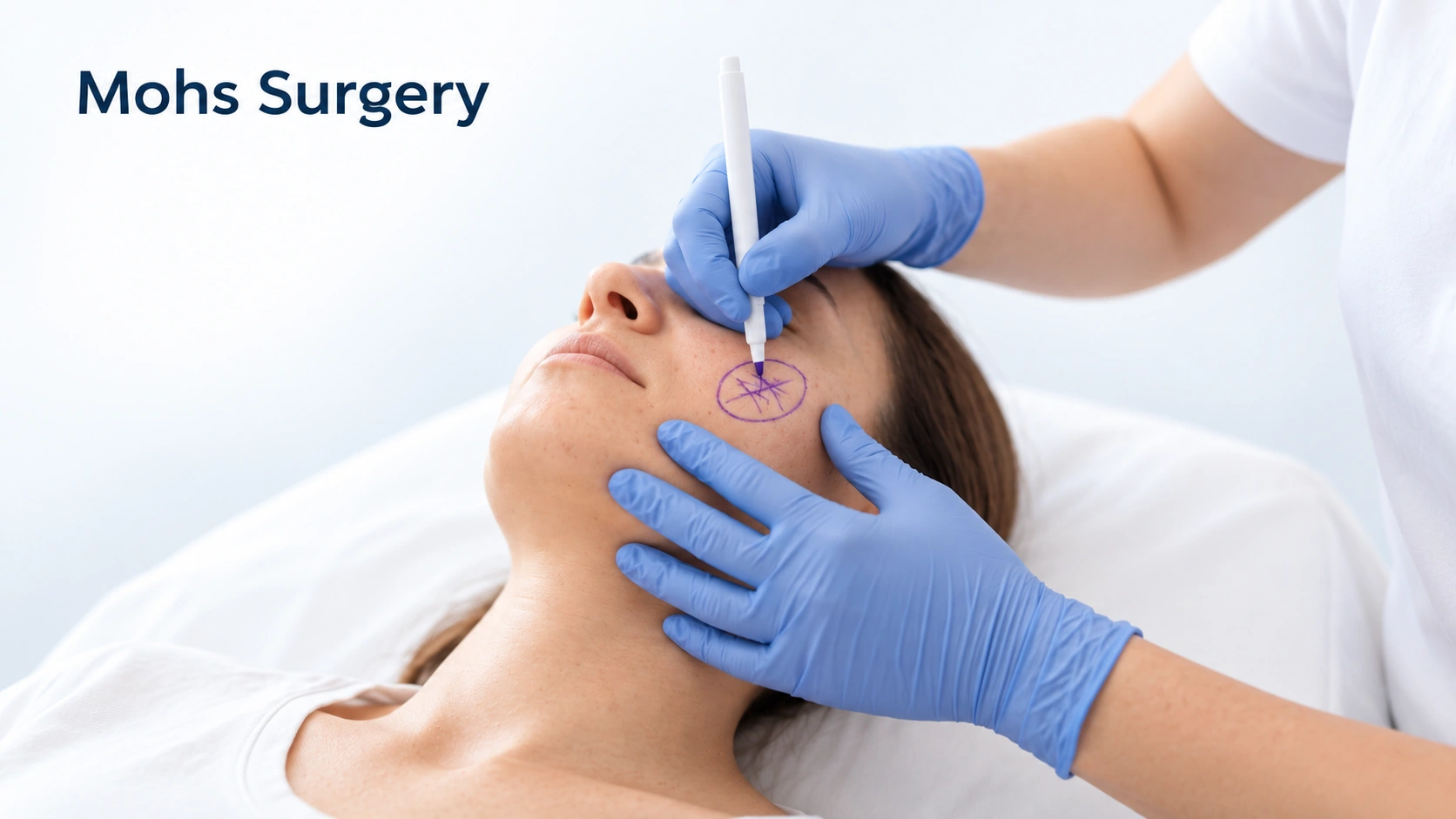
Standard excision and Mohs assess tissue differently.
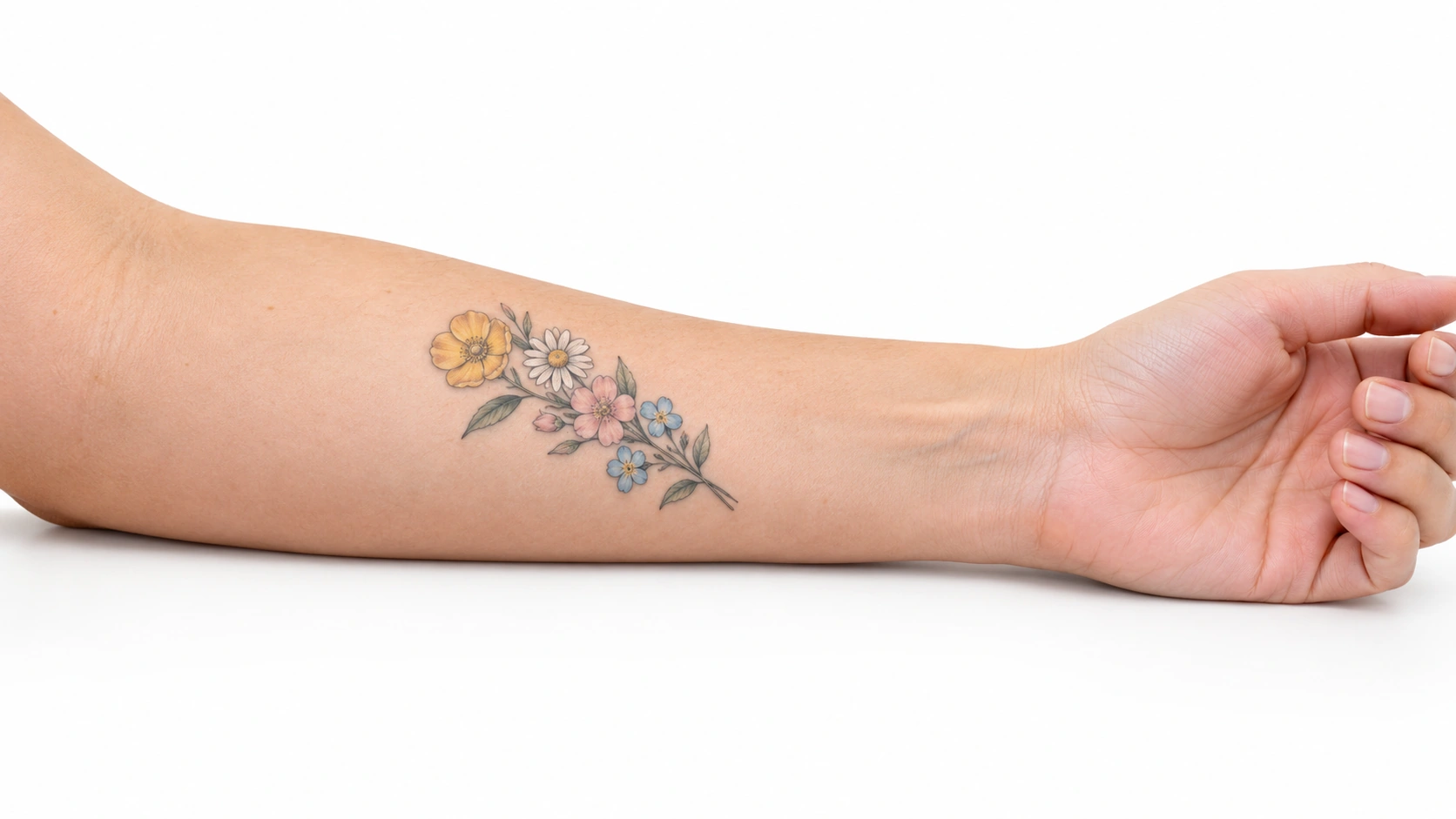
Fades most ink colors.
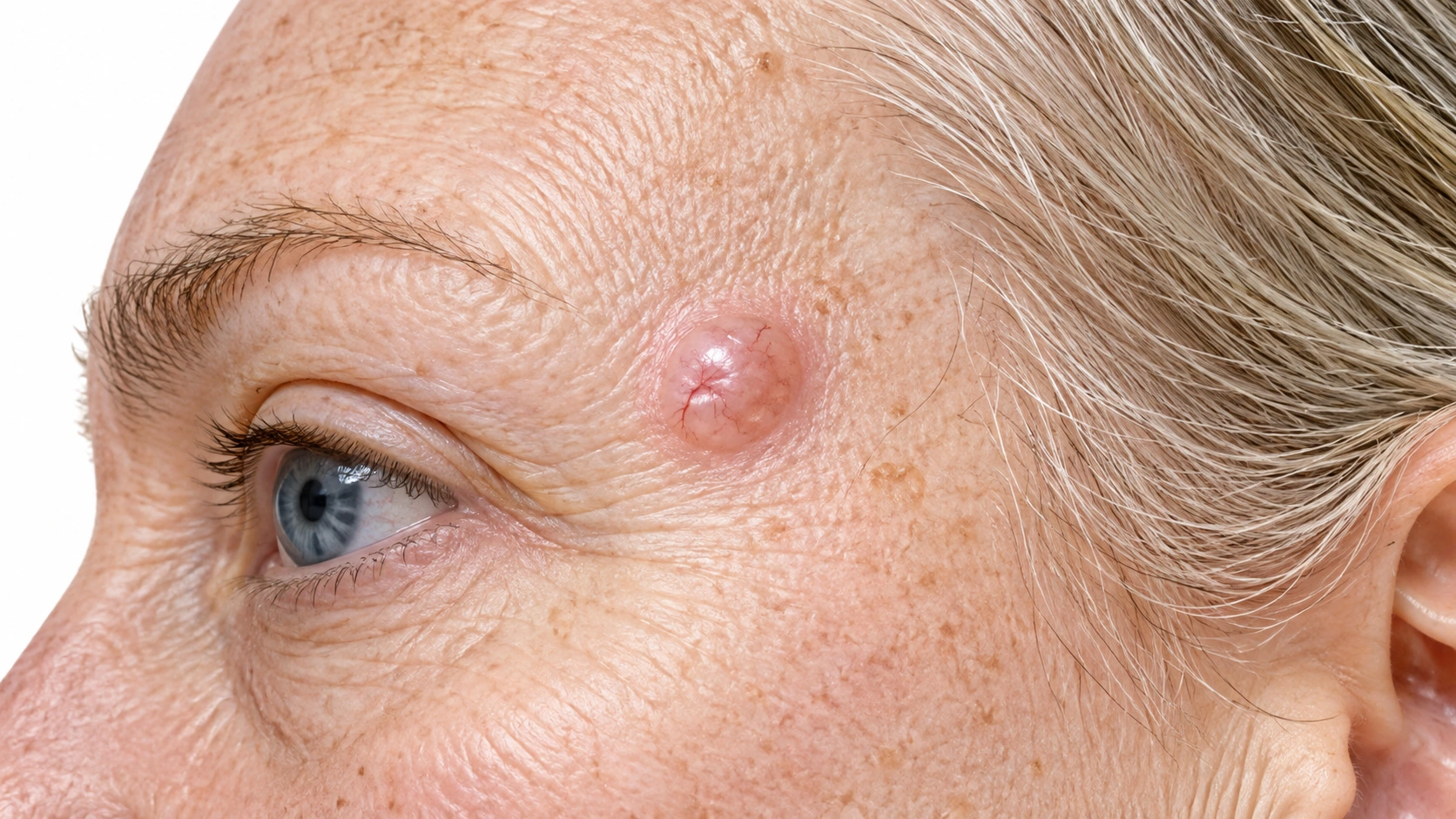
High cure rates.
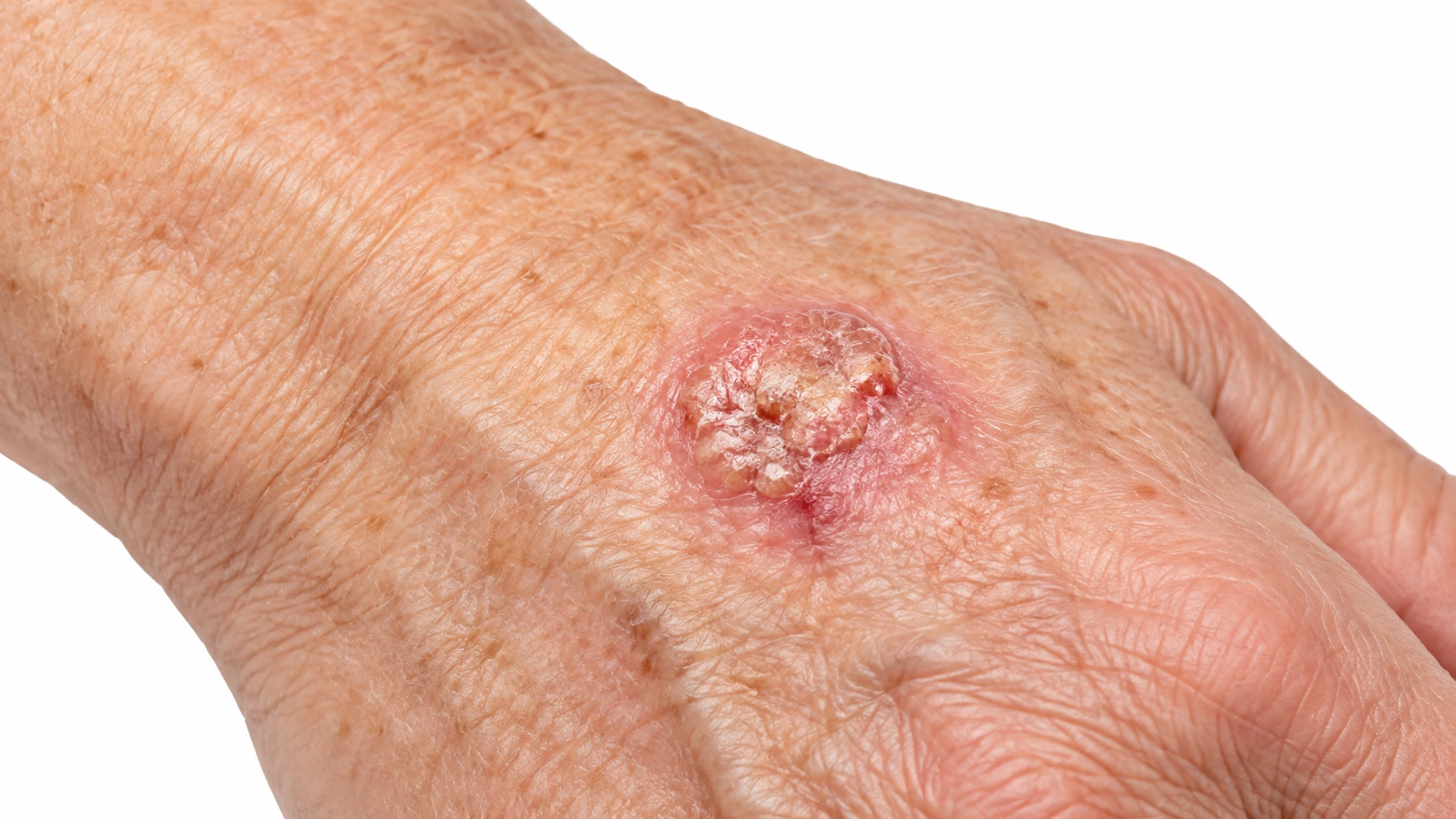
Removes the cancer with margins.
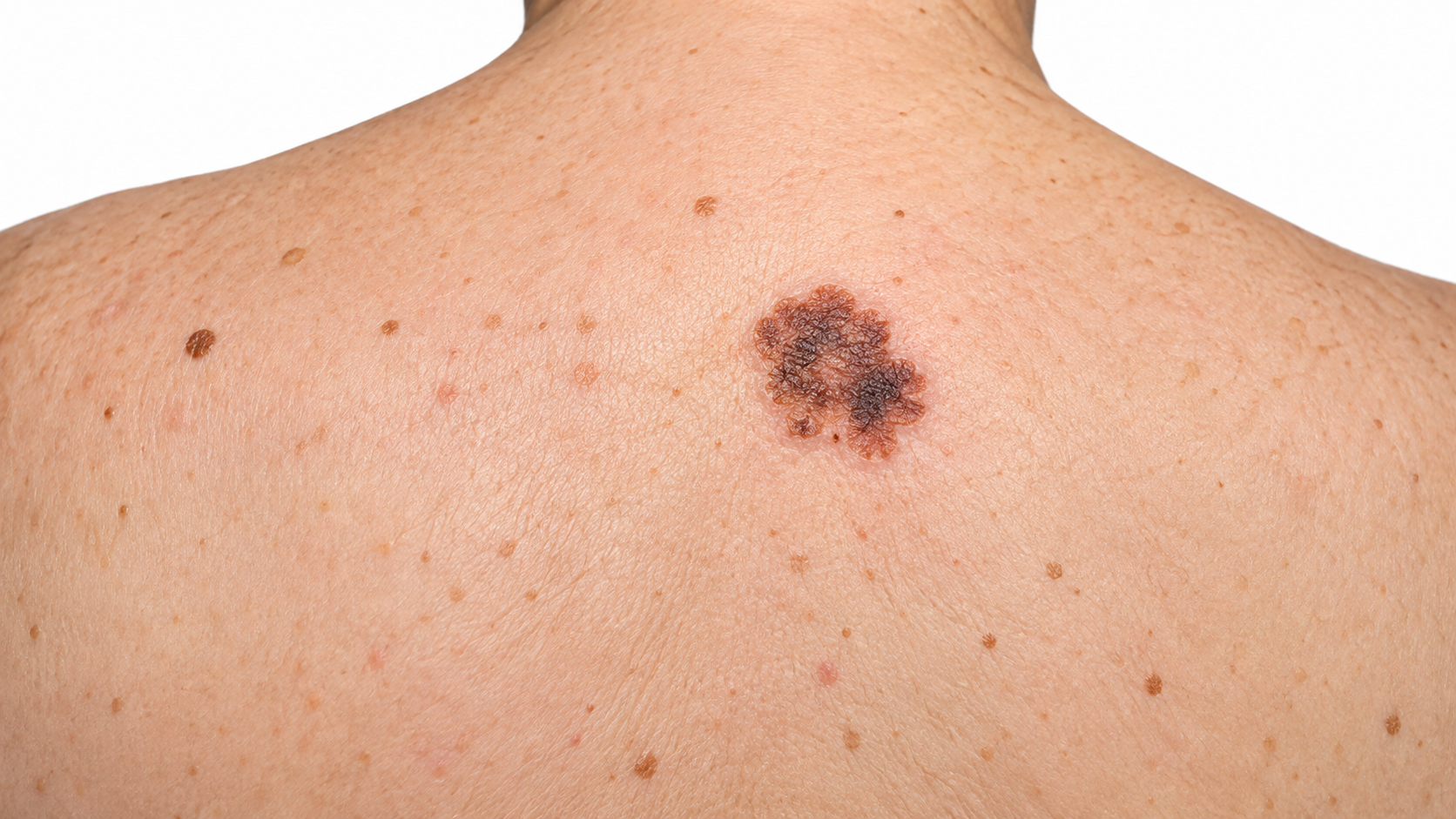
The main treatment.
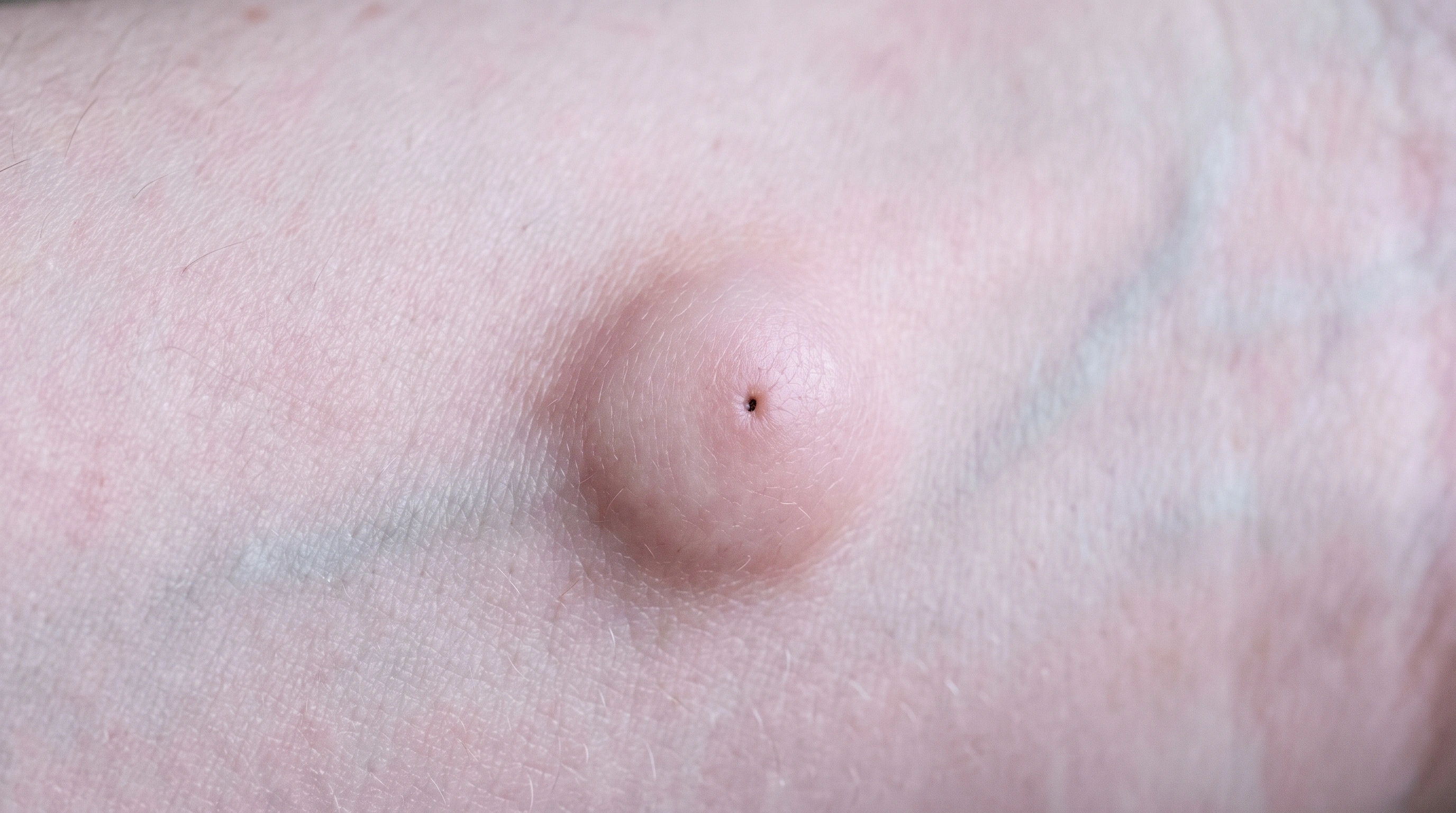
Removes the sac.
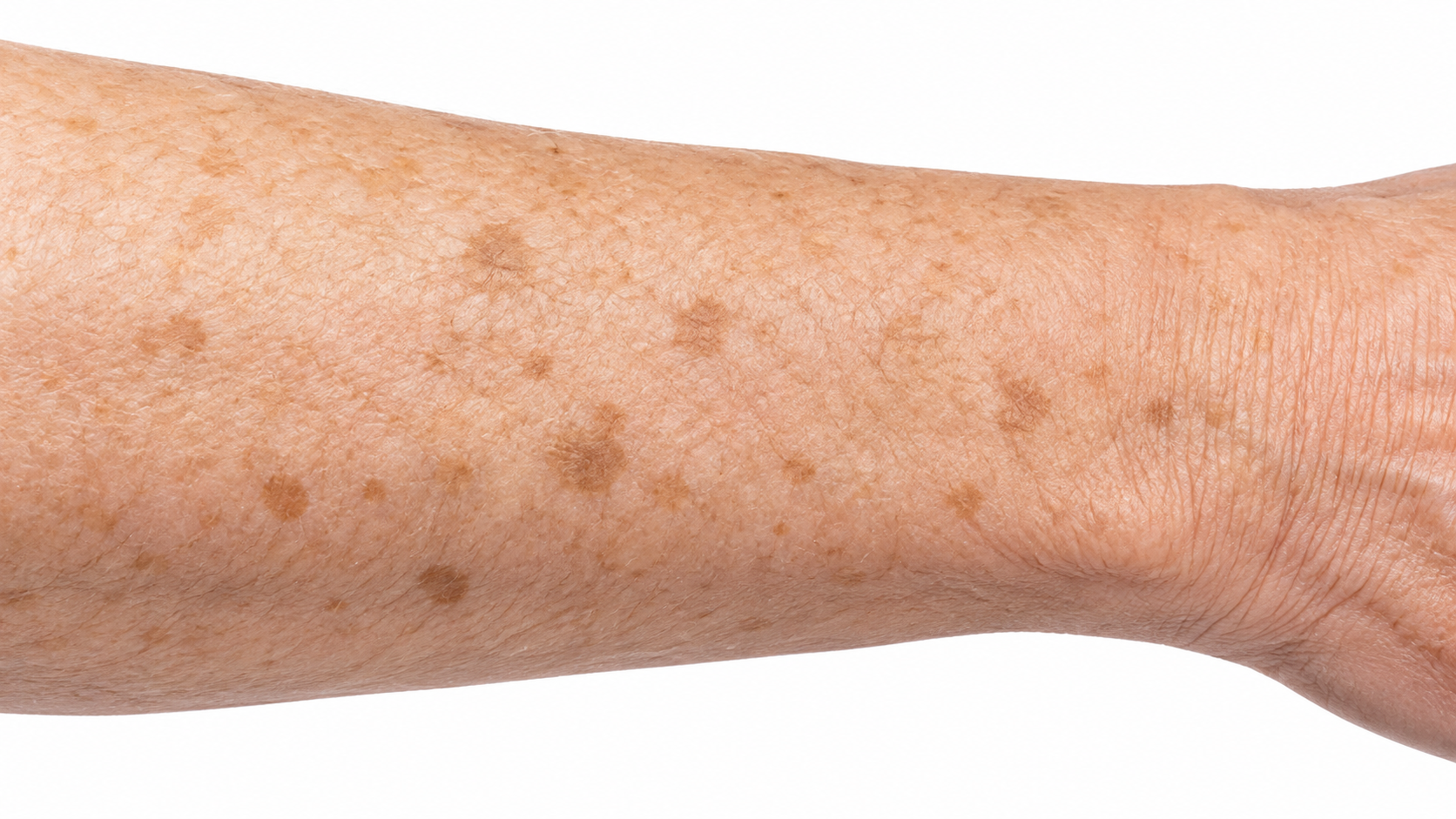
Clears spots.
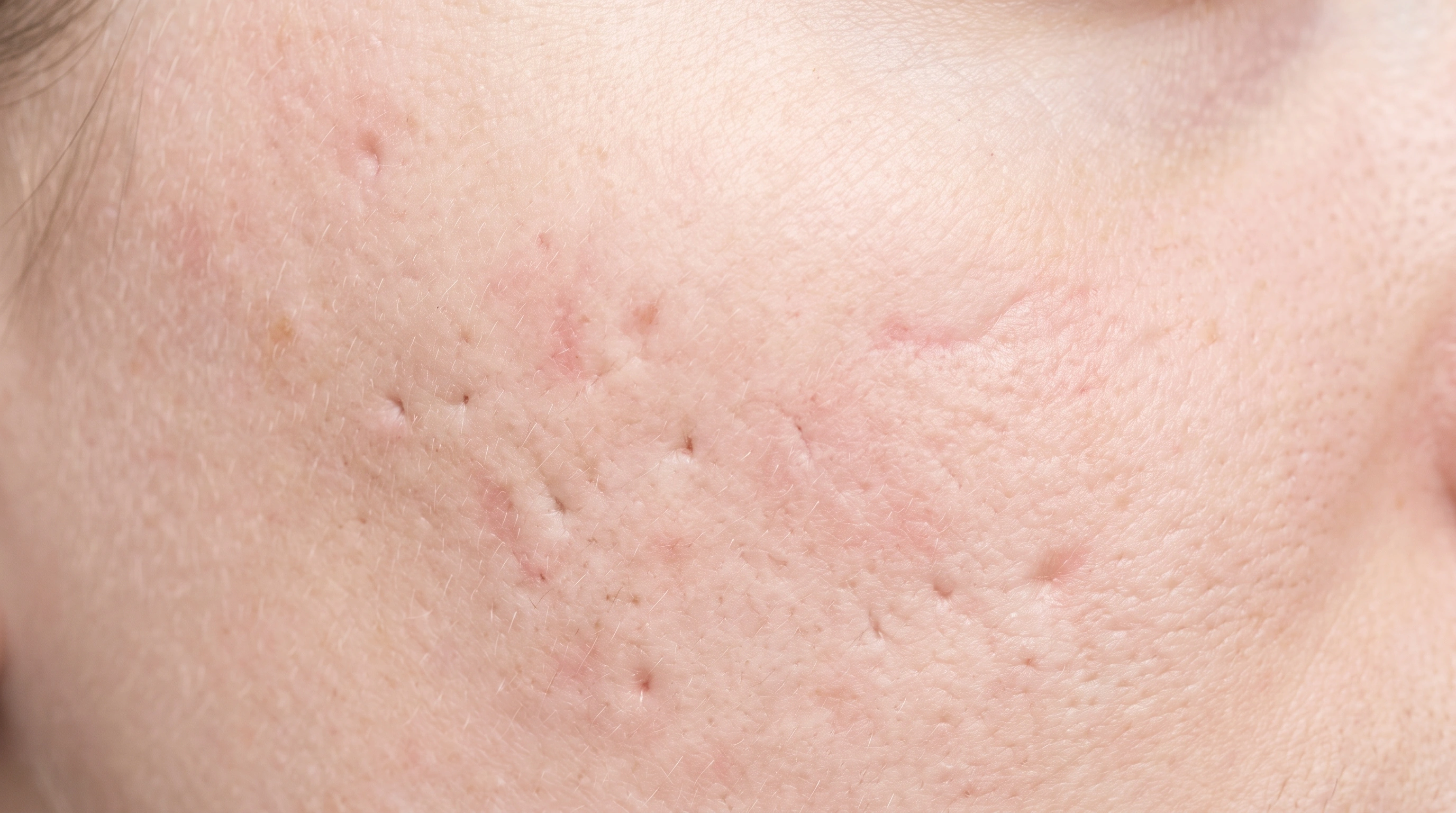
Focus lenses improve texture.
Punch excision is used for small scars instead.
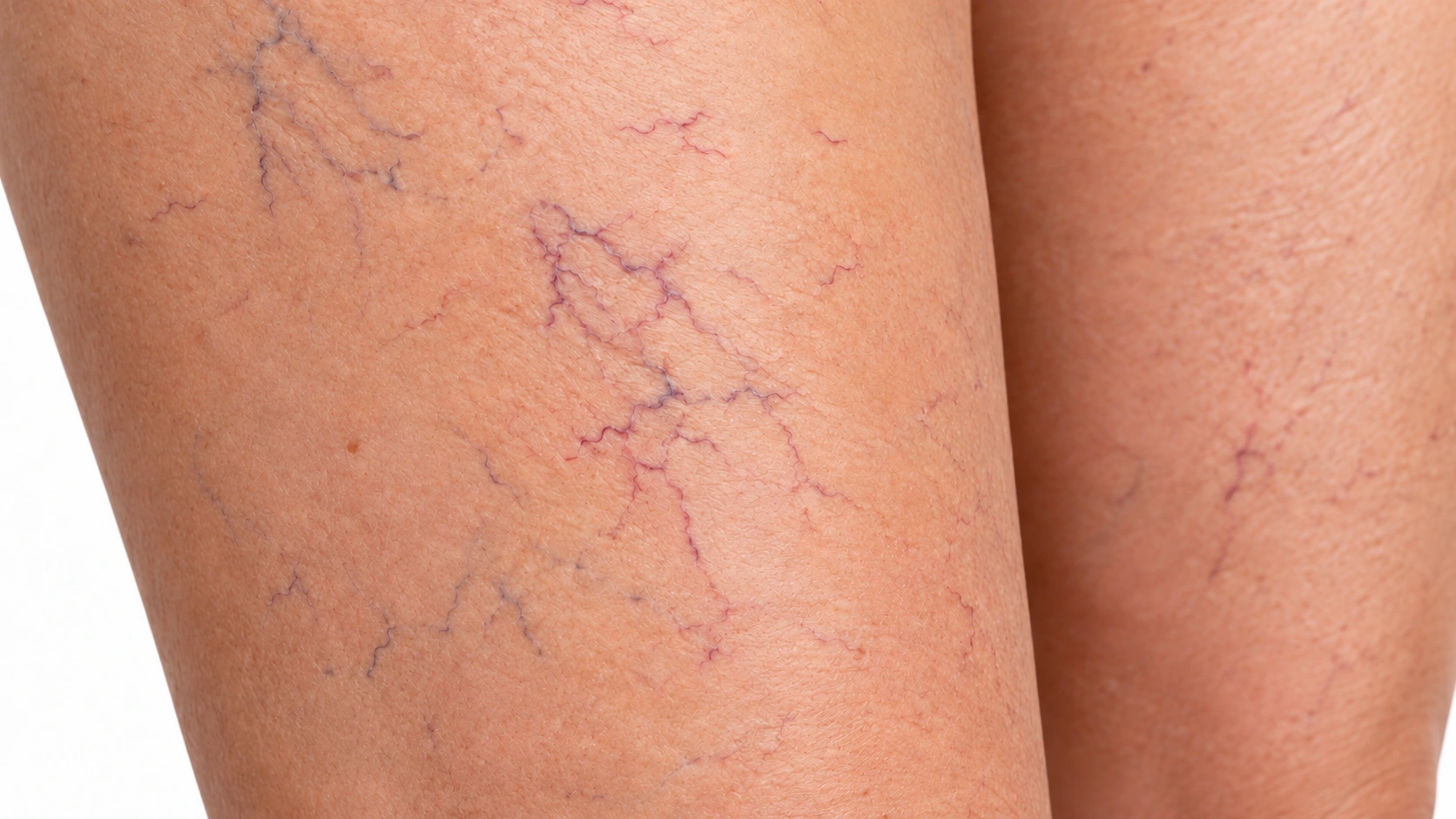
Doesn't target vessels.
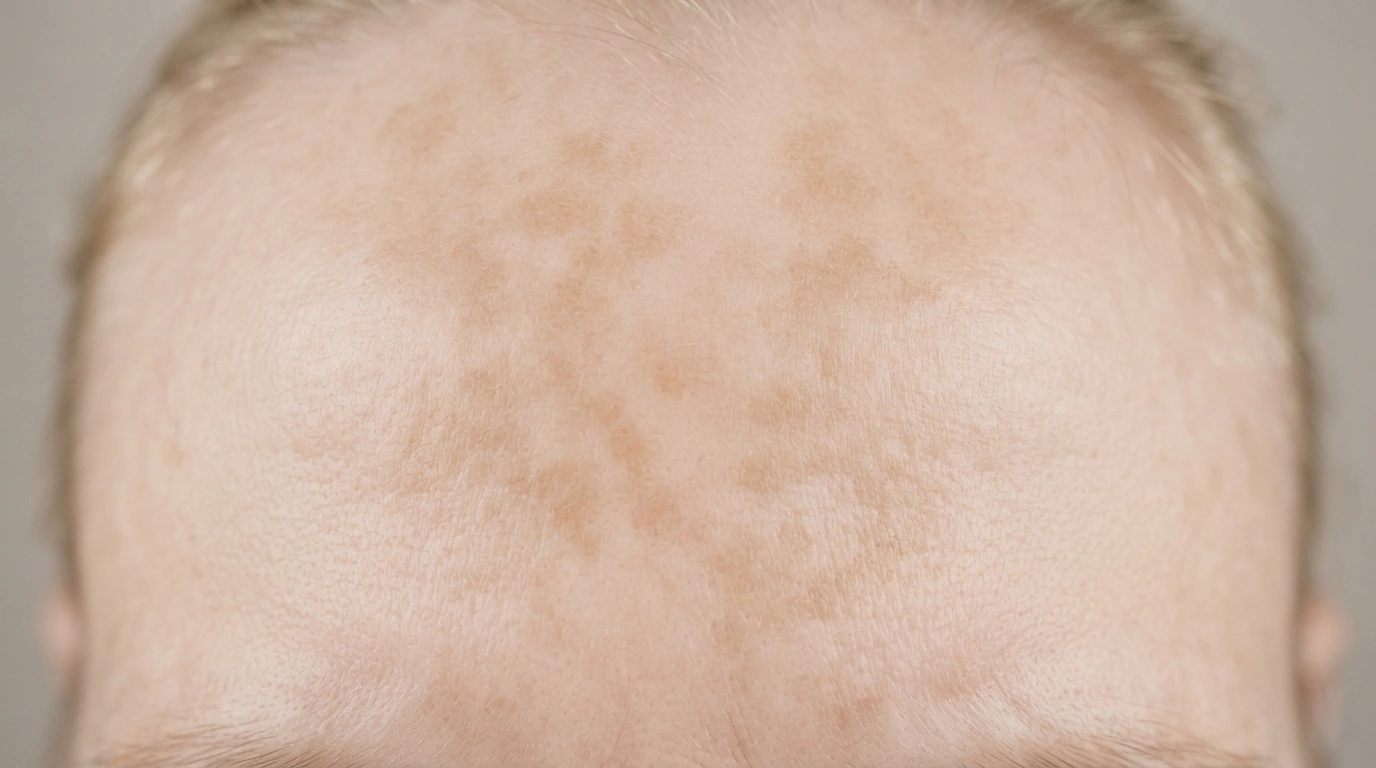
Pigment can rebound.
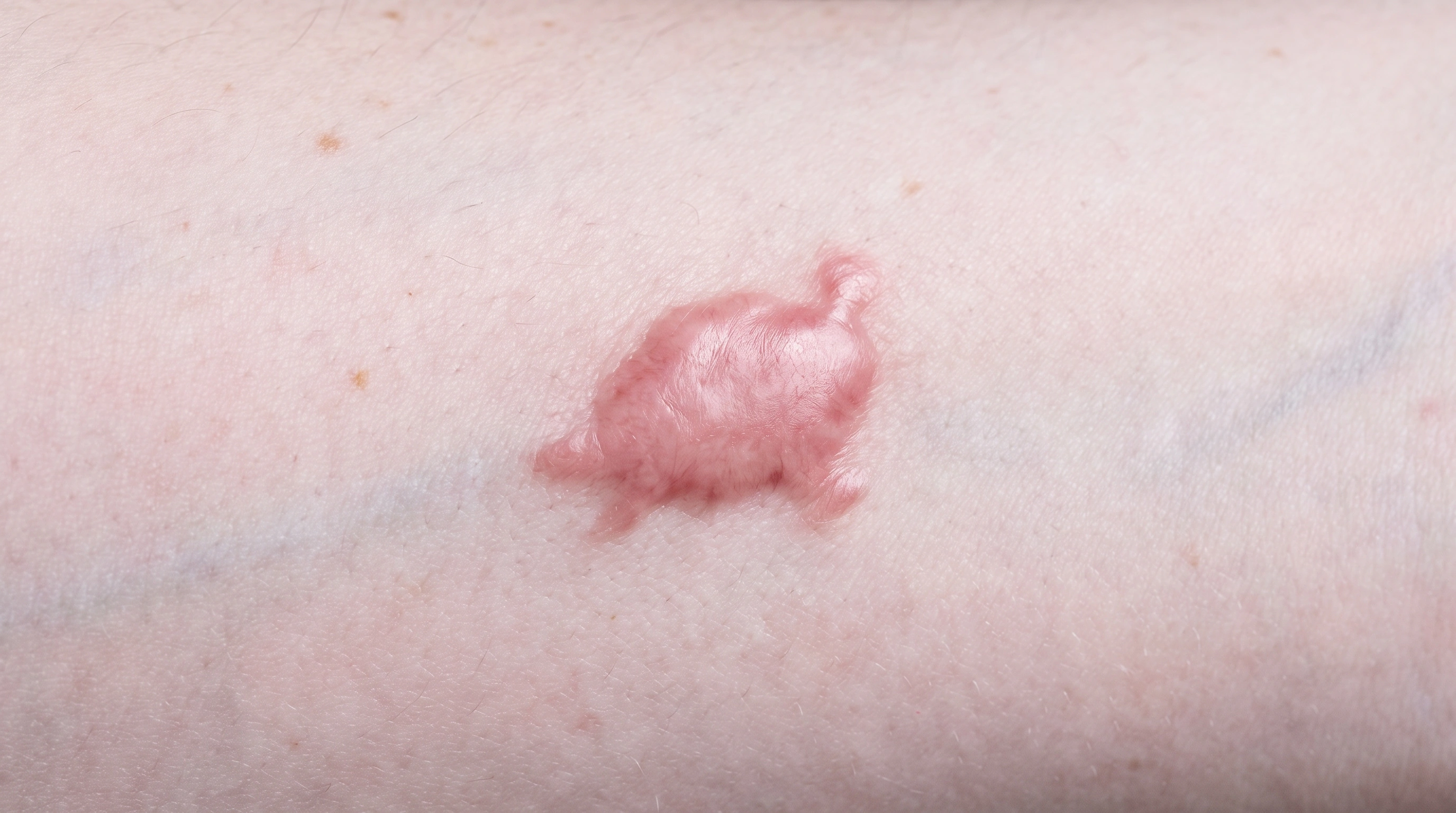
Keloids often return larger alone.
The tattoo or diagnosed pigment spot determines the treatment site; location varies.
The specific lesion, scar or affected patch determines the treatment site; there is no fixed body distribution.

Ultrashort pulses reach pigment: The wavelength and treatment mode are chosen for the target. Rapid energy delivery fragments pigment: Mechanical effects can break selected particles into smaller pieces. Clearance follows over time: The body clears some fragments; results depend on the pigment and skin.
Schematic illustration. Technique and response vary. This explains a mechanism and does not specify treatment settings.
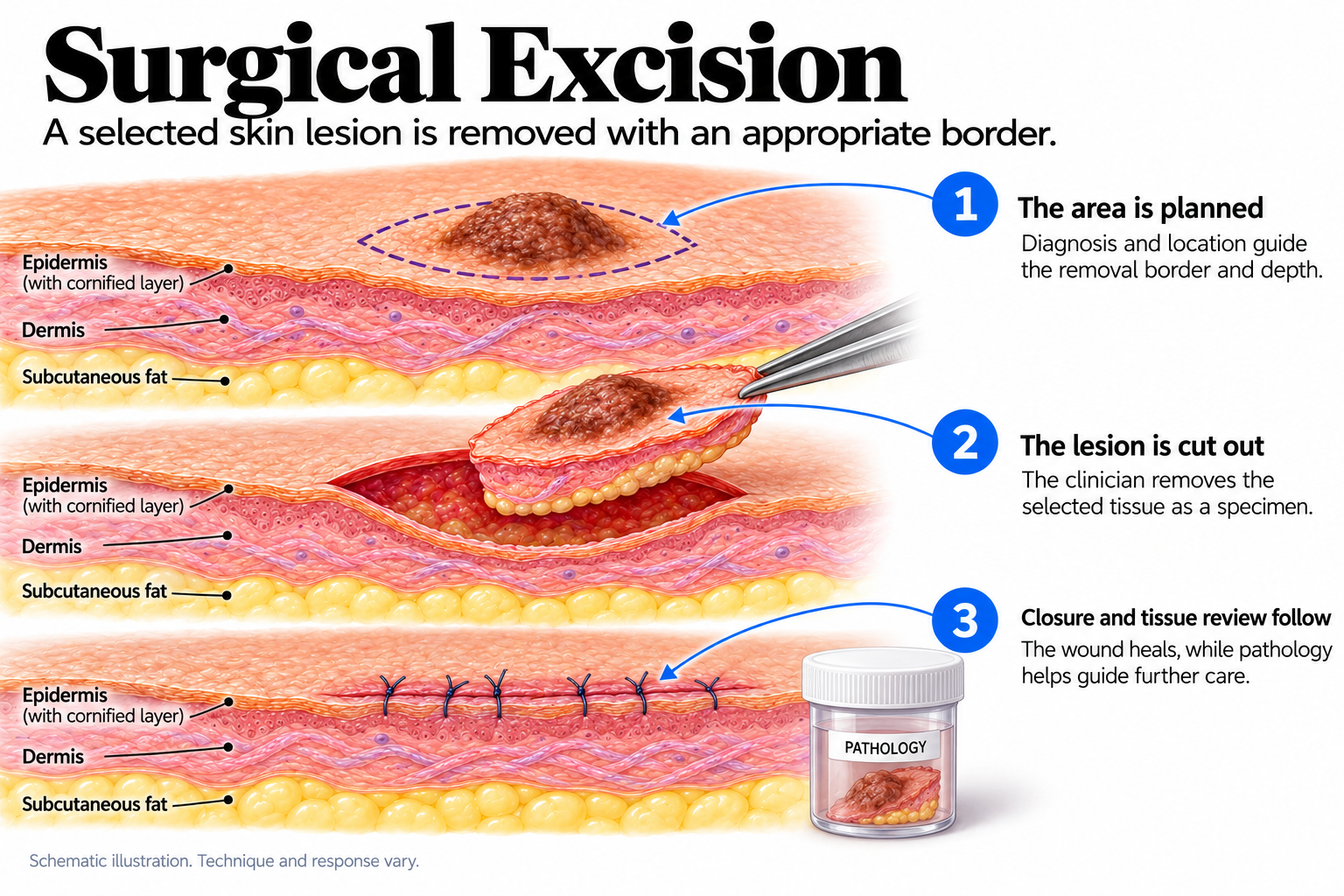
The area is planned: Diagnosis and location guide the removal border and depth. The lesion is cut out: The clinician removes the selected tissue as a specimen. Closure and tissue review follow: The wound heals, while pathology helps guide further care.
Schematic illustration. Technique and response vary. This explains a mechanism and does not specify treatment settings.
4 weeks before: Sun and tanning: Avoid sun, sunbeds and self-tanner on the area.
4 weeks before: Sun and tanning: Tanned skin postpones a session — surface pigment competes for the light and raises the risk of burns and pigment loss.
Before you book: Numbing and history: Ask for numbing to be arranged in advance.
3 to 5 days before: Actives and shaving: Stop retinoids and exfoliating acids.
3 to 5 days before: Actives and shaving: Shave the area.
Supplements and alcohol: Non-essential blood thinners such as fish oil, vitamin E and ginkgo are commonly stopped about a week before, and alcohol the night before.
Smoking and vaping: Stop for a week before and two weeks after if you can.
Clean skin: Clean, product-free skin.
Eating and clothes: Eat normally and take your usual morning medicines.
The tattoo or pigment is examined, photographed, and its colors noted, since they decide the wavelengths.
The site is confirmed against the biopsy report and you point to it yourself.
Everyone wears eye protection.
The provider fires overlapping pulses, with a snapping sound and a faint smell. Skin whitens at once — frosting — and fades within about 20 minutes. A small tattoo takes minutes; a large piece is split across appointments. It feels sharper than getting the tattoo but far quicker, and bony areas are worse.
The surgery: The skin is cleaned and draped.
The surgery: The ellipse is cut out in one piece, bleeding points sealed, and the edges freed so they meet without tension. Closing is in layers — dissolving stitches deep, stitches on the surface. You feel pressure and tugging and hear instruments, but nothing sharp. Most take 20 to 45 minutes, and the site feels tight afterward rather than sore.
The area is white and raised, then red and swollen as the frosting fades.
A dressing, written wound care, a stitch removal appointment, and a plan for how the pathology result reaches you.
Days 1 to 3: Swelling peaks on day one or two and can be marked around the eyes, hands and ankles.
Days 3 to 14: Scabs form and fall away on their own, taking some ink with them.
First week: Keep the dressing dry and in place for 24 to 48 hours, then start daily care — gentle wash, petrolatum, non-stick dressing.
Days 5 to 14: Stitches come out — face at 5 to 7 days, trunk and arms at 10 to 14, legs and back sometimes longer.
Weeks 2 to 8: Skin looks normal while the immune system clears ink fragments underneath.
From week 2: The scar is hardest, pinkest and most raised at around three to six weeks.
Fading over weeks after each session
Lab result in about a week
Removed ink is gone
Permanent
In the US, a picosecond session on a small to medium tattoo commonly runs $200 to $500, with larger pieces priced higher and often split into sections.
An excision costs more than a scrape-and-burn and less than Mohs surgery.
Insurance does not cover tattoo removal or cosmetic pigment treatment.
In the US the surgical charge is priced by the size of the excision and the body site, with a separate charge for a more complex layered closure.
Not settled. Studies generally find picosecond devices perform at least as well, and some report clearance in fewer sessions, but the head-to-head trials are few, small and inconsistent. “Pico” is a marketing category, not a standard, so devices differ a lot. The provider's experience and the wavelengths available for your ink colors matter more than the category name.
Most professional tattoos need five to ten or more, six to eight weeks apart, so a year or longer. Amateur tattoos need fewer, cover-ups more. Nobody can give an accurate number at the first visit; how the first two sessions go is the best predictor available.
Sometimes, but heavily faded with a faint shadow is more common. Ink type, depth, color, age and location all matter, and none can be judged from the surface beforehand. Treat a guarantee of complete removal as a warning sign.
Black and dark blue clear most readily. Green and light blue are hardest and need specific wavelengths. Red, orange and yellow are unpredictable. White, flesh-toned and pastel cosmetic inks can turn dark instantly, which is why they get a test spot first.
Yes, generally at 1064 nm, because surface pigment absorbs it least — the same reason the Nd:YAG laser is preferred there for hair and vessels. Multicolored tattoos are harder, because the wavelengths needed for some colors carry more risk of a light or dark patch. Conservative settings, test spots and longer gaps are standard.
Sometimes, with mixed results. Melasma often improves during a course and then returns, and heat and light can provoke it. Most dermatologists lead with sun protection and pigment creams and add laser cautiously.
Because a round hole cannot be closed flat. The piece taken out is an ellipse roughly three times as long as it is wide, so the edges meet evenly instead of puckering at each end. A spot the size of a pencil eraser becomes a line an inch or more long. It is geometry, not technique, and no surgeon avoids it.
Usually 3 to 10 days, depending on the laboratory. Ask before you leave how and when you will be told, and call if you have heard nothing after about two weeks.
A further procedure — a re-excision with a wider border, or a referral for Mohs surgery — usually within a few weeks. It is not a mistake. It is the reason the specimen went to a laboratory in the first place.
About 2 weeks for most sites, longer for the back, shoulder and shin. The visible stitches come out sooner, and the deep stitches are still carrying the tension. Lifting or straining is what stretches or splits a wound.
On the face, particularly the nose, eyelids, ears and lips, or for a tumor that is large, has vague borders, has an aggressive subtype on the biopsy, or has come back before, Mohs is often better. For a small low-risk cancer on the trunk or limbs, an excision achieves the same result in a fraction of the time and cost. Ask which category yours is in.
It flattens and pales substantially over about a year, with most of the change in the first six months. Keeping it out of the sun and using silicone gel or sheeting once it is closed are the two things with reasonable evidence behind them. Scars on the chest, shoulders and upper back stay red and raised longest and are the likeliest to widen.