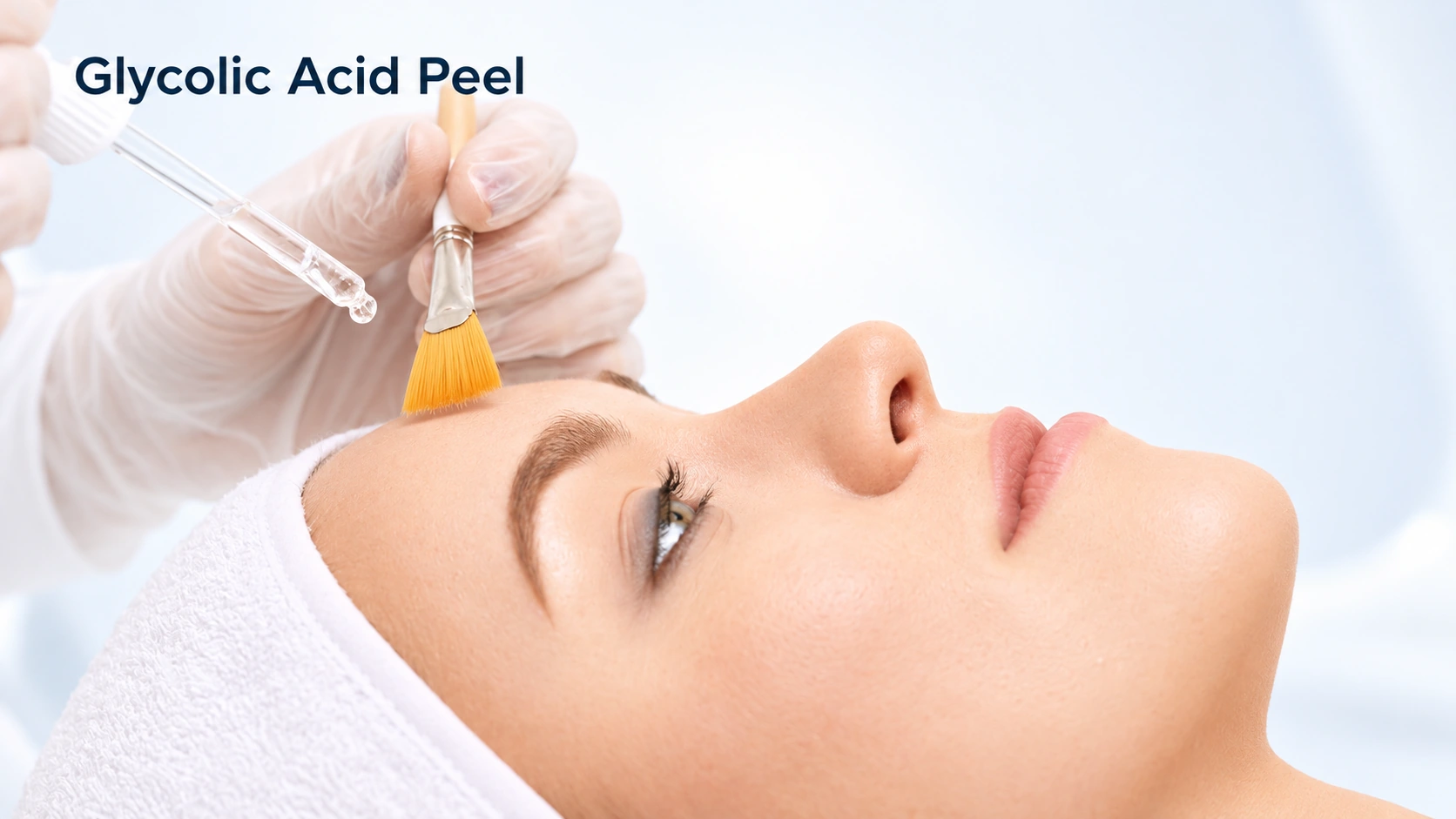
It creates controlled punctures.
Fine needles puncture the skin in a controlled way.
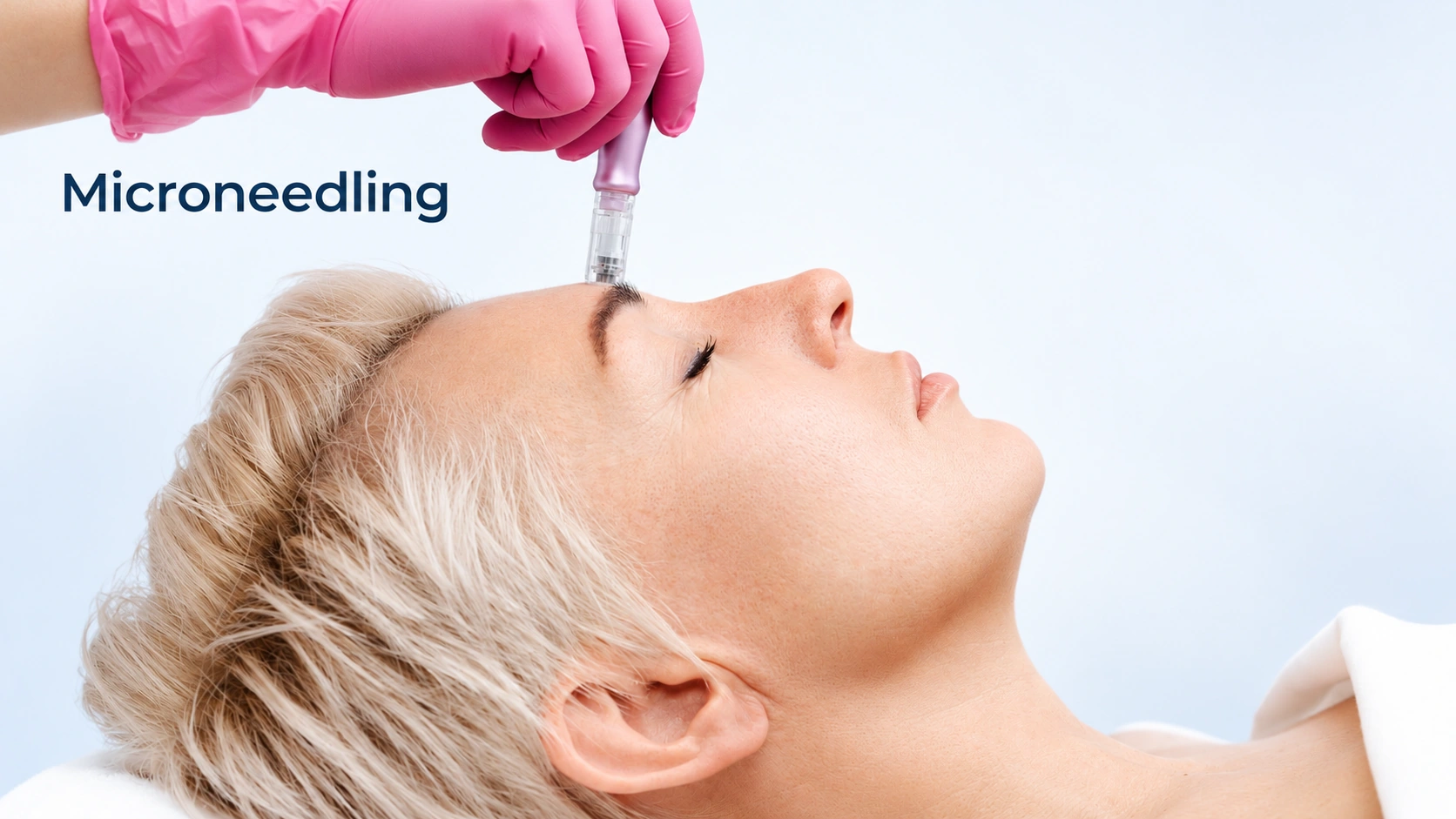
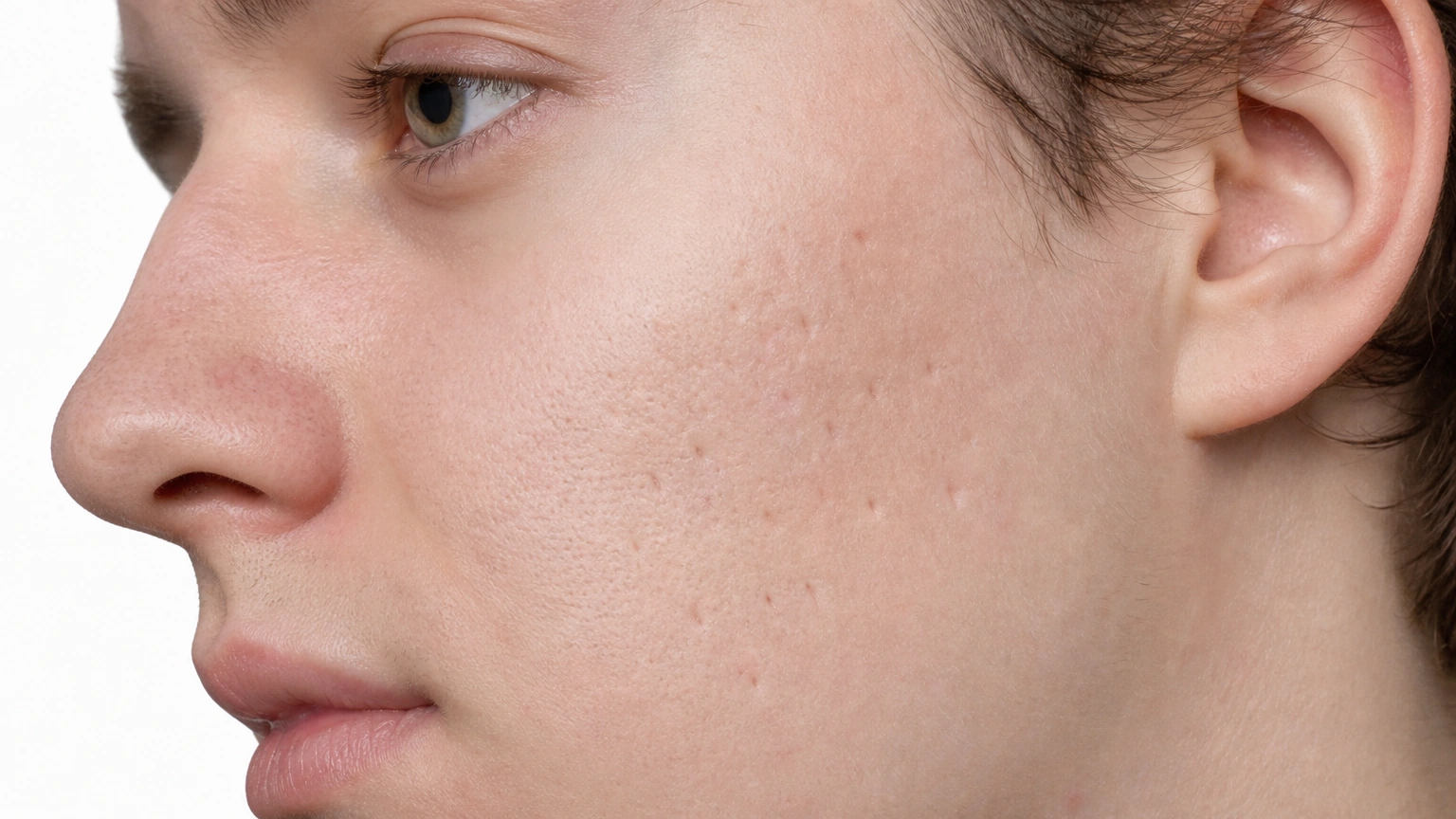
Microneedling: A pen or roller of fine needles makes thousands of tiny controlled punctures in the skin, which sets off healing and new collagen. It is used mainly for indented acne scars and rough texture. It makes them shallower over a course of sessions, not gone.
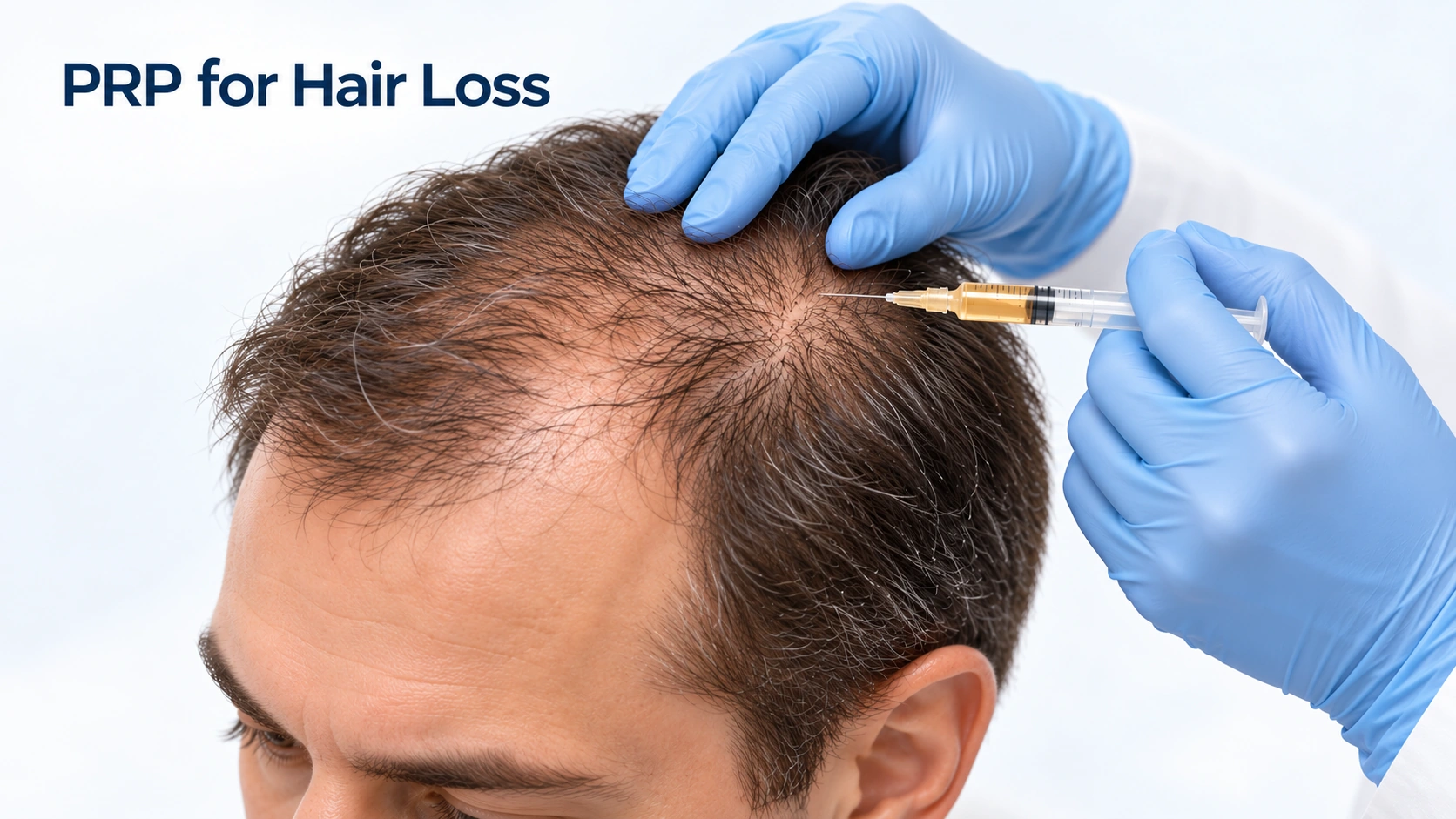
PRP for Hair Loss: Blood is drawn from your arm, spun to concentrate the platelets, and injected into the thinning parts of the scalp. It can thicken hair that is still there. It does not bring back hair that has been gone for years, the evidence is mixed, and the effect fades once you stop.

Choose for indented acne scars and rough texture with little downtime and low pigment risk — shallower, not gone.
Choose as an add-on for thinning hair you still have — evidence is mixed and the effect fades without maintenance.
Can you have both?
Often done in the same session for hair loss: microneedling helps PRP reach the follicles.
Fine needles puncture the skin in a controlled way.
Results depend on device, depth and technique.
No radiofrequency energy is involved.
Devices are not cleared for use with every serum or blood product.
Platelet-rich plasma is concentrated and injected into the scalp.
Most evidence concerns androgenetic alopecia.
Preparation and evidence differ between clinics.
It should not delay established treatment.

Improves rolling and boxcar scars.
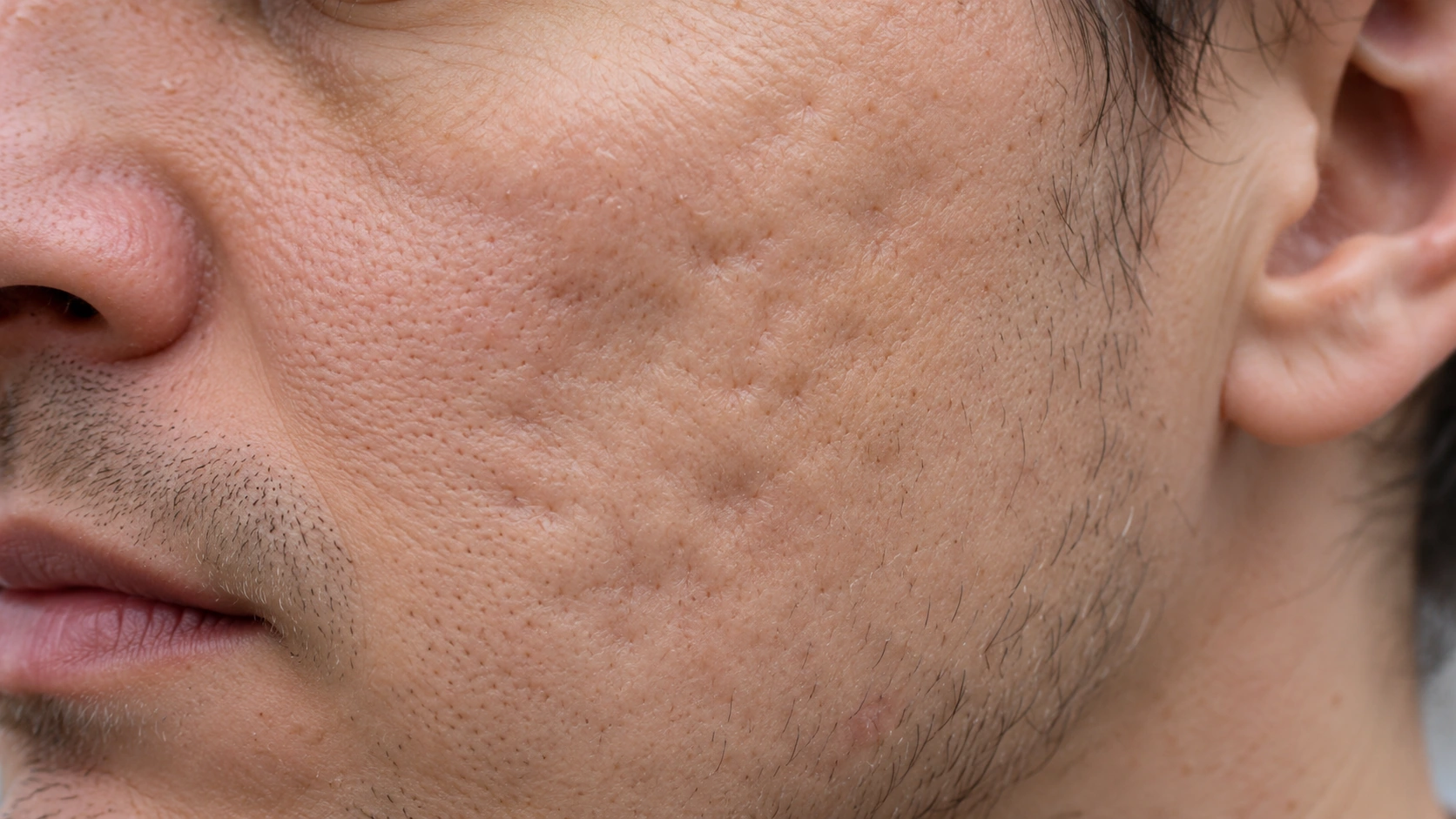
Good results with a series.
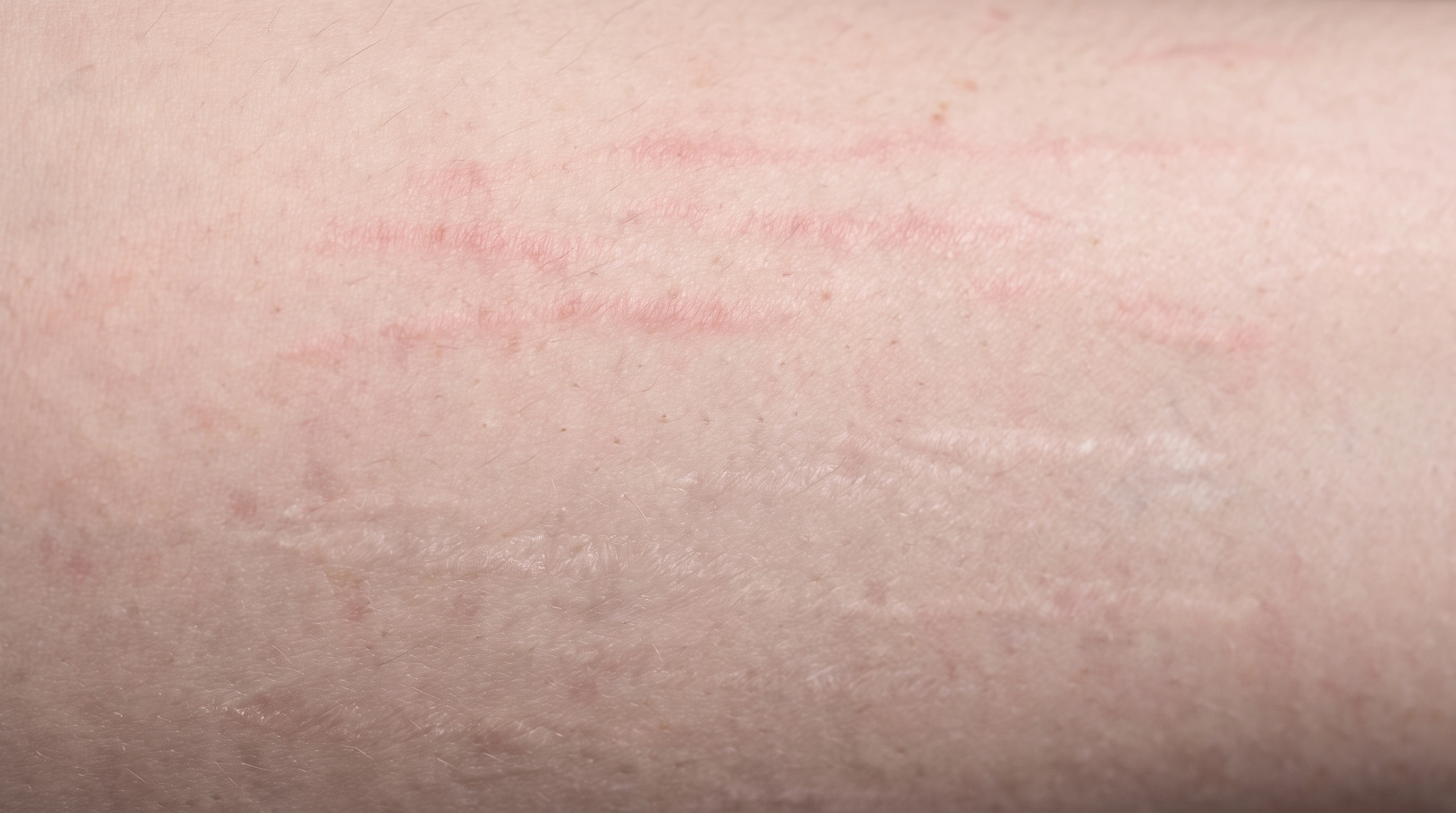
Softens older marks.

Improves texture.
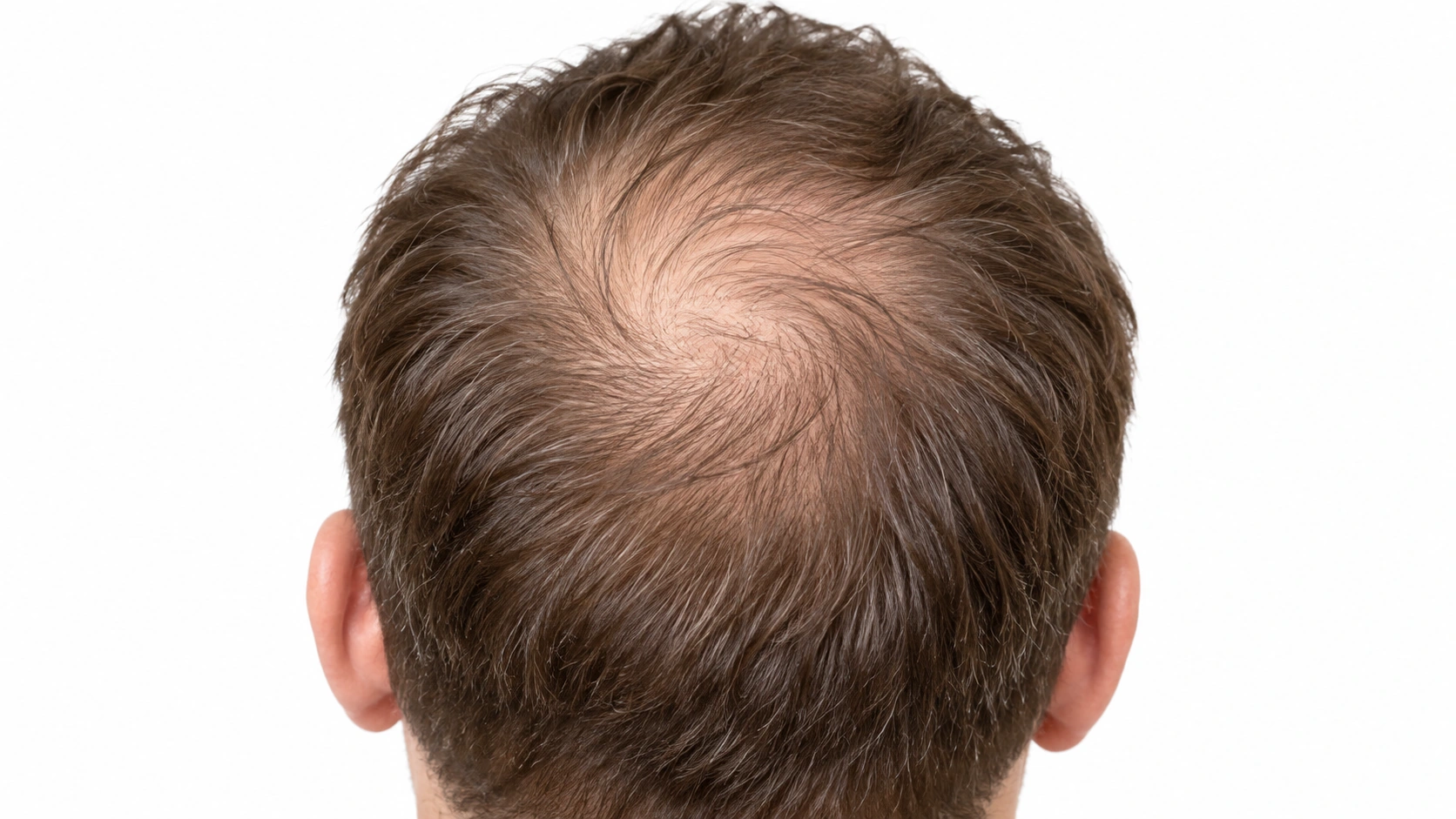
Modest thickening.
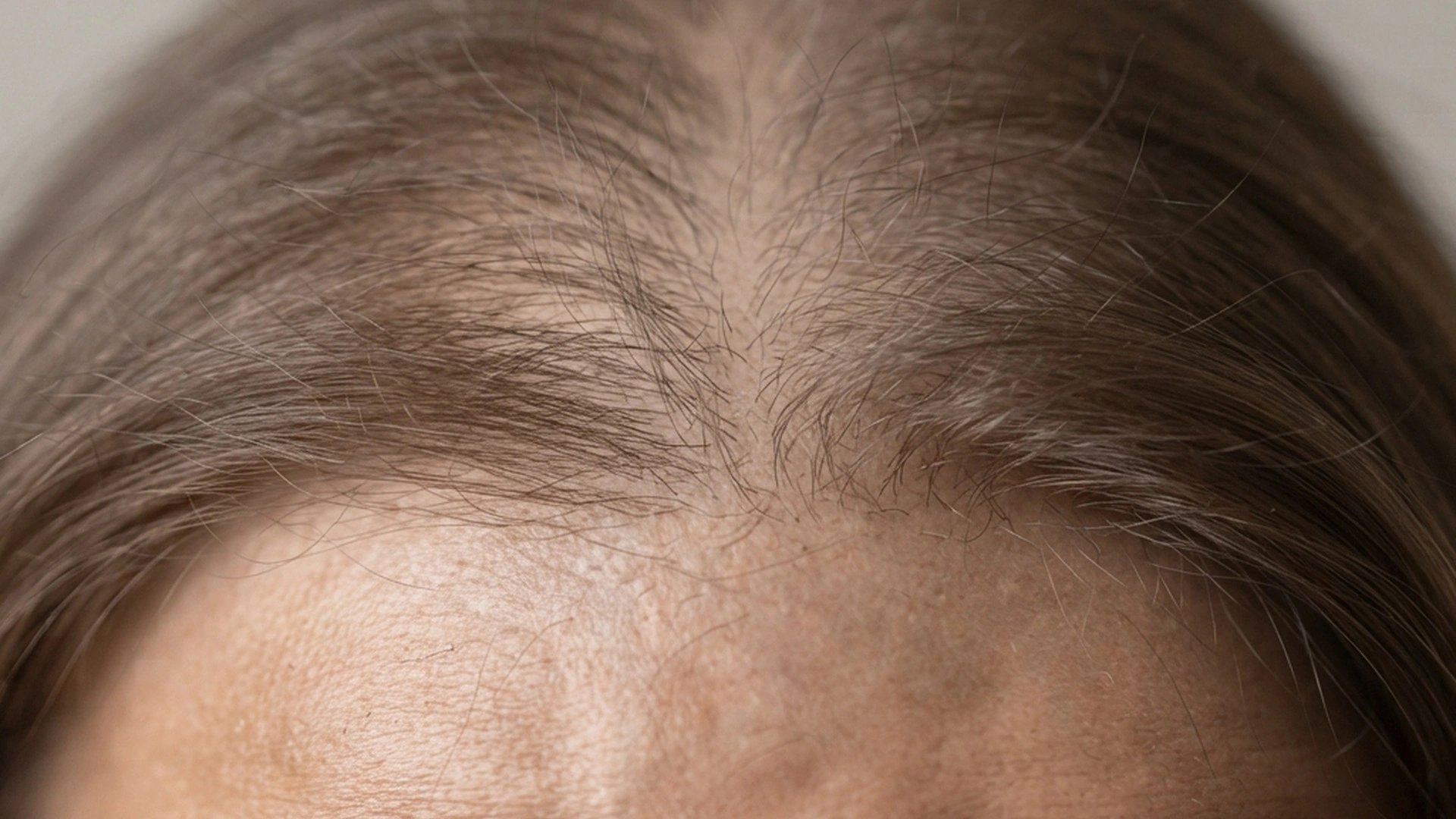
Modest thickening.
Too deep for needling alone.
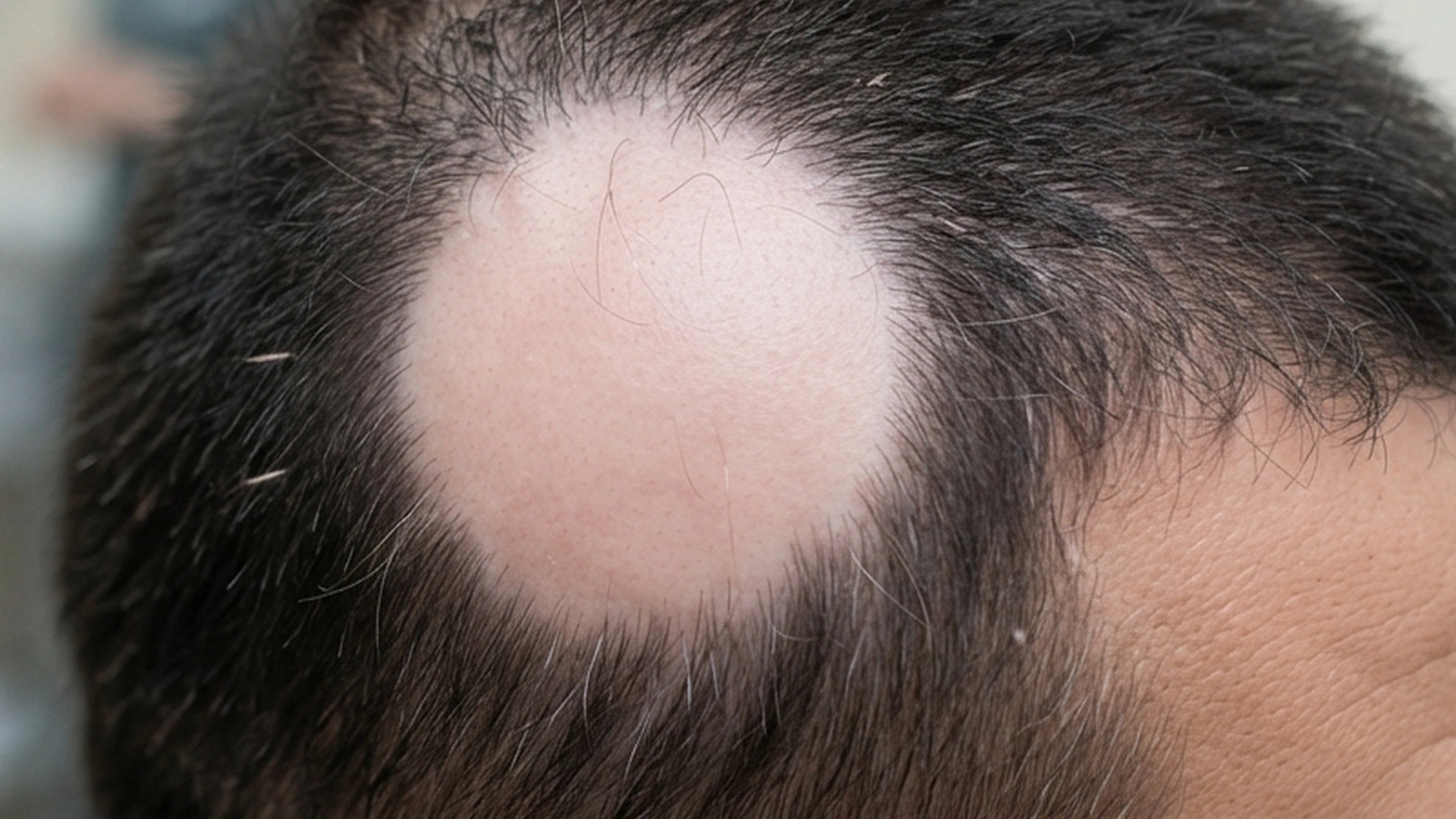
Not a standard treatment.
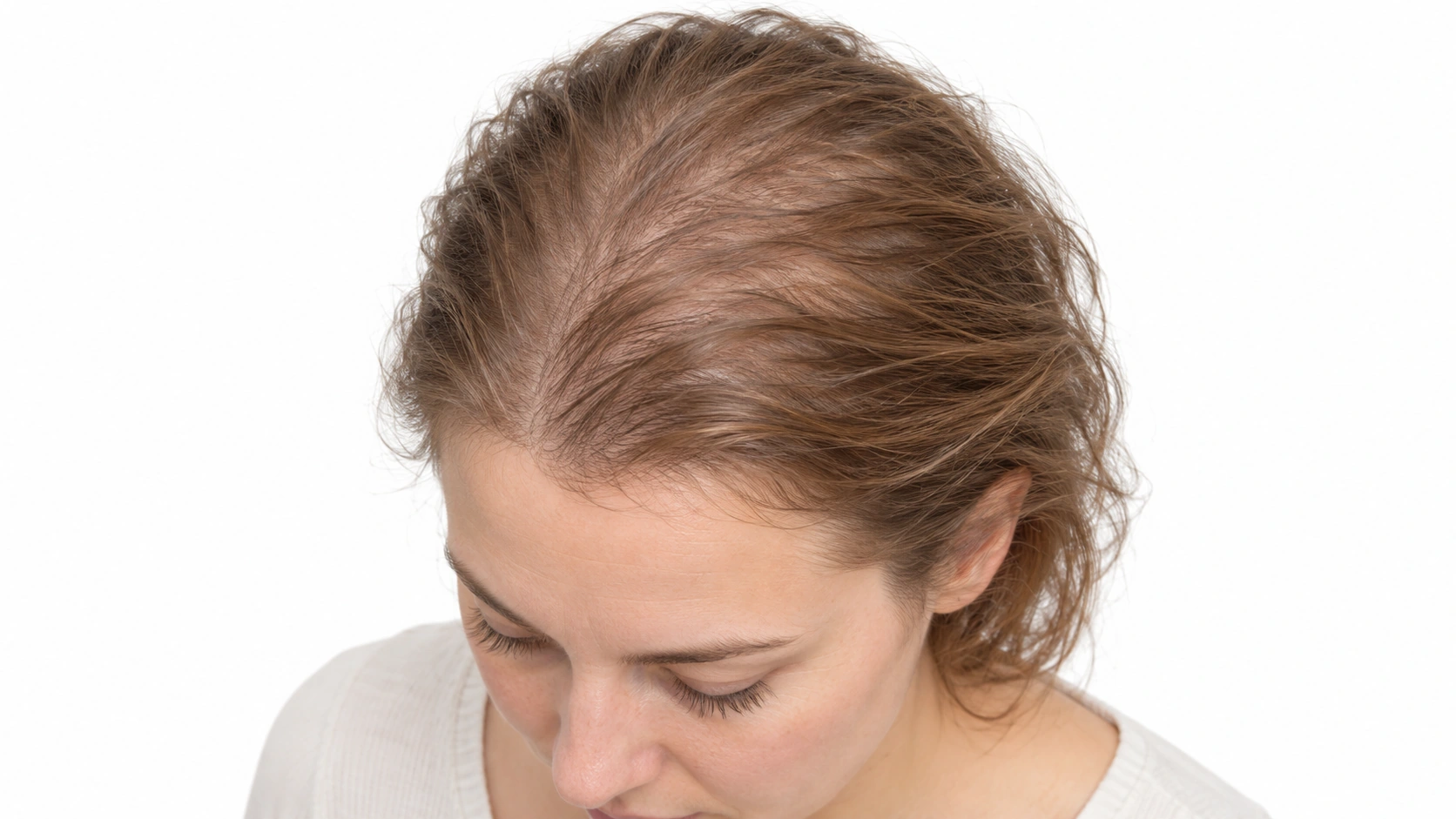
Shedding usually recovers on its own.

Can spread active breakouts.
Face; the selected area depends on the concern and treatment plan.
Thinning areas of the scalp, including the hairline and crown.


Fine needles create tiny punctures: A device makes controlled channels in selected skin. Healing signals are released: The tissue response activates repair processes. Collagen remodels gradually: Healing may improve selected scars and skin texture.
Schematic illustration. Technique and response vary. This explains a mechanism and does not specify treatment settings.
Platelets are concentrated: A blood sample is processed to prepare platelet-rich plasma. PRP is injected into selected scalp: Platelets release signals involved in tissue responses. Some follicles may respond: Hair measures may improve in selected patients; response varies.
Schematic illustration. Technique and response vary. This explains a mechanism and does not specify treatment settings.
Pigment cream: On deeper skin tones, some providers start a pigment-blocking cream a few weeks ahead.
Actives and hair removal: Do not arrive tanned or sunburned.
Actives and hair removal: Stop retinoids (tretinoin, adapalene, retinol), benzoyl peroxide and acids 3 to 5 days before.
Actives and hair removal: No waxing, threading or hair removal creams.
A few days before: Painkillers: Many providers ask you to pause anti-inflammatory painkillers such as ibuprofen for several days, since they may blunt the signal PRP depends on.
The day before: Alcohol: Skip alcohol.
Clean skin: Come with a clean face and no makeup, and plan not to wear any that day.
Clean skin: If you have active pustules or an infection in the area, move the session.
Hair, water and gym: Clean, dry hair, no styling product, dry shampoo or fiber powder.
Skin is checked and photographed, and you confirm what you have stopped using.
The scalp is examined, photos taken in a fixed position, and thinning areas marked.
The pen is passed over the skin in overlapping passes, one area at a time, with sterile gel or saline as a glide.
It sounds like a small vibrating motor and takes 20 to 30 minutes for a full face. Pinpoint bleeding is normal at deeper settings over scars. With good numbing it is uncomfortable rather than painful, a scratchy dragging with pressure.
The plasma layer is injected in a grid across the thinning area, just under the skin, over about 10 to 15 minutes.
Some also run a microneedling pen over the area and press plasma in. The injections sting and pinch, worst along the hairline and crown. Most people call it uncomfortable rather than unbearable, and it is fair to ask for more numbing.
Skin is bright red, warm and tight, like a strong sunburn, sometimes with faint tracking lines and dots of dried blood.
The scalp is tender, slightly puffy, maybe with pinpoint spots of blood.
Days 1 to 5: Redness turns pink and swelling settles, most noticeably around the eyes the first morning.
Days 1 to 3: Puffiness can move down to the forehead and eyelids over the first two or three days.
Days 3 to 7: Tenderness fades, tiny scabs come away with washing, and the scalp feels like itself again.
Weeks 1 to 4: Skin looks normal and nothing appears to be happening.
Weeks 2 to 8: Some people shed a little more than usual for a few weeks after the first session.
Months 2 to 6: Texture keeps improving after the visible healing finishes, which is why the photograph that matters is taken months later, not the week after.
1–3 months after each session
3–6 months
Years for scars
Fades without maintenance
In the US a full-face session usually runs about $200 to $700, with medical offices at the higher end and packages of three to six cheaper per session.
In the US, a single PRP session commonly runs $500 to $1,500, and clinics almost always sell packages of three or four at a lower price per session.
Insurance does not cover microneedling for acne scars, since it is classed as cosmetic.
Insurance almost never covers PRP for hair loss — it is classified as cosmetic and, for this use, is not an approved indication.
No. It makes indented scars shallower and less noticeable over three to six sessions. Rolling and shallow boxcar scars respond best, icepick scars respond poorly, and improvement is partial in every study. That is worth having; complete clearance is not what this treatment does.
Three to six for scarring, four to six weeks apart, then a wait. Texture keeps improving for three to six months after the last session, so do not judge the outcome before then.
With numbing cream on for 30 to 45 minutes it is uncomfortable rather than painful, a scratchy pressure rather than a sharp pain. The forehead, nose and jawline are the worst part, and deeper settings over scars are sharper.
One of the better options, because there is no heat or light for melanin to absorb. Dark marks are still possible if the settings are aggressive or the skin sees sun afterward, and they fade over months. Choose someone who treats deeper skin tones routinely.
Anything at 0.5 mm or deeper is a medical depth and should not be used at home. Needles blunt, home rollers cannot be properly sterilized, and serums through fresh channels have caused lasting lumps of inflammation. Rollers at 0.2 to 0.3 mm are mostly harmless and mostly useless.
Platelet-rich plasma is your own blood, spun down and applied or injected during the session. The evidence that it improves scar results is mixed, and it often doubles the price. A course without it is a reasonable course.
For some people, yes, and the change is usually modest rather than dramatic. Most trials show more and thicker hairs compared with a placebo injection, but they are small, short, and use different preparations. Think of it as something that may improve a result you are already getting from medical treatment, not a treatment that stands on its own.
Less shedding at two to three months, and a change in thickness at four to six months if it is going to happen. Photographs taken at the start are the only reliable way to judge it — gradual change in your own mirror is nearly impossible to see.
Three or four sessions a month apart, then maintenance every three to six months. An ongoing commitment, not a course you finish.
Almost never. It is treated as cosmetic for hair loss, and the preparation devices are cleared for making platelet-rich plasma rather than for treating hair, so this is off-label everywhere.
No. PRP thickens follicles that are still there and shrinking. Where the scalp has been smooth for years there is nothing left to work on, and a transplant is the only way to put hair there.
The injections sting, and the scalp is a sensitive place. Numbing cream, ice or a vibration device makes it manageable, and the injecting is over in about ten to fifteen minutes. Afterward the scalp feels bruised for a day.