It moves existing follicles.
Hair is redistributed from a donor area to thinning areas.
Hair Transplant: Follicles are moved from the back and sides of the scalp, where hair is not programmed to thin, into the areas that have. It redistributes the hair you have rather than making more, and it does nothing to stop the thinning that is still going on around it.
PRP for Hair Loss: Blood is drawn from your arm, spun to concentrate the platelets, and injected into the thinning parts of the scalp. It can thicken hair that is still there. It does not bring back hair that has been gone for years, the evidence is mixed, and the effect fades once you stop.

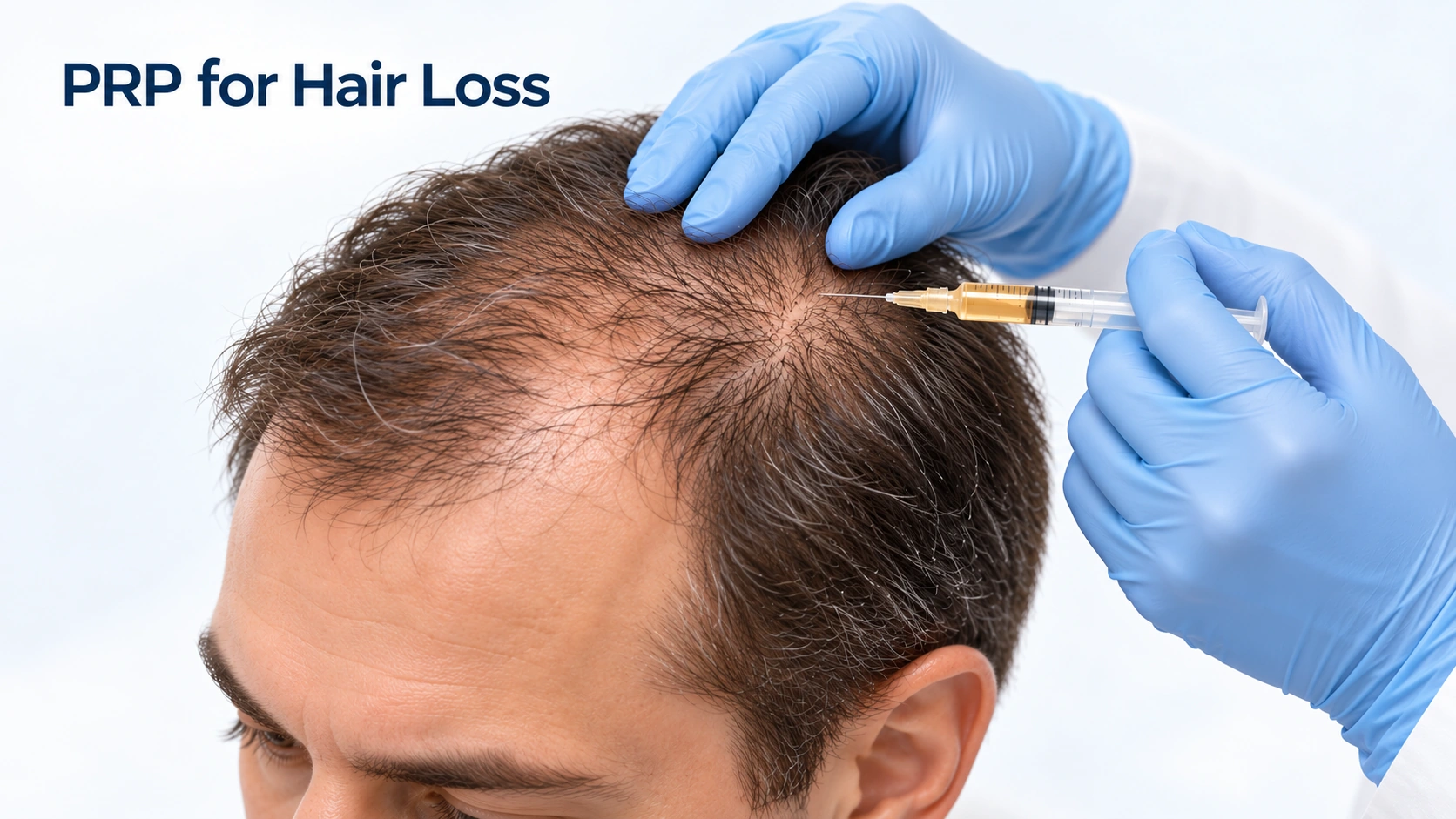
Choose to restore a hairline or fill thinning areas permanently once loss has stabilized — it moves hair, it doesn't make more.
Choose as an add-on for thinning hair you still have — evidence is mixed and the effect fades without maintenance.
Can you have both?
PRP is often used before and after a hair transplant to support the transplanted and existing hair.
Hair is redistributed from a donor area to thinning areas.
It does not create new hair.
Untreated native hair can continue to thin.
Active inflammatory or scarring alopecia can make it unsuitable.
Platelet-rich plasma is concentrated and injected into the scalp.
Most evidence concerns androgenetic alopecia.
Preparation and evidence differ between clinics.
It should not delay established treatment.
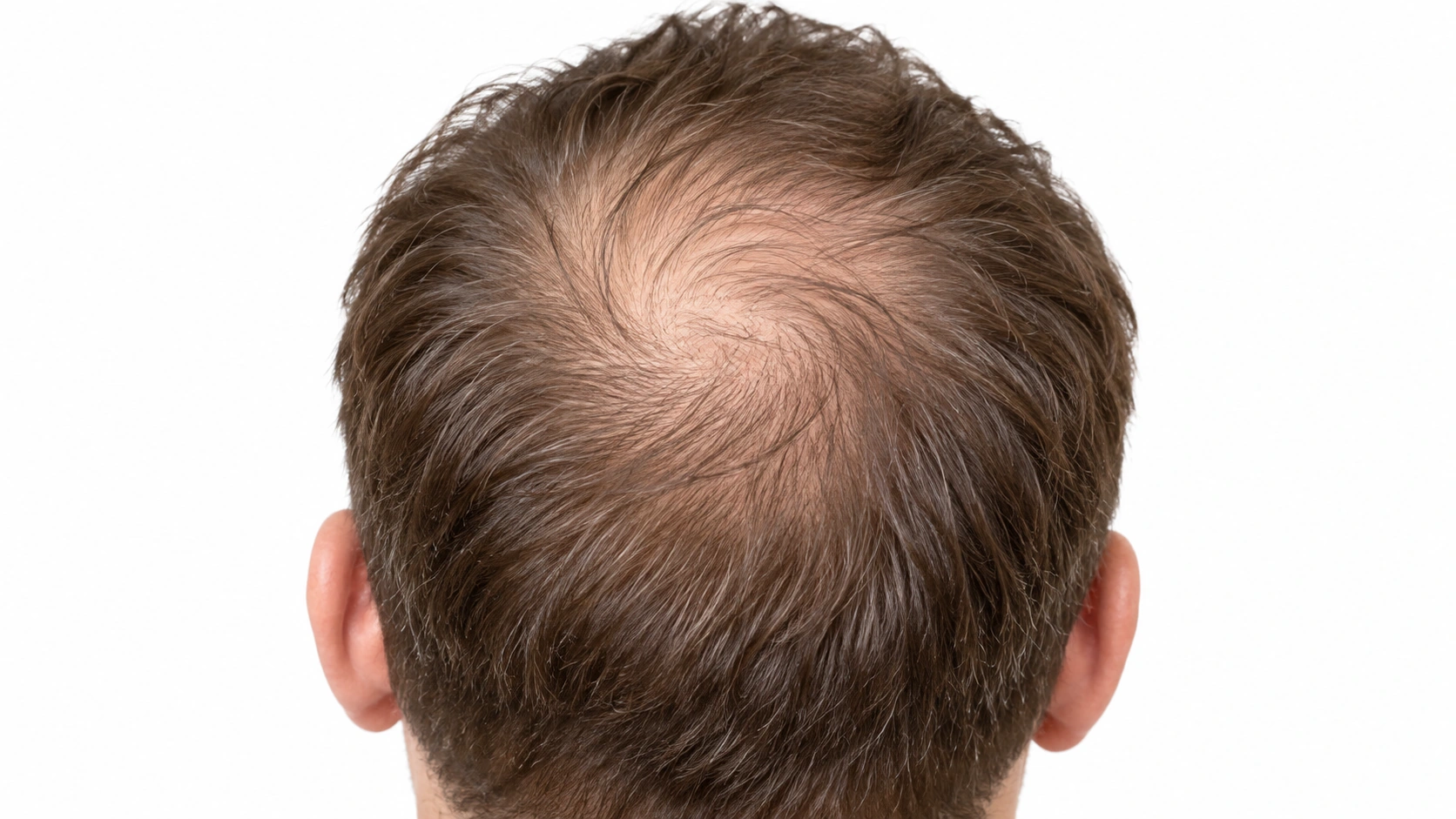
Permanent restoration of a hairline.
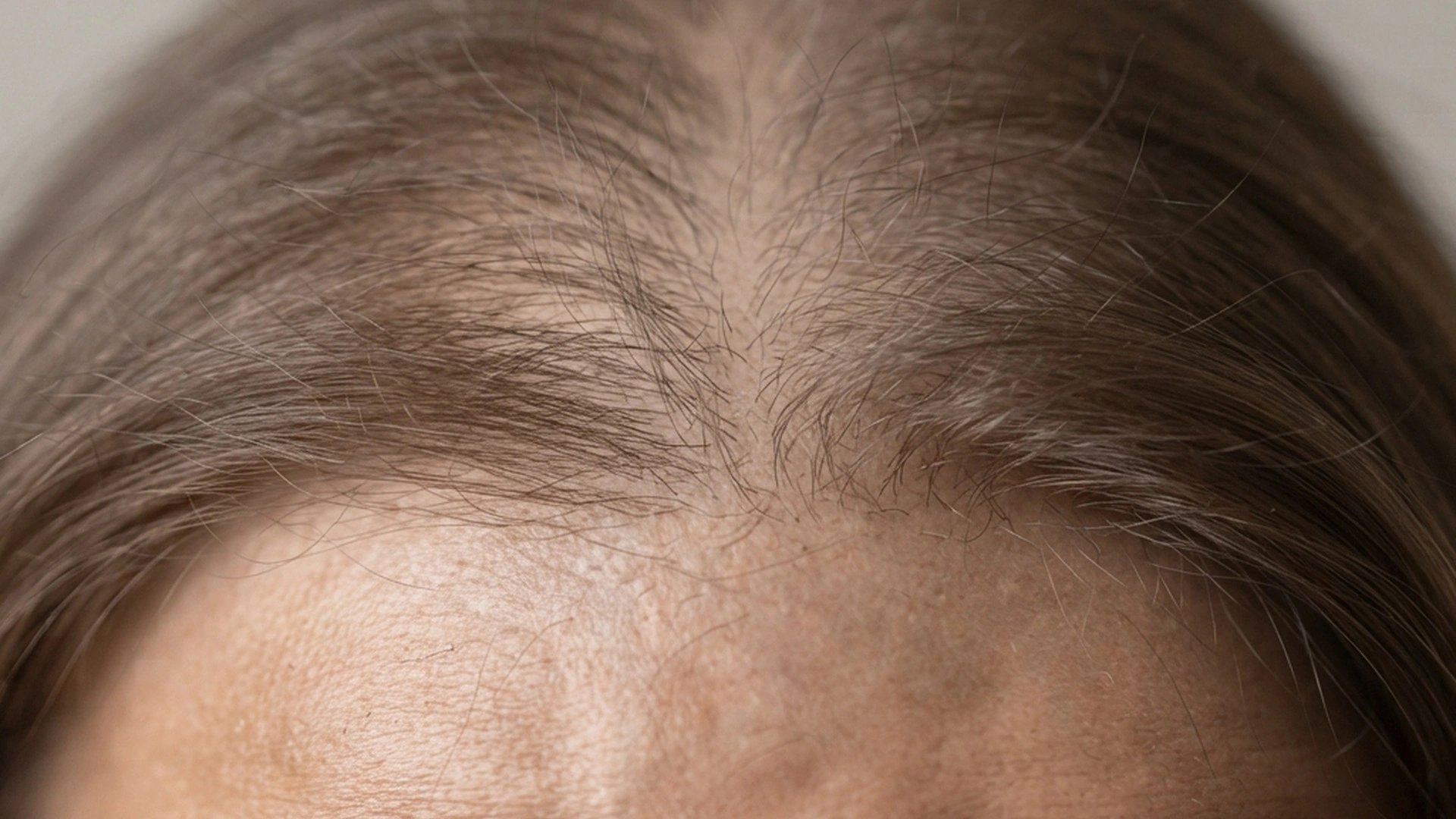
Works when donor hair is strong.
Modest thickening.
Modest thickening.
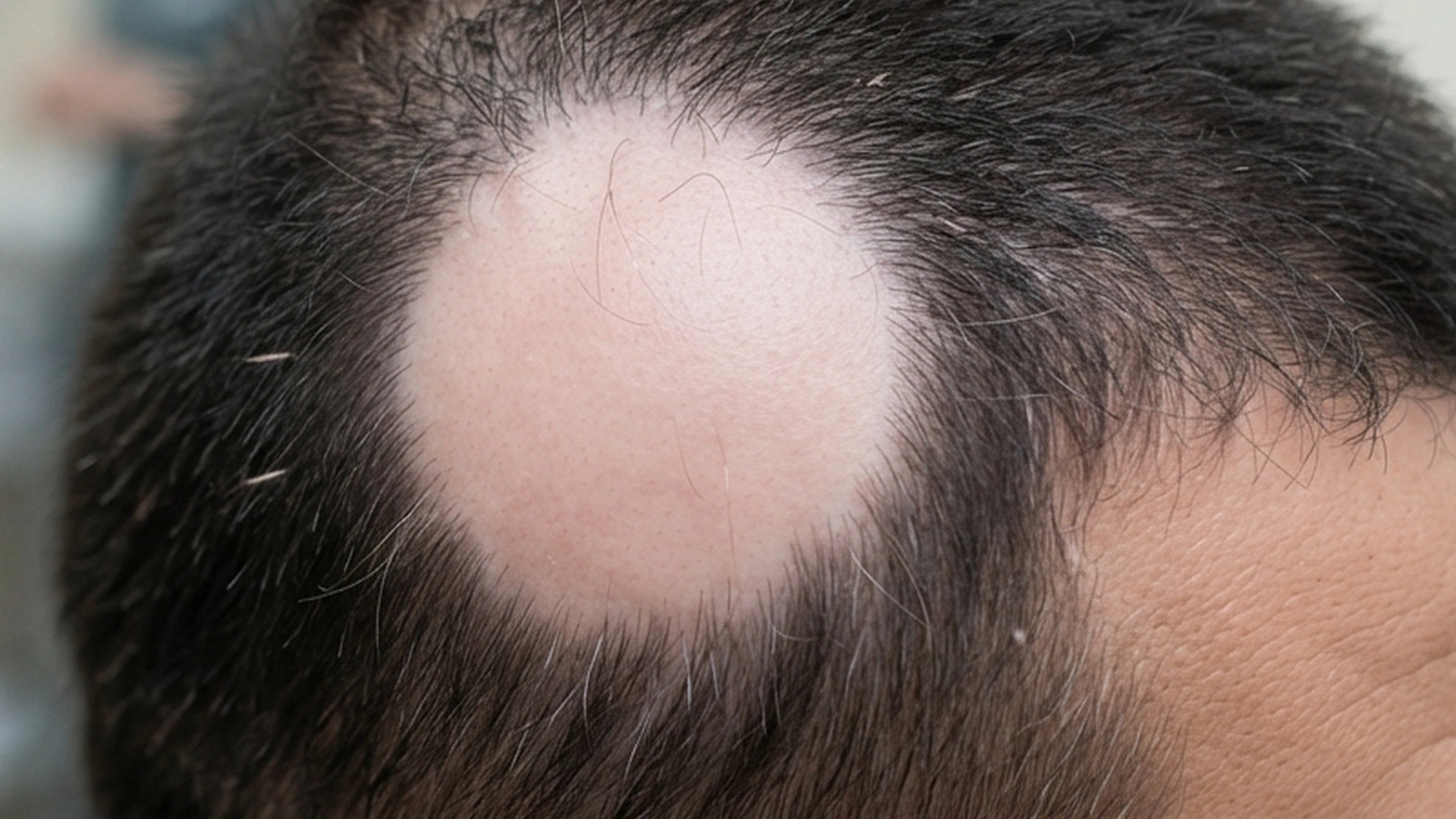
Not a standard treatment.
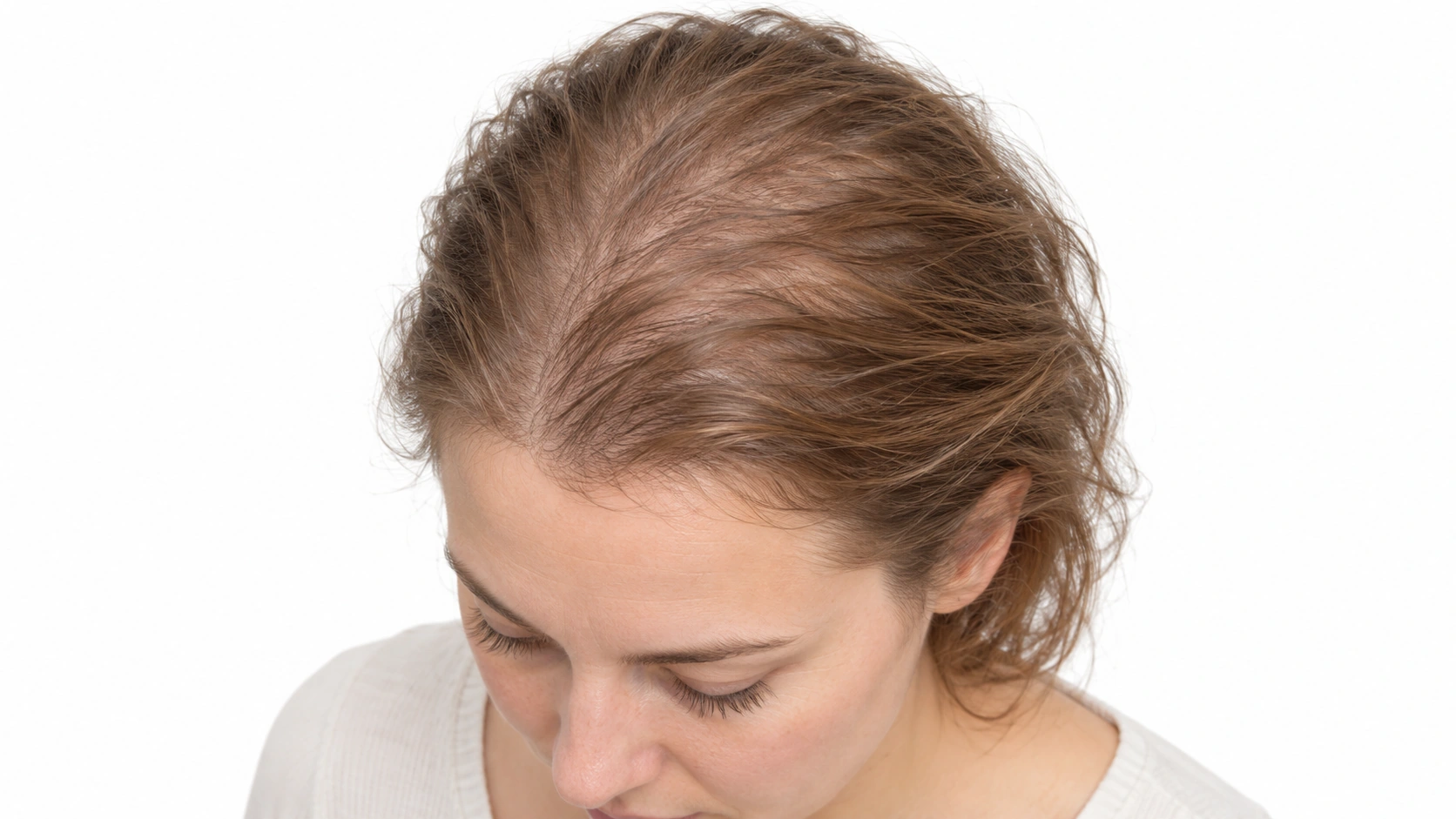
Shedding usually recovers on its own.
Transplanted hair can also fall out.
Shedding usually recovers on its own.
Scalp: thinning recipient areas and a separate donor area.
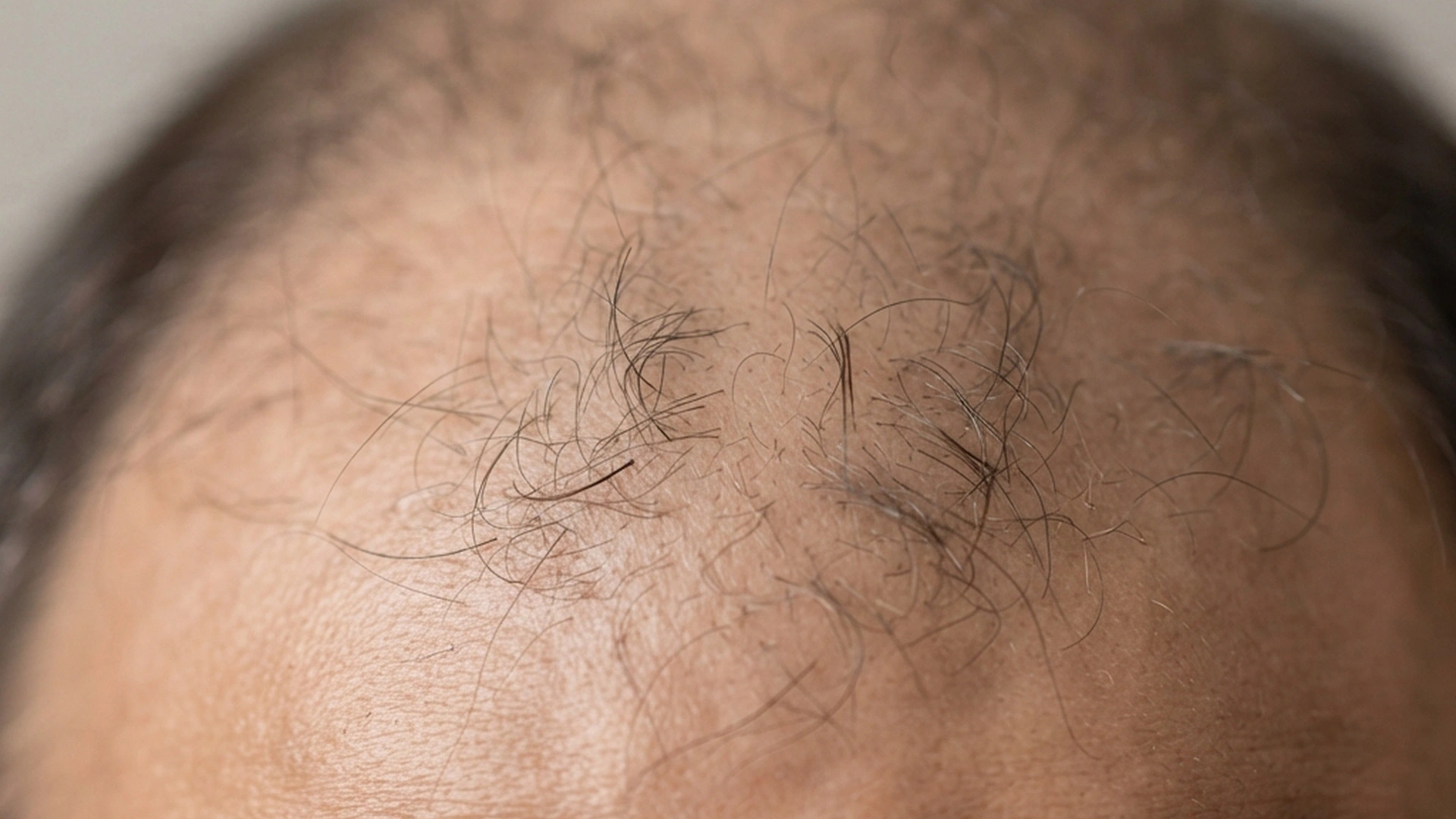
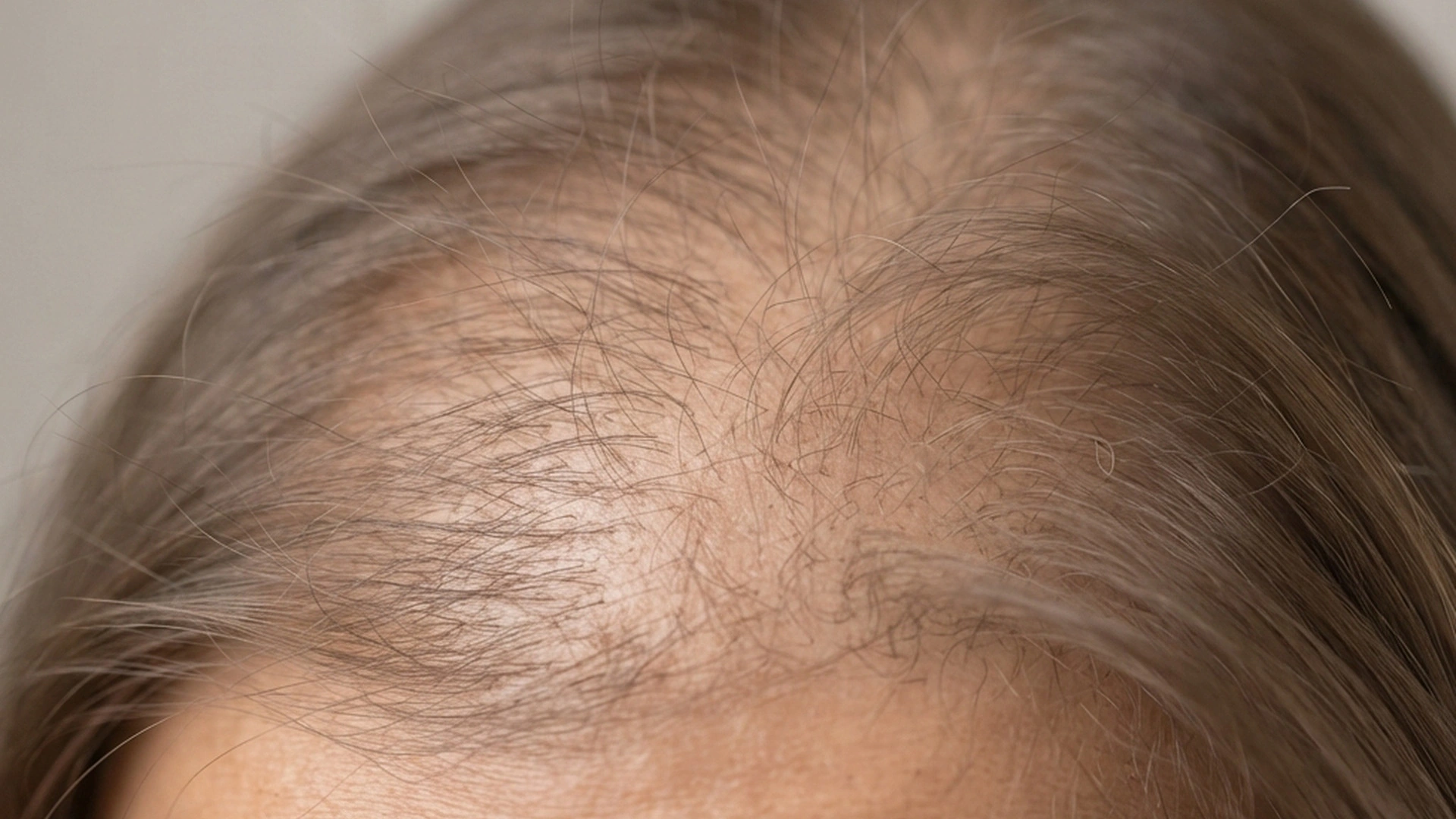
Thinning areas of the scalp, including the hairline and crown.


Donor follicles are collected: A surgeon harvests grafts from a suitable donor area. Grafts are placed into thinning scalp: Follicles are redistributed into planned recipient sites. Hair growth develops over time: Transplanted follicles cycle and grow; native hair loss can continue.
Schematic illustration. Technique and response vary. This explains a mechanism and does not specify treatment settings.
Platelets are concentrated: A blood sample is processed to prepare platelet-rich plasma. PRP is injected into selected scalp: Platelets release signals involved in tissue responses. Some follicles may respond: Hair measures may improve in selected patients; response varies.
Schematic illustration. Technique and response vary. This explains a mechanism and does not specify treatment settings.
Smoking and nicotine: Stop smoking and all nicotine for several weeks before and after.
Before you book: Consultation: Expect a proper consultation first, with the donor area assessed in person and photographs taken.
A few days before: Alcohol and medicines: No alcohol.
A few days before: Painkillers: Many providers ask you to pause anti-inflammatory painkillers such as ibuprofen for several days, since they may blunt the signal PRP depends on.
The day before: Alcohol: Skip alcohol.
Hair length and bring: Follow the hair length instructions exactly; most FUE needs the donor shaved.
Hair, water and gym: Clean, dry hair, no styling product, dry shampoo or fiber powder.
The hairline is drawn while you sit upright, and this is the most important ten minutes of the day.
The scalp is examined, photos taken in a fixed position, and thinning areas marked.
Grafts come out one by one with a punch in FUE, or from a strip in FUT, and wait in chilled solution while the surgeon makes the recipient sites at the planned angle and density.
It takes six to ten hours with breaks, and you are awake throughout. After the numbing, the day is boring rather than painful, and lying still and a stiff neck are the main complaints.
The plasma layer is injected in a grid across the thinning area, just under the skin, over about 10 to 15 minutes.
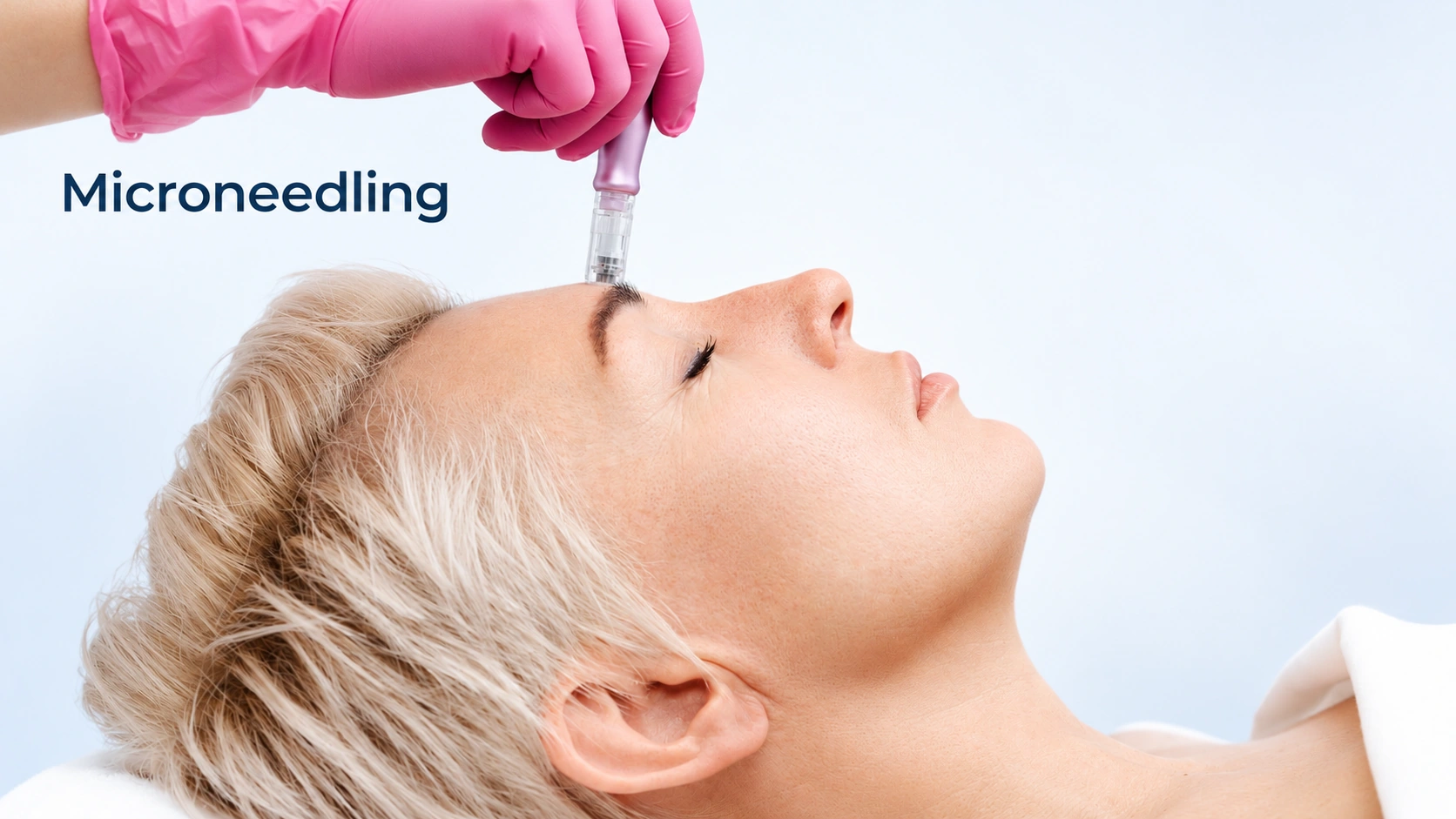
Some also run a microneedling pen over the area and press plasma in. The injections sting and pinch, worst along the hairline and crown. Most people call it uncomfortable rather than unbearable, and it is fair to ask for more numbing.
The donor area is dressed or left open, the recipient area is covered in hundreds of tiny scabs, and the scalp is swollen and tender.
The scalp is tender, slightly puffy, maybe with pinpoint spots of blood.
Day 1 to 3: Forehead and sometimes eyelid swelling builds and peaks around day three.
Days 1 to 3: Puffiness can move down to the forehead and eyelids over the first two or three days.
Day 4 to 10: Scabs around each graft soften with careful washing and come away over a week to ten days.
Days 3 to 7: Tenderness fades, tiny scabs come away with washing, and the scalp feels like itself again.
Week 2 to Month 3: The recipient area stays pink, longer and more visibly on fair skin, and the transplanted hairs fall out.
Weeks 2 to 8: Some people shed a little more than usual for a few weeks after the first session.
Growth from 3–4 months
3–6 months
Permanent for moved hair
Fades without maintenance
In the US, hair transplants are priced per graft, and FUE costs more per graft than the strip method because it is more labor-intensive.
In the US, a single PRP session commonly runs $500 to $1,500, and clinics almost always sell packages of three or four at a lower price per session.
Insurance does not cover it for pattern hair loss.
Insurance almost never covers PRP for hair loss — it is classified as cosmetic and, for this use, is not an approved indication.
The transplanted hair is, in the sense that it comes from an area not programmed to thin and usually keeps growing for decades. The result is not permanent in the way people mean, because the untransplanted hair around it keeps thinning. That is why medical treatment normally continues afterward.
The transplanted hair sheds at two to four weeks, regrowth starts at three to four months, most of the density arrives between six and nine months, and the final result is judged at twelve to eighteen months. Month two usually looks worse than before surgery.
That comes from someone examining your donor area and the thinning area in person. A number quoted from a photograph is a sales figure. A session commonly moves between fifteen hundred and three thousand grafts.
Neither in general. FUT takes a strip, leaves one fine line, gives a large number of grafts efficiently, and needs longer hair to hide the scar. FUE takes units individually, leaves many small dot scars, and usually needs the donor area shaved. The surgeon and the team matter far more than which of the two is chosen.
Sometimes, with changed expectations. With a large bare area and a limited donor supply, the realistic goal is framing the face and improving coverage rather than filling the whole scalp. A surgeon who promises full coverage with a limited donor area is not being straight with you.
The numbing injections at the start sting for a few minutes. After that the day is uncomfortable mainly from sitting still for hours. The scalp is genuinely sore for the first few nights and then settles.
For some people, yes, and the change is usually modest rather than dramatic. Most trials show more and thicker hairs compared with a placebo injection, but they are small, short, and use different preparations. Think of it as something that may improve a result you are already getting from medical treatment, not a treatment that stands on its own.
Less shedding at two to three months, and a change in thickness at four to six months if it is going to happen. Photographs taken at the start are the only reliable way to judge it — gradual change in your own mirror is nearly impossible to see.
Three or four sessions a month apart, then maintenance every three to six months. An ongoing commitment, not a course you finish.
Almost never. It is treated as cosmetic for hair loss, and the preparation devices are cleared for making platelet-rich plasma rather than for treating hair, so this is off-label everywhere.
No. PRP thickens follicles that are still there and shrinking. Where the scalp has been smooth for years there is nothing left to work on, and a transplant is the only way to put hair there.
The injections sting, and the scalp is a sensitive place. Numbing cream, ice or a vibration device makes it manageable, and the injecting is over in about ten to fifteen minutes. Afterward the scalp feels bruised for a day.