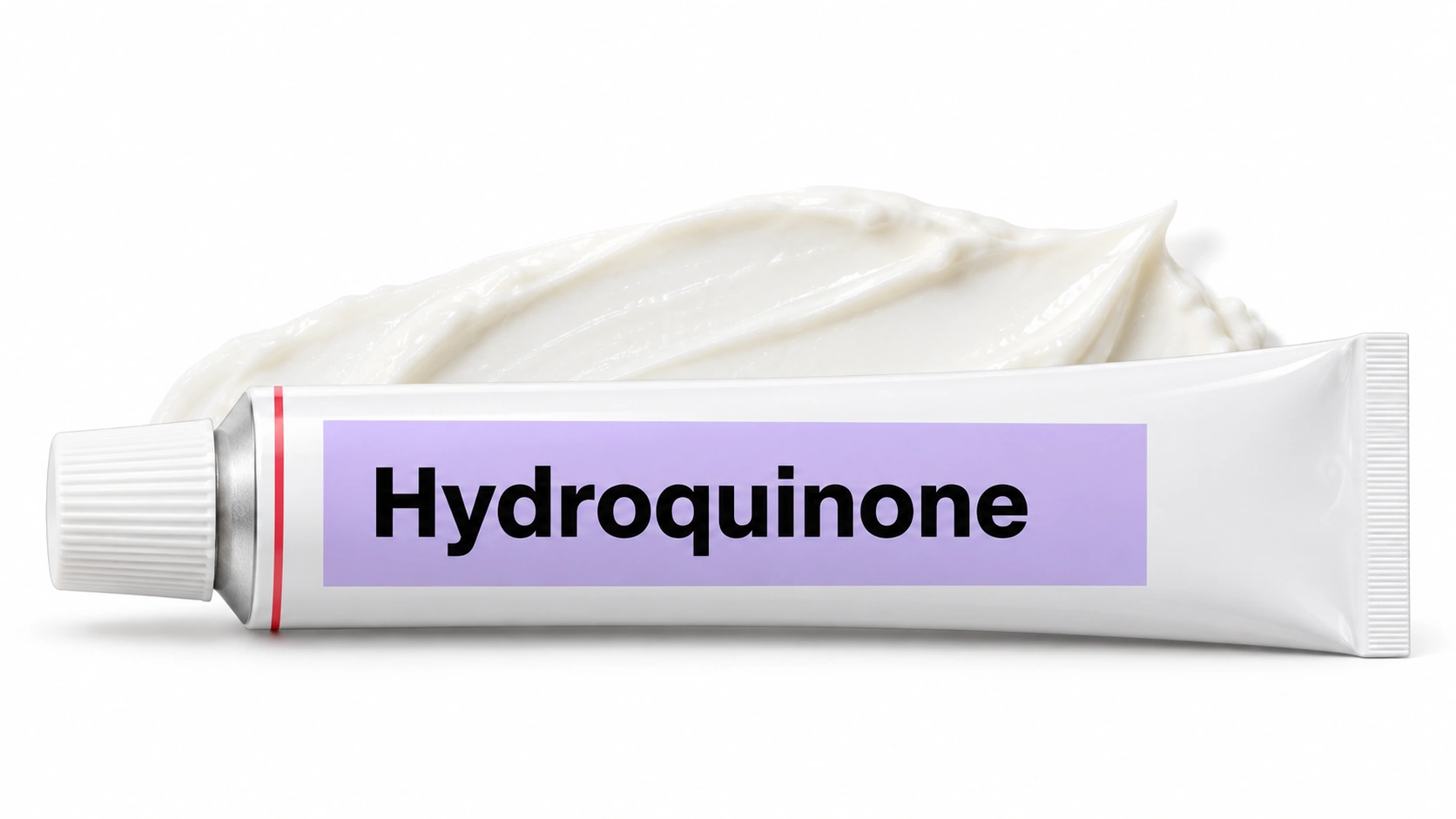
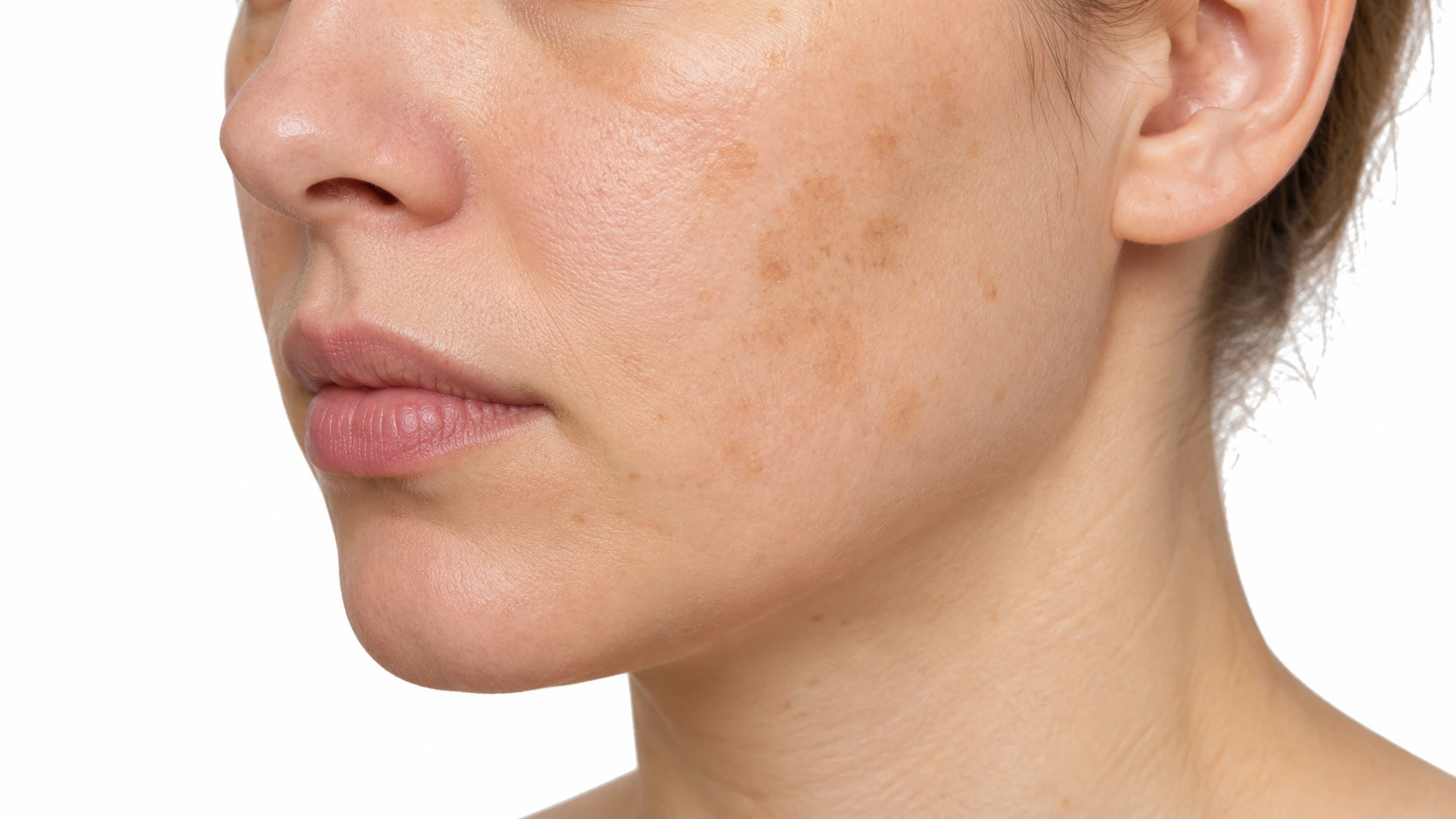
Melasma
Adding 2% kojic acid improved results in a small combination-treatment trial.
Kojic Acid: May help uneven pigmentation, often as part of a combination treatment. Mandelic Acid: Exfoliates skin; clinical evidence is mainly from professional acne peels.
Consider for uneven pigment if tolerated; evidence is mainly for combinations.
Consider for exfoliation; evidence for acne comes mainly from supervised peels.
Can you use both?
Both can sting. Use them at different times of day.
Compare uses by strength of evidence. Evidence level describes confidence in a benefit, not its size.

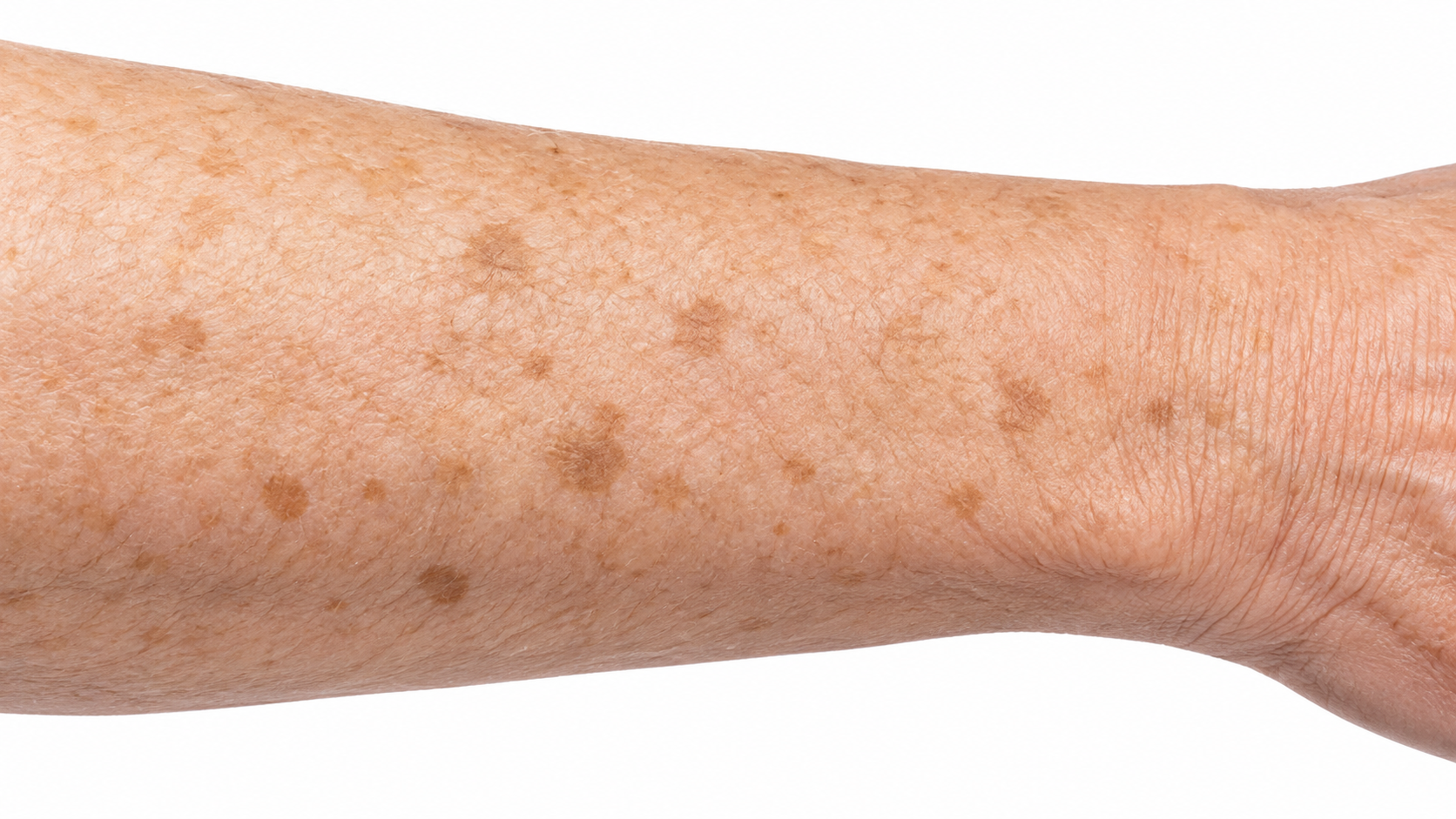
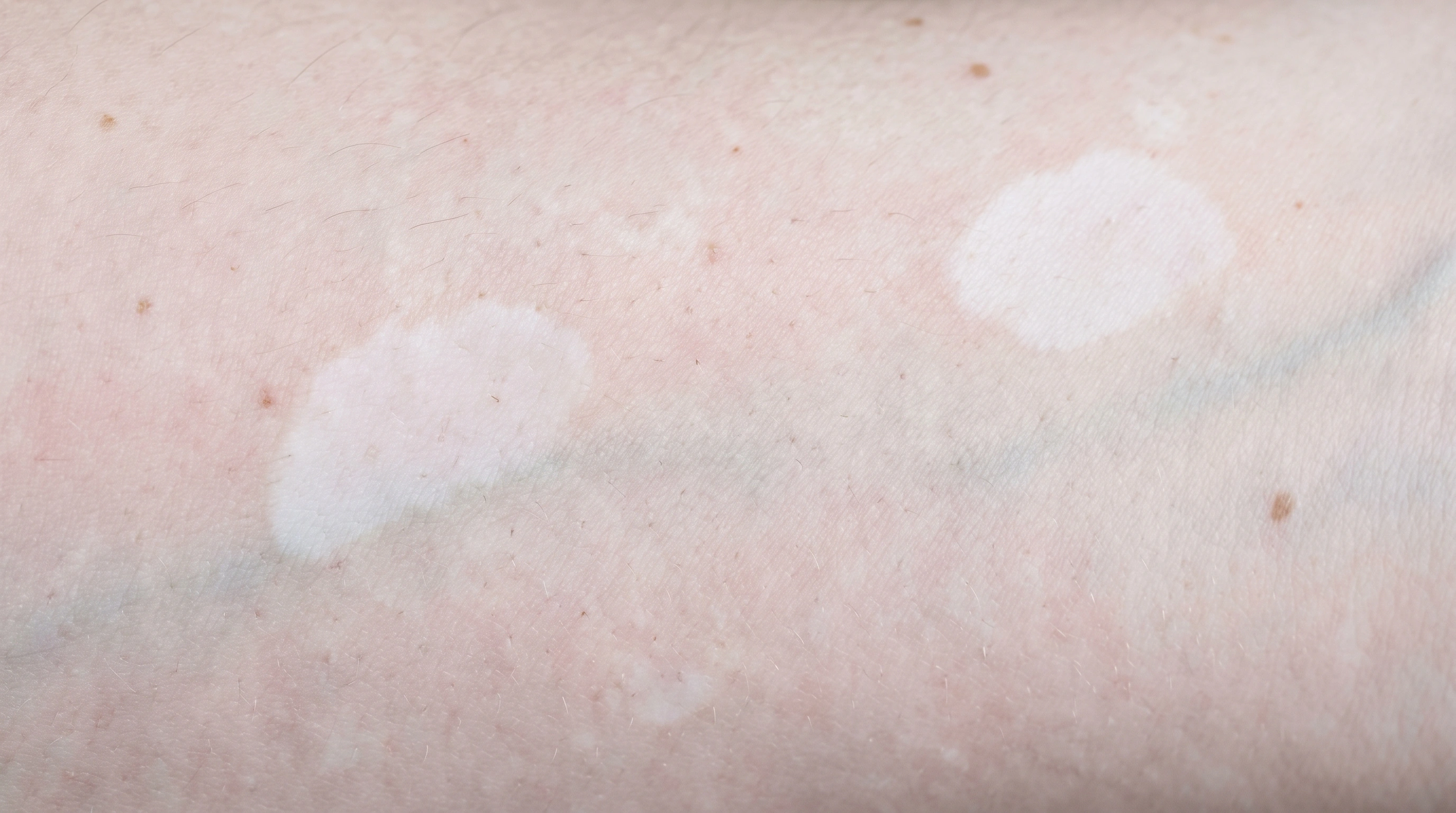
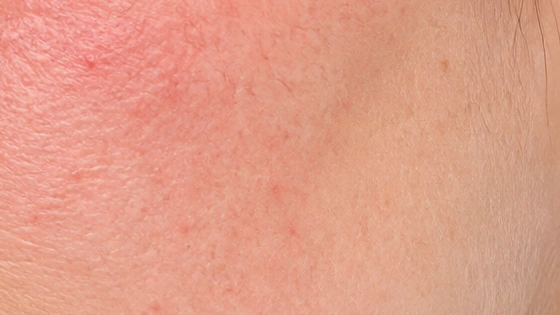
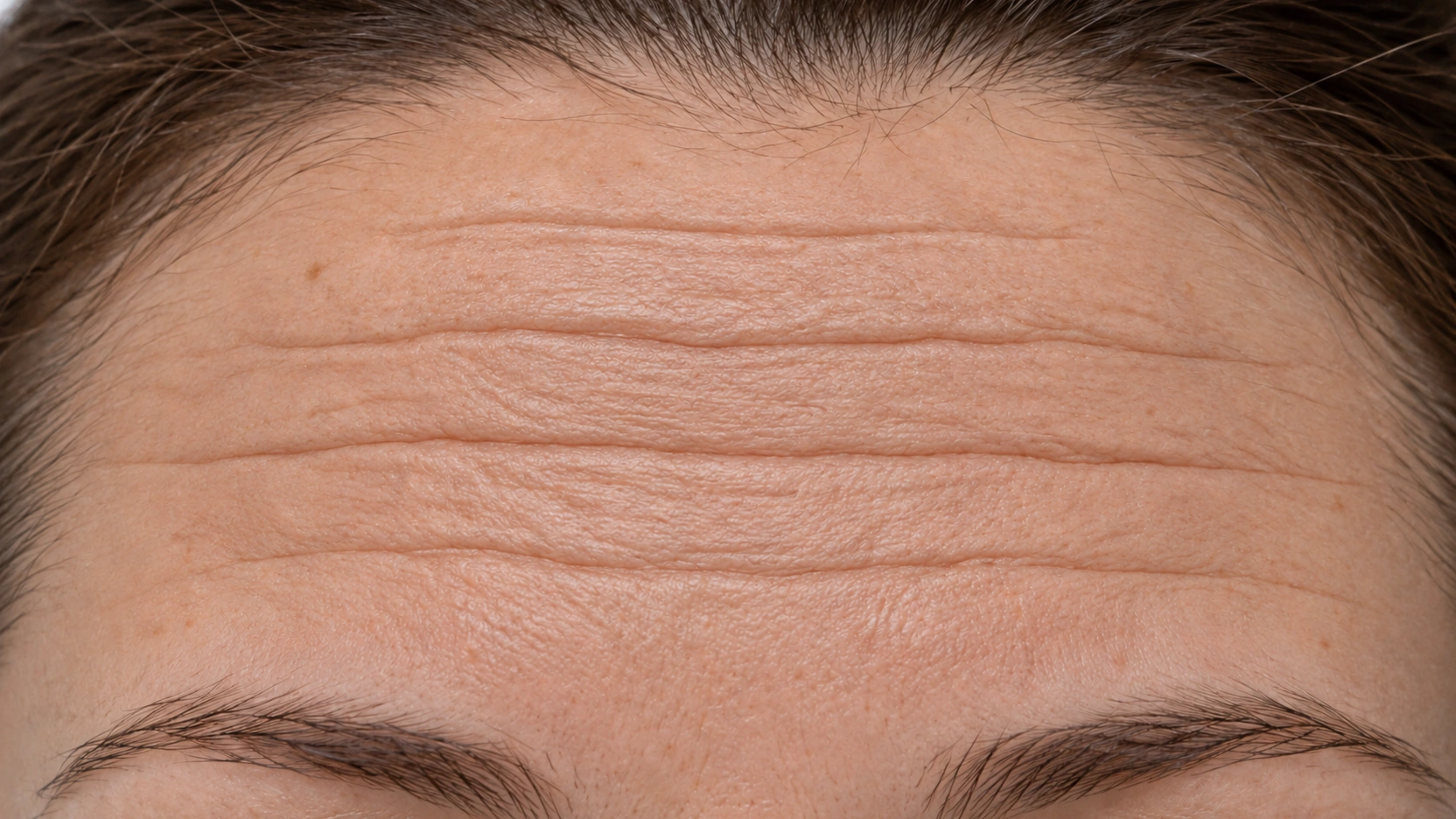


Reduces tyrosinase activity: Kojic acid interferes with melanin production. Less new pigment forms: Effects depend on the formula and tolerance.
Schematic illustration; not a measurement of skin penetration. Effects vary with ingredient identity and formulation.
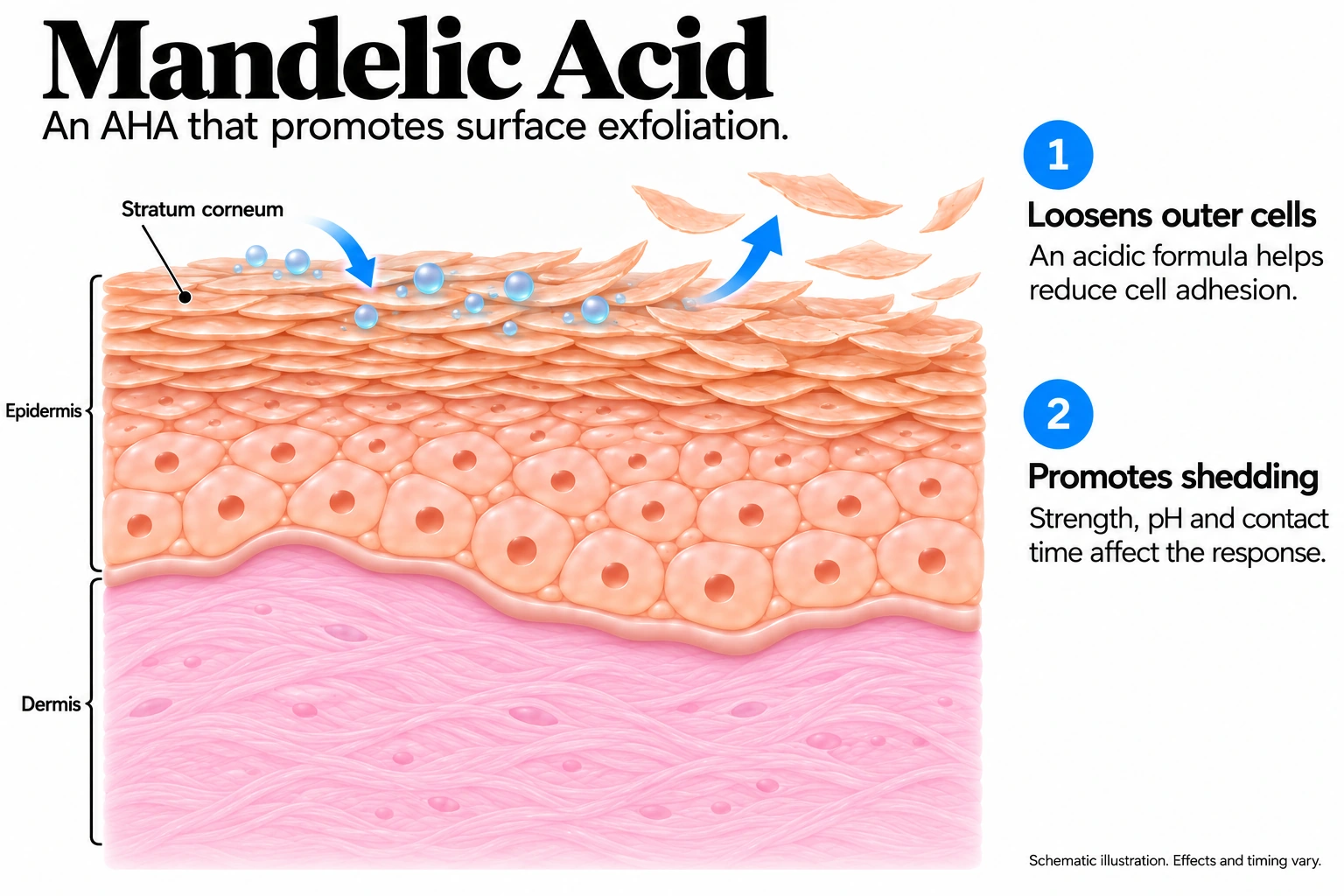
Loosens outer cells: An acidic formula helps reduce cell adhesion. Promotes shedding: Strength, pH and contact time affect the response.
Schematic illustration; not a measurement of skin penetration. Effects vary with ingredient identity and formulation.
Built from where each one usually sits in a routine. Introduce one at a time.
Kojic acid concentrations in older studies differ from current cosmetic limits. In the EU, kojic acid is limited to 1% in face and hand products; that is not a universal treatment target.
1%
2%
EU cosmetic ceiling
The maximum in specified face and hand products. This is a regulatory limit, not proof of the best efficacy.
Older combination-study strength
Studied with hydroquinone and glycolic acid. The combination result does not isolate kojic acid or establish a current home-use recommendation.
Choosing a strength: Check local rules and the full formula. Kojic acid and kojic dipalmitate are different ingredients and cannot be compared by percentage alone.
Higher strengths: Do not use an older trial’s concentration as a reason to exceed current limits. Irritation or allergic contact dermatitis can occur.
Formula matters: Combination products may obtain benefit from several ingredients. A study of a combination cannot tell you what kojic acid alone contributed.
Mandelic acid skincare and office peels are different products. Controlled acne studies have used professional peels around 40–45%; those strengths are not a target for facial home use.
40–45%
Studied professional peels
Clinician-applied peels studied for mild-to-moderate acne. This describes specific procedures, not a recommended home concentration.
Choosing a strength: For home skincare, use the finished product’s label and your tolerance. Do not assume that a marketed serum reproduces an office peel study.
Higher strengths: Mandelic acid can still burn or irritate skin. Being described as a gentler acid does not make concentrated peels suitable for unsupervised use.
Formula matters: Acidity, vehicle and exposure time influence the effect; percentage alone cannot rank safety or compare mandelic acid with other acids.
Approximate windows, not promises.
First few weeksAssess tolerance first; pigment change is usually slower.
First few weeksAssess tolerance and texture; immediate softness can come from the base formula.
4–8 weeksSome studied regimens begin showing pigment improvement.
4–8 weeksSubtle changes may appear in some tested products; evidence varies.
8–12 weeksA useful review point for benefit and irritation.
8–12 weeksCompare photographs in the same lighting and reassess benefit.
3–6 monthsMany melasma trials assess results over three to four months; recurrence is common.
3–6 monthsPhotoaging trials often need several months; expect modest rather than dramatic change.
6–12 monthsLong-term use depends on the active; follow a monitored plan rather than extending treatment automatically.
6–12 monthsLong-term evidence is limited for many cosmetic actives; continue only if useful.
Can cause stinging, redness or contact dermatitis.
Can cause stinging, peeling or irritation; avoid active eczema and rosacea flares.
Stop for persistent burning, swelling, blistering or a new rash. Seek urgent care for breathing difficulty or a severe allergic reaction.
Stop for persistent burning, swelling, blistering or a new rash. Seek urgent care for breathing difficulty or a severe allergic reaction.
Choose a simple formula and test a small area first. Avoid actively inflamed or broken skin unless the product is specifically directed for it.
Choose a simple formula and test a small area first. Avoid actively inflamed or broken skin unless the product is specifically directed for it.
Do not use a cosmetic product as a substitute for diagnosis of an unexplained, changing or persistent skin problem.
Do not use a cosmetic product as a substitute for diagnosis of an unexplained, changing or persistent skin problem.
There is not much pregnancy-specific data on kojic acid, and melasma often appears or worsens in pregnancy. Ask the doctor managing your pregnancy first. Azelaic acid and strict sun protection are the usual alternatives.
Low-strength leave-on acids are generally considered acceptable; avoid peels and ask the clinician managing your pregnancy.
On the skin. The finished product delivers kojic acid in a particular vehicle.
Entering skin. Below the 500 Da guideline; delivery still depends on the formula, solubility, stability and skin condition. Size does not prove effectiveness or penetration depth.
Conversion. No activation step is established as necessary for its intended topical role.
Skin response. Inhibits tyrosinase activity involved in melanin production; cosmetic formulas differ from studied combinations.
Additional effects. Proposed pathways do not establish a measured depth of delivery or clinical benefit beyond the studies cited.
On the skin. The finished product delivers mandelic acid in a particular vehicle.
Entering skin. Below the 500 Da guideline; delivery still depends on the formula, solubility, stability and skin condition. Size does not prove effectiveness or penetration depth.
Conversion. No activation step is established as necessary for its intended topical role.
Skin response. Promotes shedding of surface cells; formula acidity and contact time influence irritation and effect.
Additional effects. Proposed pathways do not establish a measured depth of delivery or clinical benefit beyond the studies cited.
Consider for uneven pigment if tolerated; evidence is mainly for combinations.
A 40-woman split-face trial added kojic acid to hydroquinone and glycolic acid. It does not show that kojic acid alone performs as well as the combination or that higher strengths are better.
Consider for exfoliation; evidence for acne comes mainly from supervised peels.
A 50-person, 12-week trial compared 45% mandelic with 30% salicylic peels. It had no vehicle arm and does not establish the benefit of 5–10% home serums.
Sources