Kojic Acid
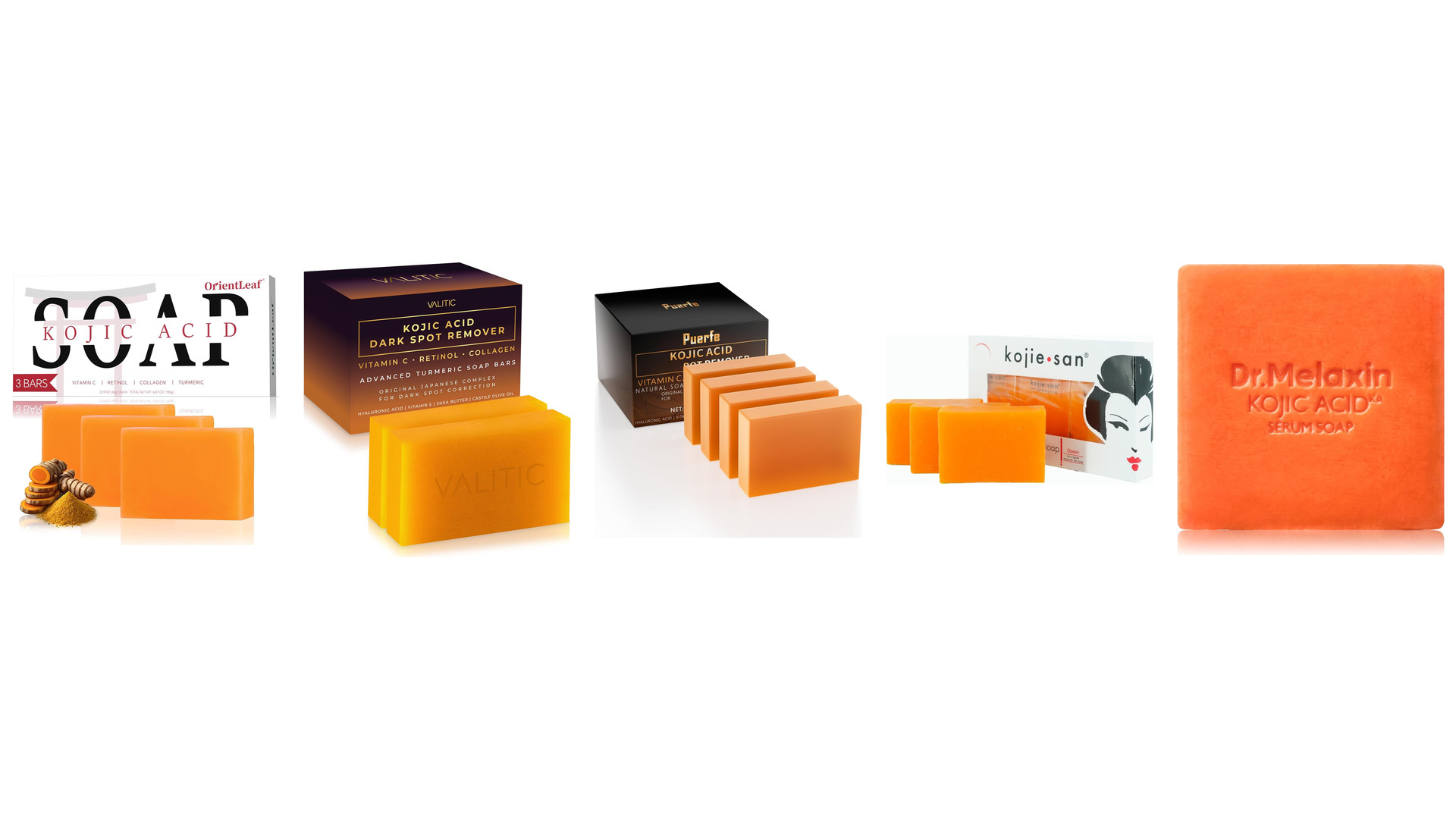
Kojic acid does one job: fading dark spots. It blocks the enzyme skin uses to build pigment, and it is a strong blocker. Azelaic acid does several jobs at once — dark marks, redness and acne — and it is the gentler of the two. If pigment is your only complaint, kojic acid is the more focused pick. If your skin is also spotty or flushed, azelaic acid handles both without a second product.
| The difference | Kojic Acid | Finacea (Azelaic Acid) |
|---|---|---|
| How long until it works | Around 6 to 10 weeks | About 8 to 12 weeks |
| Cost | Inexpensive | Cheap over the counter, more by prescription |
%2520-%2520Render-p-1080.jpg)
Side by side
Kojic Acid
Once or twice a day, on the marks
A serum, cream or cleansing bar. Serums are usually left on; bars are rinsed off, so they do less.
Finacea (Azelaic Acid)
Thin layer, once or twice a day
A cream, gel or foam smoothed over the whole area rather than dabbed on spots.
Kojic Acid
Dark spots lighten
Sun spots, melasma patches and brown marks left by old acne gradually lose their contrast against the surrounding skin.
Finacea (Azelaic Acid)
Calmer, more even skin
Less redness, fewer inflamed spots, and dark marks fading. It treats the acne that keeps making new marks.

Blocks the same pigment-making enzyme hydroquinone does, more weakly. It is nearly always sold combined with other lightening ingredients, and the studies behind it are studies of those combinations. It stings some people, and irritation on a sun spot is not a neutral event, particularly on medium and deeper skin tones.

Blocks the same pigment-making enzyme hydroquinone does, more weakly. It is nearly always sold combined with other lightening ingredients, and the studies showing it work are studies of those combinations rather than of kojic acid alone. It stings some people, and stinging on a melasma patch tends to darken it.

Another pigment-fading option, usually found blended with vitamin C or niacinamide rather than on its own. It is a reasonable choice if brighter actives have irritated the lid. It is also a fairly common cause of contact allergy on eyelid skin, so stop it if the area becomes itchy or scaly.

Another mild pigment blocker, usually found combined with other brightening ingredients rather than on its own. Evidence in dark marks is thin, and it causes contact allergy more often than the alternatives. If a product containing it makes the skin red or itchy, stop, because that irritation will darken the mark further.
Kojic Acid
It will not treat acne or redness
Kojic acid has no useful effect on spots, and it can irritate red or reactive skin.
Finacea (Azelaic Acid)
It will not smooth texture
Azelaic acid does not exfoliate, so rough or bumpy skin needs something else alongside it.
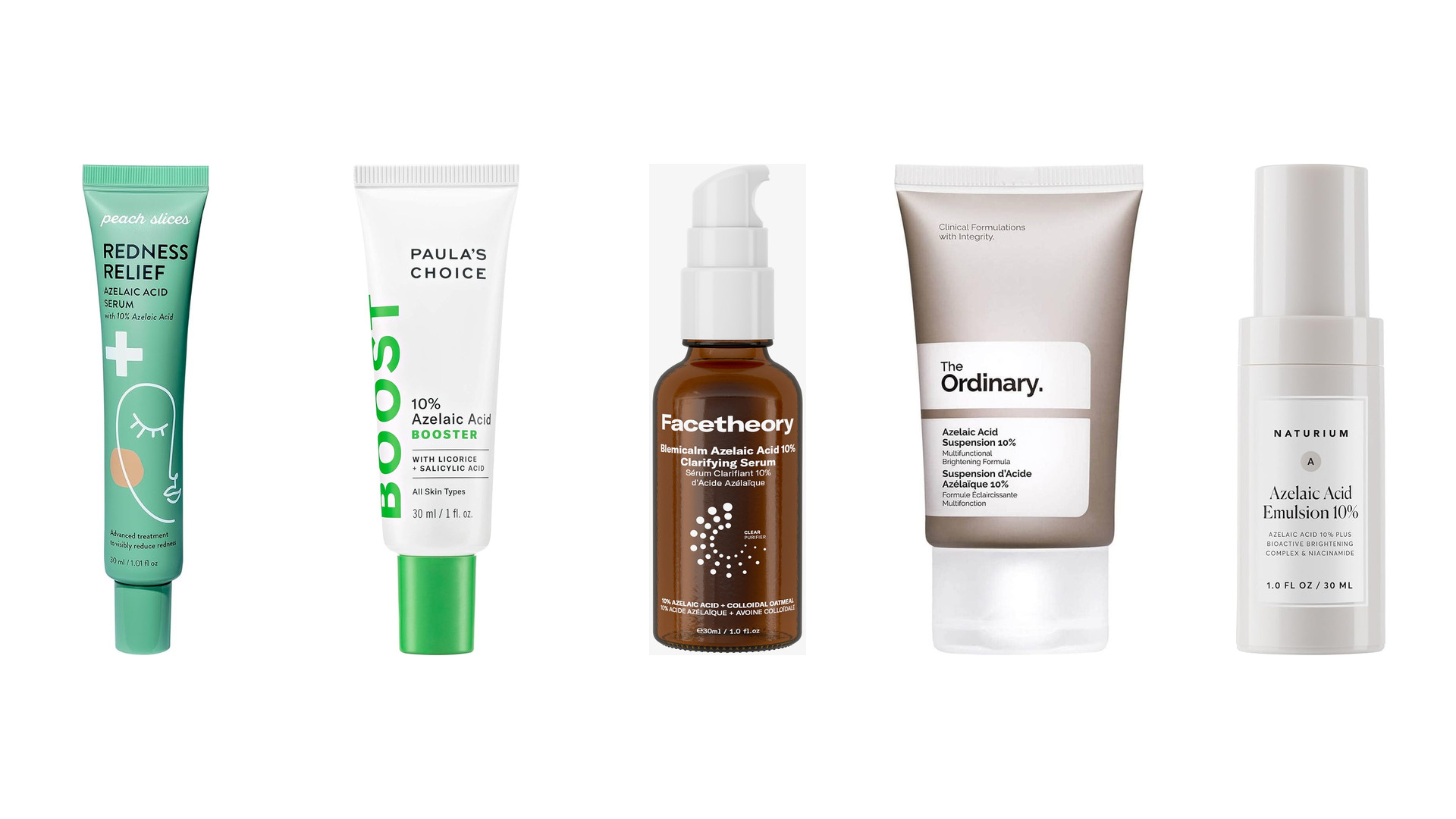
Strong evidence. Treats acne and rosacea at the same time, is far less likely to cause allergy, and is the usual choice in pregnancy. Slower to feel like it is doing anything.
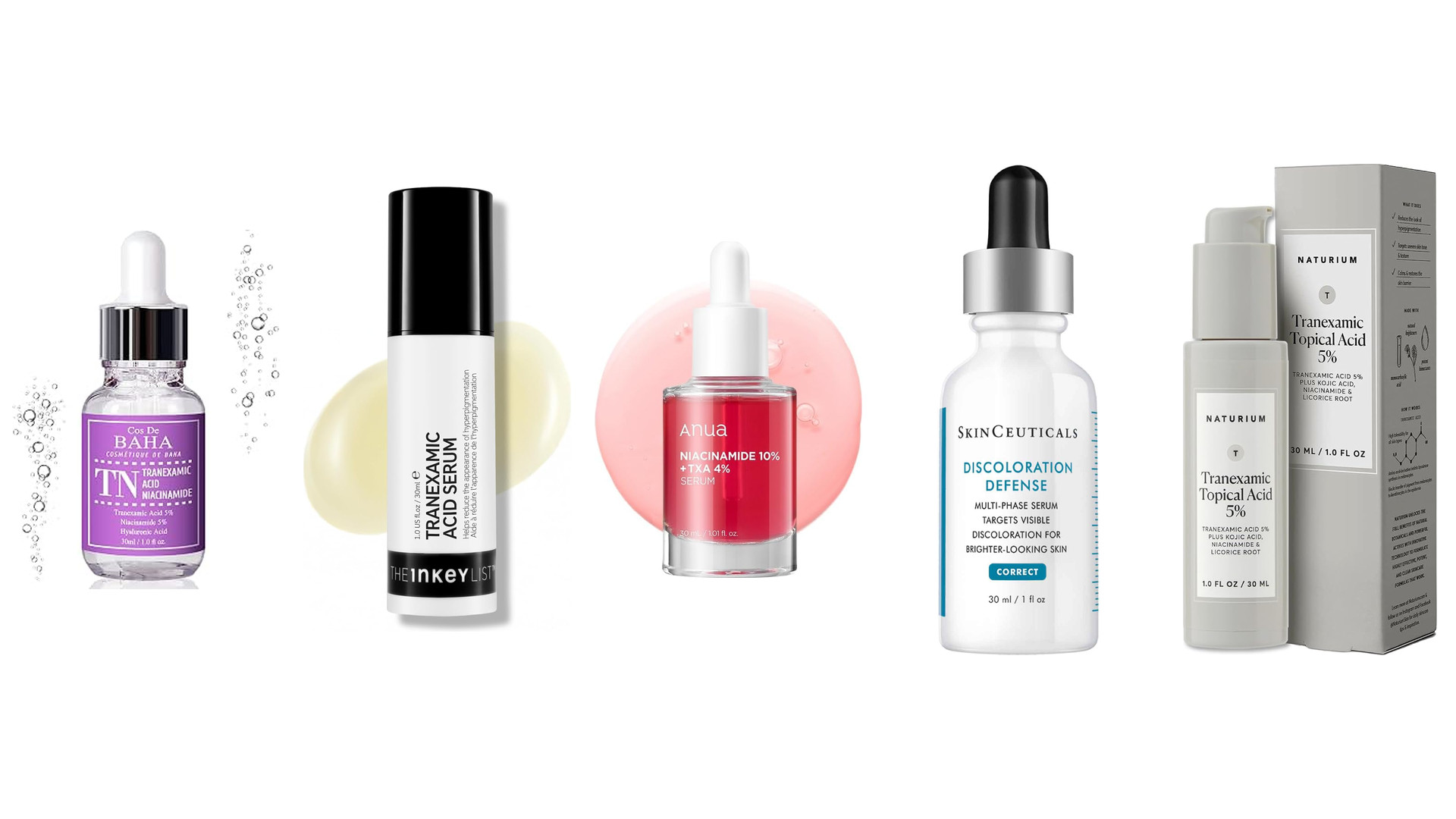
Moderate evidence topically, stronger orally. Better suited to melasma and much gentler, but the topical version struggles to get through the skin and the tablets require a prescription.
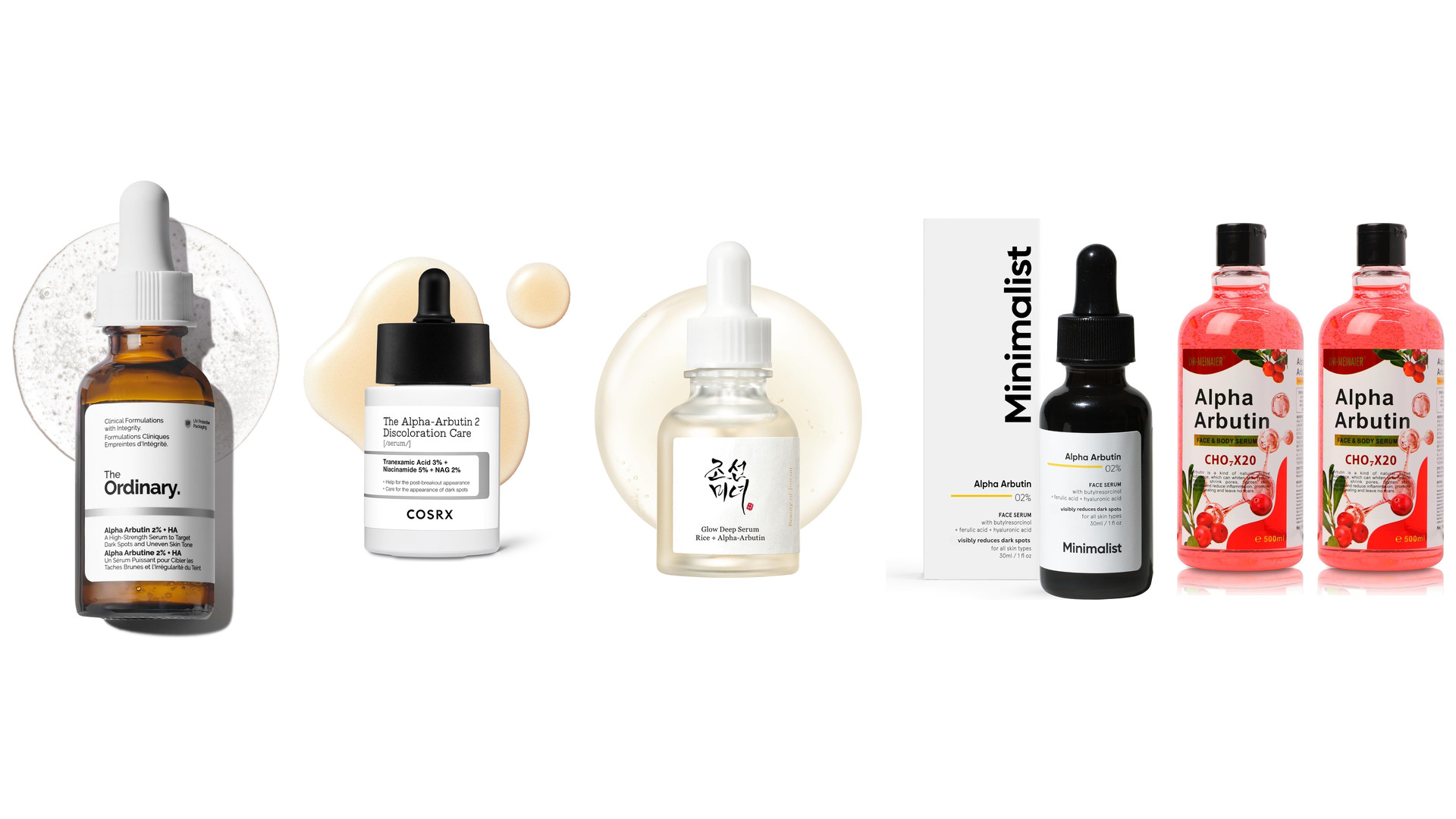
Limited evidence. About as strong or slightly weaker, and much less likely to irritate or sensitize, which makes it the easier swap for reactive skin.
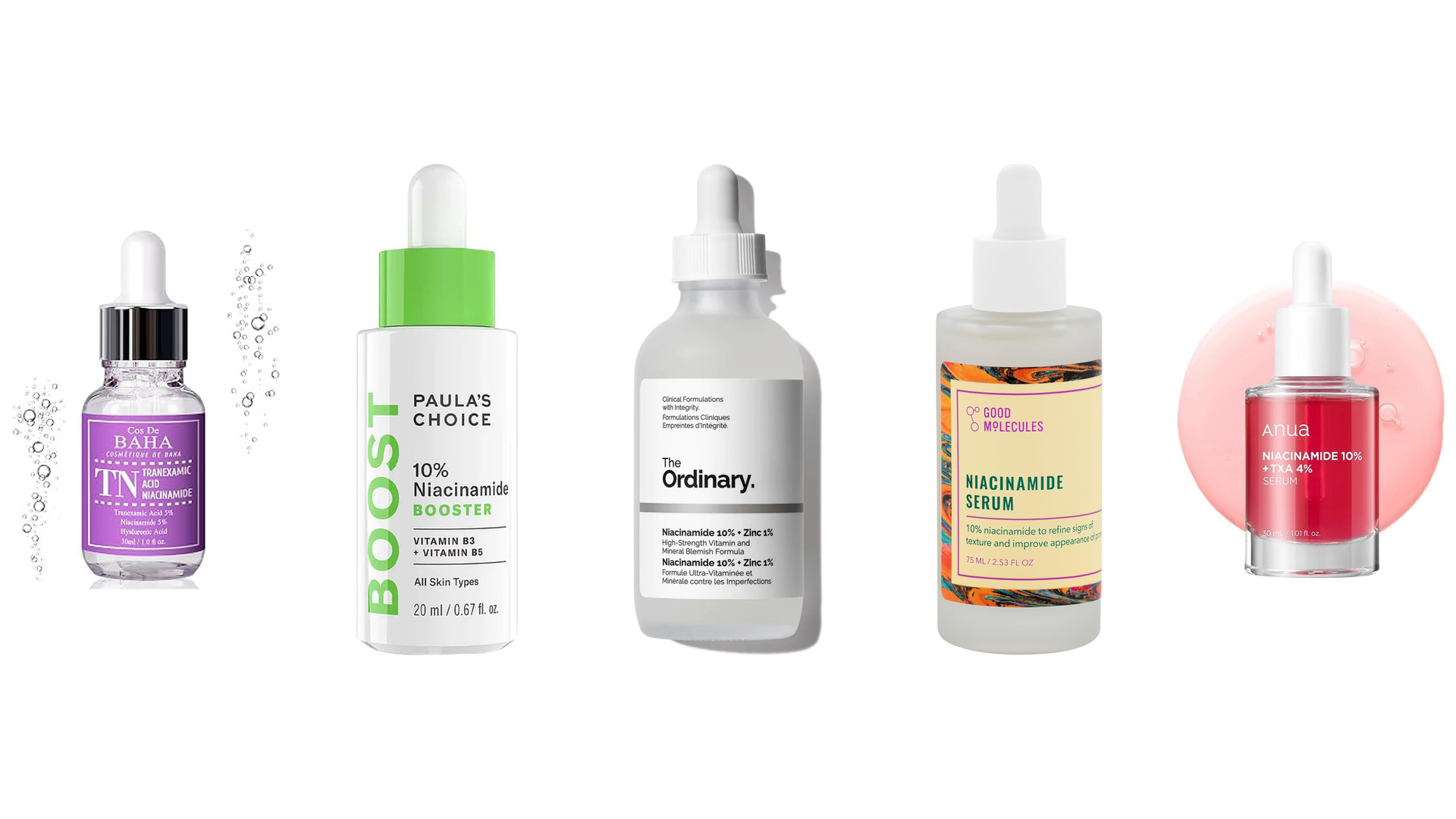
Moderate evidence. Milder still, helps the barrier and the redness at the same time, but does less on established pigment.
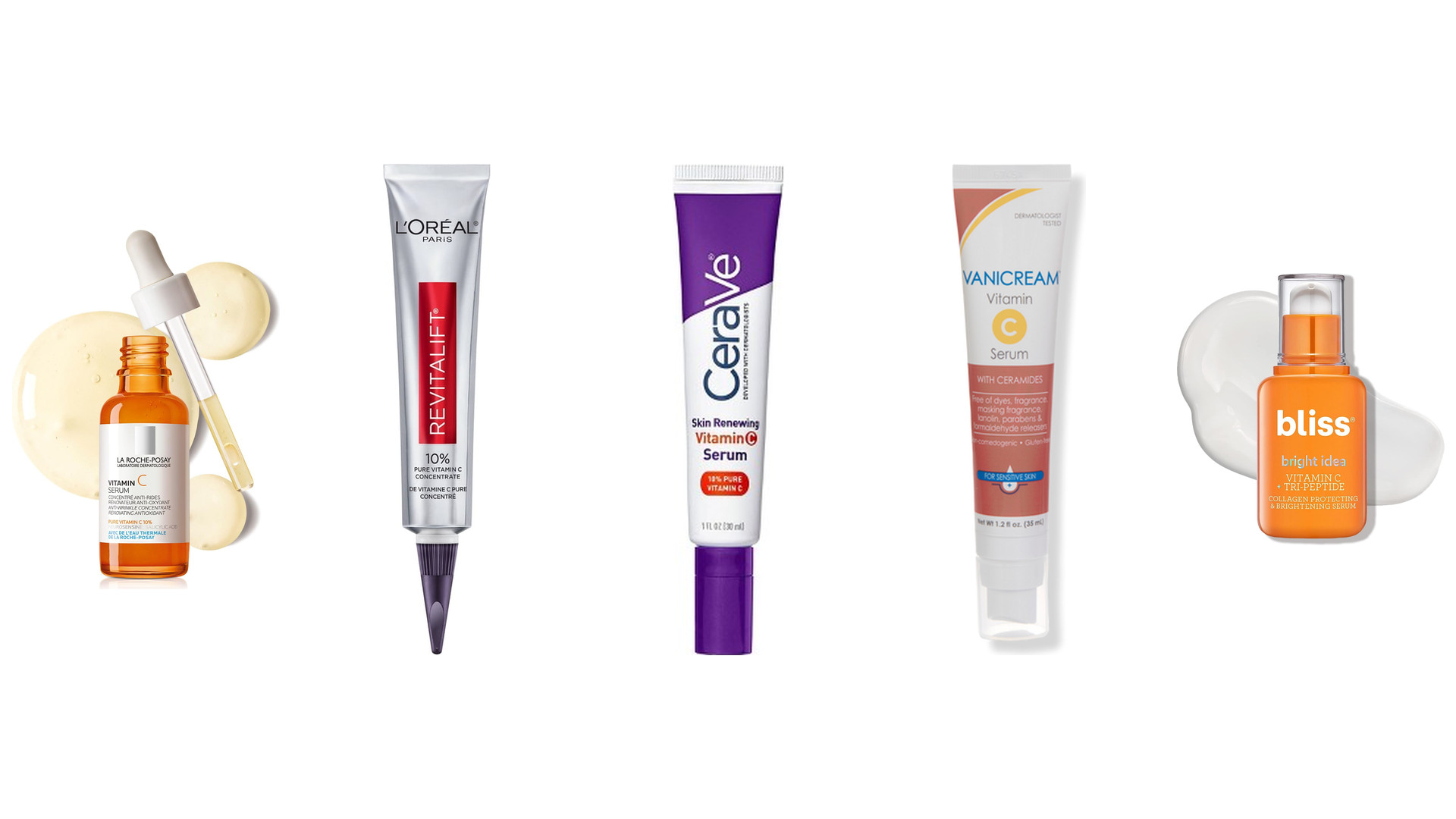
Moderate evidence. Adds antioxidant protection alongside brightening, but it is unstable in its own way and stings at the low pH its effective forms need.
Kojic Acid
Around 6 to 10 weeks
Fading is gradual. Anything faster than that usually means the spot was surface-level to begin with.
Finacea (Azelaic Acid)
About 8 to 12 weeks
Spots improve first, pigment later.

Kojic Acid
As long as you use it and stay sun-safe
Spots return if the trigger — sun, inflammation, hormones — is still there.
Finacea (Azelaic Acid)
As long as you keep using it
Redness and spots drift back over a few months after stopping.
Kojic Acid
Irritation, and it goes brown
It can sting and cause a rash in some people, more so with long use. It also oxidises easily, so the product itself turns brown and loses strength.
Finacea (Azelaic Acid)
Tingling early on
A mild sting or itch in the first couple of weeks is common and usually settles. Some gels feel gritty on the skin.
Kojic Acid
Inexpensive
Sold in drugstore serums, creams and soaps.
Finacea (Azelaic Acid)
Cheap over the counter, more by prescription
The prescription strength costs more and may be covered by insurance for acne or rosacea.
Kojic Acid
Drugstore is the only version
Kojic acid is an over-the-counter ingredient. There is no prescription version. A clinician treating stubborn pigment reaches for other prescription options instead.
Finacea (Azelaic Acid)
Two real strengths
The over-the-counter version is the same ingredient, weaker, and it works more slowly. The prescription version is the one used for rosacea and stubborn pigment.
1% to 2% in a leave-on base, usually with other brighteners. Where the ingredient does its best work.

Rinsed off within a minute, often high in pH, and the form that generates the most complaints of dryness and irritation. Very little of what it contains stays on the skin.
Kojic Acid
Kojic acid switches off the pigment enzyme everywhere it touches. Tyrosinase, the enzyme that makes melanin, needs copper to work. Kojic acid grabs that copper. That makes it powerful and unselective.
Finacea (Azelaic Acid)
Azelaic acid targets overactive pigment cells and leaves normal ones alone. So it fades the marks without lightening the skin around them.
Kojic Acid
Choose kojic acid for stubborn sun spots and melasma on skin that is not reactive. It is one of the stronger over-the-counter brighteners, and it works well next to sunscreen and a retinoid.
Finacea (Azelaic Acid)
Choose azelaic acid if acne, rosacea or sensitivity is part of the picture. It is the safer starting point, and it treats the cause of new marks rather than only the marks themselves.
Kojic Acid
Common questions
Kojic acid is the stronger pigment blocker and usually shows change sooner. Azelaic acid is slower but gentler, and it also treats the acne or redness that keeps making new marks.
Yes, and they block pigment by different routes, so the effects can add up. Introduce one first and give it eight weeks, because irritation adds up too.
Azelaic acid. Kojic acid is more likely to sting and, with long use, more likely to cause a rash.
Kojic acid oxidises when it meets air and light. The colour change means it is losing strength, so keep it sealed, out of the sun, and replace it when it darkens.
Azelaic acid is the more predictable choice, because it acts on overactive pigment cells and leaves normal pigment alone. Kojic acid works, but blocks pigment everywhere it touches.
Yes, and it does more for dark spots than either ingredient. Without it you are fading marks while making new ones.