Glycolic Acid

Glycolic acid lifts dead, pigmented cells off the surface of the skin. It fades marks and smooths rough texture at the same time, so it does more than one job. Kojic acid blocks your skin from making new pigment. It is a spot-fader and very little else, which makes it the more direct tool when dark marks are your only complaint.
| The difference | Glycolic Acid | Kojic Acid |
|---|---|---|
| How long until it works | Two to four weeks for texture | Around 6 to 10 weeks |
| Cost | Inexpensive at home, more in clinic | Inexpensive |
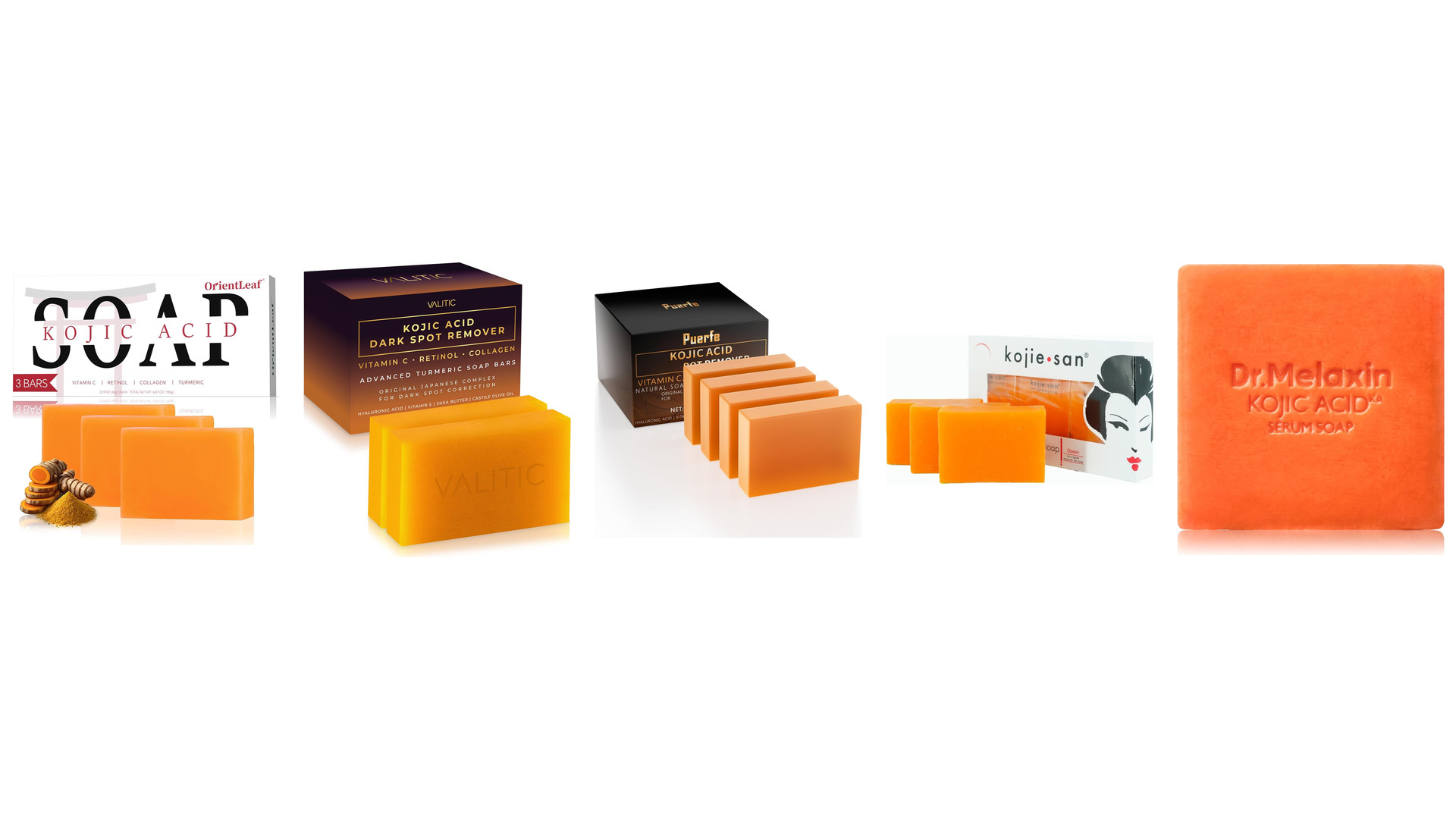
Side by side
Glycolic Acid
A few nights a week
A toner, serum or pad left on at night. Some people have a stronger peel in a clinic every few weeks instead.
Kojic Acid
Once or twice a day, on the marks
A serum, cream or cleansing bar. Serums are left on; bars get rinsed away, so they do less.
Glycolic Acid
Smoother, brighter skin
Softer texture, less dullness, smaller-looking pores, and a slow fade of surface discolouration.
Kojic Acid
Dark spots losing contrast
Sun spots, melasma patches and marks left by old acne gradually stop standing out from the skin around them.

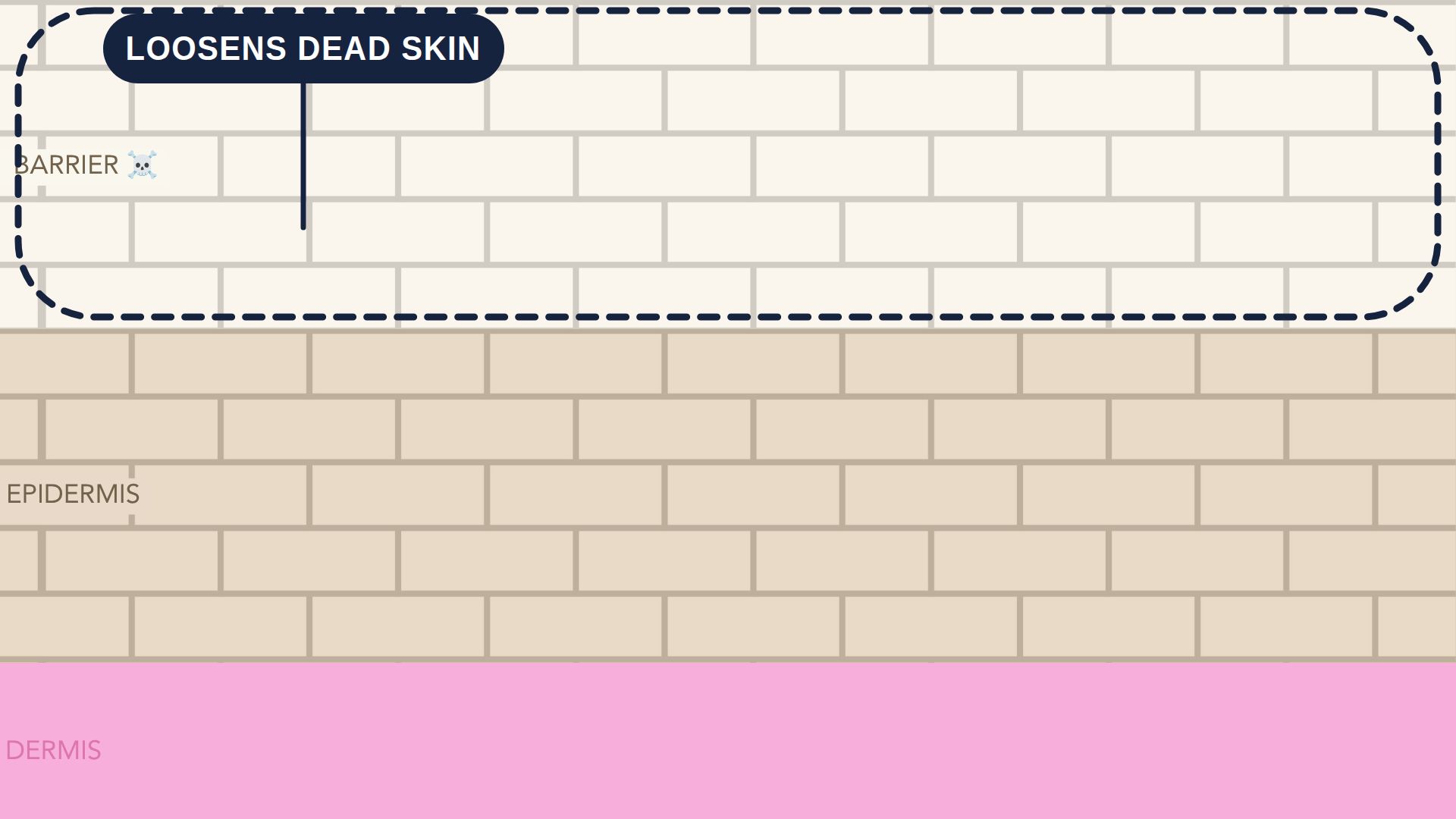
Loosens the pigmented cells at the surface so they shed sooner, which lifts a little color out of a spot over months. It works better as the thing that helps a lightening cream get in than as a treatment on its own. Used too often it leaves skin irritated and more sun-sensitive, which on this page is exactly the wrong direction.
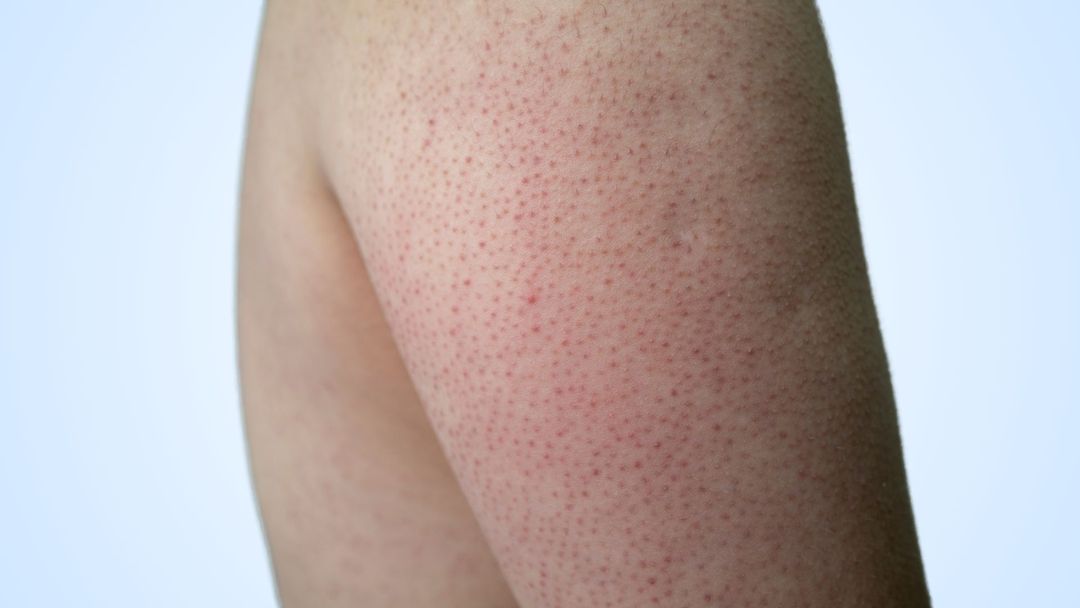
Loosens the dead cells stuck at the surface, which smooths the skin around the bumps. It is the most likely of the acids to sting and to leave the skin pink, so it suits the arms and thighs better than the cheeks. On deeper skin tones, build up slowly, because irritation is what leaves the dark marks.

Regular low-strength use smooths surface texture and softens fine lines, and it helps the dull, uneven look that goes with them. It reaches the outer layers only, so deeper creases and folds are untouched. Used on the same nights as a retinoid it usually causes more irritation than either is worth, so alternate them.

Loosens the pigmented cells at the surface so they shed sooner, which helps brown marks more than gray ones. A low-strength product two or three nights a week is plenty. Stacking it with a retinoid on the same night is the classic way people end up red and peeling, which adds inflammation and slows everything down.
Blocks the same pigment-making enzyme hydroquinone does, more weakly. It is nearly always sold combined with other lightening ingredients, and the studies behind it are studies of those combinations. It stings some people, and irritation on a sun spot is not a neutral event, particularly on medium and deeper skin tones.

Blocks the same pigment-making enzyme hydroquinone does, more weakly. It is nearly always sold combined with other lightening ingredients, and the studies showing it work are studies of those combinations rather than of kojic acid alone. It stings some people, and stinging on a melasma patch tends to darken it.

Another pigment-fading option, usually found blended with vitamin C or niacinamide rather than on its own. It is a reasonable choice if brighter actives have irritated the lid. It is also a fairly common cause of contact allergy on eyelid skin, so stop it if the area becomes itchy or scaly.
Another mild pigment blocker, usually found combined with other brightening ingredients rather than on its own. Evidence in dark marks is thin, and it causes contact allergy more often than the alternatives. If a product containing it makes the skin red or itchy, stop, because that irritation will darken the mark further.
Glycolic Acid
It will not stop new pigment
Glycolic acid removes what is already on the surface. It does nothing to slow the cells that are making more.
Kojic Acid
It will not smooth texture
Kojic acid does not exfoliate, so rough, bumpy or dull skin needs something else alongside it.
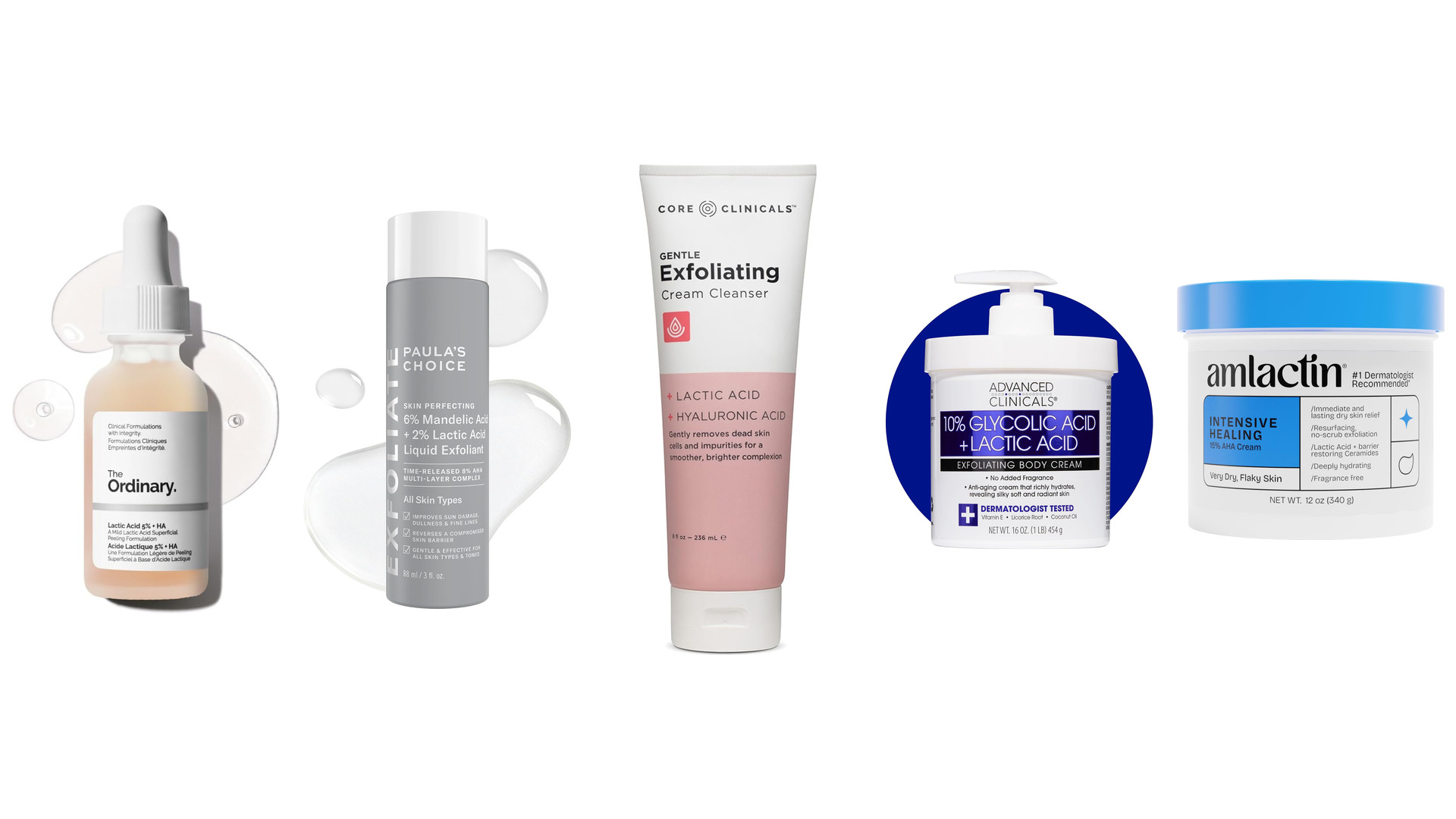
Strong evidence. A larger molecule, so it works more slowly and stings less, and it holds water in the skin while it exfoliates. Glycolic acid acts faster on rough texture.
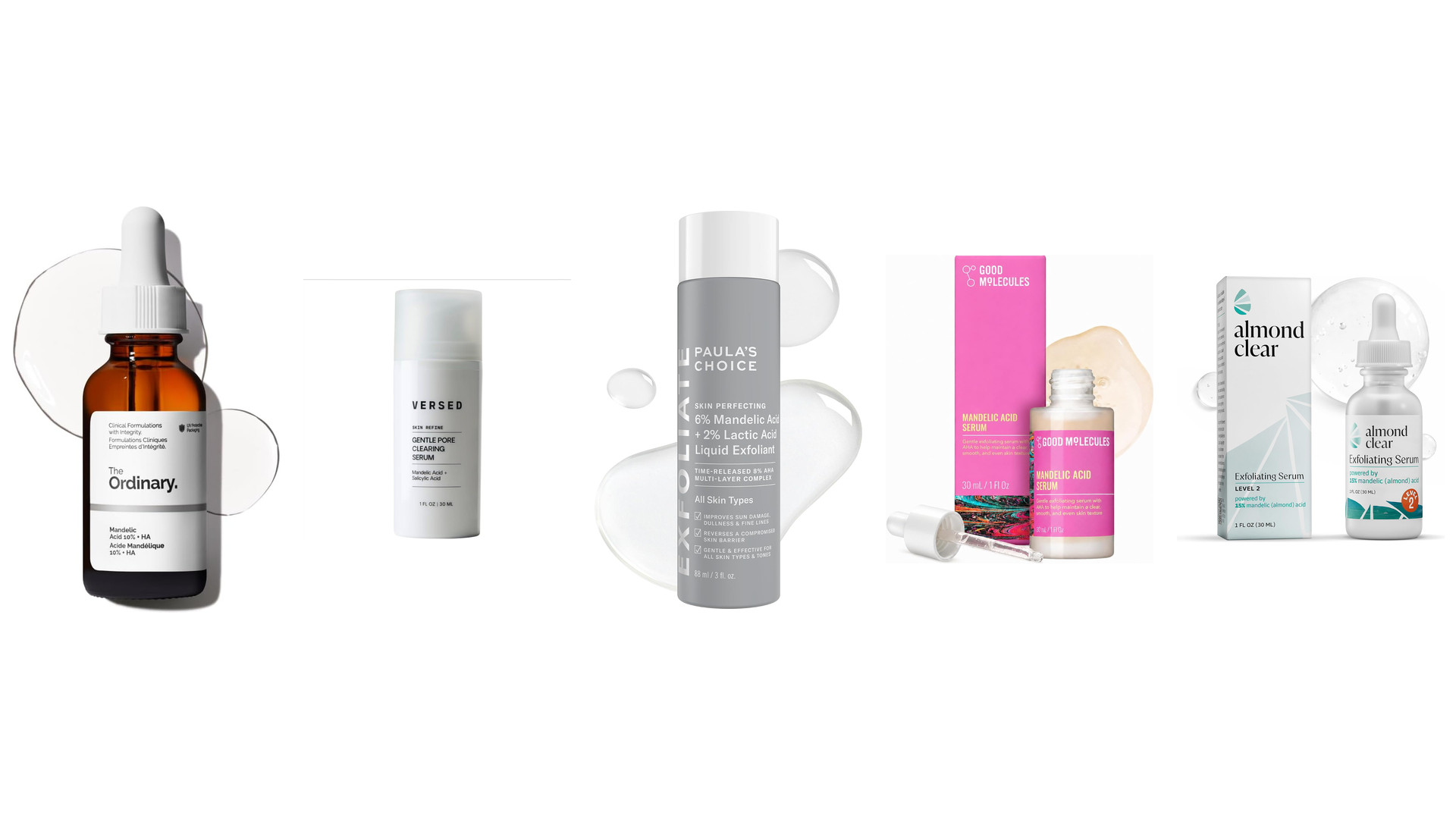
Limited evidence. The gentlest of the common AHAs and less likely to irritate skin into making dark marks. It is slower, and much less studied.
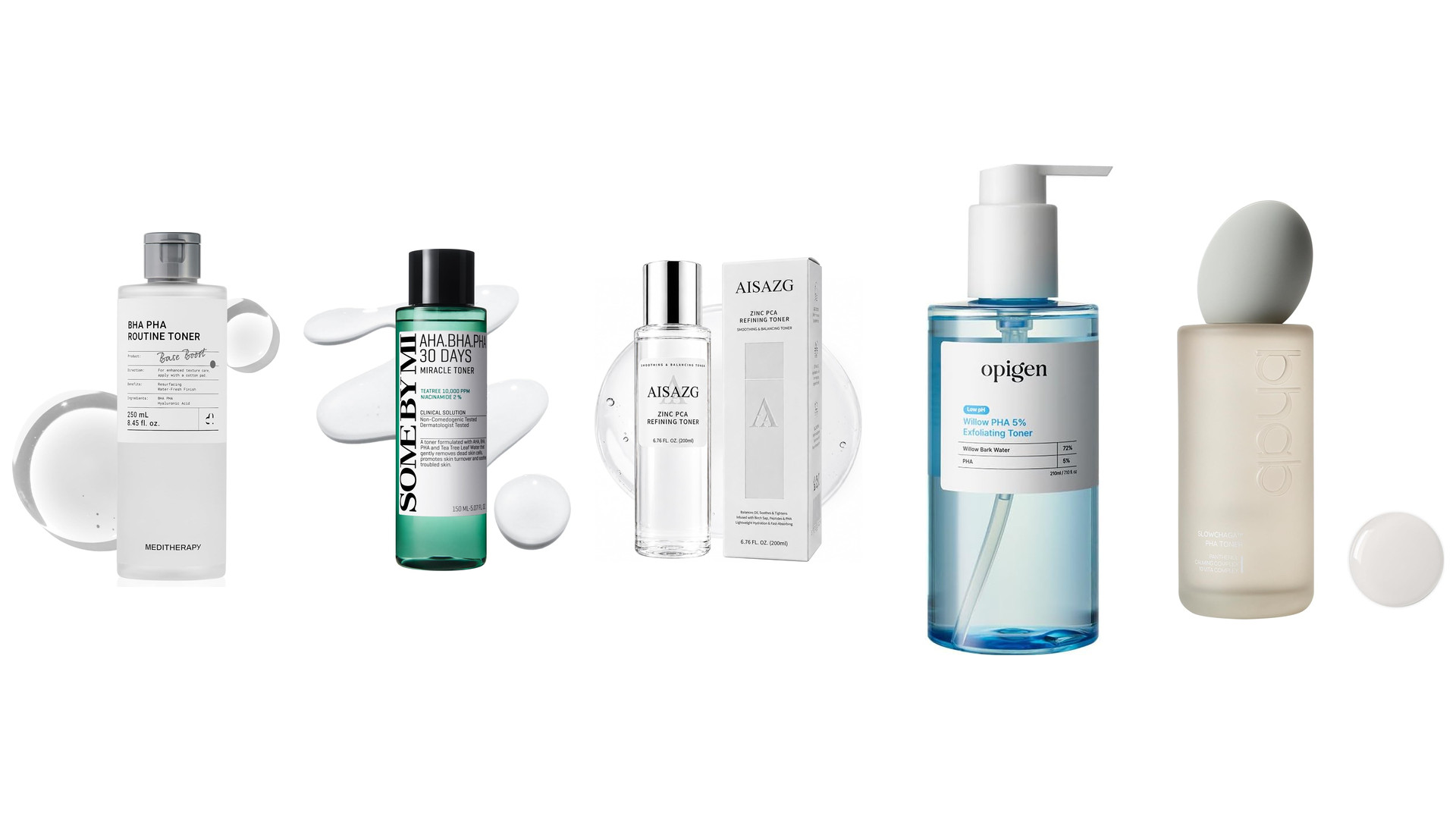
Limited evidence. Considerably gentler, hydrating, and they have not been shown to increase sun sensitivity. They also do less, more slowly.

Strong evidence. Oil-soluble, so it works inside the pore, which makes it a better fit for blackheads and acne. Glycolic acid does more for surface tone and texture.
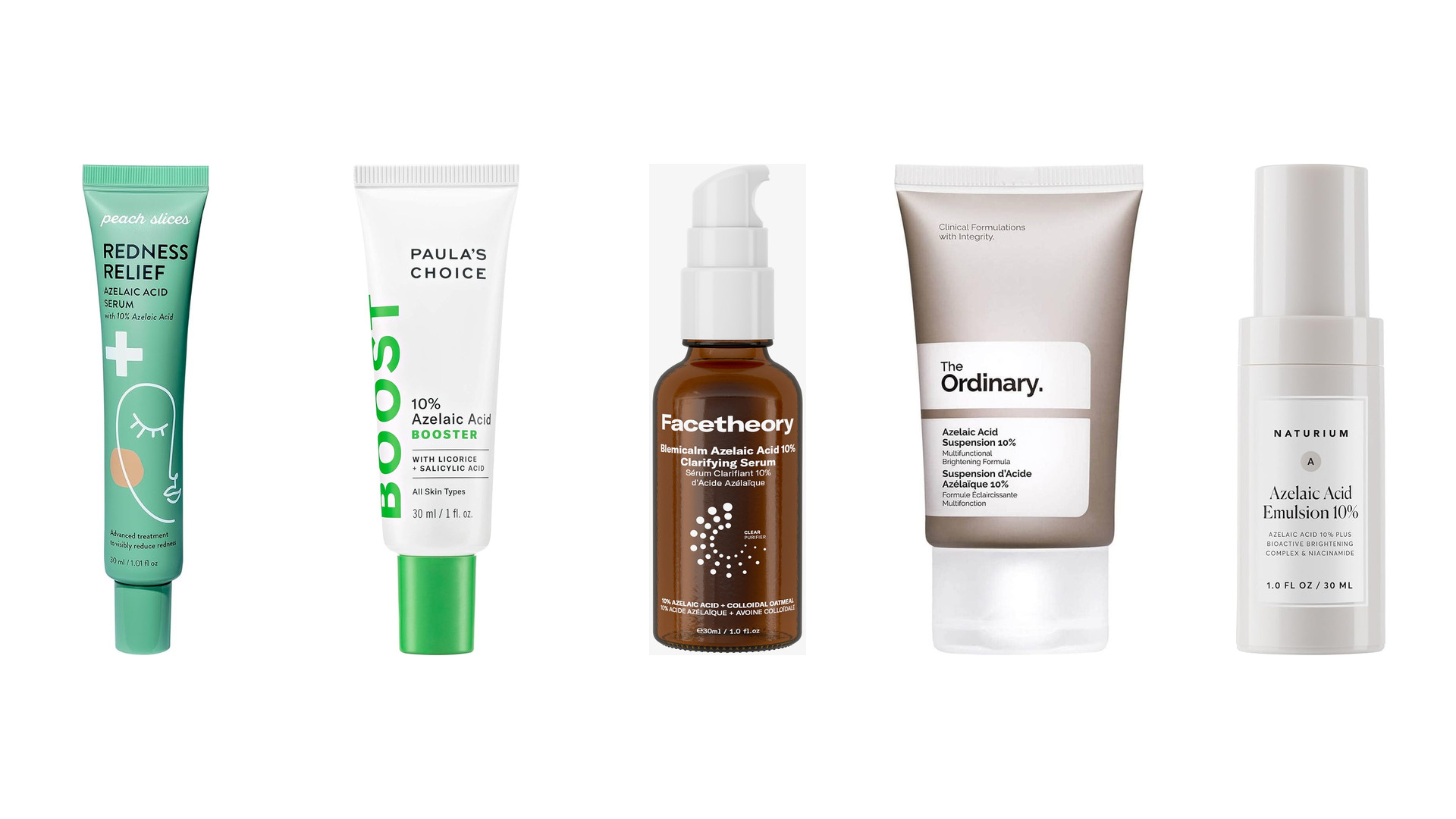
Strong evidence. Treats acne and rosacea at the same time, is far less likely to cause allergy, and is the usual choice in pregnancy. Slower to feel like it is doing anything.
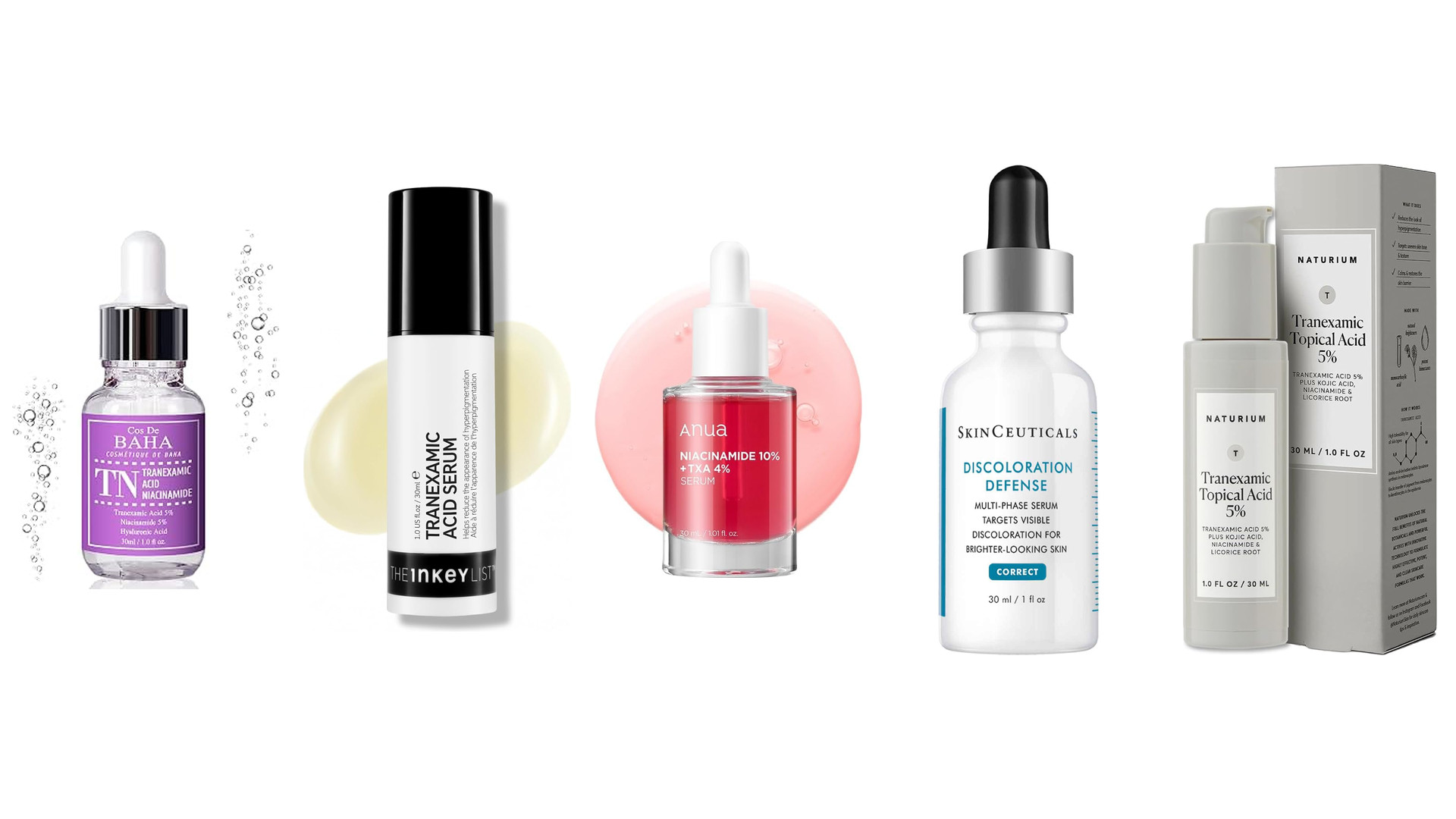
Moderate evidence topically, stronger orally. Better suited to melasma and much gentler, but the topical version struggles to get through the skin and the tablets require a prescription.
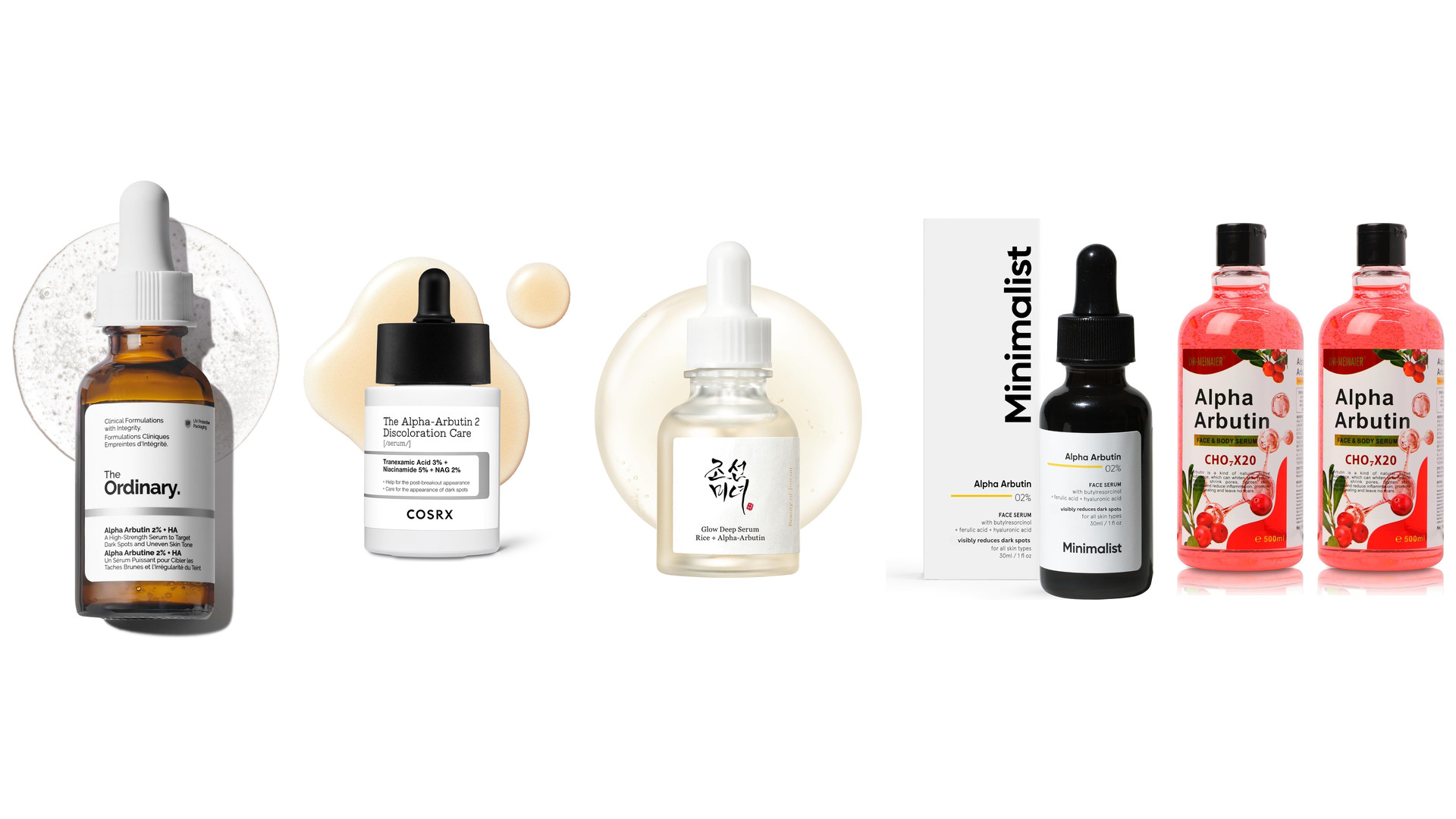
Limited evidence. About as strong or slightly weaker, and much less likely to irritate or sensitize, which makes it the easier swap for reactive skin.
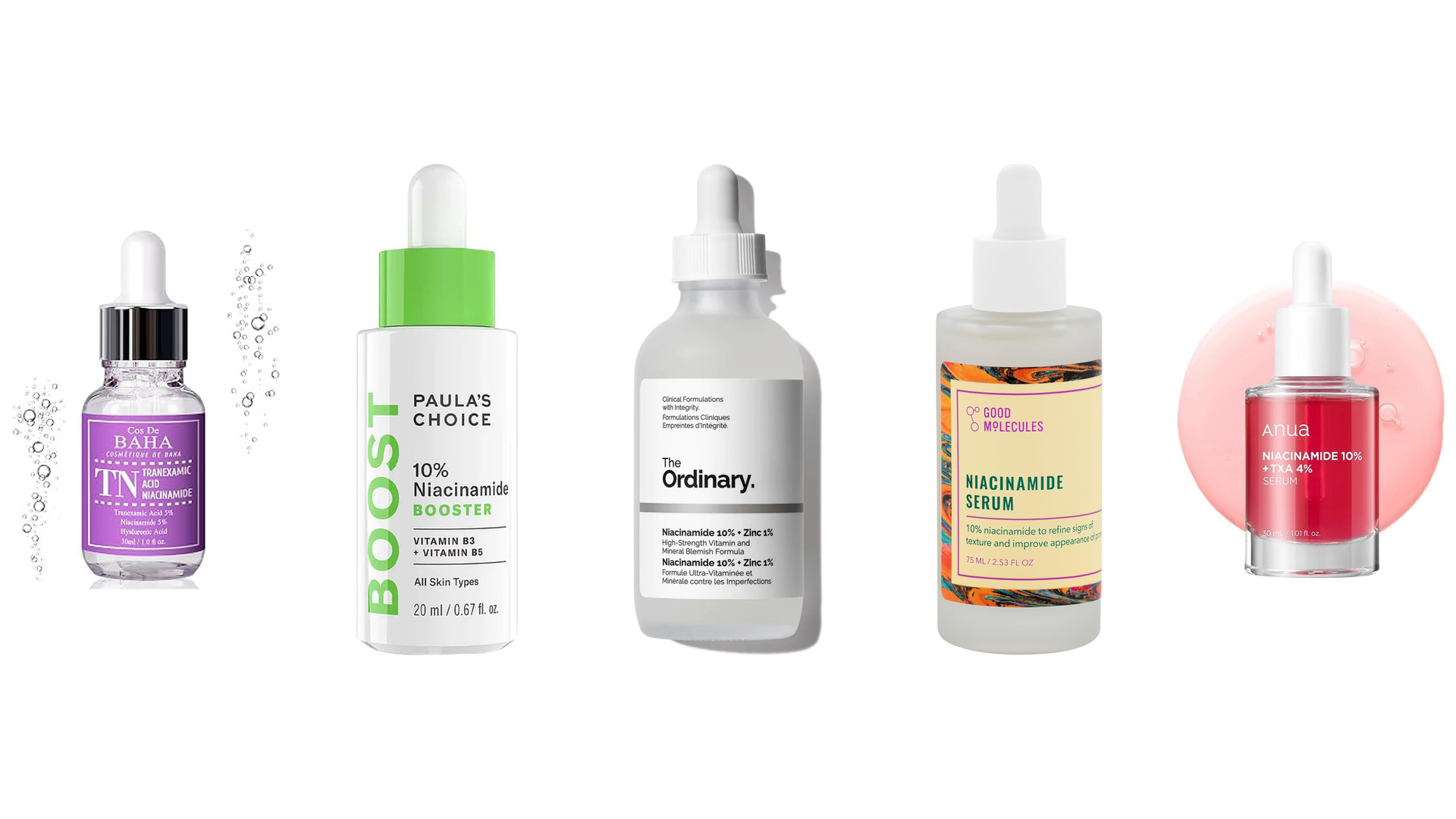
Moderate evidence. Milder still, helps the barrier and the redness at the same time, but does less on established pigment.
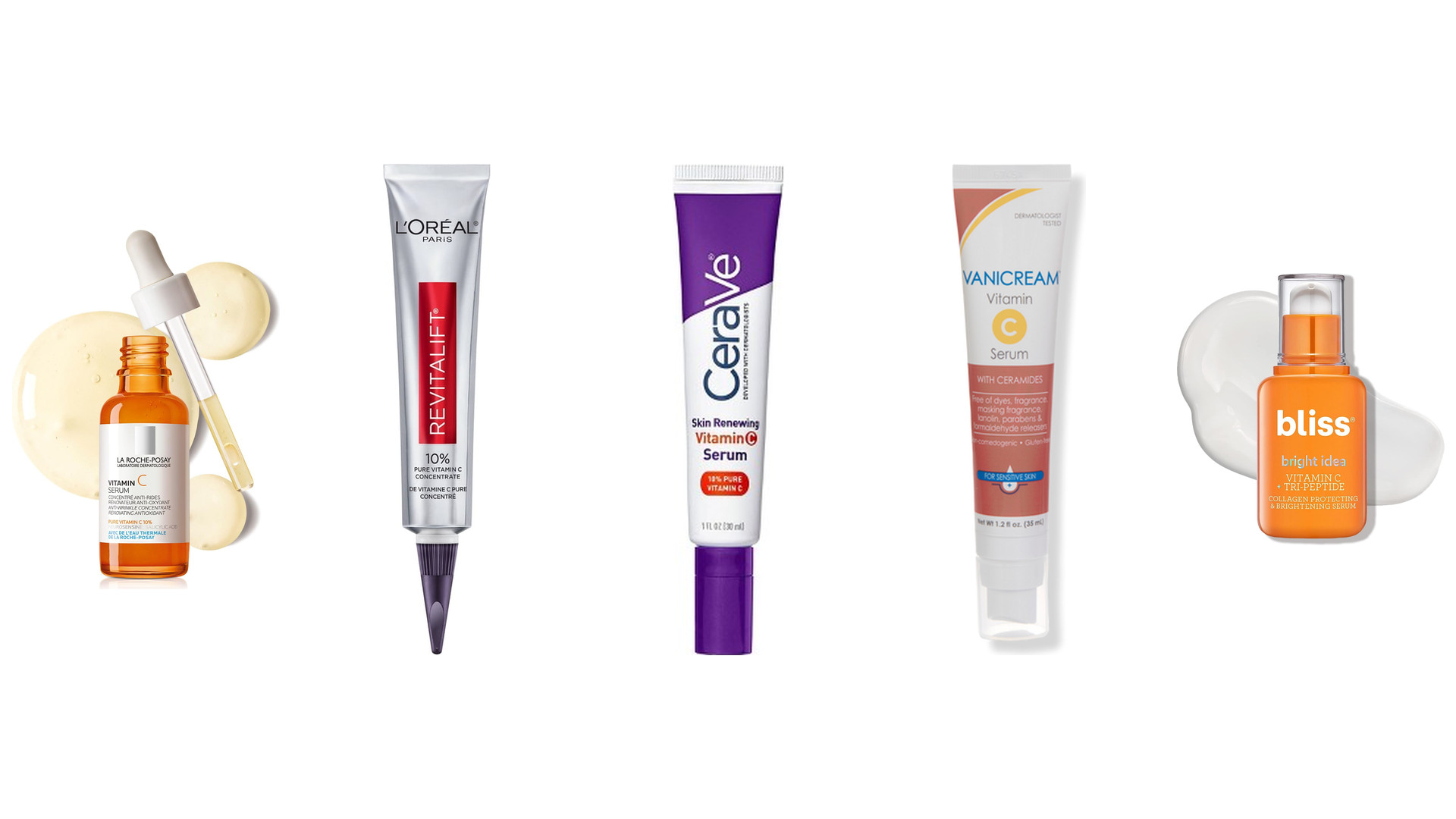
Moderate evidence. Adds antioxidant protection alongside brightening, but it is unstable in its own way and stings at the low pH its effective forms need.
Glycolic Acid
Two to four weeks for texture
Brightness comes early. Discolouration takes a few months of steady use.
Kojic Acid
Around 6 to 10 weeks
Fading is gradual throughout. Anything faster usually means the mark was very superficial.

Glycolic Acid
As long as you keep using it
Turnover returns to its usual pace within a few weeks of stopping.
Kojic Acid
As long as you use it and stay sun-safe
Spots return if the trigger — sun, inflammation or hormonal change — is still there.
Glycolic Acid
Stinging and sun sensitivity
It can sting on application and it makes skin more sensitive to sun. Daily sunscreen is not optional with an AHA.
Kojic Acid
Irritation, and it goes brown
It can sting and cause a rash in some people, more so with long use. It also oxidises easily, so the product itself darkens and loses strength.
Glycolic Acid
Inexpensive at home, more in clinic
Drugstore serums, toners and pads are cheap. A course of in-clinic peels costs considerably more.
Kojic Acid
Inexpensive
Sold in drugstore serums, creams and soaps. There is no premium version that works differently.
Glycolic Acid
The same acid, turned down
Drugstore glycolic acid works at the surface and works slowly. A clinic peel is the same molecule, stronger and buffered differently, so it reaches deeper and works faster — with a few days of flaking as the trade.
Kojic Acid
Drugstore is the only version
Kojic acid is an over-the-counter ingredient with no prescription form. A clinician treating stubborn pigment reaches for hydroquinone or tranexamic acid instead.

Swept on with a cotton pad after cleansing. Usually 5% to 10%, and easy to control.
Thicker, stays put, and the format for the higher percentages. The most likely to sting.

Pre-soaked and quick to sweep over areas a dropper cannot reach.
Higher strengths in a moisturizing base. Skin below the neck takes far more than the face.

Left on for minutes, then rinsed. The lowest-commitment way to try a strong percentage.
1% to 2% in a leave-on base, usually with other brighteners. Where the ingredient does its best work.
Rinsed off within a minute, often high in pH, and the form that generates the most complaints of dryness and irritation. Very little of what it contains stays on the skin.
Glycolic Acid
Glycolic acid removes pigment that has already been made. It loosens the bonds holding dead surface cells together, and those cells take their pigment with them when they go.
Kojic Acid
Kojic acid stops pigment being made in the first place. Tyrosinase, the enzyme that builds melanin, needs copper to work. Kojic acid grabs that copper and the production line slows down.
Glycolic Acid
Choose glycolic acid if your skin is dull, rough or uneven overall. Bumpy texture, blackheads, a general lack of glow and mild surface discolouration are its territory.
Choose glycolic acid if you also want the anti-ageing effect. Regular AHA use softens fine lines a little. Kojic acid does nothing for lines at all.
Kojic Acid
Choose kojic acid if defined dark spots are the whole problem. Sun spots, melasma and old acne marks on skin that is not especially reactive respond to it, and it does not thin the surface.
Common questions
Kojic acid is the more direct choice, because it stops new pigment being made. Glycolic acid fades marks more slowly but also smooths texture, so it does more overall.
Yes, but usually on alternate nights rather than layered. Using both at once is the most common cause of stinging and redness.
Kojic acid is gentler on the skin barrier, since it does not exfoliate or increase sun sensitivity. It can still cause a rash in some people with long use.
Kojic acid oxidises when exposed to air and light. A serum that has darkened has lost strength and is worth replacing. Keeping it sealed and out of sunlight slows this down.
With glycolic acid, yes — it makes skin more sensitive to sun. With kojic acid, sunscreen is what makes the fading hold, since new sun exposure rebuilds the spots you are treating.
Glycolic acid improves texture in two to four weeks. Both take six to twelve weeks to shift pigment, so photograph the area on day one to judge it fairly.