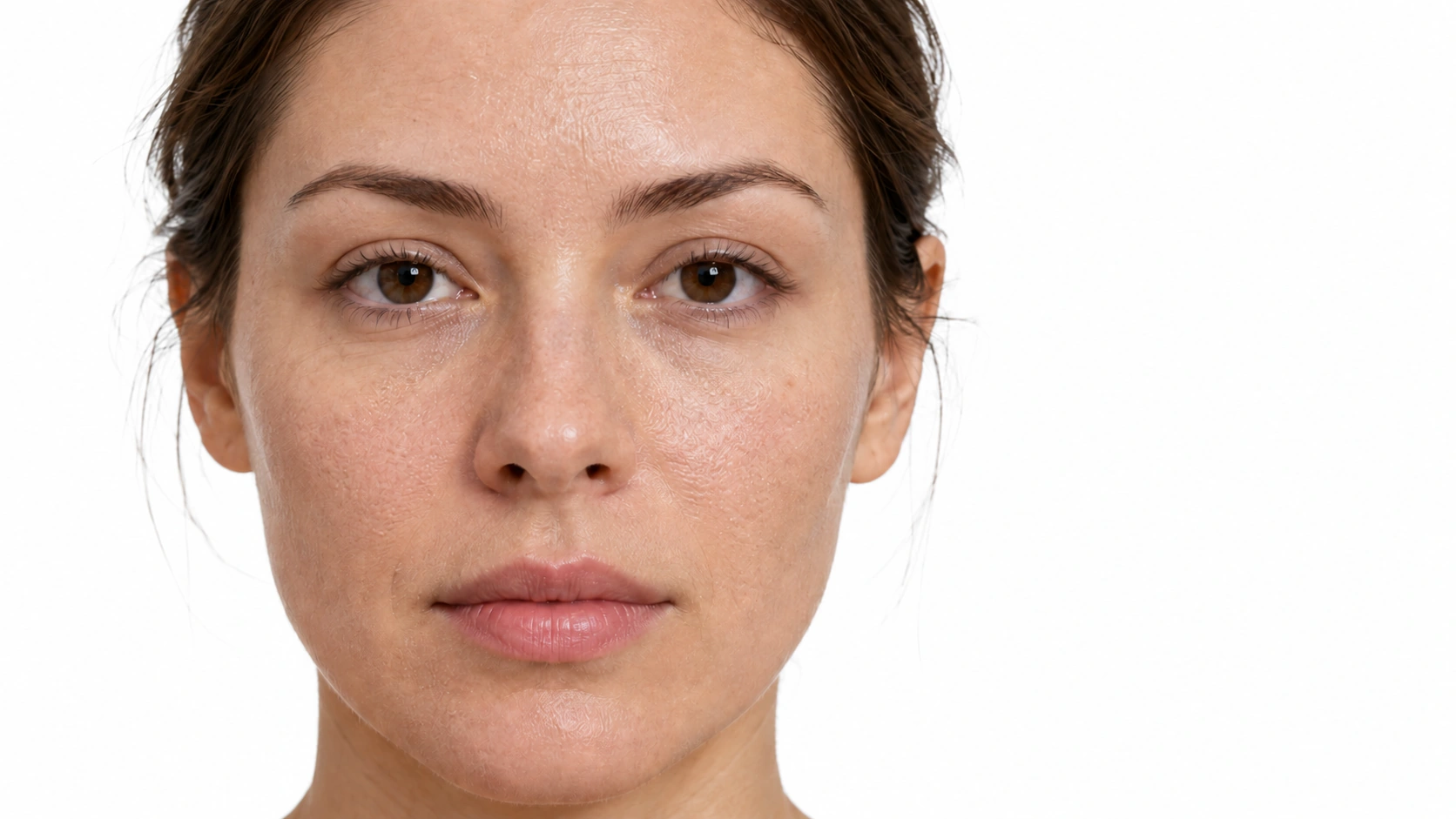
Dull Skin
Exfoliation can smooth rough texture and improve the look of dull skin.
Glycolic Acid: Exfoliates rough skin and can modestly improve signs of sun damage. Mandelic Acid: Exfoliates skin; clinical evidence is mainly from professional acne peels.
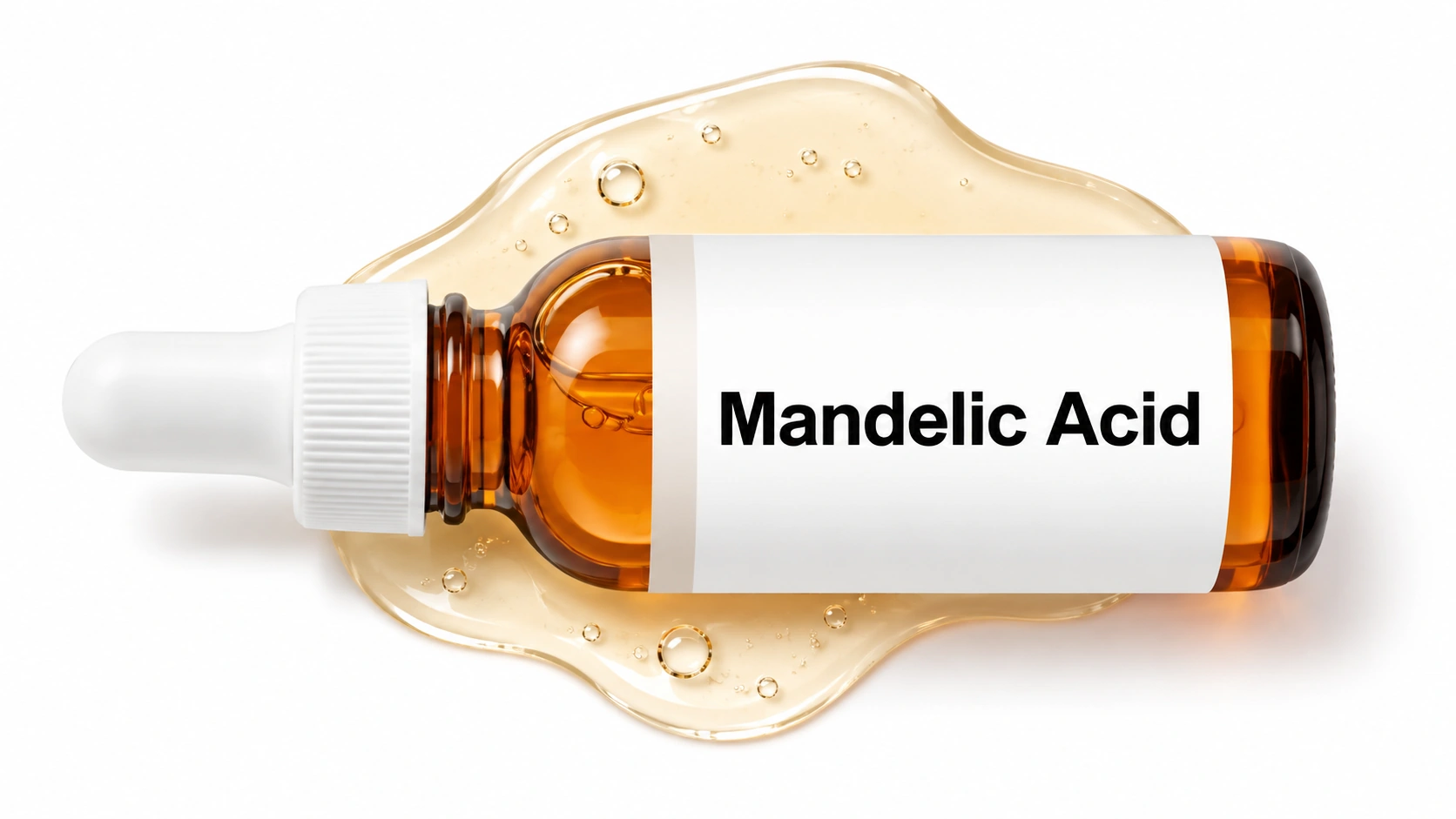
Choose for rough texture and dullness; start with a mild leave-on formula.
Consider for exfoliation; evidence for acne comes mainly from supervised peels.
Can you use both?
Both are AHAs. Mandelic is gentler and suits darker or sensitive skin; one is usually enough.
Compare uses by strength of evidence. Evidence level describes confidence in a benefit, not its size.

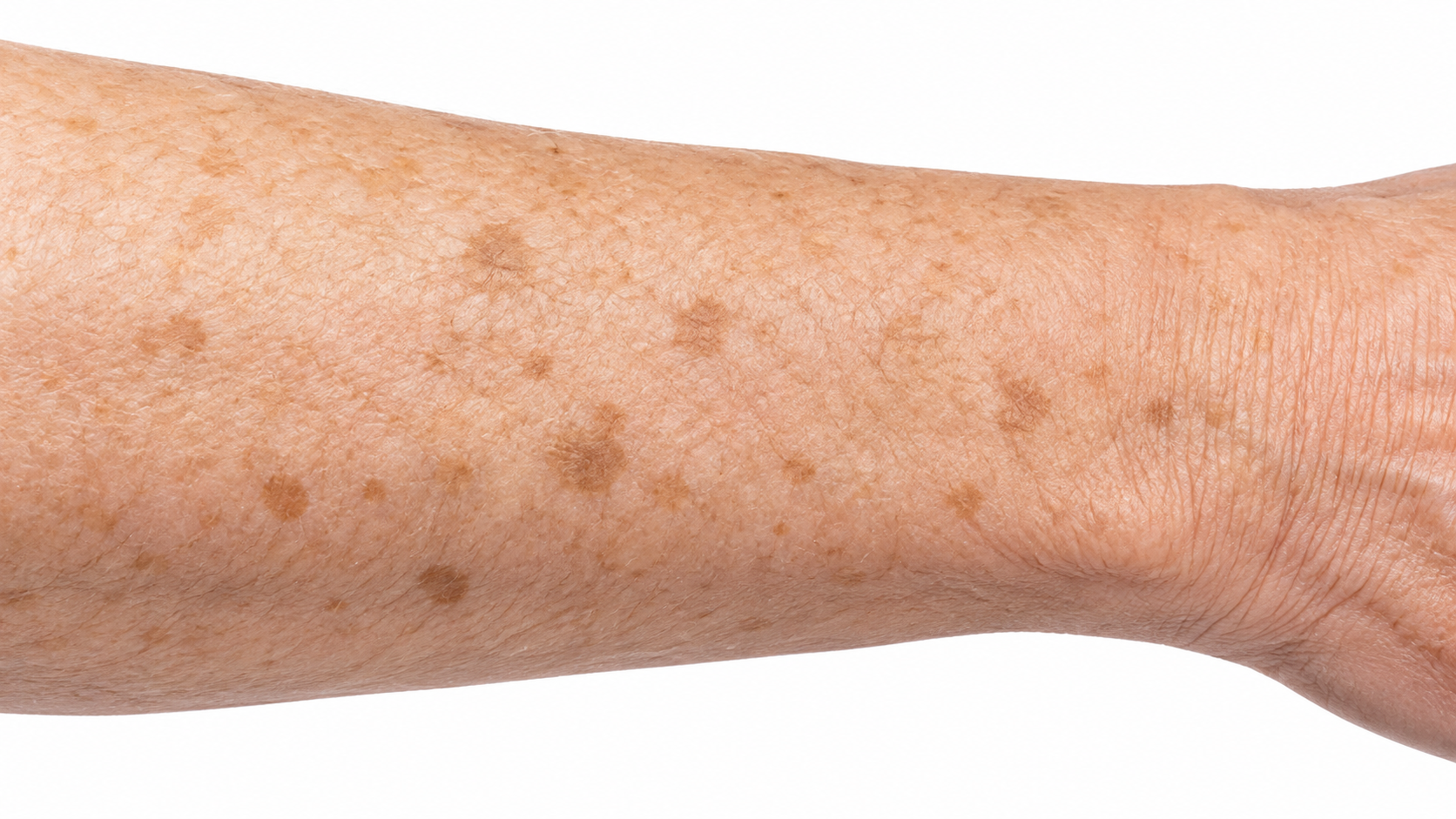

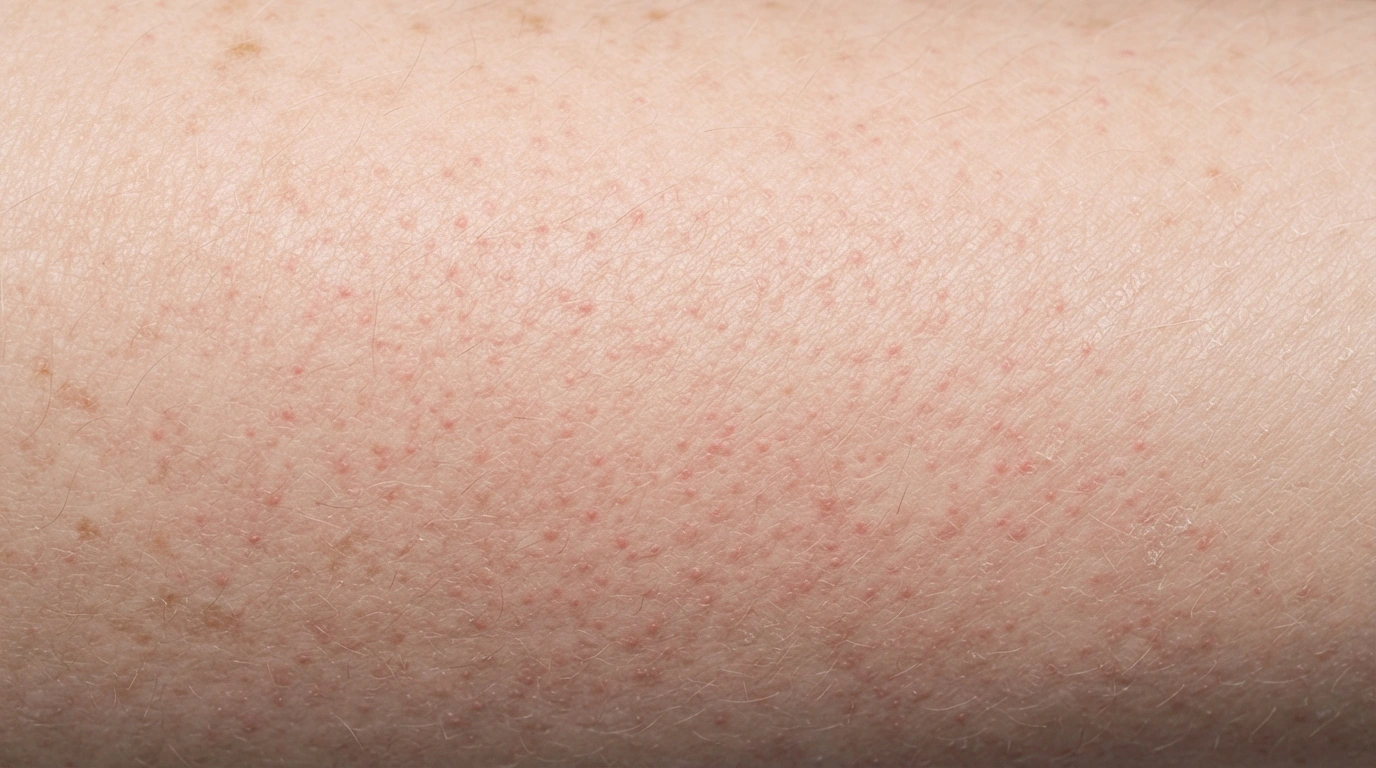


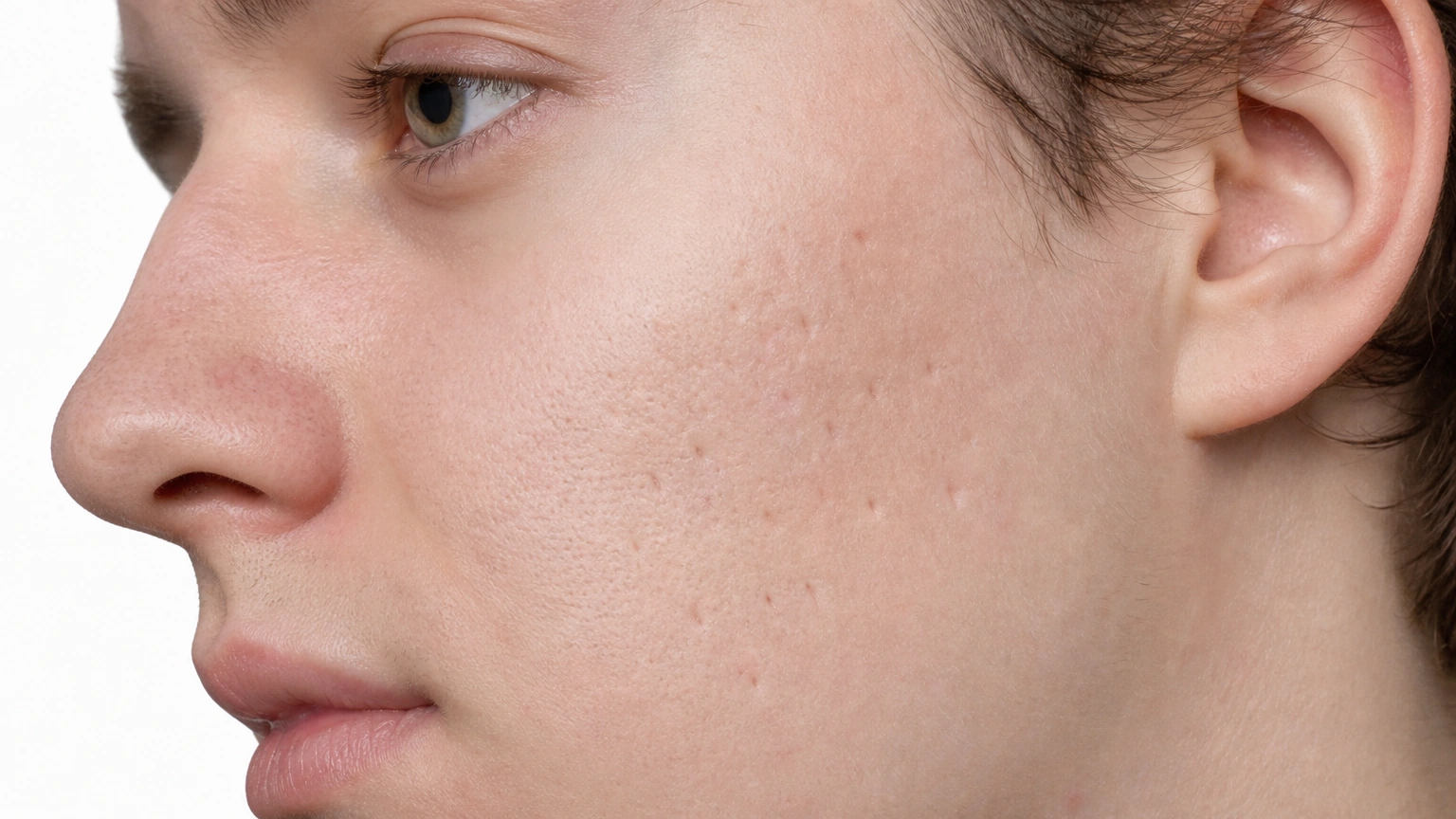
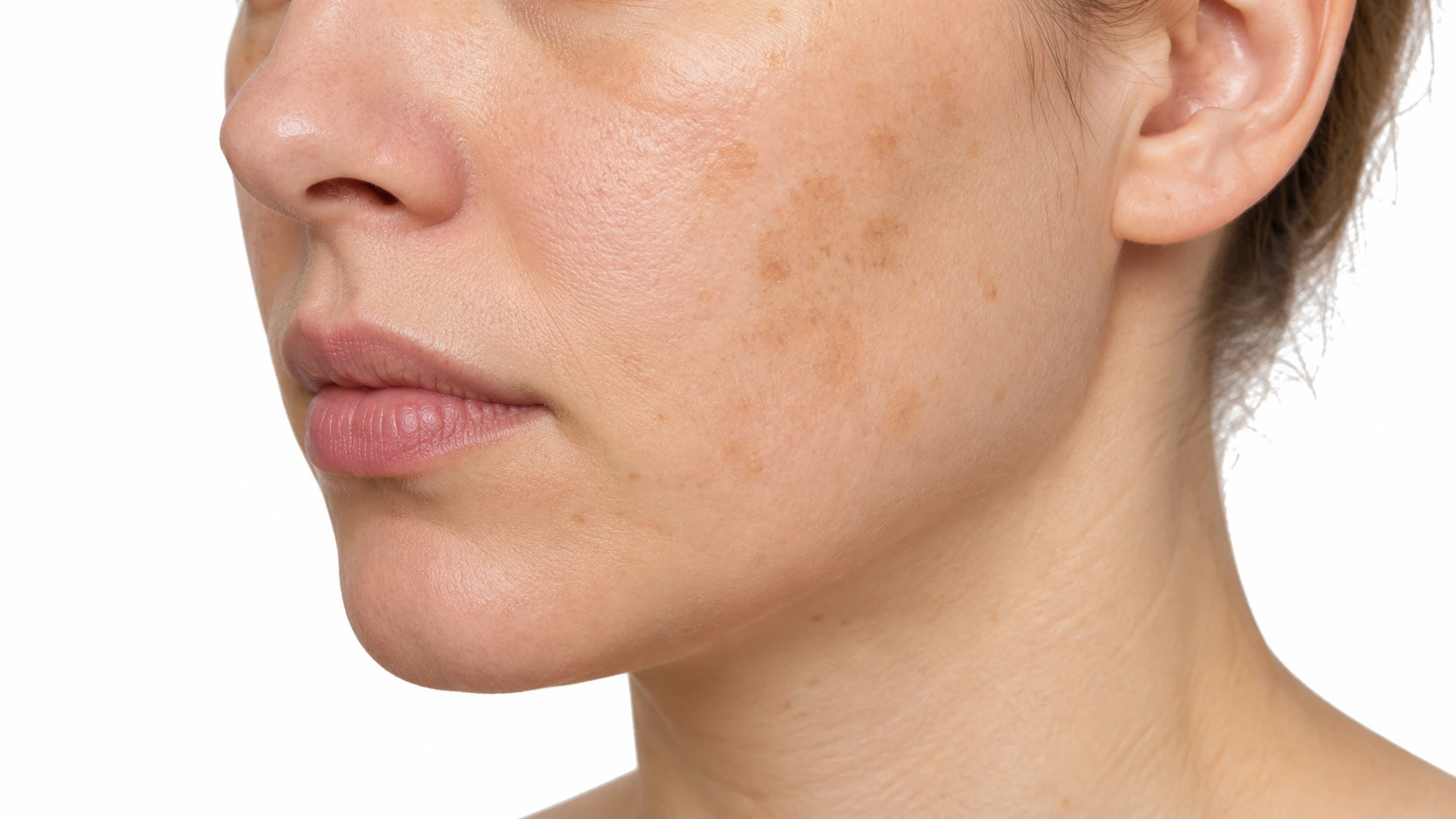

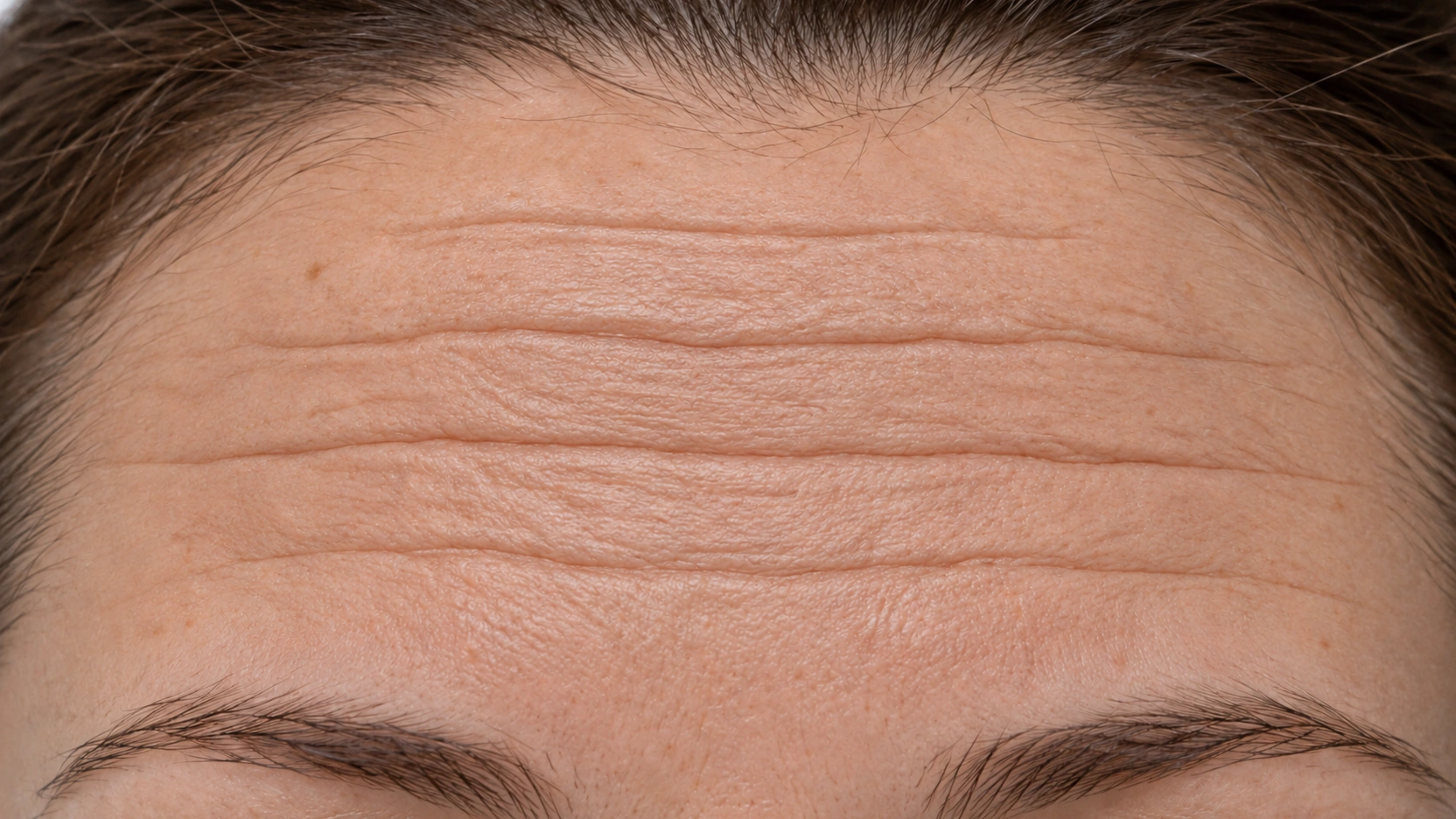

Acts at the outer skin: Acidity helps loosen adhesion between dead cells. Promotes surface shedding: Texture changes depend on pH and the formula.
Schematic illustration; not a measurement of skin penetration. Effects vary with ingredient identity and formulation.
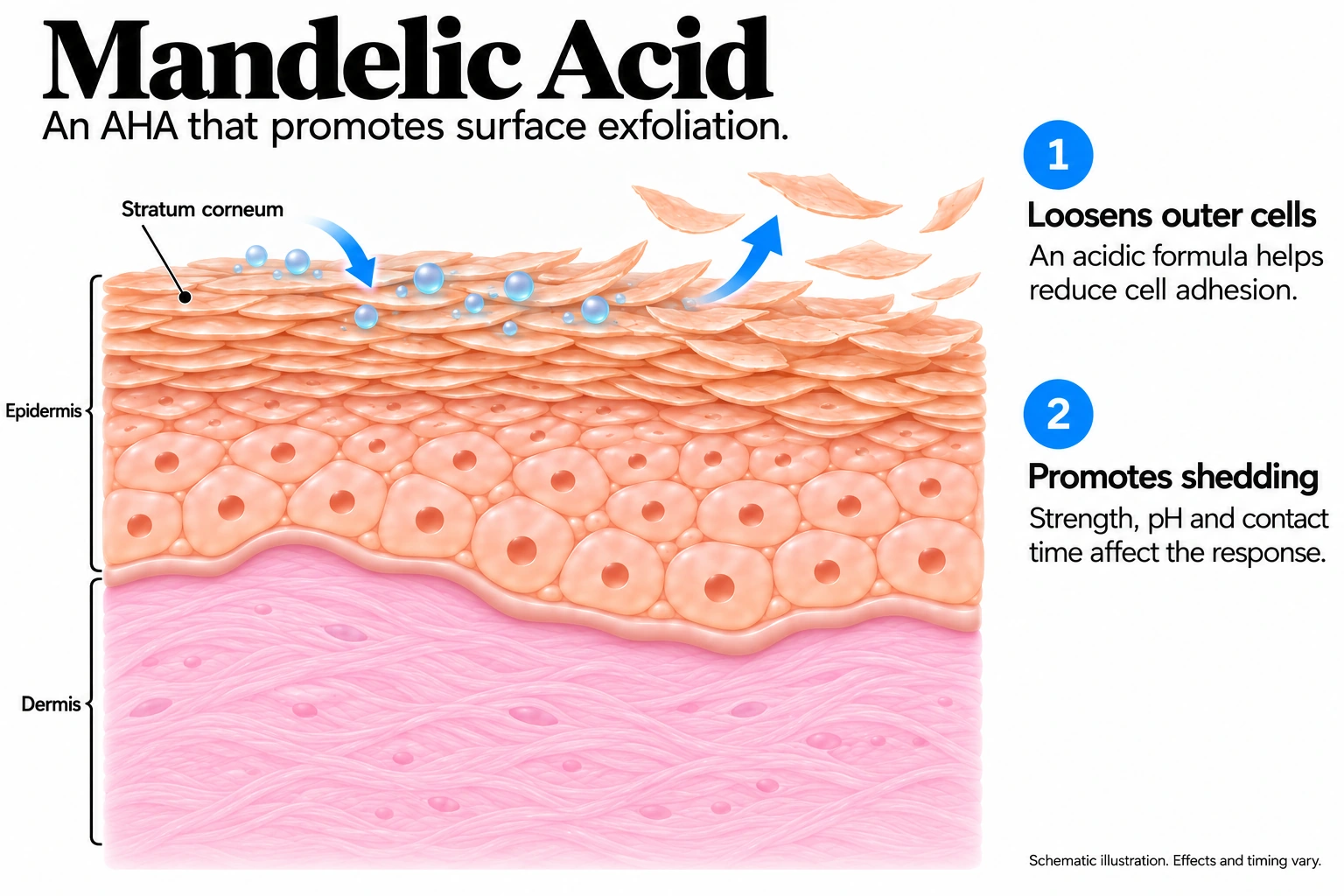
Loosens outer cells: An acidic formula helps reduce cell adhesion. Promotes shedding: Strength, pH and contact time affect the response.
Schematic illustration; not a measurement of skin penetration. Effects vary with ingredient identity and formulation.
Built from where each one usually sits in a routine. Introduce one at a time.
Home skincare and office peels use very different glycolic acid strengths. Clinical studies include 8% leave-on cream and professional peels from 20% to 70%.
8%
20–70%
Studied leave-on cream
Studied for sun-damaged skin. Use a finished home product as labeled; this does not establish a universal ideal percentage.
Professional peeling range
Serial office peels have used these strengths for selected concerns. These are controlled procedures, not home-use targets.
Choosing a strength: Choose a home product for your concern and skin tolerance. Ask a qualified clinician whether an office peel is appropriate.
Higher strengths: High-strength peels can cause burns, scars and lasting color changes. Do not copy a study’s peel concentration or timing at home.
Formula matters: Acidity, neutralization, contact time and layers influence peel depth. Two products with the same percentage can act differently.
Mandelic acid skincare and office peels are different products. Controlled acne studies have used professional peels around 40–45%; those strengths are not a target for facial home use.
40–45%
Studied professional peels
Clinician-applied peels studied for mild-to-moderate acne. This describes specific procedures, not a recommended home concentration.
Choosing a strength: For home skincare, use the finished product’s label and your tolerance. Do not assume that a marketed serum reproduces an office peel study.
Higher strengths: Mandelic acid can still burn or irritate skin. Being described as a gentler acid does not make concentrated peels suitable for unsupervised use.
Formula matters: Acidity, vehicle and exposure time influence the effect; percentage alone cannot rank safety or compare mandelic acid with other acids.
Approximate windows, not promises.
First few weeksAssess tolerance and texture; immediate softness can come from the base formula.
First few weeksAssess tolerance and texture; immediate softness can come from the base formula.
4–8 weeksSubtle changes may appear in some tested products; evidence varies.
4–8 weeksSubtle changes may appear in some tested products; evidence varies.
8–12 weeksCompare photographs in the same lighting and reassess benefit.
8–12 weeksCompare photographs in the same lighting and reassess benefit.
3–6 monthsPhotoaging trials often need several months; expect modest rather than dramatic change.
3–6 monthsPhotoaging trials often need several months; expect modest rather than dramatic change.
6–12 monthsLong-term evidence is limited for many cosmetic actives; continue only if useful.
6–12 monthsLong-term evidence is limited for many cosmetic actives; continue only if useful.
Stinging, peeling and irritation are possible, particularly on inflamed skin.
Can cause stinging, peeling or irritation; avoid active eczema and rosacea flares.
Stop for persistent burning, swelling, blistering or a new rash. Seek urgent care for breathing difficulty or a severe allergic reaction.
Stop for persistent burning, swelling, blistering or a new rash. Seek urgent care for breathing difficulty or a severe allergic reaction.
Choose a simple formula and test a small area first. Avoid actively inflamed or broken skin unless the product is specifically directed for it.
Choose a simple formula and test a small area first. Avoid actively inflamed or broken skin unless the product is specifically directed for it.
Do not use a cosmetic product as a substitute for diagnosis of an unexplained, changing or persistent skin problem.
Do not use a cosmetic product as a substitute for diagnosis of an unexplained, changing or persistent skin problem.
Very little is absorbed through the skin and it is commonly used, but this is not a decision to make from a webpage. Ask the doctor managing your pregnancy.
Low-strength leave-on acids are generally considered acceptable; avoid peels and ask the clinician managing your pregnancy.
On the skin. The finished product delivers glycolic acid in a particular vehicle.
Entering skin. Below the 500 Da guideline; delivery still depends on the formula, solubility, stability and skin condition. Size does not prove effectiveness or penetration depth.
Conversion. No activation step is established as necessary for its intended topical role.
Skin response. Loosens adhesion between outer skin cells, promoting exfoliation; concentration, pH and contact time matter.
Additional effects. Proposed pathways do not establish a measured depth of delivery or clinical benefit beyond the studies cited.
On the skin. The finished product delivers mandelic acid in a particular vehicle.
Entering skin. Below the 500 Da guideline; delivery still depends on the formula, solubility, stability and skin condition. Size does not prove effectiveness or penetration depth.
Conversion. No activation step is established as necessary for its intended topical role.
Skin response. Promotes shedding of surface cells; formula acidity and contact time influence irritation and effect.
Additional effects. Proposed pathways do not establish a measured depth of delivery or clinical benefit beyond the studies cited.
Choose for rough texture and dullness; start with a mild leave-on formula.
An older 22-week vehicle-controlled trial supports modest photoaging benefits from 8% cream. Results from 50% peels cannot be transferred to everyday serums.
Consider for exfoliation; evidence for acne comes mainly from supervised peels.
A 50-person, 12-week trial compared 45% mandelic with 30% salicylic peels. It had no vehicle arm and does not establish the benefit of 5–10% home serums.
Sources