It is an ablative laser.
It creates microscopic columns of injury in the skin.
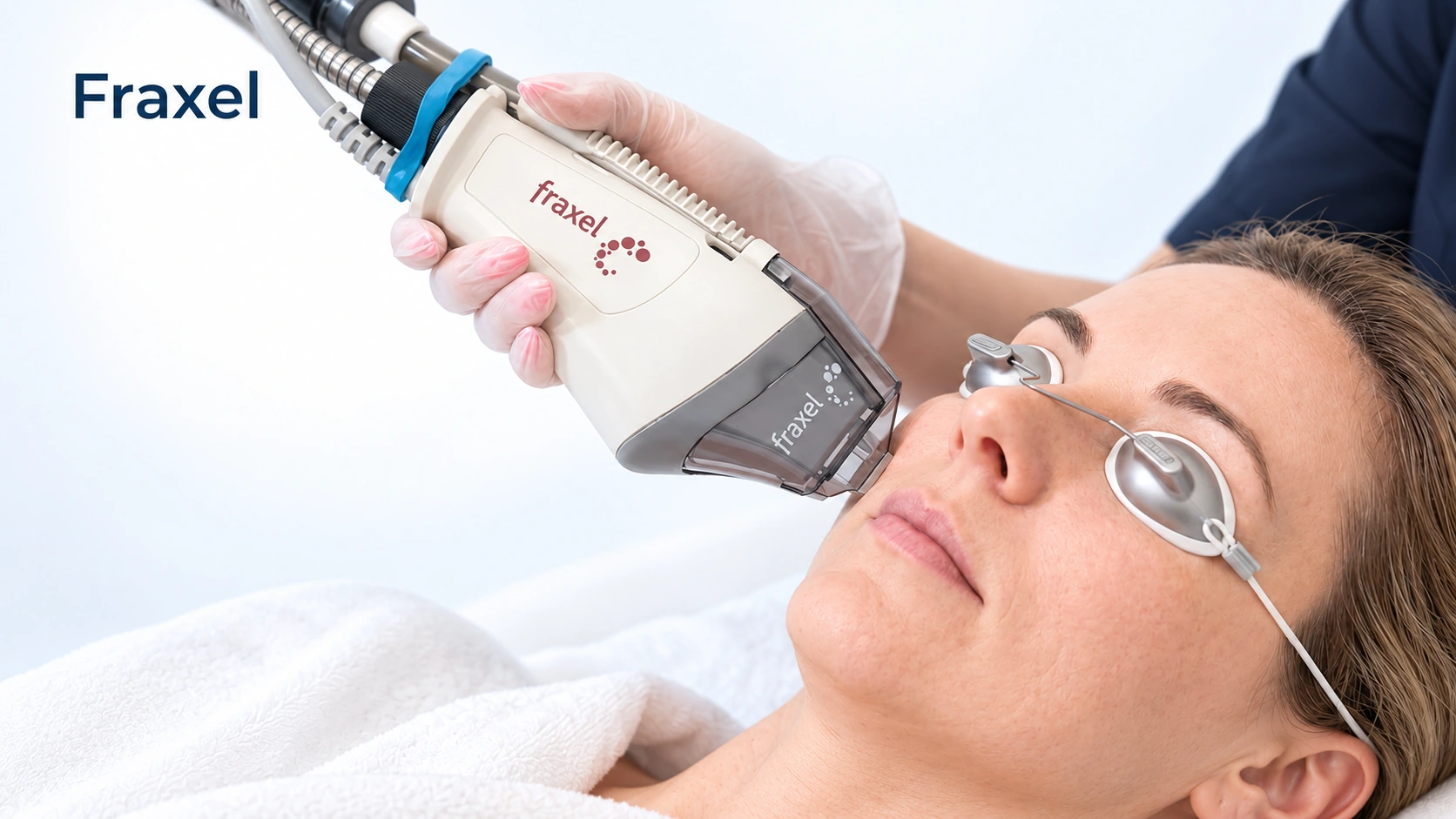
Fractional CO2 Laser: An ablative laser that vaporizes thousands of microscopic columns of skin, leaving untouched skin between them to heal from. It is the most effective in-office treatment for indented acne scars, and the one with the most downtime and the highest pigment risk.
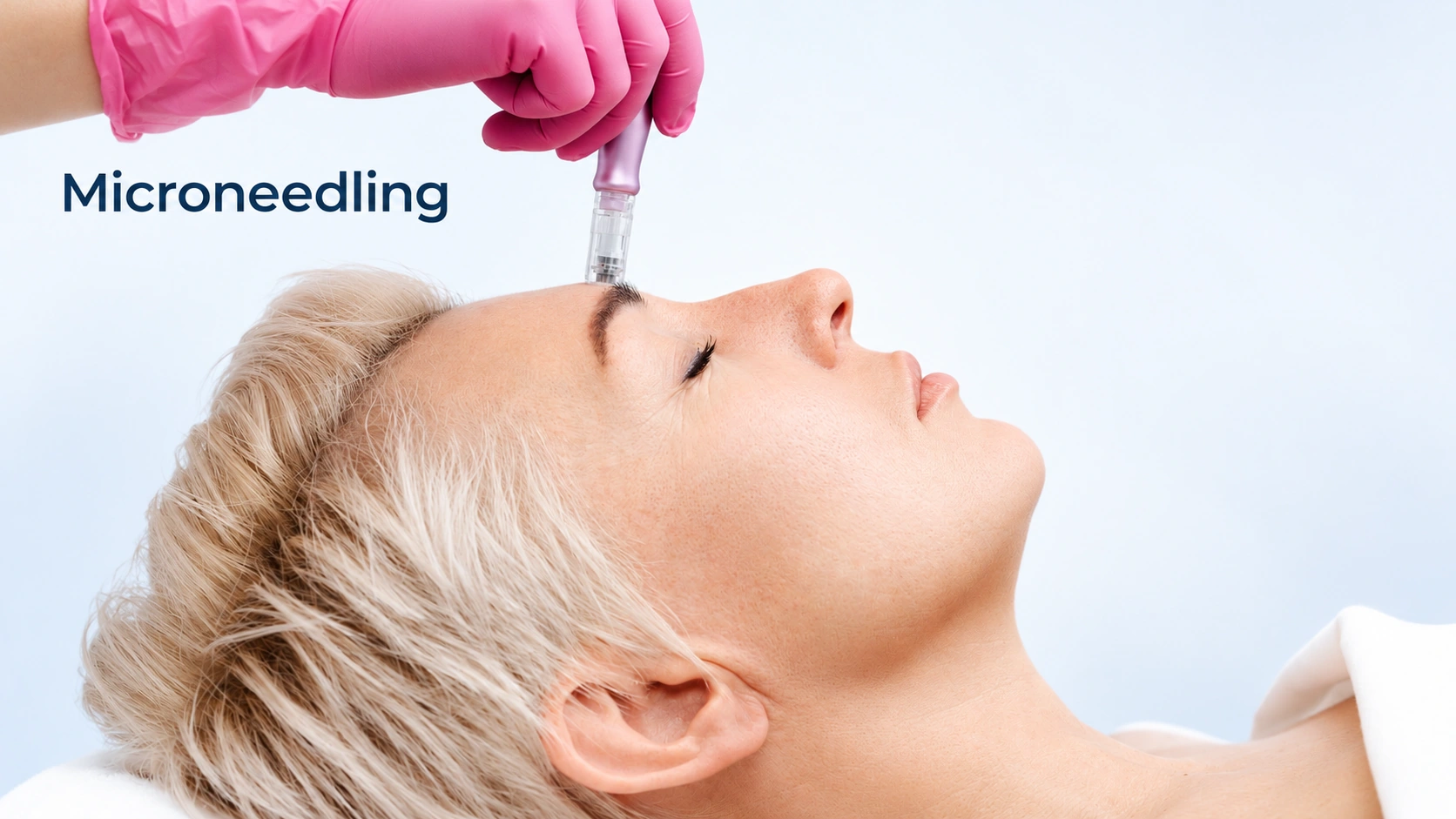
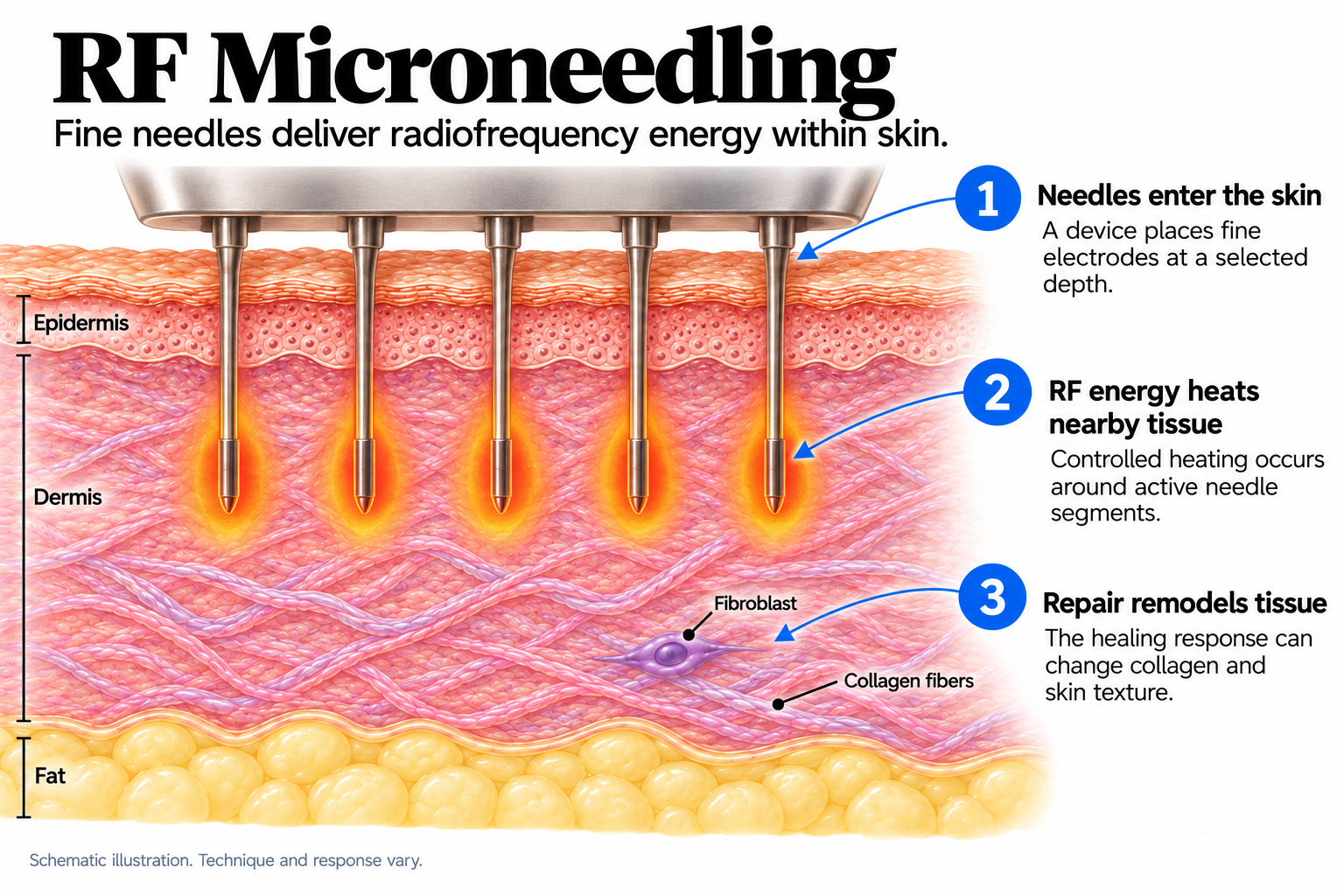
RF Microneedling: Microneedling with heat added. Insulated needles carry radiofrequency energy to a set depth in the skin, so the healing response comes from both the puncture and the heat. It is used for indented acne scars, texture, and mild sagging.

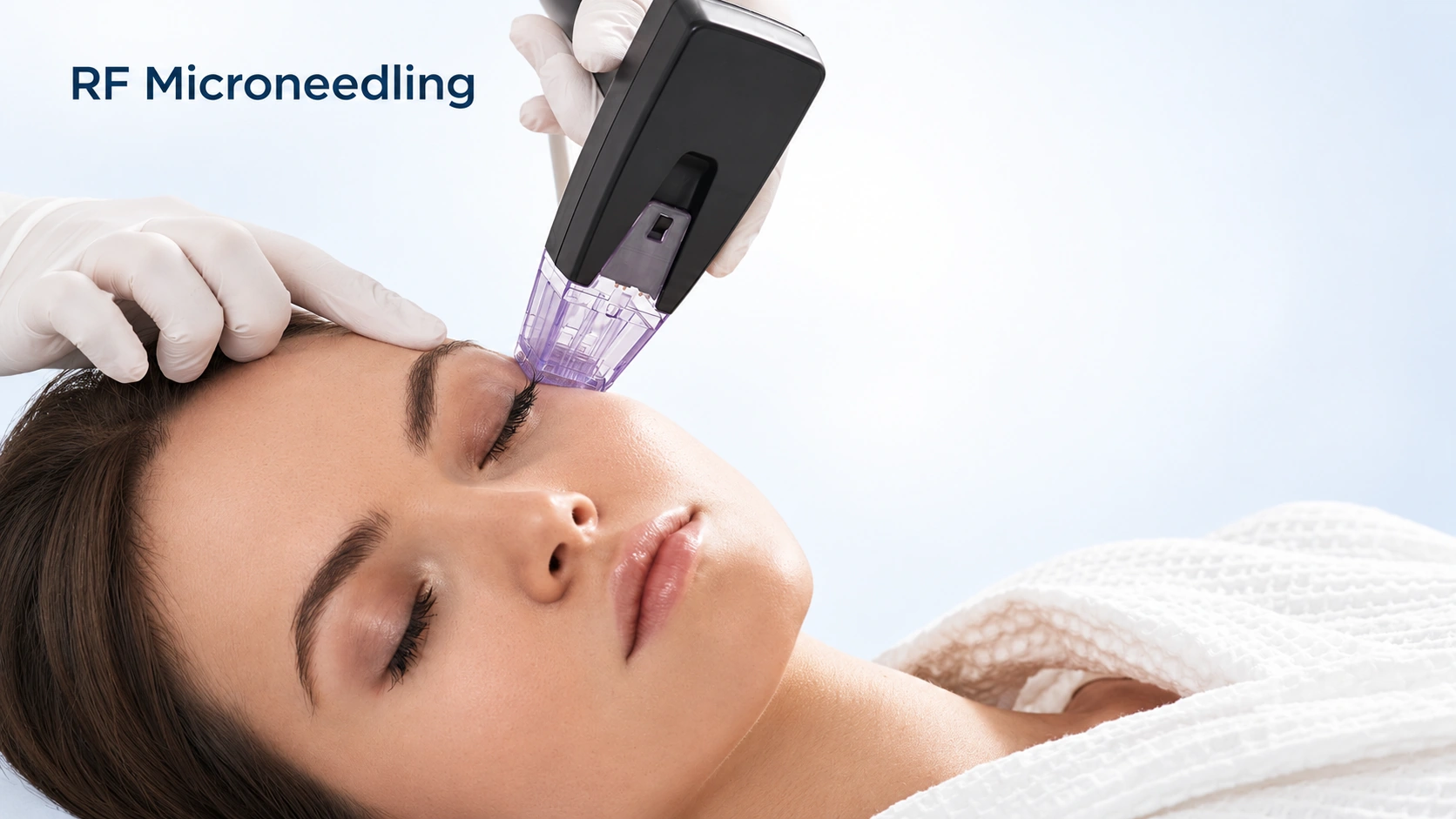
Choose for the biggest single improvement in indented acne scars or deep sun damage, accepting the most downtime and pigment risk.
Choose for acne scars and texture with some tightening, with a lower pigment risk than resurfacing lasers.
Can you have both?
Both build collagen for scars and wrinkles. CO2 is more powerful with more downtime; RF microneedling is safer for darker skin.
It creates microscopic columns of injury in the skin.
Skin between the columns supports recovery.
It is stronger than a facial but less than fully ablative resurfacing.
Pigment, keloid, herpes and isotretinoin history need assessment.
Radiofrequency energy is delivered into or beneath the skin.
It differs from conventional microneedling and home rollers.
The FDA has noted burns, scarring, fat loss and nerve damage.
These should be discussed before consenting.

Major improvement in many scar types.
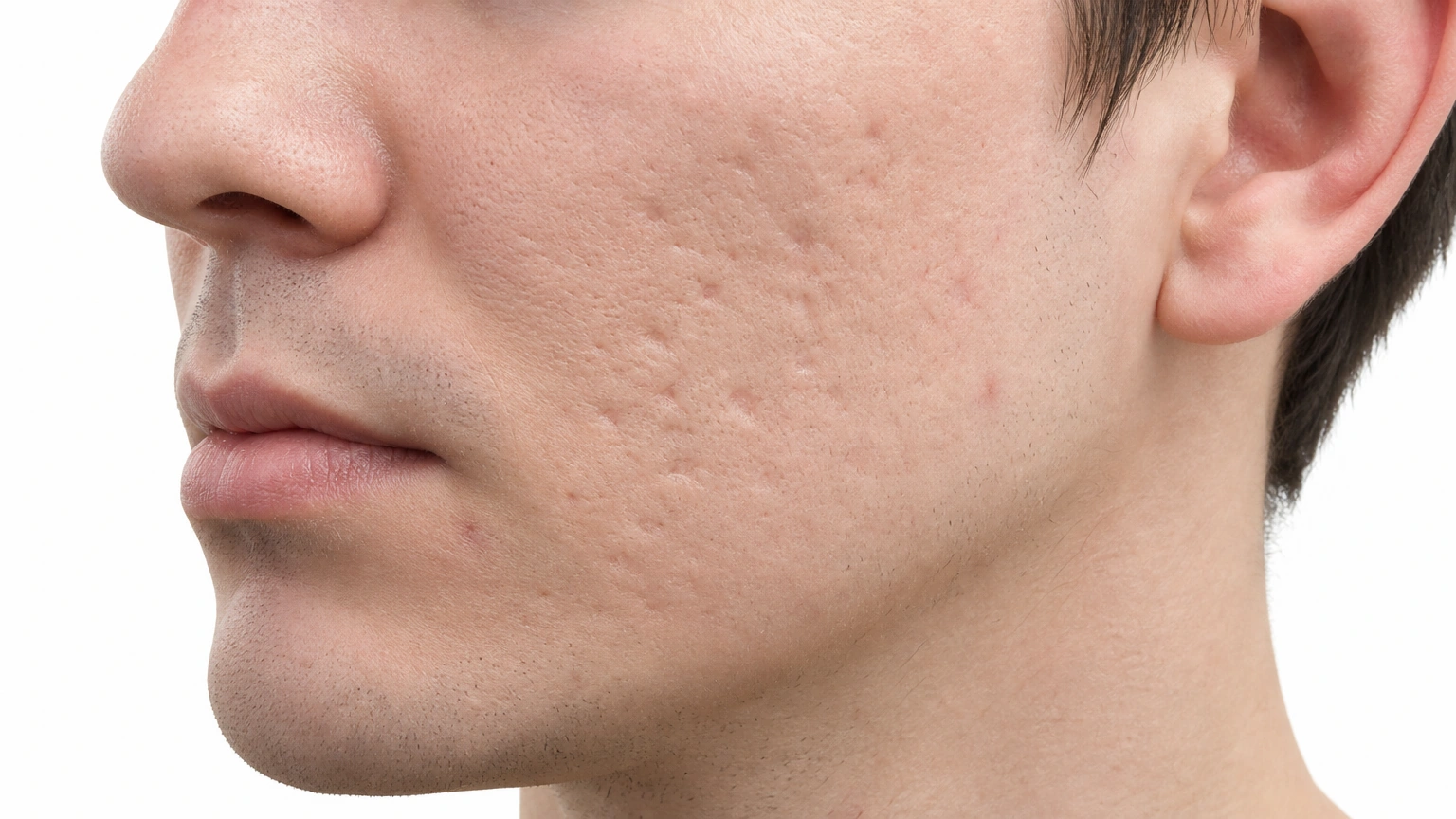
Smooths wide scars.
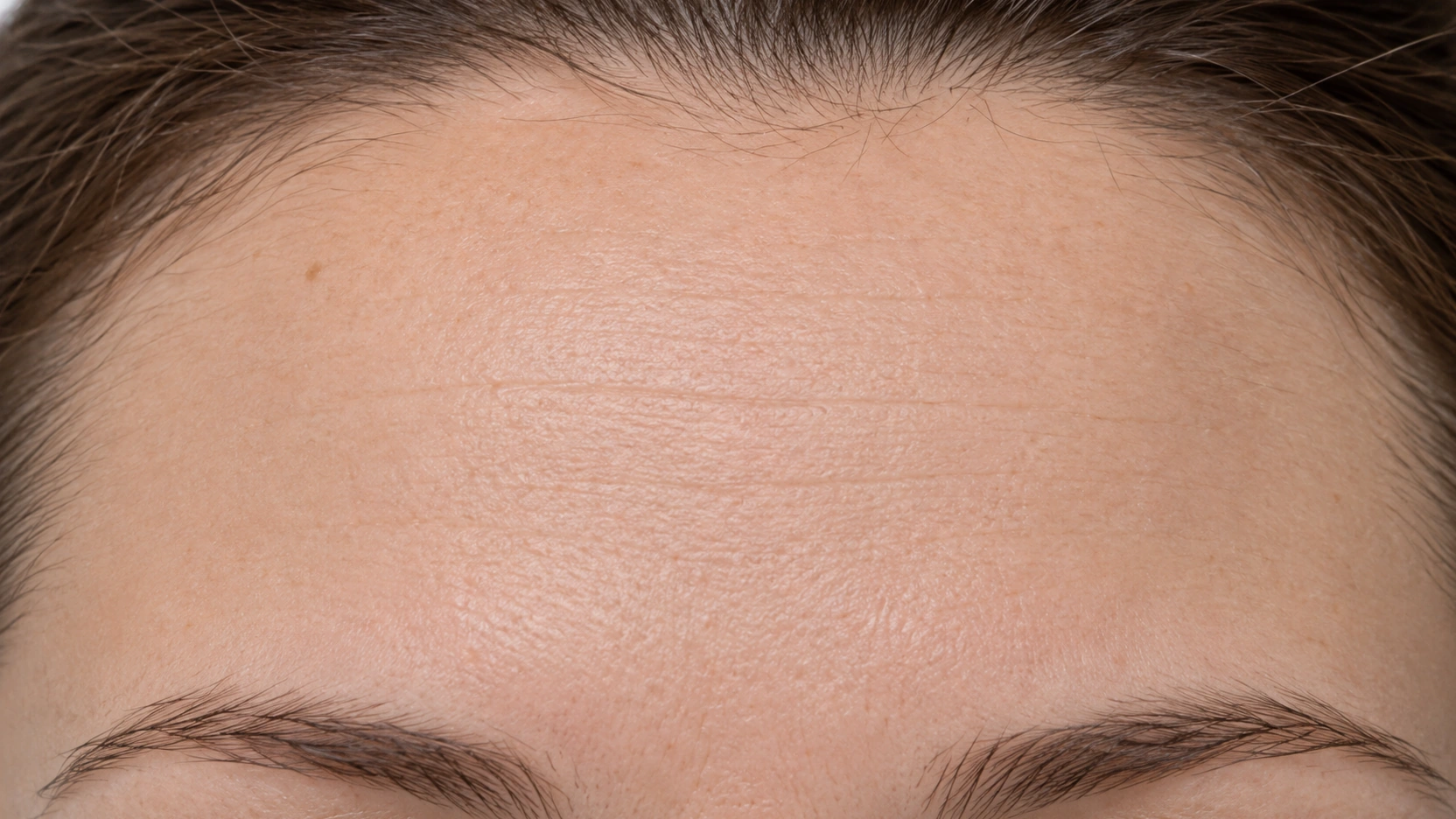
Tightens and smooths.
Improves rolling and boxcar scars.
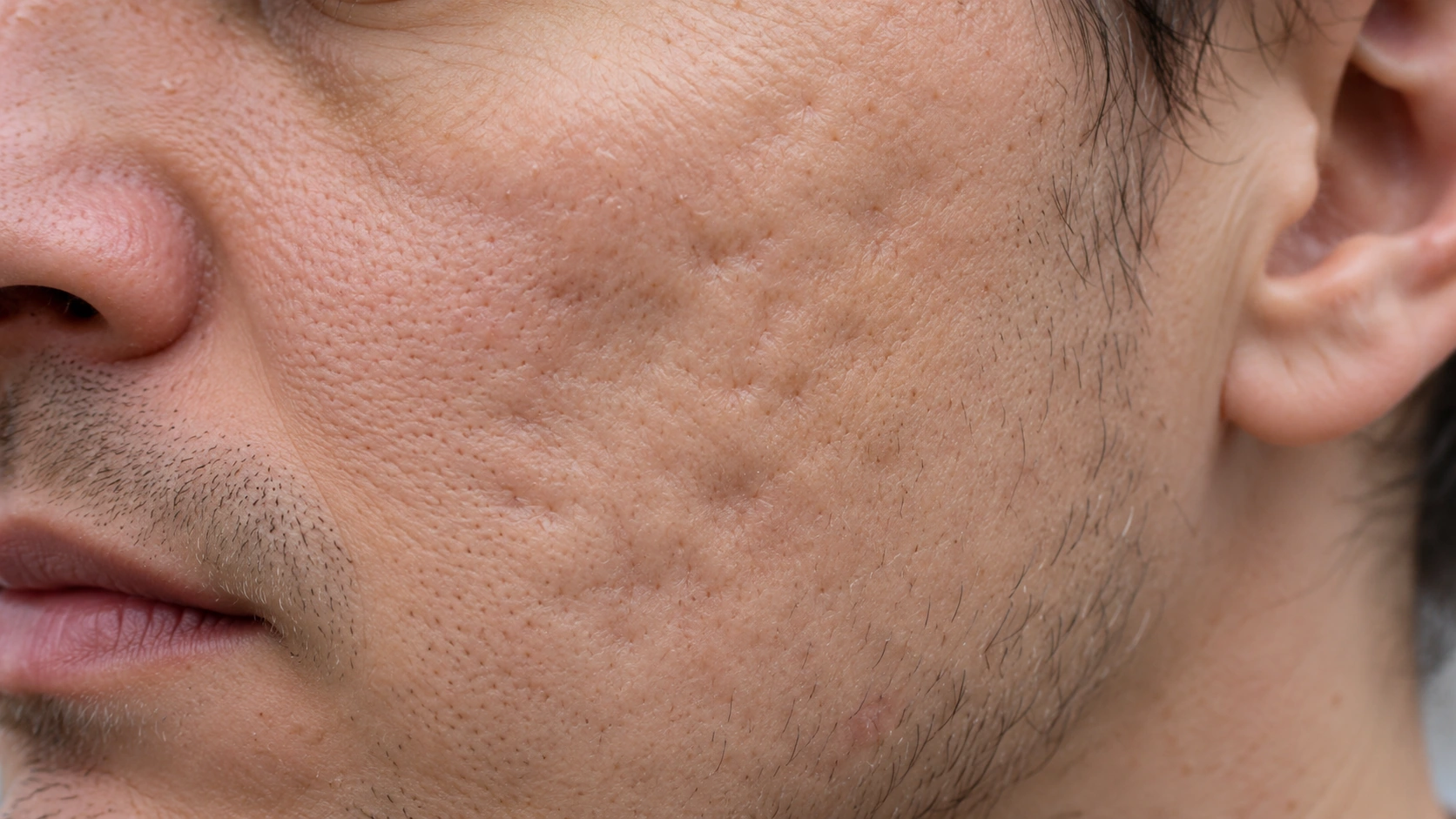
Heat remodels soft dips.
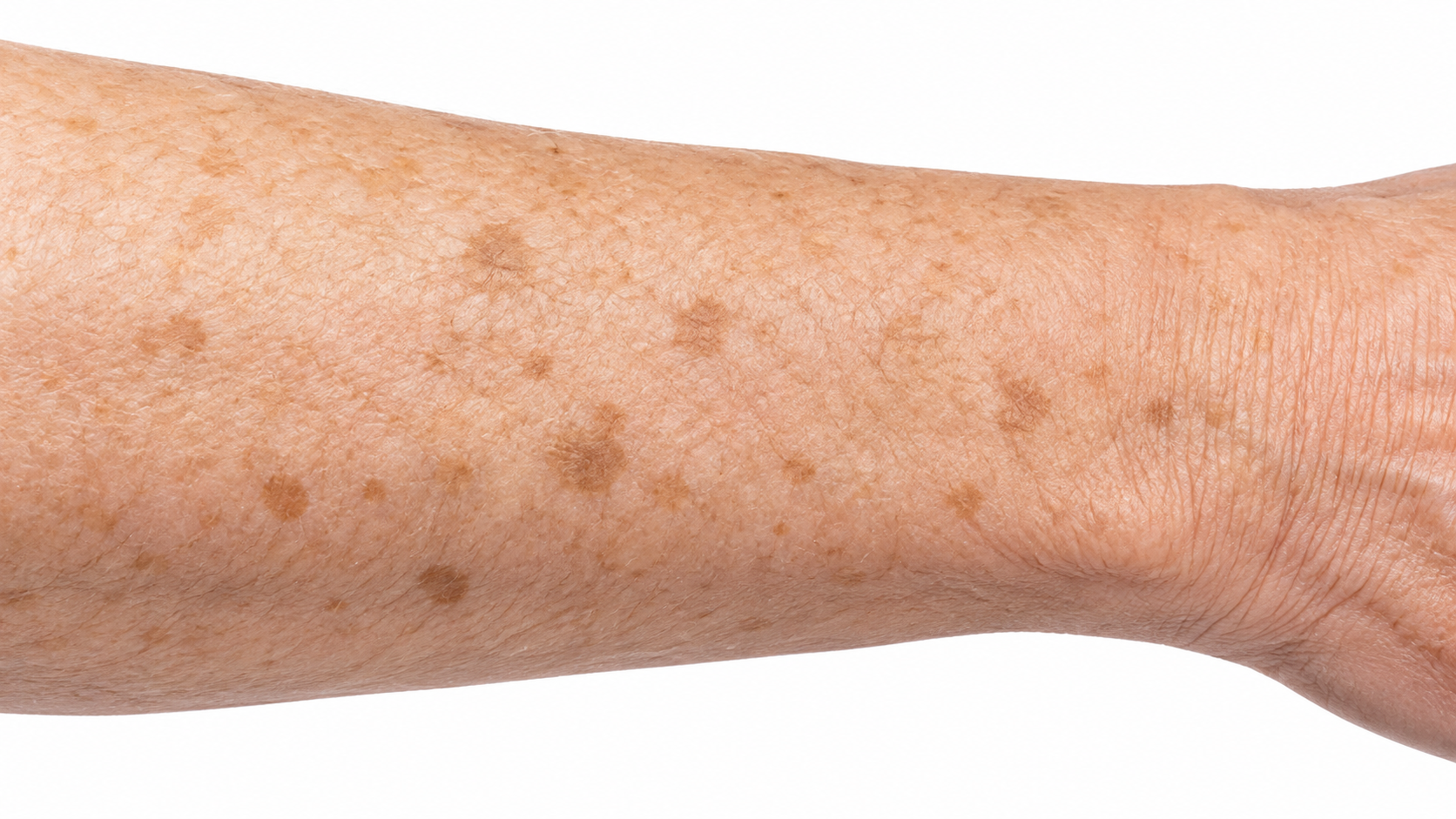
Clears sun damage.
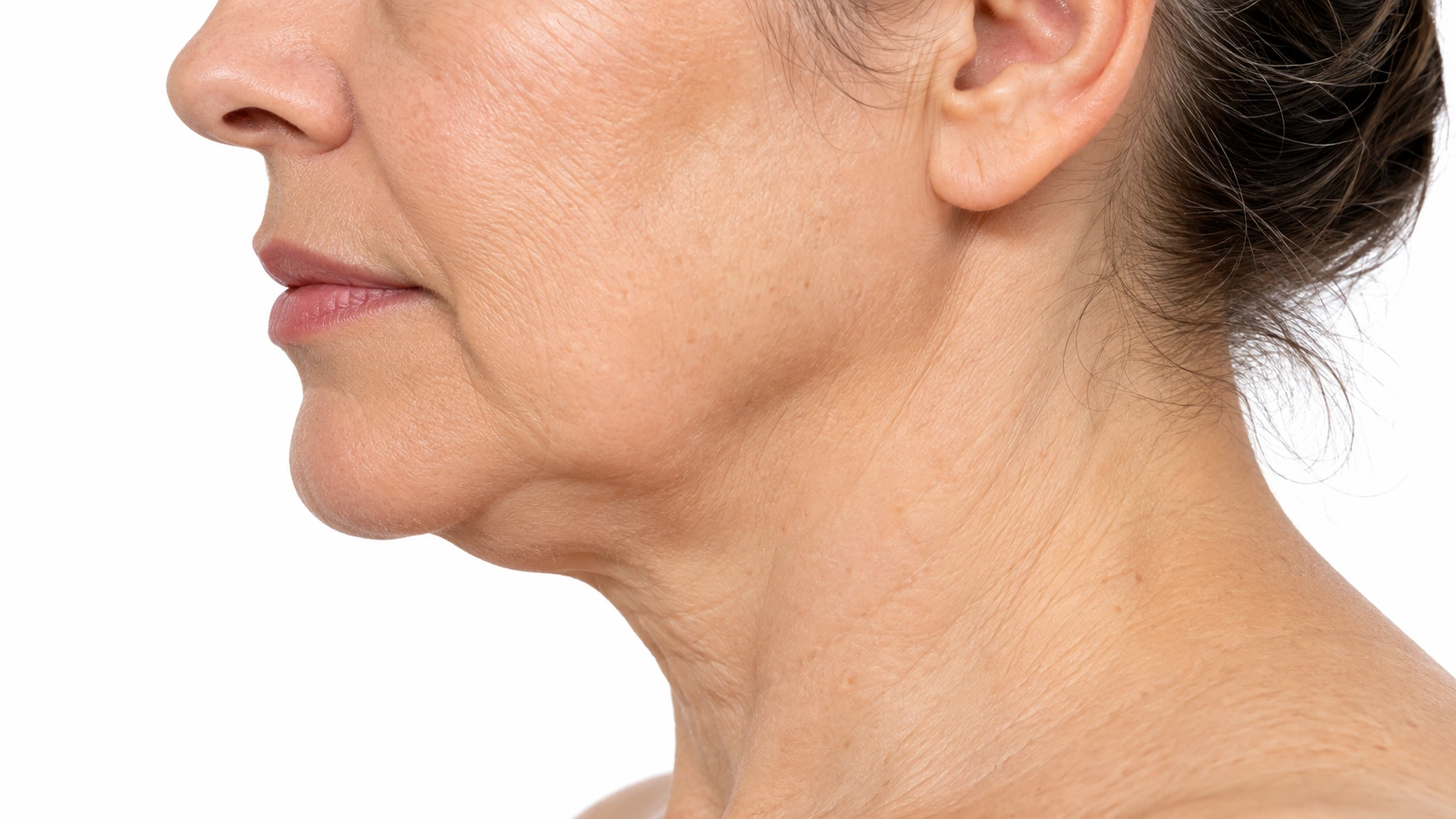
Mild tightening.
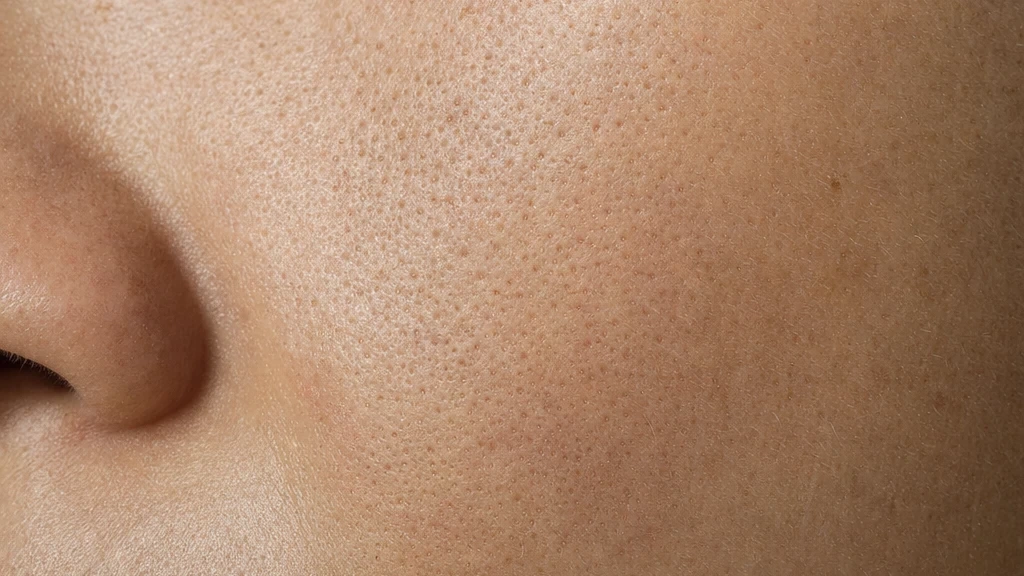
May shrink pores.
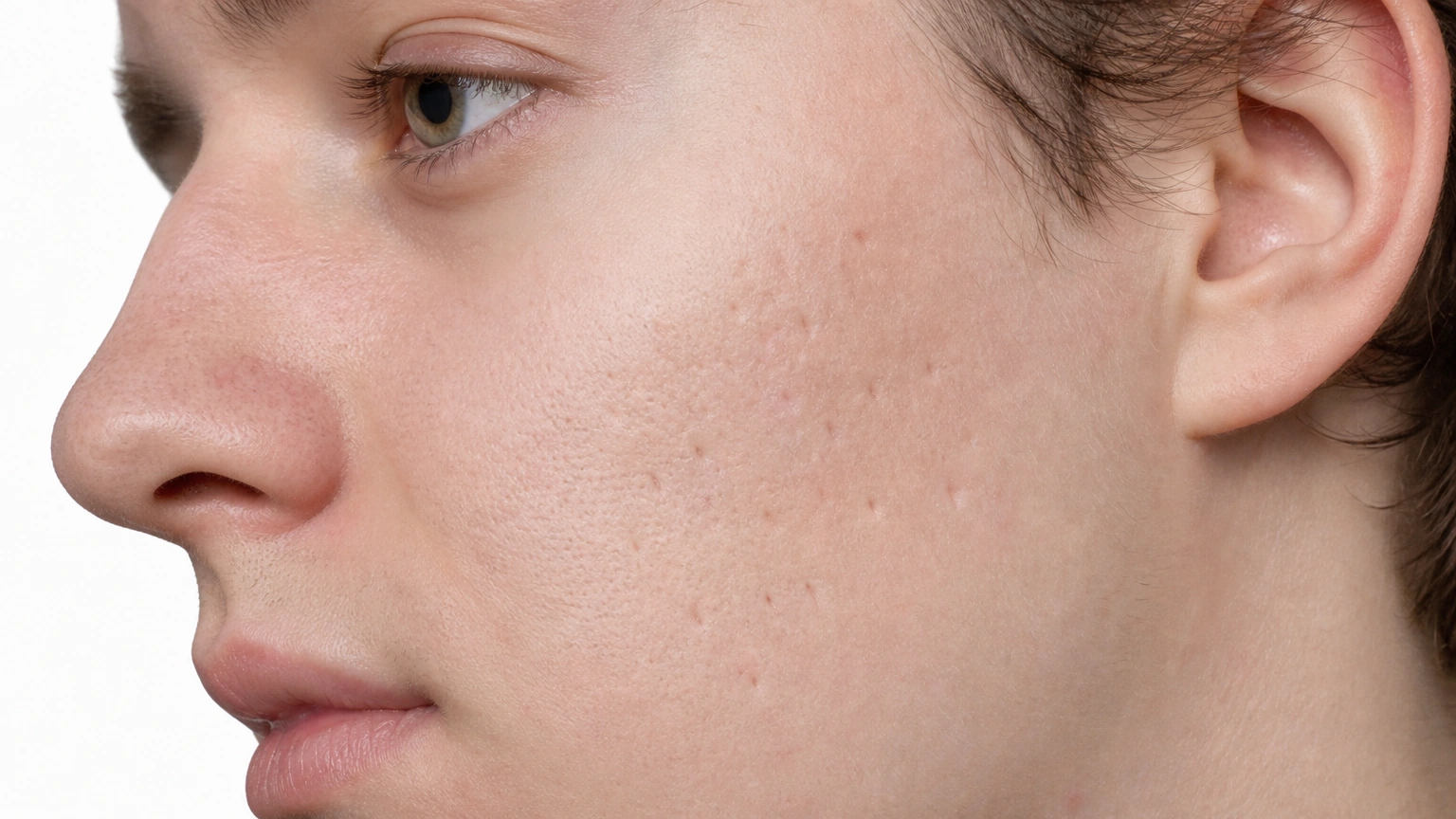
Needs TCA CROSS or punch excision.
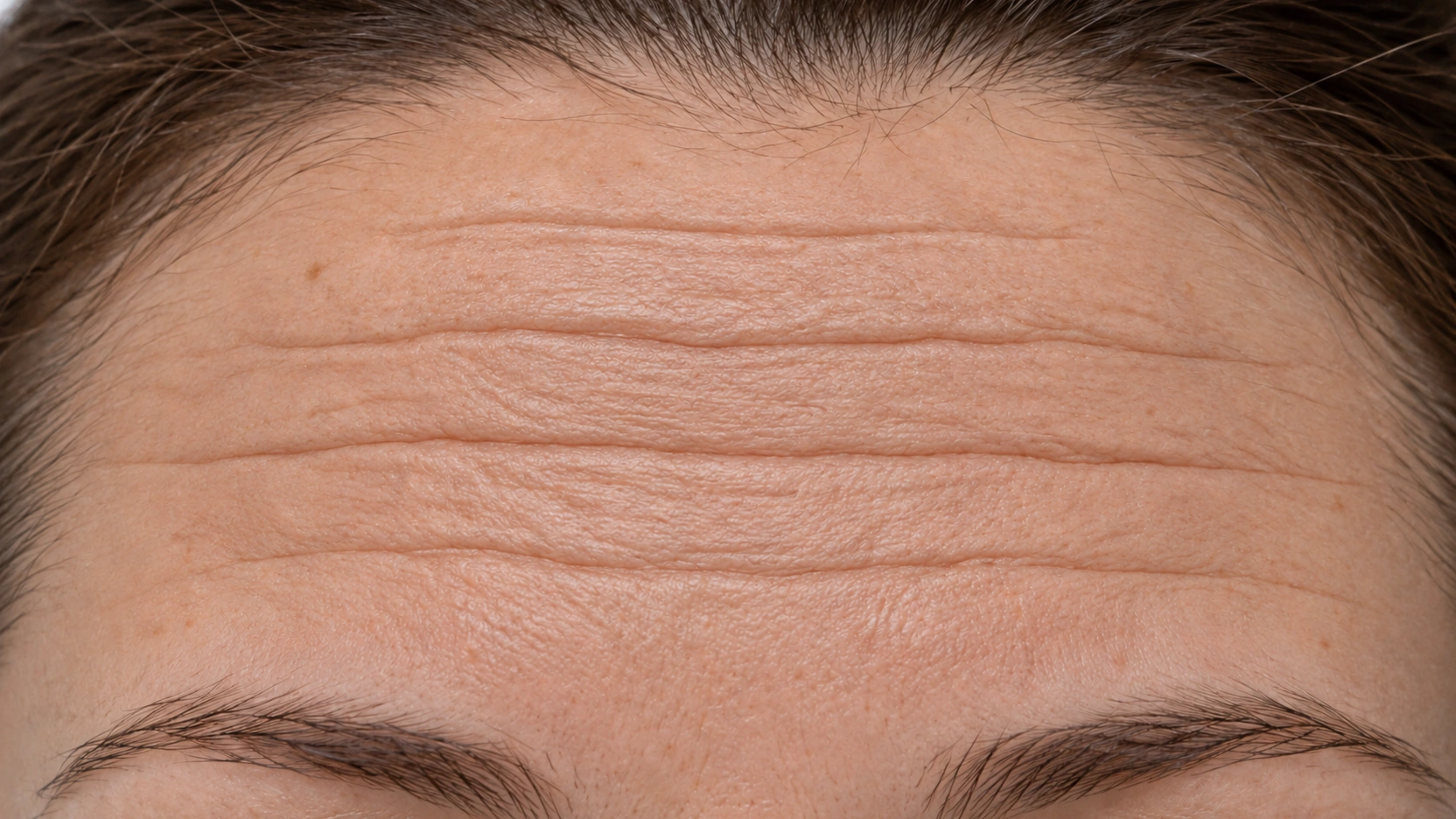
Modest change on deep folds.

High risk of darkening.

Can worsen redness.
Face; the selected area depends on the concern and treatment plan.
Face and neck; depths and coverage depend on the treatment plan.

Creates tiny treatment channels: Laser energy absorbed by water removes narrow columns of tissue. Untreated skin supports healing: Skin between the channels helps the surface repair. Collagen remodels over time: Repair can improve selected scars, lines, and texture.
Schematic illustration. Technique and response vary. This explains a mechanism and does not specify treatment settings.
Needles enter the skin: A device places fine electrodes at a selected depth. RF energy heats nearby tissue: Controlled heating occurs around active needle segments. Repair remodels tissue: The healing response can change collagen and skin texture.
Schematic illustration. Technique and response vary. This explains a mechanism and does not specify treatment settings.
Sun and pigment cream: No sun, and do not arrive tanned.
Sun and pigment cream: On deeper skin tones a pigment-blocking cream usually starts two to four weeks ahead.
Plan ahead: Time off and supplies: Book the time off, arrange a driver if sedation is planned, buy plain petrolatum and a gentle cleanser, and plan a week at home.
Pigment cream and sun: Do not arrive tanned or sunburned.
Pigment cream and sun: On deeper skin tones, many providers prescribe a pigment-blocking cream for two to four weeks first.
Actives and smoking: Stop retinoids, benzoyl peroxide and acids.
1 to 2 days before: Antiviral tablets: Antiviral tablets start a day or two before and continue for several days after, since an outbreak in healing skin can scar.
Actives and hair removal: Stop retinoids, benzoyl peroxide and exfoliating acids about 5 days before.
Actives and hair removal: No waxing or hair removal creams on the area.
Clean face: Clean face, no makeup.
Clean face: If injected anesthetic is planned, expect a long appointment and a ride home if anything sedating is used.
Skin is examined and photographed.
Skin is examined and photographed, and the provider maps depths for each area — shallower around the eyes and forehead, deeper over scarred cheeks and the jaw.
The handpiece is passed or stamped over each zone.
Expect rapid clicking, a burning smell, and a smoke evacuator running. Heat builds fast and feels hot rather than sharp. A full face takes 30 to 60 minutes, genuinely painful without proper anesthesia. The burning carries on for an hour or two.
The handpiece is pressed on the skin and fired one stamp at a time in a grid, not glided.
A full face takes 20 to 45 minutes, often with passes at several depths. With cream alone the sting is sharp, worst on the forehead and jaw; with injected anesthetic it is mostly pressure and heat.
Skin is deep red, hot, swollen and weeping clear fluid, with a fine grid pattern visible.
Red, hot and swollen, with a visible grid of small dots.
Days 1 to 3: Swelling peaks on the first or second morning and can partly close the eyes.
Days 1 to 2: Swelling is worst the first morning, especially around the eyes and jaw, enough to change how your face looks.
Days 3 to 14: The skin turns bronze or grid-patterned brown, then flakes and sheets off, showing bright pink skin.
Days 3 to 10: Swelling drops, redness fades to pink, and the skin feels sandpapery with the grid faintly visible.
Week 3 to Month 12: Redness fades slowly, a month on light settings and three months or longer on aggressive ones.
Months 1 to 6: Firmness and texture keep changing after the visible healing.
1–3 months, improving to 6
1–3 months, improving to 6
Years
Years for scars
A full-face session in the US usually runs $1,000 to $3,000, varying by city, device, depth, and whether sedation or an operating room is involved.
In the US, a full-face session generally runs about $700 to $1,500, and a package of three commonly falls between $2,000 and $4,000.
Insurance does not cover resurfacing for acne scars, which is classed as cosmetic.
Insurance does not cover it, since it is classed as cosmetic.
Five to ten days at home. Swelling and oozing days one to three, bronzing and sloughing days three to seven, and by day seven to ten the surface has closed and mineral makeup is usually allowed. Redness then fades over weeks to a few months.
It improves them substantially, more than any other single treatment, but it does not remove them. Rolling and boxcar scars respond best, icepick scars least, and mixed scarring usually needs subcision or TCA CROSS too.
Experienced providers do it using lower density, longer intervals, and pigment creams before and after. Dark marks are common and fade over months. The rare risk of permanent pigment loss is why many people with deeper skin tones choose microneedling instead.
One to three, 6 to 12 weeks apart, judged six months after the last one.
Yes, without proper anesthesia. Numbing cream alone is not enough for a full face, so nerve blocks, injected anesthetic or oral sedation are standard, and burning continues for an hour or two afterward.
Only with months of margin. Skin looks worse before it looks better, and redness can last one to three months. Six months ahead is a reasonable minimum.
Morpheus8 is one brand of radiofrequency microneedling device. Profound, Vivace, Genius, Secret RF, Scarlet and Sylfirm X do the same job. Needle insulation, depth, energy and the operator determine the outcome.
Partly, and over a course. Rolling and boxcar scars become shallower across about three sessions. Icepick scars respond poorly. Expect improvement, not clearance.
Modestly, if the laxity is mild and early. It firms rather than lifts. Skin that visibly hangs will not respond, and a surgical consultation is the more honest next step.
More than plain microneedling. Numbing cream alone leaves a sharp hot sting, so many providers add injected anesthetic or nerve blocks at deeper settings. With those it is mostly pressure and heat.
Generally safer than ablative lasers, since melanin does not absorb the energy. Dark marks are still possible from the heat, sometimes in the grid pattern, and they fade over months. Ask about insulated needles and conservative starting settings.
Yes, and it is the risk worth understanding. Deep, high-energy settings in a thin face can shrink the fat under the skin, leaving a hollow that does not reliably return. Conservative settings built up over sessions, and a provider who takes the question seriously, are the protection.