It is targeted UVB.
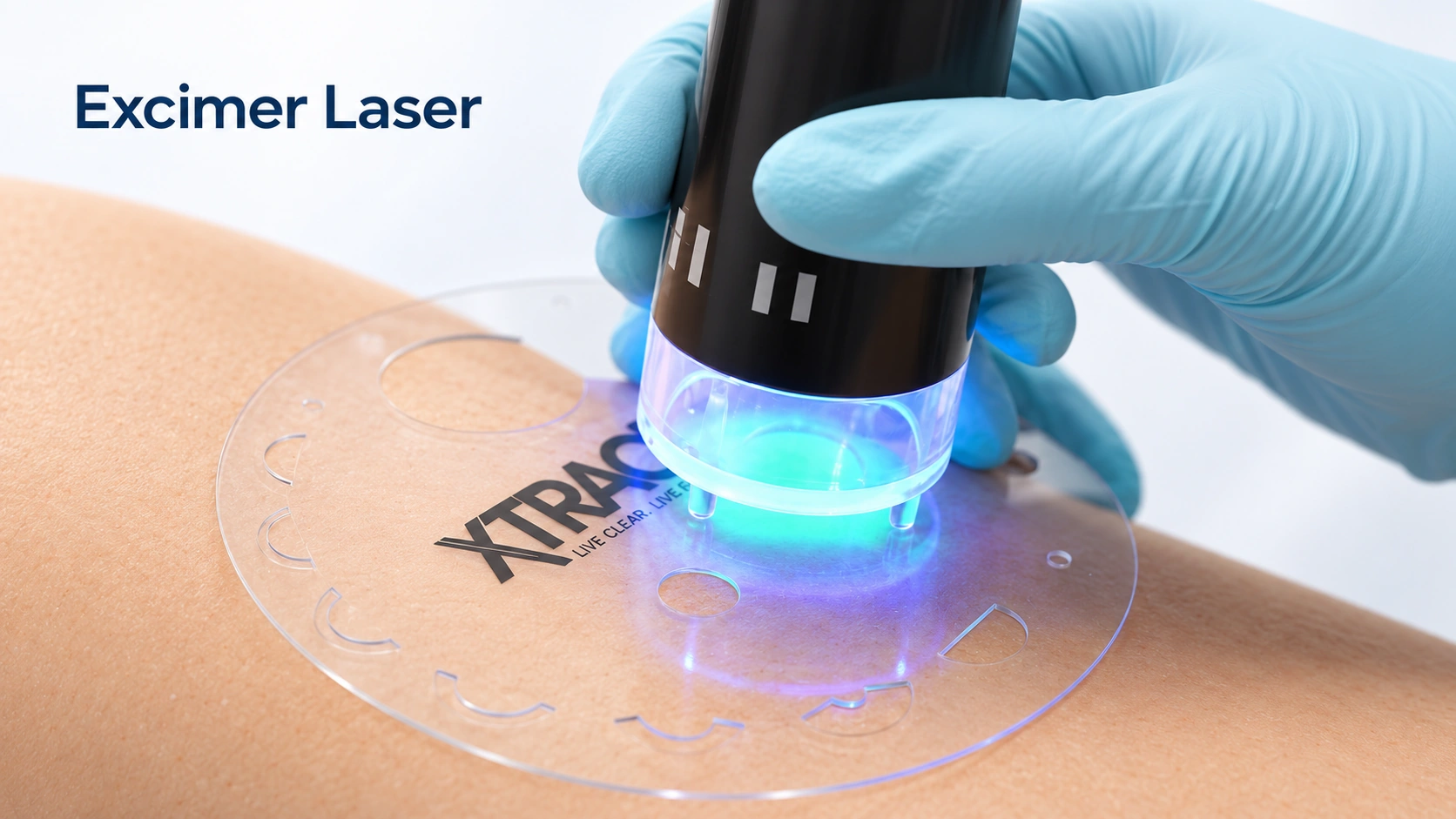
Excimer delivers ultraviolet B at around 308 nm to selected patches.
Excimer Laser: A 308 nm ultraviolet B laser aimed at one patch of skin at a time. Used mainly for stubborn psoriasis plaques and for vitiligo. Because only the affected skin is treated, the rest of the body is spared the light.
Punch Biopsy: A small round blade takes a full-thickness core of skin, usually 3 or 4 millimeters across, closed with a stitch or two. It is the standard biopsy for rashes and for anything where the deeper layers matter.
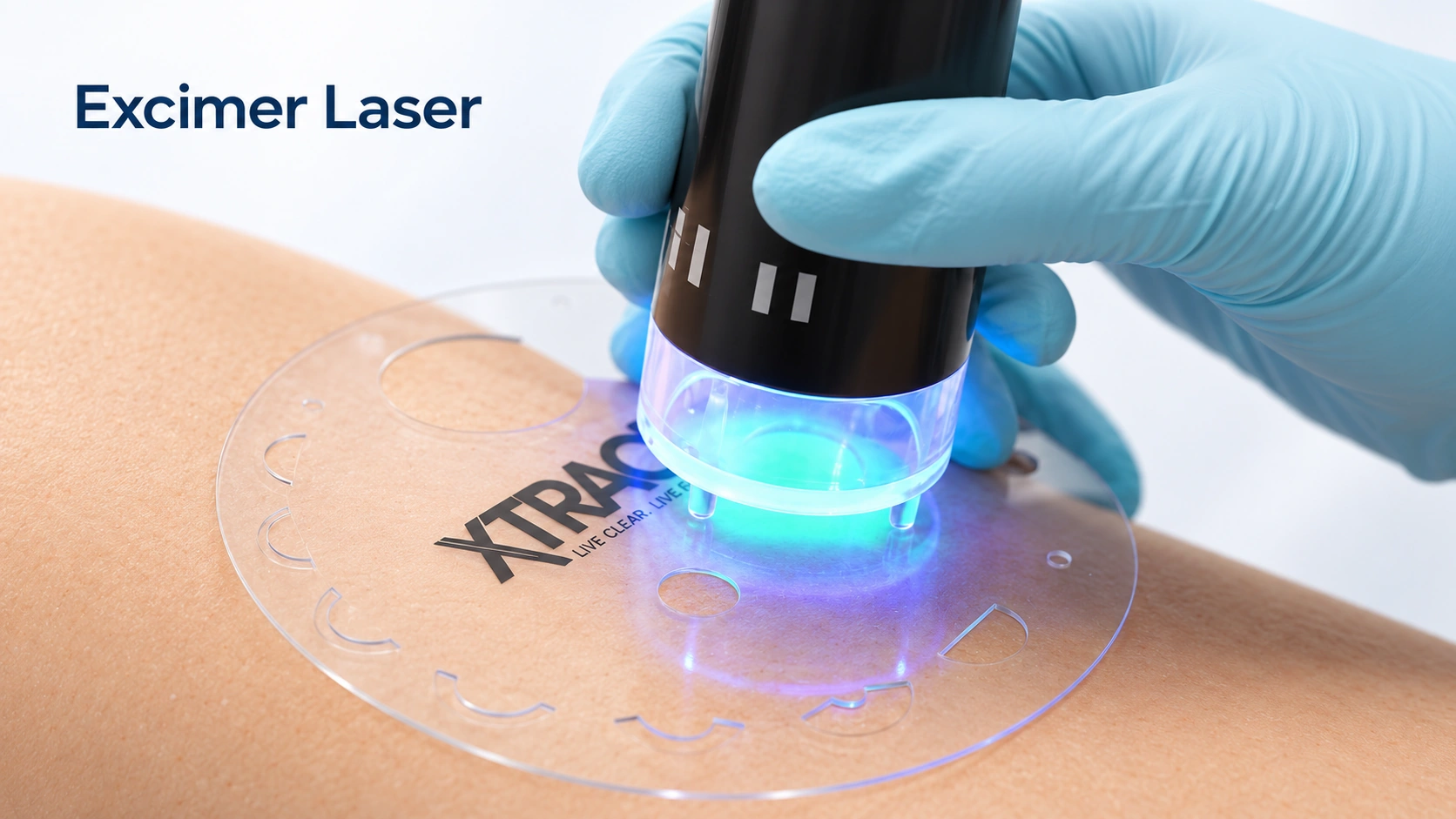

Choose for a few stubborn psoriasis plaques or vitiligo patches when you want light only where it's needed.
Choose when a rash or growth needs a definite diagnosis that looking alone can't give.
Can you have both?
They serve different purposes. A biopsy confirms a diagnosis; excimer laser treats conditions like psoriasis or vitiligo.
Excimer delivers ultraviolet B at around 308 nm to selected patches.
It is used for localized disease.
Dermatologic excimer differs from excimer eye procedures.
Light sensitivity, medicines and skin cancer history are reviewed.
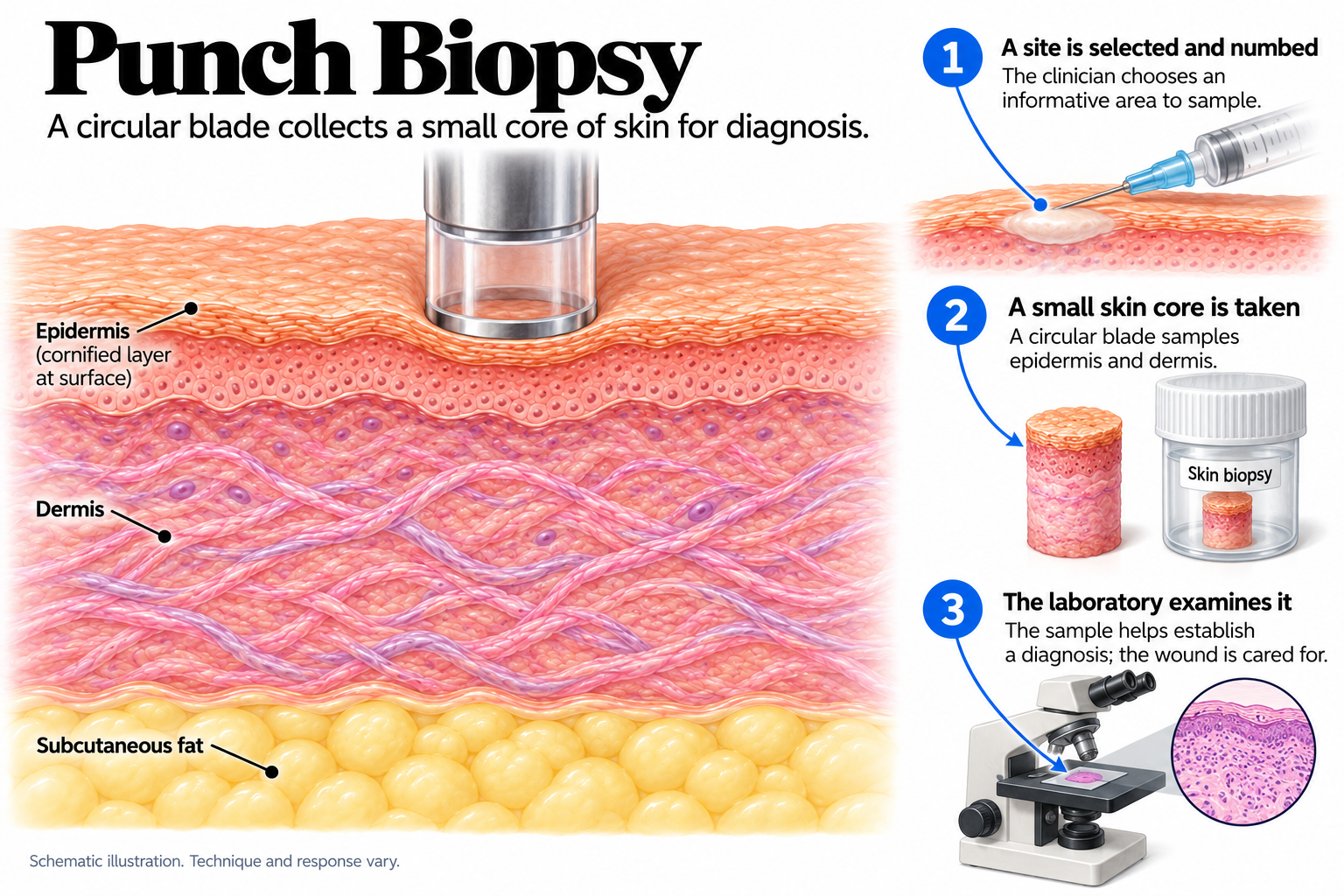
A circular blade removes a small core of tissue.
It samples the epidermis, dermis and sometimes fat.
It is a diagnostic procedure.
A partial sample may not characterize a whole mole.

Clears stubborn plaques.
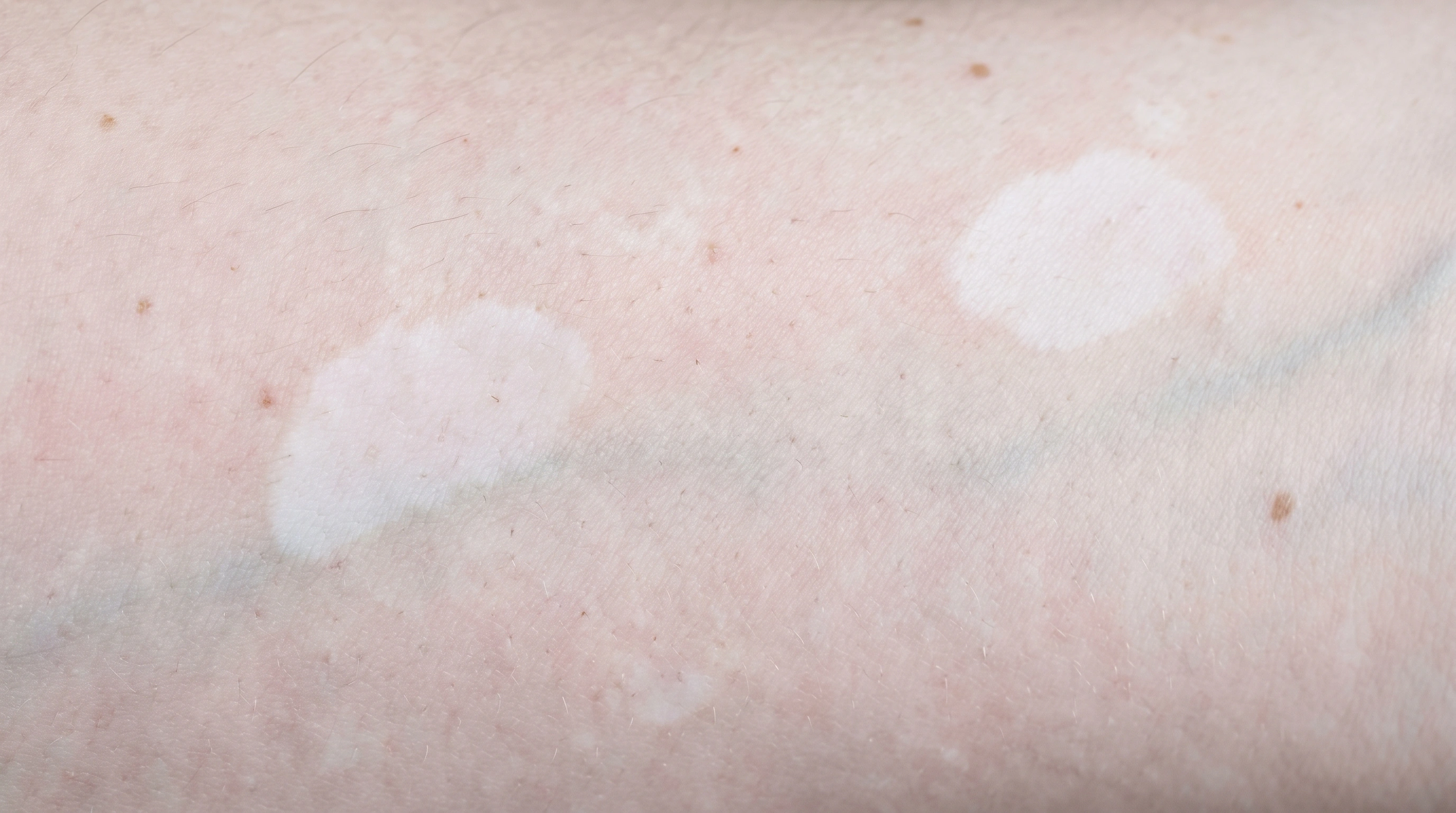
Restores color in small patches.
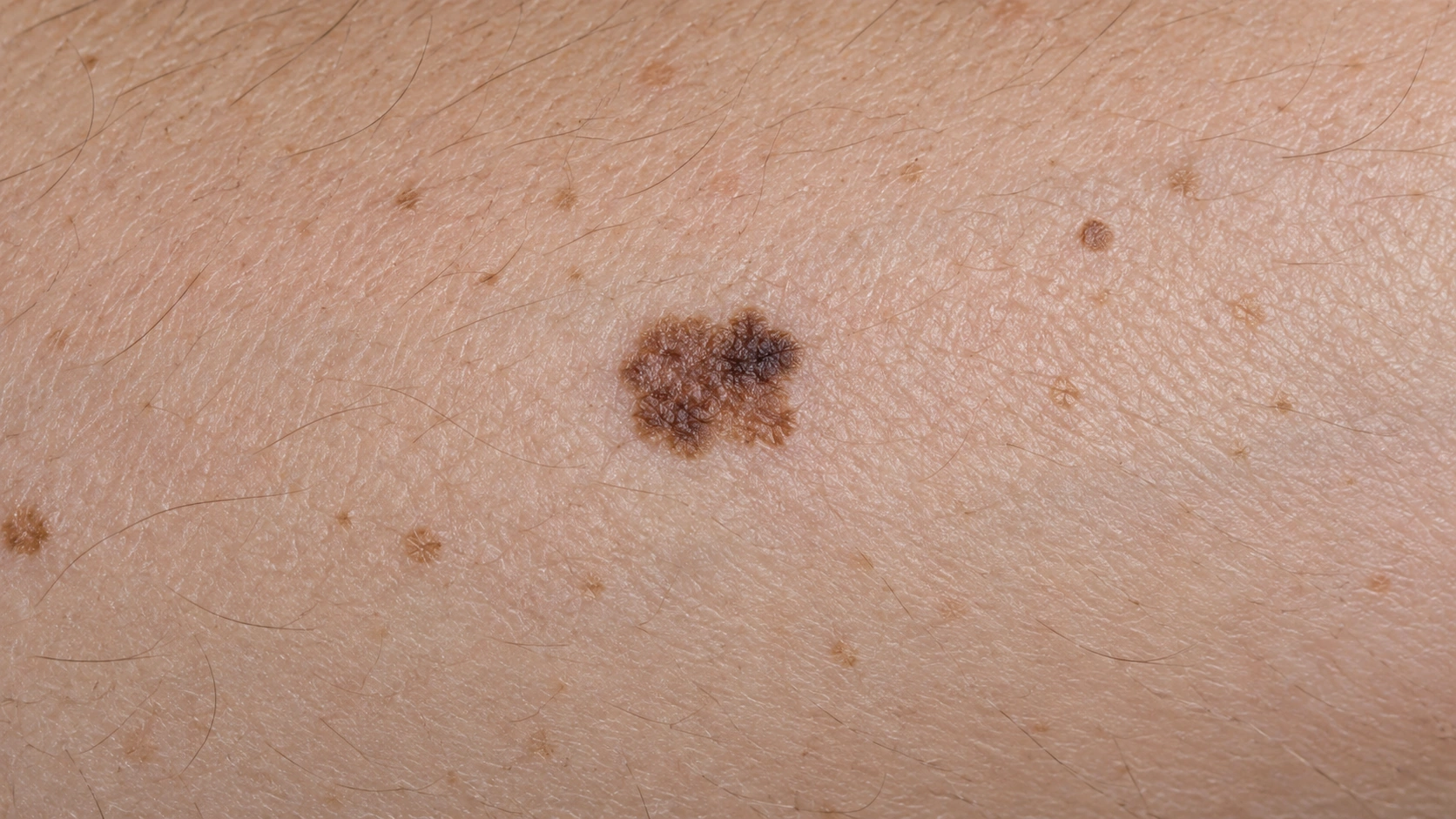
Confirms a diagnosis.
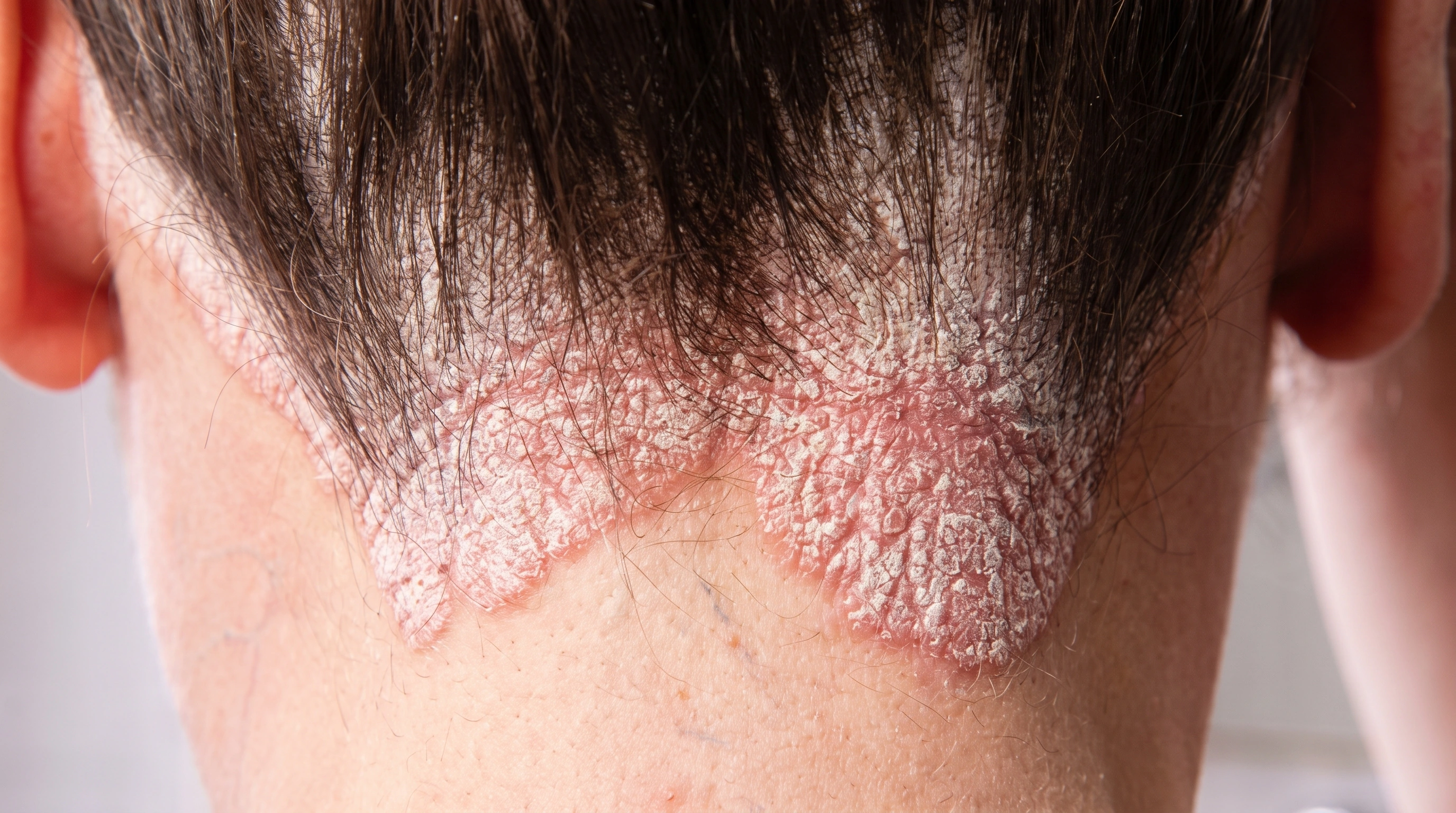
Reaches the scalp through hair.
Confirms an unclear rash.

Other light therapies are preferred.

Not needed for diagnosis.
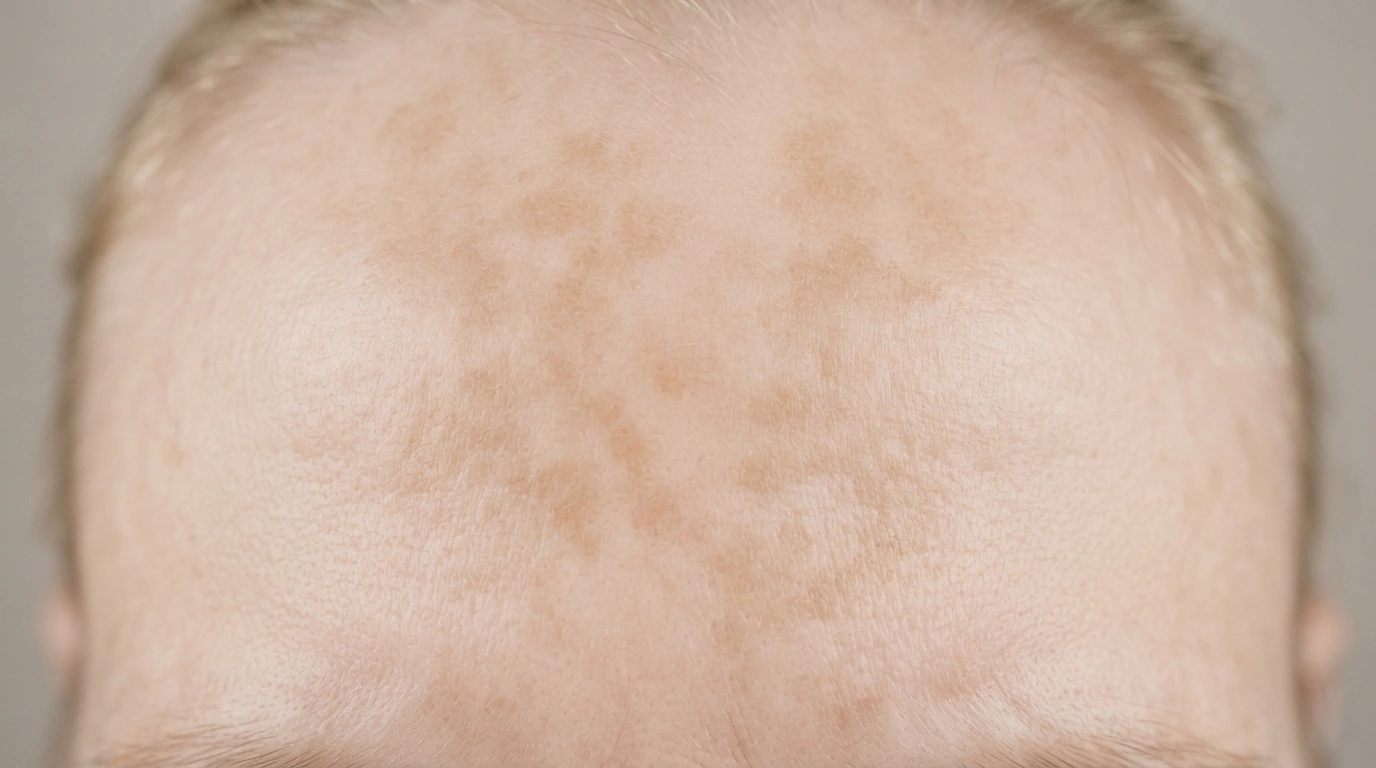
UV light darkens patches.
Selected psoriasis or vitiligo patches; treatment follows the affected skin rather than a fixed body area.
The specific lesion, scar or affected patch determines the treatment site; there is no fixed body distribution.

UVB is aimed at a skin patch: A device delivers targeted 308 nm ultraviolet light. Immune activity is reduced: The light changes inflammatory activity in the treated skin. The patch may improve: Repeated treatment can help selected conditions such as psoriasis.
Schematic illustration. Technique and response vary. This explains a mechanism and does not specify treatment settings.
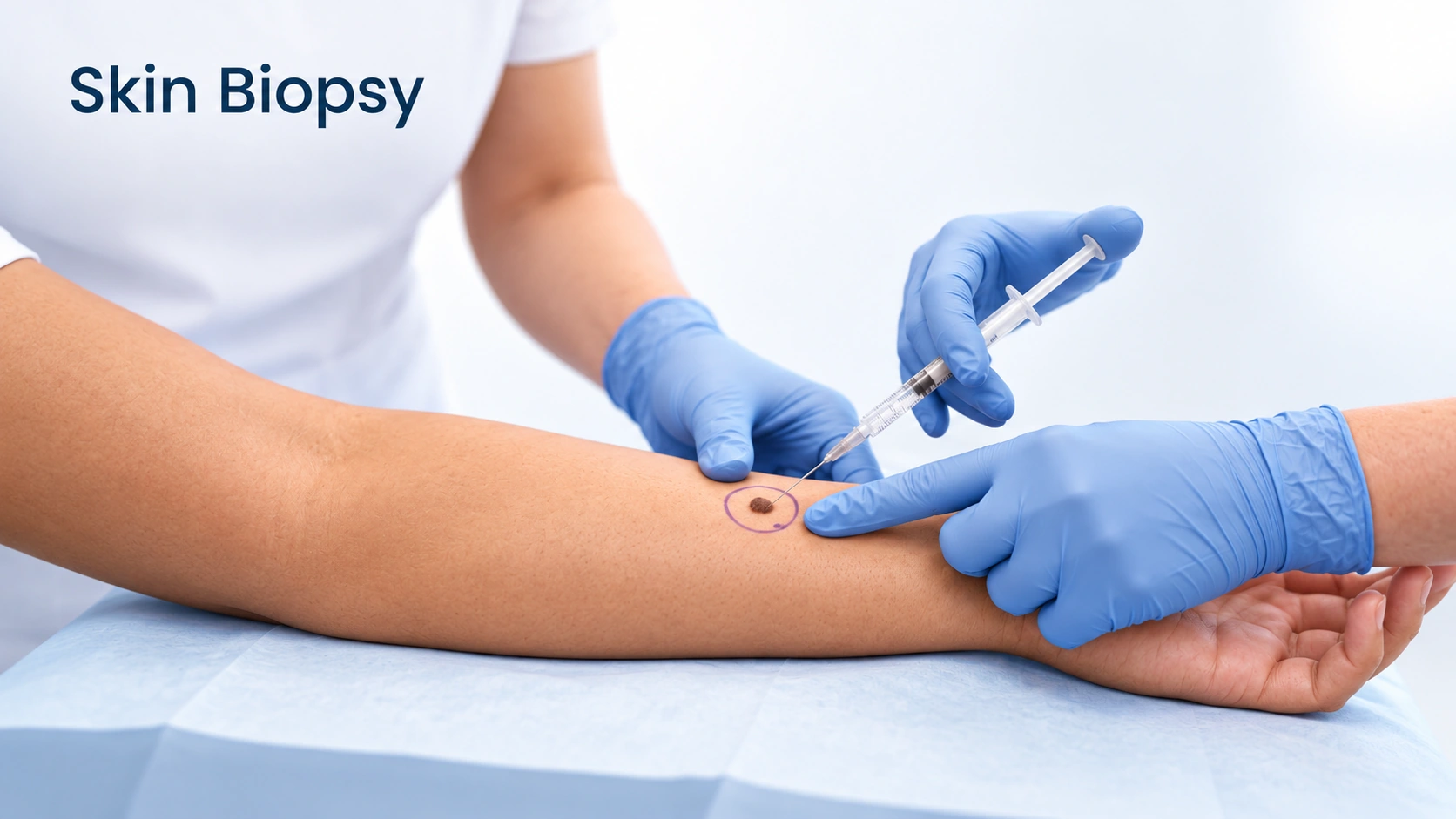
A site is selected and numbed: The clinician chooses an informative area to sample. A small skin core is taken: A circular blade samples epidermis and dermis. The laboratory examines it: The sample helps establish a diagnosis; the wound is cared for.
Schematic illustration. Technique and response vary. This explains a mechanism and does not specify treatment settings.
2 weeks before: Sun and self-tanner: No sunburn and no self-tanner on the area for 2 weeks.
1 to 2 weeks before: Steroid cream: Stop the steroid cream a week or two before if you can.
Clean skin and scale: Come with the area clean, with no makeup or thick creams.
Eating and clothes: On the scalp a small patch is trimmed short, not shaved bald.
Eating and clothes: Eat normally, take your usual medicines, wear clothes that make the site easy to reach.
For vitiligo: Photographs: Expect photographs at the start and every couple of months.
The area is looked at and often photographed.
The site is chosen, and not always the one you would pick — for a rash, usually fresh untreated skin rather than the oldest patch.
You and the operator wear ultraviolet goggles.
The handpiece goes over the patch and light comes in bursts of a few seconds per spot. No smell, no noise beyond the machine, no feeling beyond mild warmth. Doses are written down each visit so the next can be adjusted. If the dose was too high you feel it hours later, like a small sunburn.
The skin is cleaned and stretched so the hole closes as a line, not a circle.
The punch is pressed and rotated, the core lifted out and cut free, then pressure stops the bleeding. One or two stitches and a dressing follow. You feel firm pressure and twisting, nothing sharp — say so if you do, and more anesthetic goes in.
Straight back to work.
A dressing for 24 hours, aftercare instructions, a stitch removal date, and a plan for how the result reaches you.
Day 1 to 2: Tenderness, deeper redness or mild peeling means the dose ran ahead of what your skin tolerated.
Days 1 to 3: From day two, wash with soap and water once a day, pat dry, apply plain petroleum jelly and re-cover.
Days 5 to 14: Face stitches come out at about 5 to 7 days, elsewhere at 10 to 14.
Weeks 2 onward: The line is pink or purple and can feel firm or lumpy.
1–3 months
Lab report in 1–2 weeks
Months; vitiligo color can be lasting
One-time test
Treated skin darkens.
Psoriasis plaques flatten and shed less.
Ask the office for a written estimate of the whole course before starting, and ask what happens to the price if a second area is added later.
In the US a punch biopsy usually produces two bills: the office fee, and a separate laboratory fee for reading the sample.
Insurance in the US often covers targeted phototherapy for psoriasis and vitiligo, usually after prior authorization and often only once topical treatment has been tried.
Insurance normally covers it when there is a medical reason, subject to your deductible and copay.
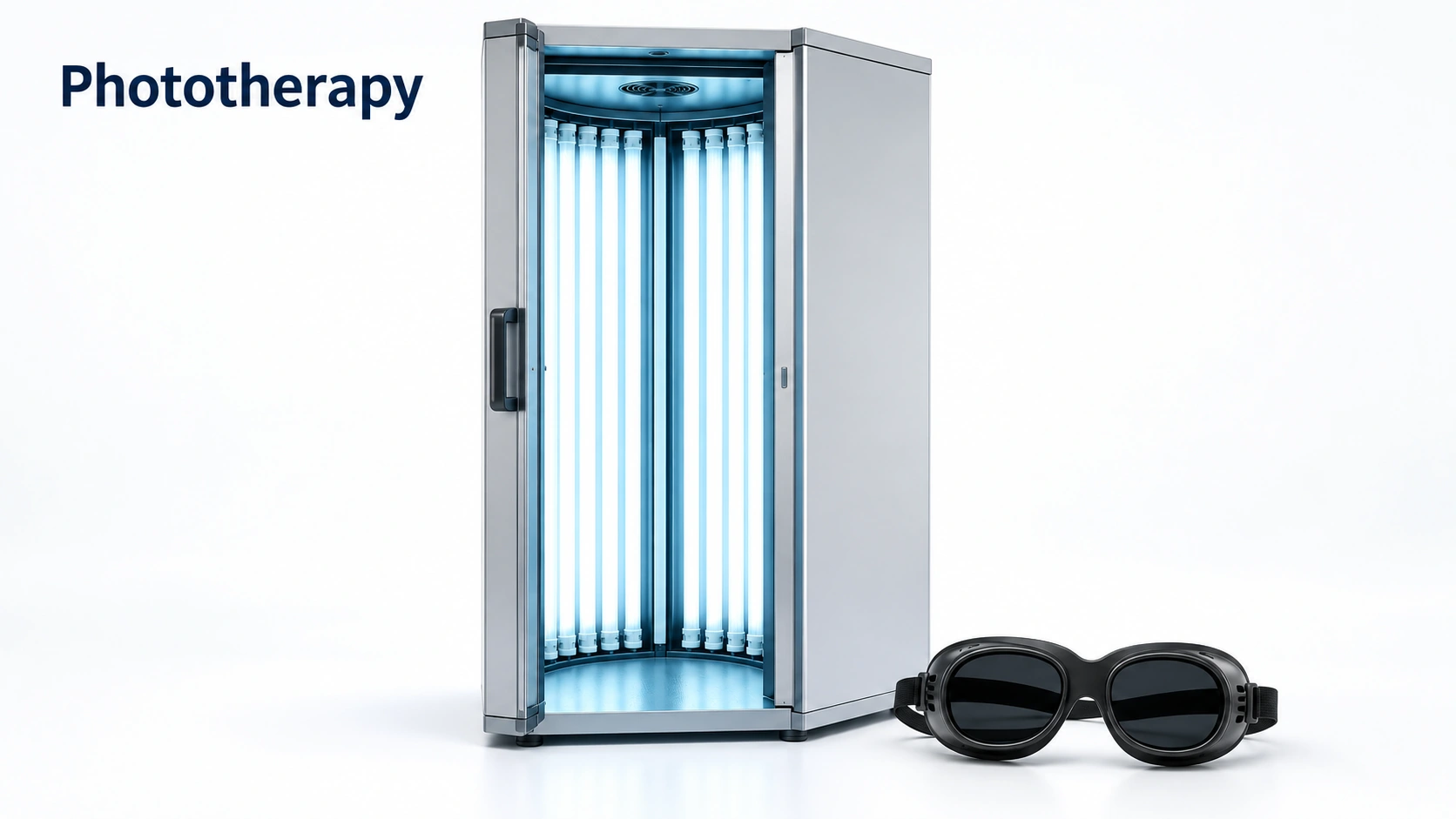
Only in where the light goes; the wavelength and biology are the same. The excimer treats defined patches at a higher dose each and leaves the rest untouched, which suits limited disease. A cabinet treats everything at once, which suits widespread disease.
Not much — a few seconds of warmth per spot. If the dose was pushed too far you feel it hours later, like a small sunburn.
For psoriasis, roughly 10 to 20. For vitiligo, 20 to 30 before judging at all. Stopping earlier is the most common reason people conclude it did not work for them.
Nobody can promise that. Psoriasis plaques usually return after treatment stops. Vitiligo repigmentation often holds, especially on the face and when the disease is quiet, and is more likely to be lost while it is still active.
It is used at every skin tone. The starting dose is higher, treated skin tends to tan, and the outcome to avoid is a burn, since dark marks from a burn last longer at deeper skin tones.
Ultraviolet exposure carries a theoretical long-term risk. Studies of narrowband UVB have not shown a clear increase, and the excimer exposes a fraction of the skin a cabinet does. Keep a record of your sessions and mention it at skin checks.
Usually 3 or 4 millimeters across — smaller than a pencil eraser. The skin is stretched first, so the round hole closes as a short straight line.
The numbing injection stings for a few seconds. After that you feel firm pressure and twisting, nothing sharp. Most people take nothing stronger than acetaminophen, on the first evening only.
Usually one or two. On the face they come out at about 5 to 7 days, elsewhere at 10 to 14. Absorbable stitches dissolve on their own and are an option if getting back is hard.
For rashes, fresh untreated skin shows the diagnostic changes clearly, while the oldest patch has scratched, treated or healed skin over it. The site is chosen for what the pathologist needs to see.
Normal for rashes. The report describes a pattern that narrows the list, and the doctor combines it with what your skin looks like. Sometimes a second biopsy at a different stage settles it.
Yes — a small line or dot, a few millimeters. It stays pink for a couple of months, then fades. On deeper skin tones a brown mark is common for months, and raised scars are more likely on the chest, shoulders and upper back.