It is targeted UVB.
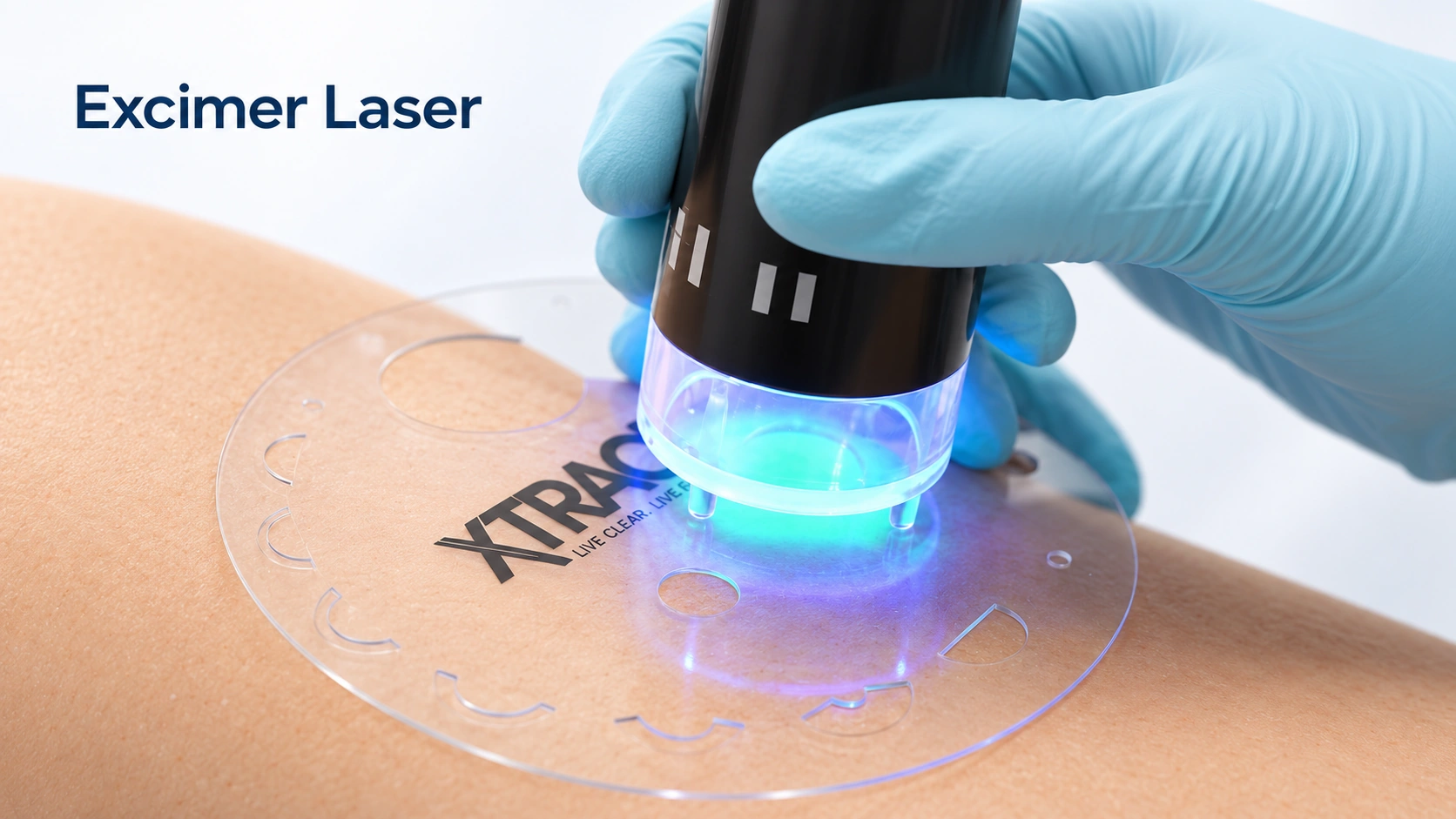
Excimer delivers ultraviolet B at around 308 nm to selected patches.
Excimer Laser: A 308 nm ultraviolet B laser aimed at one patch of skin at a time. Used mainly for stubborn psoriasis plaques and for vitiligo. Because only the affected skin is treated, the rest of the body is spared the light.
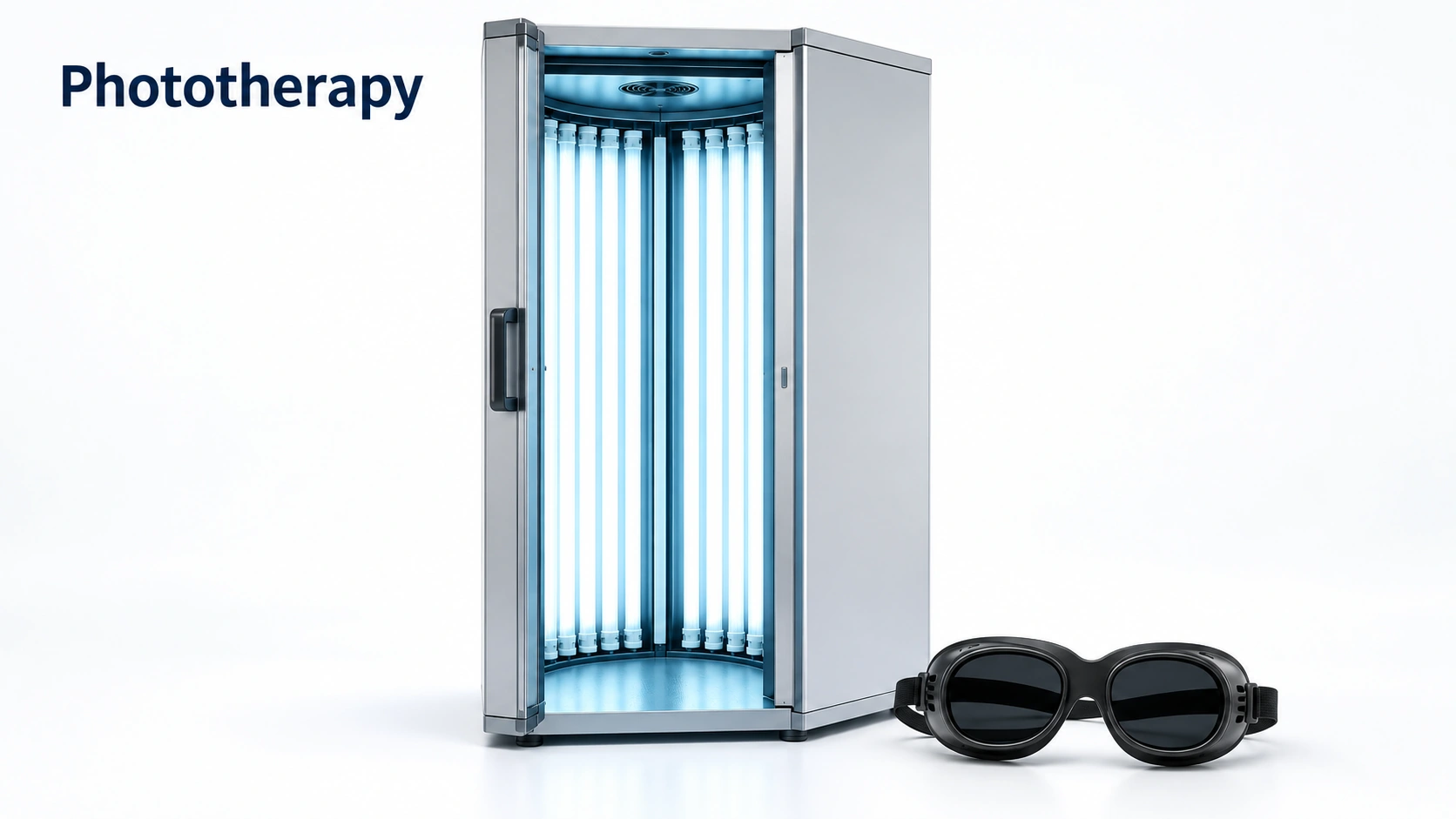
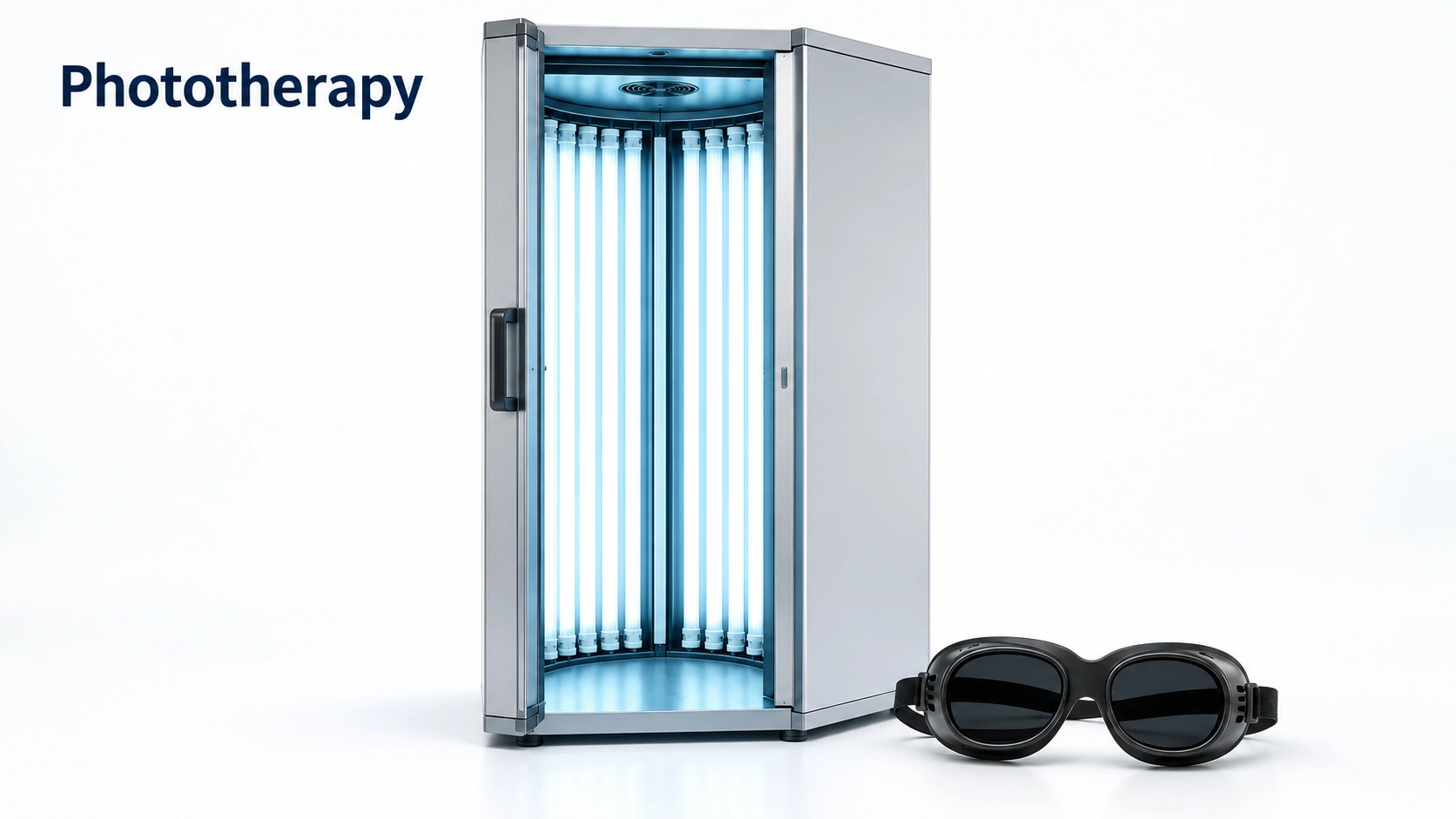
Phototherapy: A prescribed medical light treatment that uses a narrow band of ultraviolet B, usually two or three times a week, to calm psoriasis and eczema and to bring color back in vitiligo. A tanning bed is a different thing and is not a substitute.
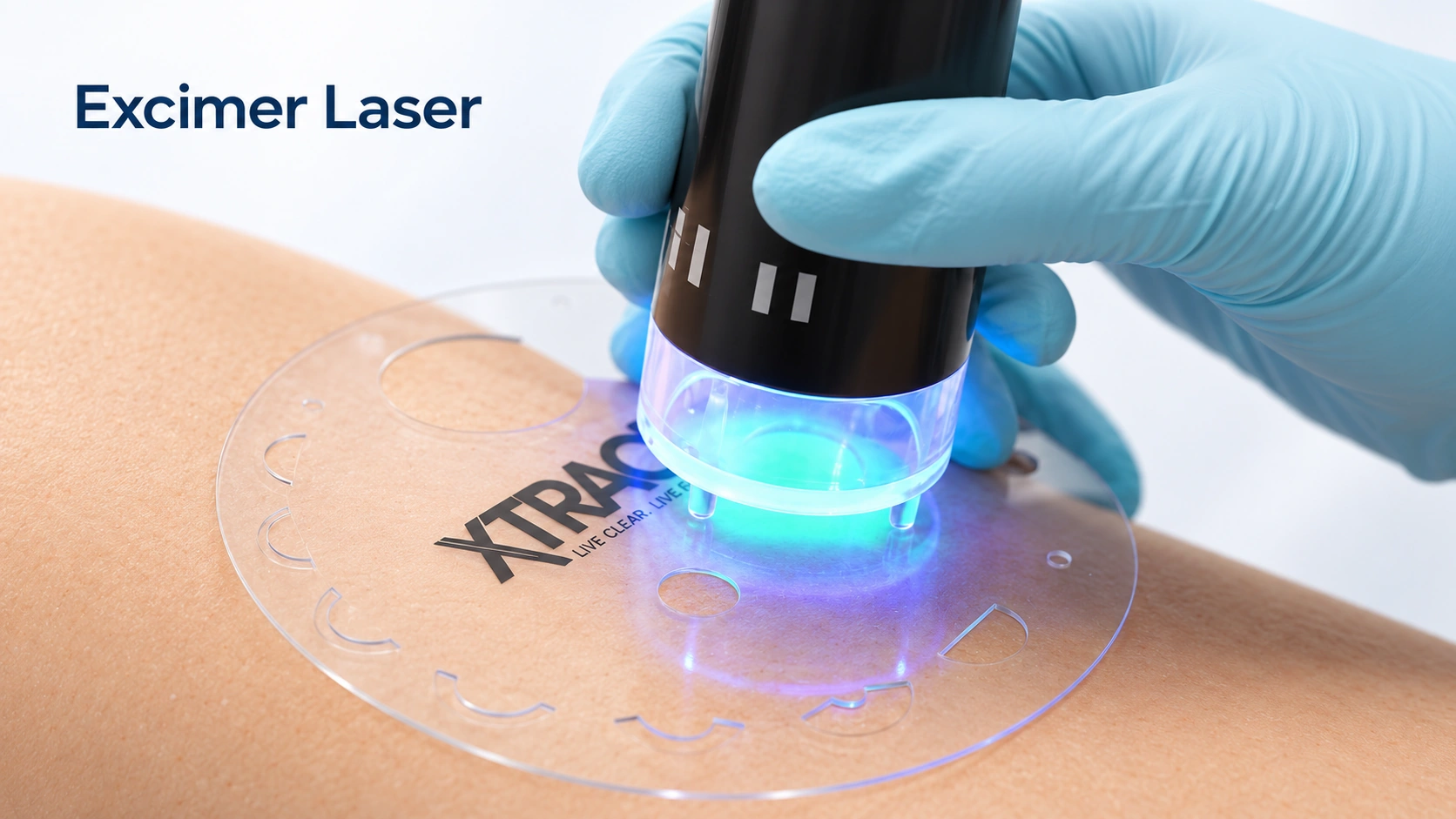
Choose for a few stubborn psoriasis plaques or vitiligo patches when you want light only where it's needed.
Choose for widespread psoriasis, eczema or vitiligo when creams can't cover enough skin and you can attend 2–3 times a week.
Can you have both?
Both use UVB light. Excimer targets small patches; phototherapy treats large areas. One is used at a time.
Excimer delivers ultraviolet B at around 308 nm to selected patches.
It is used for localized disease.
Dermatologic excimer differs from excimer eye procedures.
Light sensitivity, medicines and skin cancer history are reviewed.
Controlled UV exposure treats selected inflammatory skin diseases.
PUVA combines a light-sensitizing medicine with UVA.
They are not equivalent to medical phototherapy.
Medicines, skin cancer history and cumulative exposure are checked.

Clears stubborn plaques.
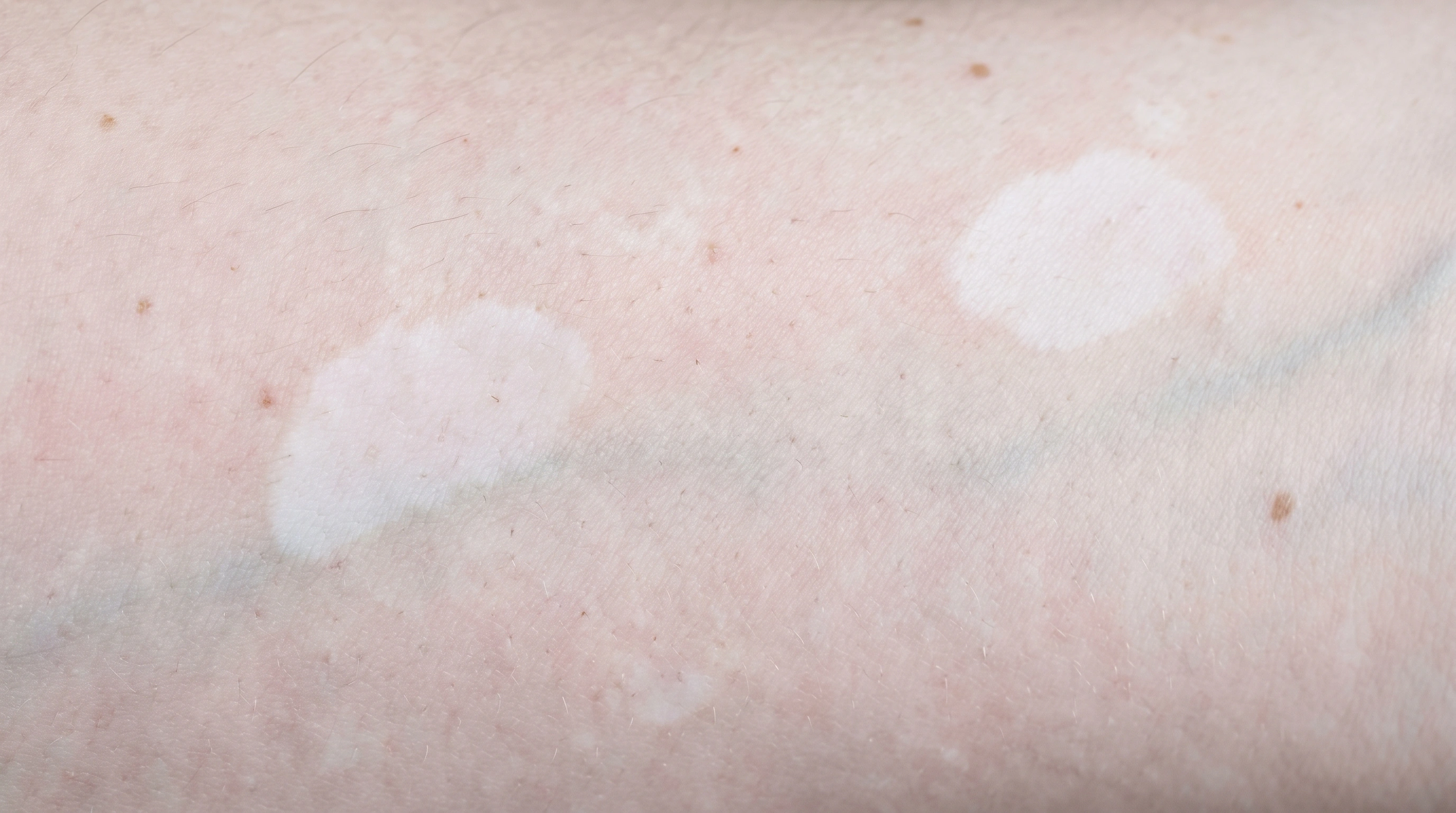
Restores color in small patches.
Clears widespread plaques.

Reduces itch and rash.
Restores color.
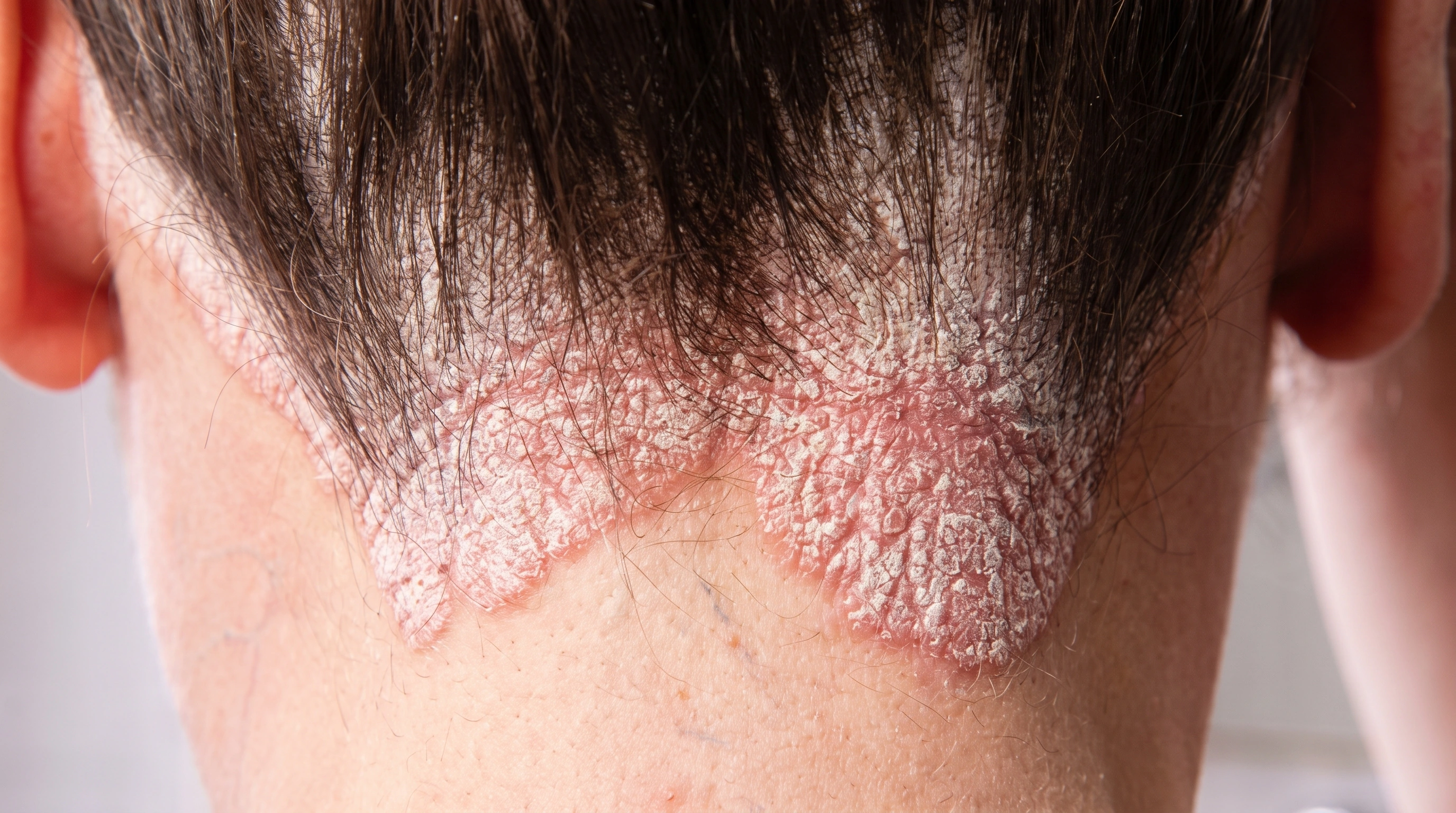
Reaches the scalp through hair.
Other light therapies are preferred.
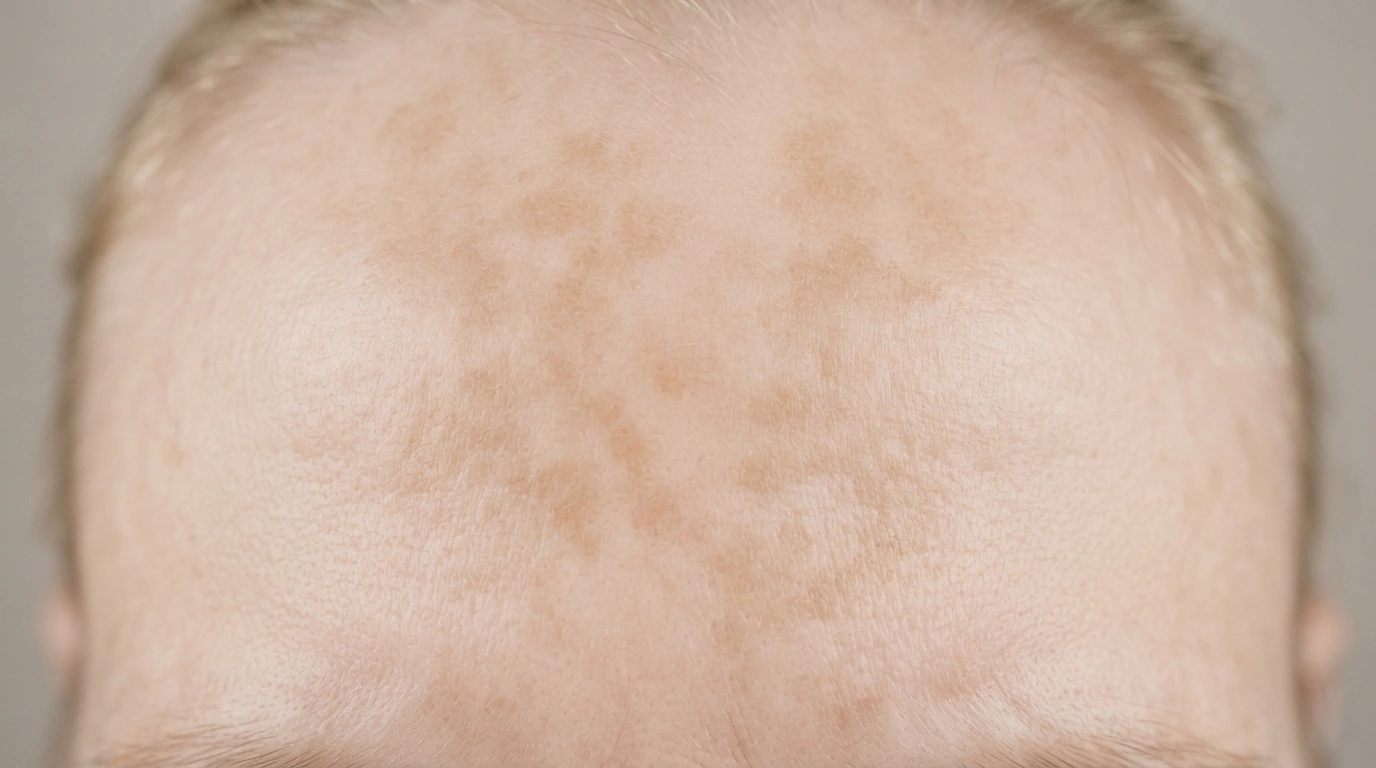
UV light darkens patches.
UV light darkens patches.

Light triggers flushing.
Selected psoriasis or vitiligo patches; treatment follows the affected skin rather than a fixed body area.
Affected skin may be treated in a whole-body booth or with a smaller unit; unaffected areas may be shielded.


UVB is aimed at a skin patch: A device delivers targeted 308 nm ultraviolet light. Immune activity is reduced: The light changes inflammatory activity in the treated skin. The patch may improve: Repeated treatment can help selected conditions such as psoriasis.
Schematic illustration. Technique and response vary. This explains a mechanism and does not specify treatment settings.
Measured UV light reaches skin: A clinician selects and monitors the light exposure. Inflammatory activity changes: UV treatment can reduce overactive immune activity in skin. Skin symptoms may improve: Repeated treatment can help selected inflammatory conditions.
Schematic illustration. Technique and response vary. This explains a mechanism and does not specify treatment settings.
2 weeks before: Sun and self-tanner: No sunburn and no self-tanner on the area for 2 weeks.
Between sessions: Sun and tanning: No sunbathing, no tanning beds.
Clean skin and scale: Come with the area clean, with no makeup or thick creams.
Clean skin: Emollient on plaques only if told to.
Goggles and shielding: Know which areas will be shielded, and bring your own goggles if you have them.
For vitiligo: Photographs: Expect photographs at the start and every couple of months.
The area is looked at and often photographed.
You are asked whether your skin burned, stung or went pink after the last session.
You and the operator wear ultraviolet goggles.
The handpiece goes over the patch and light comes in bursts of a few seconds per spot. No smell, no noise beyond the machine, no feeling beyond mild warmth. Doses are written down each visit so the next can be adjusted. If the dose was too high you feel it hours later, like a small sunburn.
You undress to the treated areas, put on goggles, and step into the cabinet.
Men get genital shielding — standard, not optional. The face is covered if it is not affected. Lamps run from a few seconds early in a course to several minutes later. You stand still and turn if asked. It does not hurt, and most people feel only warmth.
Straight back to work.
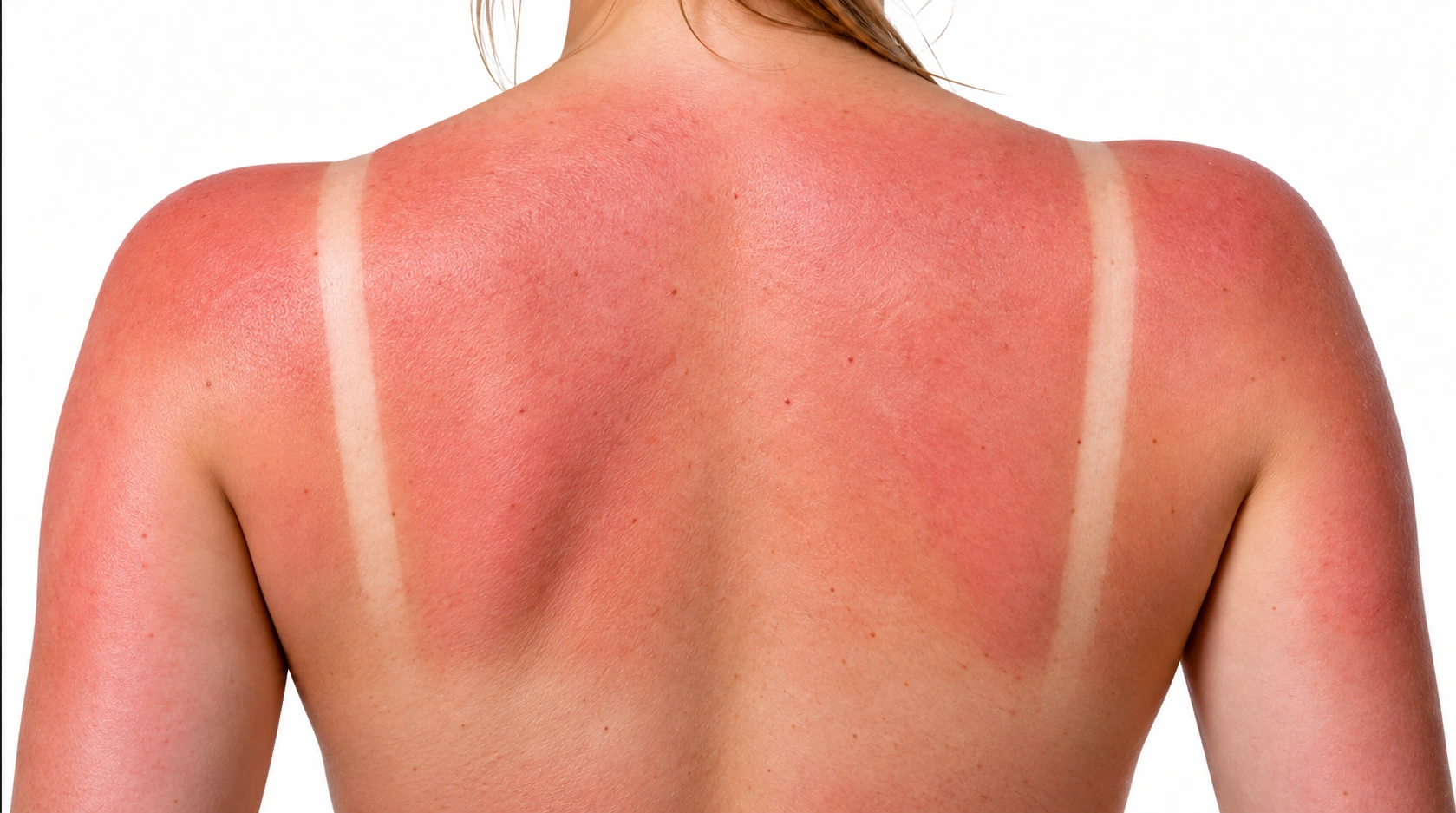
Skin may look slightly pink and feel warm, like light sun.
Day 1 to 2: Tenderness, deeper redness or mild peeling means the dose ran ahead of what your skin tolerated.
Days 1 to 2: A faint pink that fades by the next day is expected, and it is how the dose is judged.
1–3 months
3–4 weeks to start
Months; vitiligo color can be lasting
Months; vitiligo color can be lasting
Treated skin darkens.
Psoriasis plaques flatten and shed less.
Treated skin dries out and tans.
Gaps matter.
Ask the office for a written estimate of the whole course before starting, and ask what happens to the price if a second area is added later.
Written estimate: Ask whether the quoted fee includes assessment, anesthesia, supplies, pathology when relevant, follow-up, and any planned repeat treatments.
Insurance in the US often covers targeted phototherapy for psoriasis and vitiligo, usually after prior authorization and often only once topical treatment has been tried.
This is one of the few treatments here that insurance often pays for, because it treats a medical condition.
Only in where the light goes; the wavelength and biology are the same. The excimer treats defined patches at a higher dose each and leaves the rest untouched, which suits limited disease. A cabinet treats everything at once, which suits widespread disease.
Not much — a few seconds of warmth per spot. If the dose was pushed too far you feel it hours later, like a small sunburn.
For psoriasis, roughly 10 to 20. For vitiligo, 20 to 30 before judging at all. Stopping earlier is the most common reason people conclude it did not work for them.
Nobody can promise that. Psoriasis plaques usually return after treatment stops. Vitiligo repigmentation often holds, especially on the face and when the disease is quiet, and is more likely to be lost while it is still active.
It is used at every skin tone. The starting dose is higher, treated skin tends to tan, and the outcome to avoid is a burn, since dark marks from a burn last longer at deeper skin tones.
Ultraviolet exposure carries a theoretical long-term risk. Studies of narrowband UVB have not shown a clear increase, and the excimer exposes a fraction of the skin a cabinet does. Keep a record of your sessions and mention it at skin checks.
No. Tanning beds emit mostly ultraviolet A with a little UVB; this uses a narrow band around 311 nanometers chosen to keep the benefit and cut the burning wavelengths. Phototherapy doses are prescribed, recorded and adjusted, and areas that do not need treating are shielded. Tanning beds carry an established skin cancer risk.
Psoriasis usually starts improving by the third or fourth week and often clears over roughly 20 to 36 sessions. Eczema is slower, six to twelve weeks, with itch settling before the rash. Vitiligo cannot be judged before three months and often takes six to twelve months.
Two or three times a week for most of a course. This is the hardest part, and the most common reason people stop, so be honest with yourself before starting and ask about a home unit if it will not work.
PUVA, the older tablet-plus-UVA treatment, clearly raises risk at high cumulative doses. Narrowband UVB studies have not shown a clear increase, but long-term data are limited, which is why lifetime sessions are counted, unaffected skin is shielded, and skin checks continue.
Yes, with a prescription. Home units use the same lamps and dosing protocol, your dermatologist writes the schedule and reviews progress, and insurance sometimes pays because a unit costs less than a long series of office visits.
Psoriasis and eczema usually return over weeks to months, and the length of the break varies a lot. Some people go onto a lower maintenance frequency instead of stopping. Pigment regained in vitiligo is often kept, though it can be lost if the condition is still active.