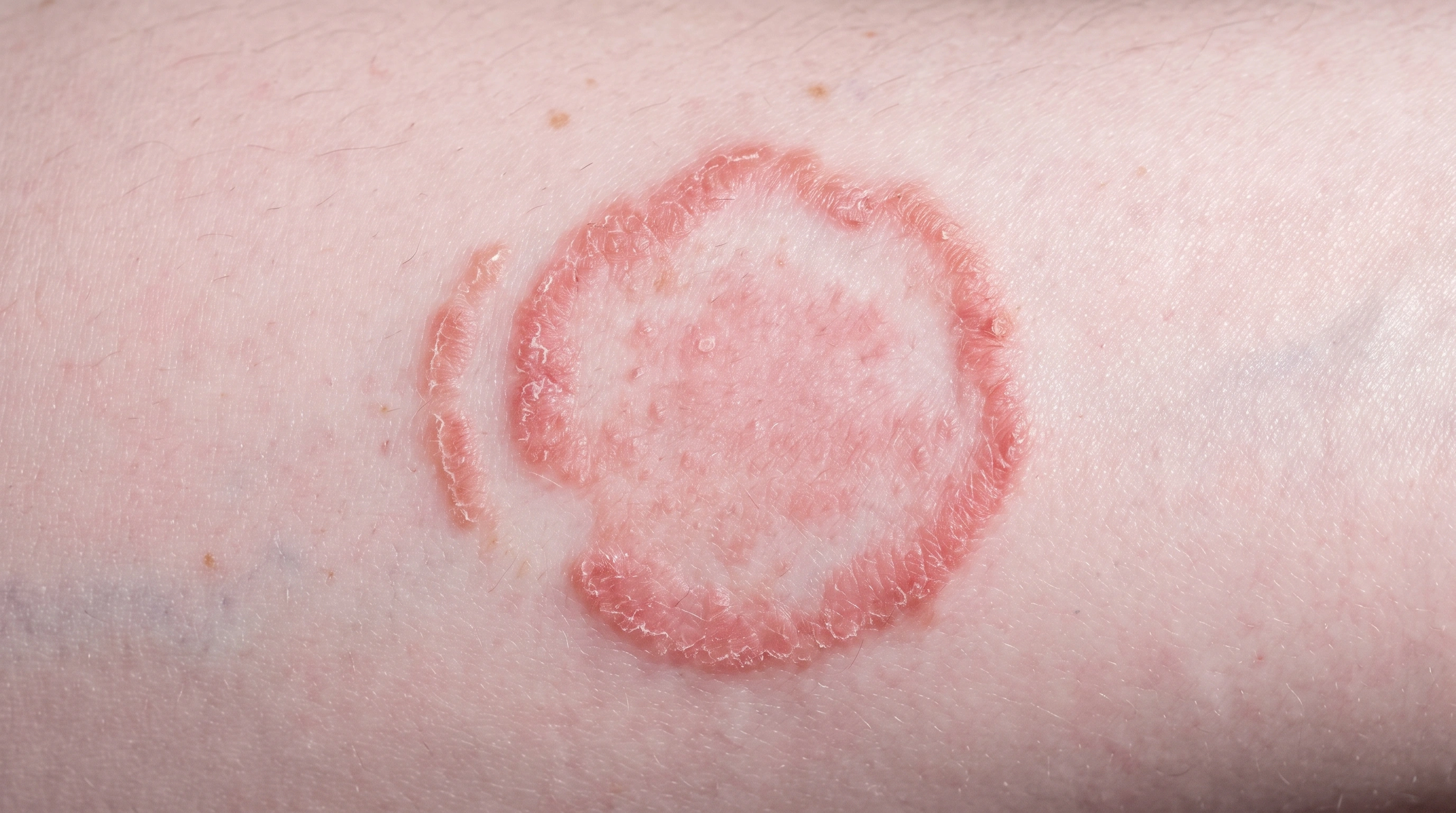
Site-appropriate topical corticosteroid
ListedTreats active eczema for a clinician-directed course; strength depends on site and age.
Fluid-filled skin pockets caused by repeated rubbing. Recurrent itchy small deep blisters on the palms, sides of fingers or soles.
The same eight facts on every condition comparison.
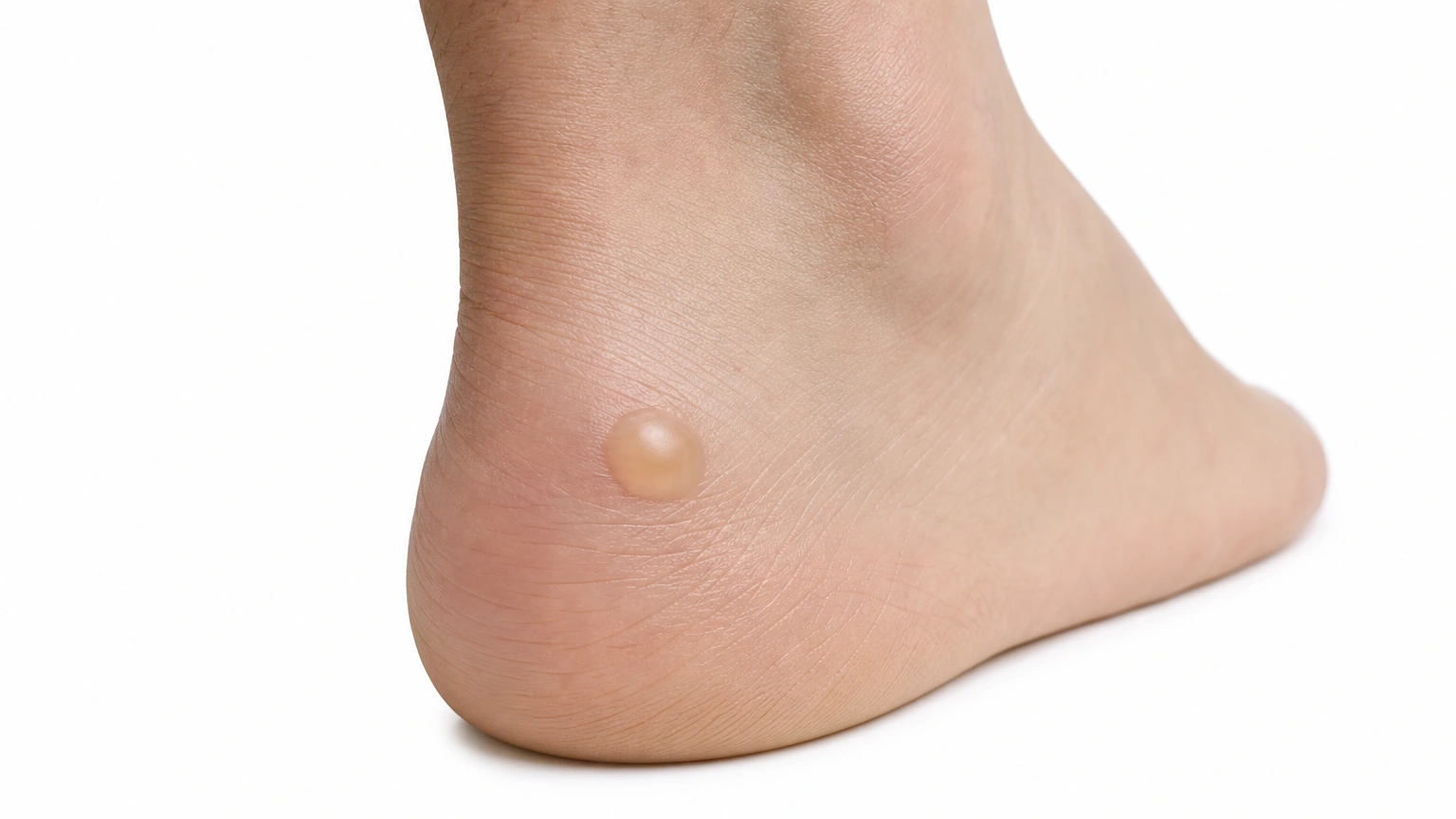
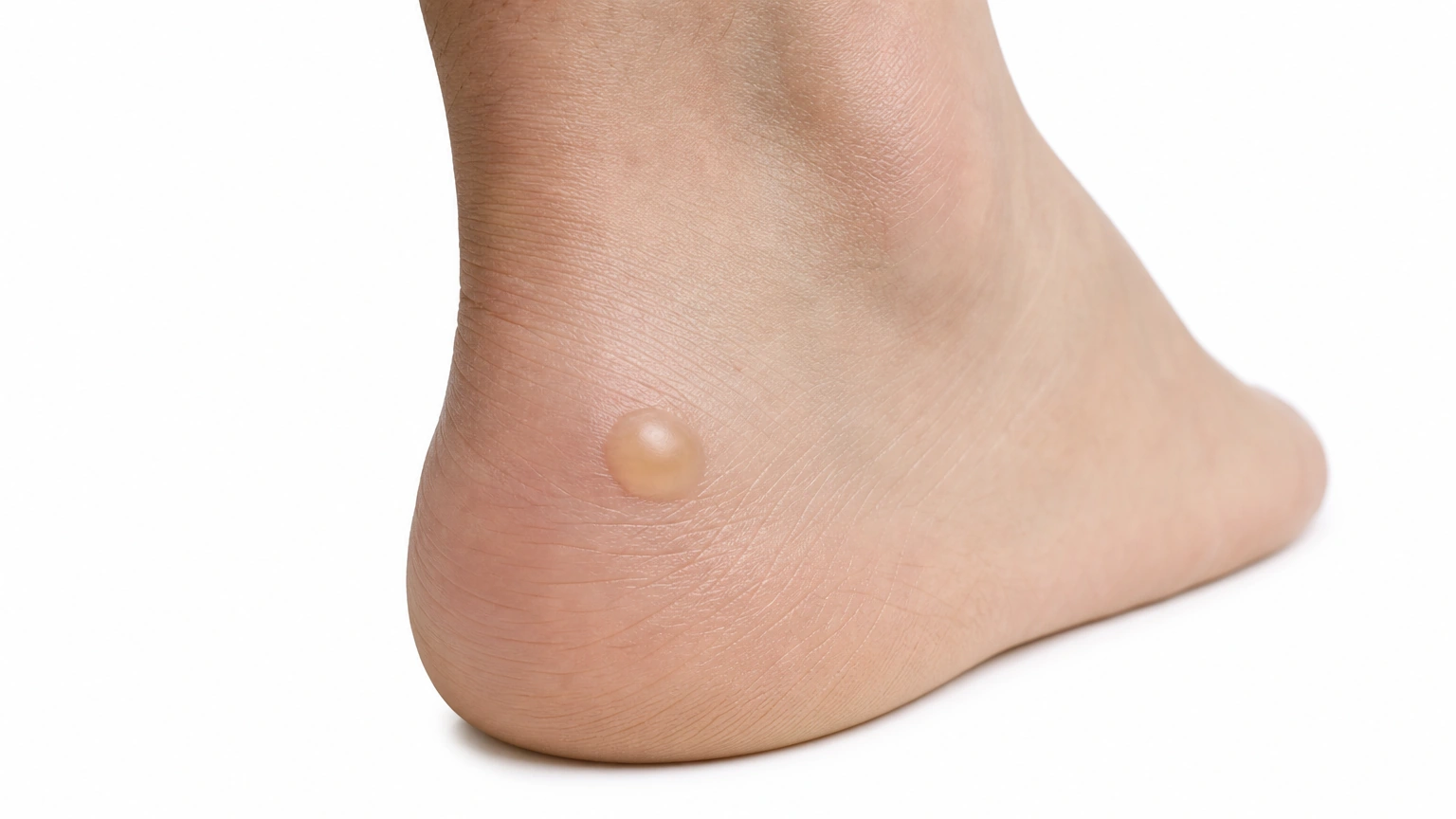
Friction Blisters A small fluid-filled dome rises from the skin near the back of the foot.
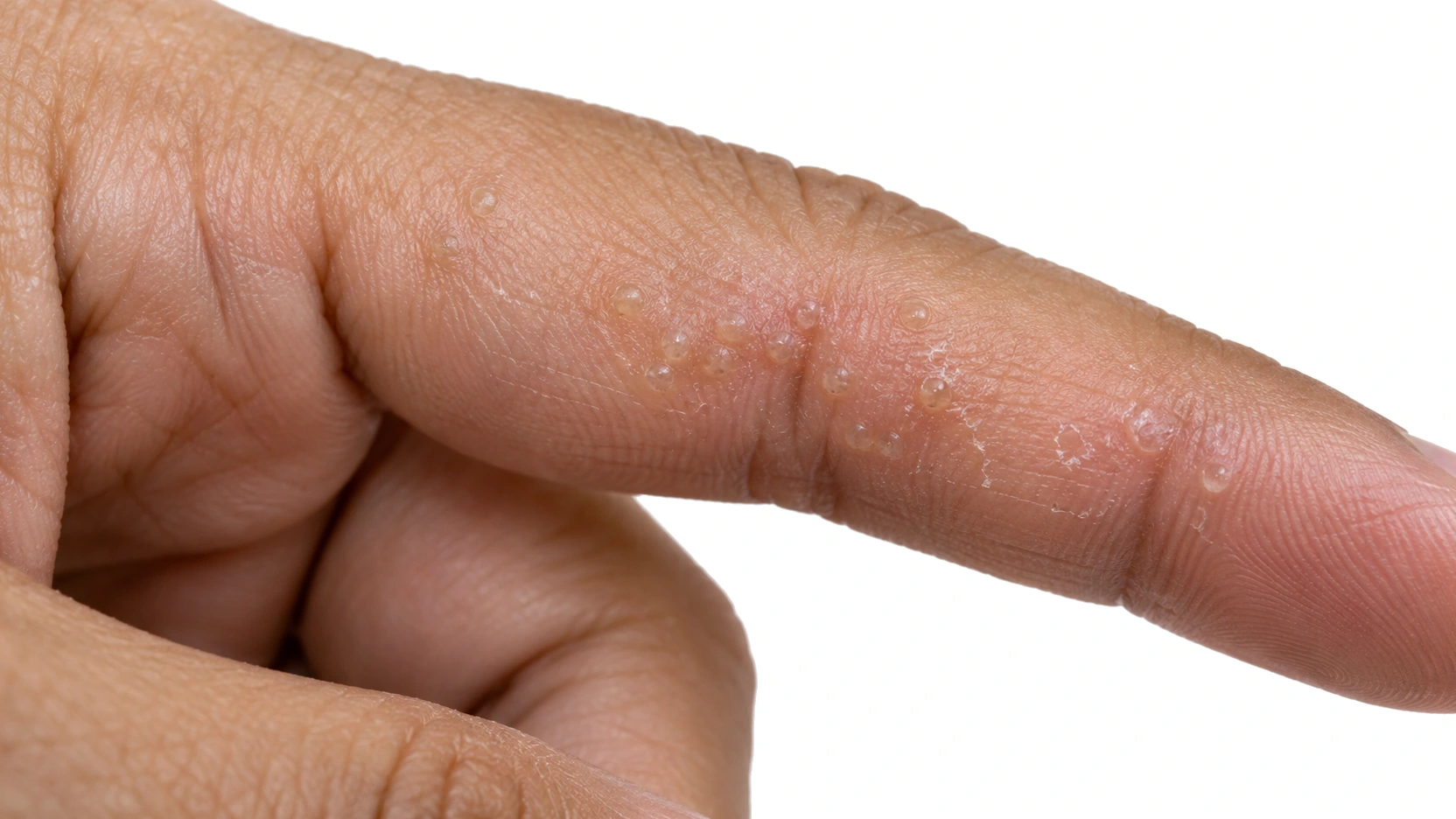
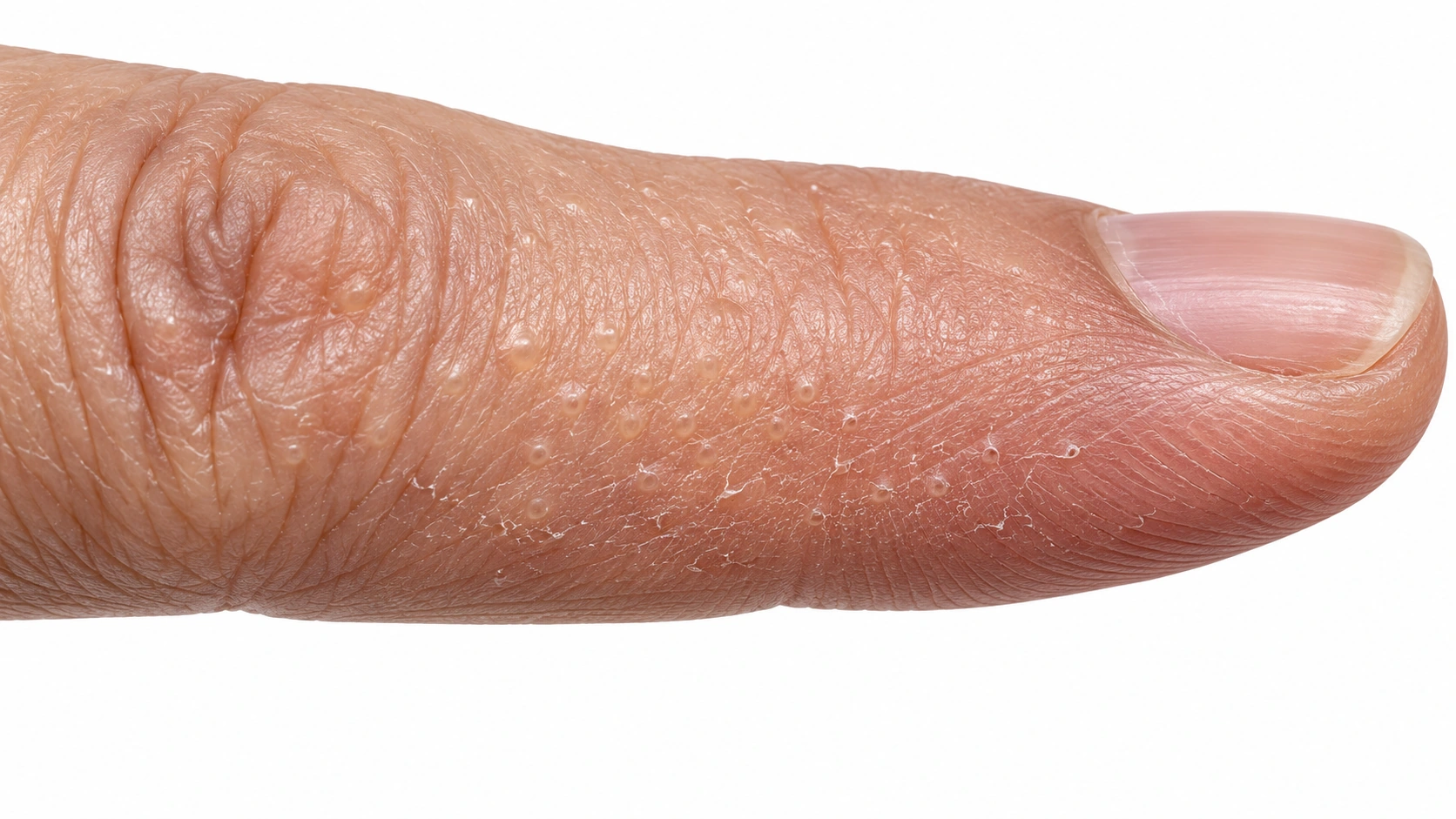
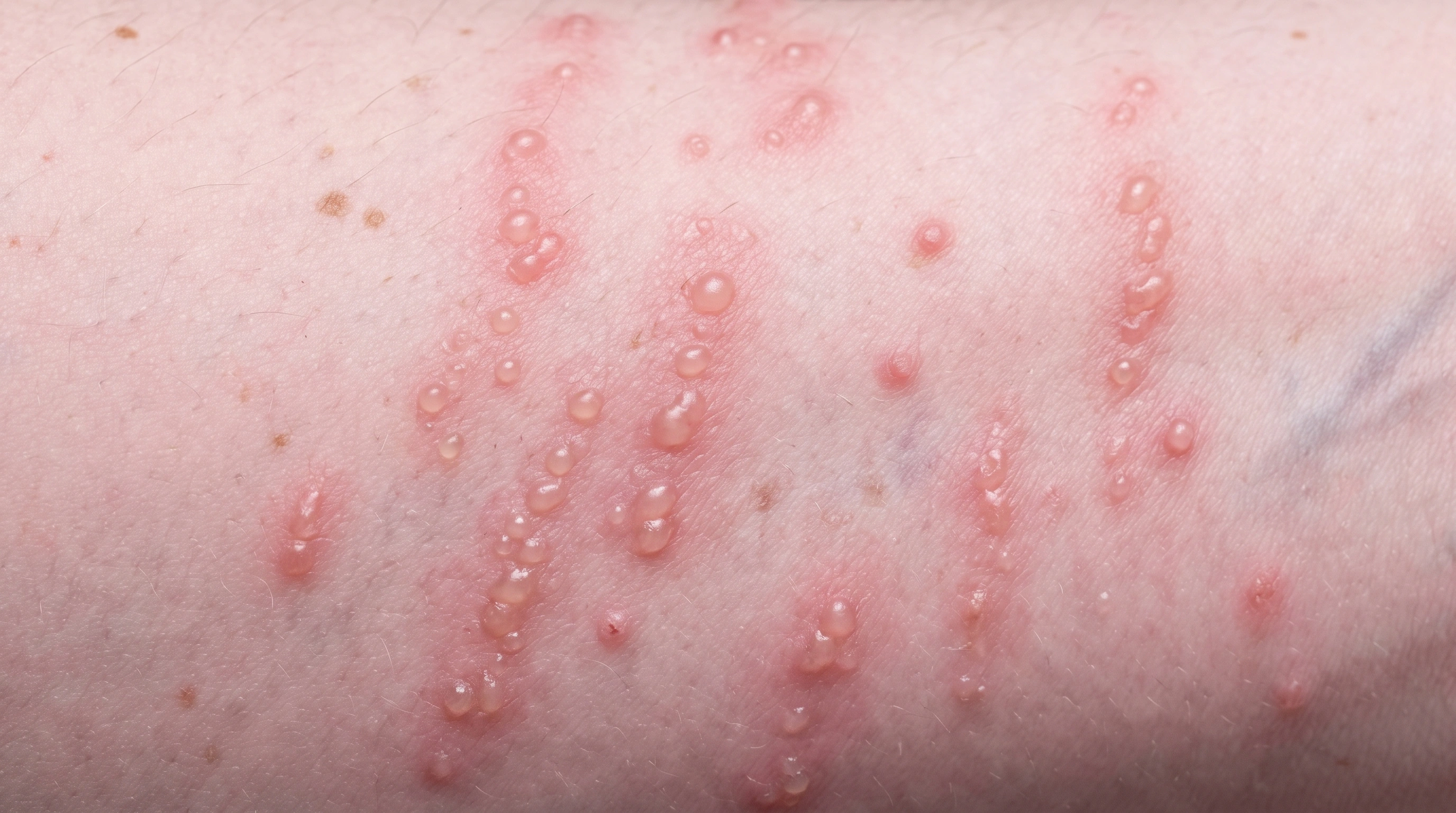
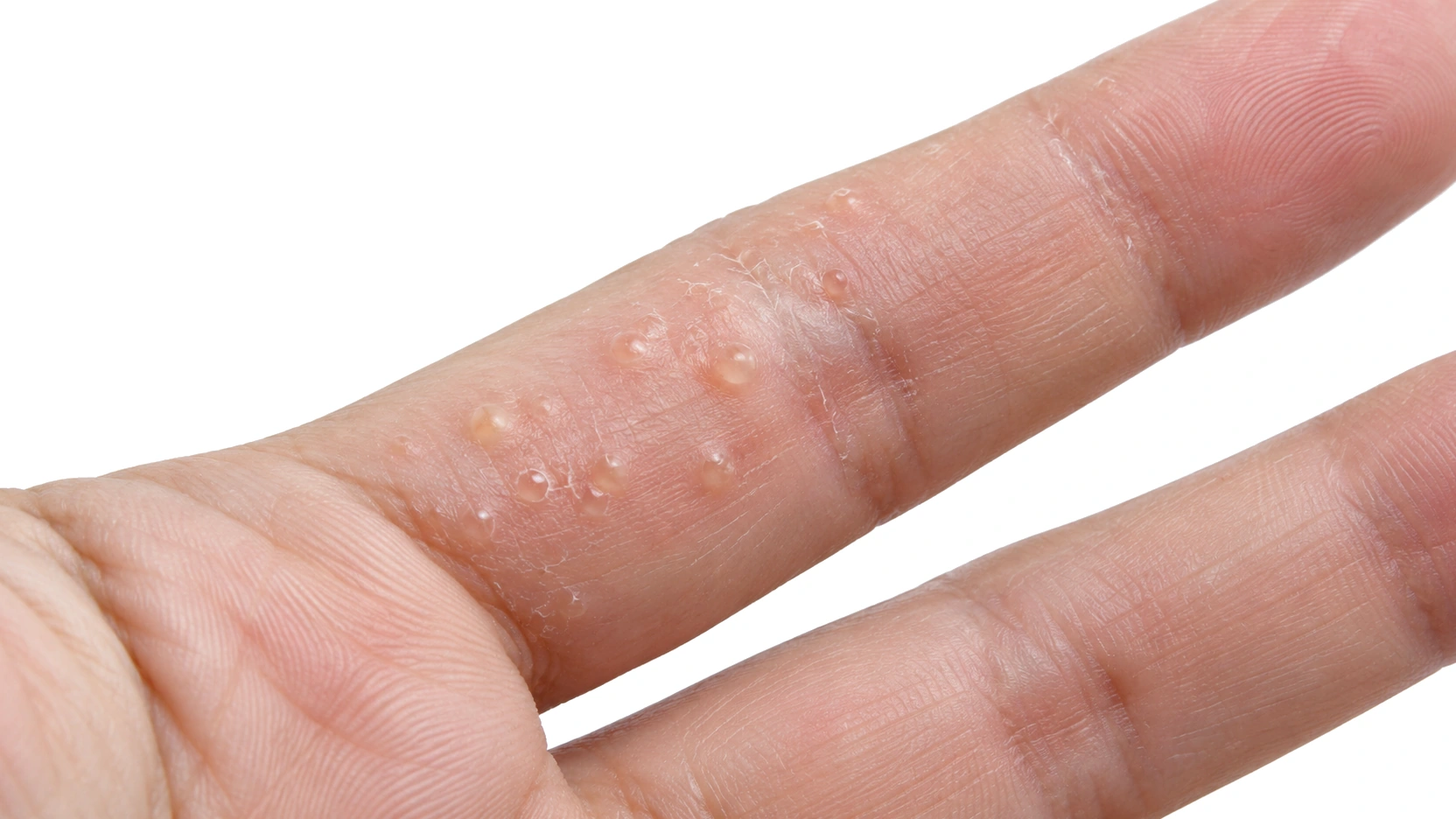
Dyshidrotic Eczema Closely grouped small blisters sit on the side of the finger.
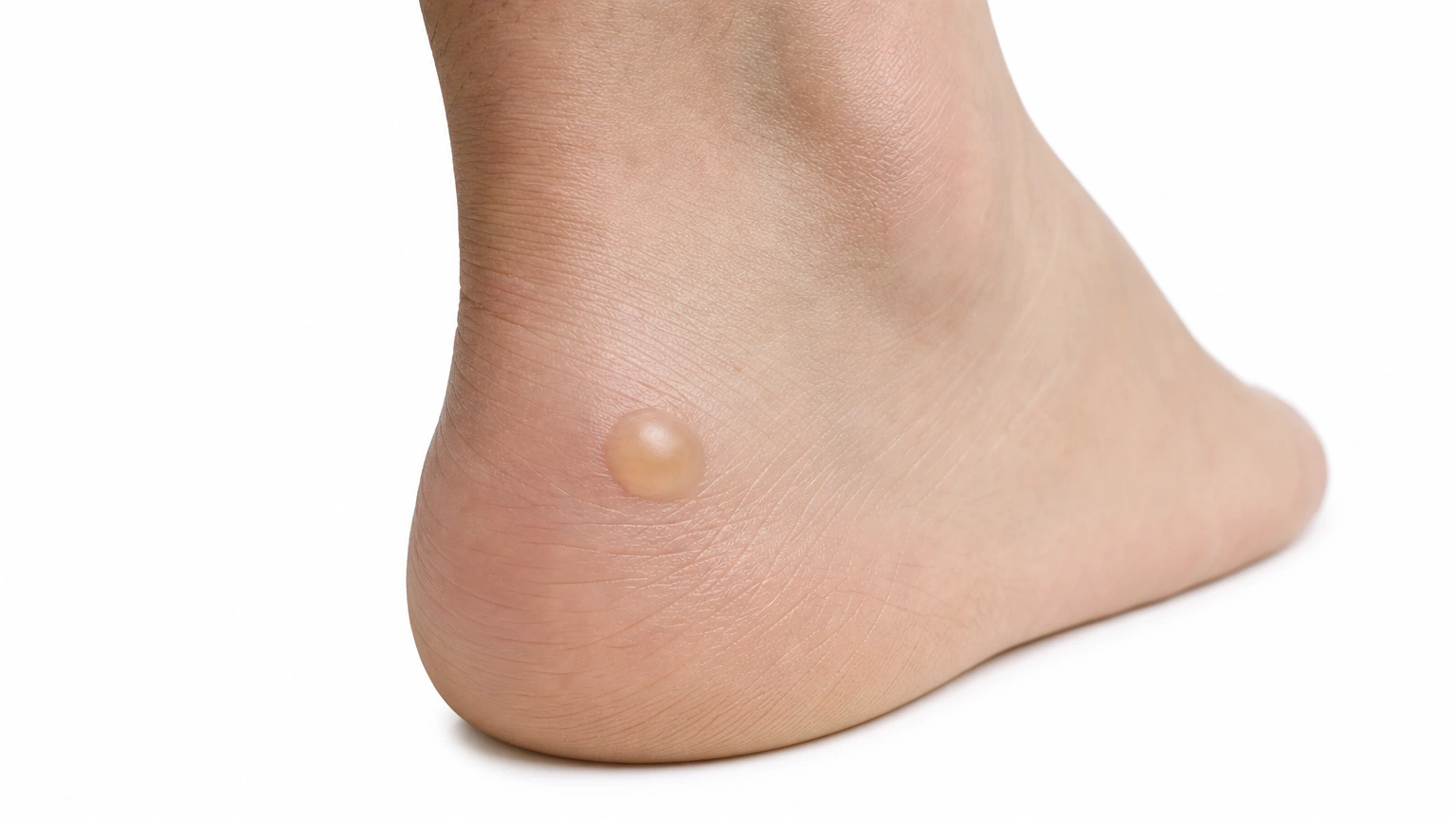
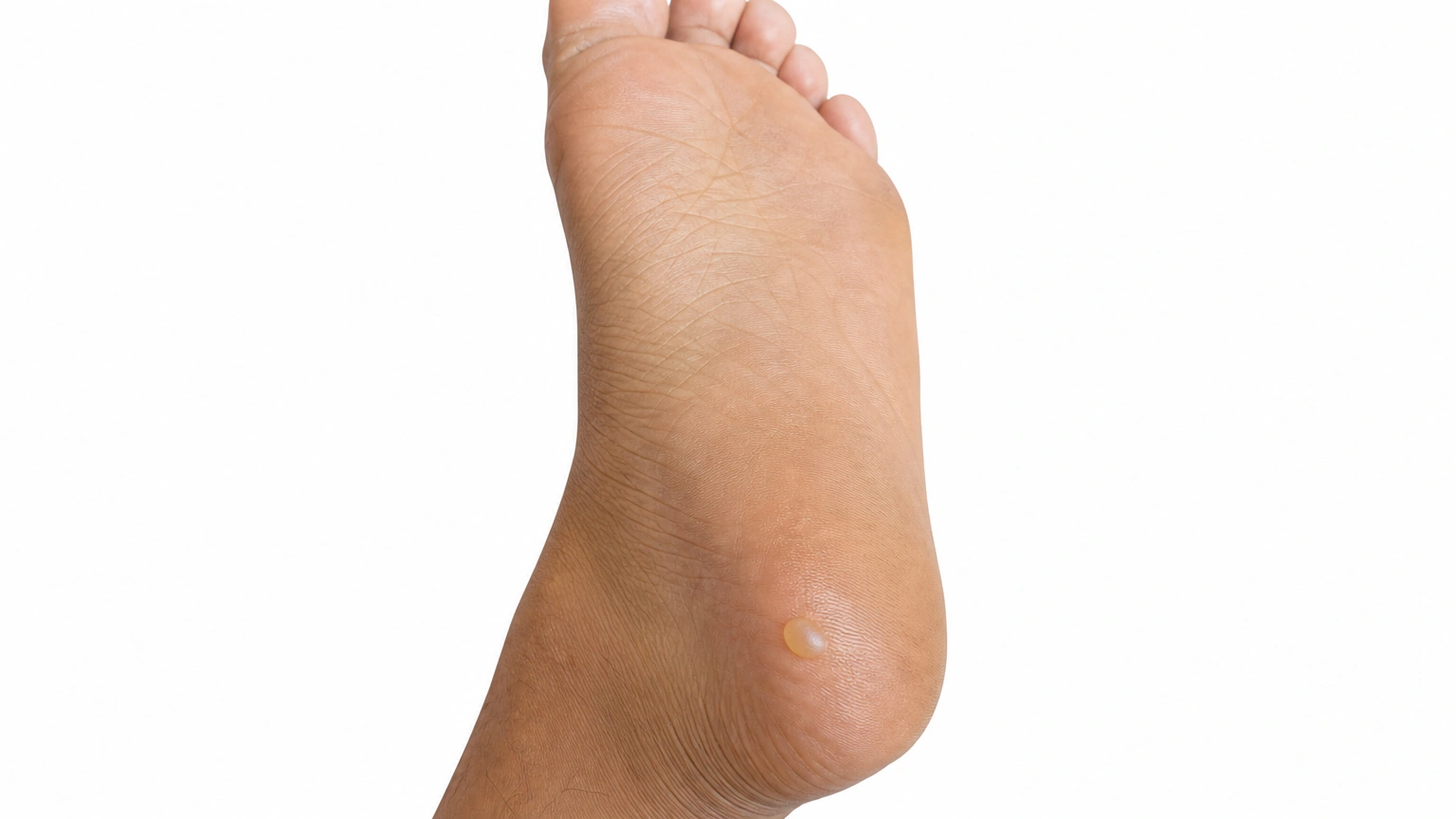
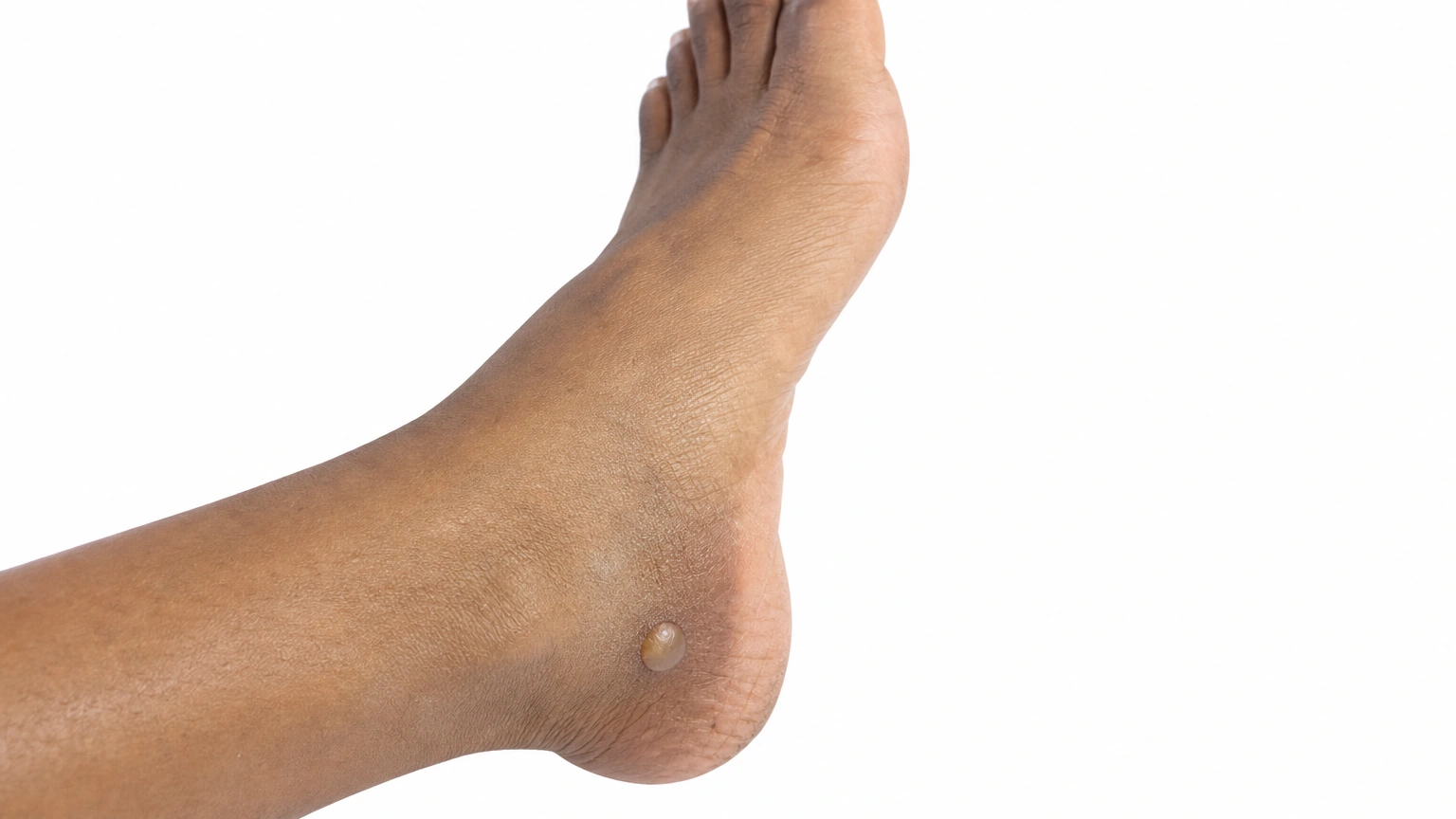
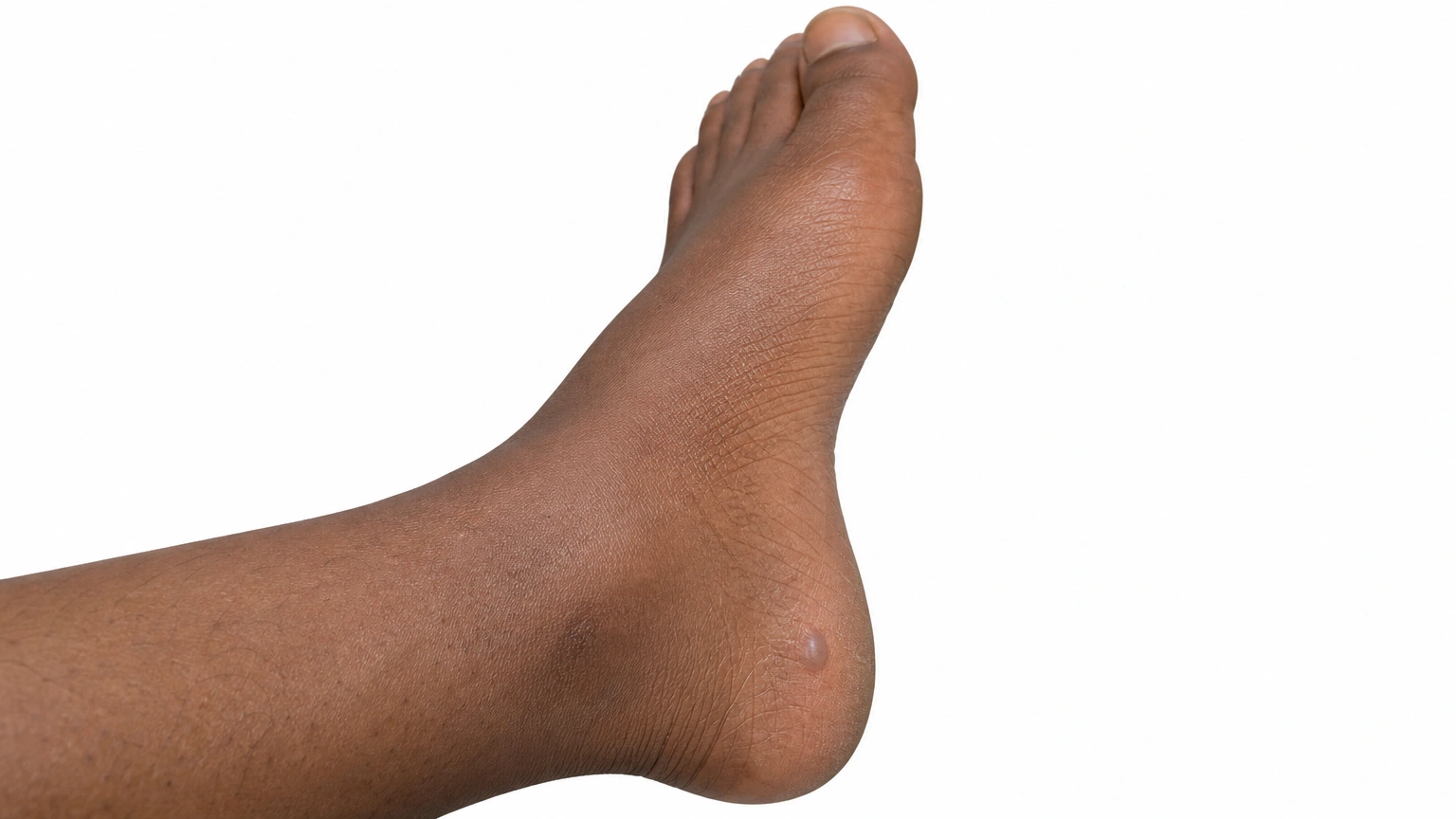
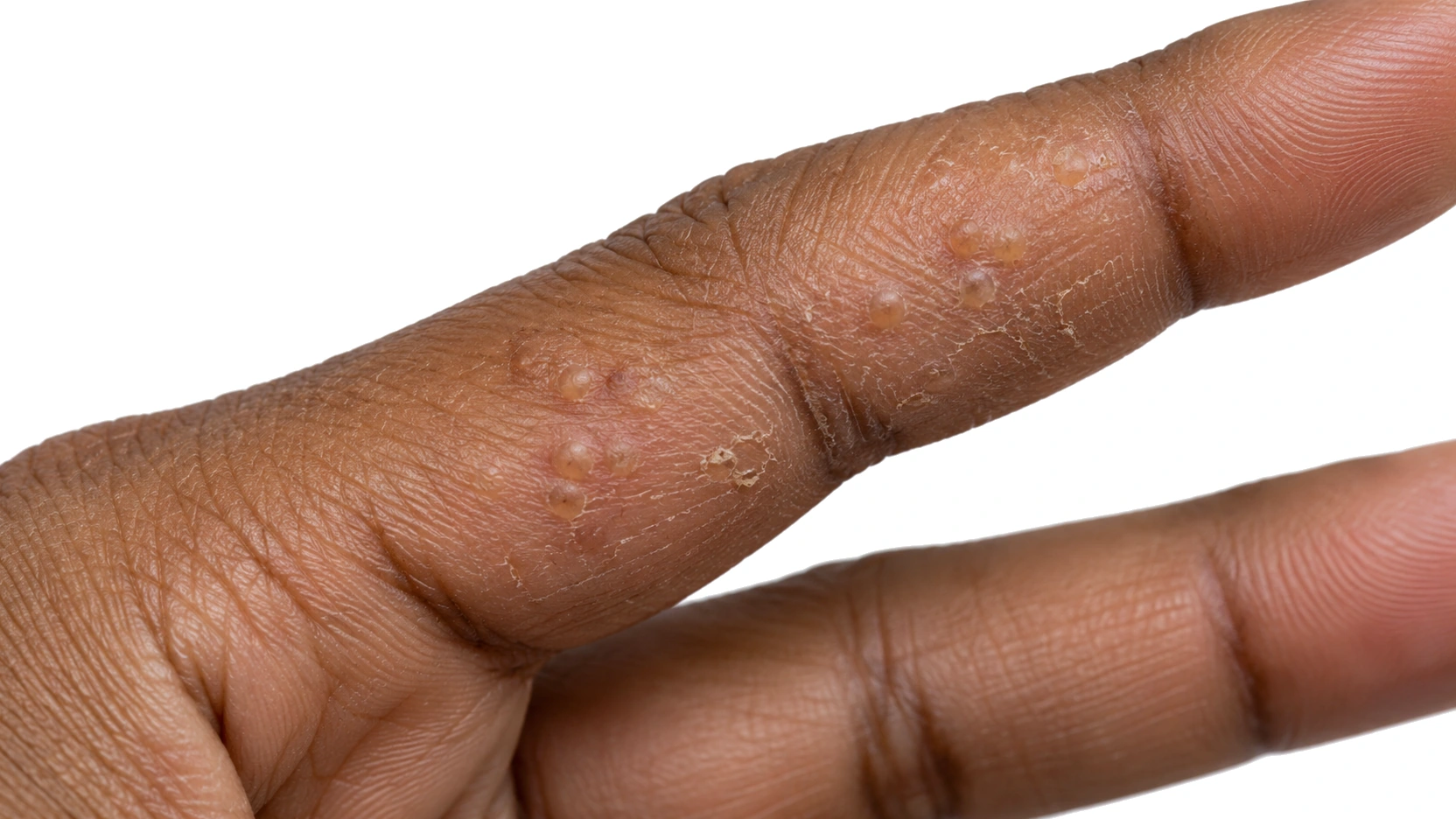
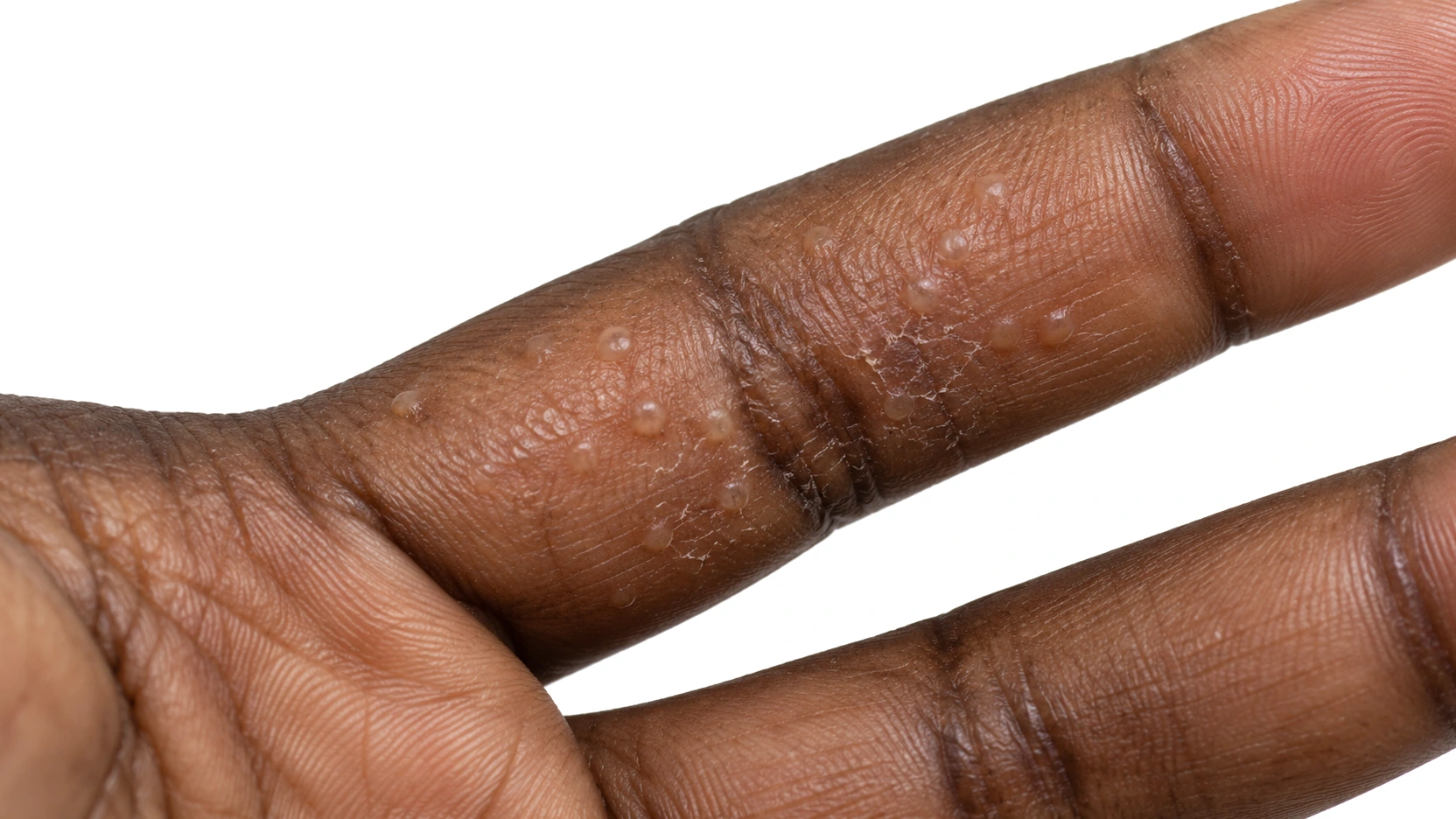
Repeated rubbing creates shearing forces between skin layers. Fluid collects in the separated space and forms a blister.
Eczema-related inflammation produces small blisters within the outer skin of the hands or feet. Despite the name, blocked sweat glands do not cause this condition.
Friction Blisters. Can occur at any age with repeated mechanical stress.
Dyshidrotic Eczema. Often occurs in younger adults but is possible at other ages.
Repeated pressure or rubbing injures the skin or stimulates protective thickening.
An inflammatory eczema pattern; despite the name it is not caused by blocked sweat glands.
Evidence labels come from each condition’s own treatment list.
Stop the rubbing and protect the area with a suitable dressing, leaving the blister roof intact when possible. Large painful blisters, infection or a high-risk foot may need professional care.
Treats active eczema for a clinician-directed course; strength depends on site and age.
Small uncomplicated blisters usually heal after rubbing stops and the area is protected. Continued friction delays recovery; spreading redness, pus or a high-risk foot needs assessment.
Blisters often settle over a few weeks and are followed by peeling. Episodes can recur, so treatment and prevention need to address the individual's pattern and possible contributors.
Open cracks or blisters can become infected; diabetes or poor circulation requires extra care.
Cracked skin may become infected; repeated exposure can make the rash persistent.
Seek care for infection, a painful open wound, diabetes, reduced sensation or poor circulation.
Seek care for persistent rash, painful cracks or possible infection.
Fluid-filled skin pockets caused by repeated rubbing.
Stop the rubbing and cover with a protective dressing. Leave an intact blister roof in place when possible.
Seek care for infection, a painful open wound, diabetes, reduced sensation or poor circulation.
Recurrent itchy small deep blisters on the palms, sides of fingers or soles.
Use bland fragrance-free moisturizer and avoid the suspected irritant. Protect skin from repeated wetting.
Seek care for persistent rash, painful cracks or possible infection.
Sources