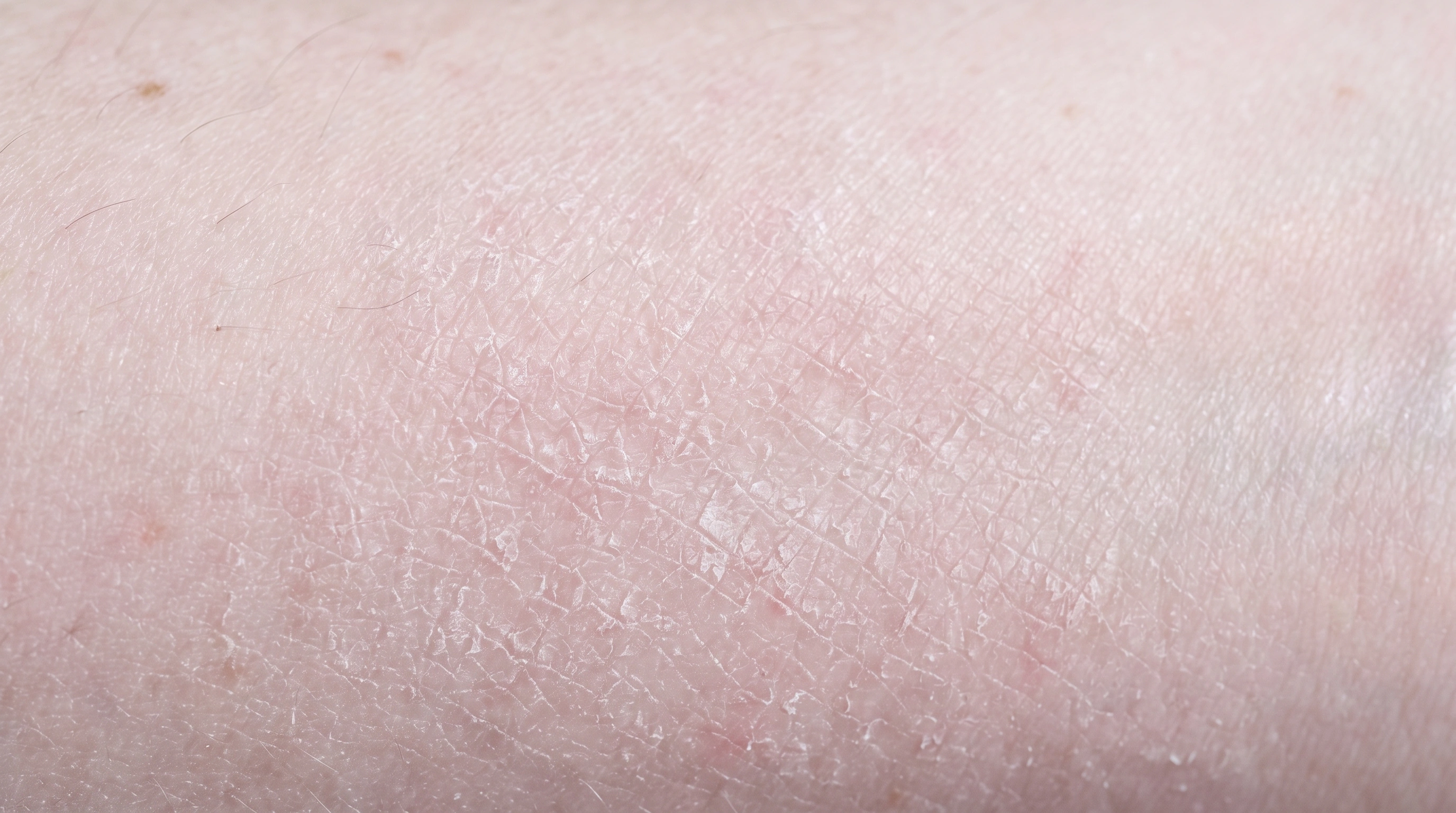
Dry Skin
Can contribute to an emollient formula; independent clinical benefit is less clear.
Copper Peptides: Sold for skin repair and fine lines; strong independent clinical evidence is limited. Vitamin E: Adds antioxidant and emollient functions to skincare; it is not a proven scar treatment.
Treat as an optional cosmetic, with limited evidence for visible rejuvenation.
Choose for formula preference, rather than expecting scars to disappear.
Can you use both?
A gentle pairing that layers easily.
Compare uses by strength of evidence. Evidence level describes confidence in a benefit, not its size.


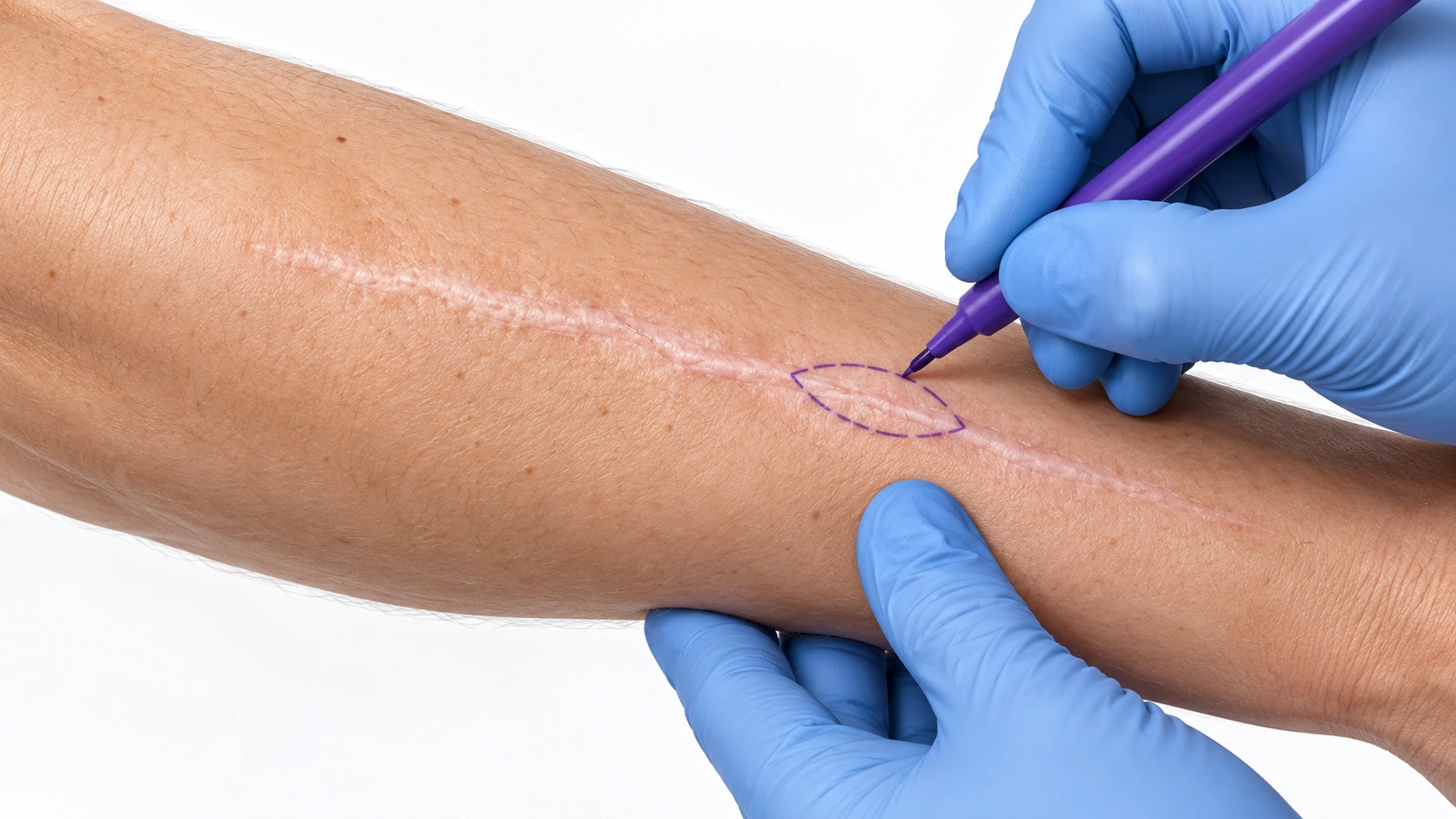
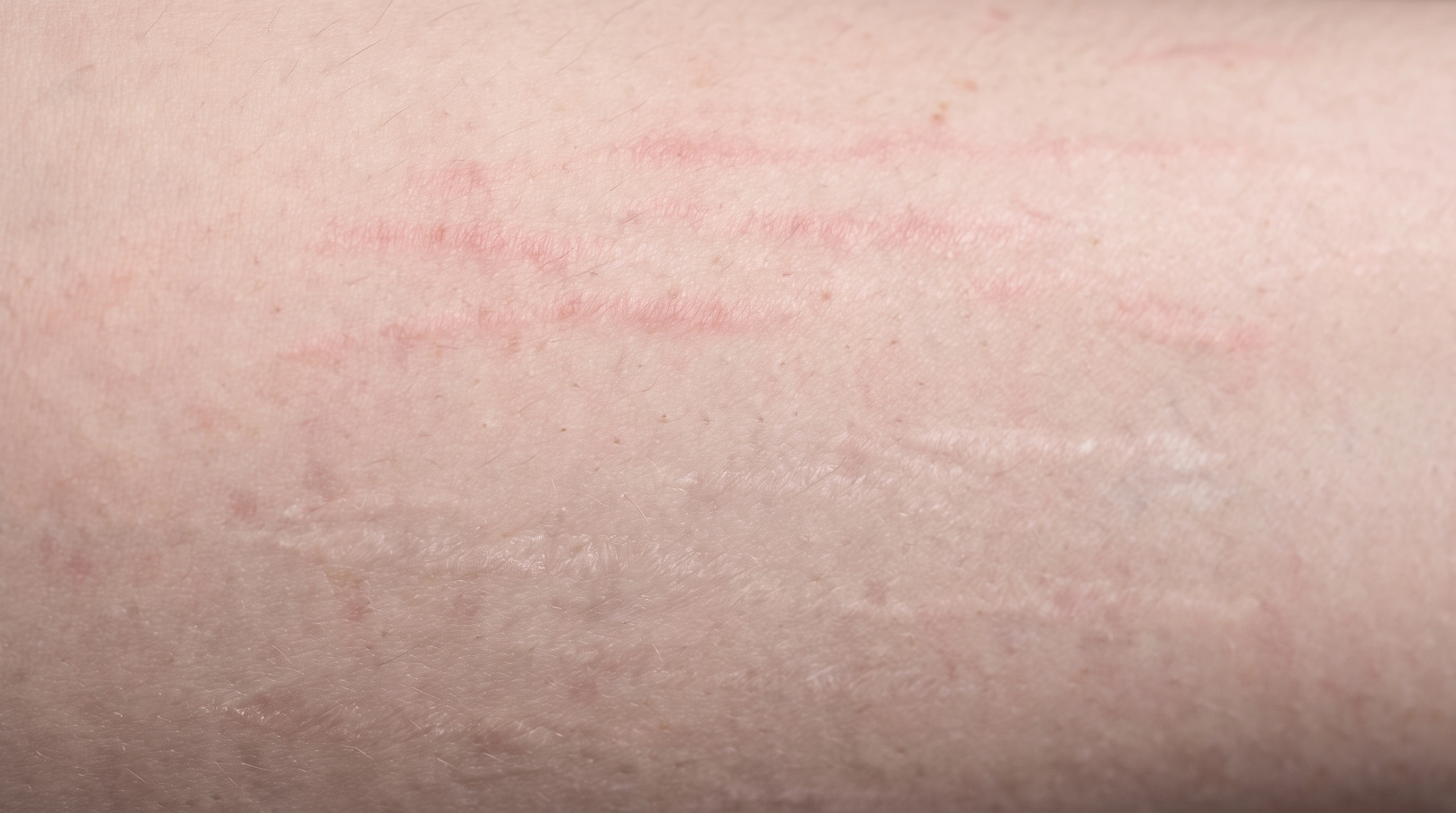

Carries copper in a complex: GHK-Cu is one example of a copper peptide. Collagen signaling is studied: Cell-culture results do not prove topical wrinkle repair.
Schematic illustration; not a measurement of skin penetration. Effects vary with ingredient identity and formulation. Some illustrated pathways are experimental; laboratory findings do not establish a clinical treatment benefit.

Acts in lipid environments: Tocopherol can interrupt lipid oxidation. Depends on the formula: It is often studied with other antioxidants.
Schematic illustration; not a measurement of skin penetration. Effects vary with ingredient identity and formulation.
Built from where each one usually sits in a routine. Introduce one at a time.
Copper peptides differ in their peptide structure, copper binding, and formulation. There is no clinically established best percentage for routine cosmetic use.
Choosing a strength: Look for a named compound, such as GHK-Cu, and evidence for the finished product.
Higher strengths: Laboratory activity at a particular concentration does not establish an effective or safe cosmetic dose.
Formula matters: Copper peptide percentages are not interchangeable with copper salt percentages; laboratory studies of these compounds show different biological effects.
There is no established best vitamin E percentage for scars or aging skin. A human antioxidant study used 1% alpha-tocopherol in a vitamin C/ferulic acid combination.
1%
Studied antioxidant combination
Alpha-tocopherol used with other antioxidants. This does not establish an ideal stand-alone vitamin E concentration.
Choosing a strength: Choose for the finished moisturizer or antioxidant formula. Alpha-tocopherol and tocopheryl acetate are not identical ingredients.
Higher strengths: Concentrated vitamin E is not a proven better scar treatment. A small surgical-scar study found no cosmetic advantage and reported contact reactions.
Formula matters: The vitamin E form, oil base and companion ingredients matter. An oral capsule emptied onto skin is not equivalent to a tested topical formulation.
Approximate windows, not promises.
First few weeksAssess tolerance and texture; immediate softness can come from the base formula.
First few weeksAssess tolerance and texture; immediate softness can come from the base formula.
4–8 weeksSubtle changes may appear in some tested products; evidence varies.
4–8 weeksSubtle changes may appear in some tested products; evidence varies.
8–12 weeksCompare photographs in the same lighting and reassess benefit.
8–12 weeksCompare photographs in the same lighting and reassess benefit.
3–6 monthsPhotoaging trials often need several months; expect modest rather than dramatic change.
3–6 monthsPhotoaging trials often need several months; expect modest rather than dramatic change.
6–12 monthsLong-term evidence is limited for many cosmetic actives; continue only if useful.
6–12 monthsLong-term evidence is limited for many cosmetic actives; continue only if useful.
Can cause irritation; follow the finished product’s directions rather than mixing raw actives.
Can cause contact dermatitis; avoid applying capsule contents to healing surgical wounds.
Stop for persistent burning, swelling, blistering or a new rash. Seek urgent care for breathing difficulty or a severe allergic reaction.
Stop for persistent burning, swelling, blistering or a new rash. Seek urgent care for breathing difficulty or a severe allergic reaction.
Choose a simple formula and test a small area first. Individual tolerance matters more than an ingredient’s reputation for being gentle.
Choose a simple formula and test a small area first. Individual tolerance matters more than an ingredient’s reputation for being gentle.
Do not use a cosmetic product as a substitute for diagnosis of an unexplained, changing or persistent skin problem.
Do not use a cosmetic product as a substitute for diagnosis of an unexplained, changing or persistent skin problem.
Data are limited; ask the clinician managing your pregnancy before using.
There is no good evidence that it prevents them. Stretch marks form deeper than a cream reaches. Ask the doctor managing your pregnancy before starting anything new.
On the skin. The finished product delivers copper peptides in a particular vehicle.
Entering skin. No single molecular mass. The 500 Da guideline cannot be applied to this whole ingredient family or mixture.
Conversion. No activation step is established as necessary for its intended topical role.
Skin response. Copper-peptide complexes affect cell signalling in laboratory models; topical delivery and clinical benefit remain separate questions.
Additional effects. Proposed pathways do not establish a measured depth of delivery or clinical benefit beyond the studies cited.
On the skin. The finished product delivers vitamin e in a particular vehicle.
Entering skin. Below the 500 Da guideline; delivery still depends on the formula, solubility, stability and skin condition. Size does not prove effectiveness or penetration depth.
Conversion. No activation step is established as necessary for its intended topical role.
Skin response. Tocopherols help limit lipid oxidation; a moisturizer or antioxidant combination has effects beyond vitamin E alone.
Additional effects. Proposed pathways do not establish a measured depth of delivery or clinical benefit beyond the studies cited.
Treat as an optional cosmetic, with limited evidence for visible rejuvenation.
The cited GHK-Cu study measured collagen synthesis in fibroblast cultures. Cell results do not prove wrinkle reduction, hair growth or wound treatment in people.
Choose for formula preference, rather than expecting scars to disappear.
A small controlled scar study found no cosmetic benefit and frequent dermatitis. A separate UV study tested vitamins C and E with ferulic acid, so its results cannot be assigned to vitamin E alone.
Sources