Wrinkles and Fine Lines
A small active-comparator trial found improvement over 12 weeks.
Bakuchiol: May modestly improve fine lines and uneven pigmentation. Copper Peptides: Sold for skin repair and fine lines; strong independent clinical evidence is limited.
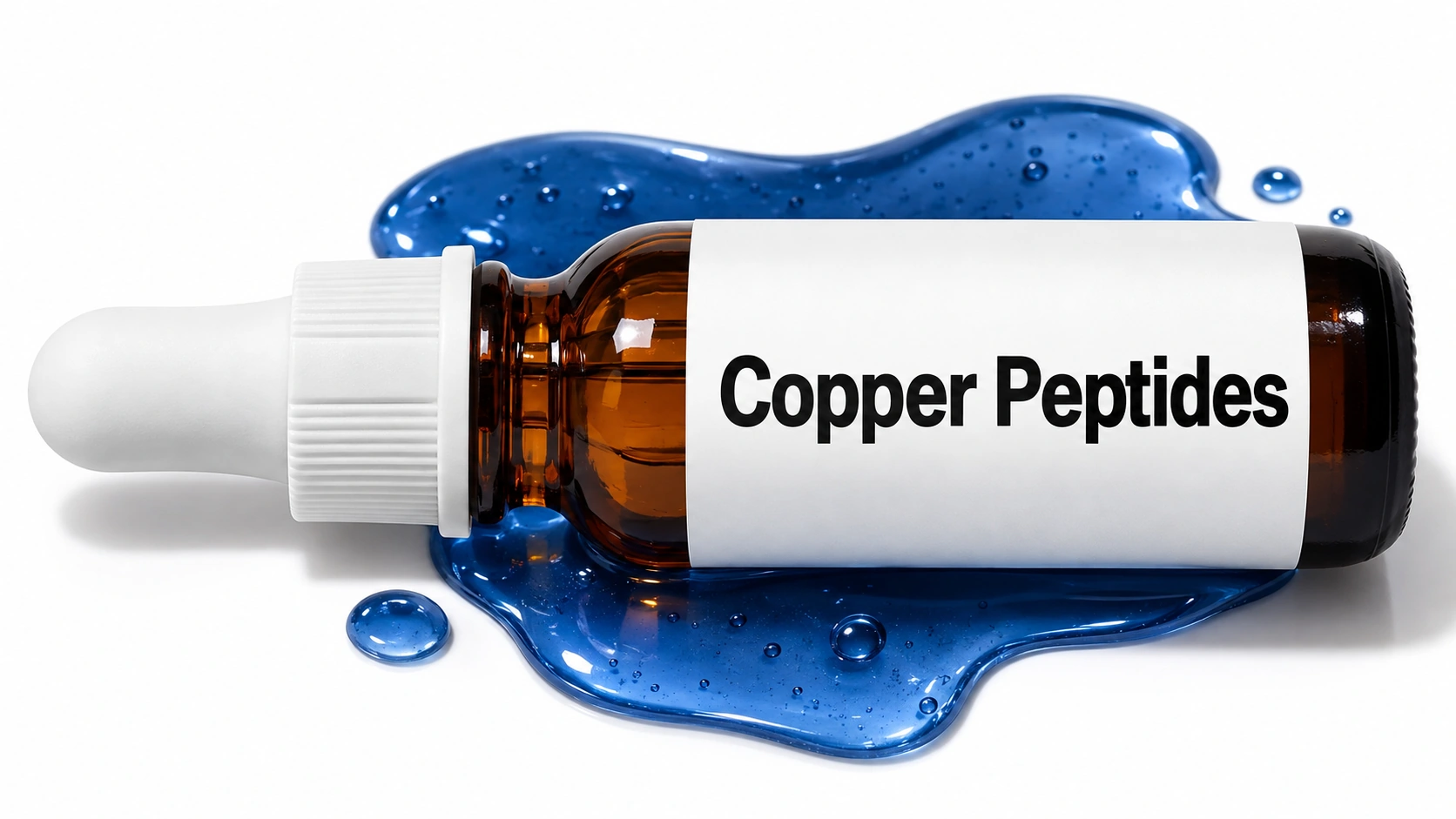
Consider for cosmetic photoaging when retinol is uncomfortable; evidence is smaller.
Treat as an optional cosmetic, with limited evidence for visible rejuvenation.
Can you use both?
Both are gentle anti-aging options and can be layered or used at different times of day.
Compare uses by strength of evidence. Evidence level describes confidence in a benefit, not its size.
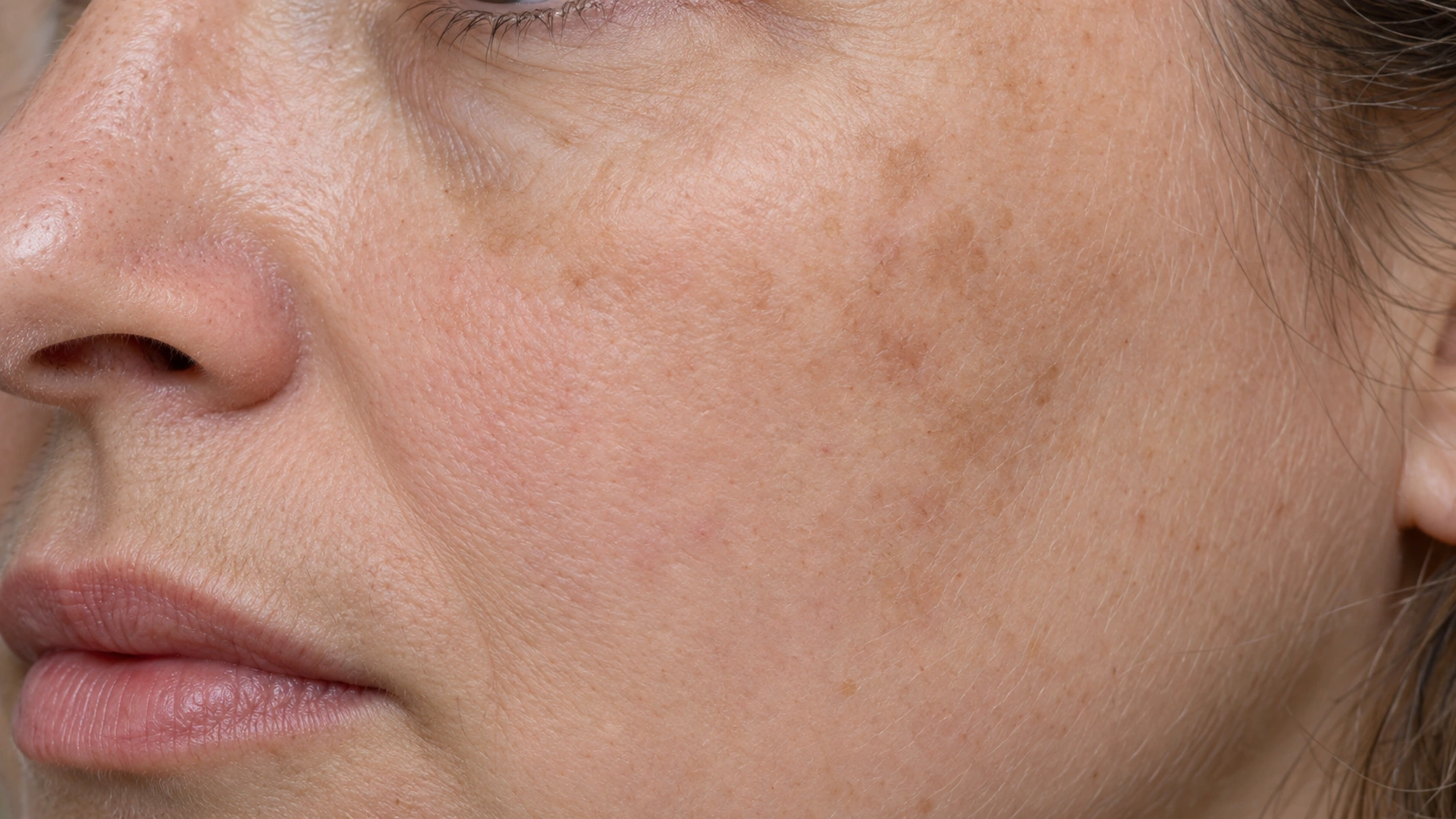


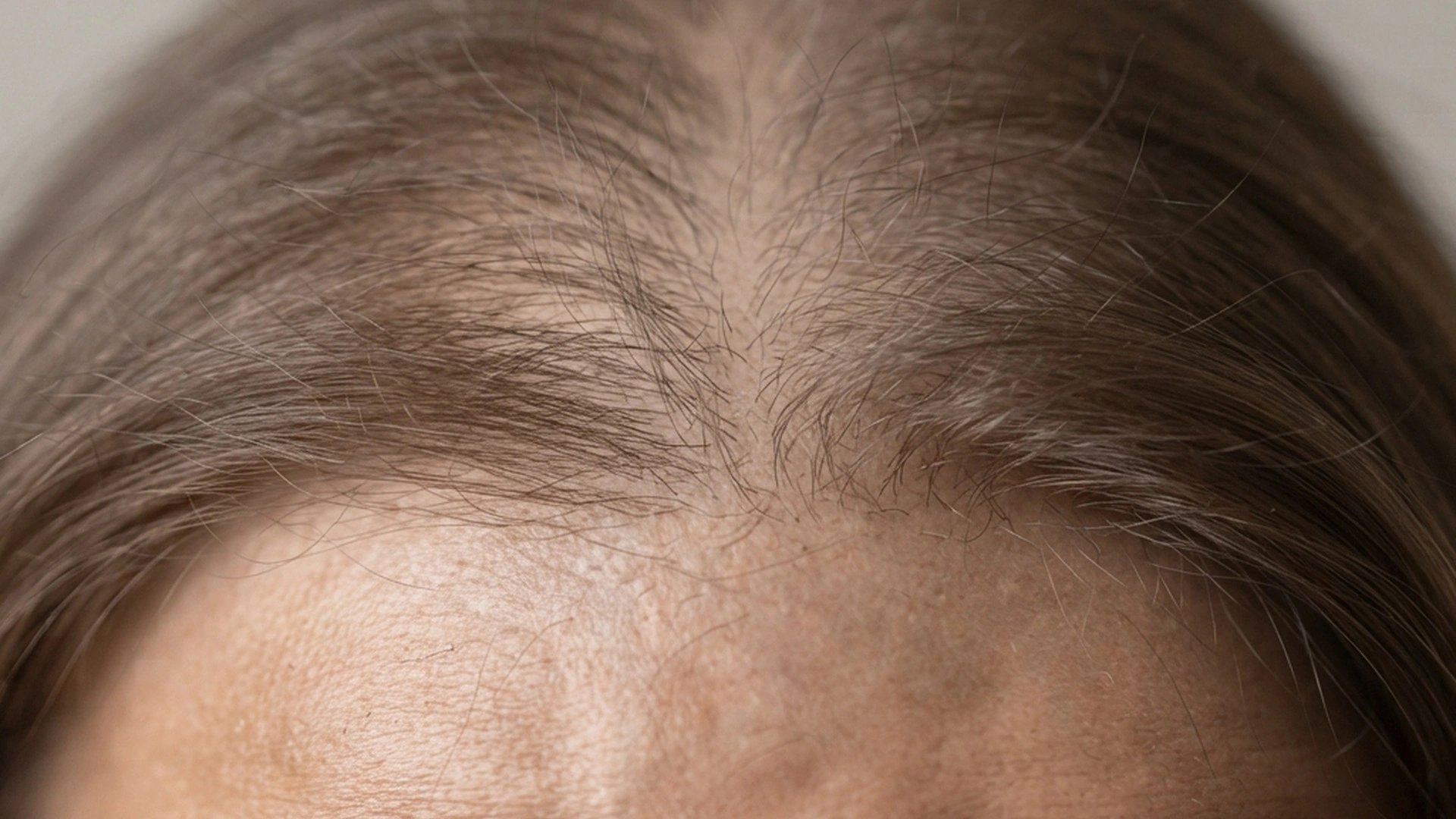

Influences cell signaling: Experimental effects overlap some retinoid pathways. May improve photoaging signs: Small clinical studies suggest benefit.
Schematic illustration; not a measurement of skin penetration. Effects vary with ingredient identity and formulation.

Carries copper in a complex: GHK-Cu is one example of a copper peptide. Collagen signaling is studied: Cell-culture results do not prove topical wrinkle repair.
Schematic illustration; not a measurement of skin penetration. Effects vary with ingredient identity and formulation. Some illustrated pathways are experimental; laboratory findings do not establish a clinical treatment benefit.
Built from where each one usually sits in a routine. Introduce one at a time.
0.5% bakuchiol cream has been studied for photoaging. This does not make it percentage-equivalent to retinol or establish a best strength for every bakuchiol product.
0.5%
Studied bakuchiol cream
A small randomized trial compared a specific bakuchiol cream with retinol. The study used different application schedules.
Choosing a strength: Choose a finished formula with clear labeling. Bakuchiol content and whole-plant extract content are not the same thing.
Higher strengths: Stronger marketed percentages are not established as more effective. A natural origin does not rule out irritation or allergy.
Formula matters: Do not compare bakuchiol and retinol by matching numbers. Product base, dosing schedule and ingredient identity differ.
Copper peptides differ in their peptide structure, copper binding, and formulation. There is no clinically established best percentage for routine cosmetic use.
Choosing a strength: Look for a named compound, such as GHK-Cu, and evidence for the finished product.
Higher strengths: Laboratory activity at a particular concentration does not establish an effective or safe cosmetic dose.
Formula matters: Copper peptide percentages are not interchangeable with copper salt percentages; laboratory studies of these compounds show different biological effects.
Approximate windows, not promises.
First few weeksAssess tolerance and texture; immediate softness can come from the base formula.
First few weeksAssess tolerance and texture; immediate softness can come from the base formula.
4–8 weeksSubtle changes may appear in some tested products; evidence varies.
4–8 weeksSubtle changes may appear in some tested products; evidence varies.
8–12 weeksCompare photographs in the same lighting and reassess benefit.
8–12 weeksCompare photographs in the same lighting and reassess benefit.
3–6 monthsPhotoaging trials often need several months; expect modest rather than dramatic change.
3–6 monthsPhotoaging trials often need several months; expect modest rather than dramatic change.
6–12 monthsLong-term evidence is limited for many cosmetic actives; continue only if useful.
6–12 monthsLong-term evidence is limited for many cosmetic actives; continue only if useful.
May still irritate or trigger a rash; botanical origin does not guarantee tolerance.
Can cause irritation; follow the finished product’s directions rather than mixing raw actives.
Stop for persistent burning, swelling, blistering or a new rash. Seek urgent care for breathing difficulty or a severe allergic reaction.
Stop for persistent burning, swelling, blistering or a new rash. Seek urgent care for breathing difficulty or a severe allergic reaction.
Choose a simple formula and test a small area first. Individual tolerance matters more than an ingredient’s reputation for being gentle.
Choose a simple formula and test a small area first. Individual tolerance matters more than an ingredient’s reputation for being gentle.
Do not use a cosmetic product as a substitute for diagnosis of an unexplained, changing or persistent skin problem.
Do not use a cosmetic product as a substitute for diagnosis of an unexplained, changing or persistent skin problem.
Marketed that way, but there is very little safety data, and plant origin is not evidence. Ask the doctor managing your pregnancy. Azelaic acid is the ingredient with an actual record in pregnancy.
Data are limited; ask the clinician managing your pregnancy before using.
On the skin. The finished product delivers bakuchiol in a particular vehicle.
Entering skin. Below the 500 Da guideline; delivery still depends on the formula, solubility, stability and skin condition. Size does not prove effectiveness or penetration depth.
Conversion. No activation step is established as necessary for its intended topical role.
Skin response. Shows retinoid-like effects in experimental models but is not converted into retinoic acid.
Additional effects. Proposed pathways do not establish a measured depth of delivery or clinical benefit beyond the studies cited.
On the skin. The finished product delivers copper peptides in a particular vehicle.
Entering skin. No single molecular mass. The 500 Da guideline cannot be applied to this whole ingredient family or mixture.
Conversion. No activation step is established as necessary for its intended topical role.
Skin response. Copper-peptide complexes affect cell signalling in laboratory models; topical delivery and clinical benefit remain separate questions.
Additional effects. Proposed pathways do not establish a measured depth of delivery or clinical benefit beyond the studies cited.
Consider for cosmetic photoaging when retinol is uncomfortable; evidence is smaller.
A 44-person trial compared twice-daily bakuchiol with once-daily retinol without a vehicle arm. No significant difference is not proof of equal efficacy or equal long-term safety.
Treat as an optional cosmetic, with limited evidence for visible rejuvenation.
The cited GHK-Cu study measured collagen synthesis in fibroblast cultures. Cell results do not prove wrinkle reduction, hair growth or wound treatment in people.
Sources