Copper Peptides vs Ferulic Acid

Copper Peptides: Sold for skin repair and fine lines; strong independent clinical evidence is limited. Ferulic Acid: Adds antioxidant support in formulas often combined with vitamins C and E.
Research updated 2026-10-25
Five blue-toned peptide serum bottles on white, including PD2, COSRX, Seraphime GHK-Cu 2%, The Ordinary and AifufandFour vitamin C and ferulic acid serums, two Timeless bottles, a Maelove dropper and Seoul Ceuticals with its box

Which one is right for you?

Choose Copper Peptides if…

Treat as an optional cosmetic, with limited evidence for visible rejuvenation.

  • Optional anti-aging step
  • Skin tolerates actives well
  • You accept limited evidence

Choose Ferulic Acid if…

Consider as an optional antioxidant in a well-tested formula, alongside sunscreen.

  • Paired with vitamin C and E
  • An extra antioxidant step under sunscreen
  • Skin tolerates acidic serums
Fine together

Can you use both?

Use a ferulic antioxidant serum in the morning and copper peptides at night.

At a glance

● Copper Peptides
● Ferulic Acid
Type
Copper-binding peptide family
Antioxidant
What it does
Sold for skin repair and fine lines; strong independent clinical evidence is limited.
Adds antioxidant support in formulas often combined with vitamins C and E.
Best for
Optional cosmetic use
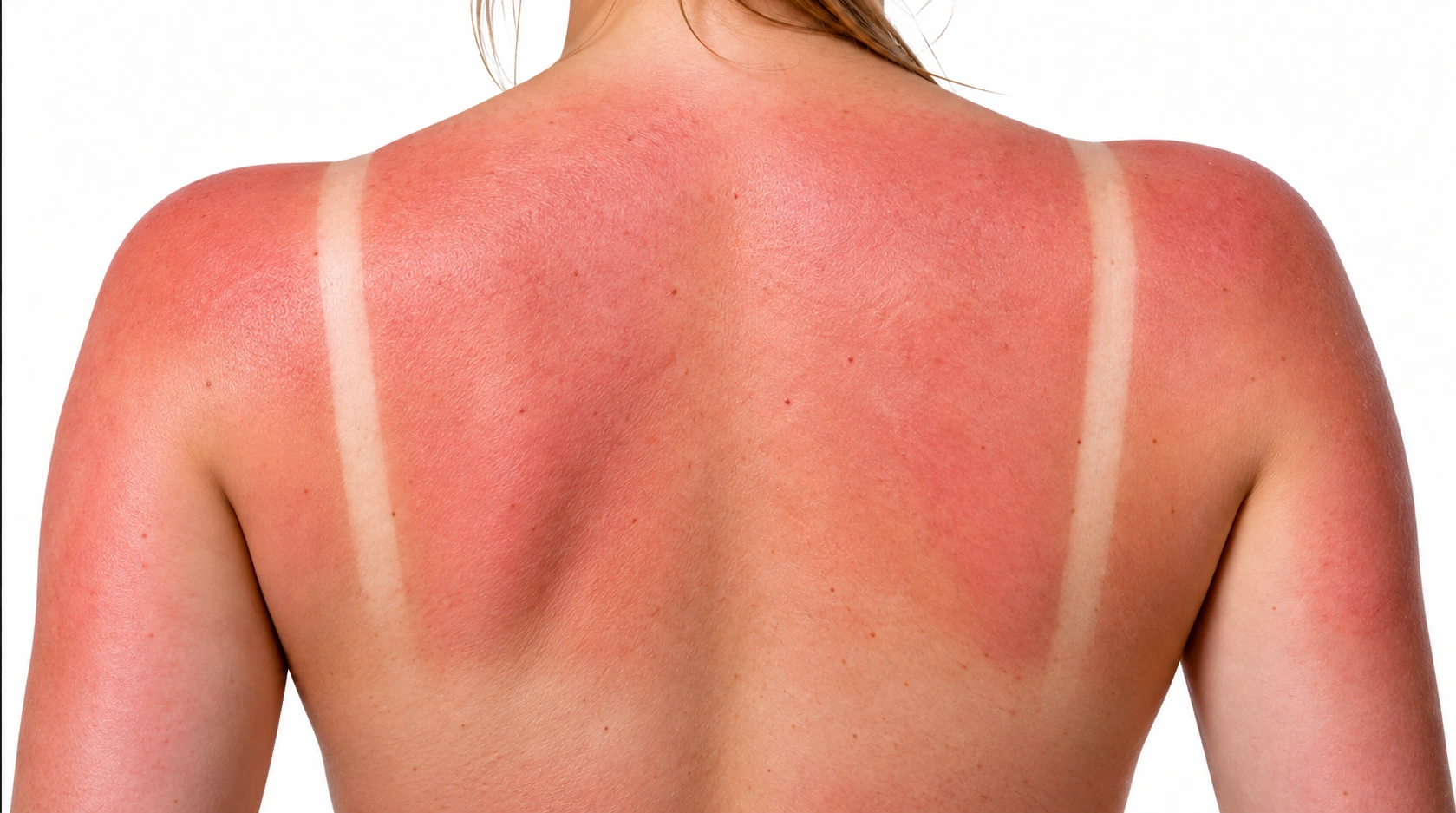
Sunburn
Studied concentrations
No standardized strength; GHK-Cu is one example, not the entire family.
0.5% ferulic acid with 15% vitamin C and 1% vitamin E in the cited human study.
When to use
Morning or night, as directed by the finished product.
Time to results
Often 8–12 weeks in small cosmetic studies; results may be subtle
Irritation
Can cause irritation; follow the finished product’s directions rather than mixing raw actives.
An acidic or fragranced formula may sting; discontinue for a persistent rash.
Sensitive skin
Choose a simple formula and test a small area first. Individual tolerance matters more than an ingredient’s reputation for being gentle.
Available
Cosmetic or OTC products; some high-strength procedures are separate treatments.

What it helps

Compare uses by strength of evidence. Evidence level describes confidence in a benefit, not its size.

Evidence level
Copper Peptides
Ferulic Acid
Limited evidenceEarly or small studies
—
Sunburn: 1. Sunburn Header — Light Skin; Lighter skin.

Sunburn

An antioxidant combination reduced UV-challenge damage; it is not sunscreen.
Insufficient evidence
A relaxed forehead with faint shallow horizontal fine lines.

Wrinkles and Fine Lines

Laboratory collagen findings do not establish visible wrinkle improvement.
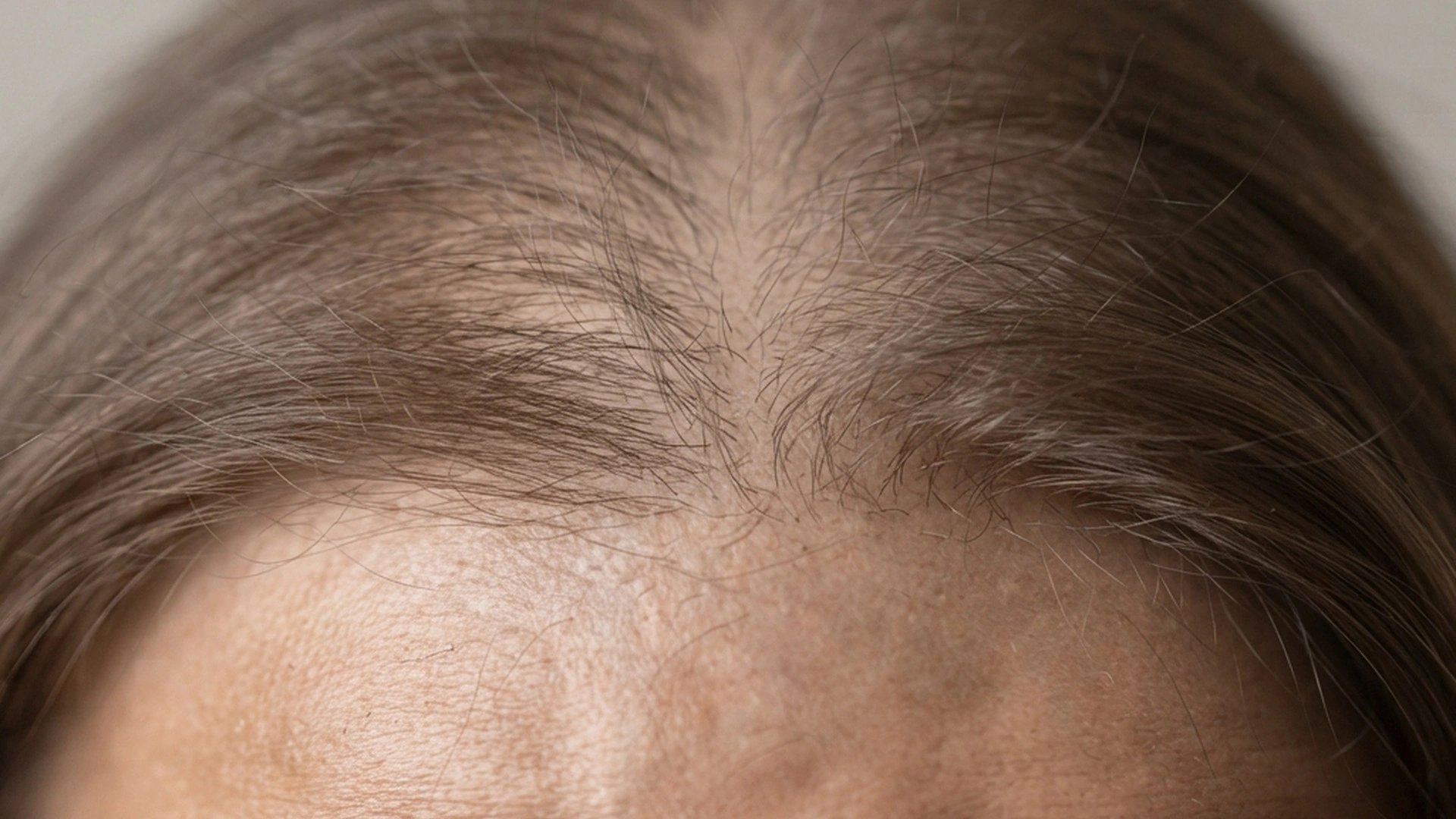
A widened center part with thinning hair on the scalp.

Female Pattern Hair Loss

The cited cell study did not test clinical hair growth.
Inflamed acne on light skin. The spots sit in a patch of pink, and the ring of redness around each one is easy to see. A few have a yellow-white head, and the skin between them is dry and flaking.

Acne

The reviewed sources do not establish this ingredient as a treatment for this concern.
A relaxed forehead with faint shallow horizontal fine lines.

Wrinkles and Fine Lines

The cited UV-challenge study did not test long-term wrinkle correction.
Inflamed acne on light skin. The spots sit in a patch of pink, and the ring of redness around each one is easy to see. A few have a yellow-white head, and the skin between them is dry and flaking.

Acne

The reviewed sources do not establish this ingredient as a treatment for this concern.
Uneven Skin Tone.

Uneven Skin Tone

The cited study does not establish pigment fading from ferulic acid alone.
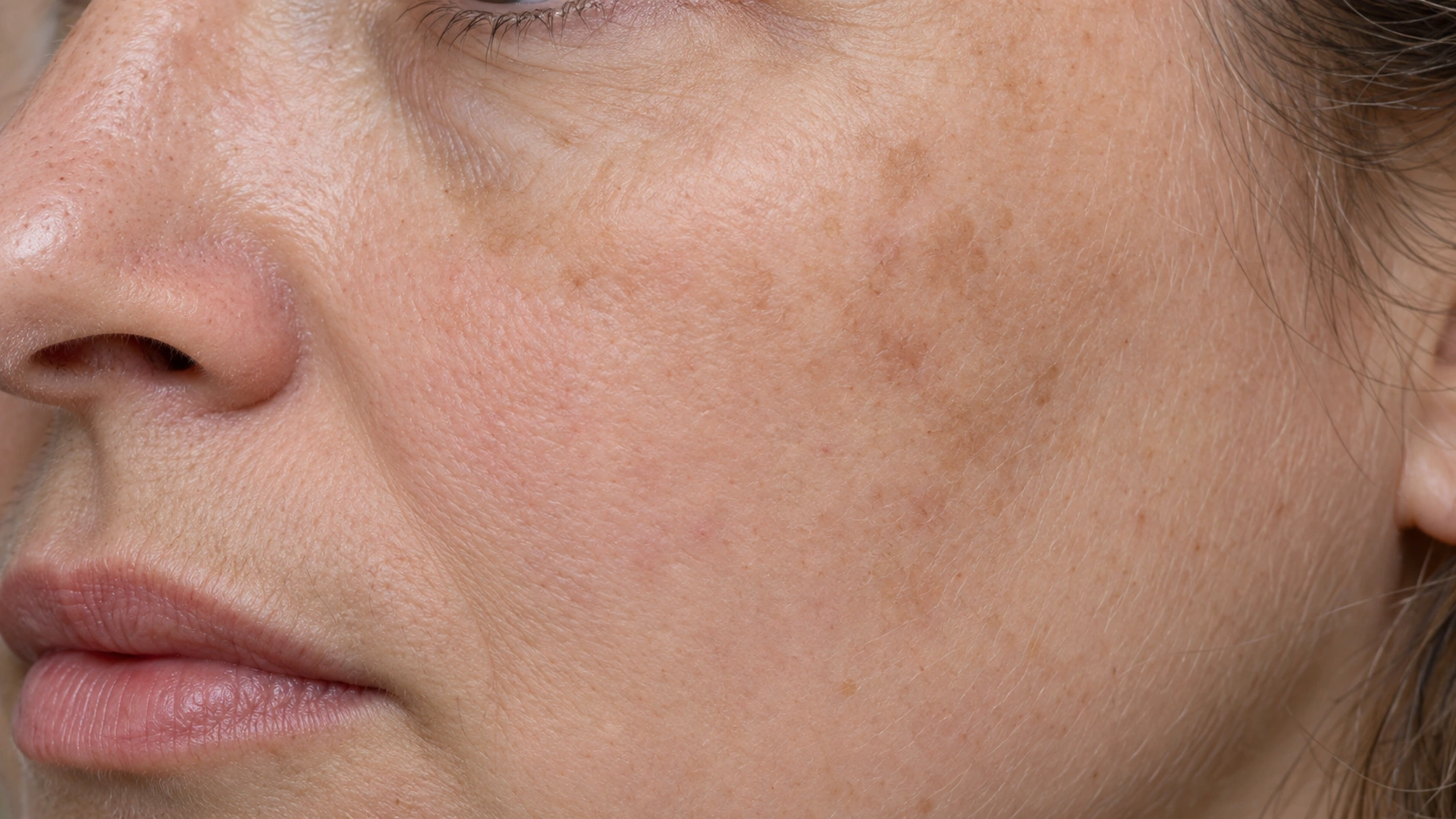
Flat tan patches with soft irregular edges across the forehead and upper cheek of an adult with light skin, the surface completely smooth.

Melasma

The reviewed sources do not establish this ingredient as a treatment for this concern.
How it works

Copper Peptides

Copper Peptides mechanism diagram. Carries copper in a complex: GHK-Cu is one example of a copper peptide. Collagen signaling is studied: Cell-culture results do not prove topical wrinkle repair.
Open full-size diagram
Diagram explanation and sources

Carries copper in a complex: GHK-Cu is one example of a copper peptide. Collagen signaling is studied: Cell-culture results do not prove topical wrinkle repair.

Schematic illustration; not a measurement of skin penetration. Effects vary with ingredient identity and formulation. Some illustrated pathways are experimental; laboratory findings do not establish a clinical treatment benefit.

Source 1

Ferulic Acid

Ferulic Acid mechanism diagram. Helps limit oxidation: Ferulic acid can neutralize reactive molecules. Supports antioxidant blends: Studied with vitamins C and E in stable formulas.
Open full-size diagram
Diagram explanation and sources

Helps limit oxidation: Ferulic acid can neutralize reactive molecules. Supports antioxidant blends: Studied with vitamins C and E in stable formulas.

Schematic illustration; not a measurement of skin penetration. Effects vary with ingredient identity and formulation.

Source 1 · Source 2

Using both in one routine

Built from where each one usually sits in a routine. Introduce one at a time.

Morning
Step 1
Cleanser
Step 2
Copper PeptidesMorning or night
Step 3
Ferulic AcidMorning
Step 4
Moisturizer
Step 5
Sunscreen
Night
Step 1
Cleanser
Step 2
Copper PeptidesMorning or night
Step 3
Moisturizer

Strengths and forms

Concentrations

Copper peptides differ in their peptide structure, copper binding, and formulation. There is no clinically established best percentage for routine cosmetic use.

Choosing a strength: Look for a named compound, such as GHK-Cu, and evidence for the finished product.

Higher strengths: Laboratory activity at a particular concentration does not establish an effective or safe cosmetic dose.

Formula matters: Copper peptide percentages are not interchangeable with copper salt percentages; laboratory studies of these compounds show different biological effects.

0.5% ferulic acid is a well-studied formulation example when combined with 15% L-ascorbic acid and 1% alpha-tocopherol. It is not a universal best concentration for ferulic acid alone.

0.5%

Studied antioxidant combination

Tested as part of a stabilized three-antioxidant formula for UV-related skin damage, rather than as a stand-alone treatment.

Choosing a strength: Look at evidence for the full antioxidant formula and how it is packaged, rather than buying by ferulic percentage alone.

Higher strengths: More ferulic acid has not been established as a better result in every serum.

Formula matters: Stability and the combination of antioxidants matter. Antioxidant skincare supplements sun protection; it does not replace sunscreen.

Forms
Serum · Cream
Vitamin C serum · Antioxidant cream

When you’ll see results

Approximate windows, not promises.

● Copper Peptides
● Ferulic Acid
First few weeks

First few weeksAssess tolerance and texture; immediate softness can come from the base formula.

First few weeksAssess tolerance and texture; immediate softness can come from the base formula.

4–8 weeks

4–8 weeksSubtle changes may appear in some tested products; evidence varies.

4–8 weeksSubtle changes may appear in some tested products; evidence varies.

8–12 weeks

8–12 weeksCompare photographs in the same lighting and reassess benefit.

8–12 weeksCompare photographs in the same lighting and reassess benefit.

3–6 months

3–6 monthsPhotoaging trials often need several months; expect modest rather than dramatic change.

3–6 monthsPhotoaging trials often need several months; expect modest rather than dramatic change.

6–12 months

6–12 monthsLong-term evidence is limited for many cosmetic actives; continue only if useful.

6–12 monthsLong-term evidence is limited for many cosmetic actives; continue only if useful.

Safety and sensitive skin

Common reactions

Can cause irritation; follow the finished product’s directions rather than mixing raw actives.

An acidic or fragranced formula may sting; discontinue for a persistent rash.

When to stop

Stop for persistent burning, swelling, blistering or a new rash. Seek urgent care for breathing difficulty or a severe allergic reaction.

Stop for persistent burning, swelling, blistering or a new rash. Seek urgent care for breathing difficulty or a severe allergic reaction.

Sensitive or inflamed skin

Choose a simple formula and test a small area first. Individual tolerance matters more than an ingredient’s reputation for being gentle.

Choose a simple formula and test a small area first. Individual tolerance matters more than an ingredient’s reputation for being gentle.

Important limits

Do not use a cosmetic product as a substitute for diagnosis of an unexplained, changing or persistent skin problem.

Do not use a cosmetic product as a substitute for diagnosis of an unexplained, changing or persistent skin problem.

Pregnancy

Data are limited; ask the clinician managing your pregnancy before using.

Data are limited; topical antioxidants are generally considered low risk, but ask the clinician managing your pregnancy.

How it works

In the skin

On the skin. The finished product delivers copper peptides in a particular vehicle.

Entering skin. No single molecular mass. The 500 Da guideline cannot be applied to this whole ingredient family or mixture.

Conversion. No activation step is established as necessary for its intended topical role.

Skin response. Copper-peptide complexes affect cell signalling in laboratory models; topical delivery and clinical benefit remain separate questions.

Additional effects. Proposed pathways do not establish a measured depth of delivery or clinical benefit beyond the studies cited.

On the skin. The finished product delivers ferulic acid in a particular vehicle.

Entering skin. Below the 500 Da guideline; delivery still depends on the formula, solubility, stability and skin condition. Size does not prove effectiveness or penetration depth.

Conversion. No activation step is established as necessary for its intended topical role.

Skin response. Helps stabilize an antioxidant combination and limit laboratory measures of UV-induced oxidative damage.

Additional effects. Proposed pathways do not establish a measured depth of delivery or clinical benefit beyond the studies cited.

Getting in
No single molecular mass. The 500 Da guideline cannot be applied to this whole ingredient family or mixture.
Below the 500 Da guideline; delivery still depends on the formula, solubility, stability and skin condition. Size does not prove effectiveness or penetration depth.

Product examples

Copper Peptides
  • The Ordinary "Buffet" + Copper Peptides — Buffet plus 1% copper peptides at double the price. The copper is real; the case for paying for it is weaker.
  • Good Molecules Super Peptide Serum — Three named peptides, all after the preservatives — trace amounts. Cheap at $12, but the name promises more than the bottle holds.
  • Glow Recipe Pomegranate Copper Peptides Face Serum — Copper peptides plus a jellyfish peptide with no independent evidence. The firming is a film, and the brand admits it.
Ferulic Acid
  • Timeless Skin Care 20% Vitamin C + E Ferulic Acid Serum — SkinCeuticals C E Ferulic's budget analog — 20% L-ascorbic acid, vitamin E and ferulic acid, $28 instead of $180.
  • Timeless Skin Care 10% Vitamin C + E Ferulic Acid Serum — The gentler 10% of Timeless's vitamin C serum — same formula as their 20%, half the strength. Start here.
  • Paula's Choice BOOST C15 Super Booster — 15% pure L-ascorbic acid with vitamin E and ferulic acid, in opaque packaging — the classic clinical formula.

Common questions

Copper Peptides:What should I choose copper peptides for?

Treat as an optional cosmetic, with limited evidence for visible rejuvenation.

Copper Peptides:How strong is the evidence?

The cited GHK-Cu study measured collagen synthesis in fibroblast cultures. Cell results do not prove wrinkle reduction, hair growth or wound treatment in people.

Ferulic Acid:What should I choose ferulic acid for?

Consider as an optional antioxidant in a well-tested formula, alongside sunscreen.

Ferulic Acid:How strong is the evidence?

A small human UV-challenge study tested a three-ingredient combination, not ferulic acid alone. It did not establish prevention of clinical skin cancer, melasma clearance or long-term wrinkle reduction.

Sources
Sources and further reading

  1. Stimulation of collagen synthesis in fibroblast cultures by the tripeptide-copper complex glycyl-L-histidyl-L-lysine-Cu2+. (1988)
  2. A topical antioxidant solution containing vitamins C and E stabilized by ferulic acid provides protection for human skin against damage caused by ultraviolet irradiation. (2008)
  3. Comparison of copper compounds in skin cell experiments
  4. Systematic review of topical GHK-Cu evidence
Dermapedia on YouTube