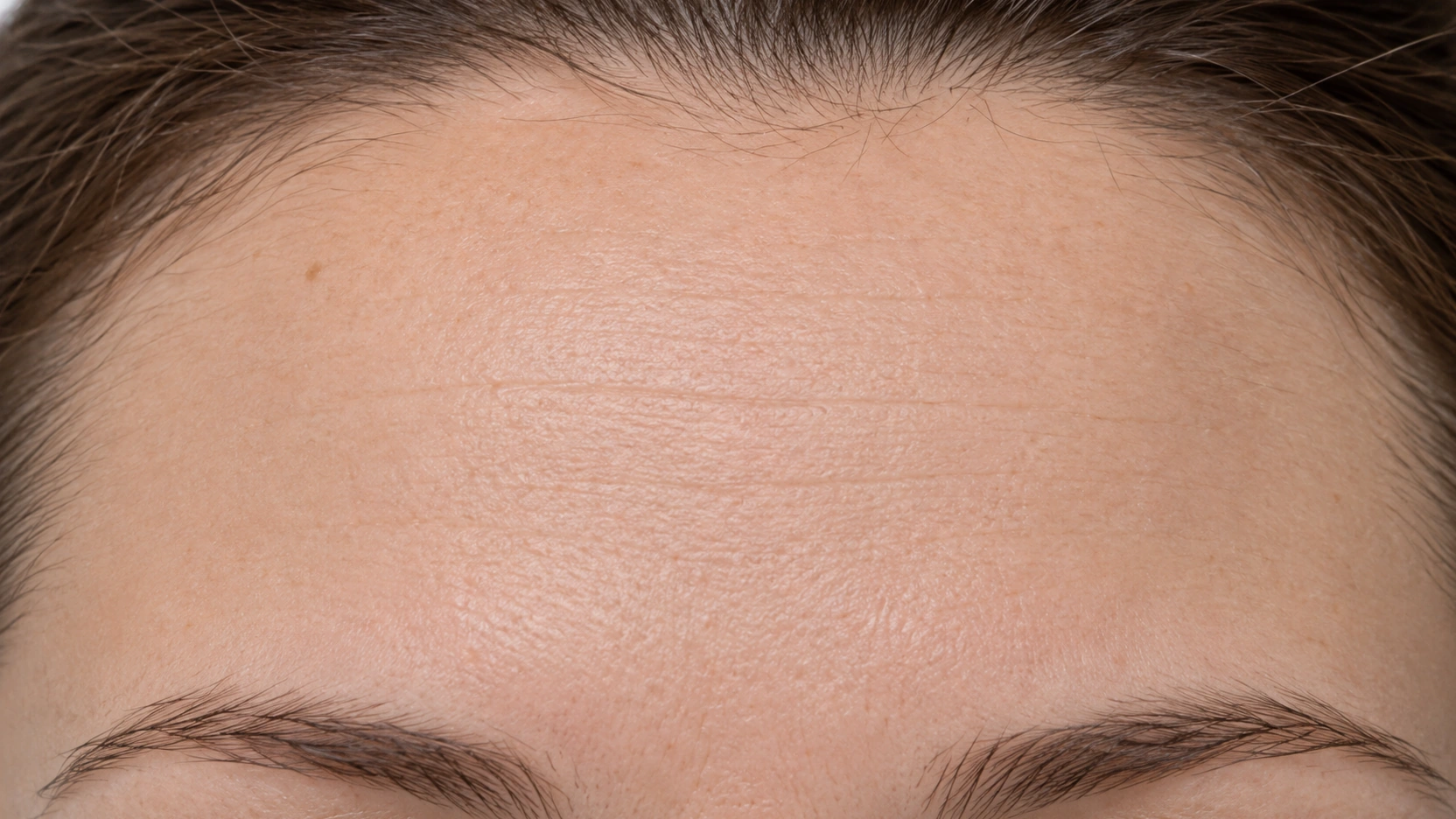
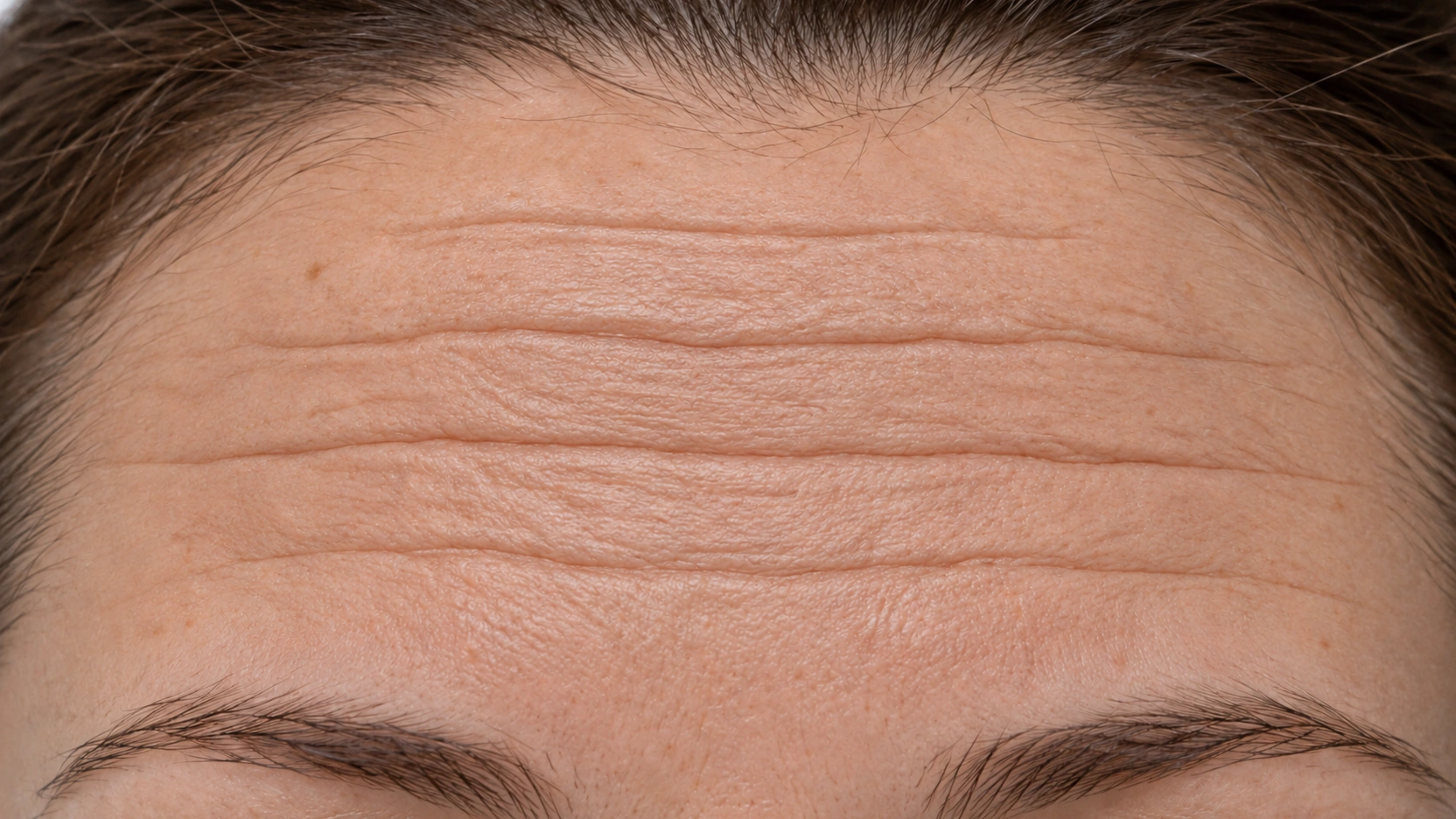
Wrinkles and Fine Lines
A small controlled trial of 5% niacinamide found modest improvement in fine lines.
Copper Peptides: Sold for skin repair and fine lines; strong independent clinical evidence is limited. Niacinamide: Supports barrier function, uneven tone and oiliness.

Treat as an optional cosmetic, with limited evidence for visible rejuvenation.
Choose for barrier support, uneven tone and oiliness; often the gentler starting point.
Can you use both?
They can share a routine. Some people use them at different times of day.
Compare uses by strength of evidence. Evidence level describes confidence in a benefit, not its size.
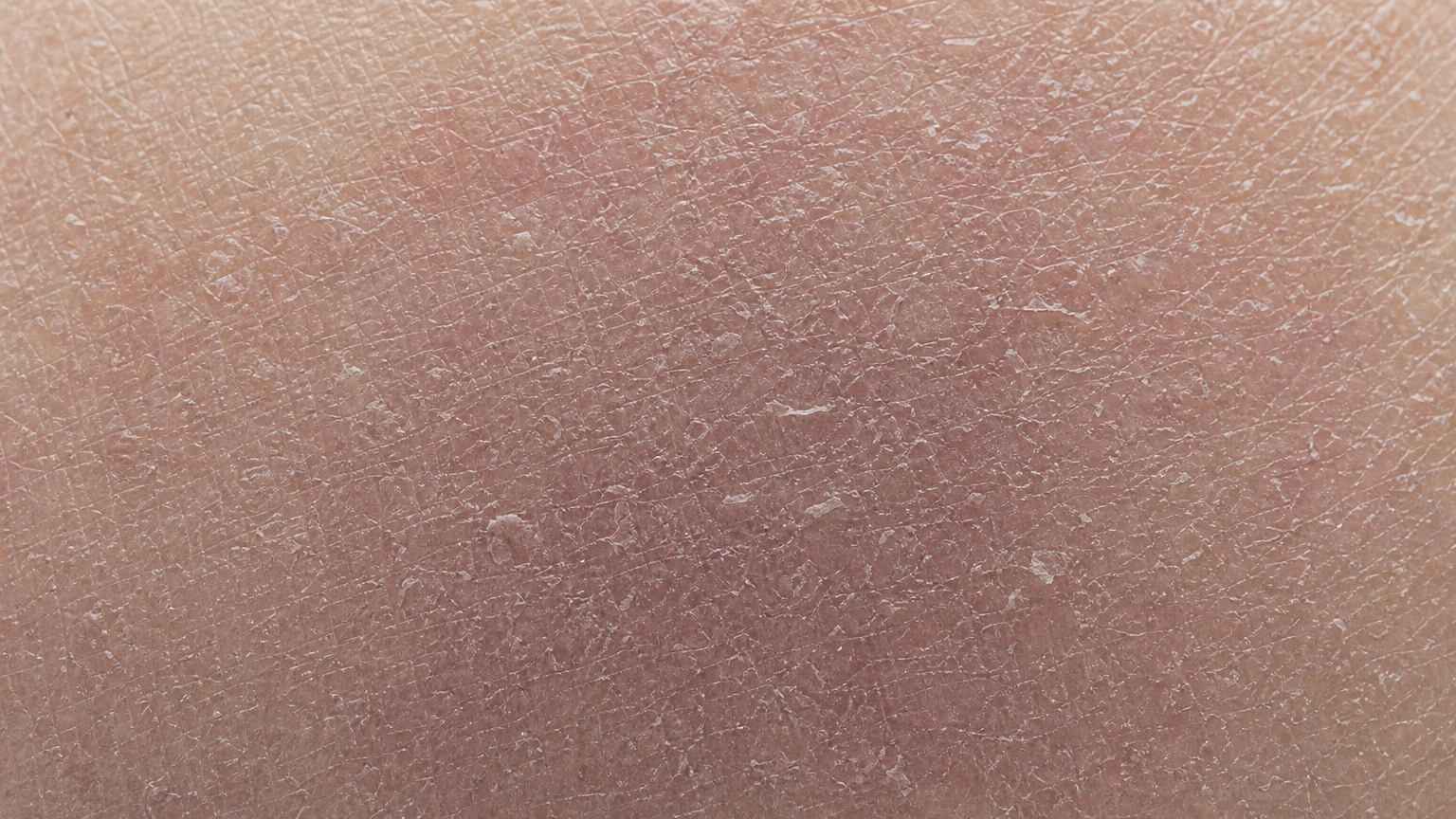
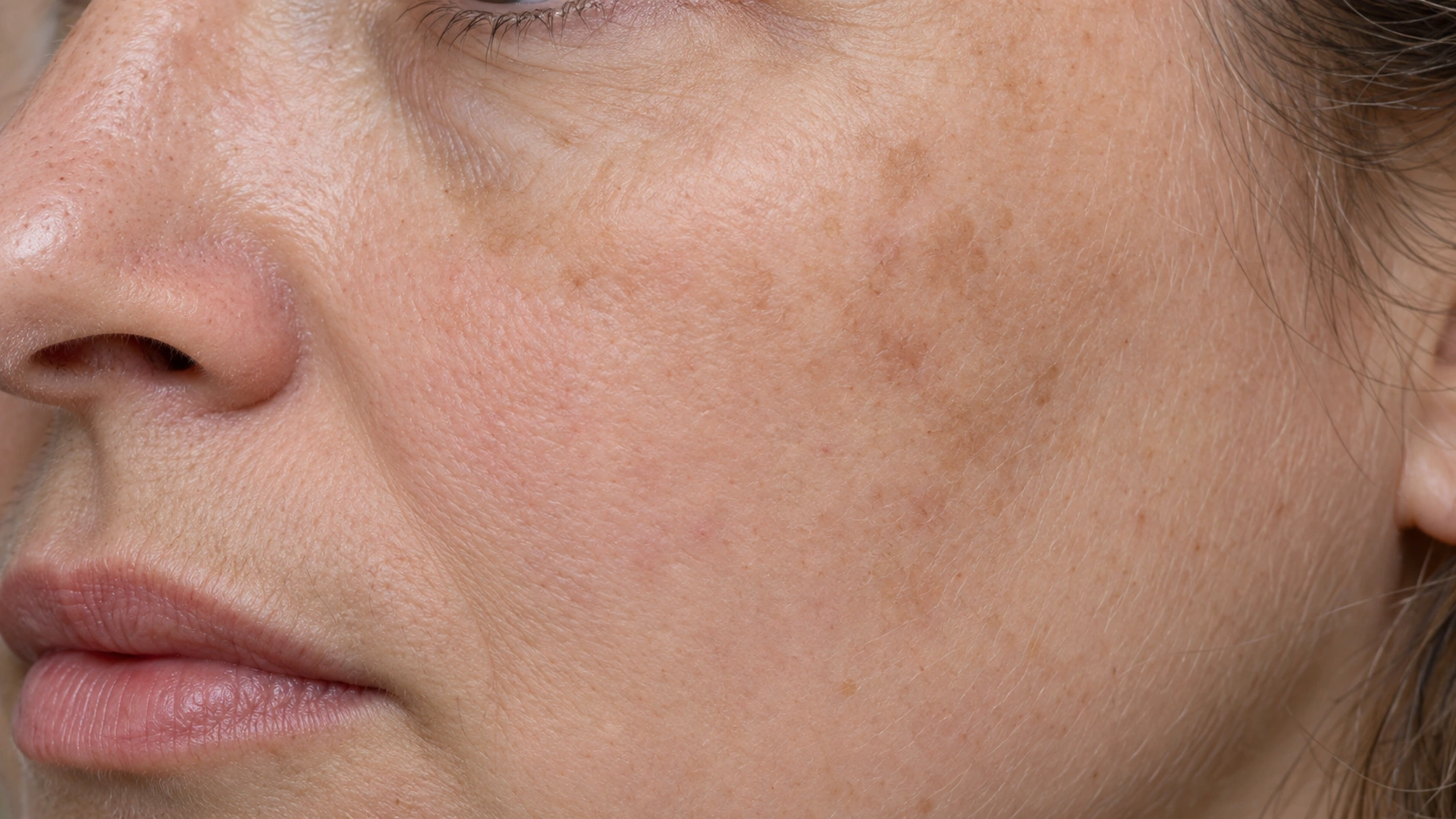




Carries copper in a complex: GHK-Cu is one example of a copper peptide. Collagen signaling is studied: Cell-culture results do not prove topical wrinkle repair.
Schematic illustration; not a measurement of skin penetration. Effects vary with ingredient identity and formulation. Some illustrated pathways are experimental; laboratory findings do not establish a clinical treatment benefit.

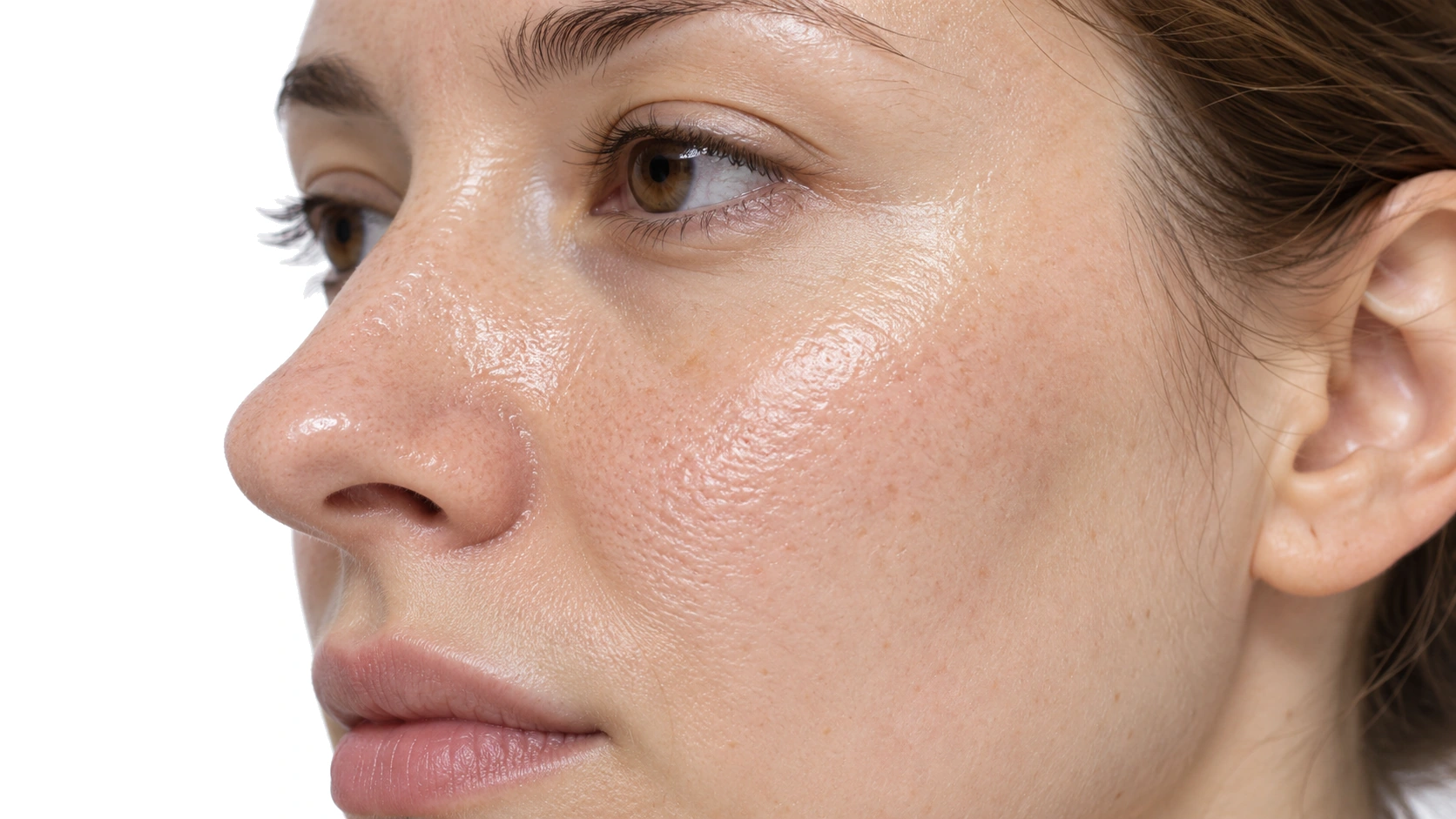
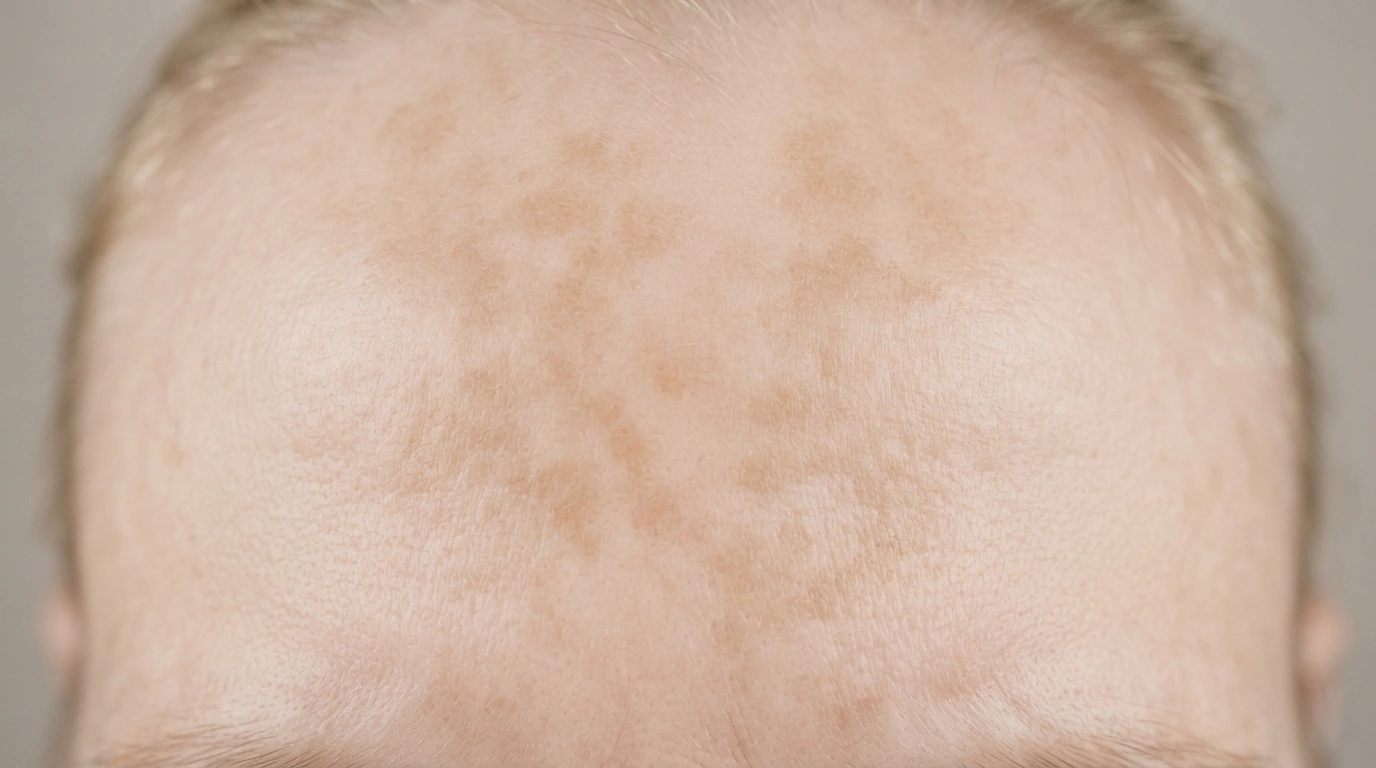
Supports the skin barrier: Helps skin make lipids that reduce water loss. Reduces pigment transfer: Less pigment reaches neighboring skin cells.
Schematic illustration; not a measurement of skin penetration. Effects vary with ingredient identity and formulation.
Built from where each one usually sits in a routine. Introduce one at a time.
Copper peptides differ in their peptide structure, copper binding, and formulation. There is no clinically established best percentage for routine cosmetic use.
Choosing a strength: Look for a named compound, such as GHK-Cu, and evidence for the finished product.
Higher strengths: Laboratory activity at a particular concentration does not establish an effective or safe cosmetic dose.
Formula matters: Copper peptide percentages are not interchangeable with copper salt percentages; laboratory studies of these compounds show different biological effects.
Clinical studies commonly use 2–5% niacinamide for particular concerns. Higher marketed strengths are not a proven upgrade for everyone.
2%
4–5%
10%
Studied for facial oiliness
Controlled studies tested a finished formula for measures of facial oiliness; results do not mean every oily skin needs niacinamide.
Studied for tone and skin aging
Different trials studied pigmentation, melasma or fine lines. The concern and finished formula matter.
Higher marketed concentration
Available in skincare, but not established as universally more effective than the lower studied strengths.
Choosing a strength: A comfortable 2–5% product is a reasonable place to look when choosing for the studied concerns; evaluate the complete formula.
Higher strengths: Higher percentages may sting or irritate some skin. Do not keep increasing the concentration when the product causes discomfort.
Formula matters: Niacinamide is also included in moisturizers without a stated percentage. That does not mean the moisturizer cannot support skin comfort.
Approximate windows, not promises.
First few weeksAssess tolerance and texture; immediate softness can come from the base formula.
First few weeksAssess comfort. Moisturizer benefits may appear before changes in tone or lines.
4–8 weeksSubtle changes may appear in some tested products; evidence varies.
4–8 weeksOiliness or uneven pigmentation may begin to improve.
8–12 weeksCompare photographs in the same lighting and reassess benefit.
8–12 weeksReassess tone and fine lines; expect modest changes.
3–6 monthsPhotoaging trials often need several months; expect modest rather than dramatic change.
3–6 monthsContinue if it helps and remains comfortable.
6–12 monthsLong-term evidence is limited for many cosmetic actives; continue only if useful.
6–12 monthsLong-term benefit is less well defined than short-term results.
Can cause irritation; follow the finished product’s directions rather than mixing raw actives.
Stinging, redness, dryness or a rash can occur. Fragrance, preservatives and other ingredients may also contribute to a reaction.
Stop for persistent burning, swelling, blistering or a new rash. Seek urgent care for breathing difficulty or a severe allergic reaction.
Stop for persistent burning, swelling or an itchy rash. Seek urgent help for trouble breathing or rapidly worsening facial swelling.
Choose a simple formula and test a small area first. Individual tolerance matters more than an ingredient’s reputation for being gentle.
Choose a gentle formula and test a small area. Barrier-support claims do not mean every product suits rosacea or eczema.
Do not use a cosmetic product as a substitute for diagnosis of an unexplained, changing or persistent skin problem.
Niacinamide supports skincare; it does not replace diagnosis or established treatment of persistent acne, melasma or an inflamed rash.
Data are limited; ask the clinician managing your pregnancy before using.
This topical ingredient is not a retinoid. Review the complete product with your clinician; do not assume every combination formula is suitable.
On the skin. The finished product delivers copper peptides in a particular vehicle.
Entering skin. No single molecular mass. The 500 Da guideline cannot be applied to this whole ingredient family or mixture.
Conversion. No activation step is established as necessary for its intended topical role.
Skin response. Copper-peptide complexes affect cell signalling in laboratory models; topical delivery and clinical benefit remain separate questions.
Additional effects. Proposed pathways do not establish a measured depth of delivery or clinical benefit beyond the studies cited.
On the skin. A water-soluble vitamin used in serums and moisturizers.
Entering skin. Human studies show delivery into the outer skin; uptake depends on the formula.
Conversion. Cells use niacinamide to help make NAD+, which supports energy and repair.
Skin response. Supports production of barrier lipids, including ceramides, and helps reduce water loss.
Additional effects. Reduces pigment transfer between skin cells in laboratory models.
Treat as an optional cosmetic, with limited evidence for visible rejuvenation.
The cited GHK-Cu study measured collagen synthesis in fibroblast cultures. Cell results do not prove wrinkle reduction, hair growth or wound treatment in people.
There is clinical evidence, including a small 12-week controlled trial of a 5% moisturizer. Expect modest improvement; it does not erase deep wrinkles.
Not necessarily. Many clinical studies used 2–5%, and a higher concentration is not proven to work better for every concern.
Small trials suggest benefit, but the evidence is limited. Persistent, painful or scarring acne needs an established acne treatment plan.
That has not been established. Less oil or a smoother appearance can make pores look less obvious without permanently changing their structure.
The concentration, other ingredients or your skin barrier may be responsible. Reduce use or stop if irritation persists; you do not need to push through it.
Sources