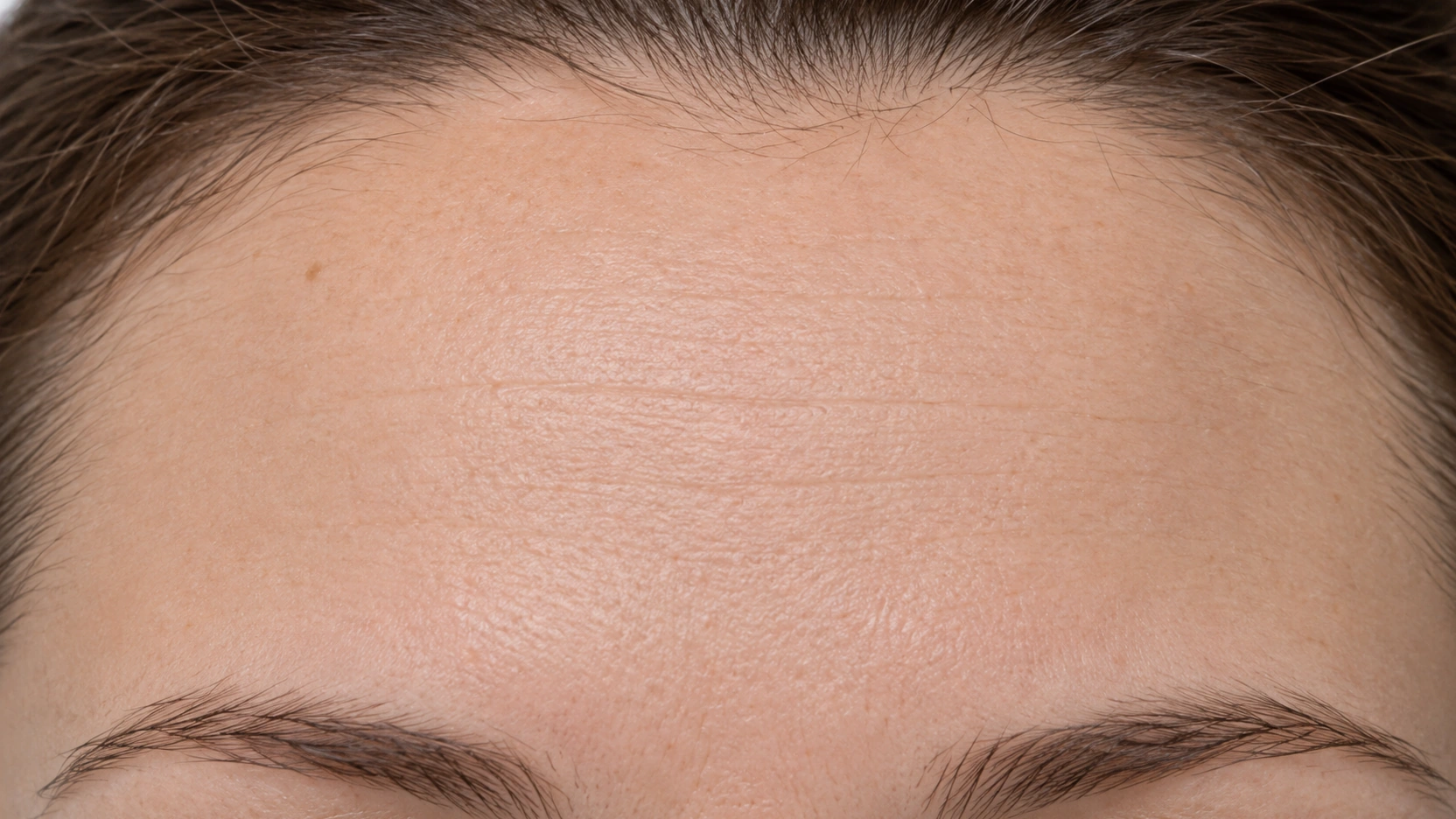
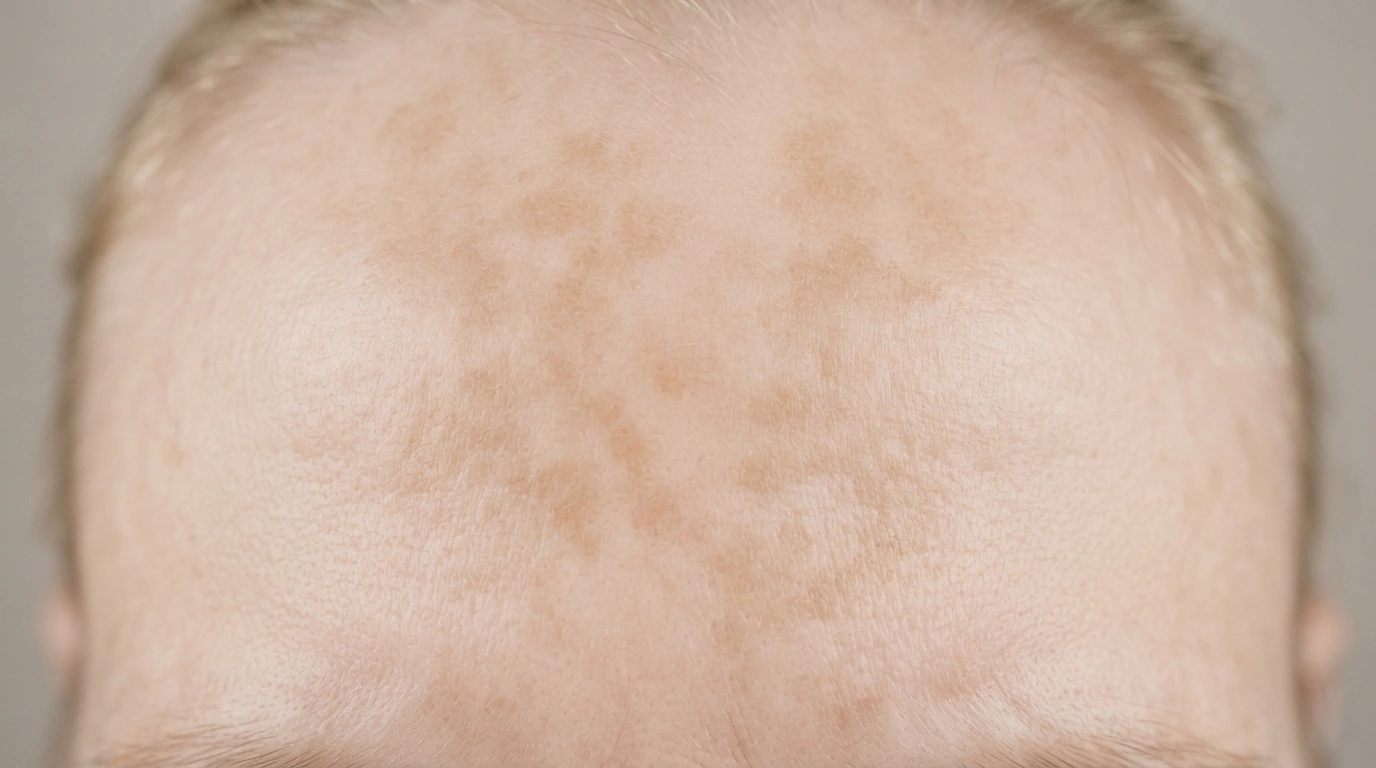
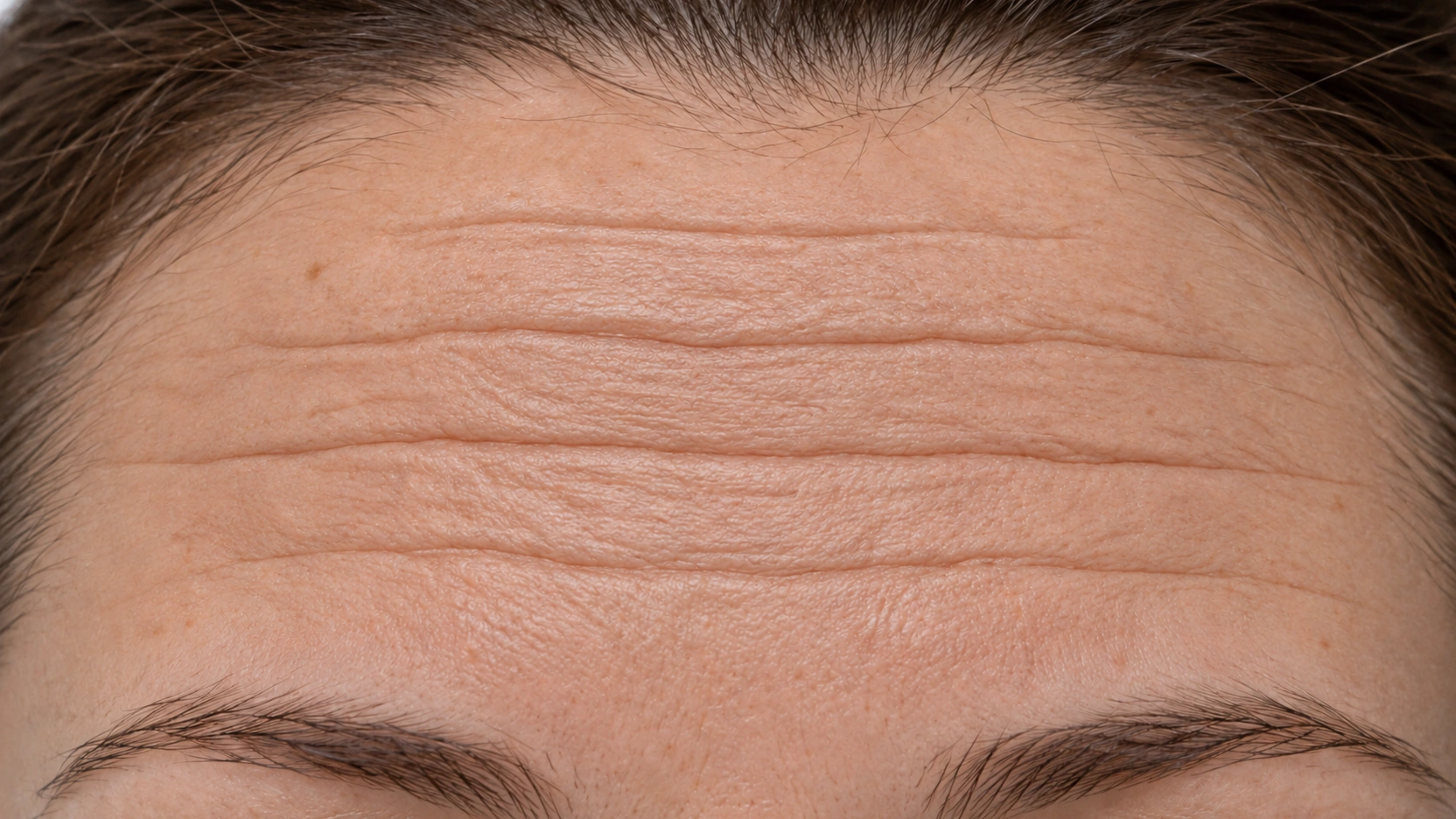
Wrinkles and Fine Lines
Controlled trials support fine-line improvement with regular use over months.
Copper Peptides: Sold for skin repair and fine lines; strong independent clinical evidence is limited. Retinol: Targets fine lines and photoaged texture over months.
Treat as an optional cosmetic, with limited evidence for visible rejuvenation.
Choose for fine lines and uneven texture; introduce slowly and judge results over months.
Can you use both?
Copper peptides are soothing and can be used on nights off retinol, or in the morning.
Compare uses by strength of evidence. Evidence level describes confidence in a benefit, not its size.




Carries copper in a complex: GHK-Cu is one example of a copper peptide. Collagen signaling is studied: Cell-culture results do not prove topical wrinkle repair.
Schematic illustration; not a measurement of skin penetration. Effects vary with ingredient identity and formulation. Some illustrated pathways are experimental; laboratory findings do not establish a clinical treatment benefit.

Converts in the skin: Retinol becomes retinal, then retinoic acid. Changes cell activity: Retinoic acid acts through nuclear receptors. Supports collagen renewal: Studies show improved fine wrinkles with continued use.
Schematic illustration; not a measurement of skin penetration. Effects vary with ingredient identity and formulation.
Built from where each one usually sits in a routine. Introduce one at a time.
Copper peptides differ in their peptide structure, copper binding, and formulation. There is no clinically established best percentage for routine cosmetic use.
Choosing a strength: Look for a named compound, such as GHK-Cu, and evidence for the finished product.
Higher strengths: Laboratory activity at a particular concentration does not establish an effective or safe cosmetic dose.
Formula matters: Copper peptide percentages are not interchangeable with copper salt percentages; laboratory studies of these compounds show different biological effects.
Studied retinol strengths include 0.1%, 0.3%, 0.4% and 1%. The finished formula and your skin’s tolerance matter more than choosing the highest number.
0.1%
0.3–0.4%
1%
Lower-strength studied formula
Stabilized formulas have improved signs of sun damage in controlled trials. A low percentage can still be active.
Intermediate studied formulas
Studied for skin aging. These are examples from particular formulas, not interchangeable doses or a required next step.
Higher studied formula
Studied in a skin-remodeling model; it was not clearly better than 0.3% in that study. More is not automatically better.
Choosing a strength: Choose a well-formulated product you can use comfortably; introduce it gradually. Retinol, retinaldehyde and prescription retinoids do not have equivalent percentages.
Higher strengths: Do not increase strength while skin is persistently dry, red or stinging. A high-strength label does not guarantee better results.
Formula matters: Stability, packaging and delivery affect performance. Local cosmetic concentration limits differ; study strengths are not a statement that every product is permitted everywhere.
Approximate windows, not promises.
First few weeksAssess tolerance and texture; immediate softness can come from the base formula.
First few weeksAssess comfort. Dryness or peeling can occur; irritation is not required for benefit.
4–8 weeksSubtle changes may appear in some tested products; evidence varies.
4–8 weeksSome tested formulas showed early changes in texture or pigmentation.
8–12 weeksCompare photographs in the same lighting and reassess benefit.
8–12 weeksReassess tone and texture; fine-line changes may still be subtle.
3–6 monthsPhotoaging trials often need several months; expect modest rather than dramatic change.
3–6 monthsA useful period to assess fine lines; a 24-week controlled trial supports benefit.
6–12 monthsLong-term evidence is limited for many cosmetic actives; continue only if useful.
6–12 monthsA 52-week study of stabilized 0.1% retinol found continued improvement.
Can cause irritation; follow the finished product’s directions rather than mixing raw actives.
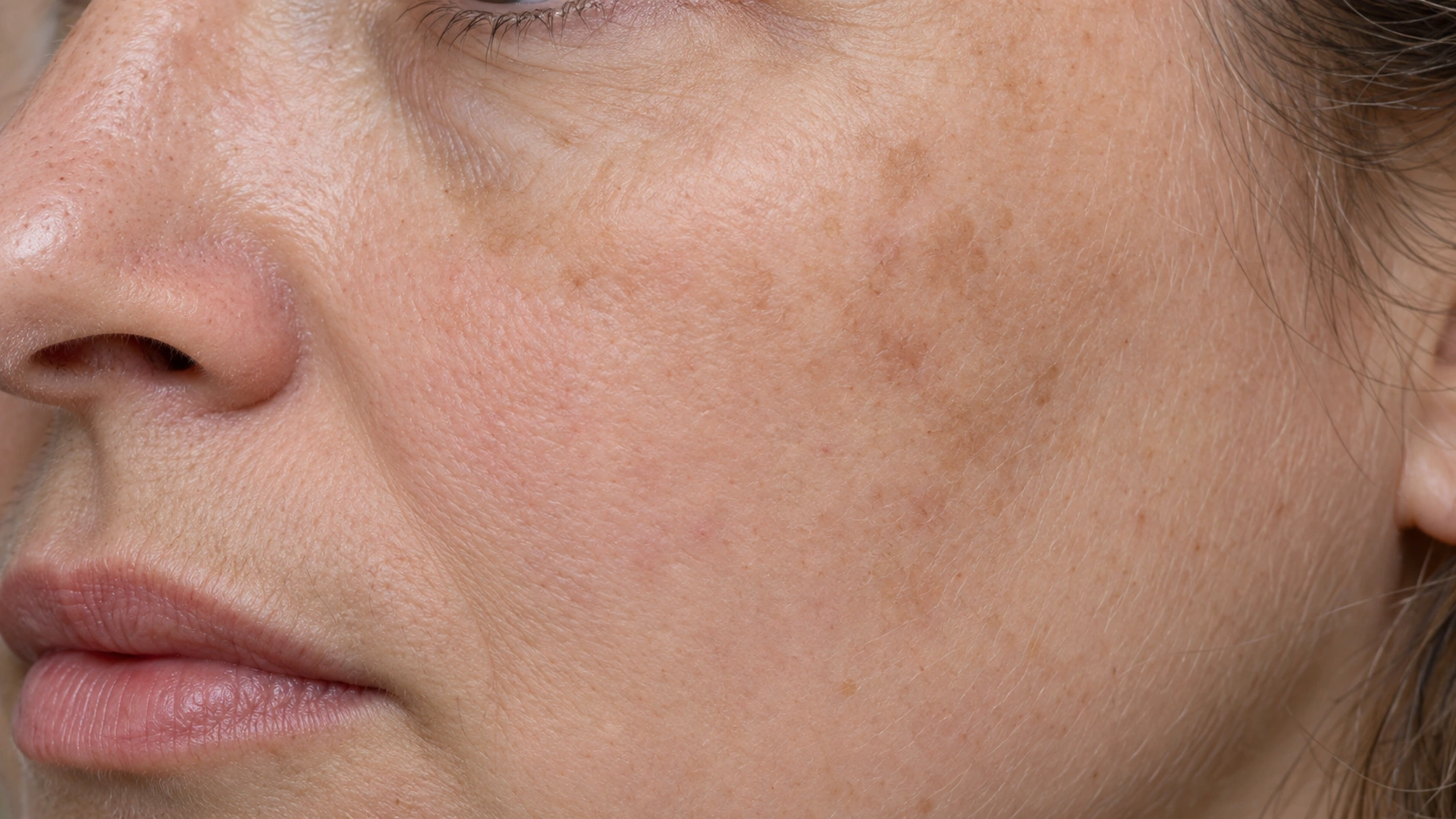
Dryness, redness, peeling or stinging may occur, especially when introduced too quickly. Irritation can leave dark marks in some skin tones.
Stop for persistent burning, swelling, blistering or a new rash. Seek urgent care for breathing difficulty or a severe allergic reaction.
Pause for persistent burning or a painful rash. Stop and seek advice for swelling, blistering or signs of an allergic reaction.
Choose a simple formula and test a small area first. Individual tolerance matters more than an ingredient’s reputation for being gentle.
Introduce slowly on comfortable skin. Active rosacea, eczema or a damaged barrier may need treatment before adding a retinol product.
Do not use a cosmetic product as a substitute for diagnosis of an unexplained, changing or persistent skin problem.
Cosmetic retinol is not interchangeable with prescription retinoids, and higher strength does not guarantee a better result.
Data are limited; ask the clinician managing your pregnancy before using.
Avoid retinol during pregnancy; discuss alternatives when planning pregnancy. Ask your clinician about breastfeeding use and avoid application where an infant could contact it.
On the skin. The finished product delivers copper peptides in a particular vehicle.
Entering skin. No single molecular mass. The 500 Da guideline cannot be applied to this whole ingredient family or mixture.
Conversion. No activation step is established as necessary for its intended topical role.
Skin response. Copper-peptide complexes affect cell signalling in laboratory models; topical delivery and clinical benefit remain separate questions.
Additional effects. Proposed pathways do not establish a measured depth of delivery or clinical benefit beyond the studies cited.
On the skin. An oil-soluble vitamin used in creams and serums.
Entering skin. It must leave the formula and cross the outer skin barrier.
Conversion. Skin converts retinol to retinal, then to retinoic acid, which acts at nuclear receptors.
Skin response. Retinoic-acid signaling changes skin-cell activity, supporting improvements in texture.
Additional effects. Trials show improvements in fine wrinkles and markers of collagen production.
Treat as an optional cosmetic, with limited evidence for visible rejuvenation.
The cited GHK-Cu study measured collagen synthesis in fibroblast cultures. Cell results do not prove wrinkle reduction, hair growth or wound treatment in people.
No. Retinol is converted through retinal to retinoic acid in skin. Tretinoin is retinoic acid; their percentages and clinical evidence are not interchangeable.
No. Peeling is a possible adverse effect, not a requirement for benefit. Reduce frequency or pause if skin remains irritated.
A higher percentage is not a reliable promise of a better result. Stability, formulation, tolerance and how consistently you can use the product all matter.
Not automatically. Retinol-specific acne evidence is limited compared with established acne retinoids. Painful, persistent or scarring acne needs appropriate medical care.
Avoid retinol during pregnancy. Review alternatives with your clinician, including when planning pregnancy or considering use while breastfeeding.
Sources