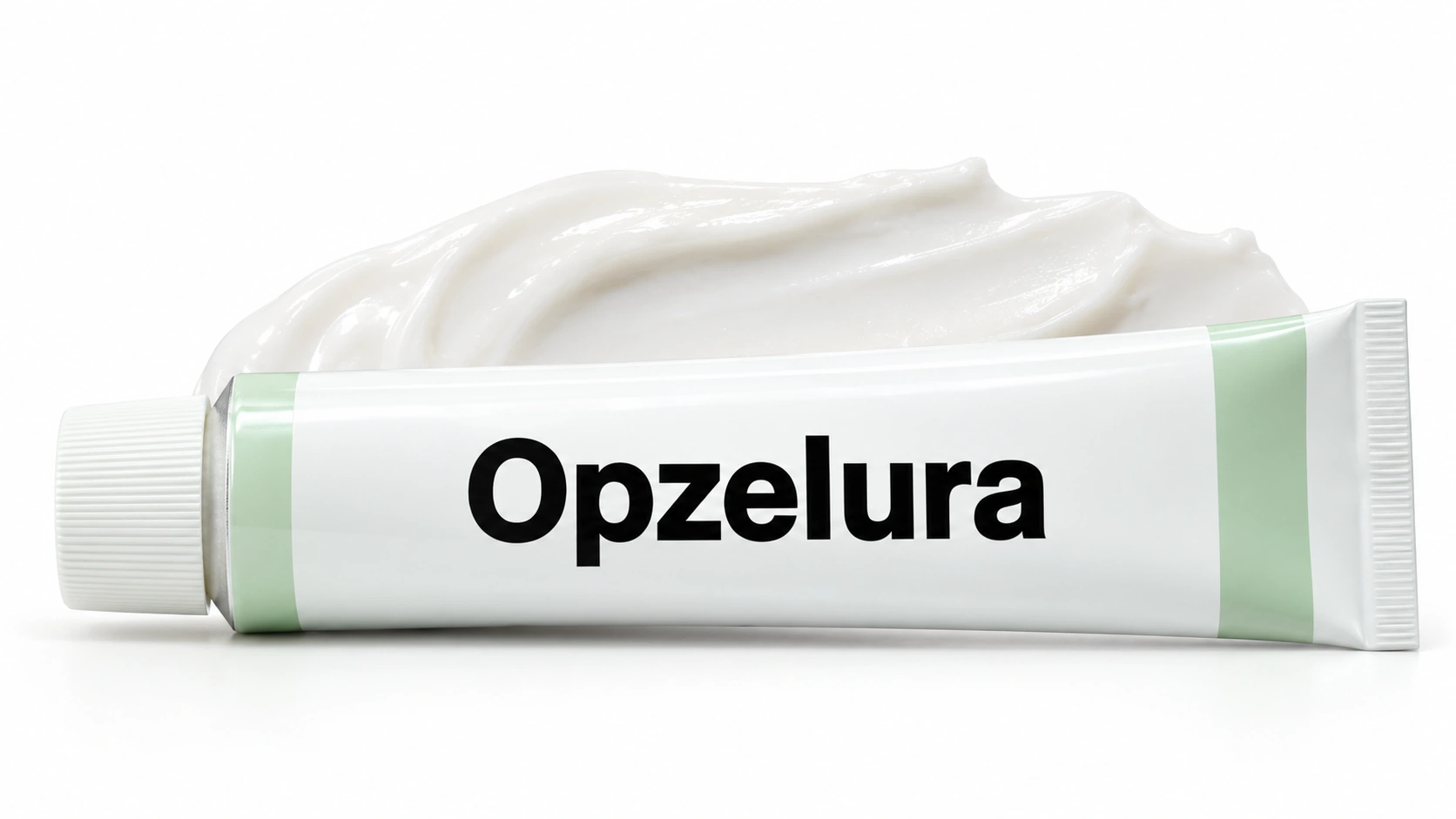
Psoriasis
Thins plaques, best with a steroid.
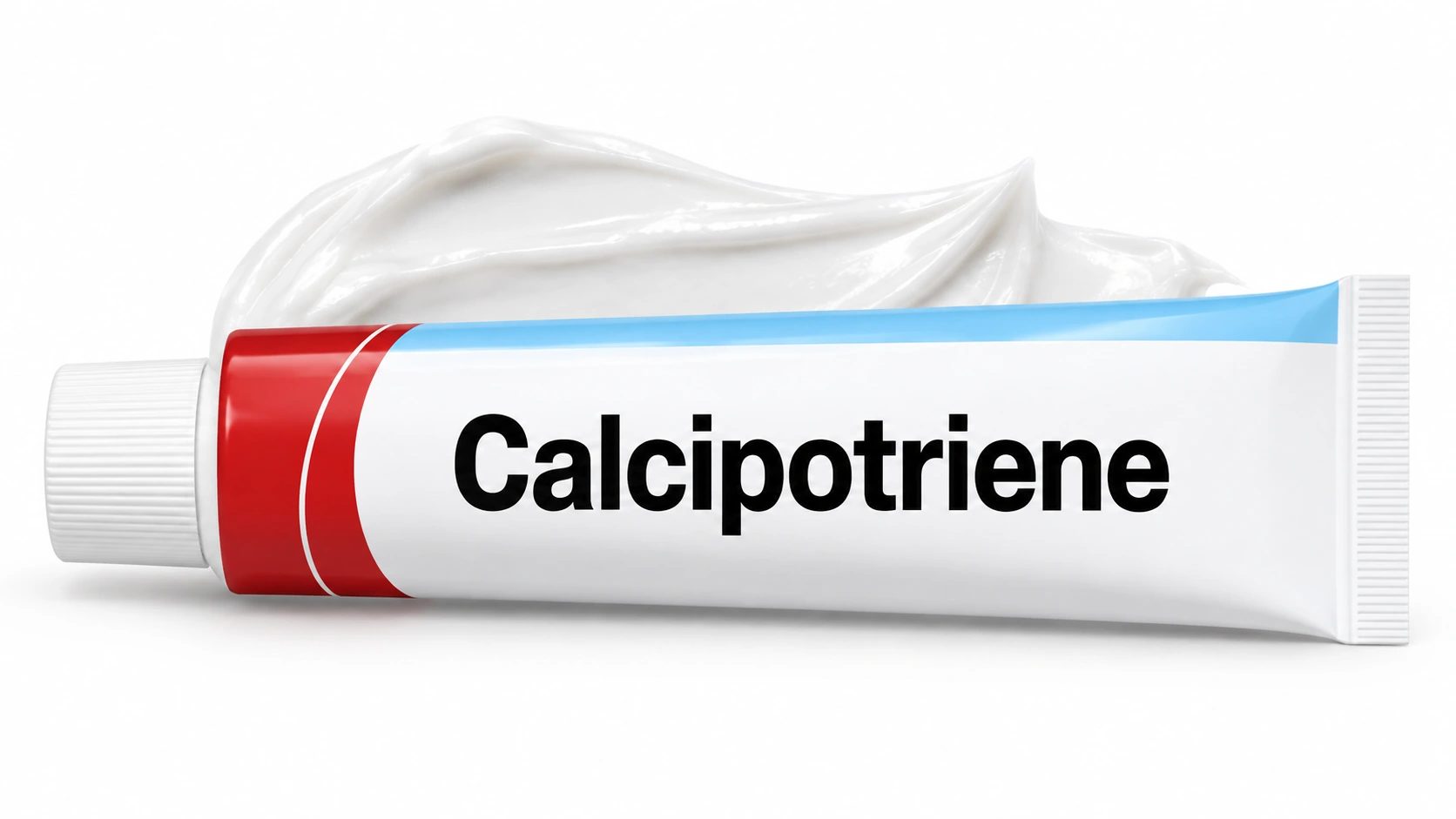
Calcipotriene: A vitamin D-like cream or ointment for plaque psoriasis. It slows the overgrowth of skin cells that makes plaques thick and scaly, and it is not a steroid. Sotyktu: A once-daily tablet for moderate to severe plaque psoriasis. It blocks TYK2, an enzyme inside immune cells, and is taken by mouth rather than injected.
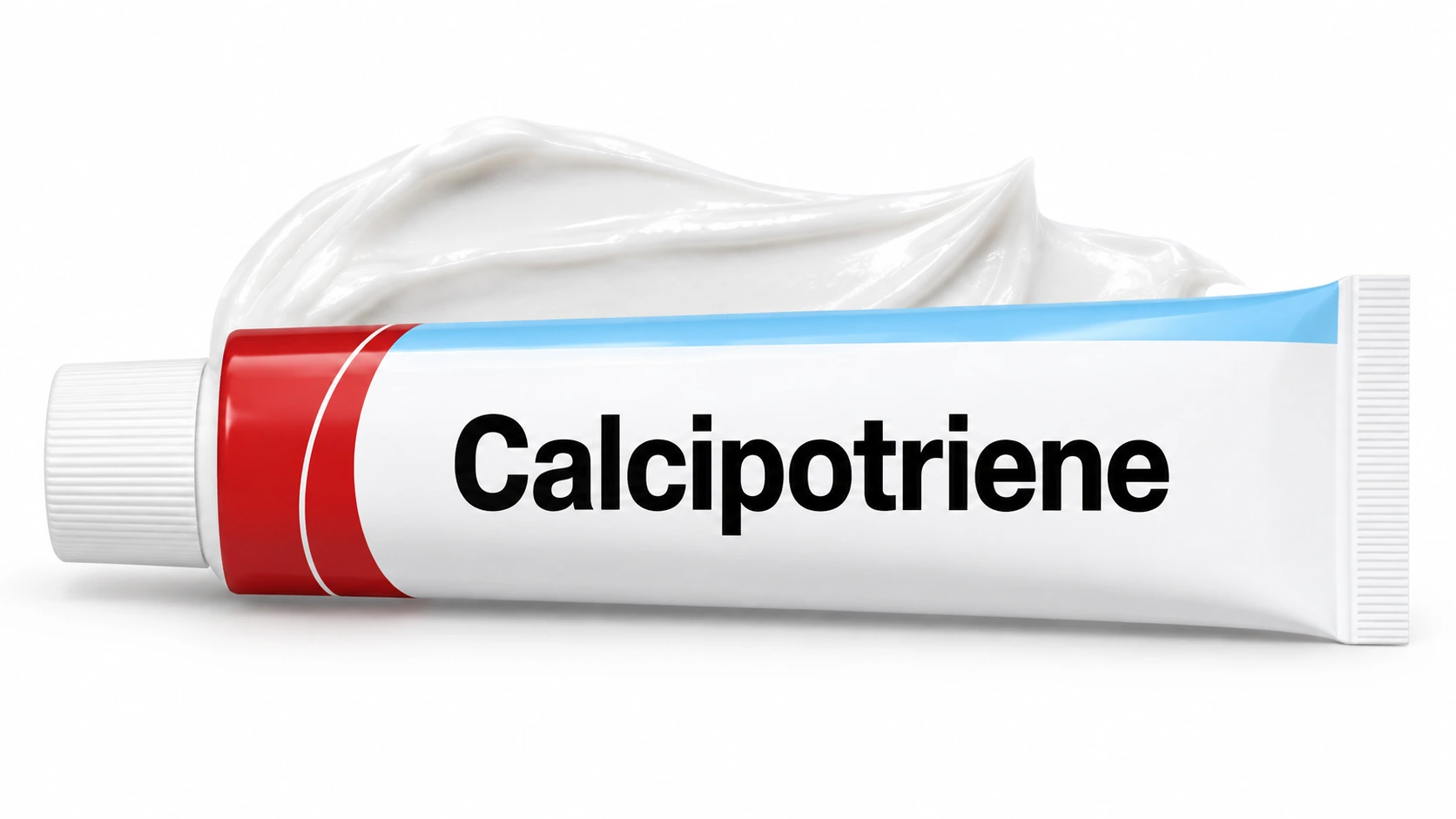

Choose for long-term psoriasis control without a steroid, often after a short combined course settles redness.
Choose for moderate to severe psoriasis when you want a once-daily pill rather than injections.
Can you take them together?
Calcipotriene is often used on remaining patches while taking Sotyktu. They do not interact.
Compare uses by strength of evidence. Evidence level describes confidence in a benefit, not its size.
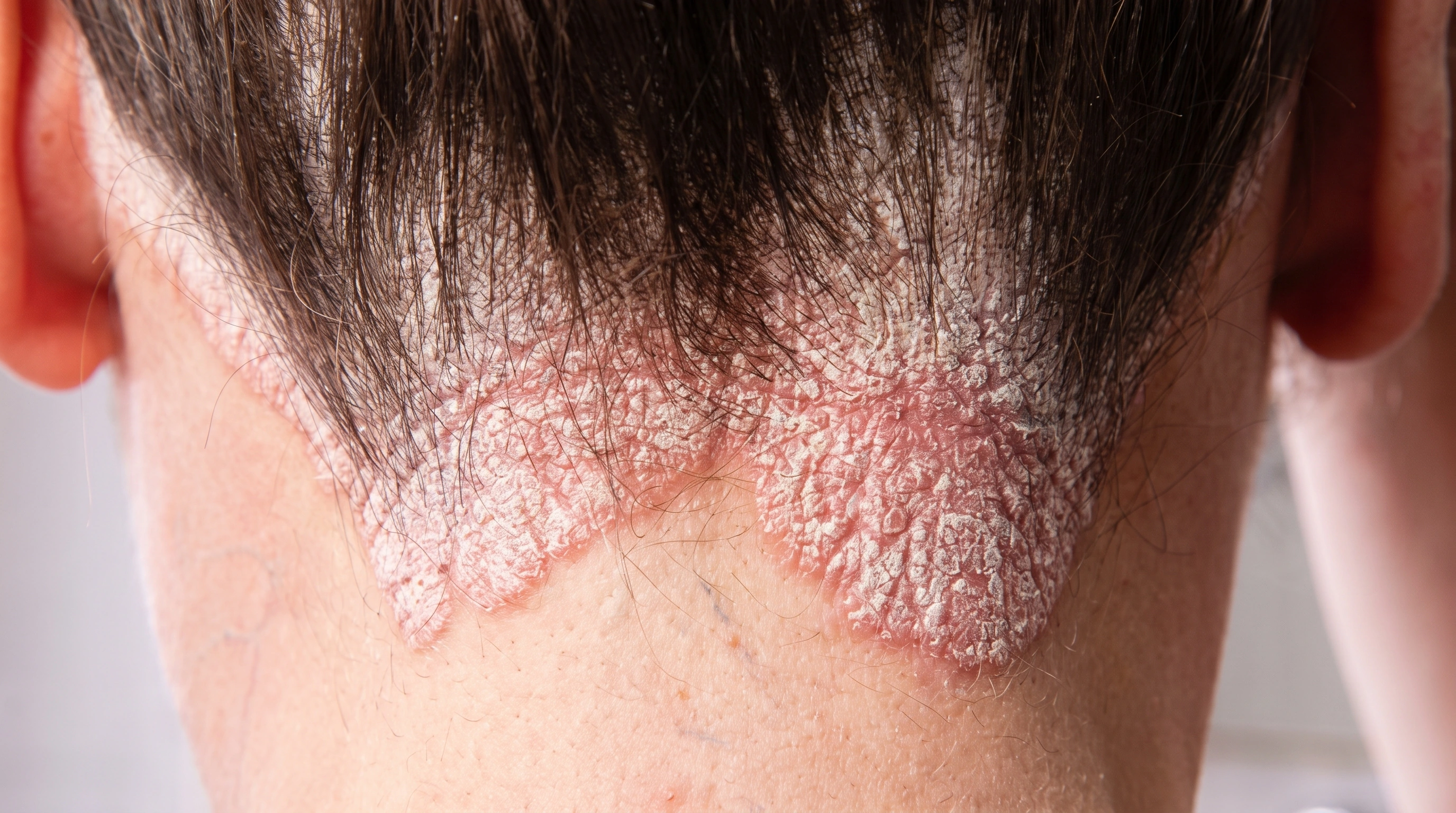




Activates vitamin D receptors: Changes signals inside skin cells. Slows excess cell growth: Helps reduce the rapid buildup seen in psoriasis. Improves cell maturation: Helps cells develop into more normal skin layers. Reduces plaque scale: Thick, scaly patches gradually become flatter.
Calcipotriene is a vitamin D analog with effects on cell proliferation and differentiation. Its complete antipsoriatic mechanism is not established; this is a simplified overview.

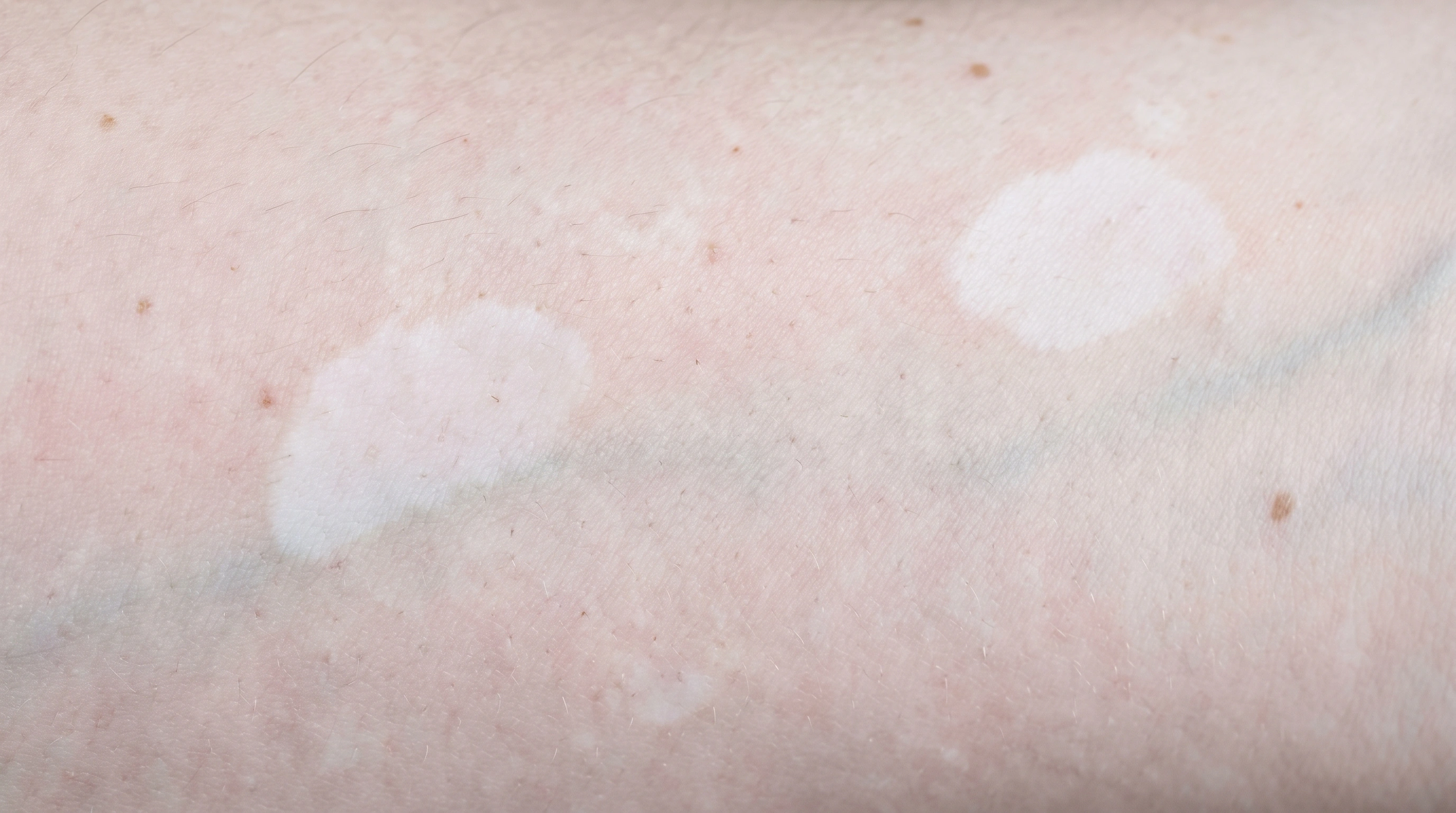
Inhibits TYK2: Keeps this signaling enzyme in an inactive state. Reduces immune messages: Limits signals from IL-23, IL-12, and type I interferons. Helps psoriasis settle: Inflammation and plaque buildup gradually decrease.
Deucravacitinib allosterically binds the regulatory domain of TYK2. The exact link between biomarker changes and clinical effects is not fully known.
When to Apply: Twice a day for the plain product, thinly onto the plaques only. Once a day for the combined calcipotriene-and-steroid products. Do not use more than about 100 grams a week, and do not treat more than roughly a third of the body surface. With phototherapy, apply it after the session, not before.
How to Start: Full dose from day one, on the plaques only. Many start on a combined calcipotriene-and-steroid product for the first few weeks to settle redness, then continue on calcipotriene alone.
If It Irritates: Burning and stinging in the first days is usual and often settles. Moisturizer first, or once a day for a week, helps. Irritation on the face, eyelids, groin or under the breasts is not one to push through — thin skin, and this drug is not made for it. Sharp burning on broken skin means waiting for it to close over.
If It’s Not Working: There is only one strength, so nothing can be increased. Give it six to eight weeks. If plaques are still thick, the next steps are the combined product with a steroid, switching cream for ointment, adding phototherapy, or a tablet or injection. Also check what else is going on the skin — salicylic acid inactivates calcipotriene.
Dosing is as simple as it gets for a systemic drug. No loading dose, no build-up, no weight adjustment.
Starting dose: 6 mg once a day from day one. Full dose from the start.
Going up: No higher approved dose for psoriasis. If it is not working, the conversation is about switching.
Usual dose: 6 mg once a day, long term.
Kidney function: No dose change for most levels of reduced kidney function.
Severe liver disease: Not recommended, so tell your doctor about any liver condition before you start.
No routine blood tests when it is used normally: plaques only, within the weekly amount, healthy kidneys.
The one thing watched for is raised blood calcium. It is rare, and it comes from using far more than recommended, treating very large areas, or kidney disease that stops the body clearing the extra calcium. Calcium may be checked if any of those apply, or if you take high-dose vitamin D or calcium supplements. Symptoms are unusual thirst, passing more urine than usual, nausea, constipation, muscle weakness and confusion.
Monitoring is otherwise clinical — the skin at six to eight weeks, and how much of a tube is used per week. With the combined steroid product, the review also covers how long the steroid has run.
Long term, calcipotriene alone is a drug you can stay on. Nothing accumulates and it does not thin skin, which is why it is the usual maintenance between steroid courses.
Everyone is screened for tuberculosis before starting, with a skin test or a TB blood test, and a chest X-ray if positive. Dormant TB is treated first. This applies even though it is a tablet rather than an injected biologic.
Hepatitis B and C are usually checked at the same time.
Liver blood tests are often checked before starting and again if there is a reason to. Some people show a rise in creatine kinase, a muscle enzyme, or in triglycerides, so those may be looked at too. There is no rigid schedule like methotrexate's; how often anything is repeated is your doctor's judgment.
The rest is clinical. Report repeated infections, cold sores that keep coming back, mouth ulcers that will not heal, and unexplained muscle pain. Skin should be checked periodically, as on any drug that damps down the immune response.
Once a day, at whatever time suits you, with or without food. Pick one time and keep to it, because a daily tablet is easy to lose track of in a way a fortnightly injection is not. Attaching it to something you already do, like brushing your teeth at night, works better than intending to remember.
Swallow the tablet whole with water. Do not crush, split or chew it. If it upsets your stomach, take it with a meal.
Take it as soon as you remember on the same day. If you do not remember until the next day, skip it and take that day's tablet as usual. Never take two in one day. Missing the occasional dose will not undo months of progress, but repeatedly missing them is one of the commonest reasons a treatment looks like it has stopped working.
Approximate windows, not promises.
First few minutesApplying it: Stinging or burning, if it happens, is worst at the start and eases.
Weeks 1 to 2Starting: Early flattening and less scale. Its strongest effect, and what people notice first.
Weeks 2 to 6The steady phase: Plaques thin and the silvery scale falls away. Redness fades more slowly than thickness, the main reason calcipotriene and a steroid are combined. Itch improves, slower than with a steroid.
Weeks 6 to 8Judge it here: Roughly where the effect plateaus in trials.
ScalpWhere it is used most: The scalp solution and the combined foam or gel work well here.
Long termMaintenance: Used between steroid courses, it holds the result. Stopped, plaques return over weeks to months.
First doseTaking it: One tablet a day, with or without food.
Weeks 1 to 4Starting: Itch usually eases before the plaques look different. Early side effects show now, most often a cold, a cold sore or a mouth ulcer.
Weeks 4 to 16Working: Scale lifts and plaques flatten steadily. Scalp psoriasis often improves noticeably here, before the trunk.
Week 16Judge it here: Where the trials measured, and the fair point to decide. More than half reached at least a 75 percent improvement in how much skin was involved and how severe it was; a smaller share were clear or nearly clear.
Months 3 to 6Palms and soles: Stubborn on every treatment, slower than plaques elsewhere.
Months 6 to 12Nails: Nails change last, because a nail takes months to grow out. Judge the new growth at the base, not the damaged tip.
Beyond 16 weeksLong term: Responders often keep improving slowly through the first year. Because it is a small molecule, the body does not make antibodies against it, so the gradual loss of effect seen with some injected drugs is not an issue here.
Sorted by what to do about them.
Generic calcipotriene is cheap and widely available; cost is rarely the barrier for the plain ointment or cream.
The branded combination products, and the foam and suspension forms, cost substantially more and often need prior authorization. Plans usually want a topical steroid, and often generic calcipotriene, tried first.
If cost decides it, generic ointment or cream plus a separate generic steroid does much the same job, at the price of two tubes.
Brand only. There is no generic and will not be for years, so there is no cheaper equivalent. The list price is high, in the same range as the injected biologics over a year, which surprises people who assume a tablet must be cheaper.
Almost nobody pays it. What matters is what your plan does, and approval takes paperwork. Prior authorization is close to universal, and most plans want documented failure of something cheaper first: phototherapy, methotrexate or apremilast.
Manufacturer copay cards can bring the monthly cost down to very little on commercial insurance. By law they cannot be used with Medicare or Medicaid. For those plans, or no insurance, the manufacturer's patient assistance program and independent foundations are the usual routes, and the rules change regularly.
One thing in its favor on cost: no infusion visits, no injection training, no cold chain, so the costs around the drug are lower even when the drug is not.
No. A vitamin D analog. It does not thin skin, which is why it can be used long term and is often the maintenance treatment after a steroid course.
No. The face, eyelids, groin and under the breasts all sting badly — thin skin. Ask about a different product for those areas.
About 100 grams a week, and about a third of the body surface. That limit keeps blood calcium from rising.
Irritation is the most common side effect, worst in the first days. Moisturizer first, or once a day for a week or two, settles it.
Not at the same time. Salicylic acid inactivates calcipotriene. Keep them well apart in the day or ask about an alternative.
Not for normal use with healthy kidneys. Calcium may be checked with kidney disease, very large amounts, or high-dose vitamin D.
It works on TYK2, an enzyme in the same family, but binds a different part of it and is far more selective. Its label does not carry the boxed warning the JAK inhibitors carry. The distinction is real, not marketing.
On average the injected biologics clear skin more completely. This clears skin well for a lot of people, and it is a daily tablet with no fridge and no needles. Which trade is right depends on how severe your psoriasis is and how you feel about needles.
Tuberculosis and hepatitis before you start, and usually liver tests. After that, testing follows your situation, not a fixed schedule — much lighter than methotrexate monitoring.
Herpes simplex outbreaks and mouth ulcers are commonly reported. Tell your doctor if they are frequent; they can usually be managed without stopping.
No direct interaction, unlike methotrexate. Ordinary drinking is generally not a problem, but confirm with your doctor if you have a liver condition.
Losing response over time is less of an issue than with injected antibodies, since the body makes no antibodies against a small molecule. If it does stop working, the option is switching class, since there is no higher dose.