Psoriasis
Thins plaques, best with a steroid.
Calcipotriene: A vitamin D-like cream or ointment for plaque psoriasis. It slows the overgrowth of skin cells that makes plaques thick and scaly, and it is not a steroid. Cyclosporine: A strong oral immune-suppressing drug used in short bursts for severe eczema and psoriasis. It works faster than anything else, and blood pressure and kidney function set a hard limit on how long anyone stays on it.
Choose for long-term psoriasis control without a steroid, often after a short combined course settles redness.
Choose for a fast, short burst of control in severe eczema or psoriasis while a longer-term treatment is set up.
Can you take them together?
Calcipotriene can be used on stubborn plaques while taking cyclosporine. Your doctor will set how much skin you treat.
Compare uses by strength of evidence. Evidence level describes confidence in a benefit, not its size.

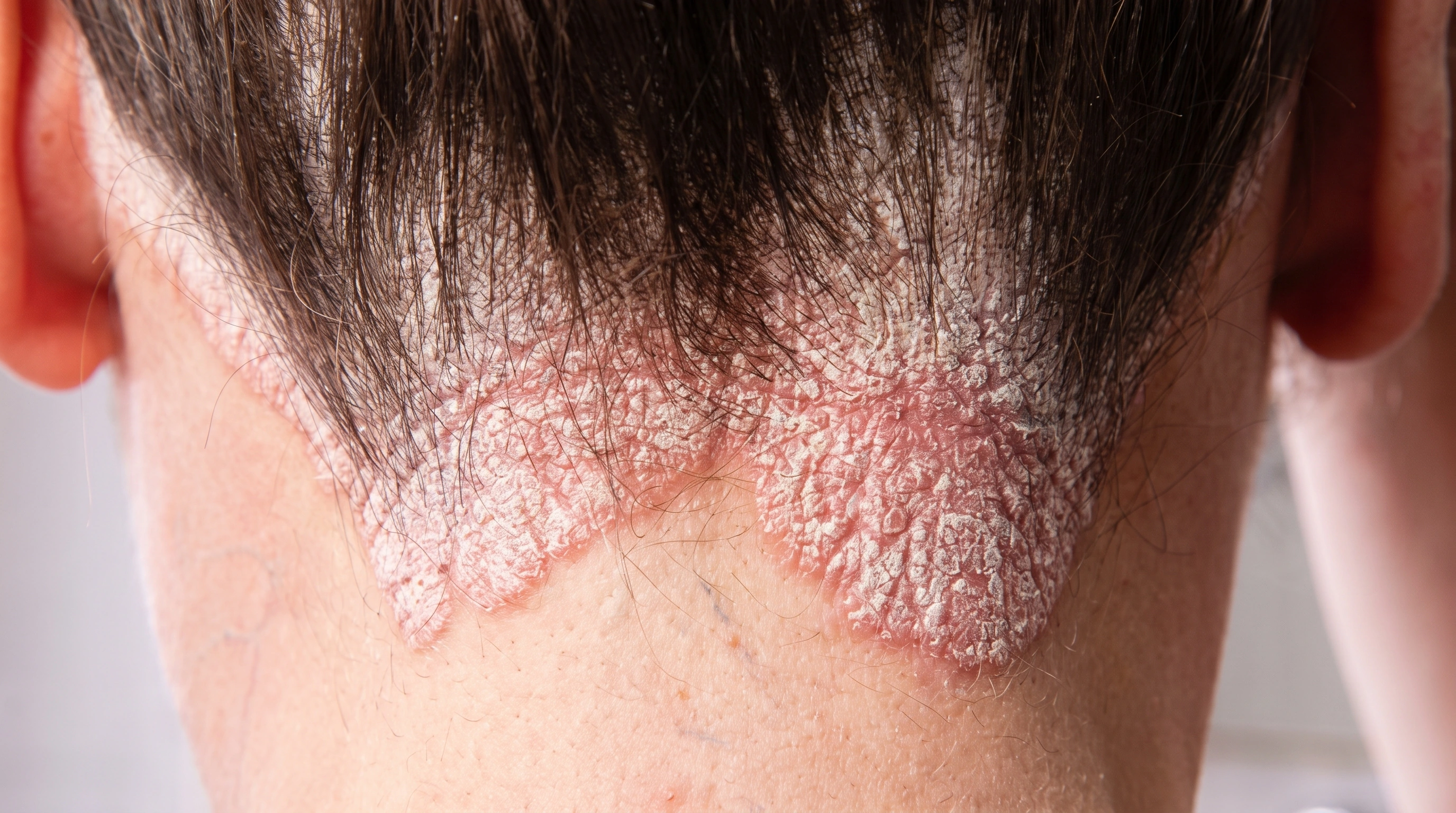

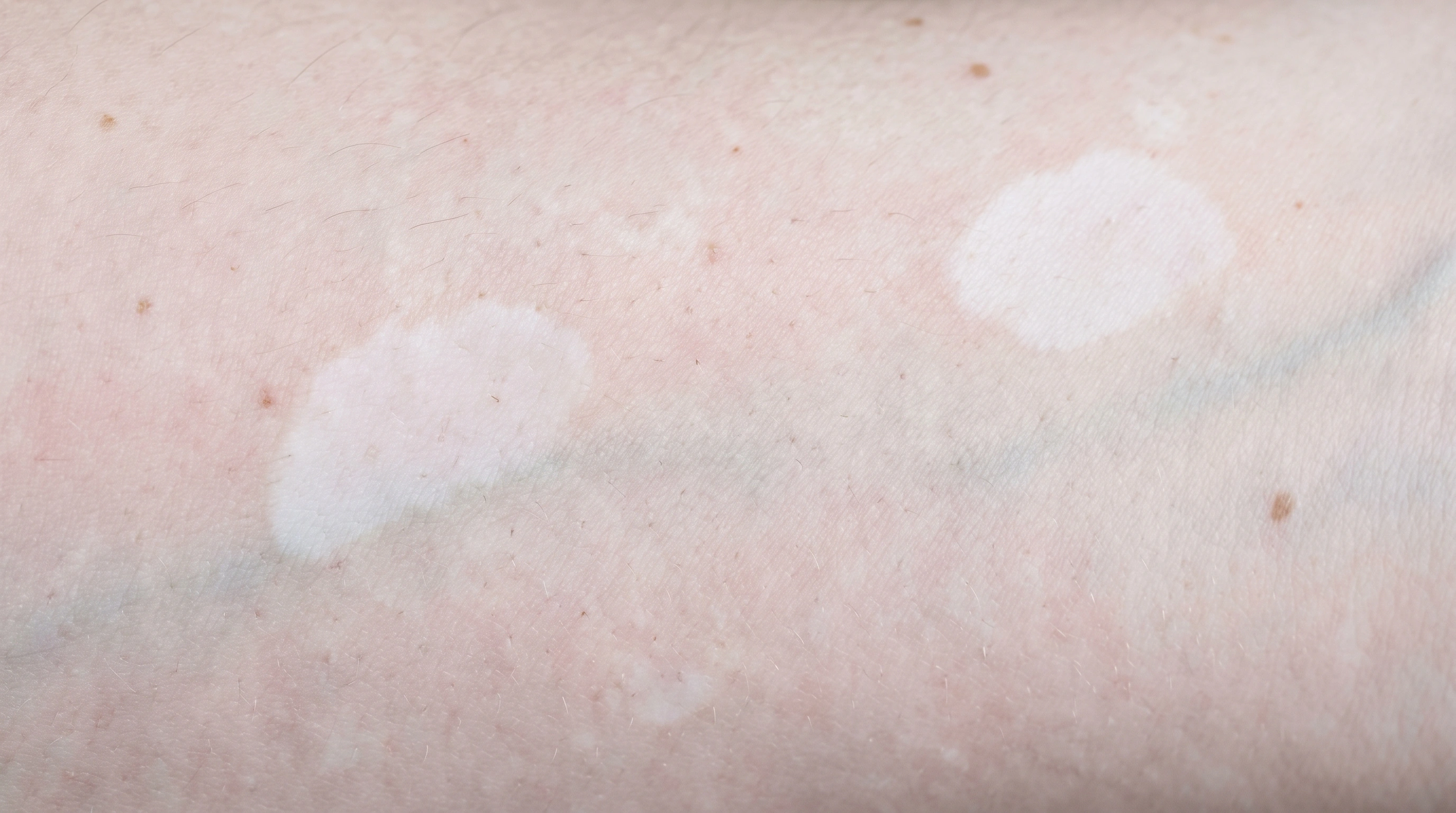


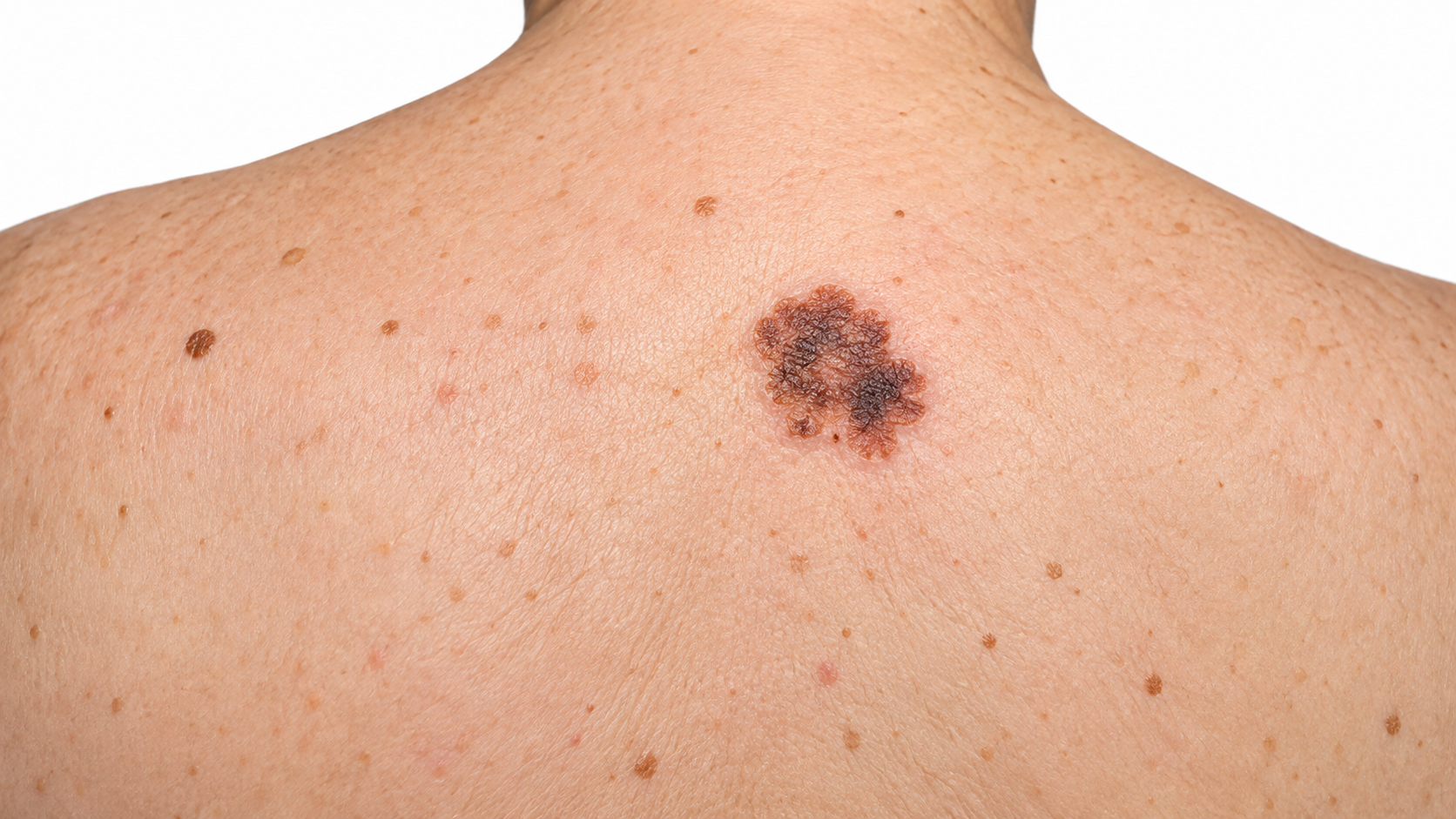

Activates vitamin D receptors: Changes signals inside skin cells. Slows excess cell growth: Helps reduce the rapid buildup seen in psoriasis. Improves cell maturation: Helps cells develop into more normal skin layers. Reduces plaque scale: Thick, scaly patches gradually become flatter.
Calcipotriene is a vitamin D analog with effects on cell proliferation and differentiation. Its complete antipsoriatic mechanism is not established; this is a simplified overview.

Inhibits calcineurin: Binds cyclophilin to block a T-cell activation switch. Reduces IL-2 signals: Limits a messenger that helps T cells become active. Calms skin inflammation: Overactive immune responses in skin decrease.
Cyclosporine binds cyclophilin; that complex inhibits calcineurin and T-cell cytokine production. This is a simplified skin-focused explanation of systemic immunosuppression.
When to Apply: Twice a day for the plain product, thinly onto the plaques only. Once a day for the combined calcipotriene-and-steroid products. Do not use more than about 100 grams a week, and do not treat more than roughly a third of the body surface. With phototherapy, apply it after the session, not before.
How to Start: Full dose from day one, on the plaques only. Many start on a combined calcipotriene-and-steroid product for the first few weeks to settle redness, then continue on calcipotriene alone.
If It Irritates: Burning and stinging in the first days is usual and often settles. Moisturizer first, or once a day for a week, helps. Irritation on the face, eyelids, groin or under the breasts is not one to push through — thin skin, and this drug is not made for it. Sharp burning on broken skin means waiting for it to close over.
If It’s Not Working: There is only one strength, so nothing can be increased. Give it six to eight weeks. If plaques are still thick, the next steps are the combined product with a steroid, switching cream for ointment, adding phototherapy, or a tablet or injection. Also check what else is going on the skin — salicylic acid inactivates calcipotriene.
The dose is set by body weight, then adjusted by blood pressure and kidney tests, not by how the skin looks.
Starting dose: About 2.5 mg per kilogram of body weight a day, split into two doses. A severe flare may start around 4 to 5 mg per kilogram a day to get control quickly.
Going up: Raised in small steps every two to four weeks if response is poor, and only if the tests are stable.
Coming down: Once the skin is calm, the dose comes down in stages, to give the next treatment time to work.
Total course: Short by design. Many courses run 8 to 16 weeks. Guidelines advise no more than about a year of continuous treatment, less where possible.
No routine blood tests when it is used normally: plaques only, within the weekly amount, healthy kidneys.
The one thing watched for is raised blood calcium. It is rare, and it comes from using far more than recommended, treating very large areas, or kidney disease that stops the body clearing the extra calcium. Calcium may be checked if any of those apply, or if you take high-dose vitamin D or calcium supplements. Symptoms are unusual thirst, passing more urine than usual, nausea, constipation, muscle weakness and confusion.
Monitoring is otherwise clinical — the skin at six to eight weeks, and how much of a tube is used per week. With the combined steroid product, the review also covers how long the steroid has run.
Long term, calcipotriene alone is a drug you can stay on. Nothing accumulates and it does not thin skin, which is why it is the usual maintenance between steroid courses.
Cyclosporine is monitored more closely than any other skin drug, and that monitoring is why it can be used at all. Blood pressure is measured at every visit, often at home. Kidney function is checked by blood test, twice before starting for a reliable baseline, then every couple of weeks for a month or two, then monthly once the dose is steady. The same draws cover potassium, magnesium, uric acid, liver enzymes, blood counts and cholesterol. Drug blood levels are routine in transplant care, not usually needed at dermatology doses.
Two numbers drive the decisions. A rise in creatinine of about a quarter above your baseline, confirmed on a repeat test, means dropping the dose; about half means stopping. New high blood pressure means lowering the dose or adding a blood pressure medicine, and the choice matters: diltiazem and verapamil push levels up, amlodipine does not.
The interaction list is long. Drugs that raise levels include the azole antifungals, clarithromycin and erythromycin, and some HIV and hepatitis C medicines. Drugs that lower it include rifampin, phenytoin, carbamazepine and St John's wort. It also raises statin levels, so that dose is often reduced, and it interacts with colchicine, digoxin, methotrexate and potassium-sparing water tablets. Bring every prescription, supplement and herbal product to the first visit.
The time limit is the point of all this. Kidney damage builds with continuous use and part of it can be permanent, so guidelines cap continuous treatment at about a year and most dermatology courses are far shorter. Long or repeated use also raises the risk of skin cancer, lymphoma and serious infection, so skin checks continue afterward.
Twice a day, about 12 hours apart, at the same times daily. Be consistent about food: always with meals or always without, because switching changes absorption. Swallow capsules whole and leave them in the foil until you take them.
On the liquid, mix it with orange or apple juice in a glass cup, stir and drink it straight away, then rinse the cup with more juice and drink that too. Never use grapefruit juice.
Take it when you remember unless the next dose is close, then skip it. Never take two at once. Tell the prescriber if you miss more than a dose or two, or vomit soon after taking it, because the dose is built around your blood level.
Approximate windows, not promises.
First few minutesApplying it: Stinging or burning, if it happens, is worst at the start and eases.
Weeks 1 to 2Starting: Early flattening and less scale. Its strongest effect, and what people notice first.
Weeks 2 to 6The steady phase: Plaques thin and the silvery scale falls away. Redness fades more slowly than thickness, the main reason calcipotriene and a steroid are combined. Itch improves, slower than with a steroid.
Weeks 2 to 6Working: Redness, weeping and thickness improve clearly. Chronic hives that antihistamines do not control usually settle within a month. Extra hair growth on the face, arms and body and swollen or tender gums start now; both are dose-related and reverse after stopping.
Weeks 6 to 8Judge it here: Roughly where the effect plateaus in trials.
ScalpWhere it is used most: The scalp solution and the combined foam or gel work well here.
Long termMaintenance: Used between steroid courses, it holds the result. Stopped, plaques return over weeks to months.
First 2 weeksStarting: Itch settles first, often within days, and sleep improves. Tingling or burning in the hands and feet, headache and mild nausea are common early. Blood pressure and kidney tests get checked.
Weeks 8 to 16Plaque psoriasis: Large improvement, often near-clear at the higher end of the dose range. Usually where the course ends and another treatment takes over.
VariableSevere inflammatory ulcers: In pyoderma gangrenosum it stops the ulcer spreading while healing catches up. Response times differ a lot.
ThroughoutThe tests: Blood pressure creeping up and kidney numbers drifting decide whether the dose drops or the drug stops. Neither causes symptoms, which is why the tests are not optional.
Sorted by what to do about them.
Generic calcipotriene is cheap and widely available; cost is rarely the barrier for the plain ointment or cream.
The branded combination products, and the foam and suspension forms, cost substantially more and often need prior authorization. Plans usually want a topical steroid, and often generic calcipotriene, tried first.
If cost decides it, generic ointment or cream plus a separate generic steroid does much the same job, at the price of two tubes.
Generic capsules are cheap next to biologics, part of why the drug is still used. Branded versions cost more without working better.
The visible cost is not the whole cost. Repeated blood tests, blood pressure checks and appointments add up, and none are optional. It is cheaper per month than a biologic but taken for only a few months, so the comparison depends on what comes after.
Insurance generally covers it for severe psoriasis. Eczema coverage varies more in the United States, where that use is off-label.
No. A vitamin D analog. It does not thin skin, which is why it can be used long term and is often the maintenance treatment after a steroid course.
No. The face, eyelids, groin and under the breasts all sting badly — thin skin. Ask about a different product for those areas.
About 100 grams a week, and about a third of the body surface. That limit keeps blood calcium from rising.
Irritation is the most common side effect, worst in the first days. Moisturizer first, or once a day for a week or two, settles it.
Not at the same time. Salicylic acid inactivates calcipotriene. Keep them well apart in the day or ask about an alternative.
Not for normal use with healthy kidneys. Calcium may be checked with kidney disease, very large amounts, or high-dose vitamin D.
Faster than anything else for these conditions. Itch improves within days, clearing by four to six weeks.
Most courses run months. Guidelines cap continuous use at about one year, because kidney effects build and some can be permanent.
It raises blood pressure in a meaningful share of people, and that causes no symptoms. Catching it early usually means lowering the dose rather than stopping.
No. Grapefruit, pomelo and Seville oranges block the enzyme that clears it, so levels rise unpredictably. Other citrus is fine.
Both are dose-related. Not dangerous, usually better if the dose comes down, and gone after stopping.
Usually, within weeks to a few months, unless another treatment is running. Planning that before the taper is the point of the short course.