Aklief vs Doxycycline

Aklief: A newer prescription retinoid cream for acne. Its real advantage is that it was tested and approved for the chest and back, not only the face. Doxycycline: An oral antibiotic for moderate to severe inflamed acne. It is meant as a short bridge alongside topical treatment, not a long-term drug.
Reviewed by Dr. Schwarz, Board-Certified Dermatologist
A white plastic tube lying on its side on a white background, cap to the left, labeled Trifarotene in teal lettering with a pale green swoosh curving beneath the word.An amber prescription bottle lying on its side on a white background with a plain white label reading Doxycycline, and six small round white tablets spilled out in front of it.

Which one is right for you?

Choose Aklief if…

Choose for acne on the chest and back as well as the face — it is the retinoid tested specifically there.

  • Body acne on the chest or back
  • Insurance covers it, or a savings program helps
  • You can push through 2–6 weeks of irritation

Choose Doxycycline if…

Choose for a short 3–4 month bridge to calm moderate inflamed acne or rosacea while a retinoid and benzoyl peroxide start working.

  • Red, sore inflamed spots rather than blackheads
  • Rosacea bumps (a low 40 mg dose)
  • You want a cheaper, simpler short course
Often combined

Can you take them together?

A standard plan for moderate acne: doxycycline for about 3 months plus a topical retinoid like Aklief, which continues once the antibiotic stops.

At a glance

● Aklief
● Doxycycline
Type
Topical retinoid (trifarotene)
Tetracycline antibiotic
What it does
Stops pores clogging
Kills acne bacteria and calms inflammation
Best for
Face, chest and back acne
Inflamed acne; rosacea
Prescription
Yes
Yes
Form
Cream, 0.005%
Tablet or capsule
How often
Once nightly, after a slow start
Once or twice daily, upright, with water
Course length
Ongoing
3–4 months
Time to results
8–12 weeks
4–8 weeks
Main side effect
Dryness, redness and stinging early on
Stomach upset; sunburn
Blood tests
None
Not routinely
Pregnancy
Avoid
Avoid
Cost
High; brand only
Low; generic available

What it treats

Compare uses by strength of evidence. Evidence level describes confidence in a benefit, not its size.

Evidence level
Aklief
Doxycycline
Strong evidenceMost established uses
Inflamed acne on light skin. The spots sit in a patch of pink, and the ring of redness around each one is easy to see. A few have a yellow-white head, and the skin between them is dry and flaking.

Acne

Clears face and body acne.
Inflamed acne on light skin. The spots sit in a patch of pink, and the ring of redness around each one is easy to see. A few have a yellow-white head, and the skin between them is dry and flaking.

Acne

Reduces inflamed breakouts.
Redness and fine superficial vessels across a light-skinned cheek and nose.

Rosacea

Low doses reduce bumps.
Moderate evidenceSome supportive research
—
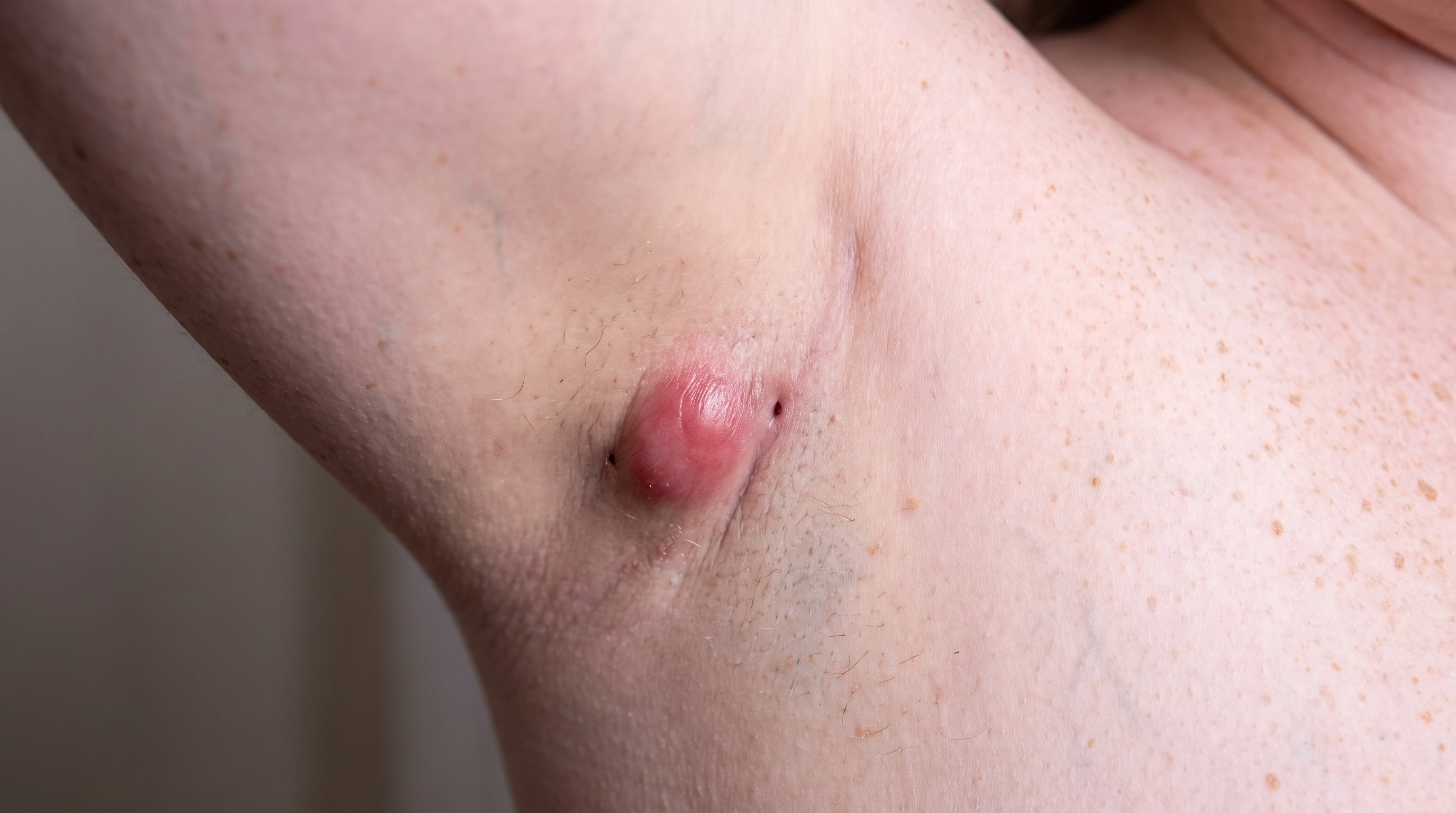
An inflamed lump in the armpit on fair skin. The skin over it is swollen, shiny and red, with a pair of small blackhead-like openings in the skin beside it.

Hidradenitis Suppurativa

Calms mild flares.
Limited evidenceEarly or small studies
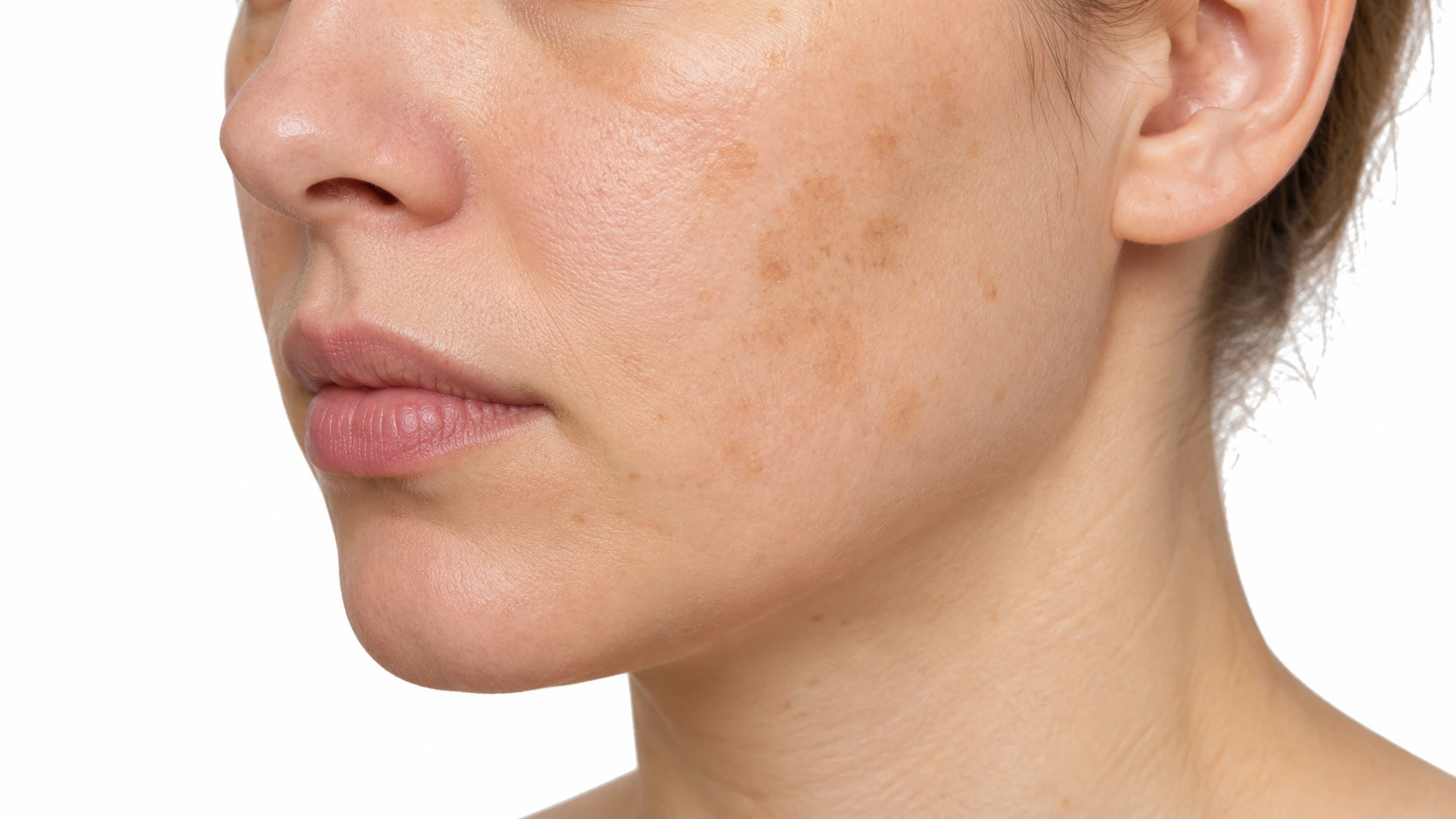
Flat light-brown residual marks on a fair cheek.

Post-Inflammatory Hyperpigmentation

May fade acne marks.
—
Little evidence
—
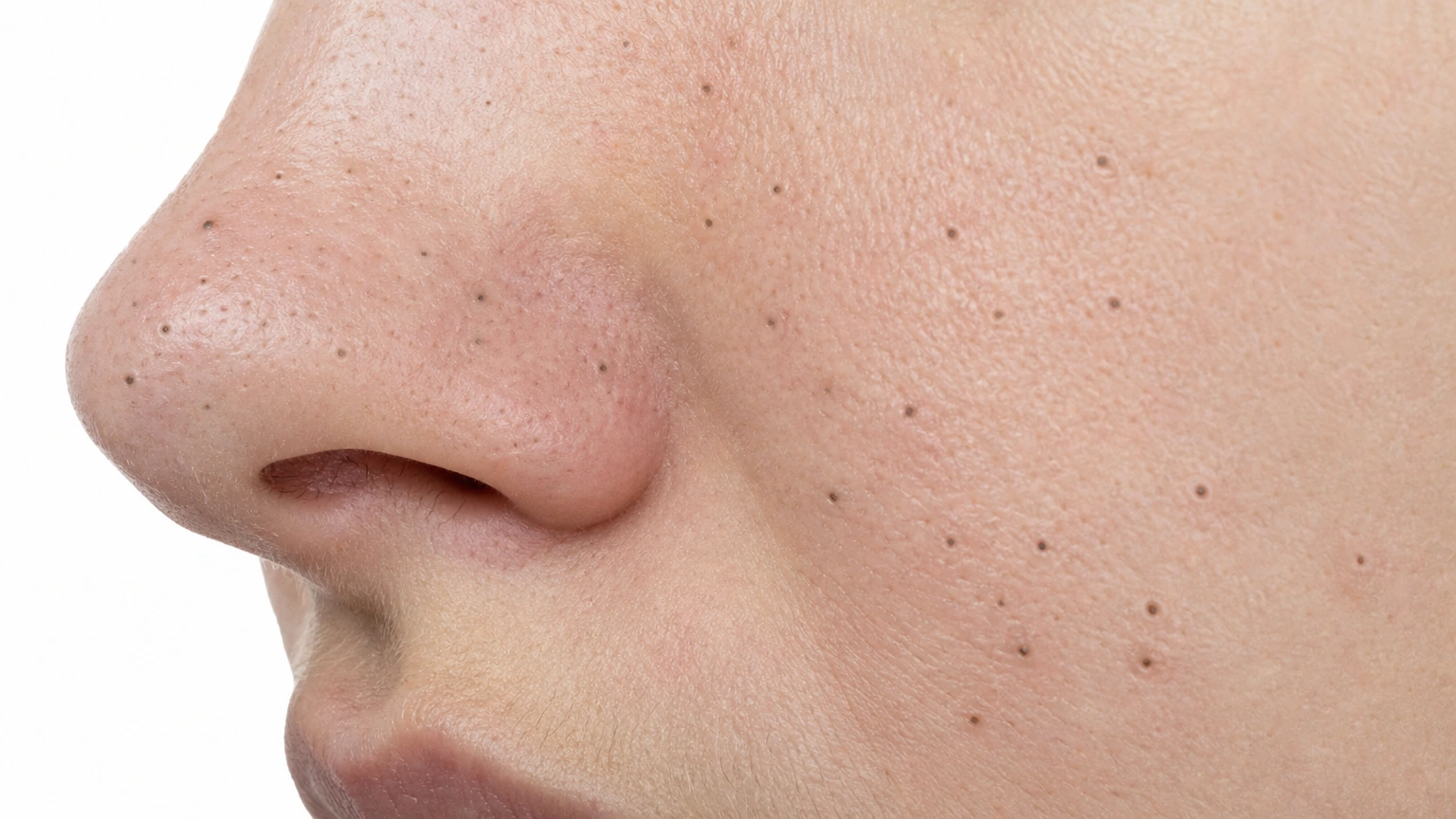
dark keratin plugs in dilated pores on the nose and adjacent left cheek, with the face turned to the person’s right on light skin.

Blackheads

Doesn't unclog pores.
Can make it worse
Redness and fine superficial vessels across a light-skinned cheek and nose.

Rosacea

Irritates sensitive skin.
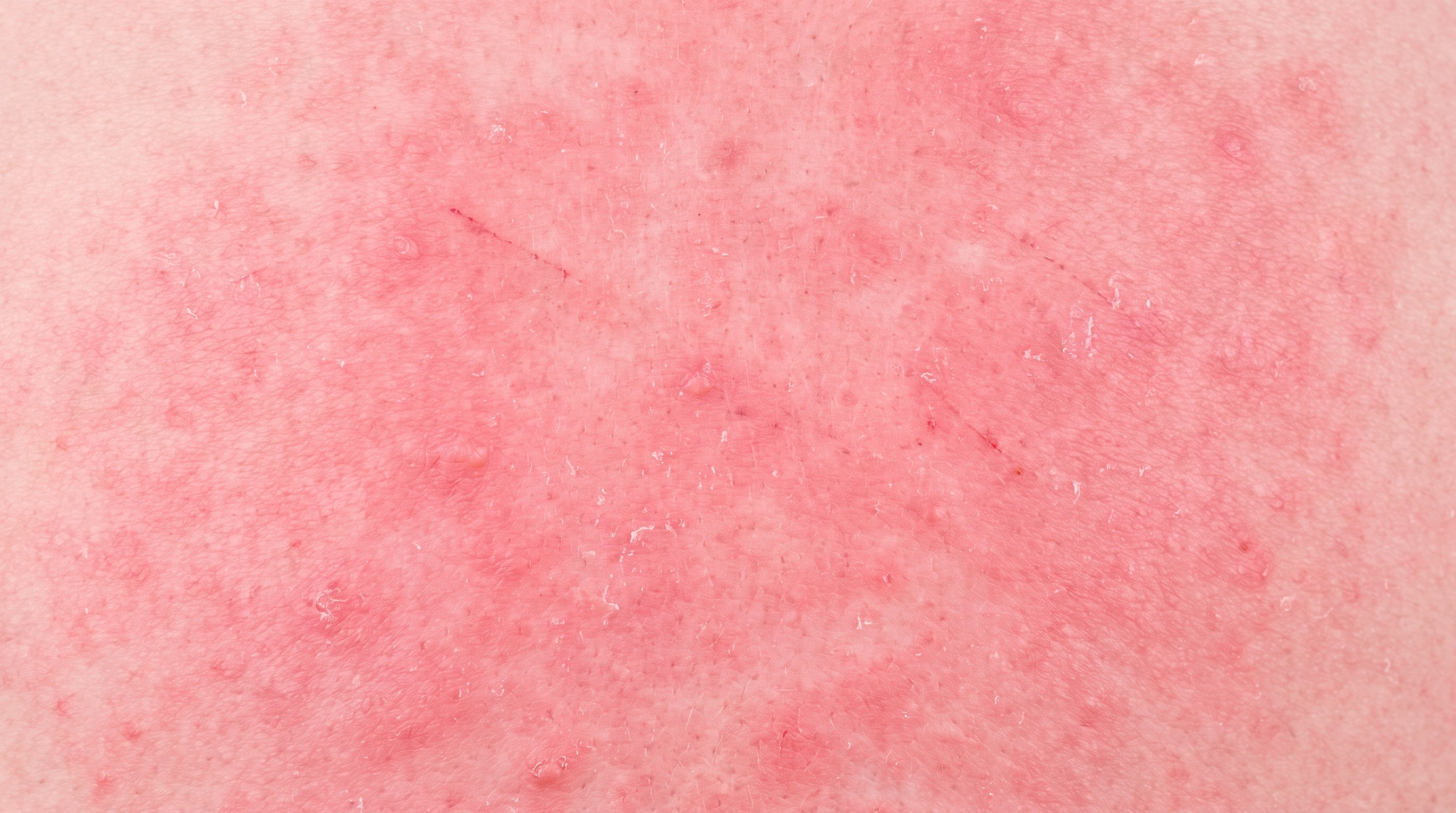
Extreme close-up of light skin in an active eczema flare, too close to tell which part of the body it is. Blotchy pink-red inflammation covers the whole frame with no clear edge, with small raised bumps, fine dry scale and a few fresh scratch marks.

Eczema

Dries inflamed skin.
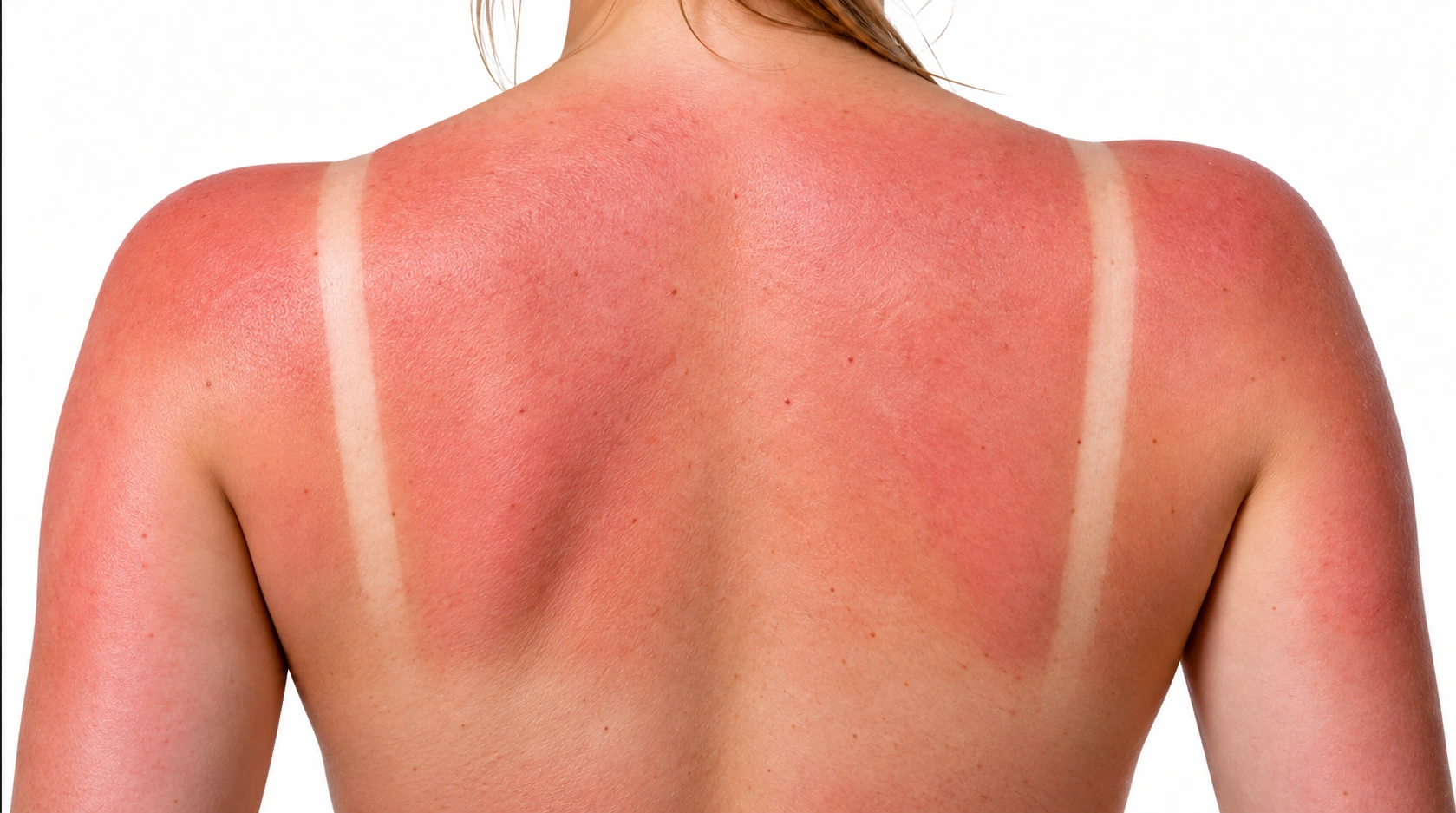
Sunburn: 1. Sunburn Header — Light Skin; Lighter skin.

Sunburn

Raises sun sensitivity.
How it works

Aklief

Aklief. Trifarotene changes skin-cell signals to help clear acne. 1. Activates RAR-gamma: Targets a retinoid receptor that regulates skin-cell genes. 2. Helps prevent clogged pores: Changes cell maturation and buildup inside follicles. 3. Helps calm inflamed acne: Acts on processes involved in skin inflammation.
Open full-size diagram
Diagram explanation and sources

Activates RAR-gamma: Targets a retinoid receptor that regulates skin-cell genes. Helps prevent clogged pores: Changes cell maturation and buildup inside follicles. Helps calm inflamed acne: Acts on processes involved in skin inflammation.

Trifarotene is an RAR agonist with particular activity at RAR-gamma, affecting differentiation and inflammatory gene processes. The exact clinical acne mechanism is not known.
Source 1

Doxycycline

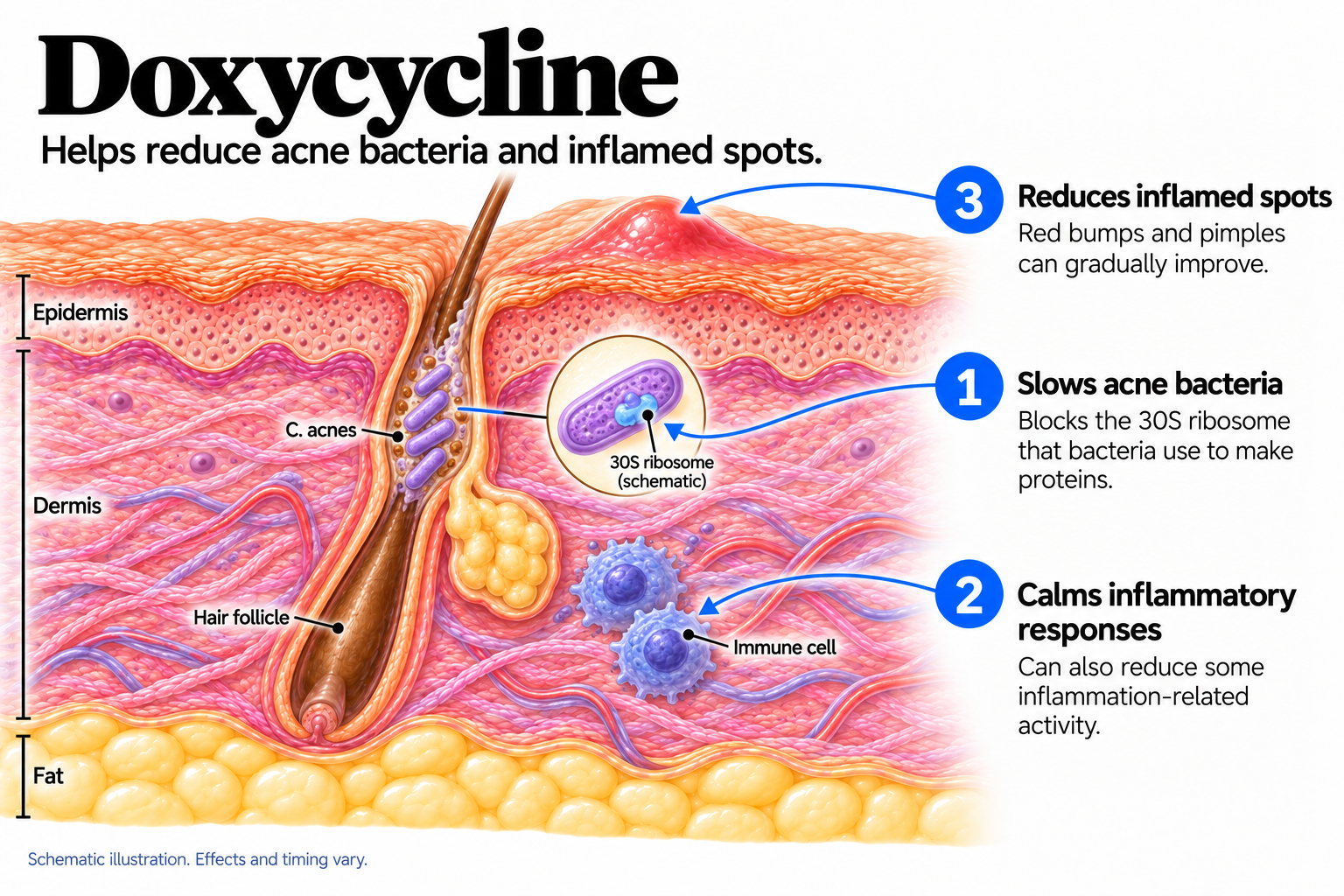
Doxycycline. Helps reduce acne bacteria and inflamed spots. 1. Slows acne bacteria: Blocks the 30S ribosome that bacteria use to make proteins. 2. Calms inflammatory responses: Can also reduce some inflammation-related activity. 3. Reduces inflamed spots: Red bumps and pimples can gradually improve.
Open full-size diagram
Diagram explanation and sources

Slows acne bacteria: Blocks the 30S ribosome that bacteria use to make proteins. Calms inflammatory responses: Can also reduce some inflammation-related activity. Reduces inflamed spots: Red bumps and pimples can gradually improve.

Bacterial protein-synthesis inhibition is established. The complete acne mechanism and the contribution of individual antibacterial and anti-inflammatory effects are not fully defined. This does not imply direct exfoliation, oil-gland shrinkage, or treatment of resistant bacteria.

Source 1 · Source 2

How you take it

Treatment plan

When to Apply: At night on clean dry skin. A thin layer over the whole area — one pump for the face, two for the chest, two for the back. Not on single spots.

How to Start: Every other night, or two to three nights a week, for two to four weeks, then nightly once the irritation settles.

If It Irritates: Drop back a night or two a week, or moisturize first. Trifarotene is the most irritating retinoid early on, and this is the stretch most people quit in.

If It’s Not Working: One strength, so nothing to increase. Give it twelve weeks, then ask your doctor about adding or switching.

Dose depends on what your stomach tolerates, not body weight. Kidney or liver problems can lower it.

Starting dose: 50 mg to 100 mg once or twice a day. Some doctors start low to see how your stomach does.
Going up: Raised after a week or two if you tolerate it and the acne has not budged.
Usual dose: Around 100 mg once or twice daily. Low-dose anti-inflammatory regimens use much less.
Total course: Three to four months. Reassess at three months and stop once topical treatment can hold the result.

Monitoring

No blood tests. Monitoring is a review at about twelve weeks to judge response and tolerance.

Nothing accumulates. What drifts is tolerance, and it usually improves rather than worsens. Once you are stable a yearly review is enough, and the recurring hassle is insurance renewal, not safety.

No blood tests are needed for a standard acne course in a healthy person. Monitoring is clinical, with a review at about three months.

This is not a drug to stay on for years. What builds is antibiotic resistance — in your skin bacteria and in the rest of your body — along with effects on the gut. Keep oral courses for acne as short as possible, with a topical retinoid running alongside to take over.

When to take it
Not covered in this guide yet

With a full glass of water and with food. Stay upright for 30 minutes afterward, and never right before bed — a tablet stuck in the food pipe can burn the lining. Food cuts the nausea and does not block absorption.

If you miss a dose
Not covered in this guide yet

Take it when you remember, unless the next dose is close. Never double up — you will just be nauseated.

When you’ll see results

Approximate windows, not promises.

● Aklief
● Doxycycline
Weeks 1 to 2

Weeks 1 to 2Dryness, redness and stinging, often worse on the chest and back than the face.

Weeks 1 to 2Little change. Any stomach upset shows up now.

Weeks 2 to 6

Weeks 2 to 6The irritation peaks then eases. Acne may briefly look worse.

Weeks 2 to 6Fewer, less painful inflamed spots. Blackheads do not change.

After 12 weeks

After 12 weeksFewer new spots and fewer blackheads. If nothing has changed after twelve weeks of nightly use, switch.

After 12 weeksIf inflamed acne is no better, continuing will not help. Reassess rather than extend.

Side effects

Sorted by what to do about them.

Aklief

Doxycycline

Common
Common
  • Dryness, redness and stinging, often worse on chest and back
  • Acne briefly looking worse
  • Burning more easily in the sun
Common
  • Stomach upset, worse on an empty stomach
  • Burning easily in the sun
  • Yeast infection during a course
Tell your doctor
Tell your doctor
  • Irritation worse after 6 weeks
Tell your doctor
  • Painful swallowing or chest pain
  • Headache or any change in vision
  • A rash after time in the sun
Stop and get care
Stop and get care
  • Blistering, swelling or hives
Stop and get care
  • Severe headache with blurred or double vision
  • Watery or bloody diarrhea with fever
  • A spreading rash that blisters, or facial swelling with fever

Safety and who should avoid it

Pregnancy
Avoid
Retinoids are avoided in pregnancy and while trying to conceive.
Avoid
Or planning one. Ask before you start or continue.
Breastfeeding
Avoid
Ask your doctor first.
Use care
Ask your doctor before you start or continue.
Children
9 and older
Approved from age 9.
Not under 8
Tetracyclines permanently stain developing teeth.
Monitoring
None
Review at about 12 weeks.
None routine
Reassess at 12 weeks rather than extend.
Key interactions
Check
Scrubs, strong acids, waxing on treated skin.
Check
Isotretinoin (stop doxycycline first). Space antacids, iron, calcium and dairy by about two hours. High-dose vitamin A supplements.
Other cautions
Avoid
Allergy to trifarotene; broken or sunburnt skin.
Avoid
An allergy to any tetracycline, including minocycline.

Cost and getting it

Getting it and cost

Brand only, no generic, and one of the more expensive topical acne treatments. Prior authorization is common, and insurers usually want a generic retinoid tried first. Manufacturer savings programs exist and change often.

Generic doxycycline is cheap, though prices have swung at times. Branded high-dose and modified-release versions cost far more and rarely work better. Monohydrate and hyclate are both generic — if one upsets your stomach, try the other.

When you stop

Comes back?
Yes, usually within 2–3 months.
If a retinoid and benzoyl peroxide are in place, the result usually holds. If doxycycline was doing the work alone, acne returns within one to two months.
Taper needed?
No rebound, no taper.
No. There is no withdrawal and no taper.
After the last dose
Many switch to a cheaper generic retinoid for maintenance.
Sun sensitivity reverses after you stop.

Common questions

Aklief:Is it better than tretinoin?

For the face, no strong evidence. For the chest and back, it is the retinoid with the label and the data.

Aklief:Can I use it on my back myself?

Yes, but reach matters. A long-handled applicator helps; missing the middle of the back is the usual reason it seems not to work.

Aklief:Why did my insurance refuse it?

Because generic retinoids exist, and most plans want one tried first.

Aklief:Does the pump mean I am using the right amount?

It helps. One press per area, and more does not work faster.

Doxycycline:How long will I be on it?

Three to four months. A year on it means the plan needs revisiting, not refilling.

Doxycycline:Can I drink alcohol?

Occasional drinking is fine. Heavy drinking can lower drug levels.

Doxycycline:Does it stop my birth control working?

No. There is no meaningful interaction with combined oral contraceptives. Rifampin is the one that interferes.

Doxycycline:Why do I burn so easily now?

It makes skin much more reactive to ultraviolet light, and reverses after you stop.

Doxycycline:Can I take it alongside isotretinoin?

No. That combination raises the risk of pressure around the brain.
Dermapedia on YouTube