At a glance
Best for each concern
Strength of evidence for each concern, from each medication's guide.
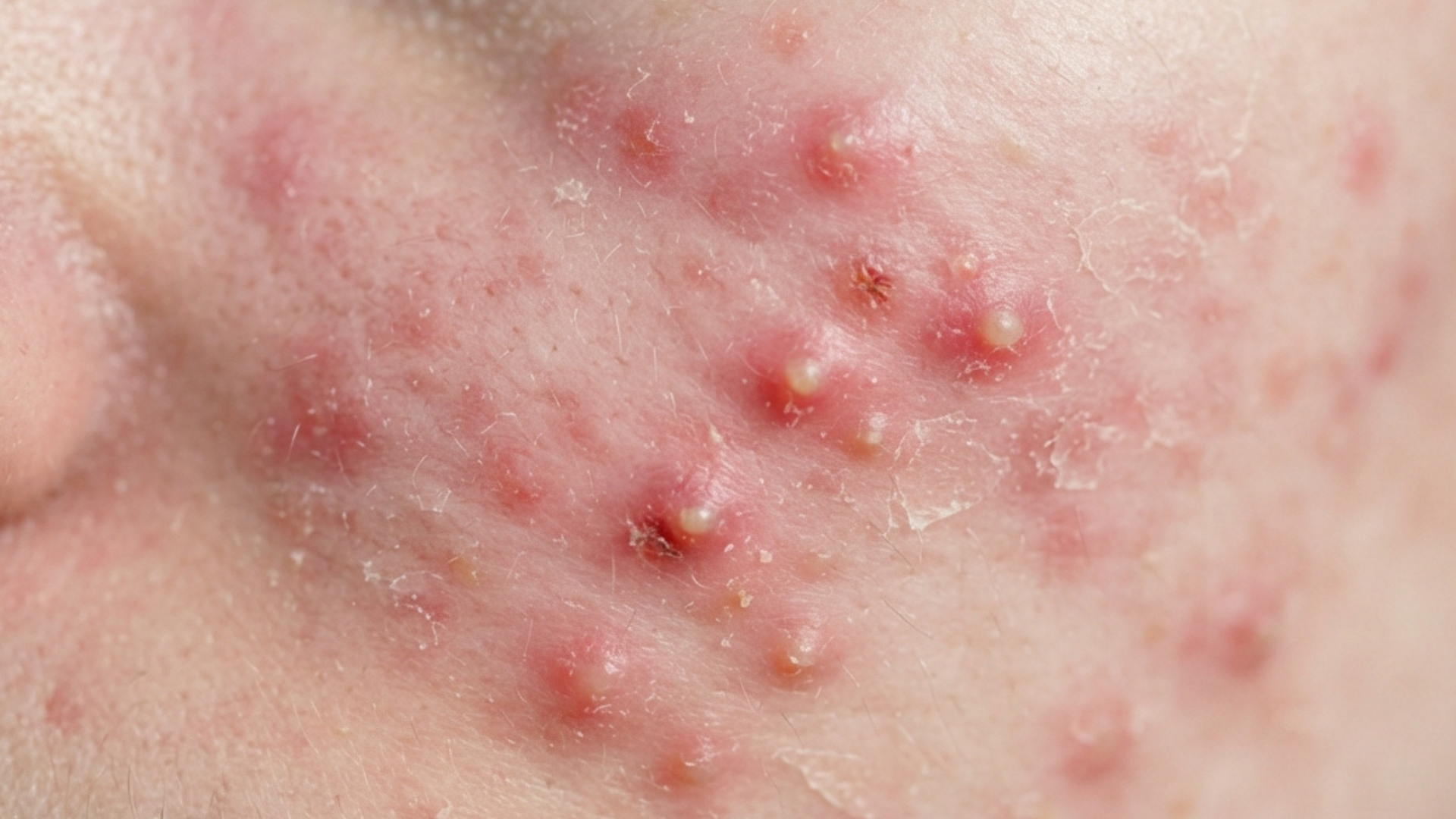
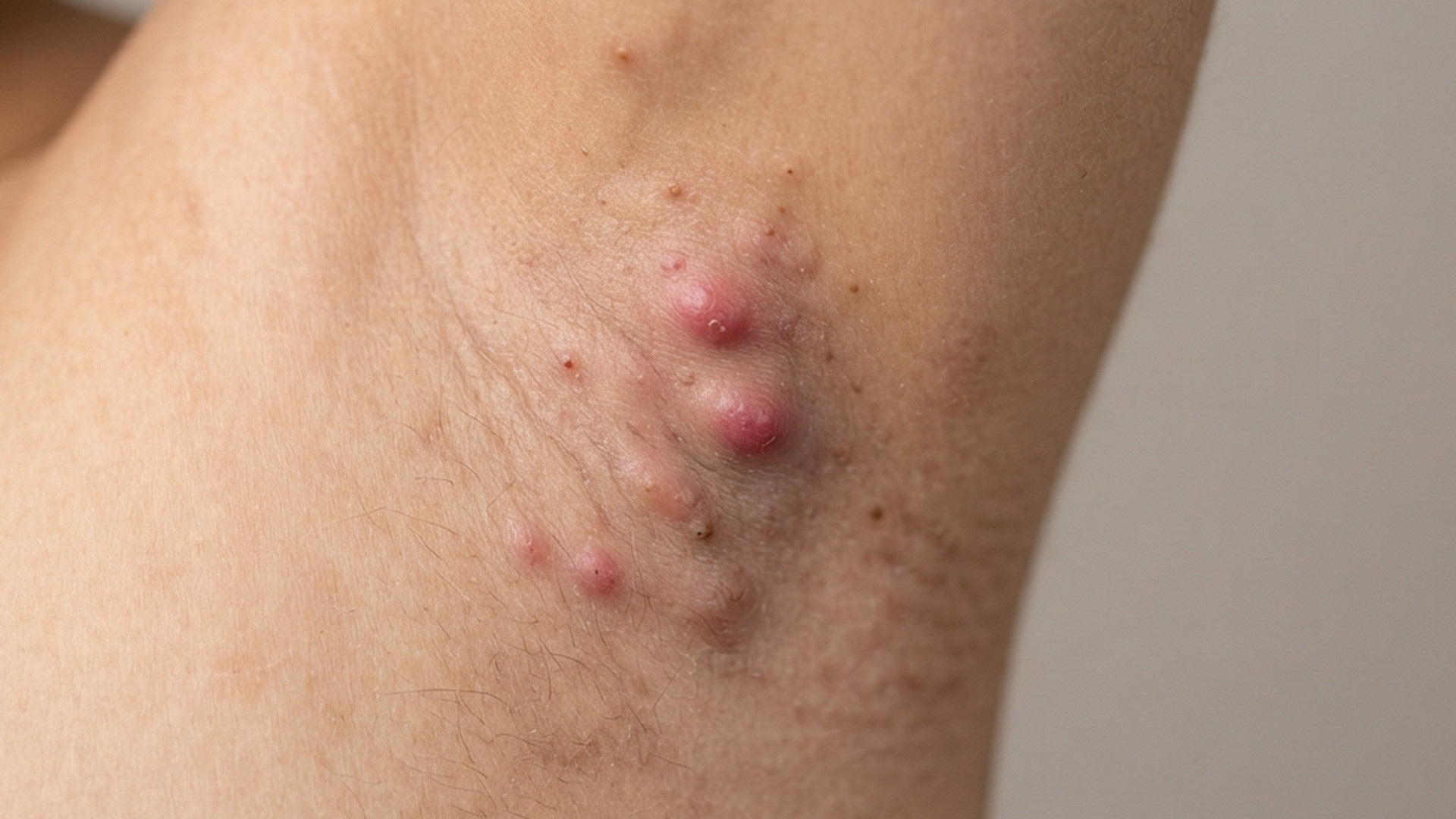
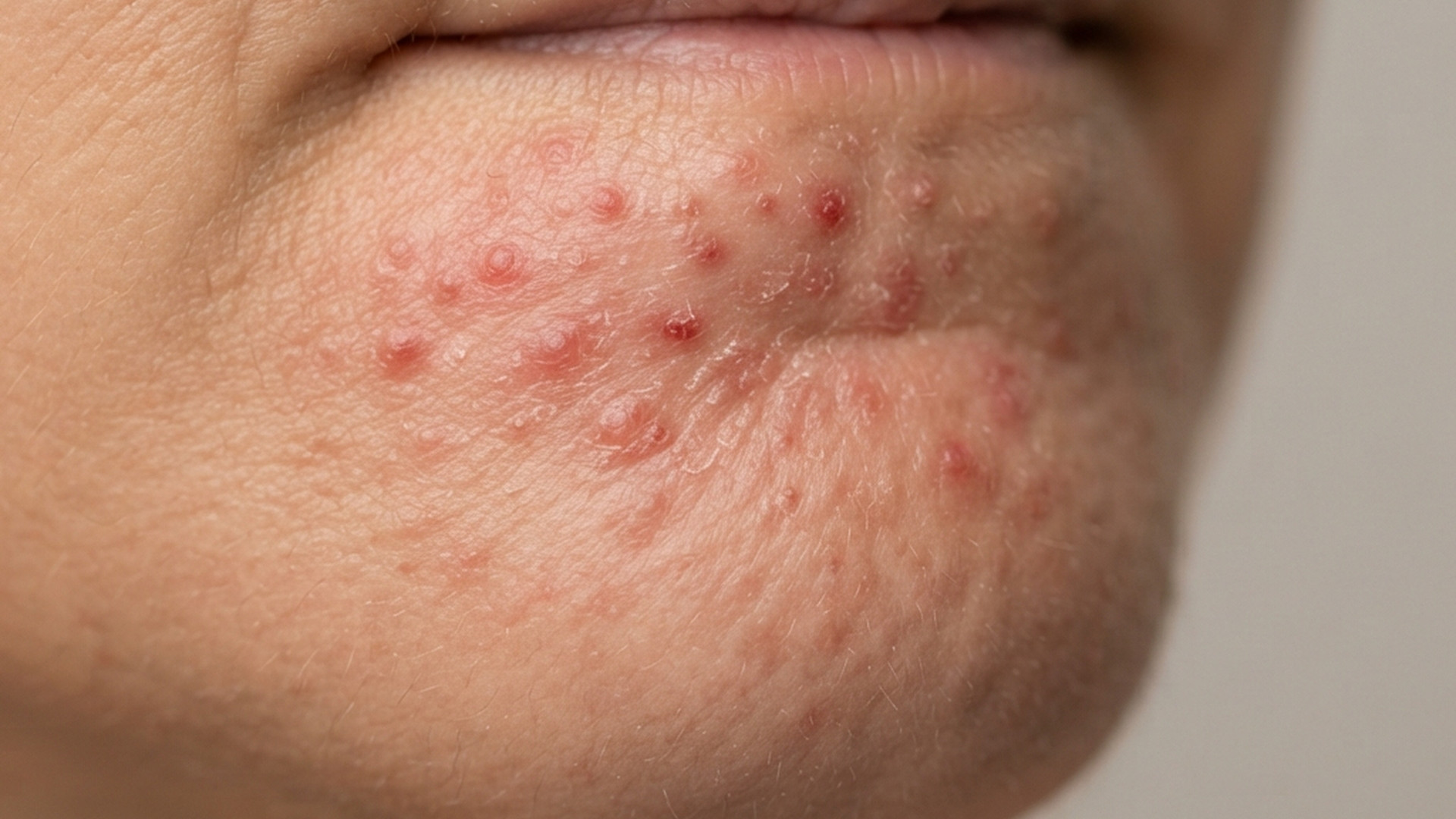
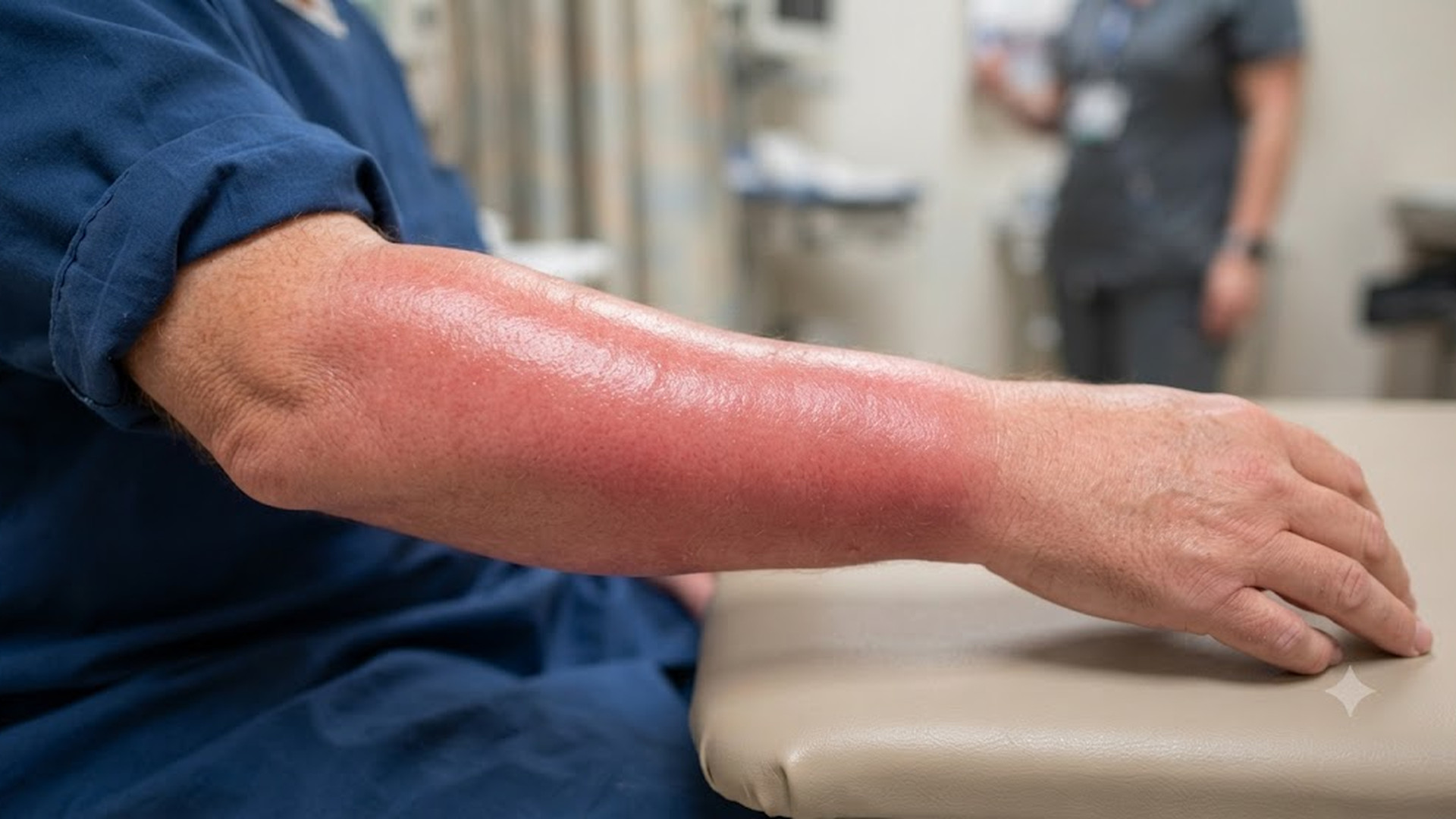
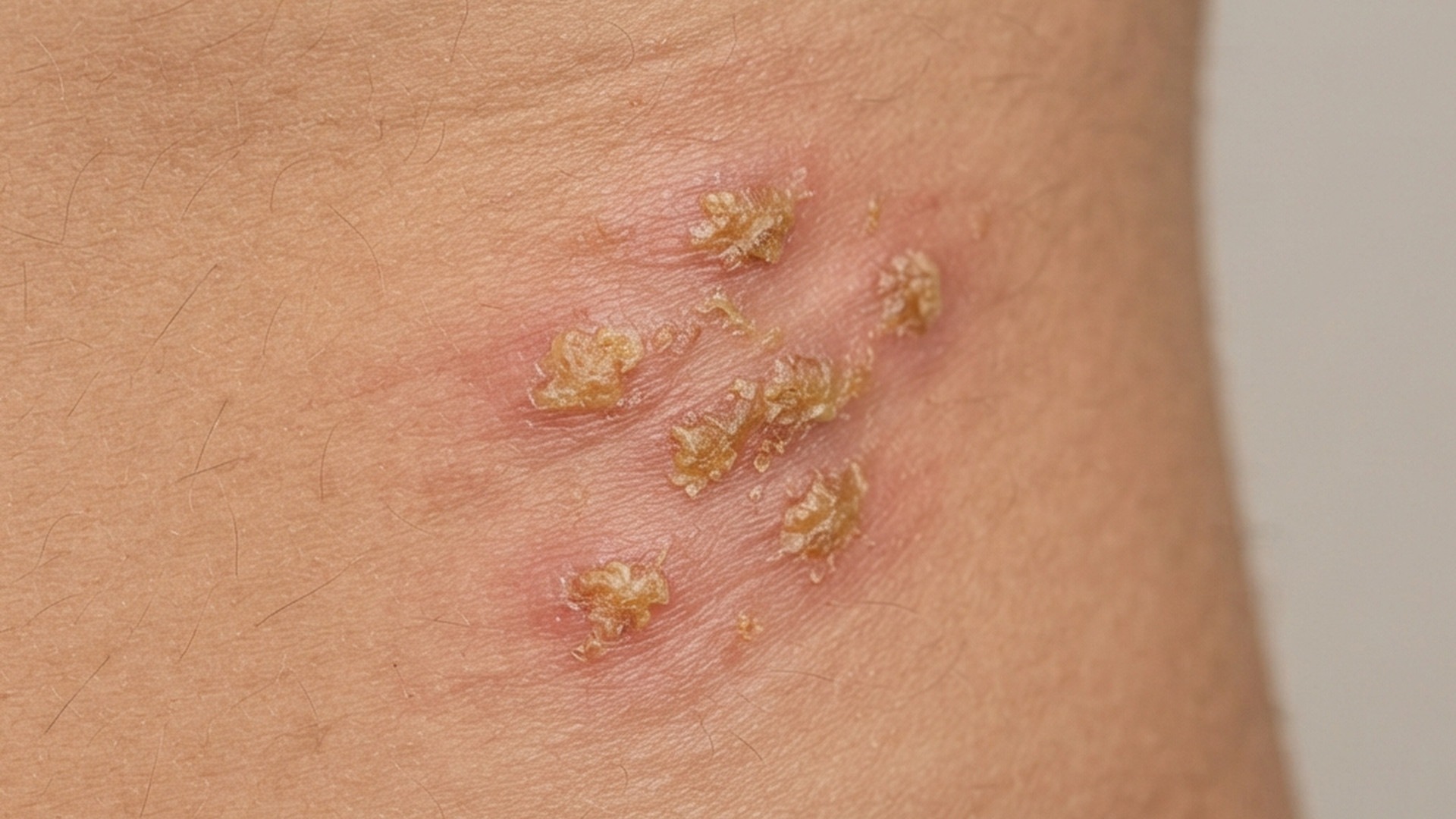

How each works
It works as is.
Step by step
- It travels in the blood. The tablet is absorbed in the gut and carried to the skin.
- It reaches the follicle. It collects around oil glands and follicles.
- It stops bacteria. It blocks acne bacteria from making proteins, with less effect on gut bacteria.
- Inflammation calms. It also lowers inflammation, so red spots shrink.
It works as is.
Step by step
- It travels in the blood. The tablet is absorbed and reaches the skin.
- It reaches the follicle. It collects around oil glands.
- It blocks bacteria. Standard doses stop acne bacteria growing.
- Inflammation calms. Low doses calm rosacea without killing bacteria.
Doses and forms
Sarecycline is a once-daily tablet. The dose depends on body weight rather than how severe the acne is.
Strengths: 60 mg | 100 mg | 150 mg
- TabletDosed by weight · 60 mg for 33–54 kg, 100 mg for 55–84 kg, 150 mg for 85 kg or more.60 mg · 100 mg · 150 mg
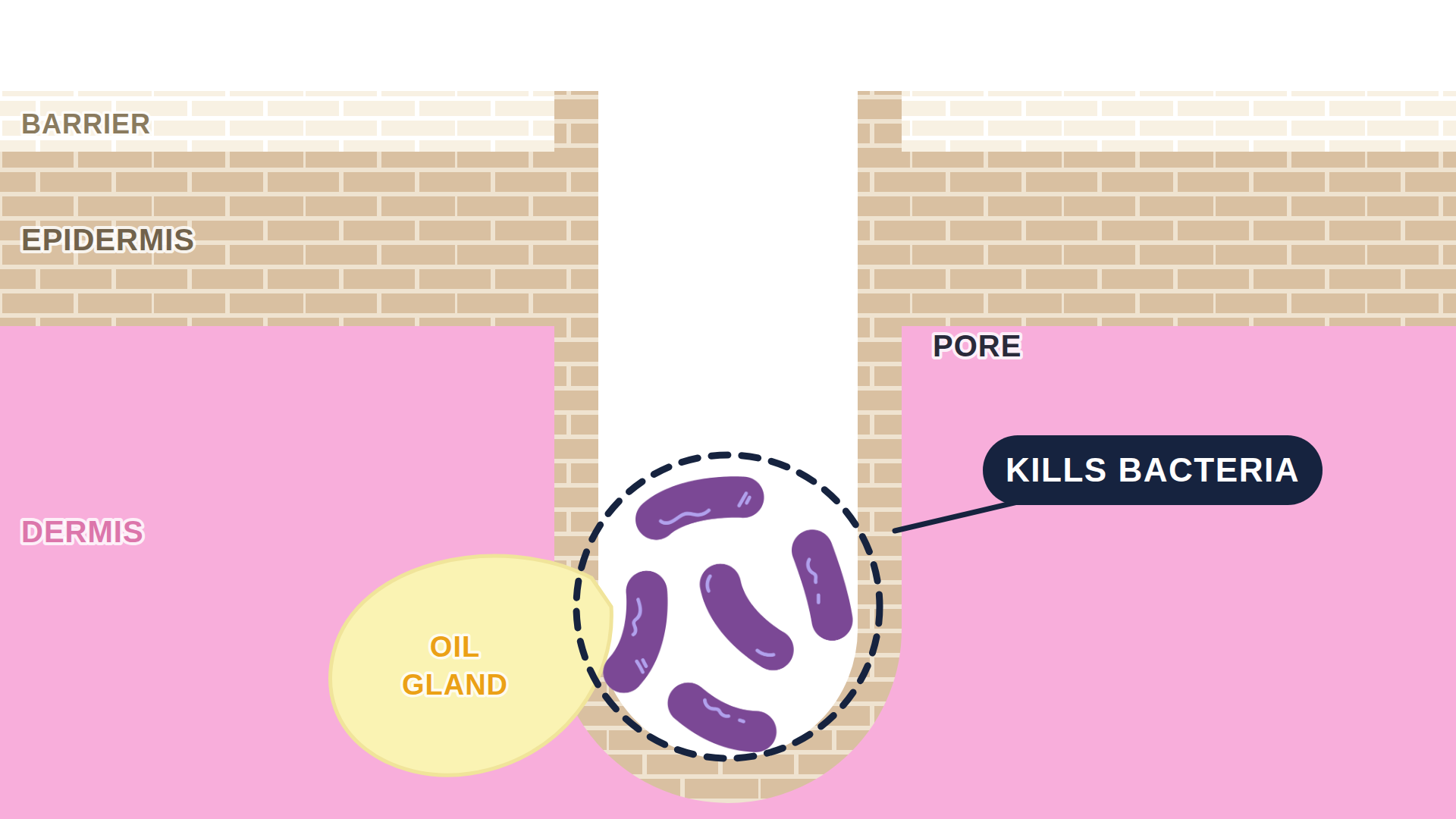
Doxycycline comes in standard doses for acne and infections, and a low-dose capsule for rosacea.
Strengths: 40 mg | 50 mg | 100 mg*
- Low-dose capsuleRosacea · Anti-inflammatory dose.40 mg
- Tablet or capsuleAcne · Once or twice a day.50 mg · 100 mg
- Delayed-release tabletSensitive stomach · Easier on the stomach.50 mg to 200 mg

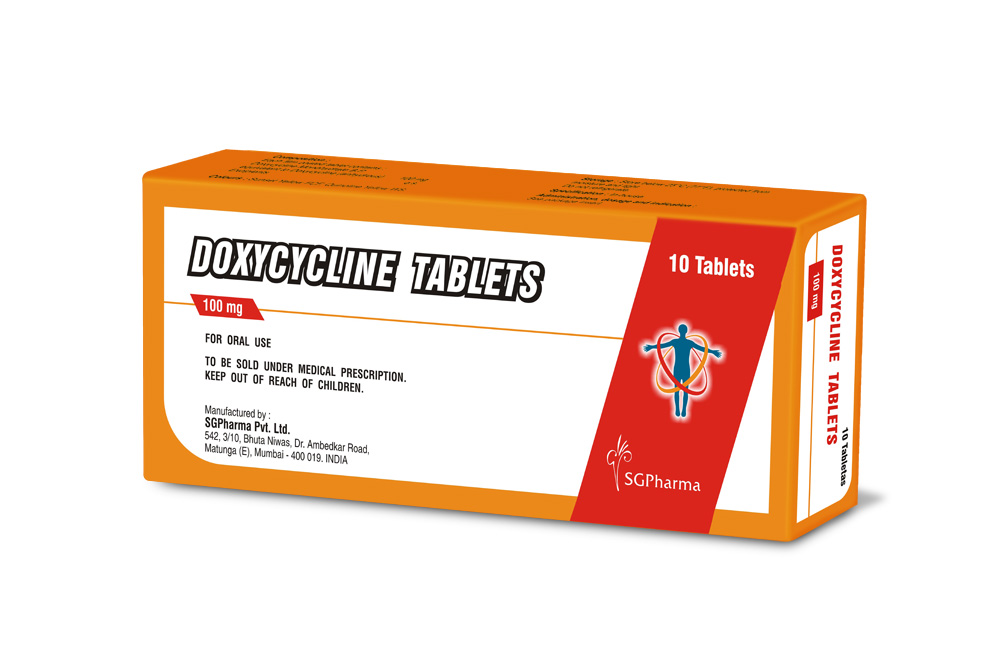
How to use them
Dosing is by body weight and fixed from day one. No build-up, no titration.
Full instructions
Starting dose: The weight band dose, once daily, from day one.
Going up: No step up within a weight band. If acne is not responding, look at the whole plan rather than raise the dose.
Usual dose: 60 mg, 100 mg or 150 mg once daily, set by weight.
Total course: About three to four months. As with any oral antibiotic for acne, reassess at around three months and stop once topical treatment can hold the result.
Dose depends on what your stomach tolerates, not body weight. Kidney or liver problems can lower it.
- Starting dose: 50 mg to 100 mg once or twice a day. Some doctors start low to see how your stomach does.
- Going up: Raised after a week or two if you tolerate it and the acne has not budged.
- Usual dose: Around 100 mg once or twice daily. Low-dose anti-inflammatory regimens use much less.
- Total course: Three to four months. Reassess at three months and stop once topical treatment can hold the result.
Once a day, same time, with or without food. Take it with a full glass of water and stay upright for at least 30 minutes — a tetracycline tablet that lodges in the food pipe can burn the lining.
Space antacids, iron and calcium by about two hours; they bind the drug.
With a full glass of water and with food. Stay upright for 30 minutes afterward, and never right before bed — a tablet stuck in the food pipe can burn the lining. Food cuts the nausea and does not block absorption.
Take it when you remember, the same day. If it is nearly time for the next one, skip it. Never take two at once.
Take it when you remember, unless the next dose is close. Never double up — you will just be nauseated.
No routine blood tests for a standard three to four month acne course in a healthy person. Monitoring is clinical, with a review at about three months.
Full instructions
Yeast infections came up in the trials, mostly vaginal thrush. They are easy to treat and not a reason to stop.
Longer term, the rule is the same as for every oral antibiotic in acne: keep courses short, with a topical retinoid alongside to hand the job to. The narrower spectrum is a reason to expect less collateral disruption, not a license to stay on it.
No blood tests are needed for a standard acne course in a healthy person. Monitoring is clinical, with a review at about three months.
This is not a drug to stay on for years. What builds is antibiotic resistance — in your skin bacteria and in the rest of your body — along with effects on the gut. Keep oral courses for acne as short as possible, with a topical retinoid running alongside to take over.
Using them together
What to expect
- First doseTaking it
One tablet a day, with or without food.
- Weeks 1 to 2Settling in
Little change yet.
- Weeks 3 to 6Working
Red, sore papules and pustules become fewer and less painful.
- Weeks 8 to 12Judge it here
Most of what an antibiotic will do has happened.
Not stated in existing content.
Approximate timing. It varies from person to person.
Safety and cautions
- Lying down straight after a dose. Stay upright for about half an hour.
- Taking it without a topical alongside. An antibiotic alone leaves the clog untreated, and acne returns when the course ends.
- Month after month without review. The point of a narrow-spectrum drug is stewardship; long uninterrupted use undoes that.
- Lying down straight after a dose. Stay upright about half an hour, or the capsule can sit in the food pipe and irritate it.
- Isotretinoin, now or planned. Both raise pressure around the brain, so doxycycline stops before isotretinoin starts.
- Pregnancy. Or planning one. Ask before you start or continue.
- An allergy to any tetracycline. Including minocycline and tetracycline itself.
- you take isotretinoin. Now, or expect to start it. Together they raise the risk of raised pressure around the brain. Tetracyclines are stopped before isotretinoin begins.
- you are pregnant or breastfeeding. This includes planning a pregnancy. Ask the doctor managing your pregnancy before you start or continue.
- you are asking about a child under nine. Not used below that age — tetracyclines can permanently stain developing teeth.
- you react to any tetracycline. That includes doxycycline, minocycline and tetracycline itself.
- a headache will not settle. Especially with blurred or double vision. Raised pressure around the brain is rare but needs checking quickly.
- you develop watery or bloody diarrhea. Any antibiotic can disturb gut bacteria. This needs assessment, not an anti-diarrheal.
- you get repeated yeast infections. Worth a plan.
- cost or coverage is the problem. There are generic alternatives in the same family.
- Antacids, iron, calcium and dairy. Taken together they bind the drug. Space them by about two hours.
- High-dose vitamin A supplements. They add to the risk of raised pressure around the brain.
- Antacids, iron, calcium and dairy. Taken together they bind the drug, so less gets in. Space them by about two hours.
- High-dose vitamin A supplements. They add to the risk of raised pressure around the brain.
- Heavy drinking. No direct interaction, but it clears the drug faster, so it may work less well.
- Breastfeeding. Or planning one. Ask before you start or continue.
- A child under eight. Tetracyclines permanently stain developing teeth.
- Fungal Acne: Antibiotics can let yeast overgrow.
- Sunburn: Raises sun sensitivity.
Cost and coverage
Questions
About Seysara: How is it different from doxycycline?
It acts on a narrower range of bacteria, so it disturbs gut bacteria less, and it is once daily with or without food. It has not been shown to clear acne better, and it costs considerably more.
About Seysara: Does the narrow spectrum actually matter?
In the laboratory, clearly. For patients over years, the evidence is thin.
About Doxycycline: How long will I be on it?
Three to four months. A year on it means the plan needs revisiting, not refilling.
About Doxycycline: Can I drink alcohol?
Occasional drinking is fine. Heavy drinking can lower drug levels.
Also compared with