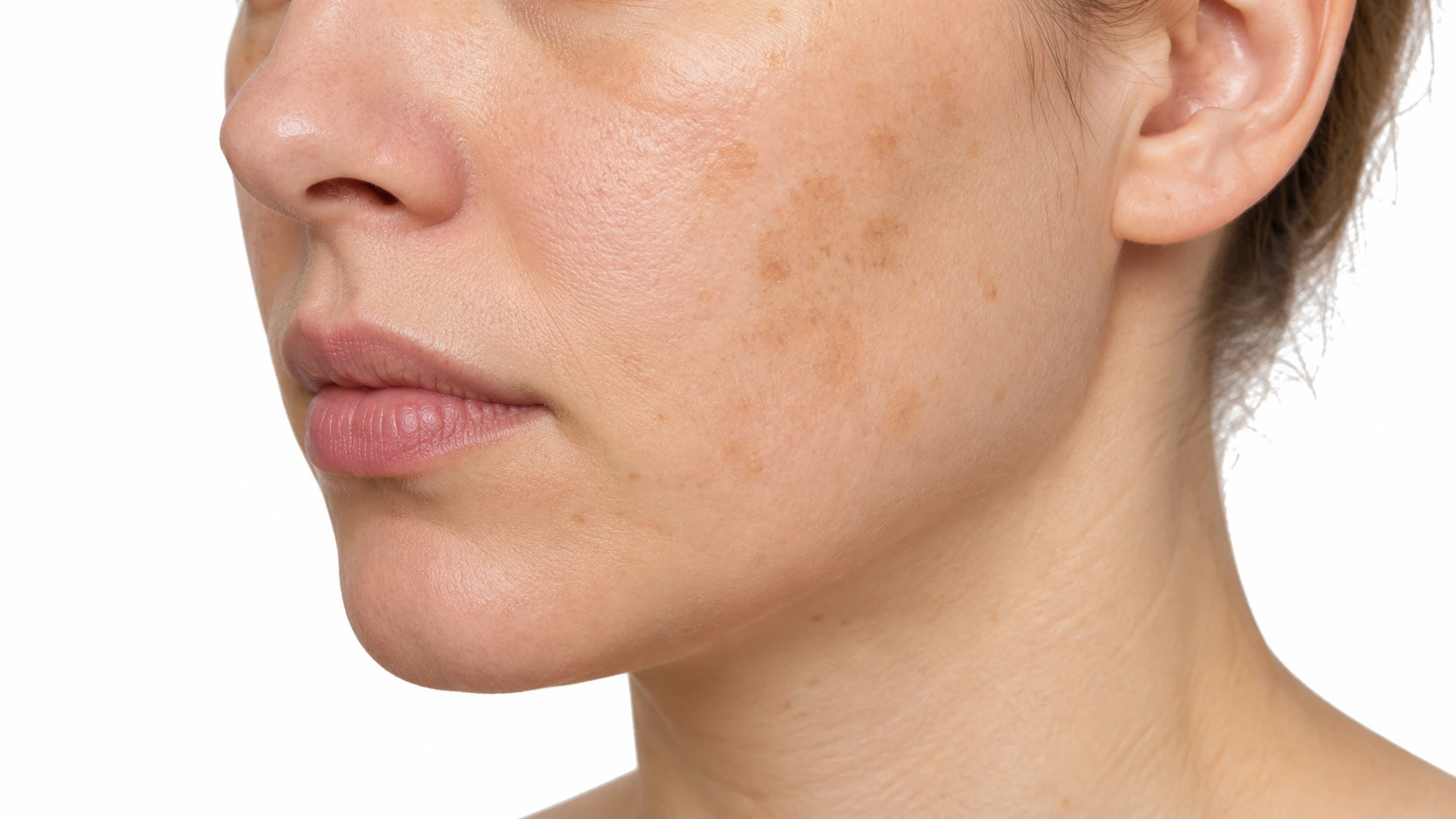
Acne
Clears face and body acne.
Aklief: A newer prescription retinoid cream for acne. Its real advantage is that it was tested and approved for the chest and back, not only the face. Seysara: A once-daily oral antibiotic designed specifically for acne. Its narrower reach is meant to disturb the rest of the body's bacteria less.
Choose for acne on the chest and back as well as the face — it is the retinoid tested specifically there.
Choose for inflamed acne needing tablets when you want an antibiotic designed to disturb other body bacteria less — if insurance covers it.
Can you take them together?
A standard plan for moderate acne: Seysara for about 3 months plus a topical retinoid like Aklief, which continues once the antibiotic stops.
Compare uses by strength of evidence. Evidence level describes confidence in a benefit, not its size.

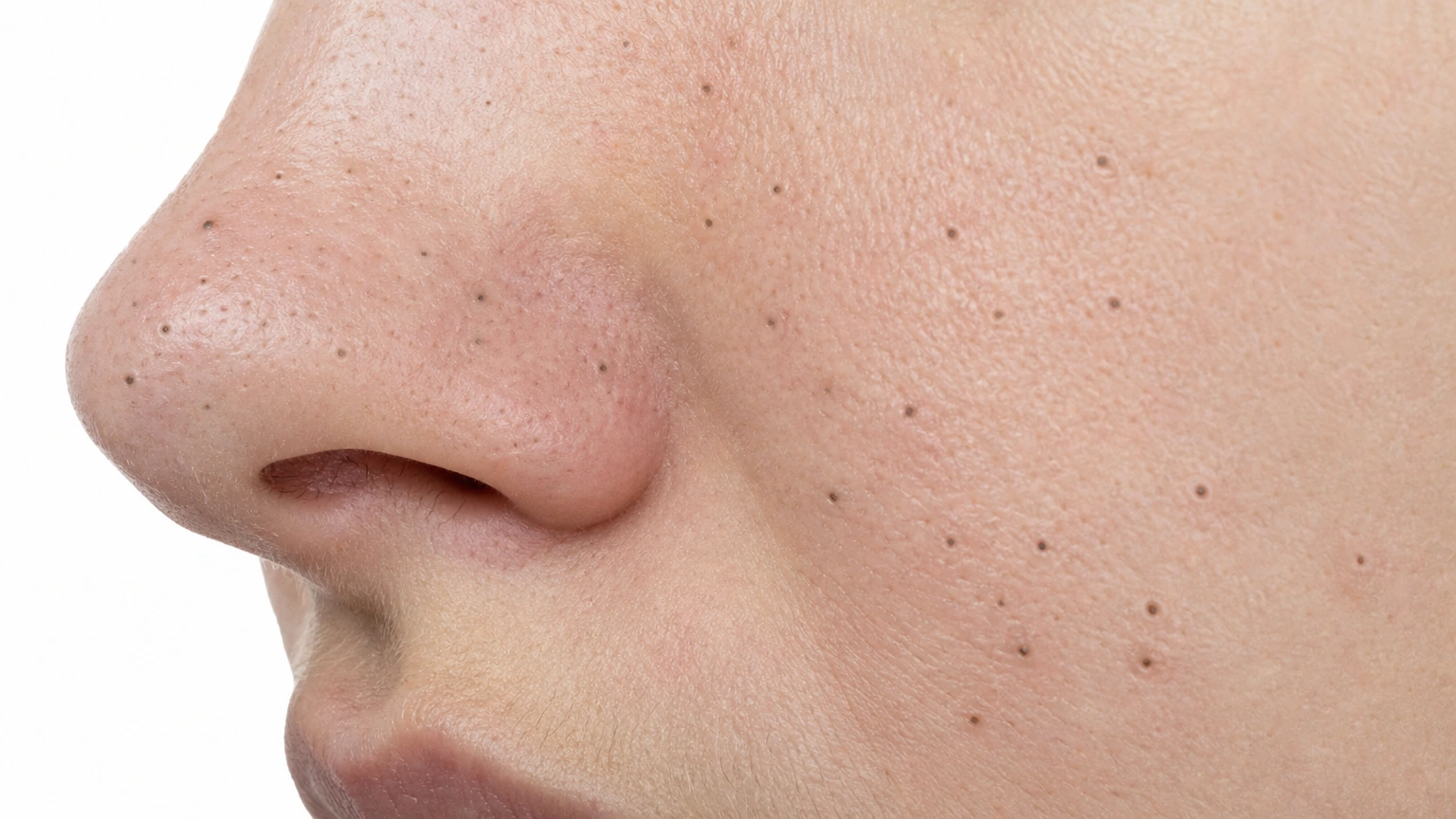

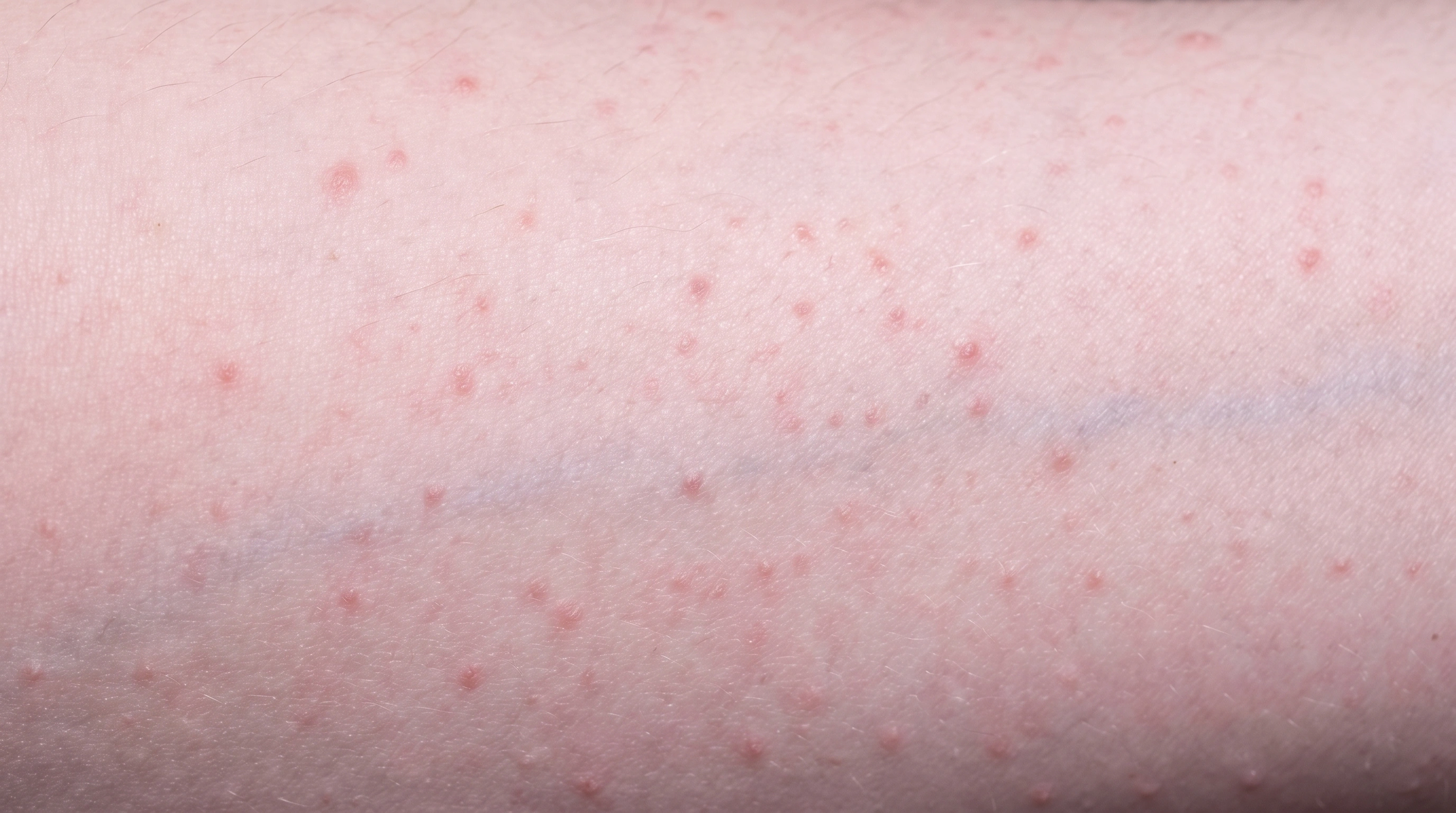

Activates RAR-gamma: Targets a retinoid receptor that regulates skin-cell genes. Helps prevent clogged pores: Changes cell maturation and buildup inside follicles. Helps calm inflamed acne: Acts on processes involved in skin inflammation.
Trifarotene is an RAR agonist with particular activity at RAR-gamma, affecting differentiation and inflammatory gene processes. The exact clinical acne mechanism is not known.

Slows acne bacteria: Blocks the 30S ribosome that bacteria use to make proteins. Limits bacterial growth: Susceptible C. acnes has less ability to multiply. Reduces inflamed spots: Red bumps and pimples can gradually improve.
Bacterial protein-synthesis inhibition is established. The complete acne mechanism and the contribution of individual antibacterial and anti-inflammatory effects are not fully defined. This does not imply direct exfoliation, oil-gland shrinkage, or treatment of resistant bacteria.
When to Apply: At night on clean dry skin. A thin layer over the whole area — one pump for the face, two for the chest, two for the back. Not on single spots.
How to Start: Every other night, or two to three nights a week, for two to four weeks, then nightly once the irritation settles.
If It Irritates: Drop back a night or two a week, or moisturize first. Trifarotene is the most irritating retinoid early on, and this is the stretch most people quit in.
If It’s Not Working: One strength, so nothing to increase. Give it twelve weeks, then ask your doctor about adding or switching.
Dosing is by body weight and fixed from day one. No build-up, no titration.
Starting dose: The weight band dose, once daily, from day one.
Going up: No step up within a weight band. If acne is not responding, look at the whole plan rather than raise the dose.
Usual dose: 60 mg, 100 mg or 150 mg once daily, set by weight.
Total course: About three to four months. As with any oral antibiotic for acne, reassess at around three months and stop once topical treatment can hold the result.
No blood tests. Monitoring is a review at about twelve weeks to judge response and tolerance.
Nothing accumulates. What drifts is tolerance, and it usually improves rather than worsens. Once you are stable a yearly review is enough, and the recurring hassle is insurance renewal, not safety.
No routine blood tests for a standard three to four month acne course in a healthy person. Monitoring is clinical, with a review at about three months.
Yeast infections came up in the trials, mostly vaginal thrush. They are easy to treat and not a reason to stop.
Longer term, the rule is the same as for every oral antibiotic in acne: keep courses short, with a topical retinoid alongside to hand the job to. The narrower spectrum is a reason to expect less collateral disruption, not a license to stay on it.
Once a day, same time, with or without food. Take it with a full glass of water and stay upright for at least 30 minutes — a tetracycline tablet that lodges in the food pipe can burn the lining.
Space antacids, iron and calcium by about two hours; they bind the drug.
Take it when you remember, the same day. If it is nearly time for the next one, skip it. Never take two at once.
Approximate windows, not promises.
Weeks 1 to 2Dryness, redness and stinging, often worse on the chest and back than the face.
Weeks 1 to 2Settling in: Little change yet.
Weeks 2 to 6The irritation peaks then eases. Acne may briefly look worse.
After 12 weeksFewer new spots and fewer blackheads. If nothing has changed after twelve weeks of nightly use, switch.
First doseTaking it: One tablet a day, with or without food. Nausea, if it happens, is mild and shows up in the first fortnight.
Weeks 3 to 6Working: Red, sore papules and pustules become fewer and less painful. Trials saw a difference from around week three.
Weeks 8 to 12Judge it here: Most of what an antibiotic will do has happened. Dark marks fade too, because fewer new spots form — that takes months, and sun protection helps.
Sorted by what to do about them.
Brand only, no generic, and one of the more expensive topical acne treatments. Prior authorization is common, and insurers usually want a generic retinoid tried first. Manufacturer savings programs exist and change often.
Brand only, no generic, and far more expensive than generic doxycycline or minocycline. Coverage is inconsistent and prior authorization is common, usually requiring a cheaper tetracycline first.
Manufacturer savings cards exist and the terms change often. If cost is the barrier, raise it at the appointment, not at the pharmacy counter.
For the face, no strong evidence. For the chest and back, it is the retinoid with the label and the data.
Yes, but reach matters. A long-handled applicator helps; missing the middle of the back is the usual reason it seems not to work.
Because generic retinoids exist, and most plans want one tried first.
It helps. One press per area, and more does not work faster.
It acts on a narrower range of bacteria, so it disturbs gut bacteria less, and it is once daily with or without food. It has not been shown to clear acne better, and it costs considerably more.
In the laboratory, clearly. For patients over years, the evidence is thin.
Usually three to four months, like the other oral antibiotics for acne. Still refilling a year later means the plan needs revisiting.
Yes. Space antacids, iron and calcium by about two hours.
Sun sensitivity is reported less often than with doxycycline, but this is still a tetracycline. Keep using sunscreen.
Brand only, no generic. Many plans require a generic tetracycline first.