Acne
Clears face and body acne.
Aklief: A newer prescription retinoid cream for acne. Its real advantage is that it was tested and approved for the chest and back, not only the face. Spironolactone: A water tablet that blocks male-type hormones as a side effect. In adult women, that side effect is the reason it is prescribed for acne.
Choose for acne on the chest and back as well as the face — it is the retinoid tested specifically there.
Choose for hormonal acne in adult women as a long-term, low-cost alternative to repeated antibiotic courses.
Can you take them together?
A common pairing for adult hormonal acne: spironolactone lowers oil from the inside while Aklief keeps pores clear.
Compare uses by strength of evidence. Evidence level describes confidence in a benefit, not its size.
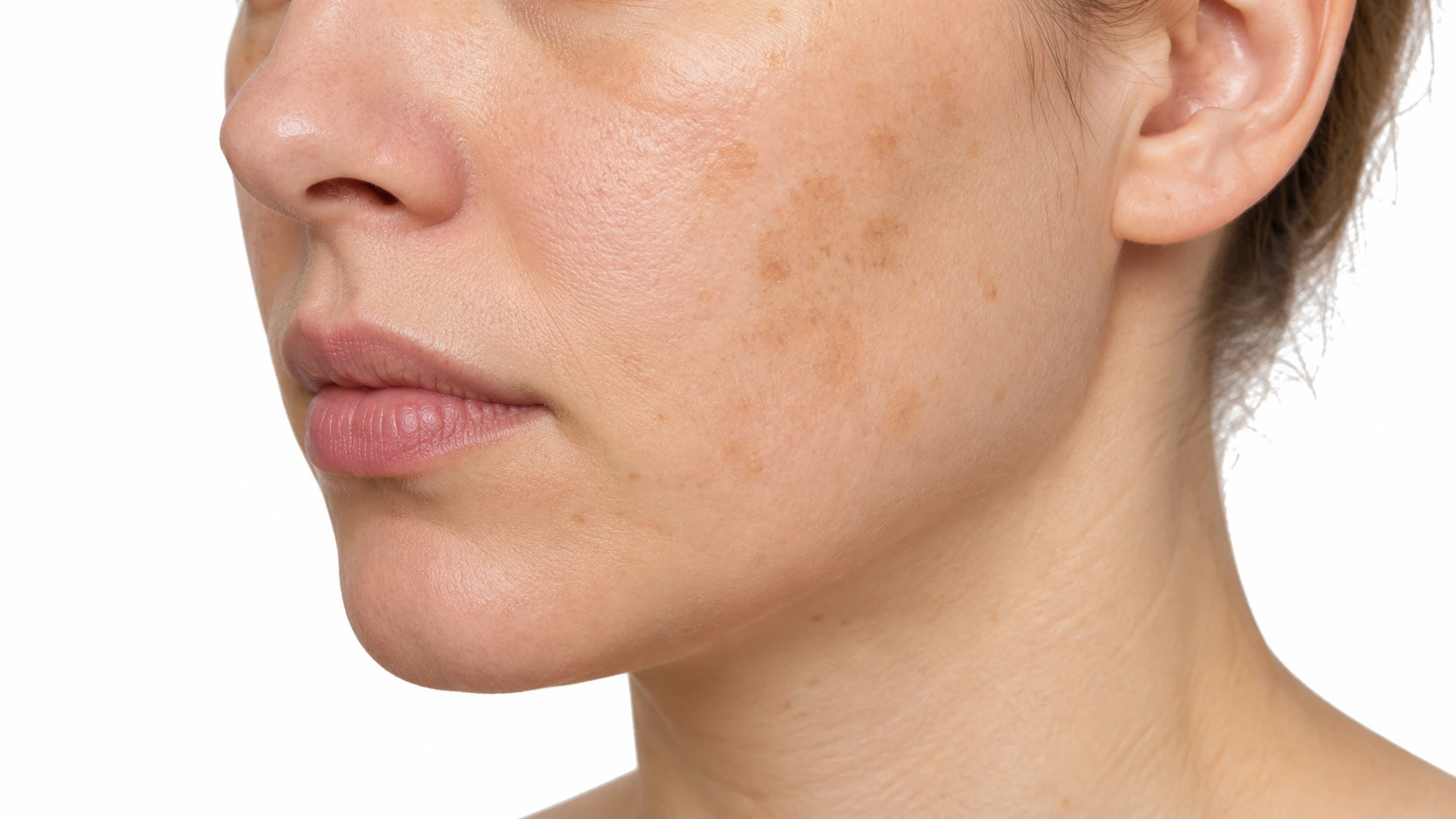



Activates RAR-gamma: Targets a retinoid receptor that regulates skin-cell genes. Helps prevent clogged pores: Changes cell maturation and buildup inside follicles. Helps calm inflamed acne: Acts on processes involved in skin inflammation.
Trifarotene is an RAR agonist with particular activity at RAR-gamma, affecting differentiation and inflammatory gene processes. The exact clinical acne mechanism is not known.

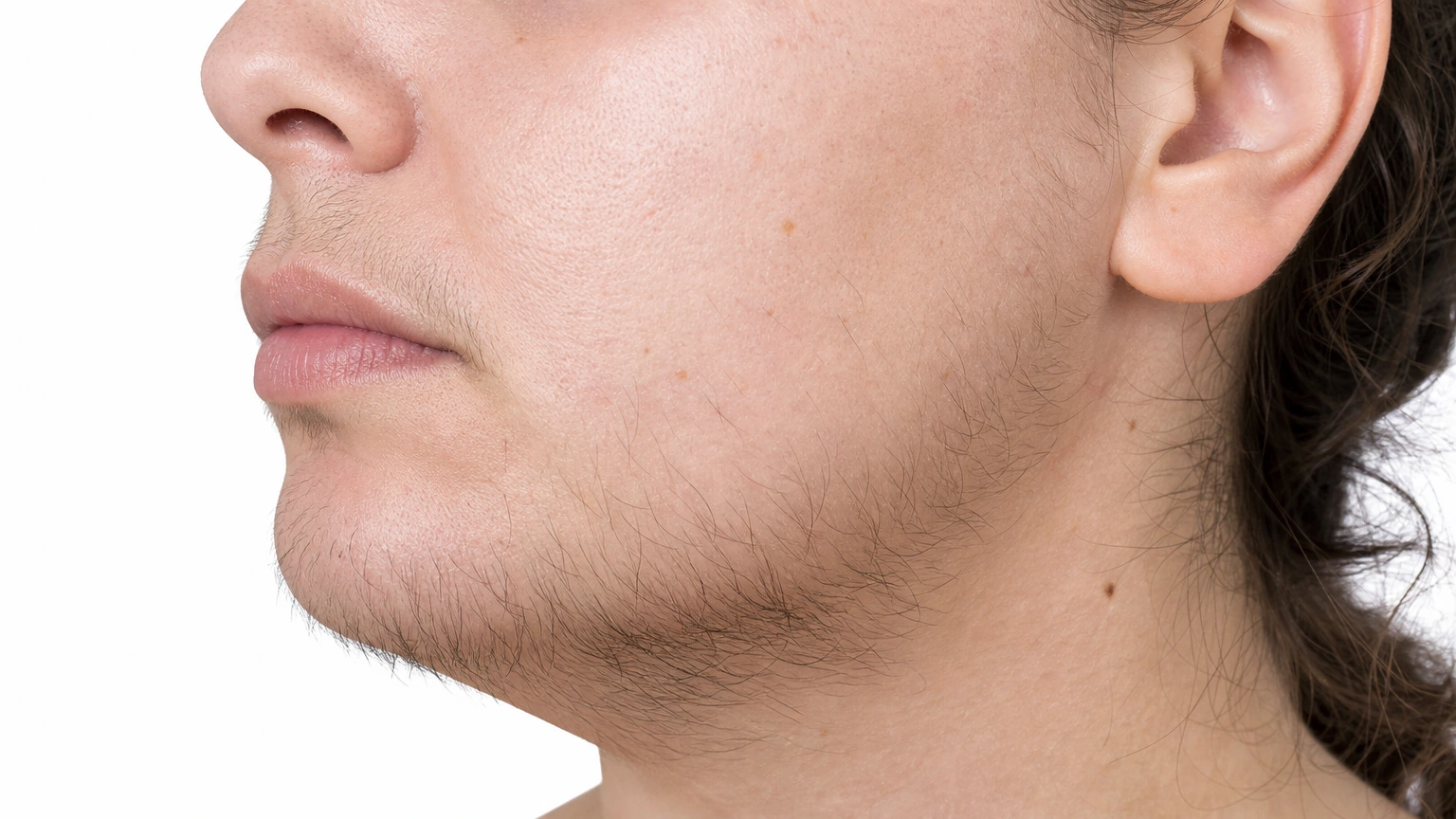
Reduces breakouts: Hormone-driven acne gradually improves. Makes less oil: Oil glands release less sebum into follicles. Blocks androgen signals: Limits hormone stimulation of oil-gland cells.
Oral spironolactone acne mechanism overview. Clinical evidence for acne improvement and reduced sebum is complemented by topical receptor studies and cultured sebocyte findings. The receptor is conceptual and intracellular; hormone shapes and oil droplets are not to scale. This is not a direct exfoliant or antibacterial.
When to Apply: At night on clean dry skin. A thin layer over the whole area — one pump for the face, two for the chest, two for the back. Not on single spots.
How to Start: Every other night, or two to three nights a week, for two to four weeks, then nightly once the irritation settles.
If It Irritates: Drop back a night or two a week, or moisturize first. Trifarotene is the most irritating retinoid early on, and this is the stretch most people quit in.
If It’s Not Working: One strength, so nothing to increase. Give it twelve weeks, then ask your doctor about adding or switching.
The dose depends on tolerance and blood pressure more than weight. Kidney function sets the ceiling.
Starting dose: Often 25 mg to 50 mg daily, to see how blood pressure and the bladder respond.
Going up: Increased every four to six weeks if tolerated and acne has not responded.
Usual dose: Most settle between 50 mg and 100 mg a day. Higher doses are used, but side effects rise with them.
Total course: No set course. Many women stay on it for years, and stopping too early is the usual reason acne returns.
No blood tests. Monitoring is a review at about twelve weeks to judge response and tolerance.
Nothing accumulates. What drifts is tolerance, and it usually improves rather than worsens. Once you are stable a yearly review is enough, and the recurring hassle is insurance renewal, not safety.
Blood pressure is checked before starting. For healthy women under about 45 with normal kidneys and no interacting medicines, current guidance supports skipping routine repeated potassium tests — abnormal results in this group are rare and rarely meaningful. Potassium and kidney function are checked over 45, with kidney or heart disease, or on drugs that raise potassium.
This is a drug people stay on for years. What drifts is kidney function with age and the medicine list, so the decision gets revisited. A yearly review of dose, blood pressure and other medicines is usual.
Once daily, with or without food, though food reduces nausea. Take it in the morning — it increases urination for the first week or two. Some doctors split the dose. Drink to thirst; forcing water on a diuretic just means more trips to the bathroom.
Take it when you remember, the same day. If it is nearly the next day, skip it.
Approximate windows, not promises.
Weeks 1 to 2Dryness, redness and stinging, often worse on the chest and back than the face.
Weeks 1 to 2More urination, sometimes mild lightheadedness on standing. Skin unchanged.
Weeks 2 to 6The irritation peaks then eases. Acne may briefly look worse.
After 12 weeksFewer new spots and fewer blackheads. If nothing has changed after twelve weeks of nightly use, switch.
After 12 weeksThe fair judgment point. Improvement often continues to six months, so a partial response at three months means continue, not stop.
Weeks 2 to 8Oiliness drops. Periods may become irregular at higher doses.
Sorted by what to do about them.
Brand only, no generic, and one of the more expensive topical acne treatments. Prior authorization is common, and insurers usually want a generic retinoid tried first. Manufacturer savings programs exist and change often.
Generic spironolactone is cheap and widely available. Some insurers query acne as an off-label use, but the cost rarely blocks treatment. The liquid form costs far more than tablets.
For the face, no strong evidence. For the chest and back, it is the retinoid with the label and the data.
Yes, but reach matters. A long-handled applicator helps; missing the middle of the back is the usual reason it seems not to work.
Because generic retinoids exist, and most plans want one tried first.
It helps. One press per area, and more does not work faster.
A healthy woman under about 45 with normal kidneys and no interacting medicines does not need routine potassium testing. If you are older, or have kidney or heart disease, or take drugs that raise potassium, testing is appropriate.
No. Most women who respond have normal blood tests. What matters is oil gland sensitivity, which is not measurable.
It can make them irregular at higher doses. A combined contraceptive pill alongside usually prevents this.
Generally avoided — at acne doses it commonly causes breast enlargement and tenderness. Clascoterone cream is the alternative.
Those findings came from rats on very high doses. Human studies have not shown a matching risk at acne doses.