Acne
Clears severe and stubborn acne.
Accutane: A high-dose oral vitamin A drug for severe or scarring acne. It is the only acne treatment that can produce lasting remission after a fixed course. Aklief: A newer prescription retinoid cream for acne. Its real advantage is that it was tested and approved for the chest and back, not only the face.
Choose for severe, scarring or stubborn acne that keeps coming back after other treatments. It is the only acne medicine that can give lasting remission after one course.
Choose for acne on the chest and back as well as the face — it is the retinoid tested specifically there.
Can you take them together?
Do not use a topical retinoid like Aklief during an Accutane course. The skin is already very dry and fragile, and the extra retinoid adds irritation without benefit. Aklief is often used afterwards to maintain results.
Compare uses by strength of evidence. Evidence level describes confidence in a benefit, not its size.
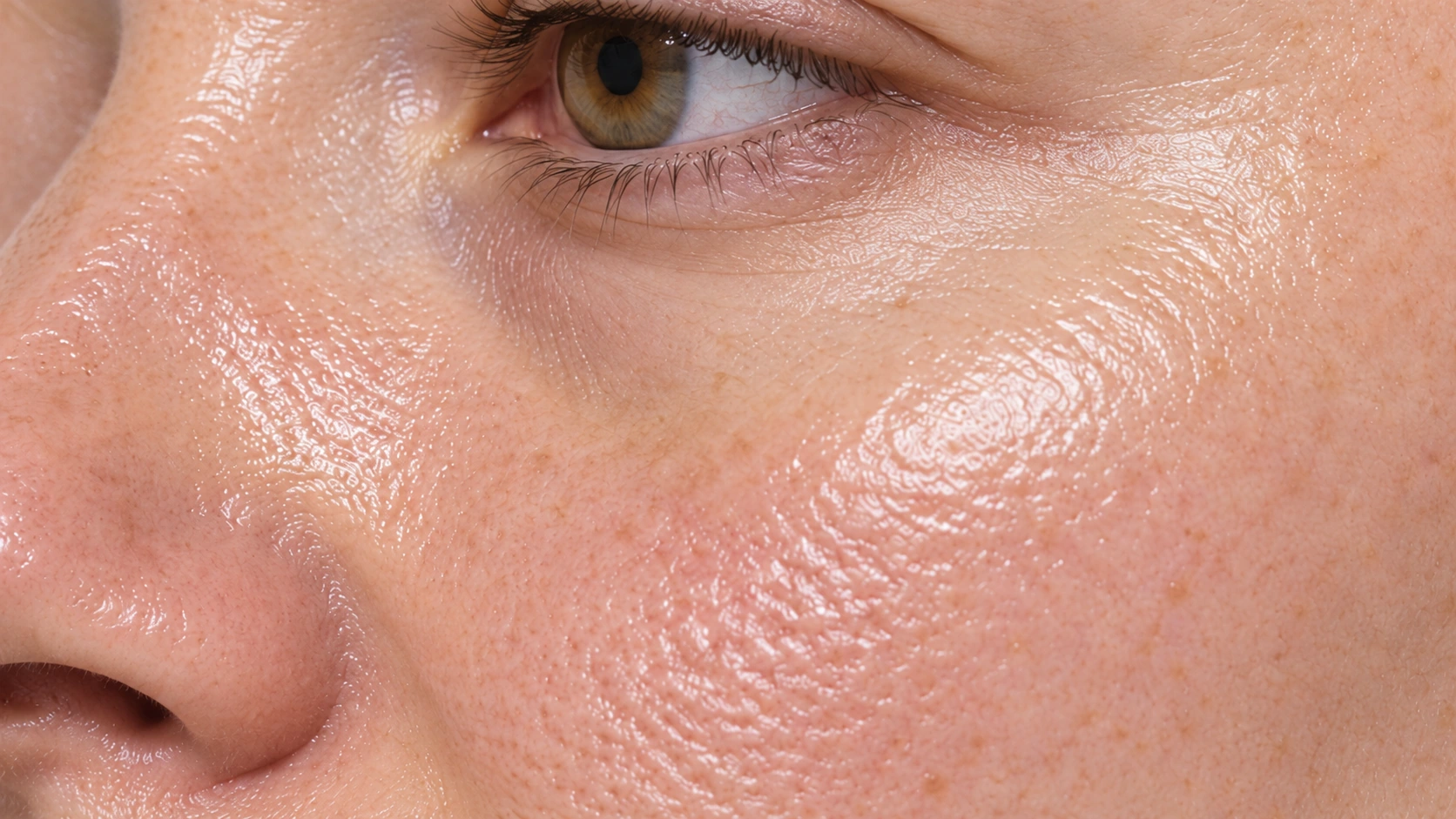

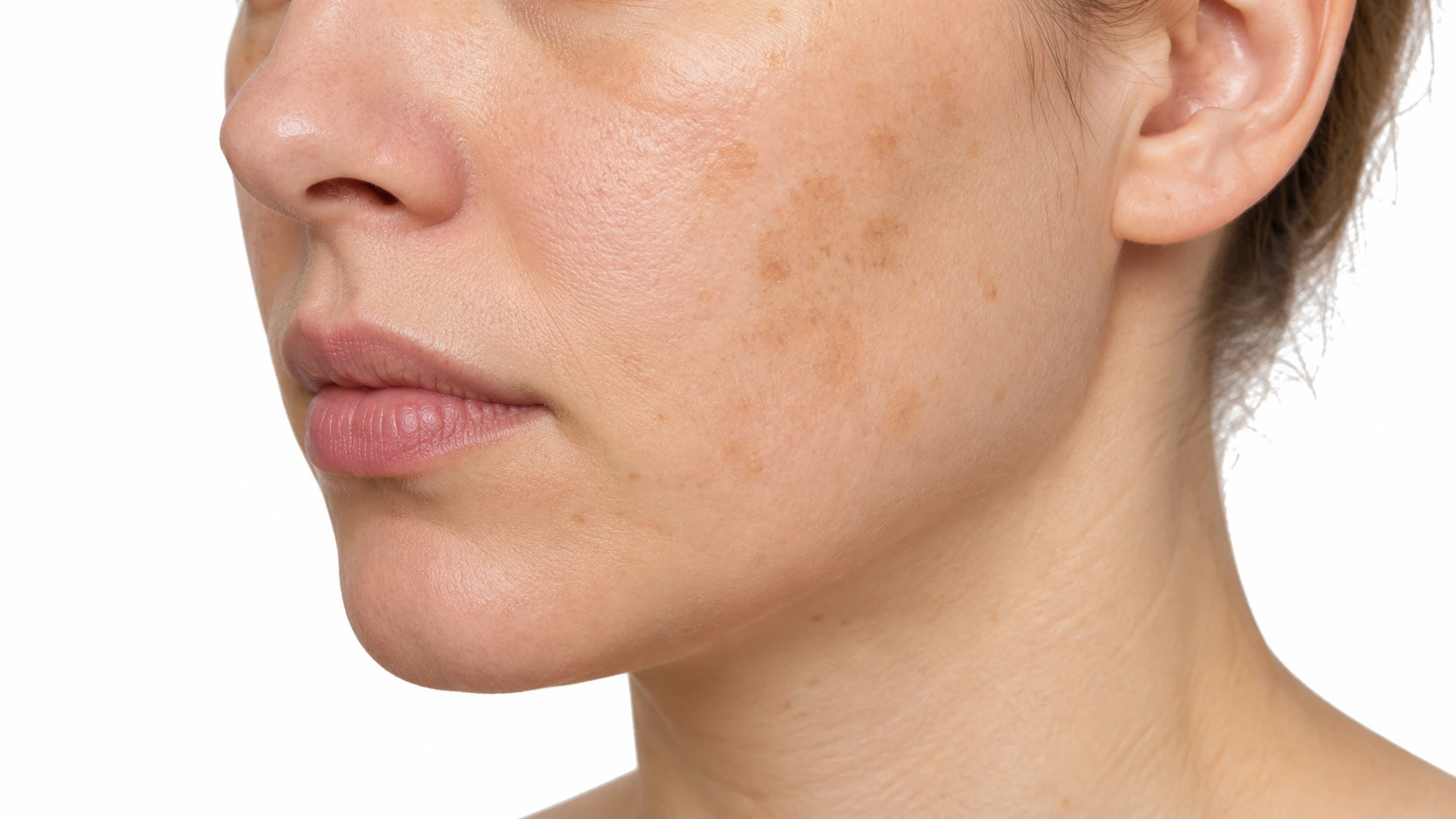
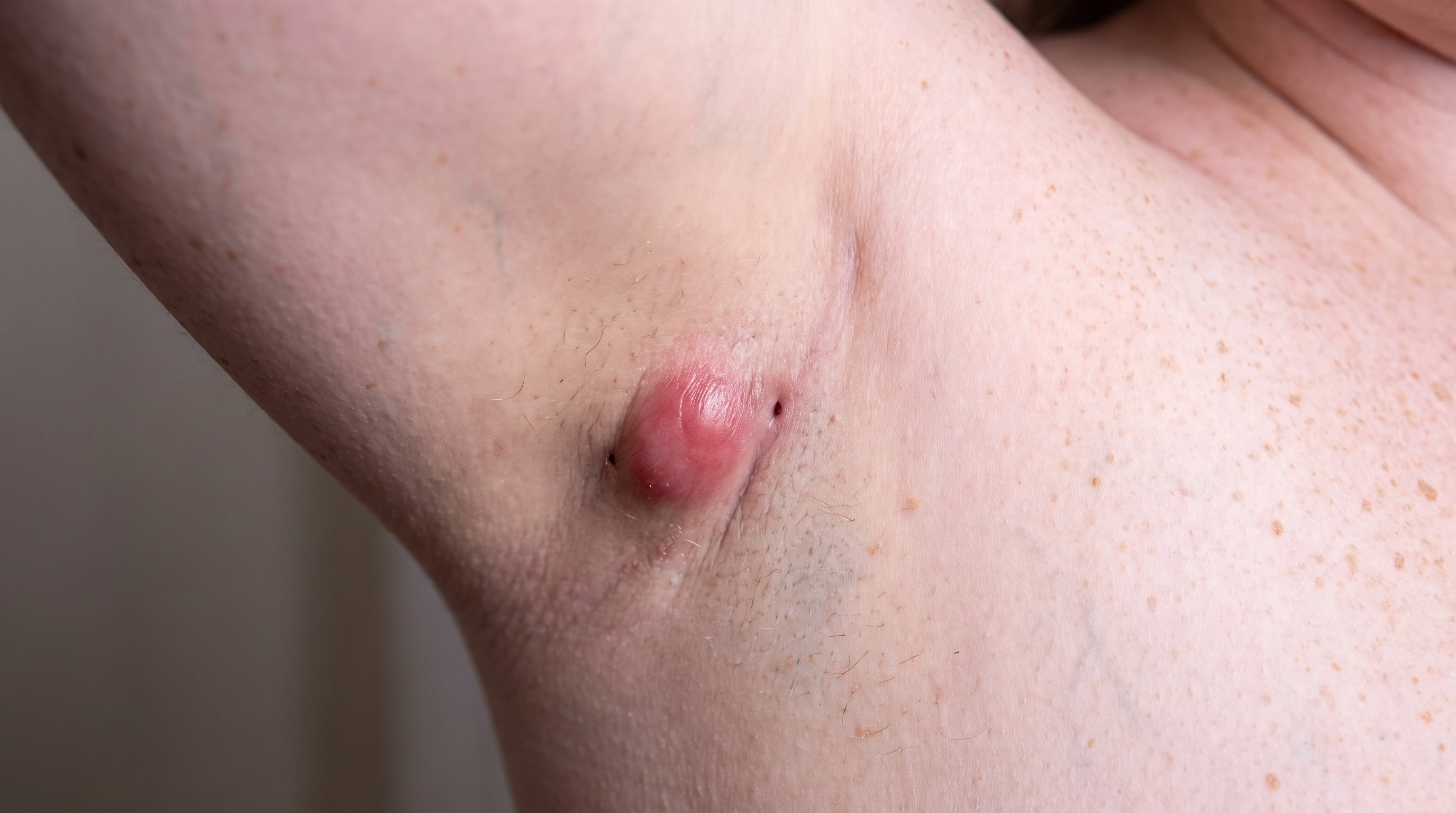
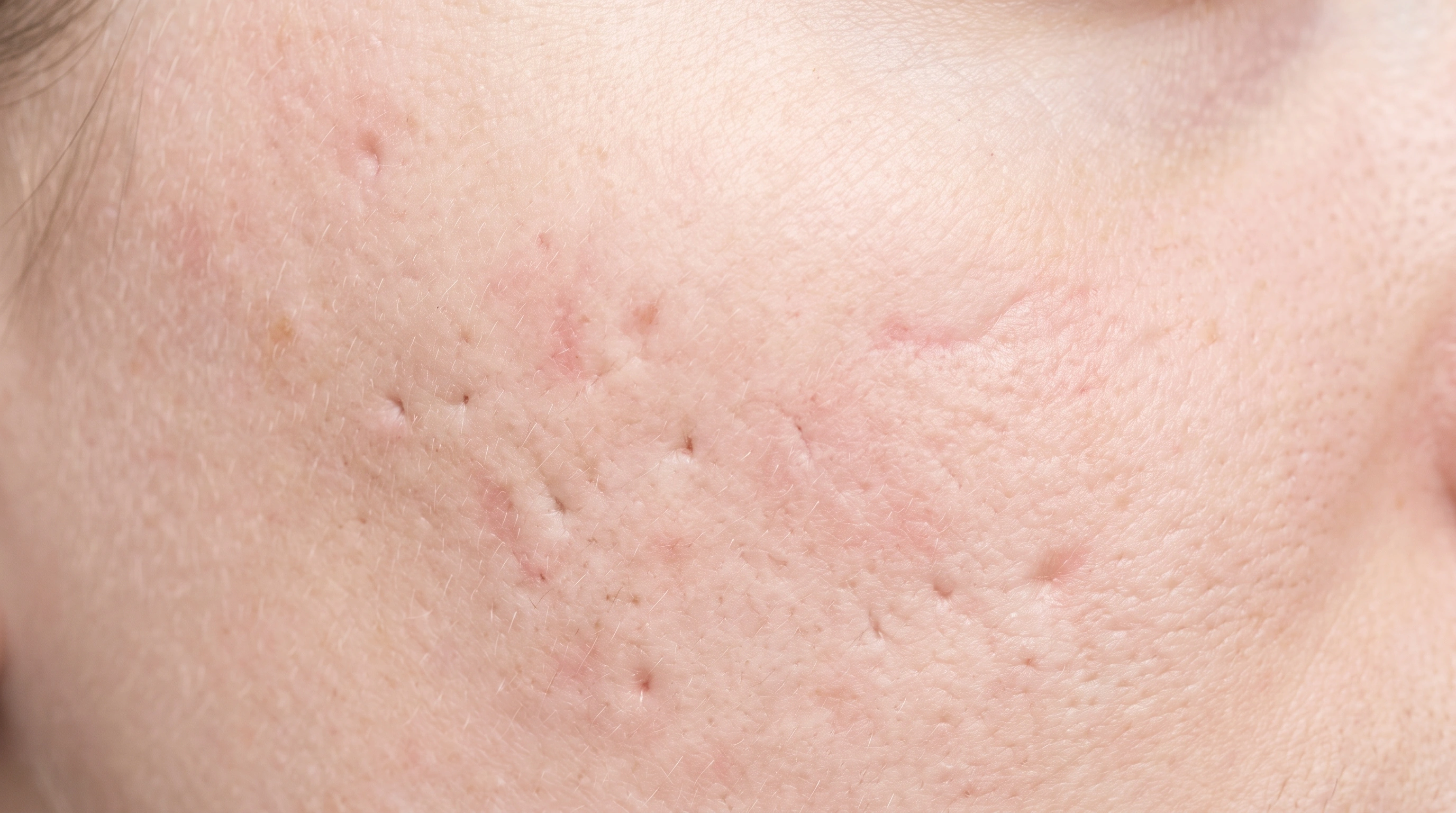


Reduces pore clogging: Helps normalize cell buildup inside follicles. Reduces acne bacteria: Less oil makes follicles less favorable for C. acnes. Makes less oil: Shrinks oil glands and reduces their oil output. Calms inflammation: Dampens immune responses involved in acne.
Oral isotretinoin mechanism overview. Reduced C. acnes is an indirect effect of a changed follicular environment, not antibiotic action. The complete mechanism is not known. Gland outline is conceptual, not a measured size reduction or permanent cure.

Activates RAR-gamma: Targets a retinoid receptor that regulates skin-cell genes. Helps prevent clogged pores: Changes cell maturation and buildup inside follicles. Helps calm inflamed acne: Acts on processes involved in skin inflammation.
Trifarotene is an RAR agonist with particular activity at RAR-gamma, affecting differentiation and inflammatory gene processes. The exact clinical acne mechanism is not known.
Dose is set by body weight, and the total across the whole course matters more than any single day.
Starting dose: Often about 0.5 mg/kg a day, sometimes lower to ease into the side effects. Not the target.
Going up: Usually raised after the first month or two if blood tests and side effects allow, commonly to about 1 mg/kg a day.
Usual dose: About 0.5 to 1 mg/kg daily for most of the course.
Total course: Judged by cumulative dose, usually about 120 to 150 mg/kg of body weight. Reaching that total is what cuts relapse. Most people need five to eight months.
When to Apply: At night on clean dry skin. A thin layer over the whole area — one pump for the face, two for the chest, two for the back. Not on single spots.
How to Start: Every other night, or two to three nights a week, for two to four weeks, then nightly once the irritation settles.
If It Irritates: Drop back a night or two a week, or moisturize first. Trifarotene is the most irritating retinoid early on, and this is the stretch most people quit in.
If It’s Not Working: One strength, so nothing to increase. Give it twelve weeks, then ask your doctor about adding or switching.
With a fatty meal, unless you have the formulation made to work without food. Absorption of standard capsules roughly doubles with fat, so an empty stomach lowers your dose. Splitting the daily amount into two doses with meals is common.
Take it with your next meal if it is the same day, otherwise skip it. Do not double up. The total over months is what counts, and the missed dose moves to the end of the course.
Liver enzymes and triglycerides are checked before you start and again during the course, usually in the early months and after a dose increase. Cholesterol and triglycerides commonly rise, then settle afterwards.
Anyone who can become pregnant is enrolled in iPLEDGE, a federal safety program requiring two forms of contraception or documented abstinence, a pregnancy test before starting, monthly tests during, and pickup inside set time windows. Miss a window and that month starts again.
Nobody stays on this drug. The course ends, and the effect on the oil gland lasts, so most people need nothing more than a topical retinoid. A smaller group needs a second course.
No blood tests. Monitoring is a review at about twelve weeks to judge response and tolerance.
Nothing accumulates. What drifts is tolerance, and it usually improves rather than worsens. Once you are stable a yearly review is enough, and the recurring hassle is insurance renewal, not safety.
Approximate windows, not promises.
Weeks 1 to 4Dry lips first, almost always. Skin dries. Acne may flare.
Weeks 4 to 12Steady clearing. Dryness peaks and stays.
Months 4 to 6Most people are clear or nearly clear.
After the courseSkin keeps improving for a few months, and dryness clears within weeks to a couple of months.
Weeks 1 to 2Dryness, redness and stinging, often worse on the chest and back than the face.
Weeks 2 to 6The irritation peaks then eases. Acne may briefly look worse.
After 12 weeksFewer new spots and fewer blackheads. If nothing has changed after twelve weeks of nightly use, switch.
Sorted by what to do about them.
Generic isotretinoin is moderately priced; the formulations that absorb without food cost much more. The real obstacle is not cost but iPLEDGE, with monthly appointments and pickup windows to plan travel and work around.
Brand only, no generic, and one of the more expensive topical acne treatments. Prior authorization is common, and insurers usually want a generic retinoid tried first. Manufacturer savings programs exist and change often.
The label warns about mood changes and some people report them. Large studies have not shown that isotretinoin causes depression, and severe acne itself is strongly linked to low mood. Mood is asked about at every visit, and any change should be reported.
The concern came from case reports, and larger studies have not shown a clear causal link. Severe abdominal pain or bloody diarrhea still needs assessment.
iPLEDGE applies the same rules to everyone who can become pregnant. A program rule, not a judgement about you.
For most people, yes. About one in five needs a second, and stopping short of the cumulative target is the most avoidable reason.
Occasional drinking is usually fine. Heavy drinking adds to the liver and triglyceride effects already being monitored.
An early flare is common in the first few weeks, especially with more severe acne. It is managed, not a reason to stop.
For the face, no strong evidence. For the chest and back, it is the retinoid with the label and the data.
Yes, but reach matters. A long-handled applicator helps; missing the middle of the back is the usual reason it seems not to work.
Because generic retinoids exist, and most plans want one tried first.
It helps. One press per area, and more does not work faster.