PRP for Hair Loss
Blood is drawn from your arm, spun to concentrate the platelets, and injected into the thinning parts of the scalp. It can thicken hair that is still there. It does not bring back hair that has been gone for years, the evidence is mixed, and the effect fades once you stop.

What is it?
PRP for Hair Loss uses your own blood. Platelet-rich plasma is concentrated and injected into the scalp. It is studied for pattern loss. Most evidence concerns androgenetic alopecia. Methods vary. Preparation and evidence differ between clinics. Diagnosis comes first. It should not delay established treatment.
Quick Facts
- Hair loss
- 3+ months
- 3–6 months
- Monthly series
- Maintenance
- Moderate
- 1–2 days
- $500–1,500
- Tenderness
- Low risk


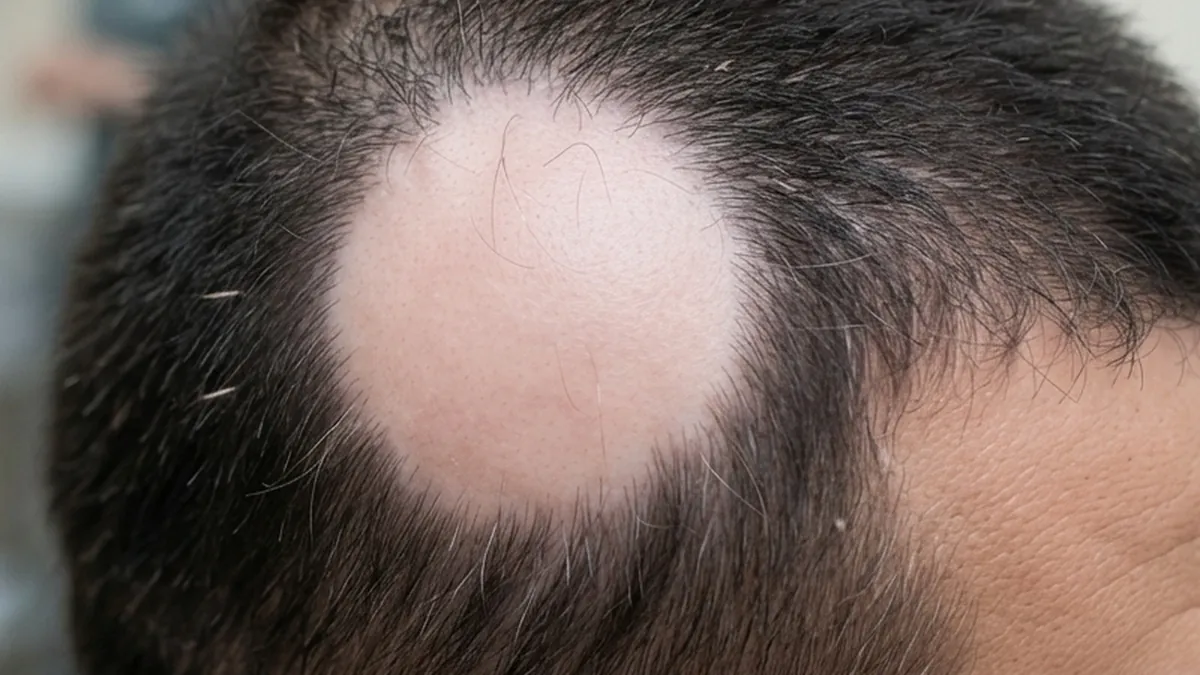
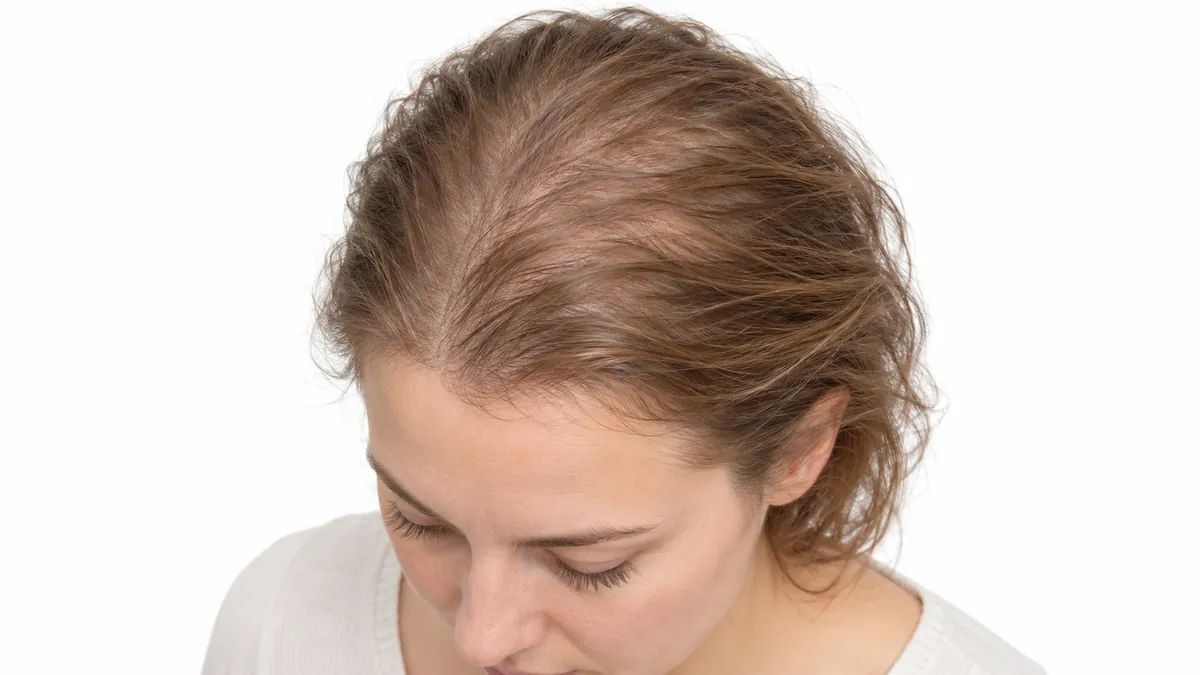
Treatment areas
Thinning areas of the scalp, including the hairline and crown.
PRP for Hair Loss
Thinning areas of the scalp, including the hairline and crown.
PRP for Hair Loss
Thinning areas of the scalp, including the hairline and crown.
Skin tones
Lighter skin
Low risk
Not a pigment-based treatment.
Medium skin
Low risk
Not a pigment-based treatment.
Deeper skin
Low risk
Not a pigment-based treatment.
How it works

- Platelets are concentrated: A blood sample is processed to prepare platelet-rich plasma.
- PRP is injected into selected scalp: Platelets release signals involved in tissue responses.
- Some follicles may respond: Hair measures may improve in selected patients; response varies.
Before your treatment
A few days before, many providers ask you to pause anti-inflammatory painkillers such as ibuprofen for several days, since they may blunt the signal PRP depends on.
The day before, skip alcohol.
Day of treatment
Hair, water and gym. Clean, dry hair, no styling product, dry shampoo or fiber powder.
The scalp is examined, photos taken in a fixed position, and thinning areas marked.
The plasma layer is injected in a grid across the thinning area, just under the skin, over about 10 to 15 minutes. Some also run a microneedling pen over the area and press plasma in. The injections sting and pinch, worst along the hairline and crown. Most people call it uncomfortable rather than unbearable, and it is fair to ask for more numbing.
The scalp is tender, slightly puffy, maybe with pinpoint spots of blood.
After your treatment
About 12 months or longer.
Gains slowly fade over months.
Possible complications
Swelling that gets worse after day three
Some swelling in the first days is expected. Swelling that is increasing rather than settling is not.
Numbness or tingling that lasts
Small patches of altered sensation settle within days. Anything lasting beyond a few weeks should be looked at.
Shedding that carries on past two months
A short shed is normal. A prolonged one deserves a second look at the diagnosis, not another session.
No change at all after a full course
Common enough to plan for. It usually means reassessing what is causing the hair loss, not booking more PRP.
Cost
About $500–1,500.
About $1,500–4,000 for 3–4 sessions, then touch-ups.
Almost never covered.
Alternatives

Topical minoxidil
Cheap, over the counter, and works on the same kind of thinning. It needs applying every day and takes months, but it is the treatment PRP is usually added to rather than compared against.
Finasteride or dutasteride
Blocks the hormone signal that drives pattern hair loss, so it slows the process itself rather than propping up the result. A daily tablet with a side effect profile that needs a proper conversation.

Low-dose oral minoxidil
Growing evidence. Increasingly used by dermatologists, mostly supported by large clinical series rather than big randomized trials. Cheap, and requires monitoring for fluid retention and heart rate.
Microneedling
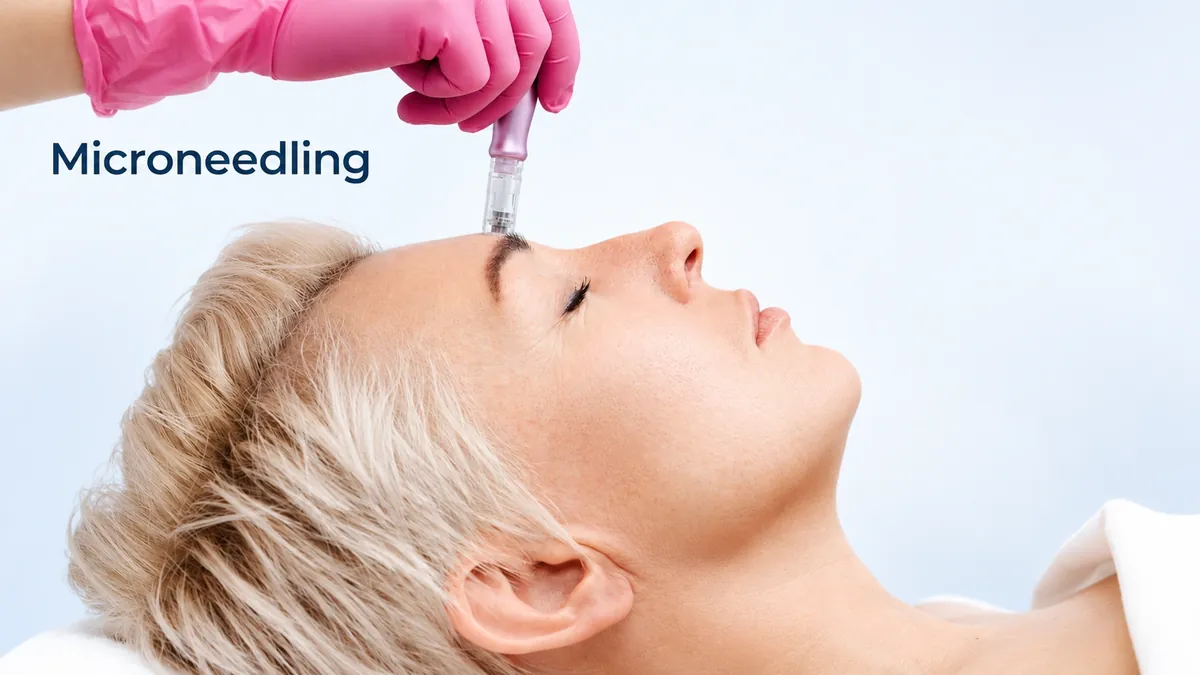
Overlaps with part of what PRP may be doing, at a fraction of the cost, and can be done at home at low needle depths. Works best combined with minoxidil.

Low-level laser caps and combs
A device you use at home several times a week, with modest effects. No appointments, high upfront cost, no needles.

Hair transplant
For the right candidate. The only option that puts hair where there is none, and it does not replace medical treatment either.

Spironolactone, for women
A tablet used for hormonal patterns of thinning, often alongside minoxidil, and not suitable for everyone.
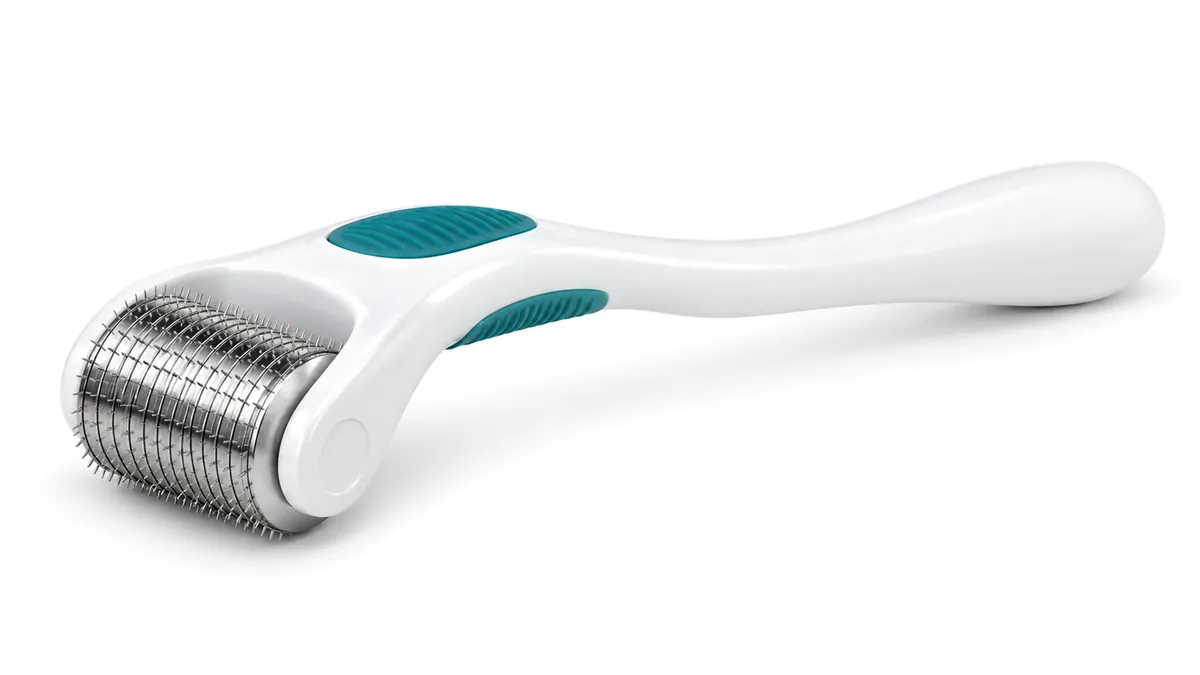
At-home microneedling, 0.5 to 1.0 mm
The closest home version of the needling part of PRP, usually once a week, often combined with minoxidil. Keep the device clean, keep the depth low, and stop if the scalp stays sore.
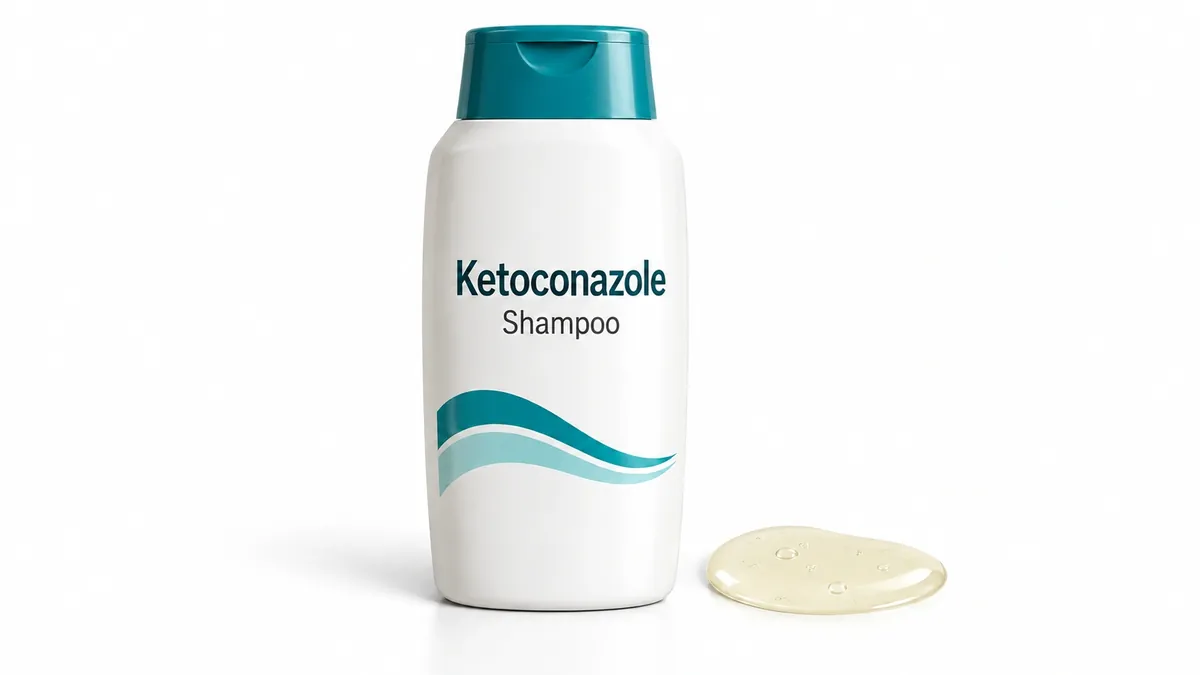
Ketoconazole shampoo
Helps if scalp inflammation or dandruff is part of the picture. It is supportive, not a hair loss treatment.

Exosome and peptide scalp serums
Growth factor serums too. Marketed as PRP in a bottle. The molecules involved are large and the human data for hair are thin. Expensive for what is known. |
Questions
Does PRP actually work for hair loss?
For some people, yes, and the change is usually modest rather than dramatic. Most trials show more and thicker hairs compared with a placebo injection, but they are small, short, and use different preparations. Think of it as something that may improve a result you are already getting from medical treatment, not a treatment that stands on its own.
How long before I see anything?
Less shedding at two to three months, and a change in thickness at four to six months if it is going to happen. Photographs taken at the start are the only reliable way to judge it — gradual change in your own mirror is nearly impossible to see.
How often do I have to keep going?
Three or four sessions a month apart, then maintenance every three to six months. An ongoing commitment, not a course you finish.
Is it covered by insurance?
Almost never. It is treated as cosmetic for hair loss, and the preparation devices are cleared for making platelet-rich plasma rather than for treating hair, so this is off-label everywhere.
Does it work if the area is completely bald?
No. PRP thickens follicles that are still there and shrinking. Where the scalp has been smooth for years there is nothing left to work on, and a transplant is the only way to put hair there.
Does it hurt?
The injections sting, and the scalp is a sensitive place. Numbing cream, ice or a vibration device makes it manageable, and the injecting is over in about ten to fifteen minutes. Afterward the scalp feels bruised for a day.