Sunburn
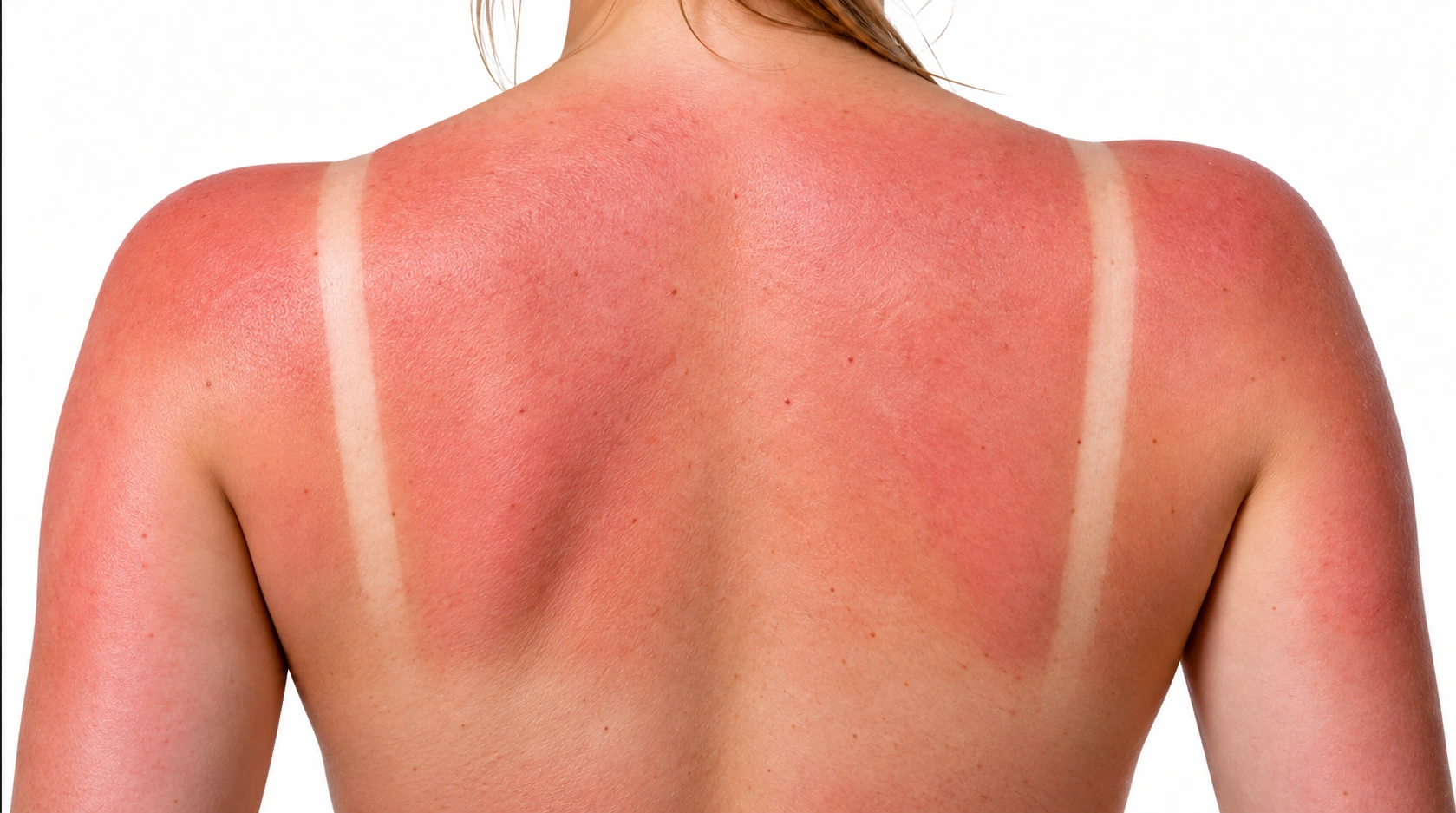
A correctly used tested sunscreen helps prevent UV sunburn.
Tranexamic Acid: Topical formulas are studied for melasma, with mixed results. Zinc Oxide: Provides UV protection in tested sunscreens and wetness protection in barrier creams.
Consider a topical pigment option; the evidence is mixed and formula-specific.
Choose a broad-spectrum sunscreen you will use consistently, or a labelled barrier paste for wetness.
Can you use both?
Sunscreen is essential when treating melasma. Apply tranexamic acid first, then zinc sunscreen.
Compare uses by strength of evidence. Evidence level describes confidence in a benefit, not its size.
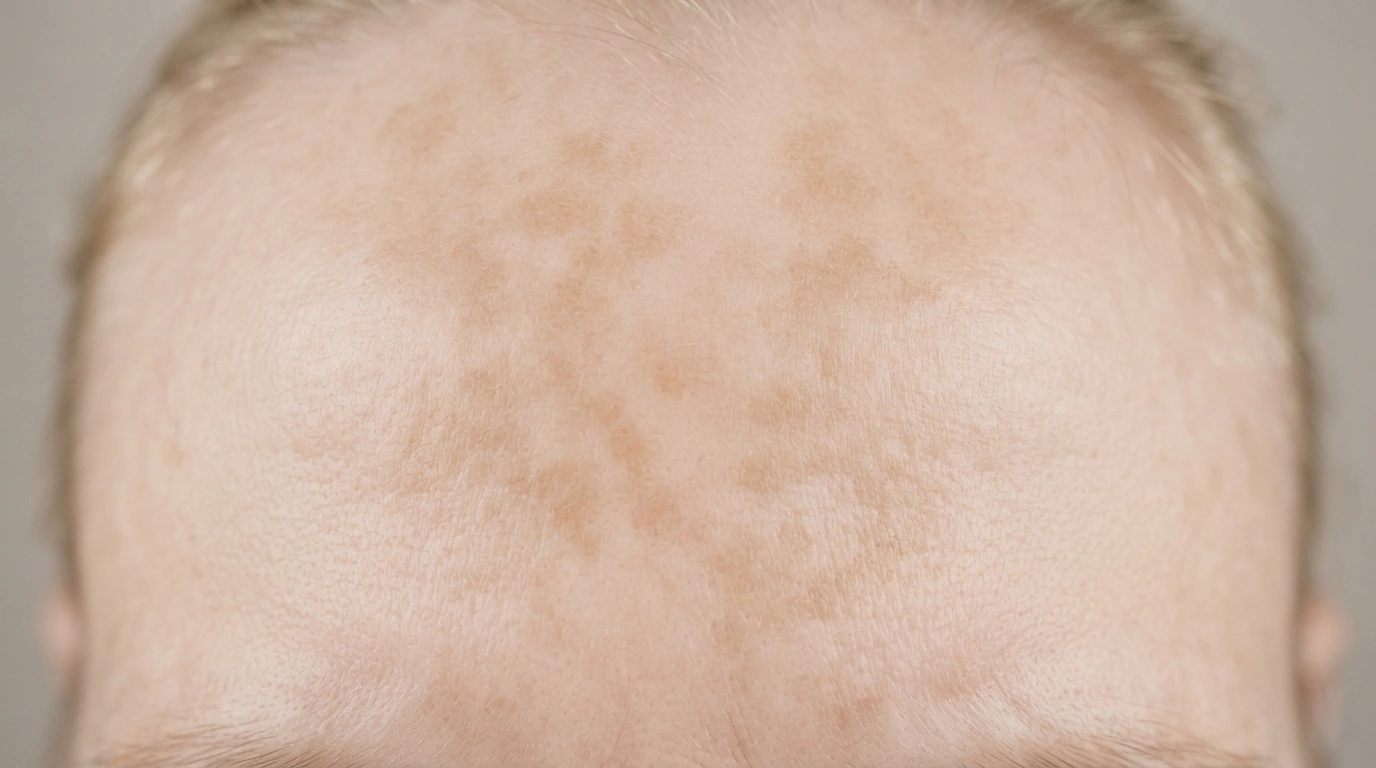
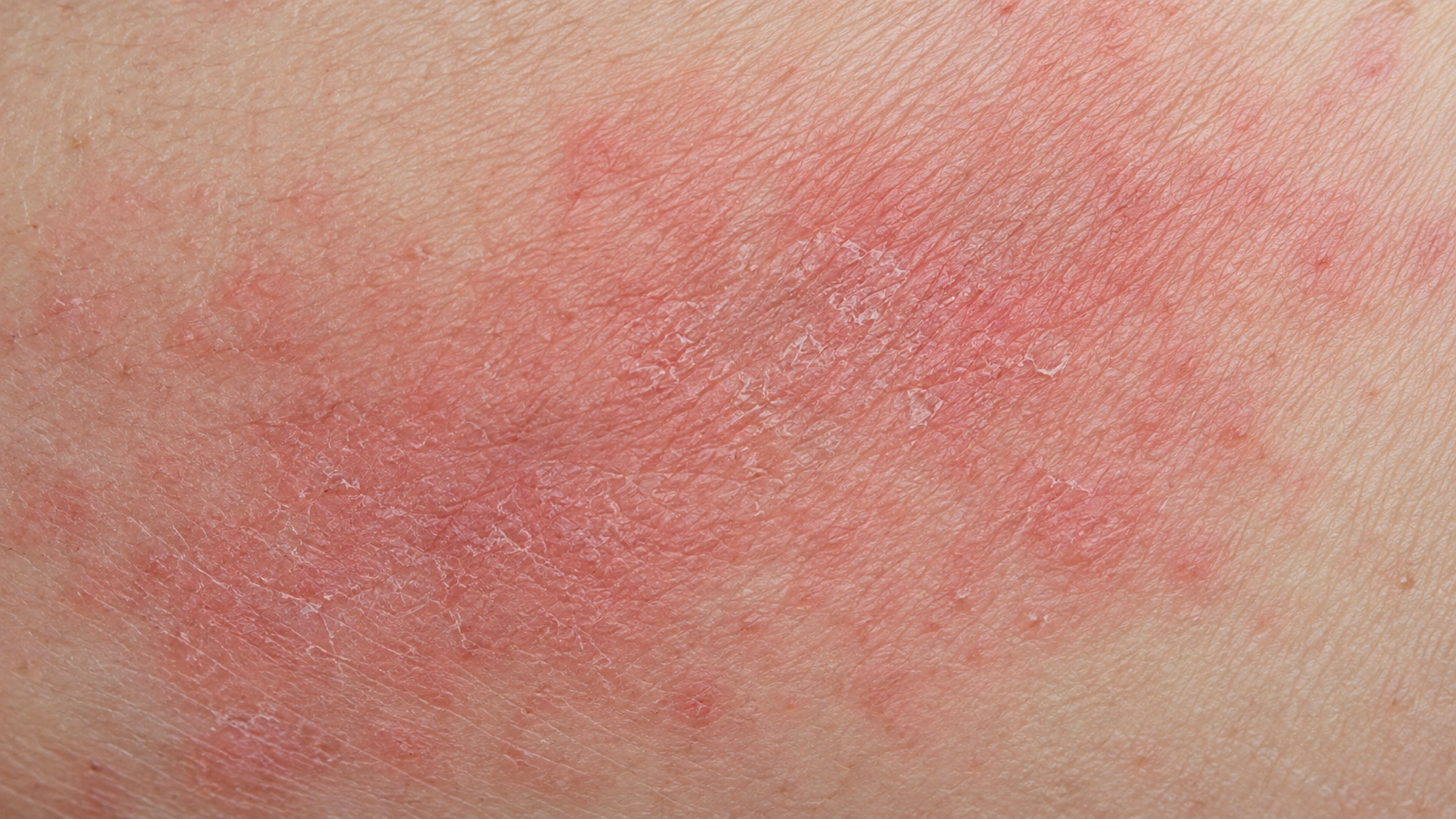
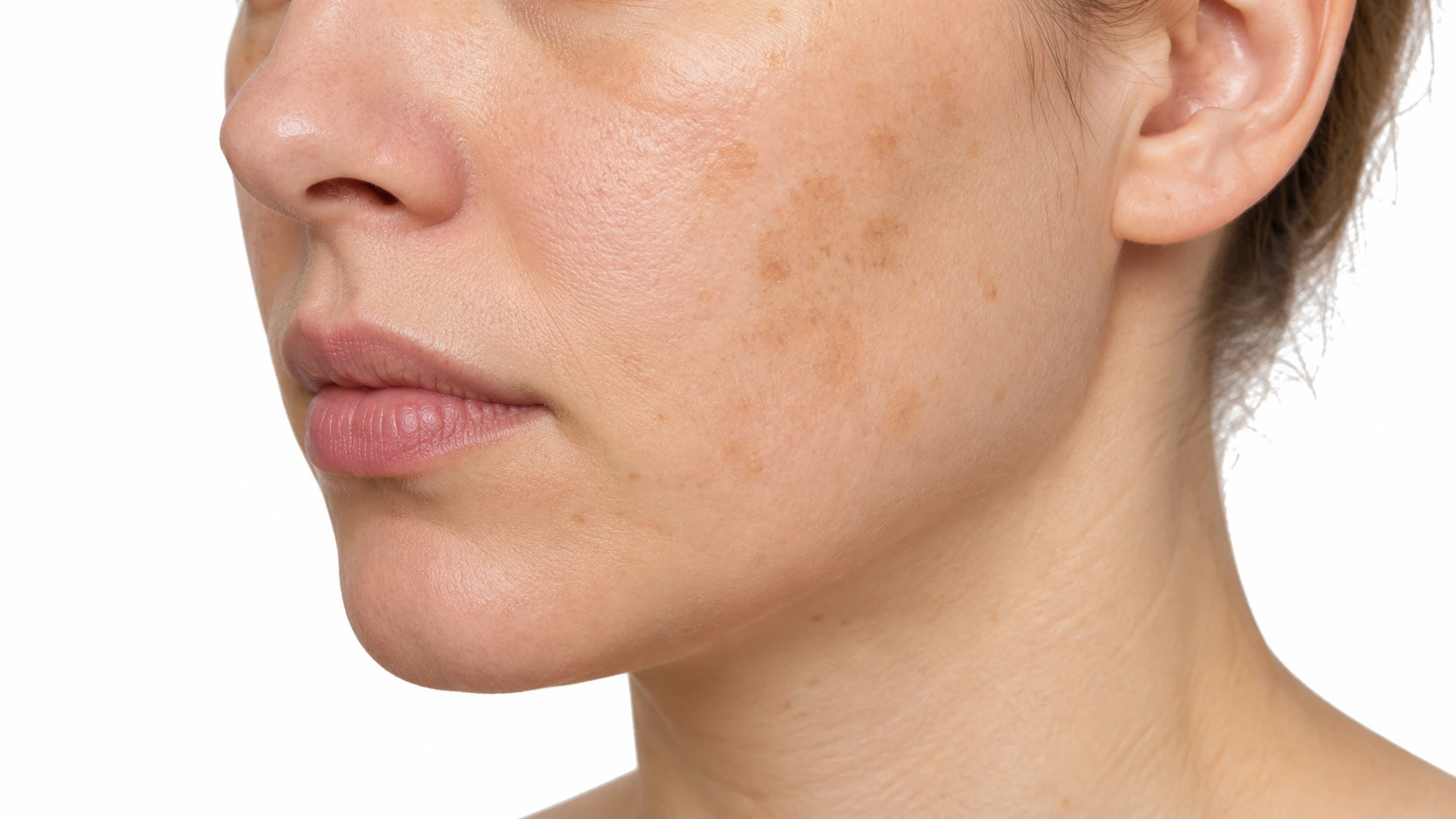
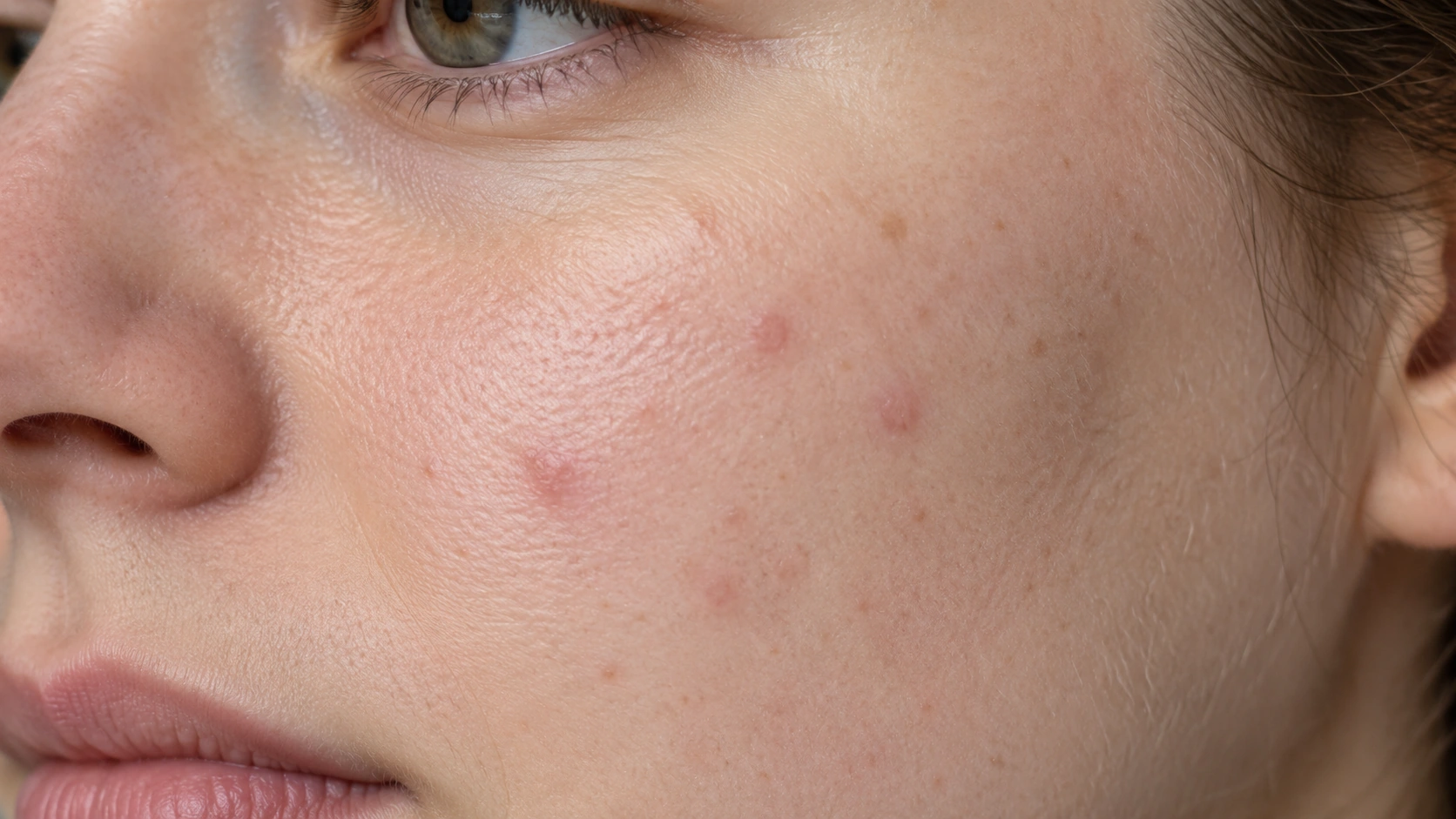
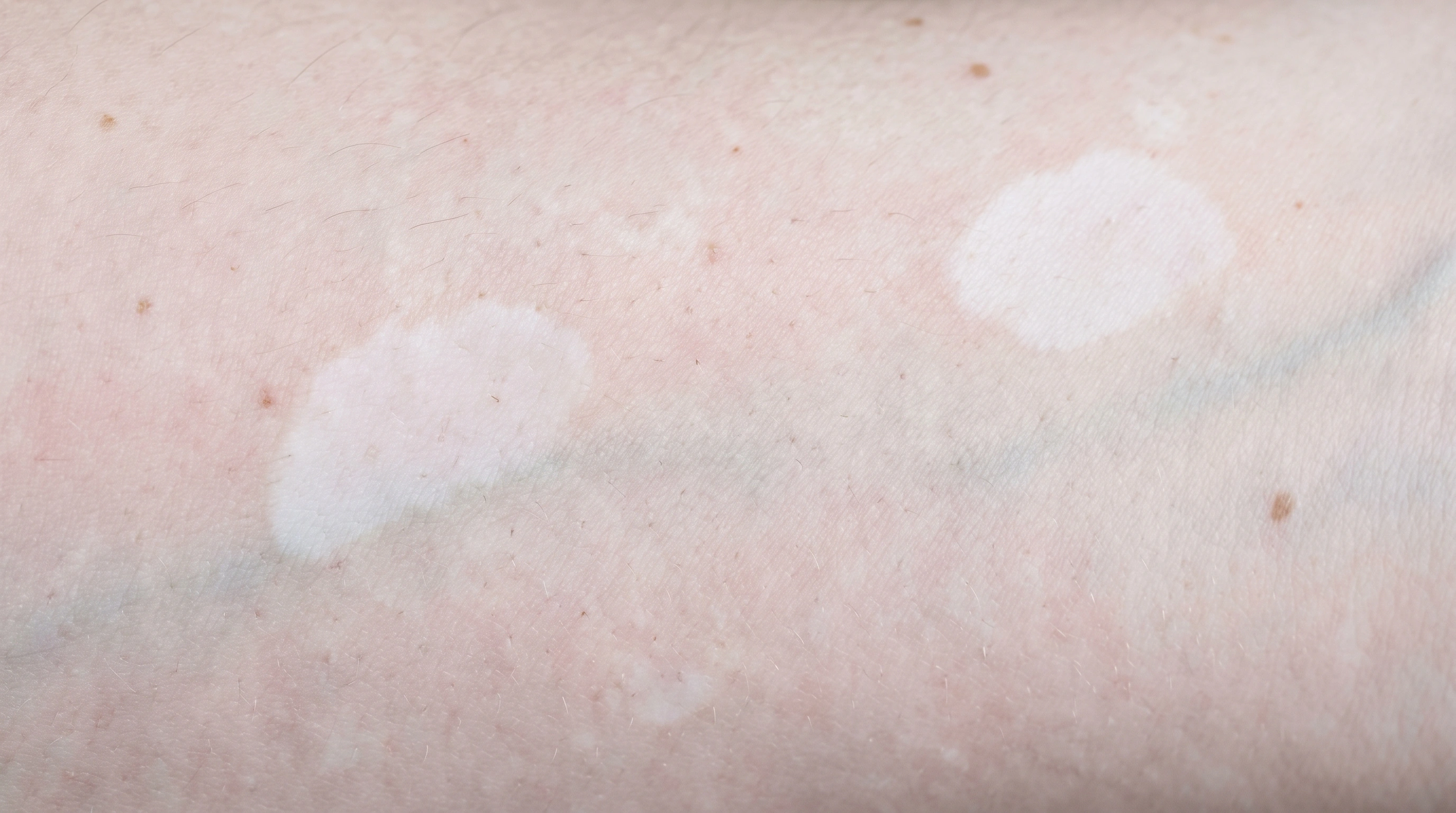



Affects plasmin-related signaling: May reduce signals that stimulate pigment production. May help uneven pigmentation: Delivery and the formula influence topical results.
Schematic illustration; not a measurement of skin penetration. Effects vary with ingredient identity and formulation.

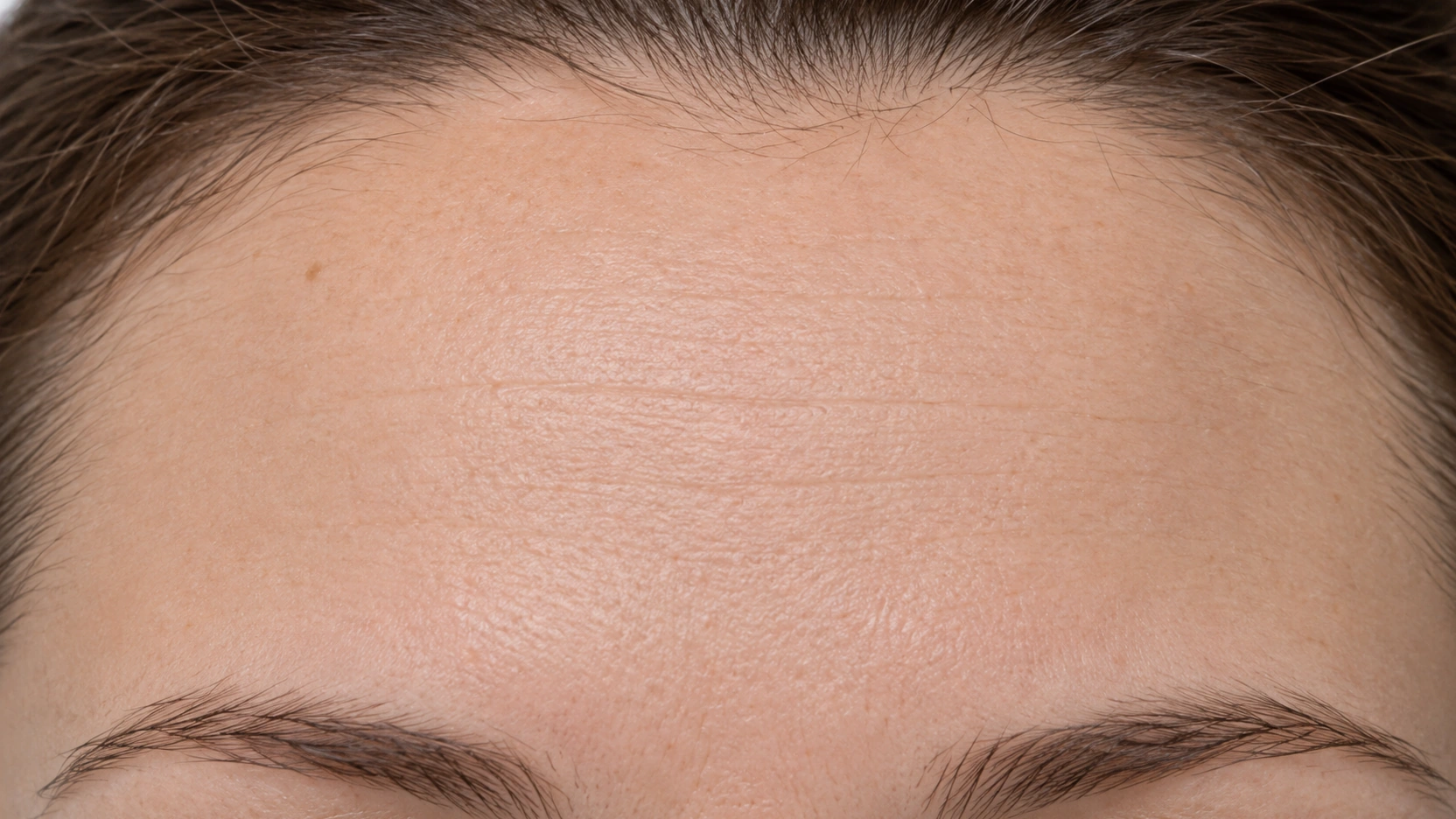
Absorbs and scatters UV: Particles act in a film at the skin surface. The full sunscreen matters: Broad-spectrum protection depends on the formula.
Schematic illustration; not a measurement of skin penetration. Effects vary with ingredient identity and formulation.
Built from where each one usually sits in a routine. Introduce one at a time.
Topical tranexamic acid studies have used different delivery systems, including 1.8% liposomal lotion and 5% creams or solutions. Oral treatment and procedure-assisted delivery are separate medical decisions.
1.8%
5%
Studied liposomal lotion
One melasma trial tested this delivery system. Its percentage cannot be directly compared with an ordinary serum.
Studied topical formulas
Several melasma studies used topical formulas at this strength. Evidence does not establish one best concentration for all pigment concerns.
Choosing a strength: Look for evidence on the finished topical product. Do not use injectable or oral products as DIY skincare.
Higher strengths: A stronger topical percentage has not been shown to guarantee better results. Oral use requires separate evaluation of risks, including clotting risk.
Formula matters: Liposomal delivery, other brightening ingredients and procedures can change the treatment. A microneedling study is not evidence for the same result from a home serum.
Zinc oxide sunscreen and thick barrier ointment have different jobs. U.S. sunscreen concentrations can be up to 25%; some skin-protectant ointments use more than 25% through 40%.
25%
25–40%
U.S. sunscreen ceiling
The permitted upper concentration is not an SPF rating. Choose a finished sunscreen by its tested protection.
Higher skin-protectant ointments
The monograph specifies more than 25% through 40% in ointments. These barrier products are not automatically sunscreens.
Choosing a strength: For sun protection, choose a tested broad-spectrum sunscreen with appropriate SPF. For a barrier ointment, choose its labeled protective purpose.
Higher strengths: More zinc oxide alone does not prove higher SPF, better UVA coverage or a better diaper-rash result.
Formula matters: Particle characteristics, dispersion and the full formula affect protection and feel. An unlabeled zinc paste should not be substituted for sunscreen.
Approximate windows, not promises.
First few weeksAssess tolerance first; pigment change is usually slower.
First few weeksProtection starts with correct application; it does not require a weeks-long course.
4–8 weeksSome studied regimens begin showing pigment improvement.
4–8 weeksConsistency matters; this is prevention, not a spot-clearing treatment.
8–12 weeksA useful review point for benefit and irritation.
8–12 weeksContinue correct application and reapplication.
3–6 monthsMany melasma trials assess results over three to four months; recurrence is common.
3–6 monthsMonitor tolerance and sun exposure; a changing spot needs assessment.
6–12 monthsLong-term use depends on the active; follow a monitored plan rather than extending treatment automatically.
6–12 monthsPhotoaging prevention is a long-term benefit, not a promise of wrinkle reversal.
Can sting or cause redness; do not substitute tablets or injections for a cosmetic product.
May leave a white cast or feel heavy; other formula ingredients can irritate.
Stop for persistent burning, swelling, blistering or a new rash. Seek urgent care for breathing difficulty or a severe allergic reaction.
Stop for persistent burning, swelling, blistering or a new rash. Seek urgent care for breathing difficulty or a severe allergic reaction.
Choose a simple formula and test a small area first. Avoid actively inflamed or broken skin unless the product is specifically directed for it.
Choose a simple formula and test a small area first. Individual tolerance matters more than an ingredient’s reputation for being gentle.
Do not use a cosmetic product as a substitute for diagnosis of an unexplained, changing or persistent skin problem.
Do not use a cosmetic product as a substitute for diagnosis of an unexplained, changing or persistent skin problem.
Melasma is common in pregnancy, so this comes up constantly. Oral tranexamic acid is not a casual pregnancy decision, and the topical version has little pregnancy-specific data. Ask the doctor managing your pregnancy, since they know your full picture.
Mineral sunscreens are generally considered acceptable in pregnancy.
On the skin. The finished product delivers tranexamic acid in a particular vehicle.
Entering skin. Below the 500 Da guideline; delivery still depends on the formula, solubility, stability and skin condition. Size does not prove effectiveness or penetration depth.
Conversion. No activation step is established as necessary for its intended topical role.
Skin response. May affect plasmin-related signalling involved in pigmentation; a small molecular size does not guarantee delivery.
Additional effects. Proposed pathways do not establish a measured depth of delivery or clinical benefit beyond the studies cited.
On the skin. The finished product delivers zinc oxide in a particular vehicle.
Entering skin. Formula-unit mass is not particle size. These mineral particles act in the surface sunscreen film; the 500 Da guideline does not predict particle penetration.
Conversion. No activation step is established as necessary for its intended topical role.
Skin response. Particles absorb and scatter UV at or near the surface; barrier pastes also shield skin from moisture and friction.
Additional effects. Proposed pathways do not establish a measured depth of delivery or clinical benefit beyond the studies cited.
Consider a topical pigment option; the evidence is mixed and formula-specific.
A small vehicle-controlled 5% trial did not show superiority over vehicle. A larger active-comparator study found improvement in both groups but did not prove equivalence to hydroquinone.
Choose a broad-spectrum sunscreen you will use consistently, or a labelled barrier paste for wetness.
Sun protection is established for tested sunscreen products, not loose zinc powder. Formula-unit mass is not particle size. A sunscreen ageing trial cannot isolate zinc oxide or prove reversal of existing wrinkles.
Sources