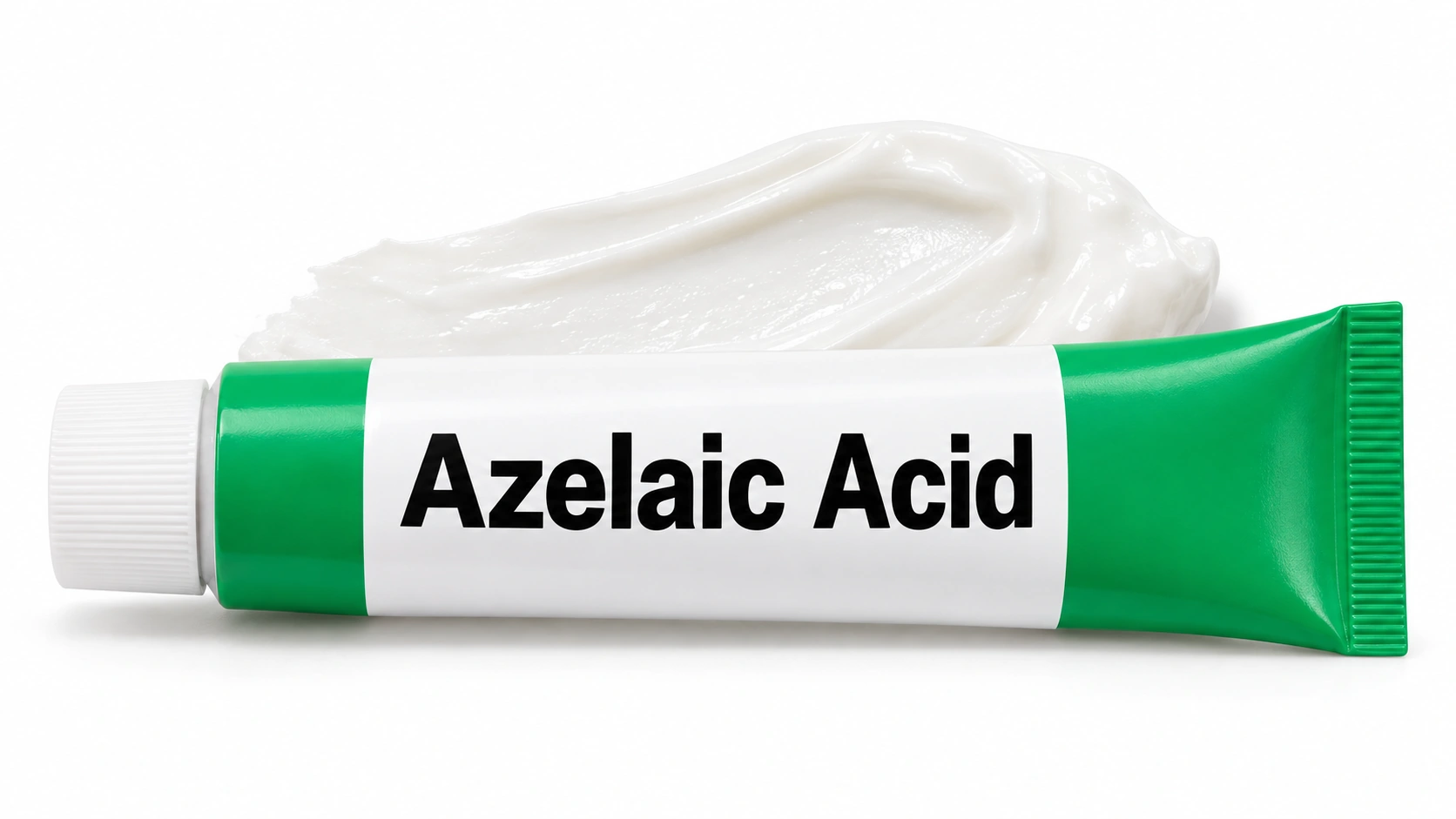
Azelaic Acid vs Zinc Oxide

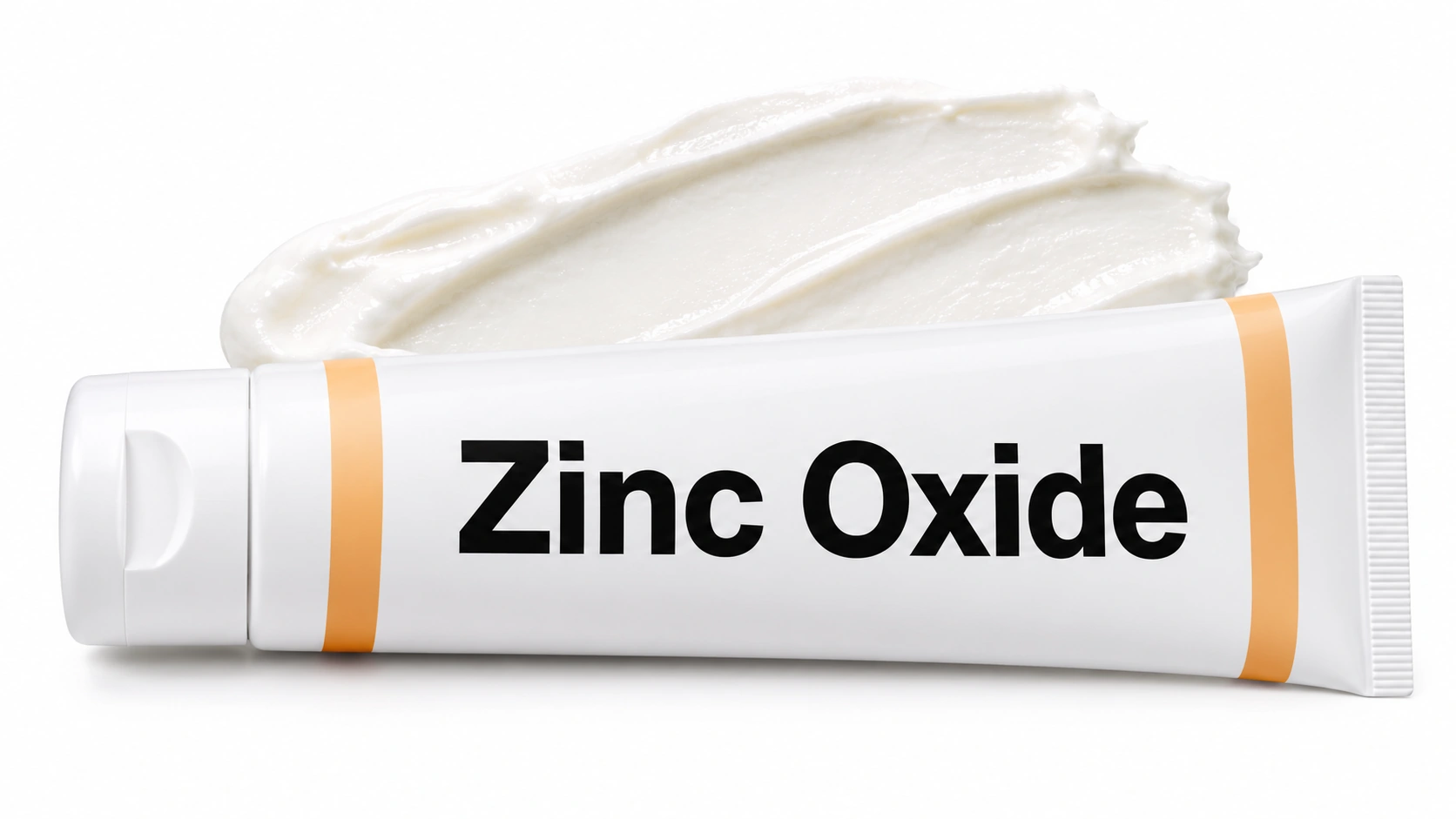
Azelaic Acid: Treats acne and rosacea bumps; may also help uneven pigmentation. Zinc Oxide: Provides UV protection in tested sunscreens and wetness protection in barrier creams.
Research updated 2026-10-25
Five azelaic acid tubes and bottles on white, most marked 10 percent, from Peach Slices, Paula's Choice, Facetheory, The Ordinary and NaturiumFour mineral sunscreens on white: Native SPF 30, Thinksport SPF 50, Colorescience Flex and EltaMD UV Clear

Which one is right for you?

Choose Azelaic Acid if…

Choose for acne or rosacea bumps, especially when uneven tone is also a concern.

  • Acne or rosacea bumps
  • Dark marks after spots
  • Pregnancy, where many alternatives are off the table

Choose Zinc Oxide if…

Choose a broad-spectrum sunscreen you will use consistently, or a labelled barrier paste for wetness.

  • Sensitive skin or melasma
  • Broad UVA and UVB protection
  • Diaper or friction areas
Often combined

Can you use both?

A mineral sunscreen is a gentle partner for azelaic acid on rosacea-prone skin. Apply sunscreen last.

At a glance

● Azelaic Acid
● Zinc Oxide
Type
Anti-inflammatory and pigment-targeting acid
Mineral UV filter and skin protectant
What it does
Treats acne and rosacea bumps; may also help uneven pigmentation.
Provides UV protection in tested sunscreens and wetness protection in barrier creams.
Best for
Rosacea; Acne; Post-Inflammatory Hyperpigmentation
Sunburn; Diaper Rash; Melasma; Wrinkles and Fine Lines
Studied concentrations
15% gel for rosacea in vehicle-controlled trials; 20% creams are also used clinically.
Use a tested sunscreen by its broad-spectrum SPF; barrier pastes are different products.
When to use
Morning or night, as directed by the finished product.
Each morning and before sun exposure.
Time to results
Often 8–12 weeks in small cosmetic studies; results may be subtle
Protection with correct application; prevention continues over time
Irritation
Stinging, itching and dryness can occur; reduce use for persistent irritation.
May leave a white cast or feel heavy; other formula ingredients can irritate.
Sensitive skin
Choose a simple formula and test a small area first. Individual tolerance matters more than an ingredient’s reputation for being gentle.
Available
Prescription or cosmetic status depends on the active, formula and country; check the label.

What it helps

Compare uses by strength of evidence. Evidence level describes confidence in a benefit, not its size.

Evidence level
Azelaic Acid
Zinc Oxide
Strong evidenceMost established uses
Redness and fine superficial vessels across a light-skinned cheek and nose.

Rosacea

Two large trials support 15% gel for inflammatory bumps, with some erythema improvement.
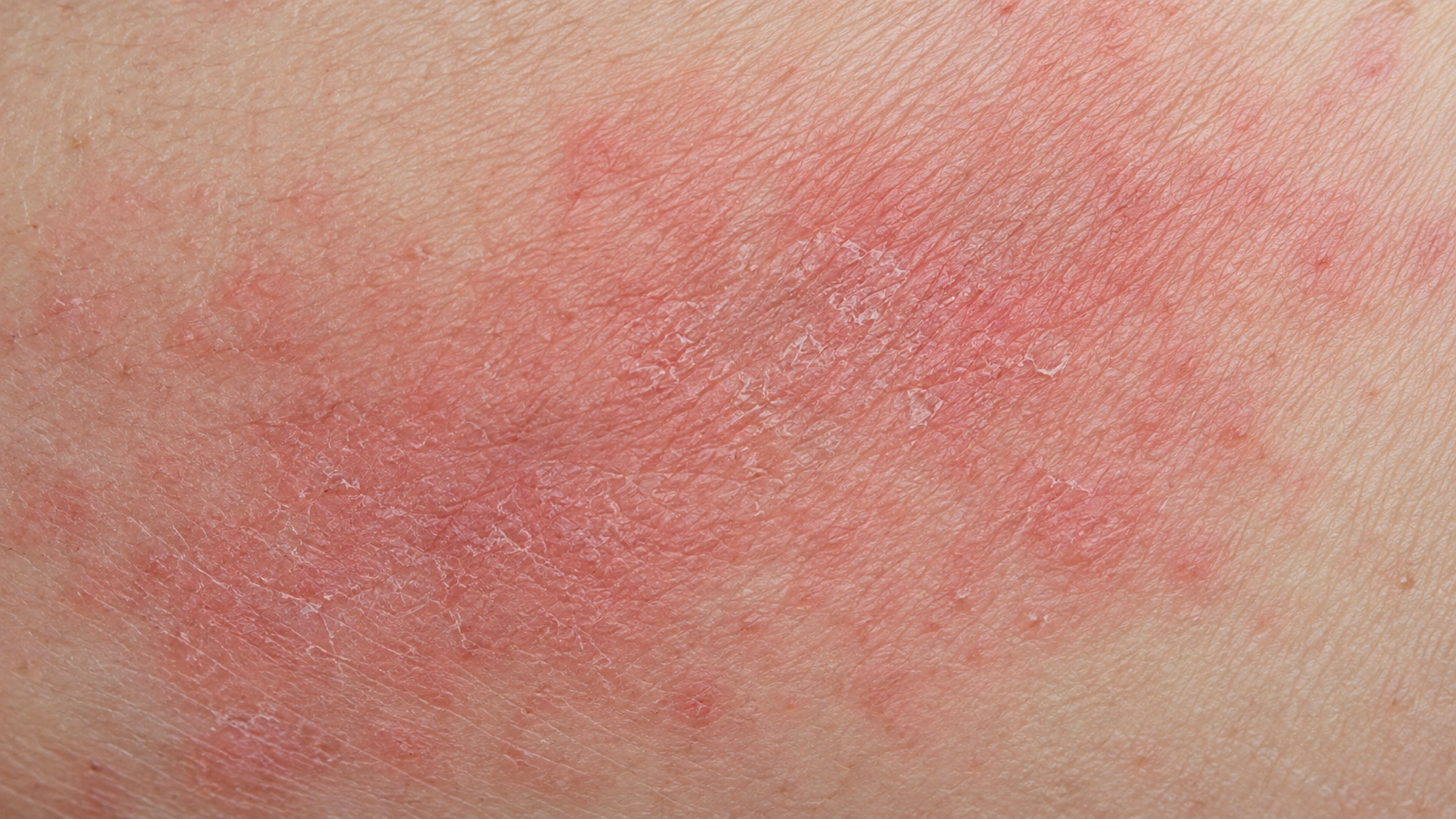
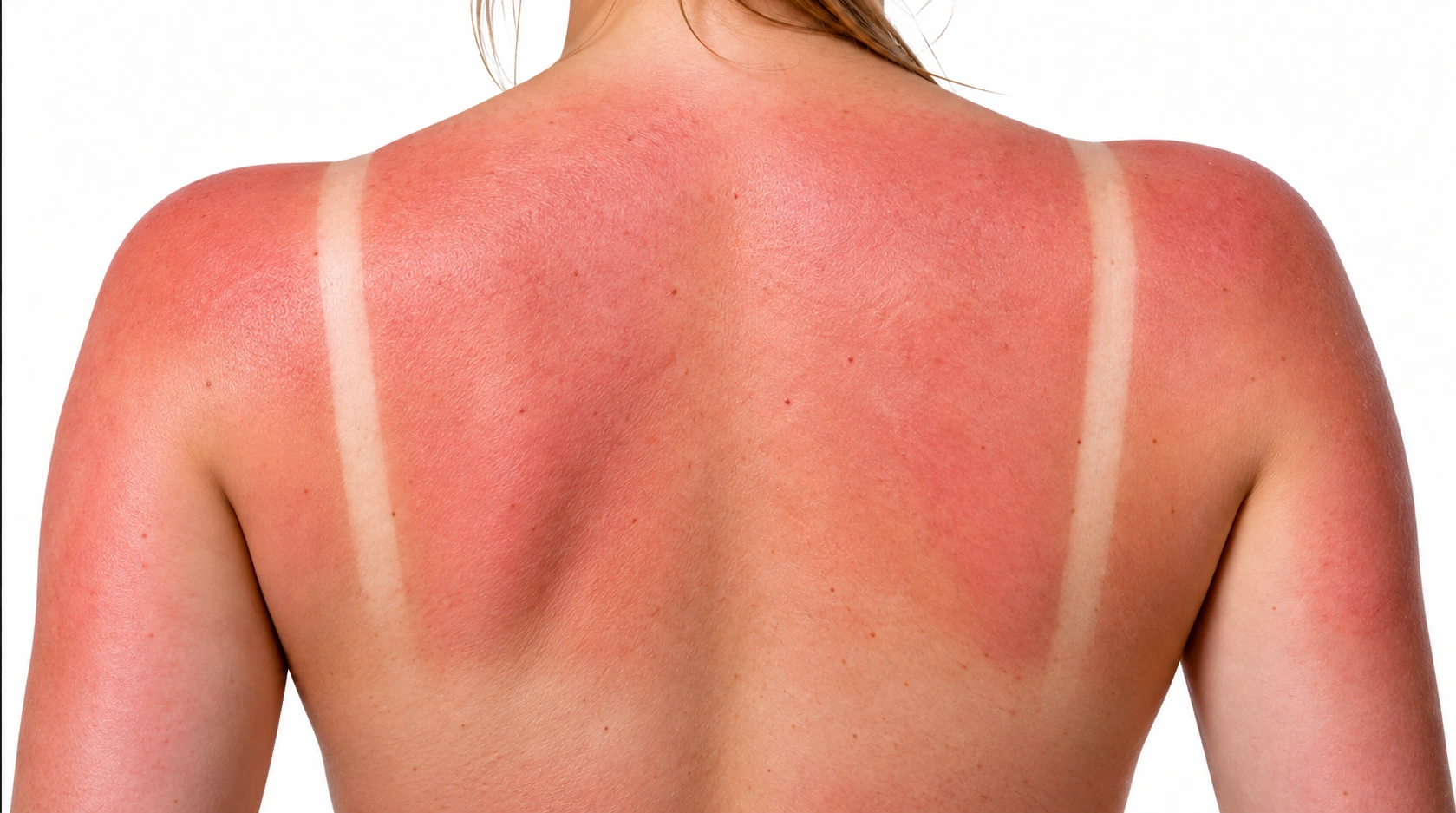
Sunburn: 1. Sunburn Header — Light Skin; Lighter skin.

Sunburn

A correctly used tested sunscreen helps prevent UV sunburn.
Moderate evidenceSome supportive research
Inflamed acne on light skin. The spots sit in a patch of pink, and the ring of redness around each one is easy to see. A few have a yellow-white head, and the skin between them is dry and flaking.

Acne

A guideline-supported topical option; evidence depends on the strength and formula.
Flat tan patches with soft irregular edges across the forehead and upper cheek of an adult with light skin, the surface completely smooth.

Melasma

Sun protection supports melasma care; tinted formulas may add visible-light protection.
Diaper Rash, close-up of representative skin findings.

Diaper Rash

Labelled zinc-oxide pastes protect skin from wetness and friction.
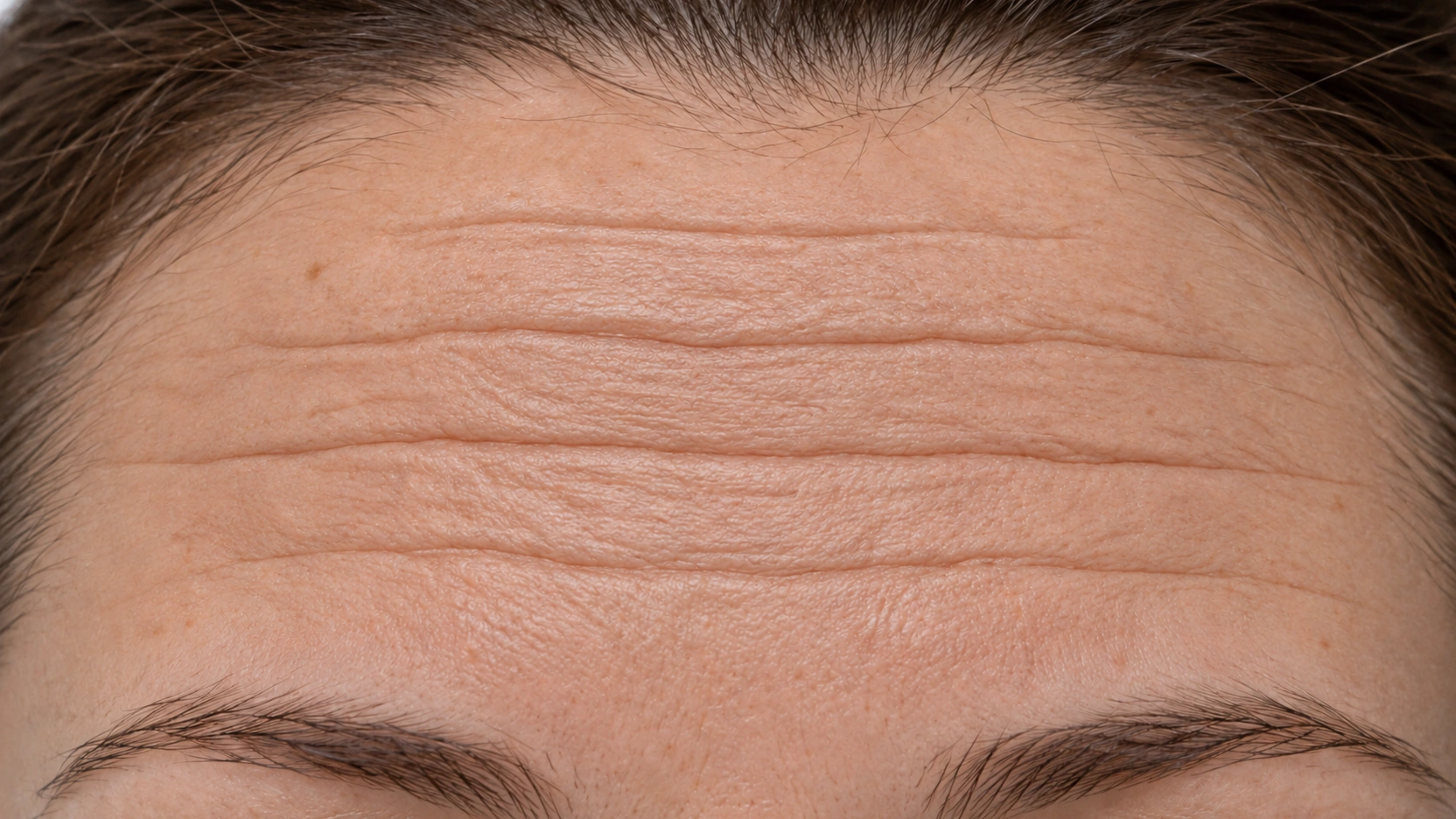
A relaxed forehead with faint shallow horizontal fine lines.

Wrinkles and Fine Lines

Regular sunscreen helps prevent further photoaging rather than erase existing folds.
Limited evidenceEarly or small studies
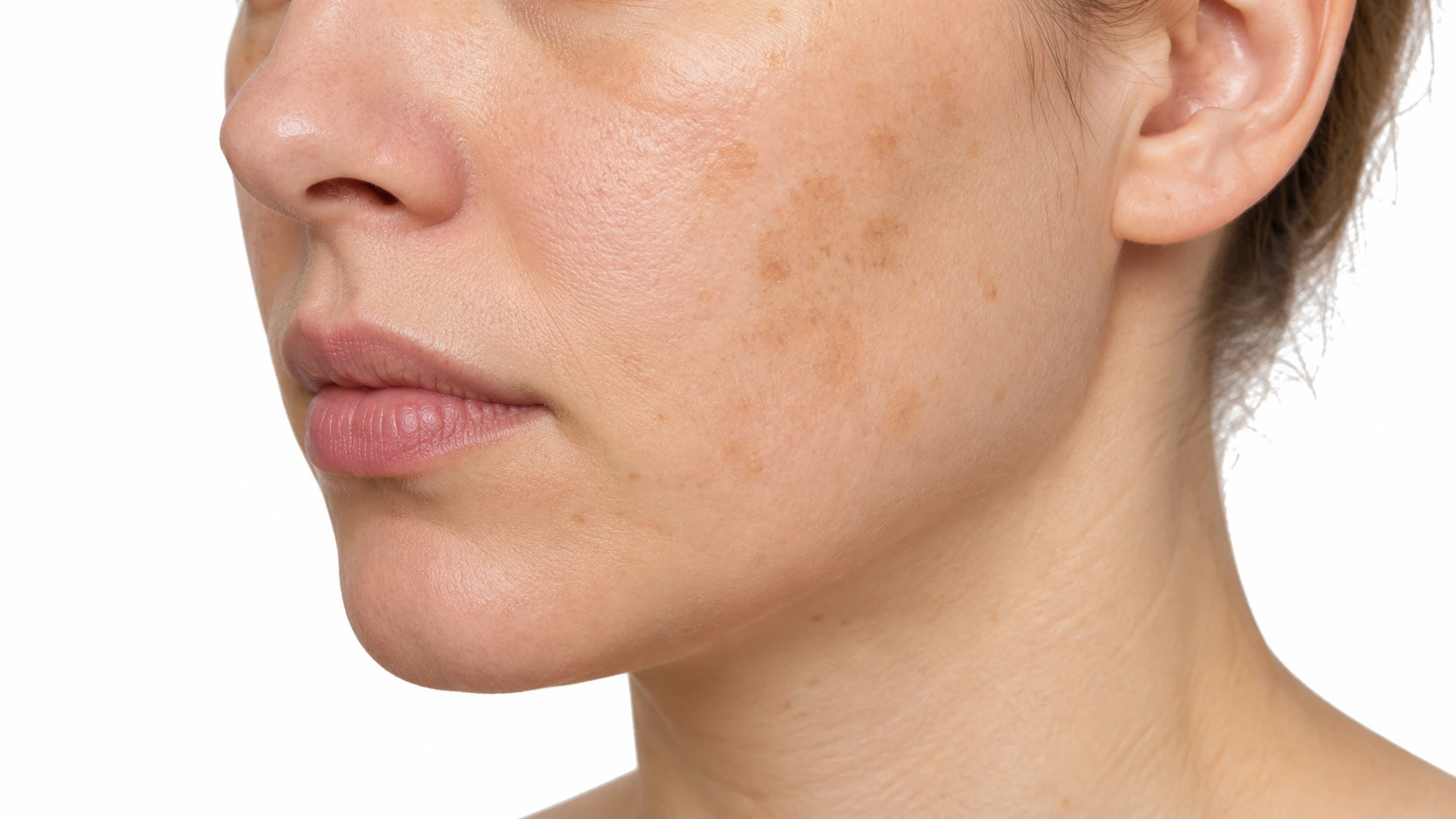
Flat light-brown residual marks on a fair cheek.

Post-Inflammatory Hyperpigmentation

May help acne-related pigment; the reviewed rosacea trials did not measure this benefit.
—
Insufficient evidence
Flat tan patches with soft irregular edges across the forehead and upper cheek of an adult with light skin, the surface completely smooth.

Melasma

The cited rosacea trials and acne guideline do not establish melasma clearance.
A relaxed forehead with pronounced deep horizontal furrows.

Deep Wrinkles

The reviewed sources do not establish this ingredient as a treatment for this concern.
Acne scarring on light skin. Small sharply cut pits and broad shallow dips across a cheek, several sitting inside faint flat pink marks, with no active spots.

Acne Scarring

The reviewed sources do not establish this ingredient as a treatment for this concern.
Redness and fine superficial vessels across a light-skinned cheek and nose.

Rosacea

The reviewed sources do not establish this ingredient as a treatment for this concern.
Inflamed acne on light skin. The spots sit in a patch of pink, and the ring of redness around each one is easy to see. A few have a yellow-white head, and the skin between them is dry and flaking.

Acne

The reviewed sources do not establish this ingredient as a treatment for this concern.
How it works

Azelaic Acid

Azelaic Acid mechanism diagram. Helps calm inflammation: Acts on pathways involved in acne and rosacea. Affects pigment production: Tyrosinase-related activity may help dark marks.
Open full-size diagram
Diagram explanation and sources

Helps calm inflammation: Acts on pathways involved in acne and rosacea. Affects pigment production: Tyrosinase-related activity may help dark marks.

Schematic illustration; not a measurement of skin penetration. Effects vary with ingredient identity and formulation.

Source 1 · Source 2

Zinc Oxide

Zinc Oxide mechanism diagram. Absorbs and scatters UV: Particles act in a film at the skin surface. The full sunscreen matters: Broad-spectrum protection depends on the formula.
Open full-size diagram
Diagram explanation and sources

Absorbs and scatters UV: Particles act in a film at the skin surface. The full sunscreen matters: Broad-spectrum protection depends on the formula.

Schematic illustration; not a measurement of skin penetration. Effects vary with ingredient identity and formulation.

Source 1 · Source 2 · Source 3 · Source 4

Using both in one routine

Built from where each one usually sits in a routine. Introduce one at a time.

Morning
Step 1
Cleanser
Step 2
Azelaic AcidMorning or night
Step 3
Moisturizer
Step 4
Zinc OxideMorning
Night
Step 1
Cleanser
Step 2
Azelaic AcidMorning or night
Step 3
Moisturizer

Strengths and forms

Concentrations

Azelaic acid strength should be read together with the product’s indication. Prescription examples include 15% gel for inflammatory rosacea and 20% cream for acne.

15%

20%

Prescription rosacea formulation

Gel formulations are labeled for inflammatory papules and pustules of rosacea. They are not simply a weaker version of a 20% acne cream.

Prescription acne cream

A cream strength used for acne. The cream base and indication differ from the 15% rosacea gel.

Choosing a strength: Choose by the concern and finished product. Cosmetic azelaic acid products are not automatically equivalent to prescription formulations.

Higher strengths: Stinging and irritation can limit use. A larger number does not prove better delivery or better results for a different diagnosis.

Formula matters: Gel, foam and cream vehicles affect delivery and tolerability. Do not compare their percentages as if they were identical formulations.

Zinc oxide sunscreen and thick barrier ointment have different jobs. U.S. sunscreen concentrations can be up to 25%; some skin-protectant ointments use more than 25% through 40%.

25%

25–40%

U.S. sunscreen ceiling

The permitted upper concentration is not an SPF rating. Choose a finished sunscreen by its tested protection.

Higher skin-protectant ointments

The monograph specifies more than 25% through 40% in ointments. These barrier products are not automatically sunscreens.

Choosing a strength: For sun protection, choose a tested broad-spectrum sunscreen with appropriate SPF. For a barrier ointment, choose its labeled protective purpose.

Higher strengths: More zinc oxide alone does not prove higher SPF, better UVA coverage or a better diaper-rash result.

Formula matters: Particle characteristics, dispersion and the full formula affect protection and feel. An unlabeled zinc paste should not be substituted for sunscreen.

Forms
Cream · Gel · Foam
Sunscreen · Tinted sunscreen · Barrier paste

When you’ll see results

Approximate windows, not promises.

● Azelaic Acid
● Zinc Oxide
First few weeks

First few weeksAssess tolerance and texture; immediate softness can come from the base formula.

First few weeksProtection starts with correct application; it does not require a weeks-long course.

4–8 weeks

4–8 weeksSubtle changes may appear in some tested products; evidence varies.

4–8 weeksConsistency matters; this is prevention, not a spot-clearing treatment.

8–12 weeks

8–12 weeksCompare photographs in the same lighting and reassess benefit.

8–12 weeksContinue correct application and reapplication.

3–6 months

3–6 monthsPhotoaging trials often need several months; expect modest rather than dramatic change.

3–6 monthsMonitor tolerance and sun exposure; a changing spot needs assessment.

6–12 months

6–12 monthsLong-term evidence is limited for many cosmetic actives; continue only if useful.

6–12 monthsPhotoaging prevention is a long-term benefit, not a promise of wrinkle reversal.

Safety and sensitive skin

Common reactions

Stinging, itching and dryness can occur; reduce use for persistent irritation.

May leave a white cast or feel heavy; other formula ingredients can irritate.

When to stop

Stop for persistent burning, swelling, blistering or a new rash. Seek urgent care for breathing difficulty or a severe allergic reaction.

Stop for persistent burning, swelling, blistering or a new rash. Seek urgent care for breathing difficulty or a severe allergic reaction.

Sensitive or inflamed skin

Choose a simple formula and test a small area first. Individual tolerance matters more than an ingredient’s reputation for being gentle.

Choose a simple formula and test a small area first. Individual tolerance matters more than an ingredient’s reputation for being gentle.

Important limits

Do not use a cosmetic product as a substitute for diagnosis of an unexplained, changing or persistent skin problem.

Do not use a cosmetic product as a substitute for diagnosis of an unexplained, changing or persistent skin problem.

Pregnancy

It is the usual first choice. Very little is absorbed through the skin, it has a long record, and it is what dermatologists switch people to when retinoids stop. Confirm with the doctor managing your pregnancy.

Mineral sunscreens are generally considered acceptable in pregnancy.

How it works

In the skin

On the skin. The finished product delivers azelaic acid in a particular vehicle.

Entering skin. Below the 500 Da guideline; delivery still depends on the formula, solubility, stability and skin condition. Size does not prove effectiveness or penetration depth.

Conversion. No activation step is established as necessary for its intended topical role.

Skin response. Acts on inflammation, acne-related bacteria and pigment pathways; it is not simply an exfoliating peel.

Additional effects. Proposed pathways do not establish a measured depth of delivery or clinical benefit beyond the studies cited.

On the skin. The finished product delivers zinc oxide in a particular vehicle.

Entering skin. Formula-unit mass is not particle size. These mineral particles act in the surface sunscreen film; the 500 Da guideline does not predict particle penetration.

Conversion. No activation step is established as necessary for its intended topical role.

Skin response. Particles absorb and scatter UV at or near the surface; barrier pastes also shield skin from moisture and friction.

Additional effects. Proposed pathways do not establish a measured depth of delivery or clinical benefit beyond the studies cited.

Getting in
Below the 500 Da guideline; delivery still depends on the formula, solubility, stability and skin condition. Size does not prove effectiveness or penetration depth.
Formula-unit mass is not particle size. These mineral particles act in the surface sunscreen film; the 500 Da guideline does not predict particle penetration.
Molecule size
Azelaic Acid · 188 Da
Zinc Oxide · 81 Da
Smaller than 500 Da passes the outer skin more easily. Size isn’t an effectiveness score.
500 Da guideline

Product examples

Azelaic Acid
  • Anua Azelaic Acid 3 Cica Skin Clarifying Toner
Zinc Oxide
  • ROUND LAB Birch Juice Sun Cushion — A zinc oxide sunscreen in a cushion compact, made for reapplying over makeup. Unlike much of the K-beauty sun market, this one is sold here by the brand itself.
  • Vanicream Facial Moisturizer SPF 30 — Fragrance-free mineral sunscreen — 19.5% zinc oxide, five ceramides. Cheap, boring, built for reactive skin.
  • EltaMD UV Clear Tinted — The same formula as EltaMD UV Clear, with iron oxides added for a sheer tint. The tint cancels the white cast — up to a point.

Common questions

Azelaic Acid:What should I choose azelaic acid for?

Choose for acne or rosacea bumps, especially when uneven tone is also a concern.

Azelaic Acid:How strong is the evidence?

Two large vehicle-controlled trials support 15% gel for papulopustular rosacea. Acne has guideline support, but a 10% cosmetic serum should not be assumed equivalent to a studied prescription formula.

Zinc Oxide:What should I choose zinc oxide for?

Choose a broad-spectrum sunscreen you will use consistently, or a labelled barrier paste for wetness.

Zinc Oxide:How strong is the evidence?

Sun protection is established for tested sunscreen products, not loose zinc powder. Formula-unit mass is not particle size. A sunscreen ageing trial cannot isolate zinc oxide or prove reversal of existing wrinkles.

Sources
Sources and further reading

  1. Efficacy and safety of azelaic acid (15%) gel as a new treatment for papulopustular rosacea: results from two vehicle-controlled, randomized phase III studies. (2003)
  2. AAD acne guideline (2024)
  3. Sunscreen and prevention of skin aging: a randomized trial. (2013)
  4. Support for the Safe Use of Zinc Oxide Nanoparticle Sunscreens: Lack of Skin Penetration or Cellular Toxicity after Repeated Application in Volunteers. (2019)
  5. Near-visible light and UV photoprotection in the treatment of melasma: a double-blind randomized trial. (2014)
  6. FDA skin-protectant monograph
  7. FDA sunscreen application guidance
  8. FINACEA 15% prescribing information
  9. AZELEX 20% acne cream label
  10. FDA sunscreen monograph M020: permitted concentrations
  11. FDA sunscreen regulatory updates, including 2026 orders
Dermapedia on YouTube