Rosacea
Two large trials support 15% gel for inflammatory bumps, with some erythema improvement.
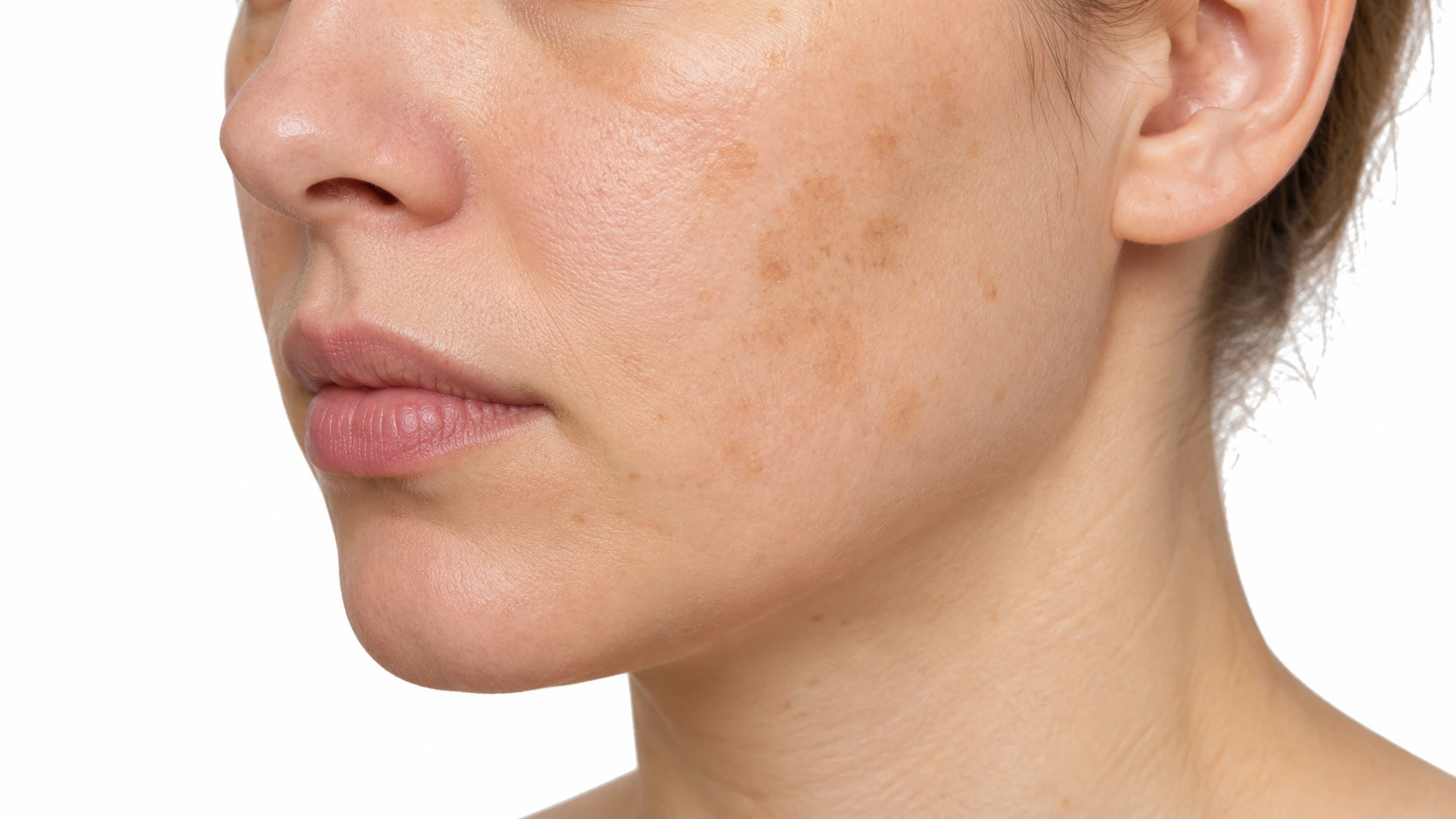
Azelaic Acid: Treats acne and rosacea bumps; may also help uneven pigmentation. Tranexamic Acid: Topical formulas are studied for melasma, with mixed results.
Choose for acne or rosacea bumps, especially when uneven tone is also a concern.
Consider a topical pigment option; the evidence is mixed and formula-specific.
Can you use both?
A gentle melasma pairing. They work in different ways and can be layered.
Compare uses by strength of evidence. Evidence level describes confidence in a benefit, not its size.

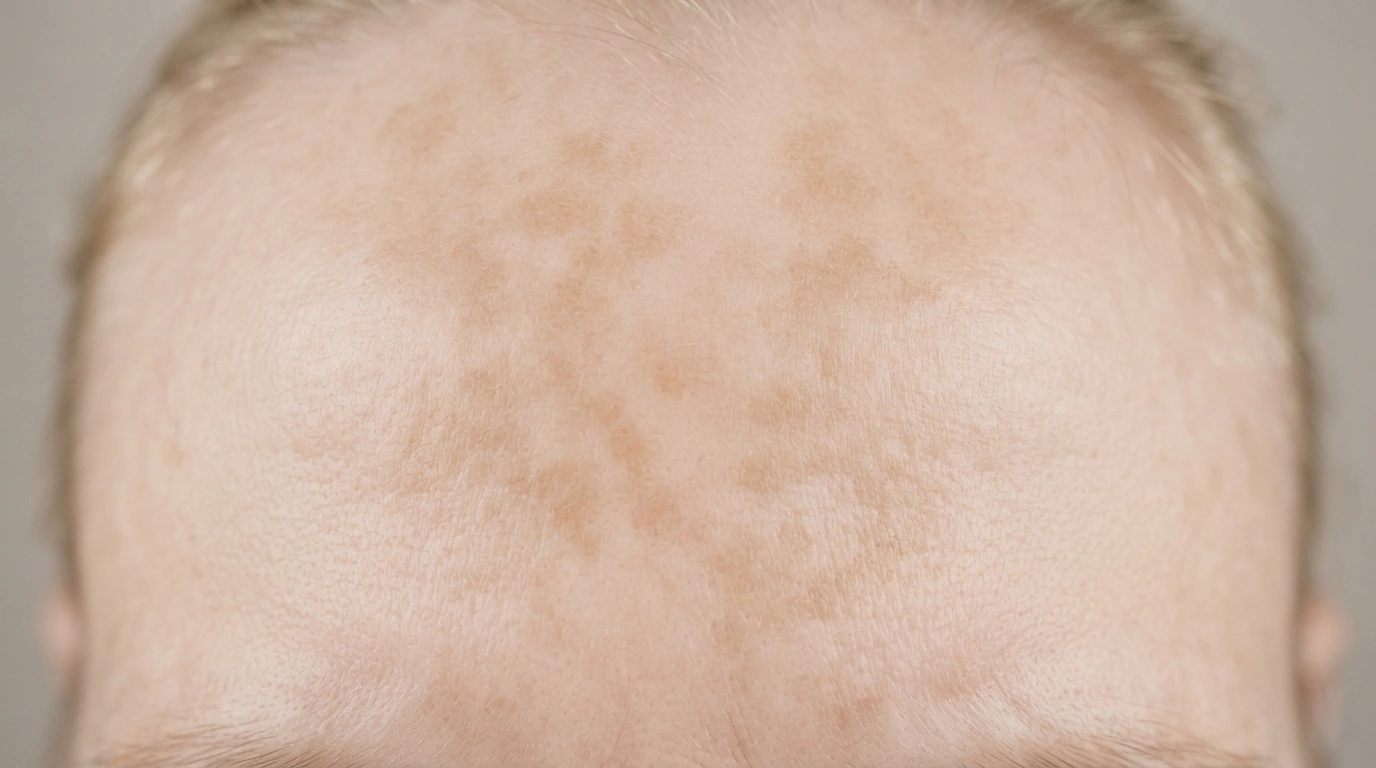
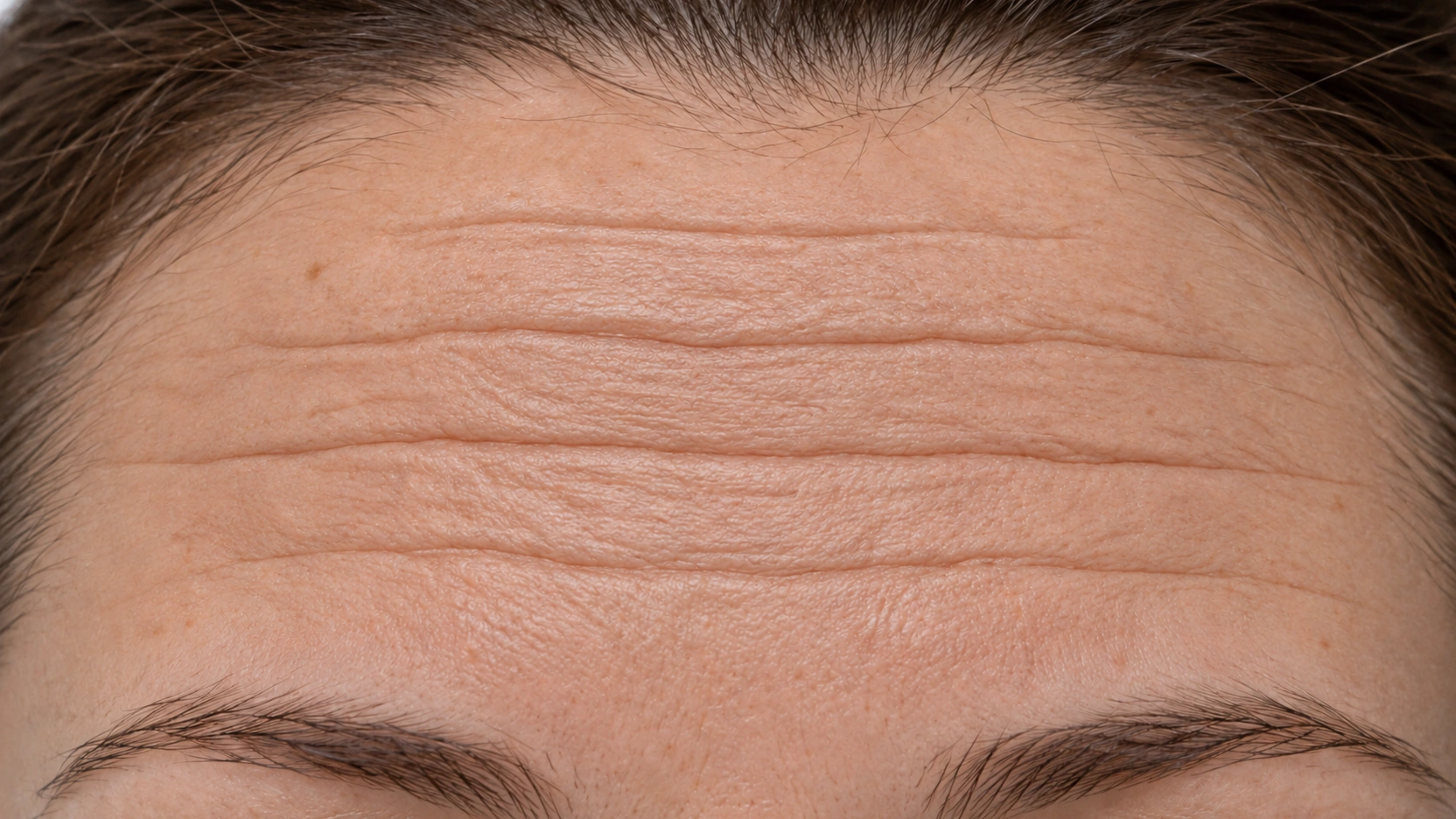
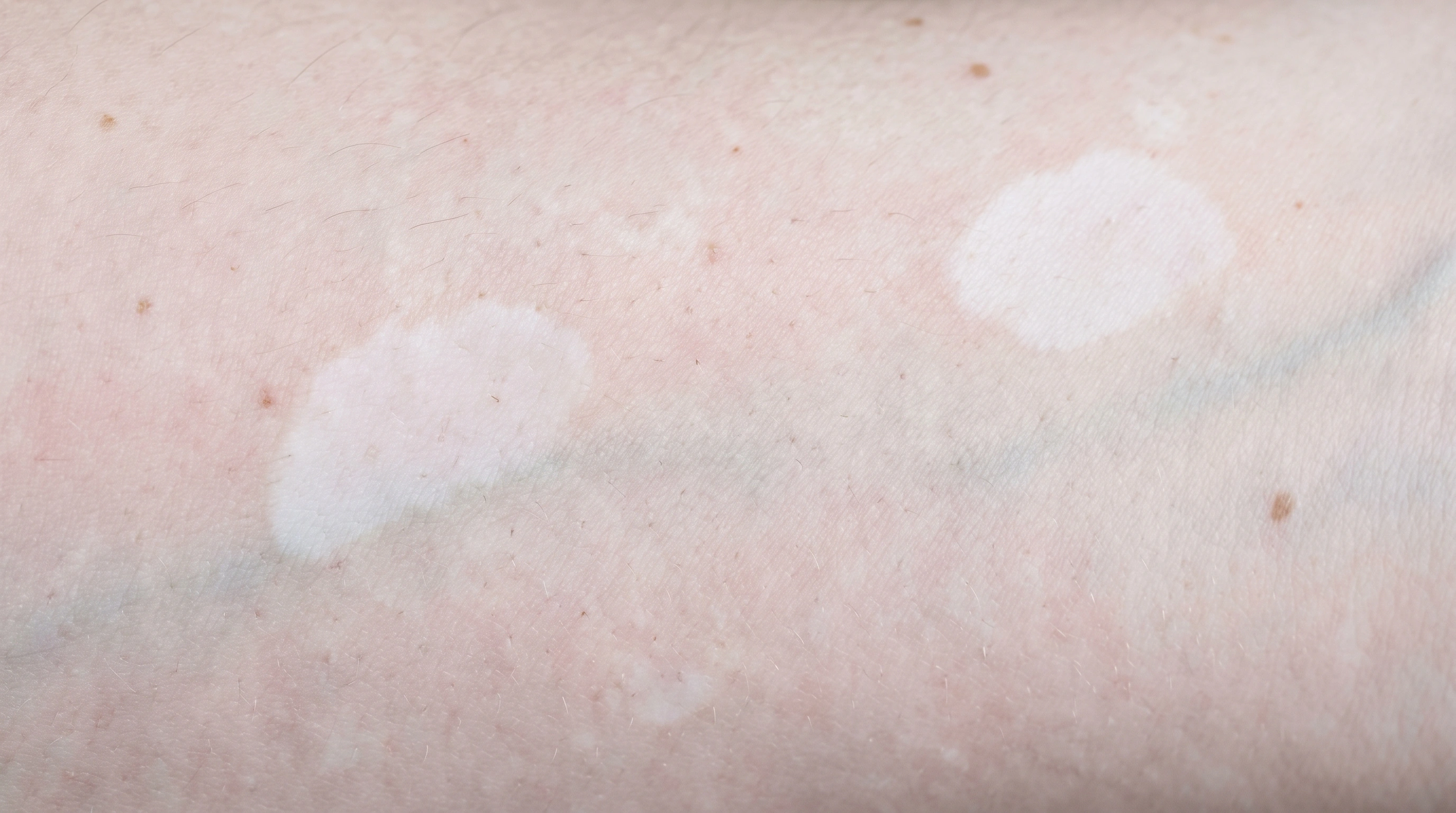
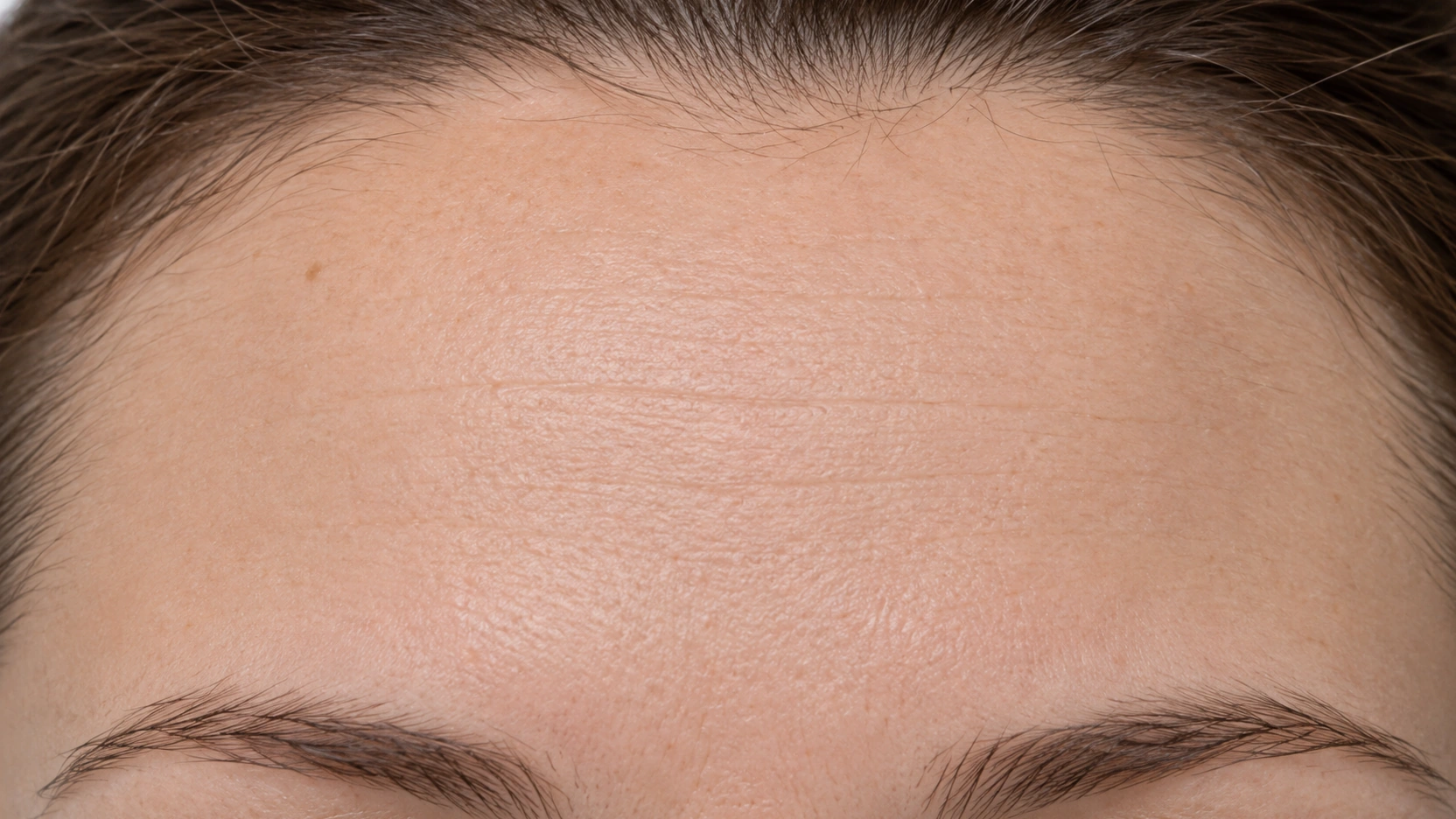

Helps calm inflammation: Acts on pathways involved in acne and rosacea. Affects pigment production: Tyrosinase-related activity may help dark marks.
Schematic illustration; not a measurement of skin penetration. Effects vary with ingredient identity and formulation.

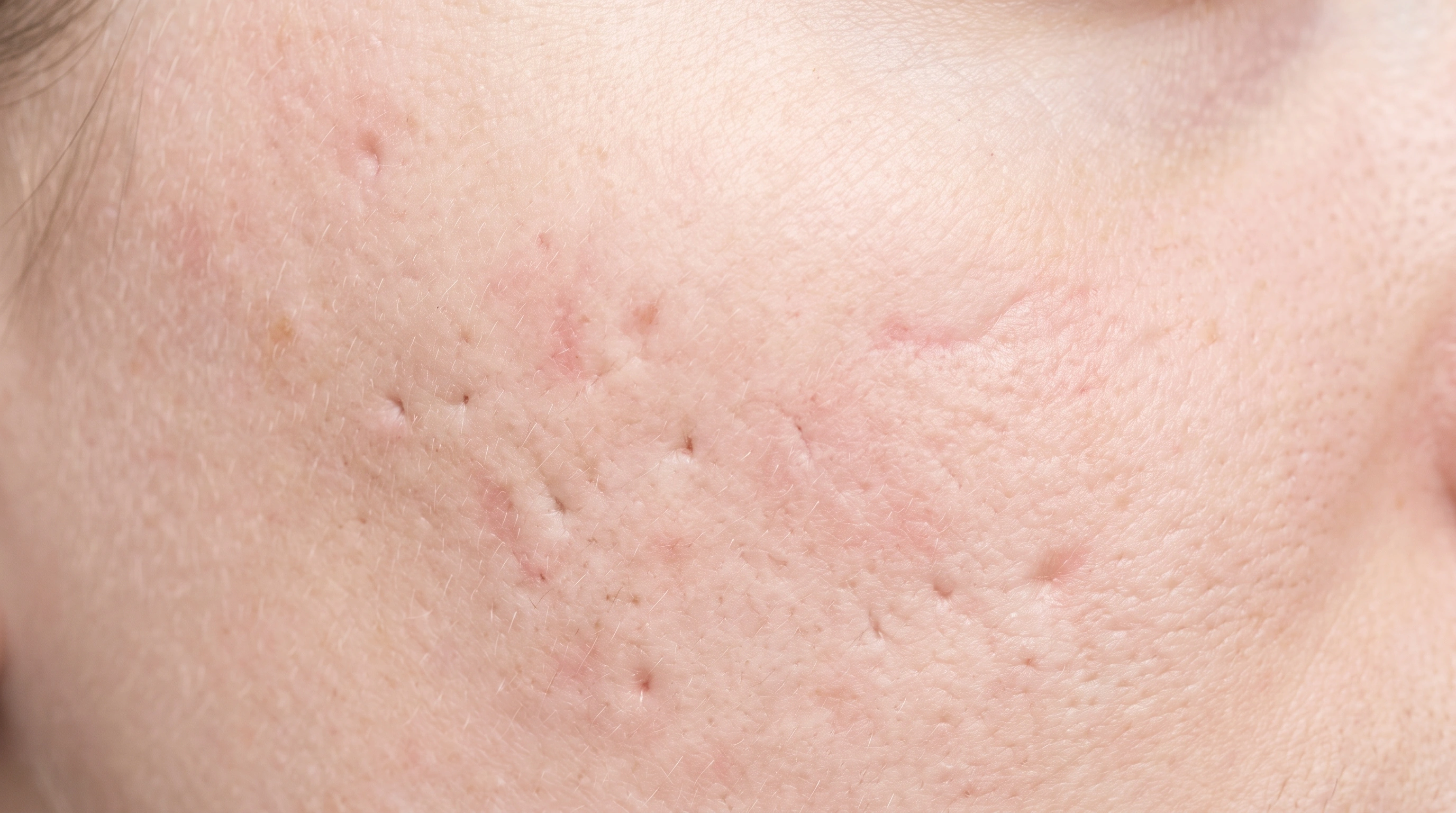
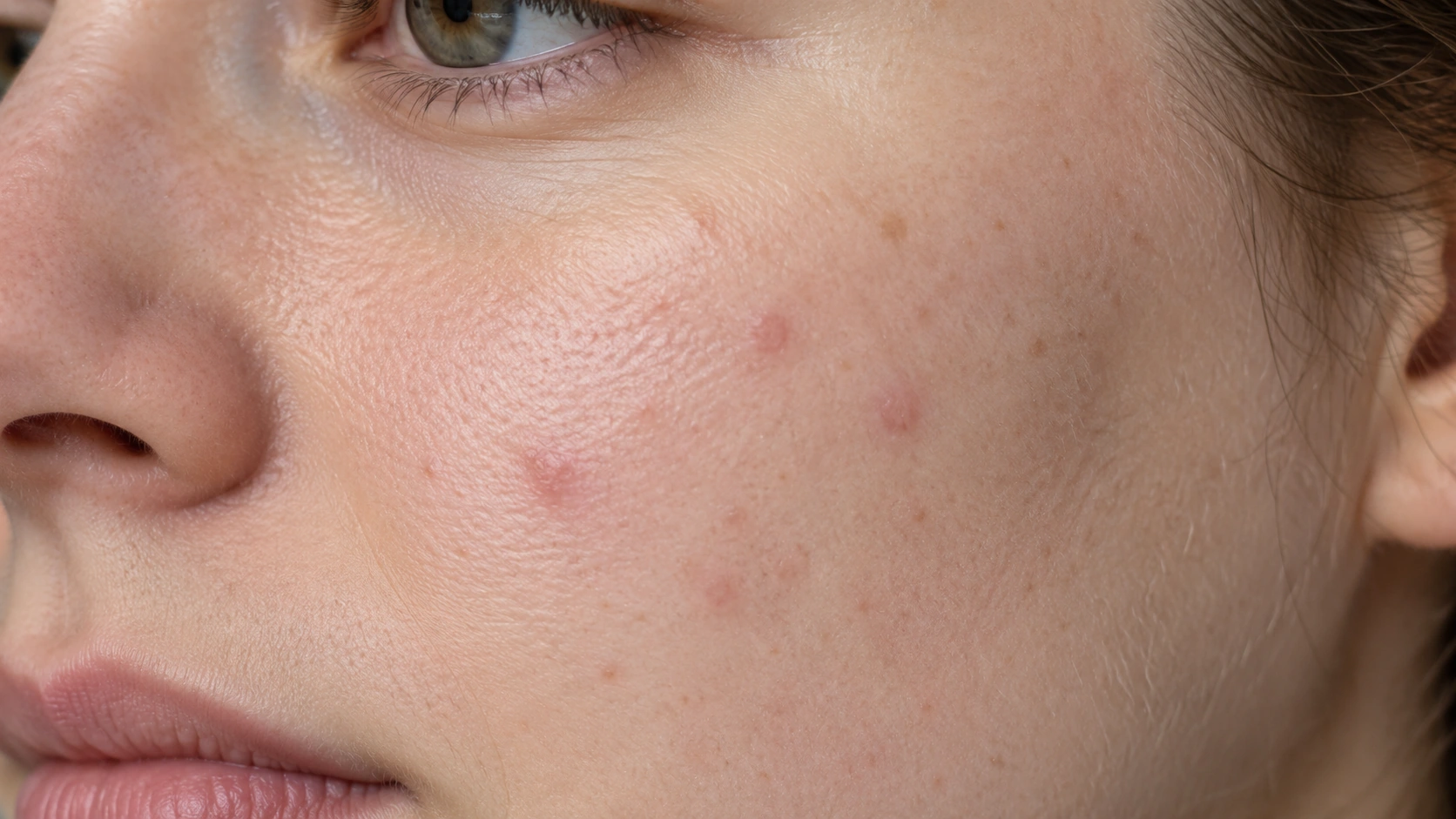
Affects plasmin-related signaling: May reduce signals that stimulate pigment production. May help uneven pigmentation: Delivery and the formula influence topical results.
Schematic illustration; not a measurement of skin penetration. Effects vary with ingredient identity and formulation.
Built from where each one usually sits in a routine. Introduce one at a time.
Azelaic acid strength should be read together with the product’s indication. Prescription examples include 15% gel for inflammatory rosacea and 20% cream for acne.
15%
20%
Prescription rosacea formulation
Gel formulations are labeled for inflammatory papules and pustules of rosacea. They are not simply a weaker version of a 20% acne cream.
Prescription acne cream
A cream strength used for acne. The cream base and indication differ from the 15% rosacea gel.
Choosing a strength: Choose by the concern and finished product. Cosmetic azelaic acid products are not automatically equivalent to prescription formulations.
Higher strengths: Stinging and irritation can limit use. A larger number does not prove better delivery or better results for a different diagnosis.
Formula matters: Gel, foam and cream vehicles affect delivery and tolerability. Do not compare their percentages as if they were identical formulations.
Topical tranexamic acid studies have used different delivery systems, including 1.8% liposomal lotion and 5% creams or solutions. Oral treatment and procedure-assisted delivery are separate medical decisions.
1.8%
5%
Studied liposomal lotion
One melasma trial tested this delivery system. Its percentage cannot be directly compared with an ordinary serum.
Studied topical formulas
Several melasma studies used topical formulas at this strength. Evidence does not establish one best concentration for all pigment concerns.
Choosing a strength: Look for evidence on the finished topical product. Do not use injectable or oral products as DIY skincare.
Higher strengths: A stronger topical percentage has not been shown to guarantee better results. Oral use requires separate evaluation of risks, including clotting risk.
Formula matters: Liposomal delivery, other brightening ingredients and procedures can change the treatment. A microneedling study is not evidence for the same result from a home serum.
Approximate windows, not promises.
First few weeksAssess tolerance and texture; immediate softness can come from the base formula.
First few weeksAssess tolerance first; pigment change is usually slower.
4–8 weeksSubtle changes may appear in some tested products; evidence varies.
4–8 weeksSome studied regimens begin showing pigment improvement.
8–12 weeksCompare photographs in the same lighting and reassess benefit.
8–12 weeksA useful review point for benefit and irritation.
3–6 monthsPhotoaging trials often need several months; expect modest rather than dramatic change.
3–6 monthsMany melasma trials assess results over three to four months; recurrence is common.
6–12 monthsLong-term evidence is limited for many cosmetic actives; continue only if useful.
6–12 monthsLong-term use depends on the active; follow a monitored plan rather than extending treatment automatically.
Stinging, itching and dryness can occur; reduce use for persistent irritation.
Can sting or cause redness; do not substitute tablets or injections for a cosmetic product.
Stop for persistent burning, swelling, blistering or a new rash. Seek urgent care for breathing difficulty or a severe allergic reaction.
Stop for persistent burning, swelling, blistering or a new rash. Seek urgent care for breathing difficulty or a severe allergic reaction.
Choose a simple formula and test a small area first. Individual tolerance matters more than an ingredient’s reputation for being gentle.
Choose a simple formula and test a small area first. Avoid actively inflamed or broken skin unless the product is specifically directed for it.
Do not use a cosmetic product as a substitute for diagnosis of an unexplained, changing or persistent skin problem.
Do not use a cosmetic product as a substitute for diagnosis of an unexplained, changing or persistent skin problem.
It is the usual first choice. Very little is absorbed through the skin, it has a long record, and it is what dermatologists switch people to when retinoids stop. Confirm with the doctor managing your pregnancy.
Melasma is common in pregnancy, so this comes up constantly. Oral tranexamic acid is not a casual pregnancy decision, and the topical version has little pregnancy-specific data. Ask the doctor managing your pregnancy, since they know your full picture.
On the skin. The finished product delivers azelaic acid in a particular vehicle.
Entering skin. Below the 500 Da guideline; delivery still depends on the formula, solubility, stability and skin condition. Size does not prove effectiveness or penetration depth.
Conversion. No activation step is established as necessary for its intended topical role.
Skin response. Acts on inflammation, acne-related bacteria and pigment pathways; it is not simply an exfoliating peel.
Additional effects. Proposed pathways do not establish a measured depth of delivery or clinical benefit beyond the studies cited.
On the skin. The finished product delivers tranexamic acid in a particular vehicle.
Entering skin. Below the 500 Da guideline; delivery still depends on the formula, solubility, stability and skin condition. Size does not prove effectiveness or penetration depth.
Conversion. No activation step is established as necessary for its intended topical role.
Skin response. May affect plasmin-related signalling involved in pigmentation; a small molecular size does not guarantee delivery.
Additional effects. Proposed pathways do not establish a measured depth of delivery or clinical benefit beyond the studies cited.
Choose for acne or rosacea bumps, especially when uneven tone is also a concern.
Two large vehicle-controlled trials support 15% gel for papulopustular rosacea. Acne has guideline support, but a 10% cosmetic serum should not be assumed equivalent to a studied prescription formula.
Consider a topical pigment option; the evidence is mixed and formula-specific.
A small vehicle-controlled 5% trial did not show superiority over vehicle. A larger active-comparator study found improvement in both groups but did not prove equivalence to hydroquinone.
Sources